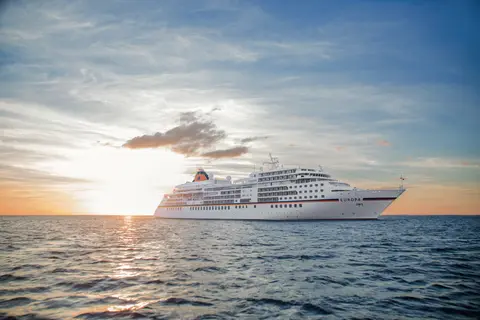
Hapag-Lloyd CruisesEUR2625
The soul of Spain and the heart of Portugal
Date
2026-11-05
Duration
10 nights
Departure Port
Palma de Mallorca
Spain
Arrival Port
Malaga
Spain
Rating
Luxury
Theme
—

Hapag-Lloyd Cruises
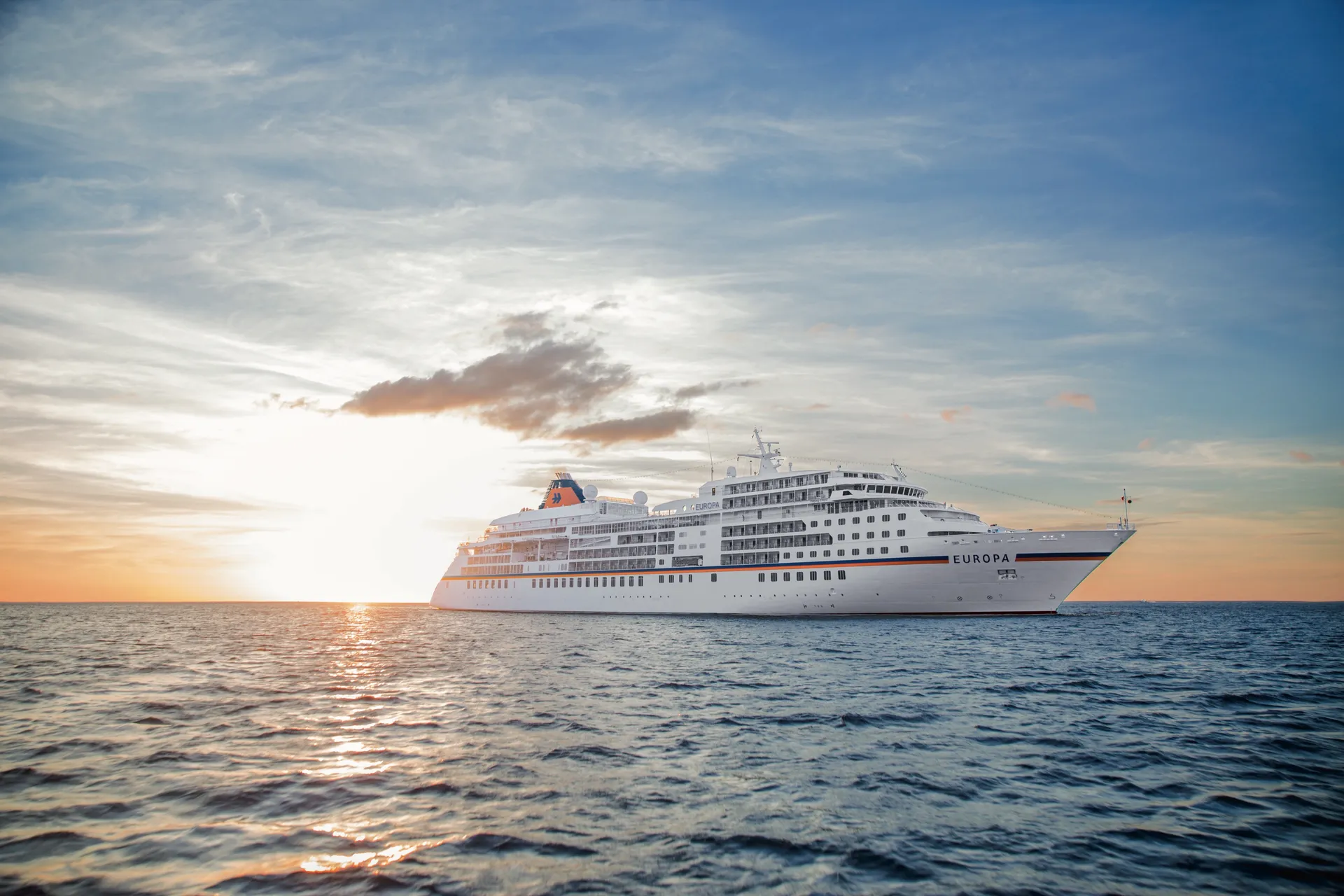
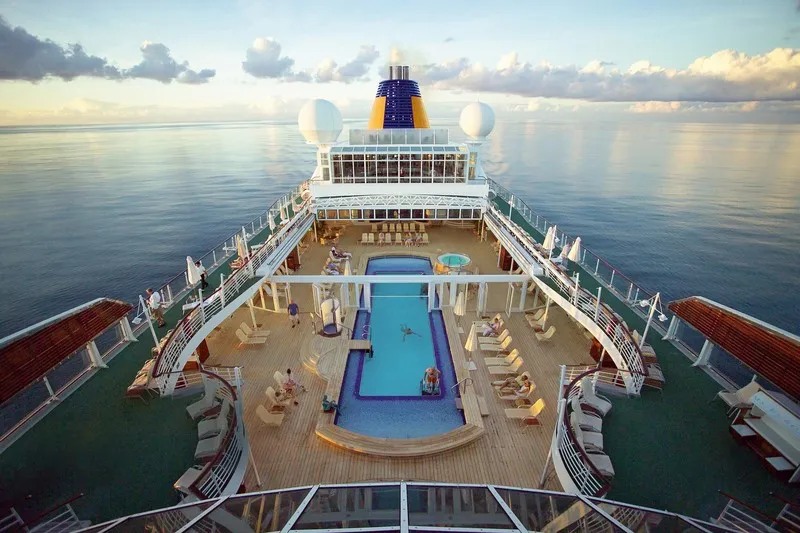
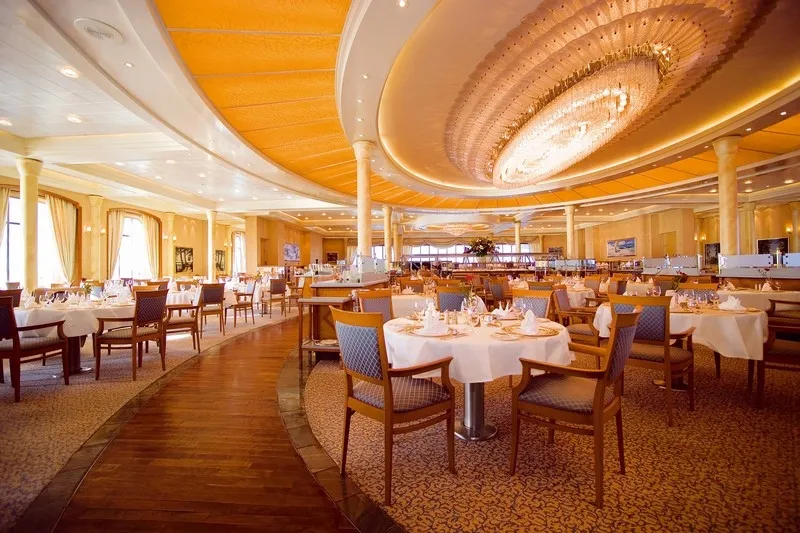
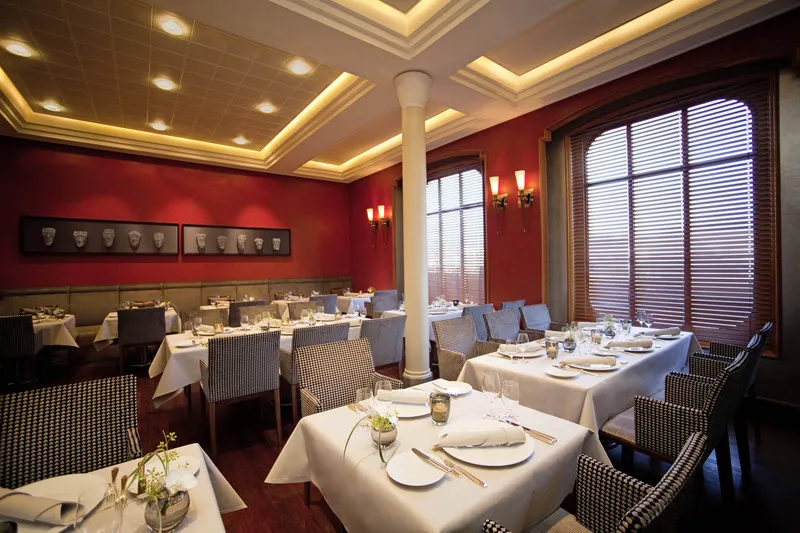
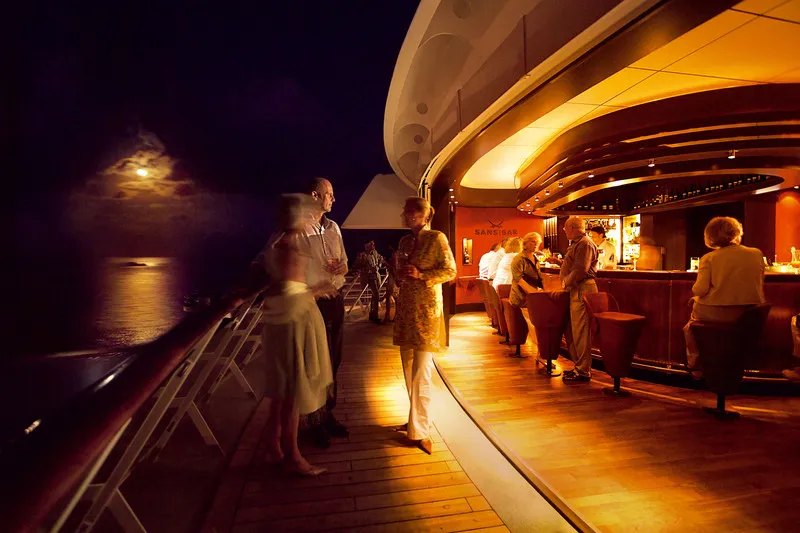
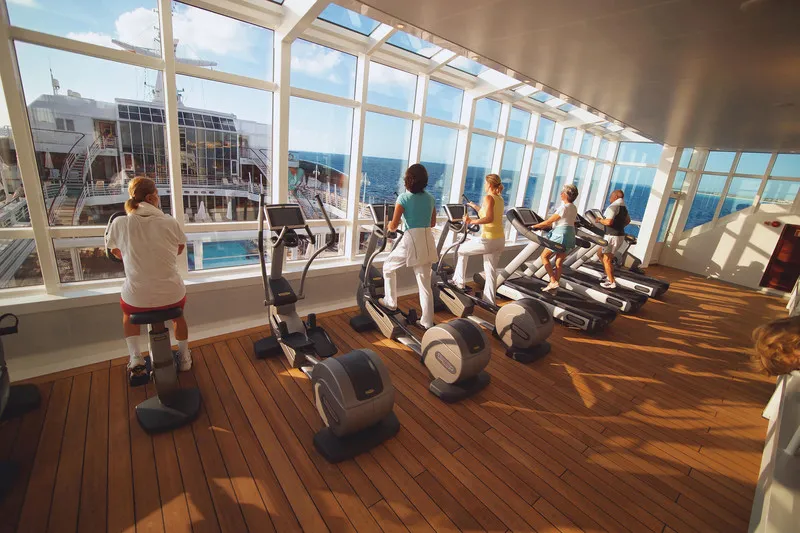
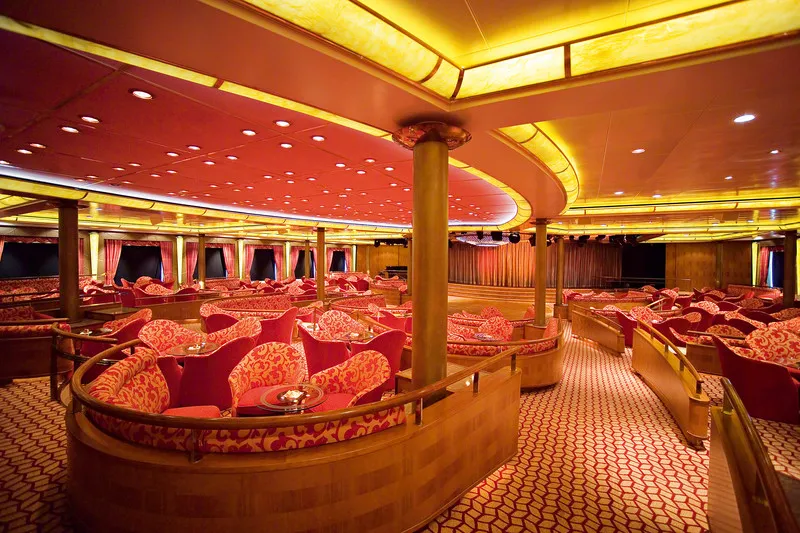
MS EUROPA
Launched
1999
Refitted
2013
Tonnage
28,437 GT
Passengers
400
Cabins
204
Crew
285
Length
651 m
Width
24 m
Speed
21 knots
Adults Only
No
Itinerary
Day 1
Day 1
Palma de Mallorca
Depart 20:00
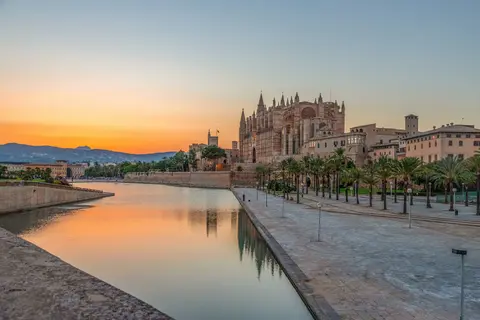
Palma de Mallorca announces itself with one of the most spectacular Gothic cathedrals in the world — La Seu, its honey-coloured sandstone buttresses rising directly from the bay, its interior modified by Antoni Gaudí and illuminated by the world's largest Gothic rose window. The old town behind it is a quarter of Arab baths, Renaissance palaces converted into boutique hotels, and the Passeig del Born — a plane-tree-shaded promenade where Balearic life conducts itself with unhurried grace. The local ensaïmada pastry and fresh sobrasada sausage from the island's black pigs are essential breakfast rituals. Visit May, June, or September: warm, brilliant, and measurably calmer than the July–August peak.
Day 2
Day 2
Barcelona
Arrive 13:00
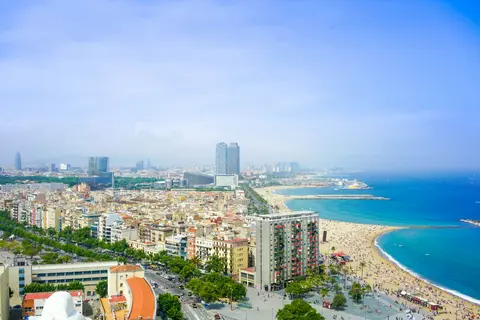
Barcelona is the city where Roman history, Gothic grandeur, and Gaudí's delirious Modernisme collide in a Mediterranean coastal capital of astonishing energy and beauty. The Sagrada Família — still under construction after 140 years — continues its audacious ascent toward completion, while the Gothic Quarter's Roman-era foundations and the Passeig de Gràcia's extraordinary concentration of Modernisme masterpieces reward days of exploration. For a complete sensory experience, lose an afternoon in the covered labyrinth of La Boqueria market before descending to the waterfront for Catalan seafood at its finest. May through June and September through October offer the most pleasant weather; the city connects directly to Paris by overnight train.
Day 4
Day 4
Valencia
Arrive 08:00Depart 18:00
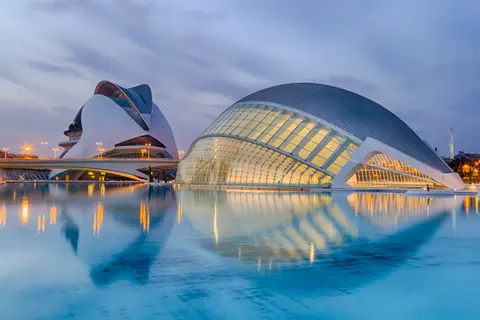
Valencia, Spain's luminous third city, dazzles with a creative energy anchored by two thousand years of layered civilization — Roman foundations, Moorish irrigation gardens, a Gothic cathedral housing what many believe to be the Holy Grail, and Santiago Calatrava's futuristic City of Arts and Sciences gleaming beside a park-filled riverbed. The city invented paella over an open fire of orange-wood in the surrounding huerta, and the Las Fallas festival each March — when neighborhoods compete to erect and then ceremonially burn towering satirical sculptures — is one of Europe's most spectacular celebrations. Valencia's Mediterranean climate makes it exceptional year-round.
Day 5
Day 5
At Sea
Day 6
Day 6
Gibraltar
Arrive 07:00Depart 15:00
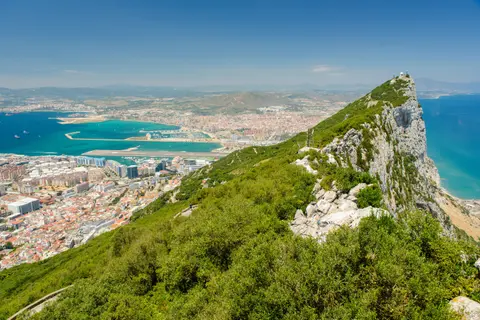
Gibraltar is a British Overseas Territory perched at the southern tip of the Iberian Peninsula, where the Mediterranean meets the Atlantic beneath an iconic limestone monolith steeped in over a millennium of contested history. No visit is complete without ascending the Rock to encounter the Barbary macaques and the panoramic views stretching to North Africa, followed by a plate of calentita — the territory's beloved Genoese-heritage chickpea bake — at a Main Street bakery. The mild Mediterranean climate makes Gibraltar a rewarding port call year-round, though spring and early autumn offer the clearest skies for spotting whales and dolphins in the Strait.
Day 7
Day 7
Lisbon
Arrive 16:00
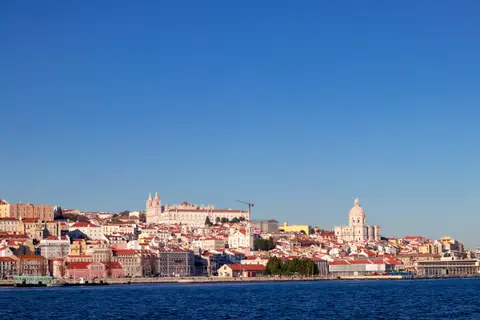
Lisbon, Portugal's enchanting capital, stands out for its rich history, stunning architecture, and vibrant culture. Must-try experiences include savoring local dishes like bacalhau à brás and pastéis de nata at Mercado da Ribeira. The best time to visit is during the spring or fall, when the weather is mild and the city is alive with festivals and events.
Day 9
Day 9
Portimao
Arrive 08:00Depart 17:00
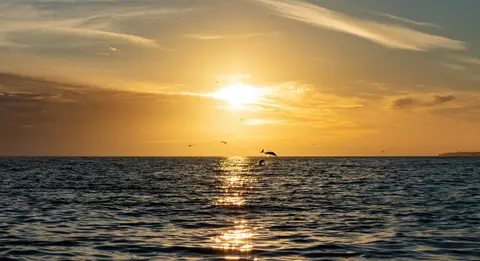
Portimão is the Algarve's most storied port city, where Phoenician trading heritage meets golden-cliff beaches and Portugal's finest grilled sardine tradition along the Arade River. Visitors should not miss the charcoal-grilled sardines at the riverside churrasqueiras and the dramatic sandstone formations of Praia da Rocha. The port is at its luminous best from May through October, when long Atlantic days bathe the coastline in honeyed light and the August Sardine Festival electrifies the waterfront.
Day 10
Day 10
Cadiz
Arrive 07:00Depart 17:00
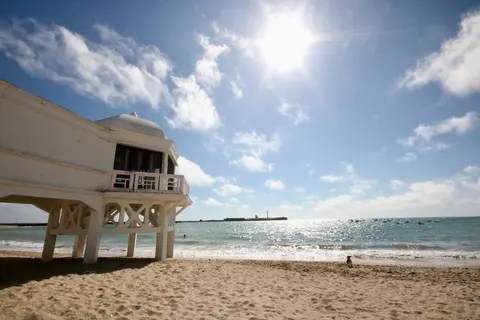
Cádiz, founded by Phoenician traders around 1100 BC and a strong contender for the oldest continuously inhabited city in Western Europe, juts into the Atlantic on a narrow peninsula where honey-colored ramparts frame improbable views of open ocean and the sun sets directly into the sea. The old quarter is an intoxicating labyrinth of baroque churches, hidden plazas, and carnival spirit — Cádiz's annual February carnival is the wildest and most satirically sharp in Spain — while the tapas culture here, centered on fresh Atlantic seafood cooked with Andalusian simplicity, represents Spanish cuisine at its most elemental and joyful. Visit February for carnival or spring for gentle Atlantic breezes. Seville is ninety minutes inland by bus or rail.
Day 11
Day 11
Malaga
Arrive 06:00
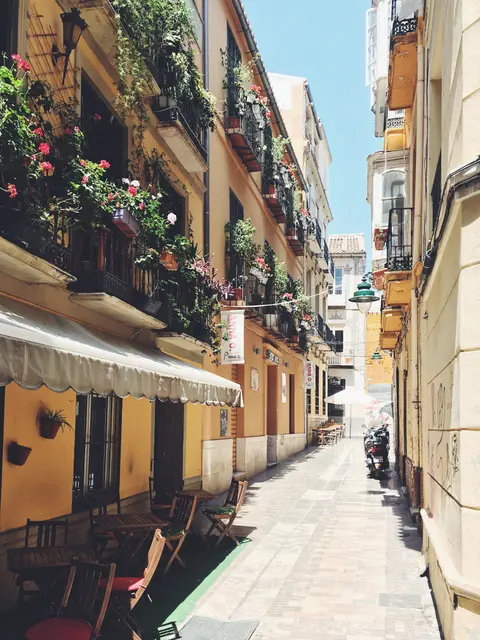
Málaga distils three thousand years of Mediterranean civilisation into one of Andalusia's most compelling port cities, where the Moorish Alcazaba fortress surveys a modern waterfront of elegant promenades and sun-drenched café terraces. Do not leave without visiting the Museo Picasso — the artist was born here in 1881 — and ascending to the ruined Castillo de Gibralfaro for panoramic views stretching to the Rif Mountains of Morocco on clear days. Malagueta anchovies fried in olive oil and the sweet Pedro Ximénez-laced dessert wine are the city's defining pleasures. The shoulder seasons of April, May, and October offer perfect Mediterranean warmth.
Day 1
Palma de Mallorca
Depart 20:00
Palma de Mallorca announces itself with one of the most spectacular Gothic cathedrals in the world — La Seu, its honey-coloured sandstone buttresses rising directly from the bay, its interior modified by Antoni Gaudí and illuminated by the world's largest Gothic rose window. The old town behind it is a quarter of Arab baths, Renaissance palaces converted into boutique hotels, and the Passeig del Born — a plane-tree-shaded promenade where Balearic life conducts itself with unhurried grace. The local ensaïmada pastry and fresh sobrasada sausage from the island's black pigs are essential breakfast rituals. Visit May, June, or September: warm, brilliant, and measurably calmer than the July–August peak.
Day 2
Barcelona
Arrive 13:00
Barcelona is the city where Roman history, Gothic grandeur, and Gaudí's delirious Modernisme collide in a Mediterranean coastal capital of astonishing energy and beauty. The Sagrada Família — still under construction after 140 years — continues its audacious ascent toward completion, while the Gothic Quarter's Roman-era foundations and the Passeig de Gràcia's extraordinary concentration of Modernisme masterpieces reward days of exploration. For a complete sensory experience, lose an afternoon in the covered labyrinth of La Boqueria market before descending to the waterfront for Catalan seafood at its finest. May through June and September through October offer the most pleasant weather; the city connects directly to Paris by overnight train.
Day 4
Valencia
Arrive 08:00Depart 18:00
Valencia, Spain's luminous third city, dazzles with a creative energy anchored by two thousand years of layered civilization — Roman foundations, Moorish irrigation gardens, a Gothic cathedral housing what many believe to be the Holy Grail, and Santiago Calatrava's futuristic City of Arts and Sciences gleaming beside a park-filled riverbed. The city invented paella over an open fire of orange-wood in the surrounding huerta, and the Las Fallas festival each March — when neighborhoods compete to erect and then ceremonially burn towering satirical sculptures — is one of Europe's most spectacular celebrations. Valencia's Mediterranean climate makes it exceptional year-round.
Day 5
At Sea
Day 6
Gibraltar
Arrive 07:00Depart 15:00
Gibraltar is a British Overseas Territory perched at the southern tip of the Iberian Peninsula, where the Mediterranean meets the Atlantic beneath an iconic limestone monolith steeped in over a millennium of contested history. No visit is complete without ascending the Rock to encounter the Barbary macaques and the panoramic views stretching to North Africa, followed by a plate of calentita — the territory's beloved Genoese-heritage chickpea bake — at a Main Street bakery. The mild Mediterranean climate makes Gibraltar a rewarding port call year-round, though spring and early autumn offer the clearest skies for spotting whales and dolphins in the Strait.
Day 7
Lisbon
Arrive 16:00
Lisbon, Portugal's enchanting capital, stands out for its rich history, stunning architecture, and vibrant culture. Must-try experiences include savoring local dishes like bacalhau à brás and pastéis de nata at Mercado da Ribeira. The best time to visit is during the spring or fall, when the weather is mild and the city is alive with festivals and events.
Day 9
Portimao
Arrive 08:00Depart 17:00
Portimão is the Algarve's most storied port city, where Phoenician trading heritage meets golden-cliff beaches and Portugal's finest grilled sardine tradition along the Arade River. Visitors should not miss the charcoal-grilled sardines at the riverside churrasqueiras and the dramatic sandstone formations of Praia da Rocha. The port is at its luminous best from May through October, when long Atlantic days bathe the coastline in honeyed light and the August Sardine Festival electrifies the waterfront.
Day 10
Cadiz
Arrive 07:00Depart 17:00
Cádiz, founded by Phoenician traders around 1100 BC and a strong contender for the oldest continuously inhabited city in Western Europe, juts into the Atlantic on a narrow peninsula where honey-colored ramparts frame improbable views of open ocean and the sun sets directly into the sea. The old quarter is an intoxicating labyrinth of baroque churches, hidden plazas, and carnival spirit — Cádiz's annual February carnival is the wildest and most satirically sharp in Spain — while the tapas culture here, centered on fresh Atlantic seafood cooked with Andalusian simplicity, represents Spanish cuisine at its most elemental and joyful. Visit February for carnival or spring for gentle Atlantic breezes. Seville is ninety minutes inland by bus or rail.
Day 11
Malaga
Arrive 06:00
Málaga distils three thousand years of Mediterranean civilisation into one of Andalusia's most compelling port cities, where the Moorish Alcazaba fortress surveys a modern waterfront of elegant promenades and sun-drenched café terraces. Do not leave without visiting the Museo Picasso — the artist was born here in 1881 — and ascending to the ruined Castillo de Gibralfaro for panoramic views stretching to the Rif Mountains of Morocco on clear days. Malagueta anchovies fried in olive oil and the sweet Pedro Ximénez-laced dessert wine are the city's defining pleasures. The shoulder seasons of April, May, and October offer perfect Mediterranean warmth.
Cabin Categories
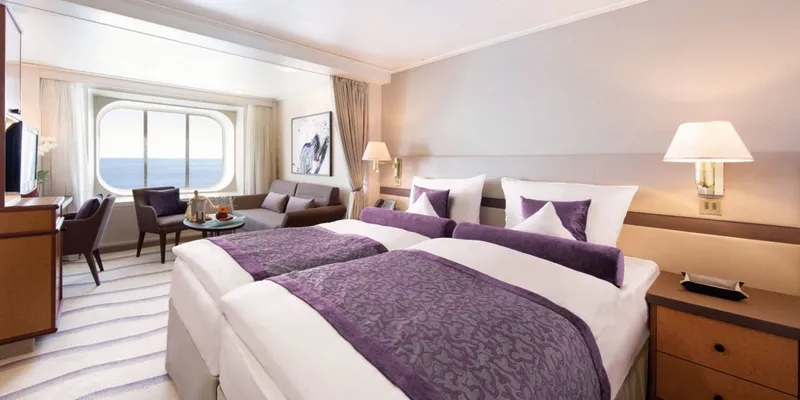
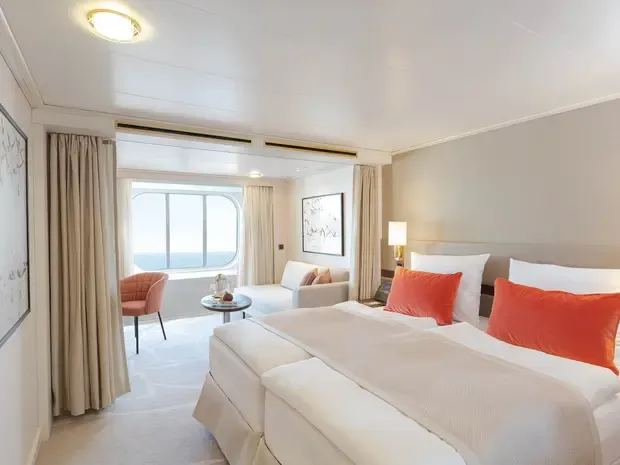
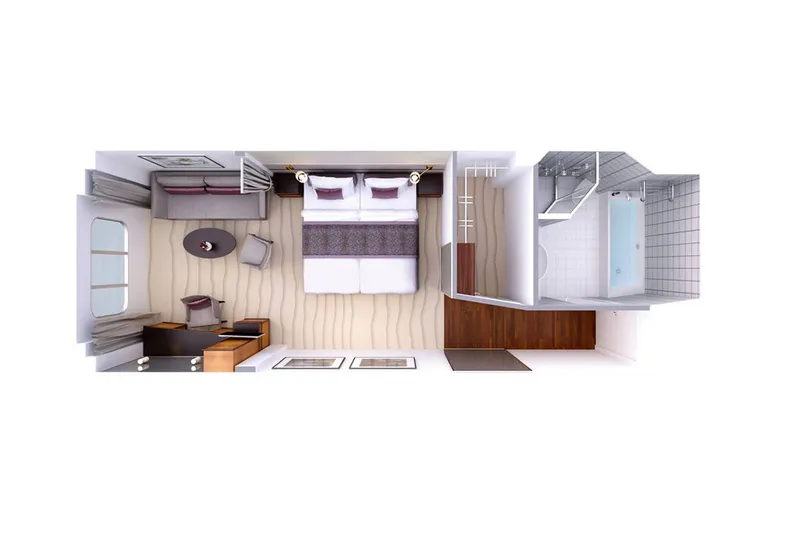
Guarantee Suite
Suite
291 m²Max 2
S01S02S03S04S05S06S07S08S10SSUSSVSV4SV6SVE
Guarantee Veranda Suite
BathDouble or Twin ConfigurationShowerRoom Service AvailableFree Mini BarTV+5
US$3,239 /person+ US$0 taxes & fees
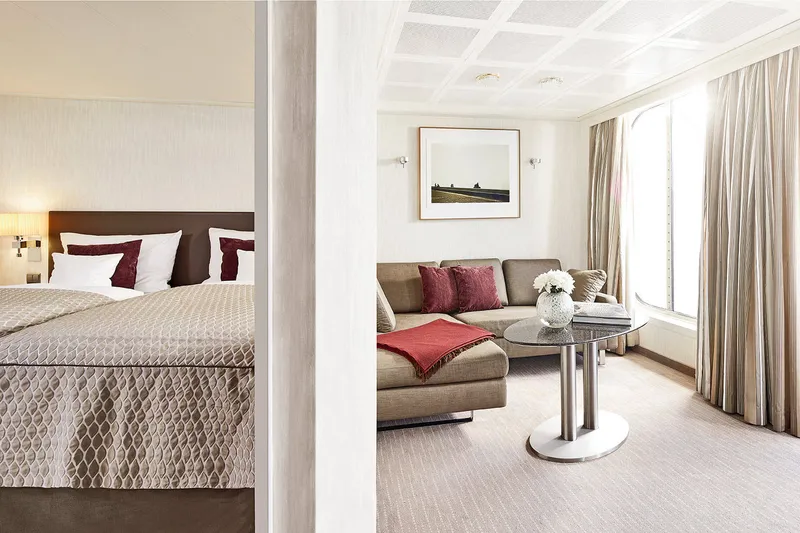
Penthouse Deluxe Suite
Suite
484 m²Max 3
08
Max passengers: 4
Staterooms number:
Cabin size: 485 ft2 / 45 m2
Balcony size: included
Location (on decks): 10-Penthouse
Type (categories): (K08) Penthouse Deluxe Suite
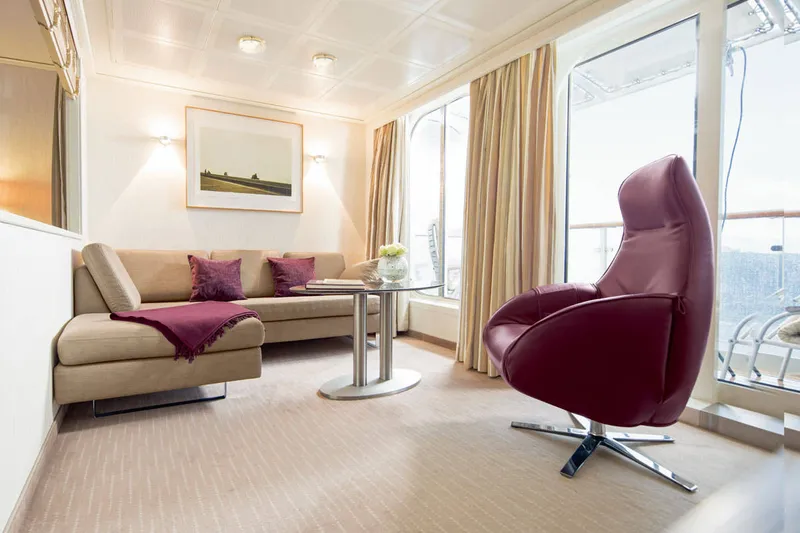
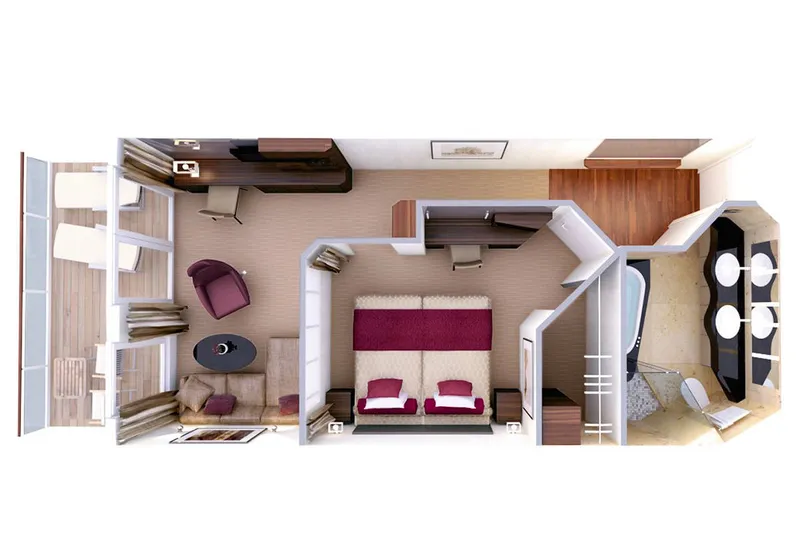
Each Penthouse Deluxe Suite has step-out balcony (furnished with 2 padded loungers, low table, 2 deckchairs), 24-hour butler service (packing / unpacking, laundry, ironing, onboard reservations), daily in-cabin dining (fresh canapes, chocolates), Nespresso coffee maker, separate bedroom, bathroom (floor heating, 2 sinks, shower, whirlpool bath), walk-in closet, free minibar (re-stocked daily with bottled water, juices, soft drinks, beer, premium spirits).
Double or Twin ConfigurationLounge AreaShowerFree Mini BarTVFree Wi-Fi+5
US$12,727 /person+ US$0 taxes & fees
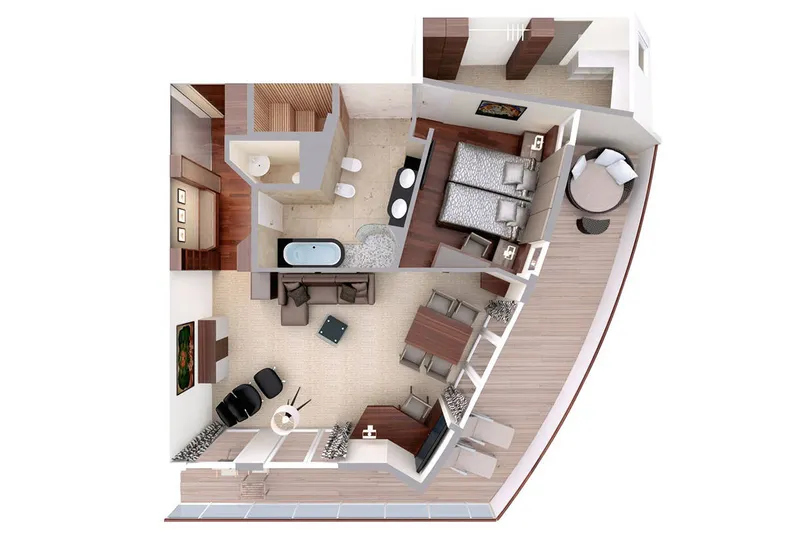
Penthouse Grand Suite
Suite
915 m²Max 4
09
Max passengers: 4
Staterooms number: 2
Cabin size: 915 ft2 / 85 m2
Balcony size: included
Location (on decks): forward on deck 10-Penthouse
Type (categories): (K09) Penthouse Grand Suite
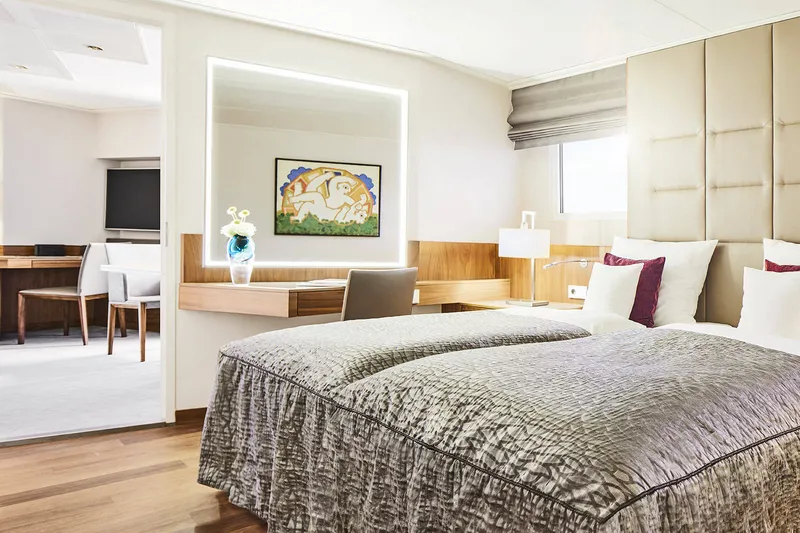
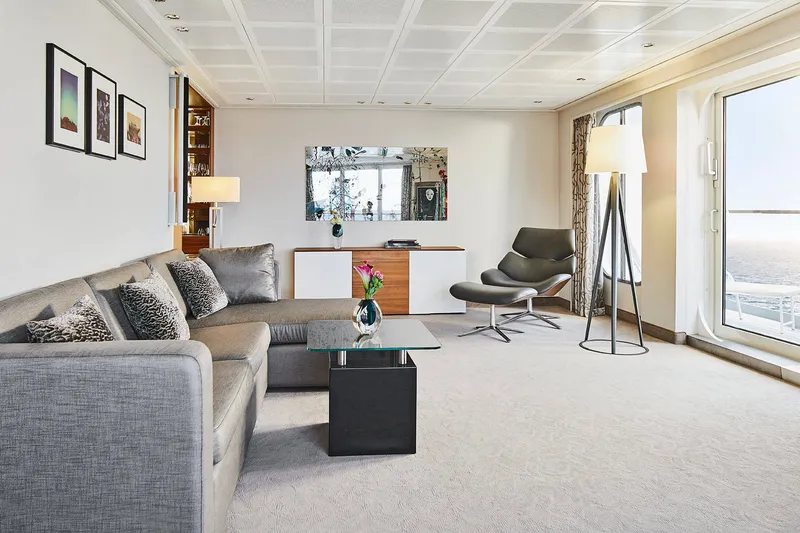
Each of the fore-located Penthouse Grand Suites has wrap-around, partly covered balcony and offers as bonus perks 24-hour butler service (packing / unpacking, laundry, ironing, onboard reservations), free Internet, free ironing service, daily in-cabin dining (canapes, pralines), Nespresso coffee maker, separate bedroom, 6-seat dining table, bathroom (walk-in shower, Jacuzzi whirlpool, sauna), guest bathroom, large walk-in wardrobe, Bang und Olufsen audio system, free minibar (re-stocked daily with bottled water, juices, soft drinks, beer, premium spirits), luxury balcony furniture (DEDON daybed / sonneninsel, cushioned loungers).
Double or Twin ConfigurationLounge AreaWhirlpool BathRoom Service AvailableFree Mini BarButler Service+7
US$20,504 /person+ US$0 taxes & fees
Spa Suite
Suite
291 m²Max 2
10
Max passengers: 3
Staterooms number:
Cabin size: 290 ft2 / 27 m2
Balcony size: included
Location (on decks): 7-Sport
Type (categories): (K10) Spa Suite
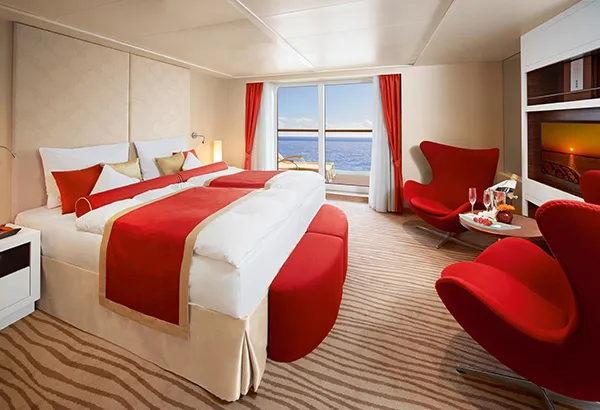
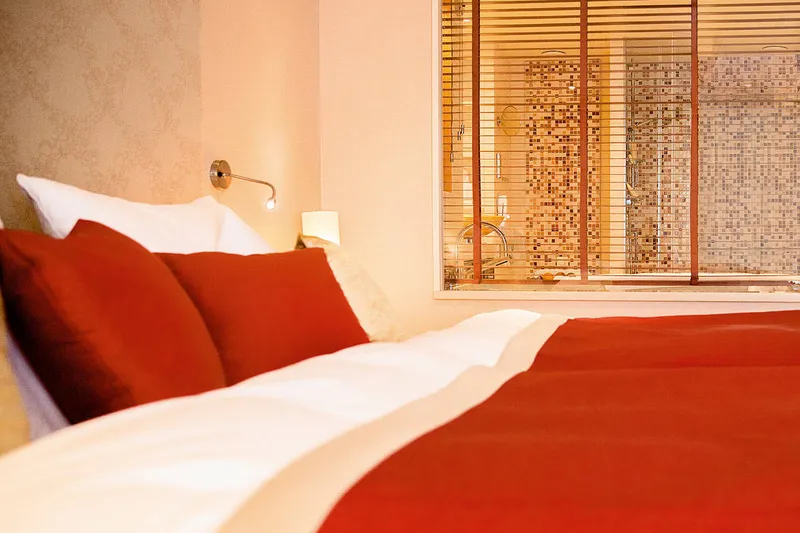
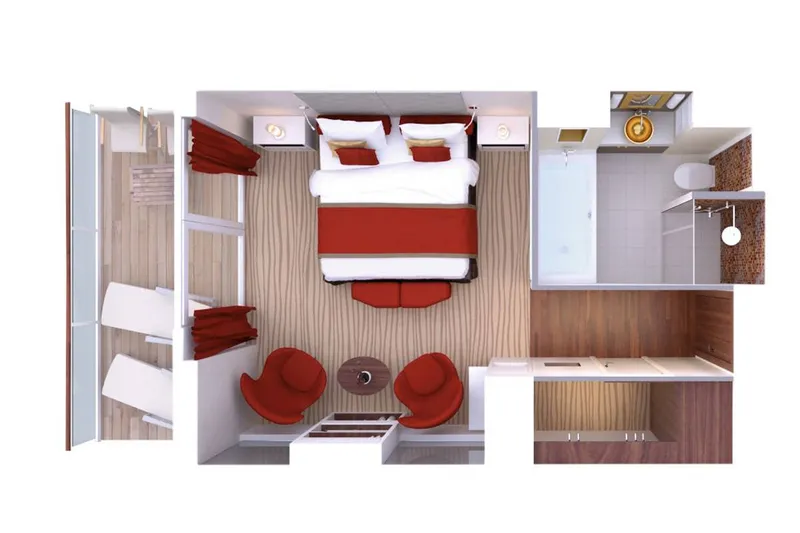
SPA Suite passengers receive 24-hour butler service (packing / unpacking, laundry, ironing, onboard reservations), SPA package, cabin balcony treatments (on request), SPA service privileges (nutritional advice), SPA drinks (smoothies, fresh fruit juices, wellness tea), daily in-cabin dining (fresh canapes, chocolates), Nespresso coffee maker, bathroom with large window (natural light and sea view, blinds between bathroom-living area), Jacuzzi whirlpool bath, emotional shower (color effects and sequences of alternating water jets), walk-in closet, free minibar (re-stocked daily with bottled water, juices, soft drinks, beer, premium spirits).
Double or Twin ConfigurationWhirlpool BathRoom Service AvailableFree Mini BarTVFree Wi-Fi+5
US$7,634 /person+ US$0 taxes & fees
Suite
Suite
915 m²Max 4
010203
Max passengers: 2
Staterooms number:
Cabin size: 290 ft2 / 27 m2
Balcony size: none
Location (on decks): 5-Pazifik, 6-Atlantik, 7-Sport
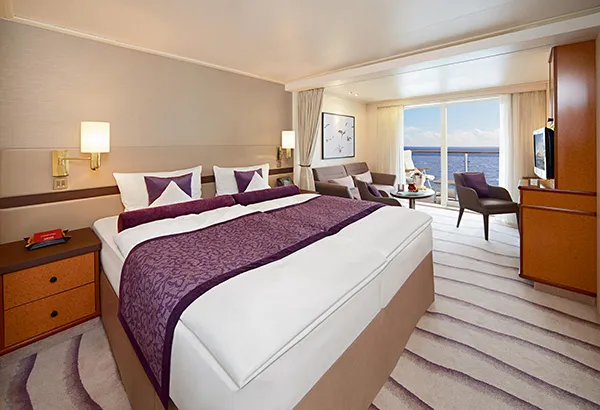
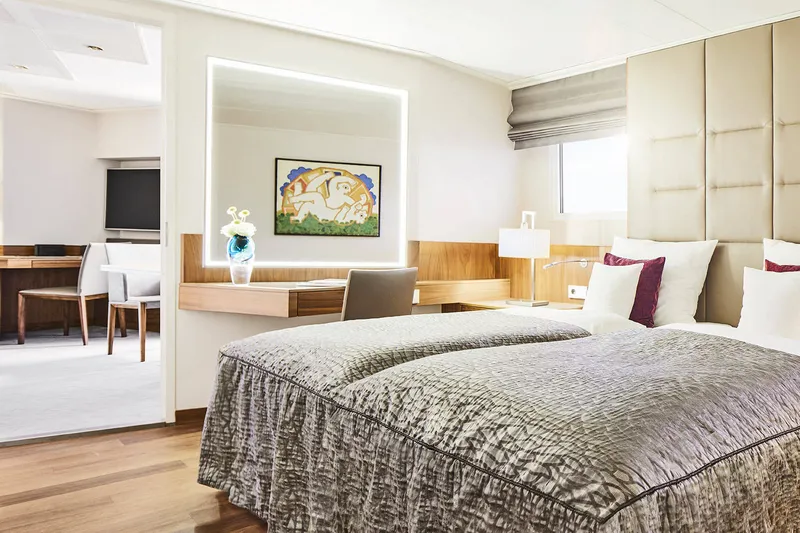
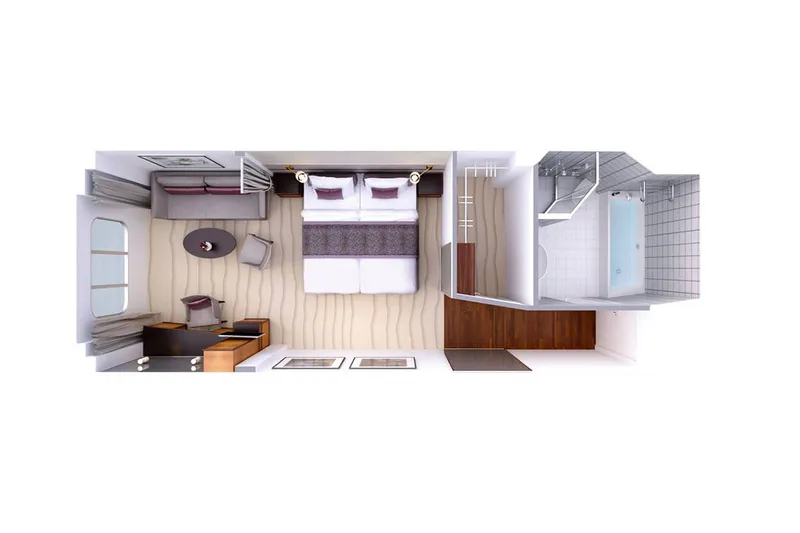
Type (categories): (E01, E02, E03) Single Suite with Window
Veranda Suite offers 24-hour room service, curtain divider (between living-sleeping areas), en-suite bathroom (WC, shower, bathtub), walk-in closet, free minibar (re-stocked daily with bottled water, juices, soft drinks, beer). Instead of step-out balcony, Single Suites have large rounded window.
Double or Twin ConfigurationLounge AreaWhirlpool BathRoom Service AvailableFree Mini BarButler Service+7
US$4,719 /person+ US$0 taxes & fees
Veranda Suite
Suite
291 m²Max 2
04050607
Max passengers: 4
Staterooms number:
Cabin size: 290 ft2 / 27 m2
Balcony size: included
Location (on decks): 5-Pazifik, 6-Atlantik, 7-Sport, 9-Bellevue
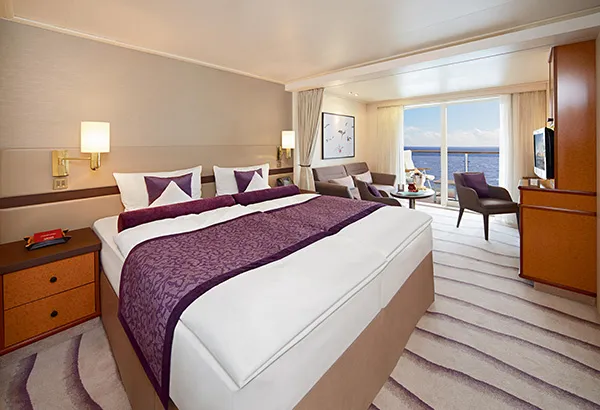
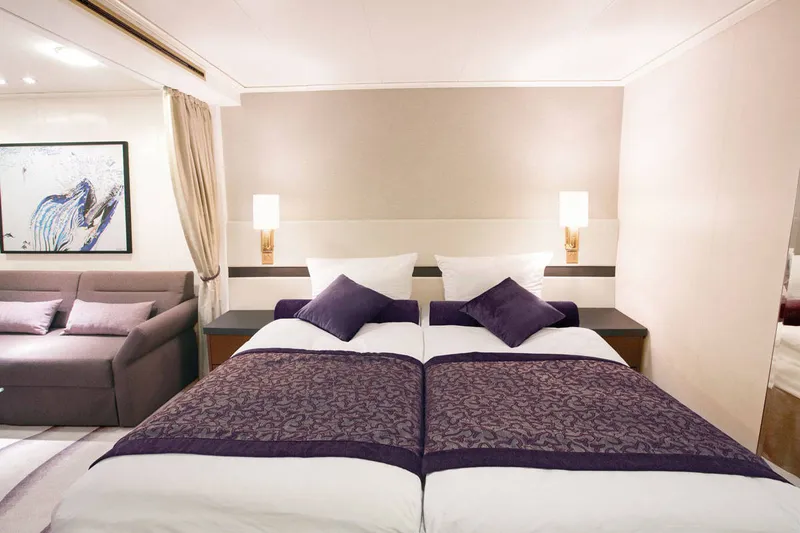
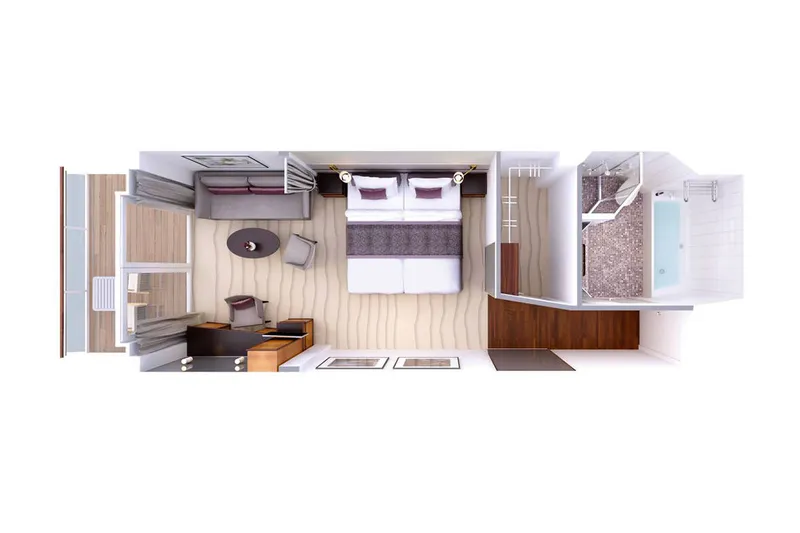
Type (categories): (E04, E05, E06, E07) Veranda Suite
Veranda Suite offers 24-hour room service, step-out balcony (furnished with 2 padded deckchairs, 1 table), curtain divider (between living-sleeping areas), en-suite bathroom (WC, shower, bathtub), walk-in closet, free minibar (re-stocked daily with bottled water, juices, soft drinks, beer). Veranda Suite category also offers wheelchair-accessible (handicapped) and connecting cabins.
BathDouble or Twin ConfigurationShowerFree Mini BarTVCoffee Machine+4
US$5,269 /person+ US$0 taxes & fees
Interested in This Voyage?
Our cruise specialists can help you find the perfect cabin and the best available pricing.
(+886) 02-2721-7300Contact Advisor