Holland America LineJ661A
Norwegian Fjords & Canary Islands Collectors' Voya
Date
2026-09-19
Duration
28 nights
Departure Port
Rotterdam
Netherlands
Arrival Port
Rotterdam
Netherlands
Rating
Resort
Theme
—




Holland America Line
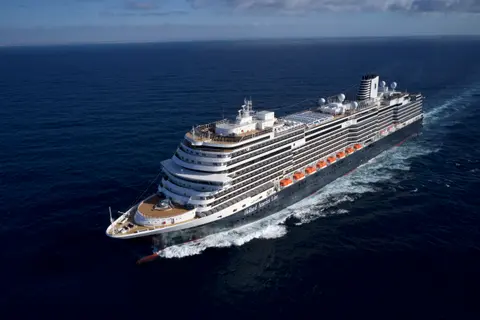
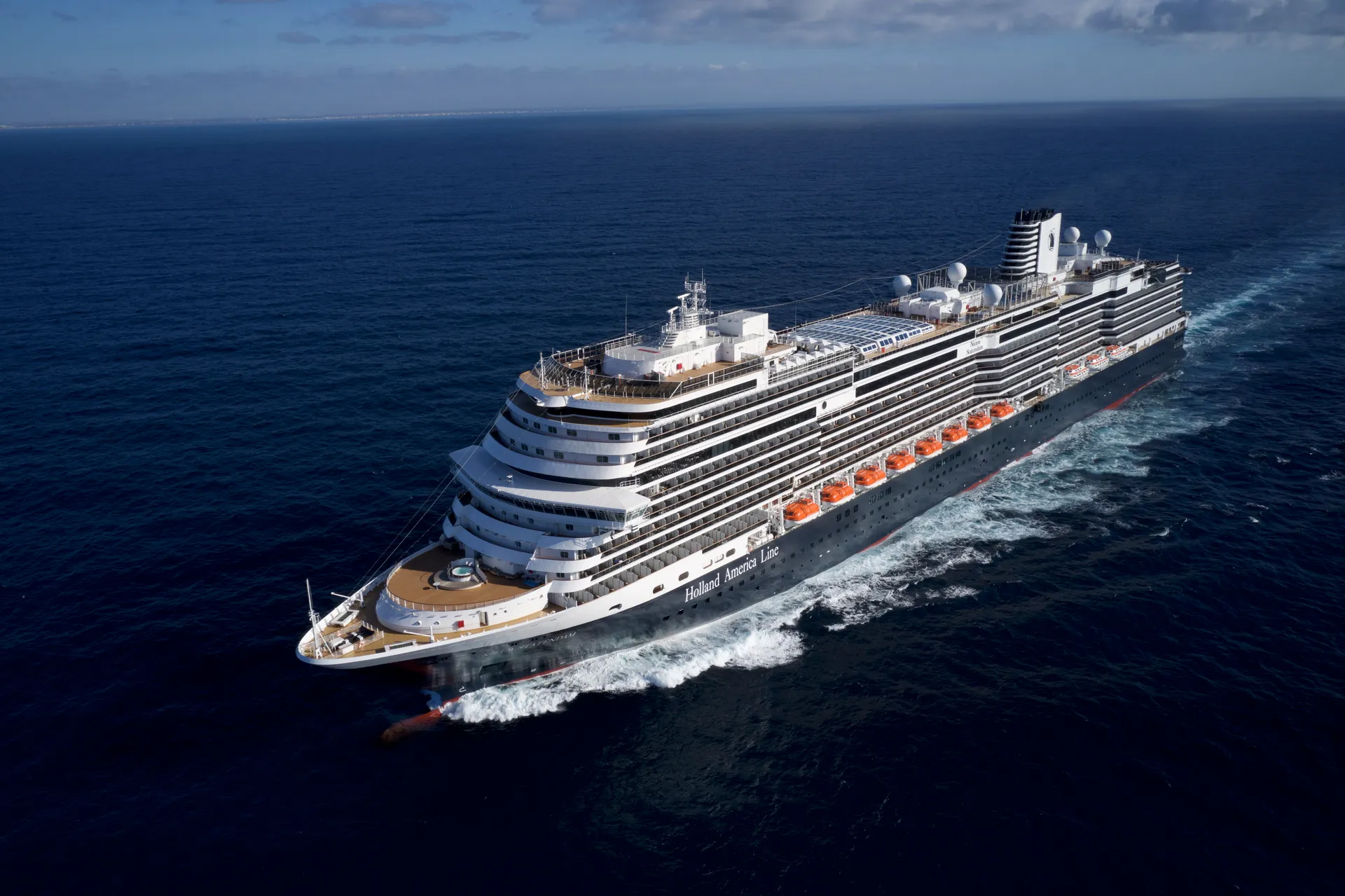
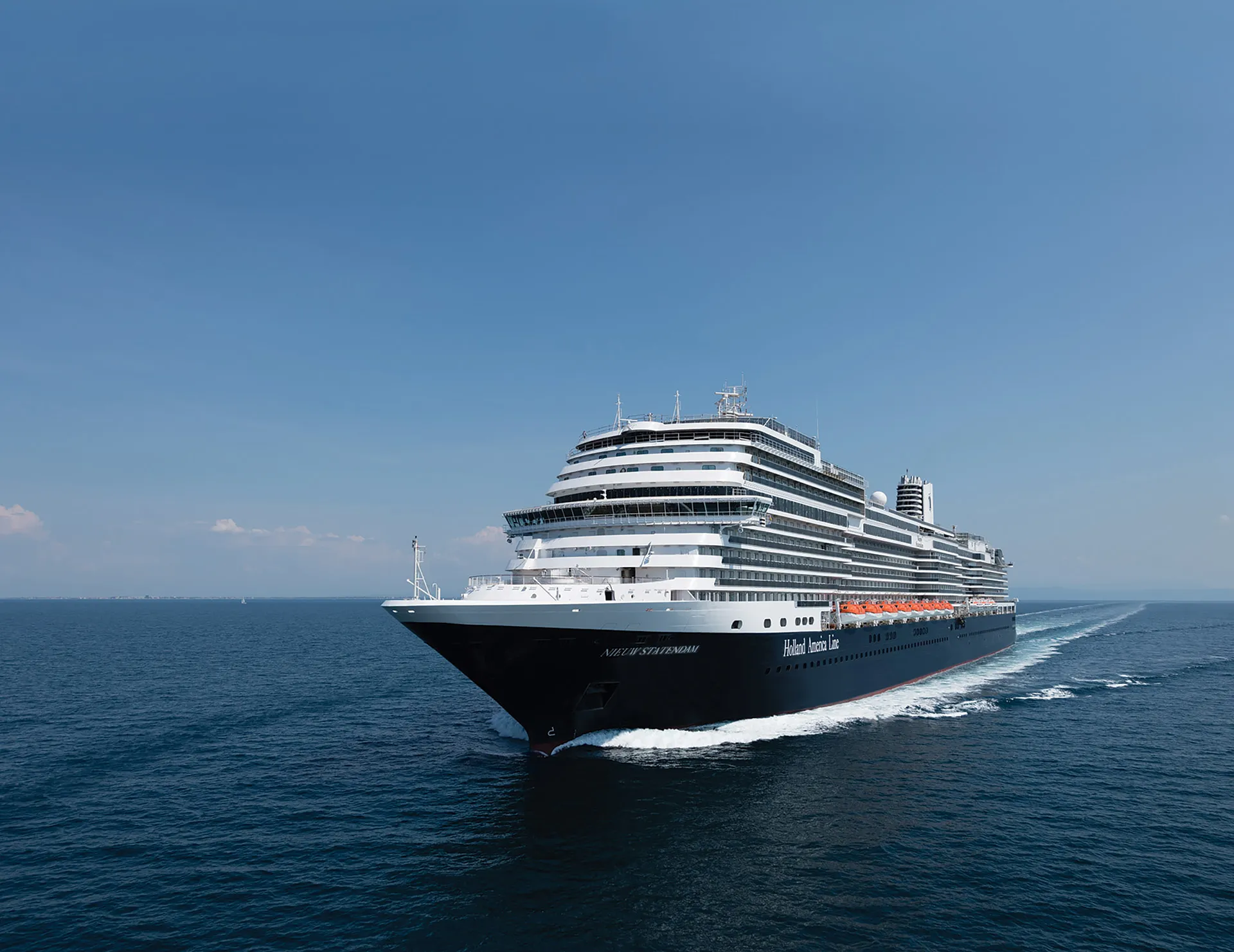
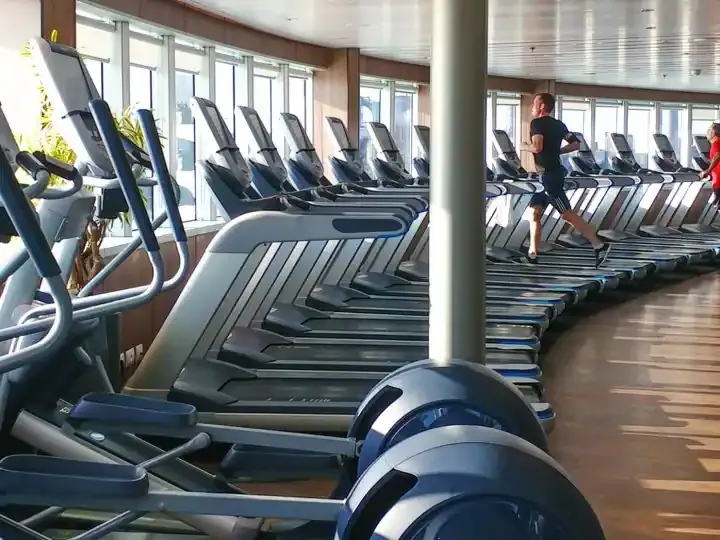
Nieuw Statendam
Launched
2018
Refitted
2023
Tonnage
99,500 GT
Passengers
2,650
Cabins
1,339
Crew
1,025
Length
975 m
Width
34 m
Speed
24 knots
Adults Only
No
Itinerary
Day 1
Day 1
Rotterdam
Depart 15:00
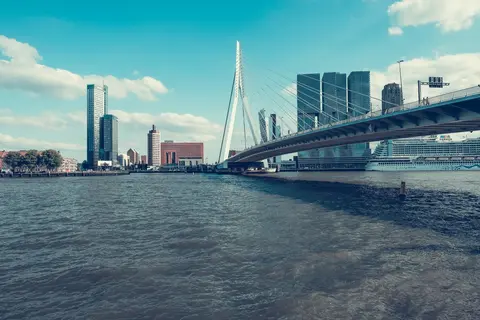
Rotterdam, Europe's largest port, is a city that rebuilt itself from wartime ruin into one of the continent's most exhilarating architectural laboratories — a skyline of Cube Houses, the pencil-thin Westerkade skyscrapers, and the breathtaking Markthal arching over an indoor food market of extraordinary abundance. The Boijmans Van Beuningen collection ranks among Europe's finest, while the art district of Witte de With pulses with galleries and design studios. Day-trip to Kinderdijk's nineteen iconic windmills, a UNESCO World Heritage site rising from the polders just south of the city. Spring and early summer offer the finest conditions.
Day 2
Day 2
At Sea
Day 3
Day 3
Eidfjord
Arrive 08:00Depart 17:00
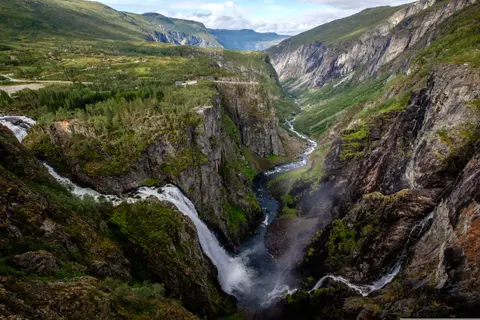
Eidfjord is a fjord village of fewer than a thousand residents at the innermost tip of Norway's Hardangerfjord, framed by towering peaks and the vast Hardangervidda plateau. Visitors should not miss the 182-metre Vøringsfossen waterfall and the ancient rock carvings at Hæreid, both within easy reach of the waterfront. The prime season stretches from late May through early September, when endless Nordic daylight illuminates the glacial waters and the surrounding Hardanger orchards are in full bloom.
Day 3
Day 3
Hardangerfjord
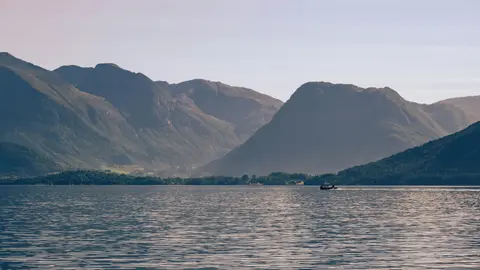
Hardangerfjord is Norway's second-longest fjord and perhaps its most poetic, where fruit orchards cascade to the waterline beneath glacier-crowned peaks that inspired the music of Edvard Grieg. Must-dos include hiking to the Trolltunga rock formation, tasting fresh-pressed cider and gravlaks, and visiting the orchard village of Lofthus in blossom season. May offers spectacular fruit blossoms, while June through September delivers long days and magnificent hiking conditions.
Day 4
Day 4
At Sea
Day 5
Day 5
Alesund
Arrive 08:00Depart 17:00
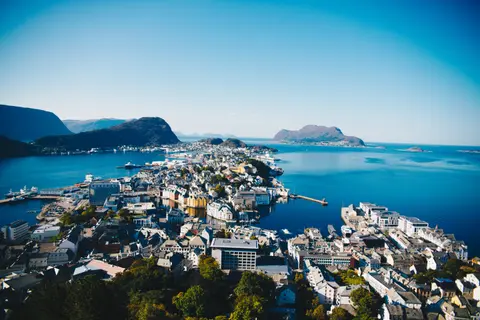
Ålesund, rebuilt in just three years after a catastrophic 1904 fire, rose from its ashes as one of Europe's most remarkable concentrations of Art Nouveau architecture — turrets, dragon motifs, and floral stonework lining a Norwegian fishing town waterfront like an open-air Jugendstil museum. Climb the 418 steps of Aksla hill for a panorama that sweeps across the Art Nouveau rooftops to the surrounding fjords, then descend to sample the town's celebrated fresh Atlantic seafood at the harbor quay. Summer brings the midnight sun; autumn offers moody light and the region's famous apple orchards. The Geirangerfjord, a UNESCO treasure, is an hour's sail away.
Day 6
Day 6
Trondheim
Arrive 08:00Depart 17:00
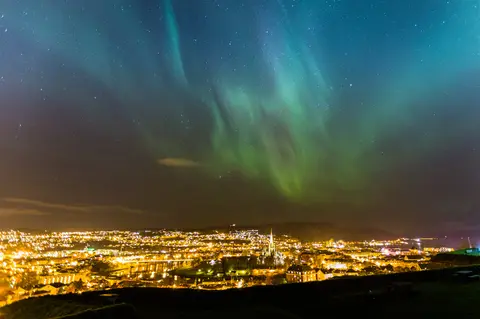
Trondheim, Norway's ancient first capital, has drawn pilgrims for a thousand years to the Nidaros Cathedral — Scandinavia's greatest medieval building, raised over the tomb of Saint Olav and still serving as Norway's royal coronation church, its Gothic west facade a sublime gallery of stone scripture. The city unfolds along the banks of the Nidelva River in a harmonious mix of centuries-old wooden wharfhouses, elegant baroque streetscapes, and a confident contemporary university culture. Summer is the ideal season for Trondheim, when long golden evenings allow leisurely exploration of Bakklandet's cafés and the Ringve Music Museum's extraordinary instrument collections.
Day 7
Day 7
Andalsnes
Arrive 08:00Depart 17:00
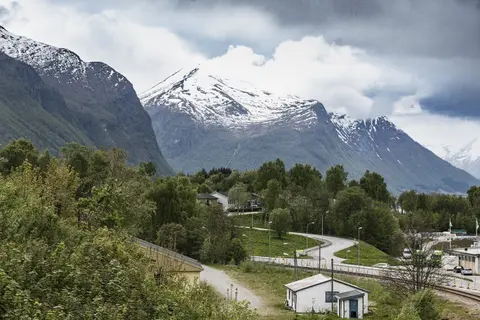
Åndalsnes is Norway's self-proclaimed alpine capital, a compact fjord village where the Rauma river meets Romsdalsfjorden beneath the towering Trollveggen rock face. Visitors should not miss the vertiginous drive up Trollstigen mountain road and a tasting of traditional Rauma smoked salmon paired with local craft ales. The optimal season is late May through September, when mountain passes are open and the extended Nordic daylight illuminates the surrounding peaks and waterfalls well past midnight.
Day 8
Day 8
Olden
Arrive 07:00Depart 16:00
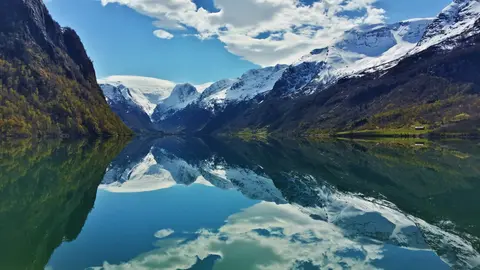
Olden is a serene fjord village at the head of Nordfjord in western Norway, where glacial rivers meet emerald waters beneath towering peaks. The essential experience is the journey to Briksdal Glacier, an arm of Europe's largest ice cap, followed by tasting traditional *raspeball* dumplings and cloudberry cream at a local farmstead. The prime visiting season stretches from June through August, when near-endless daylight illuminates the valley and summer temperatures make glacier hikes and fjord kayaking particularly rewarding.
Day 9
Day 9
Stavanger
Arrive 09:00Depart 18:00
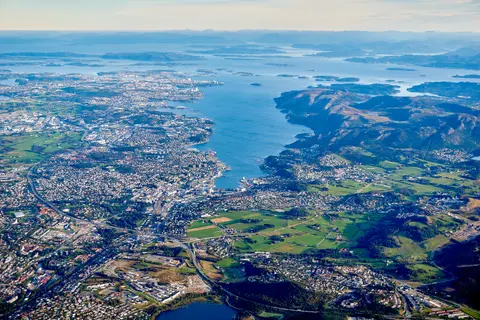
Stavanger, Norway, is a vibrant port city rich in history and natural beauty, making it a must-visit destination for travelers. Experience the unique local cuisine, such as klippfisk and rakfisk, and don’t miss the breathtaking views from Pulpit Rock. The best time to visit is during the summer months, when the weather is mild and ideal for outdoor adventures.
Day 10
Day 10
Kristiansand
Arrive 08:00Depart 17:00
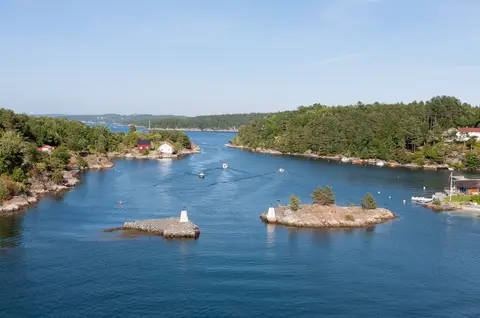
Kristiansand is Norway's sun-drenched southern gateway, a Renaissance-planned harbour city where white timber houses, island-dotted coastlines, and exceptional seafood — particularly the beloved cold-water shrimp eaten fresh at the Fiskebrygga market — create an atmosphere closer to the Mediterranean than the Arctic. Visitors should not miss wandering the historic Posebyen quarter and sampling *fiskesuppe* by the harbour. The ideal season is June through August, when endless daylight bathes the Skagerrak coast in golden warmth and the outdoor culture of Sørlandet comes fully alive.
Day 11
Day 11
Oslo
Arrive 08:00
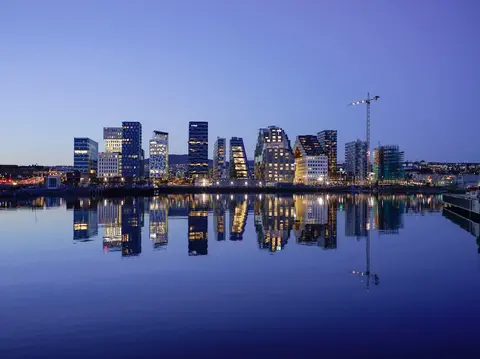
The port of Oslo is a scenic gateway to Norway's rich history and vibrant culture, marked by stunning architecture and lush landscapes. Must-do experiences include savoring traditional dishes like **rakfisk** and exploring the nearby fjords and charming villages. The best time to visit is during the summer months, when the city comes alive with festivals and outdoor activities.
Day 13
Day 13
At Sea
Day 14
Day 14
Dover
Arrive 07:00Depart 17:00
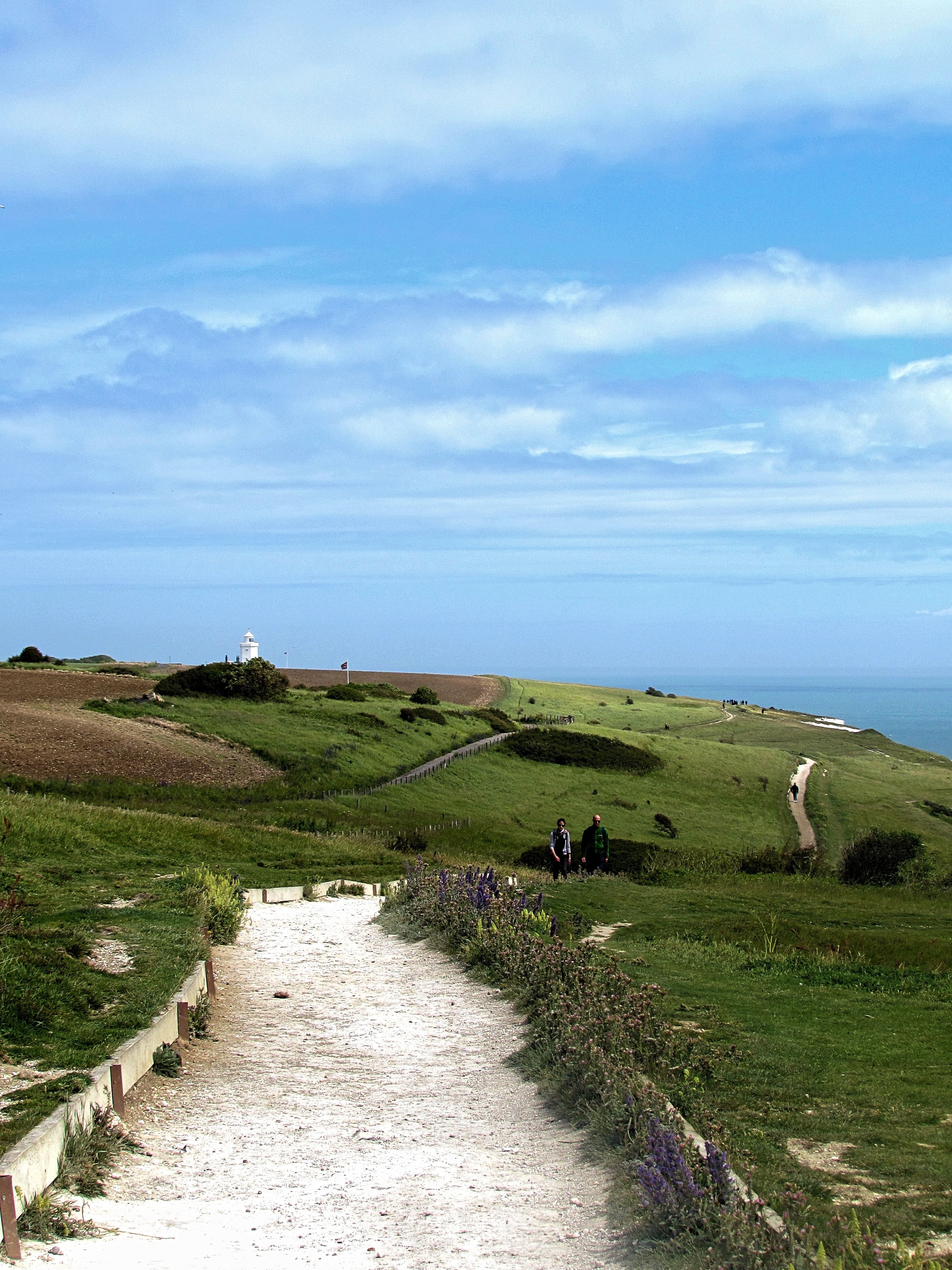
Dover, in the county of Kent in southeast England, has understandably been one of the most important ports of entry to the country for centuries, given its location on the English Channel across from France. The famous White Cliffs of Dover greet you as you arrive, and the city has a number of historic sights, including a medieval castle. For many travelers, however, it is primarily a gateway to London. Few places can compete with England’s capital for sheer energy, atmosphere and variety. London’s vibrancy—in art, in music, in architecture—is formidable. It’s a city with not only multiple attractions, grand structures and great cultural institutions (though there are plenty of those) but also scenic parks, walkable villages and striking modern additions.Culinary pioneers are reviving traditional techniques and introducing menus that are at the forefront of the world’s premier restaurant experiences. Leg-powered sightseeing (by bike or on foot) around London maximizes opportunities for stumbling across secret alleys, courtyards housing quirky art galleries and tiny old pubs serving fresh British ales. Shoppers will want to check out the items at some of the retail emporiums known the world over as well as diminutive boutiques stocking unique souvenirs.
Day 15
Day 15
Rotterdam
Arrive 07:00
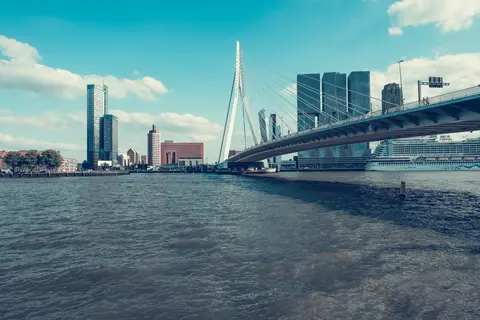
Rotterdam, Europe's largest port, is a city that rebuilt itself from wartime ruin into one of the continent's most exhilarating architectural laboratories — a skyline of Cube Houses, the pencil-thin Westerkade skyscrapers, and the breathtaking Markthal arching over an indoor food market of extraordinary abundance. The Boijmans Van Beuningen collection ranks among Europe's finest, while the art district of Witte de With pulses with galleries and design studios. Day-trip to Kinderdijk's nineteen iconic windmills, a UNESCO World Heritage site rising from the polders just south of the city. Spring and early summer offer the finest conditions.
Day 16
Day 16
At Sea
Day 17
Day 17
At Sea
Day 18
Day 18
At Sea
Day 19
Day 19
Funchal
Arrive 09:00Depart 18:00

Funchal — Madeira's radiant capital, its name derived from the wild fennel that greeted Portuguese settlers in 1419 — cascades down volcanic hillsides to a deep-water harbour that has welcomed mariners and wanderers for six centuries. The Reid's Palace, opened in 1891, remains one of the Atlantic's most legendary hotels, its clifftop terraces commanding views that inspired Churchill, Shaw, and a century of distinguished guests. The city's floating flower market, levada walks through ancient laurisilva forest, and the exhilarating toboggan descent from Monte combine for days of effortless discovery. The subtropical climate makes Funchal appealing year-round, with spring particularly spectacular for wildflowers.
Day 20
Day 20
Santa Cruz de la Palma
Arrive 10:00Depart 21:00
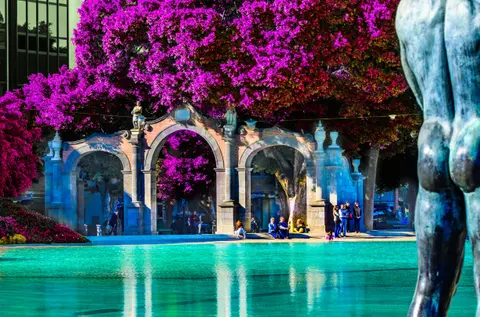
Santa Cruz de la Palma is the charming capital of La Palma, known for its colonial architecture and rich maritime history. Must-do experiences include savoring local dishes like "papas arrugadas" and exploring the stunning landscapes of Taburiente National Park. The best time to visit is during the spring and fall months when the weather is mild and perfect for outdoor adventures.
Day 21
Day 21
Tenerife
Arrive 08:00Depart 23:00
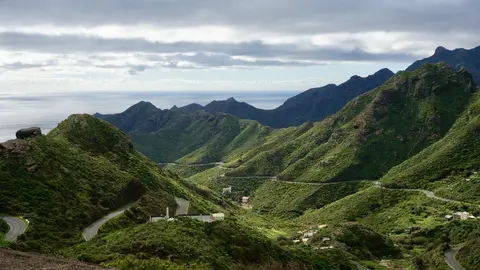
Tenerife, the crown of the Canary Islands, rises from the Atlantic around the mighty UNESCO-listed Mount Teide — Spain's highest peak and one of earth's great stratovolcanoes — its lunar caldera and forested flanks offering scenery of extraordinary drama just minutes from the coast. The island's northern towns of La Orotava and La Laguna preserve magnificent Canarian colonial architecture, while the dramatic cliffs of Los Gigantes and black-sand beaches of the south add to an almost implausible diversity of landscapes. The Canaries' celebrated year-round sunshine makes Tenerife a superb destination in any season, though spring brings blooming tajinaste wildflowers to the Teide slopes.
Day 22
Day 22
Las Palmas de Gran Canaria
Arrive 08:00Depart 21:00
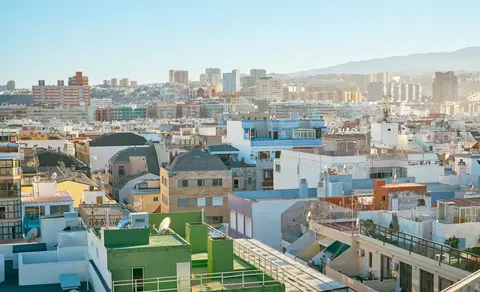
Las Palmas de Gran Canaria, a historic port city founded in 1478, offers a rich tapestry of culture, architecture, and culinary delights. Must-do experiences include sampling **papas arrugadas** at the Mercado de Vegueta and exploring the charming streets of Vegueta. The best time to visit is during the mild spring months when the weather is ideal for outdoor exploration.
Day 23
Day 23
Arrecife
Arrive 08:00Depart 17:00
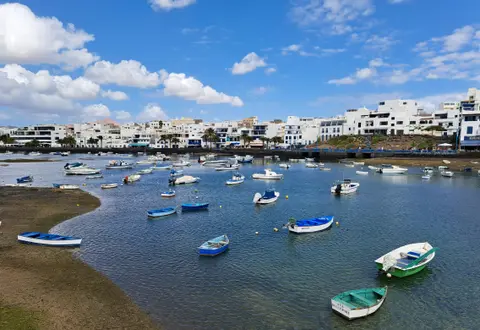
Arrecife, the unpretentious capital of Lanzarote in Spain's Canary Islands, serves as the gateway to one of the volcanic world's most surreal and spellbinding landscapes — shaped by César Manrique, the visionary artist who ensured there are no high-rises, no billboards, and no compromise between tourism and the island's extraordinary terrain. The Timanfaya National Park's lava fields, the underground lake of the Jameos del Agua, and Manrique's own clifftop home-turned-museum are among the most singular attractions in all of Spain. The Canary Islands enjoy a year-round temperate climate, making any month suitable for a visit. Gran Canaria lies forty minutes by ferry.
Day 24
Day 24
At Sea
Day 25
Day 25
Lisbon
Arrive 08:00Depart 17:00
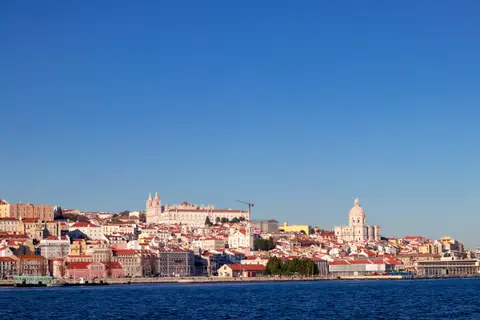
Lisbon, Portugal's enchanting capital, stands out for its rich history, stunning architecture, and vibrant culture. Must-try experiences include savoring local dishes like bacalhau à brás and pastéis de nata at Mercado da Ribeira. The best time to visit is during the spring or fall, when the weather is mild and the city is alive with festivals and events.
Day 26
Day 26
At Sea
Day 27
Day 27
At Sea
Day 28
Day 28
Dover
Arrive 07:00Depart 17:00
Dover, in the county of Kent in southeast England, has understandably been one of the most important ports of entry to the country for centuries, given its location on the English Channel across from France. The famous White Cliffs of Dover greet you as you arrive, and the city has a number of historic sights, including a medieval castle. For many travelers, however, it is primarily a gateway to London. Few places can compete with England’s capital for sheer energy, atmosphere and variety. London’s vibrancy—in art, in music, in architecture—is formidable. It’s a city with not only multiple attractions, grand structures and great cultural institutions (though there are plenty of those) but also scenic parks, walkable villages and striking modern additions.Culinary pioneers are reviving traditional techniques and introducing menus that are at the forefront of the world’s premier restaurant experiences. Leg-powered sightseeing (by bike or on foot) around London maximizes opportunities for stumbling across secret alleys, courtyards housing quirky art galleries and tiny old pubs serving fresh British ales. Shoppers will want to check out the items at some of the retail emporiums known the world over as well as diminutive boutiques stocking unique souvenirs.
Day 29
Day 29
Rotterdam
Arrive 07:00
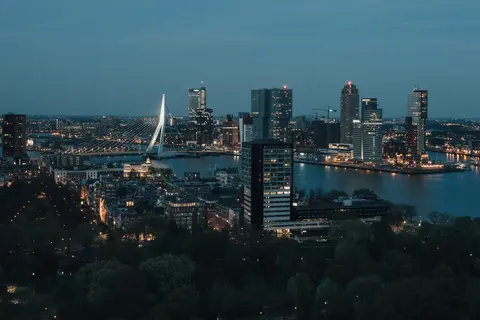
Rotterdam, Europe's largest port, is a city that rebuilt itself from wartime ruin into one of the continent's most exhilarating architectural laboratories — a skyline of Cube Houses, the pencil-thin Westerkade skyscrapers, and the breathtaking Markthal arching over an indoor food market of extraordinary abundance. The Boijmans Van Beuningen collection ranks among Europe's finest, while the art district of Witte de With pulses with galleries and design studios. Day-trip to Kinderdijk's nineteen iconic windmills, a UNESCO World Heritage site rising from the polders just south of the city. Spring and early summer offer the finest conditions.
Day 1
Rotterdam
Depart 15:00
Rotterdam, Europe's largest port, is a city that rebuilt itself from wartime ruin into one of the continent's most exhilarating architectural laboratories — a skyline of Cube Houses, the pencil-thin Westerkade skyscrapers, and the breathtaking Markthal arching over an indoor food market of extraordinary abundance. The Boijmans Van Beuningen collection ranks among Europe's finest, while the art district of Witte de With pulses with galleries and design studios. Day-trip to Kinderdijk's nineteen iconic windmills, a UNESCO World Heritage site rising from the polders just south of the city. Spring and early summer offer the finest conditions.
Day 2
At Sea
Day 3
Eidfjord
Arrive 08:00Depart 17:00
Eidfjord is a fjord village of fewer than a thousand residents at the innermost tip of Norway's Hardangerfjord, framed by towering peaks and the vast Hardangervidda plateau. Visitors should not miss the 182-metre Vøringsfossen waterfall and the ancient rock carvings at Hæreid, both within easy reach of the waterfront. The prime season stretches from late May through early September, when endless Nordic daylight illuminates the glacial waters and the surrounding Hardanger orchards are in full bloom.
Hardangerfjord
Hardangerfjord is Norway's second-longest fjord and perhaps its most poetic, where fruit orchards cascade to the waterline beneath glacier-crowned peaks that inspired the music of Edvard Grieg. Must-dos include hiking to the Trolltunga rock formation, tasting fresh-pressed cider and gravlaks, and visiting the orchard village of Lofthus in blossom season. May offers spectacular fruit blossoms, while June through September delivers long days and magnificent hiking conditions.
Day 4
At Sea
Day 5
Alesund
Arrive 08:00Depart 17:00
Ålesund, rebuilt in just three years after a catastrophic 1904 fire, rose from its ashes as one of Europe's most remarkable concentrations of Art Nouveau architecture — turrets, dragon motifs, and floral stonework lining a Norwegian fishing town waterfront like an open-air Jugendstil museum. Climb the 418 steps of Aksla hill for a panorama that sweeps across the Art Nouveau rooftops to the surrounding fjords, then descend to sample the town's celebrated fresh Atlantic seafood at the harbor quay. Summer brings the midnight sun; autumn offers moody light and the region's famous apple orchards. The Geirangerfjord, a UNESCO treasure, is an hour's sail away.
Day 6
Trondheim
Arrive 08:00Depart 17:00
Trondheim, Norway's ancient first capital, has drawn pilgrims for a thousand years to the Nidaros Cathedral — Scandinavia's greatest medieval building, raised over the tomb of Saint Olav and still serving as Norway's royal coronation church, its Gothic west facade a sublime gallery of stone scripture. The city unfolds along the banks of the Nidelva River in a harmonious mix of centuries-old wooden wharfhouses, elegant baroque streetscapes, and a confident contemporary university culture. Summer is the ideal season for Trondheim, when long golden evenings allow leisurely exploration of Bakklandet's cafés and the Ringve Music Museum's extraordinary instrument collections.
Day 7
Andalsnes
Arrive 08:00Depart 17:00
Åndalsnes is Norway's self-proclaimed alpine capital, a compact fjord village where the Rauma river meets Romsdalsfjorden beneath the towering Trollveggen rock face. Visitors should not miss the vertiginous drive up Trollstigen mountain road and a tasting of traditional Rauma smoked salmon paired with local craft ales. The optimal season is late May through September, when mountain passes are open and the extended Nordic daylight illuminates the surrounding peaks and waterfalls well past midnight.
Day 8
Olden
Arrive 07:00Depart 16:00
Olden is a serene fjord village at the head of Nordfjord in western Norway, where glacial rivers meet emerald waters beneath towering peaks. The essential experience is the journey to Briksdal Glacier, an arm of Europe's largest ice cap, followed by tasting traditional *raspeball* dumplings and cloudberry cream at a local farmstead. The prime visiting season stretches from June through August, when near-endless daylight illuminates the valley and summer temperatures make glacier hikes and fjord kayaking particularly rewarding.
Day 9
Stavanger
Arrive 09:00Depart 18:00
Stavanger, Norway, is a vibrant port city rich in history and natural beauty, making it a must-visit destination for travelers. Experience the unique local cuisine, such as klippfisk and rakfisk, and don’t miss the breathtaking views from Pulpit Rock. The best time to visit is during the summer months, when the weather is mild and ideal for outdoor adventures.
Day 10
Kristiansand
Arrive 08:00Depart 17:00
Kristiansand is Norway's sun-drenched southern gateway, a Renaissance-planned harbour city where white timber houses, island-dotted coastlines, and exceptional seafood — particularly the beloved cold-water shrimp eaten fresh at the Fiskebrygga market — create an atmosphere closer to the Mediterranean than the Arctic. Visitors should not miss wandering the historic Posebyen quarter and sampling *fiskesuppe* by the harbour. The ideal season is June through August, when endless daylight bathes the Skagerrak coast in golden warmth and the outdoor culture of Sørlandet comes fully alive.
Day 11
Oslo
Arrive 08:00
The port of Oslo is a scenic gateway to Norway's rich history and vibrant culture, marked by stunning architecture and lush landscapes. Must-do experiences include savoring traditional dishes like **rakfisk** and exploring the nearby fjords and charming villages. The best time to visit is during the summer months, when the city comes alive with festivals and outdoor activities.
Day 13
At Sea
Day 14
Dover
Arrive 07:00Depart 17:00
Dover, in the county of Kent in southeast England, has understandably been one of the most important ports of entry to the country for centuries, given its location on the English Channel across from France. The famous White Cliffs of Dover greet you as you arrive, and the city has a number of historic sights, including a medieval castle. For many travelers, however, it is primarily a gateway to London. Few places can compete with England’s capital for sheer energy, atmosphere and variety. London’s vibrancy—in art, in music, in architecture—is formidable. It’s a city with not only multiple attractions, grand structures and great cultural institutions (though there are plenty of those) but also scenic parks, walkable villages and striking modern additions.Culinary pioneers are reviving traditional techniques and introducing menus that are at the forefront of the world’s premier restaurant experiences. Leg-powered sightseeing (by bike or on foot) around London maximizes opportunities for stumbling across secret alleys, courtyards housing quirky art galleries and tiny old pubs serving fresh British ales. Shoppers will want to check out the items at some of the retail emporiums known the world over as well as diminutive boutiques stocking unique souvenirs.
Day 15
Rotterdam
Arrive 07:00
Rotterdam, Europe's largest port, is a city that rebuilt itself from wartime ruin into one of the continent's most exhilarating architectural laboratories — a skyline of Cube Houses, the pencil-thin Westerkade skyscrapers, and the breathtaking Markthal arching over an indoor food market of extraordinary abundance. The Boijmans Van Beuningen collection ranks among Europe's finest, while the art district of Witte de With pulses with galleries and design studios. Day-trip to Kinderdijk's nineteen iconic windmills, a UNESCO World Heritage site rising from the polders just south of the city. Spring and early summer offer the finest conditions.
Day 16
At Sea
Day 17
At Sea
Day 18
At Sea
Day 19
Funchal
Arrive 09:00Depart 18:00
Funchal — Madeira's radiant capital, its name derived from the wild fennel that greeted Portuguese settlers in 1419 — cascades down volcanic hillsides to a deep-water harbour that has welcomed mariners and wanderers for six centuries. The Reid's Palace, opened in 1891, remains one of the Atlantic's most legendary hotels, its clifftop terraces commanding views that inspired Churchill, Shaw, and a century of distinguished guests. The city's floating flower market, levada walks through ancient laurisilva forest, and the exhilarating toboggan descent from Monte combine for days of effortless discovery. The subtropical climate makes Funchal appealing year-round, with spring particularly spectacular for wildflowers.
Day 20
Santa Cruz de la Palma
Arrive 10:00Depart 21:00
Santa Cruz de la Palma is the charming capital of La Palma, known for its colonial architecture and rich maritime history. Must-do experiences include savoring local dishes like "papas arrugadas" and exploring the stunning landscapes of Taburiente National Park. The best time to visit is during the spring and fall months when the weather is mild and perfect for outdoor adventures.
Day 21
Tenerife
Arrive 08:00Depart 23:00
Tenerife, the crown of the Canary Islands, rises from the Atlantic around the mighty UNESCO-listed Mount Teide — Spain's highest peak and one of earth's great stratovolcanoes — its lunar caldera and forested flanks offering scenery of extraordinary drama just minutes from the coast. The island's northern towns of La Orotava and La Laguna preserve magnificent Canarian colonial architecture, while the dramatic cliffs of Los Gigantes and black-sand beaches of the south add to an almost implausible diversity of landscapes. The Canaries' celebrated year-round sunshine makes Tenerife a superb destination in any season, though spring brings blooming tajinaste wildflowers to the Teide slopes.
Day 22
Las Palmas de Gran Canaria
Arrive 08:00Depart 21:00
Las Palmas de Gran Canaria, a historic port city founded in 1478, offers a rich tapestry of culture, architecture, and culinary delights. Must-do experiences include sampling **papas arrugadas** at the Mercado de Vegueta and exploring the charming streets of Vegueta. The best time to visit is during the mild spring months when the weather is ideal for outdoor exploration.
Day 23
Arrecife
Arrive 08:00Depart 17:00
Arrecife, the unpretentious capital of Lanzarote in Spain's Canary Islands, serves as the gateway to one of the volcanic world's most surreal and spellbinding landscapes — shaped by César Manrique, the visionary artist who ensured there are no high-rises, no billboards, and no compromise between tourism and the island's extraordinary terrain. The Timanfaya National Park's lava fields, the underground lake of the Jameos del Agua, and Manrique's own clifftop home-turned-museum are among the most singular attractions in all of Spain. The Canary Islands enjoy a year-round temperate climate, making any month suitable for a visit. Gran Canaria lies forty minutes by ferry.
Day 24
At Sea
Day 25
Lisbon
Arrive 08:00Depart 17:00
Lisbon, Portugal's enchanting capital, stands out for its rich history, stunning architecture, and vibrant culture. Must-try experiences include savoring local dishes like bacalhau à brás and pastéis de nata at Mercado da Ribeira. The best time to visit is during the spring or fall, when the weather is mild and the city is alive with festivals and events.
Day 26
At Sea
Day 27
At Sea
Day 28
Dover
Arrive 07:00Depart 17:00
Dover, in the county of Kent in southeast England, has understandably been one of the most important ports of entry to the country for centuries, given its location on the English Channel across from France. The famous White Cliffs of Dover greet you as you arrive, and the city has a number of historic sights, including a medieval castle. For many travelers, however, it is primarily a gateway to London. Few places can compete with England’s capital for sheer energy, atmosphere and variety. London’s vibrancy—in art, in music, in architecture—is formidable. It’s a city with not only multiple attractions, grand structures and great cultural institutions (though there are plenty of those) but also scenic parks, walkable villages and striking modern additions.Culinary pioneers are reviving traditional techniques and introducing menus that are at the forefront of the world’s premier restaurant experiences. Leg-powered sightseeing (by bike or on foot) around London maximizes opportunities for stumbling across secret alleys, courtyards housing quirky art galleries and tiny old pubs serving fresh British ales. Shoppers will want to check out the items at some of the retail emporiums known the world over as well as diminutive boutiques stocking unique souvenirs.
Day 29
Rotterdam
Arrive 07:00
Rotterdam, Europe's largest port, is a city that rebuilt itself from wartime ruin into one of the continent's most exhilarating architectural laboratories — a skyline of Cube Houses, the pencil-thin Westerkade skyscrapers, and the breathtaking Markthal arching over an indoor food market of extraordinary abundance. The Boijmans Van Beuningen collection ranks among Europe's finest, while the art district of Witte de With pulses with galleries and design studios. Day-trip to Kinderdijk's nineteen iconic windmills, a UNESCO World Heritage site rising from the polders just south of the city. Spring and early summer offer the finest conditions.
Cabin Categories
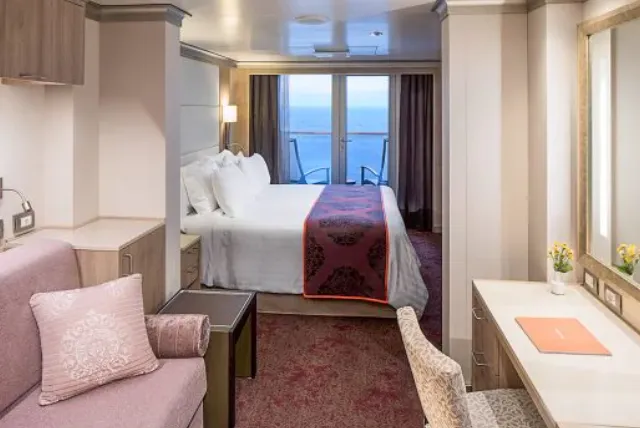
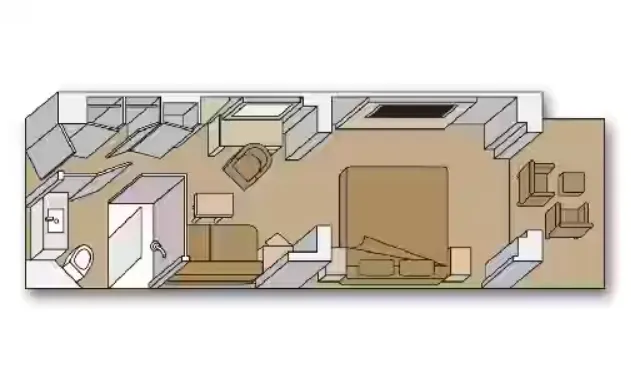
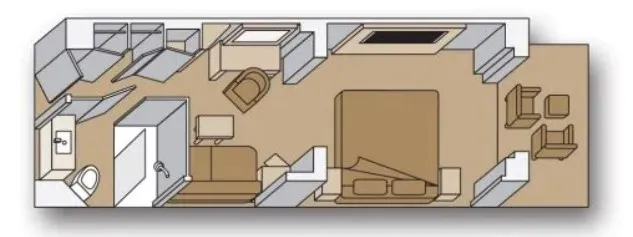
Aft-View Vista Suite
Suite
260–356 m²Max 2
AS
Approximately 260-356 sq. ft. including verandah.
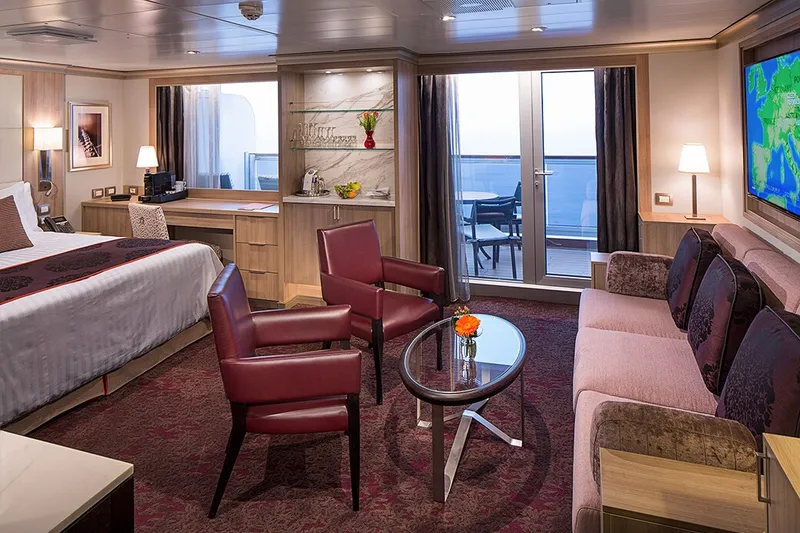
With a teak-lined verandah, floor-to-ceiling windows and comfortable sitting area, these comfortable suites are filled with light. They include two lower beds convertible to one queen-size bed—our signature Mariner's Dream bed with plush Euro-Top mattresses plus a shower with premium massage head and a refrigerator. The configuration of staterooms may vary from the images shown.
Queen or Twin ConfigurationShowerTVSafeHair DryerRoom Service Available+5
US$10,369 /person+ US$930 taxes & fees
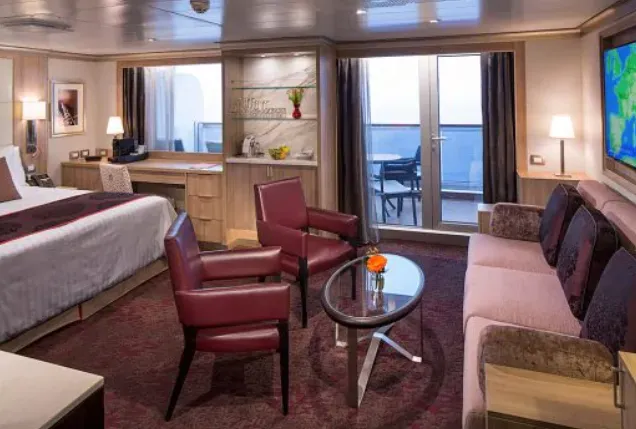
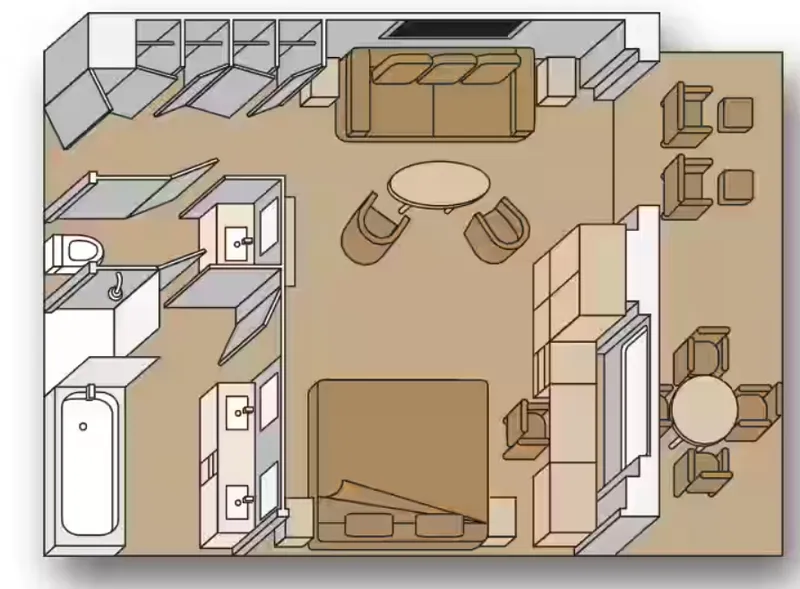
Neptune Suite
Suite
465–502 m²Max 2
SASBSC
Approximately 465-502 sq. ft. including verandah
With floor-to-ceiling windows overlooking a private verandah, these spacious suites are flooded with light. They feature a large sitting area and two lower beds convertible to one king-size bed—our signature Mariner's Dream bed with plush Euro-Top mattresses. The bathroom comes with a dual-sink vanity and some suites have a shower-only option while others provide a full-size whirlpool bath and shower, and an additional shower stall. Amenities include use of the exclusive Neptune Lounge, a private concierge and an array of complimentary services. The configuration of staterooms may vary from the images shown.
King or Twin ConfigurationSofa BedLounge AreaShowerWhirlpool BathSuite Benefits+8
View Details
Pinnacle Suite
Suite
1290 m²Max 4
PS
Approximately 1,290 sq. ft. including verandah.
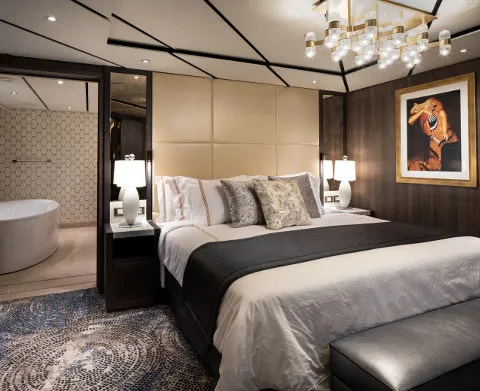
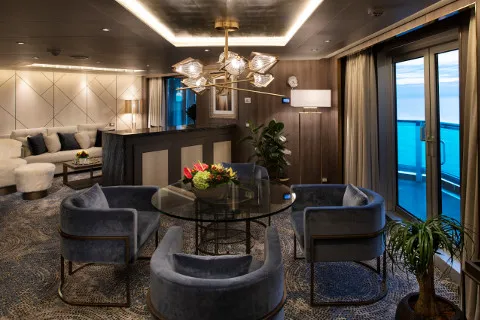
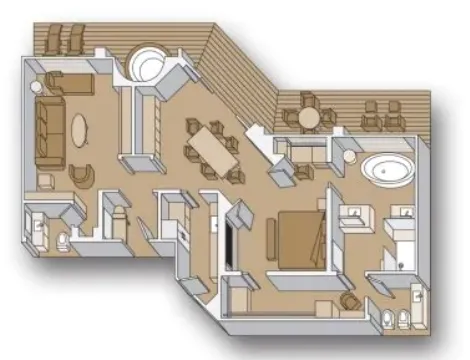
Generously proportioned and filled with light, these elegant suites include a living room, dining room, pantry with microwave and refrigerator, and floor-to-ceiling windows overlooking a private verandah with whirlpool. The bedroom features a king-size bed—our Signature Mariner's Dream bed with plush Euro-Top mattresses, and the bath includes an oversize whirlpool bath and shower as well as an additional shower stall. There's also a sofa bed, suitable for two people, and a guest toilet. Amenities include a private stereo system, use of the exclusive Neptune Lounge, private concierge and an array of complimentary services. The configuration of staterooms may vary from the images shown.
Sofa BedShowerWhirlpool BathSuite BenefitsTVSafe+10
View Details
Signature Suite
Suite
393–400 m²Max 3
SSSY
Approximately 393-400 sq. ft. including verandah
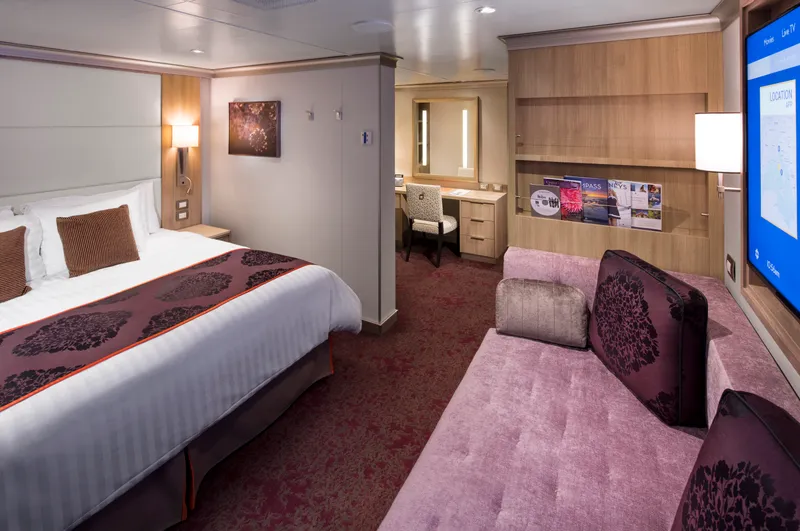
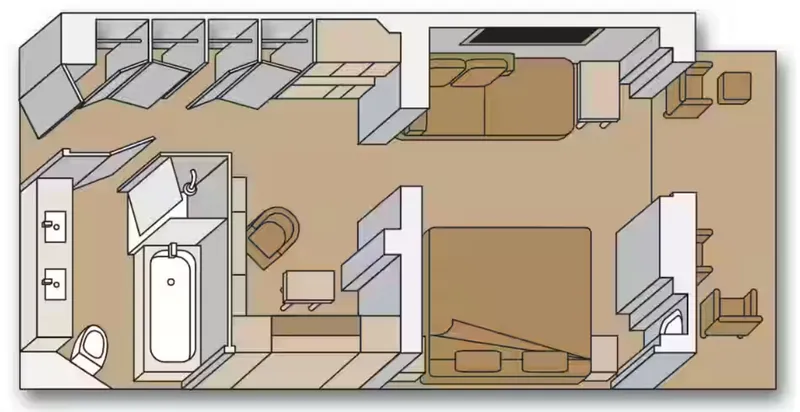
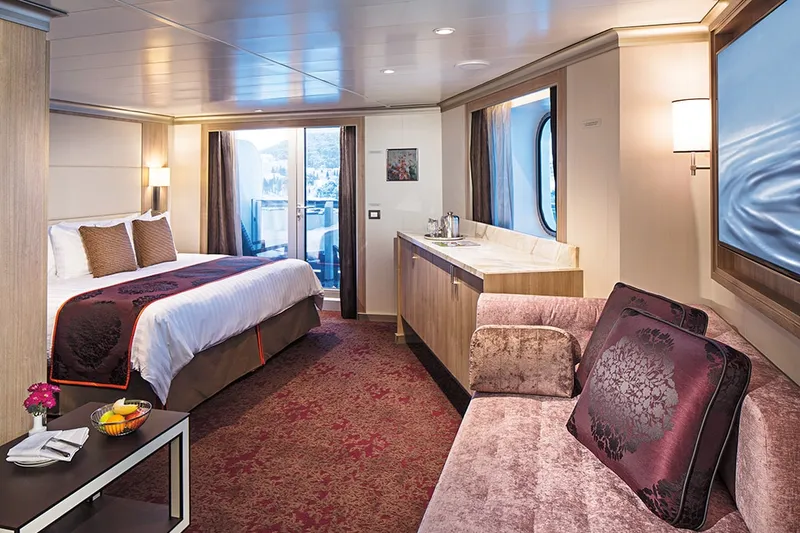
These large, comfortable suites feature a spacious sitting area with floor-to-ceiling windows overlooking a private verandah, two lower beds convertible to one king-size bed—our signature Mariner's Dream bed with plush Euro-Top mattresses, and one murphy bed for one person. The bathroom includes a dual-sink vanity and shower. The configuration of staterooms may vary from the images shown.
ShowerSafeHair DryerRoom Service AvailableTelephoneDesk+8
View Details
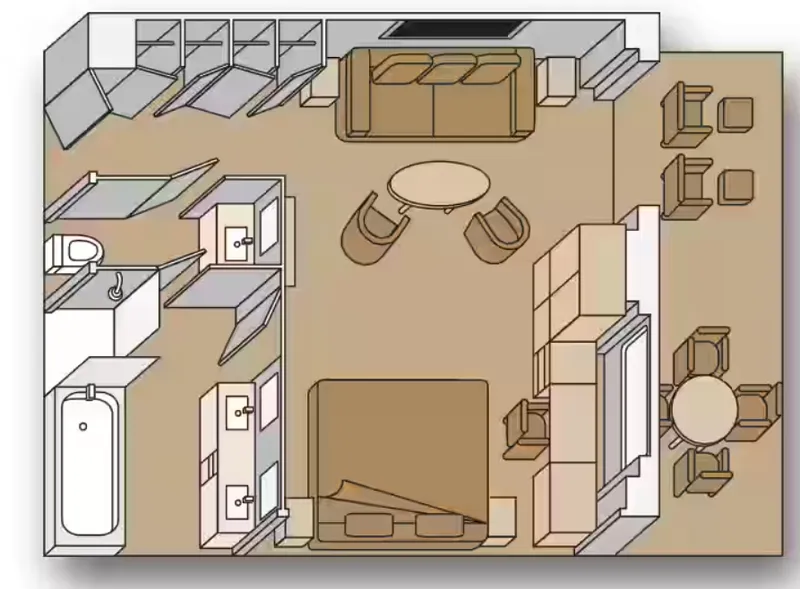
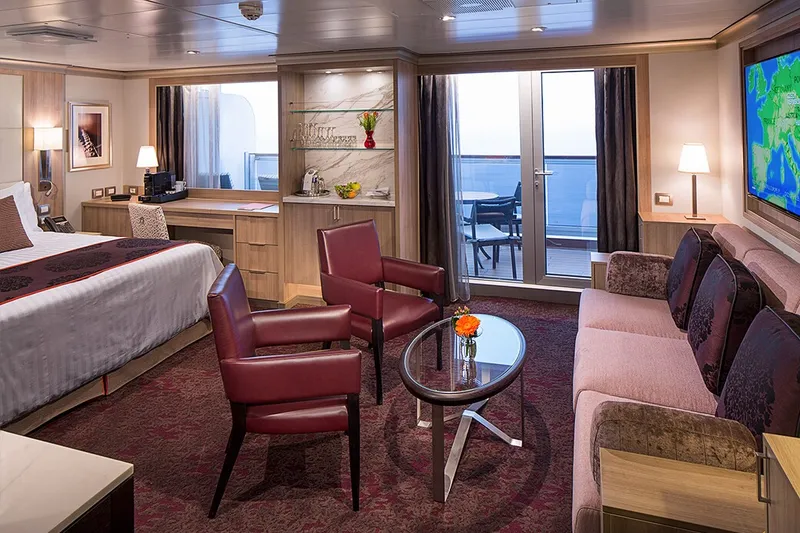
Spa Neptune Suite
Suite
465–502 m²Max 2
SQ
Approximately 465-502 sq. ft. including verandah.
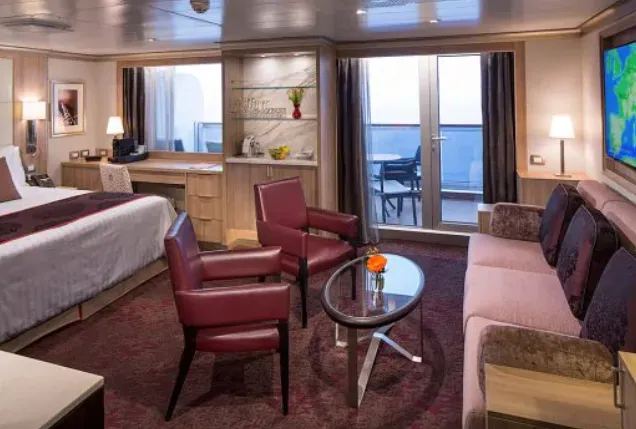
With floor-to-ceiling windows overlooking a private verandah, these suites feature spa amenities such as yoga mats and access to spa treatments from the Greenhouse Spa & Salon. They feature a large sitting area and two lower beds convertible to one king-size bed—our signature Mariner's Dream bed with plush Euro-Top mattresses. The bathroom comes with a dual-sink vanity and some suites have a shower-only option while others provide a full-size whirlpool bath and shower, and an additional shower stall. Amenities include use of the exclusive Neptune Lounge, a private concierge and an array of complimentary services. The configuration of staterooms may vary from the images shown.
King or Twin ConfigurationLounge AreaWhirlpool BathRoom Service AvailableSuite BenefitsTV+8
View Details
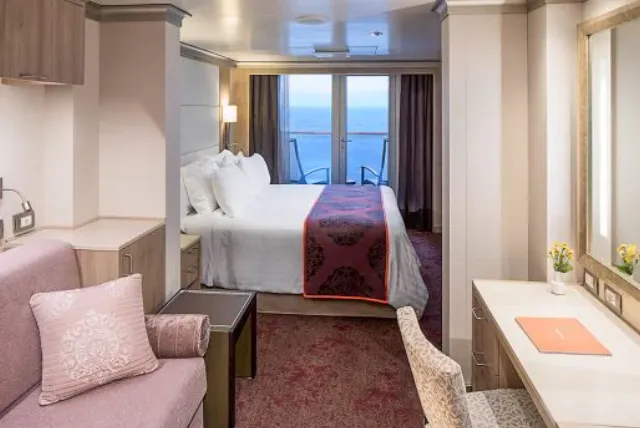
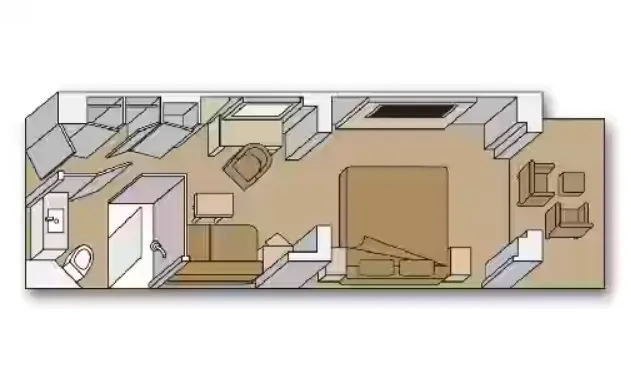
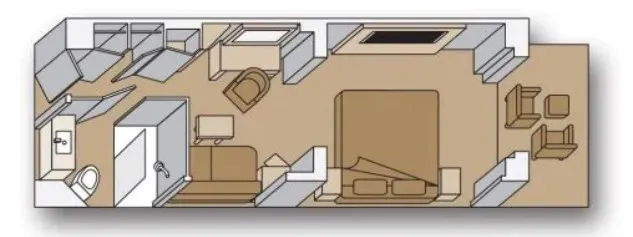
Vista Suite
Suite
260–356 m²Max 2
ABBC
Approximately 260-356 sq. ft. including verandah
With a teak-lined verandah, floor-to-ceiling windows and comfortable sitting area, these comfortable suites are filled with light. They include two lower beds convertible to one queen-size bed—our signature Mariner's Dream bed with plush Euro-Top mattresses plus a shower with premium massage head and a refrigerator. The configuration of staterooms may vary from the images shown.
Queen or Twin ConfigurationShowerTVSafeHair DryerRoom Service Available+5
US$9,349 /person+ US$930 taxes & fees
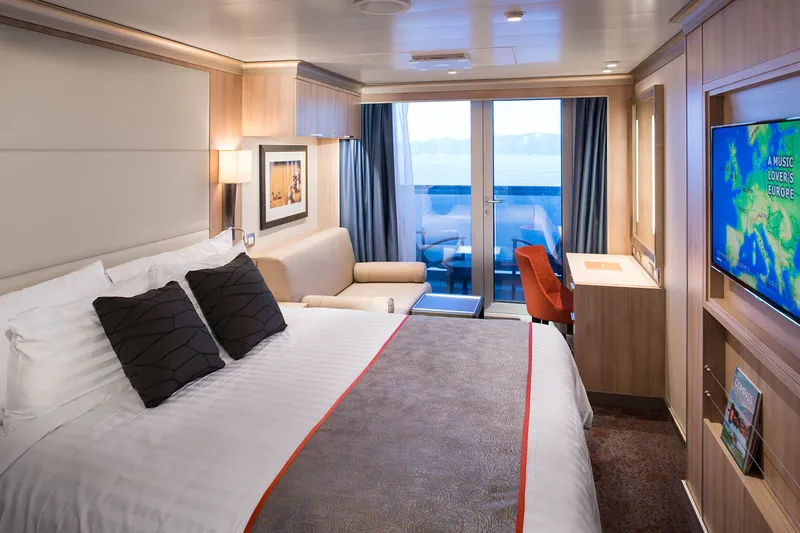
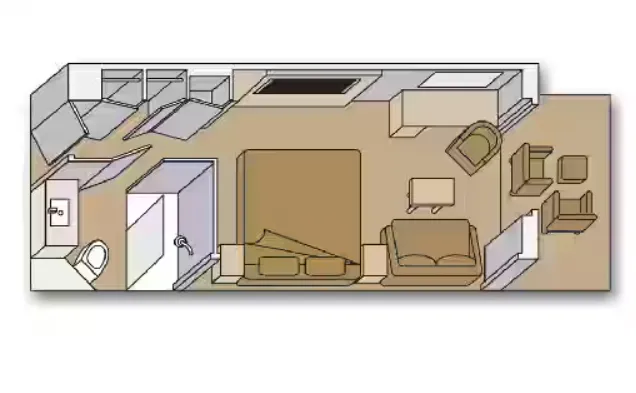
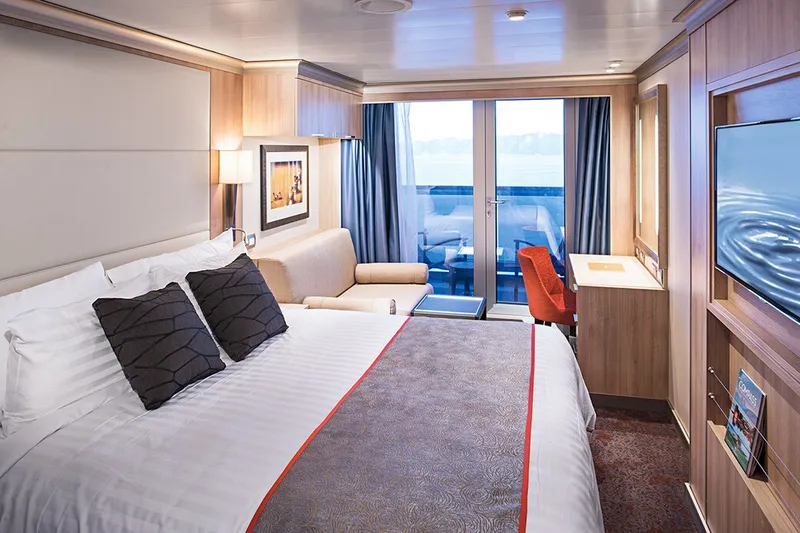
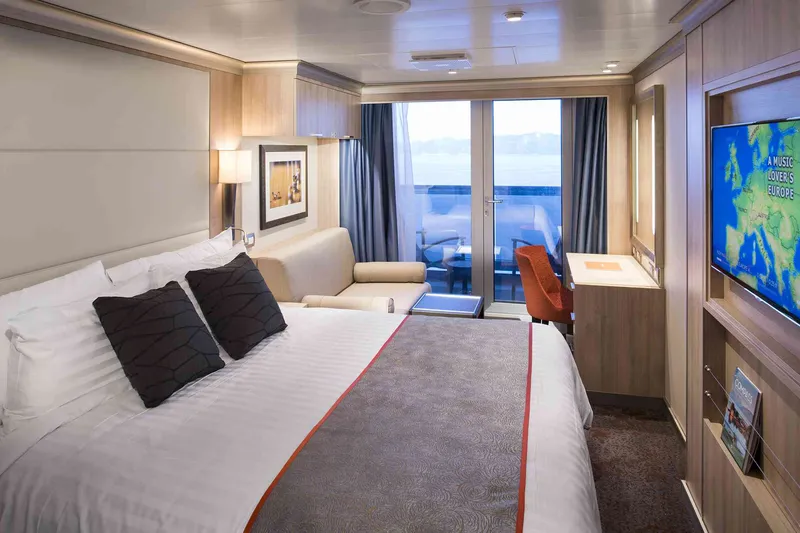
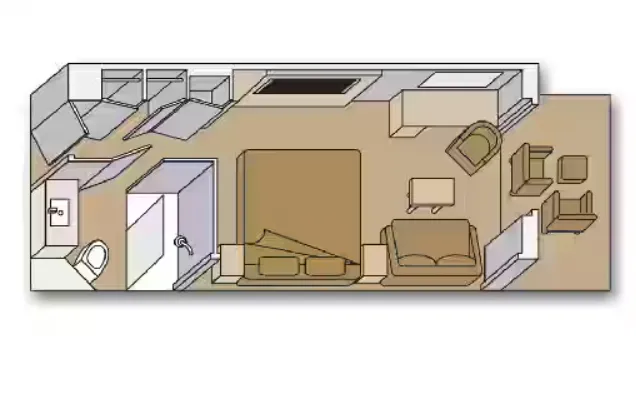
Aft-View - Verandah Stateroom
Balcony
228–405 m²Max 2
VS
Approximately 228-405 sq. ft. including verandah
Filled with light from floor-to-ceiling windows overlooking a private verandah, these staterooms include a sitting area, two lower beds convertible to one queen-size bed—our signature Mariner's Dream bed with plush Euro-Top mattresses, and shower with premium massage showerheads. The configuration of staterooms may vary from the images shown.
Queen or Twin ConfigurationShowerTVSafeHair DryerLounge Area+4
View Details
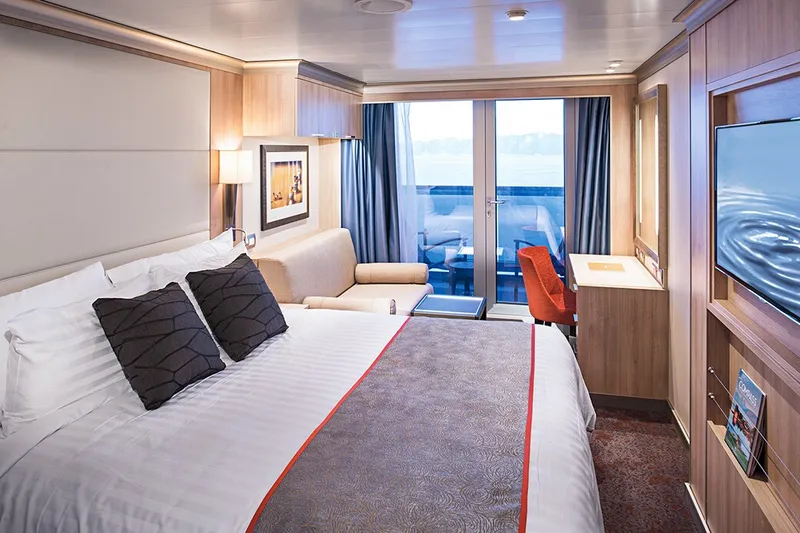
Spa Verandah Stateroom
Balcony
228–405 m²Max 2
VQ
Approximately 228-405 sq. ft. including verandah
With floor-to-ceiling windows and a private verandah, these light-infused staterooms feature two lower beds convertible to one queen-size bed—our Signature Mariner's Dream bed with plush Euro-Top mattresses, shower with premium massage showerheads and thoughtful amenities. The configuration of staterooms may vary from the images shown.
Queen or Twin ConfigurationShowerTVSafeHair DryerTelephone+4
US$9,649 /person+ US$930 taxes & fees
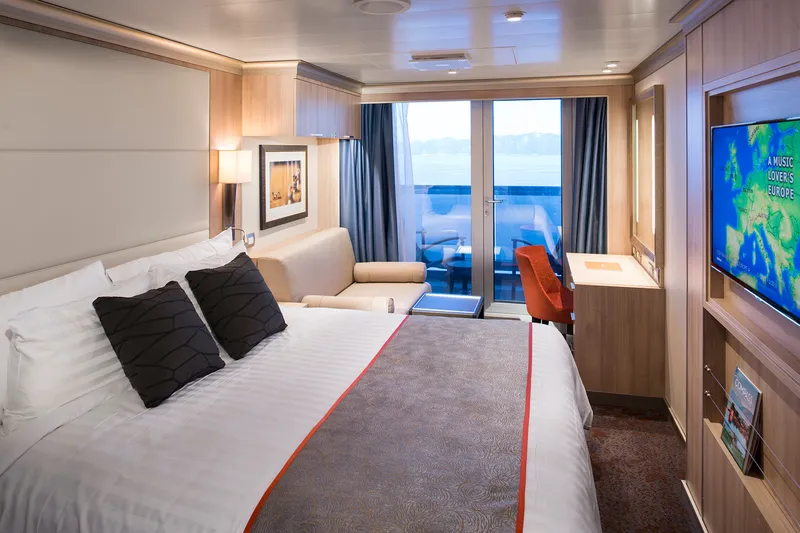
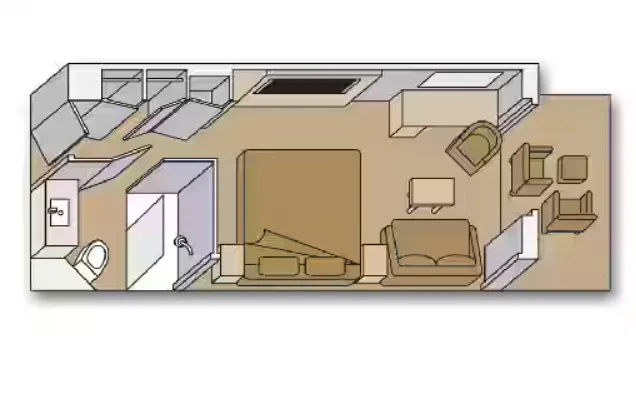
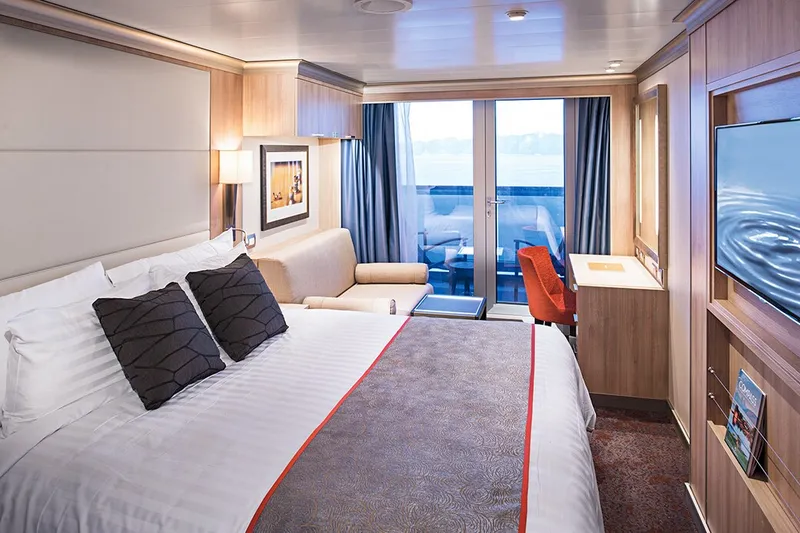
Verandah Stateroom
Balcony
228–405 m²Max 2
VVAVBVCVDVEVF
Filled with light from floor-to-ceiling windows overlooking a private verandah, these staterooms include a sitting area, two lower beds convertible to one queen-size bed—our signature Mariner's Dream bed with plush Euro-Top mattresses, and shower with premium massage showerheads. The configuration of staterooms may vary from the images shown.
Queen or Twin ConfigurationShowerTVSafeHair DryerLounge Area+4
US$8,399 /person+ US$930 taxes & fees
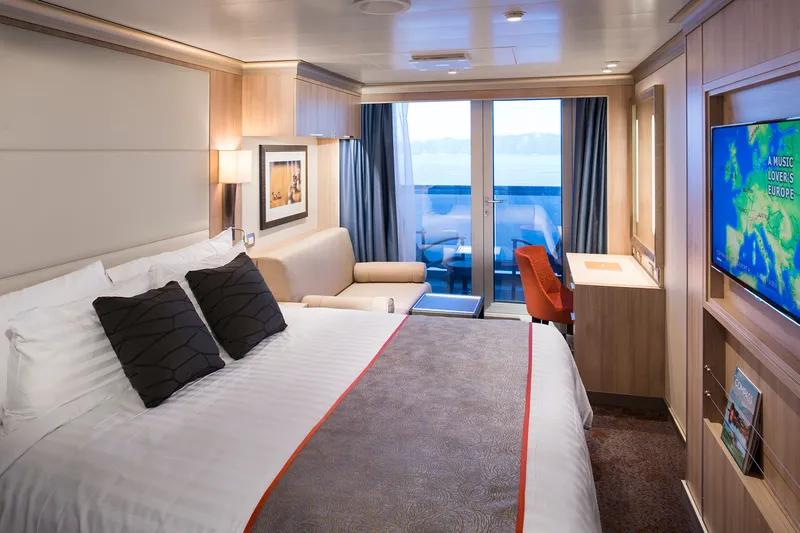
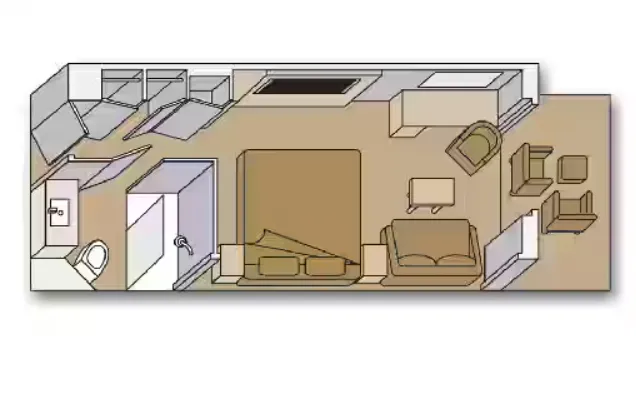
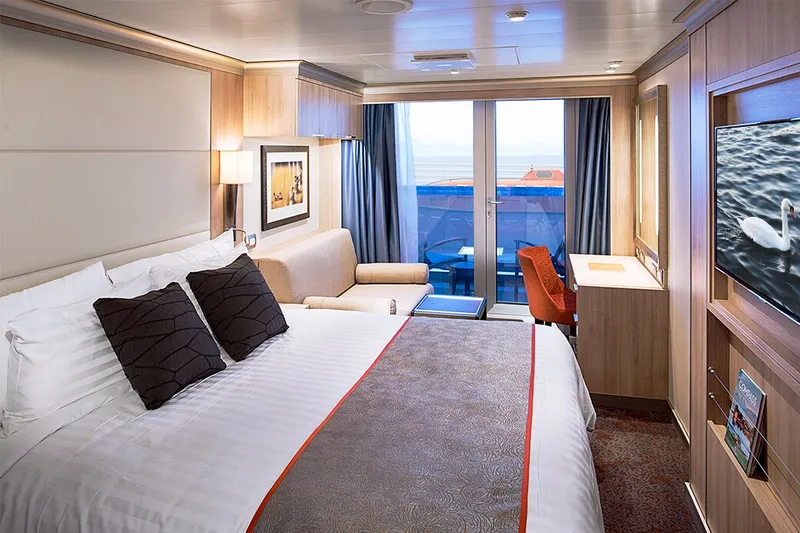
Verandah Stateroom (Partially Obstructed Views)
Balcony
228–405 m²Max 2
VH
Approximately 228-405 sq. ft. including verandah
Filled with light from floor-to-ceiling windows overlooking a private verandah, these staterooms include a sitting area, two lower beds convertible to one queen-size bed—our signature Mariner's Dream bed with plush Euro-Top mattresses, and shower with premium massage showerheads. The view is partially obstructed. The configuration of staterooms may vary from the images shown.
Queen or Twin ConfigurationShowerTVSafeHair DryerLounge Area+4
US$8,049 /person+ US$930 taxes & fees
Family Oceanview Stateroom
Outside
222–231 m²Max 5
FAFB
Approximately 222-231 sq. ft
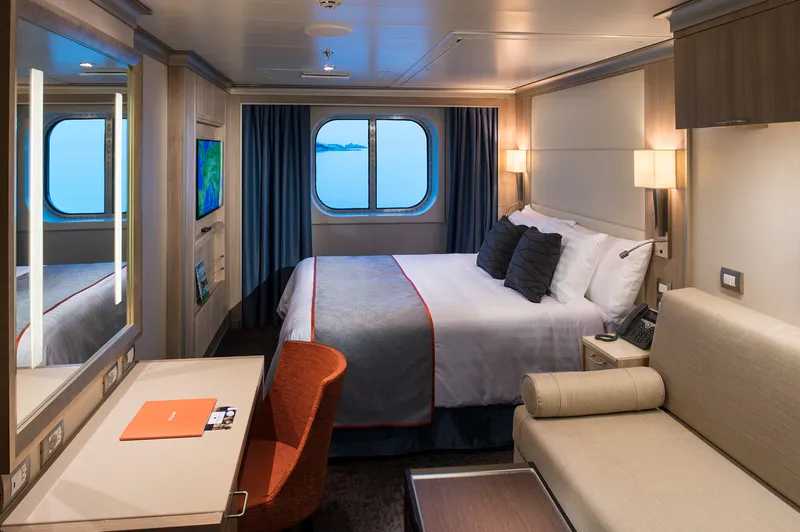
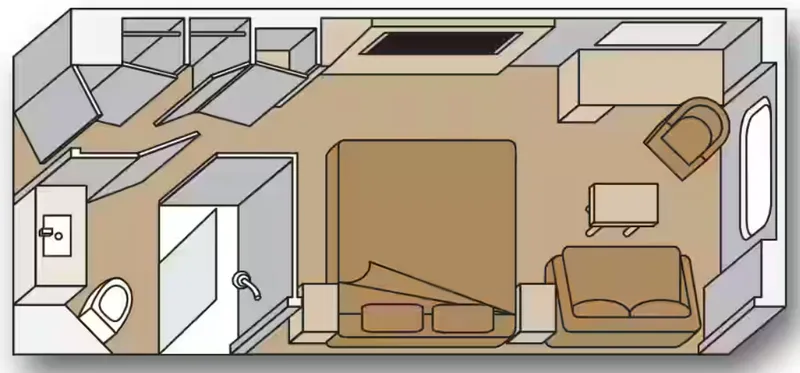
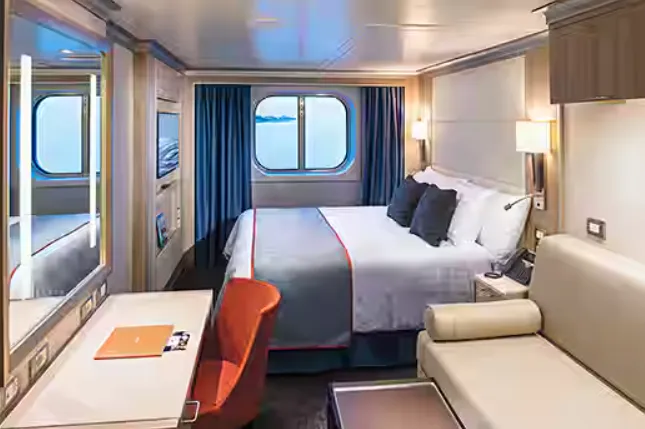
With accommodations for five guests, this stateroom includes two lower beds convertible to one queen-size bed and one upper bed—all are our signature Mariner's Dream beds with plush Euro-Top mattresses, plus one sofa bed for two persons. There are two bathrooms: one with bathtub, shower, sink and toilet, one with shower and sink. The configuration of staterooms may vary from the images shown.
Queen or Twin ConfigurationSofa BedPullman BedShowerBathTV+7
US$9,039 /person+ US$930 taxes & fees
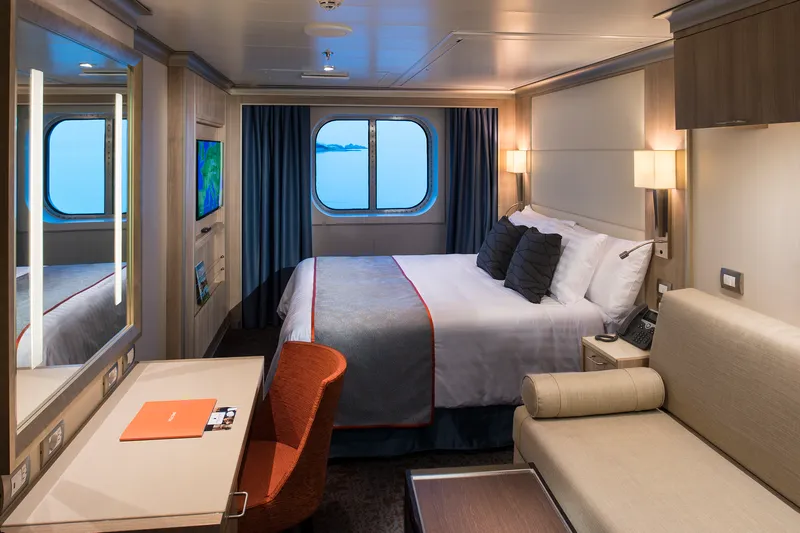
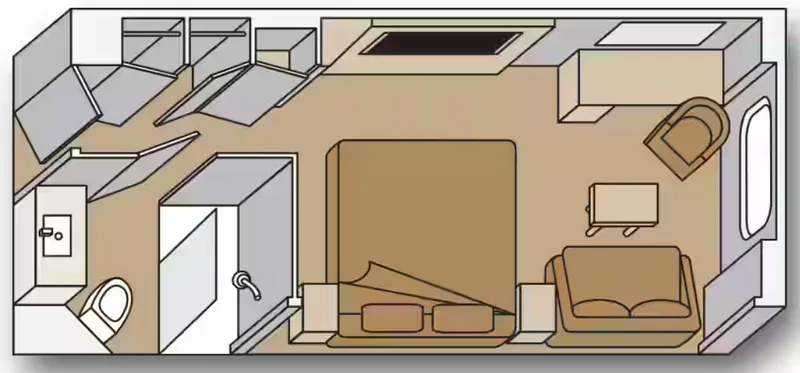
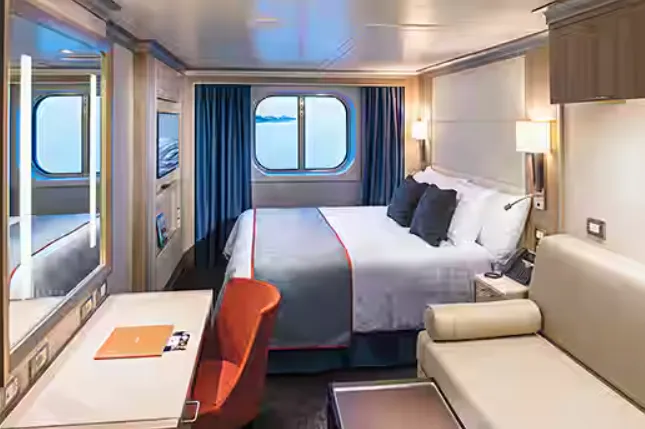
Large Oceanview Spa Stateroom
Outside
175–282 m²Max 2
CQ
These ocean-view staterooms offer spa amenities such as yoga mats and exclusive spa treatments from the nearby Greenhouse Spa and Salon. It includes two lower beds convertible to one queen-size bed—our signature Mariner's Dream bed with plush Euro-Top mattresses, premium massage shower heads, a host of amenities and an ocean view. The configuration of staterooms may vary from the images shown.
Queen or Twin ConfigurationShowerTVSafeHair DryerTelephone+6
US$8,879 /person+ US$930 taxes & fees
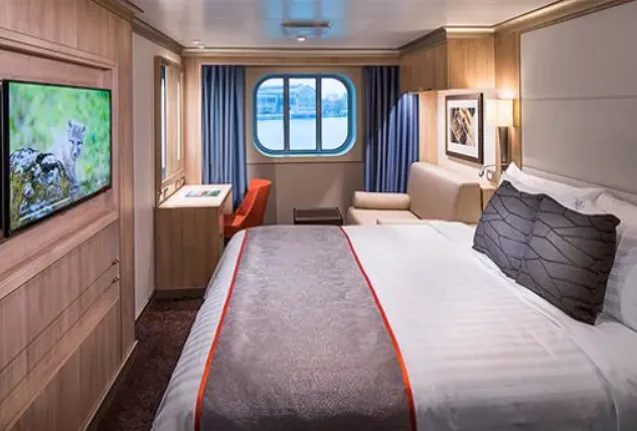
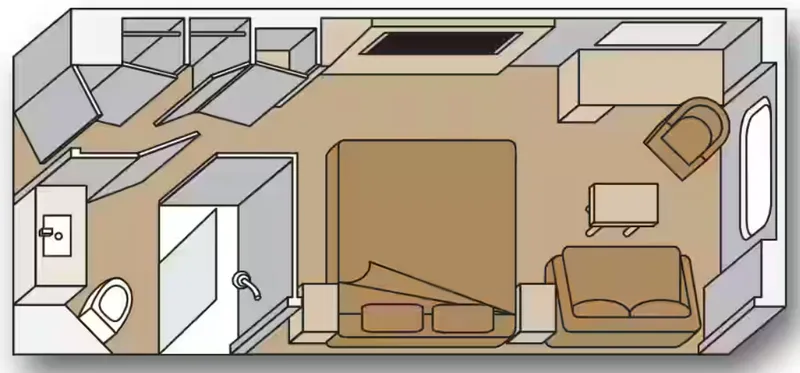
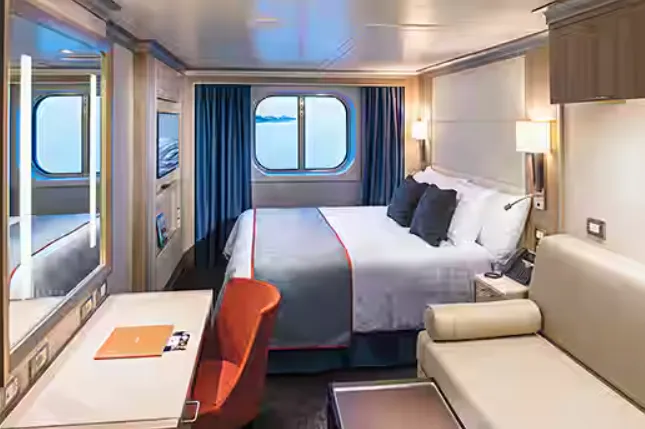
Large Oceanview Stateroom
Outside
175–282 m²Max 2
CDEF
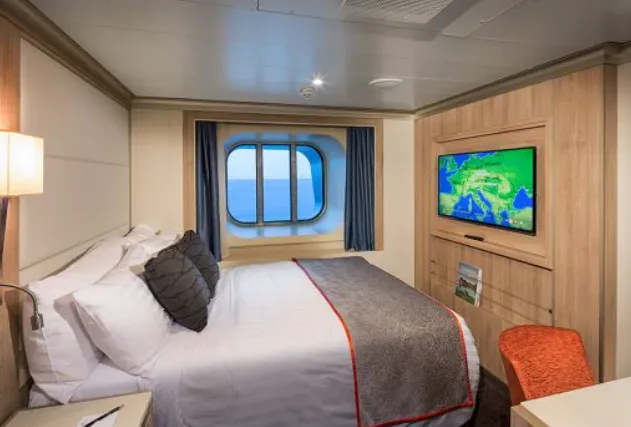
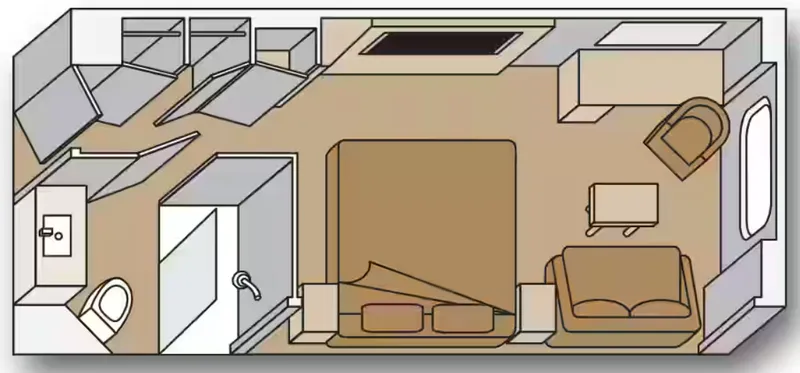
These expansive staterooms include two lower beds convertible to one queen-size bed—our Signature Mariner's Dream bed with plush Euro-Top mattresses, premium massage shower heads, a host of amenities and an ocean view. The configuration of staterooms may vary from the images shown.
Queen or Twin ConfigurationShowerTVSafeHair DryerLounge Area+4
US$8,049 /person+ US$930 taxes & fees
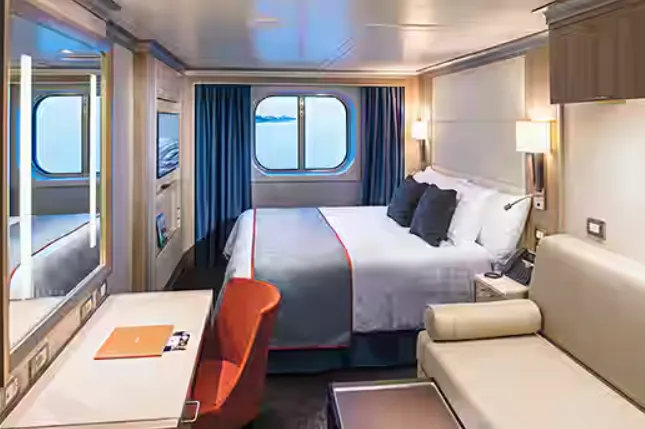
Single Oceanview Stateroom
Outside
127–172 m²Max 1
OO
Approximately 127-172 sq. ft.
Perfect for guests traveling solo, these staterooms feature one full-size Signature Mariner's Dream bed with plush Euro-top mattress, plus a shower with premium massage head, an array of modern amenities and an ocean view. The configuration of staterooms may vary from the images shown.
One Single BedShowerTVSafeHair DryerTelephone+3
View Details
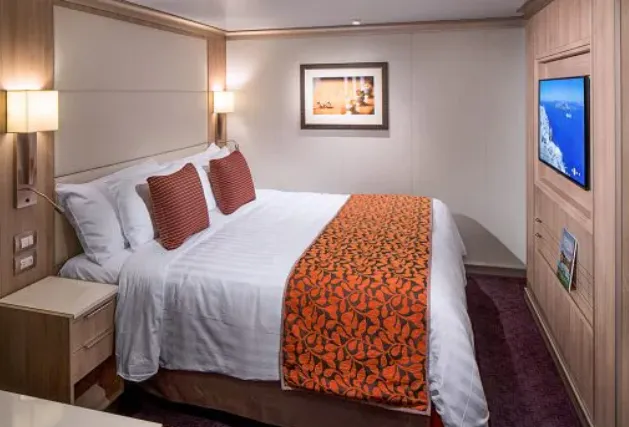
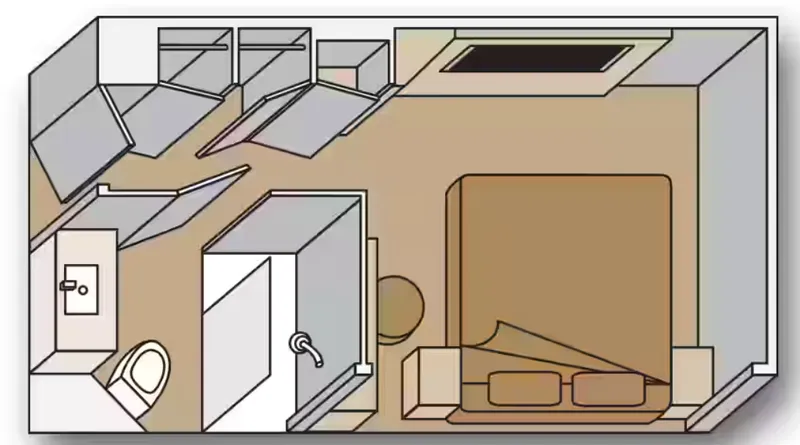
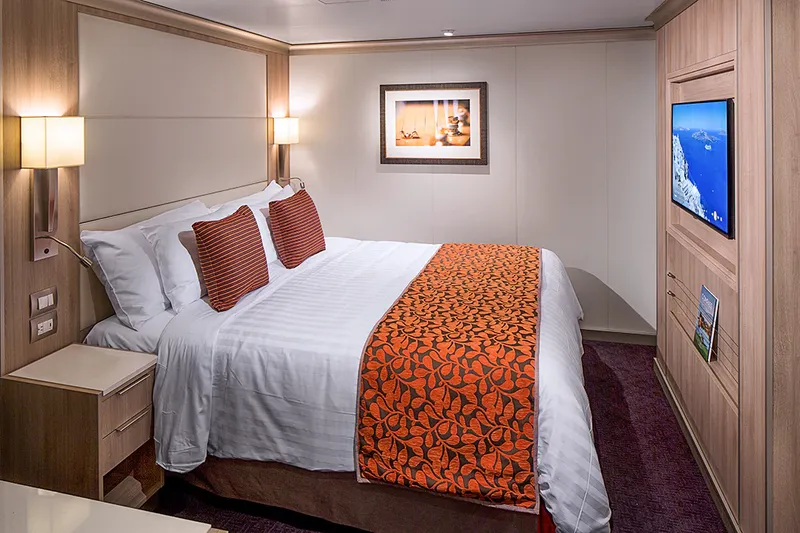
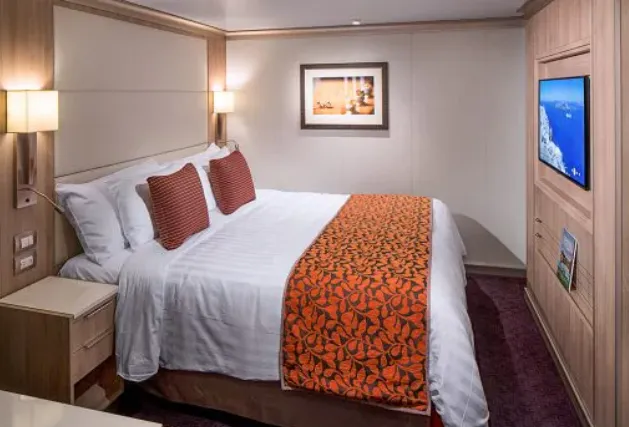
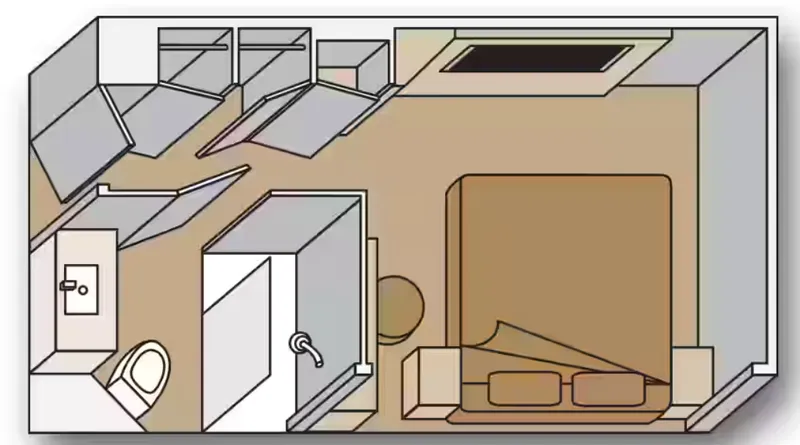
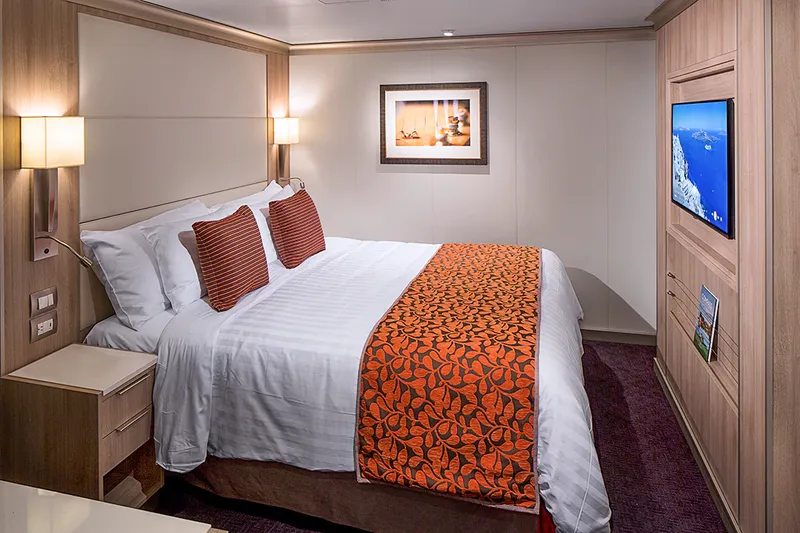
Large/Standard Interior Stateroom
Inside
143–225 m²Max 2
IJKLN
Two lower beds convertible to one queen-size bed—our signature Mariner's Dream bed with plush Euro-Top mattresses, premium massage shower heads and a host of amenities are featured in these comfortable staterooms. The configuration of staterooms may vary from the images shown.
Queen or Twin ConfigurationShowerTVSafeHair DryerTelephone+3
US$6,399 /person+ US$930 taxes & fees
Spa Interior Stateroom
Inside
143–225 m²Max 2
IQ
Approximately 143-225 sq. ft.
These staterooms feature spa amenities such as yoga mats and access to spa treatments from the Greenhouse Spa & Salon. There are two lower beds convertible to one queen-size bed—our Signature Mariner's Dream bed with plush Euro-Top mattresses, premium massage shower heads and a host of amenities are featured in these comfortable staterooms. The configuration of staterooms may vary from the images shown.
Queen or Twin ConfigurationShowerTVSafeHair DryerTelephone+4
US$6,639 /person+ US$930 taxes & fees
Interested in This Voyage?
Our cruise specialists can help you find the perfect cabin and the best available pricing.
(+886) 02-2721-7300Contact Advisor