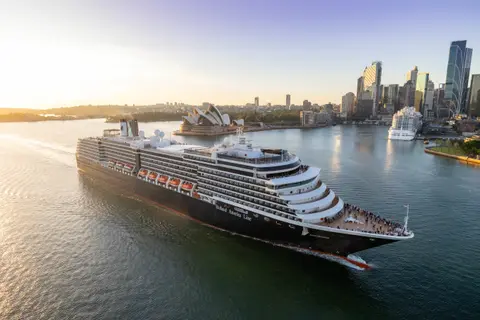
Alaska Arctic Circle Solstice
Date
2026-06-07
Duration
28 nights
Departure Port
Seattle
United States
Arrival Port
Seattle
United States
Rating
Premium
Theme
—
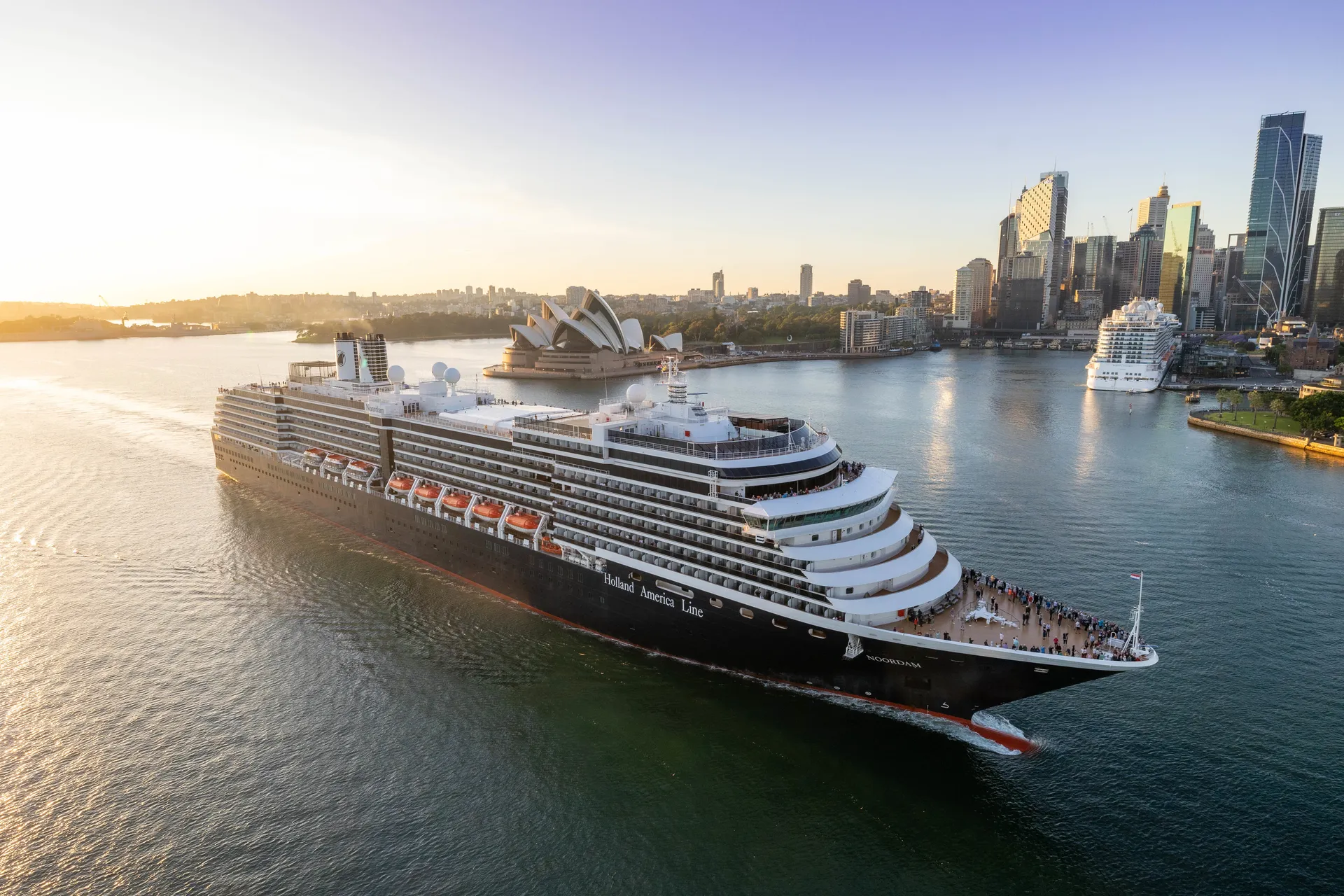




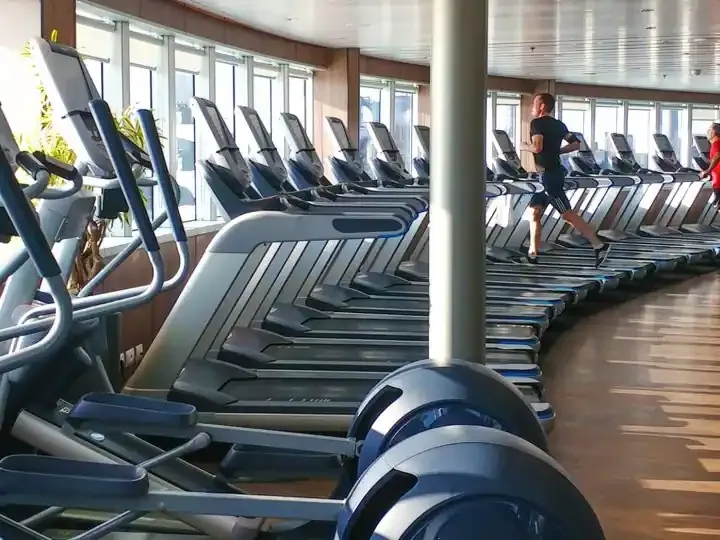


Holland America Line
Noordam
Launched
2006
Refitted
2019
Tonnage
82,318 GT
Passengers
1,924
Cabins
986
Crew
800
Length
936 m
Width
32 m
Speed
24 knots
Adults Only
No
Itinerary
Day 1
Day 1
Seattle
Depart 15:00
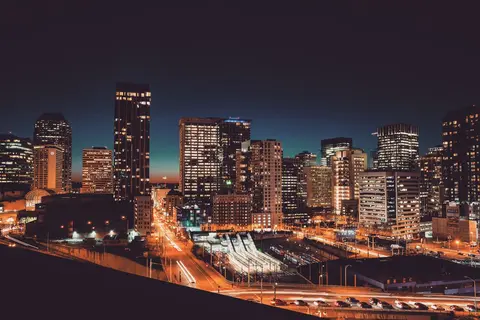
Seattle, the Pacific Northwest's rain-kissed metropolis, commands one of America's most spectacular urban settings — a skyline of glass towers reflected in Elliott Bay with the white cone of Mount Rainier presiding over the horizon on clear days. Pike Place Market, one of the oldest and most vibrant public markets in the country, overflows with Dungeness crab, wild salmon, and blooms of tulips from the Skagit Valley. The neighbourhood of Capitol Hill pulses with independent bookshops and craft breweries; the Space Needle delivers sweeping views of the Cascades and the Olympic Peninsula. Summer, from June through September, offers Seattle's most generous sunshine.
Day 2
Day 2
Transit the Seymour Narrows
Arrive 08:00Depart 17:00
Day 2
Day 2
Scenic cruising Johnstone Strait
Day 3
Day 3
Scenic cruising Bella Bella
Day 3
Day 3
Scenic cruising Grenville Channel
Day 3
Day 3
Great Bear Rainforest
The Great Bear Rainforest is 6.4 million hectares of ancient temperate rainforest on British Columbia's coast, home to the rare white spirit bear (Kermode bear) and massive autumn salmon runs that fuel an entire forest ecosystem. Must-do experiences include spirit bear watching, observing the salmon spawning runs, and engaging with First Nations cultural traditions. August through October offers peak salmon and spirit bear viewing, though the forest is magnificent — and wet — year-round.
Day 4
Day 4
Ketchikan
Arrive 08:00Depart 17:00
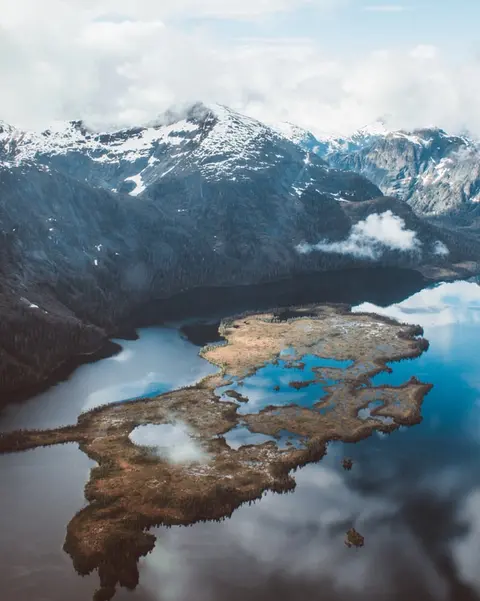
Ketchikan clings to the forested shore of Revillagigedo Island in Alaska's southeastern panhandle — a town so narrow that locals joke it is three miles long and three blocks wide. Revered by the Tlingit people for millennia as a place of abundant salmon, it is today celebrated as the Totem Pole Capital of the World: the collections at Saxman Native Village and Totem Bight State Historical Park preserve the most significant concentration of these monumental artworks anywhere. Creek Street, a boardwalk of colorful historic houses built over Ketchikan Creek, should not be missed. Summer (May–September) brings the best weather, with salmon running in the creeks below.
Day 5
Day 5
Sitka
Arrive 10:00Depart 19:00
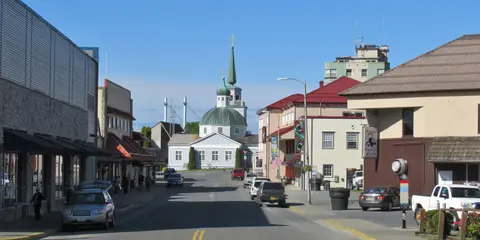
Sitka, set on the wild west coast of Baranof Island in Southeast Alaska, is one of the Pacific Northwest's most historically resonant ports — a place where Russian Orthodox onion domes rise above totem poles and the great temperate rainforest presses down to the water's edge. The Sitka National Historical Park preserves the site of the 1804 battle between Tlingit warriors and Russian colonisers alongside a magnificent collection of monumental poles. Whale-watching, sea kayaking among sea otters, and brown bear spotting in the surrounding wilderness define the outdoor experience. May through September offers the most accessible and luminous conditions.
Day 6
Day 6
Icy Strait Point
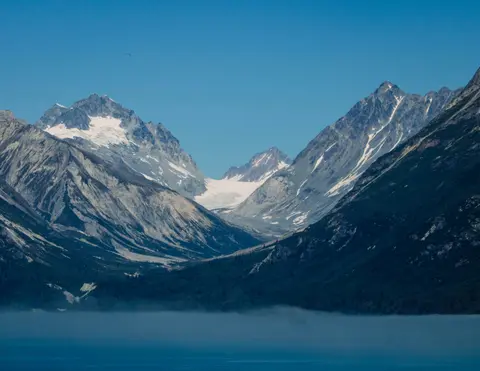
Icy Strait Point is a stunning Alaskan port known for its breathtaking natural beauty and rich Native Tlingit culture. Must-do experiences include savoring fresh local seafood and embarking on wildlife excursions in Glacier Bay National Park. The best season to visit is during the summer months, when the weather is mild and wildlife is abundant.
Day 7
Day 7
Valdez
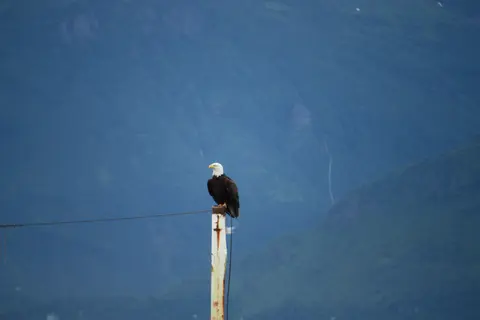
Valdez sits at the head of a fjord in Prince William Sound, surrounded by the Chugach Mountains and tidewater glaciers that make it one of Alaska's most scenically dramatic ports. Must-do experiences include cruising to the Columbia Glacier, walking up to the Worthington Glacier, and tasting fresh-caught halibut at harbour-front restaurants. May through September is the season, with July-August bringing salmon runs and the warmest weather.
Day 8
Day 8
College Fjord Cruising
There is a spot in College Fjord where you can see eight glaciers at once. The fjord pokes into the Chugach Mountains at the north end of Prince William Sound and it's the only place in Alaska that surrounds you on three sides with glaciers, five of which terminate at the water. The Harriman Expedition that explored College Fjord in 1899 was funded by Ivy League colleges, and all of the glaciers were named for the various schools in their honor. As you travel into the Fjord, the glaciers on the left are named for women's colleges and those on the right are named for men's colleges. Harvard Glacier is the biggest – its face is a mile and a half across.
Day 8
Day 8
College Fjord
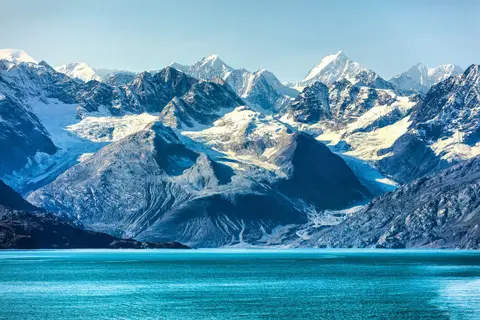
College Fjord in Prince William Sound contains the world's highest concentration of tidewater glaciers—twenty-six named glaciers visible from its waters, including the advancing Harvard Glacier. Must-dos include watching glacier calving from the ship's deck, spotting harbor seals on ice floes, and listening to the ethereal crackle of dissolving glacial ice. Cruise season runs May–September, with June–July offering the best light and visibility.
Day 9
Day 9
At Sea
Day 10
Day 10
Dutch Harbor
Arrive 11:00Depart 18:00
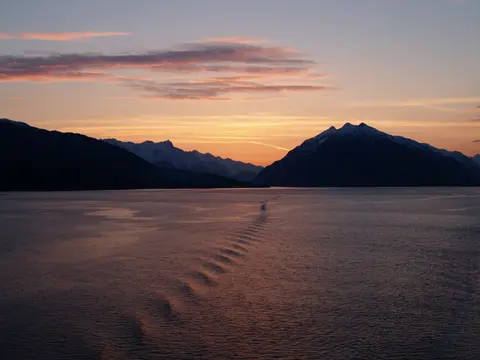
Dutch Harbor, in Alaska's volcanic Aleutian Islands, is America's highest-volume fishing port where king crab fleets brave the Bering Sea's notorious waters. Japanese WWII bombing sites, Unangan indigenous heritage, and a Russian Orthodox cathedral layer history across a landscape of emerald tundra and volcanic peaks. Carnival Cruise Line and HX Expeditions navigate the Aleutian chain to this frontier outpost where extreme weather, extraordinary seafood, and the wild beauty of the North Pacific converge at the edge of the world.
Day 11
Day 11
At Sea
Day 12
Day 12
Nome
Arrive 08:00Depart 17:00
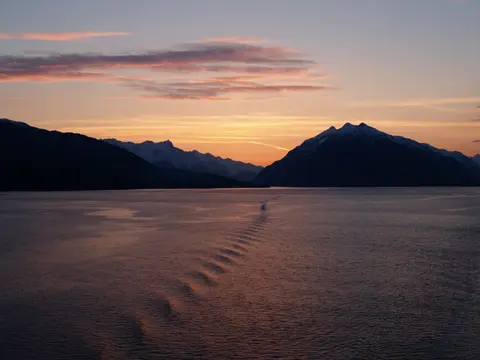
Nome, Alaska, United States, offers an authentic North American experience where stunning natural landscapes meet communities of genuine character. Visitors should explore the surrounding wilderness and sample the honest, locally sourced cuisine that defines the region. The ideal visiting period is June through August, when the midnight sun bathes the landscape in golden light for nearly twenty-four hours. Cruise lines including HX Expeditions feature this port on their most compelling itineraries. Whether you have a few hours or a full day, the port rewards exploration at every pace and in every direction.
Day 13
Day 13
Crossing the Arctic Circle
Day 14
Day 14
At Sea
Day 15
Day 15
At Sea
Day 16
Day 16
At Sea
Day 17
Day 17
Kodiak
Arrive 07:00Depart 17:00
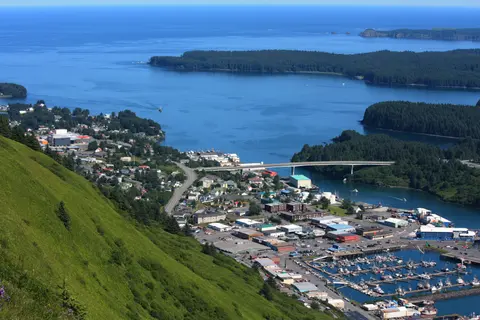
Kodiak, Alaska's oldest European settlement and one of America's largest fishing ports, sits on an island home to 3,500 giant Kodiak brown bears—the densest concentration on Earth. Must-dos include floatplane bear-viewing at remote salmon streams, the Alutiiq Museum of indigenous culture, and sampling king crab fresh from the harbor. July and August offer the warmest weather and peak bear-viewing season.
Day 18
Day 18
At Sea
Day 19
Day 19
Anchorage
Arrive 07:00
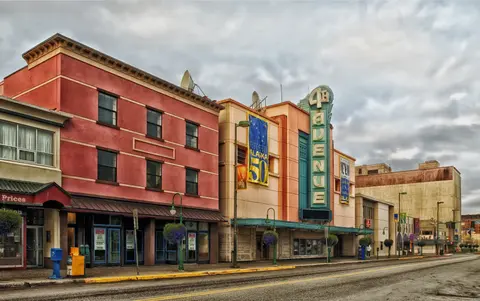
Anchorage, Alaska's largest city, sits dramatically between the Chugach Mountains and Cook Inlet, serving as the gateway to Denali, Kenai Fjords, and the Inside Passage. Must-dos include the Anchorage Museum's Alaska Native collections, the Seward Highway's fjord-like scenery, and sampling king crab and wild-caught salmon. Mid-May through mid-September offers the best conditions, with June and July bringing twenty hours of daylight.
Day 21
Day 21
At Sea
Day 22
Day 22
Hubbard Glacier
Arrive 07:00Depart 12:00
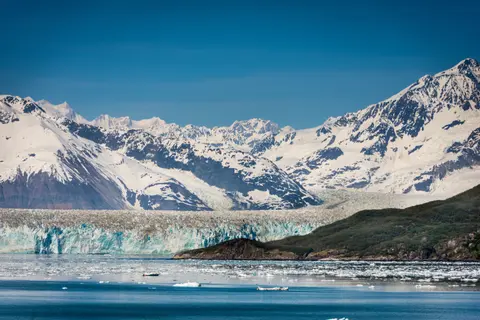
Hubbard Glacier, known as the "Galloping Glacier," is a breathtaking natural wonder in East Alaska, captivating visitors with its stunning ice formations and wildlife. Must-do experiences include witnessing the glacier calving and savoring local delicacies such as Dungeness crab and reindeer sausage in nearby Skagway. The best season to visit is during the summer months when the weather is milder and wildlife is abundant.
Day 23
Day 23
Haines
Arrive 07:00Depart 21:00
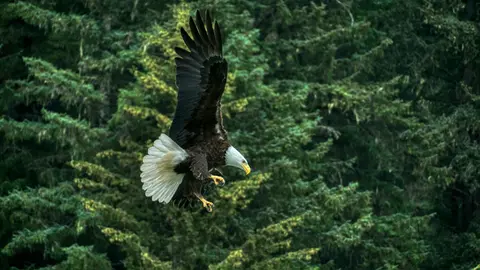
Haines is an authentic Alaskan town on North America's deepest fjord, home to the world's largest bald eagle congregation — up to four thousand birds along the Chilkat River — and a thriving arts community preserving Tlingit cultural traditions. Visit June through August via Cunard or Lindblad for glacier helicopter landings and coastal hikes, or October through February for the extraordinary eagle spectacle that makes Haines Alaska's best-kept secret.
Day 24
Day 24
Juneau
Arrive 08:00Depart 21:00
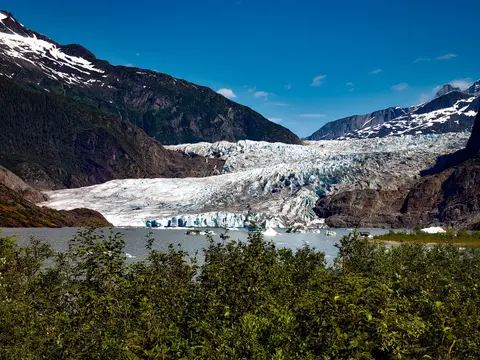
America's only state capital unreachable by road, Juneau rewards the journey with a wilderness grandeur that few cities on earth can match. The Mendenhall Glacier — a living river of ancient ice — lies just fifteen minutes from downtown, where floatplanes dart above a waterfront flanked by spruce-draped mountains plunging straight into the sea. The must-do experience is a helicopter landing atop the icefield or a whale-watching excursion in Stephens Passage, where humpbacks breach in astonishing proximity. Juneau is warmest from June to August, though even summer days can bring the famous Southeast Alaska rain that keeps the rainforest perpetually luminous.
Day 25
Day 25
Tracy Arm
Arrive 08:30Depart 13:30
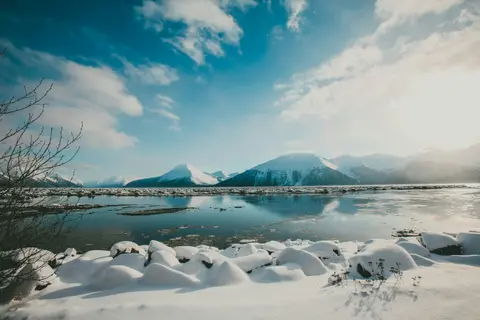
Tracy Arm is a stunning 30-mile fjord in Alaska's Tongass National Forest, celebrated for its dramatic landscapes and abundant wildlife. Must-do experiences include cruising through the fjord to view calving glaciers and enjoying local seafood like smoked salmon. The best season to visit is during the summer months when the area is vibrant and accessible.
Day 26
Day 26
Wrangell
Arrive 08:00Depart 17:00
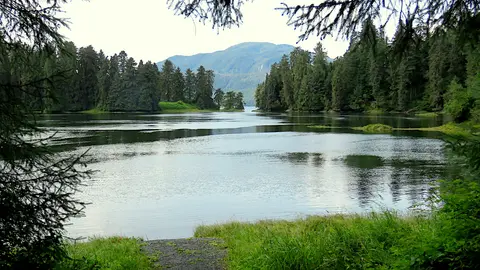
Wrangell is one of Alaska's most authentic Inside Passage ports, where Tlingit heritage, ancient petroglyphs, and world-class wildlife converge at the mouth of the mighty Stikine River. Essential experiences include jet boating to LeConte Glacier, watching bears fish at Anan Creek, and tasting locally smoked salmon. July and August offer peak salmon runs and bear viewing.
Day 27
Day 27
Prince Rupert
Arrive 07:00Depart 17:00
Prince Rupert, a historic railway terminus on British Columbia's northern coast, enchants visitors with its deep Tsimshian heritage, world-class halibut fishing, and misty rain forest scenery along the Inside Passage. Sample freshly smoked salmon at the waterfront and explore the North Pacific Cannery, Canada's oldest surviving cannery, for a vivid encounter with the port's maritime soul. The best time to visit is June through August, when longer days temper the famous rainfall and wildlife activity peaks along the coast.
Day 28
Day 28
At Sea
Day 29
Day 29
Seattle
Arrive 07:00
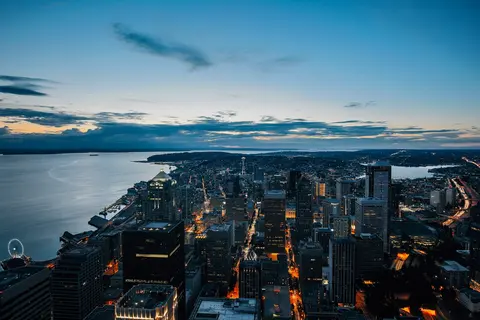
Seattle, the Pacific Northwest's rain-kissed metropolis, commands one of America's most spectacular urban settings — a skyline of glass towers reflected in Elliott Bay with the white cone of Mount Rainier presiding over the horizon on clear days. Pike Place Market, one of the oldest and most vibrant public markets in the country, overflows with Dungeness crab, wild salmon, and blooms of tulips from the Skagit Valley. The neighbourhood of Capitol Hill pulses with independent bookshops and craft breweries; the Space Needle delivers sweeping views of the Cascades and the Olympic Peninsula. Summer, from June through September, offers Seattle's most generous sunshine.
Day 1
Seattle
Depart 15:00
Seattle, the Pacific Northwest's rain-kissed metropolis, commands one of America's most spectacular urban settings — a skyline of glass towers reflected in Elliott Bay with the white cone of Mount Rainier presiding over the horizon on clear days. Pike Place Market, one of the oldest and most vibrant public markets in the country, overflows with Dungeness crab, wild salmon, and blooms of tulips from the Skagit Valley. The neighbourhood of Capitol Hill pulses with independent bookshops and craft breweries; the Space Needle delivers sweeping views of the Cascades and the Olympic Peninsula. Summer, from June through September, offers Seattle's most generous sunshine.
Day 2
Transit the Seymour Narrows
Arrive 08:00Depart 17:00
Scenic cruising Johnstone Strait
Day 3
Scenic cruising Bella Bella
Scenic cruising Grenville Channel
Great Bear Rainforest
The Great Bear Rainforest is 6.4 million hectares of ancient temperate rainforest on British Columbia's coast, home to the rare white spirit bear (Kermode bear) and massive autumn salmon runs that fuel an entire forest ecosystem. Must-do experiences include spirit bear watching, observing the salmon spawning runs, and engaging with First Nations cultural traditions. August through October offers peak salmon and spirit bear viewing, though the forest is magnificent — and wet — year-round.
Day 4
Ketchikan
Arrive 08:00Depart 17:00
Ketchikan clings to the forested shore of Revillagigedo Island in Alaska's southeastern panhandle — a town so narrow that locals joke it is three miles long and three blocks wide. Revered by the Tlingit people for millennia as a place of abundant salmon, it is today celebrated as the Totem Pole Capital of the World: the collections at Saxman Native Village and Totem Bight State Historical Park preserve the most significant concentration of these monumental artworks anywhere. Creek Street, a boardwalk of colorful historic houses built over Ketchikan Creek, should not be missed. Summer (May–September) brings the best weather, with salmon running in the creeks below.
Day 5
Sitka
Arrive 10:00Depart 19:00
Sitka, set on the wild west coast of Baranof Island in Southeast Alaska, is one of the Pacific Northwest's most historically resonant ports — a place where Russian Orthodox onion domes rise above totem poles and the great temperate rainforest presses down to the water's edge. The Sitka National Historical Park preserves the site of the 1804 battle between Tlingit warriors and Russian colonisers alongside a magnificent collection of monumental poles. Whale-watching, sea kayaking among sea otters, and brown bear spotting in the surrounding wilderness define the outdoor experience. May through September offers the most accessible and luminous conditions.
Day 6
Icy Strait Point
Icy Strait Point is a stunning Alaskan port known for its breathtaking natural beauty and rich Native Tlingit culture. Must-do experiences include savoring fresh local seafood and embarking on wildlife excursions in Glacier Bay National Park. The best season to visit is during the summer months, when the weather is mild and wildlife is abundant.
Day 7
Valdez
Valdez sits at the head of a fjord in Prince William Sound, surrounded by the Chugach Mountains and tidewater glaciers that make it one of Alaska's most scenically dramatic ports. Must-do experiences include cruising to the Columbia Glacier, walking up to the Worthington Glacier, and tasting fresh-caught halibut at harbour-front restaurants. May through September is the season, with July-August bringing salmon runs and the warmest weather.
Day 8
College Fjord Cruising
There is a spot in College Fjord where you can see eight glaciers at once. The fjord pokes into the Chugach Mountains at the north end of Prince William Sound and it's the only place in Alaska that surrounds you on three sides with glaciers, five of which terminate at the water. The Harriman Expedition that explored College Fjord in 1899 was funded by Ivy League colleges, and all of the glaciers were named for the various schools in their honor. As you travel into the Fjord, the glaciers on the left are named for women's colleges and those on the right are named for men's colleges. Harvard Glacier is the biggest – its face is a mile and a half across.
College Fjord
College Fjord in Prince William Sound contains the world's highest concentration of tidewater glaciers—twenty-six named glaciers visible from its waters, including the advancing Harvard Glacier. Must-dos include watching glacier calving from the ship's deck, spotting harbor seals on ice floes, and listening to the ethereal crackle of dissolving glacial ice. Cruise season runs May–September, with June–July offering the best light and visibility.
Day 9
At Sea
Day 10
Dutch Harbor
Arrive 11:00Depart 18:00
Dutch Harbor, in Alaska's volcanic Aleutian Islands, is America's highest-volume fishing port where king crab fleets brave the Bering Sea's notorious waters. Japanese WWII bombing sites, Unangan indigenous heritage, and a Russian Orthodox cathedral layer history across a landscape of emerald tundra and volcanic peaks. Carnival Cruise Line and HX Expeditions navigate the Aleutian chain to this frontier outpost where extreme weather, extraordinary seafood, and the wild beauty of the North Pacific converge at the edge of the world.
Day 11
At Sea
Day 12
Nome
Arrive 08:00Depart 17:00
Nome, Alaska, United States, offers an authentic North American experience where stunning natural landscapes meet communities of genuine character. Visitors should explore the surrounding wilderness and sample the honest, locally sourced cuisine that defines the region. The ideal visiting period is June through August, when the midnight sun bathes the landscape in golden light for nearly twenty-four hours. Cruise lines including HX Expeditions feature this port on their most compelling itineraries. Whether you have a few hours or a full day, the port rewards exploration at every pace and in every direction.
Day 13
Crossing the Arctic Circle
Day 14
At Sea
Day 15
At Sea
Day 16
At Sea
Day 17
Kodiak
Arrive 07:00Depart 17:00
Kodiak, Alaska's oldest European settlement and one of America's largest fishing ports, sits on an island home to 3,500 giant Kodiak brown bears—the densest concentration on Earth. Must-dos include floatplane bear-viewing at remote salmon streams, the Alutiiq Museum of indigenous culture, and sampling king crab fresh from the harbor. July and August offer the warmest weather and peak bear-viewing season.
Day 18
At Sea
Day 19
Anchorage
Arrive 07:00
Anchorage, Alaska's largest city, sits dramatically between the Chugach Mountains and Cook Inlet, serving as the gateway to Denali, Kenai Fjords, and the Inside Passage. Must-dos include the Anchorage Museum's Alaska Native collections, the Seward Highway's fjord-like scenery, and sampling king crab and wild-caught salmon. Mid-May through mid-September offers the best conditions, with June and July bringing twenty hours of daylight.
Day 21
At Sea
Day 22
Hubbard Glacier
Arrive 07:00Depart 12:00
Hubbard Glacier, known as the "Galloping Glacier," is a breathtaking natural wonder in East Alaska, captivating visitors with its stunning ice formations and wildlife. Must-do experiences include witnessing the glacier calving and savoring local delicacies such as Dungeness crab and reindeer sausage in nearby Skagway. The best season to visit is during the summer months when the weather is milder and wildlife is abundant.
Day 23
Haines
Arrive 07:00Depart 21:00
Haines is an authentic Alaskan town on North America's deepest fjord, home to the world's largest bald eagle congregation — up to four thousand birds along the Chilkat River — and a thriving arts community preserving Tlingit cultural traditions. Visit June through August via Cunard or Lindblad for glacier helicopter landings and coastal hikes, or October through February for the extraordinary eagle spectacle that makes Haines Alaska's best-kept secret.
Day 24
Juneau
Arrive 08:00Depart 21:00
America's only state capital unreachable by road, Juneau rewards the journey with a wilderness grandeur that few cities on earth can match. The Mendenhall Glacier — a living river of ancient ice — lies just fifteen minutes from downtown, where floatplanes dart above a waterfront flanked by spruce-draped mountains plunging straight into the sea. The must-do experience is a helicopter landing atop the icefield or a whale-watching excursion in Stephens Passage, where humpbacks breach in astonishing proximity. Juneau is warmest from June to August, though even summer days can bring the famous Southeast Alaska rain that keeps the rainforest perpetually luminous.
Day 25
Tracy Arm
Arrive 08:30Depart 13:30
Tracy Arm is a stunning 30-mile fjord in Alaska's Tongass National Forest, celebrated for its dramatic landscapes and abundant wildlife. Must-do experiences include cruising through the fjord to view calving glaciers and enjoying local seafood like smoked salmon. The best season to visit is during the summer months when the area is vibrant and accessible.
Day 26
Wrangell
Arrive 08:00Depart 17:00
Wrangell is one of Alaska's most authentic Inside Passage ports, where Tlingit heritage, ancient petroglyphs, and world-class wildlife converge at the mouth of the mighty Stikine River. Essential experiences include jet boating to LeConte Glacier, watching bears fish at Anan Creek, and tasting locally smoked salmon. July and August offer peak salmon runs and bear viewing.
Day 27
Prince Rupert
Arrive 07:00Depart 17:00
Prince Rupert, a historic railway terminus on British Columbia's northern coast, enchants visitors with its deep Tsimshian heritage, world-class halibut fishing, and misty rain forest scenery along the Inside Passage. Sample freshly smoked salmon at the waterfront and explore the North Pacific Cannery, Canada's oldest surviving cannery, for a vivid encounter with the port's maritime soul. The best time to visit is June through August, when longer days temper the famous rainfall and wildlife activity peaks along the coast.
Day 28
At Sea
Day 29
Seattle
Arrive 07:00
Seattle, the Pacific Northwest's rain-kissed metropolis, commands one of America's most spectacular urban settings — a skyline of glass towers reflected in Elliott Bay with the white cone of Mount Rainier presiding over the horizon on clear days. Pike Place Market, one of the oldest and most vibrant public markets in the country, overflows with Dungeness crab, wild salmon, and blooms of tulips from the Skagit Valley. The neighbourhood of Capitol Hill pulses with independent bookshops and craft breweries; the Space Needle delivers sweeping views of the Cascades and the Olympic Peninsula. Summer, from June through September, offers Seattle's most generous sunshine.
Cabin Categories
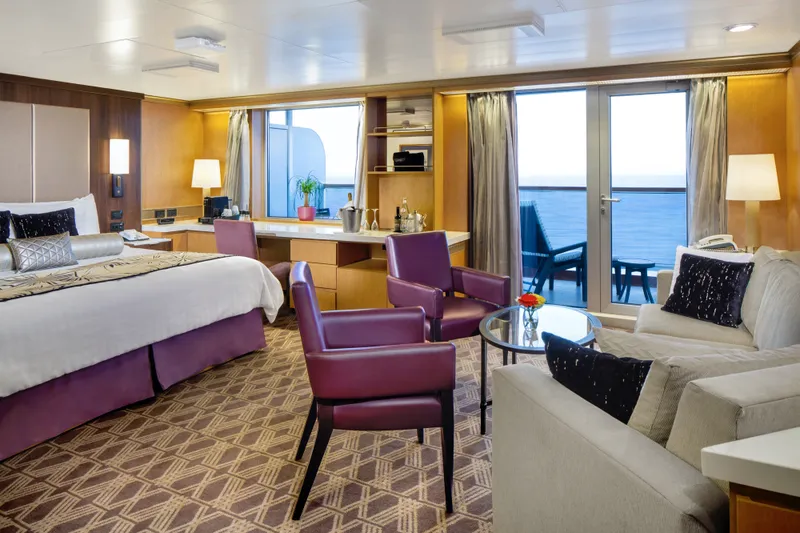
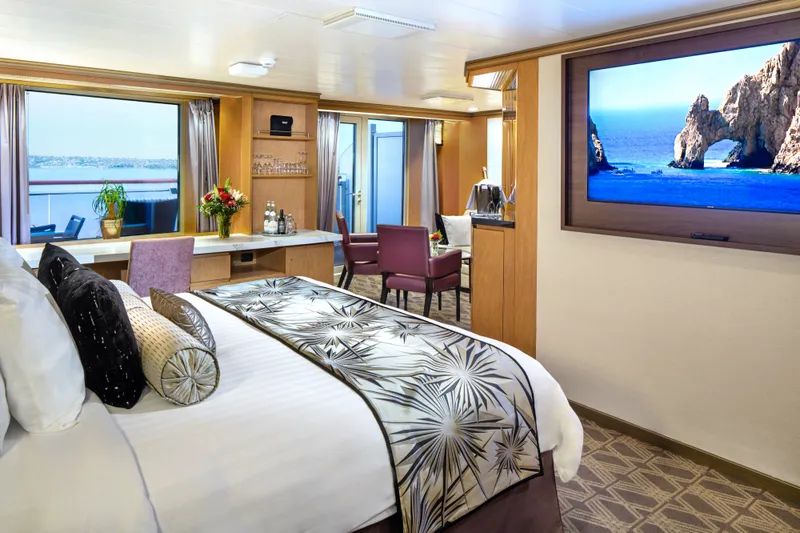
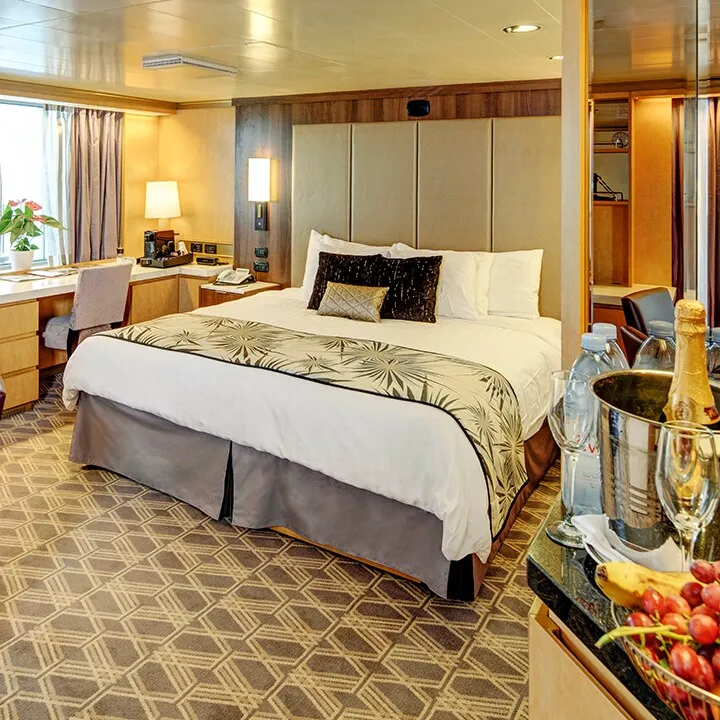
Neptune Suite
Suite
500–712 m²Max 2
SASBSC
Approximately 500-712 sq. ft. including verandah
With floor-to-ceiling windows overlooking a private verandah, these spacious suites are flooded with light. They feature a large sitting area and two lower beds convertible to one king-size bed—our signature Mariner's Dream bed with plush Euro-Top mattresses plus a separate dressing room. The bathroom comes with a dual-sink vanity, full-size whirlpool bath and shower, plus additional shower stall. Amenities include use of the exclusive Neptune Lounge, a private concierge and an array of complimentary services. The configuration of staterooms may vary from the images shown.
King or Twin ConfigurationShowerWhirlpool BathTVWi-Fi (Additional Cost)Safe+8
US$17,309 /person+ US$1,400 taxes & fees
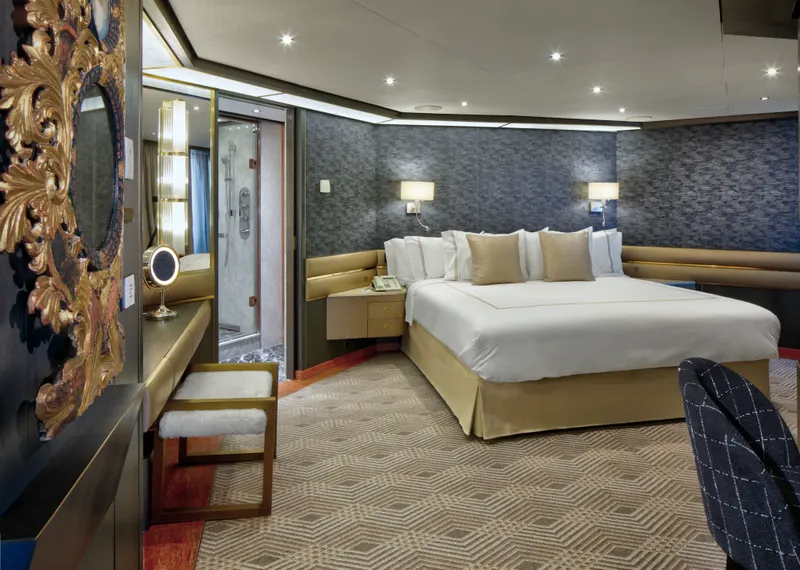
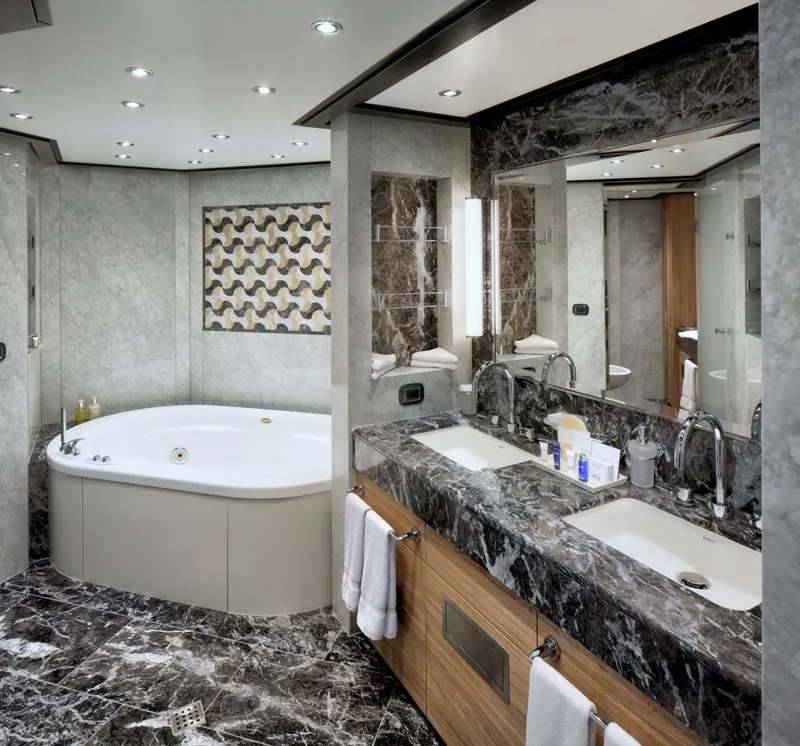
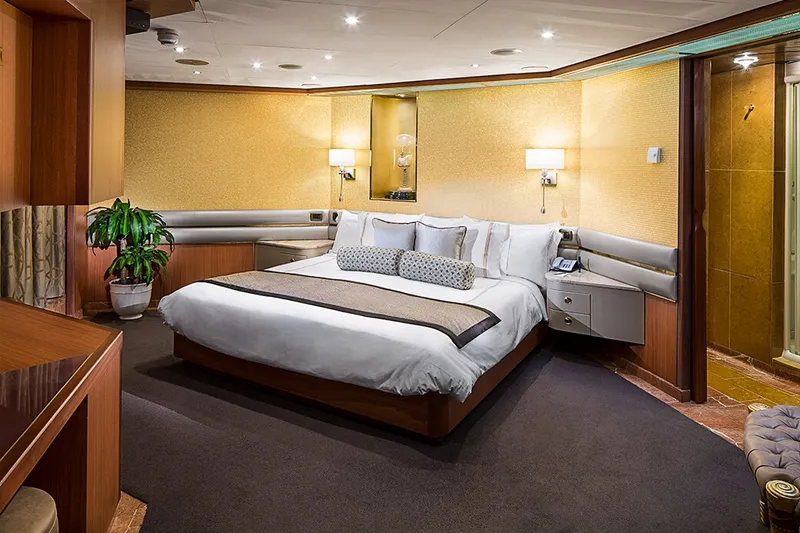
Pinnacle Suite
Suite
1150 m²Max 4
PS
Approximately 1150 sq. ft including verandah
Generously proportioned and filled with light, these elegant suites include a living room, dining room, pantry with microwave and refrigerator, and floor-to-ceiling windows overlooking a private verandah with whirlpool. The bedroom features a king-size bed—our Signature Mariner's Dream bed with plush Euro-Top mattresses, plus a separate dressing room and the bath includes an oversize whirlpool bath and shower as well as an additional shower stall. There's also a sofa bed, suitable for two people, and a guest toilet. Amenities include a private stereo system, use of the exclusive Neptune Lounge, private concierge and an array of complimentary services. The configuration of staterooms may vary from the images shown.
Sofa BedShowerWhirlpool BathRoom Service AvailableSuite BenefitsTV+11
View Details
Signature Suite
Suite
372–384 m²Max 3
SSSYSZ
Approximately 372-384 sq. ft. including verandah
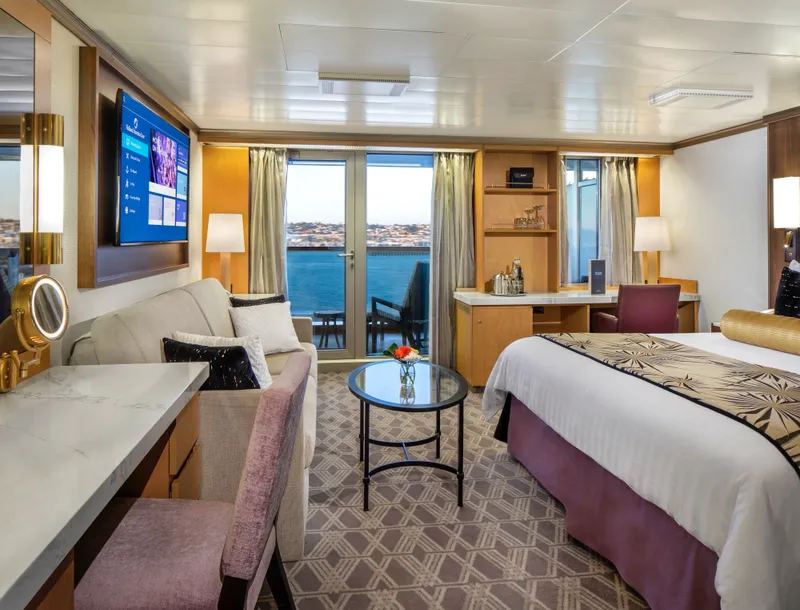
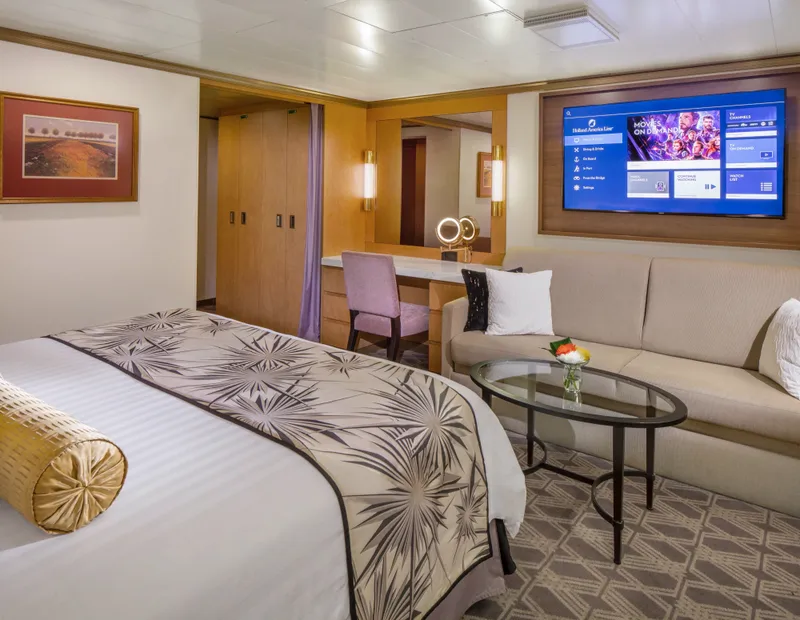
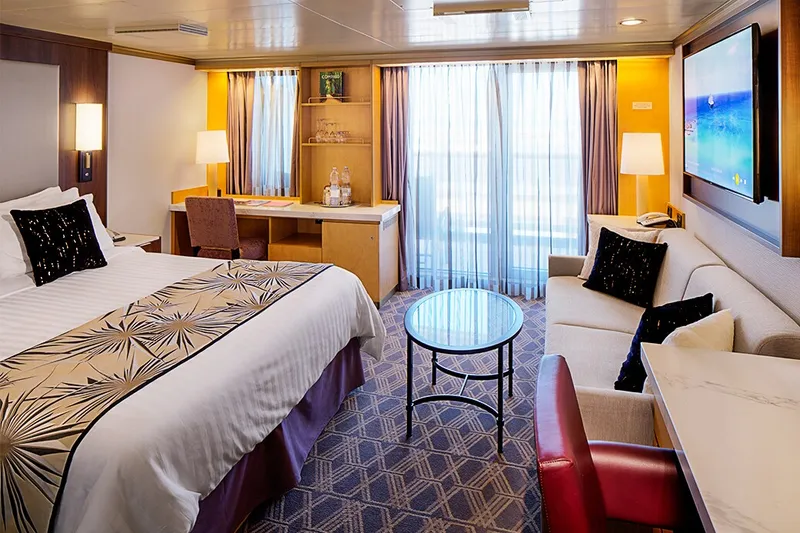
These large, comfortable suites feature a spacious sitting area with floor-to-ceiling windows overlooking a private verandah, two lower beds convertible to one queen-size bed—our signature Mariner's Dream bed with plush Euro-Top mattresses, and one sofa bed for one person. The bathroom includes a dual-sink vanity, full-size whirlpool bath and shower, and an additional shower stall. The configuration of staterooms may vary from the images shown.
Queen or Twin ConfigurationSofa BedShowerWhirlpool BathTVSafe+9
US$14,209 /person+ US$1,400 taxes & fees
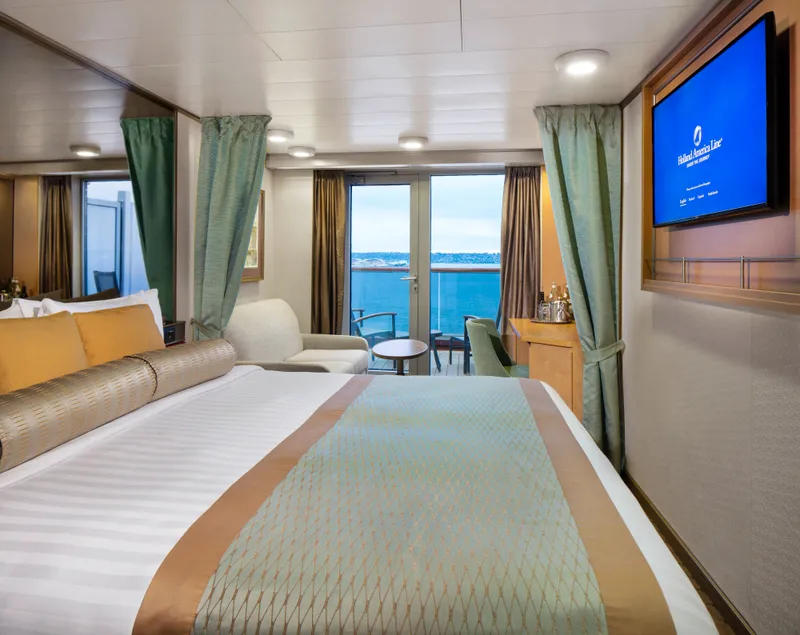
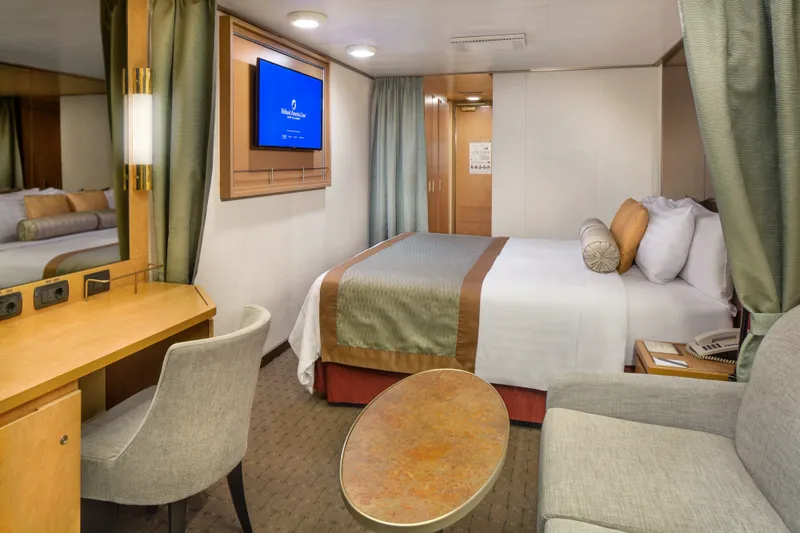
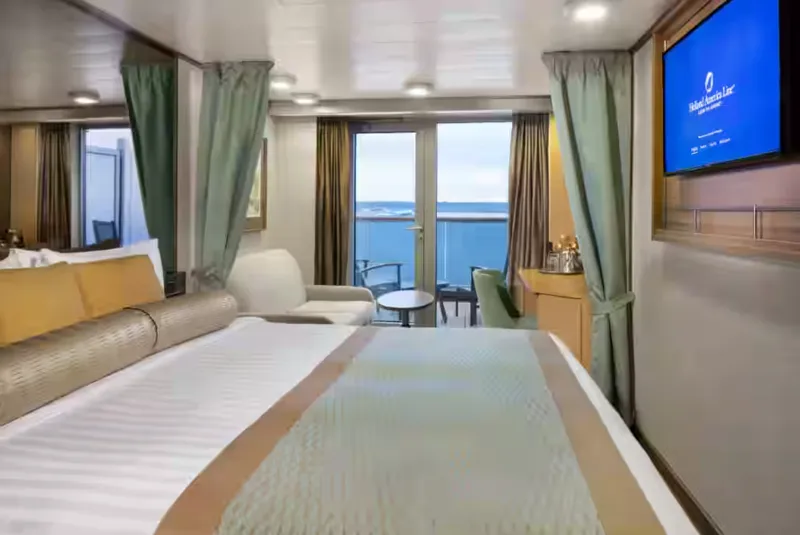
Verandah Stateroom
Balcony
212–359 m²Max 2
VAVBVCVDVEVFVH
Approximately 212-359 sq. ft. including verandah
Filled with light from floor-to-ceiling windows overlooking a private verandah, these staterooms include a sitting area, two lower beds convertible to one queen-size bed—our signature Mariner's Dream bed with plush Euro-Top mattresses, and bath tub with premium massage showerheads. The configuration of staterooms may vary from the images shown.
Queen or Twin ConfigurationShowerBathTVSafeHair Dryer+6
US$9,209 /person+ US$1,400 taxes & fees
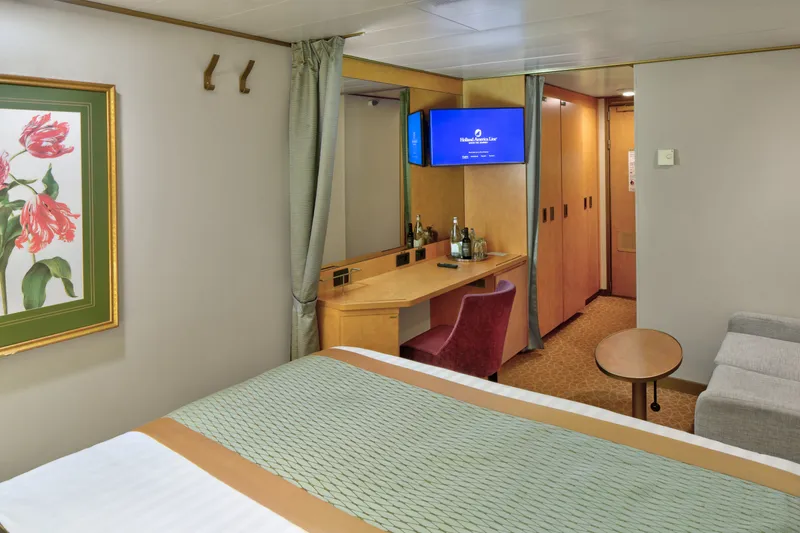
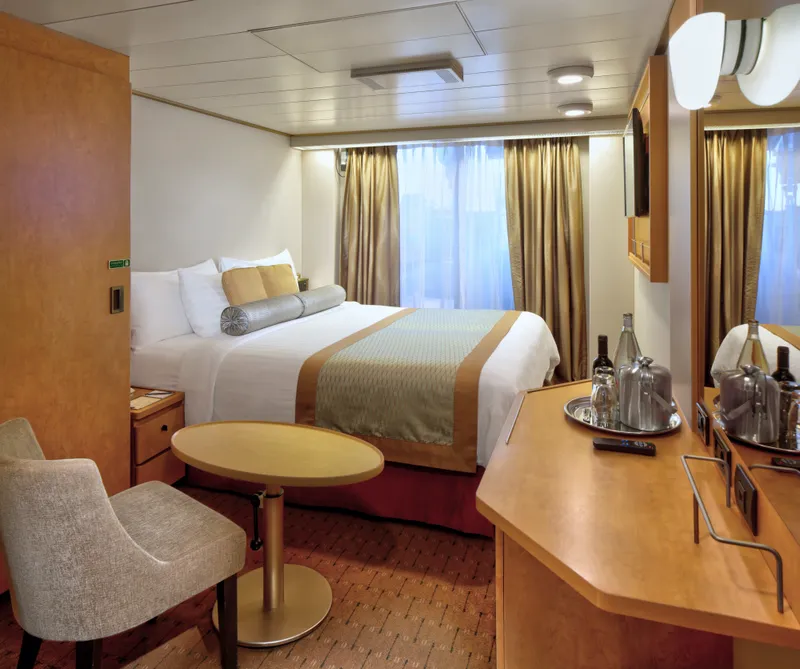
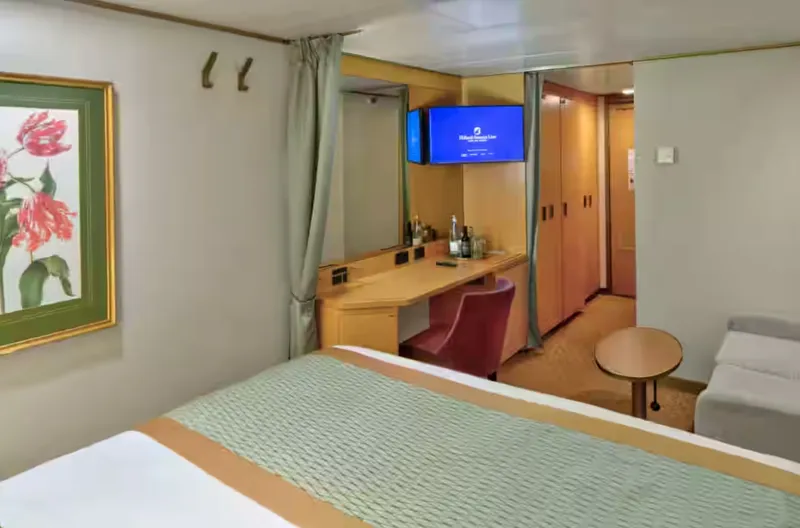
Large Ocean view Stateroom
Outside
174–180 m²Max 2
CDDDEF
Approximately 174-180 sq. ft.
These expansive staterooms include include two lower beds convertible to one queen-size bed—our Signature Mariner's Dream bed with plush Euro-Top mattresses, premium massage shower heads, a host of amenities and an ocean view. The configuration of staterooms may vary from the images shown.
Queen or Twin ConfigurationShowerTVSafeHair DryerRoom Service Available+5
US$9,719 /person+ US$1,400 taxes & fees
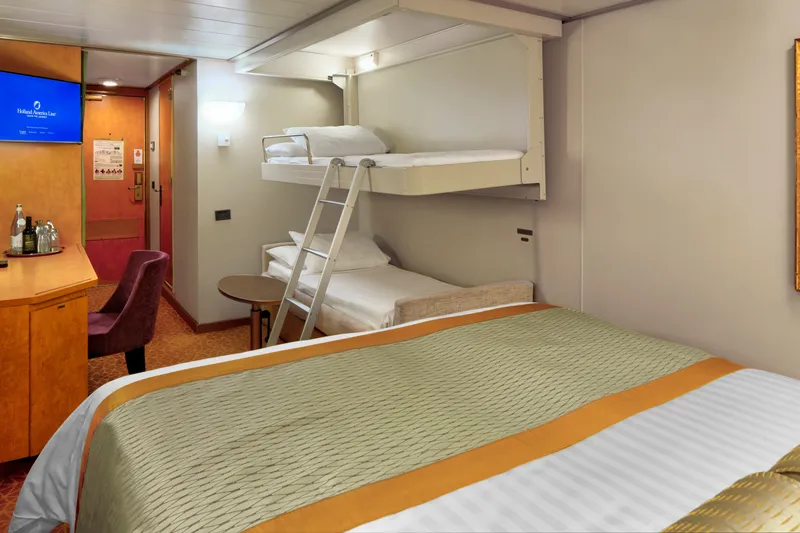
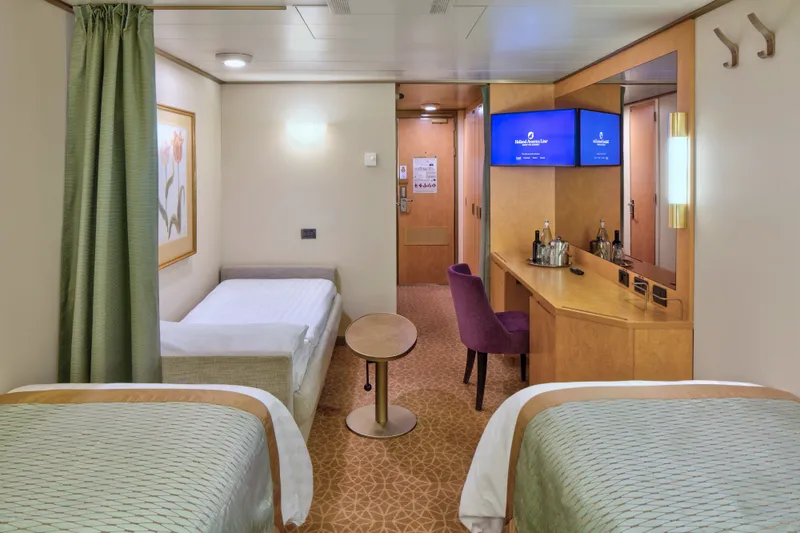
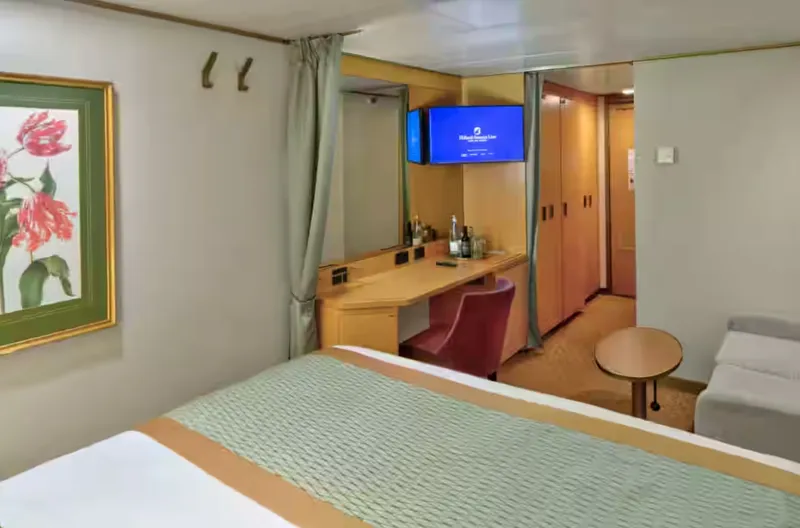
Large Ocean view Stateroom (Fully Obstructed View)
Outside
174–180 m²Max 2
HHH
Approximately 174-180 sq. ft.
These large staterooms include two lower beds convertible to one queen-size bed—our Signature Mariner's Dream bed with plush Euro-Top mattresses, premium massage shower heads and a host of amenities. The view is fully obstructed. The configuration of staterooms may vary from the images shown.
Queen or Twin ConfigurationShowerRoom Service AvailableTVSafeHair Dryer+2
US$9,209 /person+ US$1,400 taxes & fees
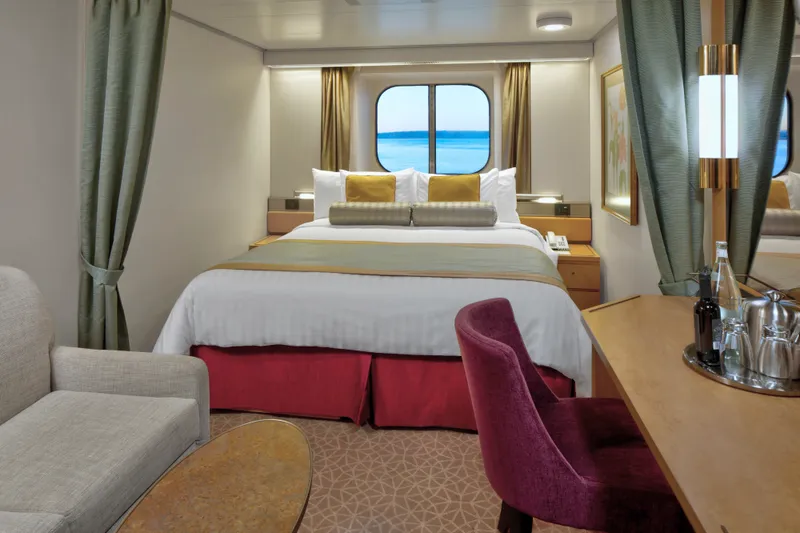
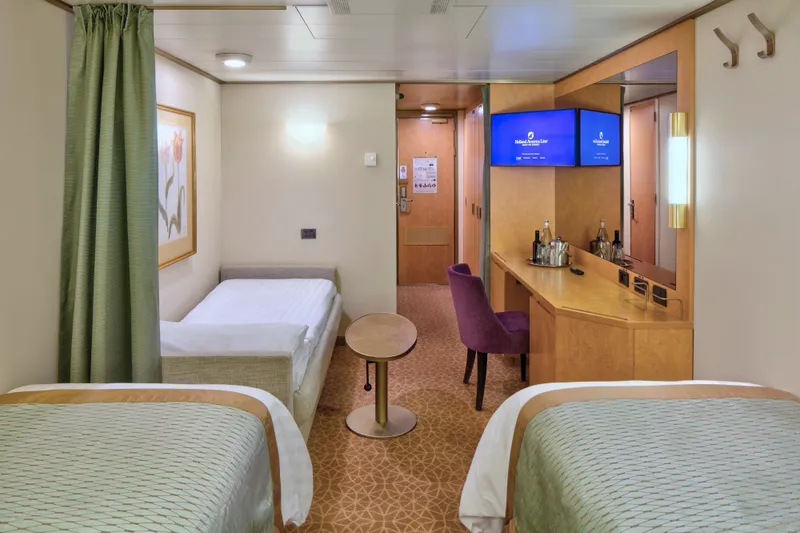
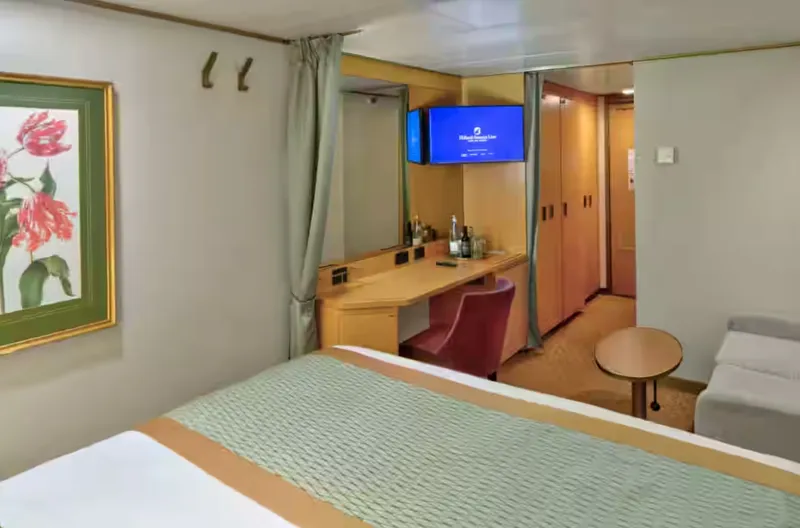
Large Ocean view Stateroom (Partial Sea View)
Outside
174–180 m²Max 2
G
Approximately 174-180 sq. ft.
These staterooms feature a partial sea view and include two lower beds convertible to one queen-size bed—our signature Mariner's Dream bed with plush Euro-Top mattresses, plus premium massage shower heads and a variety of amenities. The configuration of staterooms may vary from the images shown.
Queen or Twin ConfigurationShowerRoom Service AvailableTVSafeHair Dryer+4
US$9,559 /person+ US$1,400 taxes & fees
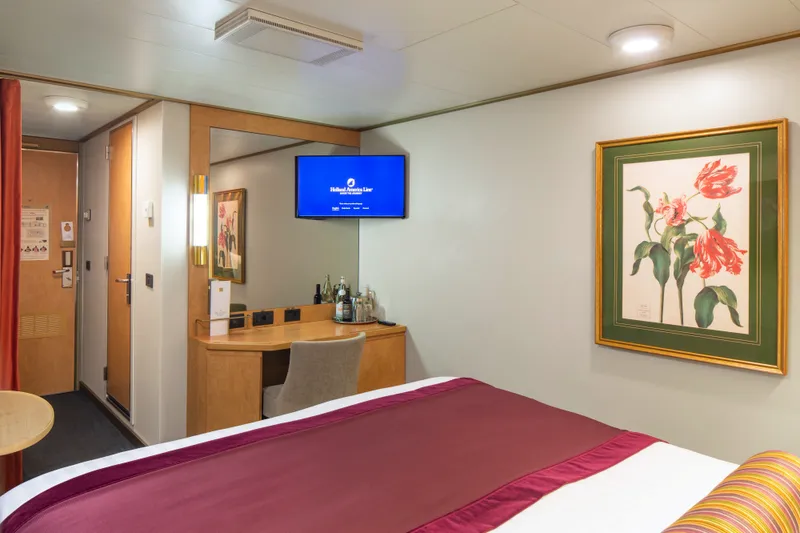
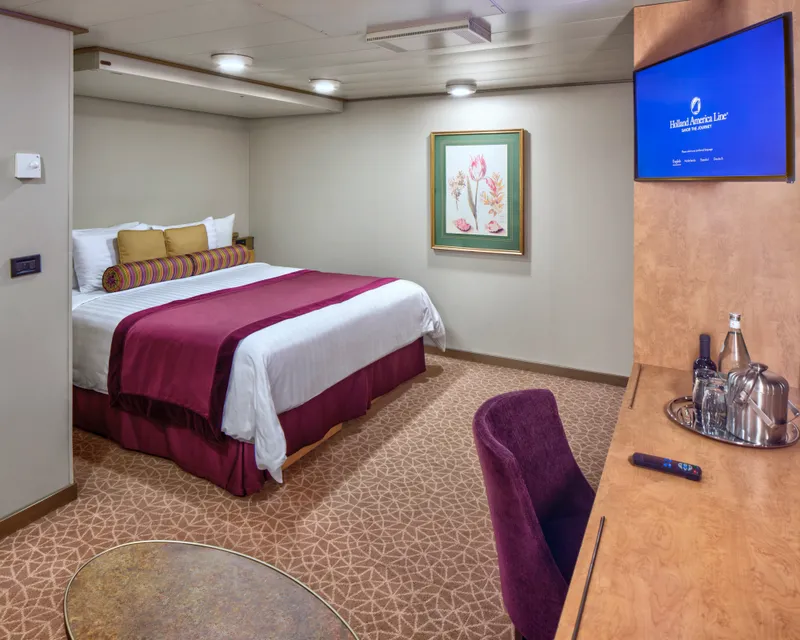
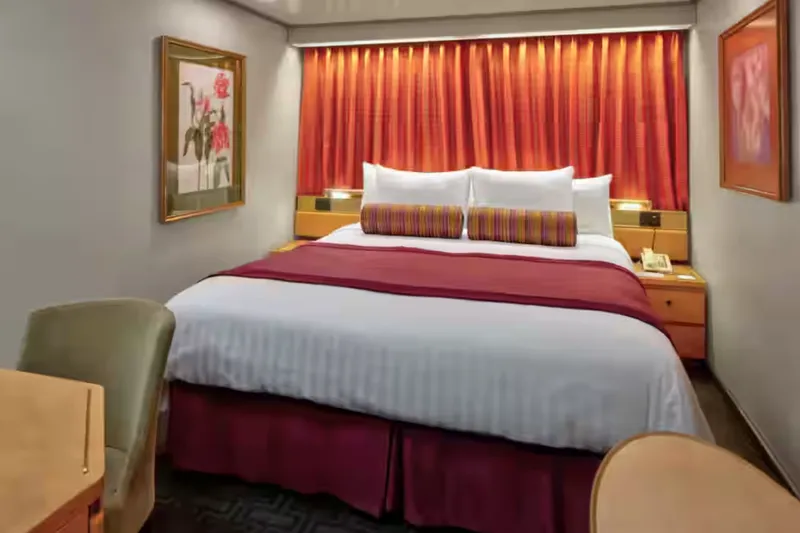
Large Interior Stateroom
Inside
151–233 m²Max 2
J
Approximately 151-233 sq. ft.
These spacious staterooms include two lower beds convertible to one queen-size bed—our Signature Mariner's Dream bed with plush Euro-Top mattresses, premium massage shower heads and a host of amenities. The configuration of staterooms may vary from the images shown.
Queen or Twin ConfigurationShowerRoom Service AvailableTVSafeHair Dryer+4
View Details
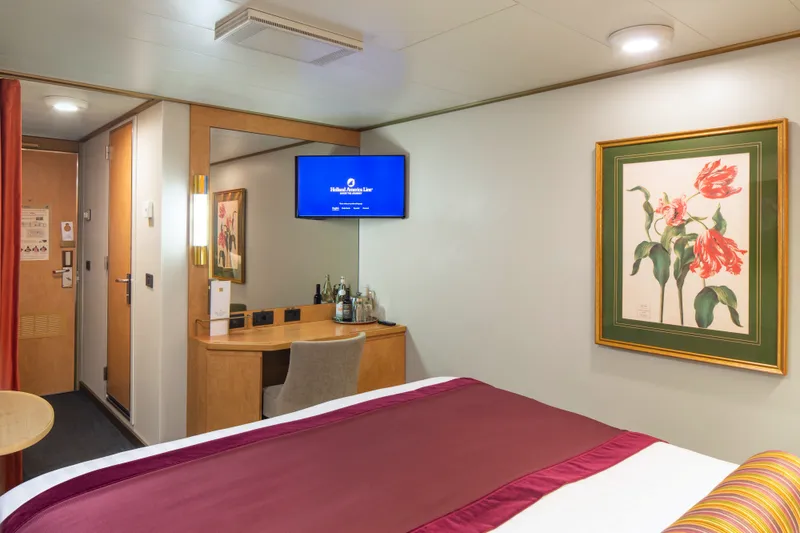
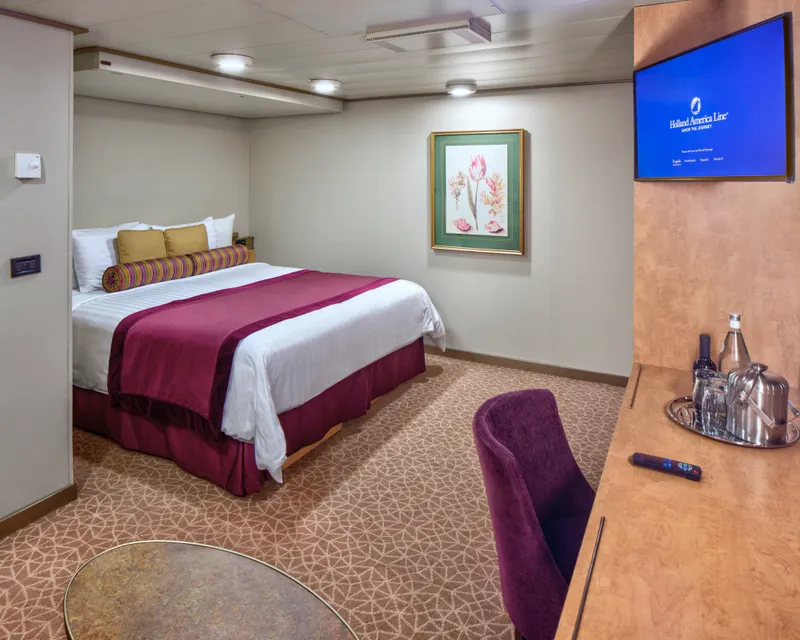
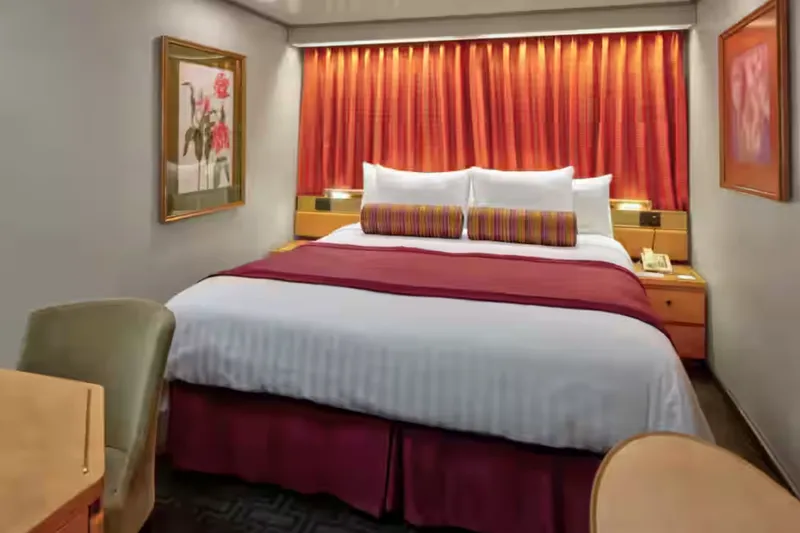
Large/Standard Inside Stateroom
Inside
151–233 m²Max 2
IKLMMN
Approximately 151-233 sq. ft.
These spacious staterooms include two lower beds convertible to one queen-size bed—our Signature Mariner's Dream bed with plush Euro-Top mattresses, premium massage shower heads and a host of amenities. The configuration of staterooms may vary from the images shown.
Queen or Twin ConfigurationShowerRoom Service AvailableTVSafeHair Dryer+5
US$6,709 /person+ US$1,400 taxes & fees
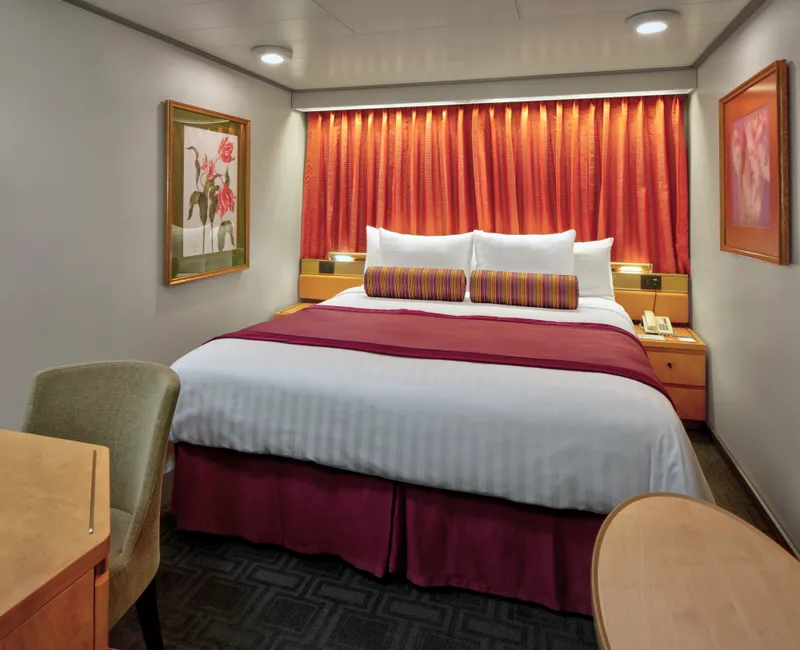
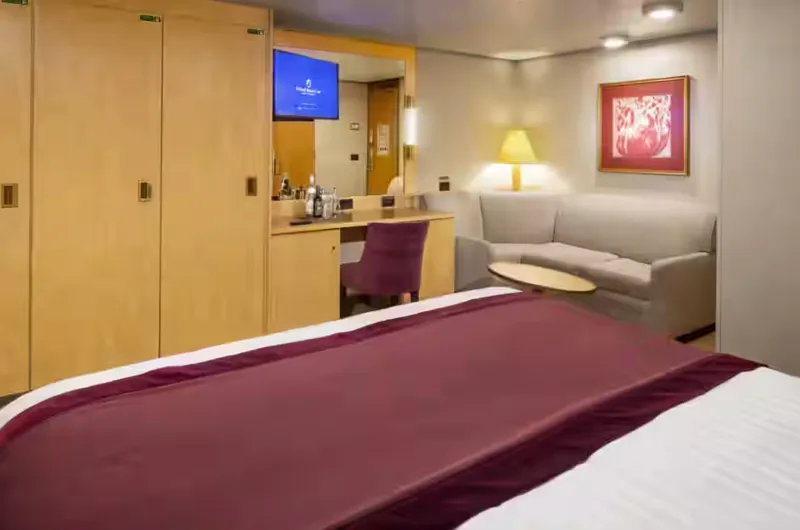
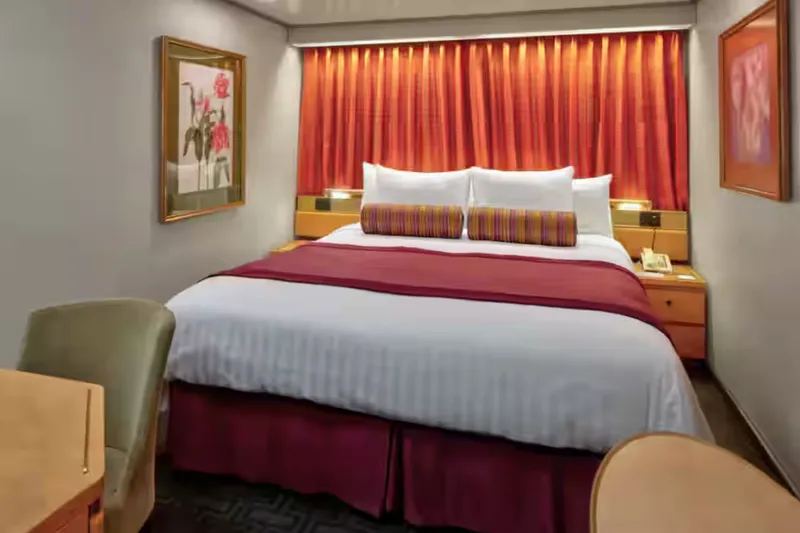
Standard Interior Stateroom
Inside
151–233 m²Max 2
M
Approximately 151-233 sq. ft.
Two lower beds convertible to one queen-size bed—our signature Mariner's Dream bed with plush Euro-Top mattresses, premium massage shower heads and a host of amenities are featured in these comfortable staterooms. The configuration of staterooms may vary from the images shown.
Queen or Twin ConfigurationShowerTVSafeHair DryerRoom Service Available+5
US$6,829 /person+ US$1,400 taxes & fees
Interested in This Voyage?
Our cruise specialists can help you find the perfect cabin and the best available pricing.
(+886) 02-2721-7300Contact Advisor