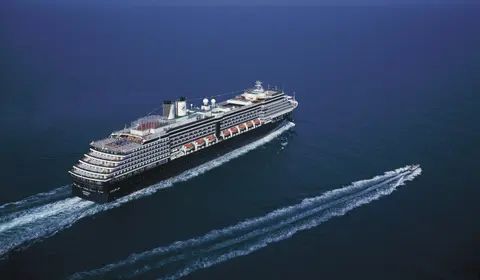
Holland America LineO625A
Greece, Croatia & Italy Collectors' Voyage
Date
2026-05-03
Duration
21 nights
Departure Port
Piraeus
Greece
Arrival Port
Civitavecchia
Italy
Rating
Premium
Theme
—
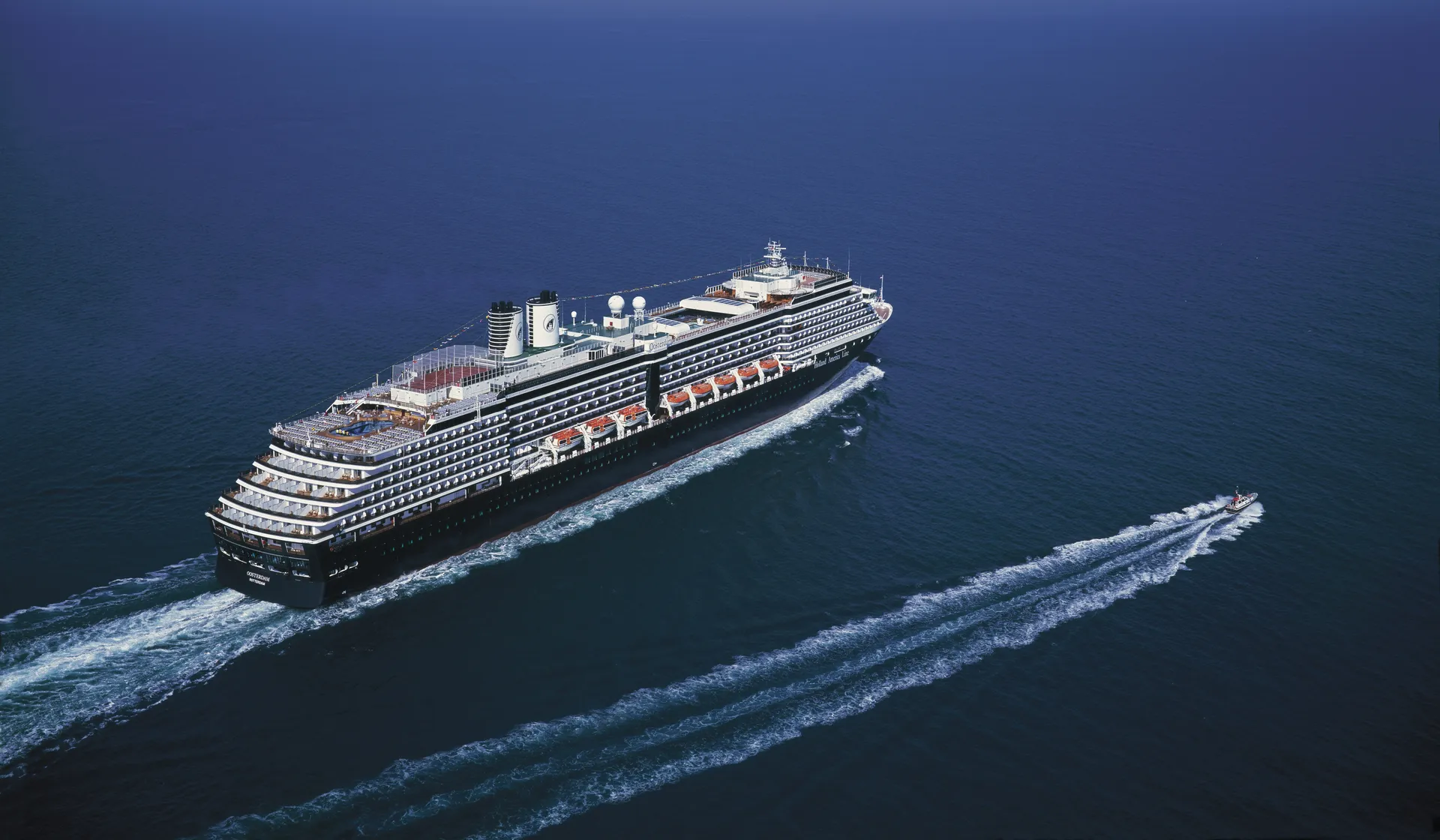






Holland America Line
Oosterdam
Launched
2003
Refitted
2018
Tonnage
82,305 GT
Passengers
1,916
Cabins
1,012
Crew
817
Length
936 m
Width
32 m
Speed
24 knots
Adults Only
No
Itinerary
Day 1
Day 1
Piraeus
Depart 15:00
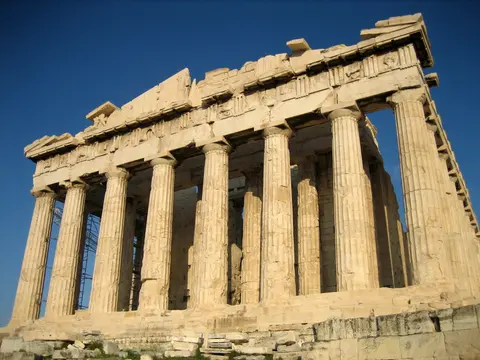
The port that launched Athenian democracy's naval supremacy at the Battle of Salamis, Piraeus remains Greece's maritime heartbeat — and the most convenient gateway to both the Acropolis and the Aegean island chains. Dine on grilled sea bream at a Mikrolimano harbourside taverna, visit the extraordinary bronze Piraeus Apollo, and set sail for Hydra or Santorini by afternoon. Late April through June and September offer the Aegean at its most golden and uncrowded.
Day 2
Day 2
Kusadasi
Arrive 07:00Depart 19:00
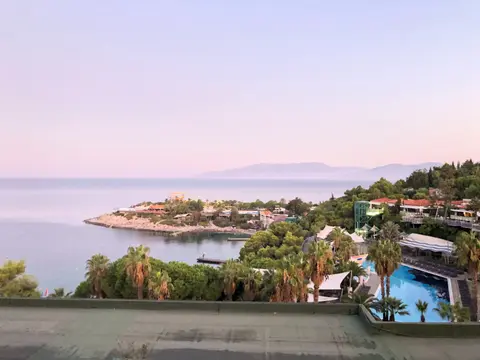
Kuşadası owes its place on the world's cruise itineraries to one extraordinary proximity: the ancient city of Ephesus, one of the greatest metropolises of the Greco-Roman world, lies just seventeen kilometres from the port. Ephesus — with its two-kilometre marble colonnade, the Library of Celsus, and the Temple of Artemis (one of the Seven Wonders of the Ancient World) — demands at least half a day of unhurried exploration. The House of the Virgin Mary, a pilgrimage site believed to be where Mary spent her final years, adds a profound spiritual dimension. Kuşadası itself is a lively Aegean resort; the season runs April through October, with May and September offering ideal temperatures and smaller crowds.
Day 3
Day 3
Scenic cruising Dardanelles
Day 4
Day 4
Istanbul
Arrive 07:00

For more than fifteen centuries, Istanbul has been the pivot upon which empires turned — Byzantium, Constantinople, the Ottoman capital — and nowhere else on earth compresses so much history into a single horizon. The Hagia Sophia, the Blue Mosque, and the Topkapi Palace form an incomparable trinity of architectural genius along the Golden Horn; the Grand Bazaar's four thousand shops offer a sensory immersion unlike any other marketplace. Must-dos include a Bosphorus sunset cruise and a meal of mezze along the waterfront at Karaköy. Spring (April–May) and autumn (September–October) offer the most gracious climate for this inexhaustible city.
Day 6
Day 6
Mykonos
Arrive 11:00Depart 22:00
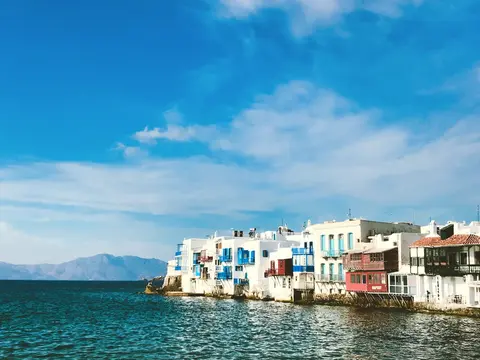
Mykonos is the Aegean at its most seductive — a labyrinth of bougainvillea-draped whitewashed alleys designed to disorient pirates (and occasionally visitors) leading to Kástro, the medieval hilltop quarter overlooking Little Venice, where balconied houses hang directly above the sea. The island's famous windmills, perched on a ridge above the old harbour, are best photographed at golden hour as pelicans patrol the waterfront below. Visit the sacred archaeological island of Delos — a 30-minute boat crossing — for one of the most significant ancient sites in the Greek world. May, June, and September offer the perfect balance of warmth, light, and bearable crowds.
Day 7
Day 7
Souda (Chania)
Arrive 08:00Depart 17:00
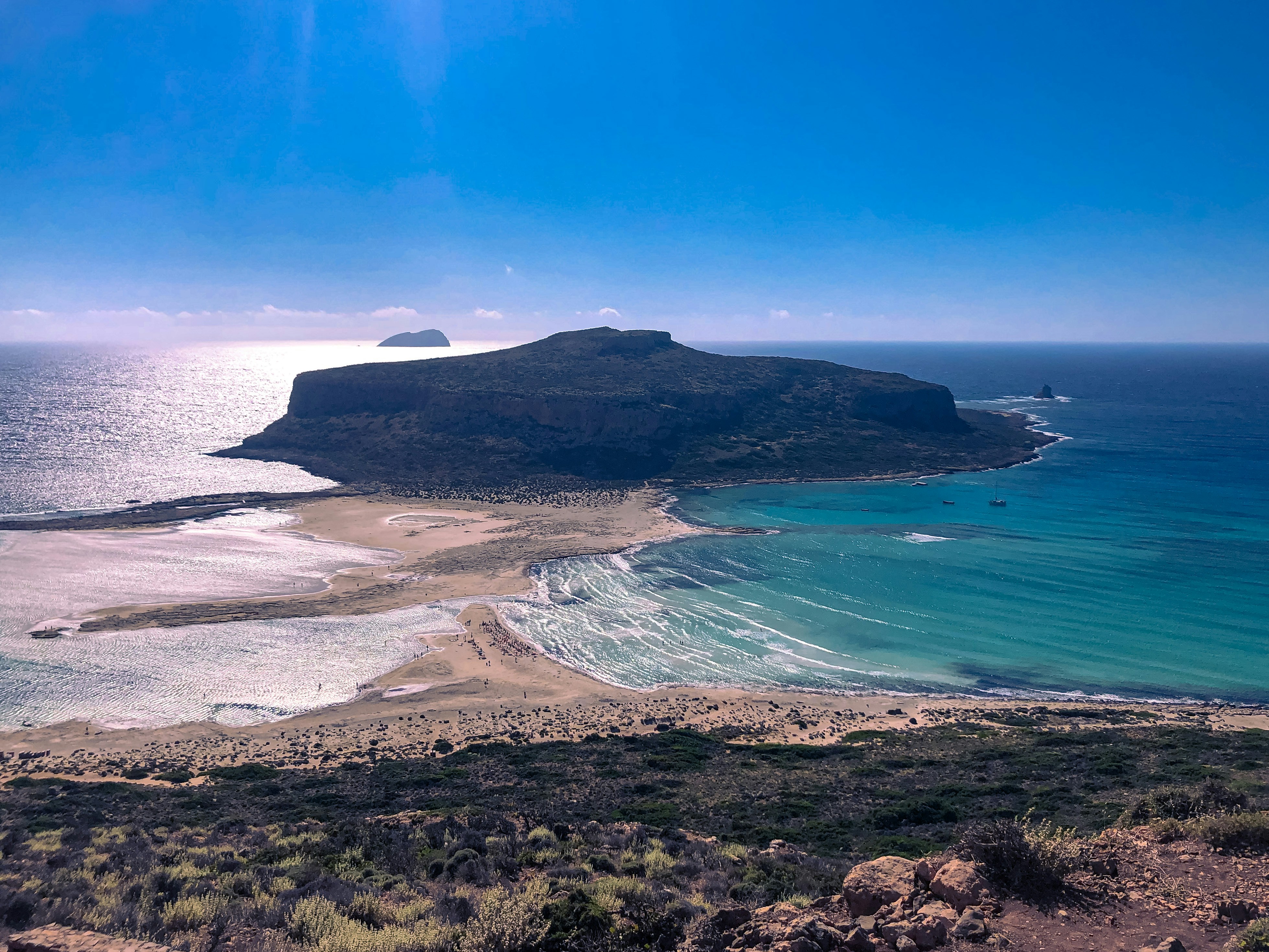
The port of Souda on the Aegean Sea is home to a Greek and NATO naval base and is located six kilometers (three miles) from Chania—the second-largest city on Crete, which itself is the largest of the Greek Islands. Once you’re in Chania, set your compass for the historic waterfront with its famous Venetian Harbor dating to the 14th century. Walk along the breakwater to the restored 500-year-old lighthouse for views that are particularly photogenic from late afternoon until sunset. The atmospheric tangle of streets that is Old Town is easily explored on foot, and you can stop at one of the many outdoor cafés for a bouyatsa (custard pastry) or a glass of Cretan red wine.Soúda can also be a jumping-off point for a visit to Rethymnon, located about 54 kilometers (33 miles) to the east. Shaped by centuries of invasion, namely by the Venetians and Turks, its Fortezza was built by the Venetians in the late 16th century and captured by the Ottomans in 1646. The Old Town has the same kind of architectural character as Chania, but on a smaller scale.
Day 8
Day 8
Katakolon
Arrive 10:00Depart 18:00
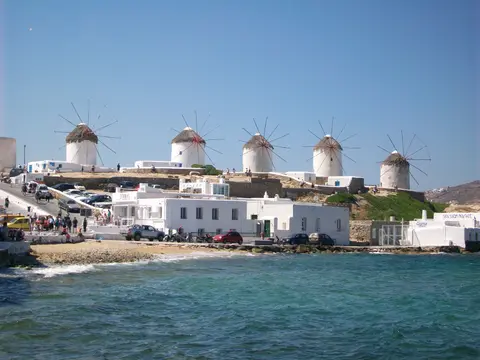
Katakolon is the unassuming port that holds an extraordinary secret: just fourteen kilometres inland lies ancient Olympia, birthplace of the Olympic Games and one of the most sacred sites in the ancient world. The Archaeological Museum of Olympia — housing the breathtaking sculptures from the Temple of Zeus — ranks among Greece's finest, while walking the original stadium still sends a current of wonder through even the most seasoned traveller. The village itself charms with whitewashed tavernas and a relaxed pace that feels authentically Greek. Katakolon is best visited April through October; late spring and early autumn offer ideal temperatures for the Olympia excursion.
Day 9
Day 9
Sarande
Arrive 08:00Depart 15:00
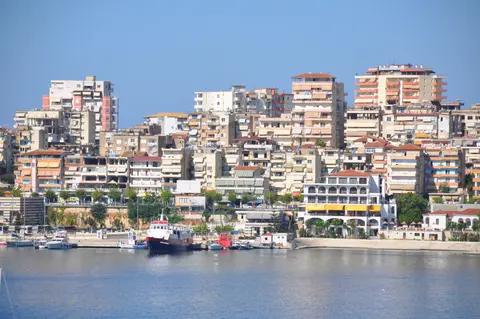
Sarandë is Albania's Ionian coast jewel, where the UNESCO-listed Butrint archaeological marvel and the impossibly turquoise Blue Eye spring create a Mediterranean experience rivaling Greece at a fraction of the cost. Visit June via Emerald Yacht Cruises or Virgin Voyages for six-civilization archaeological sites and Albania's exciting Mediterranean frontier.
Day 10
Day 10
Dubrovnik
Arrive 08:00Depart 22:00
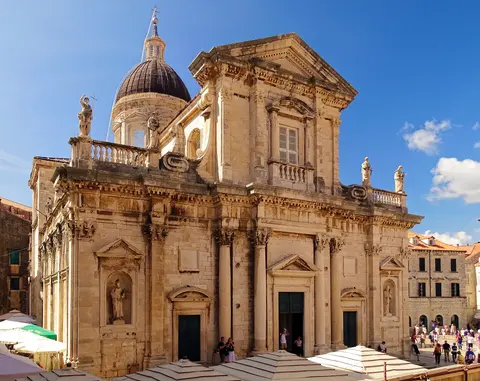
Dubrovnik, Croatia's stunning port city, is a blend of rich history, dramatic architecture, and vibrant culture, making it a must-visit destination. Don't miss a stroll along the city walls for breathtaking views and savor local dishes like "peka" and "black risotto." The best time to visit is in late spring or early fall when the weather is pleasant and the crowds are thinner.
Day 11
Day 11
At Sea
Day 12
Day 12
Trieste
Arrive 07:00
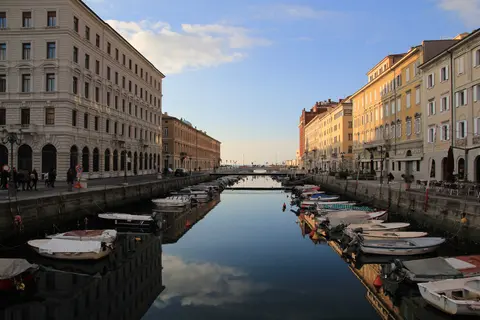
Trieste, a historic port city in Italy, is renowned for its rich cultural tapestry and stunning architectural heritage. Must-do experiences include sampling local delicacies like ćevapi and sachertorte, and exploring the vibrant Mercato Coperto. The best time to visit is during the spring and early autumn, when the weather is pleasant and the city is alive with activity.
Day 13
Day 13
At Sea
Day 14
Day 14
Split
Arrive 08:00Depart 17:00
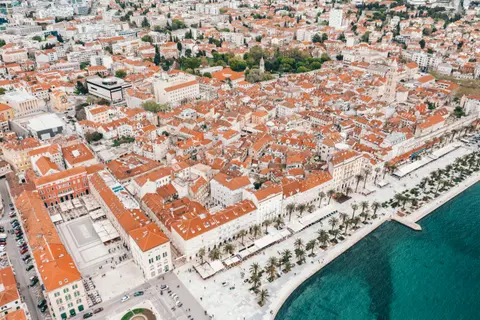
Split, Croatia's vibrant port city, is a unique blend of ancient history and modern life, centered around the remarkable Diocletian's Palace. Must-do experiences include savoring local dishes like pašticada and exploring the bustling markets. The best time to visit is during the spring and early fall, when the weather is pleasant and the tourist crowds are more manageable.
Day 15
Day 15
Dubrovnik
Arrive 08:00Depart 21:00
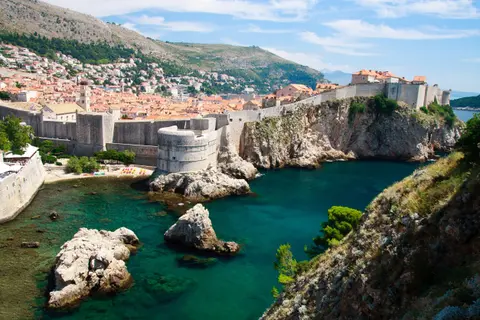
Dubrovnik, Croatia's stunning port city, is a blend of rich history, dramatic architecture, and vibrant culture, making it a must-visit destination. Don't miss a stroll along the city walls for breathtaking views and savor local dishes like "peka" and "black risotto." The best time to visit is in late spring or early fall when the weather is pleasant and the crowds are thinner.
Day 16
Day 16
Kotor
Arrive 08:00Depart 17:00
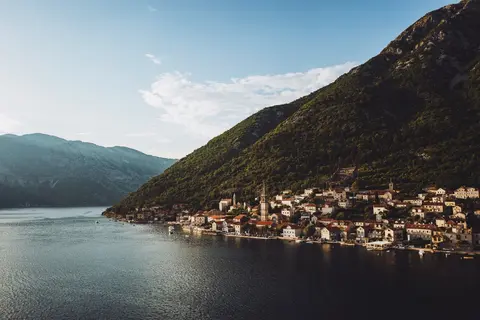
The port of Kotor, a UNESCO World Heritage site, is renowned for its stunning natural beauty and rich historical tapestry. A must-do experience includes wandering the cobblestone streets of the Old Town, where culinary delights like "kacamak" and fresh seafood await. The best time to visit is during the spring or early fall, when the weather is pleasant and the crowds are fewer.
Day 17
Day 17
Corfu
Arrive 08:00Depart 17:00
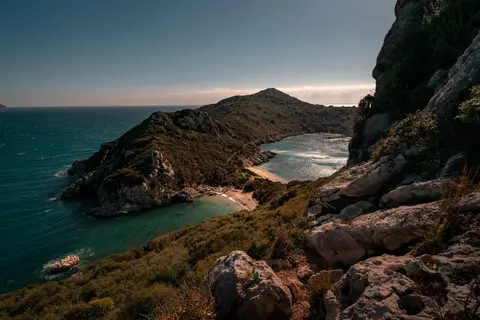
Where Homer placed the island of the Phaeacians and four centuries of Venetian rule left their most enduring Mediterranean legacy, Corfu is a singular island of extraordinary historical depth and natural beauty. The UNESCO-listed Old Town — its narrow Kantounia alleyways, the elegant Liston arcade, and twin Venetian fortresses — is the finest preserved Venetian streetscape in Greece. Beyond the town, secret coves, olive groves of immense antiquity, and mountain villages offer weeks of unhurried discovery. May through June and September offer perfect conditions: warm sea temperatures, clear skies, and the island before or after its summer crescendo.
Day 18
Day 18
At Sea
Day 19
Day 19
Taormina
Arrive 07:00Depart 16:00
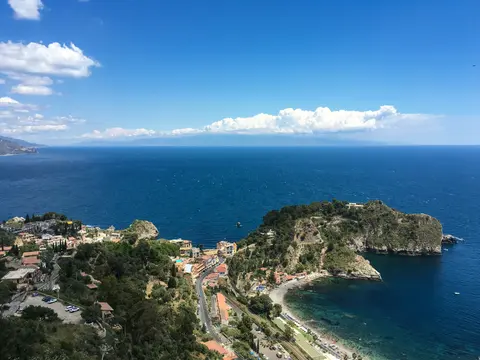
Taormina is a cliffside Sicilian jewel 200 meters above the Ionian Sea, featuring an ancient Greek theater with Mount Etna as its backdrop, the exquisite Isola Bella bay, and some of Sicily's finest cuisine. Must-dos include a performance at the Teatro Antico, the cable car to Isola Bella, and tasting Etna volcanic wines. April through June and September through October offer ideal temperatures.
Day 19
Day 19
Stromboli
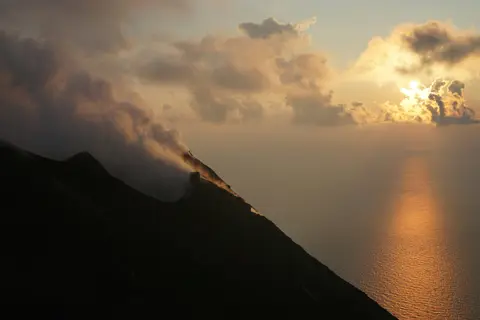
Stromboli is an active volcanic island in the Aeolian archipelago that has erupted continuously for over two thousand years, earning its nickname as the Lighthouse of the Mediterranean. Must-dos include witnessing nighttime eruptions from the sea, hiking to the Sciara del Fuoco viewpoint, and tasting salt-cured capers and Malvasia wine on a terrace beneath the glowing summit. May through October offers calm seas and clear skies for the best eruption viewing.
Day 20
Day 20
Palermo
Arrive 08:00Depart 17:00
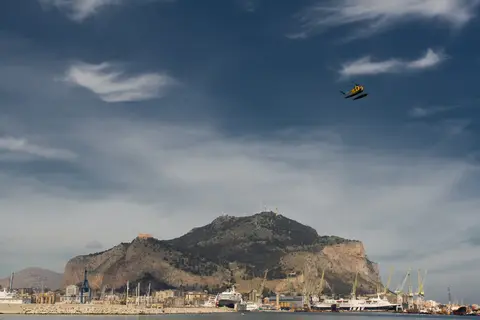
Palermo is the Mediterranean's most intoxicating crossroads of civilisations — Arab arches meet Byzantine gold mosaics beneath Norman royal chapels in the extraordinary Palatine Chapel, a monument to 12th-century multicultural brilliance that is Sicily's single greatest work of art. The Ballarò and Capo street markets, among southern Italy's most atmospheric, tumble through the ancient city in a sensory barrage of swordfish, blood oranges, jasmine, and street food improvised across centuries. Do not leave without tasting arancini and sfincione, Sicily's gloriously thick street pizza. Spring (April–May) and autumn (September–October) offer the ideal climate — warm enough for the sea, cool enough for extended walking.
Day 21
Day 21
Naples
Arrive 07:00Depart 18:00
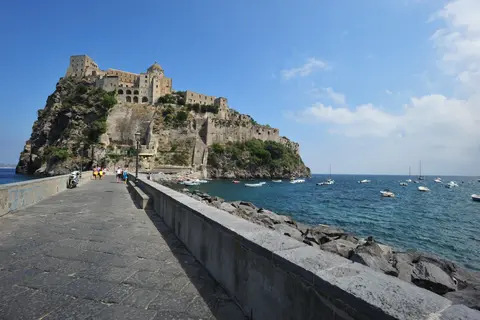
Naples — Napoli — is Europe's most operatically alive city, a sun-battered baroque metropolis where Vesuvius broods on the horizon and the streets below pulse with 2,500 years of continuous human drama. The unmissable Museo Archeologico Nazionale houses the world's finest collection of artefacts from Pompeii and Herculaneum, while the Spaccanapoli, the arrow-straight artery that has bisected the city since Greek times, delivers an unfiltered encounter with Neapolitan life. A single slice of pizza Margherita from one of the centro storico's historic pizzerias is a culinary pilgrimage in itself. Visit between April and June or September and October for warmth, manageable crowds, and the city at its golden best.
Day 22
Day 22
Civitavecchia
Arrive 07:00
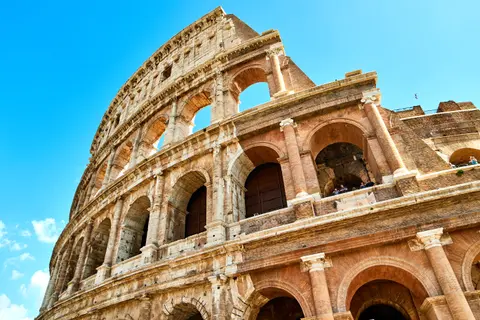
Rome's ancient maritime gateway since the Emperor Trajan commissioned its harbour in 106 AD, Civitavecchia is the natural prologue to the Eternal City — just seventy minutes southeast by express rail. The port's Renaissance fortress, designed in part by Michelangelo, anchors a working waterfront that has welcomed travellers for millennia. Beyond Rome's unmissable monuments, consider an afternoon in the Civitavecchia thermal baths, drawing on mineral waters prized since antiquity. Spring and autumn offer the ideal balance of mild weather and manageable crowds for exploring the capital's layered history.
Day 1
Piraeus
Depart 15:00
The port that launched Athenian democracy's naval supremacy at the Battle of Salamis, Piraeus remains Greece's maritime heartbeat — and the most convenient gateway to both the Acropolis and the Aegean island chains. Dine on grilled sea bream at a Mikrolimano harbourside taverna, visit the extraordinary bronze Piraeus Apollo, and set sail for Hydra or Santorini by afternoon. Late April through June and September offer the Aegean at its most golden and uncrowded.
Day 2
Kusadasi
Arrive 07:00Depart 19:00
Kuşadası owes its place on the world's cruise itineraries to one extraordinary proximity: the ancient city of Ephesus, one of the greatest metropolises of the Greco-Roman world, lies just seventeen kilometres from the port. Ephesus — with its two-kilometre marble colonnade, the Library of Celsus, and the Temple of Artemis (one of the Seven Wonders of the Ancient World) — demands at least half a day of unhurried exploration. The House of the Virgin Mary, a pilgrimage site believed to be where Mary spent her final years, adds a profound spiritual dimension. Kuşadası itself is a lively Aegean resort; the season runs April through October, with May and September offering ideal temperatures and smaller crowds.
Day 3
Scenic cruising Dardanelles
Day 4
Istanbul
Arrive 07:00
For more than fifteen centuries, Istanbul has been the pivot upon which empires turned — Byzantium, Constantinople, the Ottoman capital — and nowhere else on earth compresses so much history into a single horizon. The Hagia Sophia, the Blue Mosque, and the Topkapi Palace form an incomparable trinity of architectural genius along the Golden Horn; the Grand Bazaar's four thousand shops offer a sensory immersion unlike any other marketplace. Must-dos include a Bosphorus sunset cruise and a meal of mezze along the waterfront at Karaköy. Spring (April–May) and autumn (September–October) offer the most gracious climate for this inexhaustible city.
Day 6
Mykonos
Arrive 11:00Depart 22:00
Mykonos is the Aegean at its most seductive — a labyrinth of bougainvillea-draped whitewashed alleys designed to disorient pirates (and occasionally visitors) leading to Kástro, the medieval hilltop quarter overlooking Little Venice, where balconied houses hang directly above the sea. The island's famous windmills, perched on a ridge above the old harbour, are best photographed at golden hour as pelicans patrol the waterfront below. Visit the sacred archaeological island of Delos — a 30-minute boat crossing — for one of the most significant ancient sites in the Greek world. May, June, and September offer the perfect balance of warmth, light, and bearable crowds.
Day 7
Souda (Chania)
Arrive 08:00Depart 17:00
The port of Souda on the Aegean Sea is home to a Greek and NATO naval base and is located six kilometers (three miles) from Chania—the second-largest city on Crete, which itself is the largest of the Greek Islands. Once you’re in Chania, set your compass for the historic waterfront with its famous Venetian Harbor dating to the 14th century. Walk along the breakwater to the restored 500-year-old lighthouse for views that are particularly photogenic from late afternoon until sunset. The atmospheric tangle of streets that is Old Town is easily explored on foot, and you can stop at one of the many outdoor cafés for a bouyatsa (custard pastry) or a glass of Cretan red wine.Soúda can also be a jumping-off point for a visit to Rethymnon, located about 54 kilometers (33 miles) to the east. Shaped by centuries of invasion, namely by the Venetians and Turks, its Fortezza was built by the Venetians in the late 16th century and captured by the Ottomans in 1646. The Old Town has the same kind of architectural character as Chania, but on a smaller scale.
Day 8
Katakolon
Arrive 10:00Depart 18:00
Katakolon is the unassuming port that holds an extraordinary secret: just fourteen kilometres inland lies ancient Olympia, birthplace of the Olympic Games and one of the most sacred sites in the ancient world. The Archaeological Museum of Olympia — housing the breathtaking sculptures from the Temple of Zeus — ranks among Greece's finest, while walking the original stadium still sends a current of wonder through even the most seasoned traveller. The village itself charms with whitewashed tavernas and a relaxed pace that feels authentically Greek. Katakolon is best visited April through October; late spring and early autumn offer ideal temperatures for the Olympia excursion.
Day 9
Sarande
Arrive 08:00Depart 15:00
Sarandë is Albania's Ionian coast jewel, where the UNESCO-listed Butrint archaeological marvel and the impossibly turquoise Blue Eye spring create a Mediterranean experience rivaling Greece at a fraction of the cost. Visit June via Emerald Yacht Cruises or Virgin Voyages for six-civilization archaeological sites and Albania's exciting Mediterranean frontier.
Day 10
Dubrovnik
Arrive 08:00Depart 22:00
Dubrovnik, Croatia's stunning port city, is a blend of rich history, dramatic architecture, and vibrant culture, making it a must-visit destination. Don't miss a stroll along the city walls for breathtaking views and savor local dishes like "peka" and "black risotto." The best time to visit is in late spring or early fall when the weather is pleasant and the crowds are thinner.
Day 11
At Sea
Day 12
Trieste
Arrive 07:00
Trieste, a historic port city in Italy, is renowned for its rich cultural tapestry and stunning architectural heritage. Must-do experiences include sampling local delicacies like ćevapi and sachertorte, and exploring the vibrant Mercato Coperto. The best time to visit is during the spring and early autumn, when the weather is pleasant and the city is alive with activity.
Day 13
At Sea
Day 14
Split
Arrive 08:00Depart 17:00
Split, Croatia's vibrant port city, is a unique blend of ancient history and modern life, centered around the remarkable Diocletian's Palace. Must-do experiences include savoring local dishes like pašticada and exploring the bustling markets. The best time to visit is during the spring and early fall, when the weather is pleasant and the tourist crowds are more manageable.
Day 15
Dubrovnik
Arrive 08:00Depart 21:00
Dubrovnik, Croatia's stunning port city, is a blend of rich history, dramatic architecture, and vibrant culture, making it a must-visit destination. Don't miss a stroll along the city walls for breathtaking views and savor local dishes like "peka" and "black risotto." The best time to visit is in late spring or early fall when the weather is pleasant and the crowds are thinner.
Day 16
Kotor
Arrive 08:00Depart 17:00
The port of Kotor, a UNESCO World Heritage site, is renowned for its stunning natural beauty and rich historical tapestry. A must-do experience includes wandering the cobblestone streets of the Old Town, where culinary delights like "kacamak" and fresh seafood await. The best time to visit is during the spring or early fall, when the weather is pleasant and the crowds are fewer.
Day 17
Corfu
Arrive 08:00Depart 17:00
Where Homer placed the island of the Phaeacians and four centuries of Venetian rule left their most enduring Mediterranean legacy, Corfu is a singular island of extraordinary historical depth and natural beauty. The UNESCO-listed Old Town — its narrow Kantounia alleyways, the elegant Liston arcade, and twin Venetian fortresses — is the finest preserved Venetian streetscape in Greece. Beyond the town, secret coves, olive groves of immense antiquity, and mountain villages offer weeks of unhurried discovery. May through June and September offer perfect conditions: warm sea temperatures, clear skies, and the island before or after its summer crescendo.
Day 18
At Sea
Day 19
Taormina
Arrive 07:00Depart 16:00
Taormina is a cliffside Sicilian jewel 200 meters above the Ionian Sea, featuring an ancient Greek theater with Mount Etna as its backdrop, the exquisite Isola Bella bay, and some of Sicily's finest cuisine. Must-dos include a performance at the Teatro Antico, the cable car to Isola Bella, and tasting Etna volcanic wines. April through June and September through October offer ideal temperatures.
Stromboli
Stromboli is an active volcanic island in the Aeolian archipelago that has erupted continuously for over two thousand years, earning its nickname as the Lighthouse of the Mediterranean. Must-dos include witnessing nighttime eruptions from the sea, hiking to the Sciara del Fuoco viewpoint, and tasting salt-cured capers and Malvasia wine on a terrace beneath the glowing summit. May through October offers calm seas and clear skies for the best eruption viewing.
Day 20
Palermo
Arrive 08:00Depart 17:00
Palermo is the Mediterranean's most intoxicating crossroads of civilisations — Arab arches meet Byzantine gold mosaics beneath Norman royal chapels in the extraordinary Palatine Chapel, a monument to 12th-century multicultural brilliance that is Sicily's single greatest work of art. The Ballarò and Capo street markets, among southern Italy's most atmospheric, tumble through the ancient city in a sensory barrage of swordfish, blood oranges, jasmine, and street food improvised across centuries. Do not leave without tasting arancini and sfincione, Sicily's gloriously thick street pizza. Spring (April–May) and autumn (September–October) offer the ideal climate — warm enough for the sea, cool enough for extended walking.
Day 21
Naples
Arrive 07:00Depart 18:00
Naples — Napoli — is Europe's most operatically alive city, a sun-battered baroque metropolis where Vesuvius broods on the horizon and the streets below pulse with 2,500 years of continuous human drama. The unmissable Museo Archeologico Nazionale houses the world's finest collection of artefacts from Pompeii and Herculaneum, while the Spaccanapoli, the arrow-straight artery that has bisected the city since Greek times, delivers an unfiltered encounter with Neapolitan life. A single slice of pizza Margherita from one of the centro storico's historic pizzerias is a culinary pilgrimage in itself. Visit between April and June or September and October for warmth, manageable crowds, and the city at its golden best.
Day 22
Civitavecchia
Arrive 07:00
Rome's ancient maritime gateway since the Emperor Trajan commissioned its harbour in 106 AD, Civitavecchia is the natural prologue to the Eternal City — just seventy minutes southeast by express rail. The port's Renaissance fortress, designed in part by Michelangelo, anchors a working waterfront that has welcomed travellers for millennia. Beyond Rome's unmissable monuments, consider an afternoon in the Civitavecchia thermal baths, drawing on mineral waters prized since antiquity. Spring and autumn offer the ideal balance of mild weather and manageable crowds for exploring the capital's layered history.
Cabin Categories
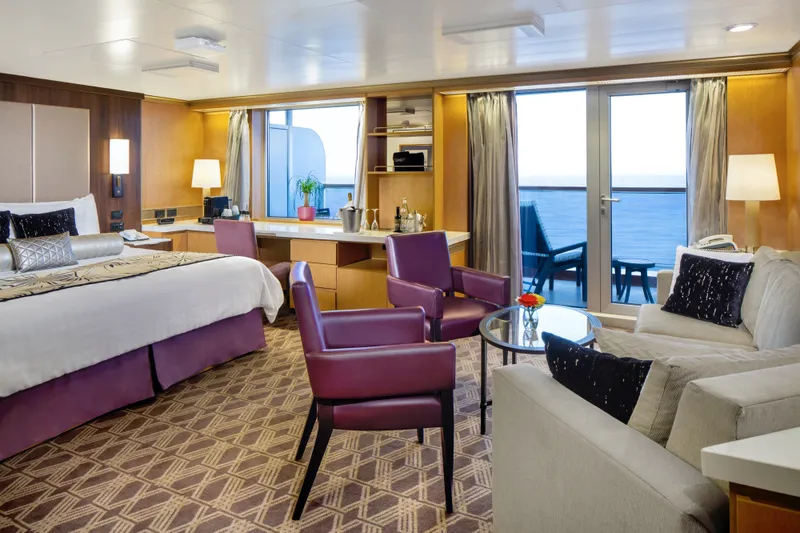
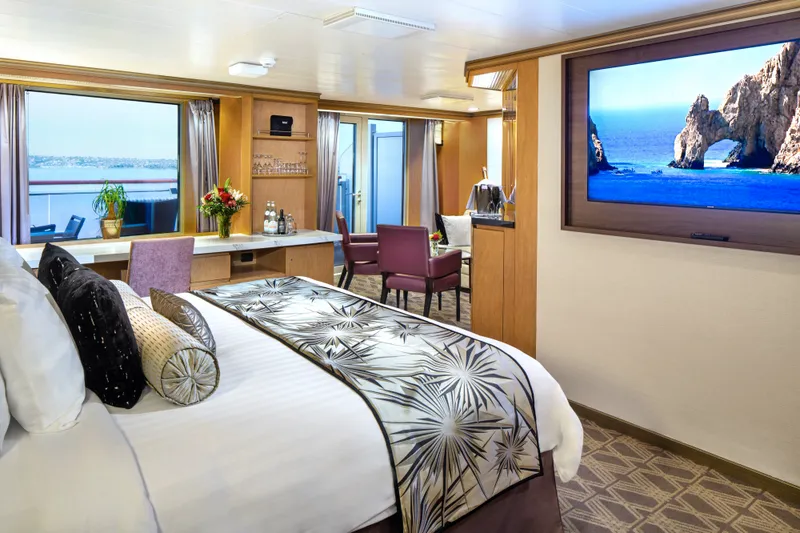
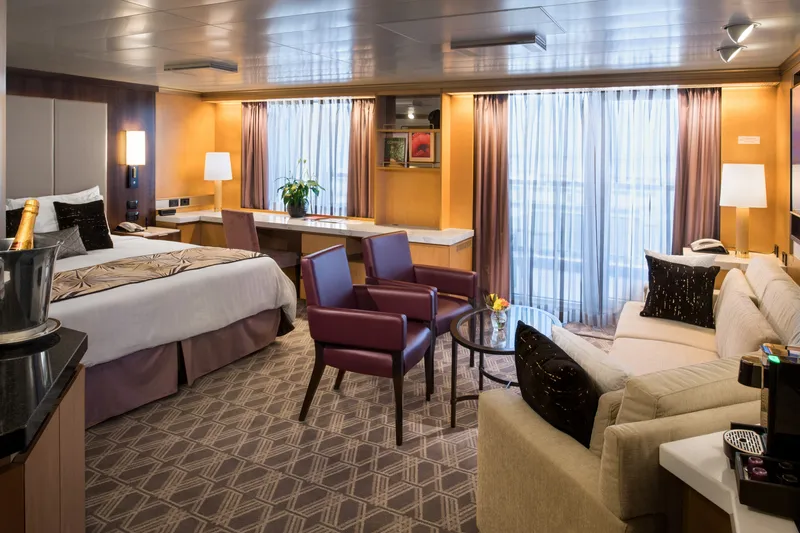
Neptune Suite
Suite
500–712 m²Max 4
SASBSC
Approximately 500-712 sq. ft. including verandah
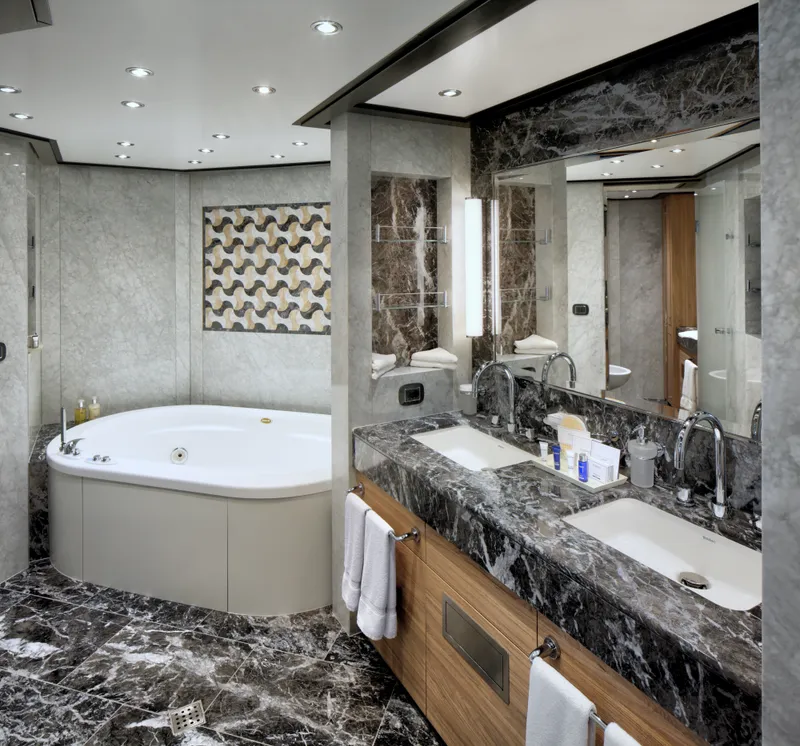
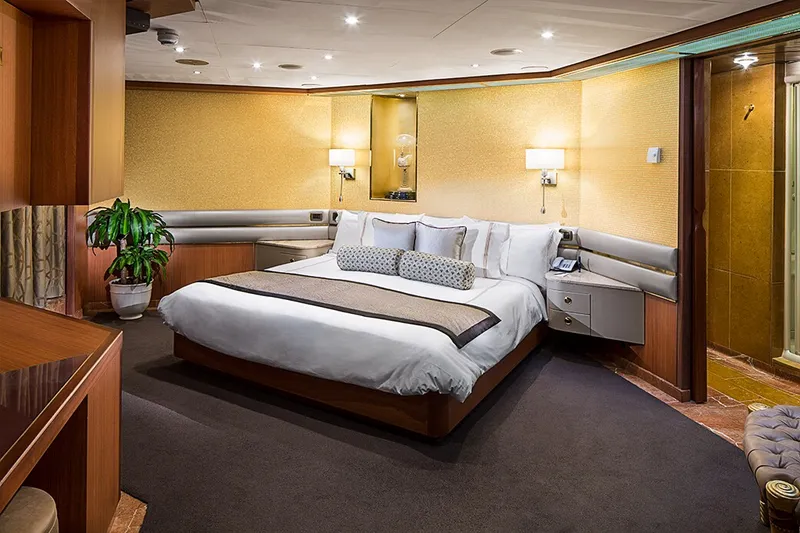
With floor-to-ceiling windows overlooking a private verandah, these spacious suites are flooded with light. They feature a large sitting area and two lower beds convertible to one king-size bed—our signature Mariner's Dream bed with plush Euro-Top mattresses plus a separate dressing room. There's also a sofa bed, suitable for two people. The bathroom comes with a dual-sink vanity, full-size whirlpool bath and shower, plus additional shower stall. Amenities include use of the exclusive Neptune Lounge, a private concierge and an array of complimentary services. The configuration of staterooms may vary from the images shown.
King or Twin ConfigurationShowerWhirlpool BathTVSafeHair Dryer+11
View Details
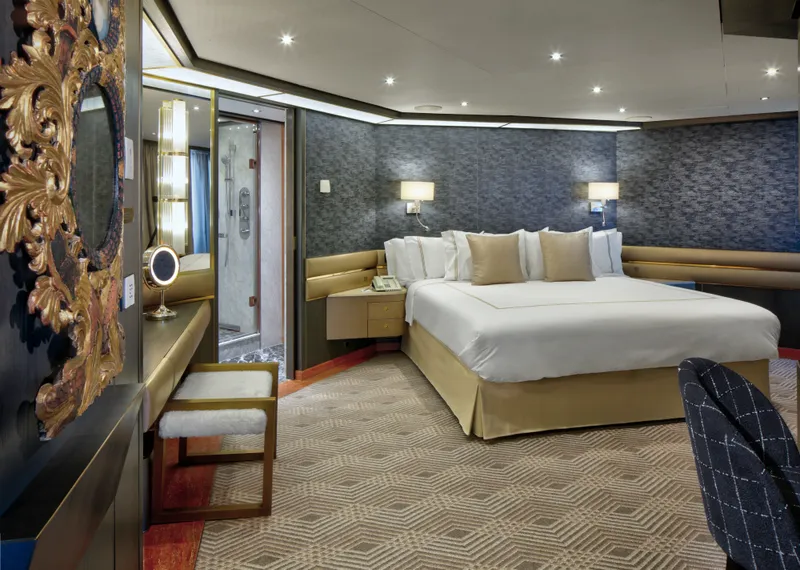
Pinnacle Suite
Suite
1150 m²Max 4
PS
Approximately 1,150 sq. ft. including verahdah
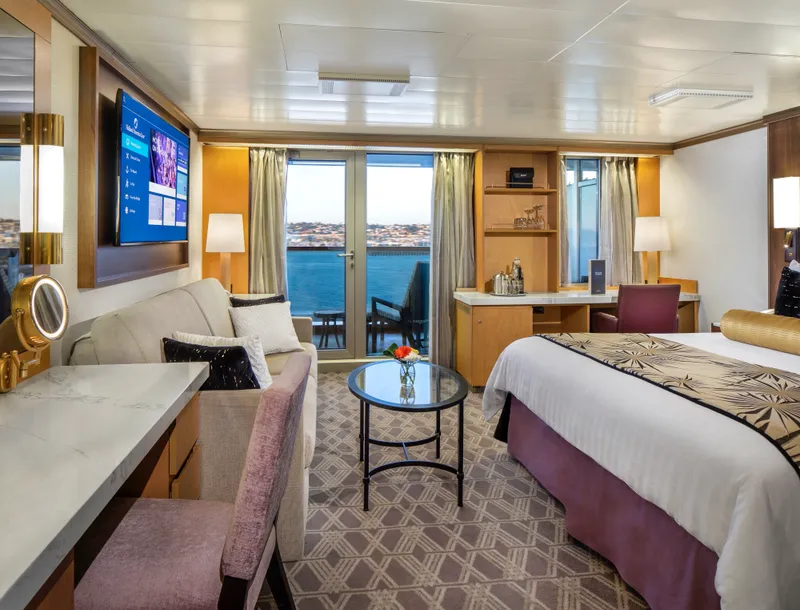
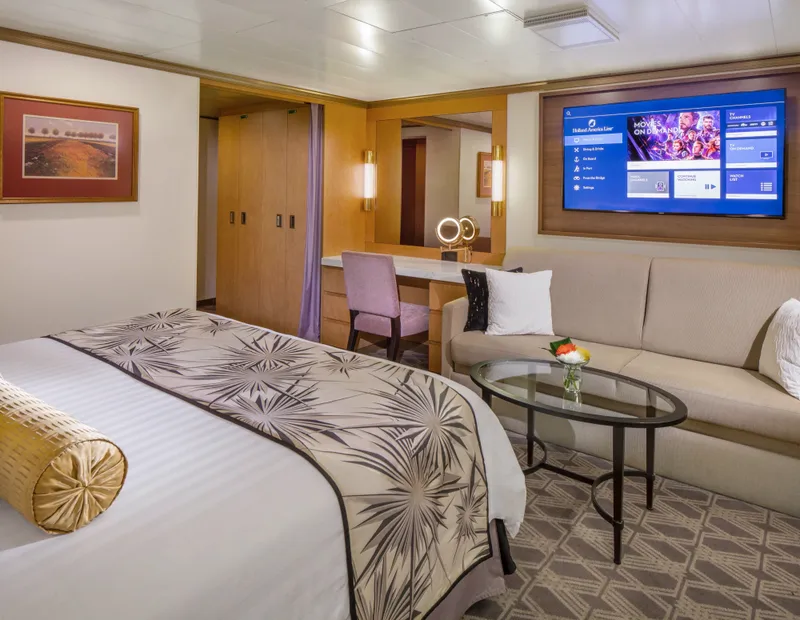
Generously proportioned and filled with light, these elegant suites include a living room, dining room, pantry with microwave and refrigerator, and floor-to-ceiling windows overlooking a private verandah with whirlpool. The bedroom features a king-size bed—our Signature Mariner's Dream bed with plush Euro-Top mattresses, plus a separate dressing room and the bath includes an oversize whirlpool bath and shower as well as an additional shower stall. There's also a sofa bed, suitable for two people, and a guest toilet. Amenities include a private stereo system, use of the exclusive Neptune Lounge, private concierge and an array of complimentary services. The configuration of staterooms may vary from the images shown.
Sofa BedShowerWhirlpool BathSuite BenefitsWi-Fi (Additional Cost)Safe+12
View Details
Signature Suite
Suite
372–384 m²Max 3
SSSYSZ
Approximately 372-384 sq. ft. including verandah
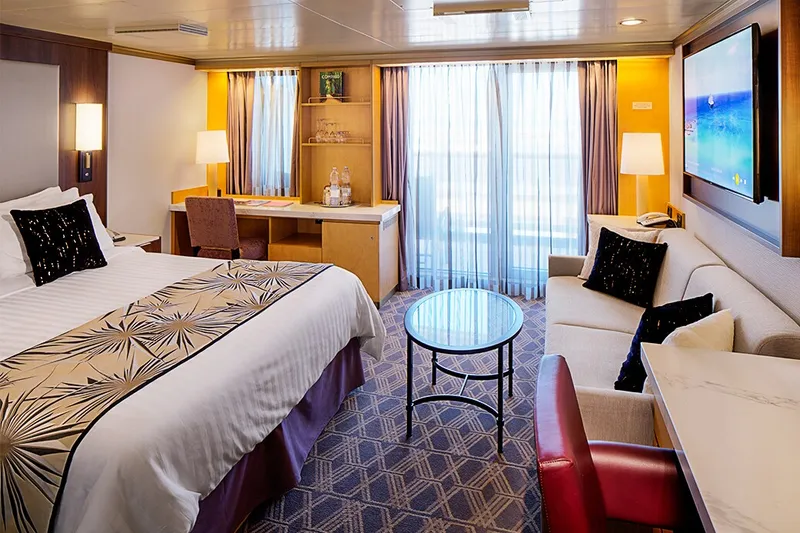
These large, comfortable suites feature a spacious sitting area with floor-to-ceiling windows overlooking a private verandah, two lower beds convertible to one queen-size bed—our signature Mariner's Dream bed with plush Euro-Top mattresses, and one sofa bed for one person. The bathroom includes a dual-sink vanity, full-size whirlpool bath and shower, and an additional shower stall. The configuration of staterooms may vary from the images shown.
Queen or Twin ConfigurationSofa BedLounge AreaShowerWhirlpool BathSuite Benefits+10
View Details
Verandah Stateroom
Balcony
212–359 m²Max 2
VAVBVCVDVEVFVH
Approximately 212-359 sq. ft. including verandah
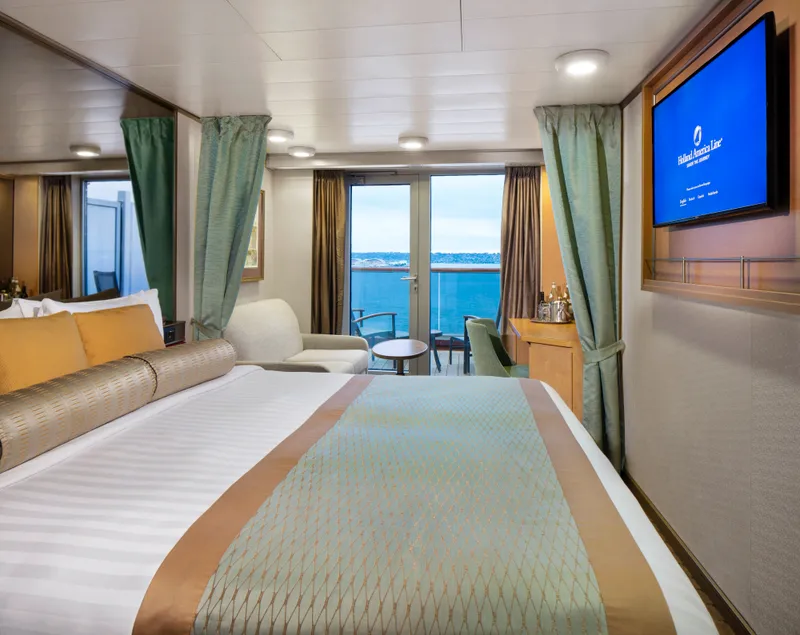
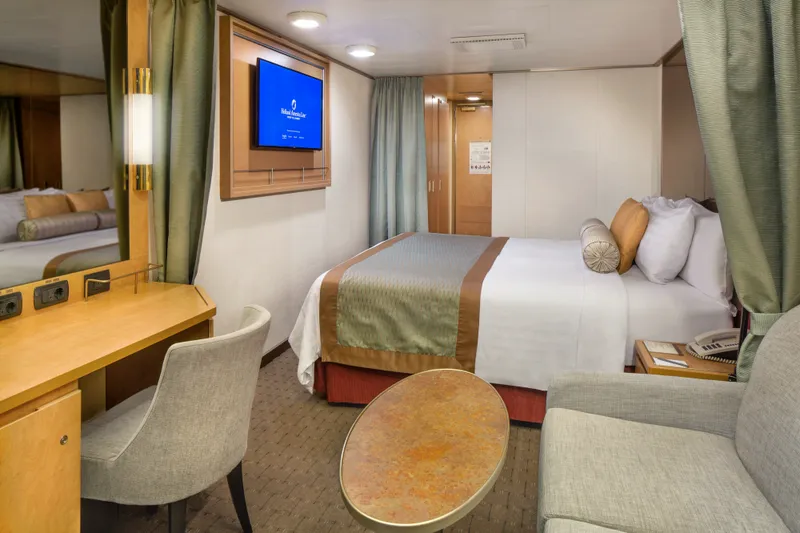
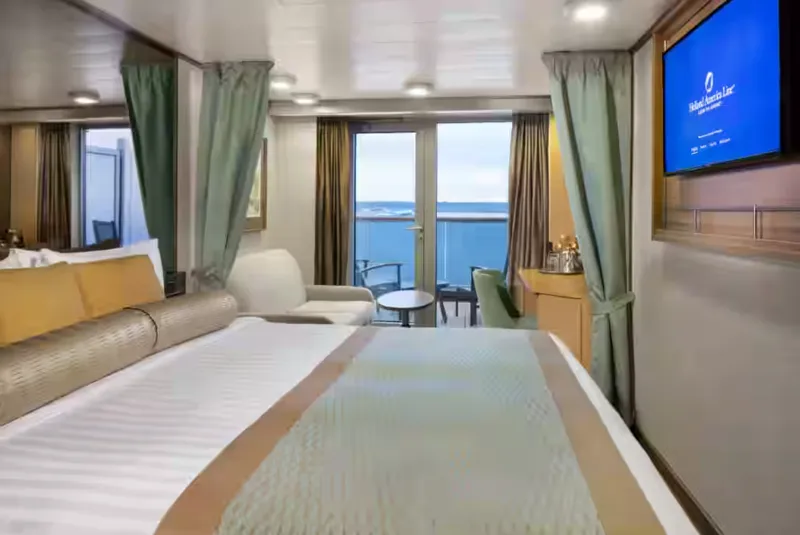
Filled with light from floor-to-ceiling windows overlooking a private verandah, these staterooms include a sitting area, two lower beds convertible to one queen-size bed—our signature Mariner's Dream bed with plush Euro-Top mattresses, and bath tub with premium massage showerheads. The configuration of staterooms may vary from the images shown.
Queen or Twin ConfigurationShowerBathTVSafeHair Dryer+8
View Details
Large Ocean view Stateroom
Outside
174–180 m²Max 2
CDDDEF
Approximately 174-180 sq. ft.
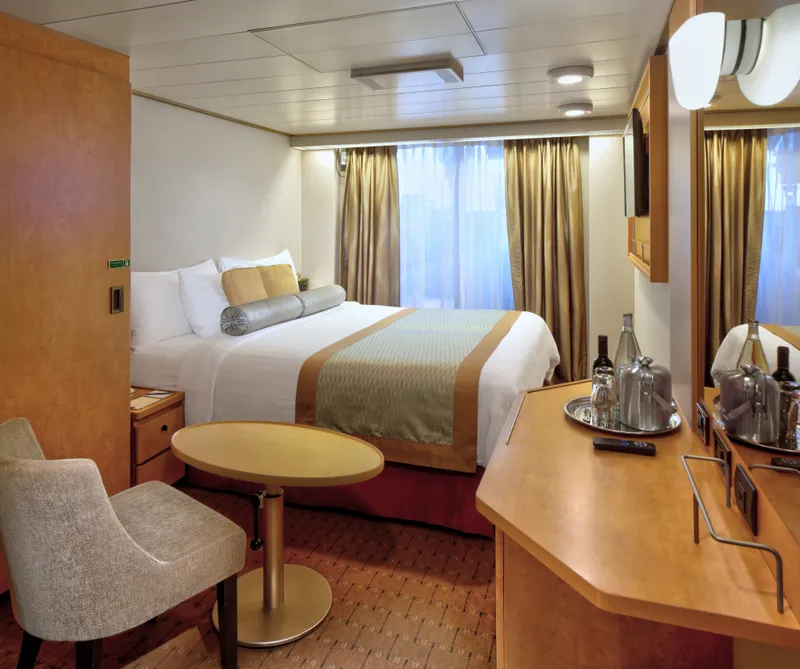
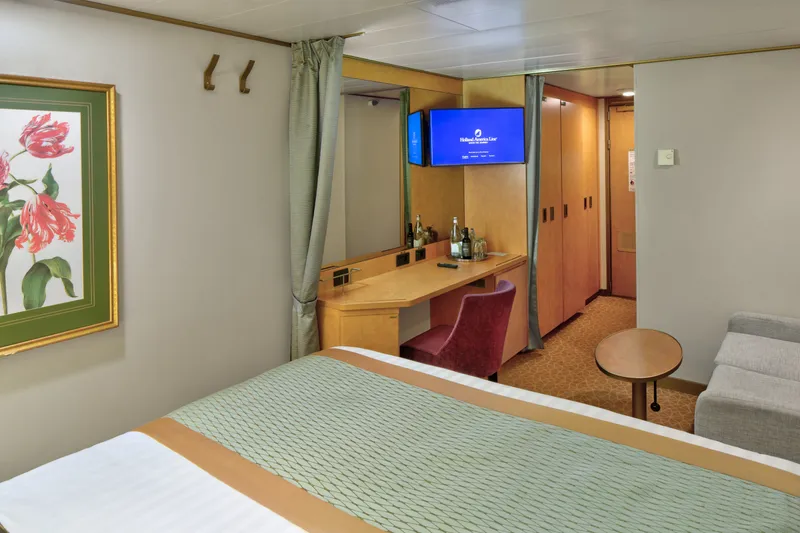
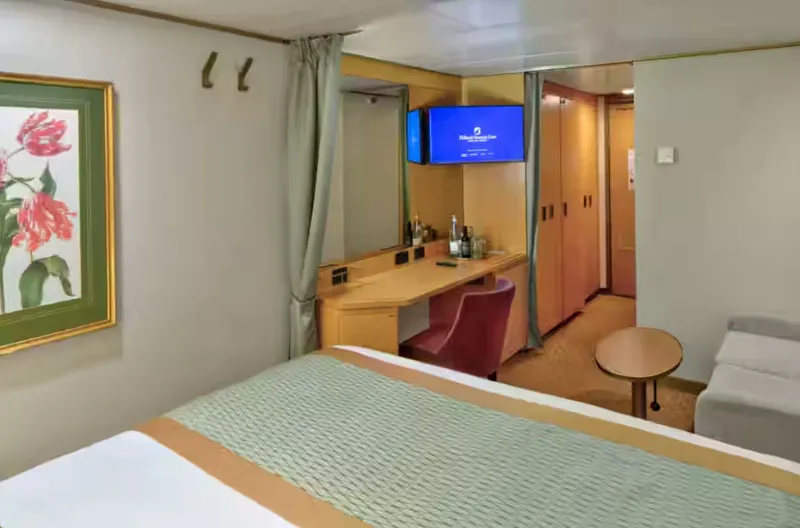
These expansive staterooms include include two lower beds convertible to one queen-size bed—our Signature Mariner's Dream bed with plush Euro-Top mattresses, premium massage shower heads, a host of amenities and an ocean view. The configuration of staterooms may vary from the images
Queen or Twin ConfigurationShowerTVSafeHair DryerRoom Service Available+5
View Details
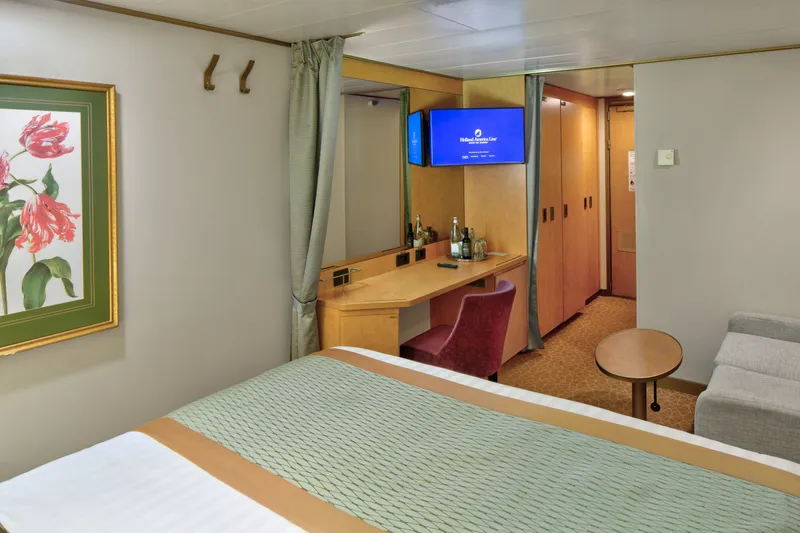
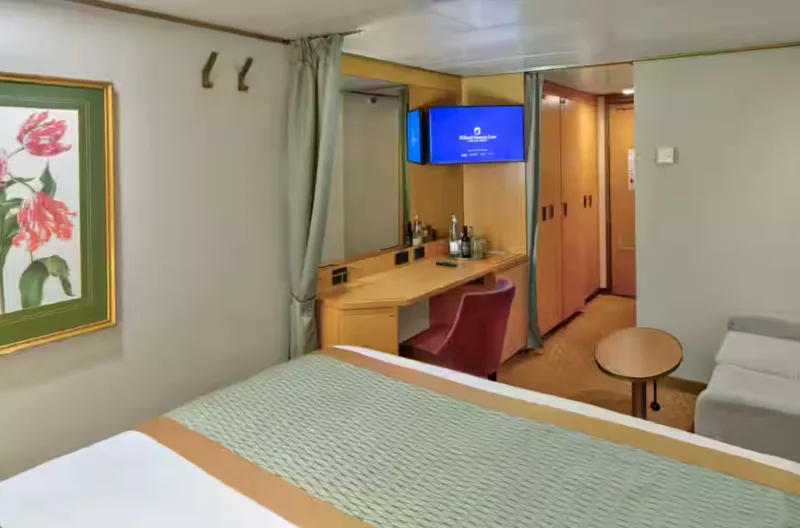
Large Ocean view Stateroom (Fully Obstructed View)
Outside
174–180 m²Max 2
HHH
Approximately 174-180 sq. ft.
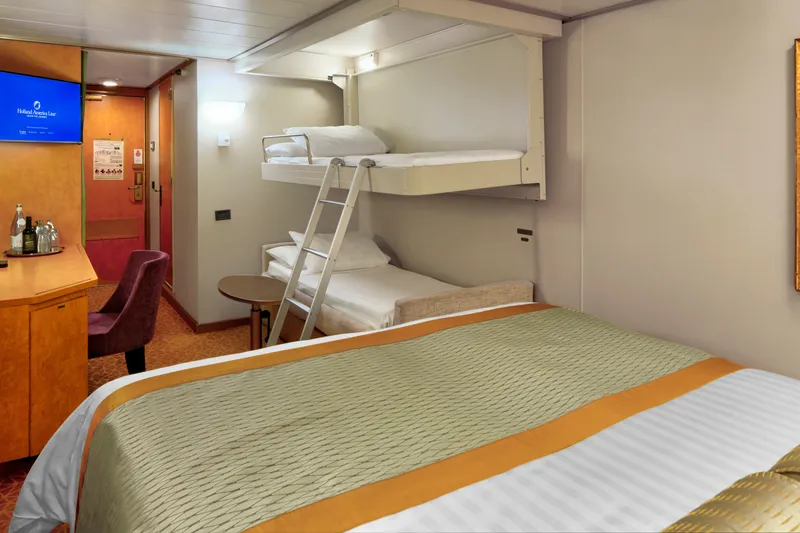
These large staterooms include two lower beds convertible to one queen-size bed—our Signature Mariner's Dream bed with plush Euro-Top mattresses, premium massage shower heads and a host of amenities. The view is fully obstructed. The configuration of staterooms may vary from the images shown.
Queen or Twin ConfigurationShowerRoom Service AvailableTVSafeHair Dryer+5
View Details
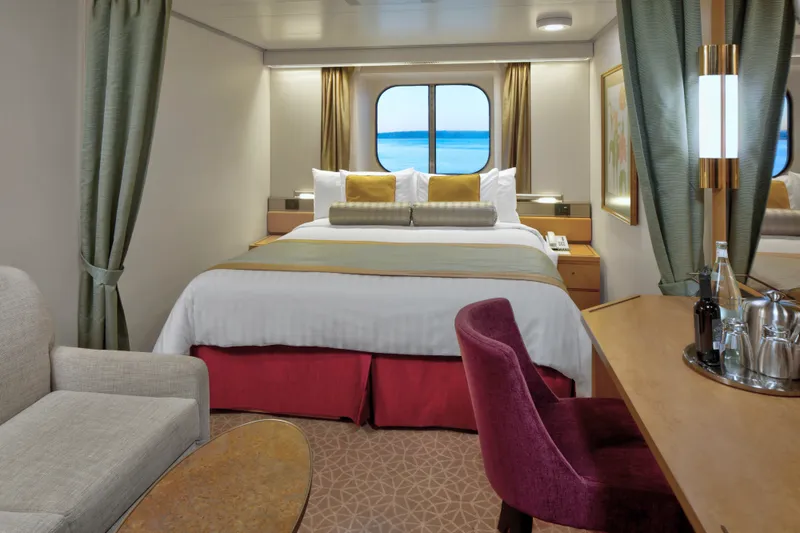
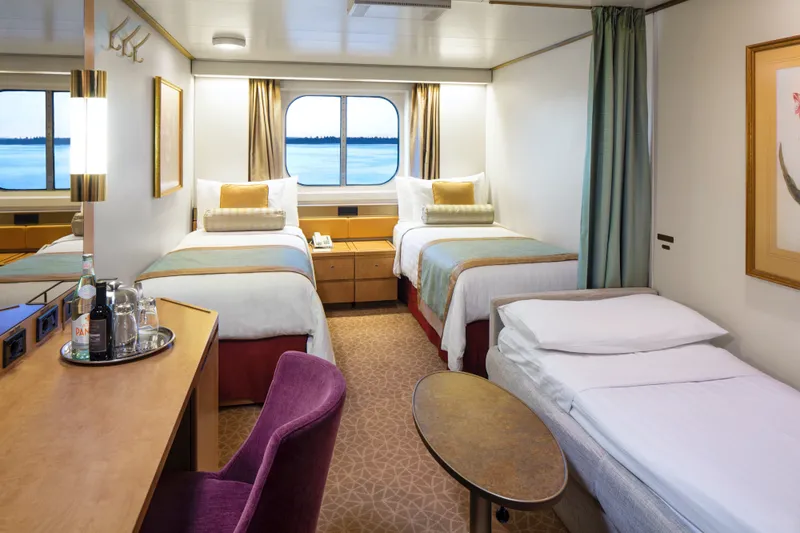
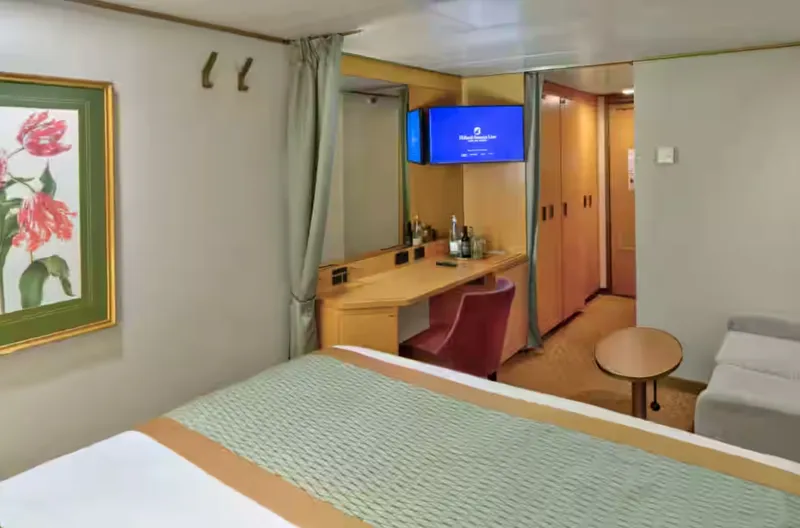
Large Ocean view Stateroom (Partial Sea View)
Outside
174–180 m²Max 2
G
Approximately 174-180 sq. ft.
These staterooms feature a partial sea view and include two lower beds convertible to one queen-size bed—our signature Mariner's Dream bed with plush Euro-Top mattresses, plus premium massage shower heads and a variety of amenities. The configuration of staterooms may vary from the image.
Queen or Twin ConfigurationShowerRoom Service AvailableTVSafeHair Dryer+5
View Details
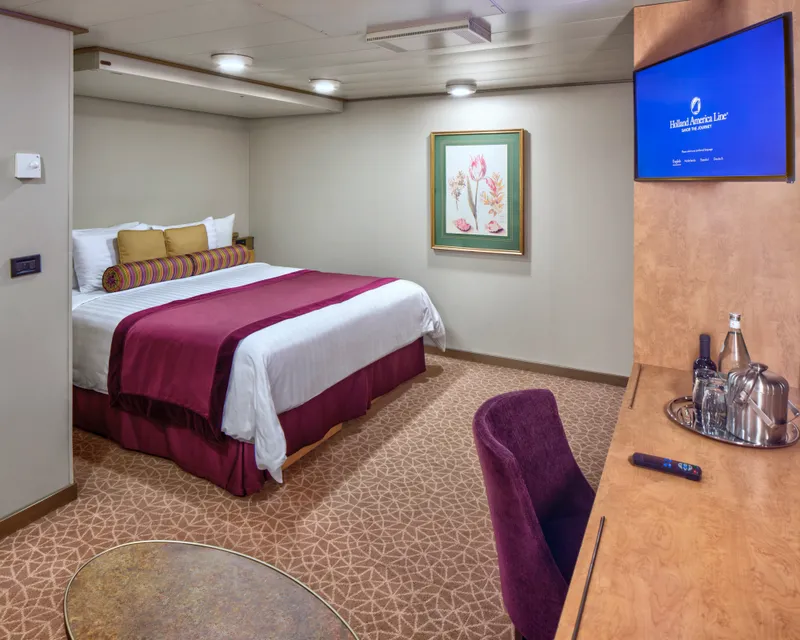
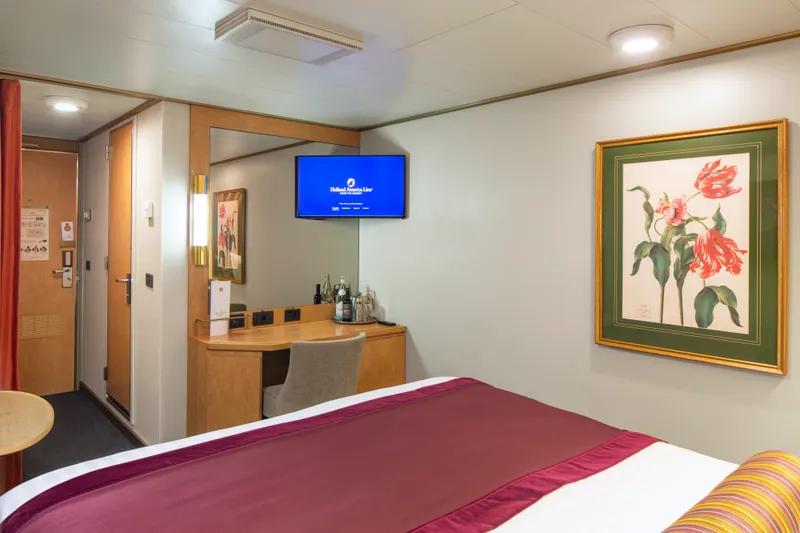
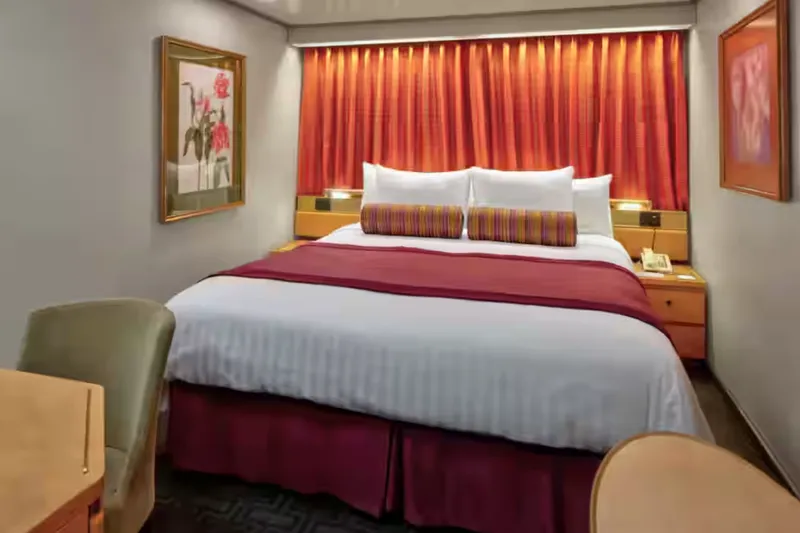
Large Interior Stateroom
Inside
151–233 m²Max 2
J
Approximately 151-233 sq. ft.
These spacious staterooms include two lower beds convertible to one queen-size bed—our Signature Mariner's Dream bed with plush Euro-Top mattresses, premium massage shower heads and a host of amenities. The configuration of staterooms may vary from the images shown.
Queen or Twin ConfigurationShowerRoom Service AvailableTVSafeHair Dryer+5
View Details
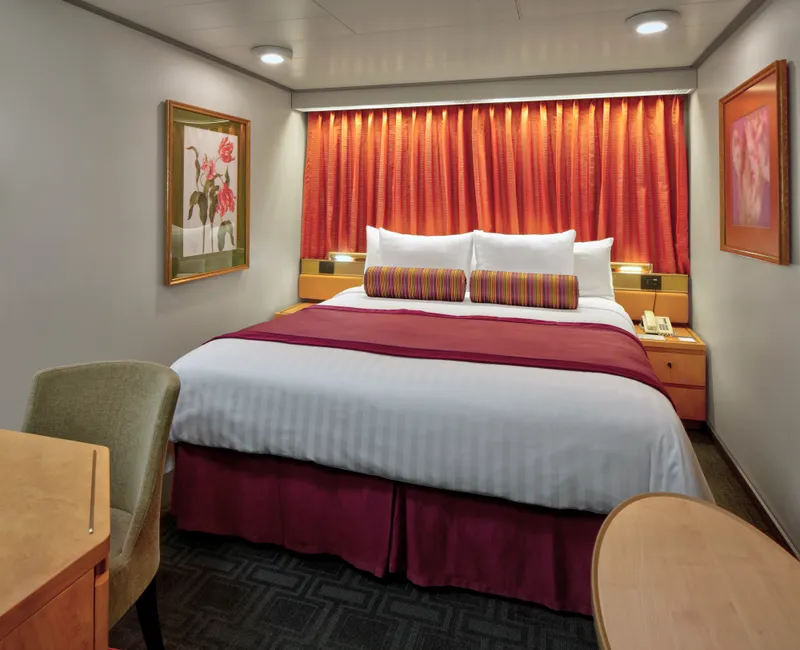
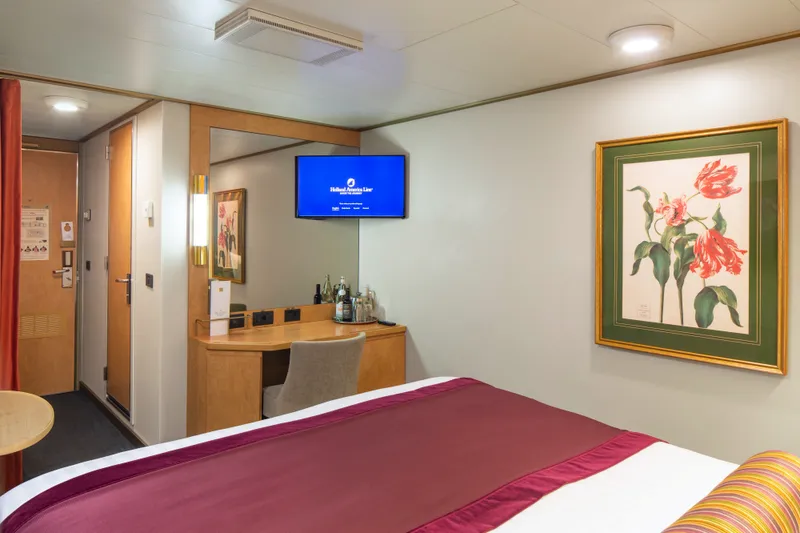
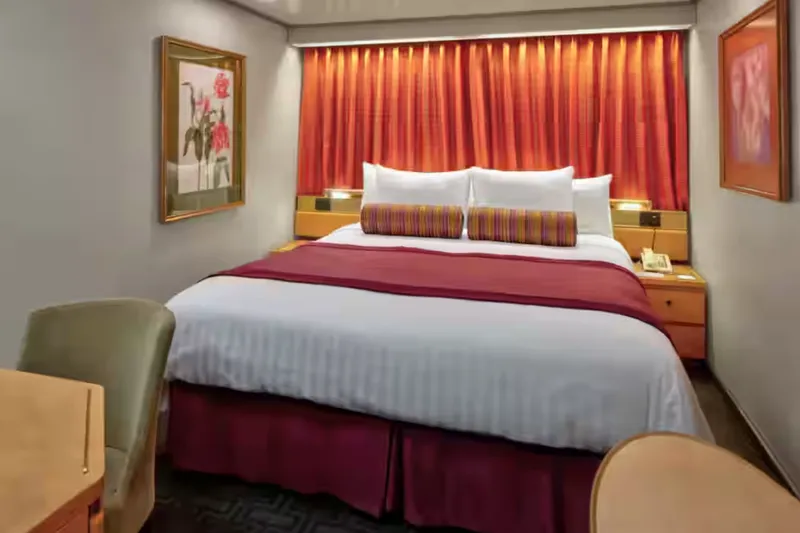
Large/Standard Inside Stateroom
Inside
151–233 m²Max 2
IKMM
Approximately 151-233 sq. ft.
These spacious staterooms include two lower beds convertible to one queen-size bed—our Signature Mariner's Dream bed with plush Euro-Top mattresses, premium massage shower heads and a host of amenities. The configuration of staterooms may vary from the images shown.
Queen or Twin ConfigurationShowerTVSafeHair DryerRoom Service Available+5
View Details
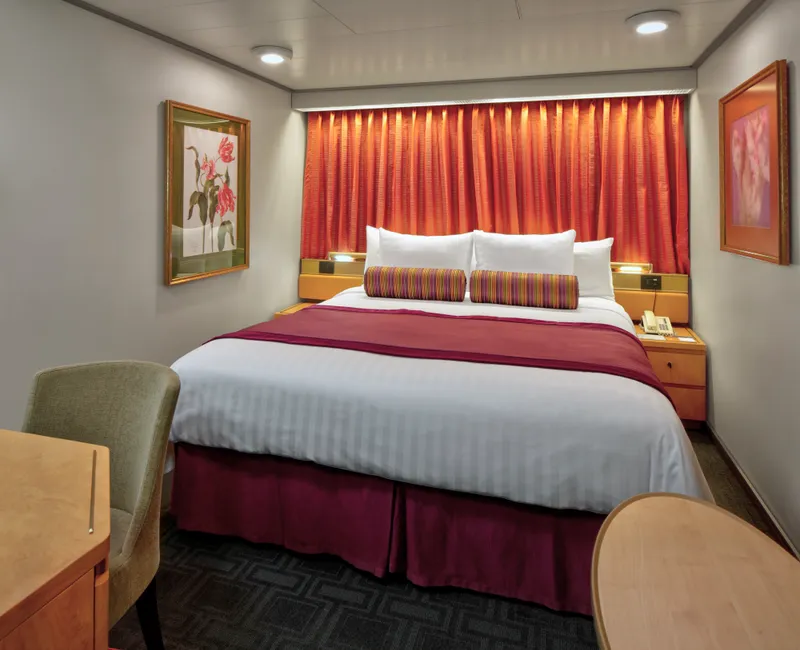
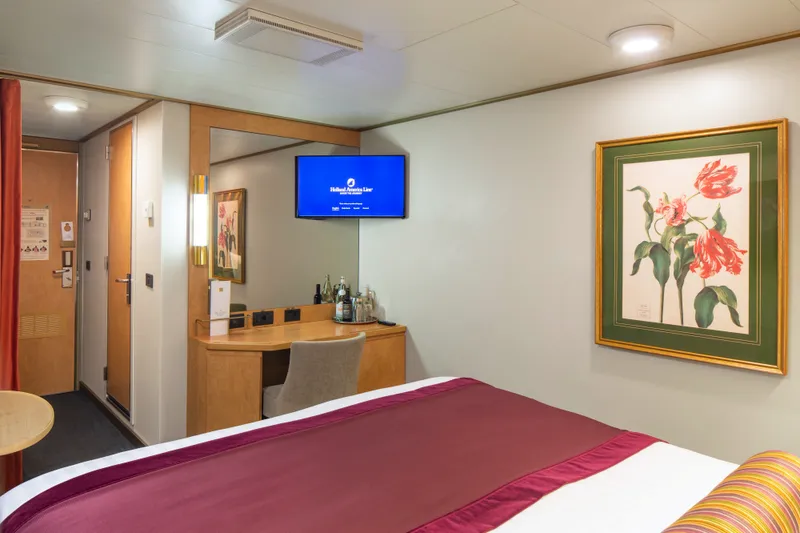
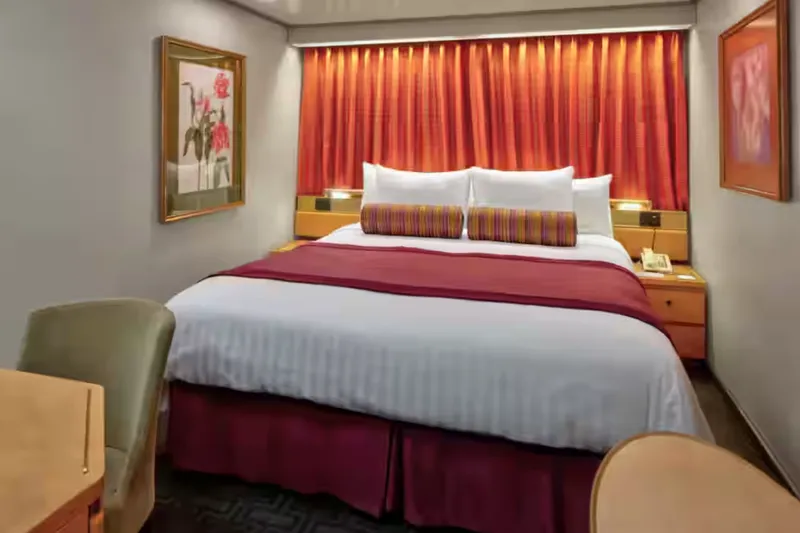
Standard Interior Stateroom
Inside
151–233 m²Max 2
LMN
Approximately 151-233 sq. ft.
Two lower beds convertible to one queen-size bed—our signature Mariner's Dream bed with plush Euro-Top mattresses, premium massage shower heads and a host of amenities are featured in these comfortable staterooms. The configuration of staterooms may vary from the images shown.
Queen or Twin ConfigurationShowerTVSafeHair DryerRoom Service Available+5
View Details
Interested in This Voyage?
Our cruise specialists can help you find the perfect cabin and the best available pricing.
(+886) 02-2721-7300Contact Advisor