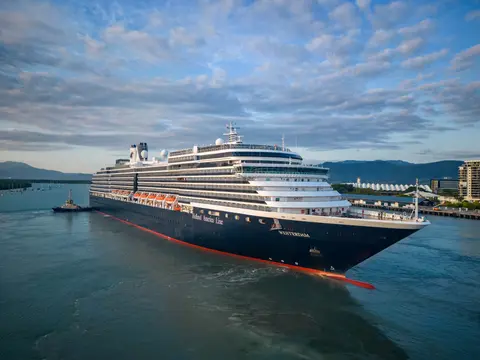
Holland America LineW624A
Japan & North Pacific Crossing Collector
Date
2026-04-12
Duration
29 nights
Departure Port
Tokyo
Japan
Arrival Port
Vancouver
Canada
Rating
Premium
Theme
—
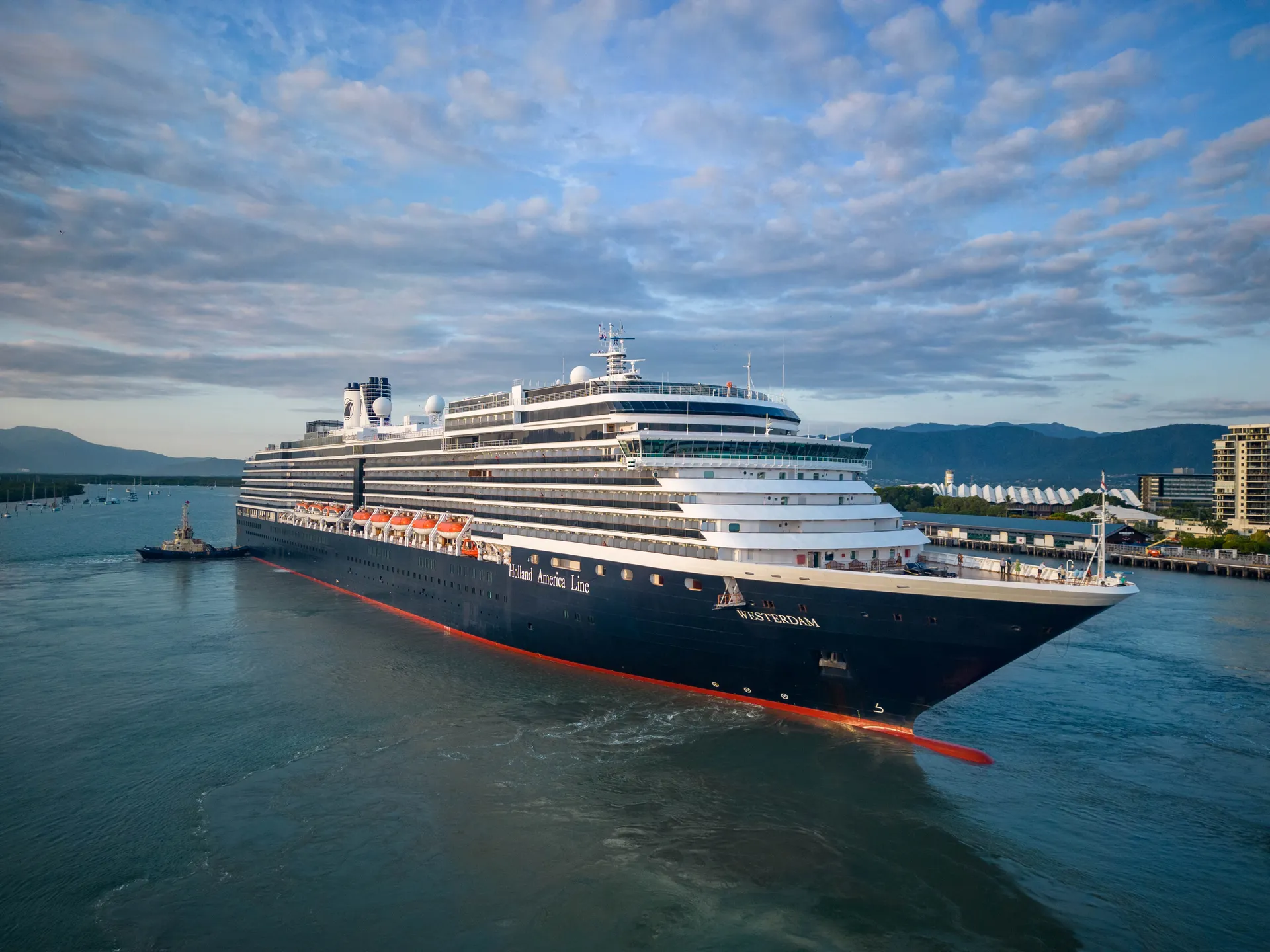






Holland America Line
Westerdam
Launched
2004
Refitted
2025
Tonnage
82,348 GT
Passengers
1,916
Cabins
984
Crew
817
Length
936 m
Width
32 m
Speed
22 knots
Adults Only
No
Itinerary
Day 1
Day 1
Yokohama
Depart 20:30
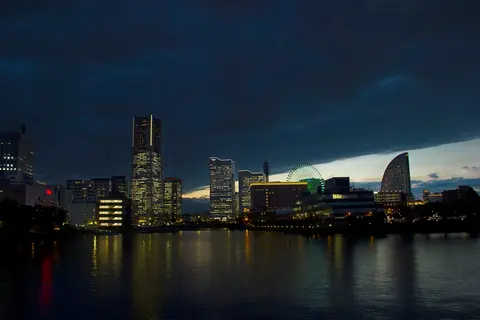
Yokohama is Japan's premier cruise gateway and a captivating port city where nineteenth-century cosmopolitan heritage meets contemporary waterfront elegance, just thirty minutes south of Tokyo. Visitors should explore the historic Yamate Bluff district and lose themselves in Asia's largest Chinatown, savouring iconic iekei ramen and shōronpō soup dumplings. Spring offers the most enchanting experience, when cherry blossoms transform nearby Hirosaki Castle and the mild coastal air makes harbour-side strolling an irresistible pleasure.
Day 2
Day 2
Omaezaki
Arrive 07:00Depart 16:00
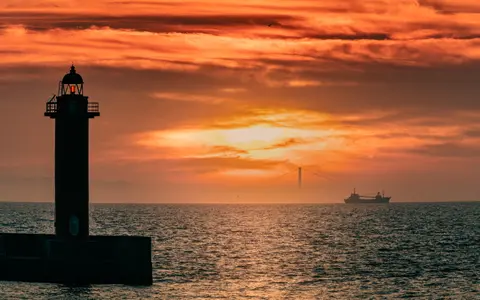
Omaezaki is a windswept Pacific cape in Shizuoka Prefecture known for its 1874 lighthouse, world-class surfing, and the centuries-old craft of making katsuobushi bonito flakes essential to Japanese cuisine. Must-dos include visiting the lighthouse on the dramatic cliff edge, touring the katsuobushi processing facilities, and exploring nearby Makinohara tea plantations. May through October offers the best weather, with clear winter days revealing Mount Fuji views.
Day 3
Day 3
Kobe
Arrive 08:00Depart 18:00
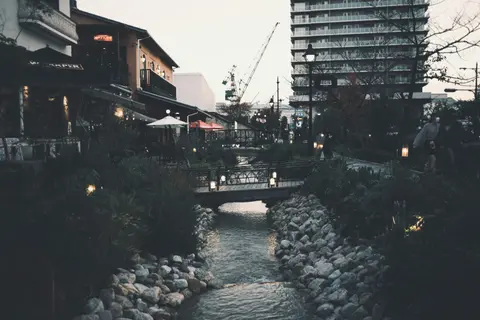
Kobe is Japan's most cosmopolitan port city, famous worldwide for its exquisitely marbled beef, nestled between the Rokko Mountains and Osaka Bay with a fascinating heritage quarter of Victorian foreign residences. Must-dos include authentic Kobe beef teppanyaki, the Nada sake breweries, and a visit to Arima Onsen hot springs. Cherry blossom season (late March–April) and autumn foliage are the most spectacular visiting periods.
Day 4
Day 4
Kochi
Arrive 08:00Depart 15:00
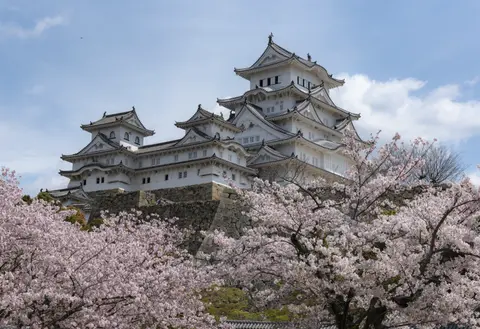
Kochi, on Japan's island of Shikoku, is a Pacific coast port city renowned for its remarkably preserved 17th-century castle, vibrant Hirome Market food hall, and the iconic katsuo no tataki — straw-seared skipjack tuna that defines the region's bold culinary identity. Visitors should not miss exploring the castle grounds and savouring sawachi communal platters paired with crisp Tosa sake. The best time to visit is spring for mild weather and cherry blossoms, or autumn when typhoon season has passed and the yuzu harvest perfumes the countryside.
Day 5
Day 5
Scenic Cruising Kanmon Strait
Day 6
Day 6
Fukuoka
Arrive 08:00Depart 16:00
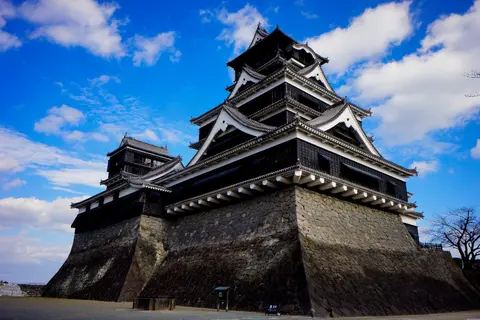
Fukuoka is widely regarded as Japan's greatest food city, where legendary tonkotsu ramen, evening yatai street stalls, and mentaiko spicy cod roe define a culinary culture without rival. Must-dos include slurping ramen at a Nakasu yatai, visiting Dazaifu Tenmangu shrine, and exploring the Hakata old quarter. Spring and autumn offer the best weather, with the spectacular Yamakasa festival heating up early July.
Day 7
Day 7
Sokcho
Arrive 10:00Depart 20:00
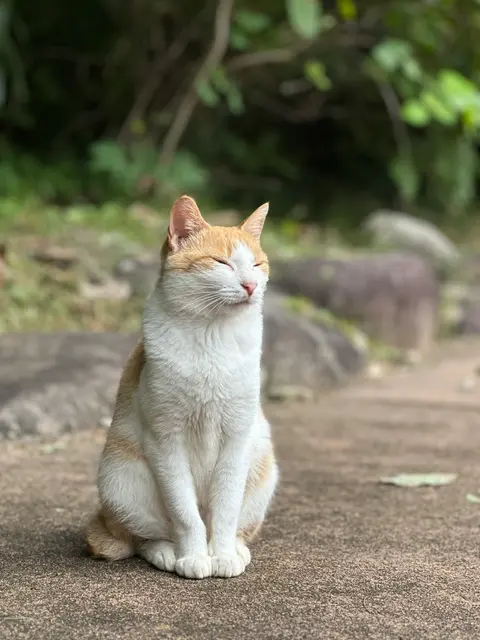
Sokcho is a coastal city in northeastern South Korea where the granite peaks of Seoraksan National Park — a UNESCO Biosphere Reserve — meet the East Sea, creating a landscape of extraordinary beauty. Must-do experiences include riding the cable car to Gwongeumseong Fortress, sampling live seafood at Jungang Market, and hiking to Ulsanbawi Rock. Autumn (late September-October) brings legendary foliage color that transforms the mountains into a spectacle of crimson and gold.
Day 8
Day 8
At Sea
Day 9
Day 9
Kanazawa
Arrive 08:00Depart 20:30
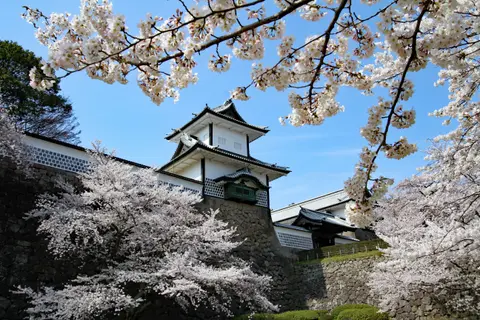
Kanazawa is a Sea of Japan coast city of extraordinary cultural refinement, home to Kenrokuen — one of Japan's three greatest gardens — alongside perfectly preserved samurai and geisha quarters, and craft traditions including gold leaf, Kutani porcelain, and Kaga silk dyeing. Essential experiences include strolling Kenrokuen's seasonal landscapes, exploring the wooden tea houses of Higashi Chaya, and feasting on fresh crab and nodoguro at the historic Omicho Market. Each season offers distinct beauty, from winter snow to autumn foliage.
Day 10
Day 10
Sakata
Arrive 10:00Depart 18:00
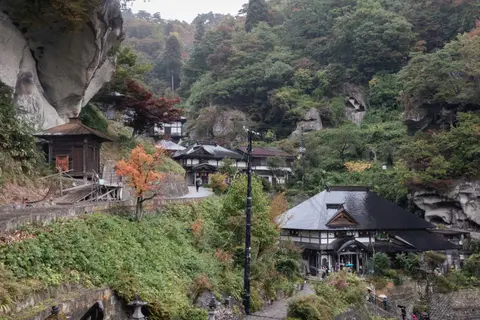
Sakata is a historic merchant port on Japan's Sea of Japan coast, enriched by centuries of rice and safflower trade, with iconic black Sankyo Warehouses lined by zelkova trees and a thriving seafood culture. Must-dos include the Sankyo Warehouse district, tasting fresh nodoguro fish at the waterfront market, and views of sacred Mount Chokai. Visit April through May for cherry blossoms or October for autumn foliage.
Day 11
Day 11
Aomori
Arrive 08:00Depart 17:00
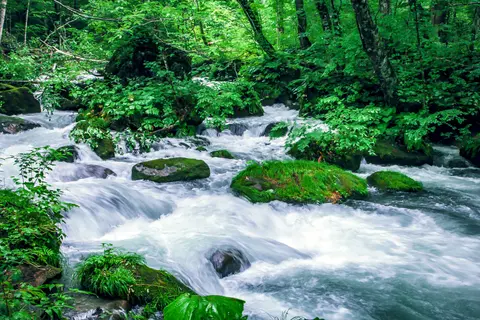
Aomori, at Honshu’s northern tip, produces 60% of Japan’s apples and stages the Nebuta Matsuri—one of the country’s most spectacular festivals, with giant illuminated warrior floats parading through August nights. Must-dos include the Nebuta Museum Wa Rasse, building a custom rice bowl at Furukawa Market, and autumn walks through Oirase Gorge. Visit August for the electrifying Nebuta festival, or October for Tohoku’s legendary autumn foliage at Lake Towada.
Day 12
Day 12
Otaru
Arrive 08:00Depart 17:00
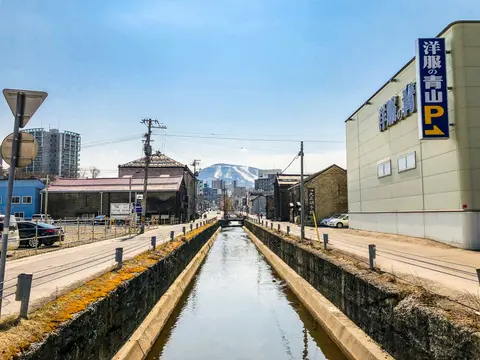
Otaru, Japan, offers an immersion in a culture where aesthetic refinement and daily life are inseparable. Essential experiences include exploring local food markets, tasting regional specialties at intimate eateries, and visiting the surrounding temples and gardens. The port is most rewarding May through October, when the climate is at its most welcoming for outdoor exploration. Cruise lines including Viking feature this port on their most compelling itineraries. Whether you have a few hours or a full day, the port rewards exploration at every pace and in every direction.
Day 13
Day 13
Hakodate
Arrive 08:00Depart 18:00

Hakodate, Japan, offers an immersion in a culture where aesthetic refinement and daily life are inseparable. Essential experiences include exploring local food markets, tasting regional specialties at intimate eateries, and visiting the surrounding temples and gardens. The port is most rewarding May through October, when the climate is at its most welcoming for outdoor exploration. Cruise lines including Hapag-Lloyd Cruises feature this port on their most compelling itineraries. Whether you have a few hours or a full day, the port rewards exploration at every pace and in every direction.
Day 14
Day 14
At Sea
Day 15
Day 15
Yokohama
Arrive 06:30Depart 20:00
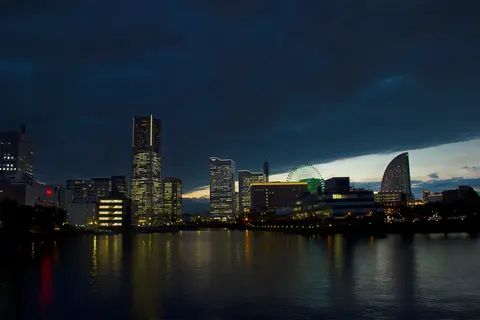
Yokohama is Japan's premier cruise gateway and a captivating port city where nineteenth-century cosmopolitan heritage meets contemporary waterfront elegance, just thirty minutes south of Tokyo. Visitors should explore the historic Yamate Bluff district and lose themselves in Asia's largest Chinatown, savouring iconic iekei ramen and shōronpō soup dumplings. Spring offers the most enchanting experience, when cherry blossoms transform nearby Hirosaki Castle and the mild coastal air makes harbour-side strolling an irresistible pleasure.
Day 16
Day 16
At Sea
Day 17
Day 17
Kushiro
Arrive 08:00Depart 17:00
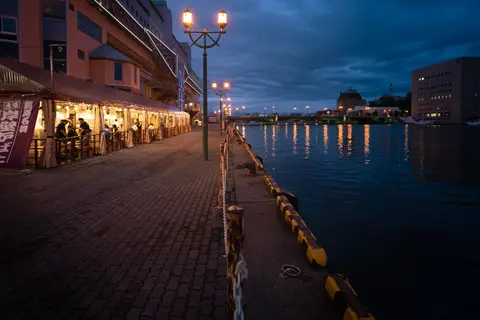
Kushiro, on Hokkaido's wild eastern coast, is Japan's gateway to pristine marshlands, volcanic lakes, and the sacred red-crowned crane. The city's legendary Washo Market offers build-your-own sashimi bowls, while nearby Kushiro Shitsugen National Park protects the country's largest wetland. Silversea brings expedition travelers to this unhurried port where Ainu heritage and untamed nature converge.
Day 18
Day 18
Crossing the International Date line
Day 19
Day 19
At Sea
Day 20
Day 20
At Sea
Day 21
Day 21
At Sea
Day 22
Day 22
At Sea
Day 23
Day 23
At Sea
Day 23
Day 23
Kodiak
Arrive 08:00Depart 17:00
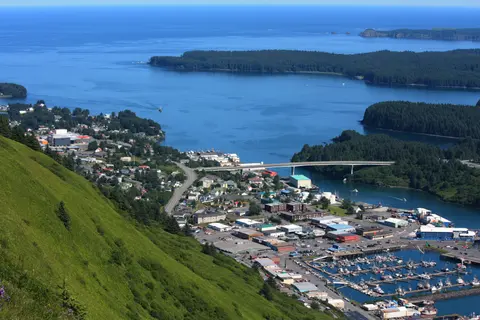
Kodiak, Alaska's oldest European settlement and one of America's largest fishing ports, sits on an island home to 3,500 giant Kodiak brown bears—the densest concentration on Earth. Must-dos include floatplane bear-viewing at remote salmon streams, the Alutiiq Museum of indigenous culture, and sampling king crab fresh from the harbor. July and August offer the warmest weather and peak bear-viewing season.
Day 25
Day 25
Bergen
Arrive 08:00Depart 17:00
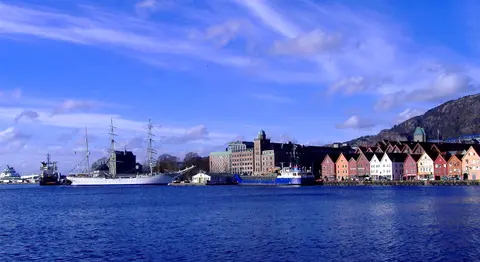
Bergen, Norway's charming coastal city and historic trading hub, is known for its picturesque Bryggen Wharf and rich maritime heritage. Must-do experiences include sampling local delicacies at the vibrant Fish Market and exploring the medieval Hanseatic quarter. The best season to visit is during the summer months, when the city's lively atmosphere and stunning fjord landscapes are at their peak.
Day 26
Day 26
Sitka
Arrive 08:00Depart 18:00
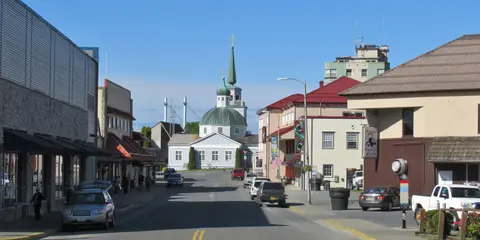
Sitka, set on the wild west coast of Baranof Island in Southeast Alaska, is one of the Pacific Northwest's most historically resonant ports — a place where Russian Orthodox onion domes rise above totem poles and the great temperate rainforest presses down to the water's edge. The Sitka National Historical Park preserves the site of the 1804 battle between Tlingit warriors and Russian colonisers alongside a magnificent collection of monumental poles. Whale-watching, sea kayaking among sea otters, and brown bear spotting in the surrounding wilderness define the outdoor experience. May through September offers the most accessible and luminous conditions.
Day 27
Day 27
Ketchikan
Arrive 08:00Depart 17:00
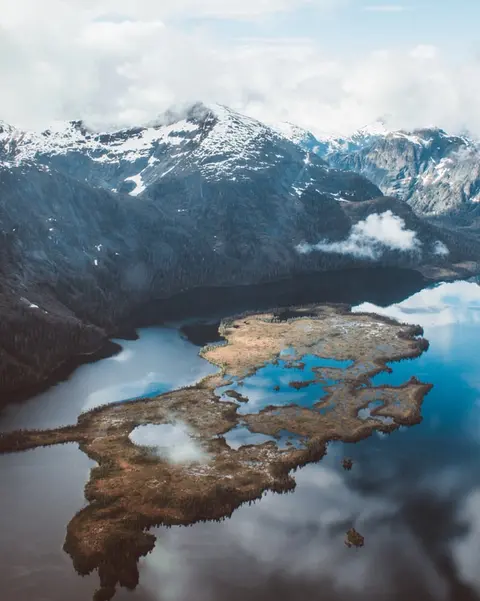
Ketchikan clings to the forested shore of Revillagigedo Island in Alaska's southeastern panhandle — a town so narrow that locals joke it is three miles long and three blocks wide. Revered by the Tlingit people for millennia as a place of abundant salmon, it is today celebrated as the Totem Pole Capital of the World: the collections at Saxman Native Village and Totem Bight State Historical Park preserve the most significant concentration of these monumental artworks anywhere. Creek Street, a boardwalk of colorful historic houses built over Ketchikan Creek, should not be missed. Summer (May–September) brings the best weather, with salmon running in the creeks below.
Day 28
Day 28
Prince Rupert
Prince Rupert, a historic railway terminus on British Columbia's northern coast, enchants visitors with its deep Tsimshian heritage, world-class halibut fishing, and misty rain forest scenery along the Inside Passage. Sample freshly smoked salmon at the waterfront and explore the North Pacific Cannery, Canada's oldest surviving cannery, for a vivid encounter with the port's maritime soul. The best time to visit is June through August, when longer days temper the famous rainfall and wildlife activity peaks along the coast.
Day 29
Day 29
Vancouver
Arrive 07:00
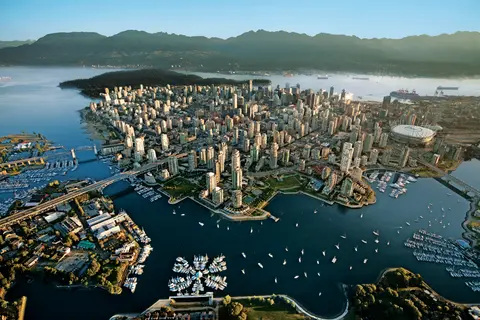
Pressed between the Pacific and the Coast Mountains, Vancouver is the natural gateway to Alaska's Inside Passage — a city where temperate rainforest meets glass towers and where Dungeness crab and wild sockeye salmon define a Pacific Rim cuisine that rivals any in North America. Walk the 22-kilometre Stanley Park seawall, lose yourself in the Granville Island market, then ferry across to Victoria's Edwardian splendour. Alaska cruise season peaks from May through September, making Vancouver an ideal starting point for one of the world's great ocean journeys.
Day 1
Yokohama
Depart 20:30
Yokohama is Japan's premier cruise gateway and a captivating port city where nineteenth-century cosmopolitan heritage meets contemporary waterfront elegance, just thirty minutes south of Tokyo. Visitors should explore the historic Yamate Bluff district and lose themselves in Asia's largest Chinatown, savouring iconic iekei ramen and shōronpō soup dumplings. Spring offers the most enchanting experience, when cherry blossoms transform nearby Hirosaki Castle and the mild coastal air makes harbour-side strolling an irresistible pleasure.
Day 2
Omaezaki
Arrive 07:00Depart 16:00
Omaezaki is a windswept Pacific cape in Shizuoka Prefecture known for its 1874 lighthouse, world-class surfing, and the centuries-old craft of making katsuobushi bonito flakes essential to Japanese cuisine. Must-dos include visiting the lighthouse on the dramatic cliff edge, touring the katsuobushi processing facilities, and exploring nearby Makinohara tea plantations. May through October offers the best weather, with clear winter days revealing Mount Fuji views.
Day 3
Kobe
Arrive 08:00Depart 18:00
Kobe is Japan's most cosmopolitan port city, famous worldwide for its exquisitely marbled beef, nestled between the Rokko Mountains and Osaka Bay with a fascinating heritage quarter of Victorian foreign residences. Must-dos include authentic Kobe beef teppanyaki, the Nada sake breweries, and a visit to Arima Onsen hot springs. Cherry blossom season (late March–April) and autumn foliage are the most spectacular visiting periods.
Day 4
Kochi
Arrive 08:00Depart 15:00
Kochi, on Japan's island of Shikoku, is a Pacific coast port city renowned for its remarkably preserved 17th-century castle, vibrant Hirome Market food hall, and the iconic katsuo no tataki — straw-seared skipjack tuna that defines the region's bold culinary identity. Visitors should not miss exploring the castle grounds and savouring sawachi communal platters paired with crisp Tosa sake. The best time to visit is spring for mild weather and cherry blossoms, or autumn when typhoon season has passed and the yuzu harvest perfumes the countryside.
Day 5
Scenic Cruising Kanmon Strait
Day 6
Fukuoka
Arrive 08:00Depart 16:00
Fukuoka is widely regarded as Japan's greatest food city, where legendary tonkotsu ramen, evening yatai street stalls, and mentaiko spicy cod roe define a culinary culture without rival. Must-dos include slurping ramen at a Nakasu yatai, visiting Dazaifu Tenmangu shrine, and exploring the Hakata old quarter. Spring and autumn offer the best weather, with the spectacular Yamakasa festival heating up early July.
Day 7
Sokcho
Arrive 10:00Depart 20:00
Sokcho is a coastal city in northeastern South Korea where the granite peaks of Seoraksan National Park — a UNESCO Biosphere Reserve — meet the East Sea, creating a landscape of extraordinary beauty. Must-do experiences include riding the cable car to Gwongeumseong Fortress, sampling live seafood at Jungang Market, and hiking to Ulsanbawi Rock. Autumn (late September-October) brings legendary foliage color that transforms the mountains into a spectacle of crimson and gold.
Day 8
At Sea
Day 9
Kanazawa
Arrive 08:00Depart 20:30
Kanazawa is a Sea of Japan coast city of extraordinary cultural refinement, home to Kenrokuen — one of Japan's three greatest gardens — alongside perfectly preserved samurai and geisha quarters, and craft traditions including gold leaf, Kutani porcelain, and Kaga silk dyeing. Essential experiences include strolling Kenrokuen's seasonal landscapes, exploring the wooden tea houses of Higashi Chaya, and feasting on fresh crab and nodoguro at the historic Omicho Market. Each season offers distinct beauty, from winter snow to autumn foliage.
Day 10
Sakata
Arrive 10:00Depart 18:00
Sakata is a historic merchant port on Japan's Sea of Japan coast, enriched by centuries of rice and safflower trade, with iconic black Sankyo Warehouses lined by zelkova trees and a thriving seafood culture. Must-dos include the Sankyo Warehouse district, tasting fresh nodoguro fish at the waterfront market, and views of sacred Mount Chokai. Visit April through May for cherry blossoms or October for autumn foliage.
Day 11
Aomori
Arrive 08:00Depart 17:00
Aomori, at Honshu’s northern tip, produces 60% of Japan’s apples and stages the Nebuta Matsuri—one of the country’s most spectacular festivals, with giant illuminated warrior floats parading through August nights. Must-dos include the Nebuta Museum Wa Rasse, building a custom rice bowl at Furukawa Market, and autumn walks through Oirase Gorge. Visit August for the electrifying Nebuta festival, or October for Tohoku’s legendary autumn foliage at Lake Towada.
Day 12
Otaru
Arrive 08:00Depart 17:00
Otaru, Japan, offers an immersion in a culture where aesthetic refinement and daily life are inseparable. Essential experiences include exploring local food markets, tasting regional specialties at intimate eateries, and visiting the surrounding temples and gardens. The port is most rewarding May through October, when the climate is at its most welcoming for outdoor exploration. Cruise lines including Viking feature this port on their most compelling itineraries. Whether you have a few hours or a full day, the port rewards exploration at every pace and in every direction.
Day 13
Hakodate
Arrive 08:00Depart 18:00
Hakodate, Japan, offers an immersion in a culture where aesthetic refinement and daily life are inseparable. Essential experiences include exploring local food markets, tasting regional specialties at intimate eateries, and visiting the surrounding temples and gardens. The port is most rewarding May through October, when the climate is at its most welcoming for outdoor exploration. Cruise lines including Hapag-Lloyd Cruises feature this port on their most compelling itineraries. Whether you have a few hours or a full day, the port rewards exploration at every pace and in every direction.
Day 14
At Sea
Day 15
Yokohama
Arrive 06:30Depart 20:00
Yokohama is Japan's premier cruise gateway and a captivating port city where nineteenth-century cosmopolitan heritage meets contemporary waterfront elegance, just thirty minutes south of Tokyo. Visitors should explore the historic Yamate Bluff district and lose themselves in Asia's largest Chinatown, savouring iconic iekei ramen and shōronpō soup dumplings. Spring offers the most enchanting experience, when cherry blossoms transform nearby Hirosaki Castle and the mild coastal air makes harbour-side strolling an irresistible pleasure.
Day 16
At Sea
Day 17
Kushiro
Arrive 08:00Depart 17:00
Kushiro, on Hokkaido's wild eastern coast, is Japan's gateway to pristine marshlands, volcanic lakes, and the sacred red-crowned crane. The city's legendary Washo Market offers build-your-own sashimi bowls, while nearby Kushiro Shitsugen National Park protects the country's largest wetland. Silversea brings expedition travelers to this unhurried port where Ainu heritage and untamed nature converge.
Day 18
Crossing the International Date line
Day 19
At Sea
Day 20
At Sea
Day 21
At Sea
Day 22
At Sea
Day 23
At Sea
Kodiak
Arrive 08:00Depart 17:00
Kodiak, Alaska's oldest European settlement and one of America's largest fishing ports, sits on an island home to 3,500 giant Kodiak brown bears—the densest concentration on Earth. Must-dos include floatplane bear-viewing at remote salmon streams, the Alutiiq Museum of indigenous culture, and sampling king crab fresh from the harbor. July and August offer the warmest weather and peak bear-viewing season.
Day 25
Bergen
Arrive 08:00Depart 17:00
Bergen, Norway's charming coastal city and historic trading hub, is known for its picturesque Bryggen Wharf and rich maritime heritage. Must-do experiences include sampling local delicacies at the vibrant Fish Market and exploring the medieval Hanseatic quarter. The best season to visit is during the summer months, when the city's lively atmosphere and stunning fjord landscapes are at their peak.
Day 26
Sitka
Arrive 08:00Depart 18:00
Sitka, set on the wild west coast of Baranof Island in Southeast Alaska, is one of the Pacific Northwest's most historically resonant ports — a place where Russian Orthodox onion domes rise above totem poles and the great temperate rainforest presses down to the water's edge. The Sitka National Historical Park preserves the site of the 1804 battle between Tlingit warriors and Russian colonisers alongside a magnificent collection of monumental poles. Whale-watching, sea kayaking among sea otters, and brown bear spotting in the surrounding wilderness define the outdoor experience. May through September offers the most accessible and luminous conditions.
Day 27
Ketchikan
Arrive 08:00Depart 17:00
Ketchikan clings to the forested shore of Revillagigedo Island in Alaska's southeastern panhandle — a town so narrow that locals joke it is three miles long and three blocks wide. Revered by the Tlingit people for millennia as a place of abundant salmon, it is today celebrated as the Totem Pole Capital of the World: the collections at Saxman Native Village and Totem Bight State Historical Park preserve the most significant concentration of these monumental artworks anywhere. Creek Street, a boardwalk of colorful historic houses built over Ketchikan Creek, should not be missed. Summer (May–September) brings the best weather, with salmon running in the creeks below.
Day 28
Prince Rupert
Prince Rupert, a historic railway terminus on British Columbia's northern coast, enchants visitors with its deep Tsimshian heritage, world-class halibut fishing, and misty rain forest scenery along the Inside Passage. Sample freshly smoked salmon at the waterfront and explore the North Pacific Cannery, Canada's oldest surviving cannery, for a vivid encounter with the port's maritime soul. The best time to visit is June through August, when longer days temper the famous rainfall and wildlife activity peaks along the coast.
Day 29
Vancouver
Arrive 07:00
Pressed between the Pacific and the Coast Mountains, Vancouver is the natural gateway to Alaska's Inside Passage — a city where temperate rainforest meets glass towers and where Dungeness crab and wild sockeye salmon define a Pacific Rim cuisine that rivals any in North America. Walk the 22-kilometre Stanley Park seawall, lose yourself in the Granville Island market, then ferry across to Victoria's Edwardian splendour. Alaska cruise season peaks from May through September, making Vancouver an ideal starting point for one of the world's great ocean journeys.
Cabin Categories
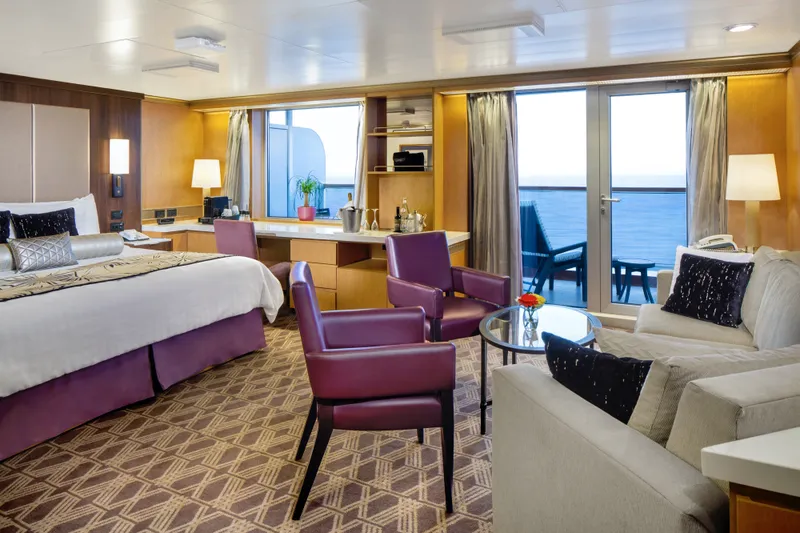
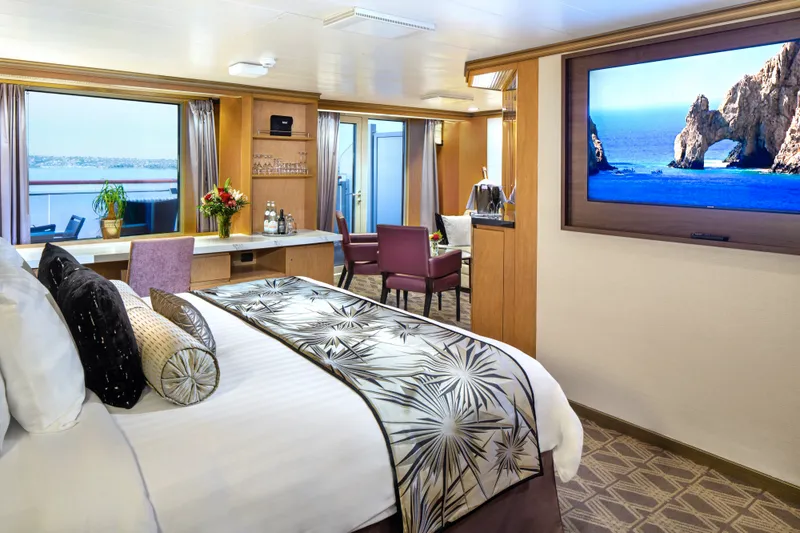
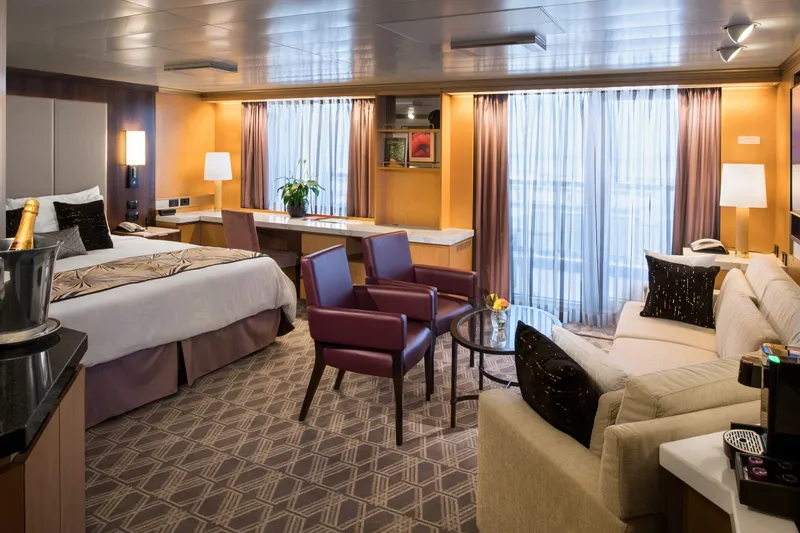
Neptune Suite
Suite
500–712 m²Max 4
SASBSC
Approximately 500-712 sq. ft. including verandah
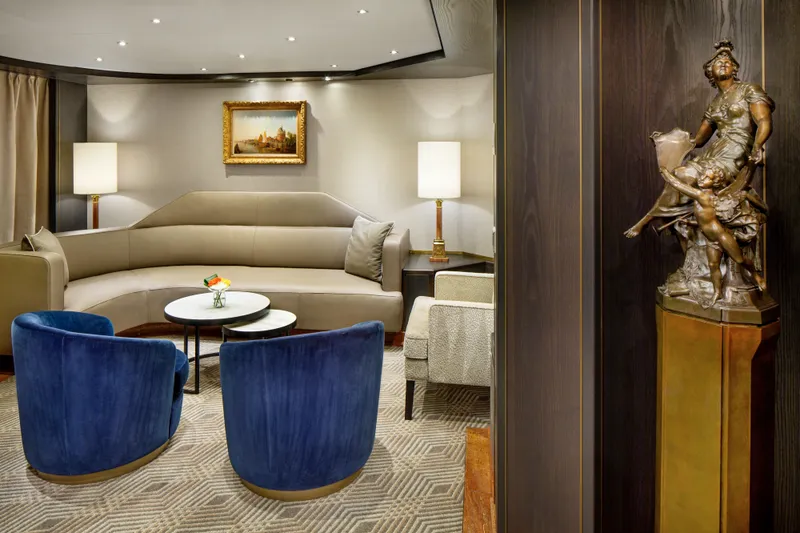
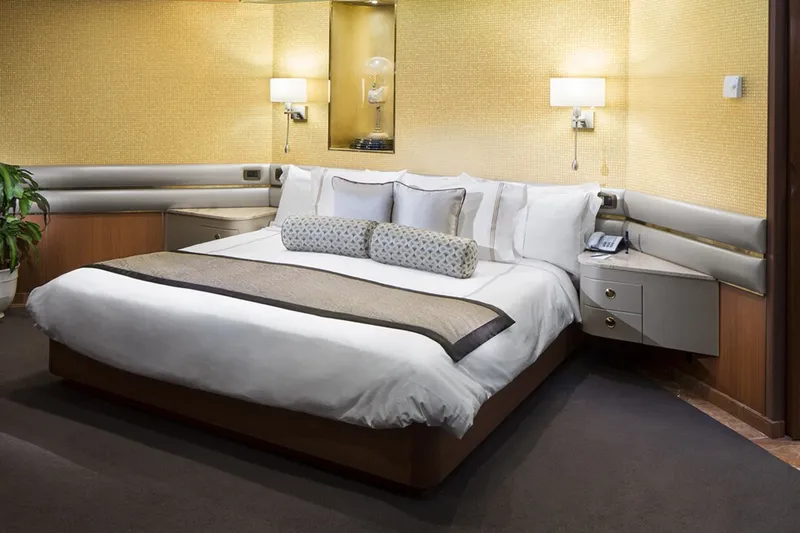
With floor-to-ceiling windows overlooking a private verandah, these spacious suites are flooded with light. They feature a large sitting area and two lower beds convertible to one king-size bed—our signature Mariner's Dream bed with plush Euro-Top mattresses plus a separate dressing room. There's also a sofa bed, suitable for two people. The bathroom comes with a dual-sink vanity, full-size whirlpool bath and shower, plus additional shower stall. Amenities include use of the exclusive Neptune Lounge, a private concierge and an array of complimentary services. The configuration of staterooms may vary from the images shown.
King or Twin ConfigurationSofa BedShowerWhirlpool BathTVSafe+9
View Details
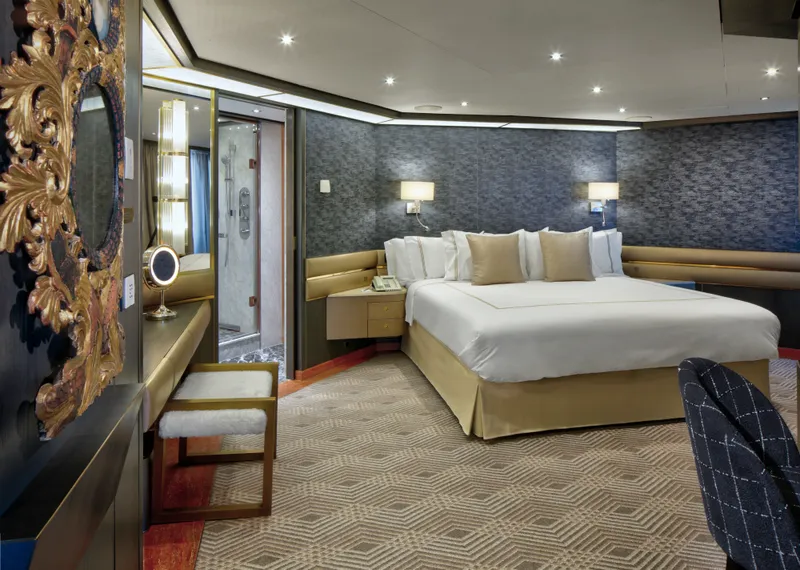
Pinnacle Suite
Suite
1150 m²Max 4
PS
Approximately 1,150 sq. ft including verandah
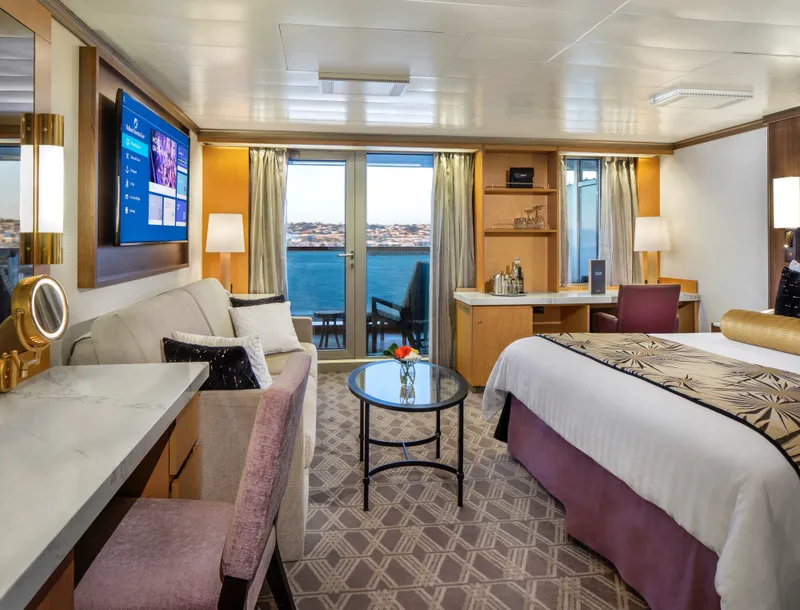
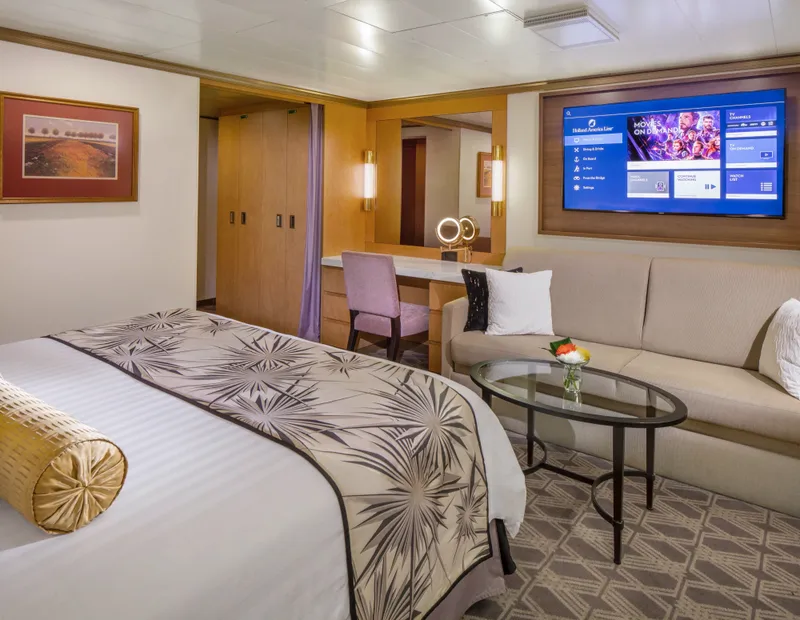
Generously proportioned and filled with light, these elegant suites include a living room, dining room, pantry with microwave and refrigerator, and floor-to-ceiling windows overlooking a private verandah with whirlpool. The bedroom features a king-size bed—our Signature Mariner's Dream bed with plush Euro-Top mattresses, plus a separate dressing room and the bath includes an oversize whirlpool bath and shower as well as an additional shower stall. There's also a sofa bed, suitable for two people, and a guest toilet. Amenities include a private stereo system, use of the exclusive Neptune Lounge, private concierge and an array of complimentary services. The configuration of staterooms may vary from the images shown.
Sofa BedShowerWhirlpool BathSafeHair DryerRoom Service Available+11
View Details
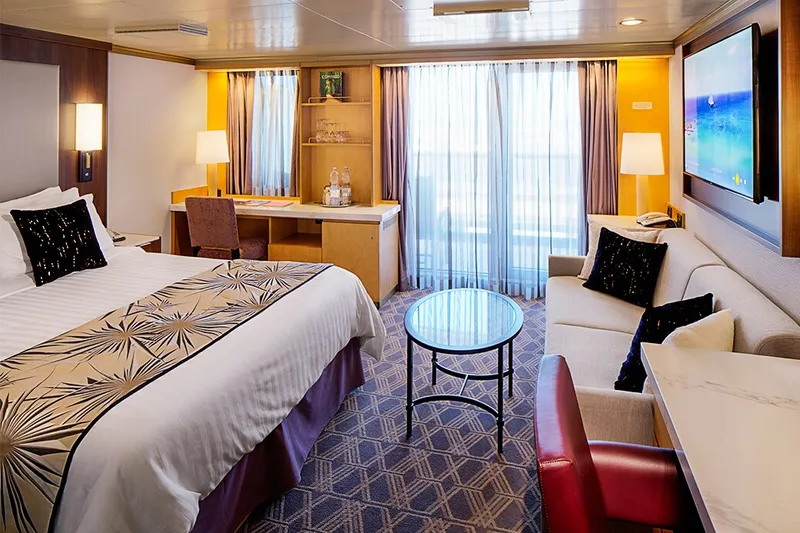
Signature Suite
Suite
372–384 m²Max 2
SSSYSZ
Approximately 372-384 sq. ft. including verandah
These large, comfortable suites feature a spacious sitting area with floor-to-ceiling windows overlooking a private verandah, two lower beds convertible to one queen-size bed—our signature Mariner's Dream bed with plush Euro-Top mattresses, and one sofa bed for one person. The bathroom includes a dual-sink vanity, full-size whirlpool bath and shower, and an additional shower stall. The configuration of staterooms may vary from the images shown.
Queen or Twin ConfigurationShowerTVSafeHair DryerRoom Service Available+9
View Details
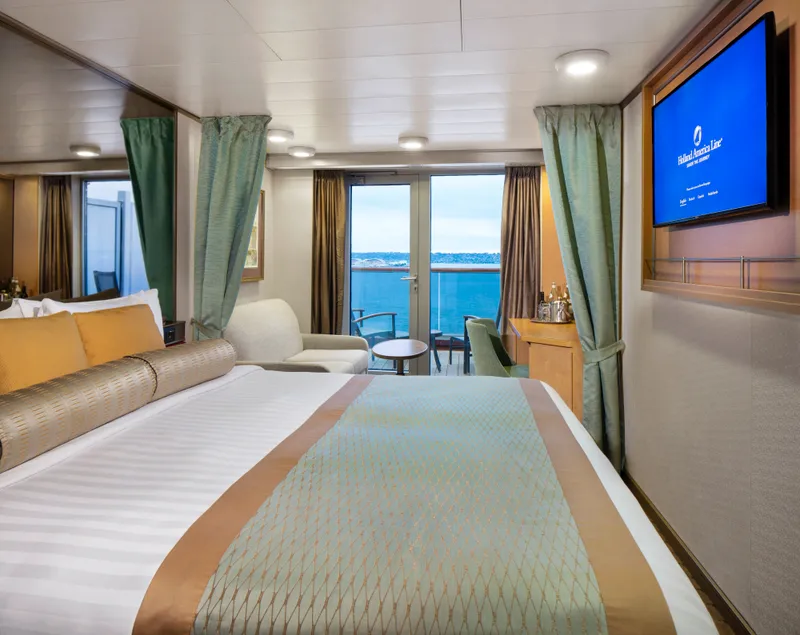
Verandah Stateroom
Balcony
212–359 m²Max 2
VAVBVCVDVEVFVH
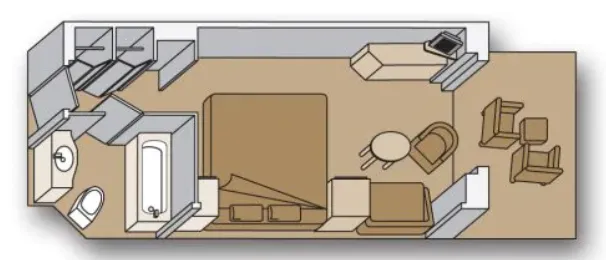
Approximately 212-359 sq. ft including verandah
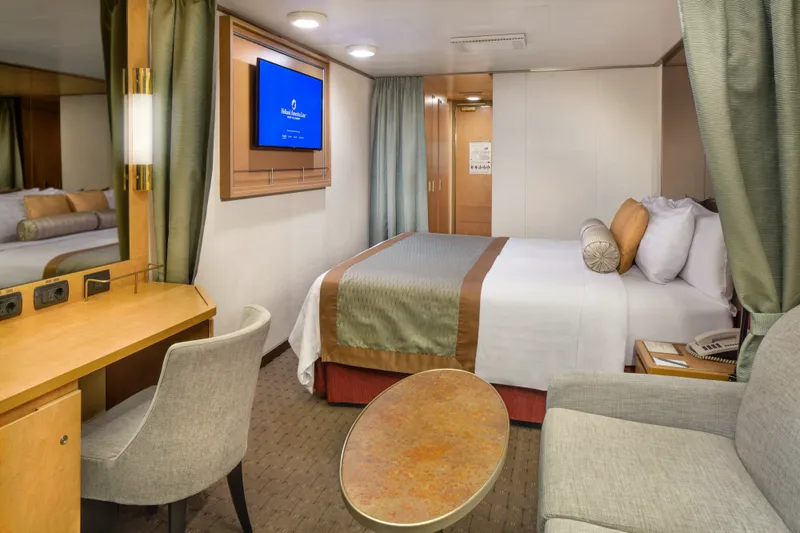
Filled with light from floor-to-ceiling windows overlooking a private verandah, these staterooms include a sitting area, two lower beds convertible to one queen-size bed—our signature Mariner's Dream bed with plush Euro-Top mattresses, and bath tub with premium massage showerheads. The configuration of staterooms may vary from the images shown.
Queen or Twin ConfigurationShowerBathTVSafeHair Dryer+7
View Details
Large Ocean view Stateroom
Outside
174–180 m²Max 2
CDDDEF
Approximately 174-180 sq. ft.
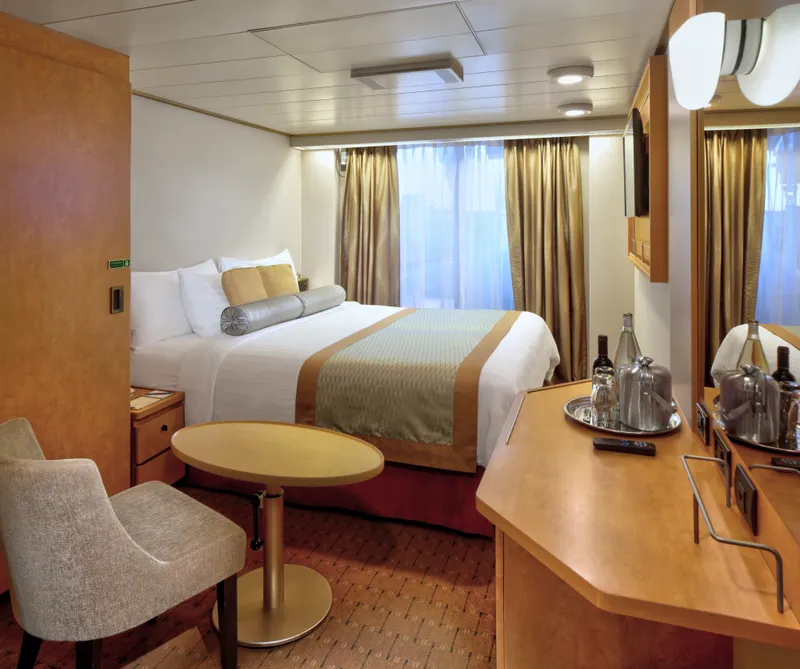
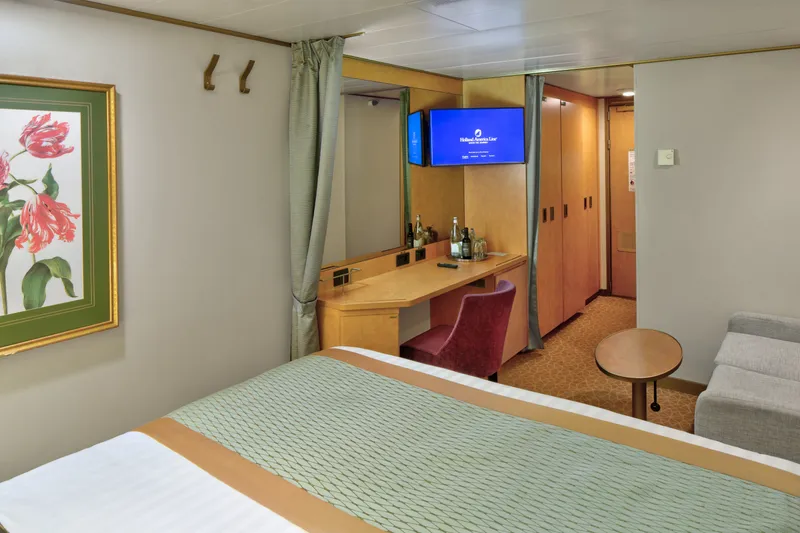
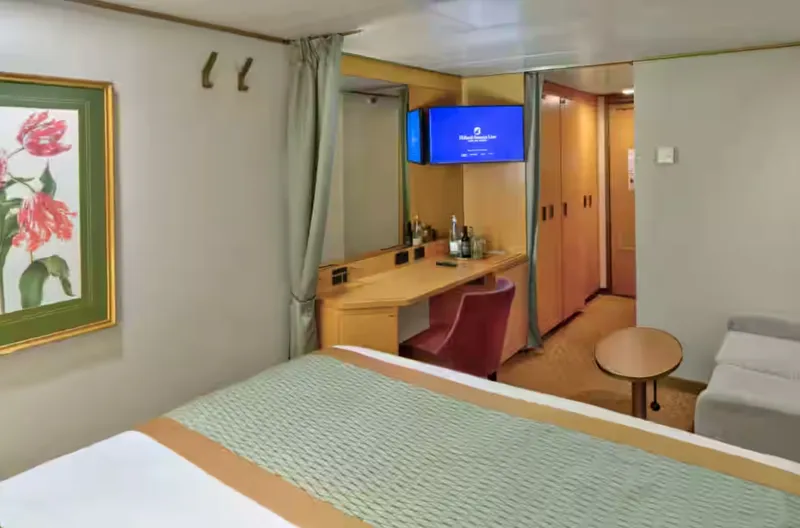
These expansive staterooms include include two lower beds convertible to one queen-size bed—our Signature Mariner's Dream bed with plush Euro-Top mattresses, premium massage shower heads, a host of amenities and an ocean view. The configuration of staterooms may vary from the images shown.
Queen or Twin ConfigurationShowerTVSafeHair DryerRoom Service Available+5
View Details
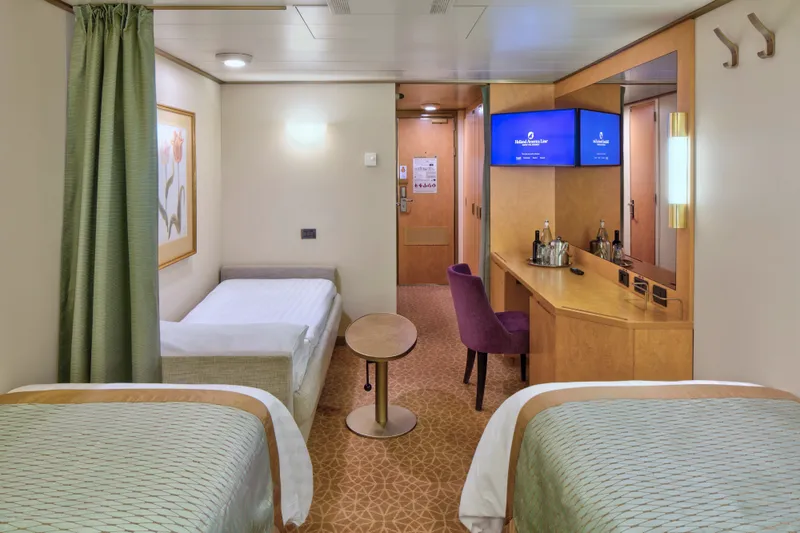
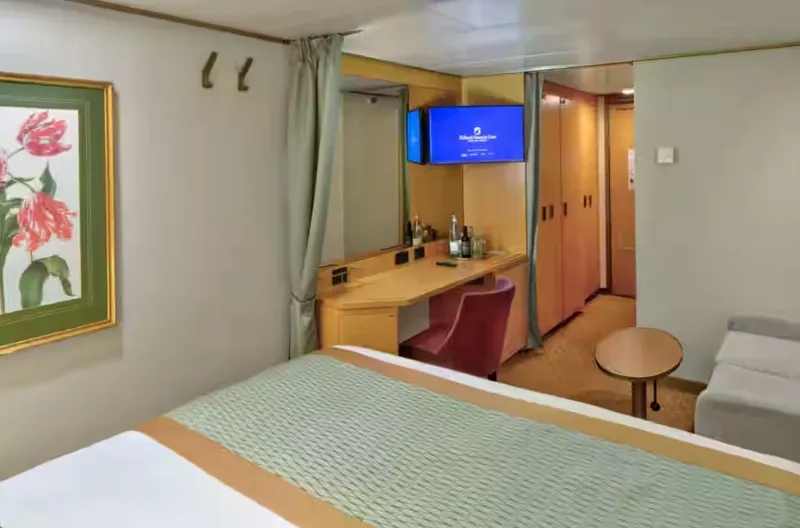
Large Ocean view Stateroom (Fully Obstructed View)
Outside
174–180 m²Max 2
HHH
Approximately 174-180 sq. ft.
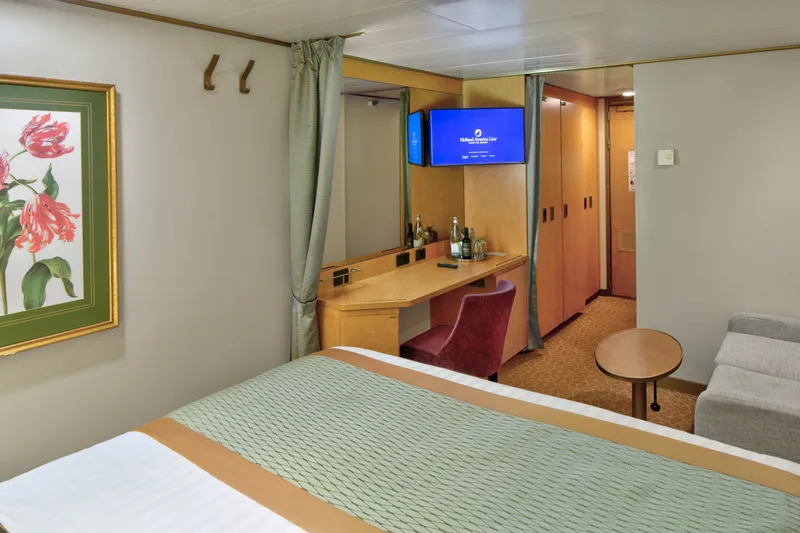
These large staterooms include two lower beds convertible to one queen-size bed—our Signature Mariner's Dream bed with plush Euro-Top mattresses, premium massage shower heads and a host of amenities. The view is fully obstructed. The configuration of staterooms may vary from the images shown.
Queen or Twin ConfigurationShowerRoom Service AvailableTVSafeHair Dryer+4
View Details
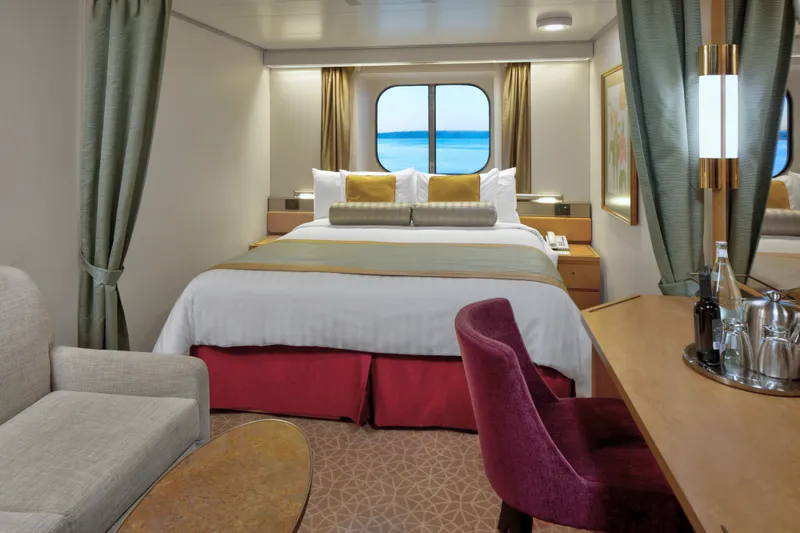
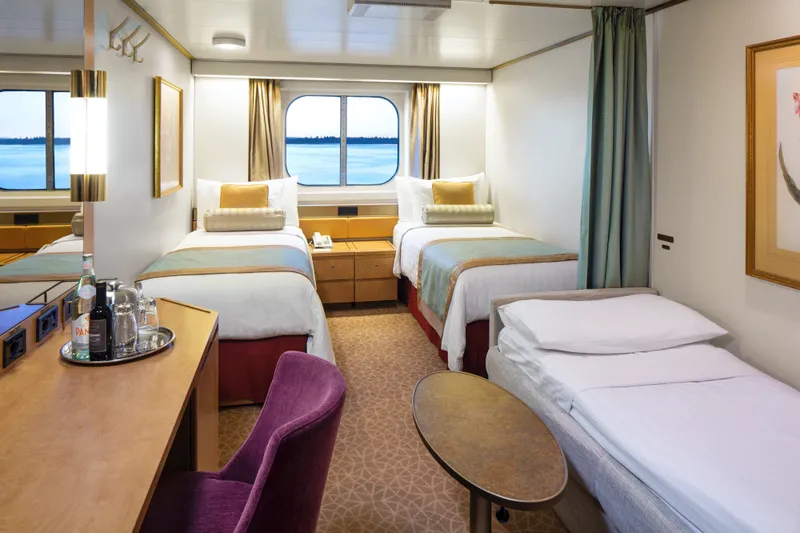
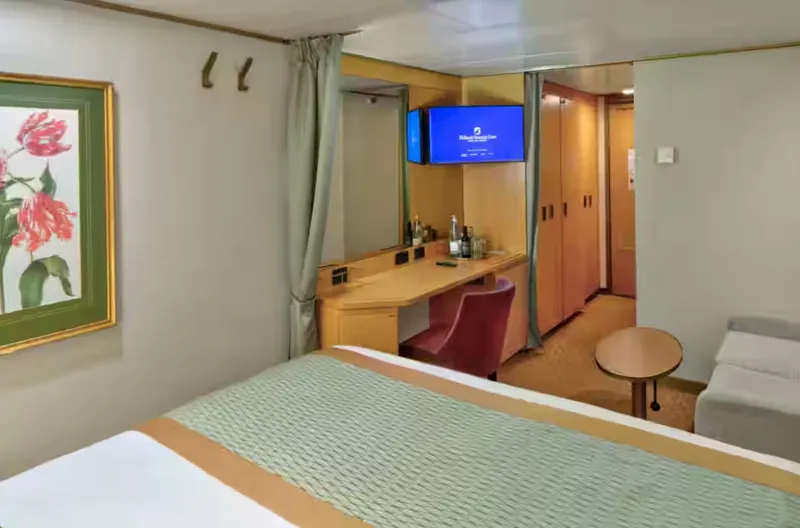
Large Ocean view Stateroom (Partial Sea View)
Outside
174–180 m²Max 2
G
Approximately 174-180 sq. ft.
These staterooms feature a partial sea view and include two lower beds convertible to one queen-size bed—our signature Mariner's Dream bed with plush Euro-Top mattresses, plus premium massage shower heads and a variety of amenities. The configuration of staterooms may vary from the images shown.
Queen or Twin ConfigurationShowerRoom Service AvailableTVSafeHair Dryer+4
View Details
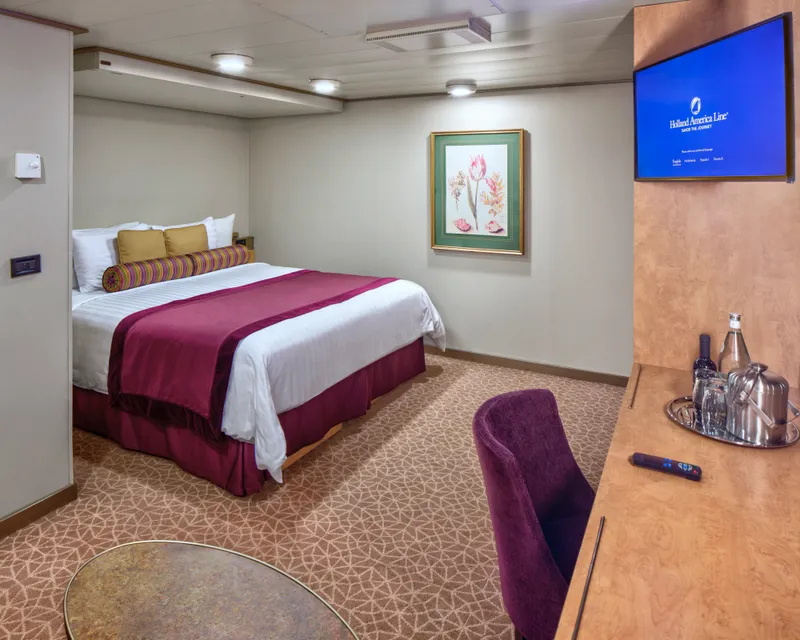
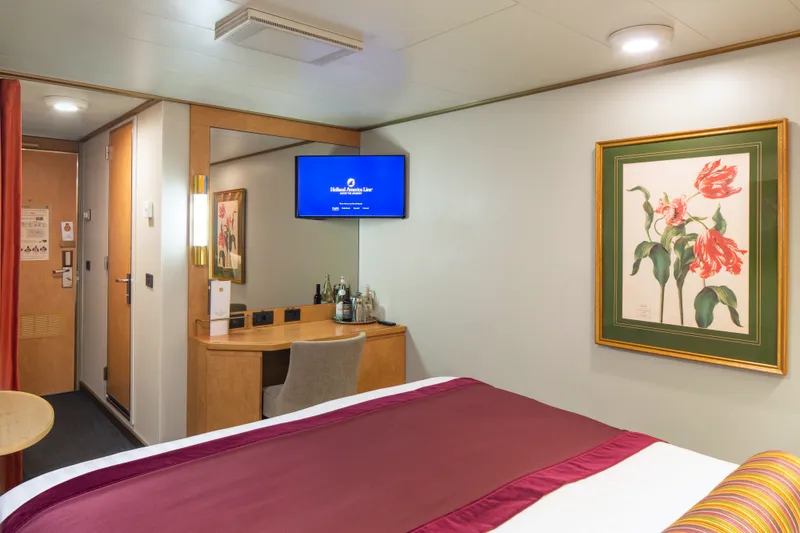
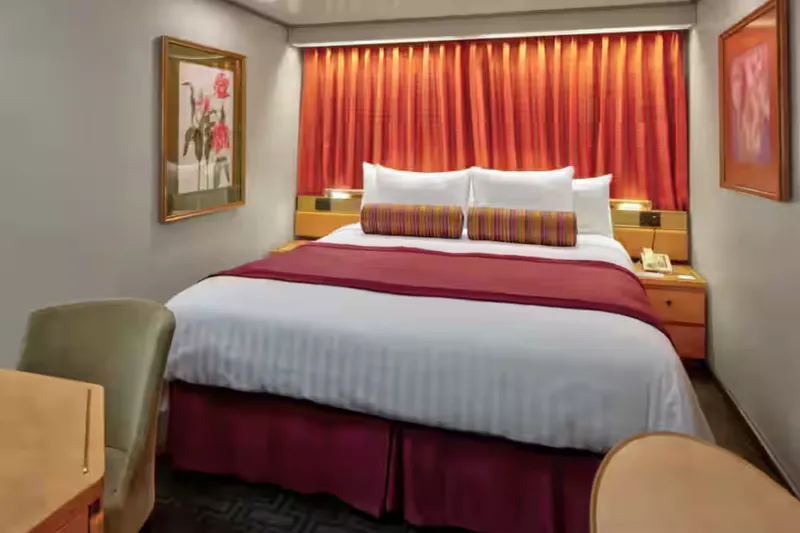
Large Interior Stateroom
Inside
151–233 m²Max 2
IJ
Approximately 151-233 sq. ft.
These spacious staterooms include two lower beds convertible to one queen-size bed—our Signature Mariner's Dream bed with plush Euro-Top mattresses, premium massage shower heads and a host of amenities. The configuration of staterooms may vary from the images shown.
Queen or Twin ConfigurationShowerRoom Service AvailableTVSafeHair Dryer+4
View Details
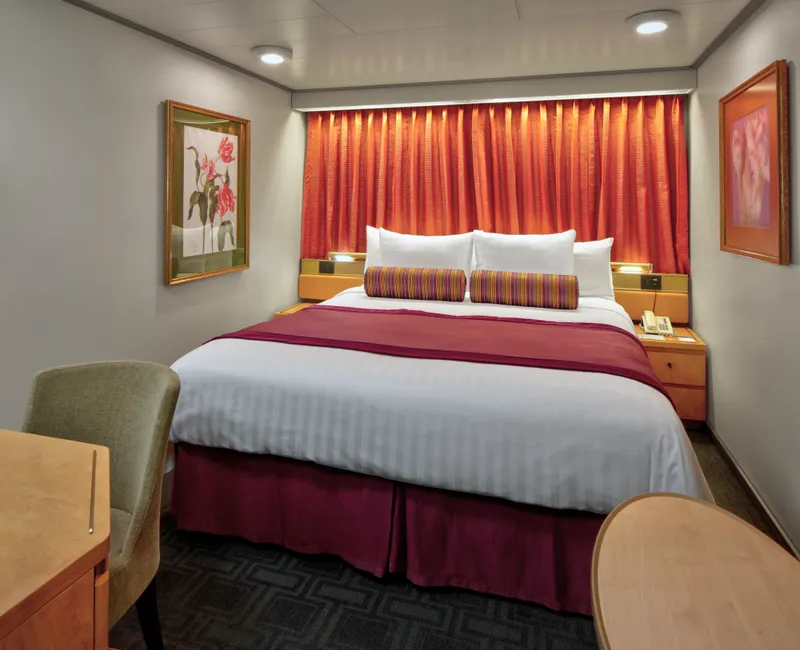
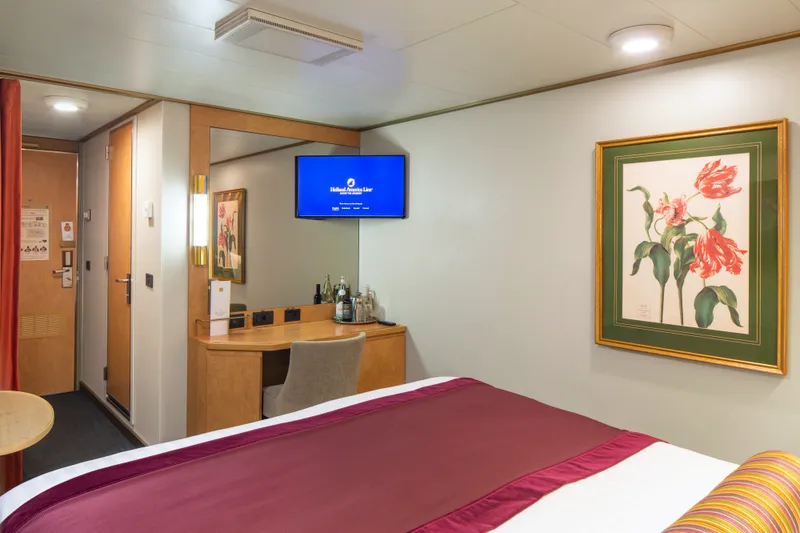
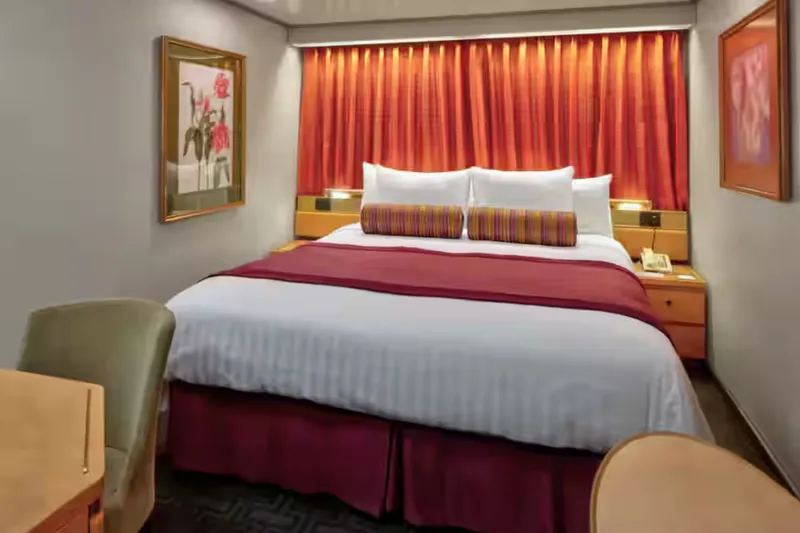
Large/Standard Inside Stateroom
Inside
151–233 m²Max 2
KMM
Approximately 151-233 sq. ft.
These spacious staterooms include two lower beds convertible to one queen-size bed—our Signature Mariner's Dream bed with plush Euro-Top mattresses, premium massage shower heads and a host of amenities. The configuration of staterooms may vary from the images shown.
Queen or Twin ConfigurationShowerTVSafeHair DryerRoom Service Available+5
View Details
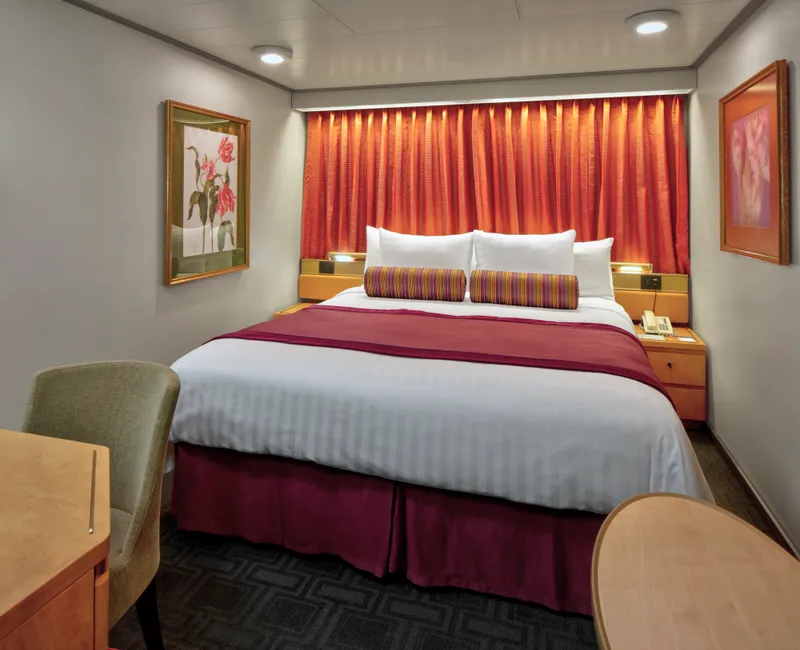
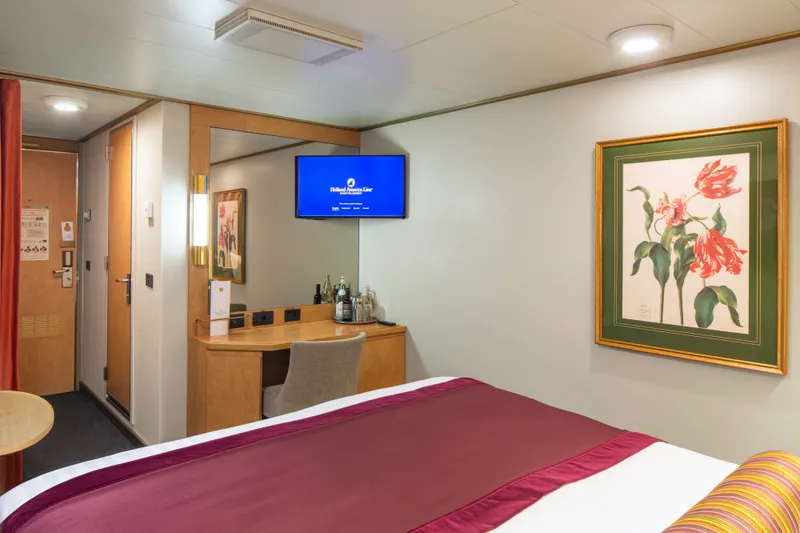
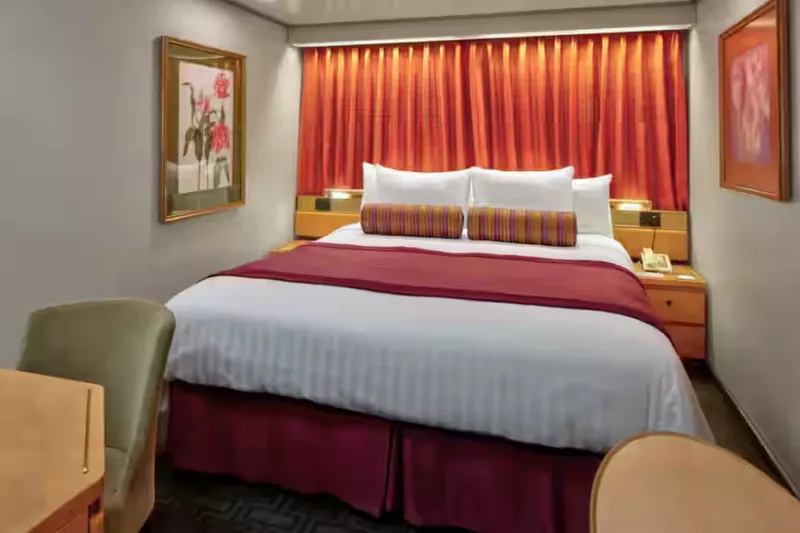
Standard Interior Stateroom
Inside
151–233 m²Max 2
LMN
Approximately 151-233 sq. ft.
Two lower beds convertible to one queen-size bed—our signature Mariner's Dream bed with plush Euro-Top mattresses, premium massage shower heads and a host of amenities are featured in these comfortable staterooms. The configuration of staterooms may vary from the images shown.
Queen or Twin ConfigurationShowerTVSafeHair DryerRoom Service Available+5
View Details
Interested in This Voyage?
Our cruise specialists can help you find the perfect cabin and the best available pricing.
(+886) 02-2721-7300Contact Advisor