HX ExpeditionsHAM-LYR-0-FRSVA2602
Norway’s Springtime Fjords
Date
2026-05-11
Duration
13 nights
Departure Port
Hamburg
Germany
Arrival Port
Longyearbyen
Svalbard and Jan Mayen
Rating
Expedition
Theme
—

HX Expeditions
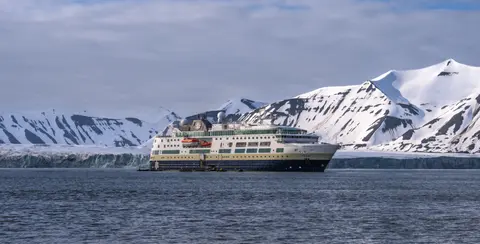
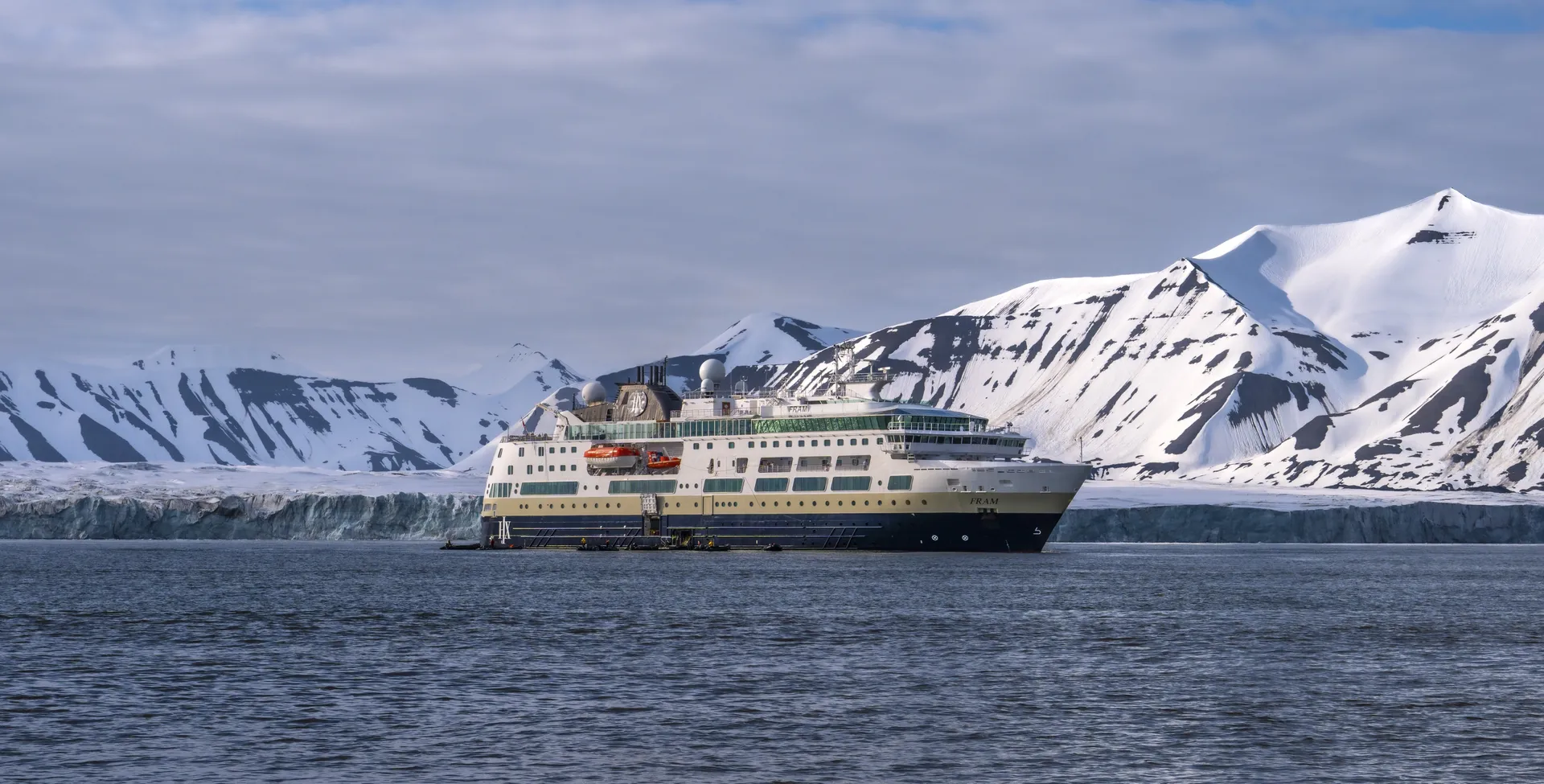
MS Fram
Explorer
Launched
2020
Refitted
2025
Tonnage
11,647 GT
Passengers
318
Cabins
127
Crew
75
Length
374 m
Width
20 m
Speed
13 knots
Adults Only
No
Itinerary
Day 1
Day 1
Hamburg
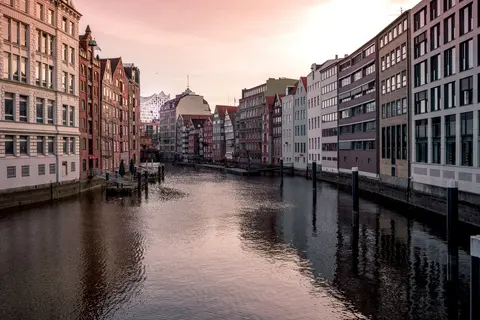
Hamburg — once the 'Gateway to the World' and still Germany's greatest port — combines Hanseatic grandeur with an unmatched contemporary creative energy. The Speicherstadt, a vast nineteenth-century brick warehouse district now housing design studios, museums, and the Elbphilharmonie concert hall perched dramatically above the Elbe, exemplifies the city's gift for transforming history into living culture. The Reeperbahn's legendary nightlife, the Alster lake's elegant promenades, and an exceptional restaurant scene anchored by the finest fresh fish from the daily harbour market complete an irresistible portrait. Hamburg rewards visits year-round, though May through September offers the longest, most luminous days.
Day 2
Day 2
Esbjerg
Esbjerg is Denmark's principal North Sea port, famous for the iconic Man Meets the Sea sculptures and its proximity to the UNESCO-listed Wadden Sea National Park. Must-dos include viewing the monumental beach sculptures, visiting medieval Ribe — Denmark's oldest town — and taking a guided wadden walk across the tidal flats to observe migratory birdlife. Visit May through September for the longest days and most pleasant weather for coastal exploration.
Day 3
Day 3
Haugesund
Haugesund is a historic Viking-era port town on Norway's southwestern Rogaland coast, where Harald Fairhair—the nation's first king—once held court and now rests beneath the Haraldshaugen monument. Visitors should not miss the elaborate herring table at a waterfront restaurant and the immersive Nordvegen History Centre that brings Viking politics vividly to life. The ideal season to visit is late May through August, when long Nordic daylight hours illuminate the Smedasundet waterfront and nearby fjord excursions to Hardangerfjord and Sognefjord are at their most spectacular.
Day 4
Day 4
Fjærland
The Sognefjord or Sognefjorden, nicknamed the King of the Fjords, is the largest and deepest fjord in Norway. Located in Vestland county in Western Norway, it stretches 205 kilometres inland from the ocean to the small village of Skjolden in the municipality of Luster
Day 5
Day 5
Andalsnes
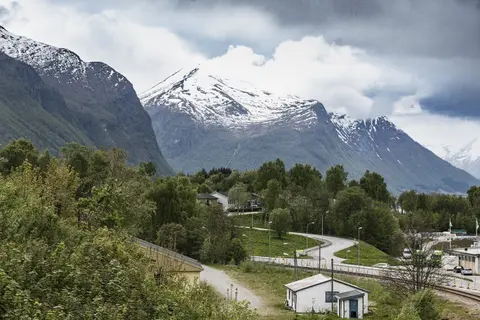
Åndalsnes is Norway's self-proclaimed alpine capital, a compact fjord village where the Rauma river meets Romsdalsfjorden beneath the towering Trollveggen rock face. Visitors should not miss the vertiginous drive up Trollstigen mountain road and a tasting of traditional Rauma smoked salmon paired with local craft ales. The optimal season is late May through September, when mountain passes are open and the extended Nordic daylight illuminates the surrounding peaks and waterfalls well past midnight.
Day 6
Day 6
Arctic Circle
Day 7
Day 7
Svolvaer
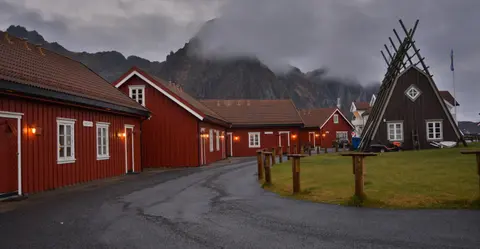
Svolvær, the de facto capital of Norway's mythical Lofoten Islands, commands a harbor beneath granite peaks that plunge almost vertically into the Arctic sea — a visual drama that rivals anything in Europe. The town is the gateway to the archipelago's famed fishing culture, midnight-sun hikes, and the iconic Svolværgeita rock pinnacle that challenges intrepid climbers above the town. May through September delivers the best conditions for hiking and sea kayaking in the perpetual golden light, while January through March rewards visitors with the northern lights and the spectacle of the traditional Lofoten cod fishery in full swing.
Day 8
Day 8
Tromso
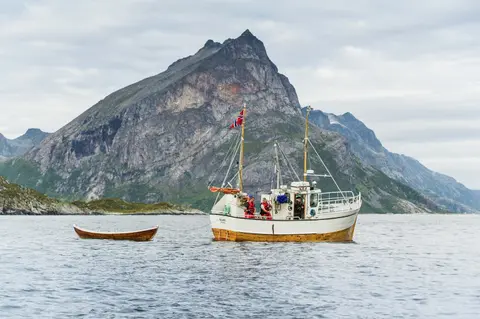
Tromsø, perched 300 kilometers north of the Arctic Circle on its own island in a fjord-carved landscape of breathtaking severity, is the world's finest base for witnessing the northern lights — a phenomenon that illuminates the polar night here from late September through March with an intensity unmatched across Scandinavia. The city's striking Arctic Cathedral, vibrant university culture, and excellent Polar Museum trace Norway's heroic age of polar exploration, while dog sledding, snowshoeing, and whale-watching expeditions provide exhilarating encounters with the high Arctic wilderness. Summer's unbroken midnight sun offers an equally otherworldly experience beneath skies that never darken.
Day 9
Day 9
Honningsvag
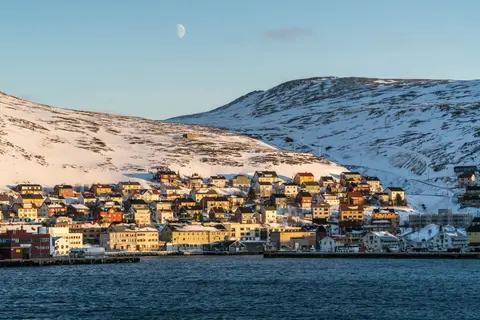
Perched at the very tip of Norway on the island of Magerøya, Honningsvåg is the storied gateway to the North Cape — the dramatic cliff that marks Europe's northernmost point, where the Arctic Ocean stretches uninterrupted to the Pole. The town's modest fishing-village character only deepens the sense of extraordinary remoteness, making arrival here feel like a genuine expedition. Visit the North Cape plateau for a midnight sun spectacle or the mesmerizing curtains of the northern lights; both experiences are among the most transcendent in nature. Summer (June–August) brings perpetual daylight; winter (November–February) offers prime aurora viewing.
Day 10
Day 10
At Sea
Day 11
Day 11
Hornsund
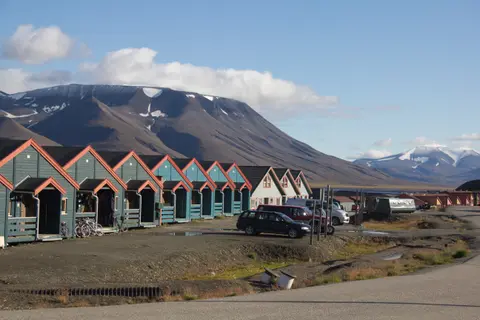
Hornsund is a glacier-carved fjord at the southern tip of Svalbard's Spitsbergen island, where fourteen tidewater glaciers, polar bears, and vast seabird colonies create one of the Arctic's most dramatic expedition destinations. Must-dos include zodiac cruises alongside calving glaciers, polar bear sightings along the shoreline, and visiting the Polish research station. July and August offer the warmest temperatures and best ice conditions, with midnight sun providing endless Arctic daylight.
Day 12
Day 12
Spitsbergen
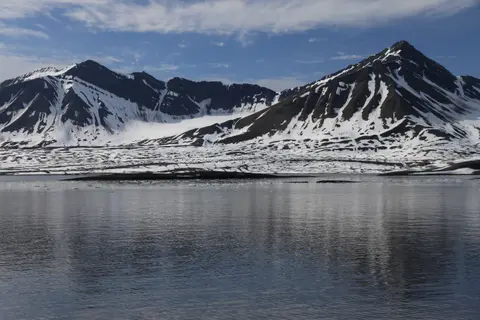
Spitsbergen is the largest island in the Svalbard archipelago, a thousand kilometres from the North Pole, where polar bears outnumber humans, glaciers calve into pristine fjords, and the midnight sun illuminates an Arctic wilderness of extraordinary beauty. Must-do experiences include Zodiac cruises along glacier fronts, wildlife watching for polar bears and walruses, and visiting the Global Seed Vault in Longyearbyen. June through September is the expedition season.
Day 13
Day 13
Ny- Alesund
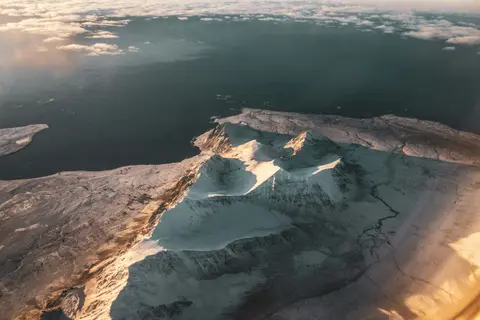
Ny-Ålesund, one of the world's northernmost settlements on Svalbard's Spitsbergen island, is a former coal-mining town turned elite international research station, renowned as the departure point for Amundsen's historic 1926 North Pole flight. Visitors should not miss a Zodiac excursion beneath the calving face of Kronebreen glacier and the extraordinary wildlife encounters — polar bears, Arctic foxes, and seabird colonies — found throughout Kongsfjorden and neighbouring Raudfjord. The optimal visiting window is July through August, when the midnight sun illuminates the tundra in perpetual golden light and sea ice conditions allow the fullest access to surrounding fjords.
Day 14
Day 14
Longyearbyen
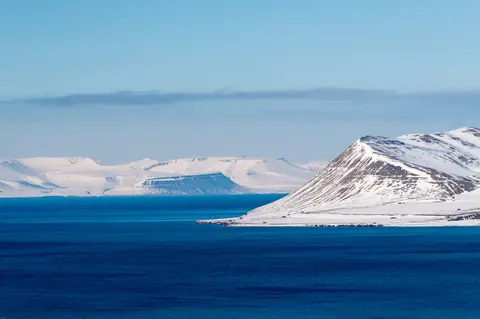
Longyearbyen, the northernmost permanent settlement in the world, is a unique port in the Svalbard archipelago, rich in history and breathtaking Arctic landscapes. Must-do experiences include savoring local delicacies like reindeer stew and exploring the stunning fjords of Raudfjord and Liefdefjorden. The best time to visit is during the summer months, when the midnight sun illuminates the stunning scenery.
Day 1
Hamburg
Hamburg — once the 'Gateway to the World' and still Germany's greatest port — combines Hanseatic grandeur with an unmatched contemporary creative energy. The Speicherstadt, a vast nineteenth-century brick warehouse district now housing design studios, museums, and the Elbphilharmonie concert hall perched dramatically above the Elbe, exemplifies the city's gift for transforming history into living culture. The Reeperbahn's legendary nightlife, the Alster lake's elegant promenades, and an exceptional restaurant scene anchored by the finest fresh fish from the daily harbour market complete an irresistible portrait. Hamburg rewards visits year-round, though May through September offers the longest, most luminous days.
Day 2
Esbjerg
Esbjerg is Denmark's principal North Sea port, famous for the iconic Man Meets the Sea sculptures and its proximity to the UNESCO-listed Wadden Sea National Park. Must-dos include viewing the monumental beach sculptures, visiting medieval Ribe — Denmark's oldest town — and taking a guided wadden walk across the tidal flats to observe migratory birdlife. Visit May through September for the longest days and most pleasant weather for coastal exploration.
Day 3
Haugesund
Haugesund is a historic Viking-era port town on Norway's southwestern Rogaland coast, where Harald Fairhair—the nation's first king—once held court and now rests beneath the Haraldshaugen monument. Visitors should not miss the elaborate herring table at a waterfront restaurant and the immersive Nordvegen History Centre that brings Viking politics vividly to life. The ideal season to visit is late May through August, when long Nordic daylight hours illuminate the Smedasundet waterfront and nearby fjord excursions to Hardangerfjord and Sognefjord are at their most spectacular.
Day 4
Fjærland
The Sognefjord or Sognefjorden, nicknamed the King of the Fjords, is the largest and deepest fjord in Norway. Located in Vestland county in Western Norway, it stretches 205 kilometres inland from the ocean to the small village of Skjolden in the municipality of Luster
Day 5
Andalsnes
Åndalsnes is Norway's self-proclaimed alpine capital, a compact fjord village where the Rauma river meets Romsdalsfjorden beneath the towering Trollveggen rock face. Visitors should not miss the vertiginous drive up Trollstigen mountain road and a tasting of traditional Rauma smoked salmon paired with local craft ales. The optimal season is late May through September, when mountain passes are open and the extended Nordic daylight illuminates the surrounding peaks and waterfalls well past midnight.
Day 6
Arctic Circle
Day 7
Svolvaer
Svolvær, the de facto capital of Norway's mythical Lofoten Islands, commands a harbor beneath granite peaks that plunge almost vertically into the Arctic sea — a visual drama that rivals anything in Europe. The town is the gateway to the archipelago's famed fishing culture, midnight-sun hikes, and the iconic Svolværgeita rock pinnacle that challenges intrepid climbers above the town. May through September delivers the best conditions for hiking and sea kayaking in the perpetual golden light, while January through March rewards visitors with the northern lights and the spectacle of the traditional Lofoten cod fishery in full swing.
Day 8
Tromso
Tromsø, perched 300 kilometers north of the Arctic Circle on its own island in a fjord-carved landscape of breathtaking severity, is the world's finest base for witnessing the northern lights — a phenomenon that illuminates the polar night here from late September through March with an intensity unmatched across Scandinavia. The city's striking Arctic Cathedral, vibrant university culture, and excellent Polar Museum trace Norway's heroic age of polar exploration, while dog sledding, snowshoeing, and whale-watching expeditions provide exhilarating encounters with the high Arctic wilderness. Summer's unbroken midnight sun offers an equally otherworldly experience beneath skies that never darken.
Day 9
Honningsvag
Perched at the very tip of Norway on the island of Magerøya, Honningsvåg is the storied gateway to the North Cape — the dramatic cliff that marks Europe's northernmost point, where the Arctic Ocean stretches uninterrupted to the Pole. The town's modest fishing-village character only deepens the sense of extraordinary remoteness, making arrival here feel like a genuine expedition. Visit the North Cape plateau for a midnight sun spectacle or the mesmerizing curtains of the northern lights; both experiences are among the most transcendent in nature. Summer (June–August) brings perpetual daylight; winter (November–February) offers prime aurora viewing.
Day 10
At Sea
Day 11
Hornsund
Hornsund is a glacier-carved fjord at the southern tip of Svalbard's Spitsbergen island, where fourteen tidewater glaciers, polar bears, and vast seabird colonies create one of the Arctic's most dramatic expedition destinations. Must-dos include zodiac cruises alongside calving glaciers, polar bear sightings along the shoreline, and visiting the Polish research station. July and August offer the warmest temperatures and best ice conditions, with midnight sun providing endless Arctic daylight.
Day 12
Spitsbergen
Spitsbergen is the largest island in the Svalbard archipelago, a thousand kilometres from the North Pole, where polar bears outnumber humans, glaciers calve into pristine fjords, and the midnight sun illuminates an Arctic wilderness of extraordinary beauty. Must-do experiences include Zodiac cruises along glacier fronts, wildlife watching for polar bears and walruses, and visiting the Global Seed Vault in Longyearbyen. June through September is the expedition season.
Day 13
Ny- Alesund
Ny-Ålesund, one of the world's northernmost settlements on Svalbard's Spitsbergen island, is a former coal-mining town turned elite international research station, renowned as the departure point for Amundsen's historic 1926 North Pole flight. Visitors should not miss a Zodiac excursion beneath the calving face of Kronebreen glacier and the extraordinary wildlife encounters — polar bears, Arctic foxes, and seabird colonies — found throughout Kongsfjorden and neighbouring Raudfjord. The optimal visiting window is July through August, when the midnight sun illuminates the tundra in perpetual golden light and sea ice conditions allow the fullest access to surrounding fjords.
Day 14
Longyearbyen
Longyearbyen, the northernmost permanent settlement in the world, is a unique port in the Svalbard archipelago, rich in history and breathtaking Arctic landscapes. Must-do experiences include savoring local delicacies like reindeer stew and exploring the stunning fjords of Raudfjord and Liefdefjorden. The best time to visit is during the summer months, when the midnight sun illuminates the stunning scenery.
Cabin Categories
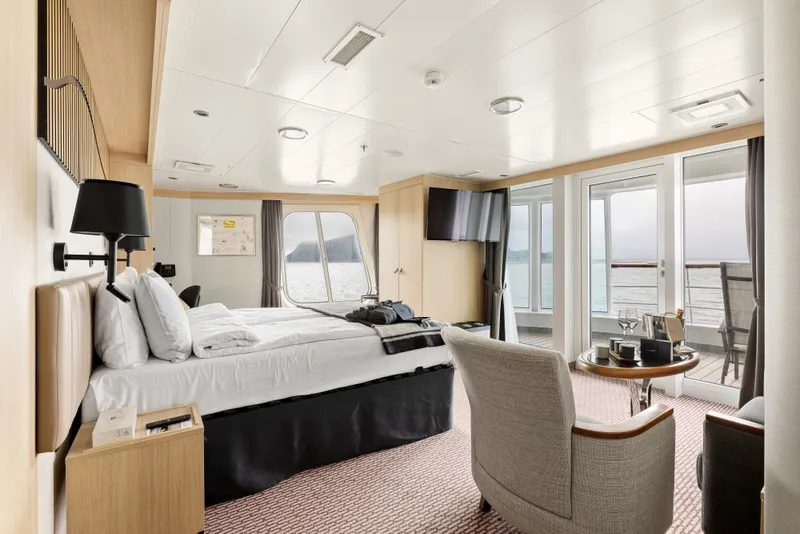
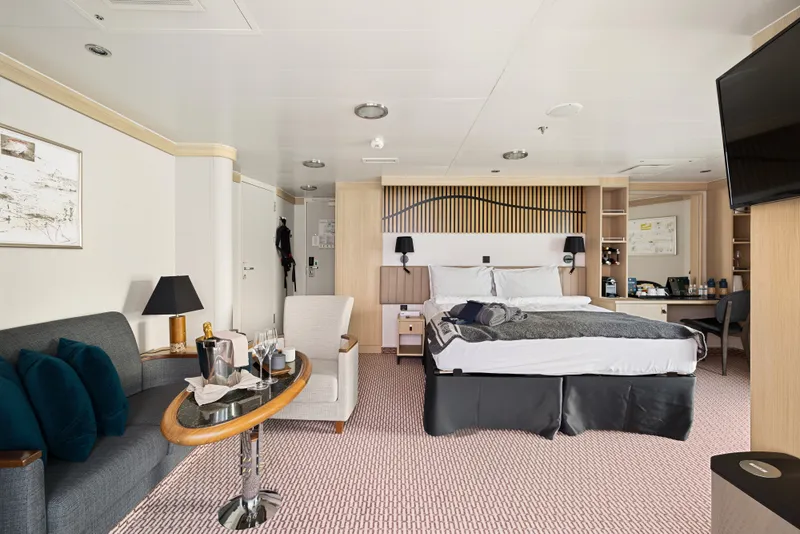
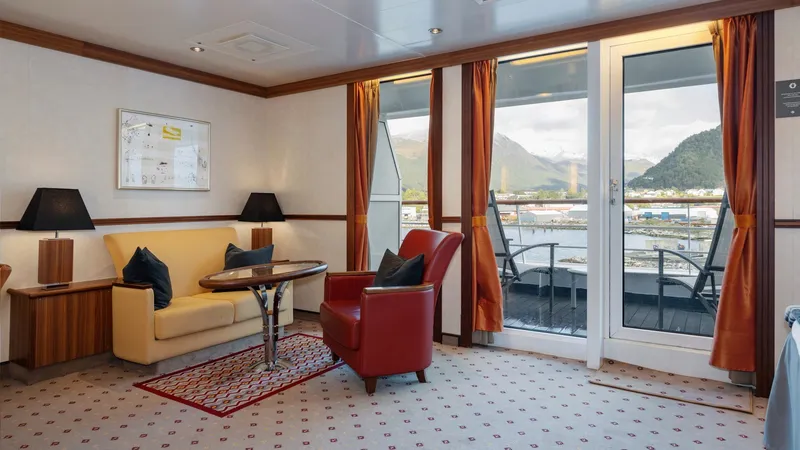
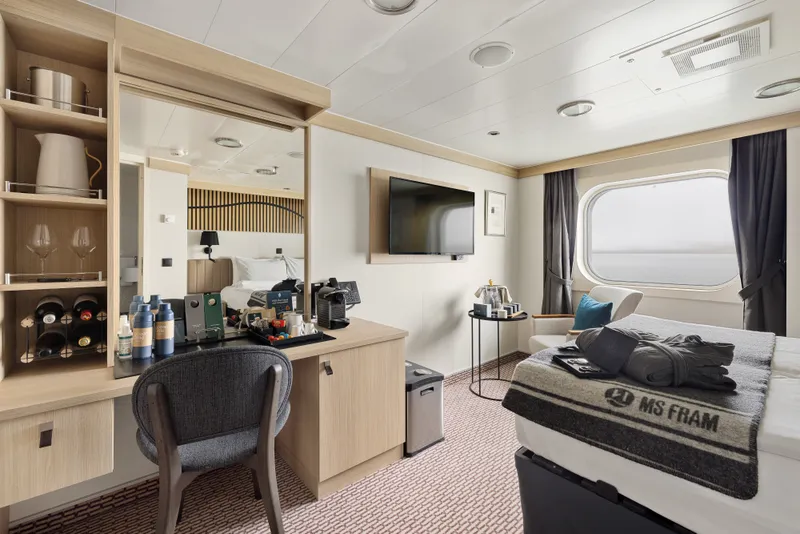
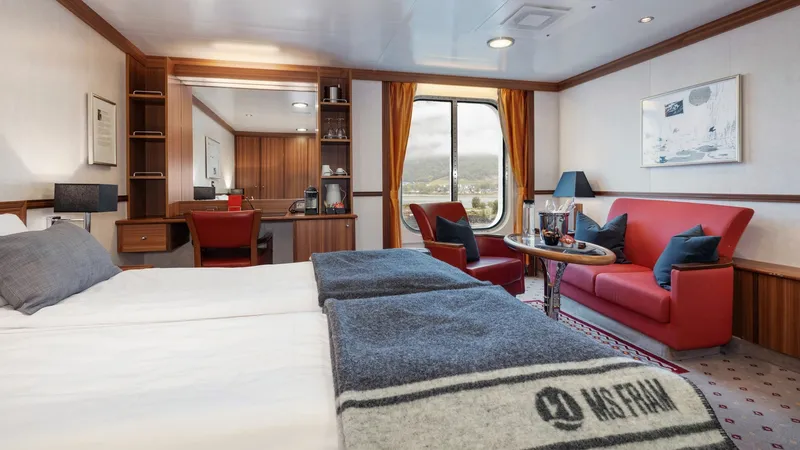
Expedition Grand Suite
Suite
215–291 m²Max 2
MG
Enjoy these exclusive suites with one room, seating area, TV, kettle, tea/coffee, stereo and mini-bar. Some of them also have bathtub. Most of these suites have a private balcony or bay window.
35 - 37 m2
Window
Bathroom
TV
Double bed
Balcony
DoubleShowerToiletries ProvidedTVCoffee MachineHair Dryer+8
View Details
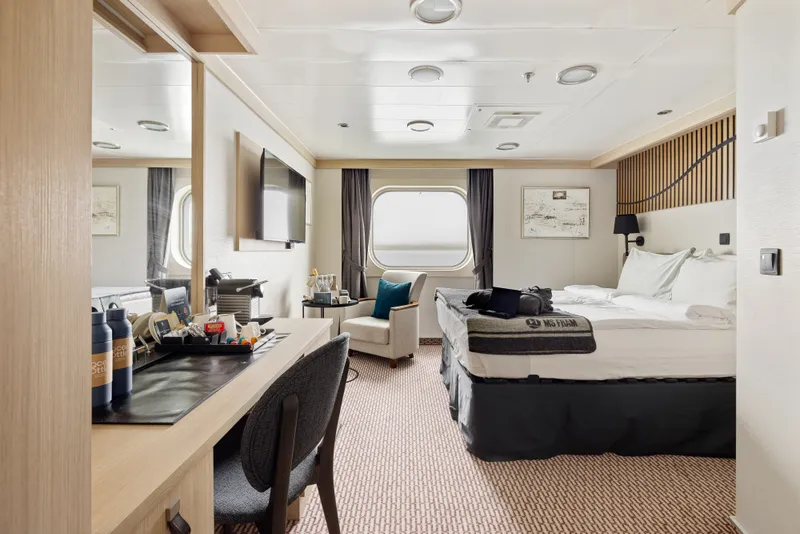
Expedition Mini suite
Suite
161–215 m²Max 4
Q2Q4
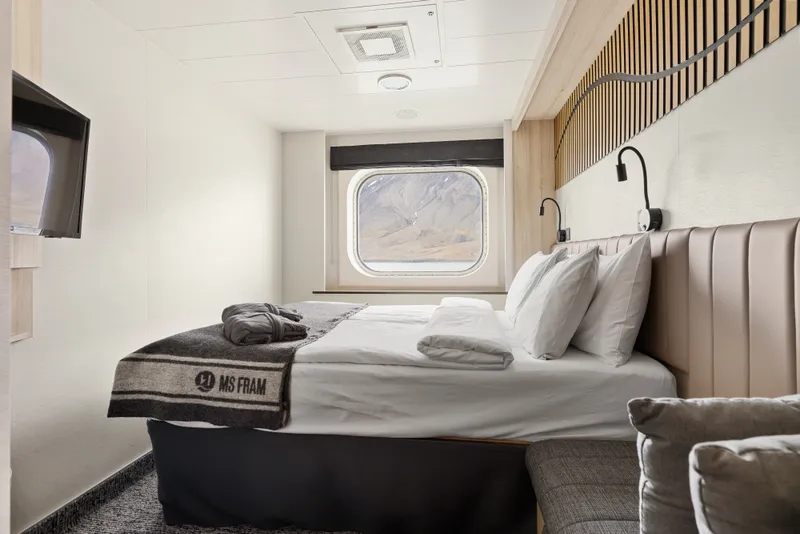
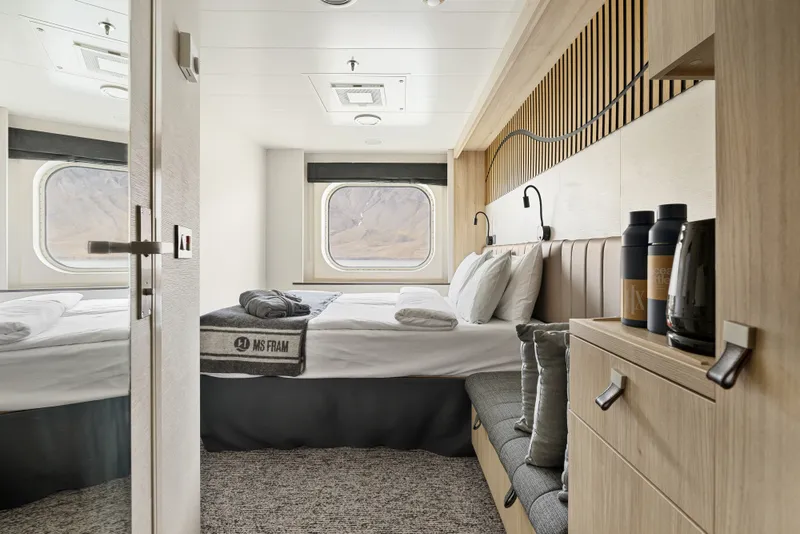
Expedition Mini suite
Lounge AreaVanity AreaShowerRoom Service AvailableMini Bar (Additional Cost)TV+9
View Details
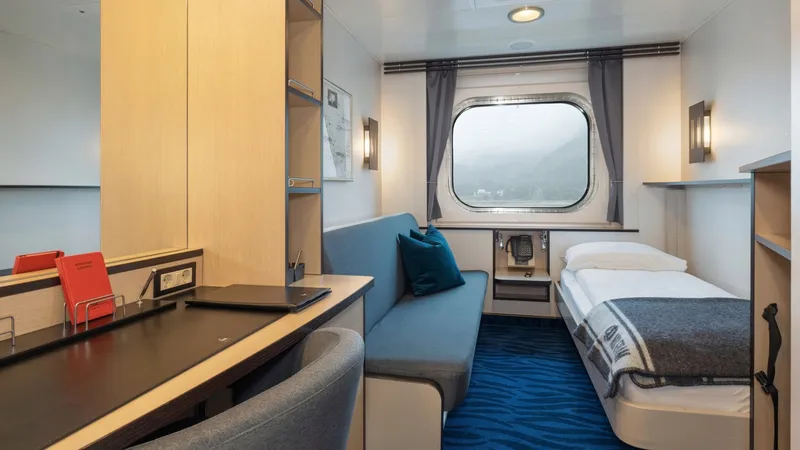
Arctic Superior
Outside
108–118 m²Max 2
U2
Enjoy these comfortable outside cabins, situated on top/upper decks. These cabins have separate beds where one doubles as a sofa.
8 - 13 m2
Window
Bathroom
TV
1 bed/1 couch
ShowerToiletries ProvidedTVSofa BedRoom Service AvailableSafe+6
View Details
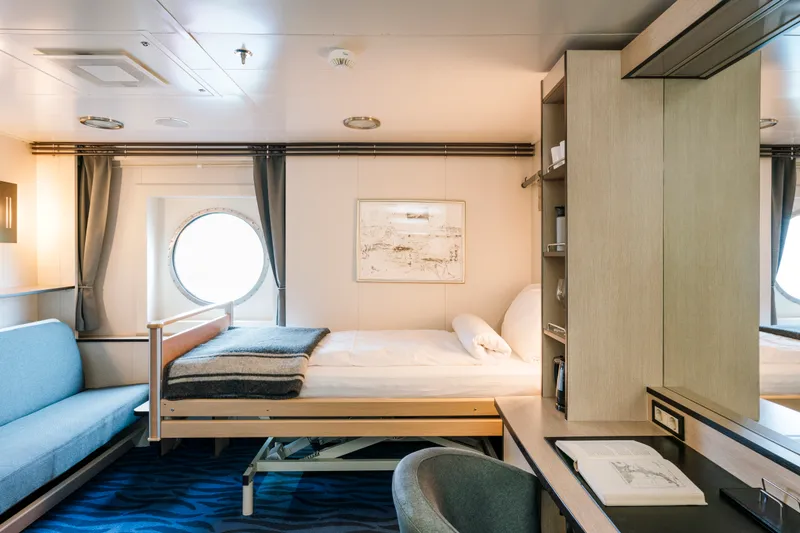
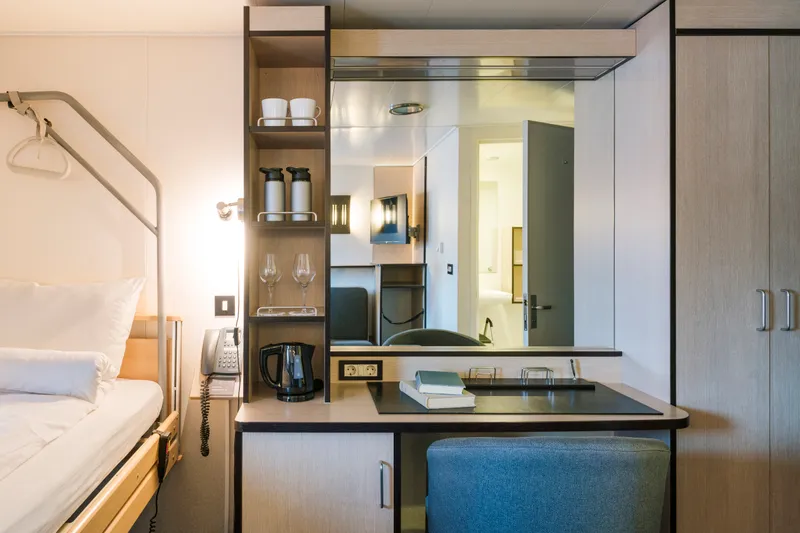
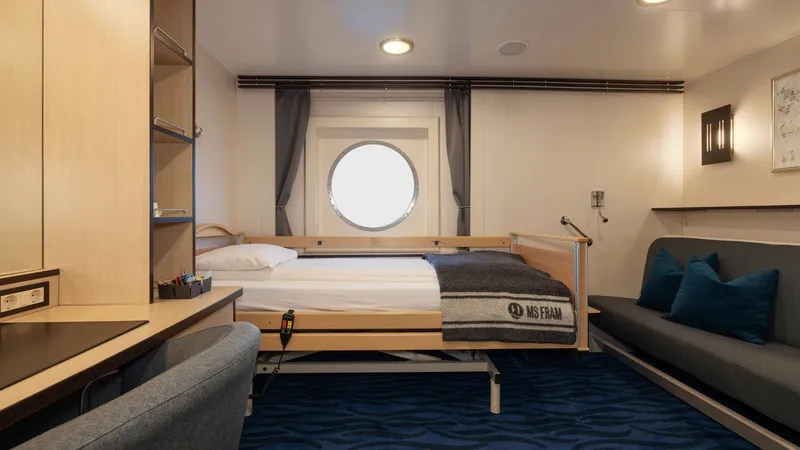
Polar Outside
Outside
Polar Outside
108–248 m²Max 4
F2F4FJN2N4SD
Polar Outside
ShowerToiletries ProvidedRoom Service AvailableTVSafeHair Dryer+8
US$11,163 /person+ US$0 taxes & fees
Polar Inside
Inside
108–140 m²Max 2
I2I4
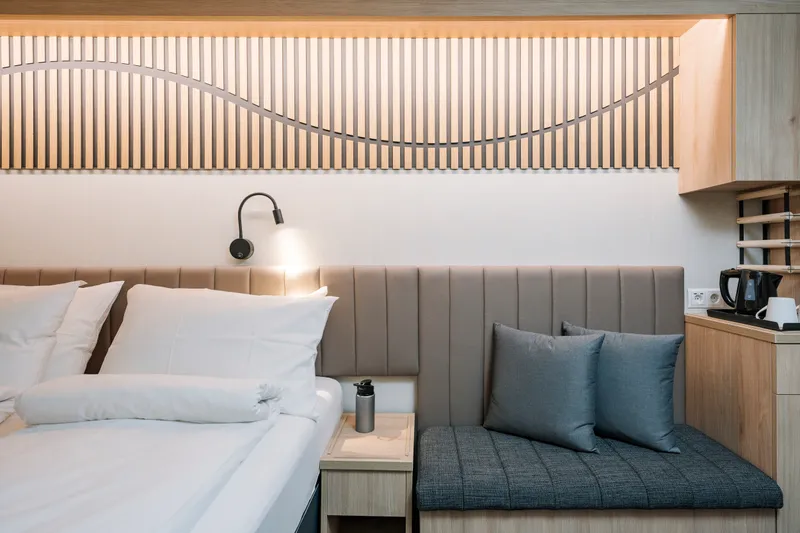
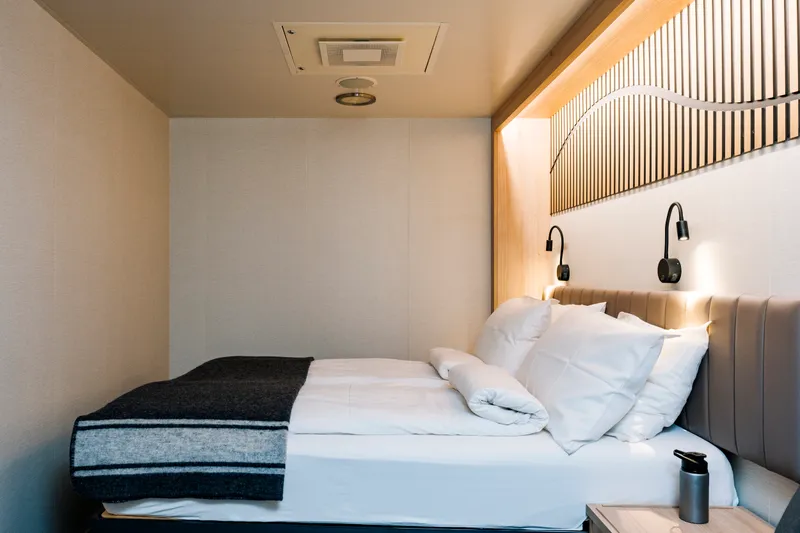
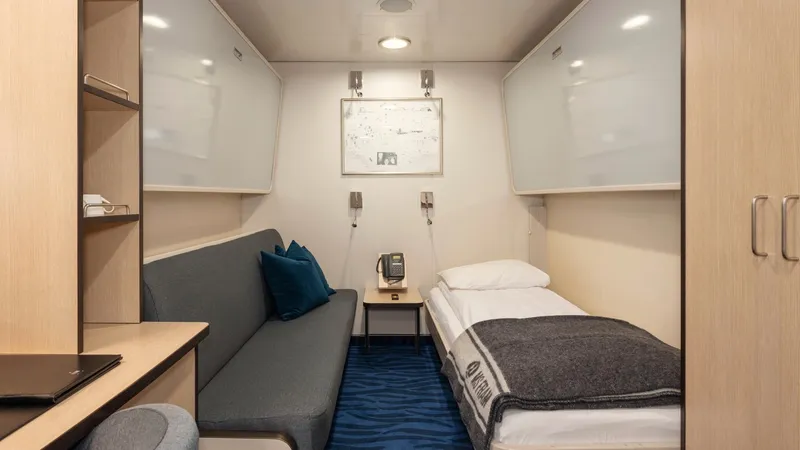
Relax in these comfortable, standard inside cabins with separate beds where one can be turned into a sofa. This cabin can fit up to four people.
6 - 10 m2
No window
Bathroom
TV
1 bed/1 couch
Sofa BedShowerRoom Service AvailableTVSafeHair Dryer+4
View Details
Interested in This Voyage?
Our cruise specialists can help you find the perfect cabin and the best available pricing.
(+886) 02-2721-7300Contact Advisor