HX ExpeditionsREK-REK-0-FNICE2603
Elemental Iceland Circular Saga from Reykjavík
Date
2026-05-26
Duration
7 nights
Departure Port
Reykjavik
Iceland
Arrival Port
Reykjavik
Iceland
Rating
Expedition
Theme
—
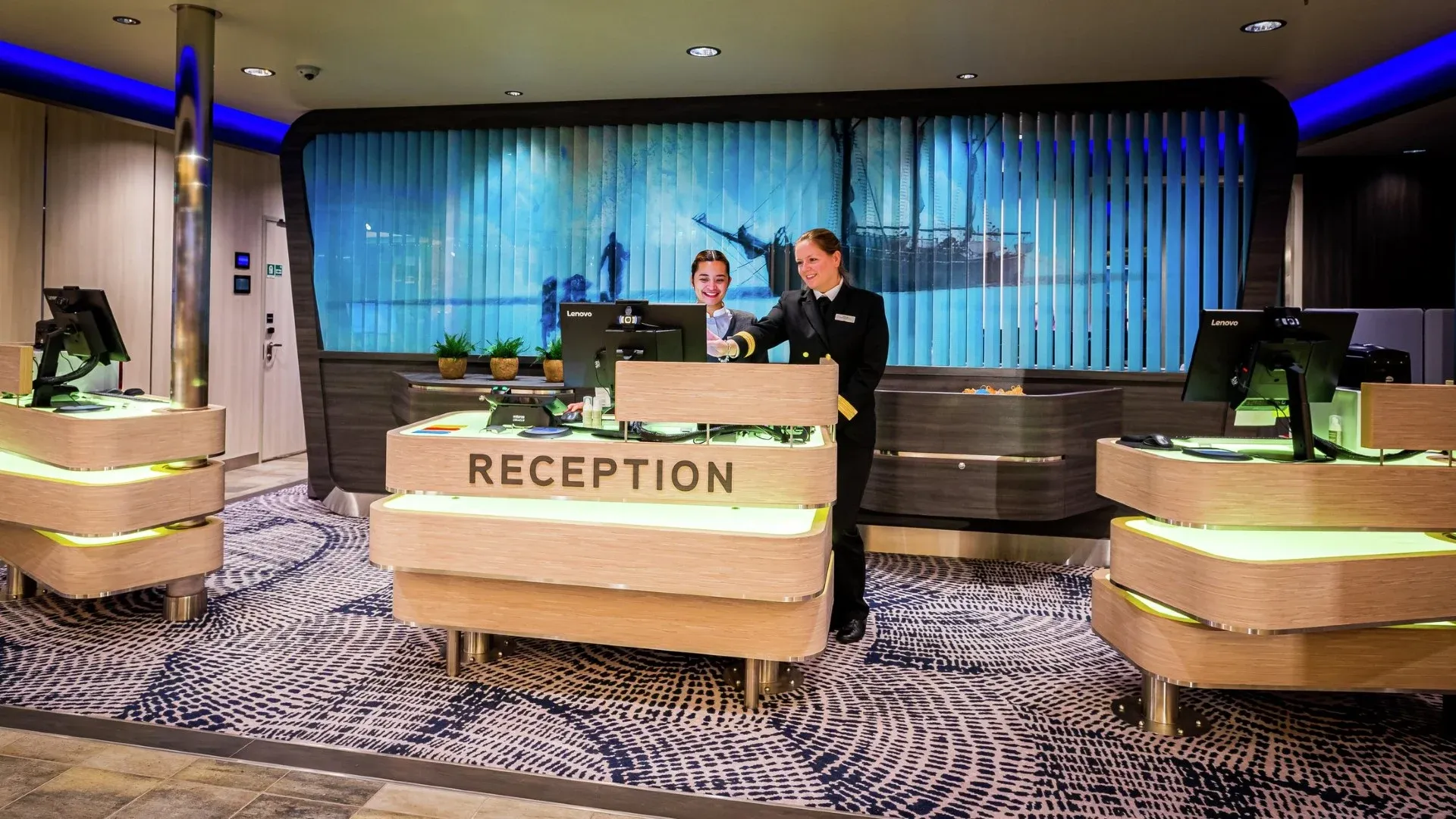
HX Expeditions
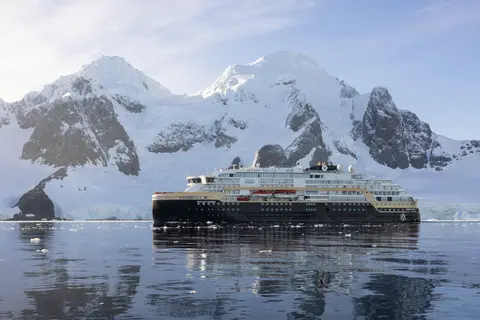
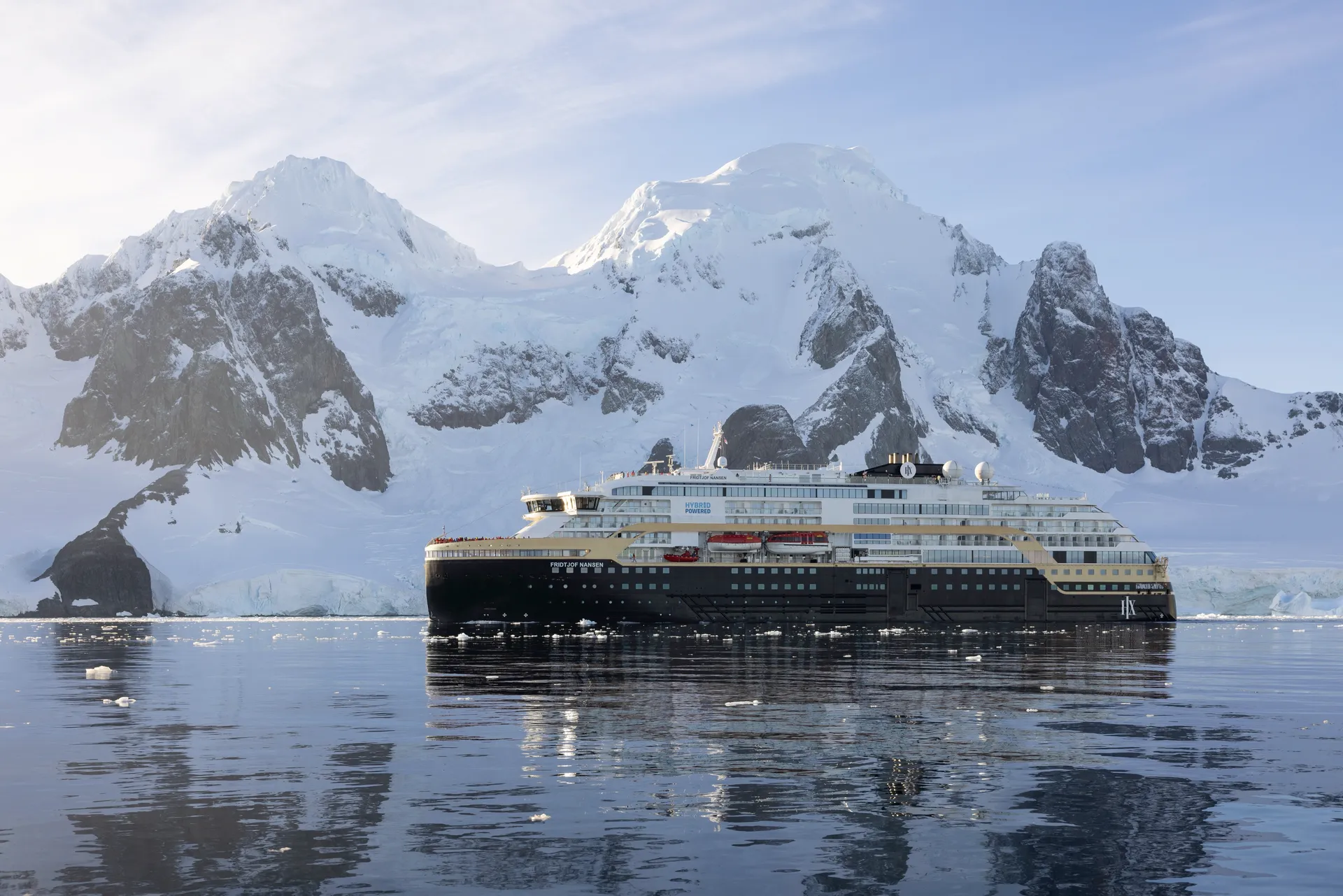
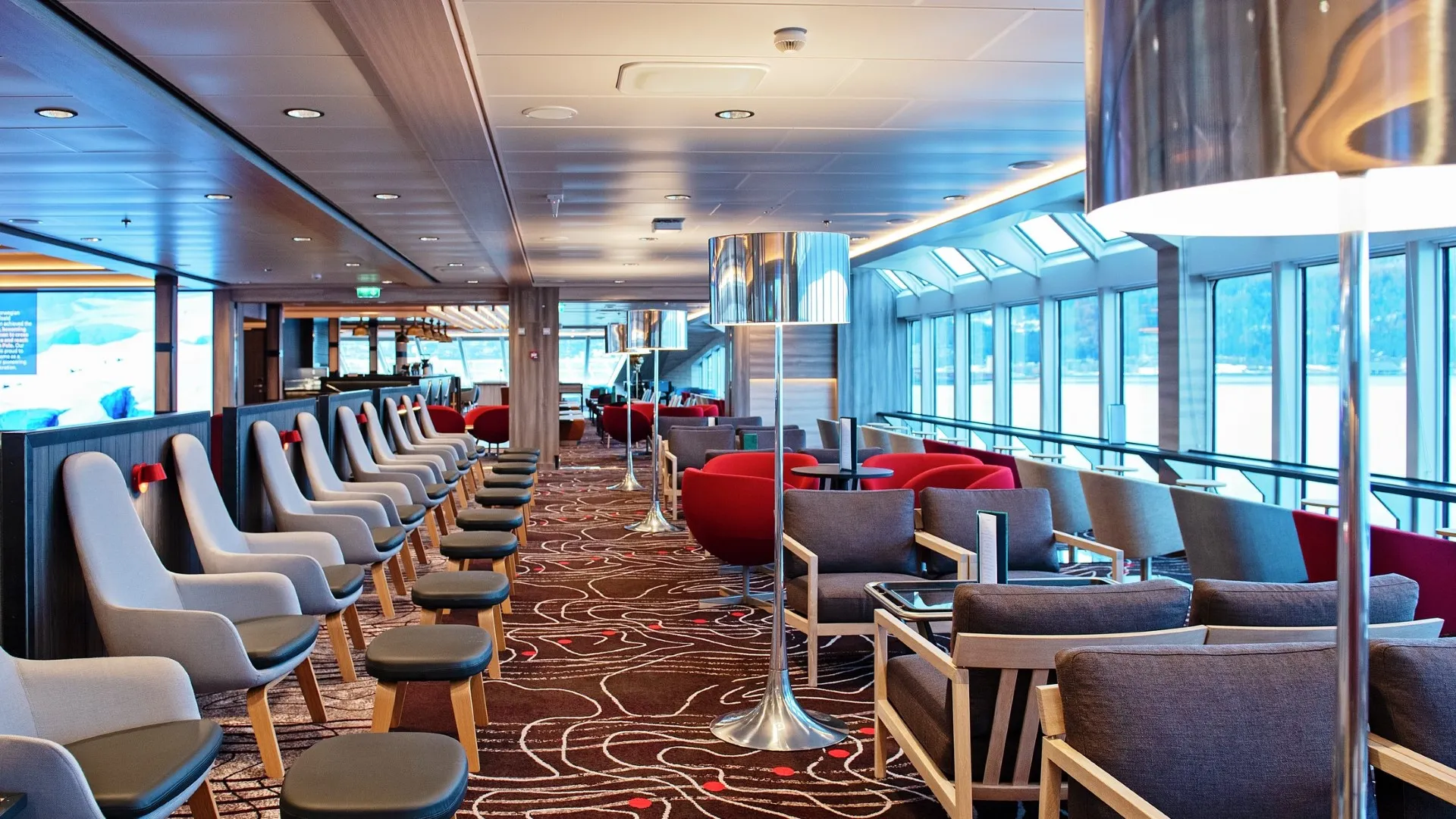
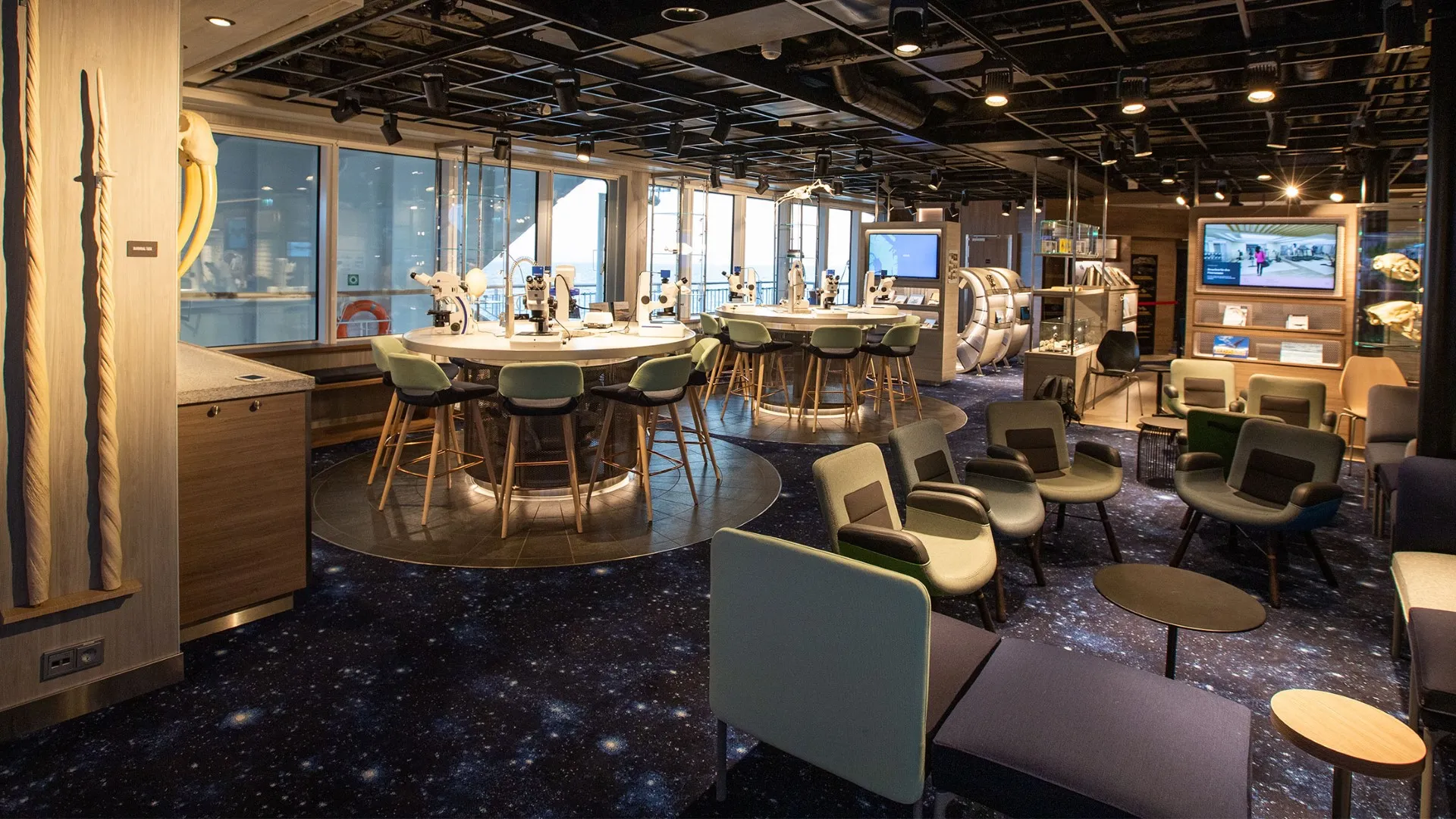
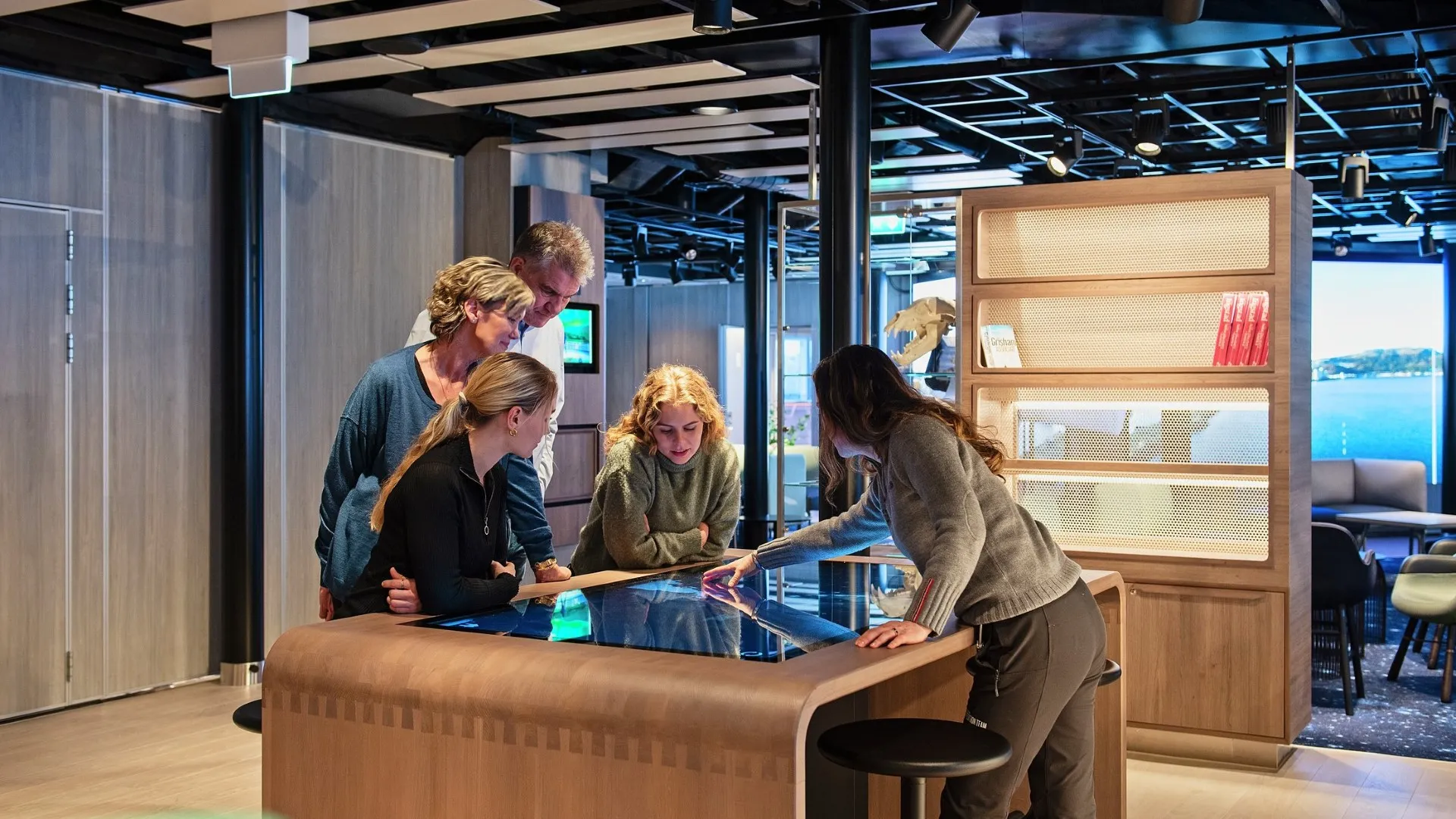
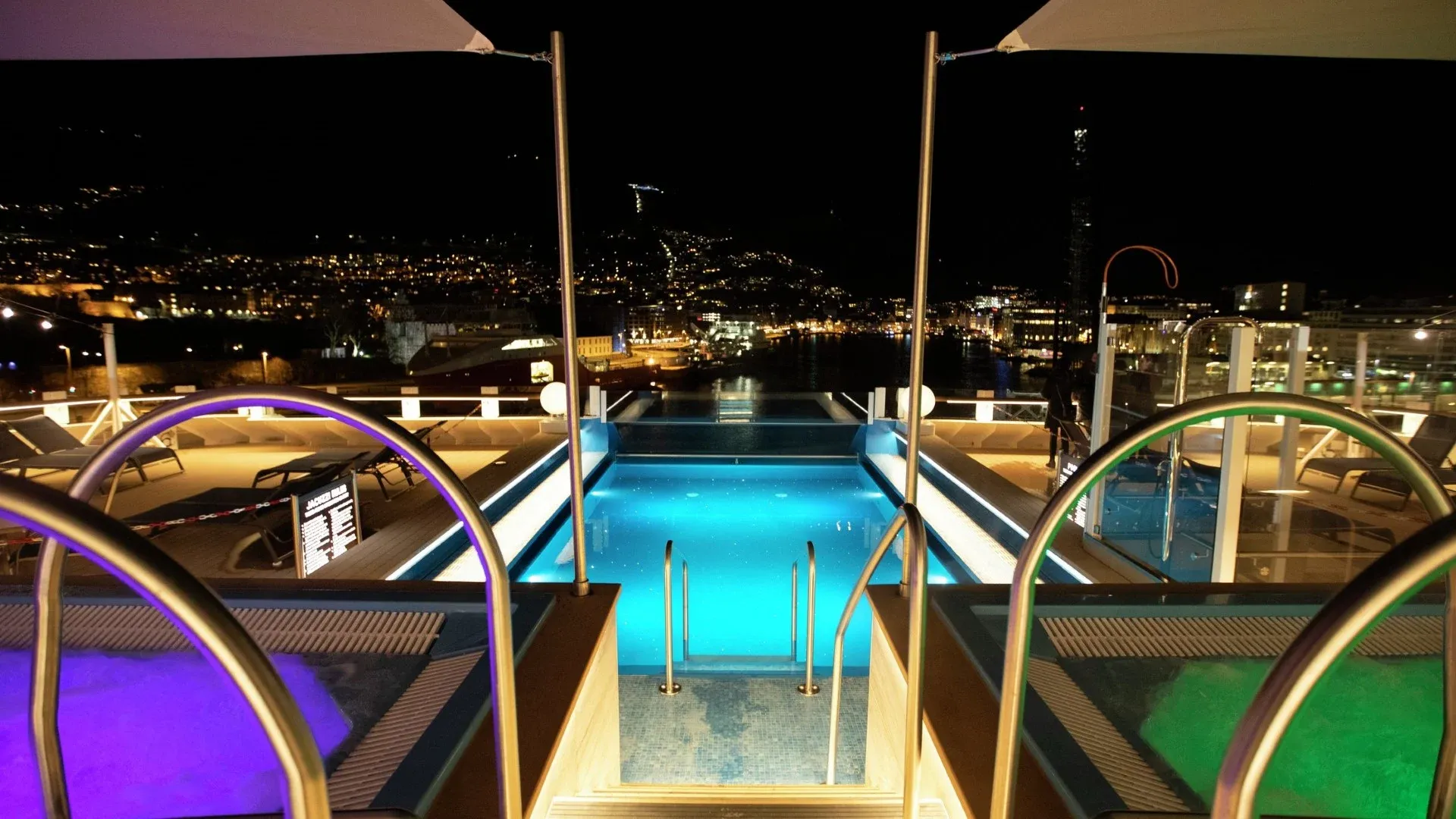
MS Fridtjof Nansen
Launched
2020
Refitted
—
Tonnage
20,889 GT
Passengers
530
Cabins
265
Crew
150
Length
459 m
Width
24 m
Speed
15 knots
Adults Only
No
Itinerary
Day 1
Day 1
Reykjavik
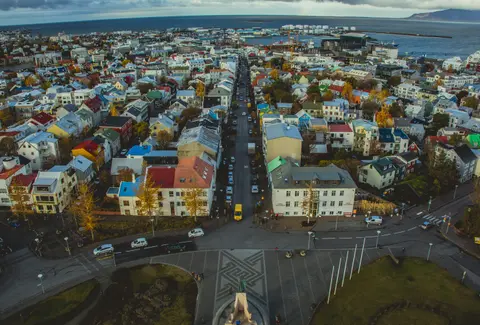
Reykjavik, the world's northernmost capital, distils the entire improbable beauty of Iceland into one compact, creatively charged city. The soaring basalt columns of Hallgrímskirkja dominate a skyline of primary-coloured rooftops, while the Harpa Concert Hall shimmers beside the harbour like a captured aurora. Day trips from the city unlock the Golden Circle's geysers and Geysir hot spring, the black sand beaches of Vík, and the ethereal glacier lagoon at Jökulsárlón. Geothermal pools — from the legendary Blue Lagoon to intimate neighbourhood hot pots — offer warmth year-round. June and July bring the bewitching midnight sun.
Day 2
Day 2
Grundarfjørdur
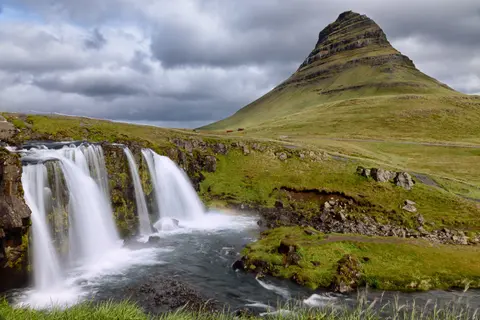
Grundarfjörður is a fishing town at the base of Kirkjufell, Iceland's most photographed mountain, and the gateway to the Snæfellsnes Peninsula—dubbed "Iceland in miniature" for its concentrated geological diversity. Must-dos include photographing Kirkjufell with its companion waterfall and exploring Snæfellsjökull, the glacier volcano from Jules Verne's novel. June and July offer midnight sun and the most reliable weather for peninsula exploration.
Day 3
Day 3
Vigur Island
Vigur Island is a tiny, family-farmed island in Iceland's Westfjords where eider ducks nest in the farmyard, puffins burrow in the fields, and Iceland's only surviving windmill stands beside the oldest boat in the country. Visitors experience guided walks combining wildlife and farming heritage, with coffee and pancakes from the host family. Late June and July offer peak breeding season and near-continuous Arctic daylight.
Day 4
Day 4
Akureyri
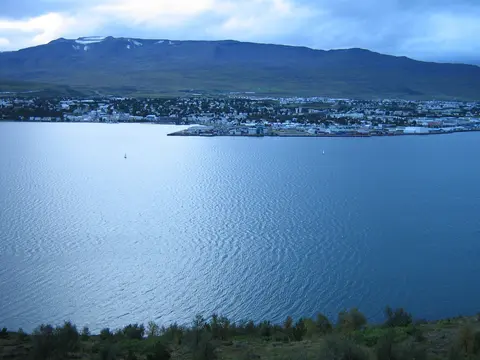
Akureyri, the cultural capital of northern Iceland, sits at the head of the majestic Eyjafjörður and serves as a gateway to some of the island's most dramatic landscapes, including the thundering Goðafoss waterfall, the volcanic wonderland of Lake Mývatn, and Europe's most powerful cascade at Dettifoss. Visitors should not miss the excursion to Mývatn's geothermal pools and the tasting of traditional *hangikjöt* smoked lamb at a harbourside restaurant. The ideal season to visit is June through August, when the midnight sun bathes the fjord in endless golden light and the botanical gardens reach their luminous peak.
Day 5
Day 5
Husavik
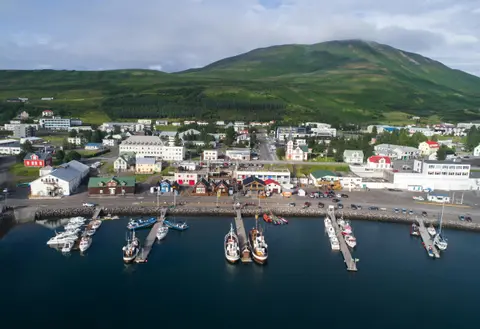
Húsavík, Europe's whale-watching capital on northern Iceland's Skjálfandi Bay, offers over ninety-five percent sighting rates of humpbacks, blue whales, and minke whales in nutrient-rich Arctic waters. A world-class whale museum and proximity to Dettifoss waterfall, Ásbyrgi canyon, and Mývatn's geothermal wonders extend the experience. HX Expeditions, Lindblad Expeditions, and Seabourn bring expedition travelers to this colorful fishing town where Arctic cuisine and cetacean encounters converge with quiet Icelandic authority.
Day 6
Day 6
Bakkagerði
Bakkagerði is a tiny village in eastern Iceland celebrated for the Hafnarhólmi puffin colony—one of the most accessible in the country—and its backdrop of spectacular rhyolite mountains streaked in vivid colors. Essential experiences include watching puffins from the harbor boardwalk, hiking to the Stórurð boulder field, and visiting the legendary Álfaborg elf rock. The best time to visit is June through July, when puffins are nesting, wildflowers blanket the hillsides, and the midnight sun illuminates the fjord around the clock.
Day 7
Day 7
Heimaey
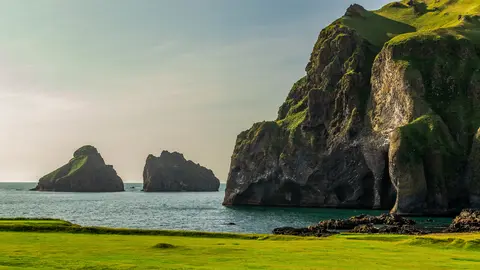
Heimaey is Iceland's volcanic island where the dramatic 1973 eruption story, the world's largest puffin colony of one million breeding pairs, and the children's annual puffling rescue create one of the North Atlantic's most extraordinary port experiences. Visit May through August via Lindblad or Windstar for Eldfell volcano hikes, the Eldheimar Museum's excavated homes, and the harbor approach through a channel literally reshaped by eruption.
Day 8
Day 8
Reykjavik
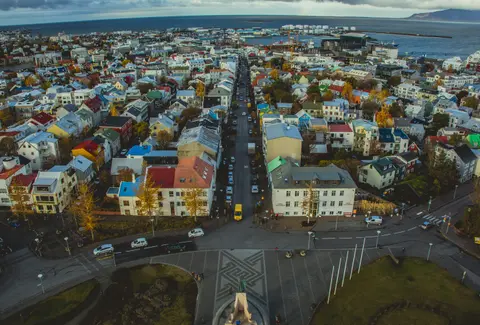
Reykjavik, the world's northernmost capital, distils the entire improbable beauty of Iceland into one compact, creatively charged city. The soaring basalt columns of Hallgrímskirkja dominate a skyline of primary-coloured rooftops, while the Harpa Concert Hall shimmers beside the harbour like a captured aurora. Day trips from the city unlock the Golden Circle's geysers and Geysir hot spring, the black sand beaches of Vík, and the ethereal glacier lagoon at Jökulsárlón. Geothermal pools — from the legendary Blue Lagoon to intimate neighbourhood hot pots — offer warmth year-round. June and July bring the bewitching midnight sun.
Day 1
Reykjavik
Reykjavik, the world's northernmost capital, distils the entire improbable beauty of Iceland into one compact, creatively charged city. The soaring basalt columns of Hallgrímskirkja dominate a skyline of primary-coloured rooftops, while the Harpa Concert Hall shimmers beside the harbour like a captured aurora. Day trips from the city unlock the Golden Circle's geysers and Geysir hot spring, the black sand beaches of Vík, and the ethereal glacier lagoon at Jökulsárlón. Geothermal pools — from the legendary Blue Lagoon to intimate neighbourhood hot pots — offer warmth year-round. June and July bring the bewitching midnight sun.
Day 2
Grundarfjørdur
Grundarfjörður is a fishing town at the base of Kirkjufell, Iceland's most photographed mountain, and the gateway to the Snæfellsnes Peninsula—dubbed "Iceland in miniature" for its concentrated geological diversity. Must-dos include photographing Kirkjufell with its companion waterfall and exploring Snæfellsjökull, the glacier volcano from Jules Verne's novel. June and July offer midnight sun and the most reliable weather for peninsula exploration.
Day 3
Vigur Island
Vigur Island is a tiny, family-farmed island in Iceland's Westfjords where eider ducks nest in the farmyard, puffins burrow in the fields, and Iceland's only surviving windmill stands beside the oldest boat in the country. Visitors experience guided walks combining wildlife and farming heritage, with coffee and pancakes from the host family. Late June and July offer peak breeding season and near-continuous Arctic daylight.
Day 4
Akureyri
Akureyri, the cultural capital of northern Iceland, sits at the head of the majestic Eyjafjörður and serves as a gateway to some of the island's most dramatic landscapes, including the thundering Goðafoss waterfall, the volcanic wonderland of Lake Mývatn, and Europe's most powerful cascade at Dettifoss. Visitors should not miss the excursion to Mývatn's geothermal pools and the tasting of traditional *hangikjöt* smoked lamb at a harbourside restaurant. The ideal season to visit is June through August, when the midnight sun bathes the fjord in endless golden light and the botanical gardens reach their luminous peak.
Day 5
Husavik
Húsavík, Europe's whale-watching capital on northern Iceland's Skjálfandi Bay, offers over ninety-five percent sighting rates of humpbacks, blue whales, and minke whales in nutrient-rich Arctic waters. A world-class whale museum and proximity to Dettifoss waterfall, Ásbyrgi canyon, and Mývatn's geothermal wonders extend the experience. HX Expeditions, Lindblad Expeditions, and Seabourn bring expedition travelers to this colorful fishing town where Arctic cuisine and cetacean encounters converge with quiet Icelandic authority.
Day 6
Bakkagerði
Bakkagerði is a tiny village in eastern Iceland celebrated for the Hafnarhólmi puffin colony—one of the most accessible in the country—and its backdrop of spectacular rhyolite mountains streaked in vivid colors. Essential experiences include watching puffins from the harbor boardwalk, hiking to the Stórurð boulder field, and visiting the legendary Álfaborg elf rock. The best time to visit is June through July, when puffins are nesting, wildflowers blanket the hillsides, and the midnight sun illuminates the fjord around the clock.
Day 7
Heimaey
Heimaey is Iceland's volcanic island where the dramatic 1973 eruption story, the world's largest puffin colony of one million breeding pairs, and the children's annual puffling rescue create one of the North Atlantic's most extraordinary port experiences. Visit May through August via Lindblad or Windstar for Eldfell volcano hikes, the Eldheimar Museum's excavated homes, and the harbor approach through a channel literally reshaped by eruption.
Day 8
Reykjavik
Reykjavik, the world's northernmost capital, distils the entire improbable beauty of Iceland into one compact, creatively charged city. The soaring basalt columns of Hallgrímskirkja dominate a skyline of primary-coloured rooftops, while the Harpa Concert Hall shimmers beside the harbour like a captured aurora. Day trips from the city unlock the Golden Circle's geysers and Geysir hot spring, the black sand beaches of Vík, and the ethereal glacier lagoon at Jökulsárlón. Geothermal pools — from the legendary Blue Lagoon to intimate neighbourhood hot pots — offer warmth year-round. June and July bring the bewitching midnight sun.
Cabin Categories


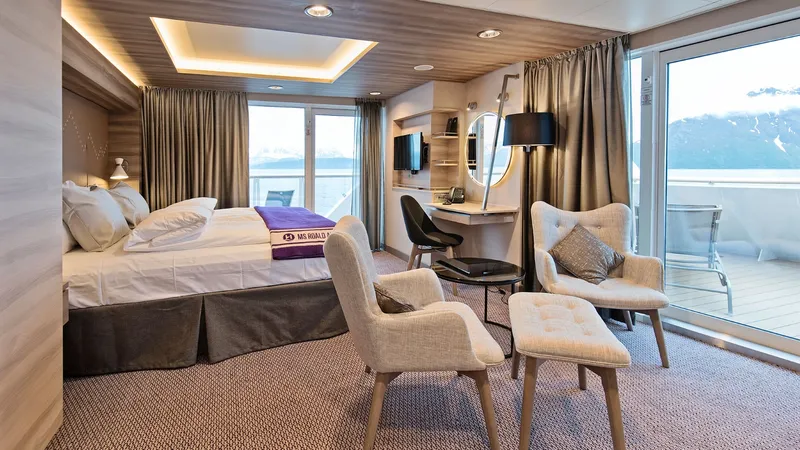
Expedition Corner Suite
Suite
215–322 m²Max 4
MCMF
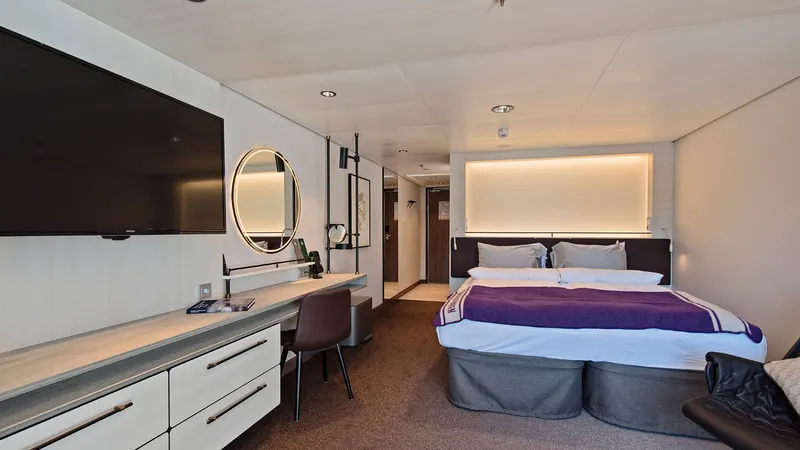
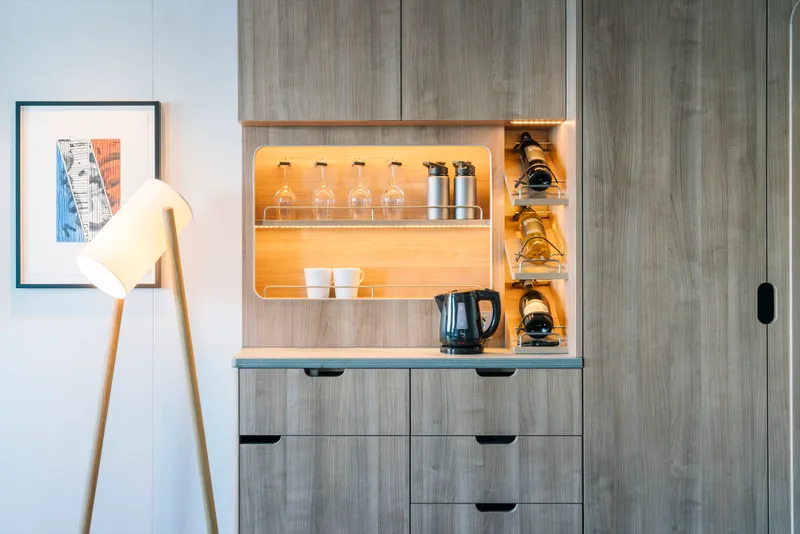
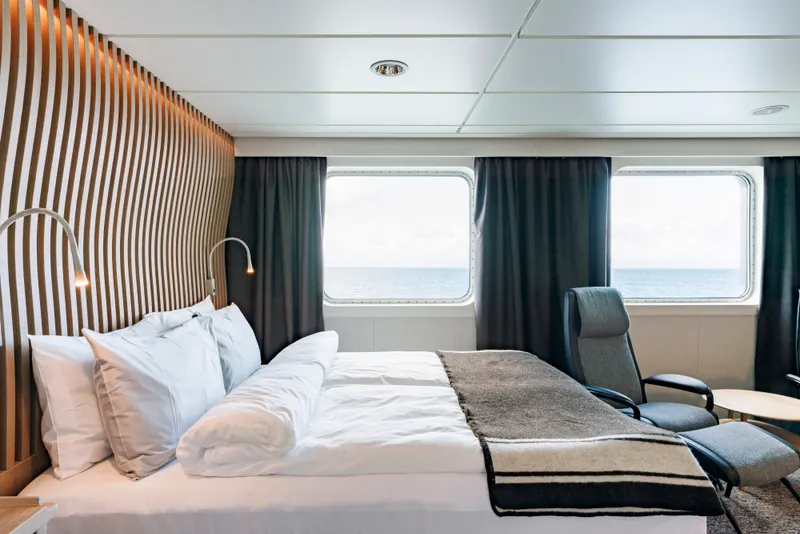
Corner cabin with large windows. Flexible sleeping arrangements, TV, minibar, bathrobe, kettle, tea and coffee, espresso maker. Without balcony.
22 m2
Window
Bathroom
TV
Double bed
DoubleShowerToiletries ProvidedTVCoffee MachineHair Dryer+5
US$8,109 /person+ US$0 taxes & fees
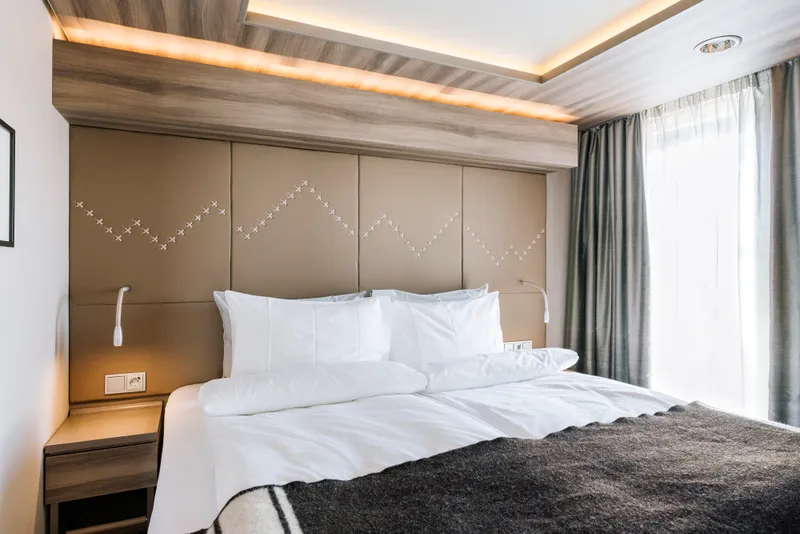
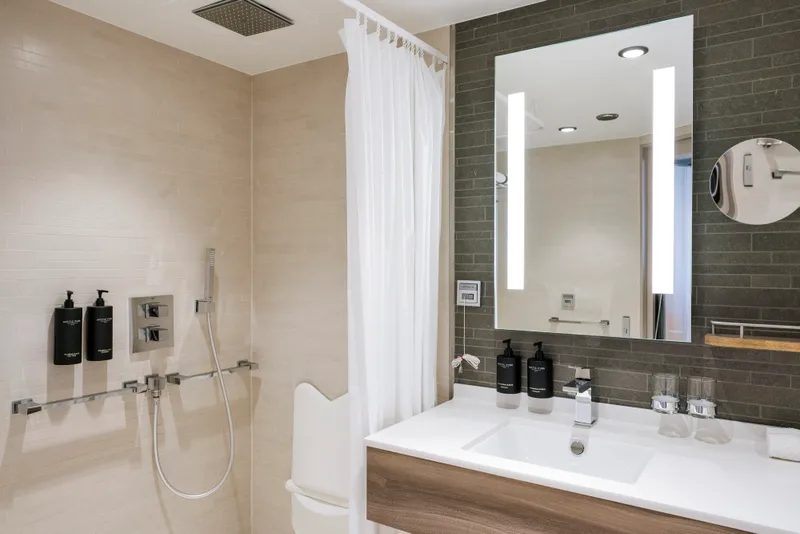
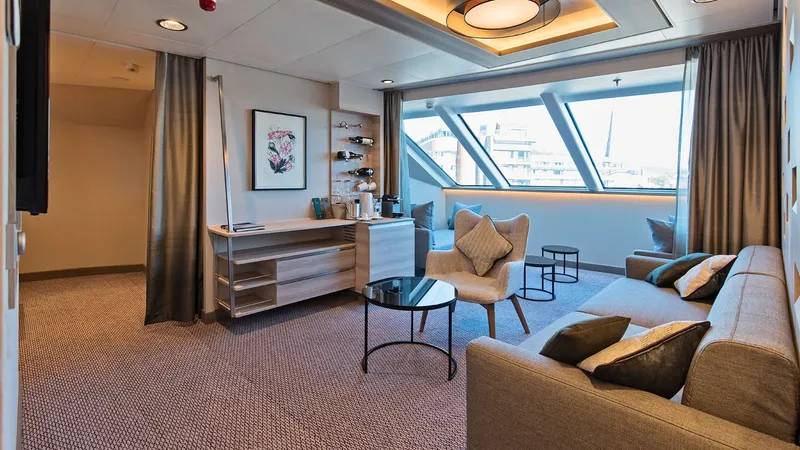
Expedition Large Suite
Suite
376 m²Max 4
MD
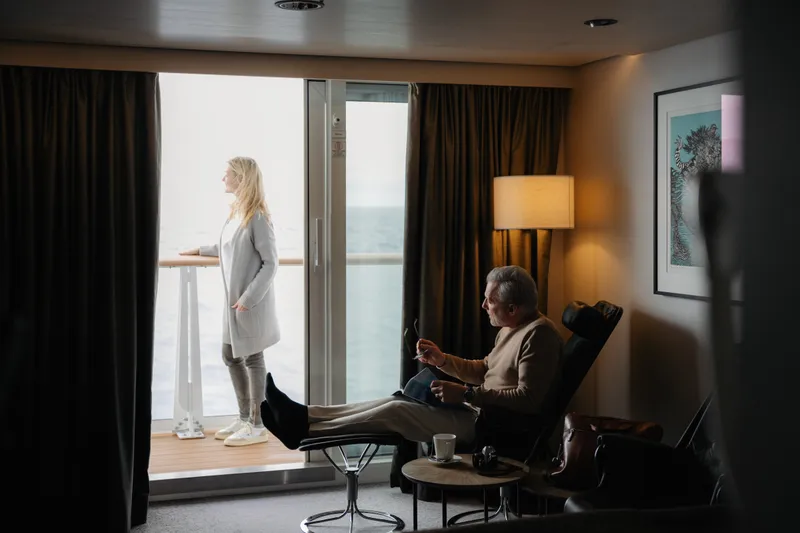
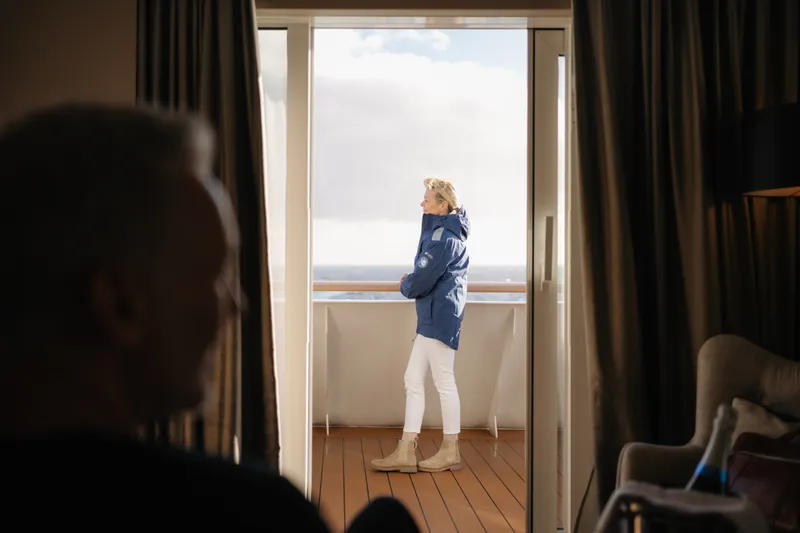
Large Corner Suite with private balcony, flexible sleeping arrangements, sofabed, TV, minibar, bathrobe, kettle, espresso maker. Adapted for guests with wheelchair.
35 m2
Window
Bathroom
TV
Double bed
Balcony
DoubleSofa BedShowerToiletries ProvidedMini Bar (Additional Cost)TV+2
View Details
Expedition Suite
Suite
236–301 m²Max 4
ME
Suites with private balcony, different sizes, top-high decks, flexible sleeping arrangements, some with sofabed, TV, minibar, bathrobe, kettle, tea and coffee, espresso maker.
20 - 28 m2
Window
Bathroom
TV
Double bed
Balcony
DoubleSofa BedShowerToiletries ProvidedMini Bar (Additional Cost)TV+6
US$8,395 /person+ US$0 taxes & fees

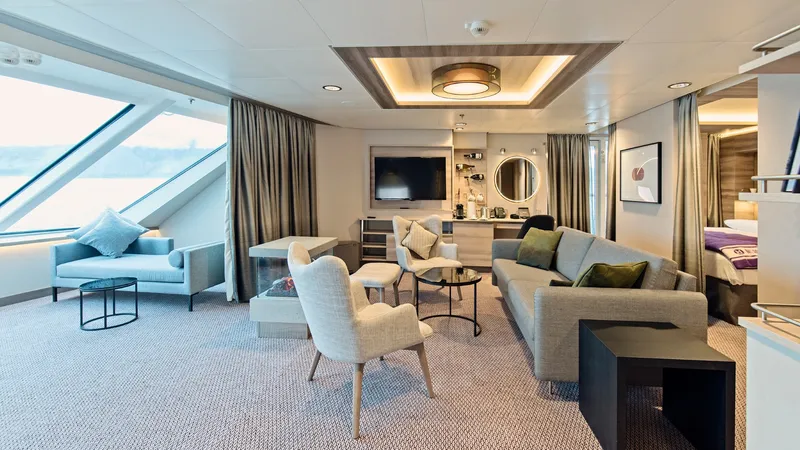
Expedition XL Suite
Suite
474–516 m²Max 4
MAMB
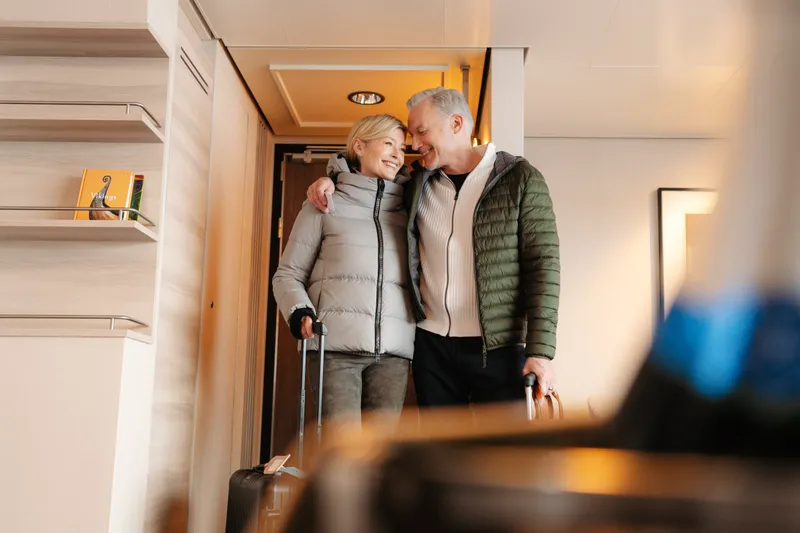
Extra Large Corner Suite with private balcony. Ship’s most spacious cabins with large windows, flexible sleeping arrangements, sofabed, TV, minibar, bathrobe, kettle, tea and coffee, espresso maker.
46 - 48 m2
Window
Bathroom
TV
Double bed
Balcony
Double or Twin ConfigurationLounge AreaShowerWhirlpool BathToiletries ProvidedSuite Benefits+10
US$10,851 /person+ US$0 taxes & fees
Balcony Cabin
Outside
161–204 m²Max 4
XTXTDXTJXY
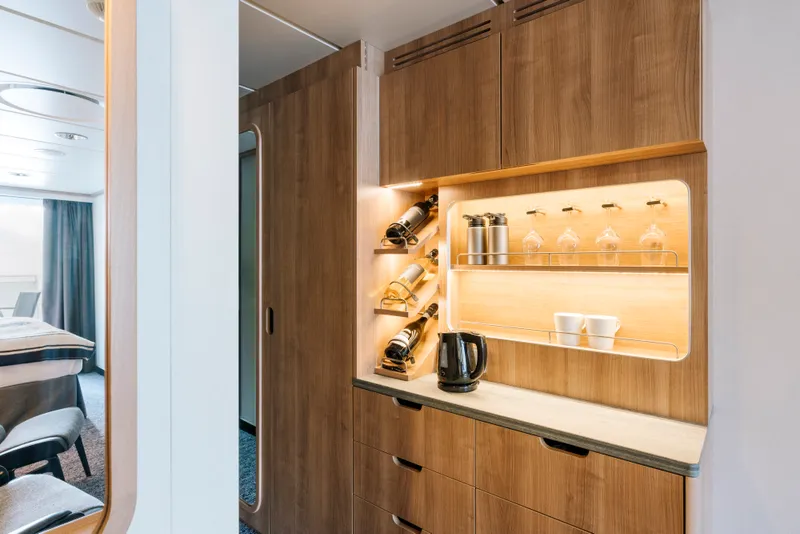
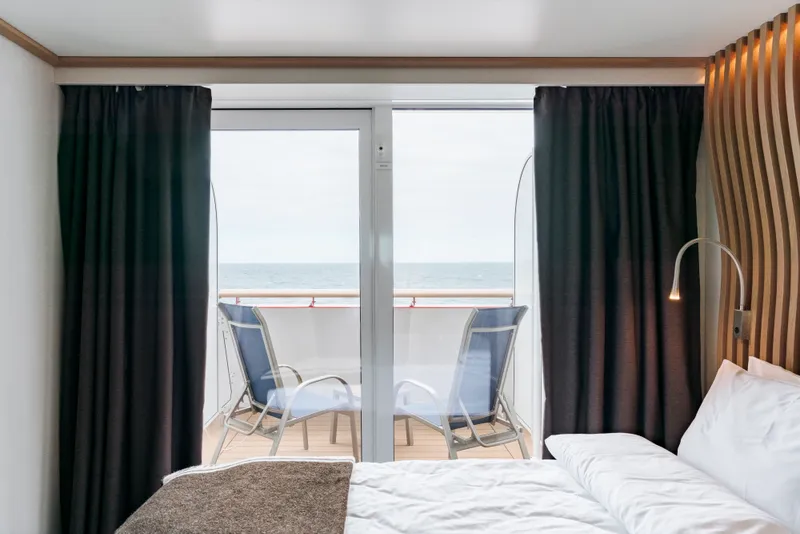
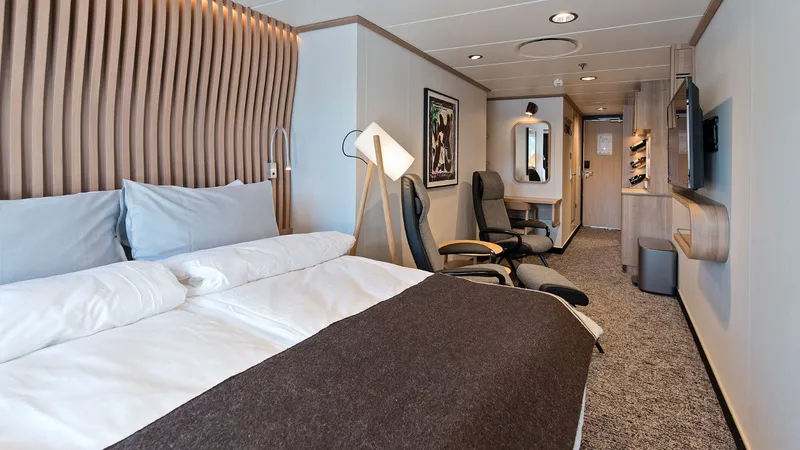
Wheelchair-accessible cabin with balcony, double bed.
DoubleSofa BedShowerToiletries ProvidedTVCoffee Machine+8
US$6,640 /person+ US$0 taxes & fees
Arctic Superior
Outside
236–290 m²Max 2
TTTY
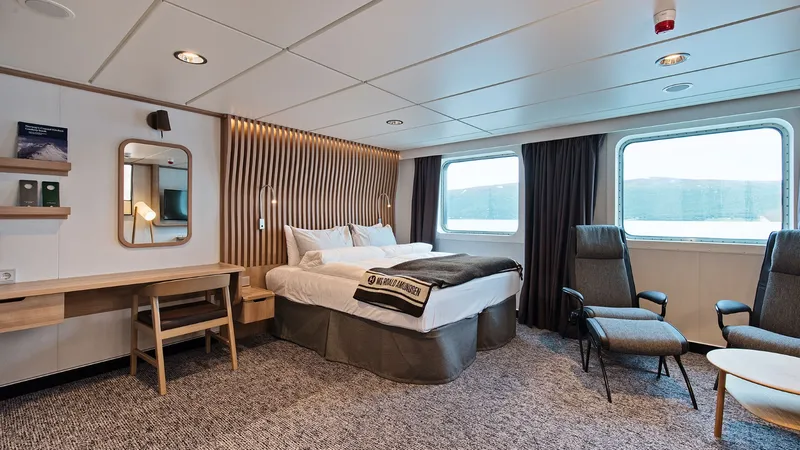
Large accessible cabins without balcony. Middle decks, flexible sleeping arrangements, TV, kettle, tea and coffee.
22 m2
Window
Bathroom
TV
Double bed
DoubleShowerRoom Service AvailableTVSafeHair Dryer+4
View Details
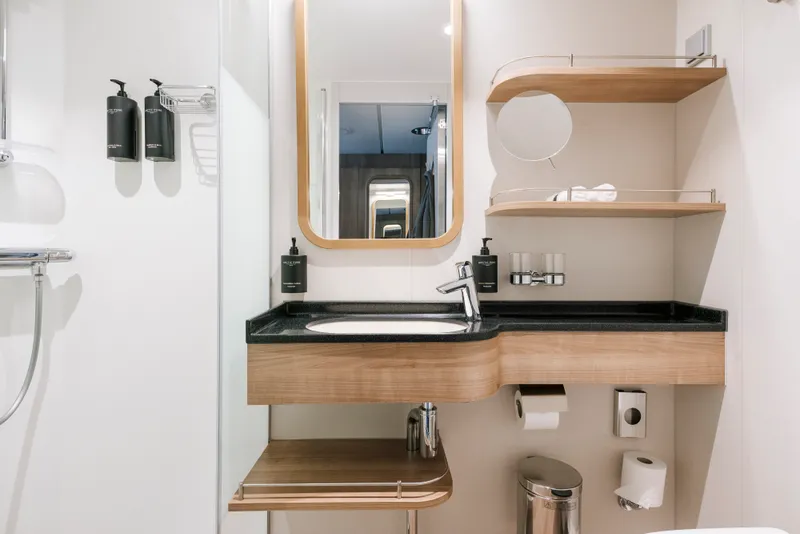
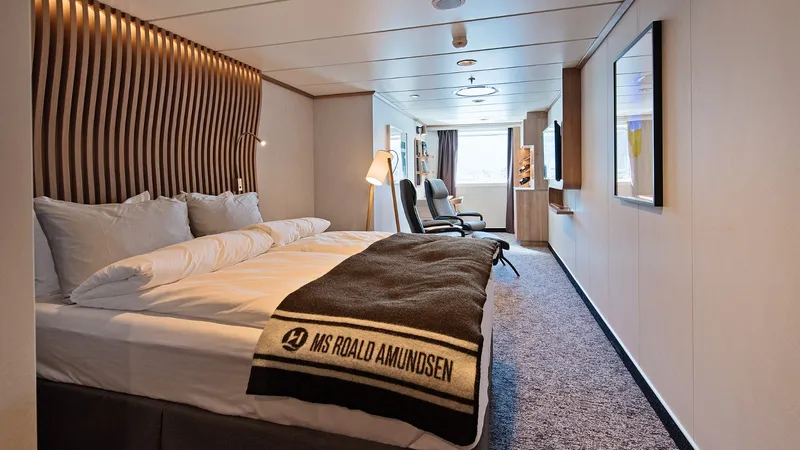
Polar Outside
Outside
204–247 m²Max 4
RRRS
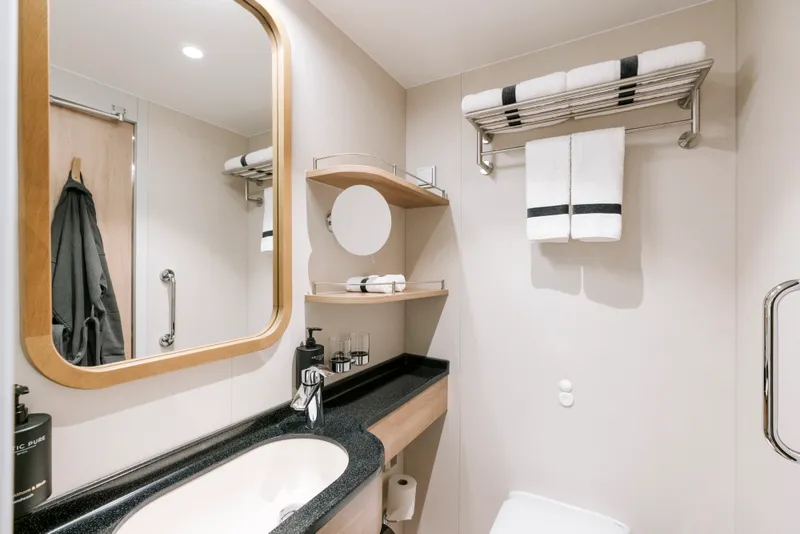
Larger cabins on middle decks. Most 20 square meters, flexible sleeping arrangements, some with sofabed, TV.
19 - 23 m2
Window
Bathroom
TV
Double bed
DoubleTwinSofa BedShowerToiletries ProvidedTV+1
US$5,908 /person+ US$0 taxes & fees
Interested in This Voyage?
Our cruise specialists can help you find the perfect cabin and the best available pricing.
(+886) 02-2721-7300Contact Advisor