HX Expeditions976061976080
Discovering Greenland – From Reykjavík to Nuuk
Date
2026-06-02
Duration
12 nights
Departure Port
Reykjavik
Iceland
Arrival Port
Nuuk Godthaab
Greenland
Rating
Expedition
Theme
—
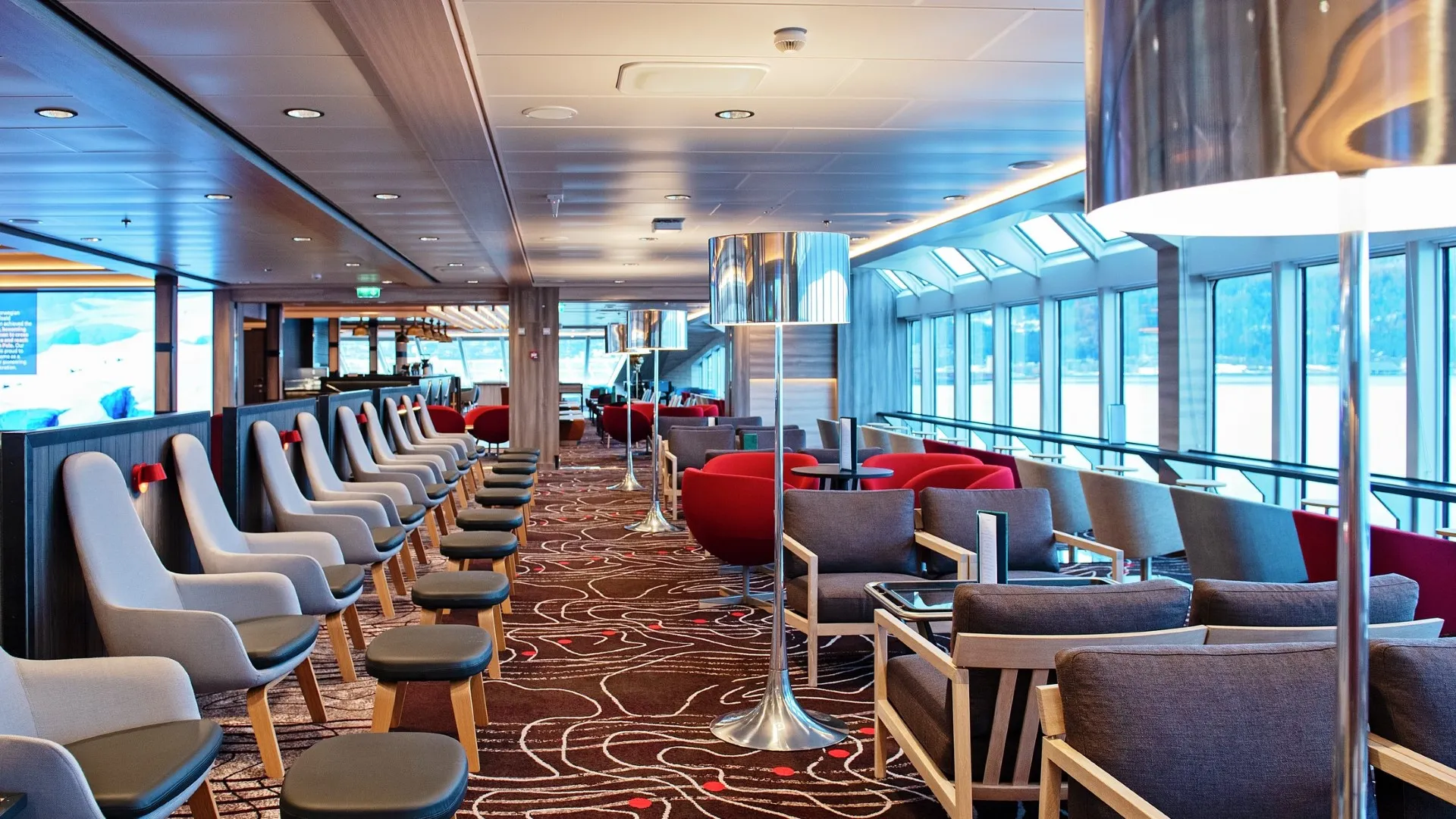
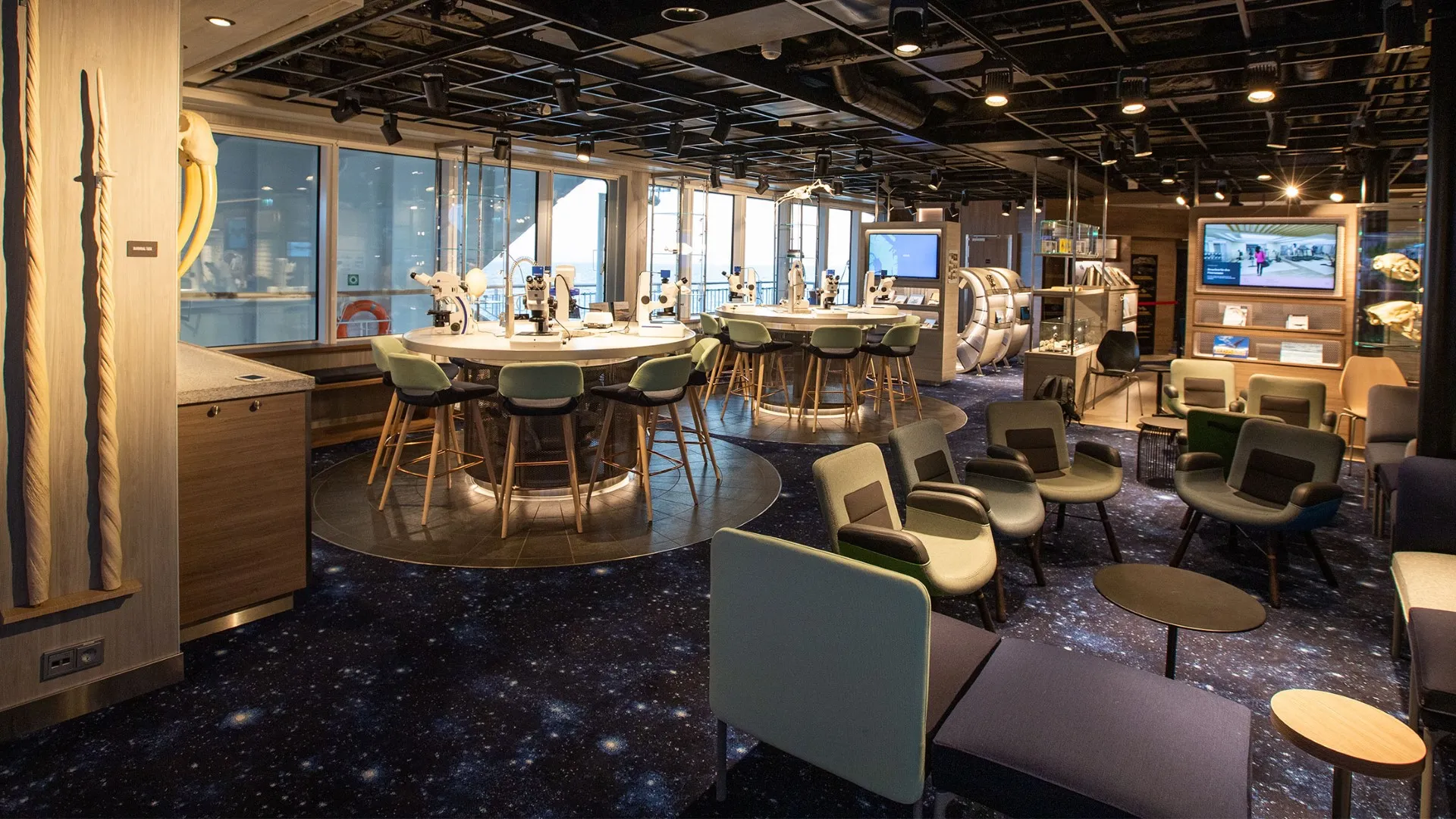
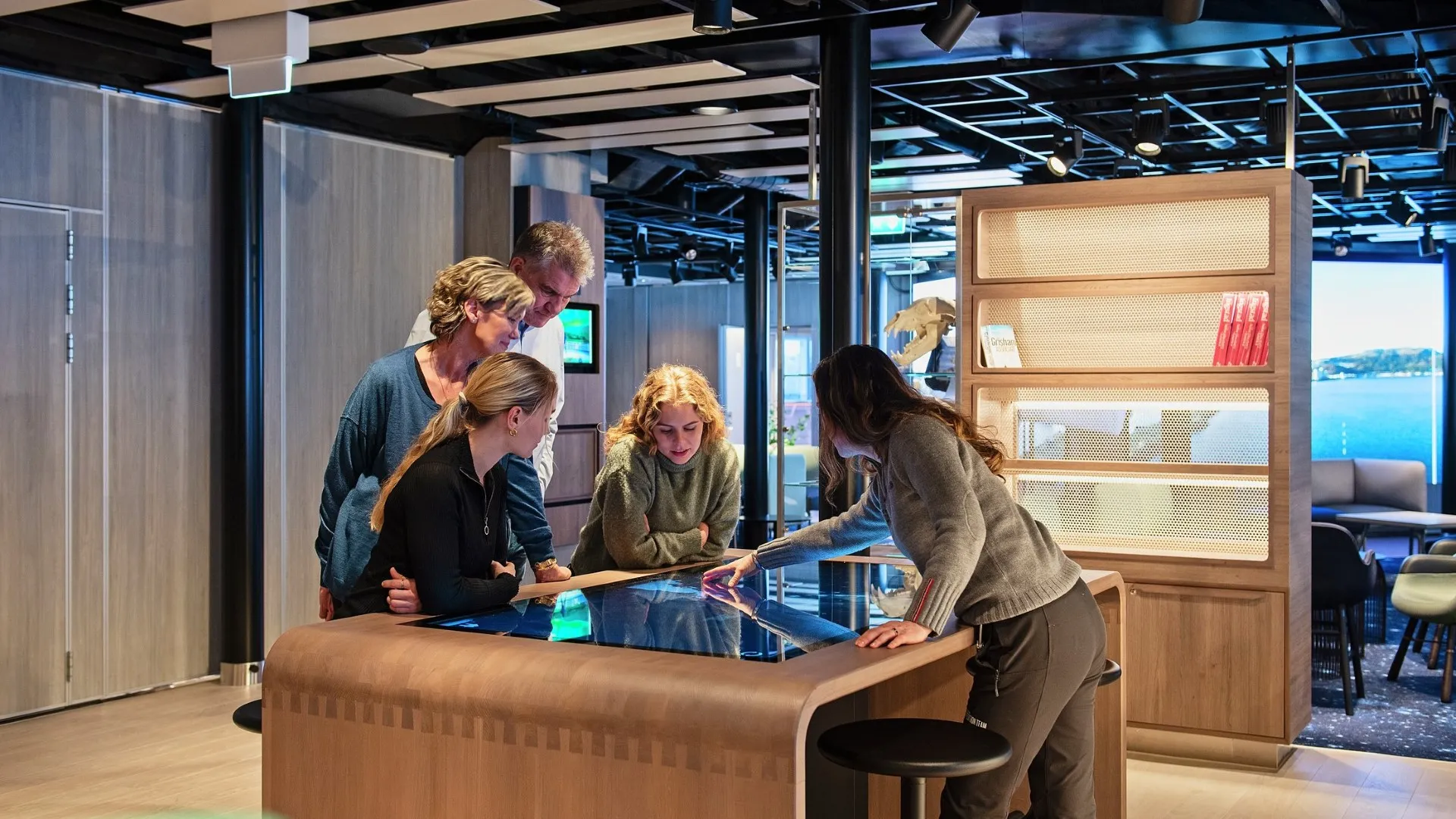
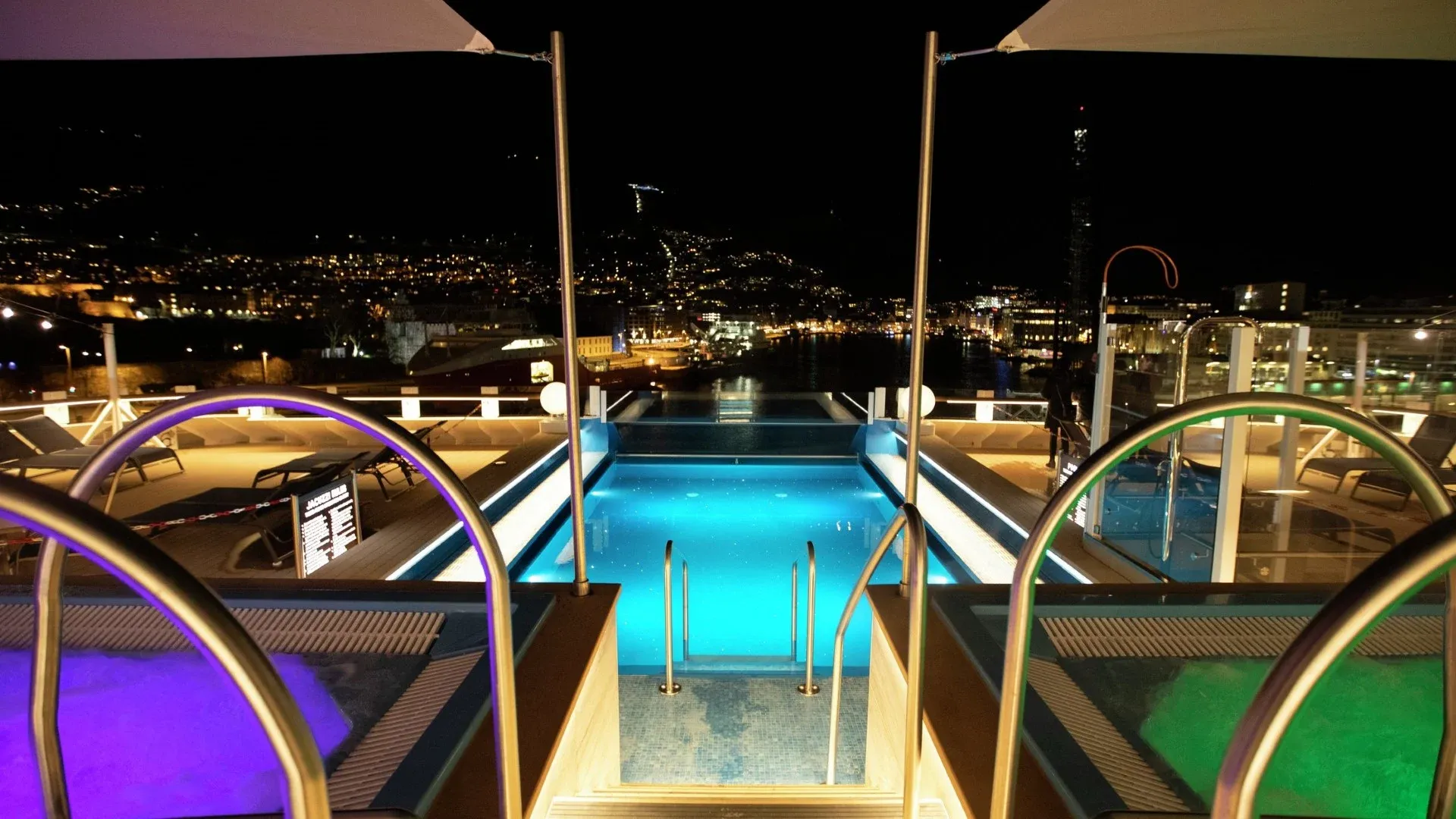
HX Expeditions
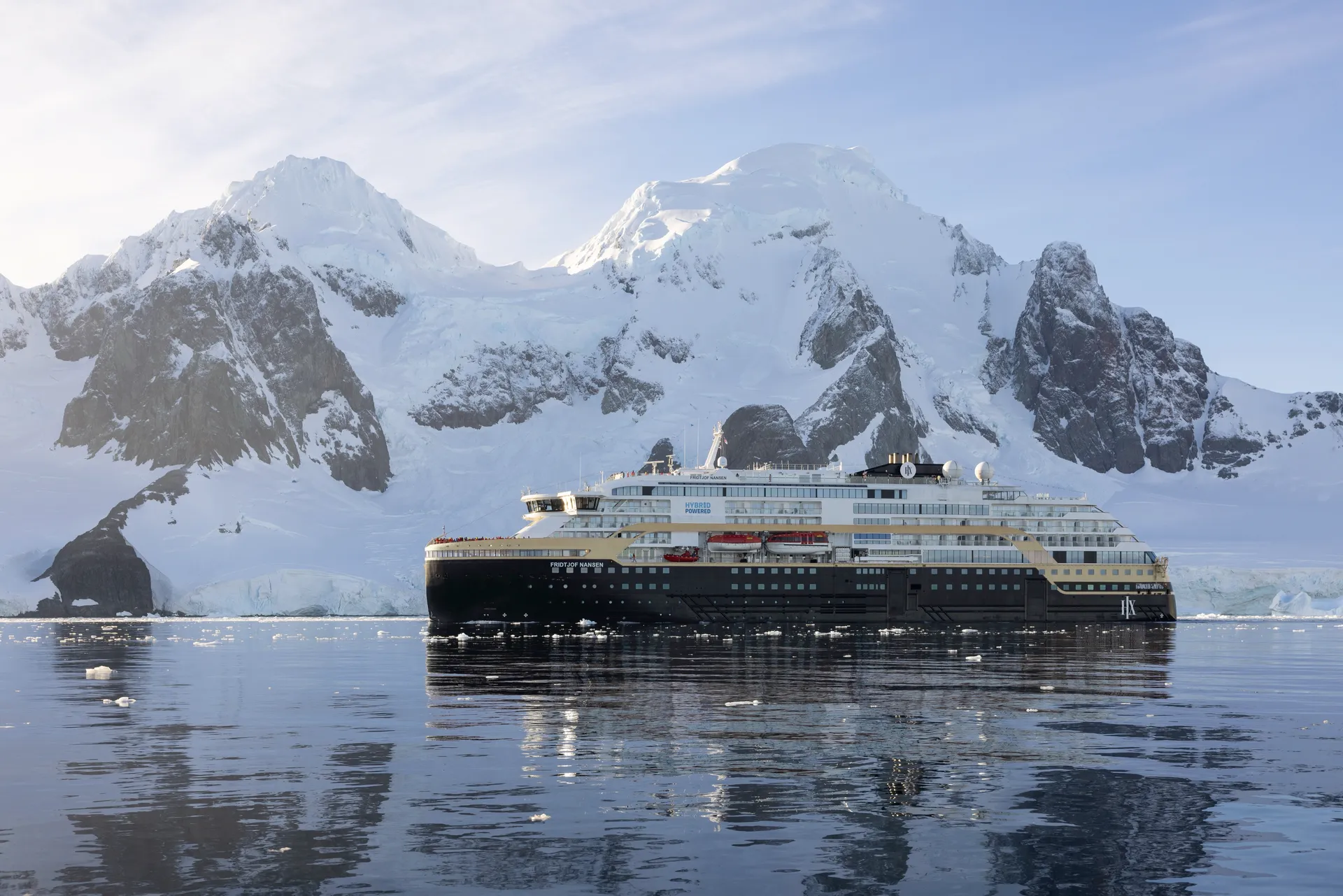
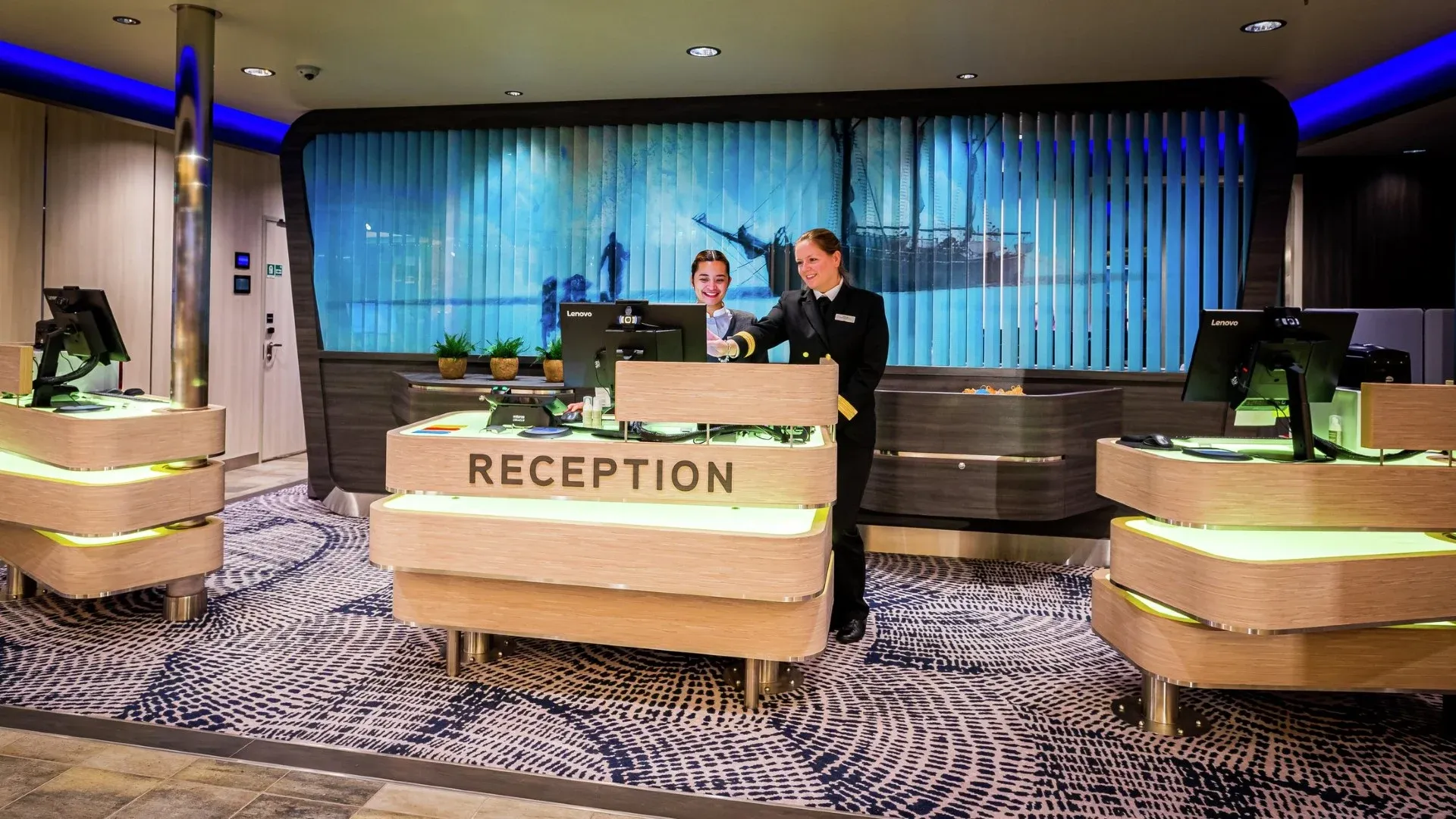
MS Fridtjof Nansen
Launched
2020
Refitted
—
Tonnage
20,889 GT
Passengers
530
Cabins
265
Crew
150
Length
459 m
Width
24 m
Speed
15 knots
Adults Only
No
Itinerary
Day 1
Day 1
Reykjavik
Depart 20:00
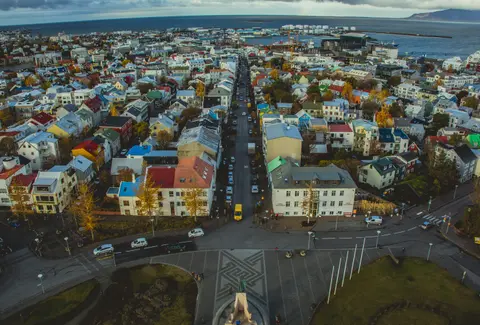
Reykjavik, the world's northernmost capital, distils the entire improbable beauty of Iceland into one compact, creatively charged city. The soaring basalt columns of Hallgrímskirkja dominate a skyline of primary-coloured rooftops, while the Harpa Concert Hall shimmers beside the harbour like a captured aurora. Day trips from the city unlock the Golden Circle's geysers and Geysir hot spring, the black sand beaches of Vík, and the ethereal glacier lagoon at Jökulsárlón. Geothermal pools — from the legendary Blue Lagoon to intimate neighbourhood hot pots — offer warmth year-round. June and July bring the bewitching midnight sun.
Day 2
Day 2
At Sea
Day 4
Day 4
Prince Christian Sound
Arrive 09:00Depart 20:00
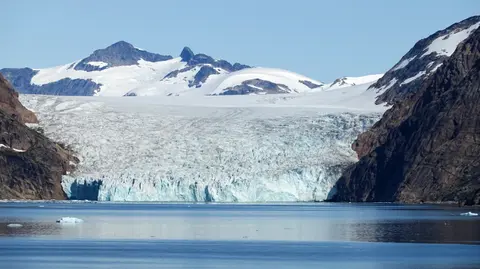
Prince Christian Sound is Greenland's most dramatic navigable passage — a forty-kilometer corridor between thousand-meter cliffs and hanging glaciers that expedition ships from Seabourn to Silversea transit when ice conditions permit. Navigate July through September for humpback whale encounters, iceberg-studded waters, and the visceral Arctic experience that empties every cabin and fills every open deck regardless of weather.
Day 5
Day 5
Qaqortoq
Arrive 08:00Depart 20:00
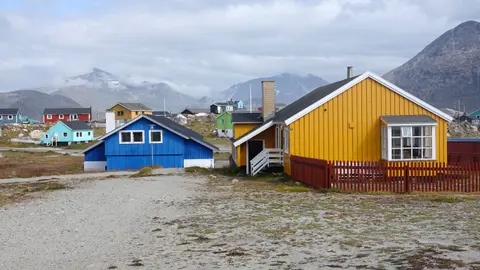
Qaqortoq is southern Greenland's largest town, where brightly painted houses climb above a fjord harbour amid open-air stone sculptures and Norse ruins. Must-do experiences include visiting the Hvalsey Norse church ruins, soaking in the Uunartoq hot springs surrounded by icebergs, and tasting Arctic char and musk ox. June through September offers the accessible season, with July and August warmest for fjord exploration.
Day 6
Day 6
Brattahlid (Qassiarsuk)
Arrive 08:00Depart 22:00
Qassiarsuk (Brattahlíð) in southern Greenland is where Erik the Red founded the first European settlement in the Americas in 985 AD — today a tiny sheep-farming village preserving Norse ruins, a reconstructed Viking church, and a graveyard of 144 colonists. Must-dos include walking the archaeological remains with a local guide, visiting Hans Lynge's bronze Erik the Red, and absorbing the fjord-and-ice-cap setting. June through September provides snow-free access and wildflower-dotted ruins.
Day 7
Day 7
Narsaq
Arrive 08:00Depart 17:00
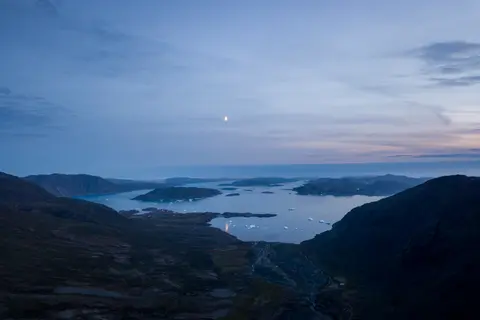
Narsaq is a colorful settlement in southern Greenland surrounded by fjords, icebergs, and the green pastures that gave Greenland its name, sitting amid the ruins of the medieval Norse Eastern Settlement. Must-dos include a boat excursion to the Qooroq Ice Fjord for dramatic glacier calving and bathing in the Uunartoq hot springs among drifting icebergs. July and August offer the warmest weather and longest days in this surprisingly mild corner of the Arctic.
Day 8
Day 8
Ivittuut
Arrive 08:00Depart 20:00
Ivittuut is a near-abandoned settlement on Greenland's southwest coast, once the world's sole source of cryolite — a mineral critical to aluminium production that made this remote outpost strategically vital during two world wars. Must-dos include exploring the haunting mine ruins, looking for Norse farmstead remains along the Arsuk Fjord, and watching for humpback whales feeding in the fjord waters. Visit July through September for navigable waters and the mildest sub-Arctic conditions.
Day 9
Day 9
Kvanefjord
Arrive 08:00Depart 20:00
Kvanefjord, Greenland, Greenland is a spectacular maritime passage celebrated for its dramatic natural scenery and wildlife encounters, featured on expedition itineraries by HX Expeditions. Travelers should position themselves on open decks with quality binoculars for the best viewing experience, and take advantage of Zodiac excursions when conditions permit. The optimal season is June through August, when summer months bring the warmest temperatures and longest days.
Day 10
Day 10
Qeqertarsuatsiaat
Arrive 08:00Depart 18:00
Qeqertarsuatsiaat is a tiny Greenlandic settlement of roughly 200 people on the southwestern coast, where traditional Arctic life persists amid a stunning landscape of fjords, drifting icebergs, and three-billion-year-old geological formations. Essential experiences include observing the community's subsistence fishing and sealing traditions, cruising among icebergs calved from the Greenland Ice Sheet, and witnessing humpback whales feeding in the nutrient-rich fjord waters. July and August offer the warmest conditions and longest days for expedition vessel visits to this remote community, where every encounter provides insight into one of the planet's most resilient human cultures.
Day 11
Day 11
Kapisillit
Arrive 12:00Depart 22:00
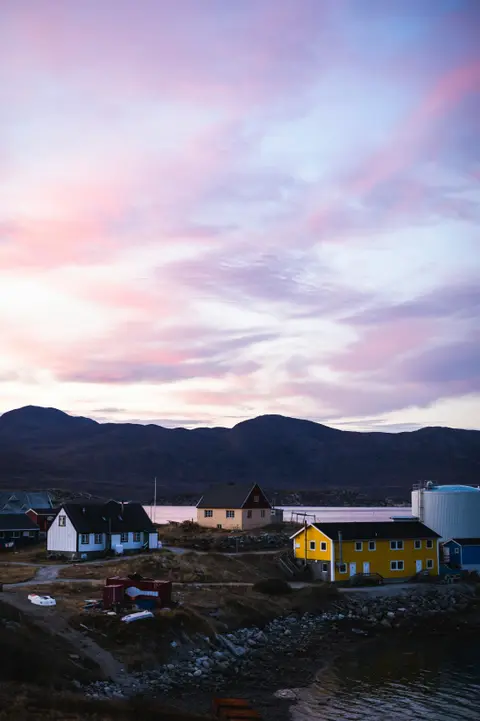
Kapisillit is a tiny Inuit settlement of 60 people at the head of Greenland's Nuuk Fjord, where tidewater glaciers calve into turquoise waters and traditional Arctic char fishing sustains a community that has lived here for millennia. Must-dos include the boat journey through the iceberg-filled fjord, watching Arctic char being smoked on shoreline racks, and hiking tundra trails with views of the Greenland Ice Sheet. Visit August for the warmest weather and the char fishing season.
Day 12
Day 12
Narsap Sermia Glacier
Arrive 08:00Depart 22:00
Narsap Sermia is a massive tidewater glacier in southwestern Greenland that calves enormous icebergs into the Nordre Isortoq Fjord, offering one of the Arctic's most dramatic natural spectacles. Visitors experience the glacier from expedition ships or Zodiac boats, witnessing the thunderous collapse of ice from a towering five-kilometre-wide face. Best visited July through August for the longest days and mildest Arctic conditions.
Day 13
Day 13
Nuuk Godthaab
Arrive 06:00
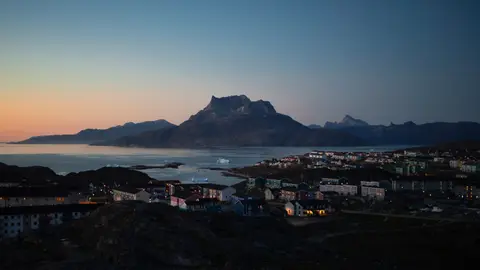
Nuuk, Greenland's diminutive capital, is a city of vivid contrasts — colourful colonial houses against Arctic granite, Inuit heritage alongside contemporary Nordic culture, and world-class museums steps from untamed fjords. Visitors should not miss the Greenland National Museum's Qilakitsoq mummies and a Zodiac excursion into the surrounding iceberg-studded fjord system. The prime cruising season runs from June through September, when extended daylight illuminates the landscape in an ethereal sub-Arctic glow and waters remain navigable for expedition vessels.
Day 1
Reykjavik
Depart 20:00
Reykjavik, the world's northernmost capital, distils the entire improbable beauty of Iceland into one compact, creatively charged city. The soaring basalt columns of Hallgrímskirkja dominate a skyline of primary-coloured rooftops, while the Harpa Concert Hall shimmers beside the harbour like a captured aurora. Day trips from the city unlock the Golden Circle's geysers and Geysir hot spring, the black sand beaches of Vík, and the ethereal glacier lagoon at Jökulsárlón. Geothermal pools — from the legendary Blue Lagoon to intimate neighbourhood hot pots — offer warmth year-round. June and July bring the bewitching midnight sun.
Day 2
At Sea
Day 4
Prince Christian Sound
Arrive 09:00Depart 20:00
Prince Christian Sound is Greenland's most dramatic navigable passage — a forty-kilometer corridor between thousand-meter cliffs and hanging glaciers that expedition ships from Seabourn to Silversea transit when ice conditions permit. Navigate July through September for humpback whale encounters, iceberg-studded waters, and the visceral Arctic experience that empties every cabin and fills every open deck regardless of weather.
Day 5
Qaqortoq
Arrive 08:00Depart 20:00
Qaqortoq is southern Greenland's largest town, where brightly painted houses climb above a fjord harbour amid open-air stone sculptures and Norse ruins. Must-do experiences include visiting the Hvalsey Norse church ruins, soaking in the Uunartoq hot springs surrounded by icebergs, and tasting Arctic char and musk ox. June through September offers the accessible season, with July and August warmest for fjord exploration.
Day 6
Brattahlid (Qassiarsuk)
Arrive 08:00Depart 22:00
Qassiarsuk (Brattahlíð) in southern Greenland is where Erik the Red founded the first European settlement in the Americas in 985 AD — today a tiny sheep-farming village preserving Norse ruins, a reconstructed Viking church, and a graveyard of 144 colonists. Must-dos include walking the archaeological remains with a local guide, visiting Hans Lynge's bronze Erik the Red, and absorbing the fjord-and-ice-cap setting. June through September provides snow-free access and wildflower-dotted ruins.
Day 7
Narsaq
Arrive 08:00Depart 17:00
Narsaq is a colorful settlement in southern Greenland surrounded by fjords, icebergs, and the green pastures that gave Greenland its name, sitting amid the ruins of the medieval Norse Eastern Settlement. Must-dos include a boat excursion to the Qooroq Ice Fjord for dramatic glacier calving and bathing in the Uunartoq hot springs among drifting icebergs. July and August offer the warmest weather and longest days in this surprisingly mild corner of the Arctic.
Day 8
Ivittuut
Arrive 08:00Depart 20:00
Ivittuut is a near-abandoned settlement on Greenland's southwest coast, once the world's sole source of cryolite — a mineral critical to aluminium production that made this remote outpost strategically vital during two world wars. Must-dos include exploring the haunting mine ruins, looking for Norse farmstead remains along the Arsuk Fjord, and watching for humpback whales feeding in the fjord waters. Visit July through September for navigable waters and the mildest sub-Arctic conditions.
Day 9
Kvanefjord
Arrive 08:00Depart 20:00
Kvanefjord, Greenland, Greenland is a spectacular maritime passage celebrated for its dramatic natural scenery and wildlife encounters, featured on expedition itineraries by HX Expeditions. Travelers should position themselves on open decks with quality binoculars for the best viewing experience, and take advantage of Zodiac excursions when conditions permit. The optimal season is June through August, when summer months bring the warmest temperatures and longest days.
Day 10
Qeqertarsuatsiaat
Arrive 08:00Depart 18:00
Qeqertarsuatsiaat is a tiny Greenlandic settlement of roughly 200 people on the southwestern coast, where traditional Arctic life persists amid a stunning landscape of fjords, drifting icebergs, and three-billion-year-old geological formations. Essential experiences include observing the community's subsistence fishing and sealing traditions, cruising among icebergs calved from the Greenland Ice Sheet, and witnessing humpback whales feeding in the nutrient-rich fjord waters. July and August offer the warmest conditions and longest days for expedition vessel visits to this remote community, where every encounter provides insight into one of the planet's most resilient human cultures.
Day 11
Kapisillit
Arrive 12:00Depart 22:00
Kapisillit is a tiny Inuit settlement of 60 people at the head of Greenland's Nuuk Fjord, where tidewater glaciers calve into turquoise waters and traditional Arctic char fishing sustains a community that has lived here for millennia. Must-dos include the boat journey through the iceberg-filled fjord, watching Arctic char being smoked on shoreline racks, and hiking tundra trails with views of the Greenland Ice Sheet. Visit August for the warmest weather and the char fishing season.
Day 12
Narsap Sermia Glacier
Arrive 08:00Depart 22:00
Narsap Sermia is a massive tidewater glacier in southwestern Greenland that calves enormous icebergs into the Nordre Isortoq Fjord, offering one of the Arctic's most dramatic natural spectacles. Visitors experience the glacier from expedition ships or Zodiac boats, witnessing the thunderous collapse of ice from a towering five-kilometre-wide face. Best visited July through August for the longest days and mildest Arctic conditions.
Day 13
Nuuk Godthaab
Arrive 06:00
Nuuk, Greenland's diminutive capital, is a city of vivid contrasts — colourful colonial houses against Arctic granite, Inuit heritage alongside contemporary Nordic culture, and world-class museums steps from untamed fjords. Visitors should not miss the Greenland National Museum's Qilakitsoq mummies and a Zodiac excursion into the surrounding iceberg-studded fjord system. The prime cruising season runs from June through September, when extended daylight illuminates the landscape in an ethereal sub-Arctic glow and waters remain navigable for expedition vessels.
Cabin Categories


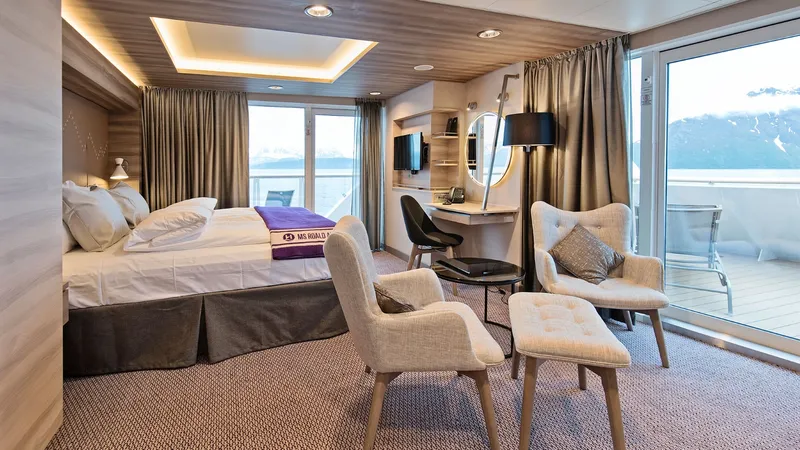
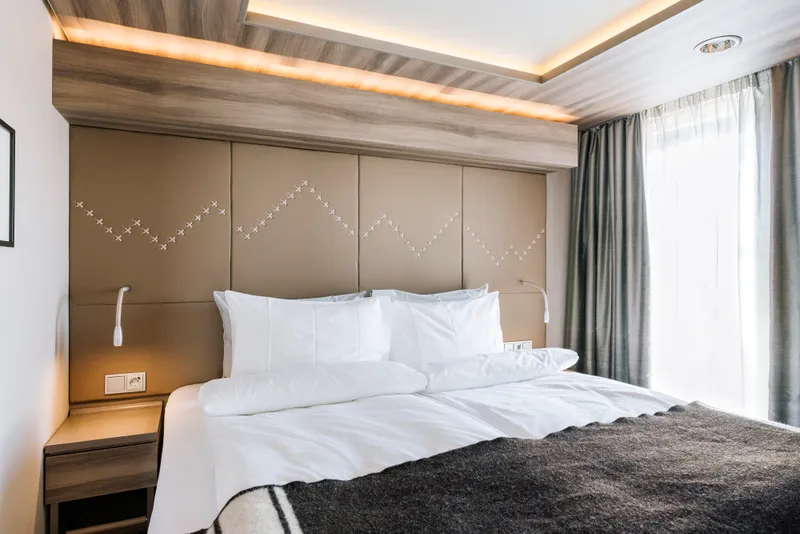
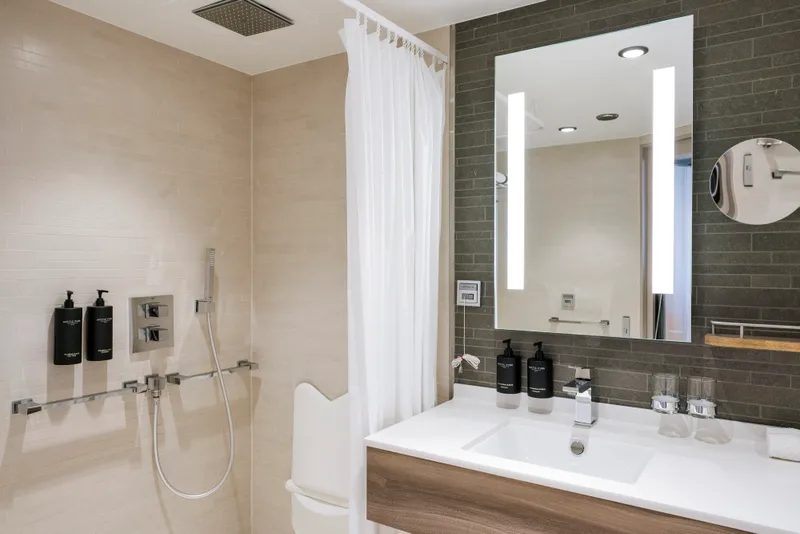
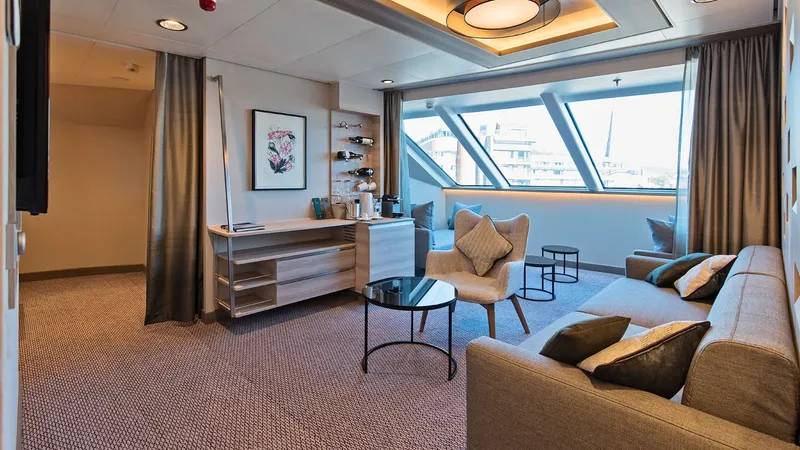
Expedition Corner Suite
Suite
215–322 m²Max 4
MCMF
Corner cabin with large windows. Flexible sleeping arrangements, TV, minibar, bathrobe, kettle, tea and coffee, espresso maker. Without balcony.
22 m2
Window
Bathroom
TV
Double bed
DoubleShowerToiletries ProvidedTVCoffee MachineHair Dryer+5
View Details
Expedition Large Suite
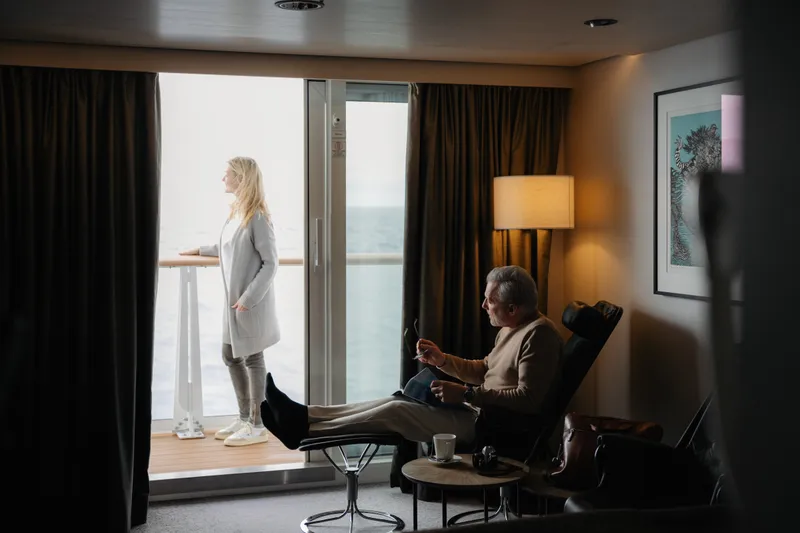
Suite
376 m²Max 4
MD
Large Corner Suite with private balcony, flexible sleeping arrangements, sofabed, TV, minibar, bathrobe, kettle, espresso maker. Adapted for guests with wheelchair.
35 m2
Window
Bathroom
TV
Double bed
Balcony
DoubleSofa BedShowerToiletries ProvidedMini Bar (Additional Cost)TV+2
View Details
Expedition Suite
Suite
236–301 m²Max 4
ME
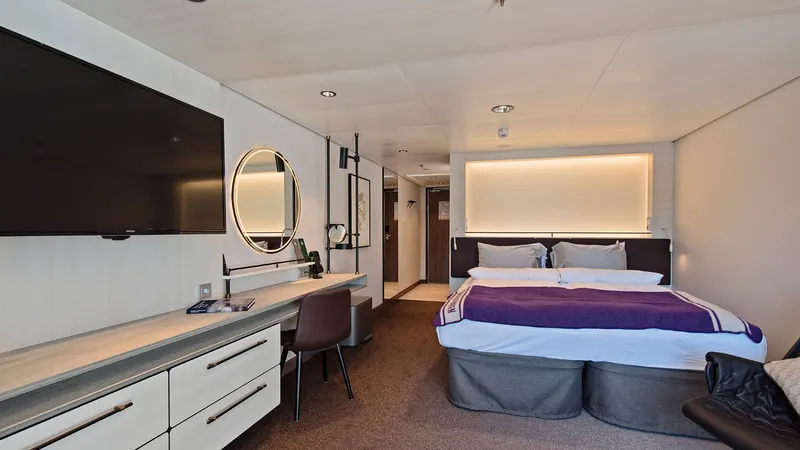
Suites with private balcony, different sizes, top-high decks, flexible sleeping arrangements, some with sofabed, TV, minibar, bathrobe, kettle, tea and coffee, espresso maker.
20 - 28 m2
Window
Bathroom
TV
Double bed
Balcony
DoubleSofa BedShowerToiletries ProvidedMini Bar (Additional Cost)TV+6
View Details


Expedition XL Suite
Suite
474–516 m²Max 4
MAMB
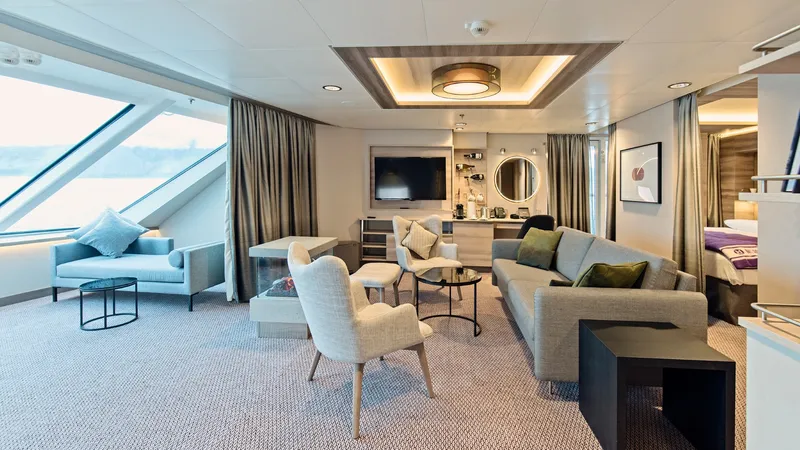
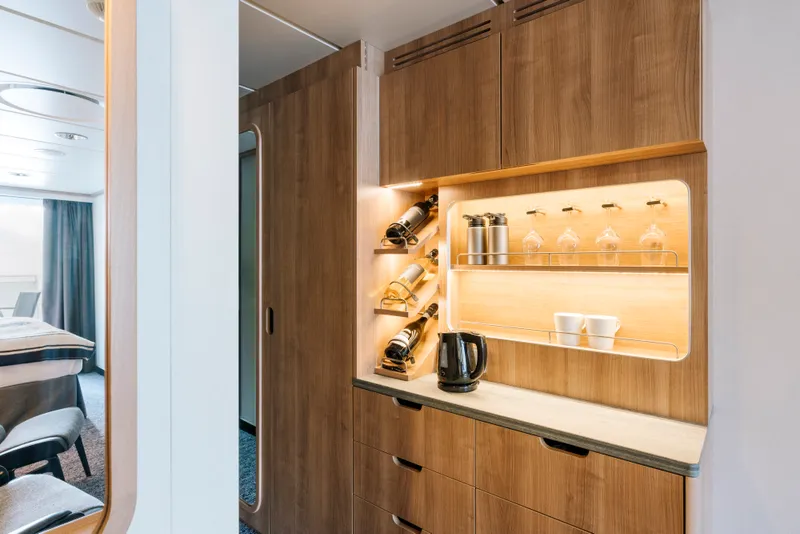
Extra Large Corner Suite with private balcony. Ship’s most spacious cabins with large windows, flexible sleeping arrangements, sofabed, TV, minibar, bathrobe, kettle, tea and coffee, espresso maker.
46 - 48 m2
Window
Bathroom
TV
Double bed
Balcony
Double or Twin ConfigurationLounge AreaShowerWhirlpool BathToiletries ProvidedSuite Benefits+10
View Details
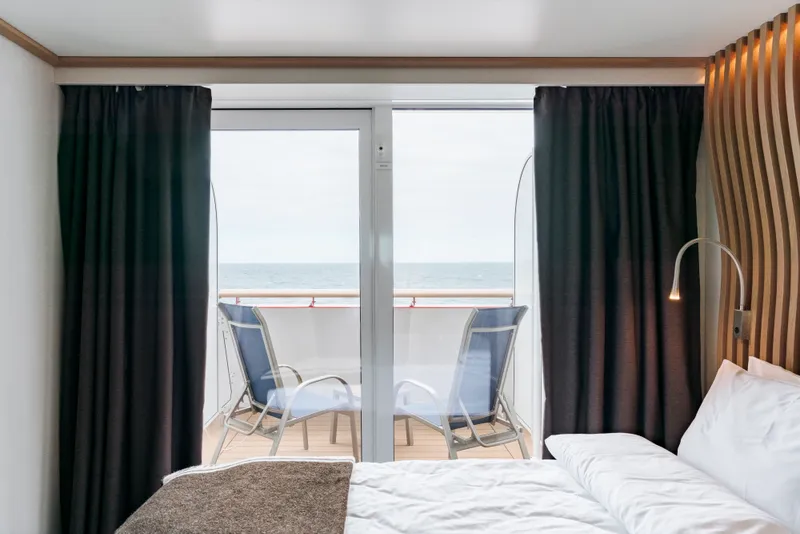
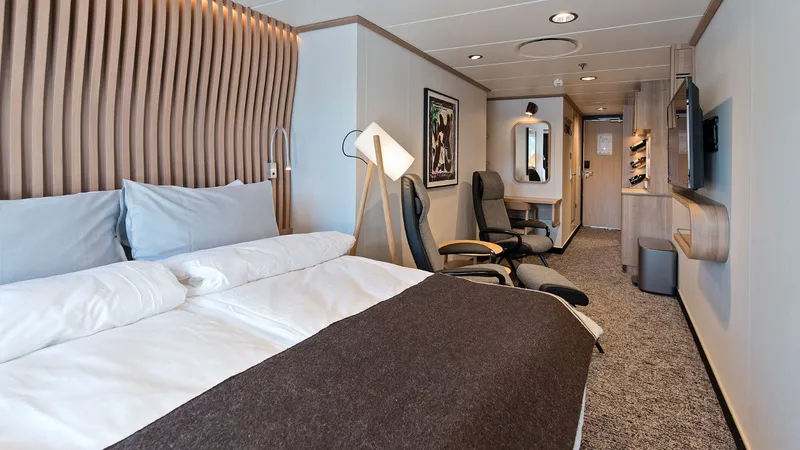
Balcony Cabin
Outside
161–204 m²Max 4
XTXTDXTJXY
Wheelchair-accessible cabin with balcony, double bed.
DoubleSofa BedShowerToiletries ProvidedTVCoffee Machine+8
View Details
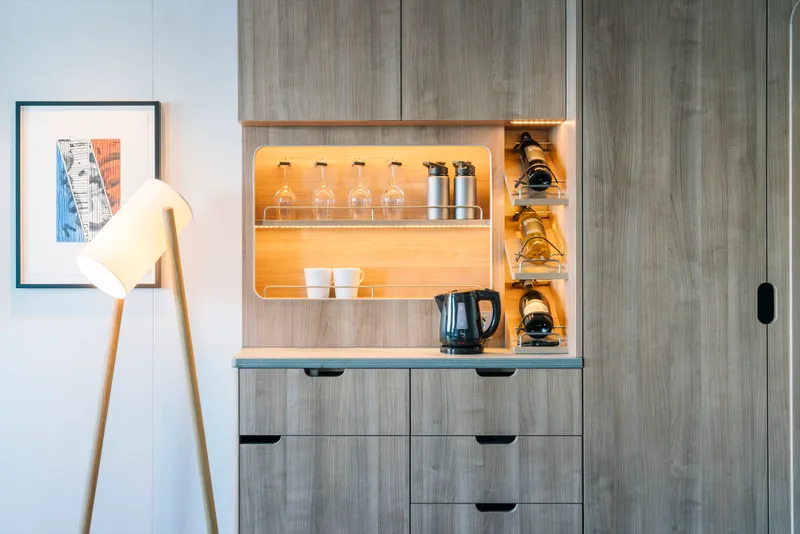
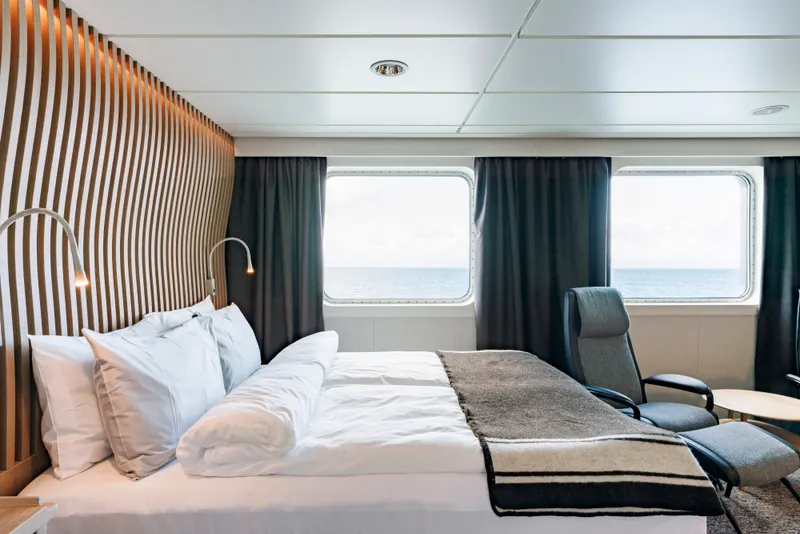
Arctic Superior
Outside
236–290 m²Max 2
TTTY
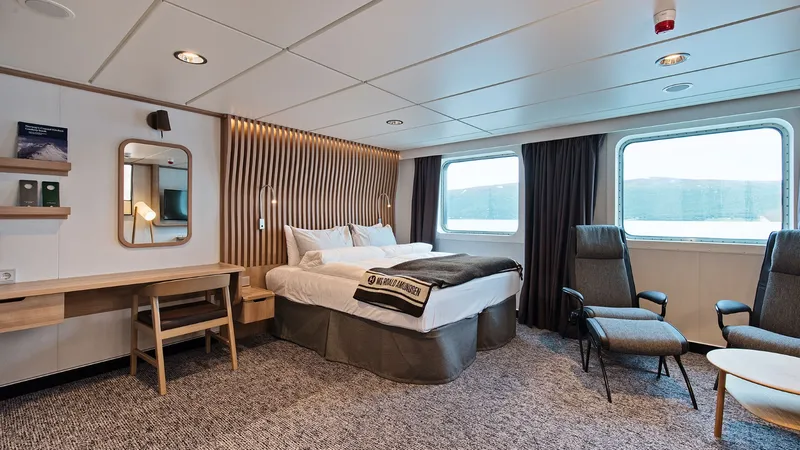
Large accessible cabins without balcony. Middle decks, flexible sleeping arrangements, TV, kettle, tea and coffee.
22 m2
Window
Bathroom
TV
Double bed
DoubleShowerRoom Service AvailableTVSafeHair Dryer+4
View Details
Polar Outside
Outside
204–247 m²Max 4
RRRS
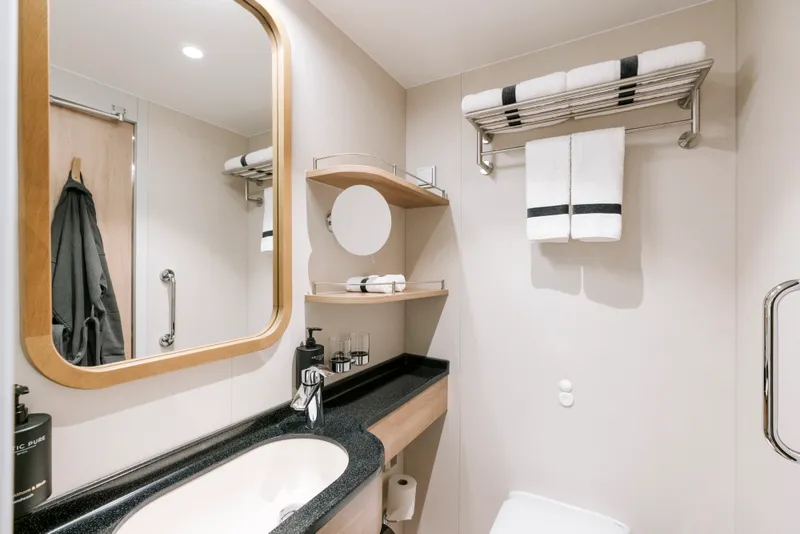
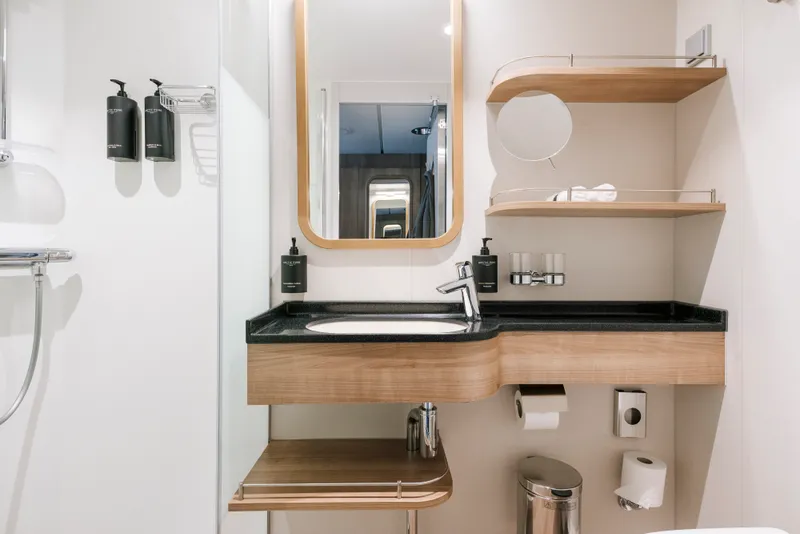
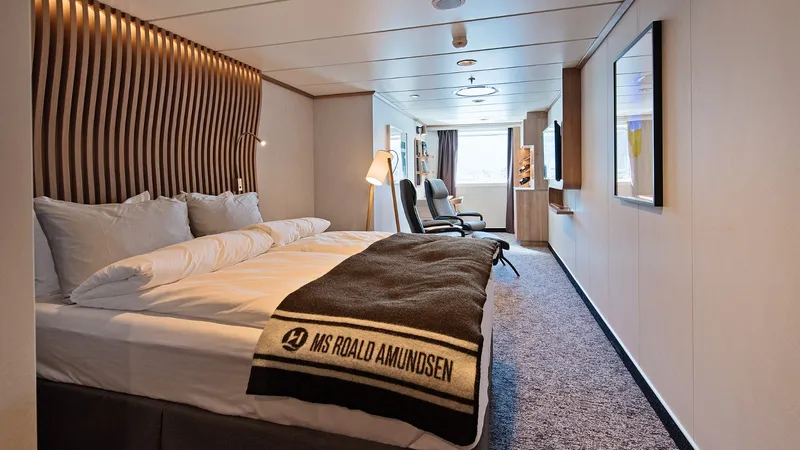
Larger cabins on middle decks. Most 20 square meters, flexible sleeping arrangements, some with sofabed, TV.
19 - 23 m2
Window
Bathroom
TV
Double bed
DoubleTwinSofa BedShowerToiletries ProvidedTV+1
View Details
Interested in This Voyage?
Our cruise specialists can help you find the perfect cabin and the best available pricing.
(+886) 02-2721-7300Contact Advisor