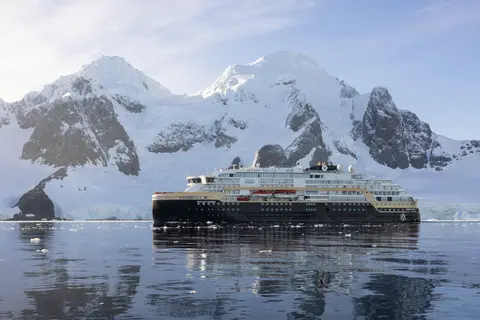
Antarctica & Patagonia Expedition
Date
2027-10-26
Duration
17 nights
Departure Port
Valparaiso
Chile
Arrival Port
Buenos Aires
Argentina
Rating
—
Theme
—
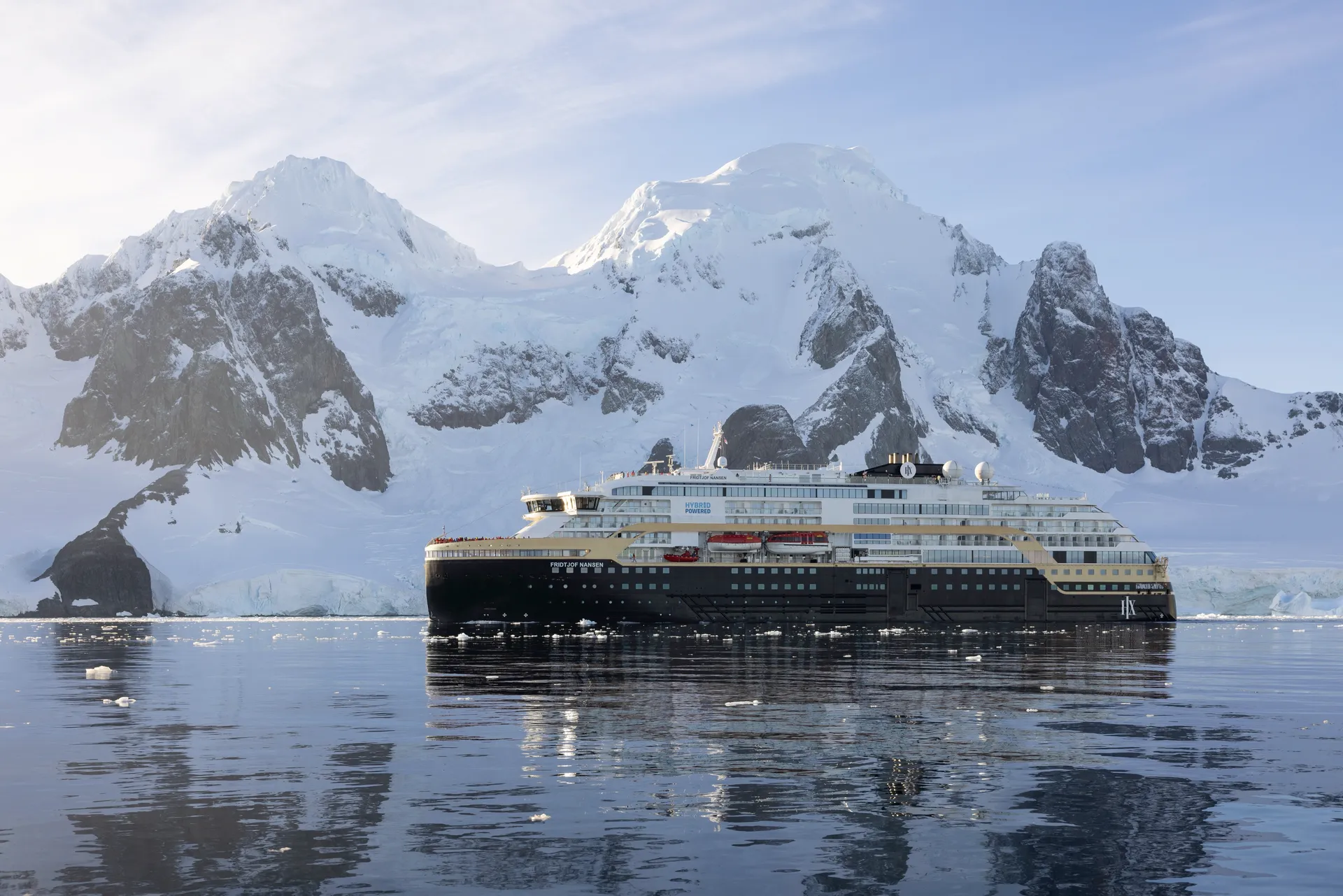
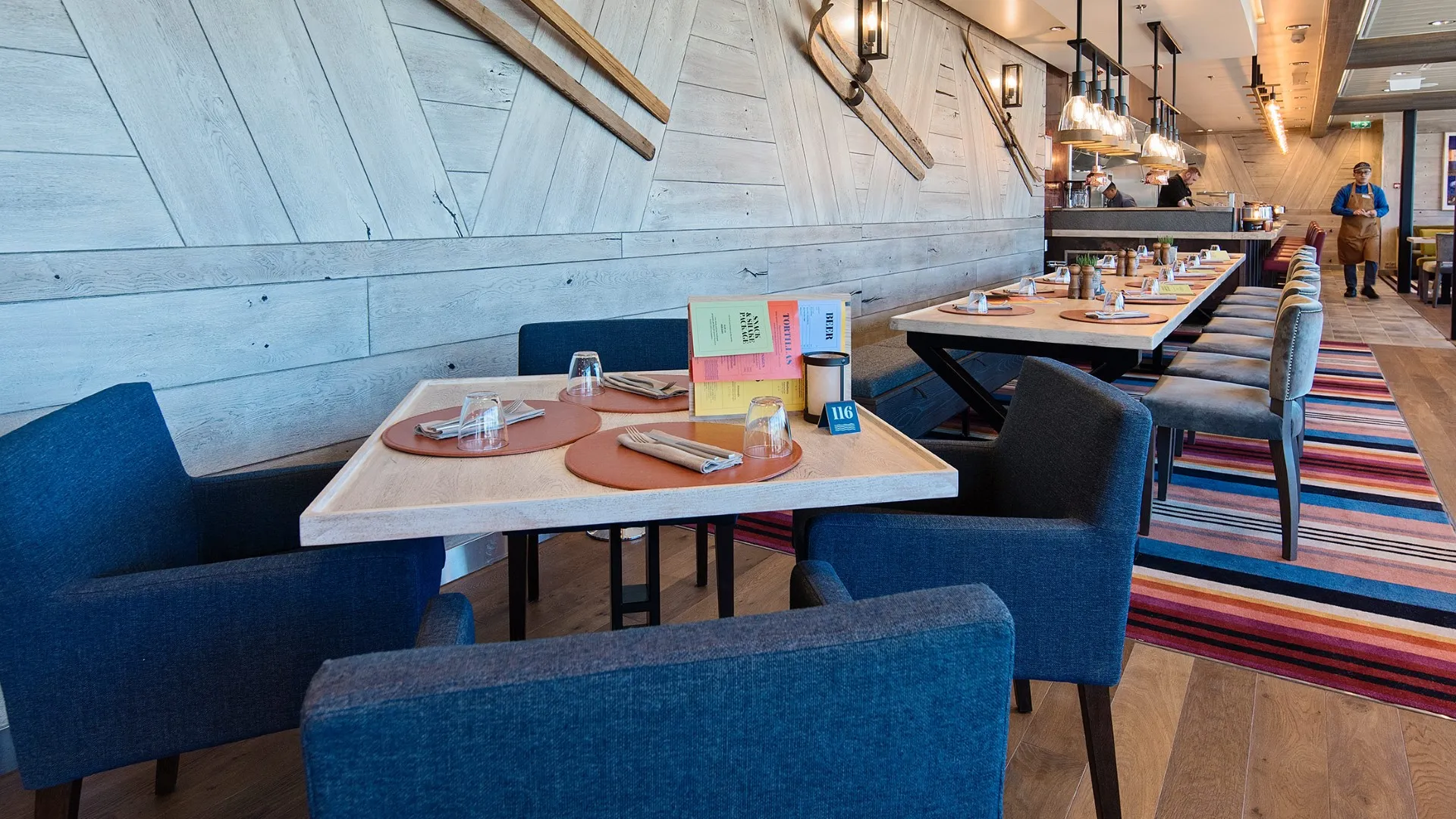
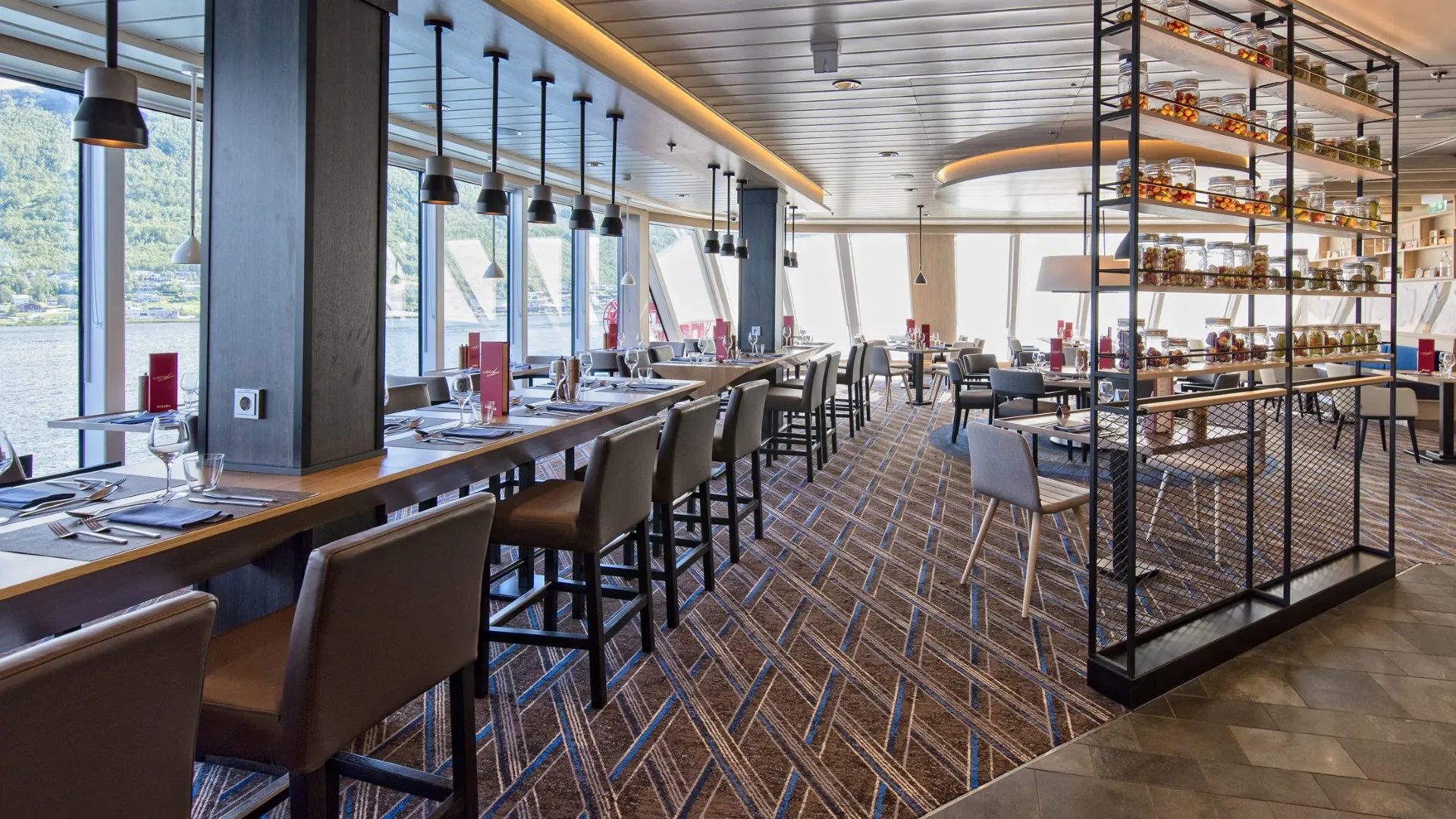
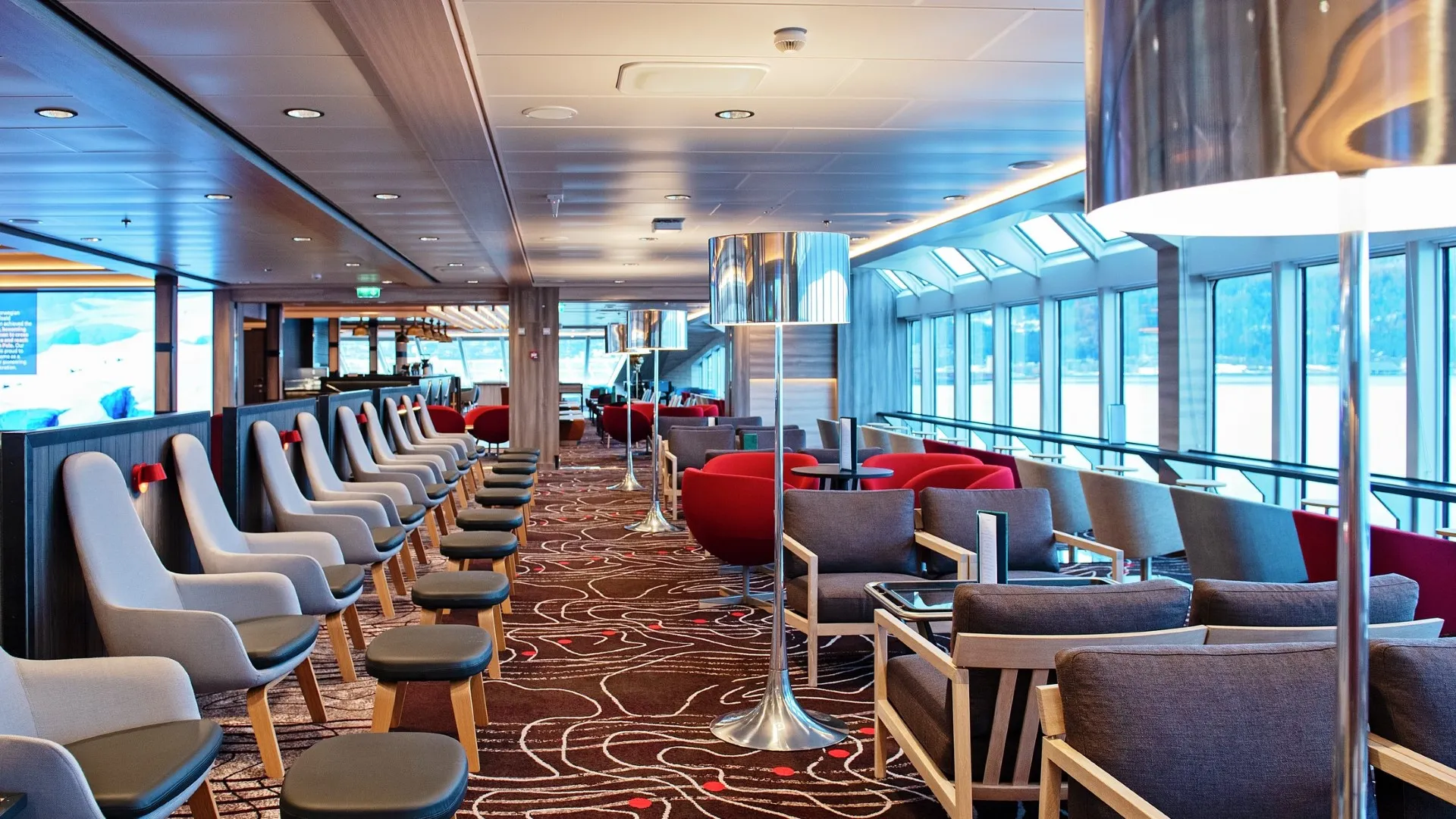
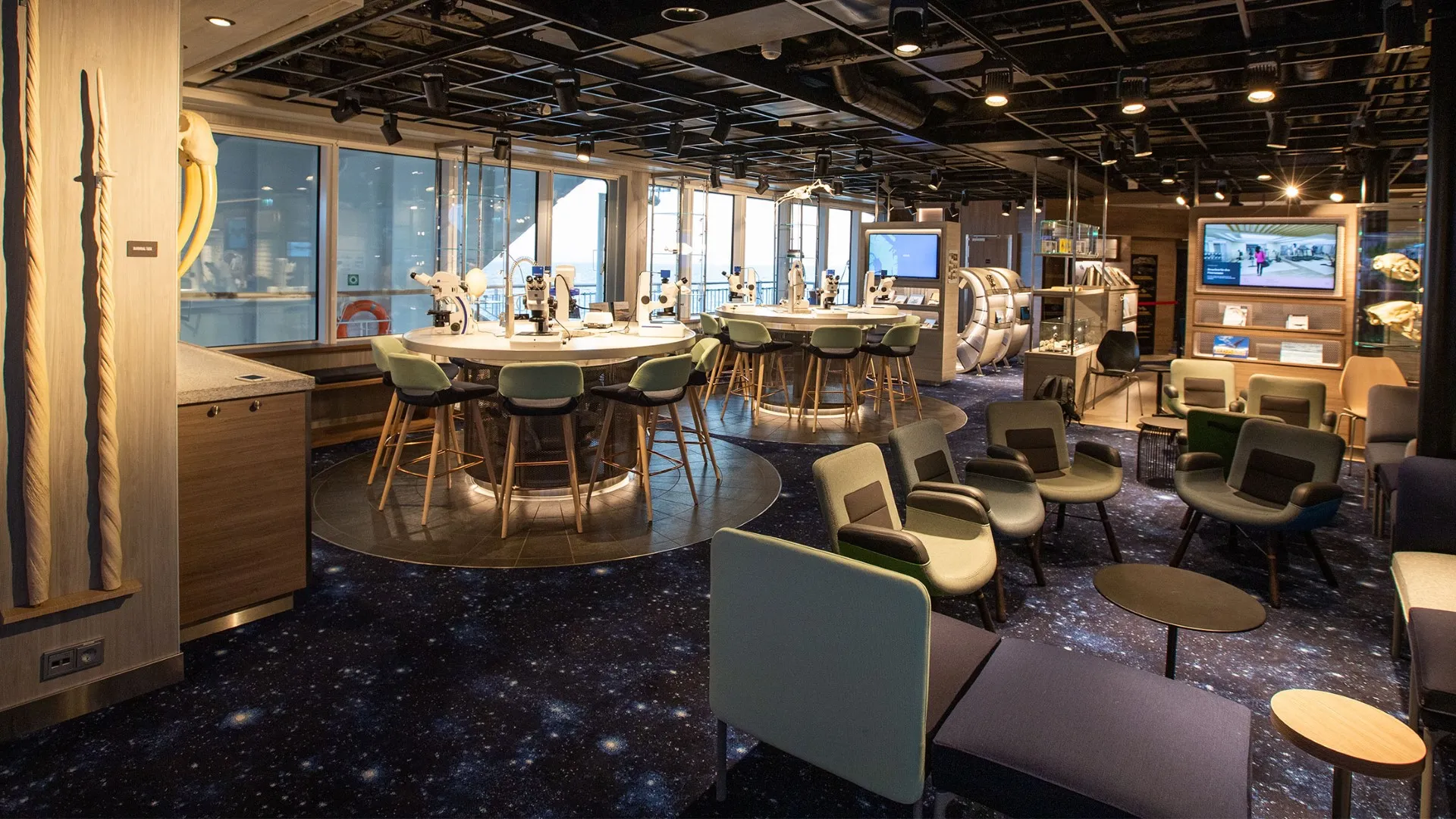
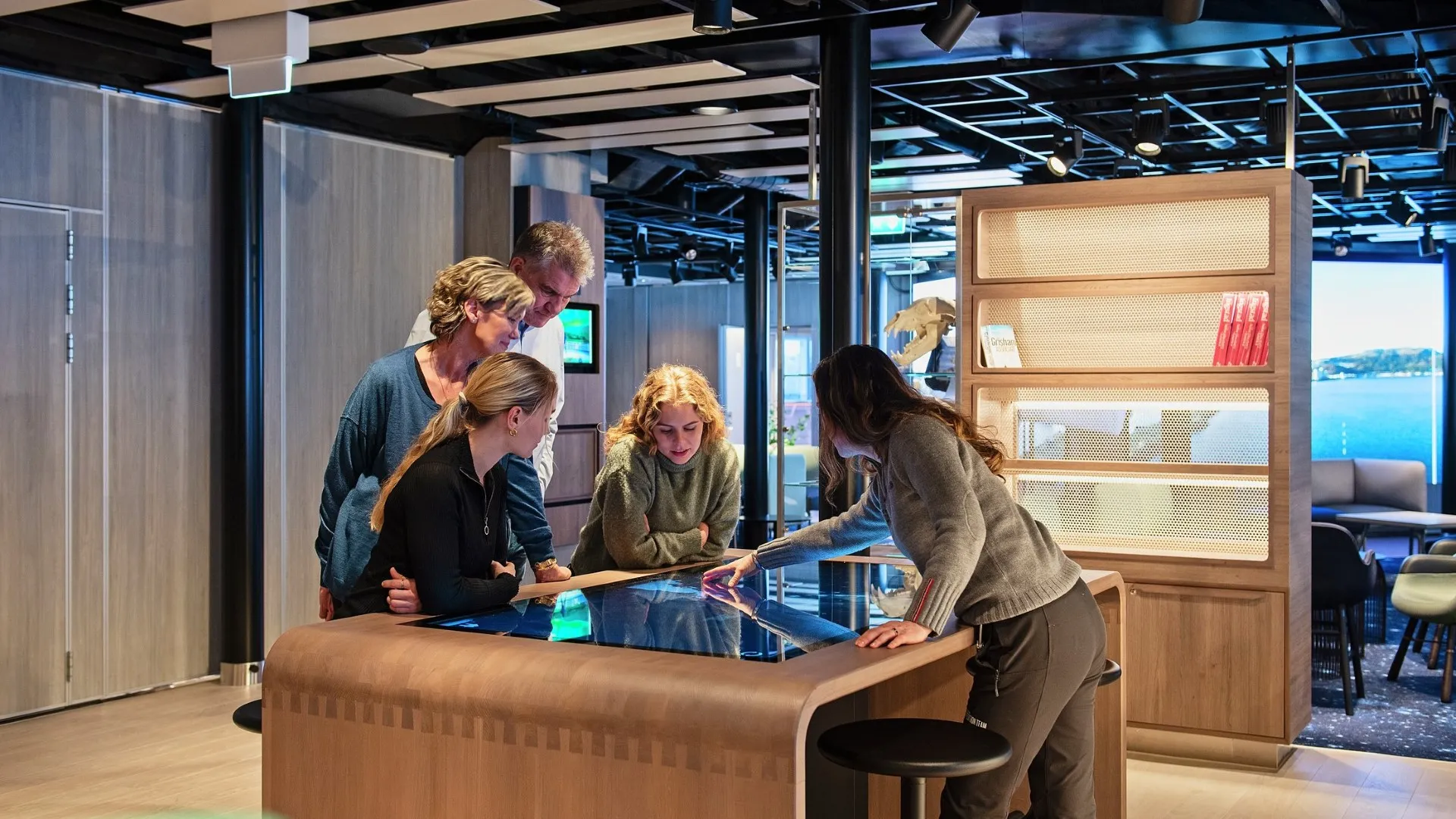
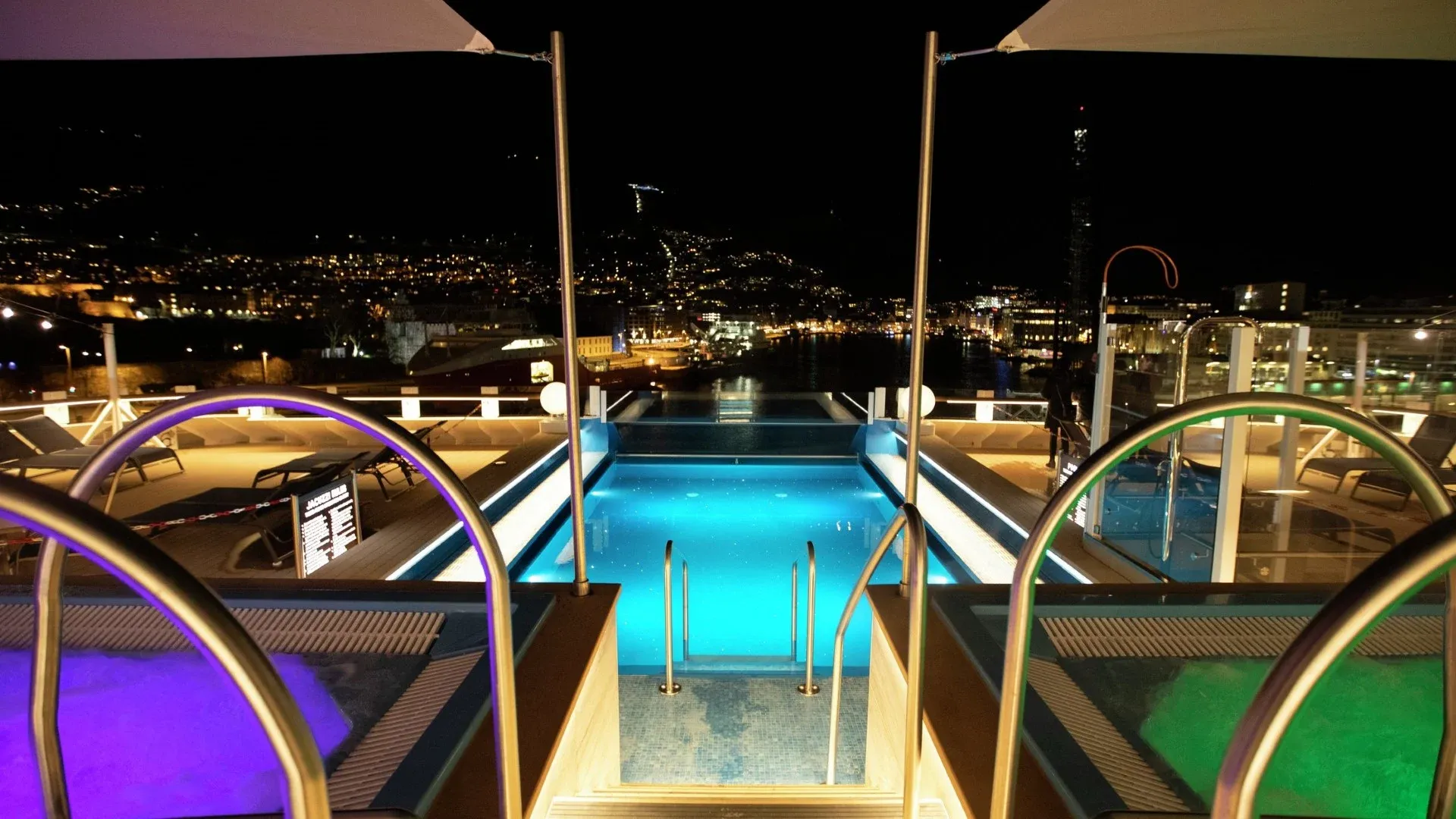
HX Expeditions
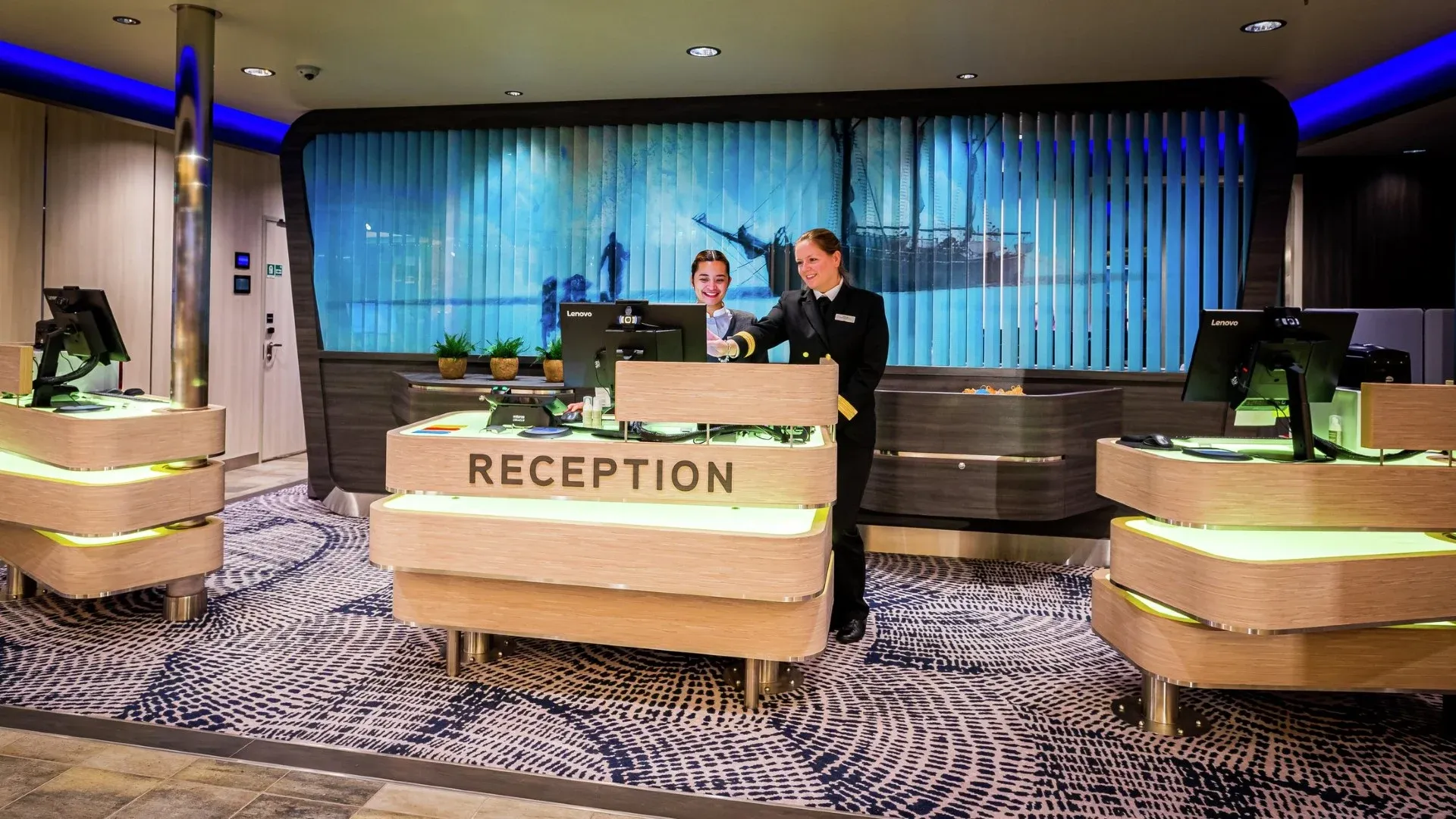
MS Fridtjof Nansen
Launched
2020
Refitted
—
Tonnage
20,889 GT
Passengers
530
Cabins
265
Crew
150
Length
459 m
Width
24 m
Speed
15 knots
Adults Only
No
Itinerary
Day 1
Day 1
Valparaiso
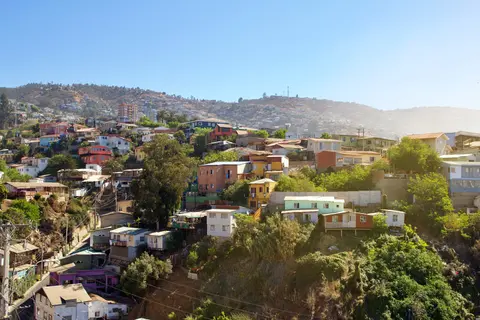
Valparaíso is Chile's UNESCO-listed port city of 42 painted hills, Victorian funicular railways, and one of the world's most spectacular street art scenes, where Pablo Neruda built his hill-top home La Sebastiana. Must-dos include riding the historic ascensores, touring Neruda's house, and feasting on Humboldt Current seafood. October through March offers the warmest, driest weather.
Day 2
Day 2
At Sea
Day 3
Day 3
At Sea
Day 4
Day 4
Castro
Castro, Chile, delivers South America's irresistible combination of dramatic landscapes, vibrant culture, and extraordinary biodiversity. Essential experiences include exploring local markets, tasting the distinctive regional cuisine, and venturing into the surrounding natural environments. Best visited November through February, when the austral summer brings the longest days and mildest conditions. Cruise lines including Azamara feature this port on their most compelling itineraries. Whether you have a few hours or a full day, the port rewards exploration at every pace and in every direction.
Day 5
Day 5
Chilean Fjords
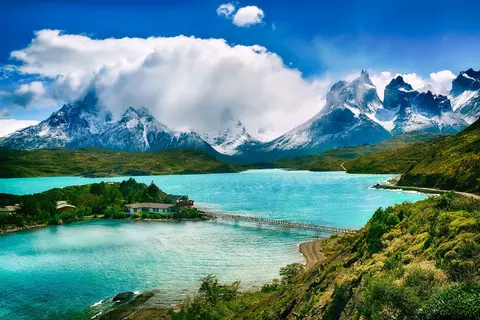
The Chilean Fjords are a 1,600-kilometer wilderness of glaciers, temperate rainforest, and channels along Patagonia's coast, where tidewater glaciers calve into jade-green waters and Magellanic penguins, condors, and dolphins thrive in one of Earth's last great frontiers. Must-dos include glacier viewing, wildlife observation from the deck, and transiting the Beagle Channel. December through February offers the longest days and mildest conditions in this notoriously unpredictable climate.
Day 6
Day 6
Tortel
Caleta Tortel is a unique Patagonian village built entirely on elevated wooden walkways through temperate rainforest at the mouth of Chile's Baker River, with no conventional streets. Must-dos include strolling the seven kilometres of cypress boardwalks, taking a boat excursion to the Jorge Montt Glacier, and tasting fresh centolla king crab. November through March offers the best conditions, though rain gear is essential in this gloriously wet corner of Patagonia.
Day 7
Day 7
Chilean Fjords
The Chilean Fjords are a 1,600-kilometer wilderness of glaciers, temperate rainforest, and channels along Patagonia's coast, where tidewater glaciers calve into jade-green waters and Magellanic penguins, condors, and dolphins thrive in one of Earth's last great frontiers. Must-dos include glacier viewing, wildlife observation from the deck, and transiting the Beagle Channel. December through February offers the longest days and mildest conditions in this notoriously unpredictable climate.
Day 9
Day 9
Chilean Fjords
The Chilean Fjords are a 1,600-kilometer wilderness of glaciers, temperate rainforest, and channels along Patagonia's coast, where tidewater glaciers calve into jade-green waters and Magellanic penguins, condors, and dolphins thrive in one of Earth's last great frontiers. Must-dos include glacier viewing, wildlife observation from the deck, and transiting the Beagle Channel. December through February offers the longest days and mildest conditions in this notoriously unpredictable climate.
Day 10
Day 10
Drake Passage
Day 12
Day 12
Antarctic Peninsula
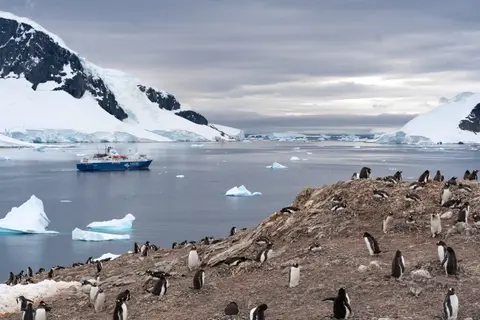
The Antarctic Peninsula, that dramatic arc of rock and ice reaching toward South America, remains one of Earth's last true wildernesses — governed by international treaty and unchanged since the heroic age of Shackleton and Amundsen. Towering glaciers calve icebergs the size of cathedrals into mirror-calm fjords; colonies of hundreds of thousands of penguins line volcanic black-sand beaches; humpback whales breach at improbable distances from Zodiac boats. November through March is the expedition season, with peak wildlife encounters from December to February. A voyage here is not merely travel — it is a transformation, a reckoning with scale and silence that stays with you for life.
Day 14
Day 14
Antarctic Peninsula
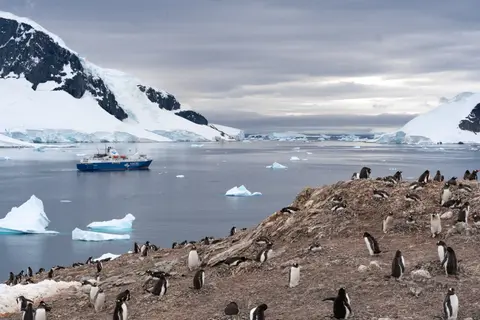
The Antarctic Peninsula, that dramatic arc of rock and ice reaching toward South America, remains one of Earth's last true wildernesses — governed by international treaty and unchanged since the heroic age of Shackleton and Amundsen. Towering glaciers calve icebergs the size of cathedrals into mirror-calm fjords; colonies of hundreds of thousands of penguins line volcanic black-sand beaches; humpback whales breach at improbable distances from Zodiac boats. November through March is the expedition season, with peak wildlife encounters from December to February. A voyage here is not merely travel — it is a transformation, a reckoning with scale and silence that stays with you for life.
Day 16
Day 16
Ushuaia
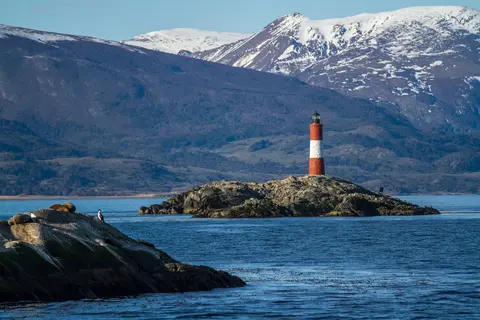
Ushuaia, the southernmost city in the world, is a captivating blend of history, vibrant culture, and natural beauty, making it a unique port of call in Argentina. Must-do experiences include savoring local delicacies like centolla and exploring the breathtaking landscapes of nearby Los Glaciares National Park. The best time to visit is during the summer months of December to March, when the weather is mild, and the scenery is at its most stunning.
Day 18
Day 18
Buenos Aires
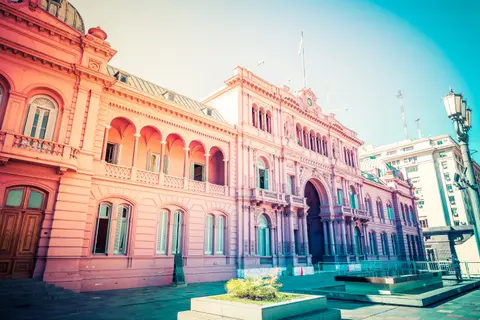
Twice-founded and once the wealthiest city in Latin America, Buenos Aires seduces with the world-class acoustics of the Teatro Colón, the ritual theatre of a wood-fire asado at a San Telmo parrilla, and the cobblestoned milongas where tango was born and where it burns still. Cross the estuary to UNESCO-listed Colonia del Sacramento or head south toward the glaciers of Patagonia. As South America's premier cruise hub for Antarctic expeditions and round-the-continent voyages, the city is most inviting from November through March.
Day 1
Valparaiso
Valparaíso is Chile's UNESCO-listed port city of 42 painted hills, Victorian funicular railways, and one of the world's most spectacular street art scenes, where Pablo Neruda built his hill-top home La Sebastiana. Must-dos include riding the historic ascensores, touring Neruda's house, and feasting on Humboldt Current seafood. October through March offers the warmest, driest weather.
Day 2
At Sea
Day 3
At Sea
Day 4
Castro
Castro, Chile, delivers South America's irresistible combination of dramatic landscapes, vibrant culture, and extraordinary biodiversity. Essential experiences include exploring local markets, tasting the distinctive regional cuisine, and venturing into the surrounding natural environments. Best visited November through February, when the austral summer brings the longest days and mildest conditions. Cruise lines including Azamara feature this port on their most compelling itineraries. Whether you have a few hours or a full day, the port rewards exploration at every pace and in every direction.
Day 5
Chilean Fjords
The Chilean Fjords are a 1,600-kilometer wilderness of glaciers, temperate rainforest, and channels along Patagonia's coast, where tidewater glaciers calve into jade-green waters and Magellanic penguins, condors, and dolphins thrive in one of Earth's last great frontiers. Must-dos include glacier viewing, wildlife observation from the deck, and transiting the Beagle Channel. December through February offers the longest days and mildest conditions in this notoriously unpredictable climate.
Day 6
Tortel
Caleta Tortel is a unique Patagonian village built entirely on elevated wooden walkways through temperate rainforest at the mouth of Chile's Baker River, with no conventional streets. Must-dos include strolling the seven kilometres of cypress boardwalks, taking a boat excursion to the Jorge Montt Glacier, and tasting fresh centolla king crab. November through March offers the best conditions, though rain gear is essential in this gloriously wet corner of Patagonia.
Day 7
Chilean Fjords
The Chilean Fjords are a 1,600-kilometer wilderness of glaciers, temperate rainforest, and channels along Patagonia's coast, where tidewater glaciers calve into jade-green waters and Magellanic penguins, condors, and dolphins thrive in one of Earth's last great frontiers. Must-dos include glacier viewing, wildlife observation from the deck, and transiting the Beagle Channel. December through February offers the longest days and mildest conditions in this notoriously unpredictable climate.
Day 9
Chilean Fjords
The Chilean Fjords are a 1,600-kilometer wilderness of glaciers, temperate rainforest, and channels along Patagonia's coast, where tidewater glaciers calve into jade-green waters and Magellanic penguins, condors, and dolphins thrive in one of Earth's last great frontiers. Must-dos include glacier viewing, wildlife observation from the deck, and transiting the Beagle Channel. December through February offers the longest days and mildest conditions in this notoriously unpredictable climate.
Day 10
Drake Passage
Day 12
Antarctic Peninsula
The Antarctic Peninsula, that dramatic arc of rock and ice reaching toward South America, remains one of Earth's last true wildernesses — governed by international treaty and unchanged since the heroic age of Shackleton and Amundsen. Towering glaciers calve icebergs the size of cathedrals into mirror-calm fjords; colonies of hundreds of thousands of penguins line volcanic black-sand beaches; humpback whales breach at improbable distances from Zodiac boats. November through March is the expedition season, with peak wildlife encounters from December to February. A voyage here is not merely travel — it is a transformation, a reckoning with scale and silence that stays with you for life.
Day 14
Antarctic Peninsula
The Antarctic Peninsula, that dramatic arc of rock and ice reaching toward South America, remains one of Earth's last true wildernesses — governed by international treaty and unchanged since the heroic age of Shackleton and Amundsen. Towering glaciers calve icebergs the size of cathedrals into mirror-calm fjords; colonies of hundreds of thousands of penguins line volcanic black-sand beaches; humpback whales breach at improbable distances from Zodiac boats. November through March is the expedition season, with peak wildlife encounters from December to February. A voyage here is not merely travel — it is a transformation, a reckoning with scale and silence that stays with you for life.
Day 16
Ushuaia
Ushuaia, the southernmost city in the world, is a captivating blend of history, vibrant culture, and natural beauty, making it a unique port of call in Argentina. Must-do experiences include savoring local delicacies like centolla and exploring the breathtaking landscapes of nearby Los Glaciares National Park. The best time to visit is during the summer months of December to March, when the weather is mild, and the scenery is at its most stunning.
Day 18
Buenos Aires
Twice-founded and once the wealthiest city in Latin America, Buenos Aires seduces with the world-class acoustics of the Teatro Colón, the ritual theatre of a wood-fire asado at a San Telmo parrilla, and the cobblestoned milongas where tango was born and where it burns still. Cross the estuary to UNESCO-listed Colonia del Sacramento or head south toward the glaciers of Patagonia. As South America's premier cruise hub for Antarctic expeditions and round-the-continent voyages, the city is most inviting from November through March.
Cabin Categories


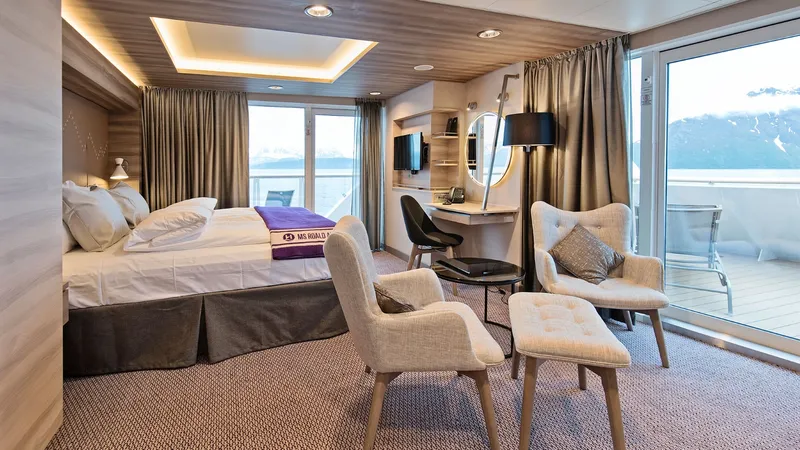
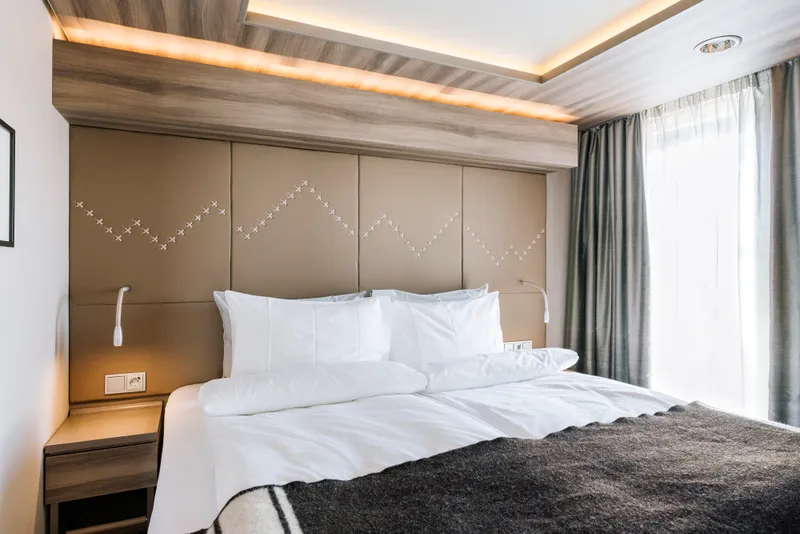
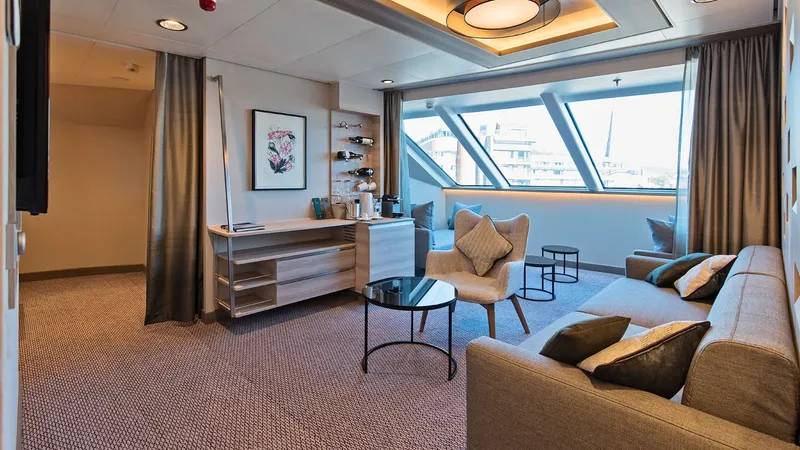
Expedition Corner Suite
Suite
215–322 m²Max 4
MCMF
Corner cabin with large windows. Flexible sleeping arrangements, TV, minibar, bathrobe, kettle, tea and coffee, espresso maker. Without balcony.
22 m2
Window
Bathroom
TV
Double bed
DoubleShowerToiletries ProvidedTVCoffee MachineHair Dryer+5
View Details

Expedition Large Suite
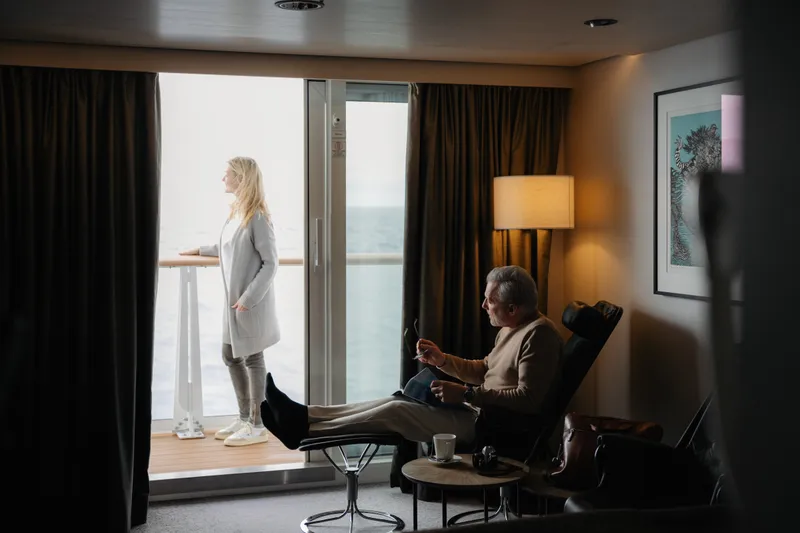
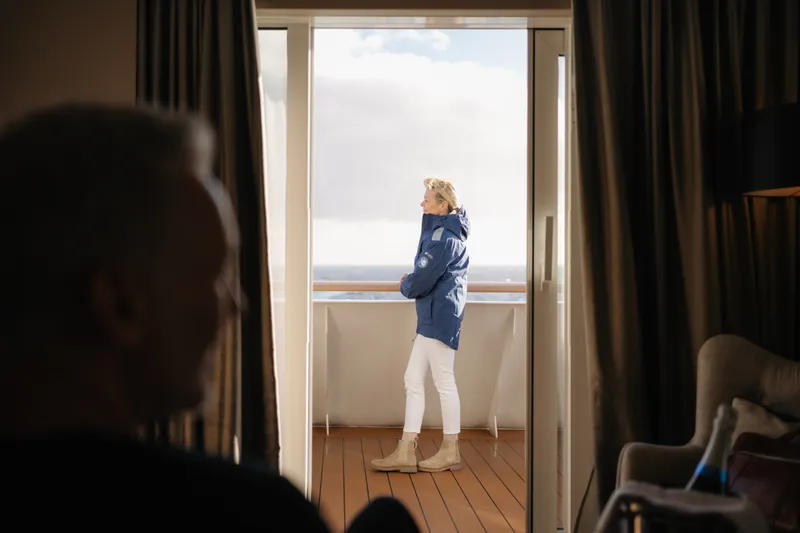
Suite
376 m²Max 4
MD
Large Corner Suite with private balcony, flexible sleeping arrangements, sofabed, TV, minibar, bathrobe, kettle, espresso maker. Adapted for guests with wheelchair.
35 m2
Window
Bathroom
TV
Double bed
Balcony
DoubleSofa BedShowerToiletries ProvidedMini Bar (Additional Cost)TV+2
View Details
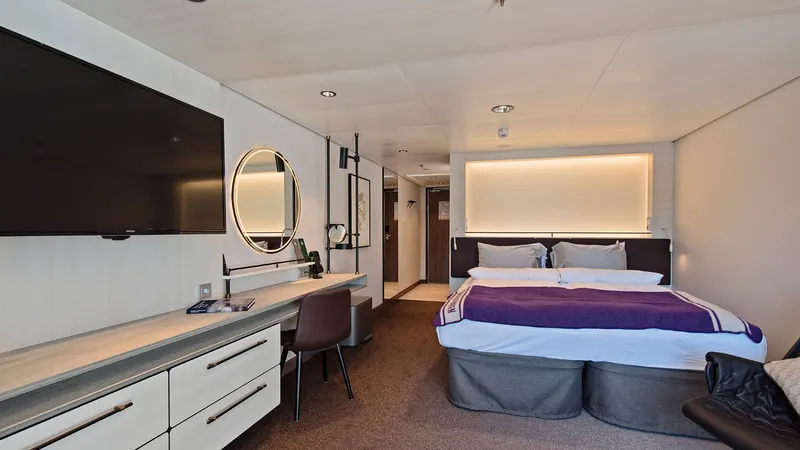
Expedition Suite
Suite
236–301 m²Max 4
ME
Suites with private balcony, different sizes, top-high decks, flexible sleeping arrangements, some with sofabed, TV, minibar, bathrobe, kettle, tea and coffee, espresso maker.
20 - 28 m2
Window
Bathroom
TV
Double bed
Balcony
DoubleSofa BedShowerToiletries ProvidedMini Bar (Additional Cost)TV+6
View Details


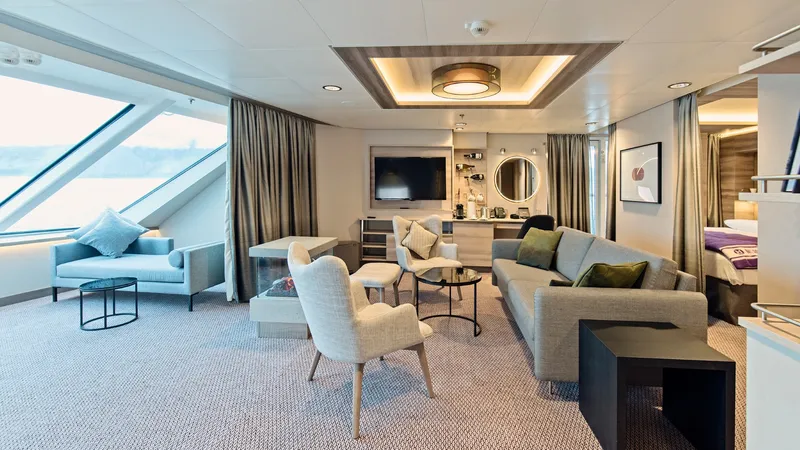
Expedition XL Suite
Suite
474–516 m²Max 4
MAMB
Extra Large Corner Suite with private balcony. Ship’s most spacious cabins with large windows, flexible sleeping arrangements, sofabed, TV, minibar, bathrobe, kettle, tea and coffee, espresso maker.
46 - 48 m2
Window
Bathroom
TV
Double bed
Balcony
Double or Twin ConfigurationLounge AreaShowerWhirlpool BathToiletries ProvidedSuite Benefits+10
View Details
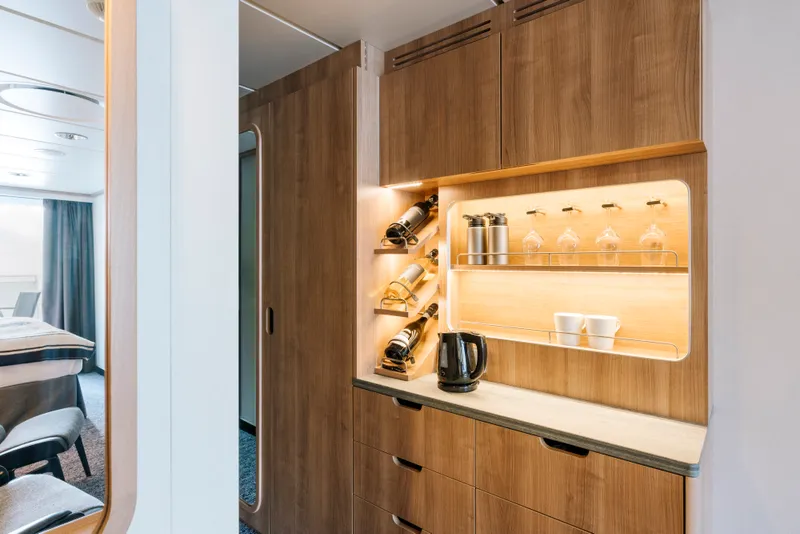
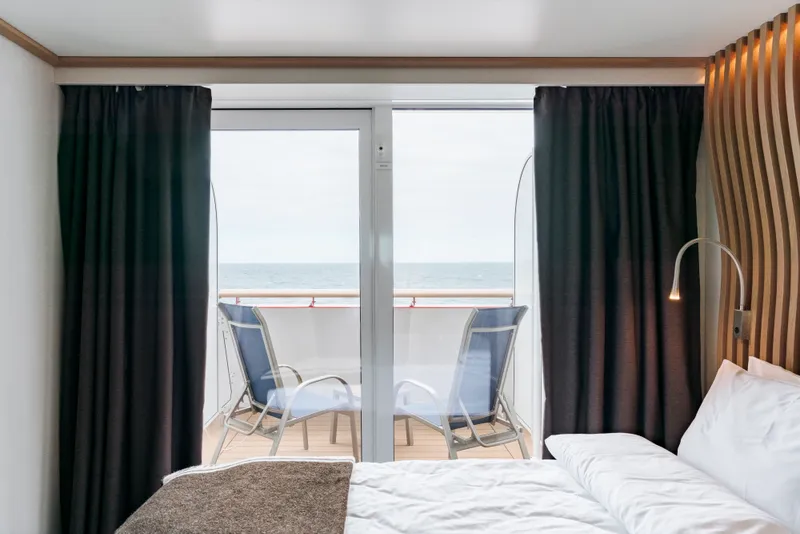
Balcony Cabin
Outside
161–204 m²Max 4
XTXTDXTJXY
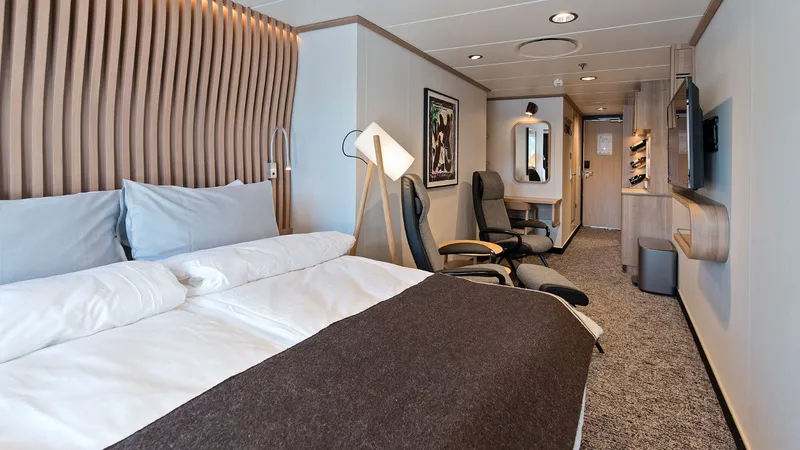
Wheelchair-accessible cabin with balcony, double bed.
DoubleSofa BedShowerToiletries ProvidedTVCoffee Machine+8
View Details
Arctic Superior
Outside
236–290 m²Max 2
TTTY
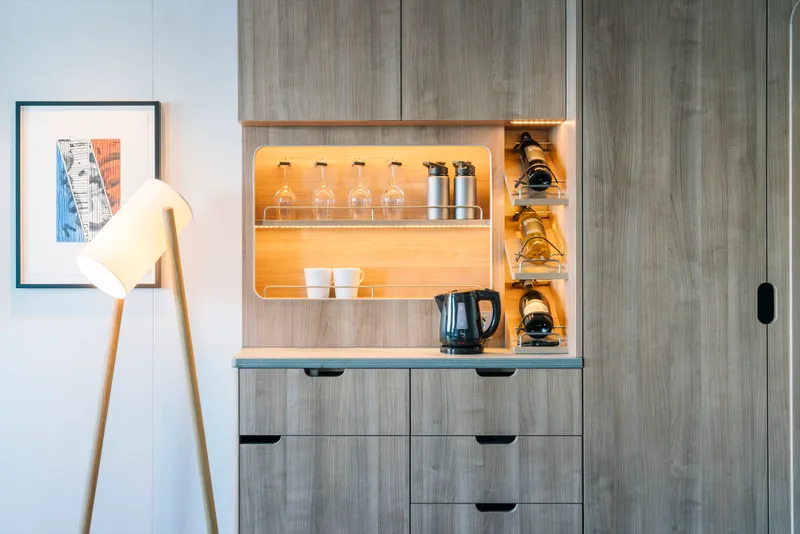
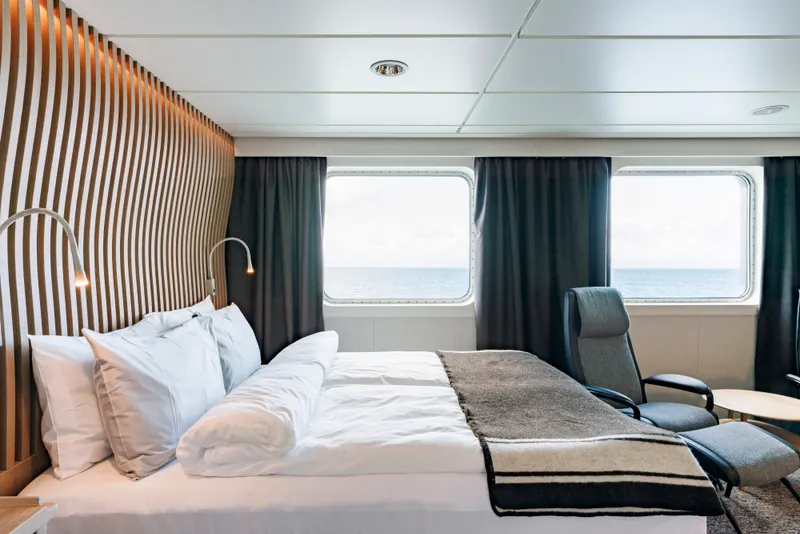
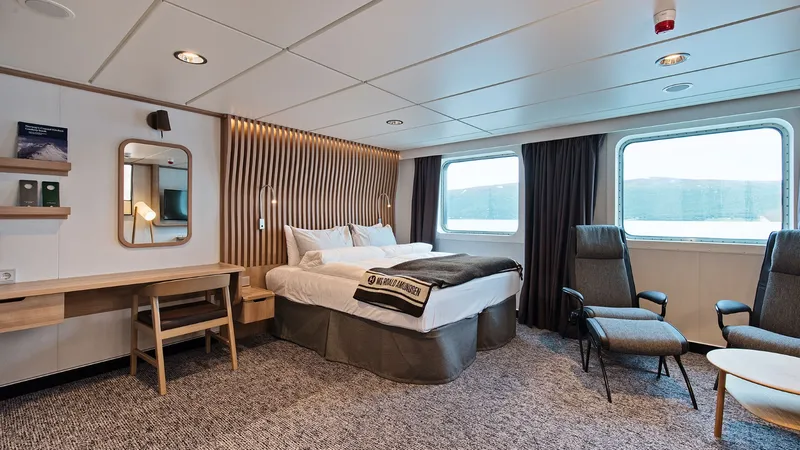
Large accessible cabins without balcony. Middle decks, flexible sleeping arrangements, TV, kettle, tea and coffee.
22 m2
Window
Bathroom
TV
Double bed
DoubleShowerRoom Service AvailableTVSafeHair Dryer+4
View Details
Polar Outside
Outside
204–247 m²Max 4
RRRS
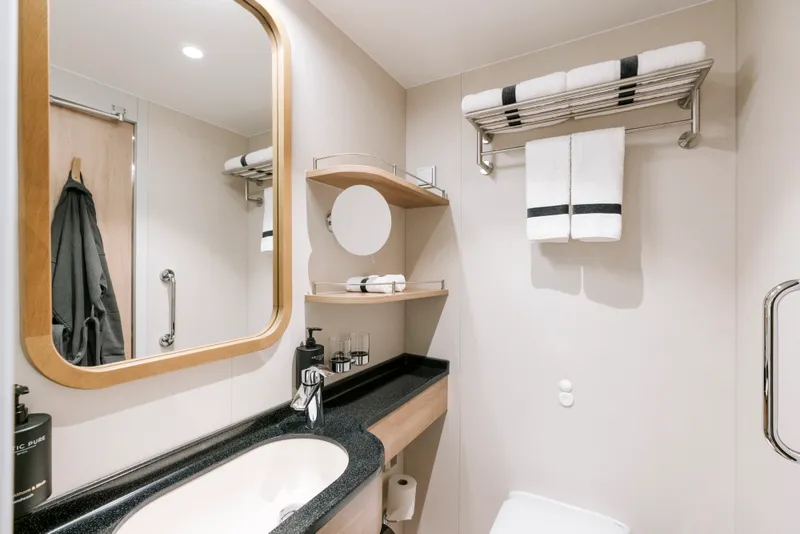
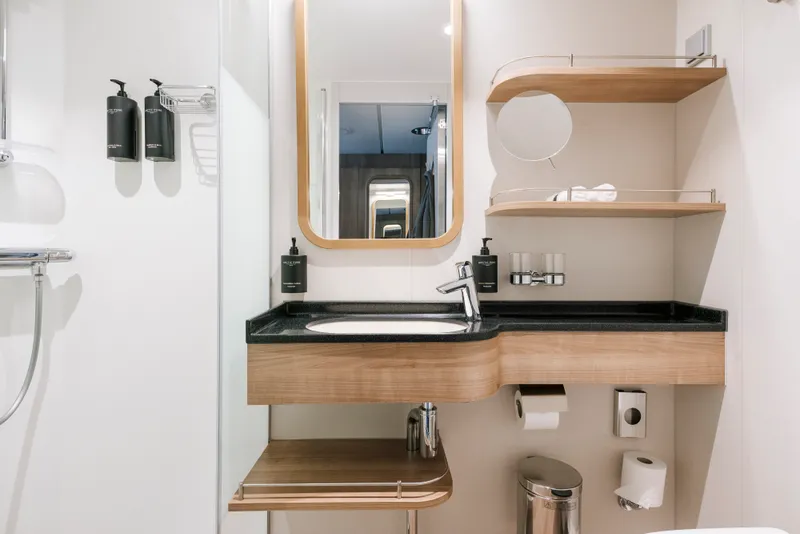
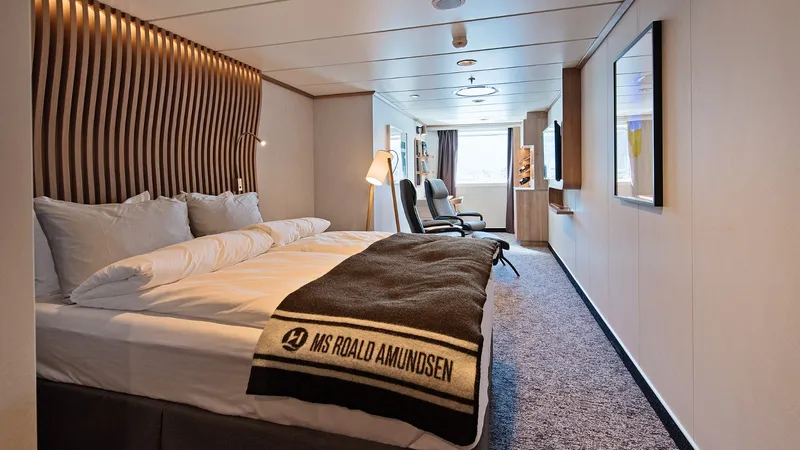
Larger cabins on middle decks. Most 20 square meters, flexible sleeping arrangements, some with sofabed, TV.
19 - 23 m2
Window
Bathroom
TV
Double bed
DoubleTwinSofa BedShowerToiletries ProvidedTV+1
View Details
Interested in This Voyage?
Our cruise specialists can help you find the perfect cabin and the best available pricing.
(+886) 02-2721-7300Contact Advisor