HX ExpeditionsGOH-GOH-0-AMCAN2608C
Arctic Canada and Greenland Expedition
Date
2026-09-02
Duration
20 nights
Departure Port
Reykjavik
Iceland
Arrival Port
Reykjavik
Iceland
Rating
Expedition
Theme
—
HX Expeditions
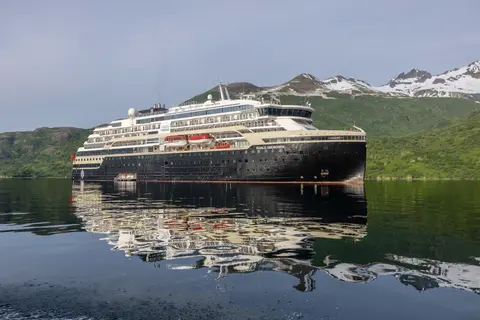
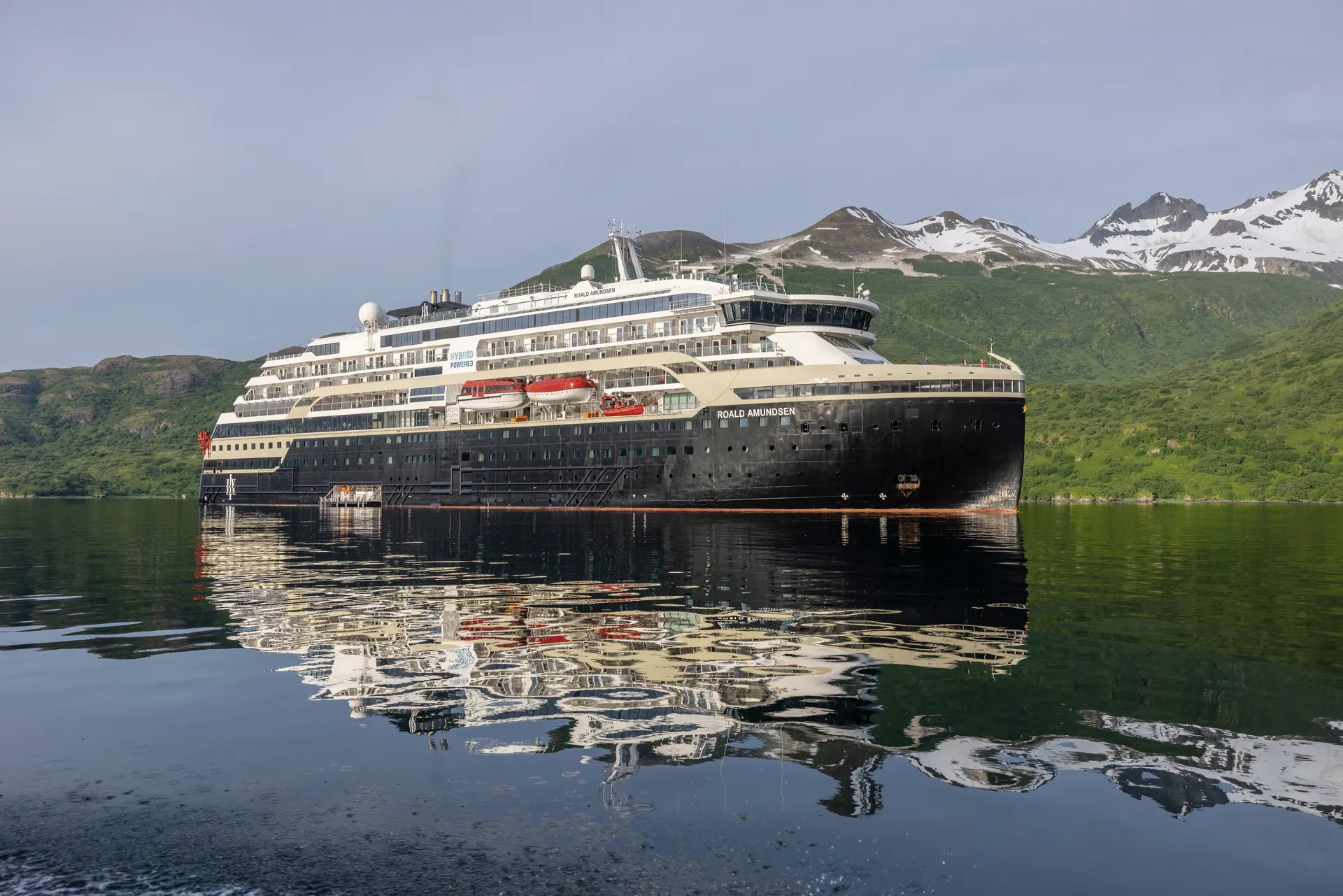
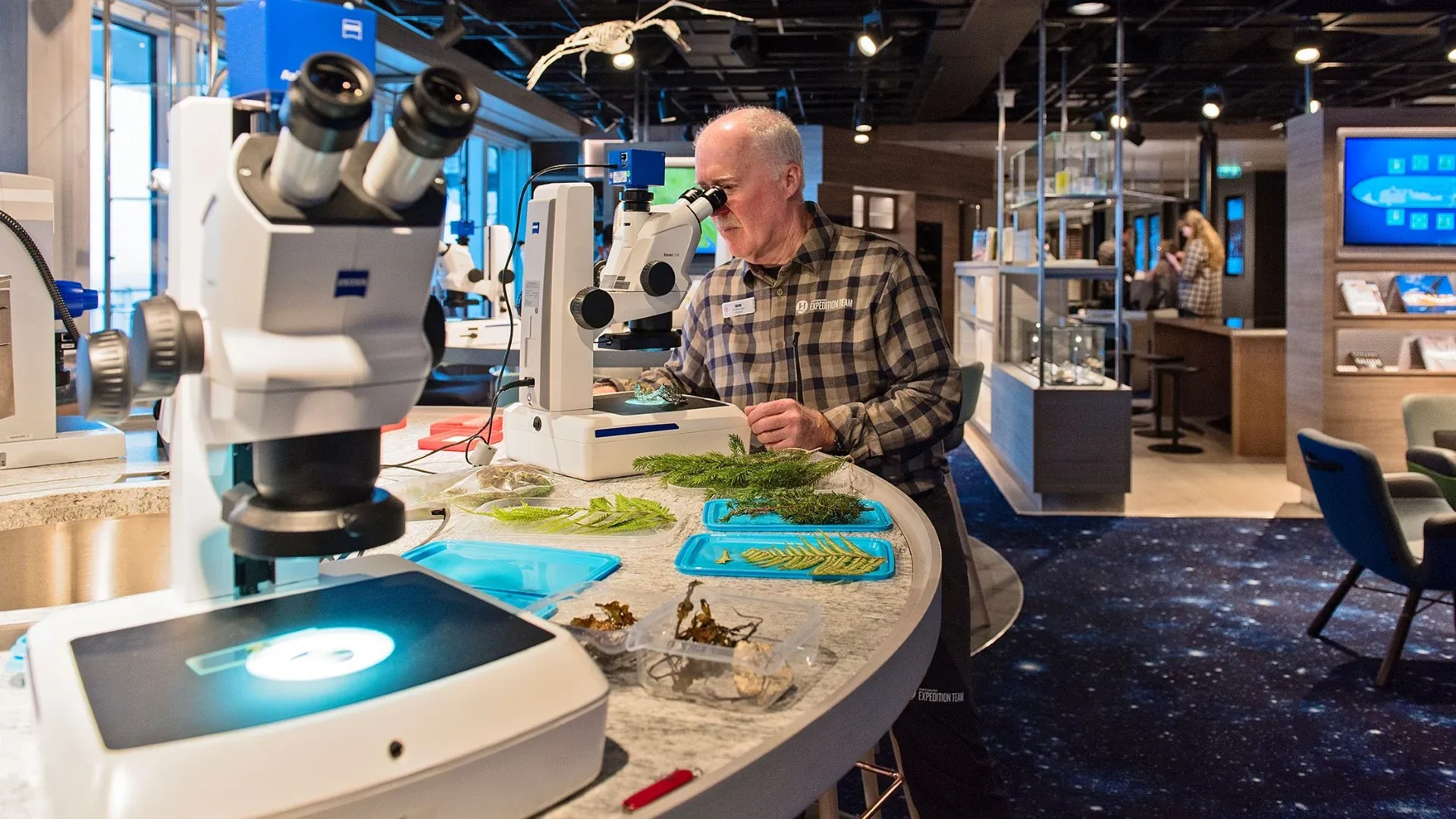
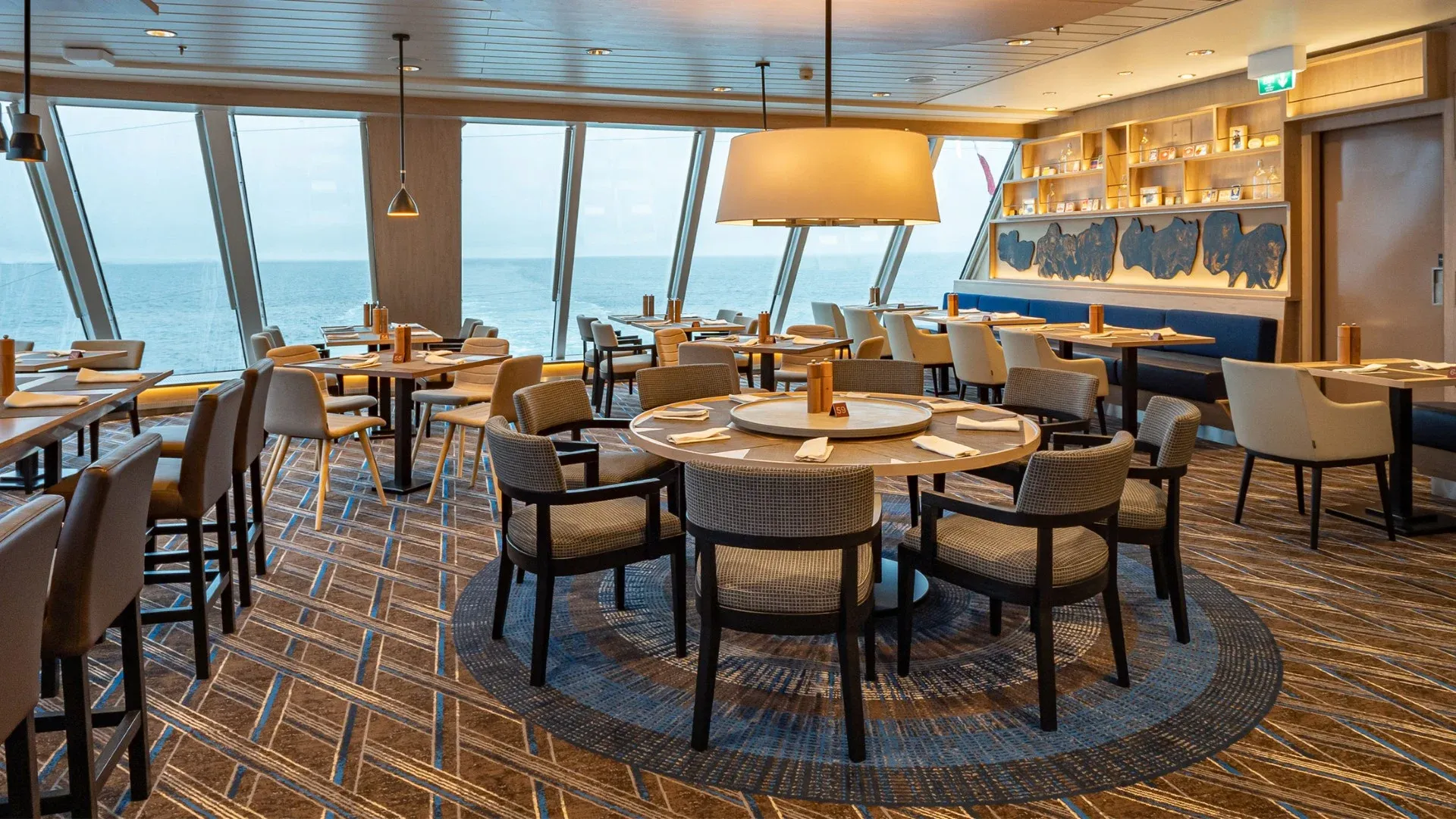
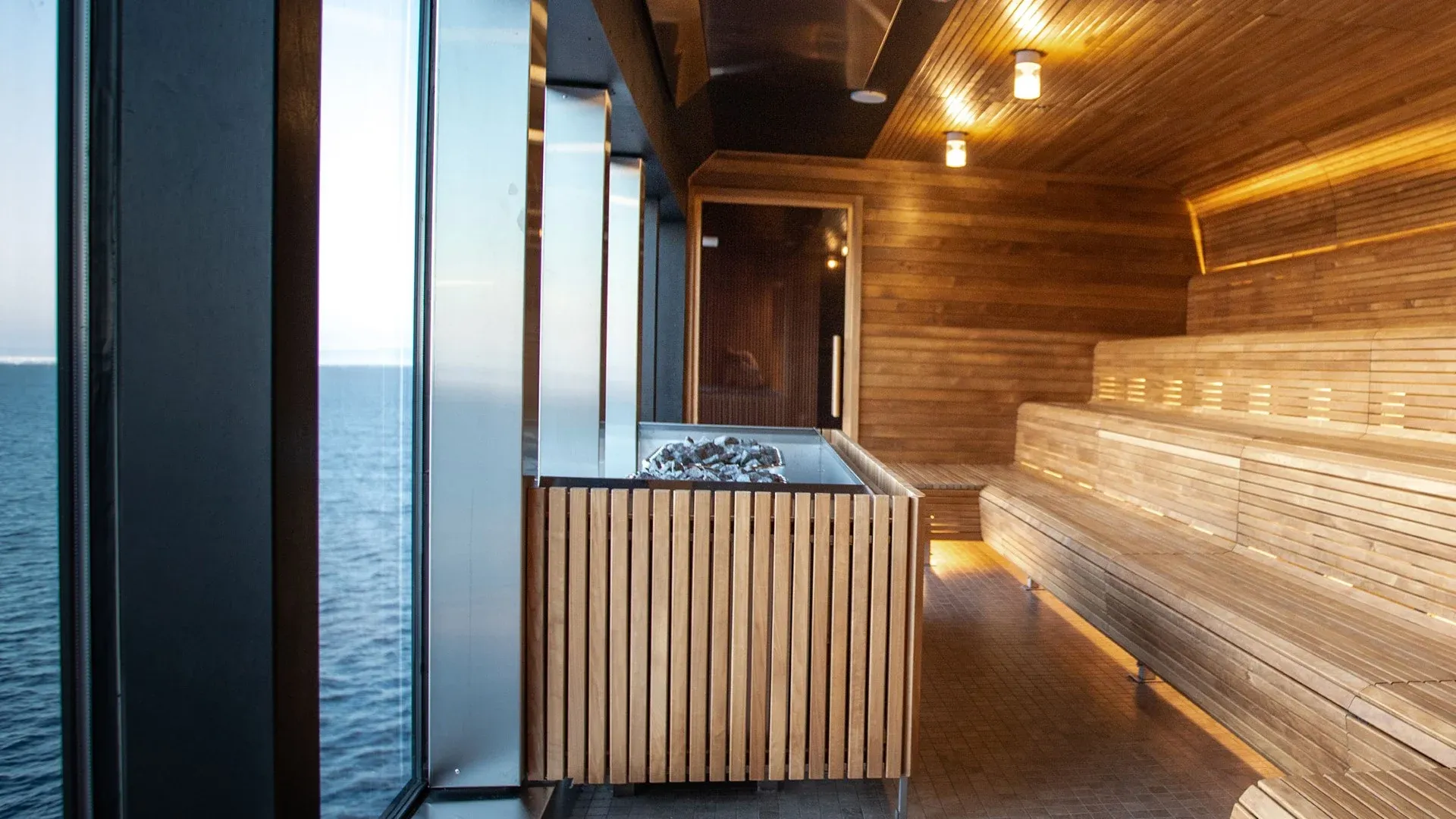
MS Roald Amundsen
Launched
2019
Refitted
—
Tonnage
20,889 GT
Passengers
530
Cabins
265
Crew
150
Length
459 m
Width
23.6 m
Speed
15 knots
Adults Only
No
Itinerary
Day 1
Day 1
Reykjavik
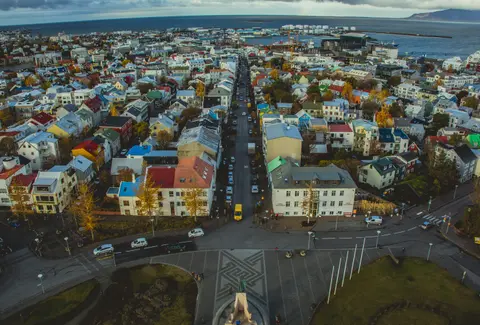
Reykjavik, the world's northernmost capital, distils the entire improbable beauty of Iceland into one compact, creatively charged city. The soaring basalt columns of Hallgrímskirkja dominate a skyline of primary-coloured rooftops, while the Harpa Concert Hall shimmers beside the harbour like a captured aurora. Day trips from the city unlock the Golden Circle's geysers and Geysir hot spring, the black sand beaches of Vík, and the ethereal glacier lagoon at Jökulsárlón. Geothermal pools — from the legendary Blue Lagoon to intimate neighbourhood hot pots — offer warmth year-round. June and July bring the bewitching midnight sun.
Day 2
Day 2
Nuuk Godthaab
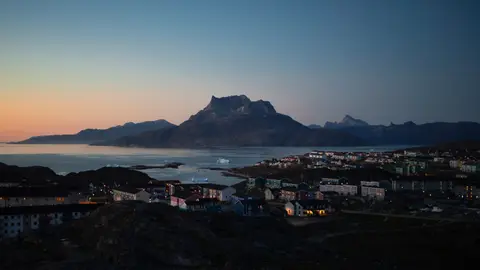
Nuuk, Greenland's diminutive capital, is a city of vivid contrasts — colourful colonial houses against Arctic granite, Inuit heritage alongside contemporary Nordic culture, and world-class museums steps from untamed fjords. Visitors should not miss the Greenland National Museum's Qilakitsoq mummies and a Zodiac excursion into the surrounding iceberg-studded fjord system. The prime cruising season runs from June through September, when extended daylight illuminates the landscape in an ethereal sub-Arctic glow and waters remain navigable for expedition vessels.
Day 3
Day 3
At Sea
Day 4
Day 4
Qikiqtarjuaq
Qikiqtarjuaq on Baffin Island is the gateway to Auyuittuq National Park — home to the world's greatest vertical drop at Mount Thor and the legendary Akshayuk Pass hiking route through glaciers and granite peaks. The hamlet's 600 Inuit residents maintain active narwhal hunting traditions and produce acclaimed stone carvings. Must-dos include cultural presentations, purchasing art from local carvers, and witnessing the midnight sun on the Penny Ice Cap. July through September provides the only access window.
Day 5
Day 5
Isabella Bay
Baffin Island, in the Canadian territory of Nunavut, is the largest island in Canada and the fifth-largest island in the world. Its area is 507,451 km² and its population was 13,148 as of the 2016 Canadian Census.
Day 6
Day 6
Nunavut
Nunavut is Canada's vast Arctic territory, a 2.1-million-square-kilometer wilderness of tundra, sea ice, and icebergs inhabited by just 40,000 people, predominantly Inuit. Must-dos include wildlife encounters with polar bears, narwhals, and caribou herds, experiencing living Inuit culture, and navigating iceberg-filled channels by expedition vessel. July through September offers the only window when sea ice conditions allow navigation.
Day 7
Day 7
At Sea
Day 8
Day 8
Dundas Harbour
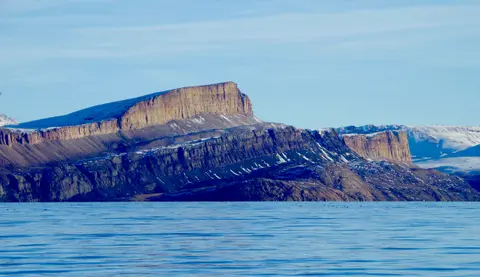
Dundas Harbour is an abandoned RCMP outpost on Devon Island at the mouth of Lancaster Sound, established in 1924 to assert Canadian Arctic sovereignty and now a haunting heritage site with graves, ruins, and whale bones on the beach. Must-dos include exploring the settlement remains, watching for polar bears and narwhals, and reflecting on the human stories embedded in this remote landscape. Expedition ships visit from late July to early September, weather and ice permitting.
Day 9
Day 9
Beechey Island
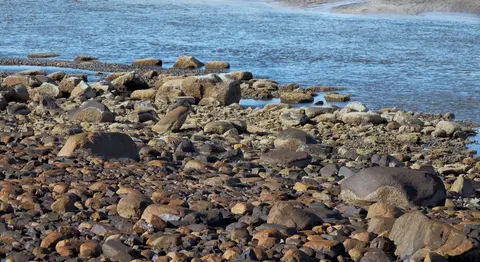
Beechey Island, Canada, offers an authentic North American experience where stunning natural landscapes meet communities of genuine character. Visitors should explore the surrounding wilderness and sample the honest, locally sourced cuisine that defines the region. The ideal visiting period is June through August, when the midnight sun bathes the landscape in golden light for nearly twenty-four hours. Cruise lines including Aurora Expeditions feature this port on their most compelling itineraries. Whether you have a few hours or a full day, the port rewards exploration at every pace and in every direction.
Day 10
Day 10
Croker Bay
Croker Bay on Devon Island — the world's largest uninhabited island — features twin tidewater glaciers calving dramatically into dark Arctic waters, creating one of the Canadian High Arctic's most spectacular glacial amphitheatres. Must-dos include Zodiac cruises along the glacier faces, watching for polar bears and narwhals, and witnessing the thunderous calving of ancient ice. Accessible only by expedition cruise ship from late July through early September, weather and ice permitting.
Day 11
Day 11
Cobh
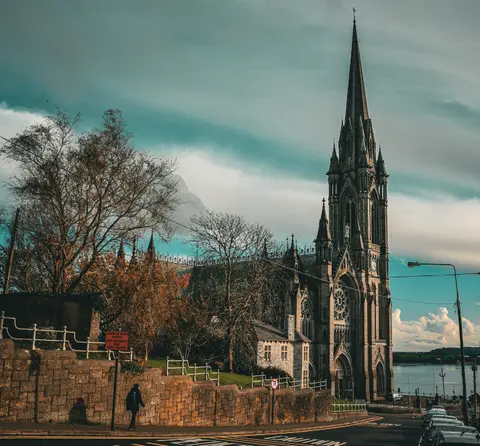
Cobh is a historic harbour town in Cork, Ireland, famed as the Titanic's last port of call and the departure point for 2.5 million Irish emigrants. Must-dos include visiting the Cobh Heritage Centre and Titanic Experience, admiring St. Colman's Cathedral and its 49-bell carillon, and exploring the English Market in nearby Cork. May through September offers the longest days and best weather for this emotionally rich port.
Day 12
Day 12
Northwest Greenland
Greenland is the world's largest island, located between the Arctic and Atlantic oceans, east of the Canadian Arctic Archipelago. Like the Faroe Islands, it is an autonomous territory within the Kingdom of Denmark.
Day 13
Day 13
Old Thule
Old Thule in Greenland offers dramatic Nordic landscapes where fjords, glaciers, and pristine wilderness create scenes of remarkable natural grandeur. The essential experience is immersion in the outdoor environment—hiking, wildlife watching, and savoring the region's exceptional seafood in settings of extraordinary beauty. Best visited June through August, when the midnight sun bathes the landscape in golden light for nearly twenty-four hours. Cruise lines including Ponant feature this port on their most compelling itineraries. Whether you have a few hours or a full day, the port rewards exploration at every pace and in every direction.
Day 14
Day 14
Buenos Aires
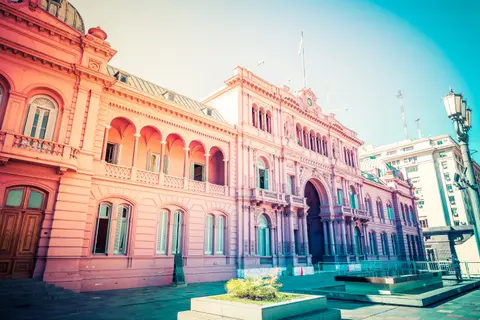
Twice-founded and once the wealthiest city in Latin America, Buenos Aires seduces with the world-class acoustics of the Teatro Colón, the ritual theatre of a wood-fire asado at a San Telmo parrilla, and the cobblestoned milongas where tango was born and where it burns still. Cross the estuary to UNESCO-listed Colonia del Sacramento or head south toward the glaciers of Patagonia. As South America's premier cruise hub for Antarctic expeditions and round-the-continent voyages, the city is most inviting from November through March.
Day 15
Day 15
Melville Bay
Day 16
Day 16
Uummannaq
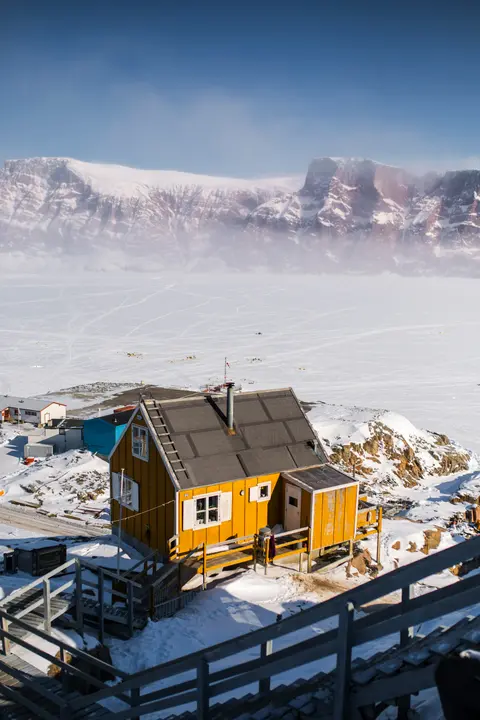
Uummannaq is a vividly painted Arctic town perched beneath a heart-shaped mountain on Greenland's western coast, surrounded by colossal icebergs and rich Inuit cultural heritage. Must-dos include zodiac cruising through the iceberg-filled fjord, visiting the Uummannaq Museum, and experiencing the midnight sun's eternal golden light. July and August offer the warmest conditions and best accessibility for Arctic expedition cruising.
Day 17
Day 17
Vaigat Sound
Vaigat Sound between Disko Island and the Nuussuaq Peninsula in western Greenland is a dramatic Arctic waterway flanked by ancient basalt cliffs, fossil beds, and calving glaciers, with excellent whale watching opportunities. Must-dos include deck-side geological viewing, whale spotting, and observing traditional Inuit settlements. Best transited July through September during the expedition cruise season.
Day 18
Day 18
Ilulissat
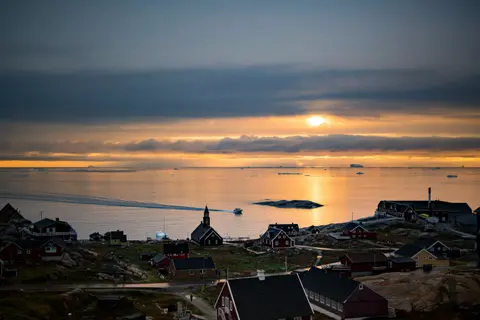
Ilulissat sits beside the Northern Hemisphere's most prolific glacier — the UNESCO-listed Sermeq Kujalleq, which calves forty-six cubic kilometers of icebergs annually into a fjord of almost incomprehensible frozen spectacle. Visit June through August via Silversea or Hapag-Lloyd for midnight-sun zodiac cruises among hundred-meter icebergs, Knud Rasmussen's childhood museum, and the light show that transforms Greenland's ice into one of Earth's most transformative visual experiences.
Day 19
Day 19
Sisimiut
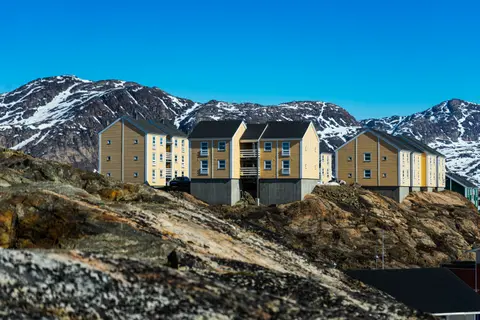
Sisimiut is Greenland's adventure capital, a colourful Arctic town of 5,500 people just north of the Arctic Circle on the west coast. Must-dos include hiking the Arctic Circle Trail, whale watching for humpbacks and narwhals, and exploring the colonial-era museum. Summer brings midnight sun and hiking conditions, while winter offers dog-sledding, skiing, and northern lights.
Day 20
Day 20
Nuuk Godthaab
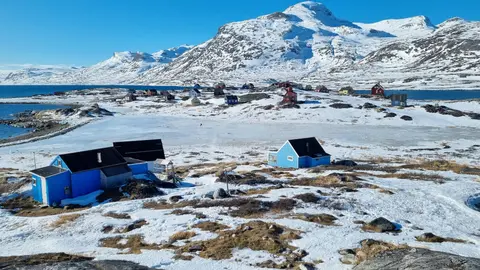
Nuuk, Greenland's diminutive capital, is a city of vivid contrasts — colourful colonial houses against Arctic granite, Inuit heritage alongside contemporary Nordic culture, and world-class museums steps from untamed fjords. Visitors should not miss the Greenland National Museum's Qilakitsoq mummies and a Zodiac excursion into the surrounding iceberg-studded fjord system. The prime cruising season runs from June through September, when extended daylight illuminates the landscape in an ethereal sub-Arctic glow and waters remain navigable for expedition vessels.
Day 21
Day 21
Reykjavik
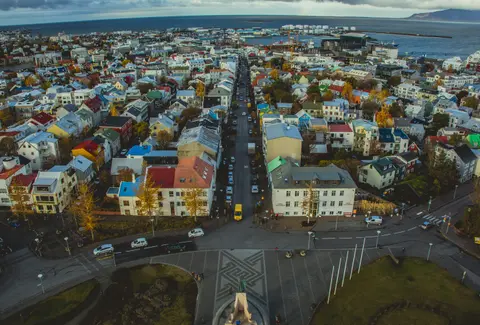
Reykjavik, the world's northernmost capital, distils the entire improbable beauty of Iceland into one compact, creatively charged city. The soaring basalt columns of Hallgrímskirkja dominate a skyline of primary-coloured rooftops, while the Harpa Concert Hall shimmers beside the harbour like a captured aurora. Day trips from the city unlock the Golden Circle's geysers and Geysir hot spring, the black sand beaches of Vík, and the ethereal glacier lagoon at Jökulsárlón. Geothermal pools — from the legendary Blue Lagoon to intimate neighbourhood hot pots — offer warmth year-round. June and July bring the bewitching midnight sun.
Day 1
Reykjavik
Reykjavik, the world's northernmost capital, distils the entire improbable beauty of Iceland into one compact, creatively charged city. The soaring basalt columns of Hallgrímskirkja dominate a skyline of primary-coloured rooftops, while the Harpa Concert Hall shimmers beside the harbour like a captured aurora. Day trips from the city unlock the Golden Circle's geysers and Geysir hot spring, the black sand beaches of Vík, and the ethereal glacier lagoon at Jökulsárlón. Geothermal pools — from the legendary Blue Lagoon to intimate neighbourhood hot pots — offer warmth year-round. June and July bring the bewitching midnight sun.
Day 2
Nuuk Godthaab
Nuuk, Greenland's diminutive capital, is a city of vivid contrasts — colourful colonial houses against Arctic granite, Inuit heritage alongside contemporary Nordic culture, and world-class museums steps from untamed fjords. Visitors should not miss the Greenland National Museum's Qilakitsoq mummies and a Zodiac excursion into the surrounding iceberg-studded fjord system. The prime cruising season runs from June through September, when extended daylight illuminates the landscape in an ethereal sub-Arctic glow and waters remain navigable for expedition vessels.
Day 3
At Sea
Day 4
Qikiqtarjuaq
Qikiqtarjuaq on Baffin Island is the gateway to Auyuittuq National Park — home to the world's greatest vertical drop at Mount Thor and the legendary Akshayuk Pass hiking route through glaciers and granite peaks. The hamlet's 600 Inuit residents maintain active narwhal hunting traditions and produce acclaimed stone carvings. Must-dos include cultural presentations, purchasing art from local carvers, and witnessing the midnight sun on the Penny Ice Cap. July through September provides the only access window.
Day 5
Isabella Bay
Baffin Island, in the Canadian territory of Nunavut, is the largest island in Canada and the fifth-largest island in the world. Its area is 507,451 km² and its population was 13,148 as of the 2016 Canadian Census.
Day 6
Nunavut
Nunavut is Canada's vast Arctic territory, a 2.1-million-square-kilometer wilderness of tundra, sea ice, and icebergs inhabited by just 40,000 people, predominantly Inuit. Must-dos include wildlife encounters with polar bears, narwhals, and caribou herds, experiencing living Inuit culture, and navigating iceberg-filled channels by expedition vessel. July through September offers the only window when sea ice conditions allow navigation.
Day 7
At Sea
Day 8
Dundas Harbour
Dundas Harbour is an abandoned RCMP outpost on Devon Island at the mouth of Lancaster Sound, established in 1924 to assert Canadian Arctic sovereignty and now a haunting heritage site with graves, ruins, and whale bones on the beach. Must-dos include exploring the settlement remains, watching for polar bears and narwhals, and reflecting on the human stories embedded in this remote landscape. Expedition ships visit from late July to early September, weather and ice permitting.
Day 9
Beechey Island
Beechey Island, Canada, offers an authentic North American experience where stunning natural landscapes meet communities of genuine character. Visitors should explore the surrounding wilderness and sample the honest, locally sourced cuisine that defines the region. The ideal visiting period is June through August, when the midnight sun bathes the landscape in golden light for nearly twenty-four hours. Cruise lines including Aurora Expeditions feature this port on their most compelling itineraries. Whether you have a few hours or a full day, the port rewards exploration at every pace and in every direction.
Day 10
Croker Bay
Croker Bay on Devon Island — the world's largest uninhabited island — features twin tidewater glaciers calving dramatically into dark Arctic waters, creating one of the Canadian High Arctic's most spectacular glacial amphitheatres. Must-dos include Zodiac cruises along the glacier faces, watching for polar bears and narwhals, and witnessing the thunderous calving of ancient ice. Accessible only by expedition cruise ship from late July through early September, weather and ice permitting.
Day 11
Cobh
Cobh is a historic harbour town in Cork, Ireland, famed as the Titanic's last port of call and the departure point for 2.5 million Irish emigrants. Must-dos include visiting the Cobh Heritage Centre and Titanic Experience, admiring St. Colman's Cathedral and its 49-bell carillon, and exploring the English Market in nearby Cork. May through September offers the longest days and best weather for this emotionally rich port.
Day 12
Northwest Greenland
Greenland is the world's largest island, located between the Arctic and Atlantic oceans, east of the Canadian Arctic Archipelago. Like the Faroe Islands, it is an autonomous territory within the Kingdom of Denmark.
Day 13
Old Thule
Old Thule in Greenland offers dramatic Nordic landscapes where fjords, glaciers, and pristine wilderness create scenes of remarkable natural grandeur. The essential experience is immersion in the outdoor environment—hiking, wildlife watching, and savoring the region's exceptional seafood in settings of extraordinary beauty. Best visited June through August, when the midnight sun bathes the landscape in golden light for nearly twenty-four hours. Cruise lines including Ponant feature this port on their most compelling itineraries. Whether you have a few hours or a full day, the port rewards exploration at every pace and in every direction.
Day 14
Buenos Aires
Twice-founded and once the wealthiest city in Latin America, Buenos Aires seduces with the world-class acoustics of the Teatro Colón, the ritual theatre of a wood-fire asado at a San Telmo parrilla, and the cobblestoned milongas where tango was born and where it burns still. Cross the estuary to UNESCO-listed Colonia del Sacramento or head south toward the glaciers of Patagonia. As South America's premier cruise hub for Antarctic expeditions and round-the-continent voyages, the city is most inviting from November through March.
Day 15
Melville Bay
Day 16
Uummannaq
Uummannaq is a vividly painted Arctic town perched beneath a heart-shaped mountain on Greenland's western coast, surrounded by colossal icebergs and rich Inuit cultural heritage. Must-dos include zodiac cruising through the iceberg-filled fjord, visiting the Uummannaq Museum, and experiencing the midnight sun's eternal golden light. July and August offer the warmest conditions and best accessibility for Arctic expedition cruising.
Day 17
Vaigat Sound
Vaigat Sound between Disko Island and the Nuussuaq Peninsula in western Greenland is a dramatic Arctic waterway flanked by ancient basalt cliffs, fossil beds, and calving glaciers, with excellent whale watching opportunities. Must-dos include deck-side geological viewing, whale spotting, and observing traditional Inuit settlements. Best transited July through September during the expedition cruise season.
Day 18
Ilulissat
Ilulissat sits beside the Northern Hemisphere's most prolific glacier — the UNESCO-listed Sermeq Kujalleq, which calves forty-six cubic kilometers of icebergs annually into a fjord of almost incomprehensible frozen spectacle. Visit June through August via Silversea or Hapag-Lloyd for midnight-sun zodiac cruises among hundred-meter icebergs, Knud Rasmussen's childhood museum, and the light show that transforms Greenland's ice into one of Earth's most transformative visual experiences.
Day 19
Sisimiut
Sisimiut is Greenland's adventure capital, a colourful Arctic town of 5,500 people just north of the Arctic Circle on the west coast. Must-dos include hiking the Arctic Circle Trail, whale watching for humpbacks and narwhals, and exploring the colonial-era museum. Summer brings midnight sun and hiking conditions, while winter offers dog-sledding, skiing, and northern lights.
Day 20
Nuuk Godthaab
Nuuk, Greenland's diminutive capital, is a city of vivid contrasts — colourful colonial houses against Arctic granite, Inuit heritage alongside contemporary Nordic culture, and world-class museums steps from untamed fjords. Visitors should not miss the Greenland National Museum's Qilakitsoq mummies and a Zodiac excursion into the surrounding iceberg-studded fjord system. The prime cruising season runs from June through September, when extended daylight illuminates the landscape in an ethereal sub-Arctic glow and waters remain navigable for expedition vessels.
Day 21
Reykjavik
Reykjavik, the world's northernmost capital, distils the entire improbable beauty of Iceland into one compact, creatively charged city. The soaring basalt columns of Hallgrímskirkja dominate a skyline of primary-coloured rooftops, while the Harpa Concert Hall shimmers beside the harbour like a captured aurora. Day trips from the city unlock the Golden Circle's geysers and Geysir hot spring, the black sand beaches of Vík, and the ethereal glacier lagoon at Jökulsárlón. Geothermal pools — from the legendary Blue Lagoon to intimate neighbourhood hot pots — offer warmth year-round. June and July bring the bewitching midnight sun.
Cabin Categories
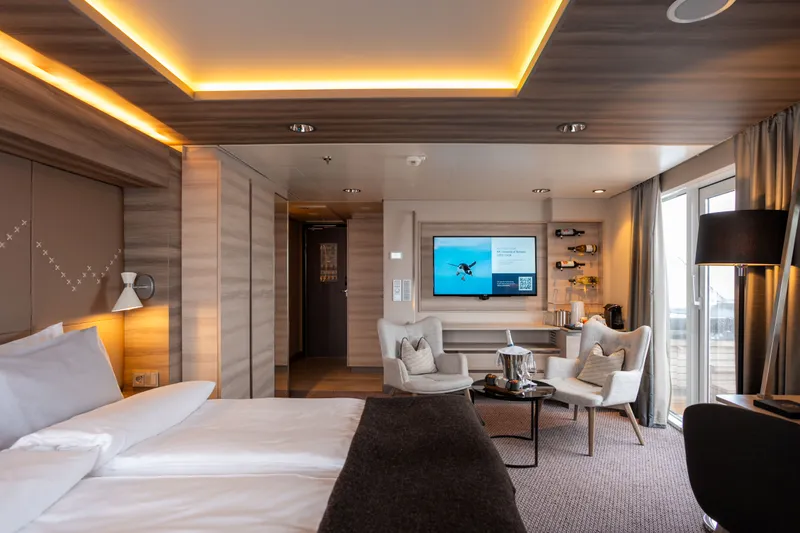
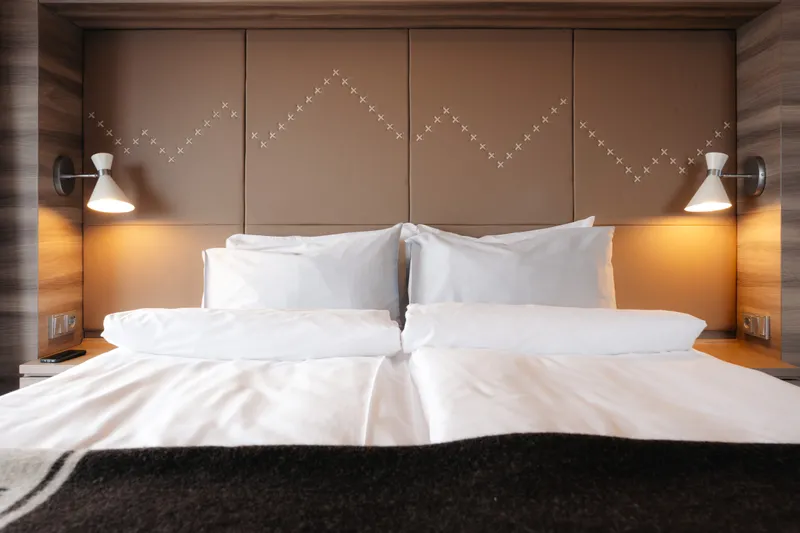
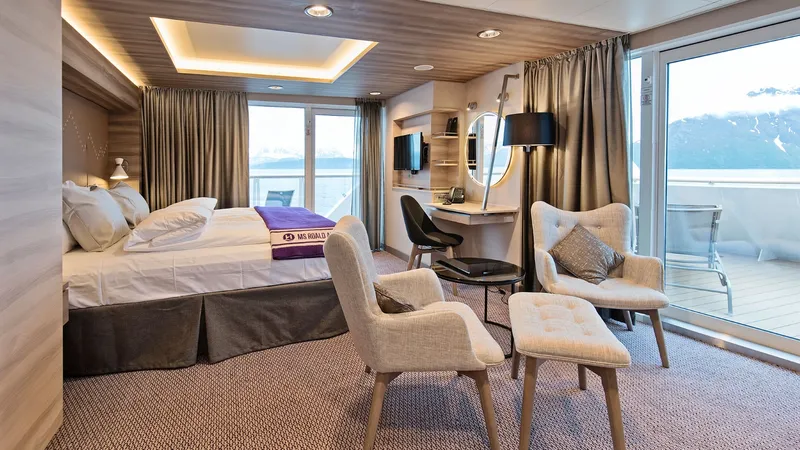
Expedition Corner Suite
Suite
215–323 m²Max 2
MCMF
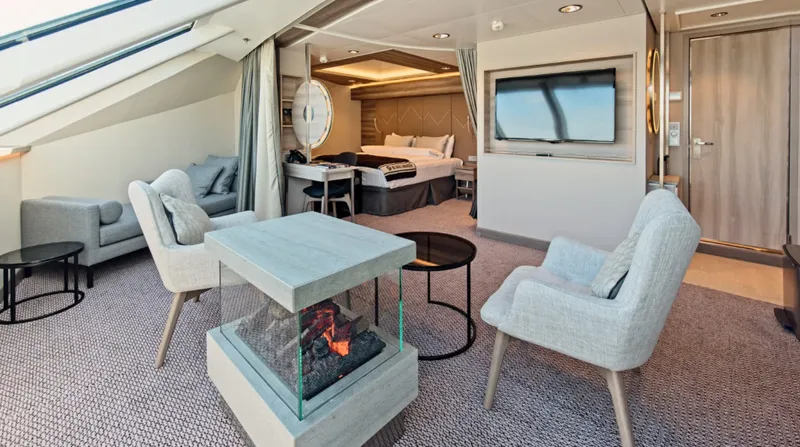
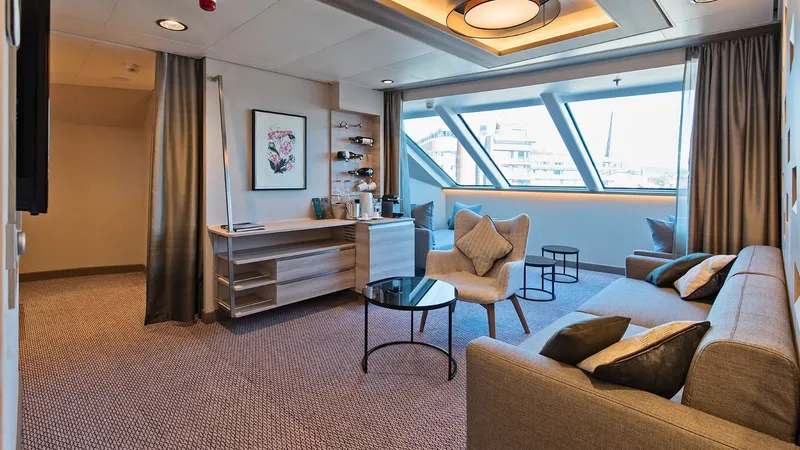
Aft corner suite with private balcony and jacuzzi, various sizes, large windows, flexible sleeping arrangements, some w/sofa, TV, mini-bar, amenity kit, bathrobe, kettle, tea and coffee, espresso maker
DoubleShowerToiletries ProvidedFree Mini BarTVCoffee Machine+5
US$31,588 /person+ US$0 taxes & fees
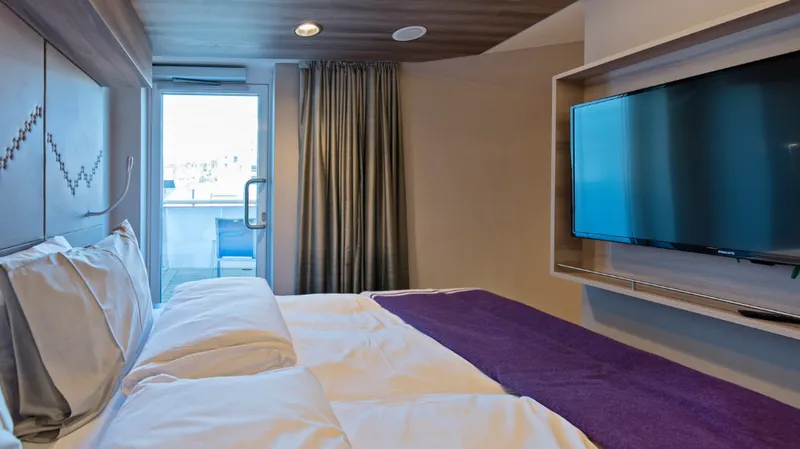
Expedition Large Suite
Suite
378 m²Max 4
MD
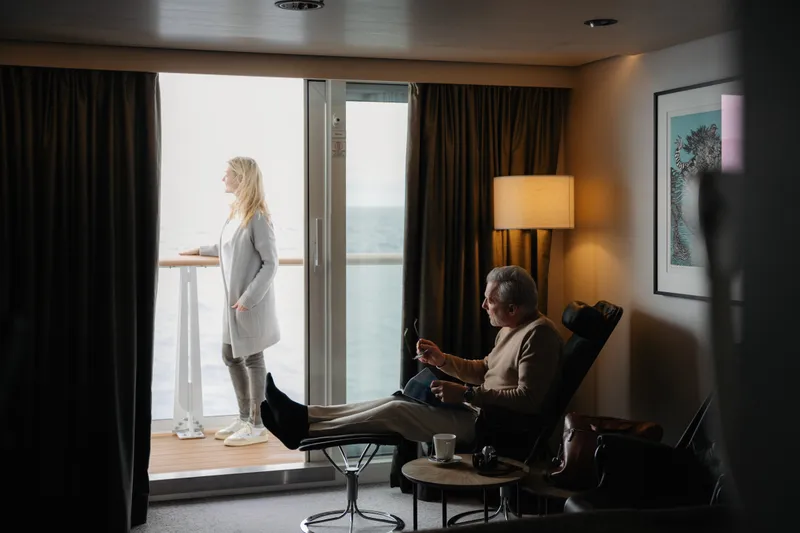
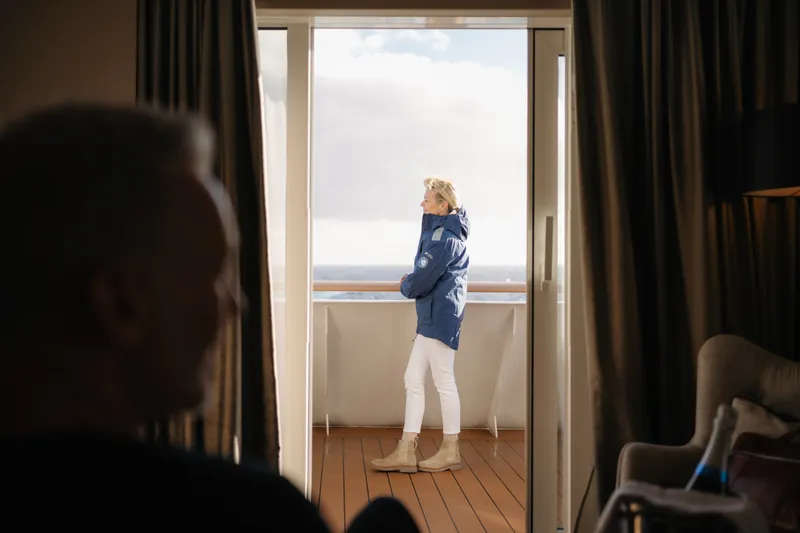
Large corner suite with private balcony, flexible sleeping arrangements, sofabed, TV, mini-bar, amenity kit, bathrobe, kettle espresso maker, adapted for guests with wheelchair ]
DoubleShowerToiletries ProvidedFree Mini BarMini Bar (Additional Cost)TV+6
View Details
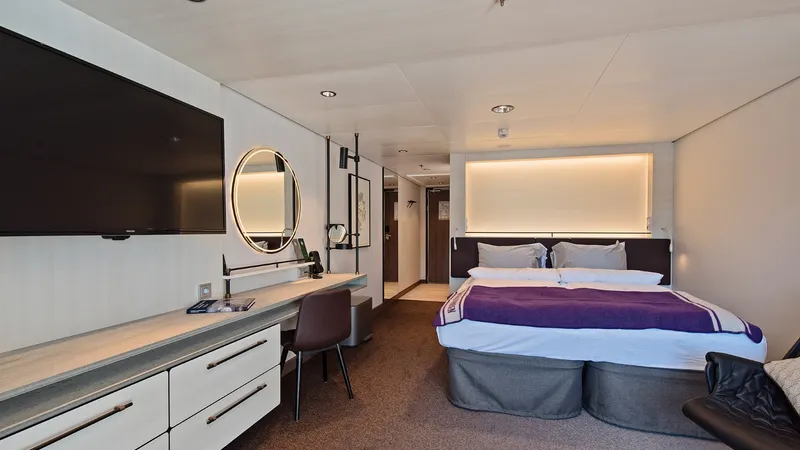
Expedition Suite
Suite
236–301 m²Max 4
ME
Suites with private balcony, different sizes, top-high decks, flexible sleeping arrangements, some with sofabed, TV, mini-bar, amenity kit, kettle, tea and coffee, bathrobe, espresso maker
DoubleShowerWhirlpool BathToiletries ProvidedTVHair Dryer+4
US$23,417 /person+ US$0 taxes & fees


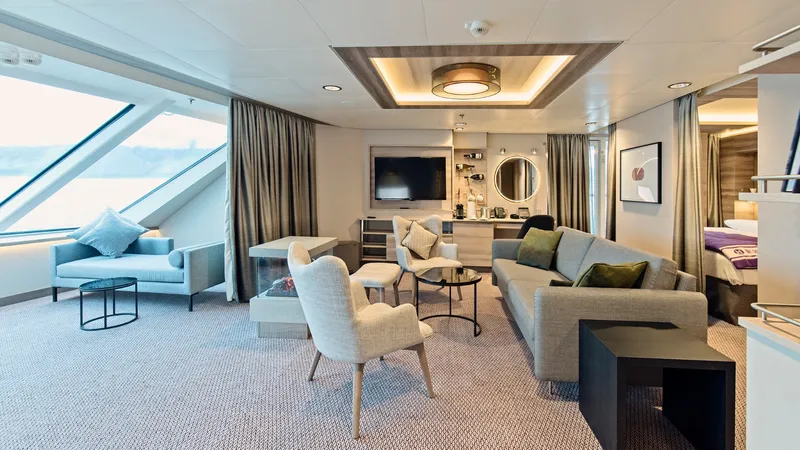
Expedition XL Suite
Suite
474–517 m²Max 4
MAMB
Extra large corner suite with private balcony, most spacious cabins w/flexible sleeping arrangements, large windows, sofa bed, TV, mini-bar, amenity kit, bathrobe kettle, tea and coffee, espresso maker
DoubleSofa BedShowerToiletries ProvidedTVCoffee Machine+6
US$29,581 /person+ US$0 taxes & fees
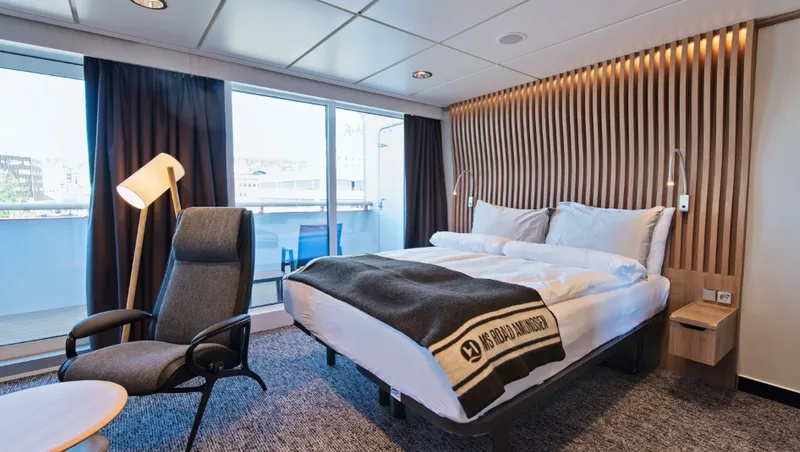
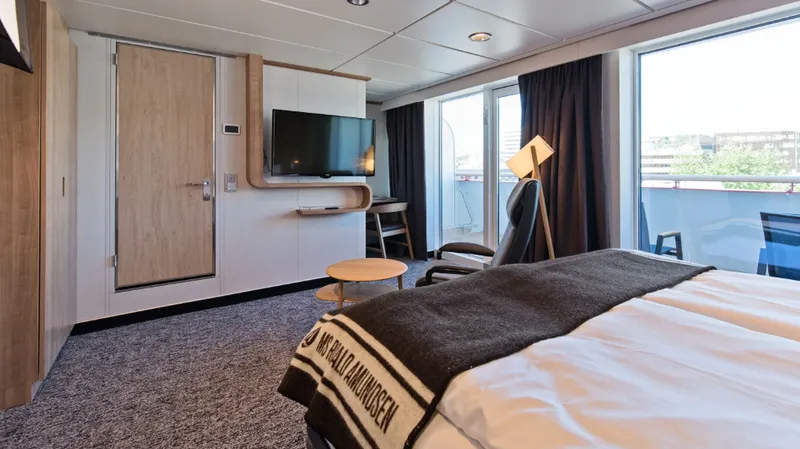
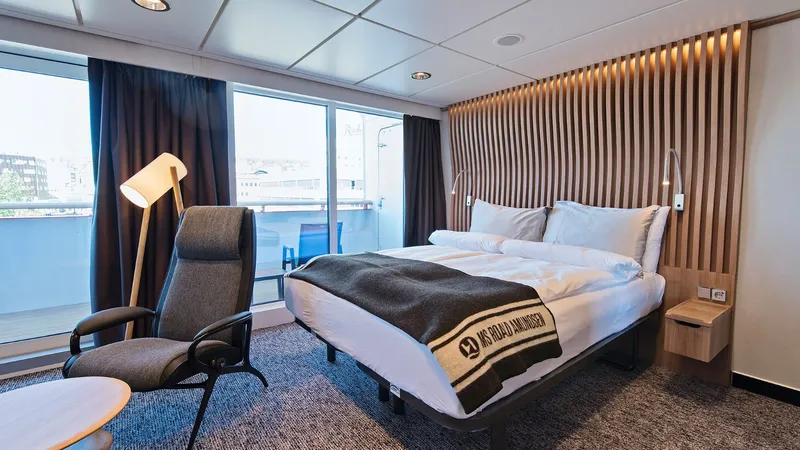
Arctic Superior
Balcony
Arctic Superior
161–290 m²Max 4
TTTYXTXTDXTJXY
High deck cabins with balcony. Spacious cabins, different sizes, flexible sleeping arrangements, some with sofabed, TV, kettle, tea and coffee. With limited view.
DoubleShowerToiletries ProvidedRoom Service AvailableTVCoffee Machine+6
US$18,257 /person+ US$0 taxes & fees
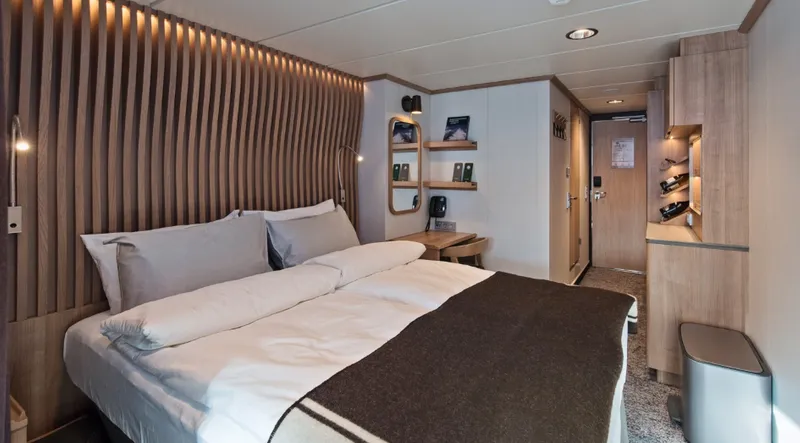
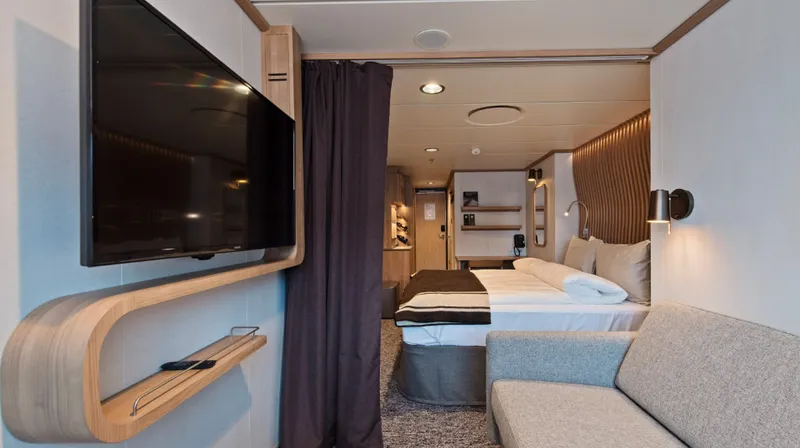
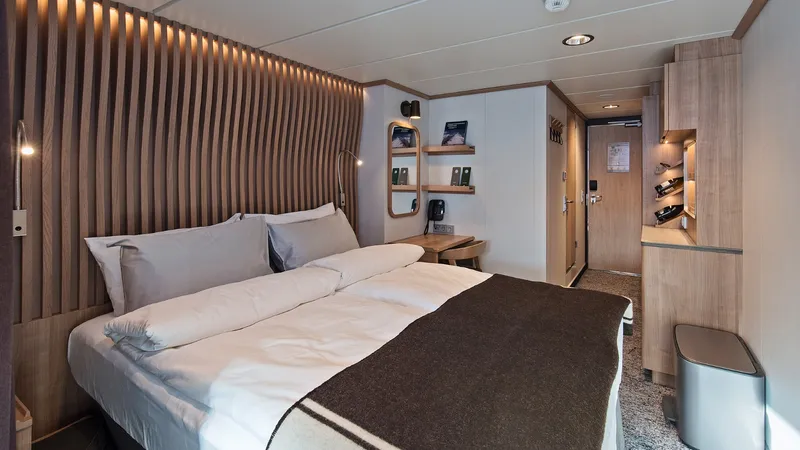
Polar Outside
Outside
204–247 m²Max 2
RRRS
Cabins on middle decks, double bed, TV
DoubleTwinShowerToiletries ProvidedTVHair Dryer+4
US$16,680 /person+ US$0 taxes & fees
Interested in This Voyage?
Our cruise specialists can help you find the perfect cabin and the best available pricing.
(+886) 02-2721-7300Contact Advisor