HX ExpeditionsGLW-GLW-0-SBGBR2602
The Scottish Isles – Island Hopping in the Hebrides
Date
2026-05-17
Duration
10 nights
Departure Port
St. Lucia
South Africa
Arrival Port
St. Lucia
South Africa
Rating
Expedition
Theme
—
HX Expeditions
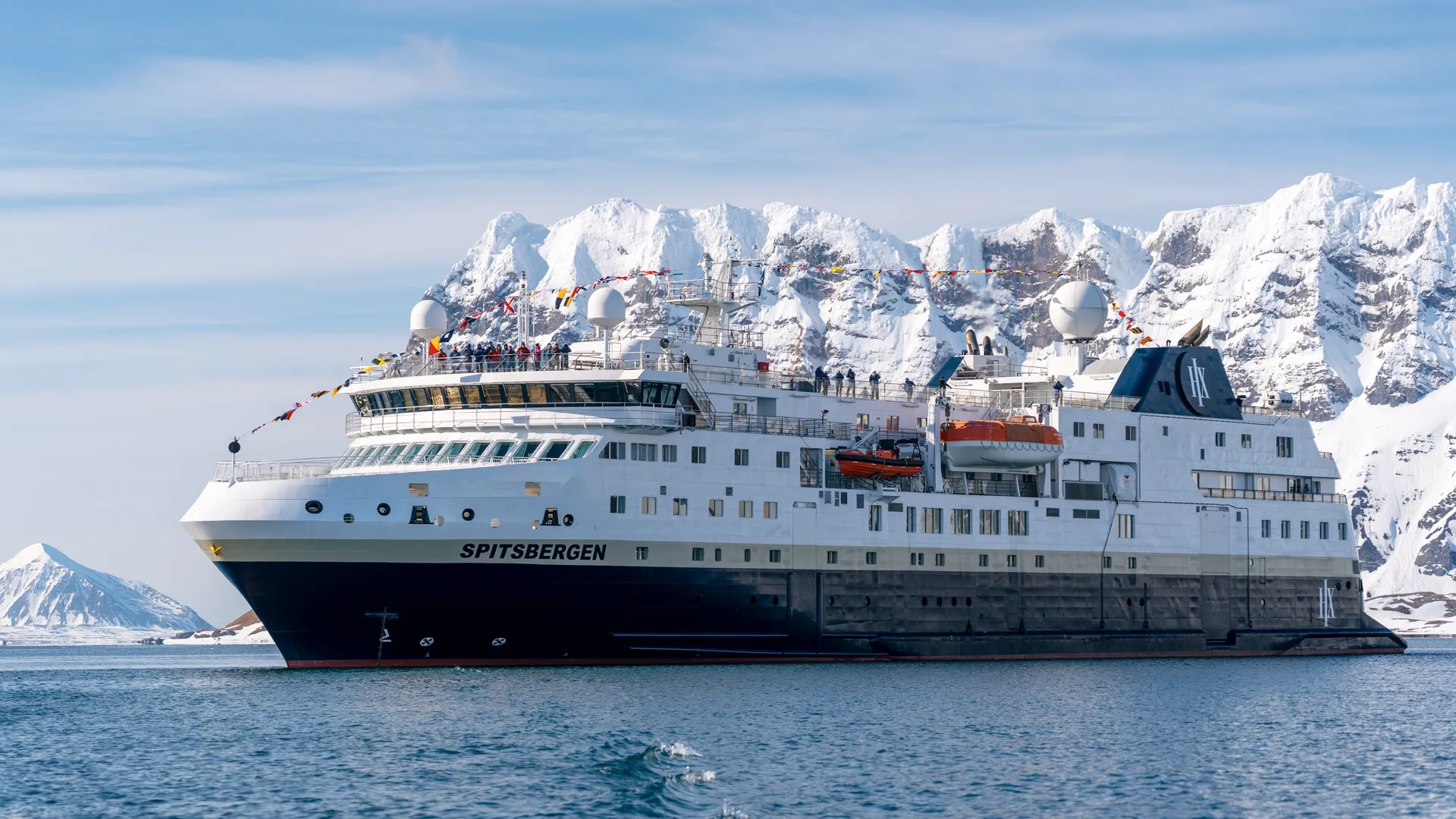
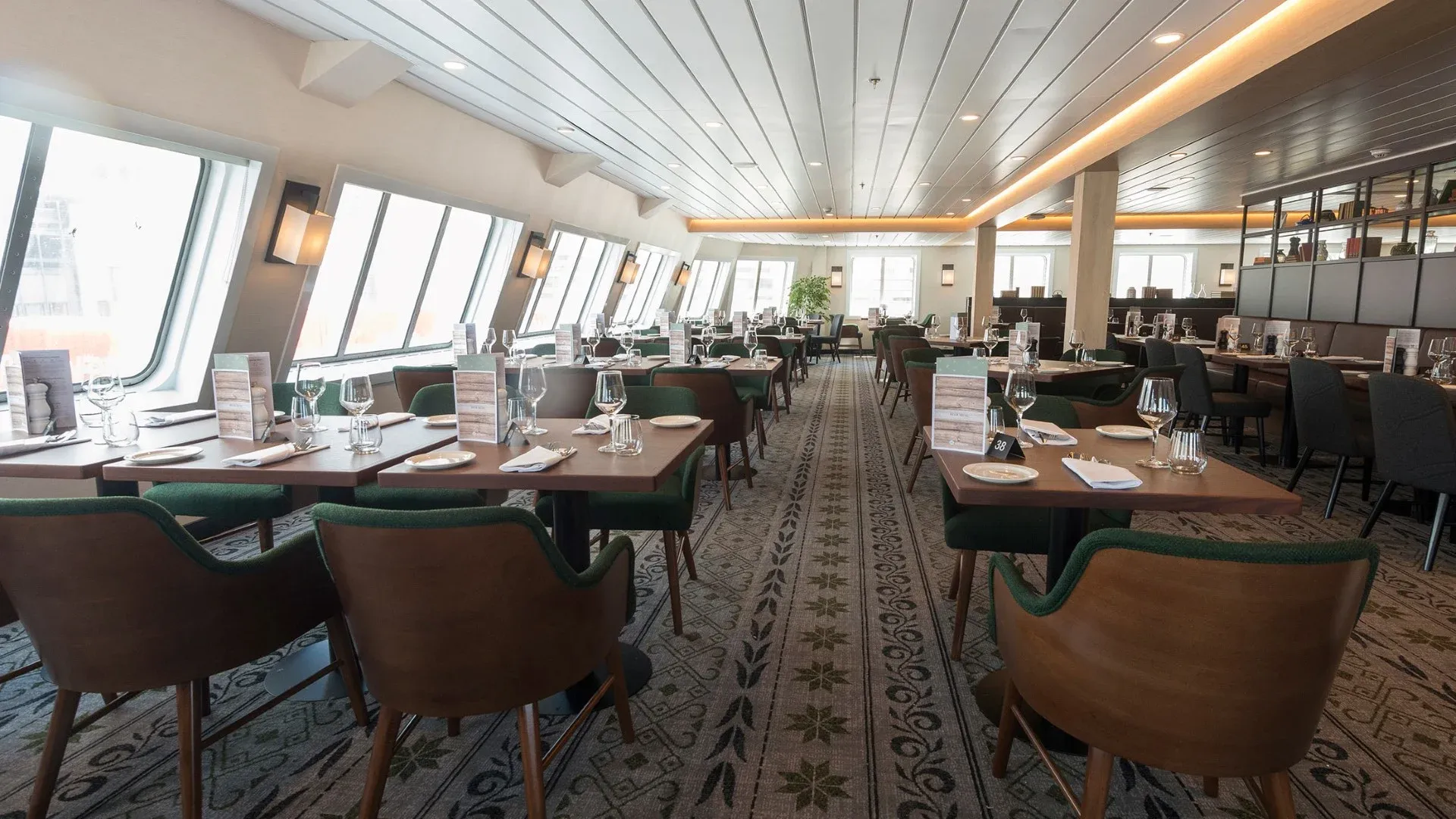
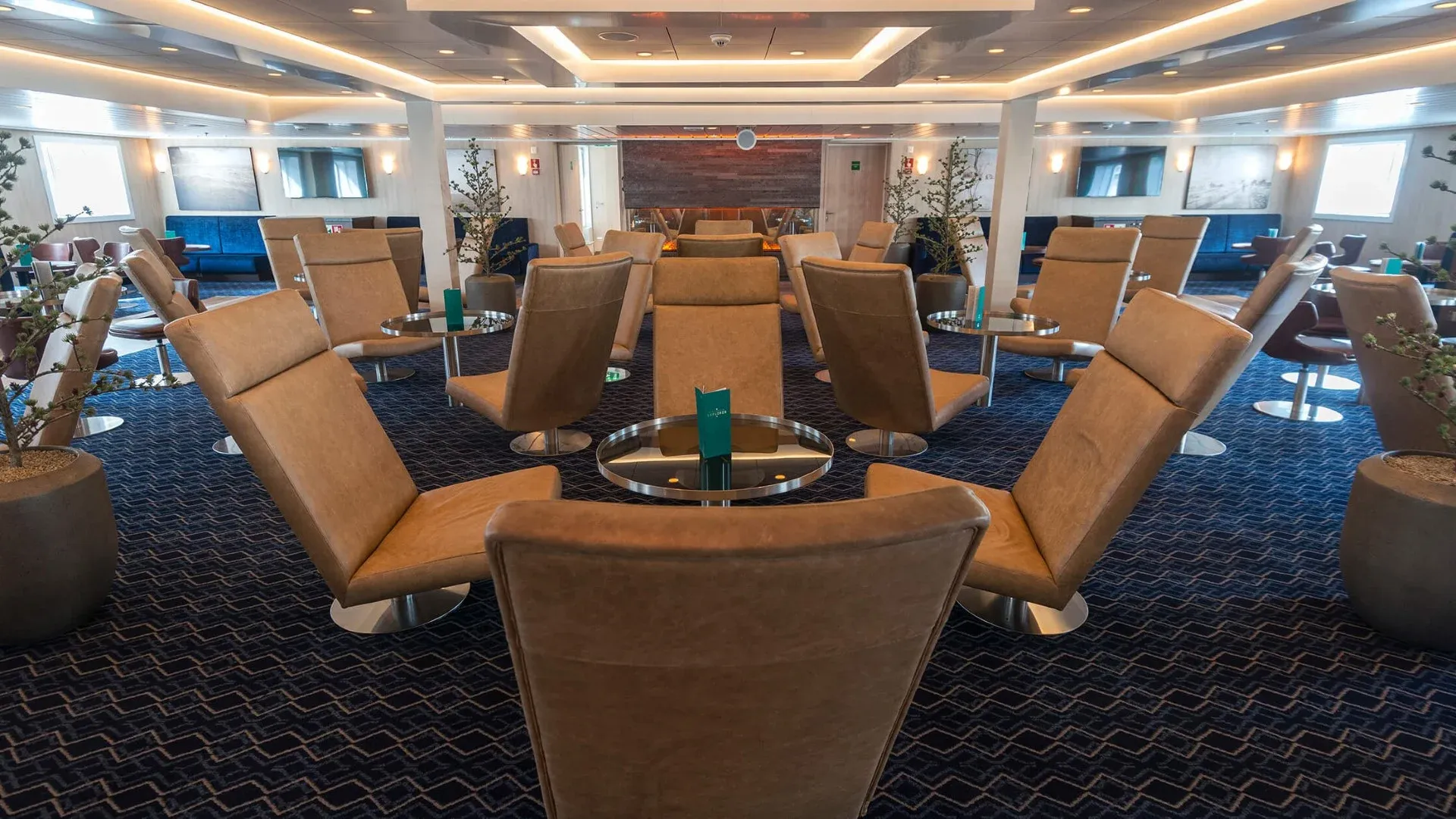
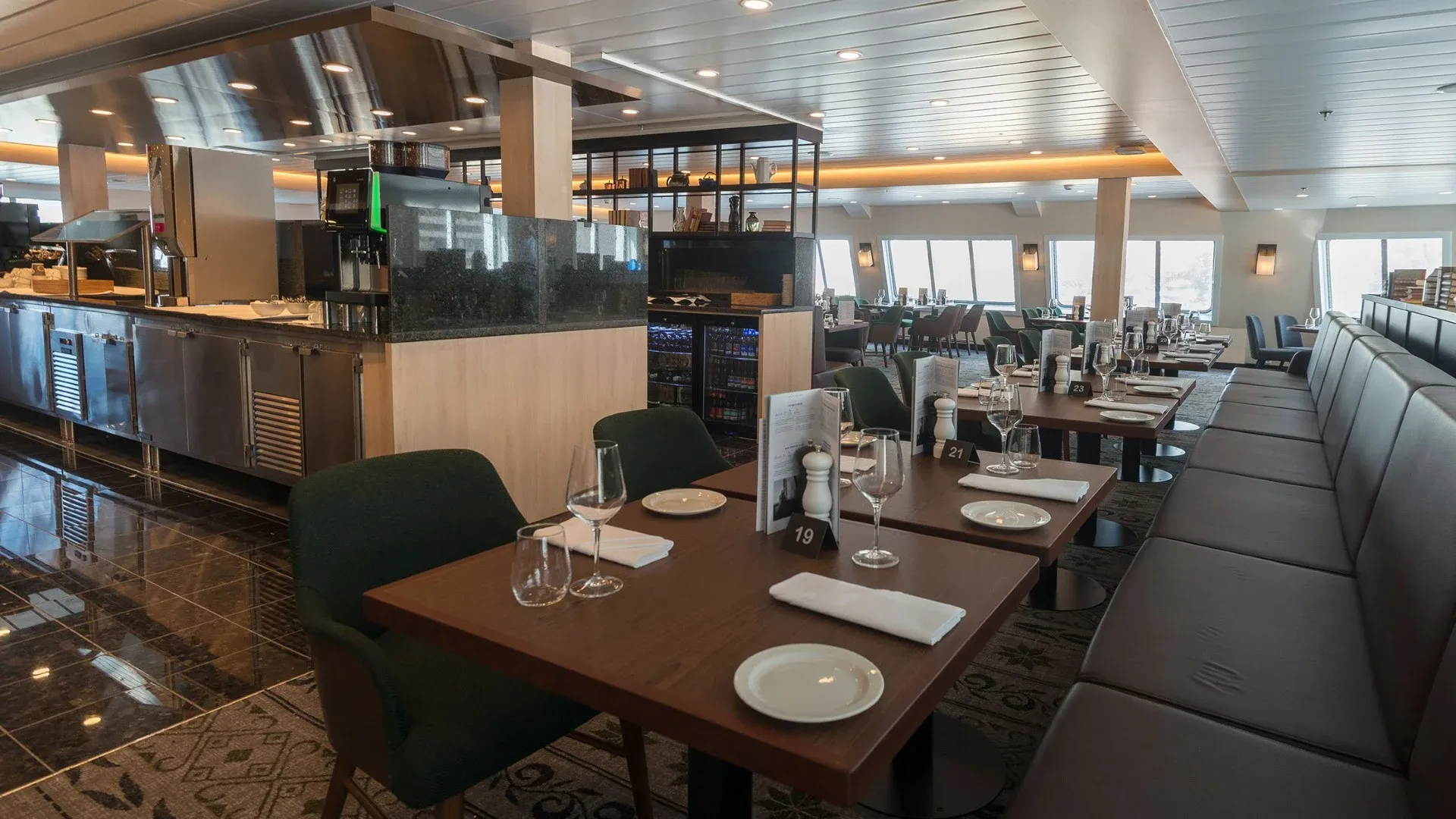
MS Spitsbergen
Explorer
Launched
2016
Refitted
2025
Tonnage
7,344 GT
Passengers
335
Cabins
100
Crew
65
Length
331 m
Width
18 m
Speed
14 knots
Adults Only
No
Itinerary
Day 1
Day 1
Greenock (Glasgow)
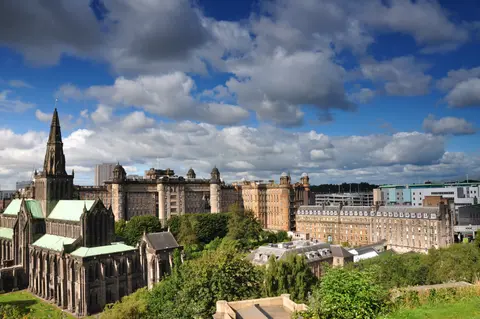
The port of Greenock is a historic maritime hub on the River Clyde, renowned for its vibrant culture and architectural charm. Must-do experiences include savoring the local delicacy, Cullen skink, and exploring the bustling Greenock Market. The best season to visit is during the summer months, when the weather is pleasant and local festivals bring the community to life.
Day 2
Day 2
Brodick
Brodick is the gateway village on Scotland's Isle of Arran, known as "Scotland in miniature" for its compressed landscape of Highland peaks, Lowland farmland, and dramatic coastline in the Firth of Clyde. Must-dos include climbing Goatfell for panoramic views across western Scotland, touring 13th-century Brodick Castle, and tasting artisan island whisky, cheese, and chocolate. Visit June for long summer days, reliable weather, and rhododendrons in bloom.
Day 3
Day 3
Isle of Islay
Islay is the queen of Scotch whisky islands, home to nine working distilleries including legendary Laphroaig, Lagavulin, and Ardbeg, set amid wild Atlantic coastlines and rich cultural heritage including the seat of the Lords of the Isles. Must-dos include distillery tours, tasting fresh langoustines and oysters, and watching 40,000 barnacle geese at Loch Gruinart. May through September offers the mildest weather, with the Whisky Festival in late May a highlight.
Day 4
Day 4
Isle of Gigha
The Isle of Gigha is a tiny Hebridean island off Scotland's Argyll coast, renowned for its subtropical Achamore Gardens, white-sand beaches, and community-owned spirit. Must-dos include exploring the gardens, tasting fresh seafood at the Boathouse, and walking the Caribbean-like western beaches. Visit May through September for gardens in bloom and the longest daylight hours.
Day 5
Day 5
Tobermory
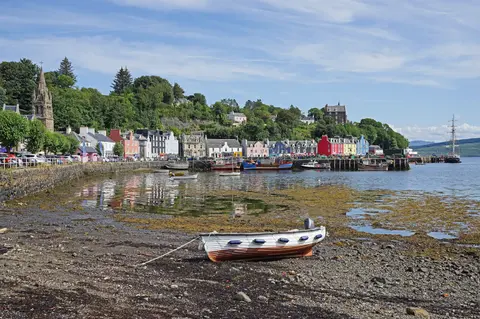
Tobermory is the rainbow-painted harbor capital of Mull in Scotland's Inner Hebrides, gateway to reintroduced white-tailed eagles and the sacred island of Iona where Christianity took root in the British Isles in 563 AD. Visit June via Tauck or Windstar for the longest days, eagle-watching boat trips, and the spiritual tranquility of Iona Abbey — the cradle of Scottish Christianity.
Day 6
Day 6
St. Kilda
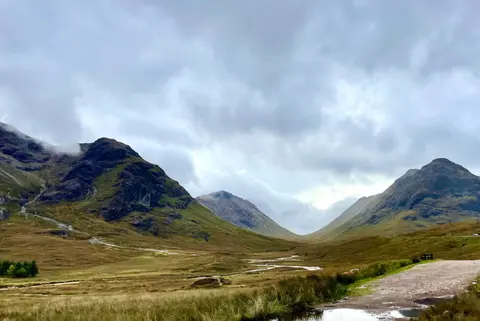
St. Kilda is a remote UNESCO World Heritage archipelago forty miles west of Scotland's Outer Hebrides, famous for Britain's highest sea cliffs, the world's largest gannet colony, and the poignant remains of a community evacuated in 1930. Must-dos include exploring the restored village on Hirta, witnessing the extraordinary seabird colonies, and walking to the summit of Conachair. Visit between May and September, though landings depend on Atlantic weather.
Day 7
Day 7
Stornoway
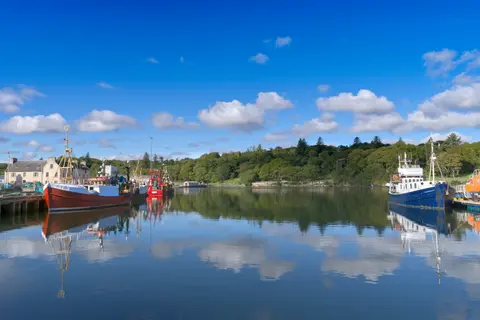
Stornoway, the sheltered harbour capital of Scotland's Isle of Lewis in the Outer Hebrides, offers an extraordinary blend of Norse heritage, Victorian architecture, and raw Atlantic beauty. Visitors should not miss the twelfth-century Lewis Chessmen at Museum nan Eilean inside the restored Lews Castle, nor the chance to taste the island's PGI-protected Stornoway black pudding at its source. The sailing season from May through September delivers the longest daylight hours and mildest conditions, with late June offering near-endless twilight that bathes the ancient Callanish Standing Stones in an ethereal glow.
Day 8
Day 8
Loch Scavaig
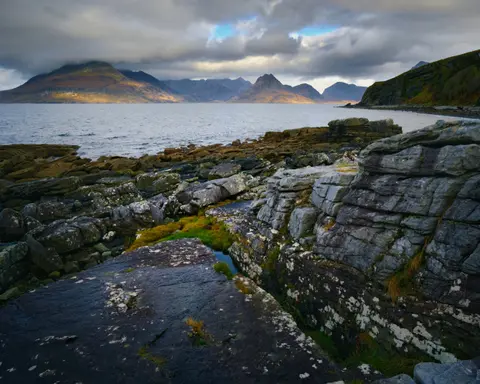
Loch Scavaig is a sea loch on Skye's southern coast, opening onto the dramatic Black Cuillin mountain amphitheater and providing access to Loch Coruisk — one of Scotland's most wild and celebrated landscapes. Must-dos include the walk from the landing beach to Loch Coruisk, watching for golden eagles and sea eagles soaring above the Cuillin ridge, and observing seals at the loch entrance. Visit May through September for the mildest conditions, bringing sturdy footwear for the rough terrain.
Day 9
Day 9
Staffa Island
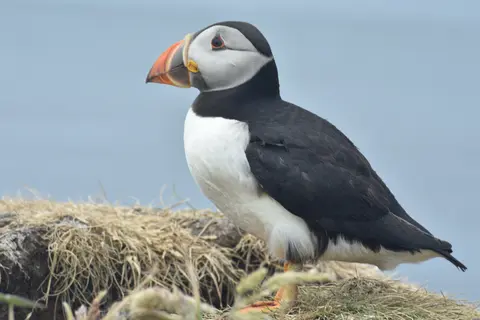
Staffa Island is an uninhabited volcanic isle in Scotland's Inner Hebrides, famous for Fingal's Cave and its extraordinary hexagonal basalt columns that inspired Mendelssohn's Hebrides Overture. Visitors come for the dramatic geology, Atlantic puffin colonies, and raw Hebridean wildness. The best season is June through August, when puffins are nesting and seas are calmest for boat landings.
Day 10
Day 10
Colonsay Island
Colonsay is a tiny Inner Hebridean island of 130 residents producing its own gin, beer, and wild honey, with one of Scotland's finest beaches at Kiloran Bay and the tidal ruins of Oronsay Priory accessible at low tide. Must-dos include walking to Oronsay's medieval carved crosses, tasting Colonsay oysters and wild honey, and spotting golden eagles and otters. The CalMac ferry runs just three times weekly — visit May through September, booking accommodation well in advance for this island of deliberate isolation.
Day 11
Day 11
Greenock (Glasgow)
The port of Greenock is a historic maritime hub on the River Clyde, renowned for its vibrant culture and architectural charm. Must-do experiences include savoring the local delicacy, Cullen skink, and exploring the bustling Greenock Market. The best season to visit is during the summer months, when the weather is pleasant and local festivals bring the community to life.
Day 1
Greenock (Glasgow)
The port of Greenock is a historic maritime hub on the River Clyde, renowned for its vibrant culture and architectural charm. Must-do experiences include savoring the local delicacy, Cullen skink, and exploring the bustling Greenock Market. The best season to visit is during the summer months, when the weather is pleasant and local festivals bring the community to life.
Day 2
Brodick
Brodick is the gateway village on Scotland's Isle of Arran, known as "Scotland in miniature" for its compressed landscape of Highland peaks, Lowland farmland, and dramatic coastline in the Firth of Clyde. Must-dos include climbing Goatfell for panoramic views across western Scotland, touring 13th-century Brodick Castle, and tasting artisan island whisky, cheese, and chocolate. Visit June for long summer days, reliable weather, and rhododendrons in bloom.
Day 3
Isle of Islay
Islay is the queen of Scotch whisky islands, home to nine working distilleries including legendary Laphroaig, Lagavulin, and Ardbeg, set amid wild Atlantic coastlines and rich cultural heritage including the seat of the Lords of the Isles. Must-dos include distillery tours, tasting fresh langoustines and oysters, and watching 40,000 barnacle geese at Loch Gruinart. May through September offers the mildest weather, with the Whisky Festival in late May a highlight.
Day 4
Isle of Gigha
The Isle of Gigha is a tiny Hebridean island off Scotland's Argyll coast, renowned for its subtropical Achamore Gardens, white-sand beaches, and community-owned spirit. Must-dos include exploring the gardens, tasting fresh seafood at the Boathouse, and walking the Caribbean-like western beaches. Visit May through September for gardens in bloom and the longest daylight hours.
Day 5
Tobermory
Tobermory is the rainbow-painted harbor capital of Mull in Scotland's Inner Hebrides, gateway to reintroduced white-tailed eagles and the sacred island of Iona where Christianity took root in the British Isles in 563 AD. Visit June via Tauck or Windstar for the longest days, eagle-watching boat trips, and the spiritual tranquility of Iona Abbey — the cradle of Scottish Christianity.
Day 6
St. Kilda
St. Kilda is a remote UNESCO World Heritage archipelago forty miles west of Scotland's Outer Hebrides, famous for Britain's highest sea cliffs, the world's largest gannet colony, and the poignant remains of a community evacuated in 1930. Must-dos include exploring the restored village on Hirta, witnessing the extraordinary seabird colonies, and walking to the summit of Conachair. Visit between May and September, though landings depend on Atlantic weather.
Day 7
Stornoway
Stornoway, the sheltered harbour capital of Scotland's Isle of Lewis in the Outer Hebrides, offers an extraordinary blend of Norse heritage, Victorian architecture, and raw Atlantic beauty. Visitors should not miss the twelfth-century Lewis Chessmen at Museum nan Eilean inside the restored Lews Castle, nor the chance to taste the island's PGI-protected Stornoway black pudding at its source. The sailing season from May through September delivers the longest daylight hours and mildest conditions, with late June offering near-endless twilight that bathes the ancient Callanish Standing Stones in an ethereal glow.
Day 8
Loch Scavaig
Loch Scavaig is a sea loch on Skye's southern coast, opening onto the dramatic Black Cuillin mountain amphitheater and providing access to Loch Coruisk — one of Scotland's most wild and celebrated landscapes. Must-dos include the walk from the landing beach to Loch Coruisk, watching for golden eagles and sea eagles soaring above the Cuillin ridge, and observing seals at the loch entrance. Visit May through September for the mildest conditions, bringing sturdy footwear for the rough terrain.
Day 9
Staffa Island
Staffa Island is an uninhabited volcanic isle in Scotland's Inner Hebrides, famous for Fingal's Cave and its extraordinary hexagonal basalt columns that inspired Mendelssohn's Hebrides Overture. Visitors come for the dramatic geology, Atlantic puffin colonies, and raw Hebridean wildness. The best season is June through August, when puffins are nesting and seas are calmest for boat landings.
Day 10
Colonsay Island
Colonsay is a tiny Inner Hebridean island of 130 residents producing its own gin, beer, and wild honey, with one of Scotland's finest beaches at Kiloran Bay and the tidal ruins of Oronsay Priory accessible at low tide. Must-dos include walking to Oronsay's medieval carved crosses, tasting Colonsay oysters and wild honey, and spotting golden eagles and otters. The CalMac ferry runs just three times weekly — visit May through September, booking accommodation well in advance for this island of deliberate isolation.
Day 11
Greenock (Glasgow)
The port of Greenock is a historic maritime hub on the River Clyde, renowned for its vibrant culture and architectural charm. Must-do experiences include savoring the local delicacy, Cullen skink, and exploring the bustling Greenock Market. The best season to visit is during the summer months, when the weather is pleasant and local festivals bring the community to life.
Cabin Categories
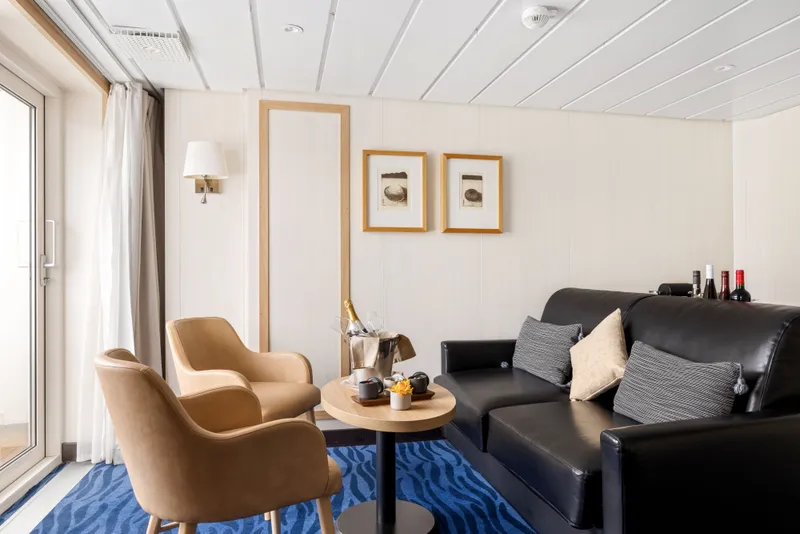
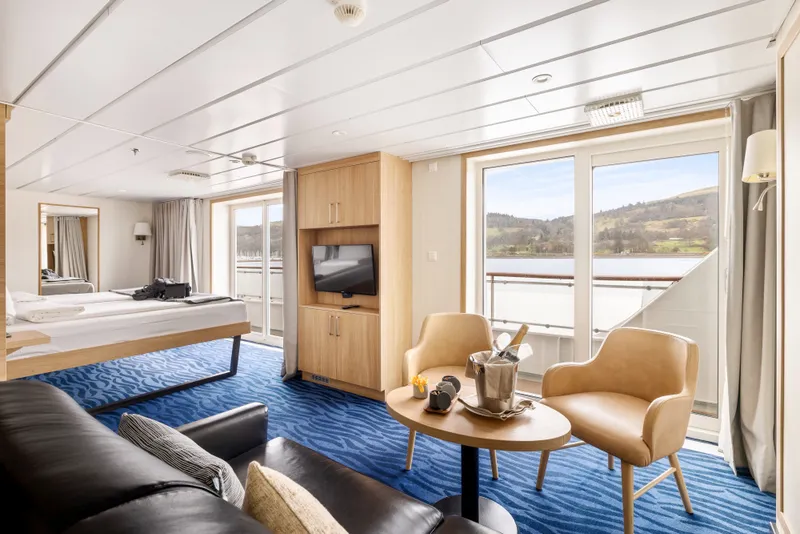
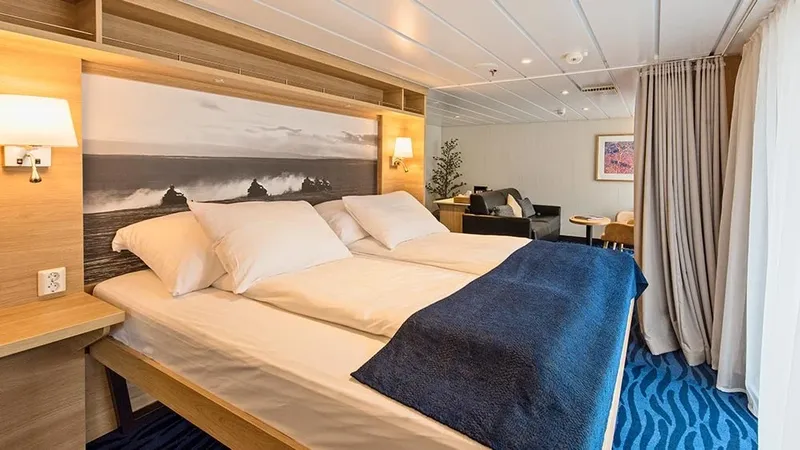
Expedition Grand Suite
Suite
301–312 m²Max 4
MG
One room, seating area and double bed, TV, mini-bar, kettle, private balcony
DoubleLounge AreaShowerToiletries ProvidedFree Mini BarTV+6
View Details
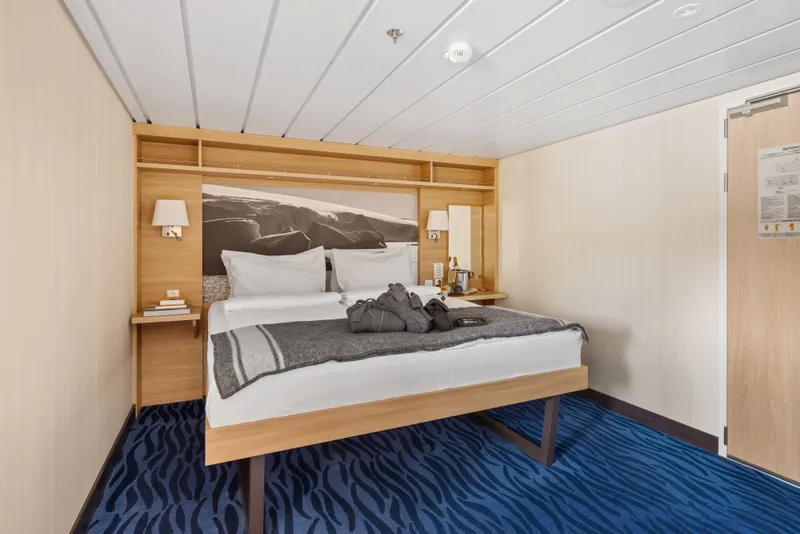
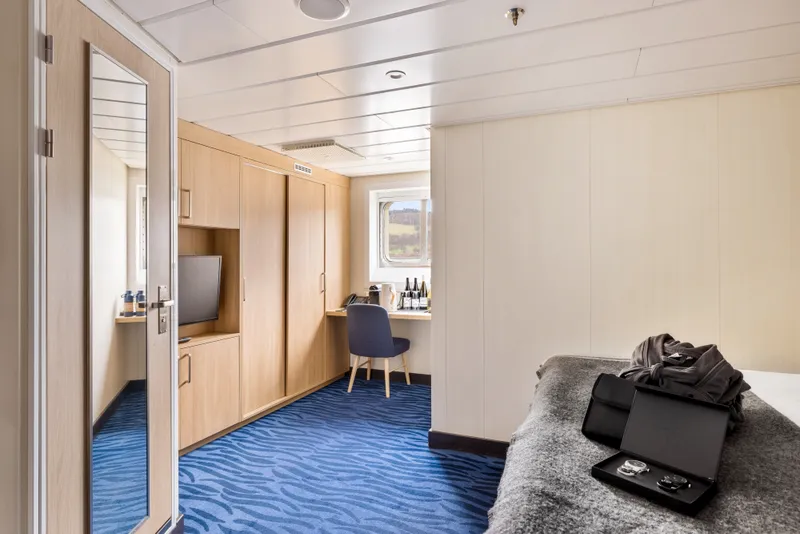
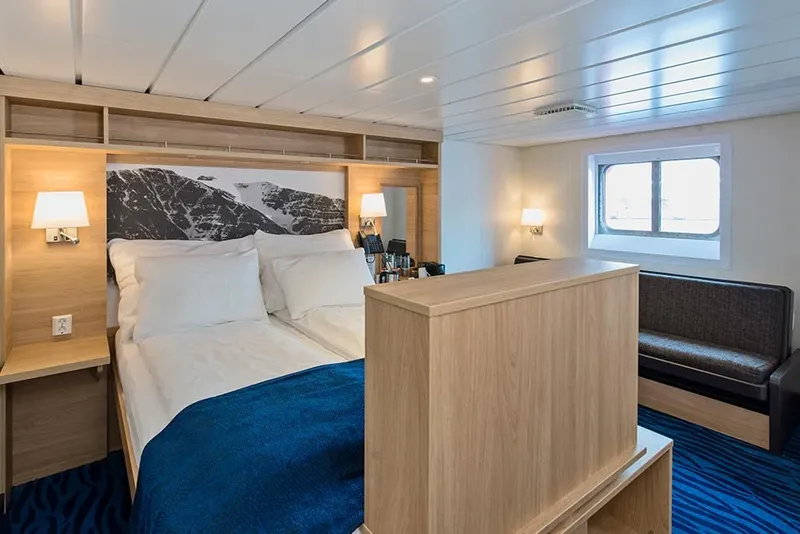
Expedition Mini Suite
Suite
172–248 m²Max 4
Q2Q3Q4
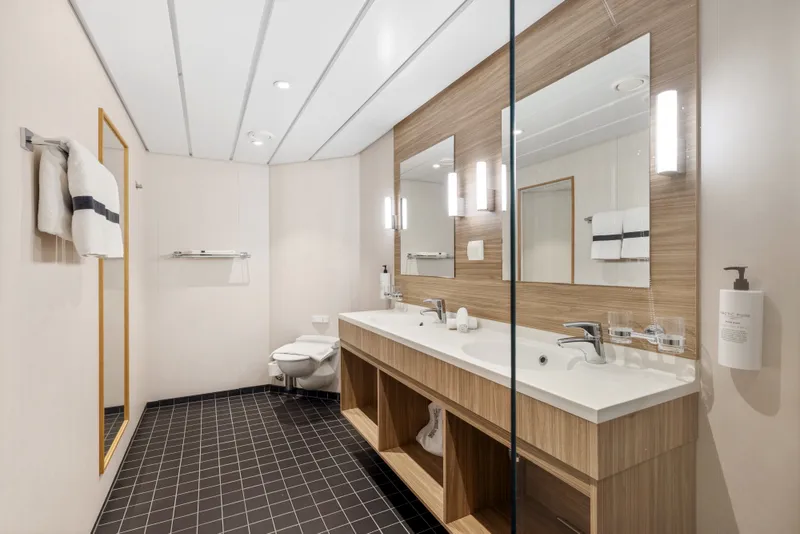
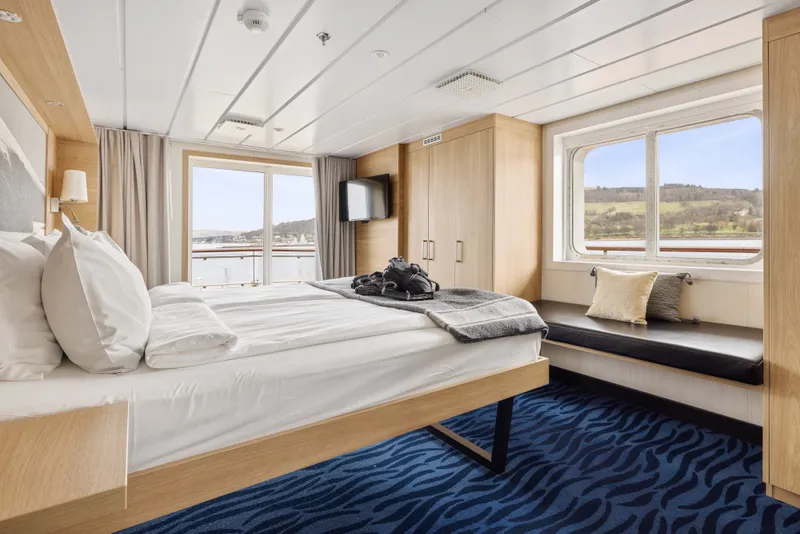
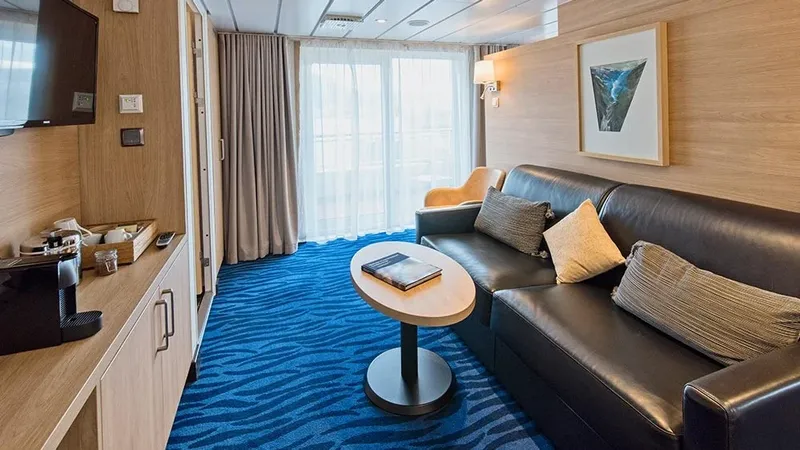
This mini suite for up to three people on lower deck have a double bed with an extra sofabed, window, TV, and bathroom with shower/WC.
DoubleSofa BedLounge AreaVanity AreaShowerRoom Service Available+7
View Details
Expedition Owner's Suite
Suite
344–355 m²Max 4
MX
Two rooms with doubel bed, seating area, TV, mini-bar, kettle, stereo, shower, private balcony or bay window
DoubleLounge AreaShowerToiletries ProvidedTVCoffee Machine+5
US$21,442 /person+ US$0 taxes & fees
Arctic Superior
Outside
Arctic Superior
118–194 m²Max 4
P2DQJU2DYA
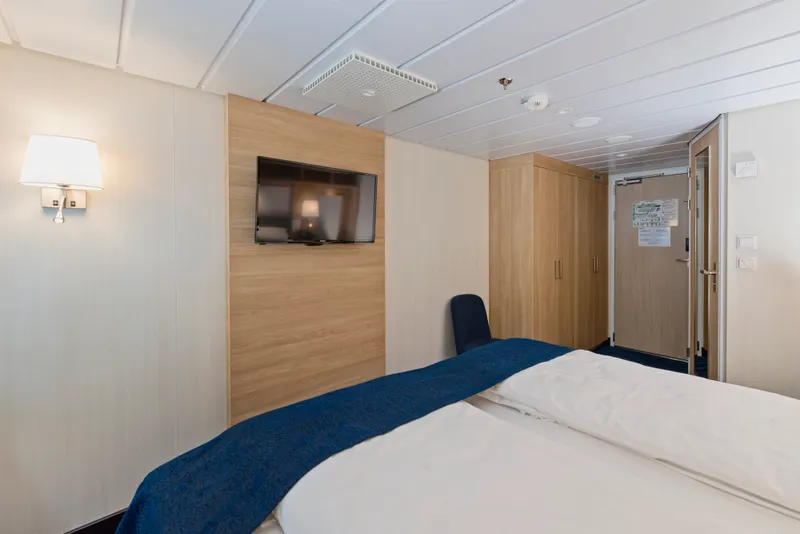
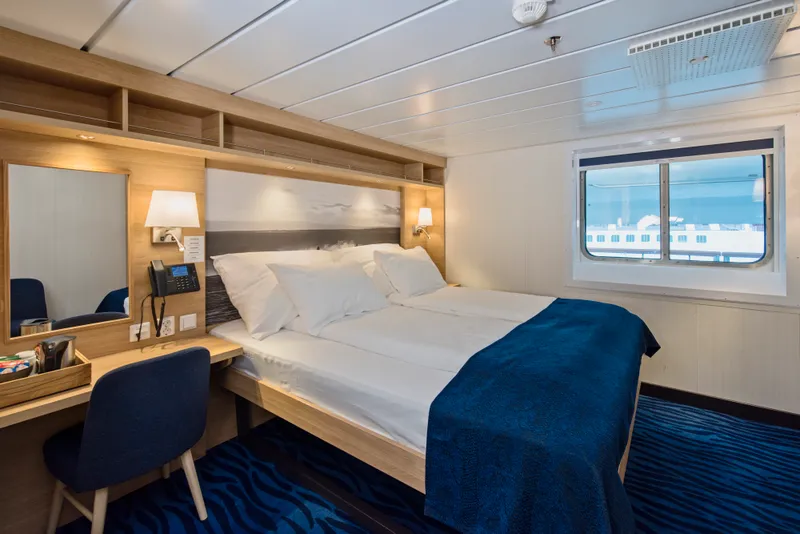
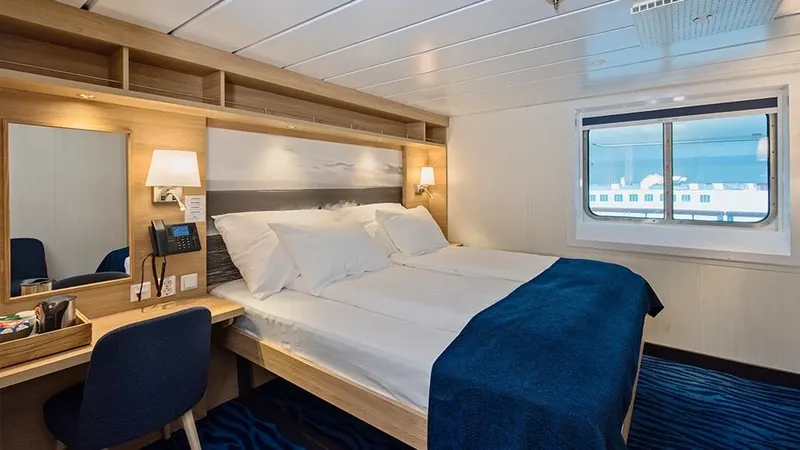
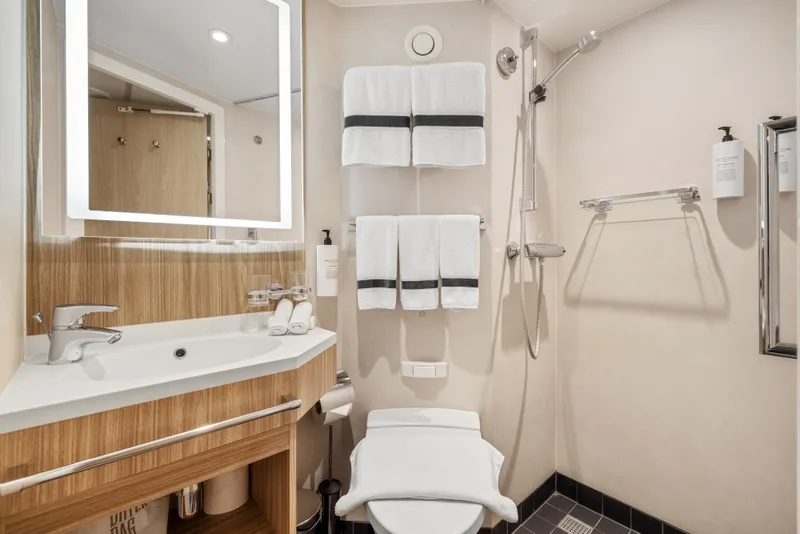
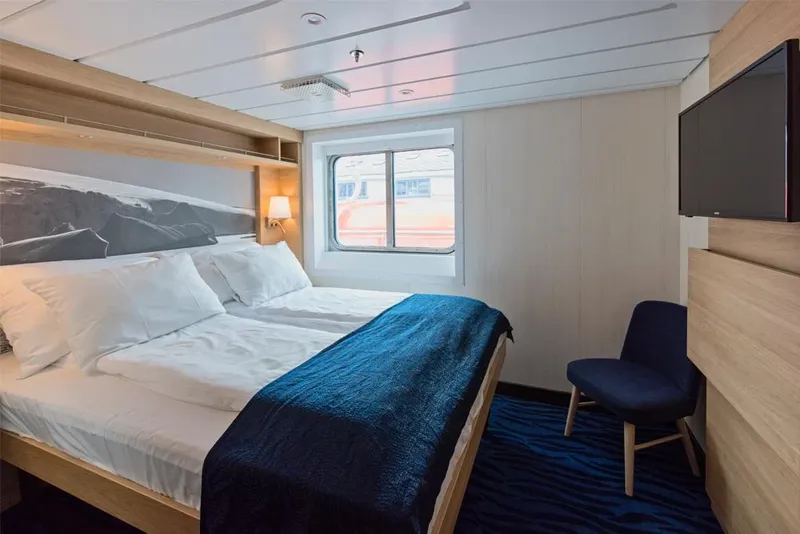
Smaller Outside Arctic Superior cabin with double bed, TV, table and kettle.
11 - 14 m2
Window
Bathroom
TV
Double bed
DoubleShowerToiletries ProvidedTVCoffee MachineHair Dryer+7
US$9,407 /person+ US$0 taxes & fees
Outside Cabin
Outside
118–129 m²Max 2
J2J2D
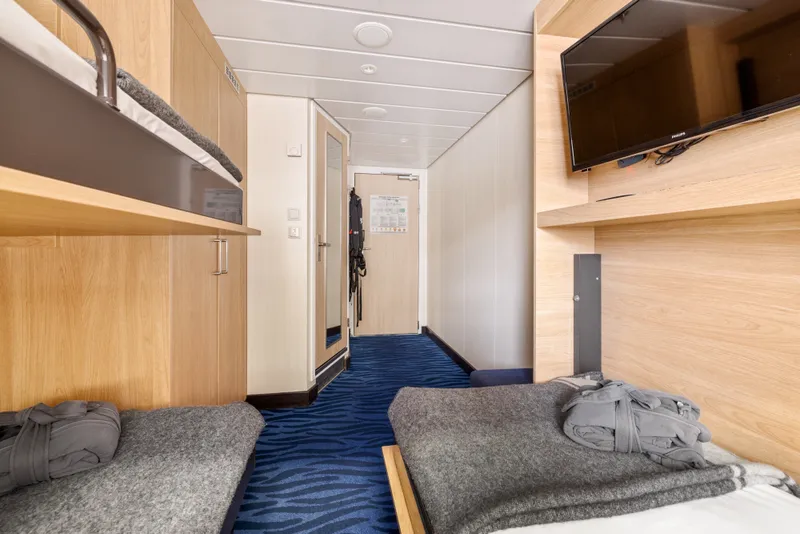
Double bed, TV, limited/no view
Vanity AreaShowerRoom Service AvailableTVSafeHair Dryer+2
View Details
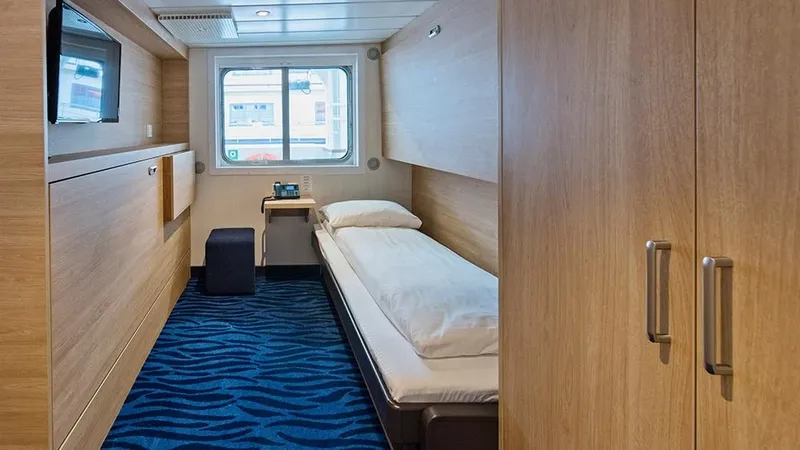
Polar Outside
Outside
118–151 m²Max 3
A2AJJ3O2DO3
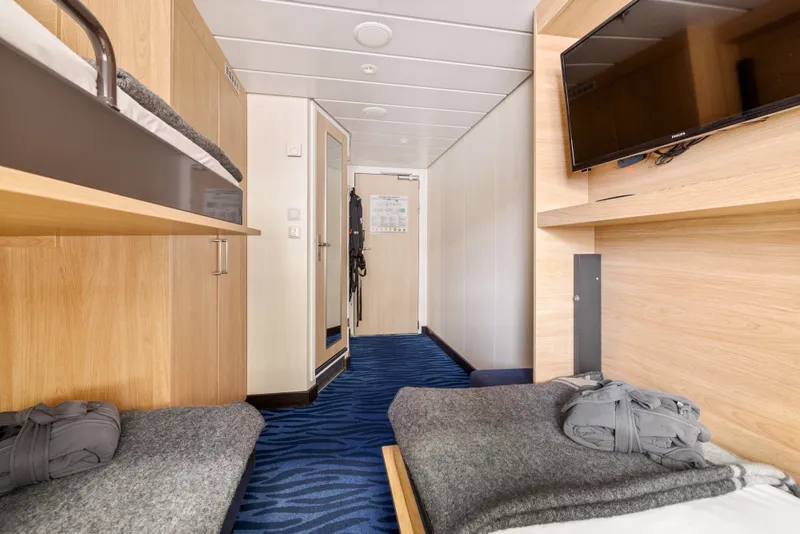
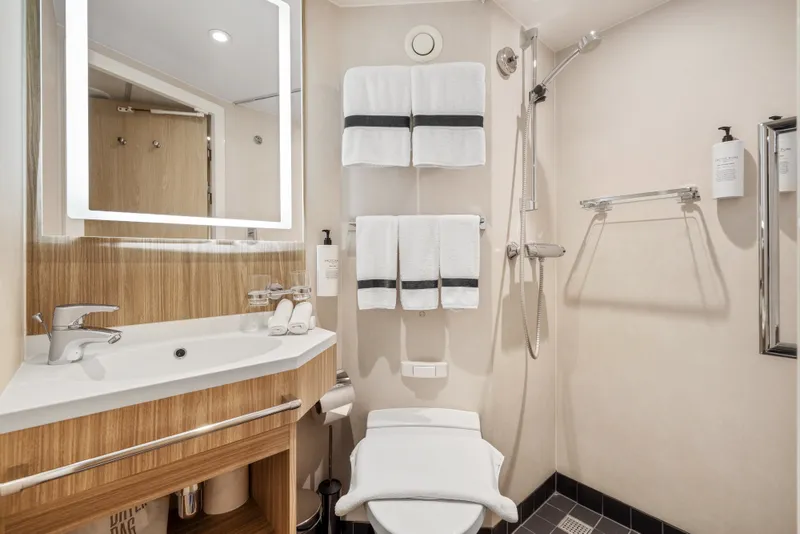
Outside cabin with double bed, TV and window.
13 - 14 m2
Window
Bathroom
TV
Double bed
DoubleShowerToiletries ProvidedTVHair DryerRoom Service Available+7
US$8,162 /person+ US$0 taxes & fees
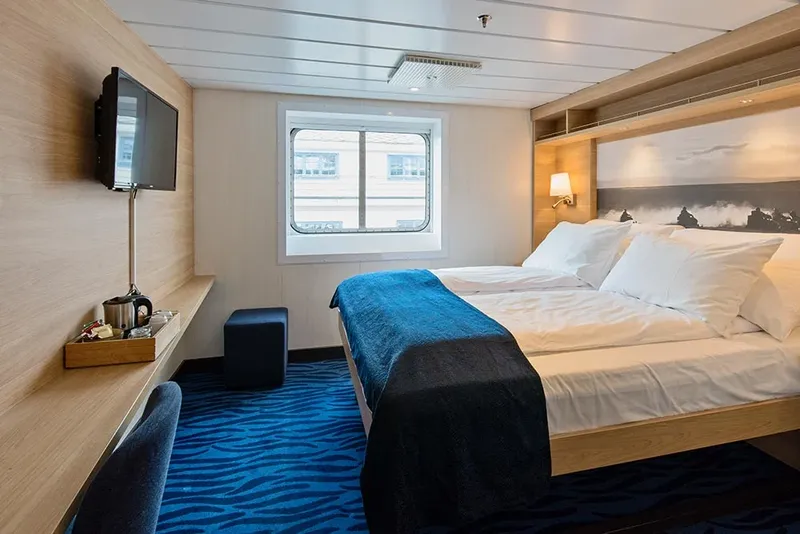
Unspecified Arctic Superior
Outside
USPD
Unspecified Arctic Superior
View Details
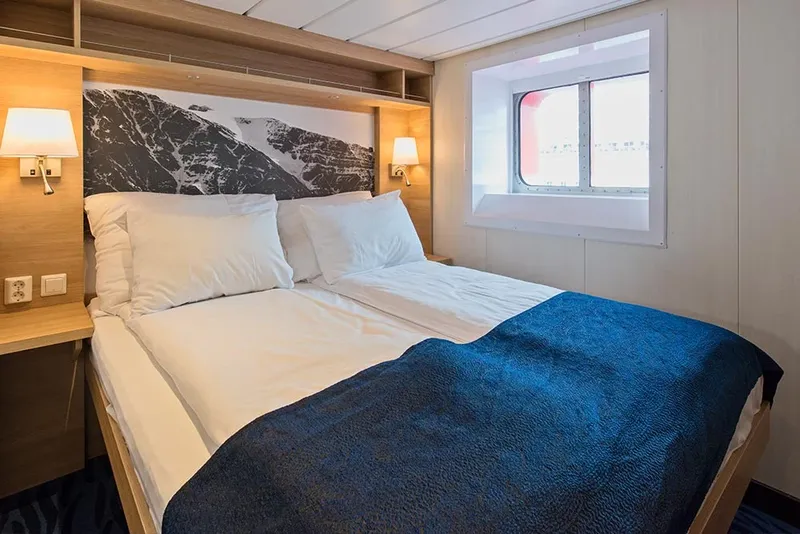
Unspecified Outside Cabin
Outside
USPT
Unspecified Outside Cabin
View Details
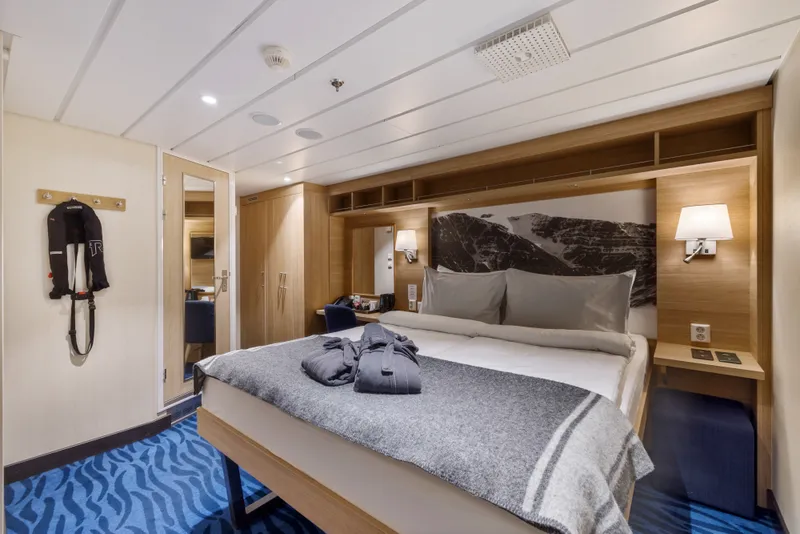
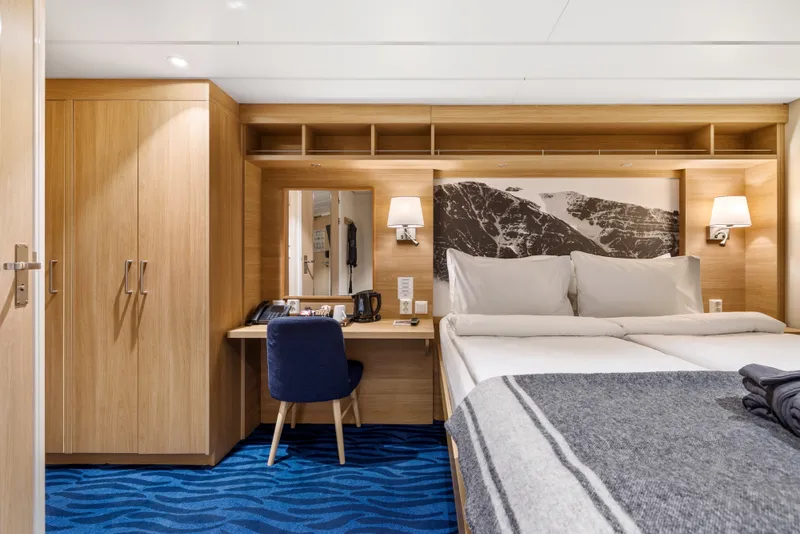
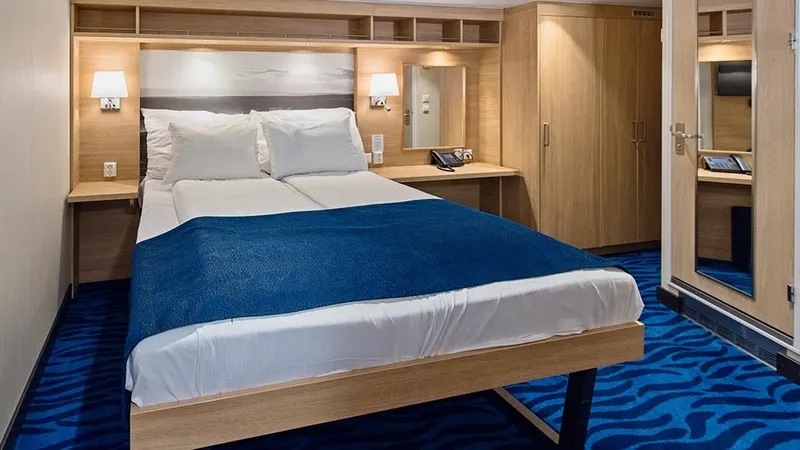
Polar Inside Cabin
Inside
97–151 m²Max 2
I2D
Inside cabin with double bed and TV for up to two people.
9 - 14 m2
No window
Bathroom
TV
Double bed
DoubleShowerToiletries ProvidedRoom Service AvailableTVSafe+3
US$6,686 /person+ US$0 taxes & fees
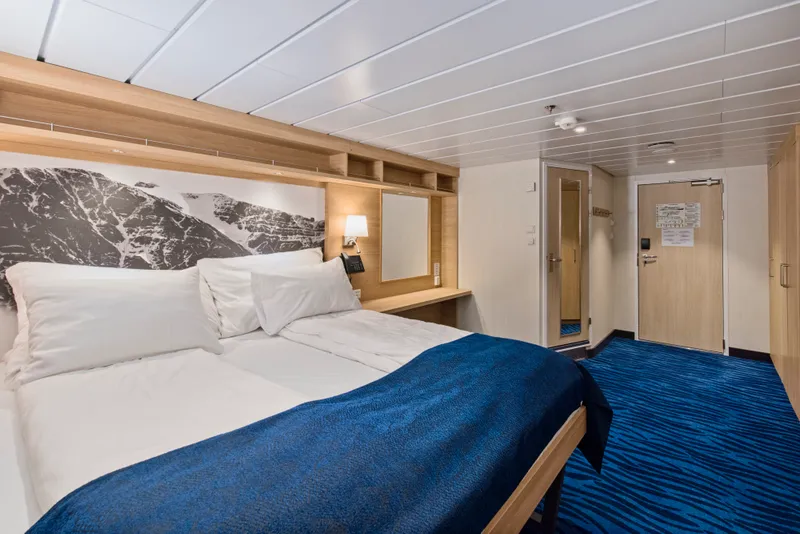
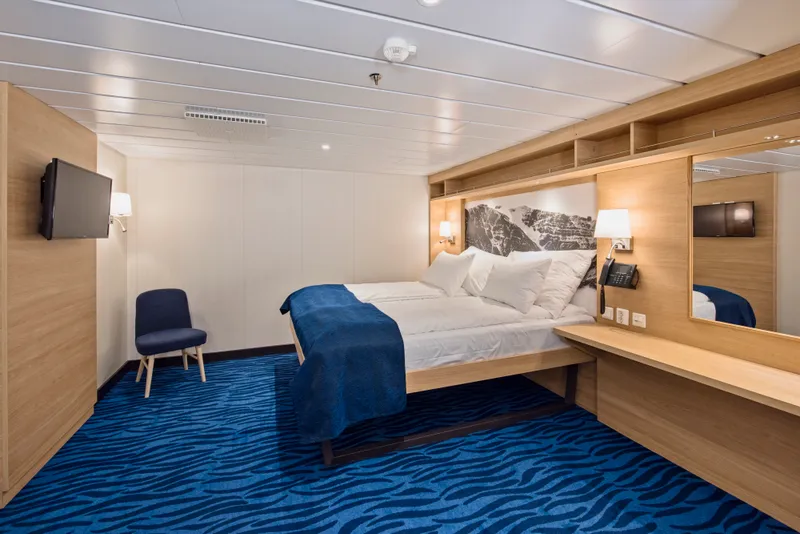
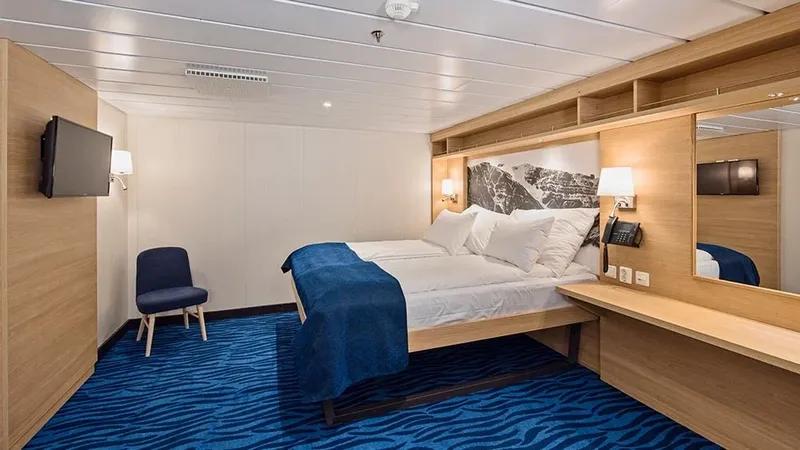
Superior Inside Cabin
Inside
161–215 m²Max 4
K2DK4D
Spacious inside cabin for four travellers, with one double bed and TV.
15 - 20 m2
No window
Bathroom
TV
Mixed beds
DoublePullman Bed x2ShowerToiletries ProvidedTVHair Dryer+4
View Details
Interested in This Voyage?
Our cruise specialists can help you find the perfect cabin and the best available pricing.
(+886) 02-2721-7300Contact Advisor