HX Expeditions980675980702-2
Circumnavigating Svalbard - The Ultimate Expedition
Date
2026-07-13
Duration
15 nights
Departure Port
Longyearbyen
Svalbard and Jan Mayen
Arrival Port
Longyearbyen
Svalbard and Jan Mayen
Rating
Expedition
Theme
—
HX Expeditions
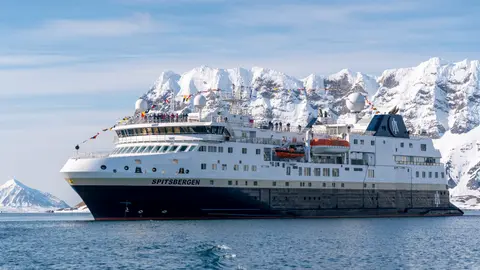
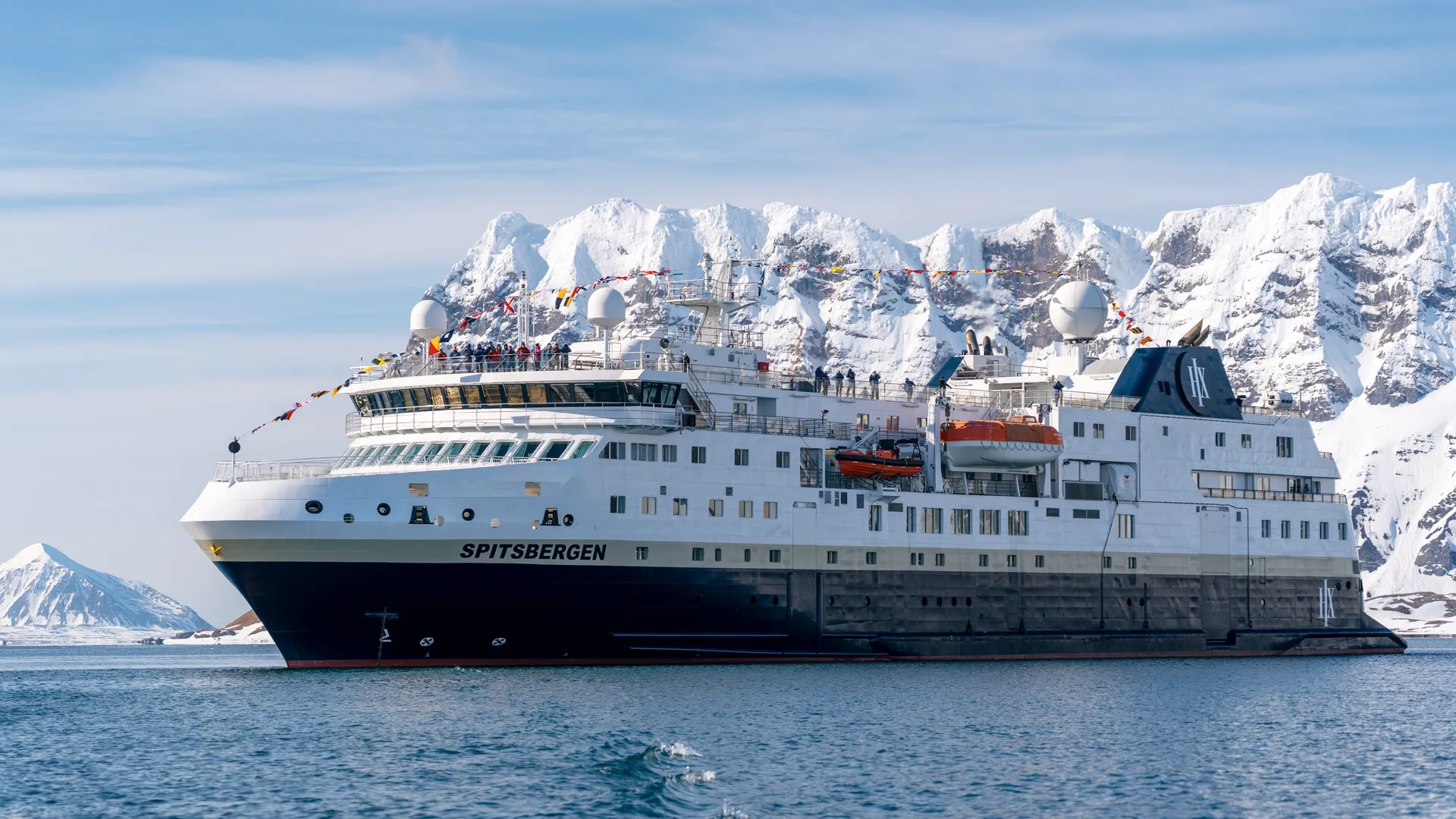
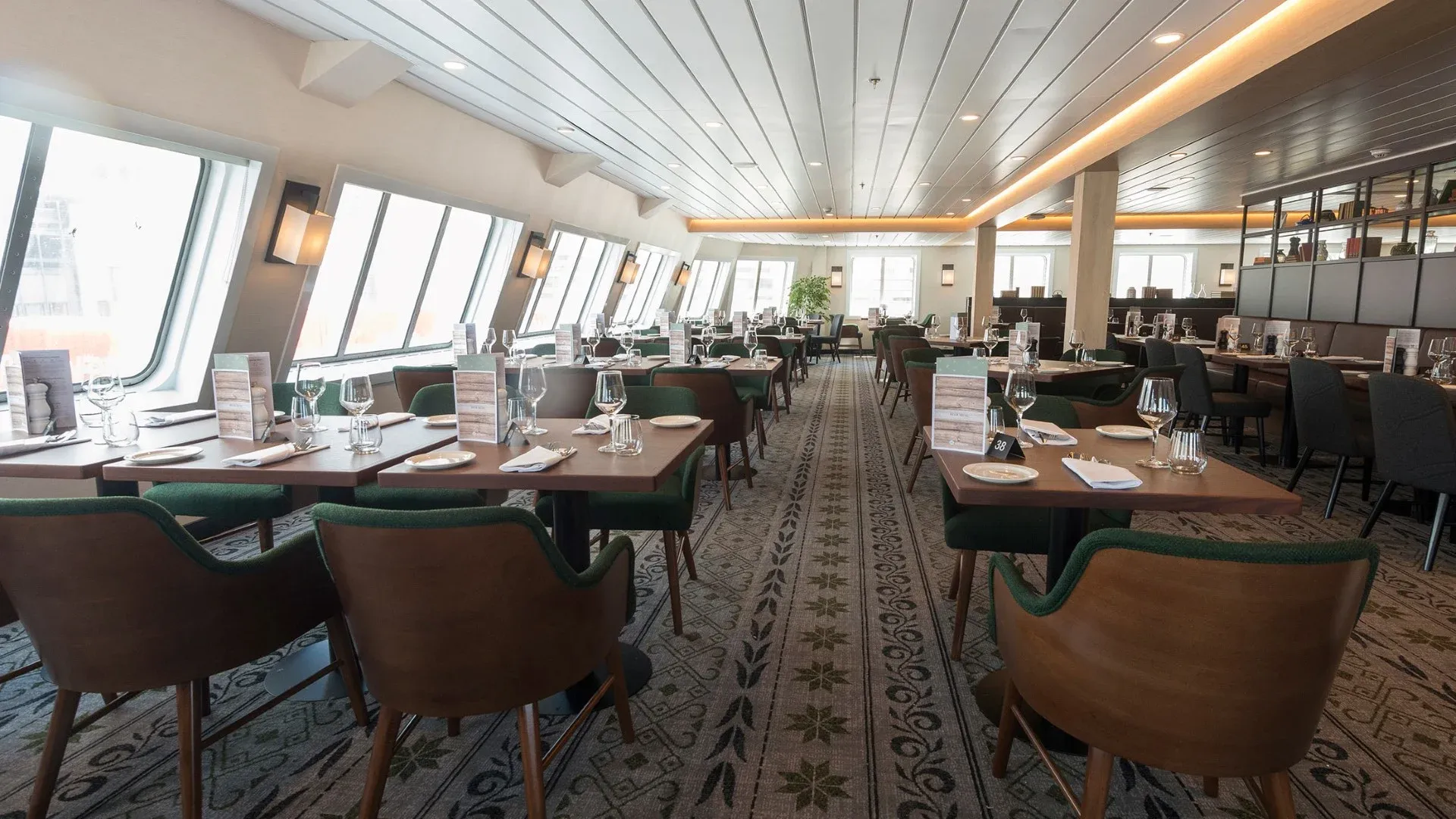
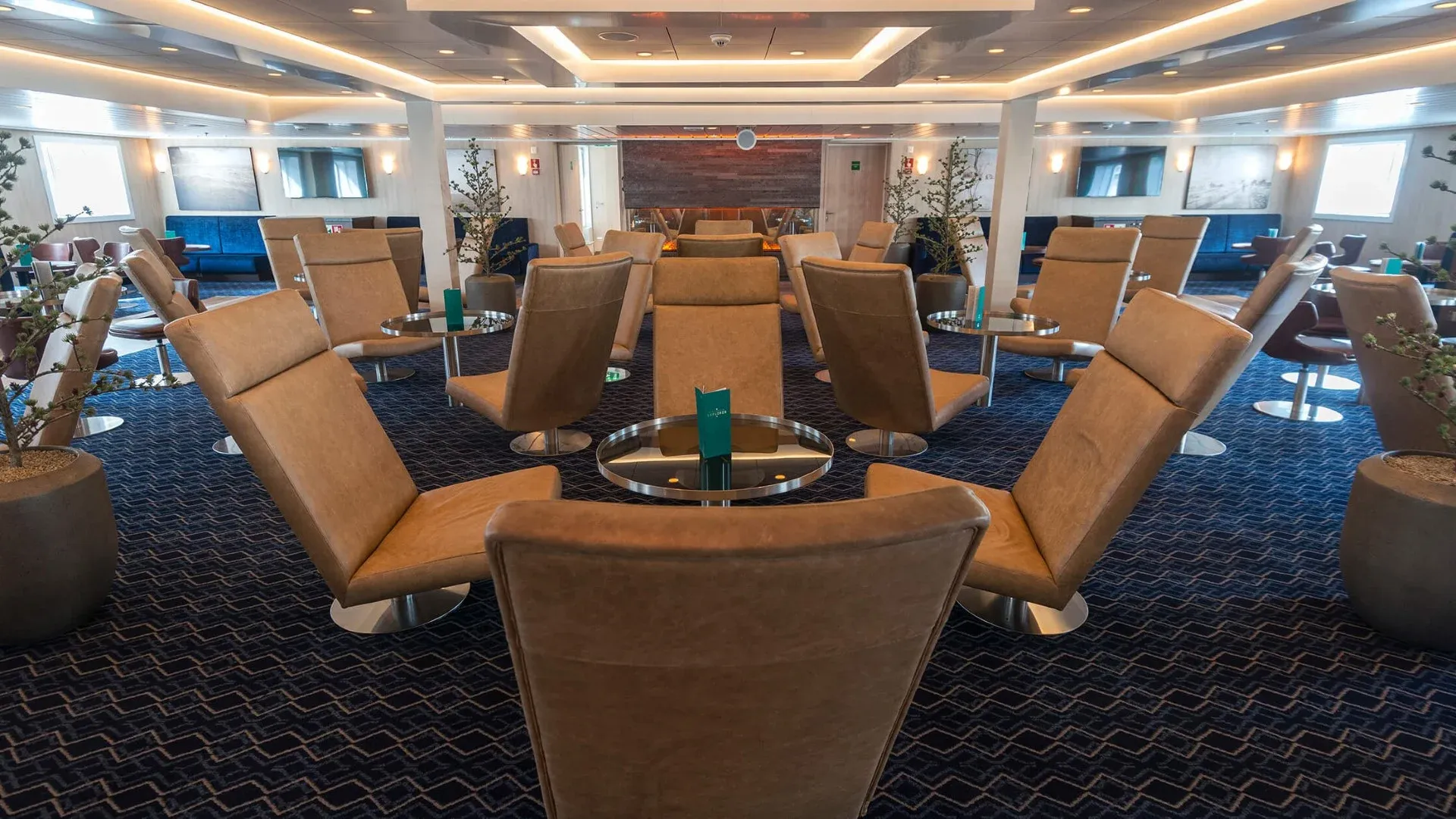
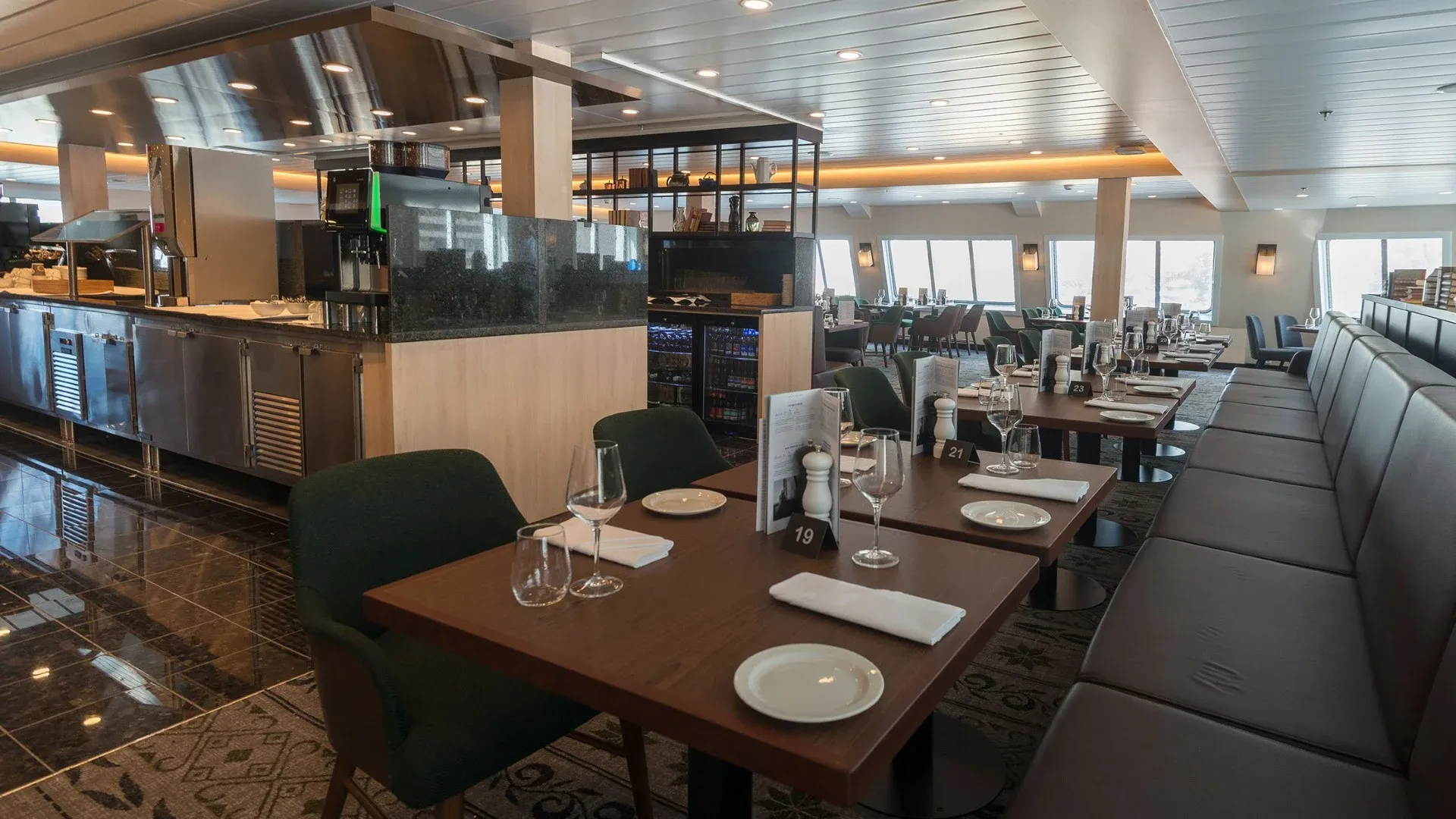
MS Spitsbergen
Explorer
Launched
2016
Refitted
2025
Tonnage
7,344 GT
Passengers
335
Cabins
100
Crew
65
Length
331 m
Width
18 m
Speed
14 knots
Adults Only
No
Itinerary
Day 2
Day 2
Longyearbyen
Depart 20:00
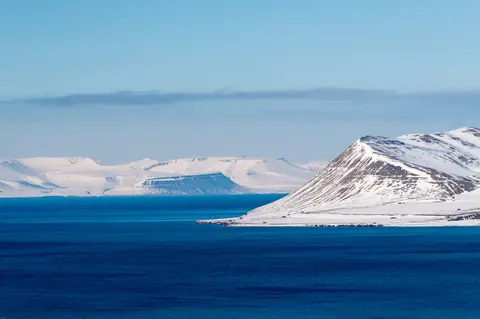
Longyearbyen, the northernmost permanent settlement in the world, is a unique port in the Svalbard archipelago, rich in history and breathtaking Arctic landscapes. Must-do experiences include savoring local delicacies like reindeer stew and exploring the stunning fjords of Raudfjord and Liefdefjorden. The best time to visit is during the summer months, when the midnight sun illuminates the stunning scenery.
Day 3
Day 3
Krossfjord
Arrive 09:00Depart 13:00
Krossfjord is a remote High Arctic fjord on Spitsbergen's northwest coast, where massive tidewater glaciers calve into dark waters and polar bears roam the ice edge. Must-dos include Zodiac cruises along the Lilliehöökbreen glacier face, watching seabird colonies on towering cliffs, and scanning for polar bears and belugas. The expedition season runs June–September, with July–August offering the best wildlife and 24-hour Arctic daylight.
Day 3
Day 3
Ny- Alesund
Arrive 14:00Depart 20:00
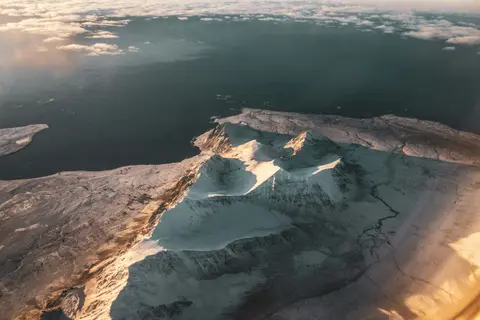
Ny-Ålesund, one of the world's northernmost settlements on Svalbard's Spitsbergen island, is a former coal-mining town turned elite international research station, renowned as the departure point for Amundsen's historic 1926 North Pole flight. Visitors should not miss a Zodiac excursion beneath the calving face of Kronebreen glacier and the extraordinary wildlife encounters — polar bears, Arctic foxes, and seabird colonies — found throughout Kongsfjorden and neighbouring Raudfjord. The optimal visiting window is July through August, when the midnight sun illuminates the tundra in perpetual golden light and sea ice conditions allow the fullest access to surrounding fjords.
Day 4
Day 4
Magdalenefjord
Arrive 08:00Depart 20:00
Magdalenefjord is considered Svalbard's most beautiful fjord, combining tidewater glaciers, jagged Arctic peaks, and a poignant seventeenth-century whaling graveyard on the shores of Spitsbergen. Must-dos include Zodiac cruises along the Waggonwaybreen glacier face, walking among the historic whalers' graves, and scanning for polar bears along the shoreline. The expedition season peaks in July, with midnight sun and the best ice conditions.
Day 5
Day 5
Liefdefjorden
Arrive 08:00Depart 20:00
Liefdefjorden is a spectacular Arctic fjord in Svalbard dominated by the five-kilometer-wide Monaco Glacier, surrounded by tundra wildflowers and abundant wildlife including polar bears and Arctic foxes. Must-dos include Zodiac cruising along the glacier face and watching icebergs calve into mirror-still waters. Visit between June and August for midnight sun and peak wildlife activity.
Day 6
Day 6
At Sea
Day 8
Day 8
Isflakbukta
Arrive 08:00Depart 20:00
Isflakbukta on Phippsøya is one of Earth's northernmost accessible points at 80.7°N, just 960 kilometers from the North Pole, in Svalbard's remote Seven Islands archipelago. Must-dos include scanning for polar bears on the shoreline and experiencing the raw geography of the Arctic ice edge. Only accessible in July-August when ice conditions permit, with landings never guaranteed.
Day 9
Day 9
Havoysund
Arrive 08:00Depart 12:00
Havøysund, a picturesque fishing village in Norway's Finnmark region, offers a blend of historical charm and vibrant coastal culture. Visitors should not miss the local delicacies such as klippfisk and the scenic viewpoints provided by the windmill park. The best season to visit is during the summer months, when the weather is mild and the village comes alive with local festivals and outdoor activities.
Day 9
Day 9
Bråsvellsbreen Glacier
Arrive 15:00Depart 20:00
Bråsvellbreen is the longest glacier front in the Northern Hemisphere, stretching over 200 kilometers along Svalbard's Nordaustlandet coast, famous for its 1937 glacial surge and now a dramatic illustration of Arctic climate change. Must-dos include Zodiac cruising along the immense ice wall and witnessing calving events as icebergs crash into the sea. Access is limited to July and August when sea ice permits approach.
Day 10
Day 10
Sundneset Peninsula
Arrive 13:00Depart 20:00
Sundneset Peninsula on Barentsøya in eastern Svalbard is a remote Arctic landing site featuring a historic trapper's cabin and vast tundra overlooking the Barents Sea, with frequent polar bear and walrus sightings. Must-dos include visiting the weathered trapper's cabin and scanning the coastline for polar bears hunting seals. Only accessible during July and August on eastern Svalbard expedition itineraries.
Day 11
Day 11
Negribreen Glacier
Arrive 08:00Depart 12:00
Negribreen is one of Svalbard's most dynamic glaciers, famous for its dramatic 2016-2017 surge that advanced kilometers into the fjord, producing enormous icebergs that created a frozen sculpture garden. Must-dos include Zodiac cruising among the massive icebergs and watching for polar bears hunting seals near the ice front. July and August offer the best access to this eastern Spitsbergen glacier.
Day 11
Day 11
Boltodden
Arrive 15:00Depart 20:00
Boltodden is a remote promontory on eastern Spitsbergen near Europe's largest glacier, offering raw encounters with Arctic ice, tundra, and wildlife including walruses and polar bears. Must-dos include Zodiac cruising along the glacier front and walking across glacial moraine landscapes. Only accessible in July and August when sea ice conditions permit.
Day 12
Day 12
Gnålodden
Arrive 08:00Depart 12:00
Gnålodden is a dramatic bird cliff on southern Spitsbergen where tens of thousands of guillemots nest on 100-meter rock faces above a lush, guano-fertilized tundra strip. Must-dos include watching the seabird colony's aerial spectacle and visiting the historic trapper's cabin at the cliff base. Visit June through August for peak breeding season when the cliffs are at their most active.
Day 12
Day 12
Burgerbukta
Arrive 13:30Depart 20:00
Burgerbukta is a glacial bay in Svalbard's Hornsund fjord, offering intimate encounters with a massive tidewater glacier, polar bears, and spectacular seabird cliffs at 77 degrees north latitude. Must-dos include Zodiac cruising along the calving glacier face, scanning for polar bears on the shoreline, and witnessing the seabird colonies on the surrounding cliffs. Visit July to August for the warmest conditions and best ice access.
Day 13
Day 13
Bjørnsund
Arrive 08:00Depart 20:00
Bjørnsund is a hauntingly beautiful cluster of mostly abandoned fishing islands off Norway's Romsdal coast, offering a window into centuries of Norwegian maritime heritage amid raw, treeless landscapes. Must-dos include walking the island paths between weathered wooden houses, photographing the dramatic coastal light, and driving the nearby Atlantic Road. Visit June to August for midnight sun and the warmest conditions.
Day 14
Day 14
Longyearbyen
Arrive 06:00
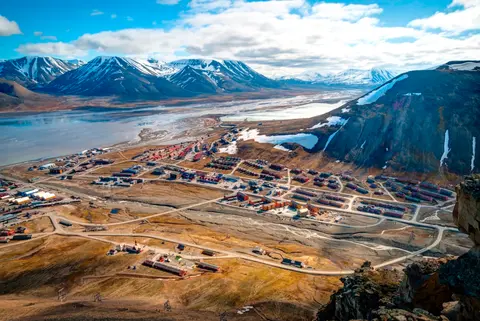
Longyearbyen, the northernmost permanent settlement in the world, is a unique port in the Svalbard archipelago, rich in history and breathtaking Arctic landscapes. Must-do experiences include savoring local delicacies like reindeer stew and exploring the stunning fjords of Raudfjord and Liefdefjorden. The best time to visit is during the summer months, when the midnight sun illuminates the stunning scenery.
Day 2
Longyearbyen
Depart 20:00
Longyearbyen, the northernmost permanent settlement in the world, is a unique port in the Svalbard archipelago, rich in history and breathtaking Arctic landscapes. Must-do experiences include savoring local delicacies like reindeer stew and exploring the stunning fjords of Raudfjord and Liefdefjorden. The best time to visit is during the summer months, when the midnight sun illuminates the stunning scenery.
Day 3
Krossfjord
Arrive 09:00Depart 13:00
Krossfjord is a remote High Arctic fjord on Spitsbergen's northwest coast, where massive tidewater glaciers calve into dark waters and polar bears roam the ice edge. Must-dos include Zodiac cruises along the Lilliehöökbreen glacier face, watching seabird colonies on towering cliffs, and scanning for polar bears and belugas. The expedition season runs June–September, with July–August offering the best wildlife and 24-hour Arctic daylight.
Ny- Alesund
Arrive 14:00Depart 20:00
Ny-Ålesund, one of the world's northernmost settlements on Svalbard's Spitsbergen island, is a former coal-mining town turned elite international research station, renowned as the departure point for Amundsen's historic 1926 North Pole flight. Visitors should not miss a Zodiac excursion beneath the calving face of Kronebreen glacier and the extraordinary wildlife encounters — polar bears, Arctic foxes, and seabird colonies — found throughout Kongsfjorden and neighbouring Raudfjord. The optimal visiting window is July through August, when the midnight sun illuminates the tundra in perpetual golden light and sea ice conditions allow the fullest access to surrounding fjords.
Day 4
Magdalenefjord
Arrive 08:00Depart 20:00
Magdalenefjord is considered Svalbard's most beautiful fjord, combining tidewater glaciers, jagged Arctic peaks, and a poignant seventeenth-century whaling graveyard on the shores of Spitsbergen. Must-dos include Zodiac cruises along the Waggonwaybreen glacier face, walking among the historic whalers' graves, and scanning for polar bears along the shoreline. The expedition season peaks in July, with midnight sun and the best ice conditions.
Day 5
Liefdefjorden
Arrive 08:00Depart 20:00
Liefdefjorden is a spectacular Arctic fjord in Svalbard dominated by the five-kilometer-wide Monaco Glacier, surrounded by tundra wildflowers and abundant wildlife including polar bears and Arctic foxes. Must-dos include Zodiac cruising along the glacier face and watching icebergs calve into mirror-still waters. Visit between June and August for midnight sun and peak wildlife activity.
Day 6
At Sea
Day 8
Isflakbukta
Arrive 08:00Depart 20:00
Isflakbukta on Phippsøya is one of Earth's northernmost accessible points at 80.7°N, just 960 kilometers from the North Pole, in Svalbard's remote Seven Islands archipelago. Must-dos include scanning for polar bears on the shoreline and experiencing the raw geography of the Arctic ice edge. Only accessible in July-August when ice conditions permit, with landings never guaranteed.
Day 9
Havoysund
Arrive 08:00Depart 12:00
Havøysund, a picturesque fishing village in Norway's Finnmark region, offers a blend of historical charm and vibrant coastal culture. Visitors should not miss the local delicacies such as klippfisk and the scenic viewpoints provided by the windmill park. The best season to visit is during the summer months, when the weather is mild and the village comes alive with local festivals and outdoor activities.
Bråsvellsbreen Glacier
Arrive 15:00Depart 20:00
Bråsvellbreen is the longest glacier front in the Northern Hemisphere, stretching over 200 kilometers along Svalbard's Nordaustlandet coast, famous for its 1937 glacial surge and now a dramatic illustration of Arctic climate change. Must-dos include Zodiac cruising along the immense ice wall and witnessing calving events as icebergs crash into the sea. Access is limited to July and August when sea ice permits approach.
Day 10
Sundneset Peninsula
Arrive 13:00Depart 20:00
Sundneset Peninsula on Barentsøya in eastern Svalbard is a remote Arctic landing site featuring a historic trapper's cabin and vast tundra overlooking the Barents Sea, with frequent polar bear and walrus sightings. Must-dos include visiting the weathered trapper's cabin and scanning the coastline for polar bears hunting seals. Only accessible during July and August on eastern Svalbard expedition itineraries.
Day 11
Negribreen Glacier
Arrive 08:00Depart 12:00
Negribreen is one of Svalbard's most dynamic glaciers, famous for its dramatic 2016-2017 surge that advanced kilometers into the fjord, producing enormous icebergs that created a frozen sculpture garden. Must-dos include Zodiac cruising among the massive icebergs and watching for polar bears hunting seals near the ice front. July and August offer the best access to this eastern Spitsbergen glacier.
Boltodden
Arrive 15:00Depart 20:00
Boltodden is a remote promontory on eastern Spitsbergen near Europe's largest glacier, offering raw encounters with Arctic ice, tundra, and wildlife including walruses and polar bears. Must-dos include Zodiac cruising along the glacier front and walking across glacial moraine landscapes. Only accessible in July and August when sea ice conditions permit.
Day 12
Gnålodden
Arrive 08:00Depart 12:00
Gnålodden is a dramatic bird cliff on southern Spitsbergen where tens of thousands of guillemots nest on 100-meter rock faces above a lush, guano-fertilized tundra strip. Must-dos include watching the seabird colony's aerial spectacle and visiting the historic trapper's cabin at the cliff base. Visit June through August for peak breeding season when the cliffs are at their most active.
Burgerbukta
Arrive 13:30Depart 20:00
Burgerbukta is a glacial bay in Svalbard's Hornsund fjord, offering intimate encounters with a massive tidewater glacier, polar bears, and spectacular seabird cliffs at 77 degrees north latitude. Must-dos include Zodiac cruising along the calving glacier face, scanning for polar bears on the shoreline, and witnessing the seabird colonies on the surrounding cliffs. Visit July to August for the warmest conditions and best ice access.
Day 13
Bjørnsund
Arrive 08:00Depart 20:00
Bjørnsund is a hauntingly beautiful cluster of mostly abandoned fishing islands off Norway's Romsdal coast, offering a window into centuries of Norwegian maritime heritage amid raw, treeless landscapes. Must-dos include walking the island paths between weathered wooden houses, photographing the dramatic coastal light, and driving the nearby Atlantic Road. Visit June to August for midnight sun and the warmest conditions.
Day 14
Longyearbyen
Arrive 06:00
Longyearbyen, the northernmost permanent settlement in the world, is a unique port in the Svalbard archipelago, rich in history and breathtaking Arctic landscapes. Must-do experiences include savoring local delicacies like reindeer stew and exploring the stunning fjords of Raudfjord and Liefdefjorden. The best time to visit is during the summer months, when the midnight sun illuminates the stunning scenery.
Cabin Categories
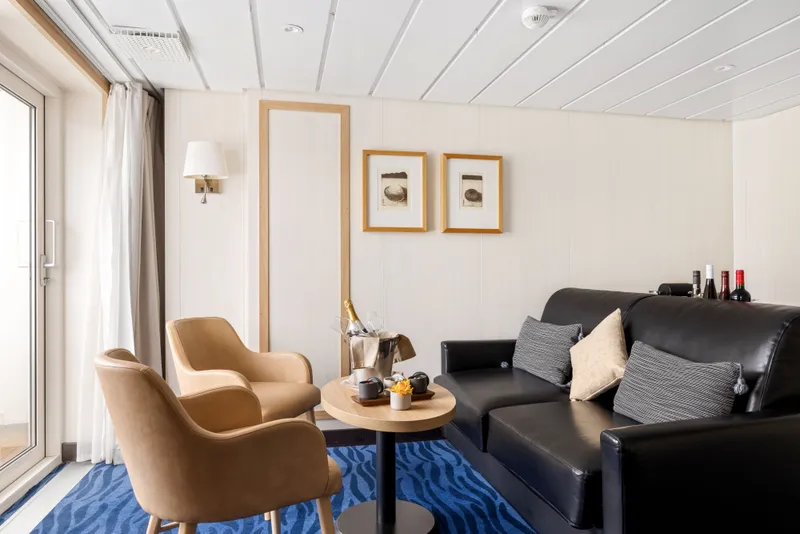
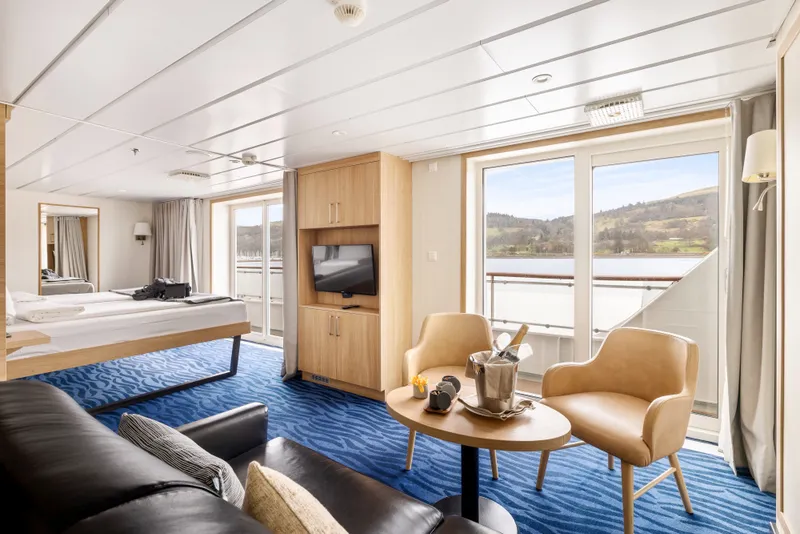
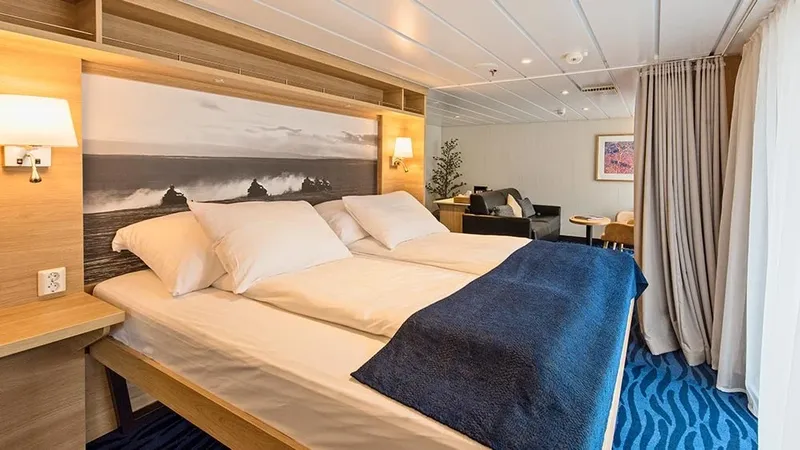
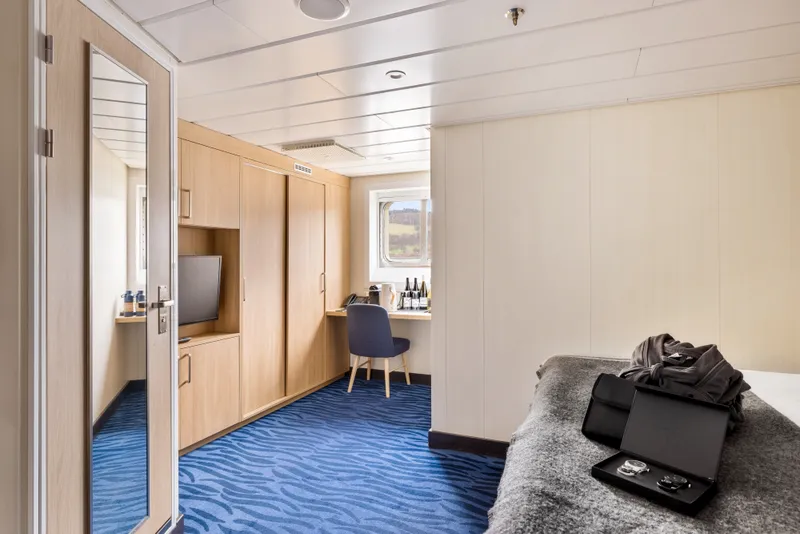
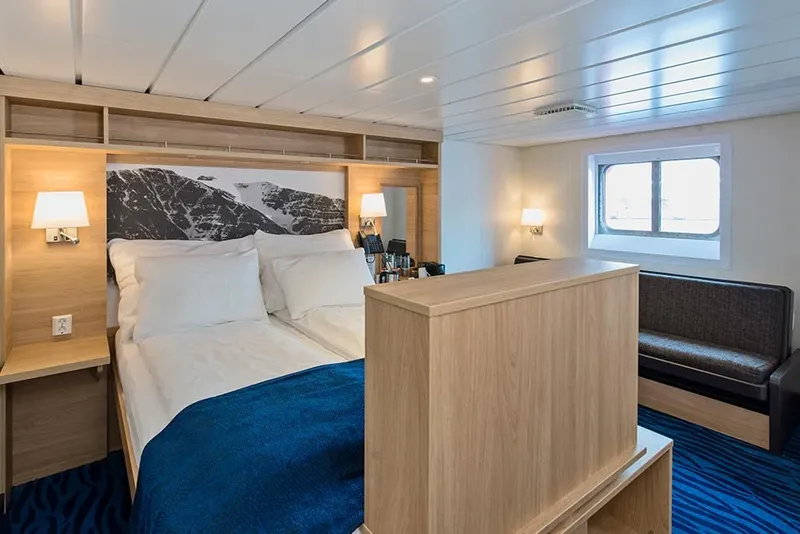
Expedition Grand Suite
Suite
301–312 m²Max 4
MG
One room, seating area and double bed, TV, mini-bar, kettle, private balcony
DoubleLounge AreaShowerToiletries ProvidedFree Mini BarTV+6
View Details
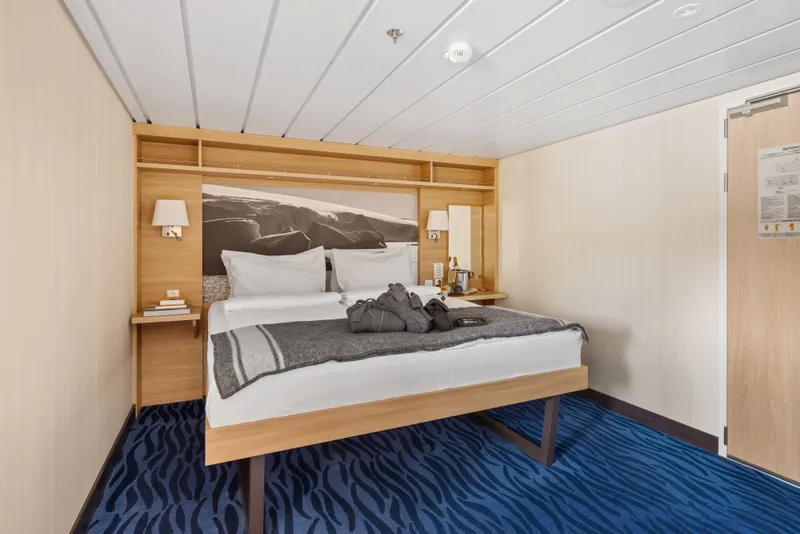
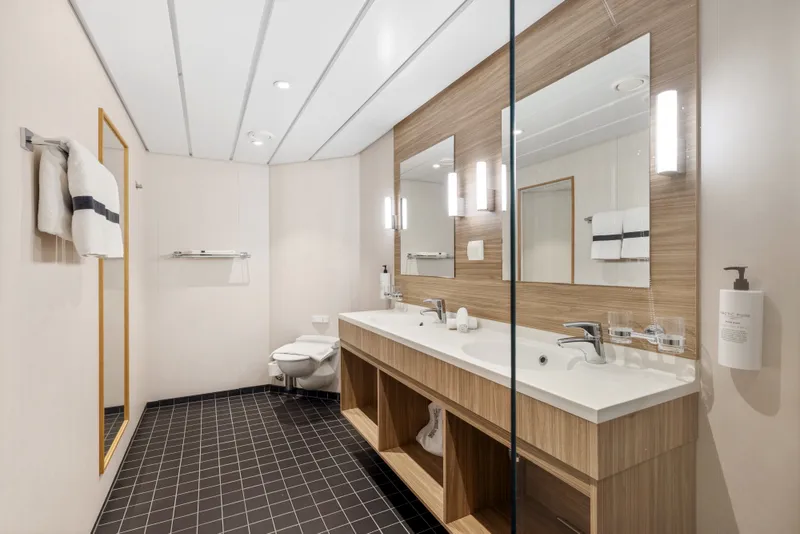
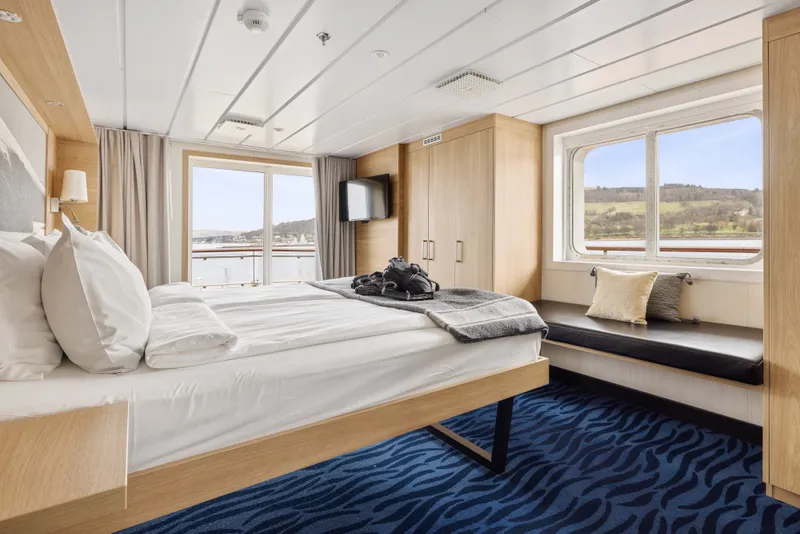
Expedition Mini Suite
Suite
172–248 m²Max 4
Q2Q3Q4
This mini suite for up to three people on lower deck have a double bed with an extra sofabed, window, TV, and bathroom with shower/WC.
DoubleSofa BedLounge AreaVanity AreaShowerRoom Service Available+7
View Details
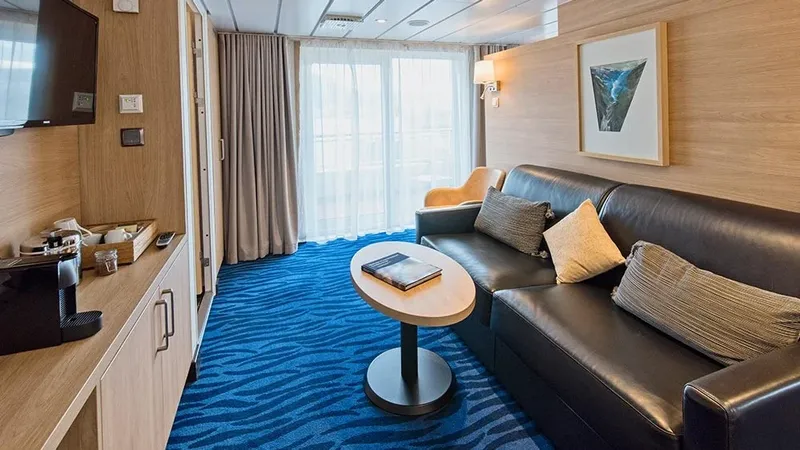
Expedition Owner's Suite
Suite
344–355 m²Max 4
MX
Two rooms with doubel bed, seating area, TV, mini-bar, kettle, stereo, shower, private balcony or bay window
DoubleLounge AreaShowerToiletries ProvidedTVCoffee Machine+5
View Details
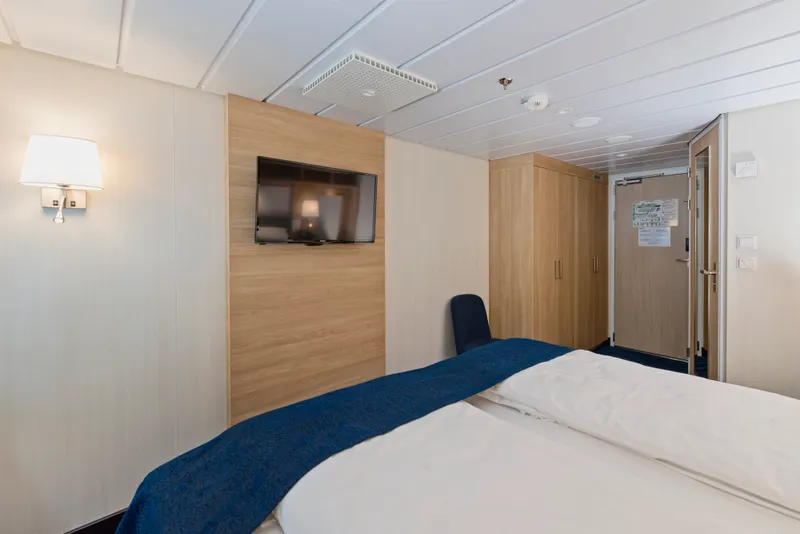
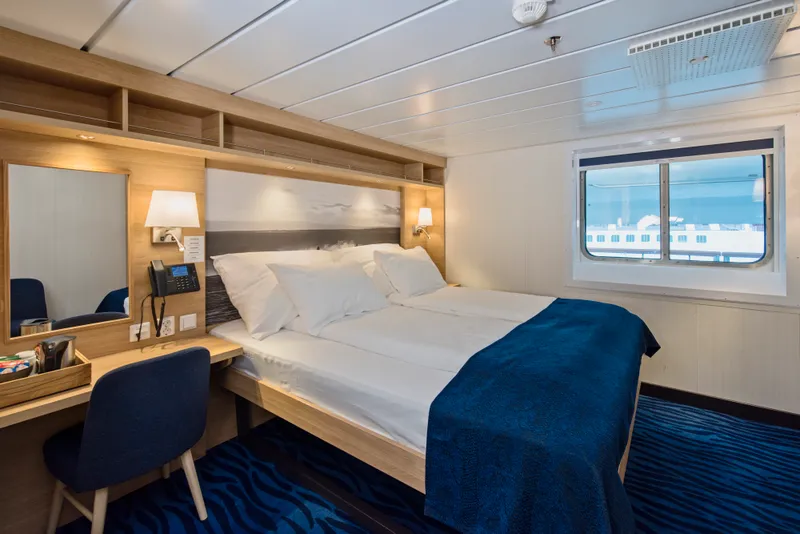
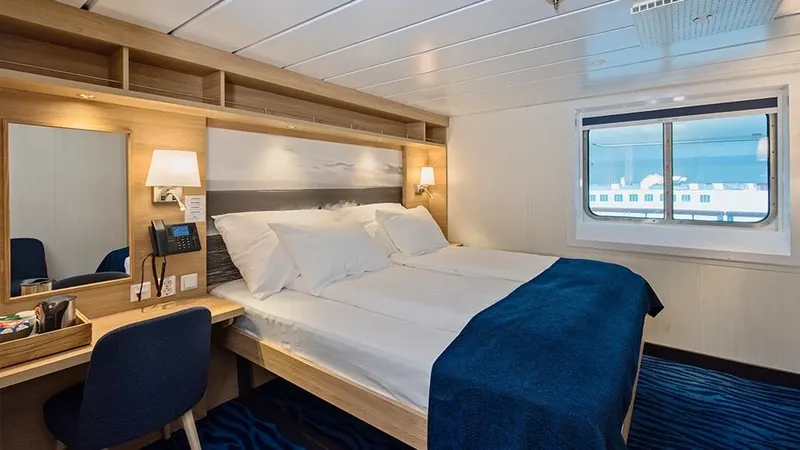
Arctic Superior
Outside
Arctic Superior
118–194 m²Max 4
P2DQJU2DYA
Smaller Outside Arctic Superior cabin with double bed, TV, table and kettle.
11 - 14 m2
Window
Bathroom
TV
Double bed
DoubleShowerToiletries ProvidedTVCoffee MachineHair Dryer+7
View Details

Outside Cabin
Outside
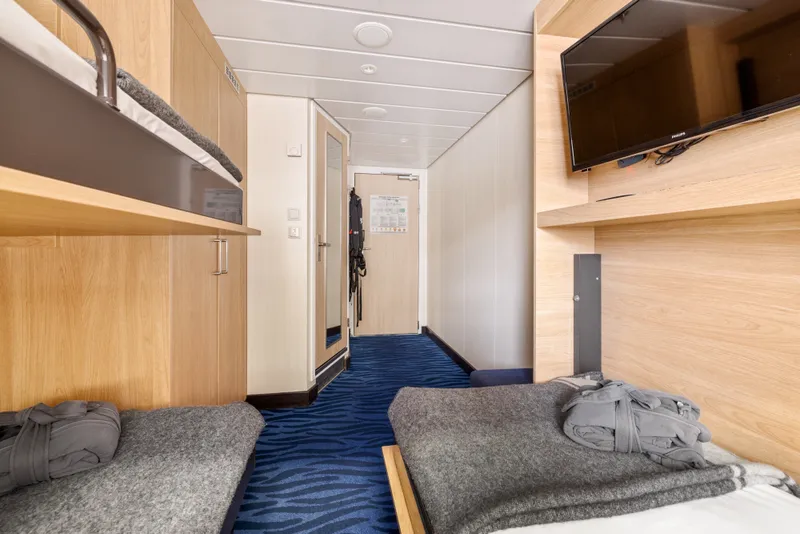
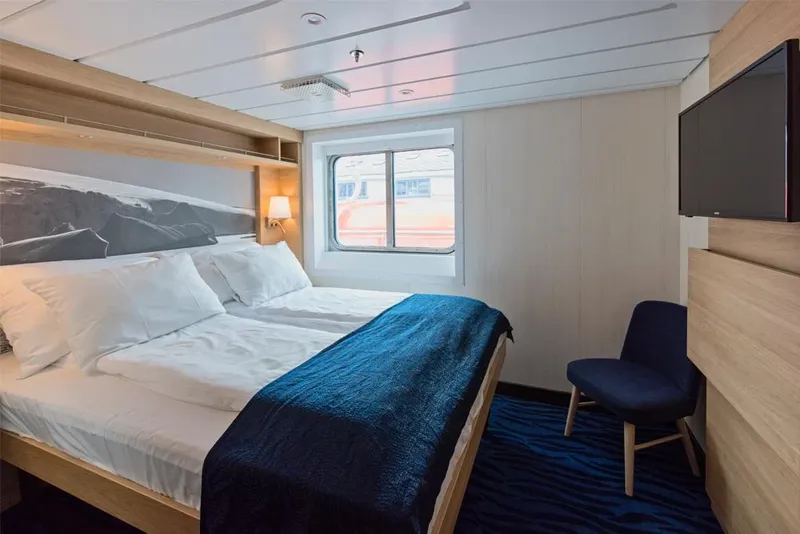
118–129 m²Max 2
J2J2D
Double bed, TV, limited/no view
Vanity AreaShowerRoom Service AvailableTVSafeHair Dryer+2
View Details

Polar Outside
Outside
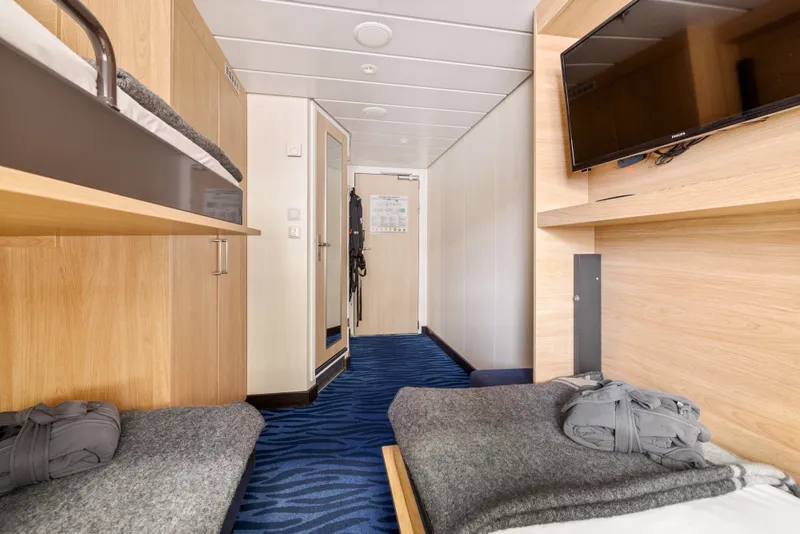
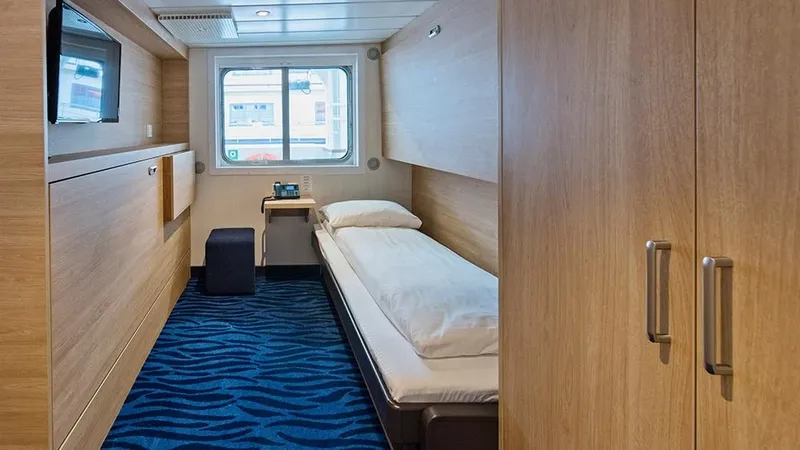
118–151 m²Max 3
A2AJJ3O2DO3
Outside cabin with double bed, TV and window.
13 - 14 m2
Window
Bathroom
TV
Double bed
DoubleShowerToiletries ProvidedTVHair DryerRoom Service Available+7
View Details
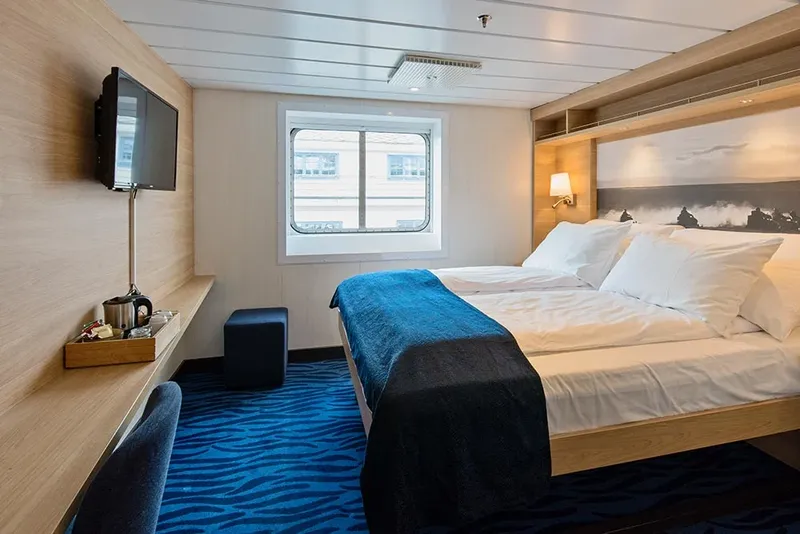
Unspecified Arctic Superior
Outside
USPD
Unspecified Arctic Superior
View Details
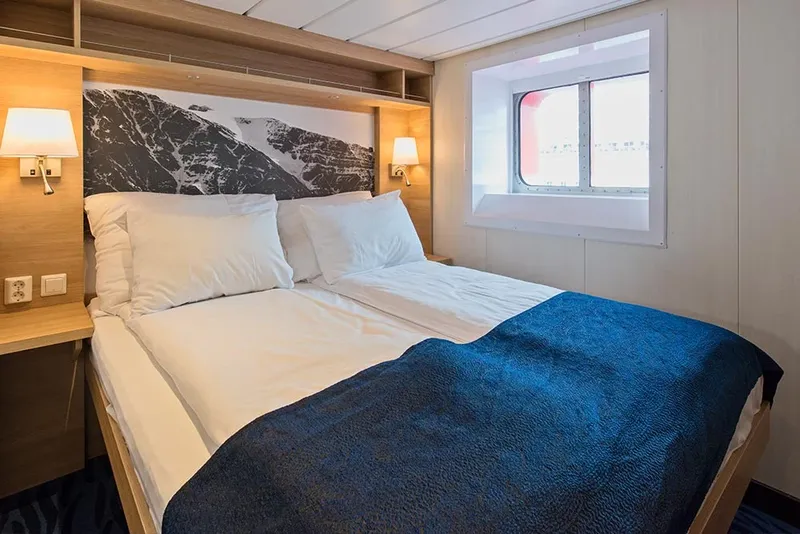
Unspecified Outside Cabin
Outside
USPT
Unspecified Outside Cabin
View Details
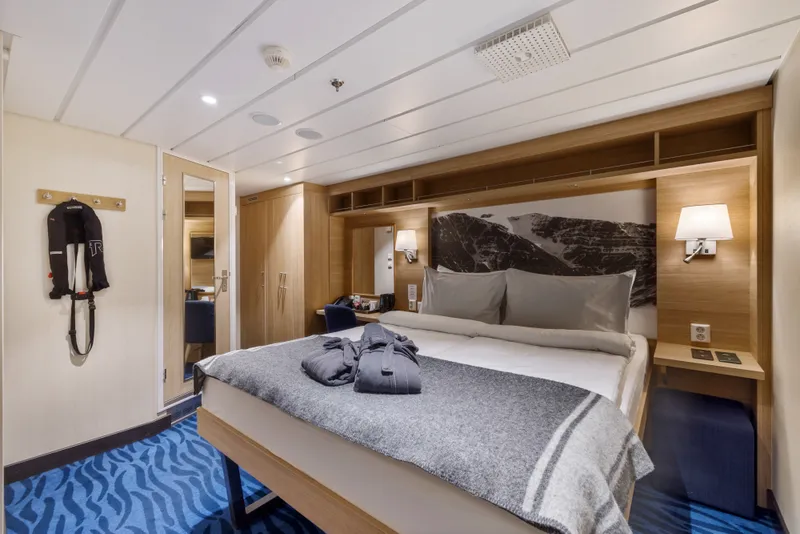
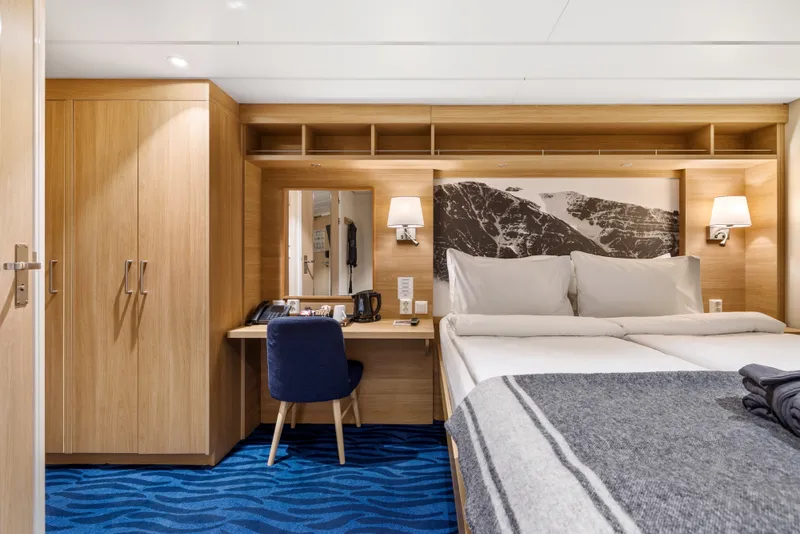
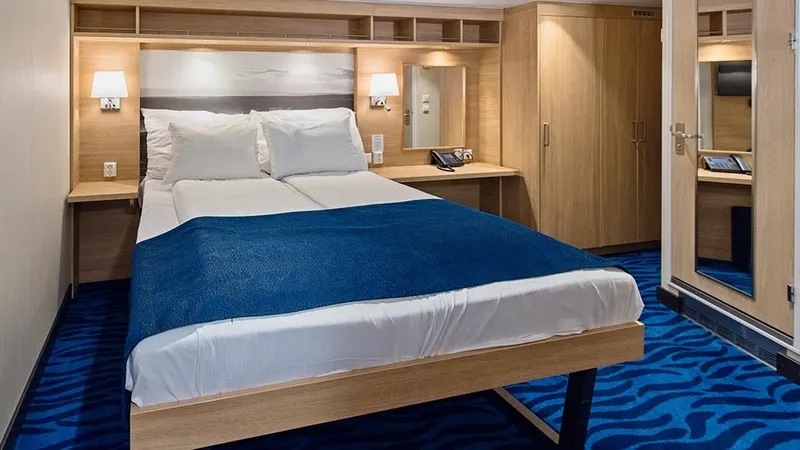
Polar Inside Cabin
Inside
97–151 m²Max 2
I2D
Inside cabin with double bed and TV for up to two people.
9 - 14 m2
No window
Bathroom
TV
Double bed
DoubleShowerToiletries ProvidedRoom Service AvailableTVSafe+3
View Details
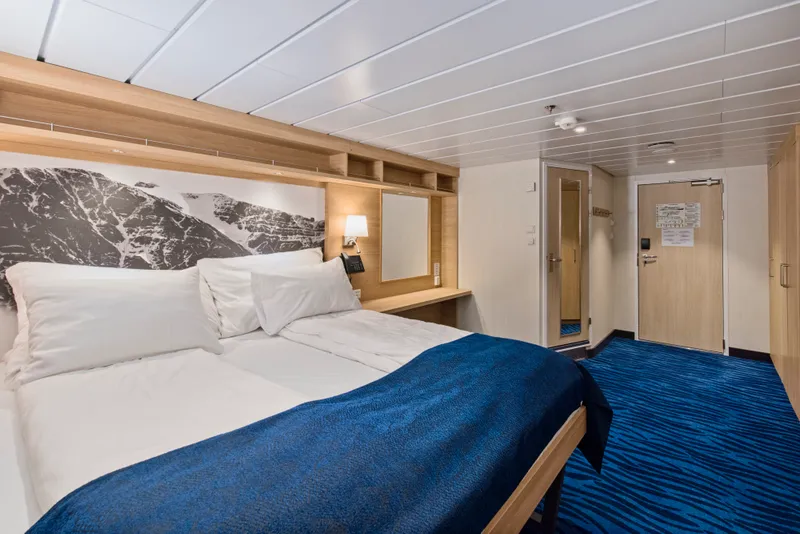
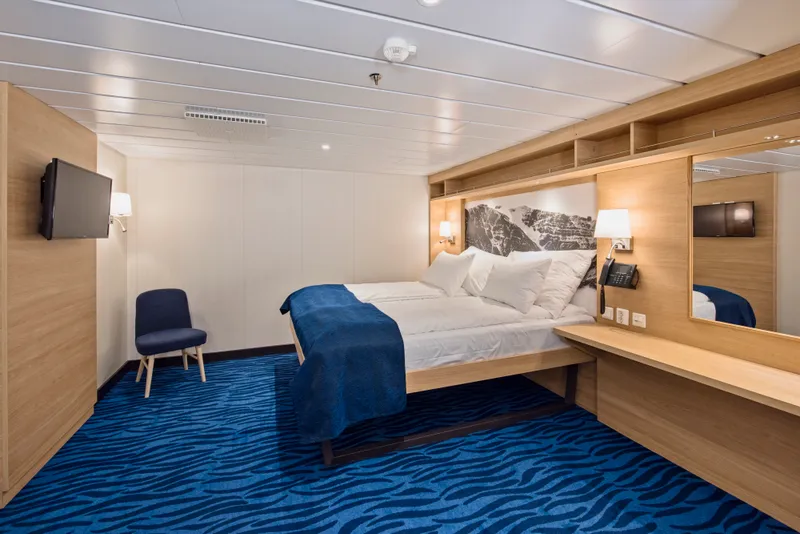
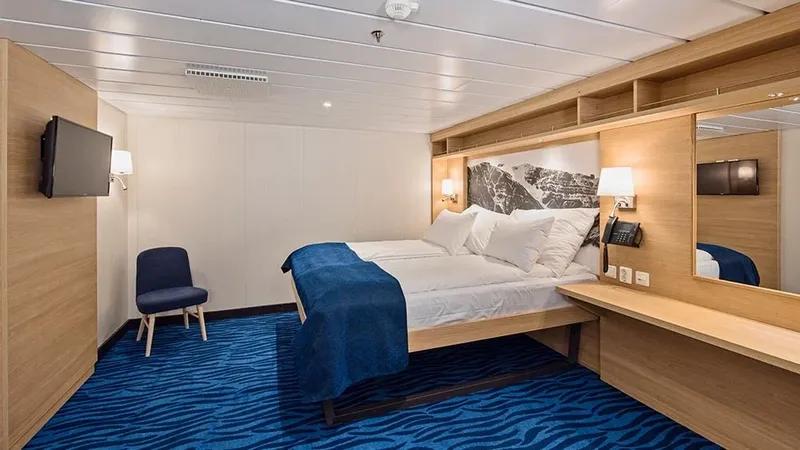
Superior Inside Cabin
Inside
161–215 m²Max 4
K2DK4D
Spacious inside cabin for four travellers, with one double bed and TV.
15 - 20 m2
No window
Bathroom
TV
Mixed beds
DoublePullman Bed x2ShowerToiletries ProvidedTVHair Dryer+4
View Details
Interested in This Voyage?
Our cruise specialists can help you find the perfect cabin and the best available pricing.
(+886) 02-2721-7300Contact Advisor