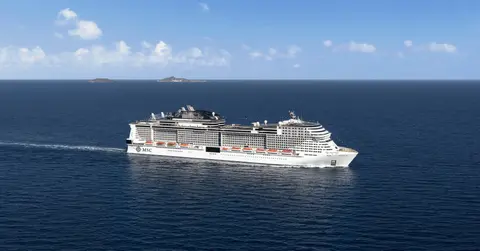
New York City to Livorno (Florence)
Date
2026-04-19
Duration
21 nights
Departure Port
New York
United States
Arrival Port
Livorno
Italy
Rating
Resort
Theme
—
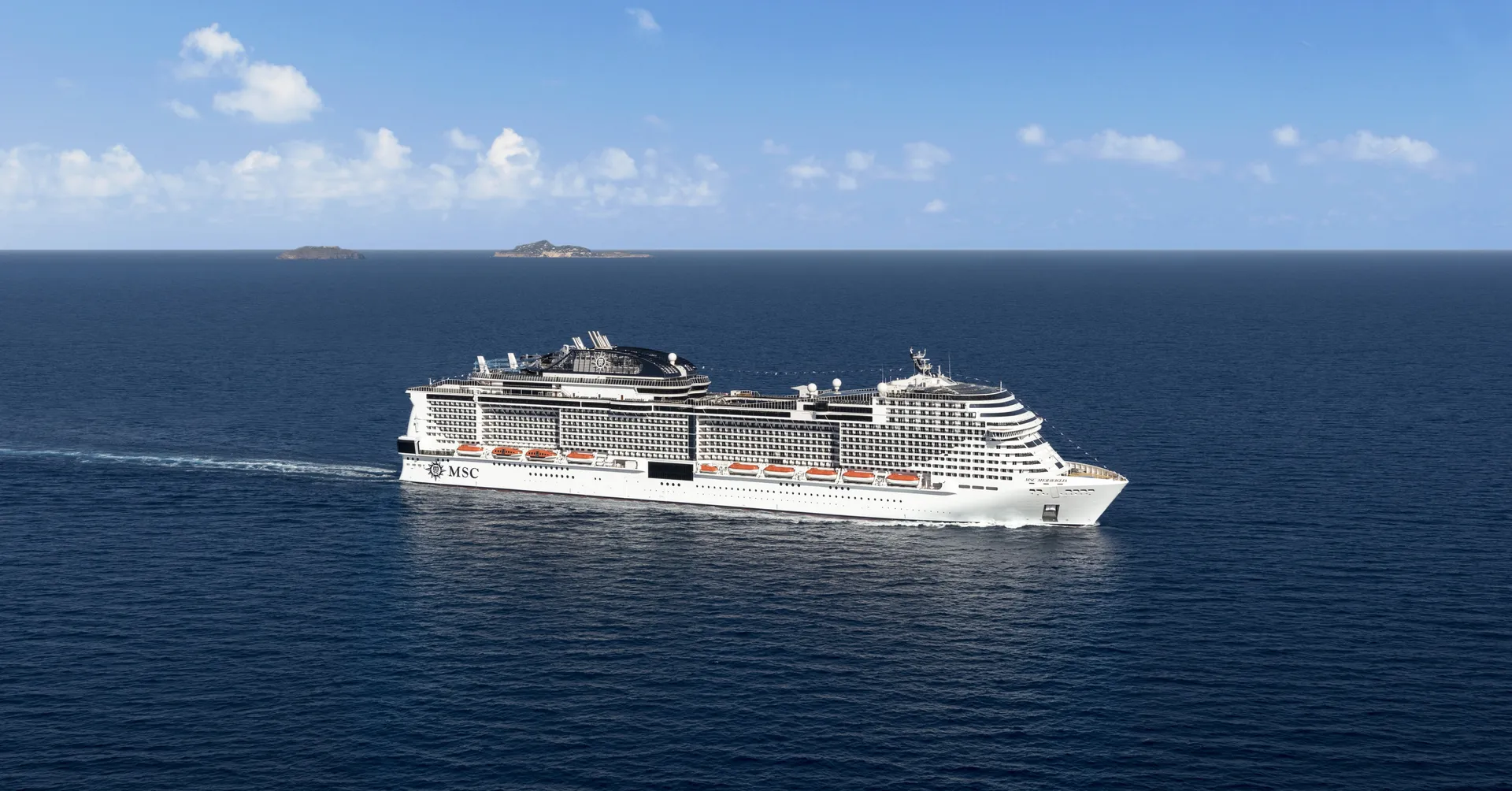
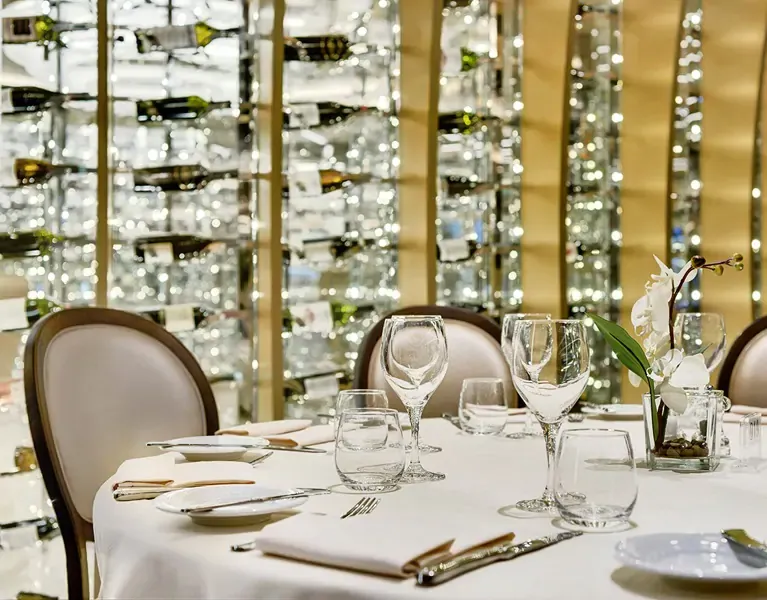
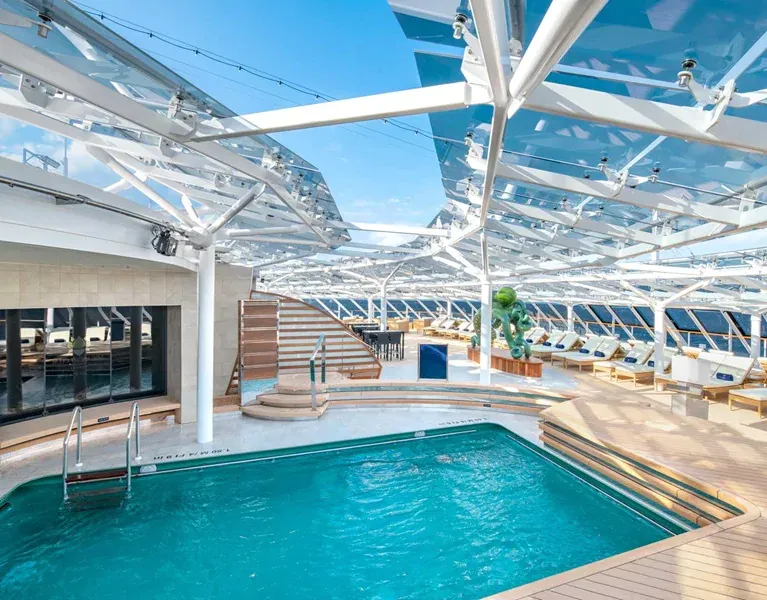

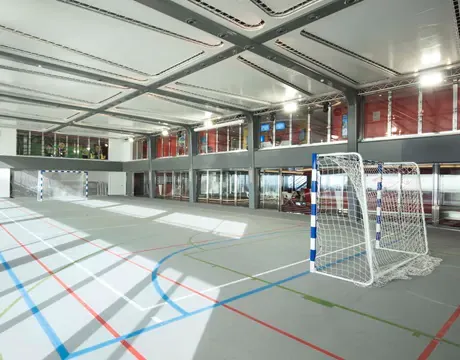
MSC Cruises
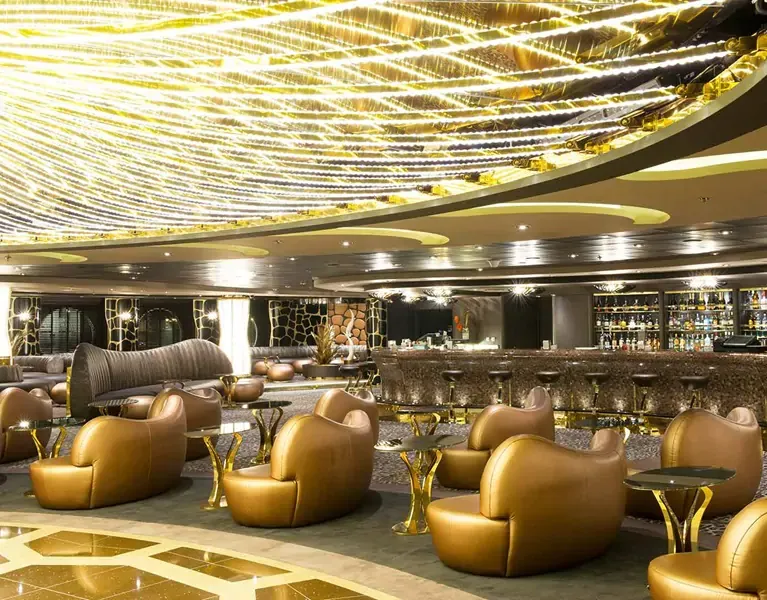
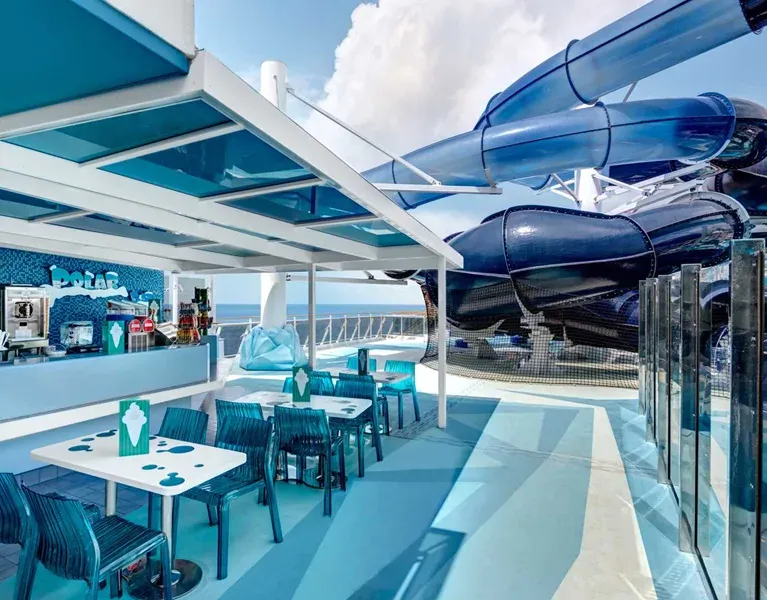
MSC Meraviglia
Launched
2016
Refitted
—
Tonnage
171,598 GT
Passengers
5,642
Cabins
2,214
Crew
1,608
Length
1034 m
Width
43 m
Speed
22 knots
Adults Only
No
Itinerary
Day 1
Day 1
New York
Depart 19:00
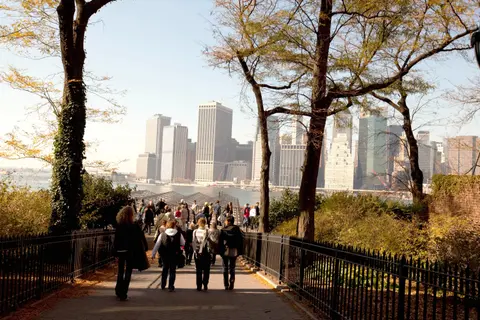
The Port of New York is a bustling maritime gateway rich in history and cultural diversity, making it a must-visit destination. Don't miss the chance to savor authentic New York pizza and explore the vibrant Chelsea Market. The best time to visit is during the spring or fall, when the weather is pleasant, and the city is alive with activity.
Day 2
Day 2
At Sea
Day 3
Day 3
Halifax
Arrive 09:00Depart 19:00
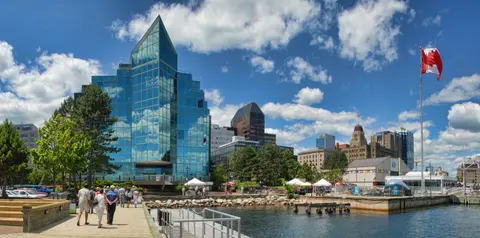
Halifax, the historic capital of Nova Scotia, is a refined Atlantic port where centuries of maritime heritage meet a flourishing culinary scene anchored by Digby scallops, donairs, and one of North America's oldest farmers' markets. Visitors should not miss the star-shaped Citadel Hill and the harbourfront boardwalk's constellation of galleries and tasting rooms. The ideal season stretches from late June through October, when autumn's blazing foliage transforms the entire province into a masterwork of colour and the cruise terminal welcomes the world's finest vessels.
Day 4
Day 4
At Sea
Day 5
Day 5
At Sea
Day 6
Day 6
At Sea
Day 7
Day 7
At Sea
Day 8
Day 8
Ponta Delgada
Arrive 08:00Depart 23:59

Ponta Delgada, Portugal, offers the Atlantic coast of Europe at its most authentic—fresh seafood, dramatic coastal scenery, and the maritime character of communities shaped by centuries of oceanic tradition. Don't miss the local markets and the regional wines that complement the cuisine perfectly. Best visited October through April, when cooler temperatures and lower humidity create ideal conditions. Cruise lines including P&O Cruises feature this port on their most compelling itineraries. Whether you have a few hours or a full day, the port rewards exploration at every pace and in every direction.
Day 10
Day 10
At Sea
Day 11
Day 11
Lisbon
Arrive 08:00Depart 19:00
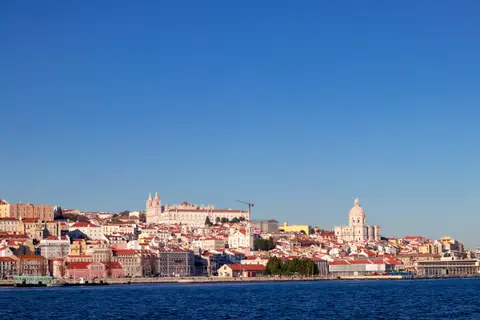
Lisbon, Portugal's enchanting capital, stands out for its rich history, stunning architecture, and vibrant culture. Must-try experiences include savoring local dishes like bacalhau à brás and pastéis de nata at Mercado da Ribeira. The best time to visit is during the spring or fall, when the weather is mild and the city is alive with festivals and events.
Day 12
Day 12
At Sea
Day 13
Day 13
Cadiz
Arrive 07:00Depart 18:00
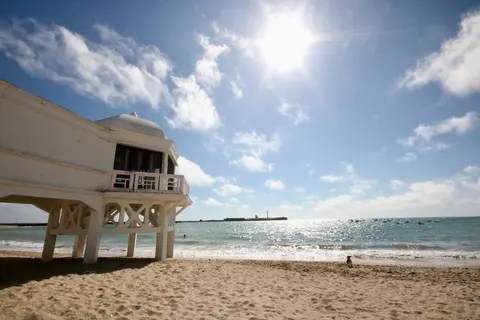
Cádiz, founded by Phoenician traders around 1100 BC and a strong contender for the oldest continuously inhabited city in Western Europe, juts into the Atlantic on a narrow peninsula where honey-colored ramparts frame improbable views of open ocean and the sun sets directly into the sea. The old quarter is an intoxicating labyrinth of baroque churches, hidden plazas, and carnival spirit — Cádiz's annual February carnival is the wildest and most satirically sharp in Spain — while the tapas culture here, centered on fresh Atlantic seafood cooked with Andalusian simplicity, represents Spanish cuisine at its most elemental and joyful. Visit February for carnival or spring for gentle Atlantic breezes. Seville is ninety minutes inland by bus or rail.
Day 14
Day 14
Malaga
Arrive 07:00Depart 14:00
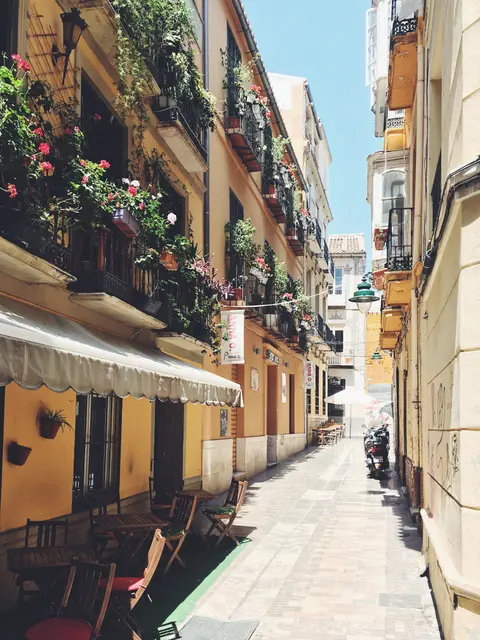
Málaga distils three thousand years of Mediterranean civilisation into one of Andalusia's most compelling port cities, where the Moorish Alcazaba fortress surveys a modern waterfront of elegant promenades and sun-drenched café terraces. Do not leave without visiting the Museo Picasso — the artist was born here in 1881 — and ascending to the ruined Castillo de Gibralfaro for panoramic views stretching to the Rif Mountains of Morocco on clear days. Malagueta anchovies fried in olive oil and the sweet Pedro Ximénez-laced dessert wine are the city's defining pleasures. The shoulder seasons of April, May, and October offer perfect Mediterranean warmth.
Day 15
Day 15
Palma de Mallorca
Arrive 14:00Depart 20:00
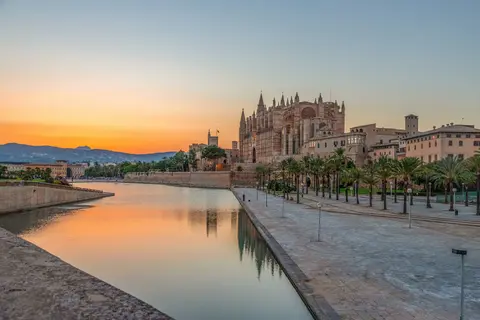
Palma de Mallorca announces itself with one of the most spectacular Gothic cathedrals in the world — La Seu, its honey-coloured sandstone buttresses rising directly from the bay, its interior modified by Antoni Gaudí and illuminated by the world's largest Gothic rose window. The old town behind it is a quarter of Arab baths, Renaissance palaces converted into boutique hotels, and the Passeig del Born — a plane-tree-shaded promenade where Balearic life conducts itself with unhurried grace. The local ensaïmada pastry and fresh sobrasada sausage from the island's black pigs are essential breakfast rituals. Visit May, June, or September: warm, brilliant, and measurably calmer than the July–August peak.
Day 16
Day 16
Marseille
Arrive 12:00Depart 19:00
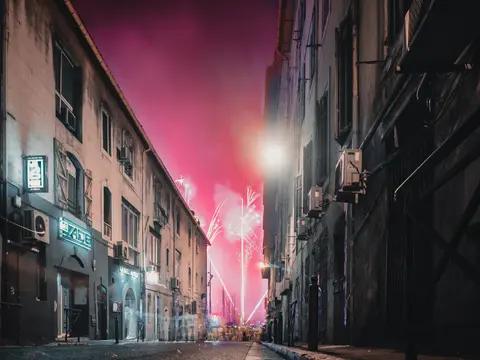
Founded by Greek sailors in 600 BC, Marseille is France's oldest and most viscerally alive city — a Mediterranean port where the catch is still sold from fishing boat decks at the Vieux-Port each morning beneath the golden Madonna of Notre-Dame de la Garde, gleaming on her basilica above the city. The bouillabaisse served at harbourside institutions such as Chez Fonfon is not merely a dish but a rite, its saffron-stained broth tying Marseille to its Hellenic roots. Explore the dramatic Calanques national park, a coastal labyrinth of turquoise coves just south of the city. Spring and autumn are the finest seasons.
Day 17
Day 17
Barcelona
Arrive 07:00Depart 18:00
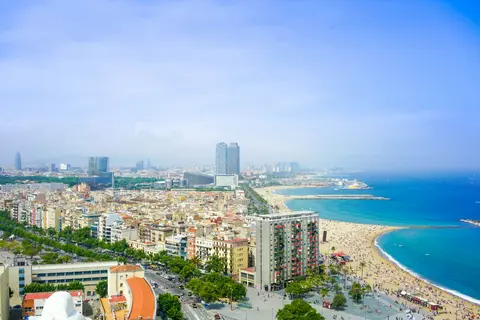
Barcelona is the city where Roman history, Gothic grandeur, and Gaudí's delirious Modernisme collide in a Mediterranean coastal capital of astonishing energy and beauty. The Sagrada Família — still under construction after 140 years — continues its audacious ascent toward completion, while the Gothic Quarter's Roman-era foundations and the Passeig de Gràcia's extraordinary concentration of Modernisme masterpieces reward days of exploration. For a complete sensory experience, lose an afternoon in the covered labyrinth of La Boqueria market before descending to the waterfront for Catalan seafood at its finest. May through June and September through October offer the most pleasant weather; the city connects directly to Paris by overnight train.
Day 18
Day 18
At Sea
Day 19
Day 19
La Goulette
Arrive 08:00Depart 18:00
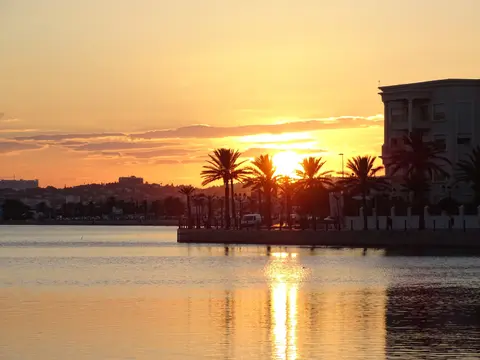
La Goulette guards the narrow channel linking the Lake of Tunis to the Mediterranean — a strategic passage coveted by every power that ruled this sea, from the Ottoman corsair Barbarossa to Charles V of Habsburg. Today the port is the gateway to Tunis and to Carthage, the Phoenician city-empire whose ruins scatter across a leafy suburb of the modern capital and whose legacy shaped the entire western Mediterranean world. Must-dos include the Bardo Museum, housing the world's finest collection of Roman mosaics, and the Tophet sanctuary at Carthage, one of antiquity's most evocative sites. Tunisia is best visited spring (March–May) and autumn (September–November) to avoid the intense summer heat.
Day 20
Day 20
Palermo
Arrive 08:00Depart 18:00
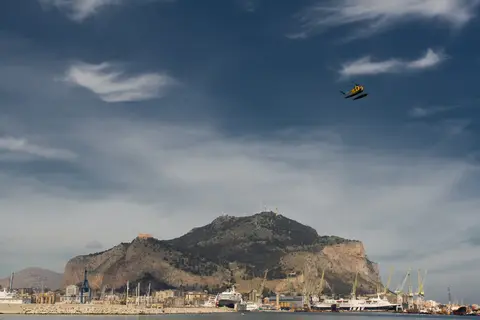
Palermo is the Mediterranean's most intoxicating crossroads of civilisations — Arab arches meet Byzantine gold mosaics beneath Norman royal chapels in the extraordinary Palatine Chapel, a monument to 12th-century multicultural brilliance that is Sicily's single greatest work of art. The Ballarò and Capo street markets, among southern Italy's most atmospheric, tumble through the ancient city in a sensory barrage of swordfish, blood oranges, jasmine, and street food improvised across centuries. Do not leave without tasting arancini and sfincione, Sicily's gloriously thick street pizza. Spring (April–May) and autumn (September–October) offer the ideal climate — warm enough for the sea, cool enough for extended walking.
Day 21
Day 21
Naples
Arrive 06:30Depart 16:30
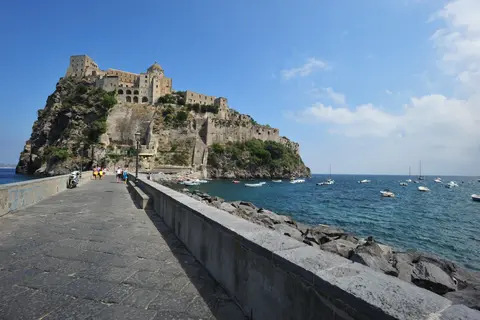
Naples — Napoli — is Europe's most operatically alive city, a sun-battered baroque metropolis where Vesuvius broods on the horizon and the streets below pulse with 2,500 years of continuous human drama. The unmissable Museo Archeologico Nazionale houses the world's finest collection of artefacts from Pompeii and Herculaneum, while the Spaccanapoli, the arrow-straight artery that has bisected the city since Greek times, delivers an unfiltered encounter with Neapolitan life. A single slice of pizza Margherita from one of the centro storico's historic pizzerias is a culinary pilgrimage in itself. Visit between April and June or September and October for warmth, manageable crowds, and the city at its golden best.
Day 22
Day 22
Livorno
Arrive 09:00
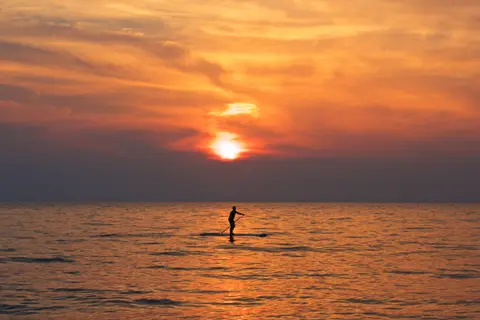
Purpose-built as a Medici utopia in the late sixteenth century, Livorno was conceived from the outset as a city without discrimination — its founding Leggi Livornine granted equal rights to Jews, Christians, Muslims, and merchants of every nation, making it one of the most cosmopolitan cities in Renaissance Europe. Today, the Venetian-style canals of the Venezia Nuova quarter reflect colourful palazzi with a distinctly faded glamour, while the Mercato Centrale's fish counters display the cacciucco ingredients — a robust Livornese brodetto of five sea creatures — that make this port city a pilgrimage for serious eaters. Day trips to Pisa and Lucca are effortless from here. The season runs April through October.
Day 1
New York
Depart 19:00
The Port of New York is a bustling maritime gateway rich in history and cultural diversity, making it a must-visit destination. Don't miss the chance to savor authentic New York pizza and explore the vibrant Chelsea Market. The best time to visit is during the spring or fall, when the weather is pleasant, and the city is alive with activity.
Day 2
At Sea
Day 3
Halifax
Arrive 09:00Depart 19:00
Halifax, the historic capital of Nova Scotia, is a refined Atlantic port where centuries of maritime heritage meet a flourishing culinary scene anchored by Digby scallops, donairs, and one of North America's oldest farmers' markets. Visitors should not miss the star-shaped Citadel Hill and the harbourfront boardwalk's constellation of galleries and tasting rooms. The ideal season stretches from late June through October, when autumn's blazing foliage transforms the entire province into a masterwork of colour and the cruise terminal welcomes the world's finest vessels.
Day 4
At Sea
Day 5
At Sea
Day 6
At Sea
Day 7
At Sea
Day 8
Ponta Delgada
Arrive 08:00Depart 23:59
Ponta Delgada, Portugal, offers the Atlantic coast of Europe at its most authentic—fresh seafood, dramatic coastal scenery, and the maritime character of communities shaped by centuries of oceanic tradition. Don't miss the local markets and the regional wines that complement the cuisine perfectly. Best visited October through April, when cooler temperatures and lower humidity create ideal conditions. Cruise lines including P&O Cruises feature this port on their most compelling itineraries. Whether you have a few hours or a full day, the port rewards exploration at every pace and in every direction.
Day 10
At Sea
Day 11
Lisbon
Arrive 08:00Depart 19:00
Lisbon, Portugal's enchanting capital, stands out for its rich history, stunning architecture, and vibrant culture. Must-try experiences include savoring local dishes like bacalhau à brás and pastéis de nata at Mercado da Ribeira. The best time to visit is during the spring or fall, when the weather is mild and the city is alive with festivals and events.
Day 12
At Sea
Day 13
Cadiz
Arrive 07:00Depart 18:00
Cádiz, founded by Phoenician traders around 1100 BC and a strong contender for the oldest continuously inhabited city in Western Europe, juts into the Atlantic on a narrow peninsula where honey-colored ramparts frame improbable views of open ocean and the sun sets directly into the sea. The old quarter is an intoxicating labyrinth of baroque churches, hidden plazas, and carnival spirit — Cádiz's annual February carnival is the wildest and most satirically sharp in Spain — while the tapas culture here, centered on fresh Atlantic seafood cooked with Andalusian simplicity, represents Spanish cuisine at its most elemental and joyful. Visit February for carnival or spring for gentle Atlantic breezes. Seville is ninety minutes inland by bus or rail.
Day 14
Malaga
Arrive 07:00Depart 14:00
Málaga distils three thousand years of Mediterranean civilisation into one of Andalusia's most compelling port cities, where the Moorish Alcazaba fortress surveys a modern waterfront of elegant promenades and sun-drenched café terraces. Do not leave without visiting the Museo Picasso — the artist was born here in 1881 — and ascending to the ruined Castillo de Gibralfaro for panoramic views stretching to the Rif Mountains of Morocco on clear days. Malagueta anchovies fried in olive oil and the sweet Pedro Ximénez-laced dessert wine are the city's defining pleasures. The shoulder seasons of April, May, and October offer perfect Mediterranean warmth.
Day 15
Palma de Mallorca
Arrive 14:00Depart 20:00
Palma de Mallorca announces itself with one of the most spectacular Gothic cathedrals in the world — La Seu, its honey-coloured sandstone buttresses rising directly from the bay, its interior modified by Antoni Gaudí and illuminated by the world's largest Gothic rose window. The old town behind it is a quarter of Arab baths, Renaissance palaces converted into boutique hotels, and the Passeig del Born — a plane-tree-shaded promenade where Balearic life conducts itself with unhurried grace. The local ensaïmada pastry and fresh sobrasada sausage from the island's black pigs are essential breakfast rituals. Visit May, June, or September: warm, brilliant, and measurably calmer than the July–August peak.
Day 16
Marseille
Arrive 12:00Depart 19:00
Founded by Greek sailors in 600 BC, Marseille is France's oldest and most viscerally alive city — a Mediterranean port where the catch is still sold from fishing boat decks at the Vieux-Port each morning beneath the golden Madonna of Notre-Dame de la Garde, gleaming on her basilica above the city. The bouillabaisse served at harbourside institutions such as Chez Fonfon is not merely a dish but a rite, its saffron-stained broth tying Marseille to its Hellenic roots. Explore the dramatic Calanques national park, a coastal labyrinth of turquoise coves just south of the city. Spring and autumn are the finest seasons.
Day 17
Barcelona
Arrive 07:00Depart 18:00
Barcelona is the city where Roman history, Gothic grandeur, and Gaudí's delirious Modernisme collide in a Mediterranean coastal capital of astonishing energy and beauty. The Sagrada Família — still under construction after 140 years — continues its audacious ascent toward completion, while the Gothic Quarter's Roman-era foundations and the Passeig de Gràcia's extraordinary concentration of Modernisme masterpieces reward days of exploration. For a complete sensory experience, lose an afternoon in the covered labyrinth of La Boqueria market before descending to the waterfront for Catalan seafood at its finest. May through June and September through October offer the most pleasant weather; the city connects directly to Paris by overnight train.
Day 18
At Sea
Day 19
La Goulette
Arrive 08:00Depart 18:00
La Goulette guards the narrow channel linking the Lake of Tunis to the Mediterranean — a strategic passage coveted by every power that ruled this sea, from the Ottoman corsair Barbarossa to Charles V of Habsburg. Today the port is the gateway to Tunis and to Carthage, the Phoenician city-empire whose ruins scatter across a leafy suburb of the modern capital and whose legacy shaped the entire western Mediterranean world. Must-dos include the Bardo Museum, housing the world's finest collection of Roman mosaics, and the Tophet sanctuary at Carthage, one of antiquity's most evocative sites. Tunisia is best visited spring (March–May) and autumn (September–November) to avoid the intense summer heat.
Day 20
Palermo
Arrive 08:00Depart 18:00
Palermo is the Mediterranean's most intoxicating crossroads of civilisations — Arab arches meet Byzantine gold mosaics beneath Norman royal chapels in the extraordinary Palatine Chapel, a monument to 12th-century multicultural brilliance that is Sicily's single greatest work of art. The Ballarò and Capo street markets, among southern Italy's most atmospheric, tumble through the ancient city in a sensory barrage of swordfish, blood oranges, jasmine, and street food improvised across centuries. Do not leave without tasting arancini and sfincione, Sicily's gloriously thick street pizza. Spring (April–May) and autumn (September–October) offer the ideal climate — warm enough for the sea, cool enough for extended walking.
Day 21
Naples
Arrive 06:30Depart 16:30
Naples — Napoli — is Europe's most operatically alive city, a sun-battered baroque metropolis where Vesuvius broods on the horizon and the streets below pulse with 2,500 years of continuous human drama. The unmissable Museo Archeologico Nazionale houses the world's finest collection of artefacts from Pompeii and Herculaneum, while the Spaccanapoli, the arrow-straight artery that has bisected the city since Greek times, delivers an unfiltered encounter with Neapolitan life. A single slice of pizza Margherita from one of the centro storico's historic pizzerias is a culinary pilgrimage in itself. Visit between April and June or September and October for warmth, manageable crowds, and the city at its golden best.
Day 22
Livorno
Arrive 09:00
Purpose-built as a Medici utopia in the late sixteenth century, Livorno was conceived from the outset as a city without discrimination — its founding Leggi Livornine granted equal rights to Jews, Christians, Muslims, and merchants of every nation, making it one of the most cosmopolitan cities in Renaissance Europe. Today, the Venetian-style canals of the Venezia Nuova quarter reflect colourful palazzi with a distinctly faded glamour, while the Mercato Centrale's fish counters display the cacciucco ingredients — a robust Livornese brodetto of five sea creatures — that make this port city a pilgrimage for serious eaters. Day trips to Pisa and Lucca are effortless from here. The season runs April through October.
Cabin Categories
No Image
BINGO SUITE
Suite
SBG
BINGO SUITE
View Details
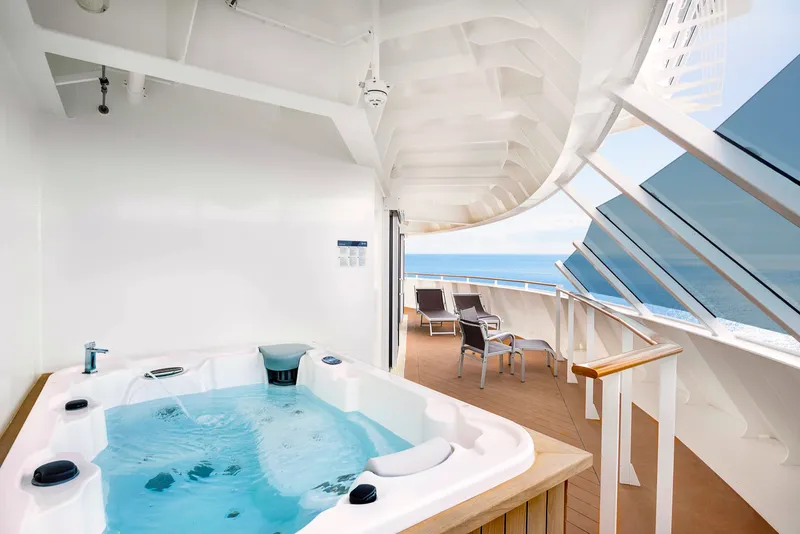
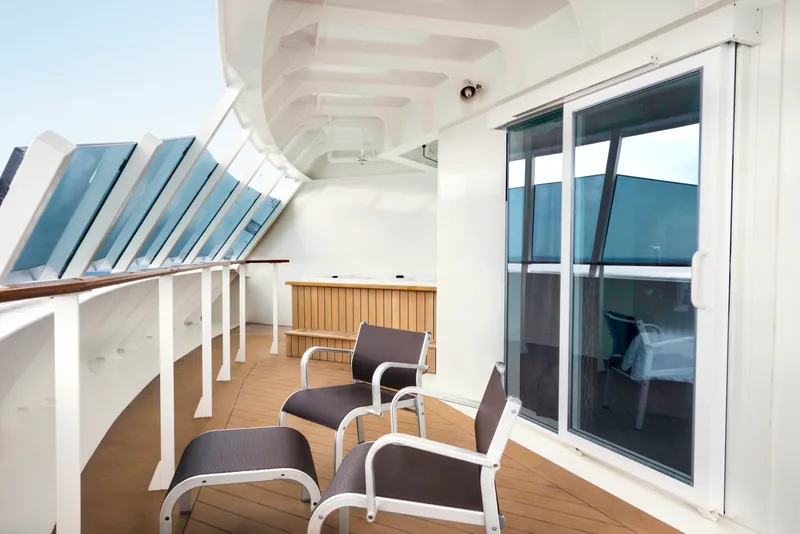
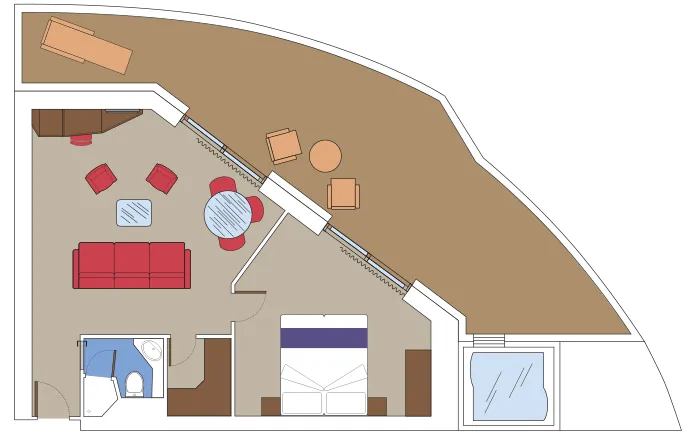
GRAND SUITE AUREA WITH TERRACE
Suite
807 m²Max 4
SXJ
Grand Suite Aurea with Terrace
Double or Twin ConfigurationSofa BedLounge AreaVanity AreaShowerBath+14
View Details
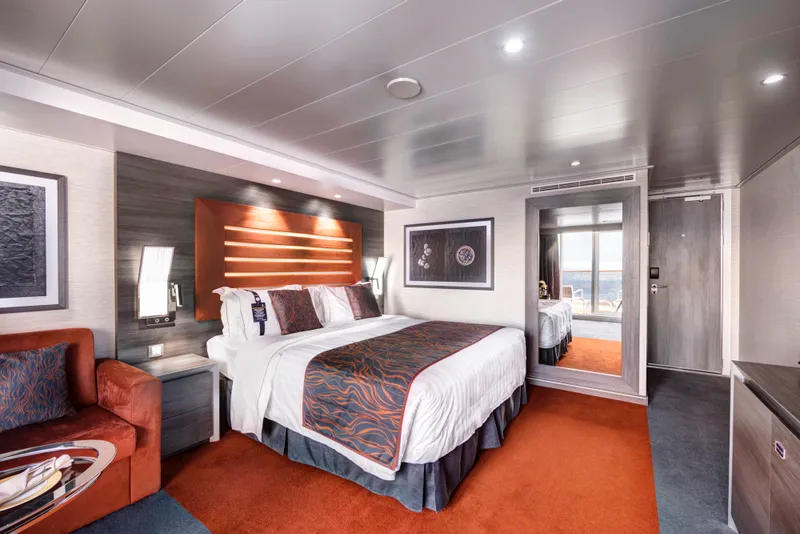
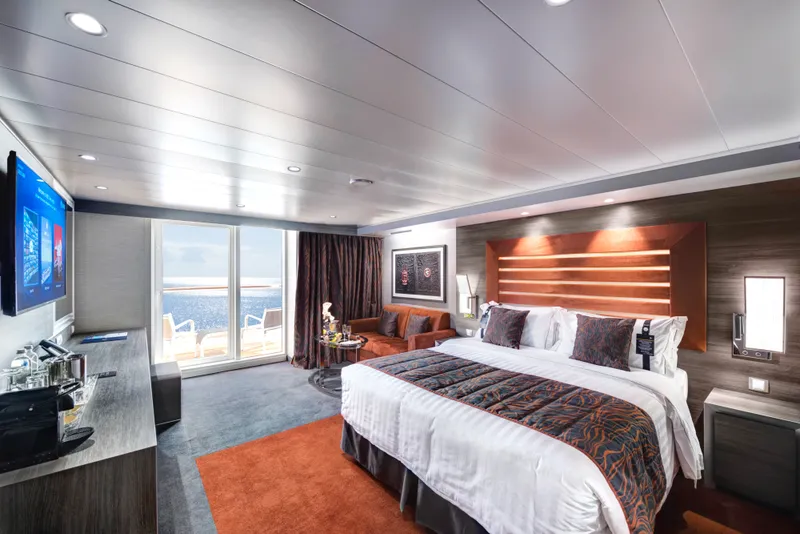
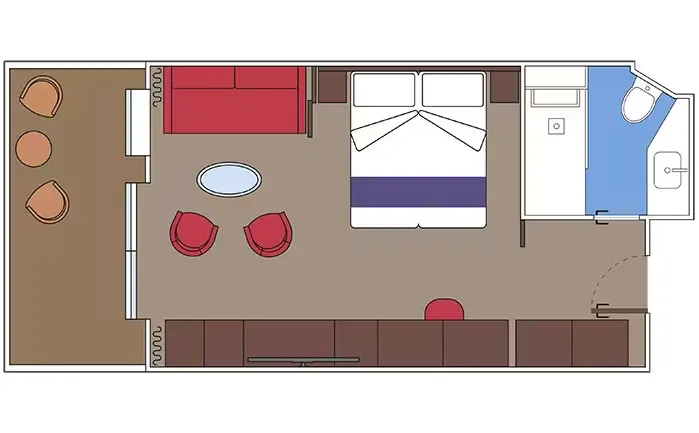
MSC YACHT CLUB DELUXE SUITE
Suite
334 m²Max 5
YC1
Balcony
Sitting area with sofa
Spacious closet
Bathroom with shower or bathtub, vanity area and hairdryer
Interactive TV, telephone, safe and minibar
Complimentary Wi-Fi
Double or Twin ConfigurationLounge AreaVanity AreaShowerBathToiletries Provided+12
View Details
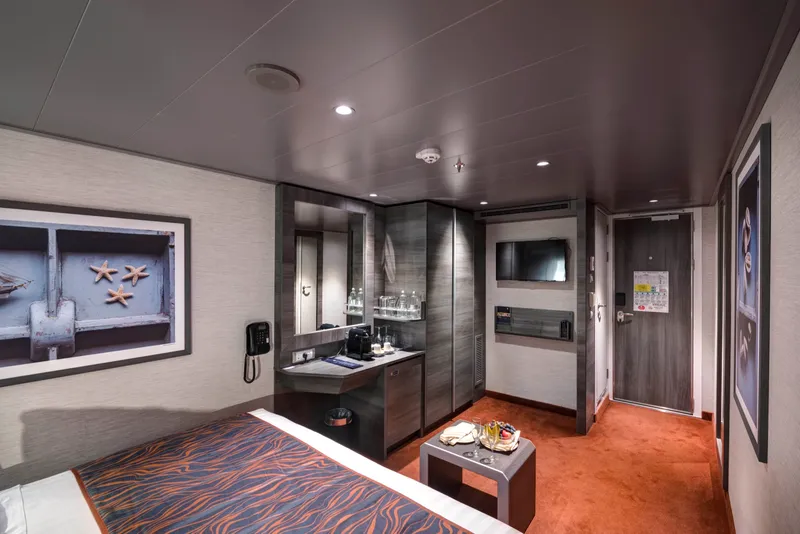
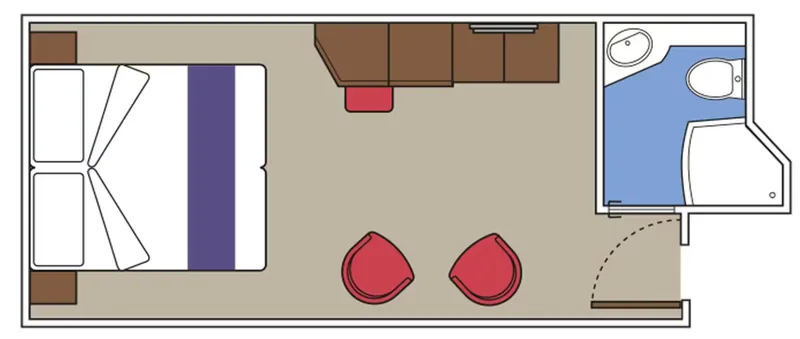
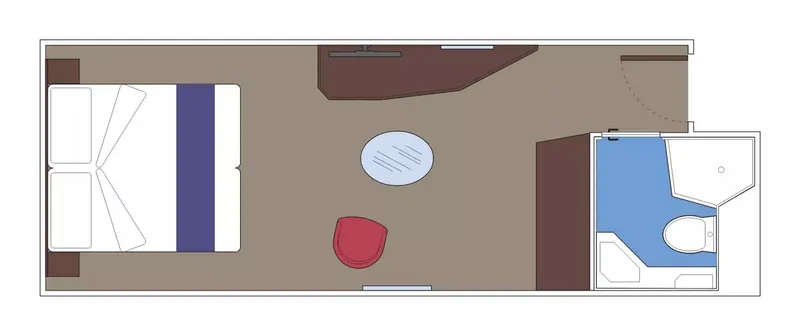
MSC YACHT CLUB INTERIOR SUITE
Inside
161 m²Max 2
YIN
Double bed can be converted into two single beds (on request). Wardrobe. Bathroom with shower.
Interactive TV, telephone and safe. Wifi connection available (for a fee). Mini bar and Air conditioning.
Surface approx. 16 sq.m.
Double or Twin ConfigurationLounge AreaVanity AreaShowerBathToiletries Provided+12
View Details
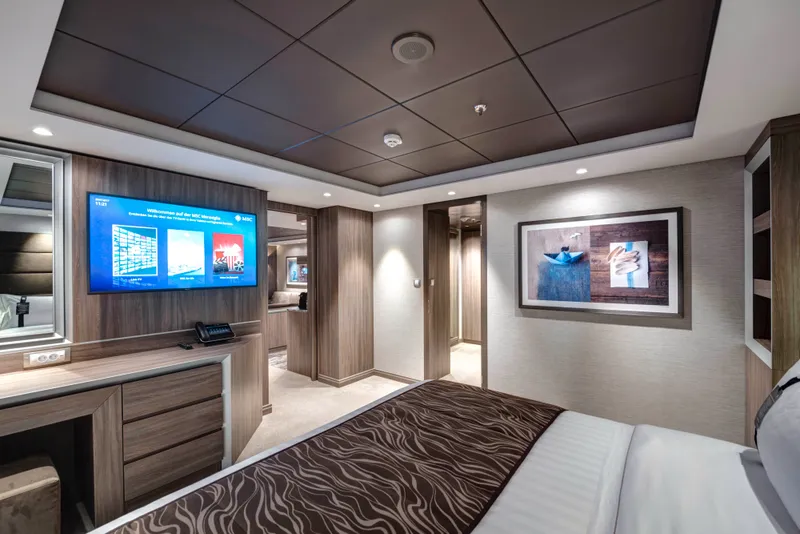
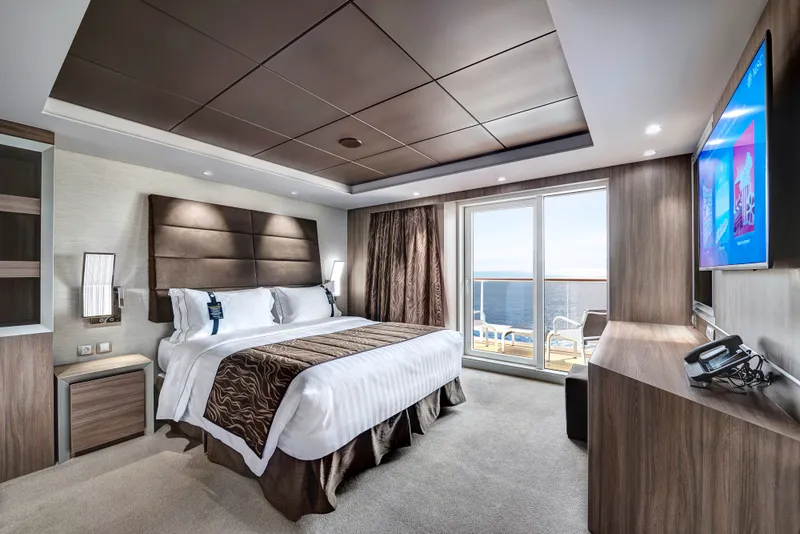
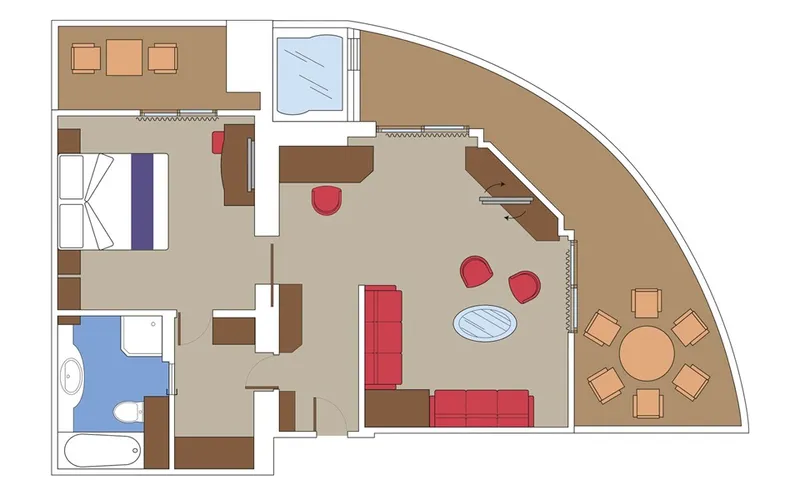
MSC YACHT CLUB ROYAL SUITE
Suite
377 m²Max 2
YC3
Balcony with private whirlpool bath and dining table
Separate living area and dining room
Comfortable double or single beds (on request)
Walk-in wardrobes
Bathroom with tub and shower, vanity area with hairdryer
Interactive TV, telephone, Wifi connection available (for a fee), safe and minibar
Surface approx. 56 sq.m.
Discover a world of privileges with MSC Yacht Club
Double or Twin ConfigurationLounge AreaDining AreaVanity AreaShowerBath+13
View Details
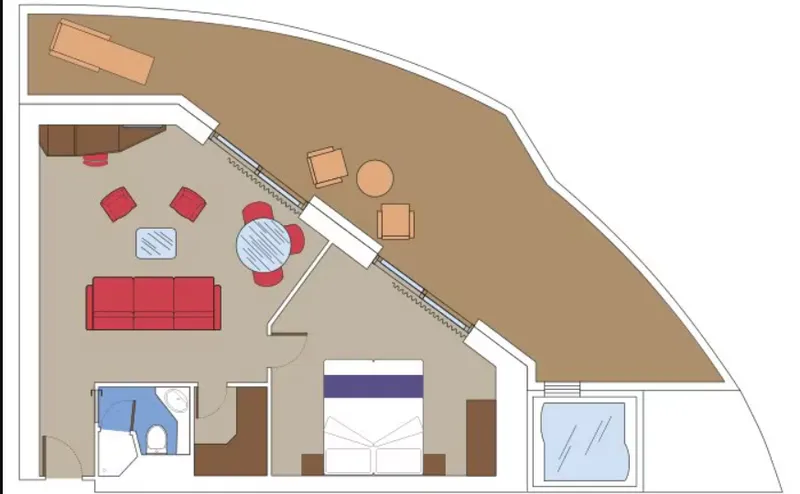
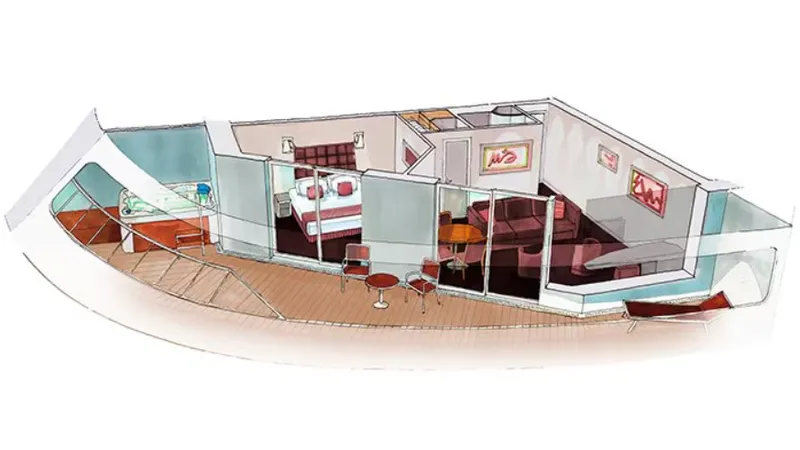
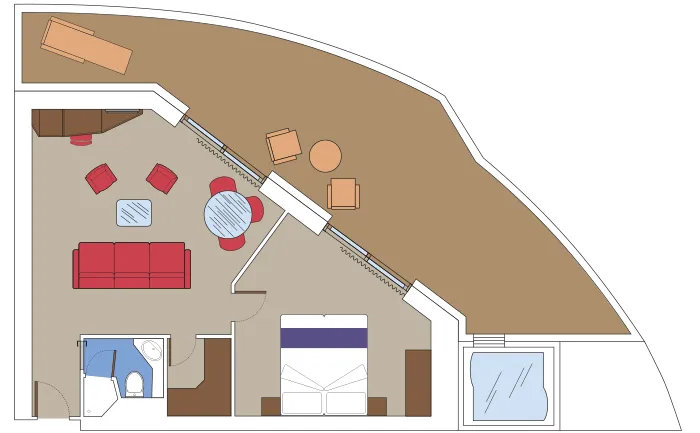
PREMIUM SUITE AUREA WITH TERRACE
Suite
570–614 m²Max 4
SLJ
Balcony with a private whirlpool bath
Spacious closet
Sitting area with double sofa bed
Bathroom with shower, vanity area and hairdryer
Interactive TV, telephone, safe and minibar
Wi-Fi access available
Double or Twin ConfigurationLounge AreaVanity AreaShowerBathWhirlpool Bath+14
US$6,713 /person+ US$596 taxes & fees
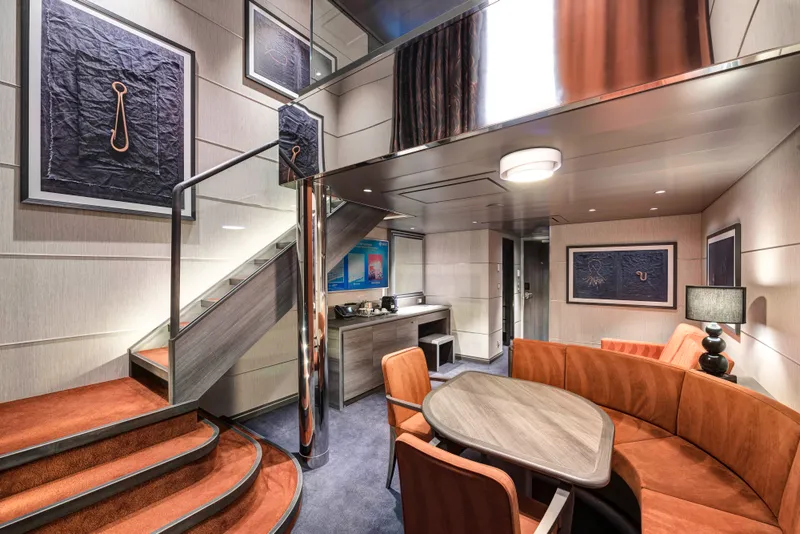
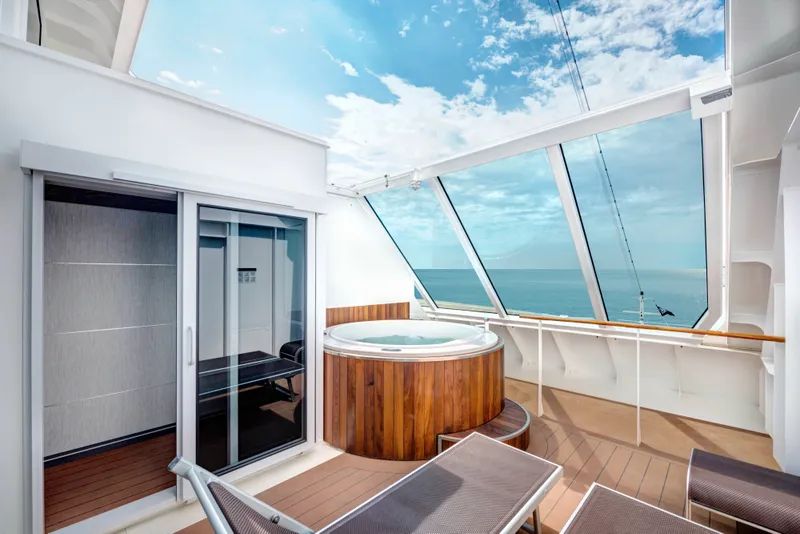
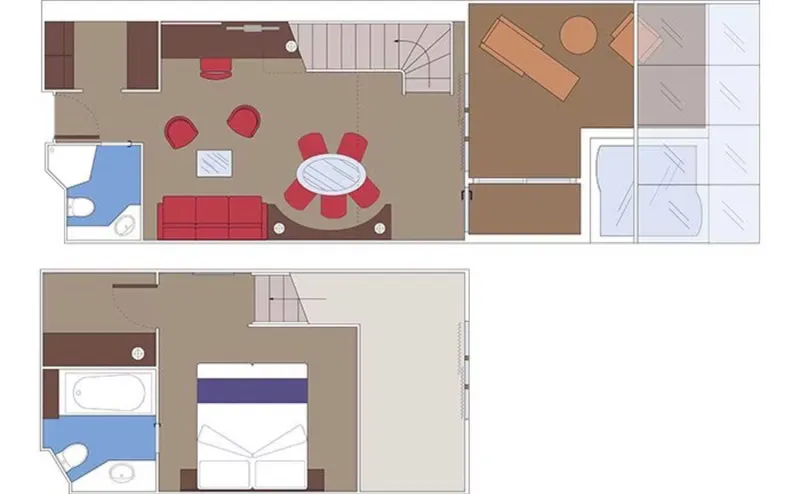
YACHT CLUB DUPLEX SUITE WITH JACUZZI
Suite
883 m²Max 4
YJD
Yacht Club Duplex Suite with Jacuzzi
Double or Twin ConfigurationSofa BedLounge AreaDining AreaVanity AreaShower+14
US$11,633 /person+ US$596 taxes & fees
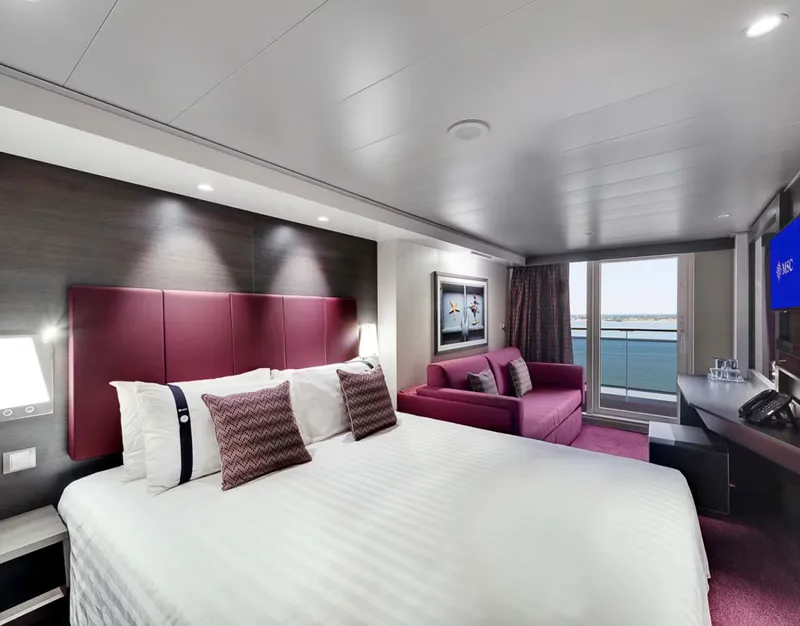
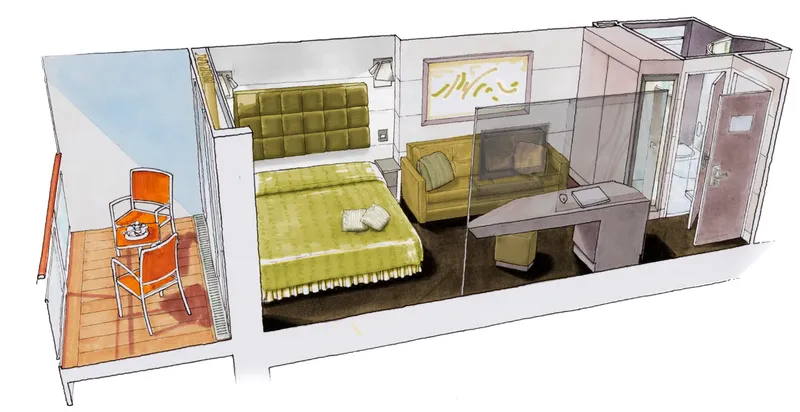
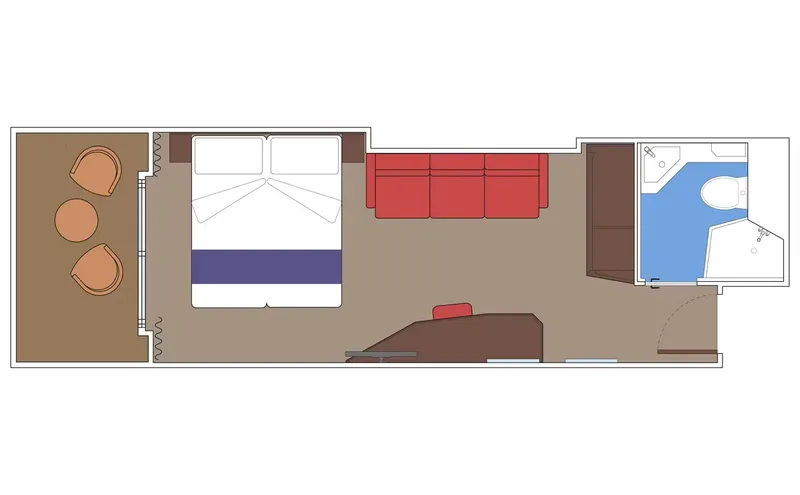
BALCONY AUREA
Balcony
226 m²Max 2
BA
Balcony
Sitting area with sofa
Spacious closet
Bathroom with shower or bathtub, vanity area and hairdryer
Interactive TV, telephone, safe and minibar
Wi-Fi access available
Lounge AreaShowerRoom Service AvailableTVWi-Fi (Additional Cost)Safe+10
View Details
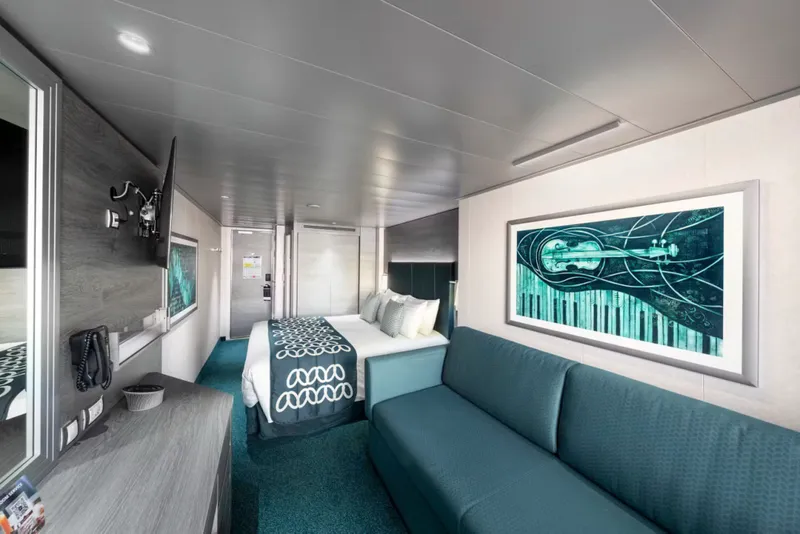
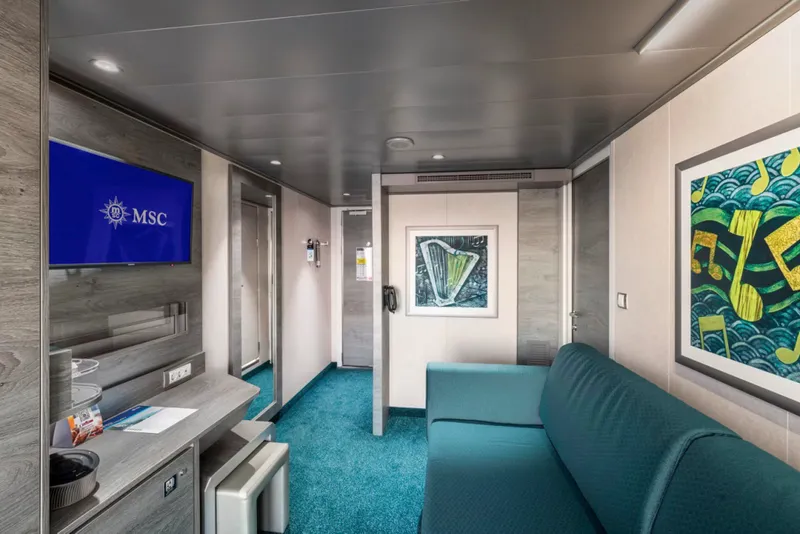
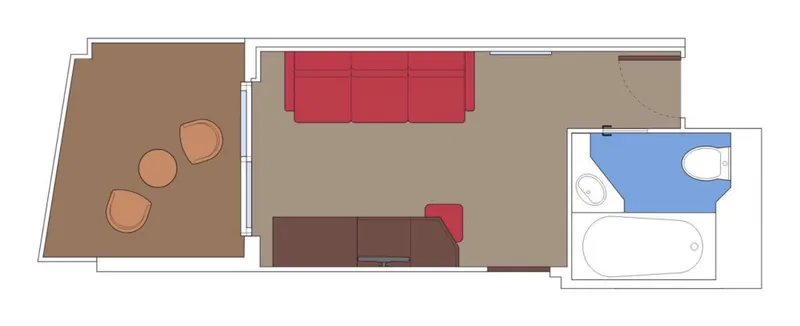
BALCONY BELLA GUARANTEED
Balcony
172–301 m²Max 2
BB
Balcony
Sitting area with sofa
Comfortable double or single beds (on request)
Interactive TV, telephone, Wifi connection available (for a fee), safe and minibar
Bathroom with shower or bathtub , vanity area with hairdryer
Double or Twin ConfigurationLounge AreaVanity AreaShowerBathToiletries Provided+11
View Details
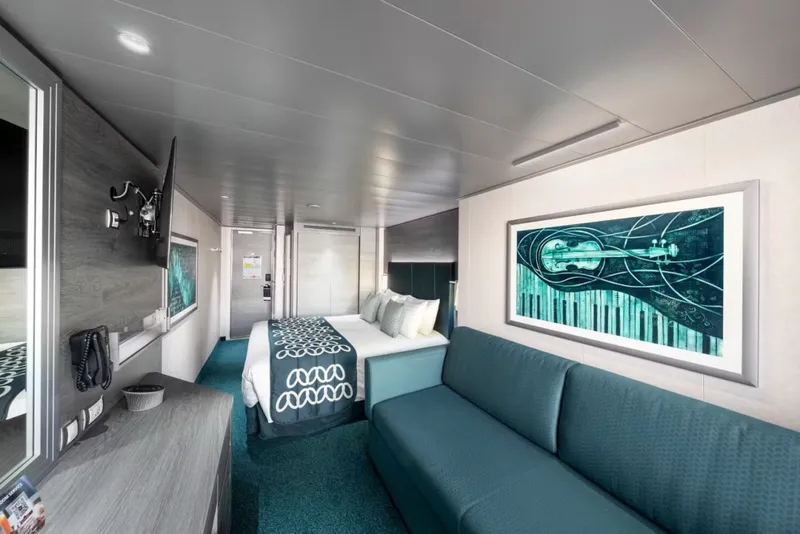
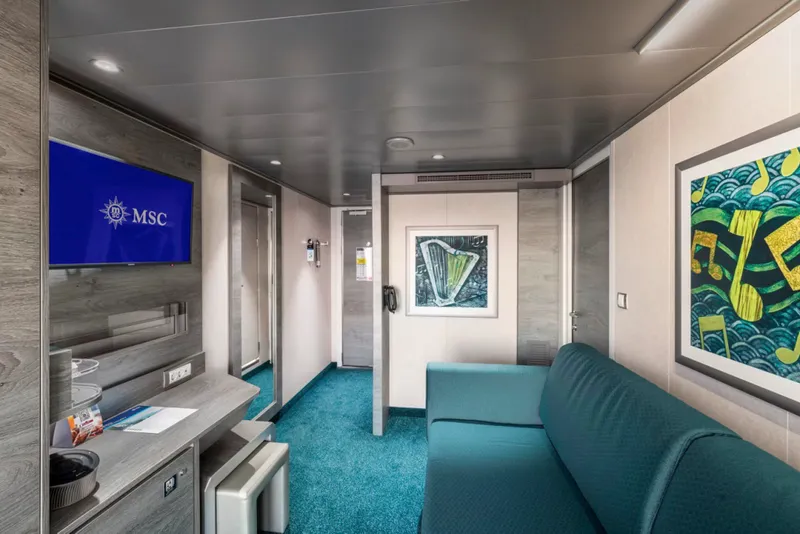
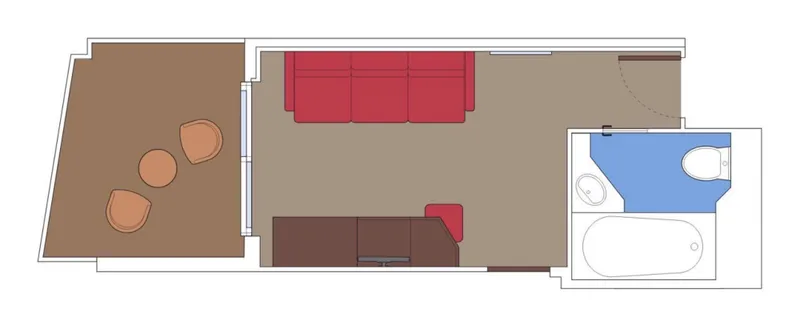
BINGO BALCONY BELLA
Balcony
172–301 m²Max 2
BBL
BINGO BALCONY BELLA
Double or Twin ConfigurationLounge AreaVanity AreaShowerBathToiletries Provided+11
View Details
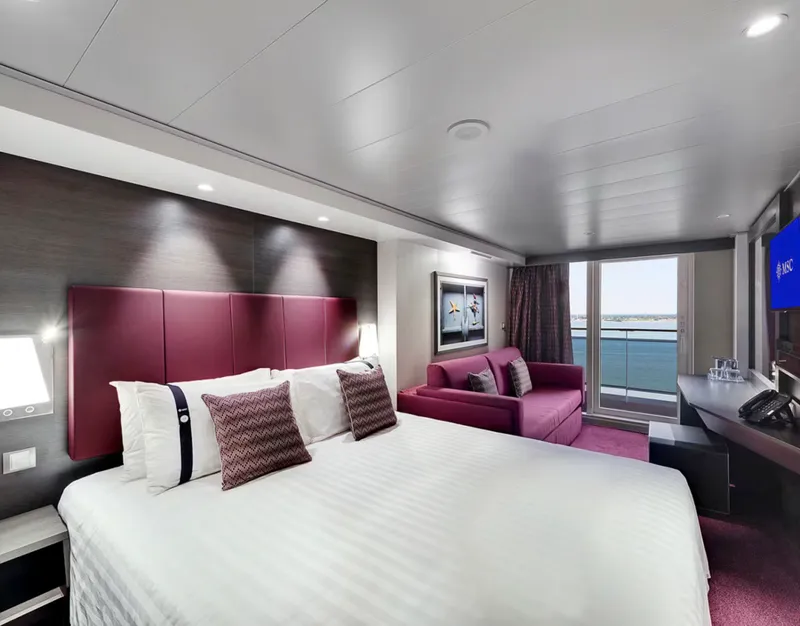
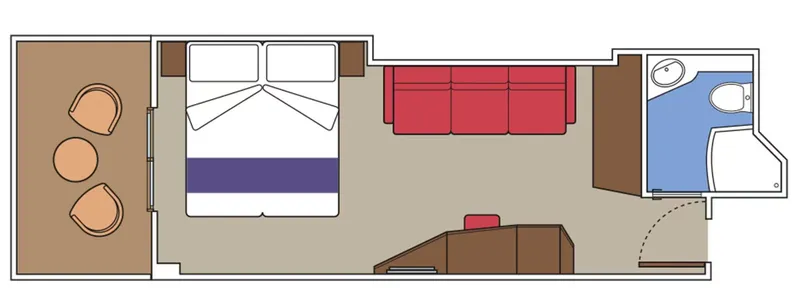
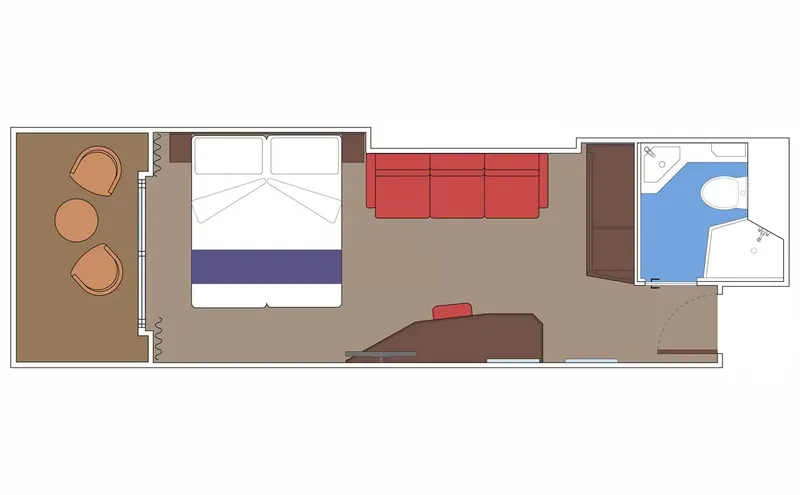
DELUXE BALCONY FANTASTICA
Balcony
226 m²Max 2
BR1BR2BR3
Balcony
Sitting area with sofa
Spacious closet
Bathroom with shower or bathtub, vanity area and hairdryer
Interactive TV, telephone, safe and minibar
Wi-Fi access available
Lounge AreaShowerRoom Service AvailableTVWi-Fi (Additional Cost)Safe+9
View Details
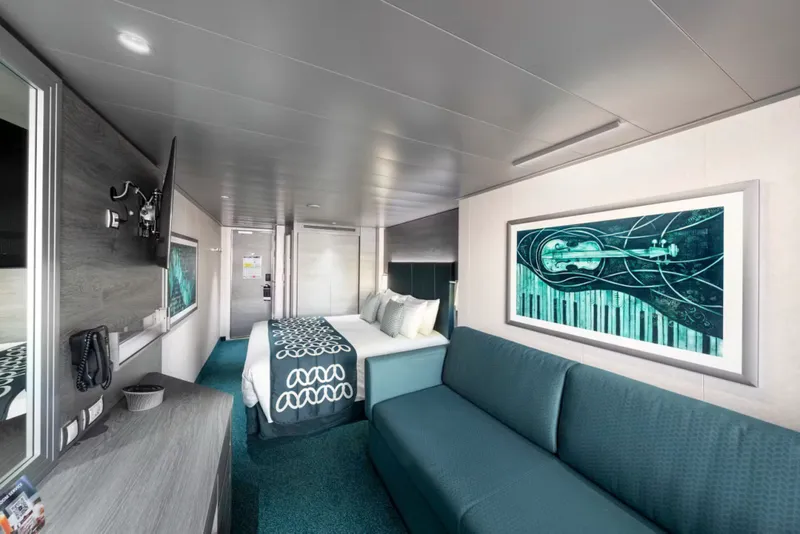
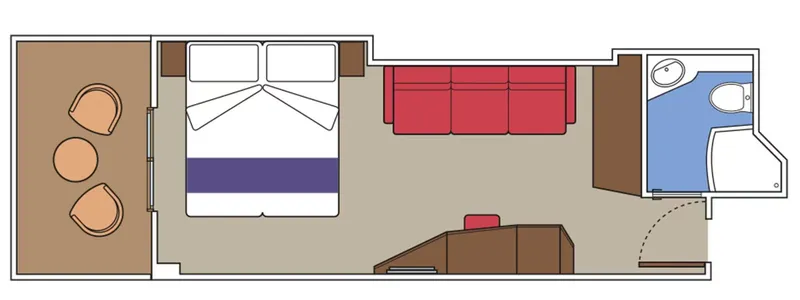
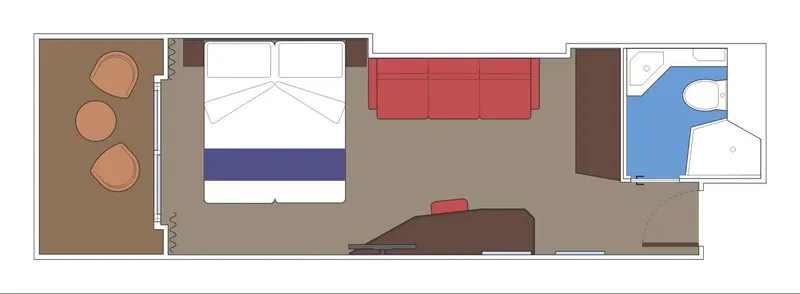
DELUXE BALCONY WITH PARTIAL VIEW FANTASTICA
Balcony
226 m²Max 2
BP
Surface 17 sqm, balcony 4 sqm, deck 8-14.
Sitting area with sofa.
Comfortable double or single beds (on request).
Interactive TV, telephone, Wifi connection available (for a fee), safe and minibar.
Bathroom with shower or bathtub, vanity area with hairdryer.
Lounge AreaShowerRoom Service AvailableTVWi-Fi (Additional Cost)Safe+9
View Details
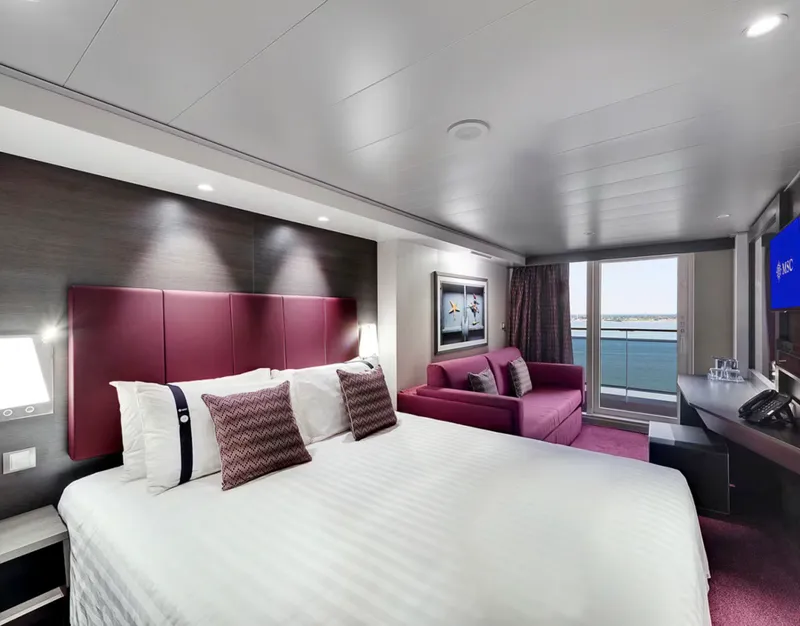
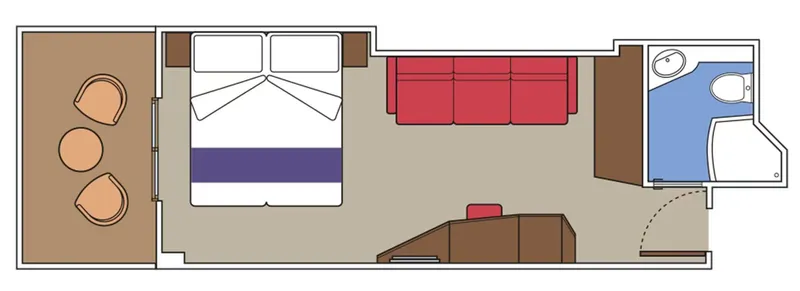
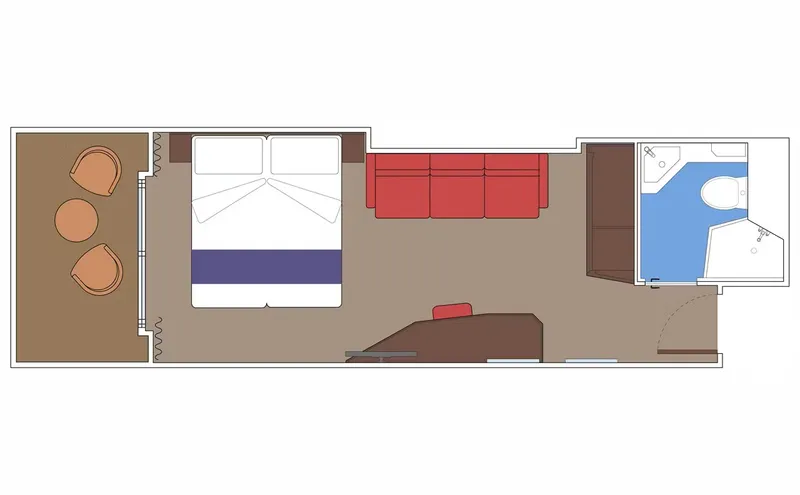
PREMIUM BALCONY FANTASTICA
Balcony
301 m²Max 2
BL1BL2BL3
Balcony
Sitting area with sofa
Spacious closet
Bathroom with shower or bathtub, vanity area and hairdryer
Interactive TV, telephone, safe and minibar
Wi-Fi access available
Lounge AreaShowerRoom Service AvailableTVWi-Fi (Additional Cost)Safe+9
View Details
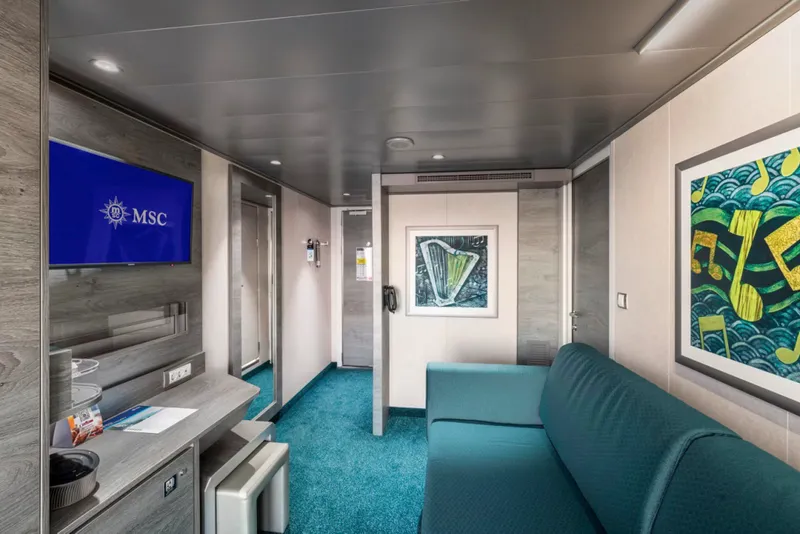
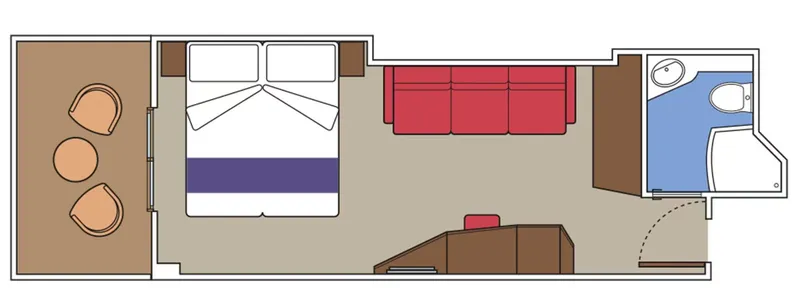
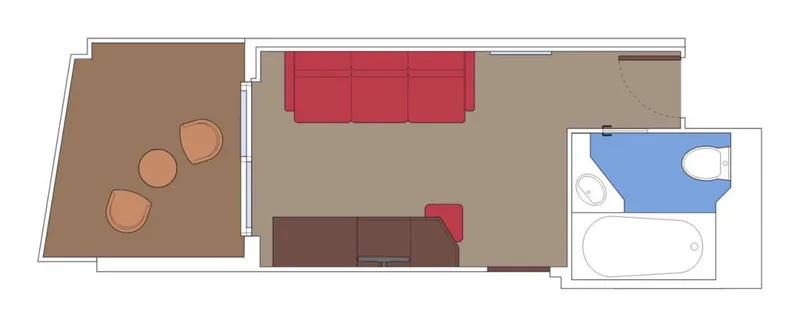
STUDIO BALCONY FANTASTICA
Balcony
172 m²Max 1
BS
Balcony
Sitting area with sofa
Spacious closet
Bathroom with shower or bathtub, vanity area and hairdryer
Interactive TV, telephone, safe and minibar
Wi-Fi access available
Lounge AreaShowerRoom Service AvailableTVWi-Fi (Additional Cost)Safe+8
View Details
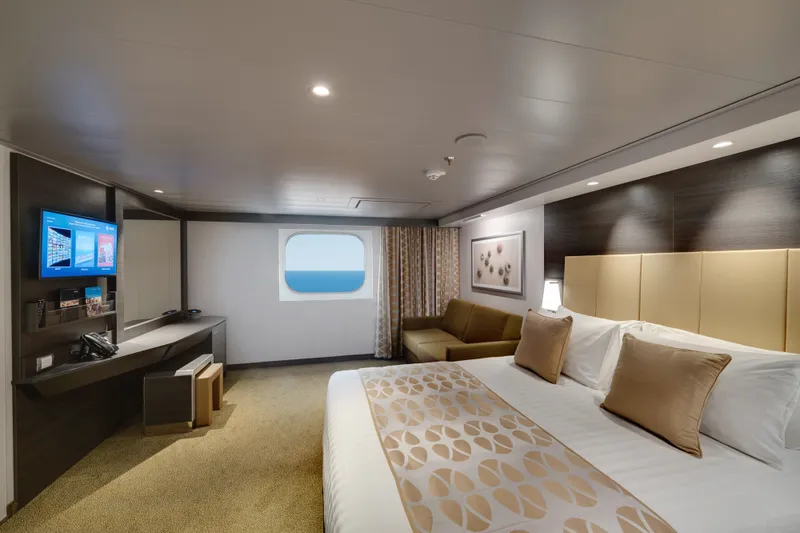
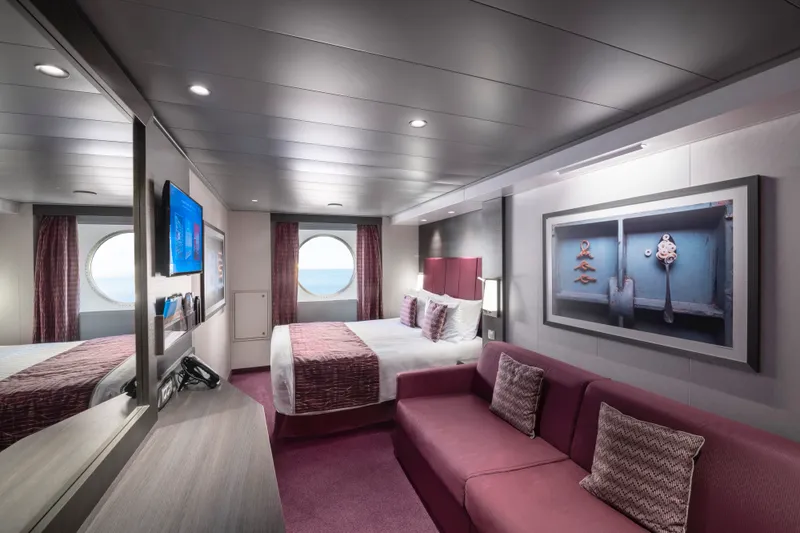
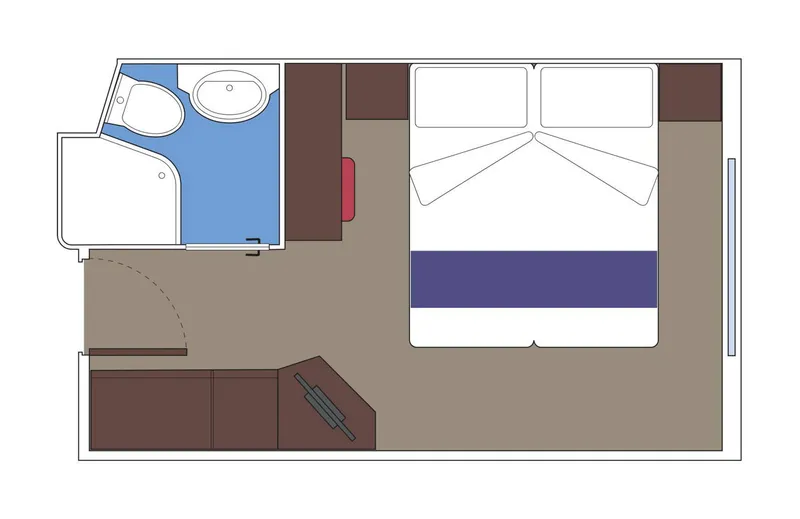
BINGO OUTSIDE BELLA
Outside
129–237 m²Max 2
BOU
BINGO OUTSIDE BELLA
Double or Twin ConfigurationVanity AreaShowerToiletries ProvidedRoom Service AvailableTV+9
View Details
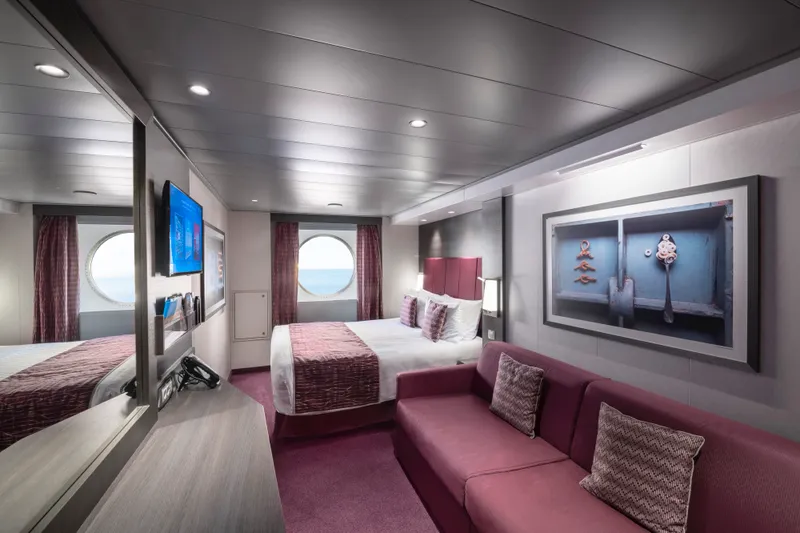
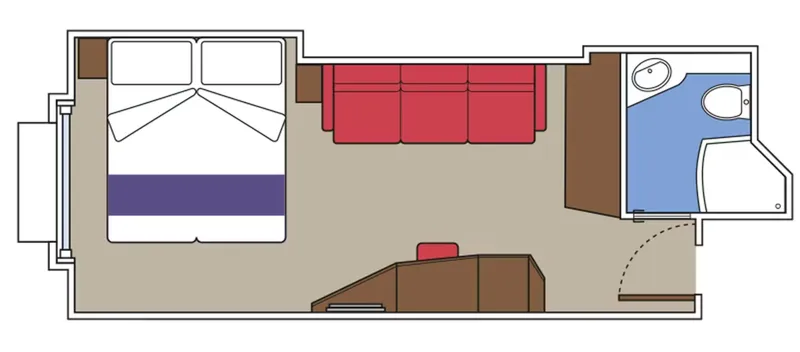
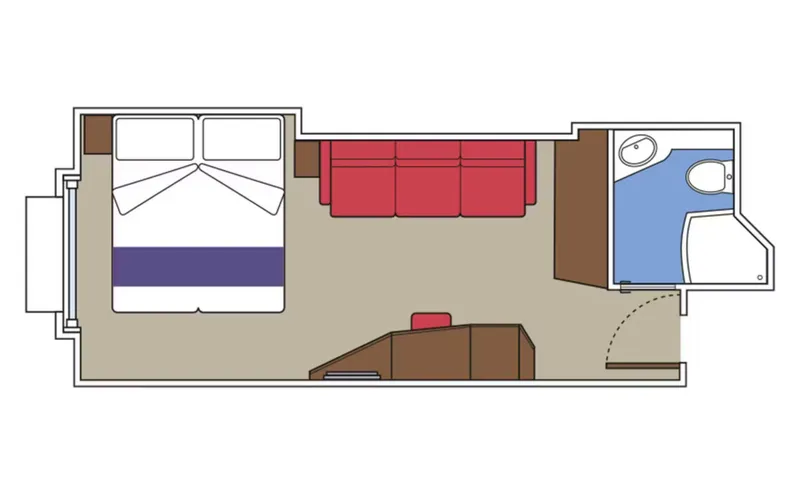
DELUXE OCEAN VIEW FANTASTICA
Outside
172 m²Max 2
OR1
Window with sea view
Relaxing armchair
Spacious closet
Bathroom with shower, vanity area and hairdryer
Interactive TV, telephone, safe and minibar
Wi-Fi access available
Lounge AreaShowerRoom Service AvailableTVWi-Fi (Additional Cost)Safe+8
View Details
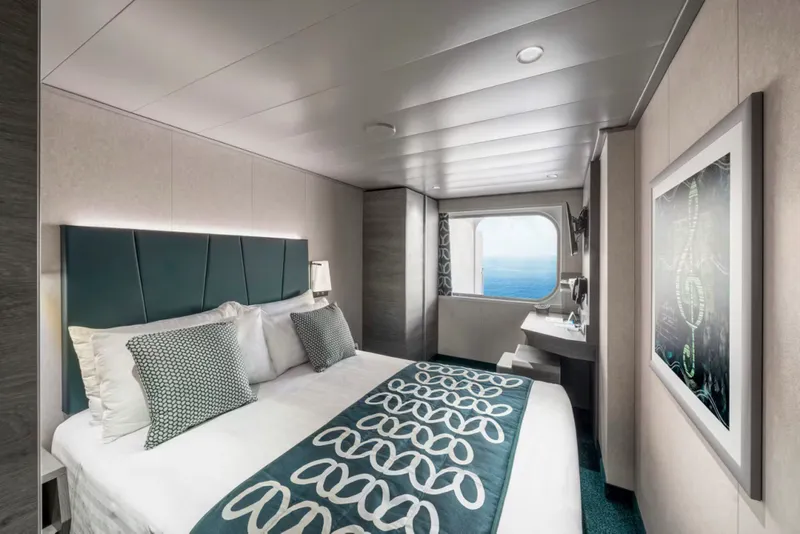
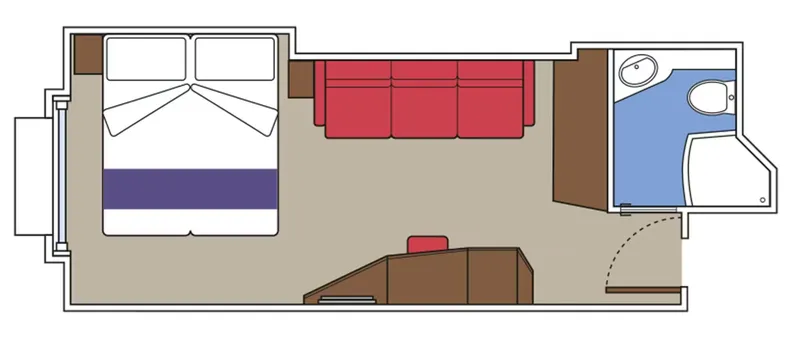
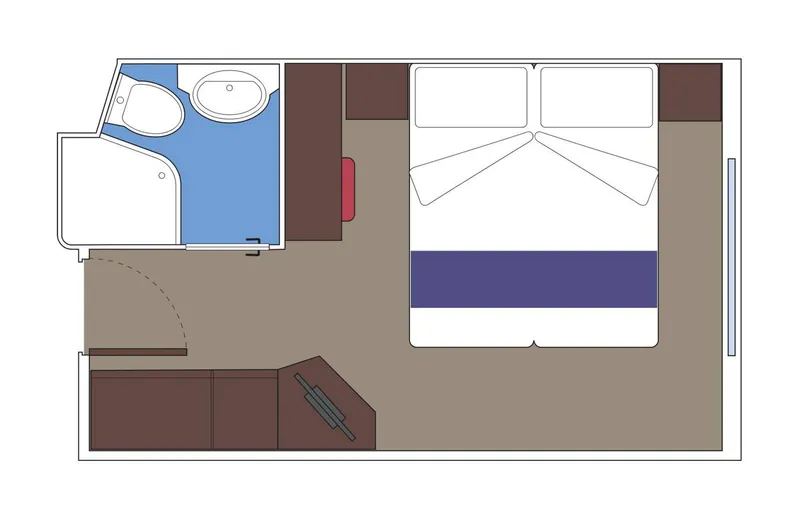
JUNIOR OCEAN VIEW FANTASTICA
Outside
129 m²Max 2
OM2
Window with sea view
Relaxing armchair
Spacious closet
Bathroom with shower, vanity area and hairdryer
Interactive TV, telephone, safe and minibar
Wi-Fi access available
Lounge AreaShowerRoom Service AvailableTVWi-Fi (Additional Cost)Safe+8
View Details
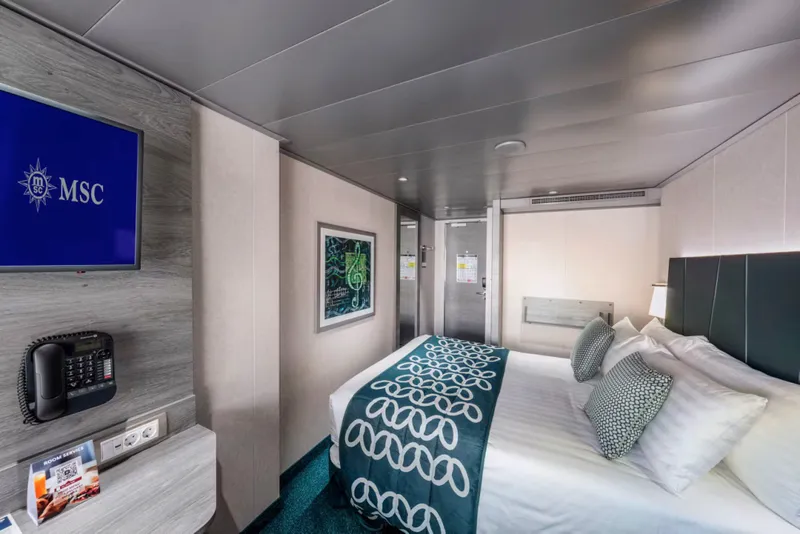
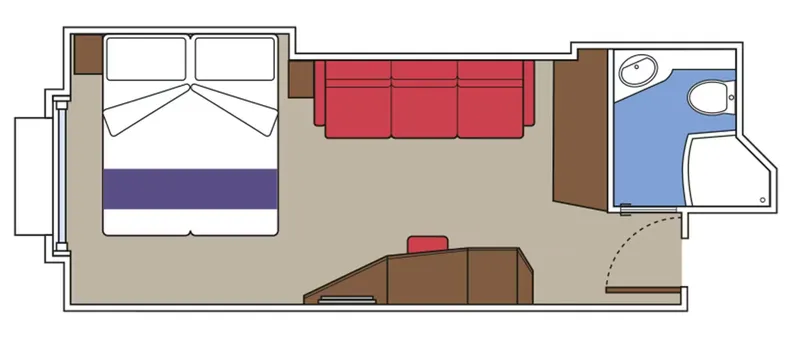
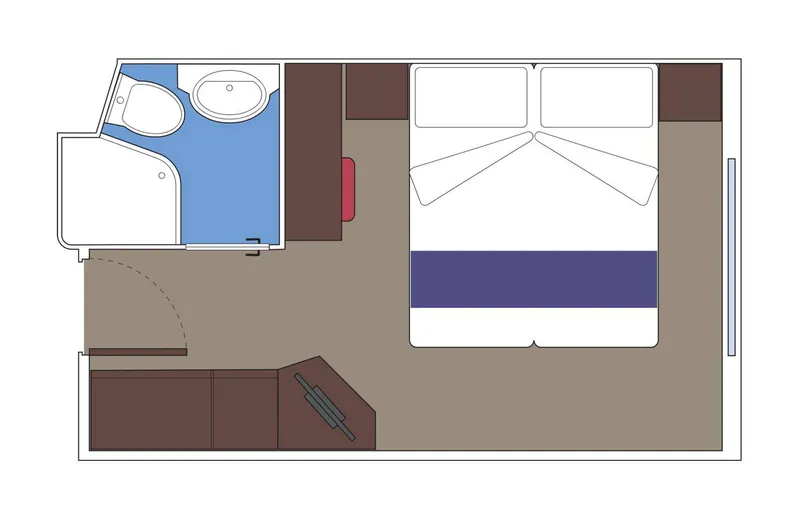
JUNIOR OCEAN VIEW WITH OBSTRUCTED VIEW FANTASTICA
Outside
129 m²Max 2
OO
Window with sea view
Relaxing armchair
Spacious closet
Bathroom with shower, vanity area and hairdryer
Interactive TV, telephone, safe and minibar
Wi-Fi access available
Lounge AreaShowerRoom Service AvailableTVWi-Fi (Additional Cost)Safe+8
View Details
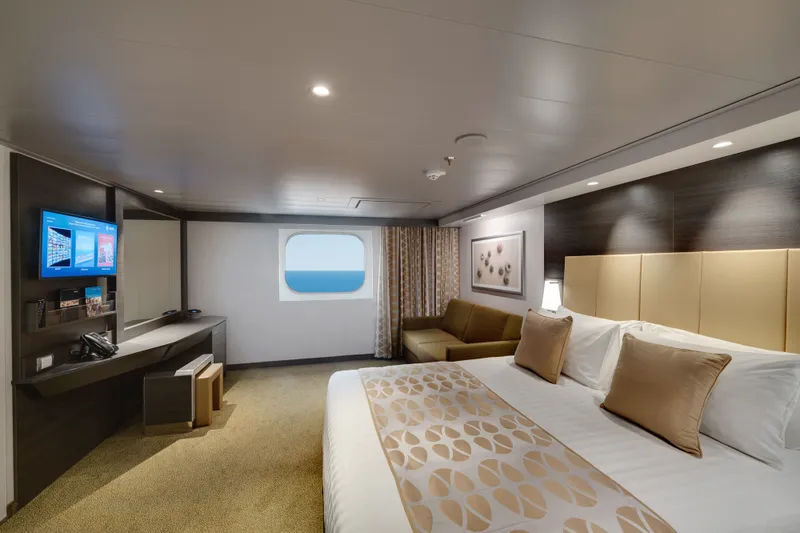
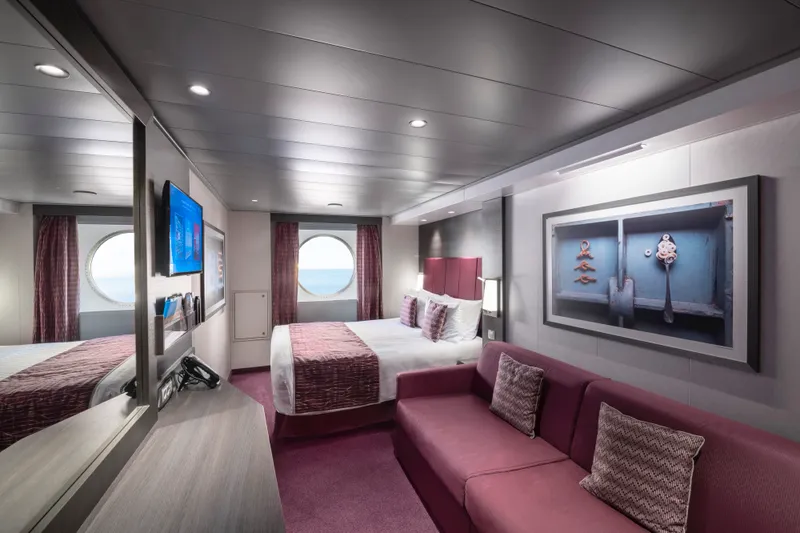
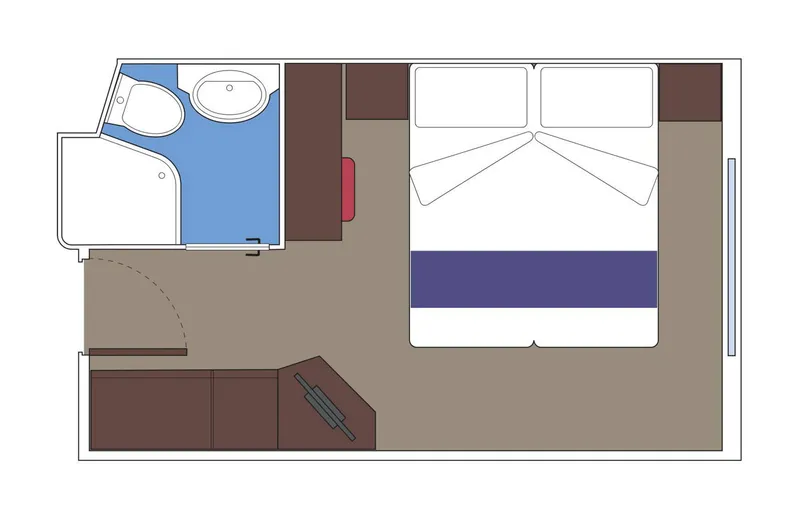
OCEAN VIEW BELLA GUARANTEED
Outside
129–237 m²Max 2
OB
Bathroom with shower, vanity area and hairdryer
TV, telephone, safe and minibar
Wi-Fi access available
Double or Twin ConfigurationVanity AreaShowerToiletries ProvidedRoom Service AvailableTV+9
View Details
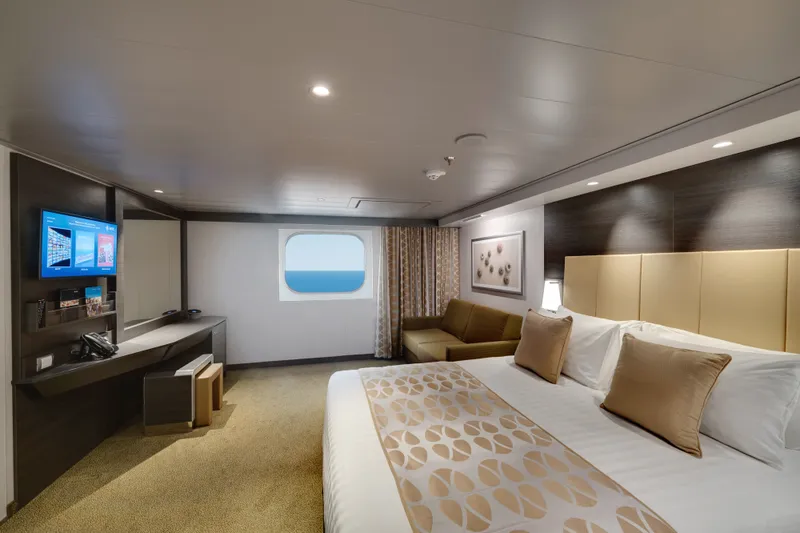
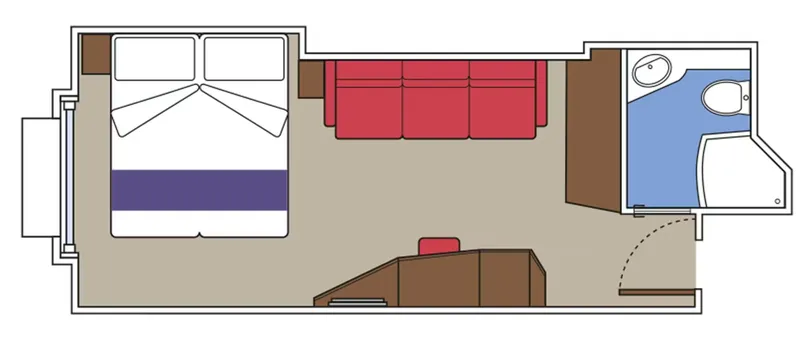
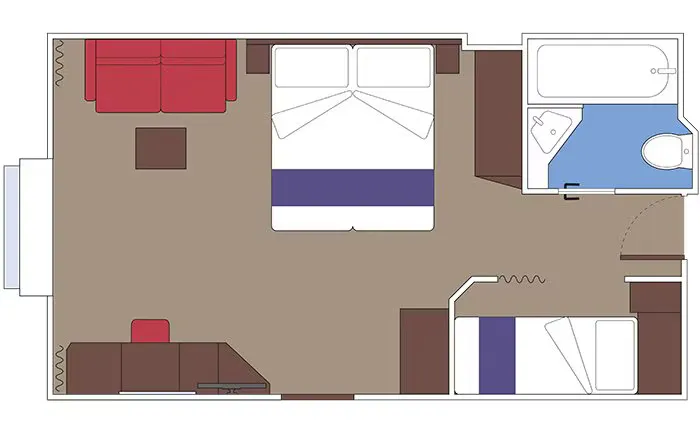
PREMIUM OCEAN VIEW FANTASTICA
Outside
237 m²Max 2
OL2
Window with sea view
Relaxing armchair
Spacious closet
Bathroom with shower, vanity area and hairdryer
Interactive TV, telephone, safe and minibar
Wi-Fi access available
Lounge AreaShowerRoom Service AvailableTVWi-Fi (Additional Cost)Safe+9
View Details
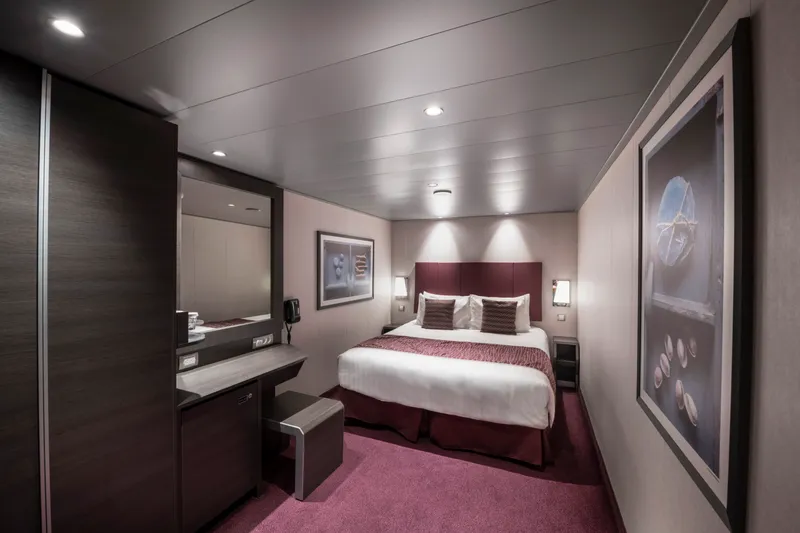
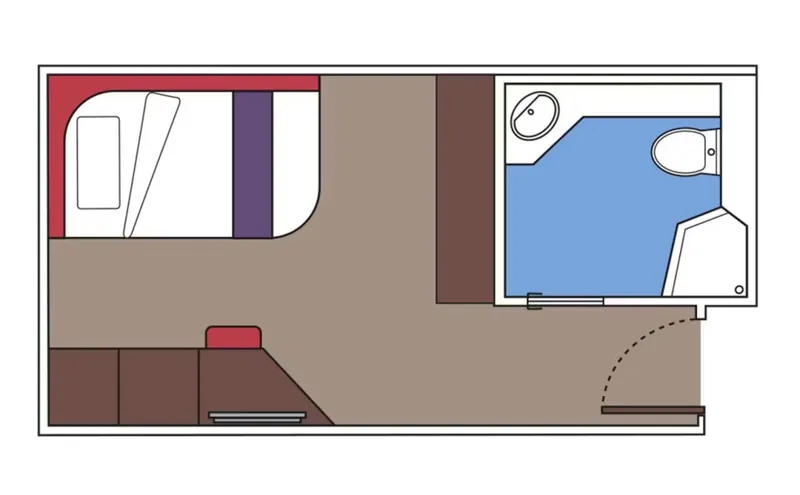
BINGO INSIDE BELLA
Inside
108–161 m²Max 2
BIN
BINGO INSIDE BELLA
Double or Twin ConfigurationVanity AreaShowerToiletries ProvidedRoom Service AvailableTV+9
View Details
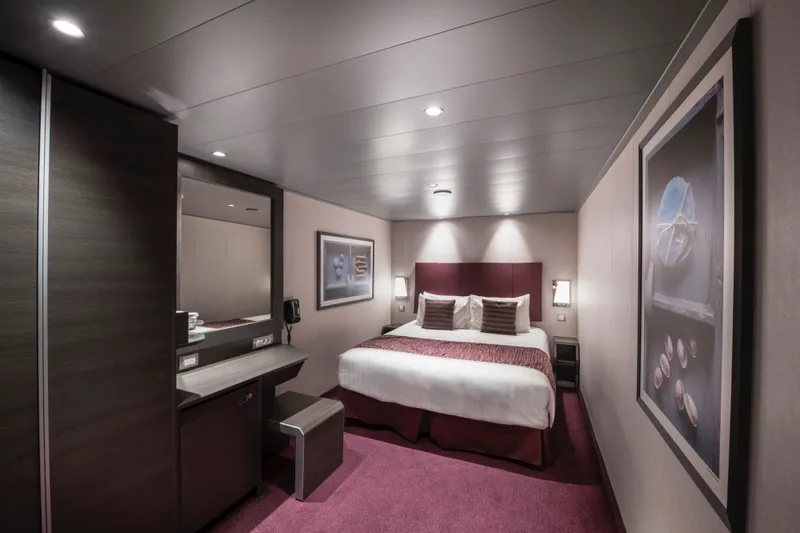
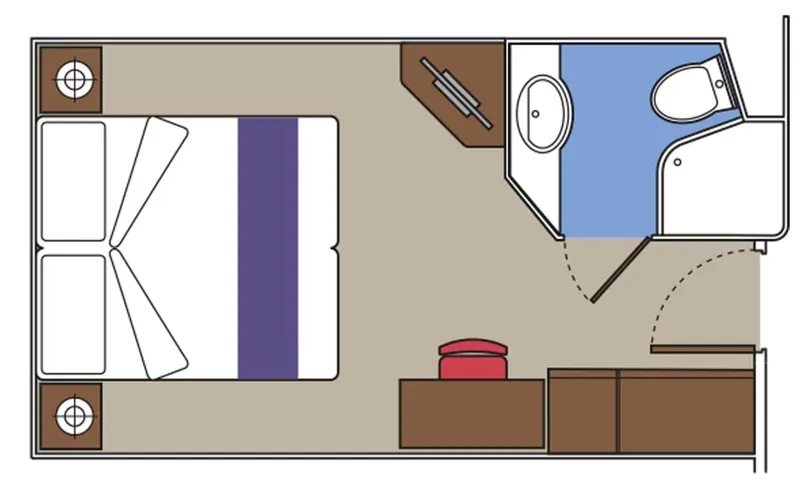
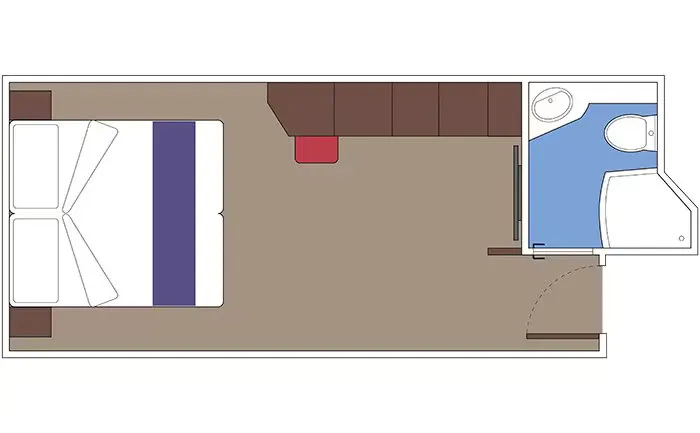
DELUXE INTERIOR FANTASTICA
Inside
161 m²Max 2
IR1IR2
Relaxing armchair
Spacious closet
Bathroom with shower, vanity area and hairdryer
Interactive TV, telephone, safe and minibar
Wi-Fi access available
ShowerRoom Service AvailableTVWi-Fi (Additional Cost)SafeHair Dryer+8
View Details
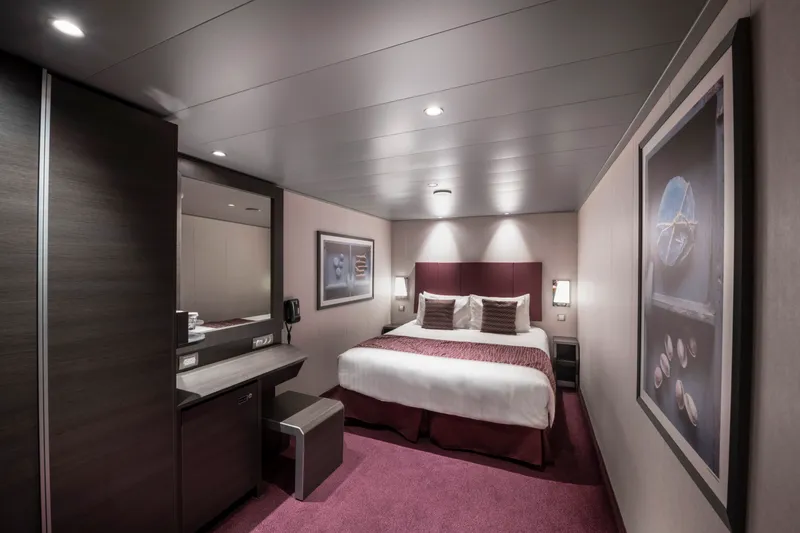
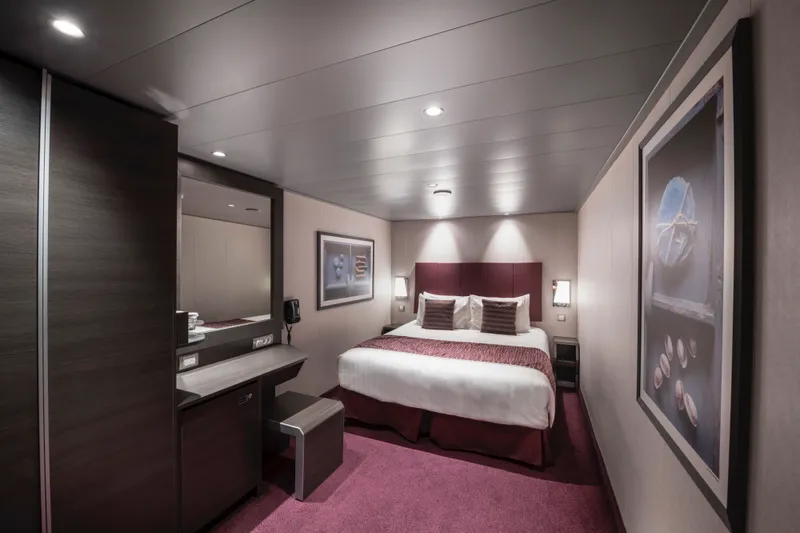
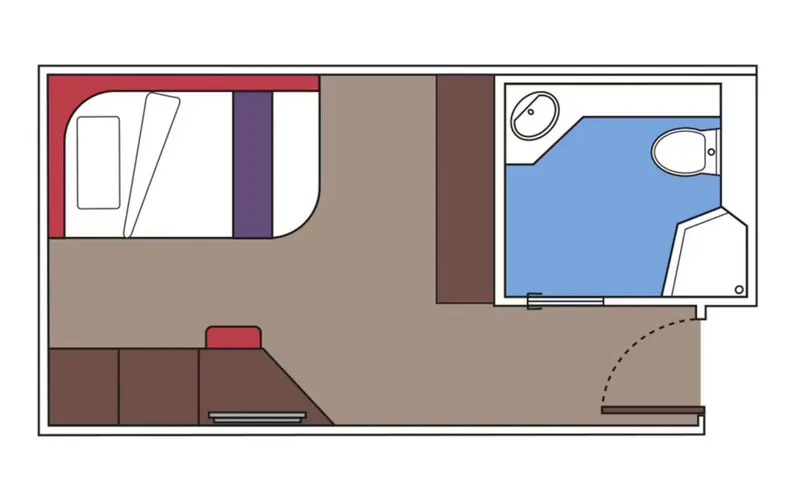
INTERIOR BELLA GUARANTEED
Inside
108–161 m²Max 2
IB
Bathroom with shower, vanity area and hairdryer
TV, telephone, safe and minibar
Wi-Fi access available
Double or Twin ConfigurationVanity AreaShowerToiletries ProvidedRoom Service AvailableTV+9
View Details
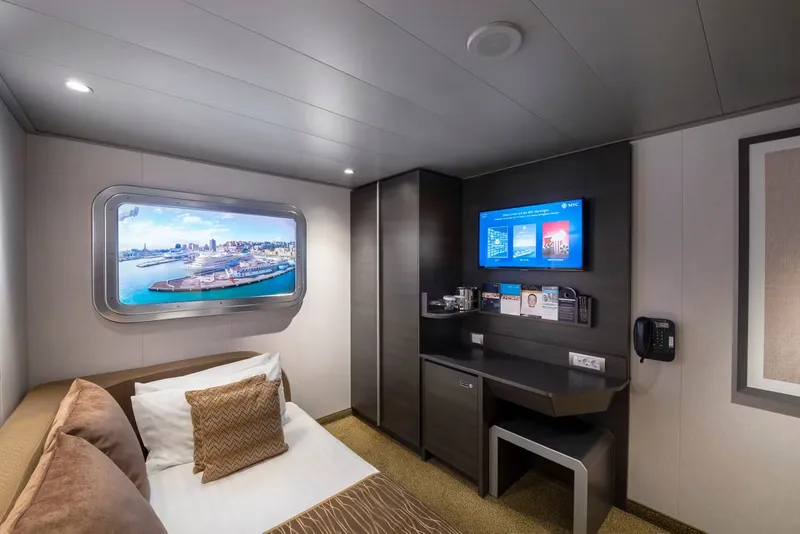
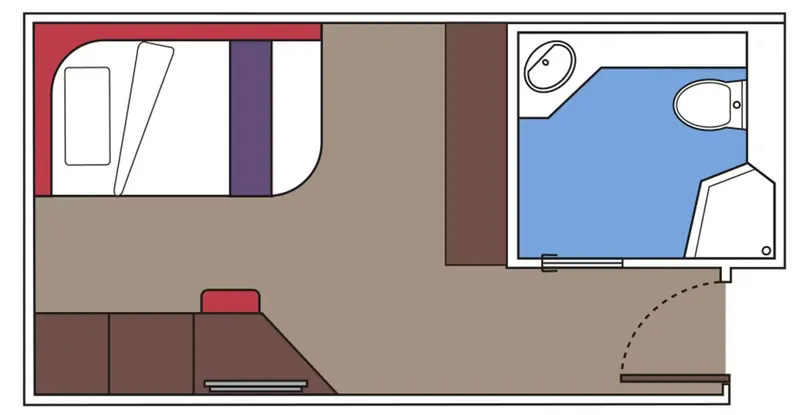
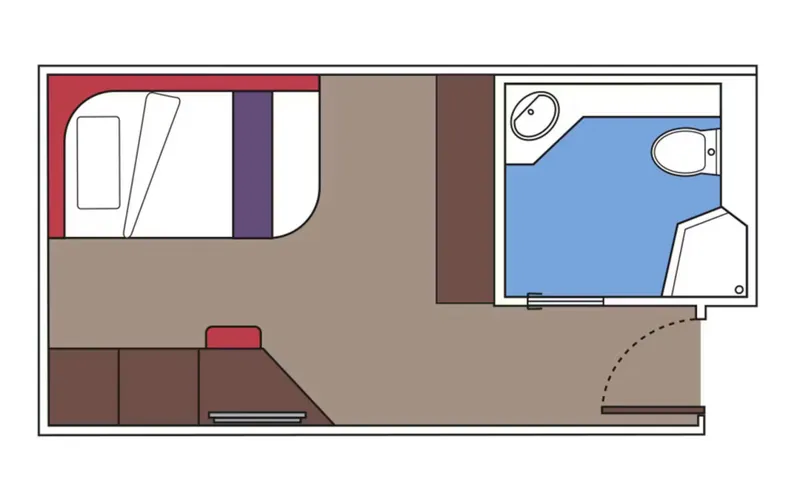
STUDIO INTERIOR FANTASTICA
Inside
108 m²Max 2
IS
Relaxing armchair
Spacious closet
Bathroom with shower, vanity area and hairdryer
Interactive TV, telephone, safe and minibar
Wi-Fi access available
ShowerRoom Service AvailableTVWi-Fi (Additional Cost)Media/Entertainment StationSafe+8
View Details
Interested in This Voyage?
Our cruise specialists can help you find the perfect cabin and the best available pricing.
(+886) 02-2721-7300Contact Advisor