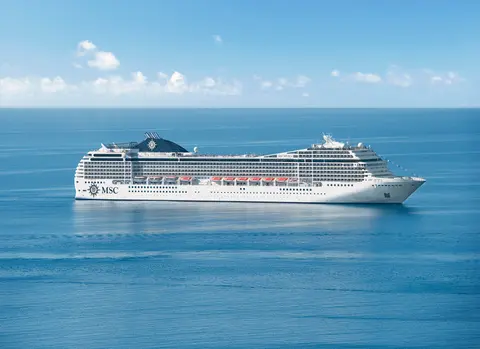
Canary Islands and Madeira from Santa Cruz
Date
2026-04-12
Duration
15 nights
Departure Port
Santa Cruz de Tenerife
Spain
Arrival Port
Civitavecchia
Italy
Rating
Resort
Theme
—
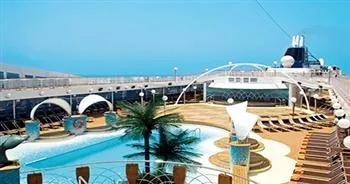
MSC Cruises
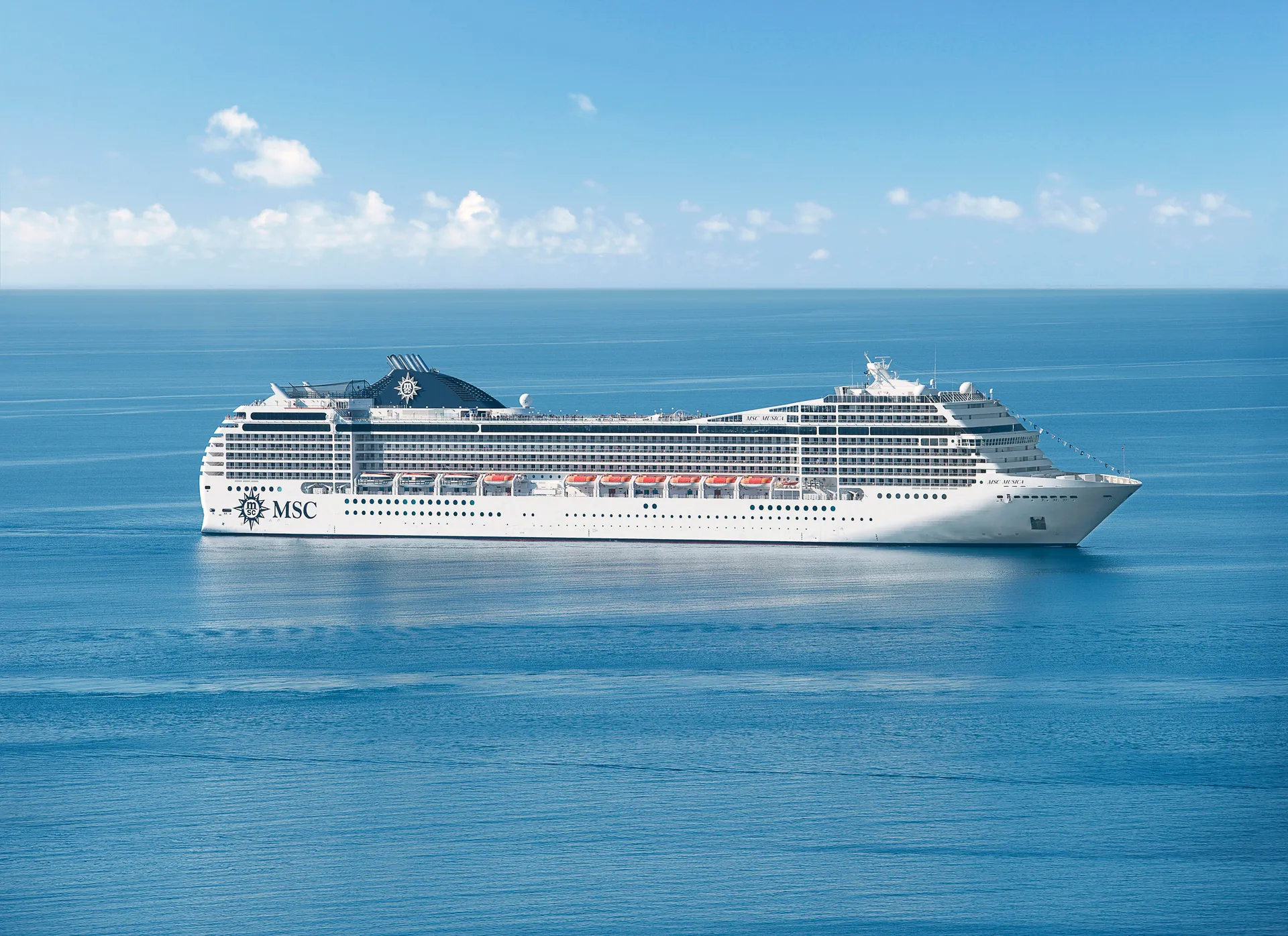
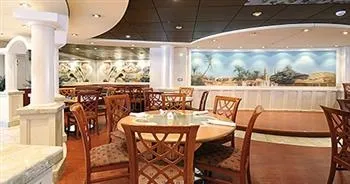
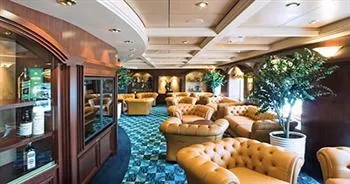
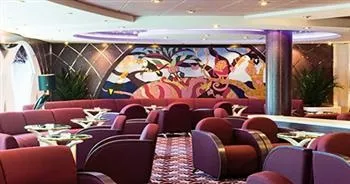
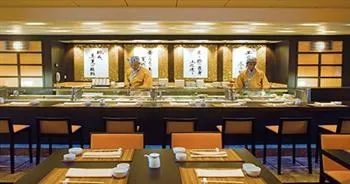
MSC Musica
Launched
2005
Refitted
—
Tonnage
92,409 GT
Passengers
3,013
Cabins
1,275
Crew
987
Length
961 m
Width
32.2 m
Speed
22 knots
Adults Only
No
Itinerary
Day 1
Day 1
Santa Cruz de Tenerife
Depart 23:00
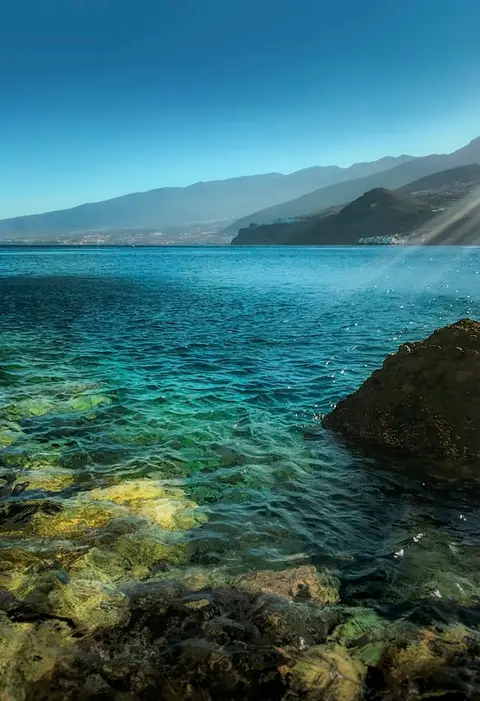
Santa Cruz de Tenerife, the cosmopolitan capital of the Canary Islands, balances volcanic grandeur with refined urban pleasures — from the Santiago Calatrava–designed Auditorio rising beside the Atlantic to the ancient dragon tree at Icod de los Vinos and the World Heritage Teide volcano looming above the island. The city's Carnival, second in scale only to Rio de Janeiro's, erupts each February in spectacular costumes and street revelry. Local wines from the volcanic slopes, wrinkled potatoes with mojo verde, and fresh Atlantic fish define the island's culinary character. November through April offers reliably warm, sun-drenched conditions.
Day 2
Day 2
Arrecife
Arrive 09:00Depart 20:00
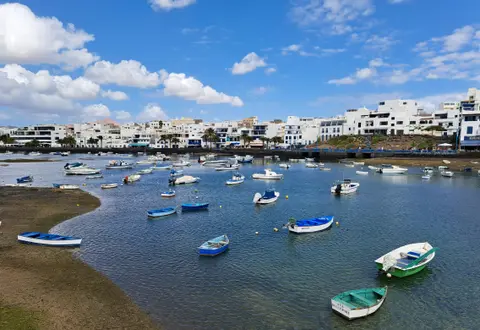
Arrecife, the unpretentious capital of Lanzarote in Spain's Canary Islands, serves as the gateway to one of the volcanic world's most surreal and spellbinding landscapes — shaped by César Manrique, the visionary artist who ensured there are no high-rises, no billboards, and no compromise between tourism and the island's extraordinary terrain. The Timanfaya National Park's lava fields, the underground lake of the Jameos del Agua, and Manrique's own clifftop home-turned-museum are among the most singular attractions in all of Spain. The Canary Islands enjoy a year-round temperate climate, making any month suitable for a visit. Gran Canaria lies forty minutes by ferry.
Day 3
Day 3
Puerto Del Rosario
Arrive 08:00Depart 20:00
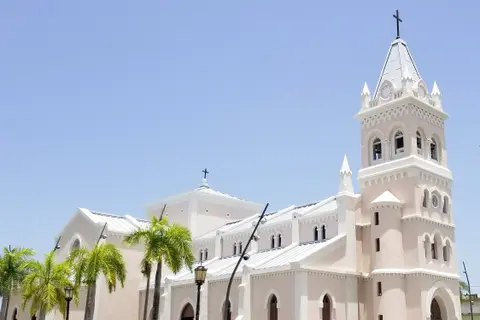
Puerto del Rosario is the vibrant capital of Fuerteventura, known for its unique blend of contemporary art and traditional Canarian architecture. Must-do experiences include sampling local dishes like "gofio" and "papas arrugadas" at the local markets. The best season to visit is during the spring and autumn months when the weather is pleasantly warm and ideal for exploration.
Day 4
Day 4
At Sea
Day 5
Day 5
Casablanca
Arrive 06:00Depart 22:00
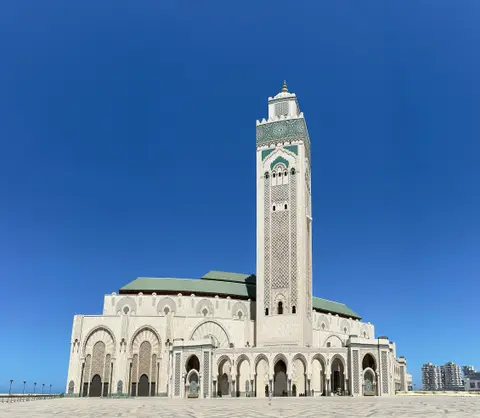
Casablanca is Morocco's largest city, a striking fusion of Berber heritage, French colonial art deco architecture, and contemporary ambition anchored by the towering Hassan II Mosque on the Atlantic shore. Visitors should not miss the Central Market's freshly grilled seafood and a half-day excursion to the imperial capital Rabat or the UNESCO-listed fortress of Aït Ben Haddou. The optimal season for cruising into Casablanca is April through June or September through November, when temperatures hover between twenty and twenty-seven degrees and the Atlantic light renders the white city at its most luminous.
Day 6
Day 6
At Sea
Day 7
Day 7
Barcelona
Arrive 13:00Depart 21:00
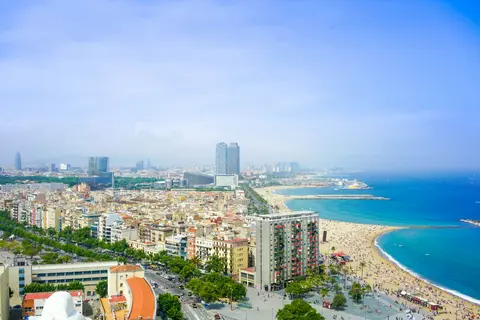
Barcelona is the city where Roman history, Gothic grandeur, and Gaudí's delirious Modernisme collide in a Mediterranean coastal capital of astonishing energy and beauty. The Sagrada Família — still under construction after 140 years — continues its audacious ascent toward completion, while the Gothic Quarter's Roman-era foundations and the Passeig de Gràcia's extraordinary concentration of Modernisme masterpieces reward days of exploration. For a complete sensory experience, lose an afternoon in the covered labyrinth of La Boqueria market before descending to the waterfront for Catalan seafood at its finest. May through June and September through October offer the most pleasant weather; the city connects directly to Paris by overnight train.
Day 8
Day 8
At Sea
Day 9
Day 9
Civitavecchia
Arrive 08:00
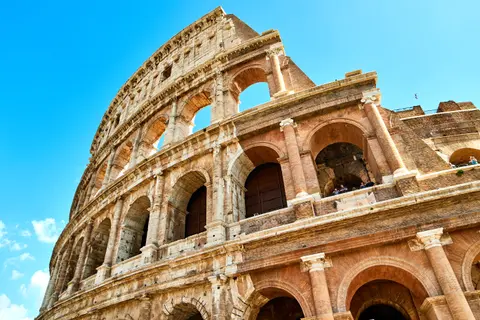
Rome's ancient maritime gateway since the Emperor Trajan commissioned its harbour in 106 AD, Civitavecchia is the natural prologue to the Eternal City — just seventy minutes southeast by express rail. The port's Renaissance fortress, designed in part by Michelangelo, anchors a working waterfront that has welcomed travellers for millennia. Beyond Rome's unmissable monuments, consider an afternoon in the Civitavecchia thermal baths, drawing on mineral waters prized since antiquity. Spring and autumn offer the ideal balance of mild weather and manageable crowds for exploring the capital's layered history.
Day 10
Day 10
Genoa
Arrive 08:00Depart 18:00
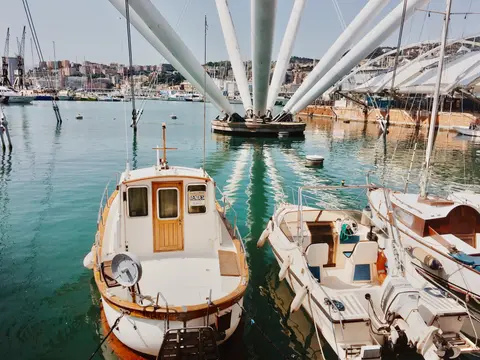
La Superba — 'the Proud' — earned its epithet as one of the four great maritime republics of medieval Italy, and Genoa's UNESCO-listed Palazzi dei Rolli, some of the finest Renaissance and Baroque palaces in Europe, still announce the city's historic ambitions with magnificent authority. Renzo Piano's revitalised old port introduces a modern chapter alongside the medieval carruggi, the labyrinthine alleys where the city's true character breathes: Ligurian focaccia straight from the wood oven, pesto ground to ancient recipes, and farinata — chickpea flatbread — served on marble counters since the twelfth century. Spring and autumn offer the most pleasant conditions for exploring this underestimated city.
Day 11
Day 11
Marseille
Arrive 07:00Depart 15:00
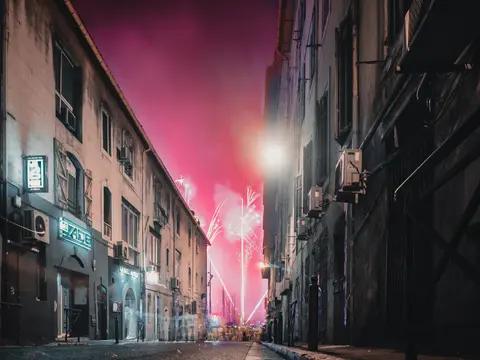
Founded by Greek sailors in 600 BC, Marseille is France's oldest and most viscerally alive city — a Mediterranean port where the catch is still sold from fishing boat decks at the Vieux-Port each morning beneath the golden Madonna of Notre-Dame de la Garde, gleaming on her basilica above the city. The bouillabaisse served at harbourside institutions such as Chez Fonfon is not merely a dish but a rite, its saffron-stained broth tying Marseille to its Hellenic roots. Explore the dramatic Calanques national park, a coastal labyrinth of turquoise coves just south of the city. Spring and autumn are the finest seasons.
Day 12
Day 12
Santiago de Compostela
Arrive 10:00Depart 20:00
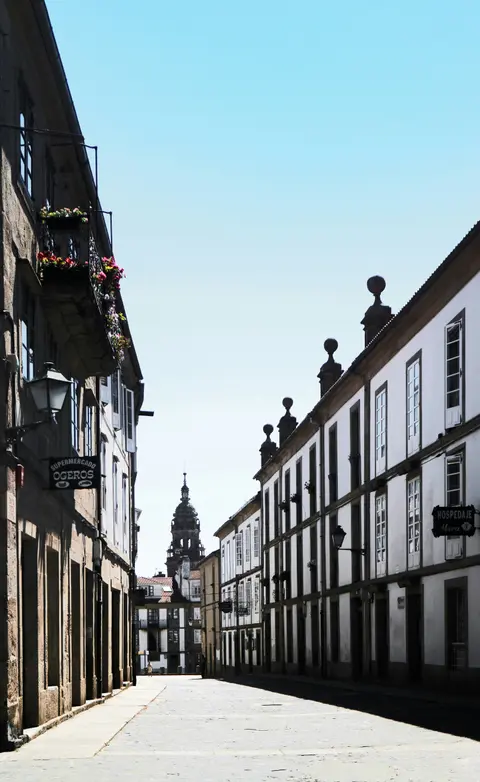
Santiago de Compostela, renowned for its historic cathedral and vibrant pilgrimage culture, is a port city steeped in rich traditions. Must-try experiences include savoring “pulpo a la gallega” and exploring the Mercado de Abastos for local delicacies. The best season to visit is spring, when the city’s festivals and natural beauty come alive.
Day 13
Day 13
Ibiza
Arrive 09:00Depart 23:59
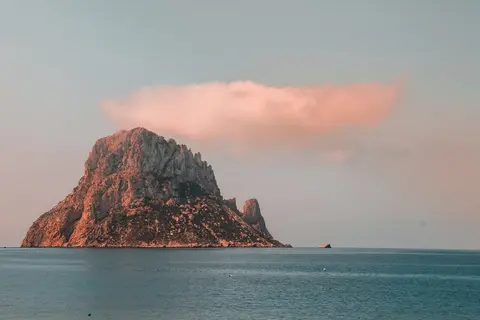
Beneath Ibiza's sun-drenched reputation as the world's clubbing capital lies a layered history stretching back to Phoenician traders who settled this Balearic island in 654 BC. The UNESCO-listed Dalt Vila — the walled hilltop citadel above Eivissa town — rewards exploration with Carthaginian burial grounds, Renaissance ramparts, and sweeping Mediterranean panoramas. For quieter pleasures, the crystalline coves of the island's north, such as Cala d'en Serra and Es Portitxol, rival any beach in Europe. The Phoenician necropolis of Puig des Molins is unmissable for history devotees. The season runs May through October, with June and September offering ideal weather without peak-summer crowds.
Day 14
Day 14
At Sea
Day 15
Day 15
Cagliari
Arrive 08:00Depart 17:00
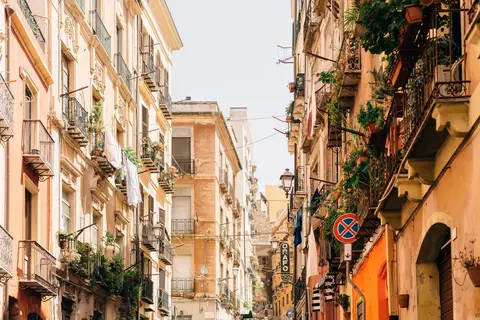
Cagliari, Sardinia's sun-drenched capital overlooking the Gulf of Angels, has absorbed three thousand years of Phoenician, Carthaginian, Roman, Pisan, and Spanish ambitions into a layered and deeply compelling Mediterranean city — where the flamingo-fringed salt lagoons stretching to the city's western edge create one of Europe's most surreal urban vistas. The Castello quarter's medieval ramparts enclose a cathedral, Pisan towers, and panoramic terraces that survey the entire city and coastline, while the Marina district below offers some of the finest bottarga pasta and fresh tuna in Italy. Visit May through September for beach perfection; the prehistoric Nuraghe Su Nuraxi at Barumini, a UNESCO Wonder, is an hour's drive north.
Day 16
Day 16
Civitavecchia
Arrive 08:00
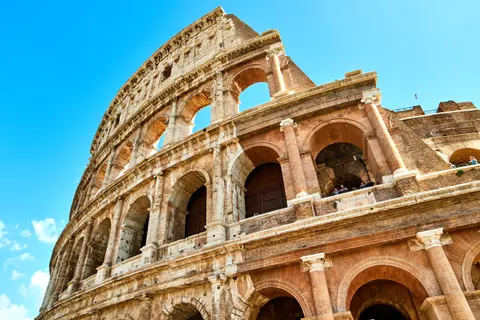
Rome's ancient maritime gateway since the Emperor Trajan commissioned its harbour in 106 AD, Civitavecchia is the natural prologue to the Eternal City — just seventy minutes southeast by express rail. The port's Renaissance fortress, designed in part by Michelangelo, anchors a working waterfront that has welcomed travellers for millennia. Beyond Rome's unmissable monuments, consider an afternoon in the Civitavecchia thermal baths, drawing on mineral waters prized since antiquity. Spring and autumn offer the ideal balance of mild weather and manageable crowds for exploring the capital's layered history.
Day 1
Santa Cruz de Tenerife
Depart 23:00
Santa Cruz de Tenerife, the cosmopolitan capital of the Canary Islands, balances volcanic grandeur with refined urban pleasures — from the Santiago Calatrava–designed Auditorio rising beside the Atlantic to the ancient dragon tree at Icod de los Vinos and the World Heritage Teide volcano looming above the island. The city's Carnival, second in scale only to Rio de Janeiro's, erupts each February in spectacular costumes and street revelry. Local wines from the volcanic slopes, wrinkled potatoes with mojo verde, and fresh Atlantic fish define the island's culinary character. November through April offers reliably warm, sun-drenched conditions.
Day 2
Arrecife
Arrive 09:00Depart 20:00
Arrecife, the unpretentious capital of Lanzarote in Spain's Canary Islands, serves as the gateway to one of the volcanic world's most surreal and spellbinding landscapes — shaped by César Manrique, the visionary artist who ensured there are no high-rises, no billboards, and no compromise between tourism and the island's extraordinary terrain. The Timanfaya National Park's lava fields, the underground lake of the Jameos del Agua, and Manrique's own clifftop home-turned-museum are among the most singular attractions in all of Spain. The Canary Islands enjoy a year-round temperate climate, making any month suitable for a visit. Gran Canaria lies forty minutes by ferry.
Day 3
Puerto Del Rosario
Arrive 08:00Depart 20:00
Puerto del Rosario is the vibrant capital of Fuerteventura, known for its unique blend of contemporary art and traditional Canarian architecture. Must-do experiences include sampling local dishes like "gofio" and "papas arrugadas" at the local markets. The best season to visit is during the spring and autumn months when the weather is pleasantly warm and ideal for exploration.
Day 4
At Sea
Day 5
Casablanca
Arrive 06:00Depart 22:00
Casablanca is Morocco's largest city, a striking fusion of Berber heritage, French colonial art deco architecture, and contemporary ambition anchored by the towering Hassan II Mosque on the Atlantic shore. Visitors should not miss the Central Market's freshly grilled seafood and a half-day excursion to the imperial capital Rabat or the UNESCO-listed fortress of Aït Ben Haddou. The optimal season for cruising into Casablanca is April through June or September through November, when temperatures hover between twenty and twenty-seven degrees and the Atlantic light renders the white city at its most luminous.
Day 6
At Sea
Day 7
Barcelona
Arrive 13:00Depart 21:00
Barcelona is the city where Roman history, Gothic grandeur, and Gaudí's delirious Modernisme collide in a Mediterranean coastal capital of astonishing energy and beauty. The Sagrada Família — still under construction after 140 years — continues its audacious ascent toward completion, while the Gothic Quarter's Roman-era foundations and the Passeig de Gràcia's extraordinary concentration of Modernisme masterpieces reward days of exploration. For a complete sensory experience, lose an afternoon in the covered labyrinth of La Boqueria market before descending to the waterfront for Catalan seafood at its finest. May through June and September through October offer the most pleasant weather; the city connects directly to Paris by overnight train.
Day 8
At Sea
Day 9
Civitavecchia
Arrive 08:00
Rome's ancient maritime gateway since the Emperor Trajan commissioned its harbour in 106 AD, Civitavecchia is the natural prologue to the Eternal City — just seventy minutes southeast by express rail. The port's Renaissance fortress, designed in part by Michelangelo, anchors a working waterfront that has welcomed travellers for millennia. Beyond Rome's unmissable monuments, consider an afternoon in the Civitavecchia thermal baths, drawing on mineral waters prized since antiquity. Spring and autumn offer the ideal balance of mild weather and manageable crowds for exploring the capital's layered history.
Day 10
Genoa
Arrive 08:00Depart 18:00
La Superba — 'the Proud' — earned its epithet as one of the four great maritime republics of medieval Italy, and Genoa's UNESCO-listed Palazzi dei Rolli, some of the finest Renaissance and Baroque palaces in Europe, still announce the city's historic ambitions with magnificent authority. Renzo Piano's revitalised old port introduces a modern chapter alongside the medieval carruggi, the labyrinthine alleys where the city's true character breathes: Ligurian focaccia straight from the wood oven, pesto ground to ancient recipes, and farinata — chickpea flatbread — served on marble counters since the twelfth century. Spring and autumn offer the most pleasant conditions for exploring this underestimated city.
Day 11
Marseille
Arrive 07:00Depart 15:00
Founded by Greek sailors in 600 BC, Marseille is France's oldest and most viscerally alive city — a Mediterranean port where the catch is still sold from fishing boat decks at the Vieux-Port each morning beneath the golden Madonna of Notre-Dame de la Garde, gleaming on her basilica above the city. The bouillabaisse served at harbourside institutions such as Chez Fonfon is not merely a dish but a rite, its saffron-stained broth tying Marseille to its Hellenic roots. Explore the dramatic Calanques national park, a coastal labyrinth of turquoise coves just south of the city. Spring and autumn are the finest seasons.
Day 12
Santiago de Compostela
Arrive 10:00Depart 20:00
Santiago de Compostela, renowned for its historic cathedral and vibrant pilgrimage culture, is a port city steeped in rich traditions. Must-try experiences include savoring “pulpo a la gallega” and exploring the Mercado de Abastos for local delicacies. The best season to visit is spring, when the city’s festivals and natural beauty come alive.
Day 13
Ibiza
Arrive 09:00Depart 23:59
Beneath Ibiza's sun-drenched reputation as the world's clubbing capital lies a layered history stretching back to Phoenician traders who settled this Balearic island in 654 BC. The UNESCO-listed Dalt Vila — the walled hilltop citadel above Eivissa town — rewards exploration with Carthaginian burial grounds, Renaissance ramparts, and sweeping Mediterranean panoramas. For quieter pleasures, the crystalline coves of the island's north, such as Cala d'en Serra and Es Portitxol, rival any beach in Europe. The Phoenician necropolis of Puig des Molins is unmissable for history devotees. The season runs May through October, with June and September offering ideal weather without peak-summer crowds.
Day 14
At Sea
Day 15
Cagliari
Arrive 08:00Depart 17:00
Cagliari, Sardinia's sun-drenched capital overlooking the Gulf of Angels, has absorbed three thousand years of Phoenician, Carthaginian, Roman, Pisan, and Spanish ambitions into a layered and deeply compelling Mediterranean city — where the flamingo-fringed salt lagoons stretching to the city's western edge create one of Europe's most surreal urban vistas. The Castello quarter's medieval ramparts enclose a cathedral, Pisan towers, and panoramic terraces that survey the entire city and coastline, while the Marina district below offers some of the finest bottarga pasta and fresh tuna in Italy. Visit May through September for beach perfection; the prehistoric Nuraghe Su Nuraxi at Barumini, a UNESCO Wonder, is an hour's drive north.
Day 16
Civitavecchia
Arrive 08:00
Rome's ancient maritime gateway since the Emperor Trajan commissioned its harbour in 106 AD, Civitavecchia is the natural prologue to the Eternal City — just seventy minutes southeast by express rail. The port's Renaissance fortress, designed in part by Michelangelo, anchors a working waterfront that has welcomed travellers for millennia. Beyond Rome's unmissable monuments, consider an afternoon in the Civitavecchia thermal baths, drawing on mineral waters prized since antiquity. Spring and autumn offer the ideal balance of mild weather and manageable crowds for exploring the capital's layered history.
Cabin Categories
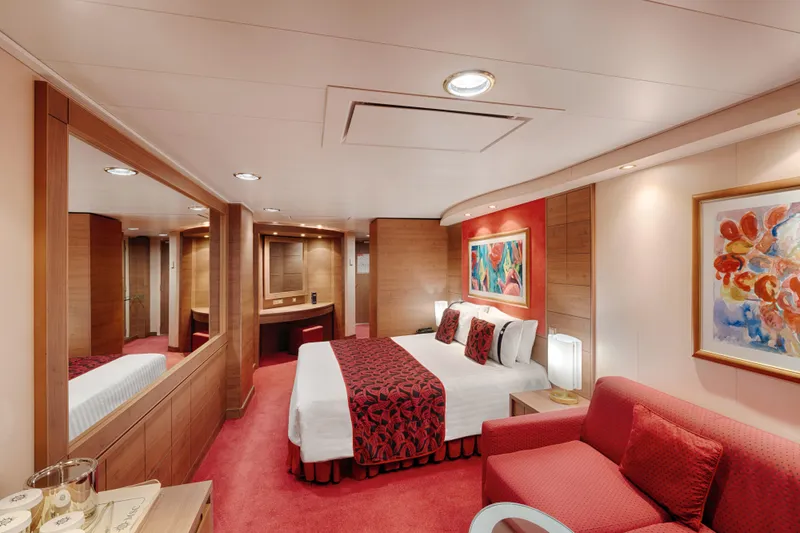
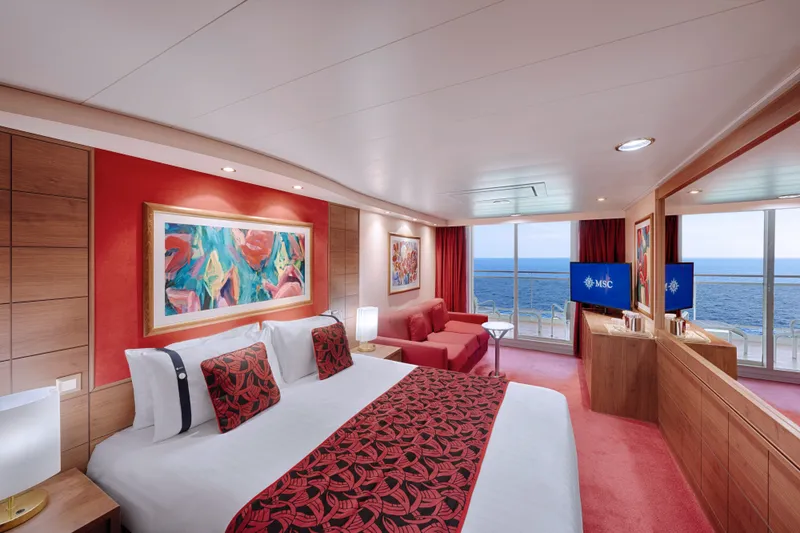
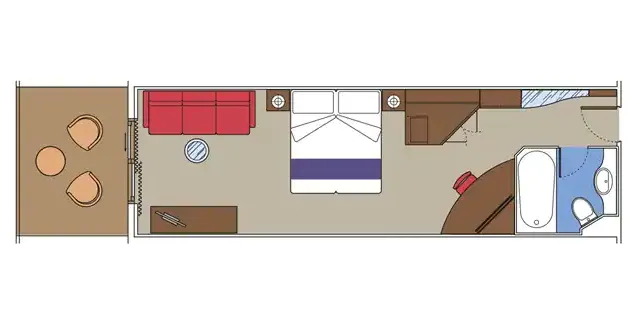
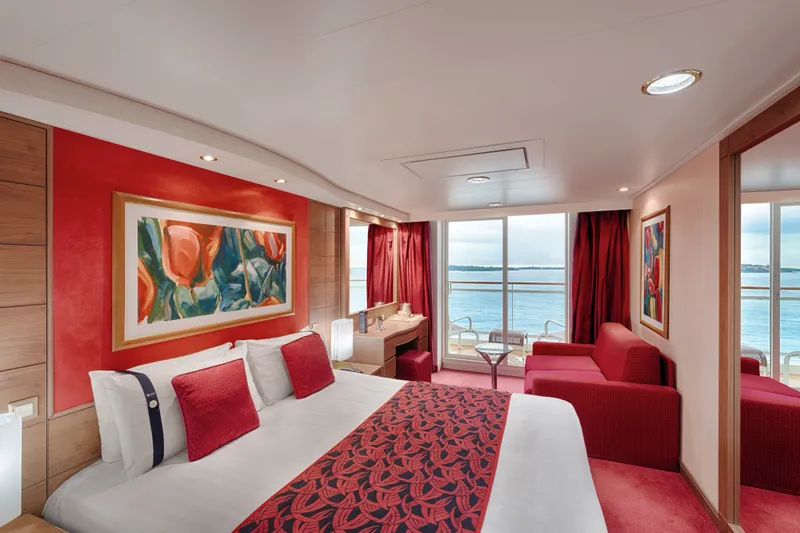
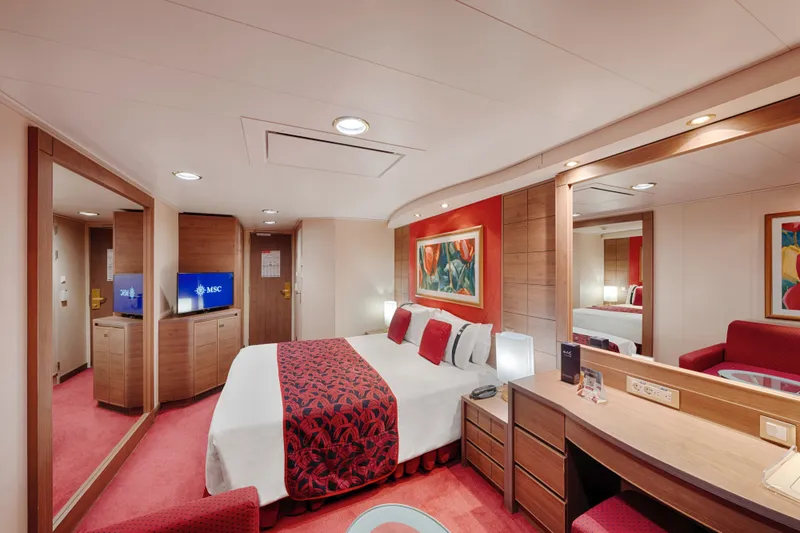
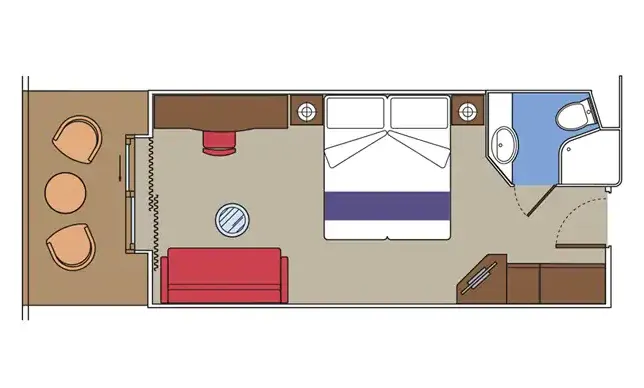
PREMIUM SUITE AUREA
Suite
322 m²Max 2
SL1
Comfortable king bed that can be converted into two single beds on request
Other Characteristics:
Balcony
Sitting area with sofa
Spacious closet
Bathroom with bathtub, vanity area and hairdryer
Interactive TV, telephone, save and minibar
Wi-Fi access available ($)
Approx. 280 ft2 with a balcony that is approx. 43 ft2
Located decks 15
Double or Twin ConfigurationVanity AreaShowerSafeHair DryerTelephone+6
View Details
BALCONY AUREA
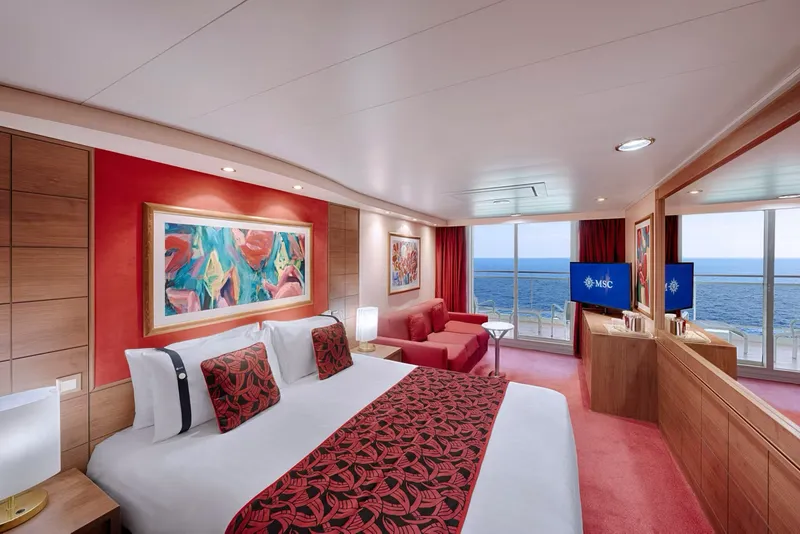
Balcony
247 m²Max 2
BA
Comfortable king bed that can be converted into two single beds on request
Other Characteristics:
Balcony
Sitting area with sofa
Spacious closet
Bathroom with shower, vanity area and hairdryer
Interactive TV, telephone, save and minibar
Wi-Fi access available ($)
Approx. 194 ft2 with a balcony that is approx. 43 ft2
Located decks 9-11
Queen or Twin ConfigurationLounge AreaShowerRoom Service AvailableTVWi-Fi (Additional Cost)+4
View Details
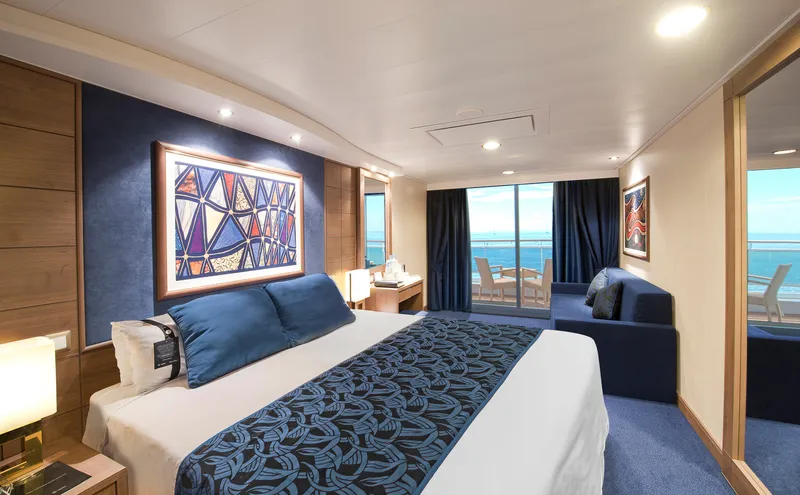
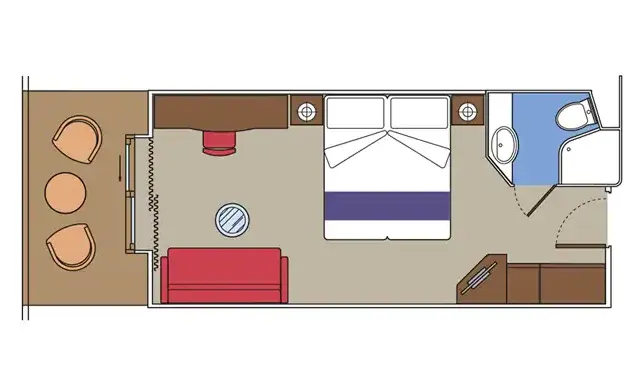
BALCONY BELLA GUARANTEED
Balcony
247 m²Max 2
BB
Comfortable king bed that can be converted into two single beds on request
Other Characteristics:
Balcony
Sitting area with sofa
Spacious closet
Bathroom with shower, vanity area and hairdryer
Interactive TV, telephone, save and minibar
Wi-Fi access available ($)
Approx. 161 – 194 ft2 with a balcony that is approx. 43 – 54 ft2
Located on decks 8 - 15
Queen or Twin ConfigurationLounge AreaShowerRoom Service AvailableTVWi-Fi (Additional Cost)+4
View Details
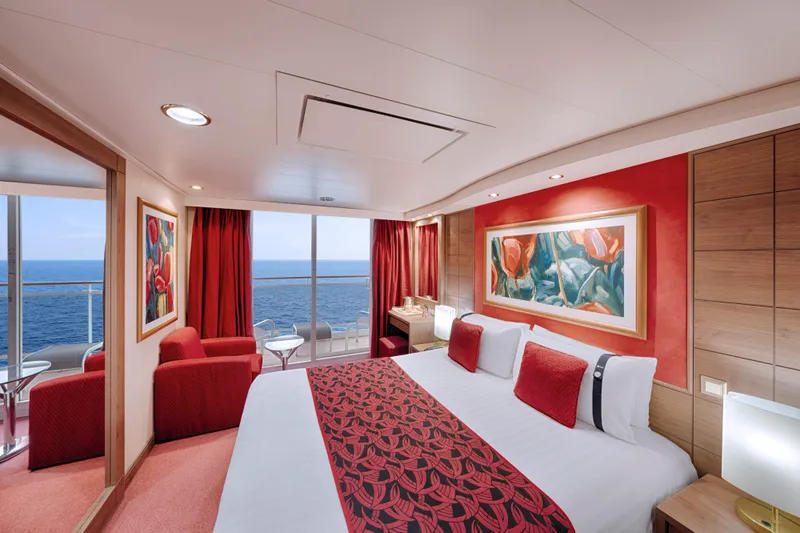
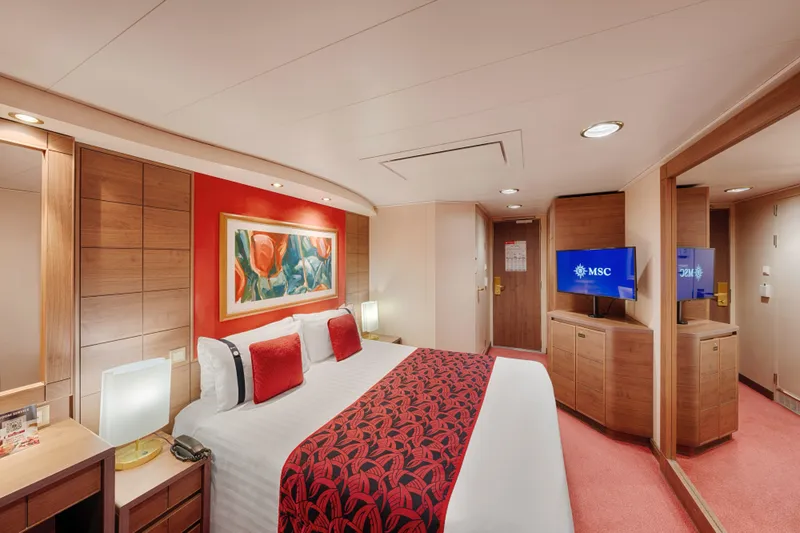
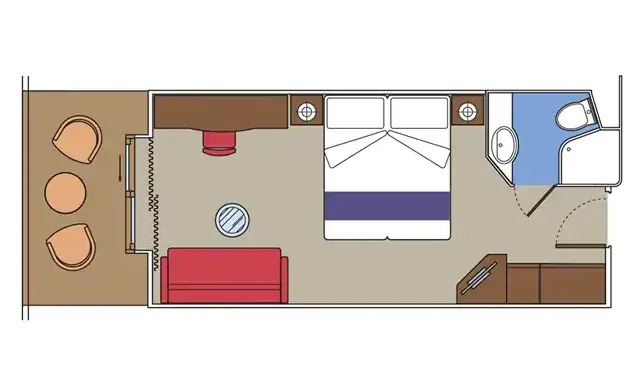
DELUXE BALCONY FANTASTICA
Balcony
215 m²Max 2
BR1BR2
Comfortable king bed that can be converted into two single beds on request
Other Characteristics:
Balcony
Sitting area with sofa
Spacious closet
Bathroom with shower, vanity area and hairdryer
Interactive TV, telephone, save and minibar
Wi-Fi access available ($)
Approx. 161 ft2 with a balcony that is approx. 54 ft2
Located on decks 8 - 9
Double or Twin ConfigurationLounge AreaRoom Service AvailableWi-Fi (Additional Cost)SafeHair Dryer+2
View Details
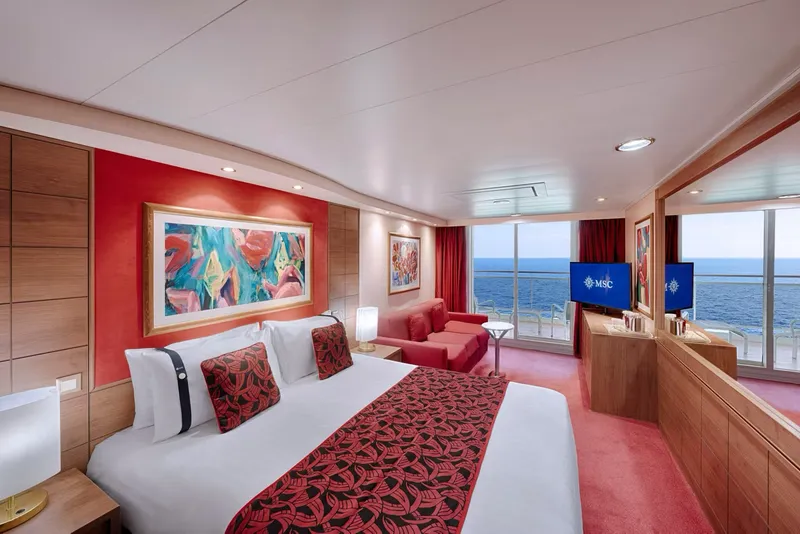
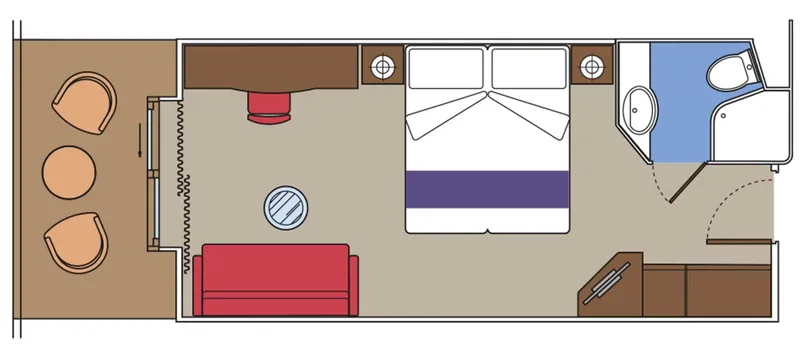
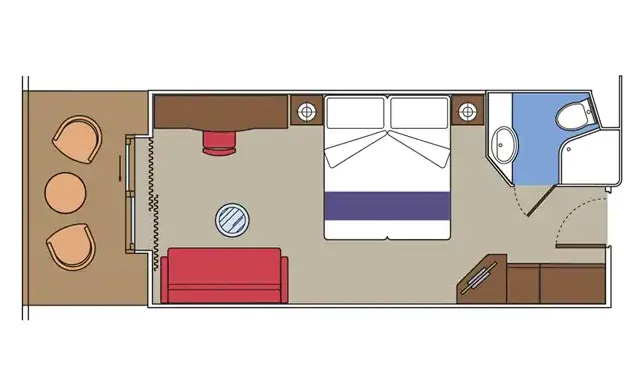
DELUXE BALCONY WITH PARTIAL VIEW FANTASTICA
Balcony
247 m²Max 2
BP
Surface approx 18 sqm, balcony approx 5 sqm, deck 12.
Sitting area with sofa.
Bathroom with shower, vanity area with hairdryer.
Comfortable double or single beds (on request*).
Interactive TV, telephone, Wifi connection available (for a fee), safe and minibar.
Queen or Twin ConfigurationLounge AreaShowerRoom Service AvailableTVWi-Fi (Additional Cost)+6
View Details
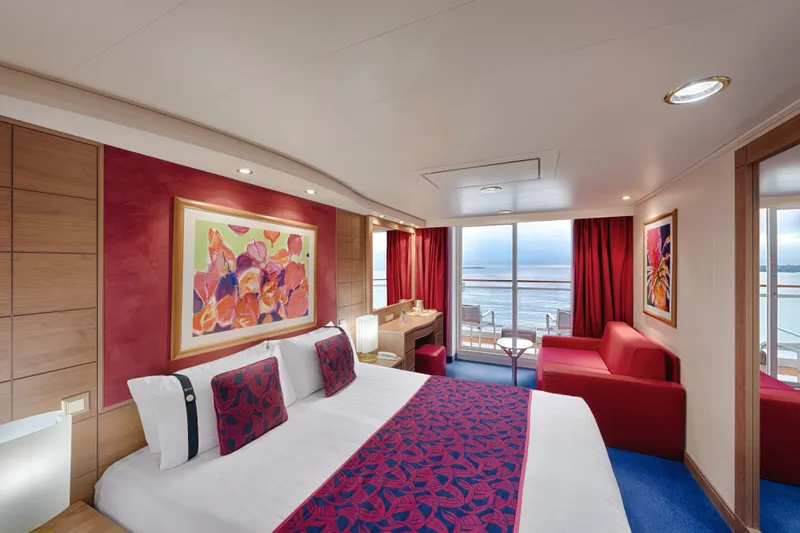
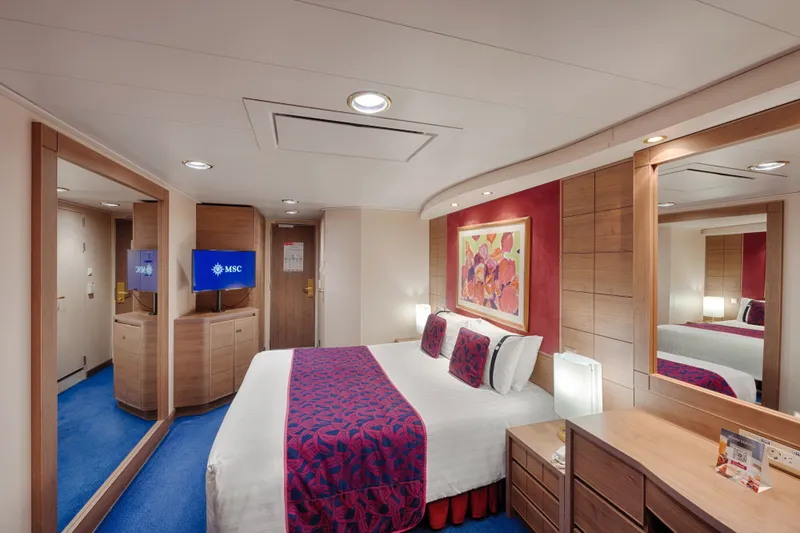
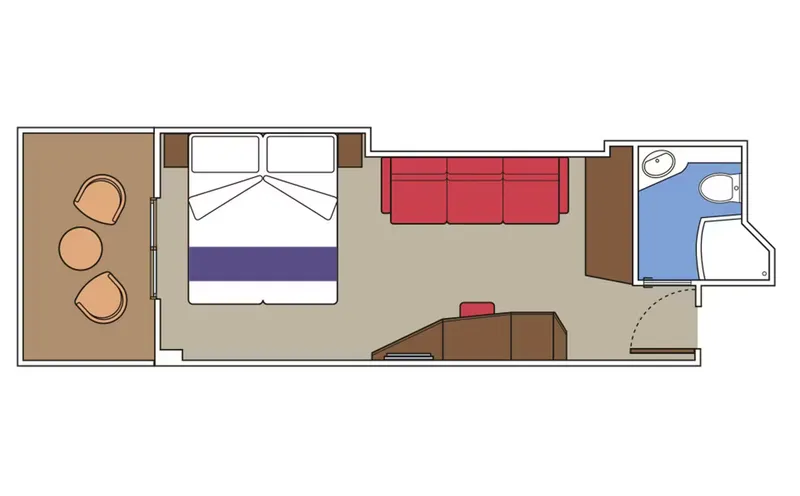
PREMIUM BALCONY FANTASTICA
Balcony
247 m²Max 2
BL1BL2
Comfortable king bed that can be converted into two single beds on request
Other Characteristics:
Balcony
Sitting area with sofa
Spacious closet
Bathroom with shower, vanity area and hairdryer
Interactive TV, telephone, save and minibar
Wi-Fi access available ($)
Approx. 194 ft2 with a balcony that is approx. 54 ft2
Located on decks 10 - 15
Queen or Twin ConfigurationLounge AreaShowerRoom Service AvailableTVWi-Fi (Additional Cost)+5
View Details
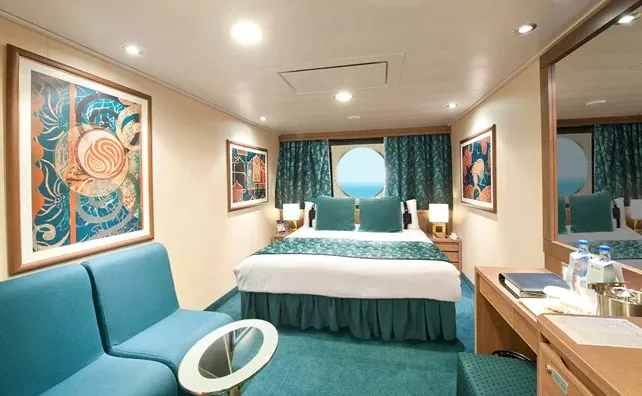
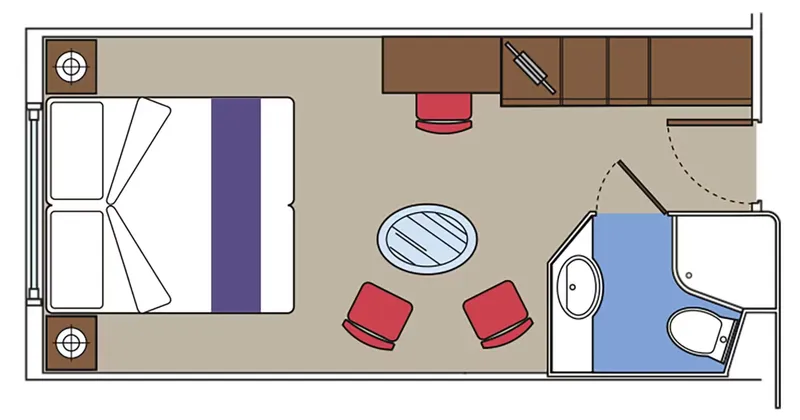
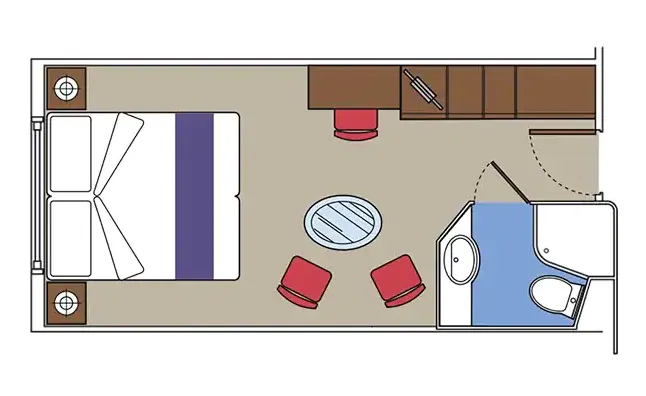
DELUXE OCEAN VIEW FANTASTICA
Outside
172 m²Max 2
OR1OR2
Comfortable king bed that can be converted into two single beds on request
Other Characteristics:
Window with sea view
Relaxing armchair
Spacious closet
Bathroom with shower, vanity area and hairdryer
Interactive TV, telephone, save and minibar
Wi-Fi access available ($)
Approx. 183 ft2
Located deck 5
Queen or Twin ConfigurationLounge AreaShowerRoom Service AvailableTVWi-Fi (Additional Cost)+4
View Details
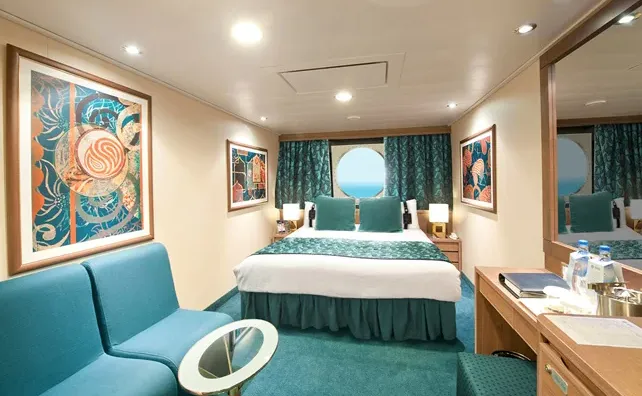
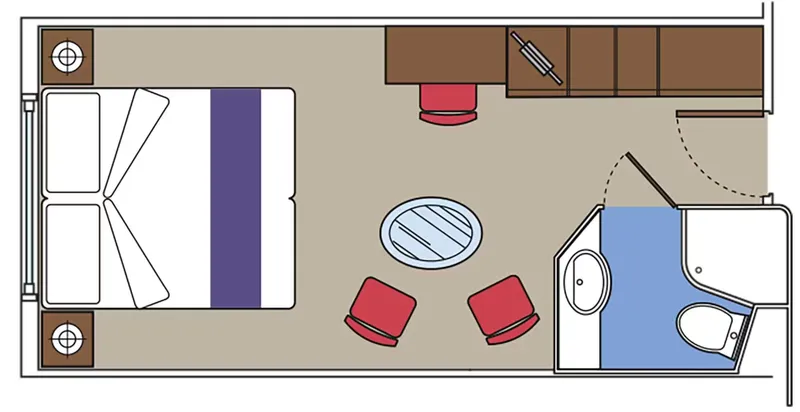
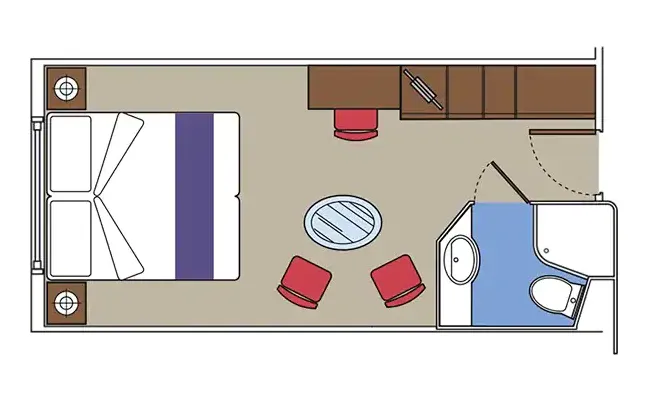
DELUXE OCEAN VIEW WITH OBSTRUCTED VIEW FANTASTICA
Outside
172 m²Max 2
OO
Comfortable king bed that can be converted into two single beds on request
Other Characteristics:
Window with sea view
Relaxing armchair
Spacious closet
Bathroom with shower, vanity area and hairdryer
Interactive TV, telephone, save and minibar
Wi-Fi access available ($)
Approx. 194 ft2
Located deck 5
Double or Twin ConfigurationShowerRoom Service AvailableTVSafeHair Dryer+4
View Details
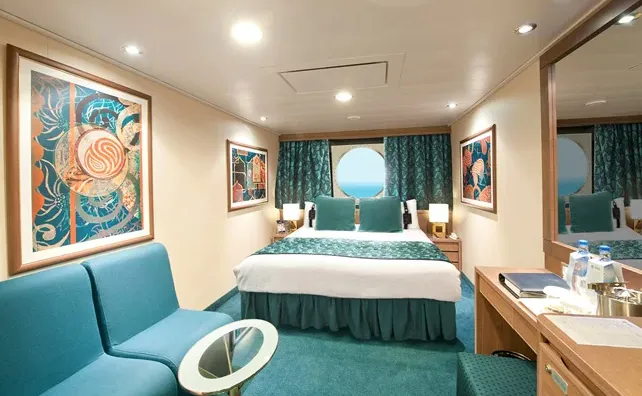
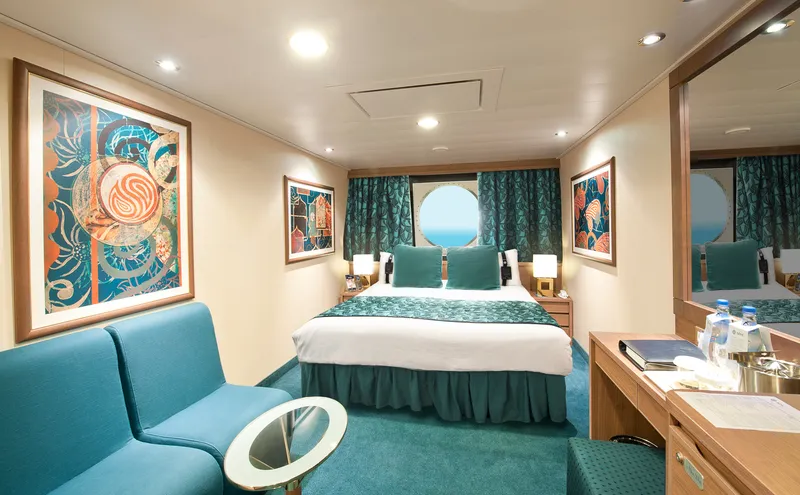
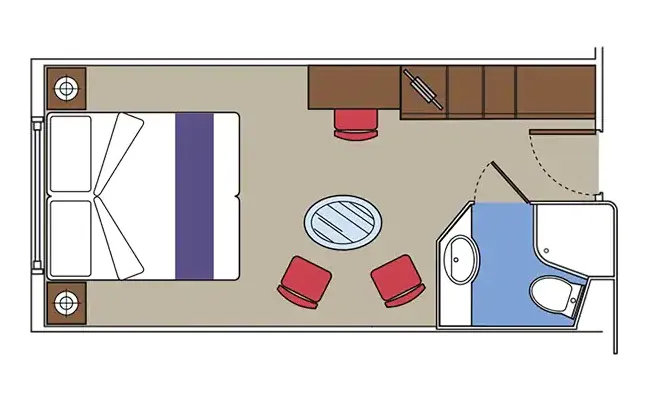
OCEAN VIEW BELLA GUARANTEED
Outside
172 m²Max 2
OB
Comfortable king bed that can be converted into two single beds on request
Other Characteristics:
Window with sea view
Relaxing armchair
Spacious closet
Bathroom with shower, vanity area and hairdryer
Interactive TV, telephone, save and minibar
Wi-Fi access available ($)
Approx. 172 – 183 ft2
Located on decks 5 and 8
Queen or Twin ConfigurationLounge AreaShowerRoom Service AvailableTVSafe+3
View Details
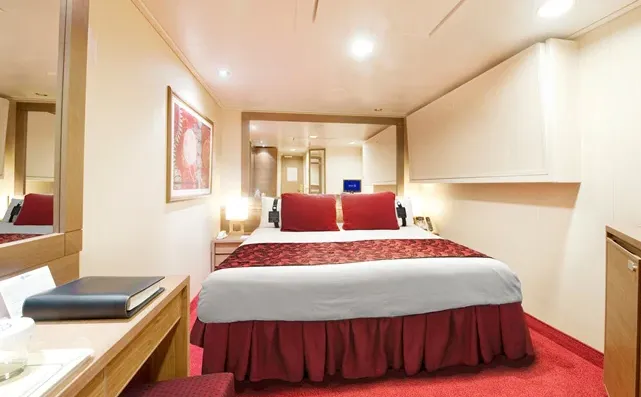
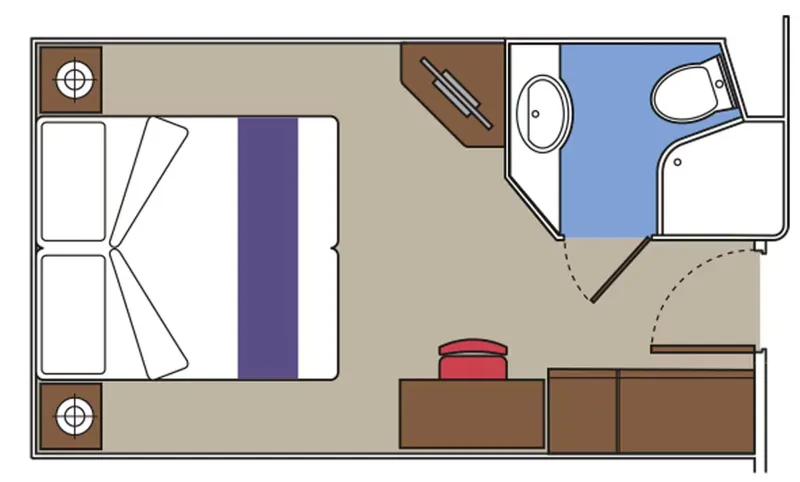
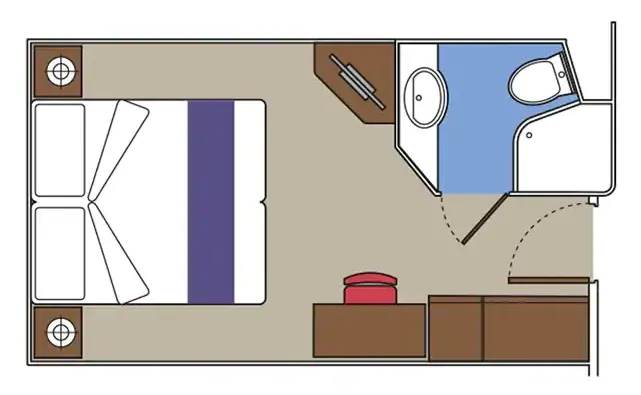
DELUXE INTERIOR FANTASTICA
Inside
150 m²Max 2
IR1IR2
Comfortable king bed that can be converted into two single beds on request
Other Characteristics:
Relaxing armchair
Spacious closet
Bathroom with shower, vanity area and hairdryer
Interactive TV, telephone, save and minibar
Wi-Fi access available ($)
Approx. 151 ft2
Located on decks 12 - 15
Queen or Twin ConfigurationLounge AreaShowerRoom Service AvailableTVWi-Fi (Additional Cost)+4
View Details
No Image
Inside Cabin
Inside
SPL
Inside Cabin
View Details
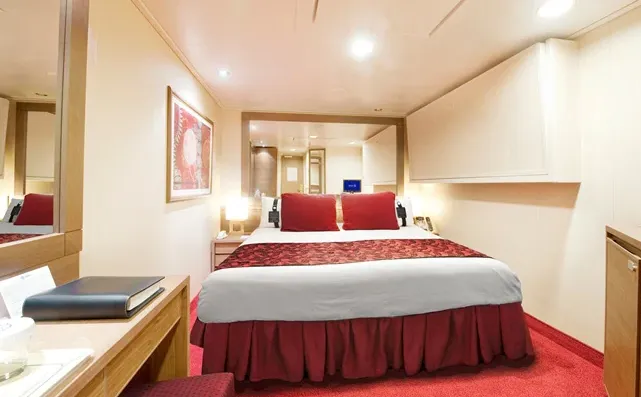
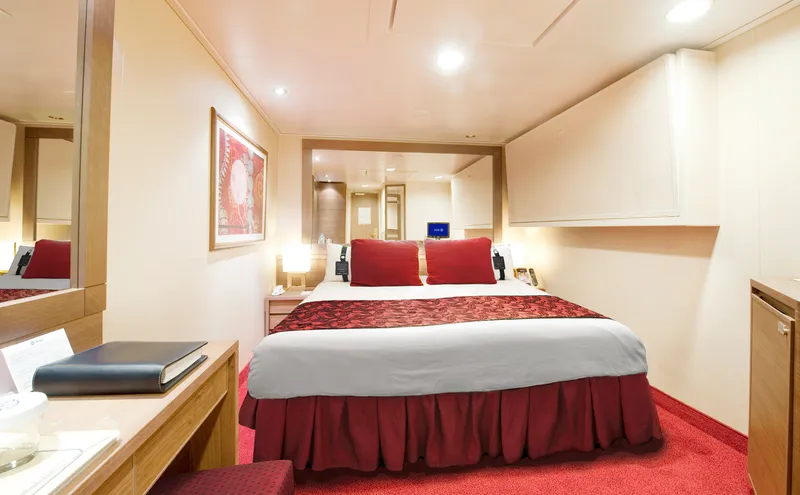
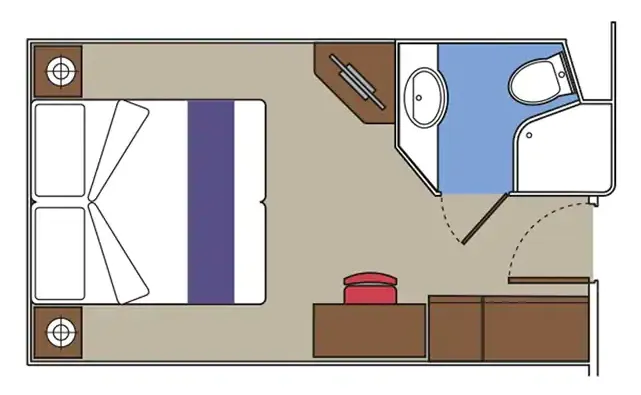
INTERIOR BELLA GUARANTEED
Inside
150 m²Max 2
IB
Comfortable king bed that can be converted into two single beds on request
Other Characteristics:
Relaxing armchair
Spacious closet
Bathroom with shower, vanity area and hairdryer
Interactive TV, telephone, save and minibar
Wi-Fi access available ($)
Approx. 151 ft2
Located on decks 5 - 15
Queen or Twin ConfigurationLounge AreaShowerRoom Service AvailableTVWi-Fi (Additional Cost)+4
View Details
Interested in This Voyage?
Our cruise specialists can help you find the perfect cabin and the best available pricing.
(+886) 02-2721-7300Contact Advisor