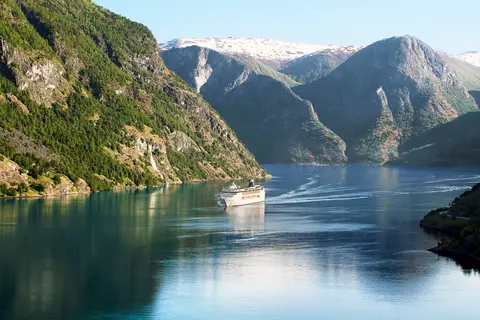
MSC Grand Voyages from Cape Town
Date
2026-04-14
Duration
29 nights
Departure Port
Cape Town
South Africa
Arrival Port
Genoa
Italy
Rating
—
Theme
—
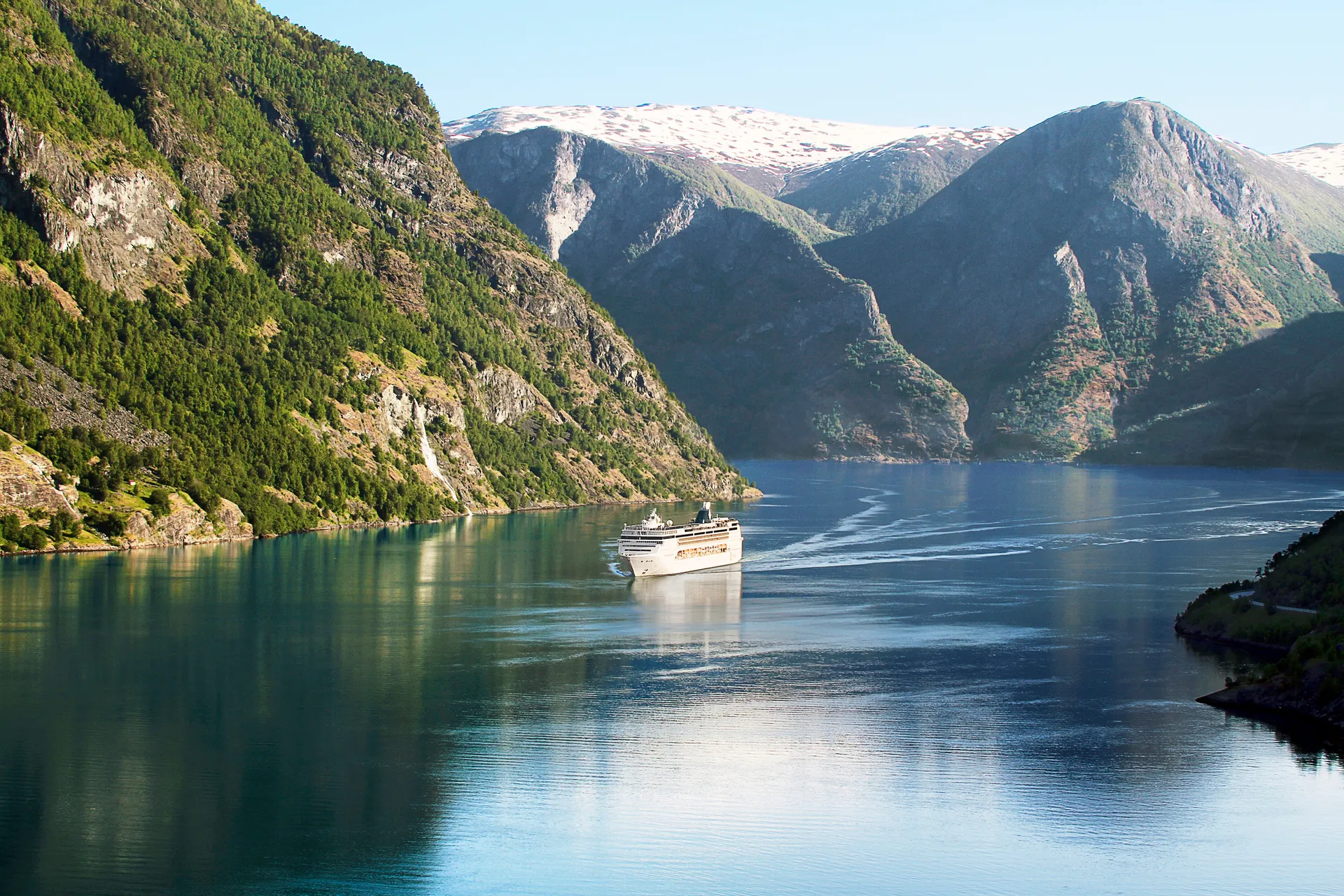
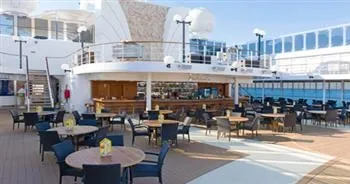
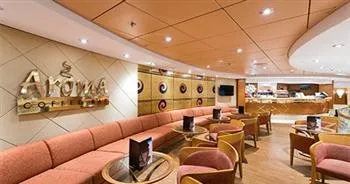
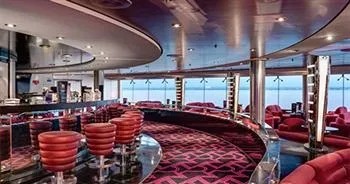
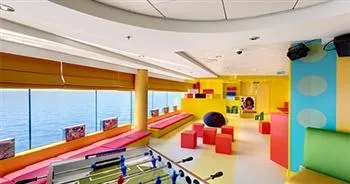
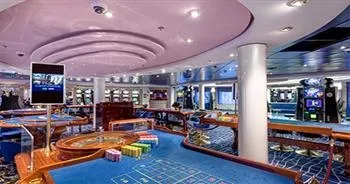
MSC Cruises
MSC Opera
Launched
2004
Refitted
2015
Tonnage
65,591 GT
Passengers
2,579
Cabins
1,071
Crew
721
Length
824 m
Width
32 m
Speed
20 knots
Adults Only
No
Itinerary
Day 1
Day 1
Cape Town
Depart 18:00
When your MSC cruise brings you to Cape Town, it’s easy to see that, more than a scenic backdrop, Table Mountain is the solid core of this port city. It divides the city into distinct zones, with public gardens, wilderness, forests, hiking routes, vineyards and desirable residential areas trailing down its lower slopes. Standing on the tabletop, you can look north for a giddy view of the city centre, its docks lined with matchbox ships. When you are on holiday in South Africa, to appreciate Cape Town you need to spend time outdoors, as Capetonians do: they hike, picnic or sunbathe, often choose mountain bikes in preference to cars, and turn adventure activities into an obsession. Cape Town’s rich urban texture is immediately apparent in its diverse architecture: an indigenous Cape Dutch style, rooted in northern Europe, seen at its most diverse in the Constantia wine estates, which were influenced by French refugees in the seventeenth century; Muslim dissidents and slaves, freed in the nineteenth century, added their minarets to the skyline; and the English, who invaded and freed these slaves, introduced Georgian and Victorian buildings. Strand Street marks the edge of Cape Town’s original beachfront, and all urban development to its north stands on reclaimed land. To its south is the Upper City Centre, containing the remains of the city’s 350-year-old historic core, which has survived the ravages of modernization and apartheid-inspired urban clearance, and emerged with enough charm to make it South Africa’s most pleasing city centre. The entire area from Strand Street to the southern foot of the mountain is a collage of Georgian, Cape Dutch, Victorian and twentieth-century architecture, as well as being the place where Europe, Asia and Africa meet in markets, alleyways and mosques. Among the draw cards here are Parliament, the Company’s Gardens and many of Cape Town’s major museums.
Day 2
Day 2
At Sea
Day 3
Day 3
At Sea
Day 4
Day 4
Durban
Arrive 06:00Depart 18:00
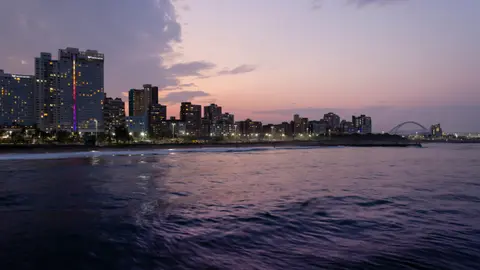
Durban is South Africa's subtropical gateway on the Indian Ocean, where Zulu, Indian, and colonial heritage converge to create one of the continent's most culturally rich port cities. Visitors should not miss savouring an authentic bunny chow in the Grey Street quarter and exploring the nearby uKhahlamba-Drakensberg mountains or iSimangaliso Wetland Park. The South African summer — November through March — delivers warm seas ideal for swimming, though the mild winters (June to August) offer comfortable touring temperatures and prime whale-watching along the KwaZulu-Natal coast.
Day 5
Day 5
At Sea
Day 6
Day 6
At Sea
Day 7
Day 7
At Sea
Day 8
Day 8
La Possession
Arrive 08:00Depart 18:00

La Possession is the cruise port gateway to Reunion, a volcanic French island in the Indian Ocean where two dramatic massifs, three roadless calderas, and a vibrant Creole culture create one of the world's most extraordinary island experiences. Must-dos include hiking the Mafate cirque, driving the Route des Laves across fresh lava fields, and tasting cari curry with rhum arrange. Visit May through November for warm, dry weather.
Day 9
Day 9
Port Louis
Arrive 08:00Depart 18:00
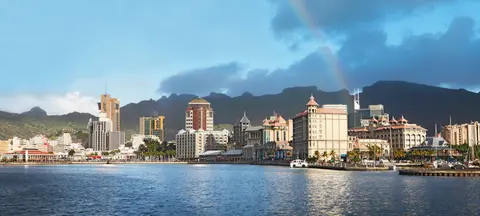
Port Louis, the cosmopolitan capital of Mauritius, is a captivating blend of French colonial architecture, UNESCO heritage sites, and one of the Indian Ocean's most vibrant food cultures — the Central Market's dholl puri and vindaye de poisson alone justify the port call. Beyond the city, the island offers Black River Gorges, the surreal seven-coloured earth of Chamarel, and the lagoons of Le Morne. The ideal cruising season runs from May through November, when the Southern Hemisphere winter delivers warm, dry days with comfortable temperatures and calm seas.
Day 10
Day 10
At Sea
Day 11
Day 11
Antsiranana
Arrive 08:00Depart 18:00
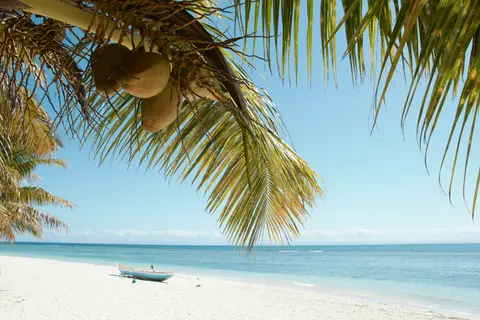
Antsiranana, Madagascar is a distinctive port city where deep cultural heritage meets authentic local atmosphere, featured on itineraries by AIDA. Must-do experiences include exploring the vibrant local markets for regional specialties and fresh seafood, and discovering the waterfront quarter where maritime heritage meets contemporary energy. The optimal time to visit is November through April, when dry season brings clear skies and calm seas.
Day 12
Day 12
Nosy Be
Arrive 07:00Depart 16:30
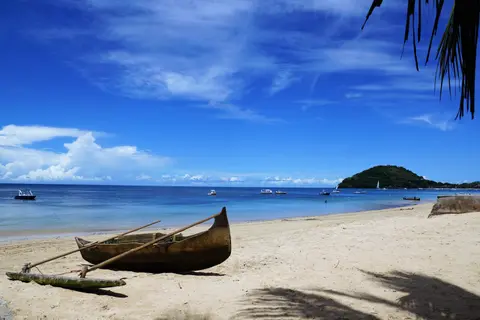
Nosy Be is Madagascar's "perfumed island" off the northwest coast, where ylang-ylang and vanilla plantations meet pristine marine reserves and humpback whales migrate through the Mozambique Channel. Must-dos include snorkelling the Nosy Tanikely reserve with sea turtles, swimming alongside whale sharks, and buying vanilla pods at the Hell-Ville market. Visit September through November for whale season and dry weather.
Day 13
Day 13
At Sea
Day 14
Day 14
Port Victoria
Arrive 10:00Depart 18:00
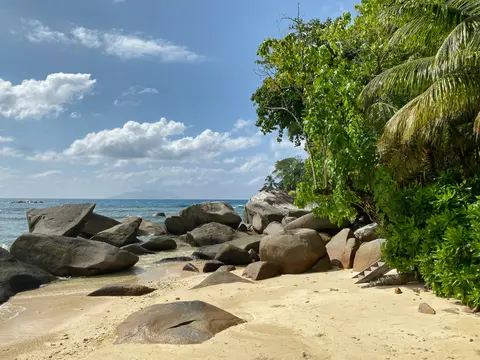
Port Victoria is the charming capital of the Seychelles, a tiny Creole city on Mahé Island where a vibrant market, colonial architecture, and stunning beaches provide the gateway to one of the Indian Ocean's most beautiful archipelagos. Must-dos include shopping the Selwyn-Clarke Market, snorkeling at Beau Vallon beach, and day-tripping to Praslin's coco de mer forest and La Digue's iconic Anse Source d'Argent. April-May and October-November offer the calmest seas and clearest water.
Day 15
Day 15
At Sea
Day 16
Day 16
At Sea
Day 17
Day 17
At Sea
Day 18
Day 18
At Sea
Day 19
Day 19
At Sea
Day 20
Day 20
At Sea
Day 21
Day 21
At Sea
Day 22
Day 22
Aqaba
Arrive 07:00Depart 21:00

Aqaba, Jordan, offers a portal into one of the world's most historically significant regions, where archaeological wonders, legendary cuisine, and dramatic desert landscapes converge. Essential experiences include exploring the souks and sampling the extraordinary local food culture. Best visited October through April, when cooler temperatures and lower humidity create ideal conditions. Cruise lines including Emerald Yacht Cruises feature this port on their most compelling itineraries. Whether you have a few hours or a full day, the port rewards exploration at every pace and in every direction.
Day 23
Day 23
Sharm El Sheikh
Arrive 08:00Depart 19:00
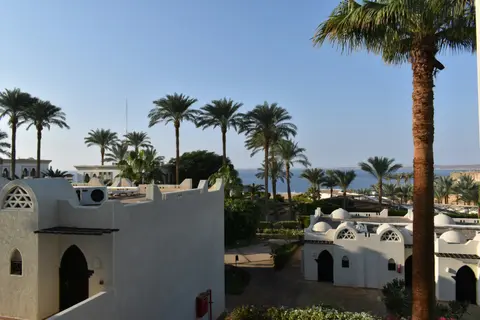
Sharm El Sheikh, Egypt is a distinctive port city where deep cultural heritage meets authentic local atmosphere, featured on itineraries by Seabourn. Must-do experiences include walking the historic center to experience the layered architectural heritage, and seeking out the regional culinary traditions at a locally favored establishment away from the port area. The optimal time to visit is April through October, when warm weather and extended daylight create ideal conditions.
Day 24
Day 24
Suez
Arrive 19:00Depart 19:15
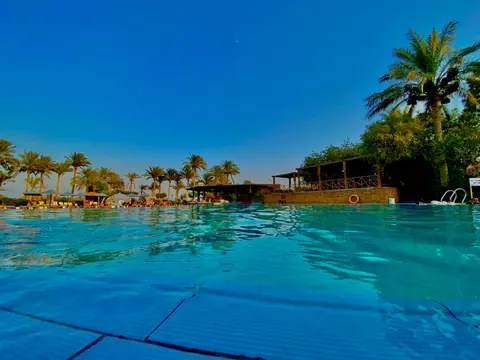
Suez sits at the southern end of the Suez Canal, one of the world's most consequential waterways carrying 12 percent of global trade through a 193-kilometer sea-level channel connecting the Red Sea to the Mediterranean. Must-dos include observing the canal traffic of massive cargo vessels and taking shore excursions to Cairo and the Pyramids, approximately two hours northwest. October through April provides the most comfortable temperatures for this hot, arid gateway between continents.
Day 25
Day 25
Suez Canal Transit
Arrive 15:00Depart 15:15
Day 26
Day 26
Rhodes
Arrive 14:00Depart 22:00
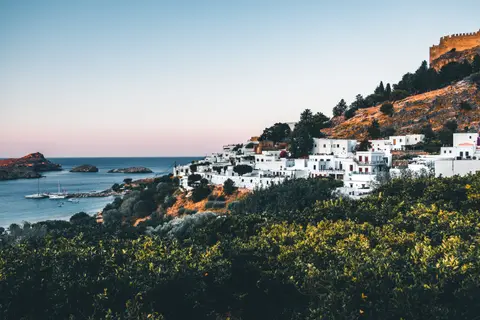
Rhodes, Greece's resplendent Dodecanese jewel, merges a UNESCO-listed Medieval Old Town built by the Knights of St. John with sun-soaked Aegean beauty just seven miles from the Turkish coast. Wander the Street of the Knights before tasting *pitaroudia* fritters and local Athiri wine at an Old Town taverna, then take a catamaran to the neoclassical harbor of Symi. The island basks in over 300 days of sunshine annually, with April through June and September through October offering ideal temperatures for exploration without the peak-summer crowds.
Day 27
Day 27
Heraklion (Iraklion)
Arrive 09:00Depart 18:00
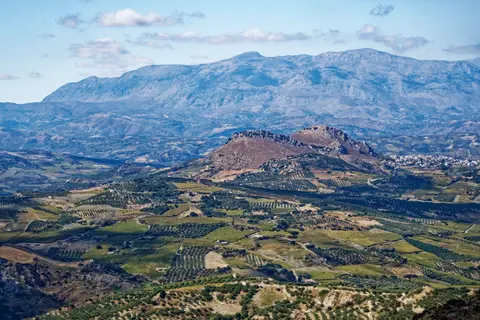
Heraklion, the capital of Crete, is a historic port city rich in Minoan heritage and Venetian architecture, making it an essential stop for cruise travelers. Must-do experiences include exploring the Palace of Knossos and indulging in local dishes like moussaka and dakos. The best season to visit is during the spring and early fall when the weather is mild and the local festivals are in full swing.
Day 28
Day 28
At Sea
Day 29
Day 29
At Sea
Day 30
Day 30
Genoa
Arrive 08:00
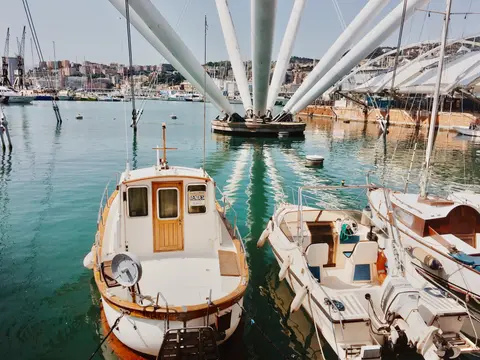
La Superba — 'the Proud' — earned its epithet as one of the four great maritime republics of medieval Italy, and Genoa's UNESCO-listed Palazzi dei Rolli, some of the finest Renaissance and Baroque palaces in Europe, still announce the city's historic ambitions with magnificent authority. Renzo Piano's revitalised old port introduces a modern chapter alongside the medieval carruggi, the labyrinthine alleys where the city's true character breathes: Ligurian focaccia straight from the wood oven, pesto ground to ancient recipes, and farinata — chickpea flatbread — served on marble counters since the twelfth century. Spring and autumn offer the most pleasant conditions for exploring this underestimated city.
Day 1
Cape Town
Depart 18:00
When your MSC cruise brings you to Cape Town, it’s easy to see that, more than a scenic backdrop, Table Mountain is the solid core of this port city. It divides the city into distinct zones, with public gardens, wilderness, forests, hiking routes, vineyards and desirable residential areas trailing down its lower slopes. Standing on the tabletop, you can look north for a giddy view of the city centre, its docks lined with matchbox ships. When you are on holiday in South Africa, to appreciate Cape Town you need to spend time outdoors, as Capetonians do: they hike, picnic or sunbathe, often choose mountain bikes in preference to cars, and turn adventure activities into an obsession. Cape Town’s rich urban texture is immediately apparent in its diverse architecture: an indigenous Cape Dutch style, rooted in northern Europe, seen at its most diverse in the Constantia wine estates, which were influenced by French refugees in the seventeenth century; Muslim dissidents and slaves, freed in the nineteenth century, added their minarets to the skyline; and the English, who invaded and freed these slaves, introduced Georgian and Victorian buildings. Strand Street marks the edge of Cape Town’s original beachfront, and all urban development to its north stands on reclaimed land. To its south is the Upper City Centre, containing the remains of the city’s 350-year-old historic core, which has survived the ravages of modernization and apartheid-inspired urban clearance, and emerged with enough charm to make it South Africa’s most pleasing city centre. The entire area from Strand Street to the southern foot of the mountain is a collage of Georgian, Cape Dutch, Victorian and twentieth-century architecture, as well as being the place where Europe, Asia and Africa meet in markets, alleyways and mosques. Among the draw cards here are Parliament, the Company’s Gardens and many of Cape Town’s major museums.
Day 2
At Sea
Day 3
At Sea
Day 4
Durban
Arrive 06:00Depart 18:00
Durban is South Africa's subtropical gateway on the Indian Ocean, where Zulu, Indian, and colonial heritage converge to create one of the continent's most culturally rich port cities. Visitors should not miss savouring an authentic bunny chow in the Grey Street quarter and exploring the nearby uKhahlamba-Drakensberg mountains or iSimangaliso Wetland Park. The South African summer — November through March — delivers warm seas ideal for swimming, though the mild winters (June to August) offer comfortable touring temperatures and prime whale-watching along the KwaZulu-Natal coast.
Day 5
At Sea
Day 6
At Sea
Day 7
At Sea
Day 8
La Possession
Arrive 08:00Depart 18:00
La Possession is the cruise port gateway to Reunion, a volcanic French island in the Indian Ocean where two dramatic massifs, three roadless calderas, and a vibrant Creole culture create one of the world's most extraordinary island experiences. Must-dos include hiking the Mafate cirque, driving the Route des Laves across fresh lava fields, and tasting cari curry with rhum arrange. Visit May through November for warm, dry weather.
Day 9
Port Louis
Arrive 08:00Depart 18:00
Port Louis, the cosmopolitan capital of Mauritius, is a captivating blend of French colonial architecture, UNESCO heritage sites, and one of the Indian Ocean's most vibrant food cultures — the Central Market's dholl puri and vindaye de poisson alone justify the port call. Beyond the city, the island offers Black River Gorges, the surreal seven-coloured earth of Chamarel, and the lagoons of Le Morne. The ideal cruising season runs from May through November, when the Southern Hemisphere winter delivers warm, dry days with comfortable temperatures and calm seas.
Day 10
At Sea
Day 11
Antsiranana
Arrive 08:00Depart 18:00
Antsiranana, Madagascar is a distinctive port city where deep cultural heritage meets authentic local atmosphere, featured on itineraries by AIDA. Must-do experiences include exploring the vibrant local markets for regional specialties and fresh seafood, and discovering the waterfront quarter where maritime heritage meets contemporary energy. The optimal time to visit is November through April, when dry season brings clear skies and calm seas.
Day 12
Nosy Be
Arrive 07:00Depart 16:30
Nosy Be is Madagascar's "perfumed island" off the northwest coast, where ylang-ylang and vanilla plantations meet pristine marine reserves and humpback whales migrate through the Mozambique Channel. Must-dos include snorkelling the Nosy Tanikely reserve with sea turtles, swimming alongside whale sharks, and buying vanilla pods at the Hell-Ville market. Visit September through November for whale season and dry weather.
Day 13
At Sea
Day 14
Port Victoria
Arrive 10:00Depart 18:00
Port Victoria is the charming capital of the Seychelles, a tiny Creole city on Mahé Island where a vibrant market, colonial architecture, and stunning beaches provide the gateway to one of the Indian Ocean's most beautiful archipelagos. Must-dos include shopping the Selwyn-Clarke Market, snorkeling at Beau Vallon beach, and day-tripping to Praslin's coco de mer forest and La Digue's iconic Anse Source d'Argent. April-May and October-November offer the calmest seas and clearest water.
Day 15
At Sea
Day 16
At Sea
Day 17
At Sea
Day 18
At Sea
Day 19
At Sea
Day 20
At Sea
Day 21
At Sea
Day 22
Aqaba
Arrive 07:00Depart 21:00
Aqaba, Jordan, offers a portal into one of the world's most historically significant regions, where archaeological wonders, legendary cuisine, and dramatic desert landscapes converge. Essential experiences include exploring the souks and sampling the extraordinary local food culture. Best visited October through April, when cooler temperatures and lower humidity create ideal conditions. Cruise lines including Emerald Yacht Cruises feature this port on their most compelling itineraries. Whether you have a few hours or a full day, the port rewards exploration at every pace and in every direction.
Day 23
Sharm El Sheikh
Arrive 08:00Depart 19:00
Sharm El Sheikh, Egypt is a distinctive port city where deep cultural heritage meets authentic local atmosphere, featured on itineraries by Seabourn. Must-do experiences include walking the historic center to experience the layered architectural heritage, and seeking out the regional culinary traditions at a locally favored establishment away from the port area. The optimal time to visit is April through October, when warm weather and extended daylight create ideal conditions.
Day 24
Suez
Arrive 19:00Depart 19:15
Suez sits at the southern end of the Suez Canal, one of the world's most consequential waterways carrying 12 percent of global trade through a 193-kilometer sea-level channel connecting the Red Sea to the Mediterranean. Must-dos include observing the canal traffic of massive cargo vessels and taking shore excursions to Cairo and the Pyramids, approximately two hours northwest. October through April provides the most comfortable temperatures for this hot, arid gateway between continents.
Day 25
Suez Canal Transit
Arrive 15:00Depart 15:15
Day 26
Rhodes
Arrive 14:00Depart 22:00
Rhodes, Greece's resplendent Dodecanese jewel, merges a UNESCO-listed Medieval Old Town built by the Knights of St. John with sun-soaked Aegean beauty just seven miles from the Turkish coast. Wander the Street of the Knights before tasting *pitaroudia* fritters and local Athiri wine at an Old Town taverna, then take a catamaran to the neoclassical harbor of Symi. The island basks in over 300 days of sunshine annually, with April through June and September through October offering ideal temperatures for exploration without the peak-summer crowds.
Day 27
Heraklion (Iraklion)
Arrive 09:00Depart 18:00
Heraklion, the capital of Crete, is a historic port city rich in Minoan heritage and Venetian architecture, making it an essential stop for cruise travelers. Must-do experiences include exploring the Palace of Knossos and indulging in local dishes like moussaka and dakos. The best season to visit is during the spring and early fall when the weather is mild and the local festivals are in full swing.
Day 28
At Sea
Day 29
At Sea
Day 30
Genoa
Arrive 08:00
La Superba — 'the Proud' — earned its epithet as one of the four great maritime republics of medieval Italy, and Genoa's UNESCO-listed Palazzi dei Rolli, some of the finest Renaissance and Baroque palaces in Europe, still announce the city's historic ambitions with magnificent authority. Renzo Piano's revitalised old port introduces a modern chapter alongside the medieval carruggi, the labyrinthine alleys where the city's true character breathes: Ligurian focaccia straight from the wood oven, pesto ground to ancient recipes, and farinata — chickpea flatbread — served on marble counters since the twelfth century. Spring and autumn offer the most pleasant conditions for exploring this underestimated city.
Cabin Categories
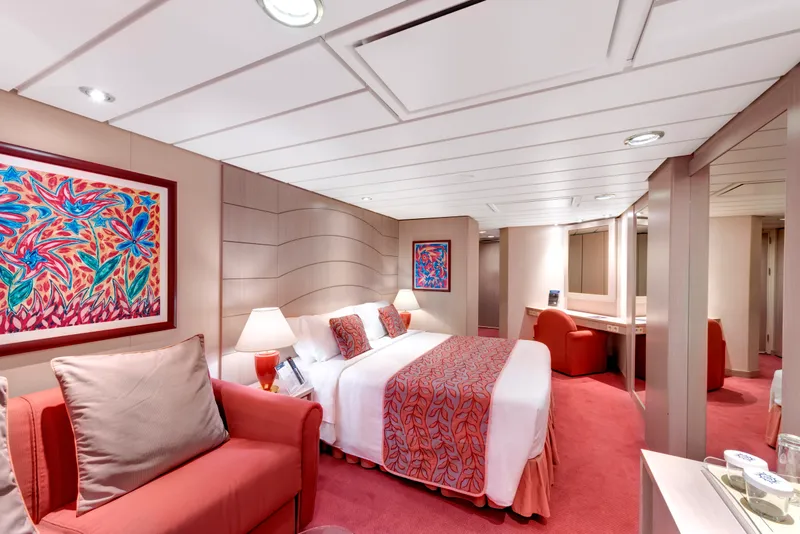
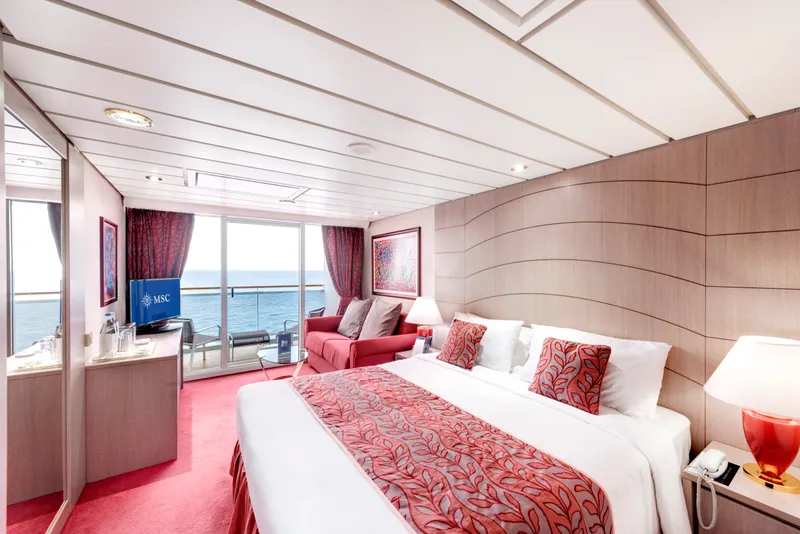
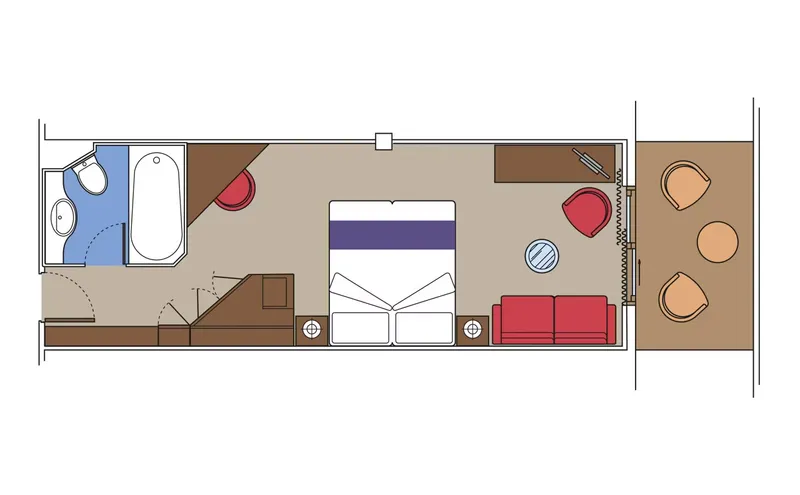
DELUXE SUITE AUREA
Suite
301 m²Max 2
SR1
Balcony
Sitting area with sofa
Spacious closet
Bathroom with bathtub, vanity area and hairdryer
Interactive TV, telephone, save and minibar
Wi-Fi access available
King or Twin ConfigurationLounge AreaShowerBathToiletries ProvidedRoom Service Available+5
View Details
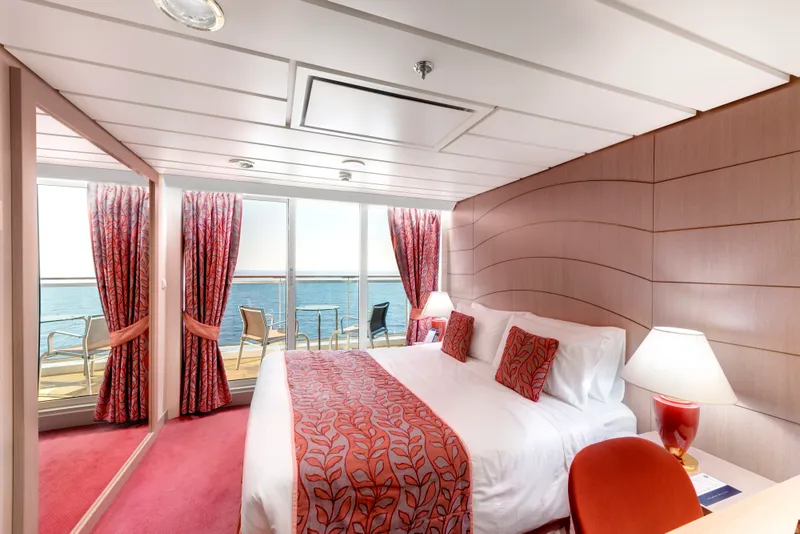
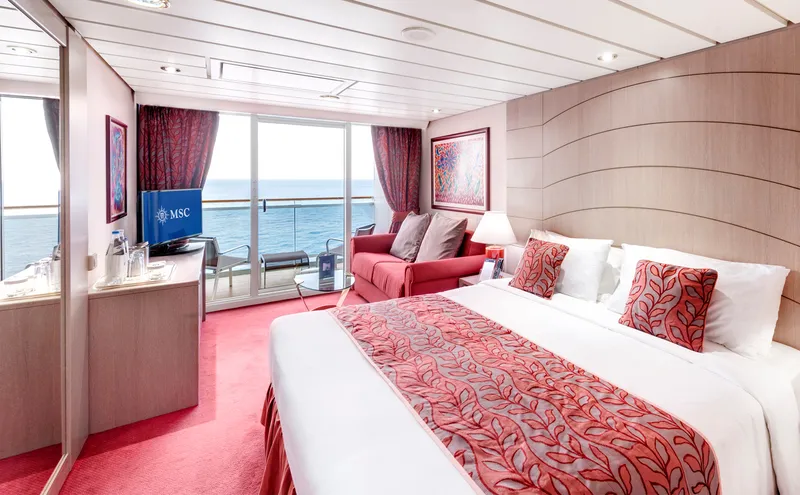
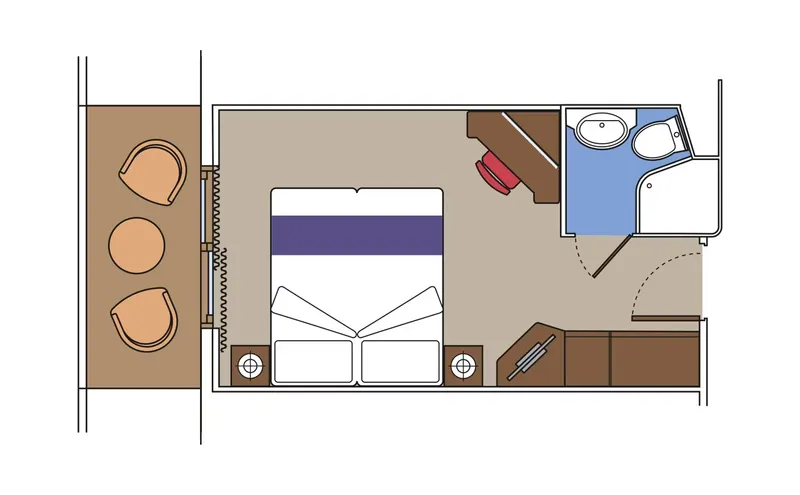
BALCONY AUREA
Balcony
172 m²Max 2
BA
Bathroom with shower, vanity area with hairdryer
Comfortable double or single beds (on request)
TV, telephone, Wifi connection available (for a fee), safe and minibar
SafeHair DryerDeskDouble or Twin ConfigurationLounge AreaVanity Area+5
View Details
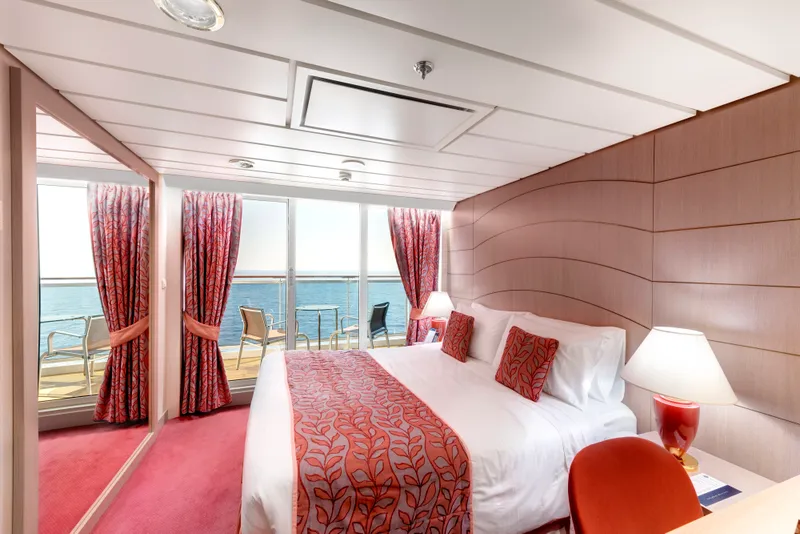
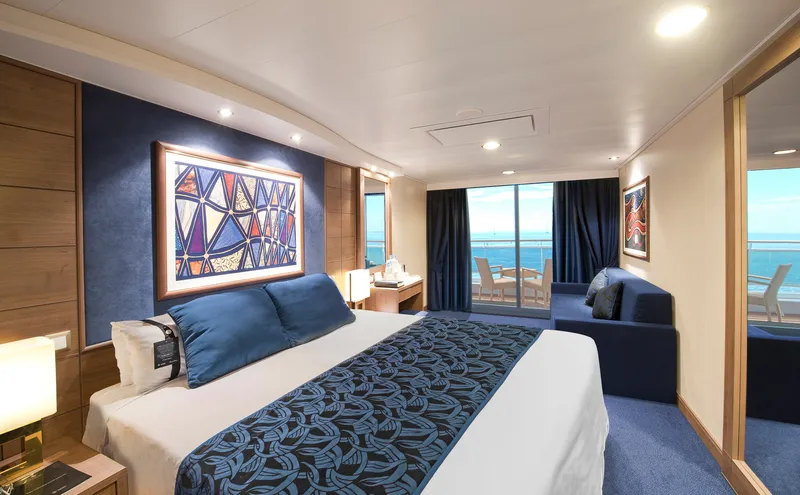
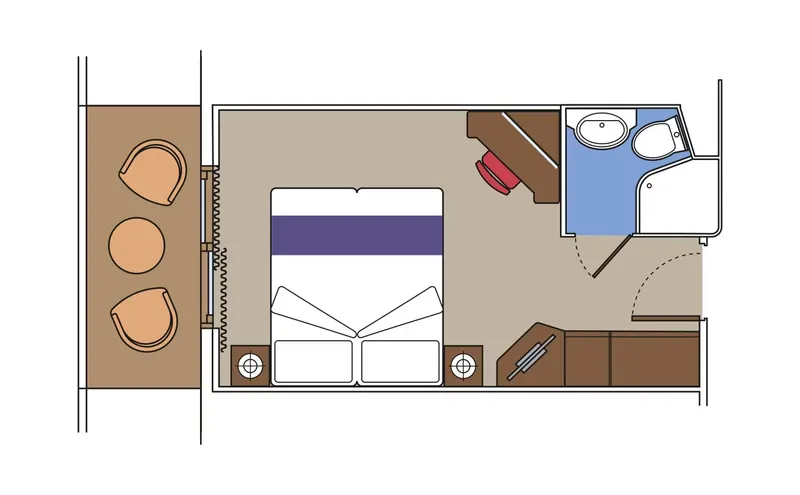
BALCONY BELLA GUARANTEED
Balcony
172 m²Max 2
BB
Bathroom with shower, vanity area with hairdryer
Comfortable double or single beds (on request)
TV, telephone, Wifi connection available (for a fee), safe and minibar
Queen or Twin ConfigurationShowerRoom Service AvailableTVWi-Fi (Additional Cost)Safe+3
View Details
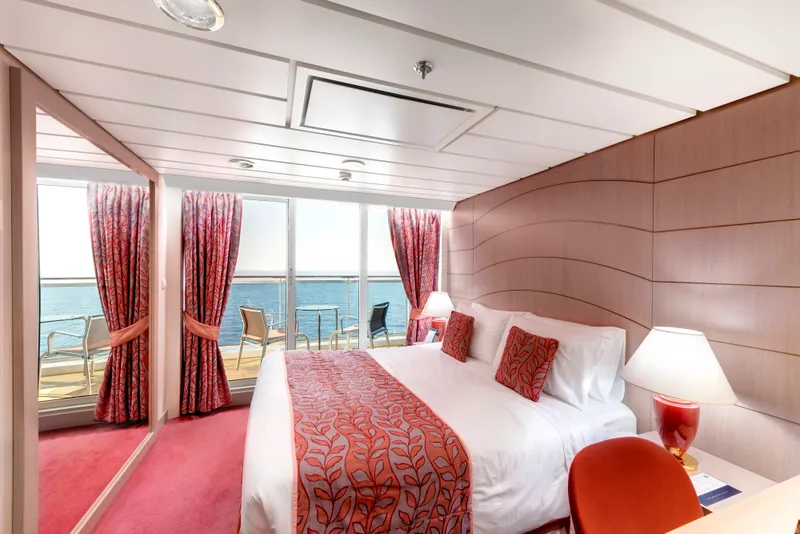
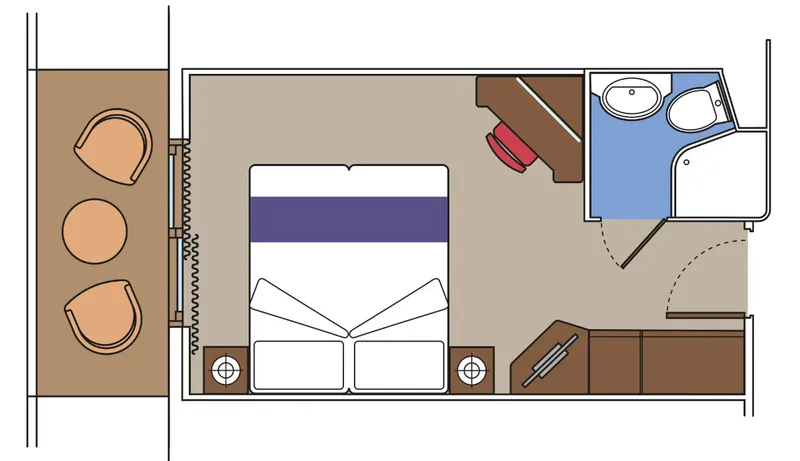
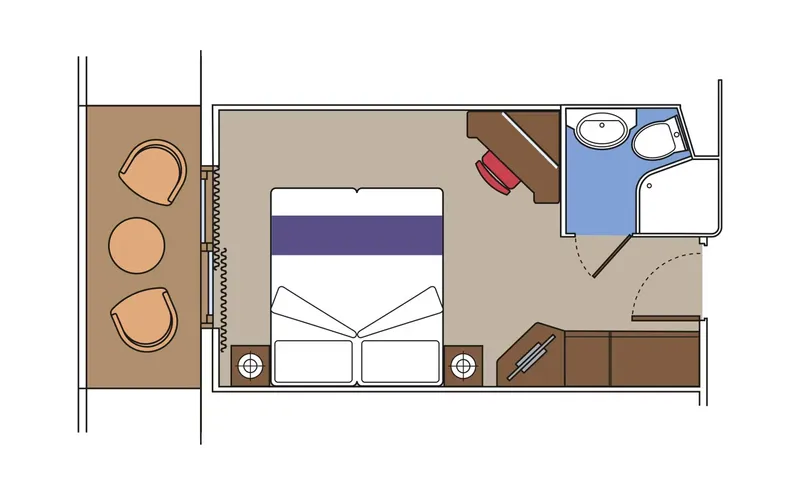
JUNIOR BALCONY FANTASTICA
Balcony
172 m²Max 2
BM1
Bathroom with shower, vanity area with hairdryer
Comfortable double or single beds (on request)
TV, telephone, Wifi connection available (for a fee), safe and minibar
BathQueen or Twin ConfigurationLounge AreaShowerRoom Service AvailableTV+5
View Details
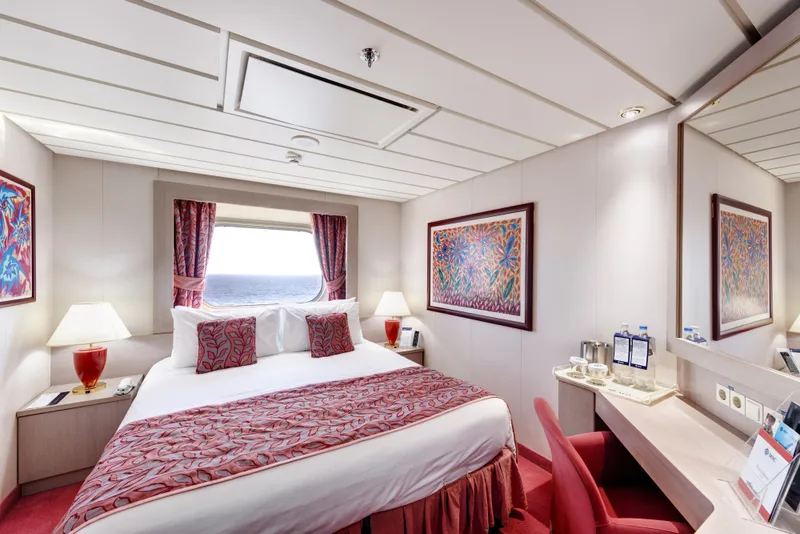
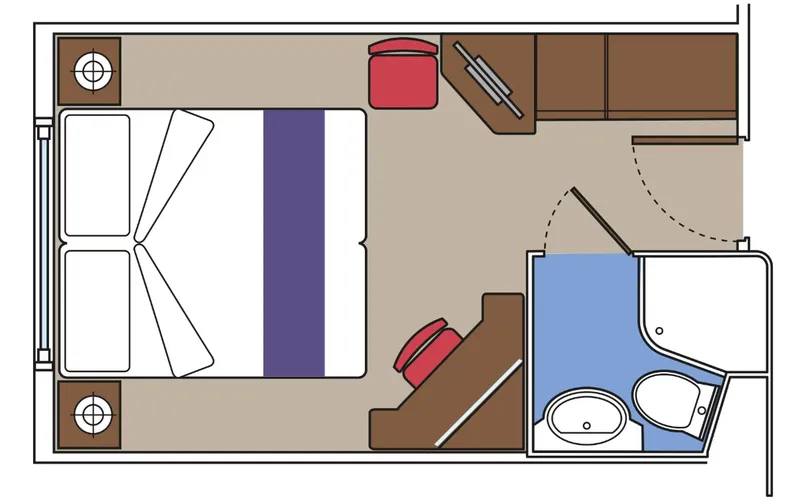
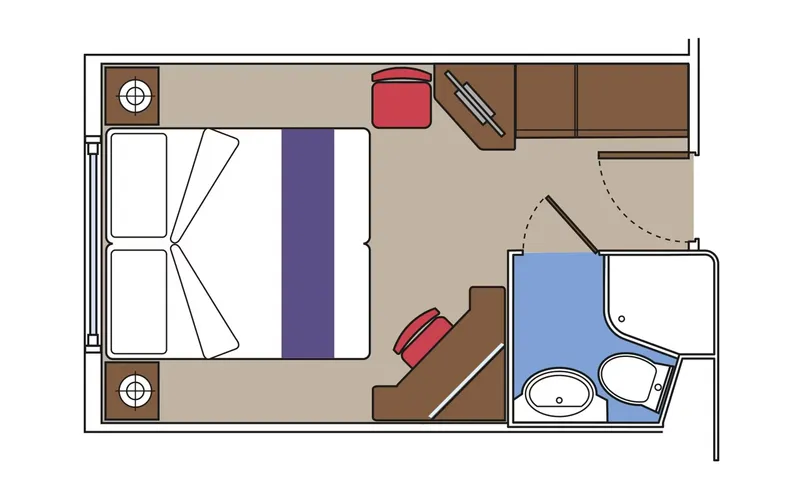
JUNIOR OCEAN VIEW FANTASTICA
Outside
140 m²Max 2
OM1OM2
Window with sea view
Relaxing armchair
Spacious closet
Bathroom with shower, vanity area and hairdryer
TV, telephone, safe and minibar
Wi-Fi access available
Queen or Twin ConfigurationShowerRoom Service AvailableTVWi-Fi (Additional Cost)Safe+3
View Details
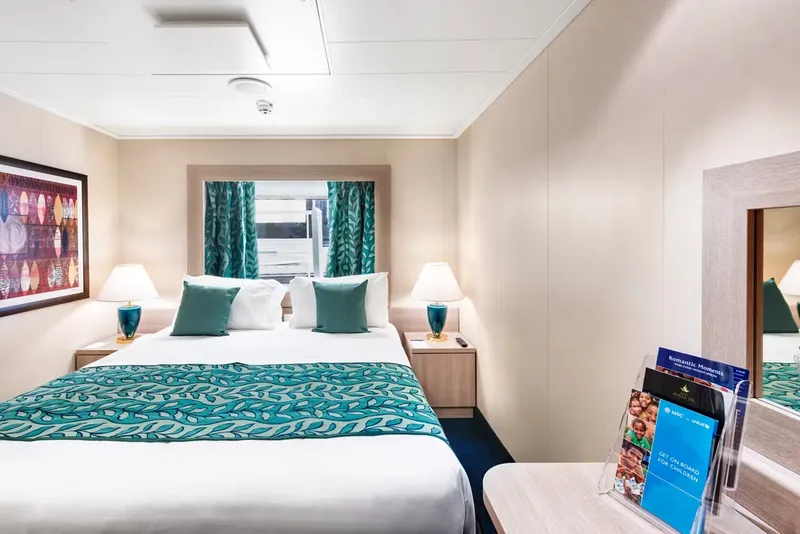
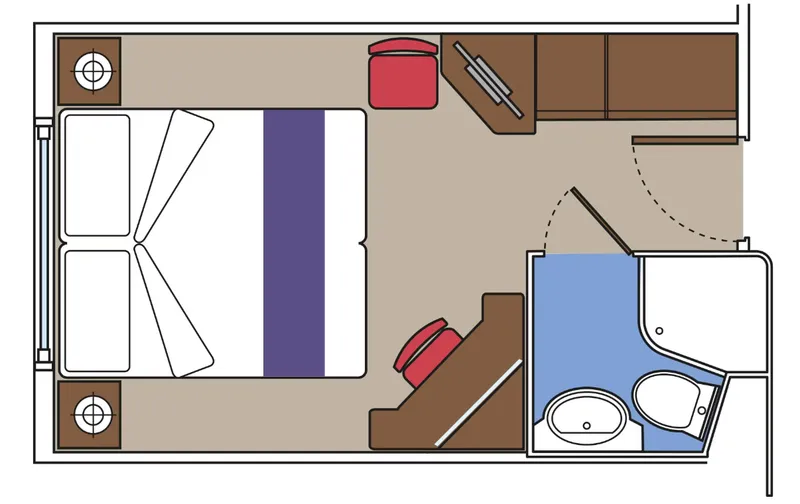
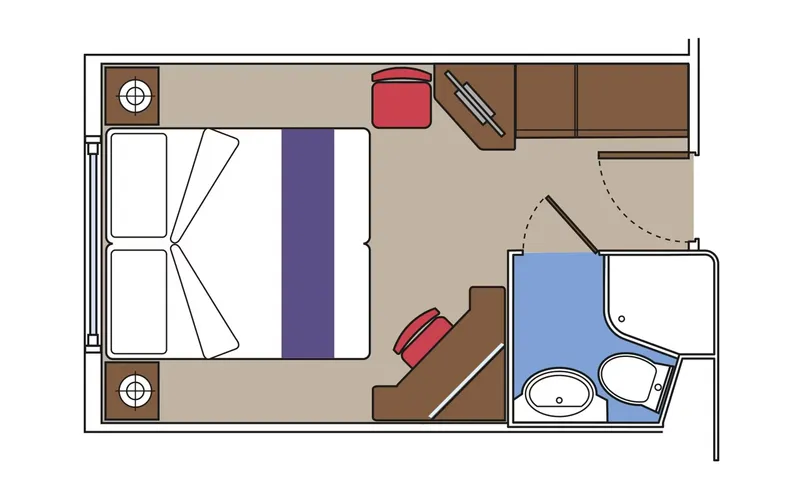
JUNIOR OCEAN VIEW WITH OBSTRUCTED VIEW FANTASTICA
Outside
140 m²Max 2
OO
Window with sea view
Relaxing armchair
Spacious closet
Bathroom with shower, vanity area and hairdryer
TV, telephone, safe and minibar
Wi-Fi access available
Queen or Twin ConfigurationShowerRoom Service AvailableTVWi-Fi (Additional Cost)Safe+3
View Details
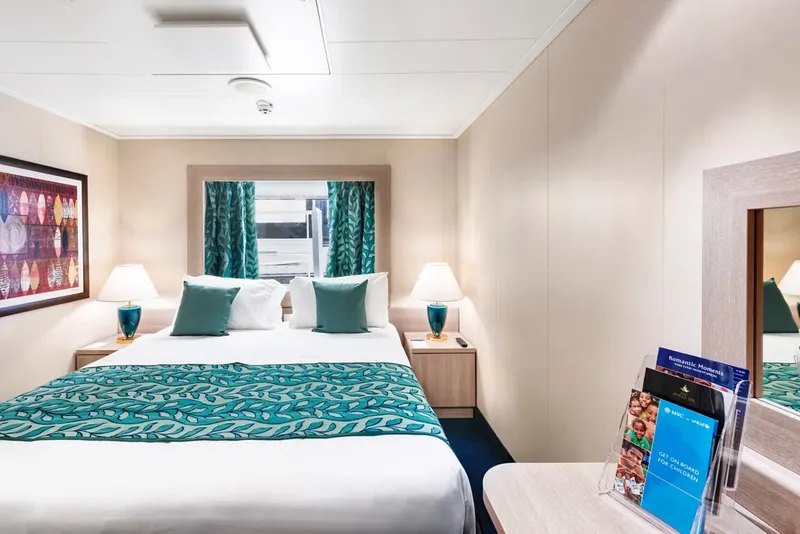
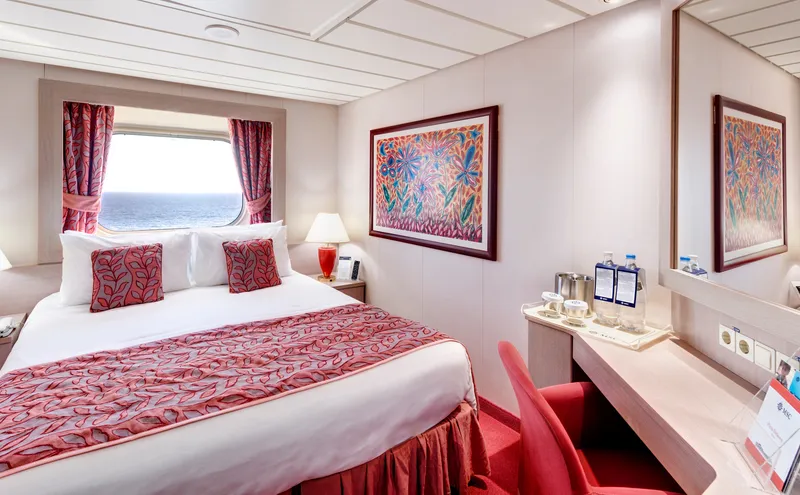
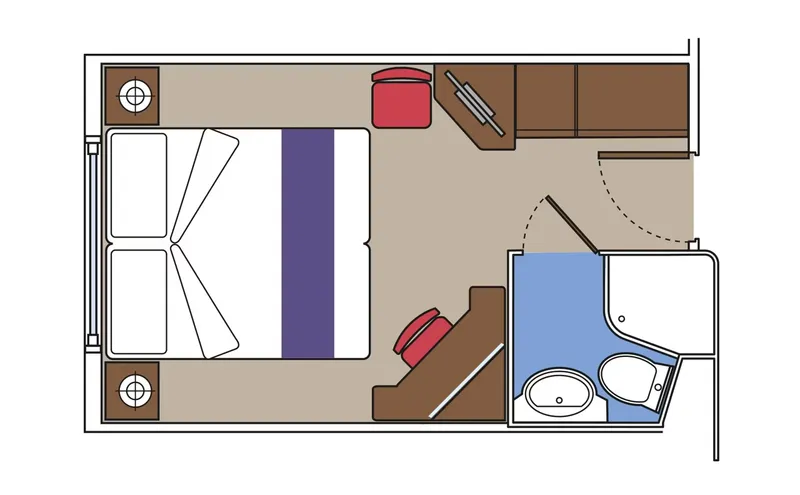
OCEAN VIEW BELLA GUARANTEED
Outside
140 m²Max 2
OB
Bathroom with shower, vanity area and hairdryer
TV, telephone, safe and minibar
Wi-Fi access available
Queen or Twin ConfigurationShowerRoom Service AvailableTVWi-Fi (Additional Cost)Safe+3
View Details
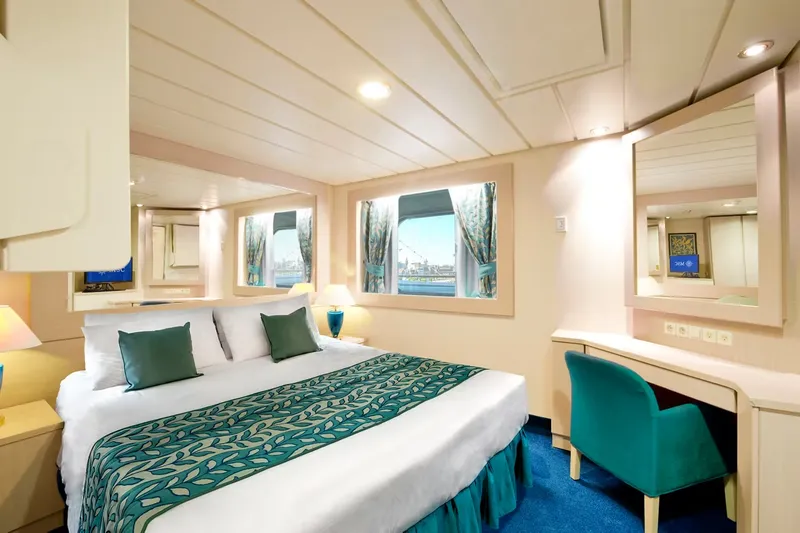
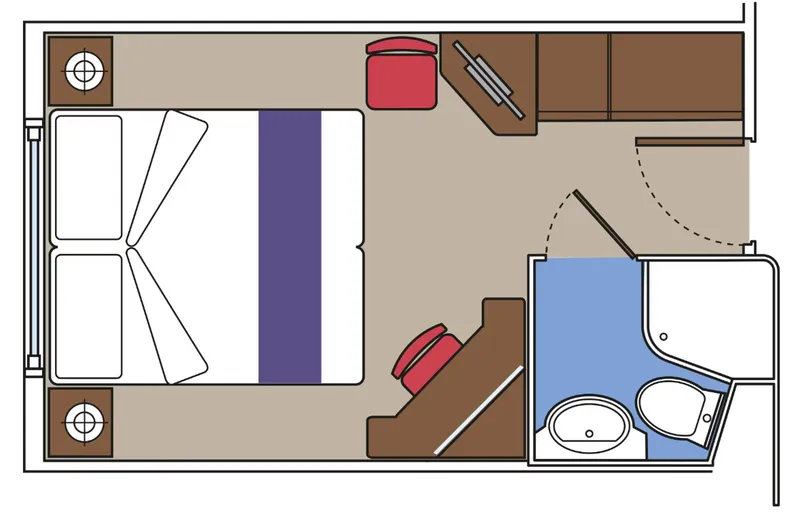
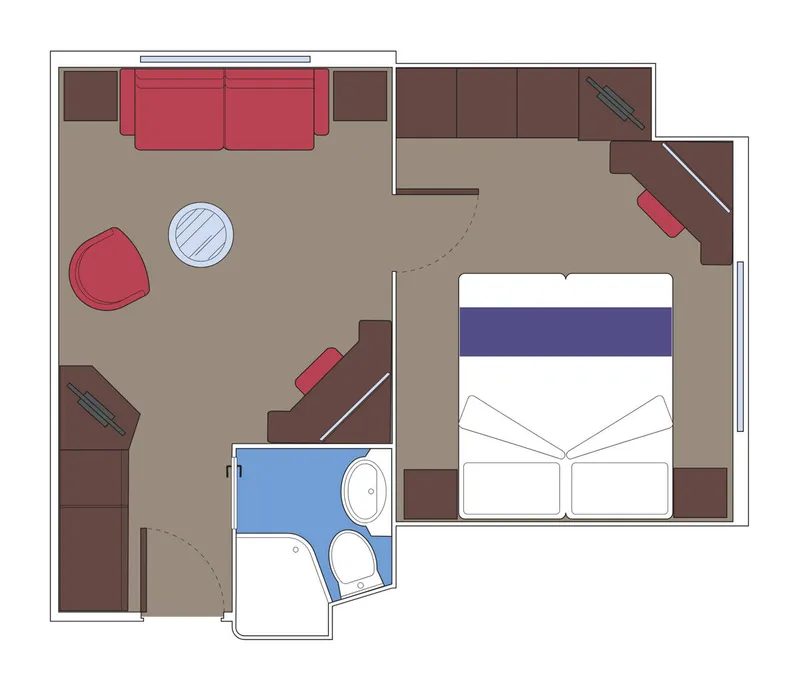
PREMIUM OCEAN VIEW FANTASTICA
Outside
236 m²Max 2
OL1
Window with sea view
Relaxing armchair
Spacious closet
Bathroom with shower, vanity area and hairdryer
TV, telephone, safe and minibar
Wi-Fi access available
Queen or Twin ConfigurationShowerRoom Service AvailableTVWi-Fi (Additional Cost)Safe+3
View Details
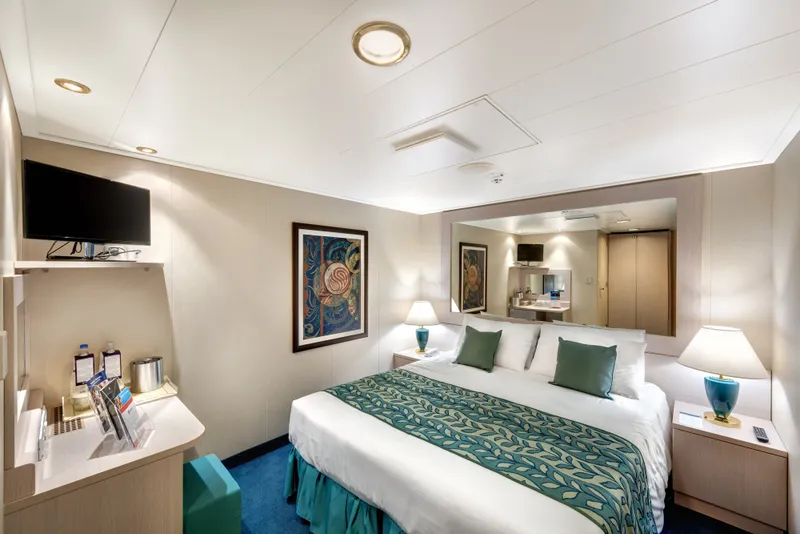
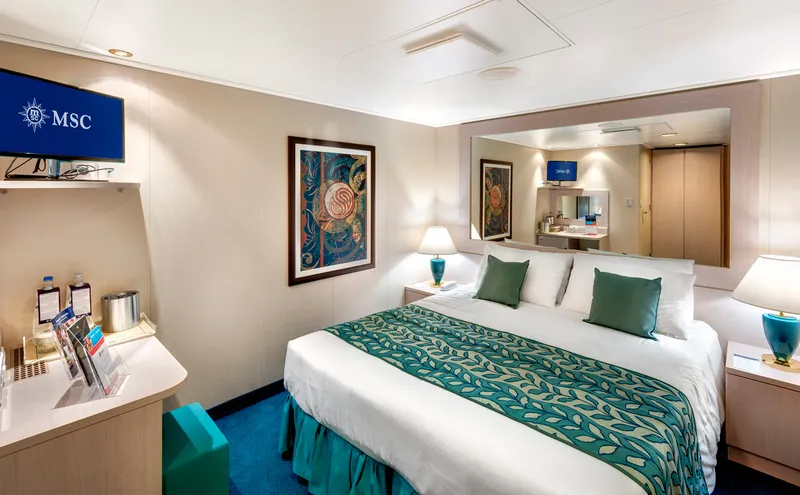
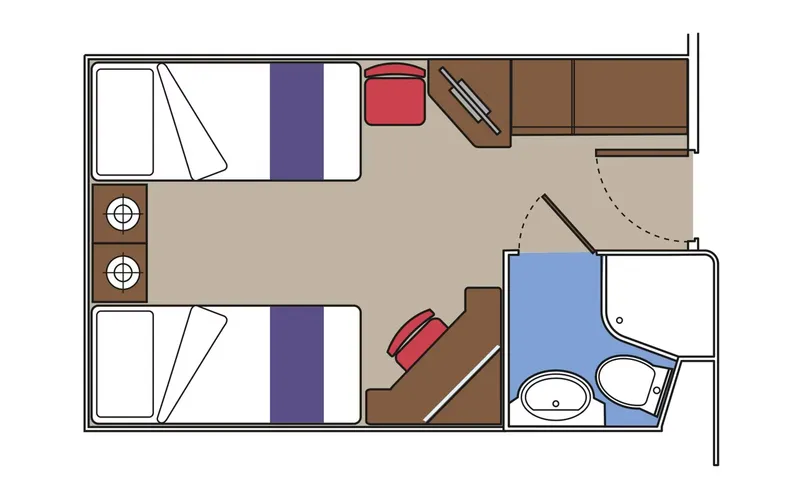
INTERIOR BELLA GUARANTEED
Inside
140 m²Max 2
IB
Bathroom with shower, vanity area and hairdryer
TV, telephone, safe and minibar
Wi-Fi access available
Queen or Twin ConfigurationShowerRoom Service AvailableTVWi-Fi (Additional Cost)Safe+3
View Details
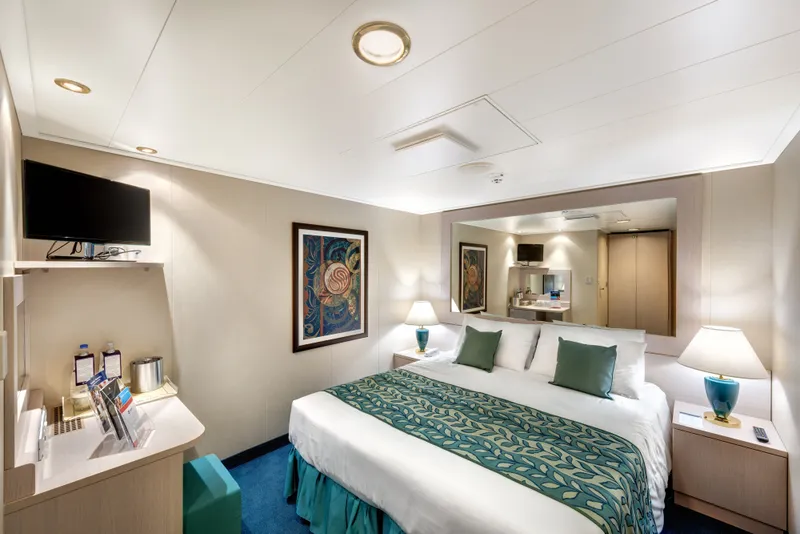
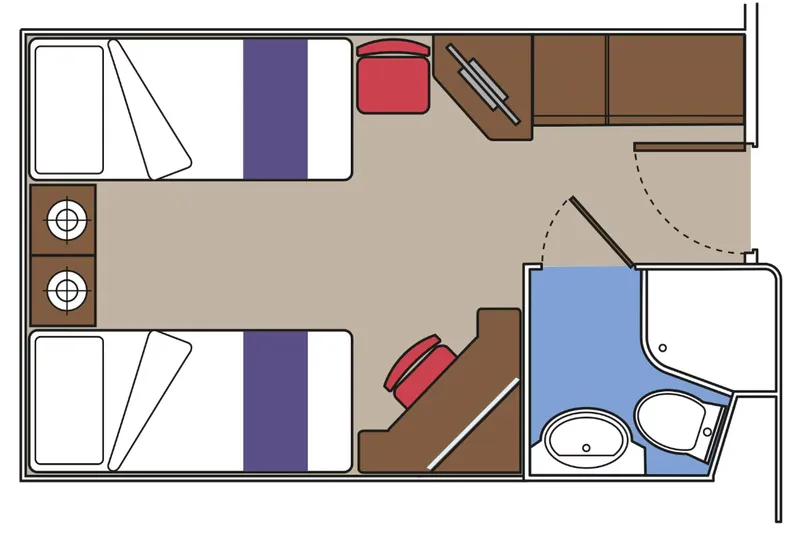
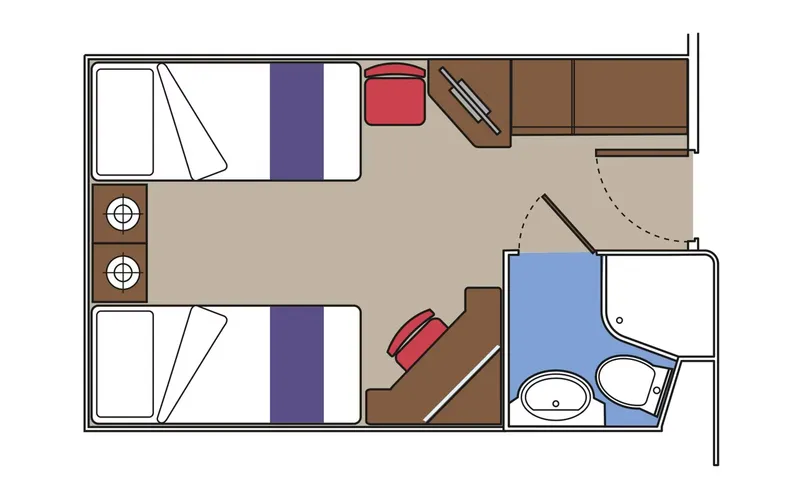
JUNIOR INTERIOR FANTASTICA
Inside
140 m²Max 2
IM1IM2
Relaxing armchair
Spacious closet
Bathroom with shower, vanity area and hairdryer
TV, telephone, safe and minibar
Wi-Fi access available
Queen or Twin ConfigurationShowerRoom Service AvailableTVWi-Fi (Additional Cost)Safe+3
View Details
Interested in This Voyage?
Our cruise specialists can help you find the perfect cabin and the best available pricing.
(+886) 02-2721-7300Contact Advisor