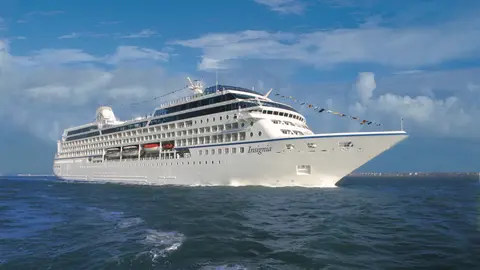
Oceania CruisesINS260911C
London to Venice
Date
2026-09-11
Duration
42 nights
Departure Port
London (Tilbury)
United Kingdom
Arrival Port
Trieste
Italy
Rating
Luxury
Theme
—
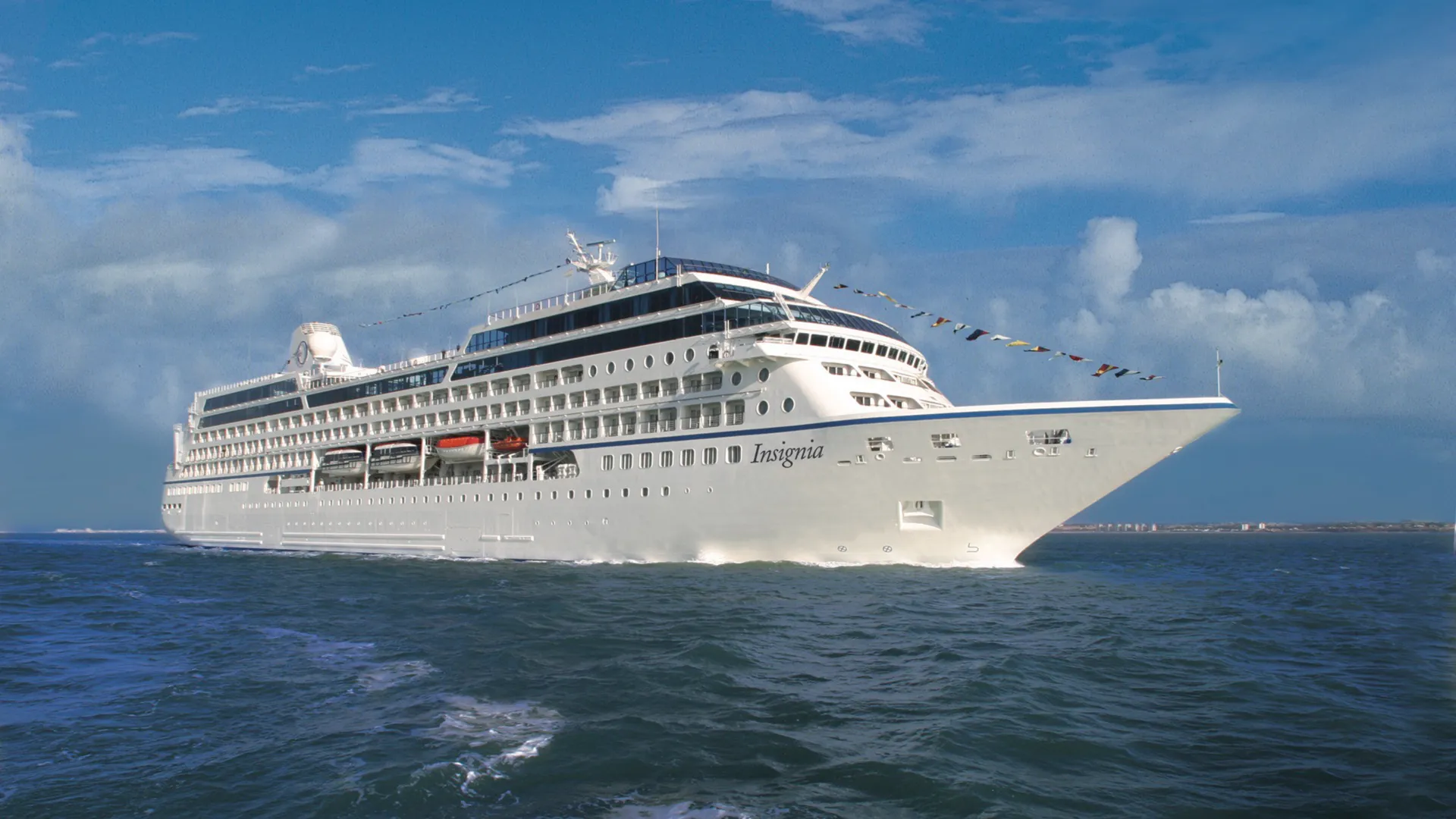
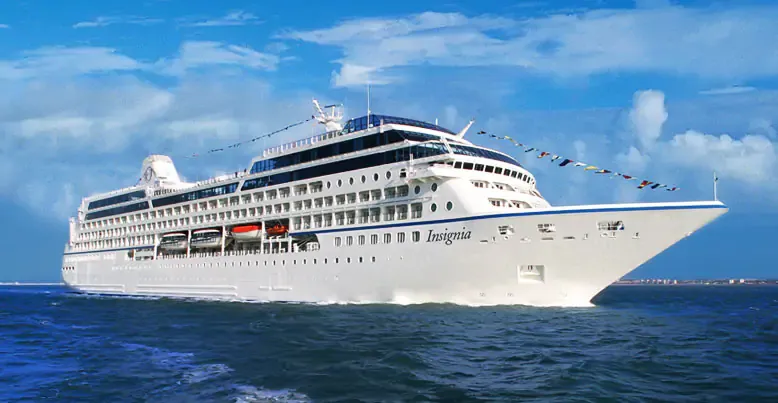
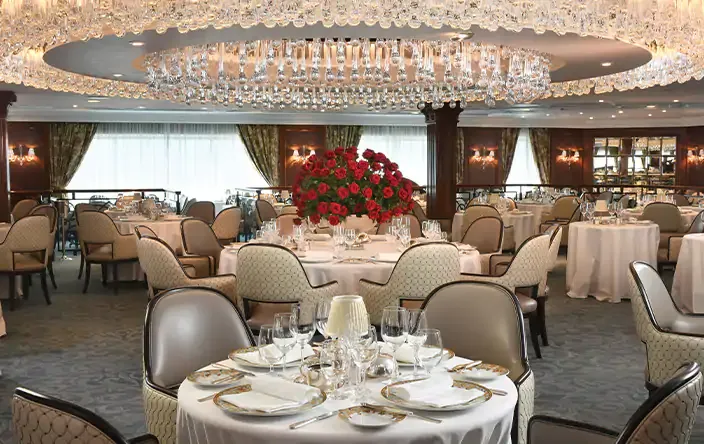
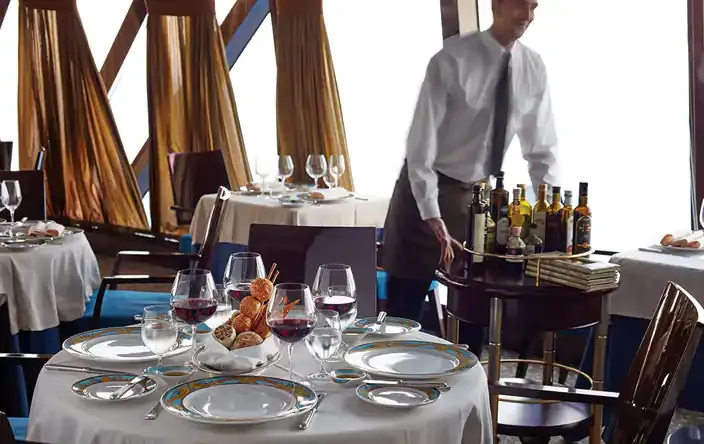
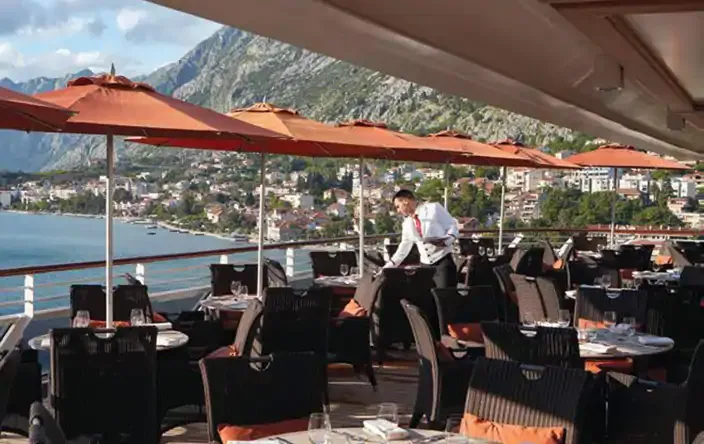
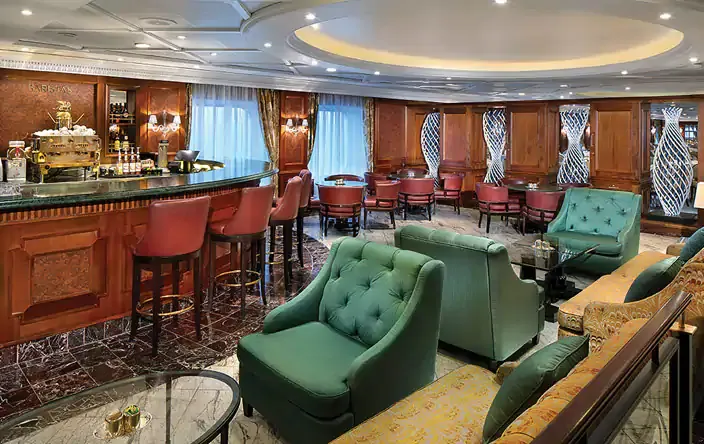

Oceania Cruises
Insignia
Launched
1998
Refitted
2018
Tonnage
30,277 GT
Passengers
670
Cabins
324
Crew
400
Length
594 m
Width
25.5 m
Speed
18 knots
Adults Only
No
Itinerary
Day 1
Day 1
London (Tilbury)
Depart 17:00
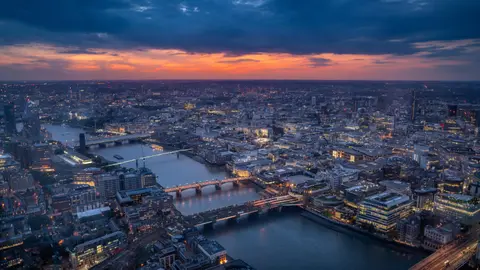
London (Tilbury) offers a majestic gateway to Britain's capital, where two thousand years of history unfold from Roman ruins to soaring modern architecture along the Thames. Visitors should not miss Borough Market's artisan British fare and the timeless mystery of Stonehenge on a day excursion to Salisbury Plain. The ideal season to visit is late spring through early autumn — May to September — when long golden evenings illuminate the city's parks and promenades at their finest.
Day 2
Day 2
Ijmuiden
Arrive 07:00Depart 17:00
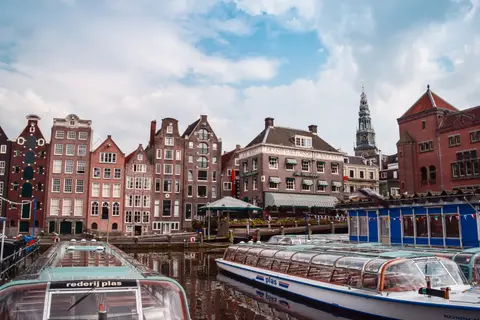
IJmuiden is the Netherlands' North Sea gateway to Amsterdam, where the world's largest sea lock marks the entrance to the North Sea Canal. Visitors should taste smoked fish and kibbeling at the harbour, explore the wild dune landscapes of South Kennemerland National Park, and marvel at centuries of Dutch maritime engineering. Late spring through early autumn offers the best weather for coastal exploration.
Day 3
Day 3
At Sea
Day 4
Day 4
Edinburgh (Leith) United Kingdom
Arrive 07:00Depart 17:00
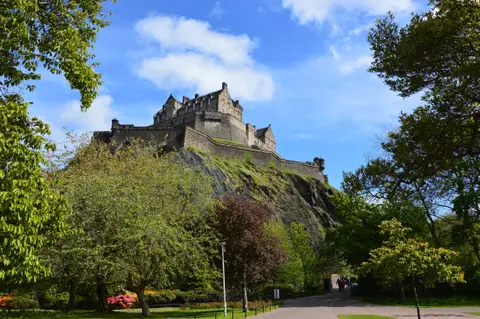
Edinburgh, Scotland’s volcanic capital, layers medieval drama along the Royal Mile with Georgian elegance in the New Town, crowned by a castle on an extinct volcano and home to the world’s largest arts festival each August. Must-dos include exploring Edinburgh Castle and Holyroodhouse, touring the Royal Yacht Britannia at Leith, and tasting whisky at the Scotch Malt Whisky Society. Visit August for festival season, or spring and autumn for atmospheric light and fewer crowds.
Day 5
Day 5
Aberdeen
Arrive 05:00Depart 17:00

Aberdeen is Scotland's Granite City, where silver-flecked Victorian architecture meets a vibrant harbour and eight centuries of maritime heritage. Visitors should taste the legendary buttery rolls, explore clifftop Dunnottar Castle, and tour Royal Deeside toward Balmoral. May through August brings the long daylight hours that make the granite facades shimmer.
Day 6
Day 6
Lerwick
Arrive 07:00Depart 16:00
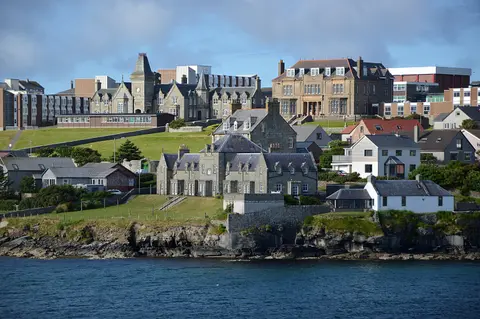
Lerwick, capital of Scotland's Shetland Islands, is a captivating Norse-Scottish harbour town renowned for its seventeenth-century granite waterfront, Viking heritage, and pristine maritime larder of wind-dried reestit mutton and hand-dived scallops. Visitors should explore the lodberries along Commercial Street and the award-winning Shetland Museum at Hay's Dock. The optimal season is late May through August, when near-perpetual daylight — the famous "simmer dim" — bathes the islands in an ethereal golden glow and seabird colonies along the cliffs reach their spectacular peak.
Day 7
Day 7
Portree
Arrive 09:00Depart 17:00
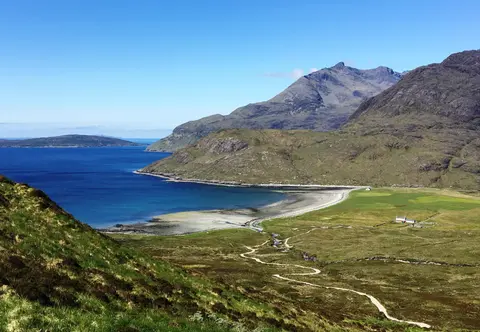
Portree is the colourful harbour capital of Scotland's Isle of Skye, gateway to the dramatic Cuillin mountains, the Old Man of Storr, and the otherworldly Quiraing landscapes. Must-do experiences include hiking the Trotternish ridge, tasting Talisker whisky at the distillery, and dining on Skye lobster at acclaimed restaurants. May through September offers the longest days, though Skye's moody weather adds dramatic atmosphere year-round.
Day 8
Day 8
Belfast
Arrive 10:00Depart 19:00
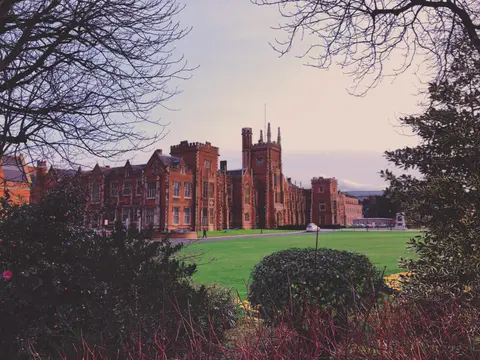
Belfast, Northern Ireland’s capital, is a vibrant port city renowned for its rich shipbuilding heritage, highlighted by the Titanic Belfast museum. Must-do experiences include exploring the historic Cathedral Quarter and tasting traditional dishes like Irish stew and soda bread at St. George's Market. The best season to visit is during the spring and summer when the city comes alive with festivals and outdoor events.
Day 9
Day 9
Dun Laoghaire
Arrive 07:00Depart 17:00
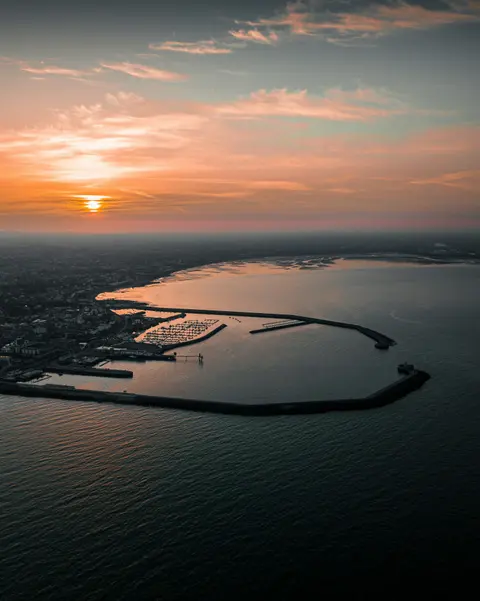
Dún Laoghaire is an elegant Victorian harbour town on Dublin Bay, renowned for its sweeping nineteenth-century granite piers, literary heritage tied to James Joyce, and vibrant artisan food culture featuring Dublin Bay prawns, boxty, and farmhouse cheeses. Visitors should walk the historic East Pier for panoramic bay views and explore the Sunday market at People's Park. The ideal season is late May through September, when long Irish summer evenings bathe the waterfront in golden light and outdoor dining comes alive along the seafront.
Day 10
Day 10
At Sea
Day 11
Day 11
Le Havre
Arrive 07:00
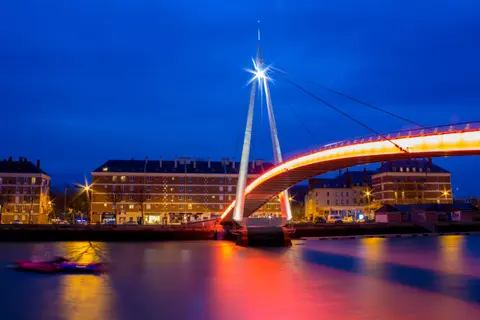
Founded in 1517 by Francis I and rebuilt after World War II devastation by Auguste Perret's visionary grid of reinforced concrete — now a UNESCO World Heritage Site — Le Havre is a city where urban architecture becomes a form of art. The monumental church of Saint-Joseph, lit from within by fifteen thousand pieces of coloured glass, is a masterpiece of post-war modernism. Day trips to Honfleur, the exquisite half-timbered port that launched Impressionism, and to the D-Day beaches of Normandy, make Le Havre one of the channel's most strategically placed cruise calls. The city is most agreeable May through September; the Honfleur excursion rewards in any season.
Day 13
Day 13
St. Peter Port
Arrive 07:00Depart 17:00
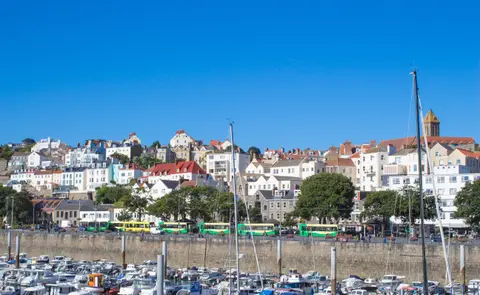
St. Peter Port is Guernsey's charming harbor capital, combining a thirteenth-century castle, Victor Hugo's extraordinarily decorated exile home where he wrote Les Misérables, and steep streets of shops and markets overlooking one of the Channel Islands' finest harbors. Must-dos include touring Hauteville House, exploring Castle Cornet's five museums, and tasting the traditional Guernsey bean jar. May through September offers the warmest weather for exploring this compact, walkable port town.
Day 14
Day 14
At Sea
Day 15
Day 15
Bordeaux
Arrive 07:00
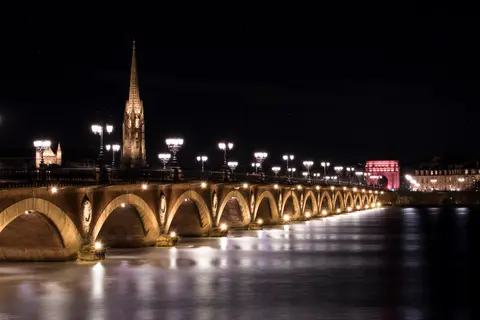
Bordeaux, France's premier port city, is renowned for its historical significance, stunning architecture, and world-class wine. Must-do experiences include savoring local delicacies at Marché des Quais and exploring the breathtaking art installations at Place de la Bourse. The best season to visit is during the late spring and early autumn, when the weather is pleasant and the vineyards are in full bloom.
Day 17
Day 17
Bilbao
Arrive 10:00Depart 18:00
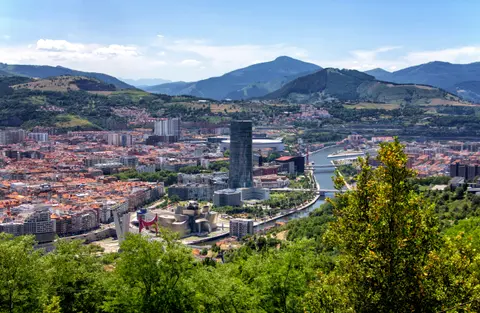
Bilbao is the Basque Country's cultural capital, where Frank Gehry's iconic Guggenheim Museum anchors a city transformed from industrial port to world-class destination. Visitors should not miss the pintxo bars of the Casco Viejo and the extraordinary Michelin-starred dining scene, alongside the museum's titanium splendor. The ideal months to visit are May through October, when mild Atlantic weather bathes the city in soft light perfect for exploring its riverside promenades and nearby Rioja wine country.
Day 18
Day 18
Gijon
Arrive 07:00Depart 17:00
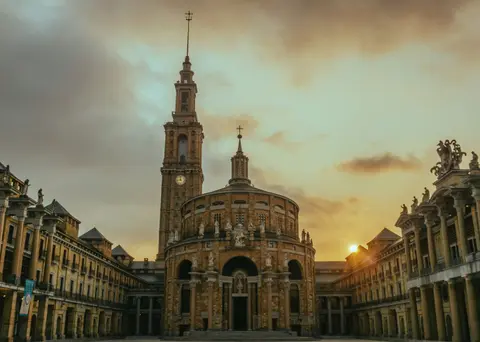
Gijón is a refined Atlantic port city on Spain's Asturian coast, where a three-thousand-year history, a celebrated cider and culinary culture, and the dramatic headland quarter of Cimadevilla converge to create one of Iberia's most compelling yet uncrowded cruise destinations. Visitors should not miss the traditional cider houses of Cimadevilla and a day trip to the Picos de Europa via Cangas de Onís. The finest months to visit are May through September, when long coastal evenings and mild Cantabrian weather reveal the city at its luminous best.
Day 19
Day 19
La Coruna
Arrive 07:00Depart 17:00
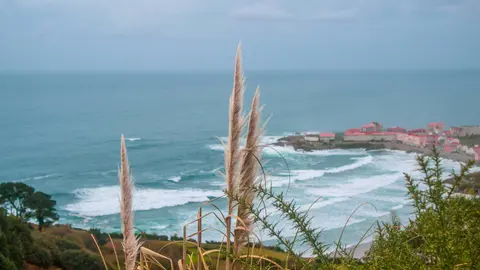
La Coruña, the Atlantic gateway to Spain's verdant Galicia region, is home to the Tower of Hercules — the world's oldest functioning Roman lighthouse and a UNESCO World Heritage Site — and a waterfront of luminous glass galleries unlike anything else in Europe. Visitors should not miss savouring pulpo á feira and wild percebes at the local markets, nor the short journey to Santiago de Compostela along the Camino. Late spring through early autumn offers the mildest weather, with September providing warm days, golden light, and fewer crowds along the granite streets of the Ciudad Vieja.
Day 20
Day 20
Porto
Arrive 08:00Depart 17:00

Porto, set dramatically on the granite bluffs above the Douro River, is among Europe's most romantically dishevelled cities — a place where baroque church towers rise above terracotta rooftops and century-old azulejo tilework lines every alley. Cross the iron Dom Luís I Bridge for sweeping views and descend into Vila Nova de Gaia's atmospheric wine lodges for a tasting of aged tawny port direct from the barrel. Seafood is magnificent: salt cod prepared a hundred ways, barnacles glistening with lemon, and custard tarts still warm from the oven. Spring and early autumn offer the finest conditions.
Day 21
Day 21
Lisbon
Arrive 07:00Depart 15:00
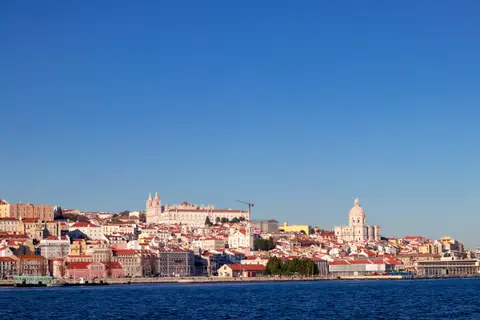
Lisbon, Portugal's enchanting capital, stands out for its rich history, stunning architecture, and vibrant culture. Must-try experiences include savoring local dishes like bacalhau à brás and pastéis de nata at Mercado da Ribeira. The best time to visit is during the spring or fall, when the weather is mild and the city is alive with festivals and events.
Day 22
Day 22
Seville
Arrive 12:00Depart 20:00
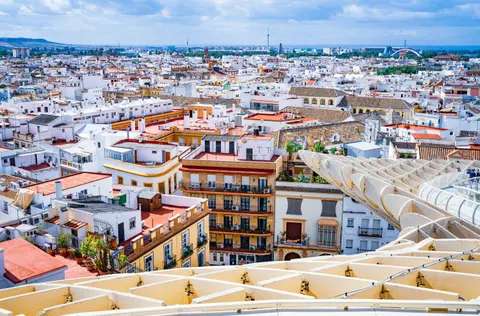
Seville’s port is a vibrant gateway to Andalusia, steeped in history and cultural richness. Don’t miss the chance to indulge in local tapas and experience a traditional flamenco performance. The best time to visit is during the spring, when the city bursts into life with festivals and pleasant weather.
Day 23
Day 23
Malaga
Arrive 08:00Depart 20:00
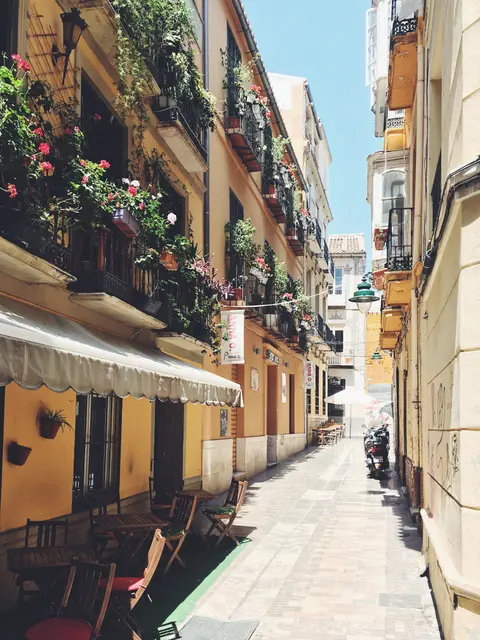
Málaga distils three thousand years of Mediterranean civilisation into one of Andalusia's most compelling port cities, where the Moorish Alcazaba fortress surveys a modern waterfront of elegant promenades and sun-drenched café terraces. Do not leave without visiting the Museo Picasso — the artist was born here in 1881 — and ascending to the ruined Castillo de Gibralfaro for panoramic views stretching to the Rif Mountains of Morocco on clear days. Malagueta anchovies fried in olive oil and the sweet Pedro Ximénez-laced dessert wine are the city's defining pleasures. The shoulder seasons of April, May, and October offer perfect Mediterranean warmth.
Day 24
Day 24
Cartagena
Arrive 10:00Depart 18:00
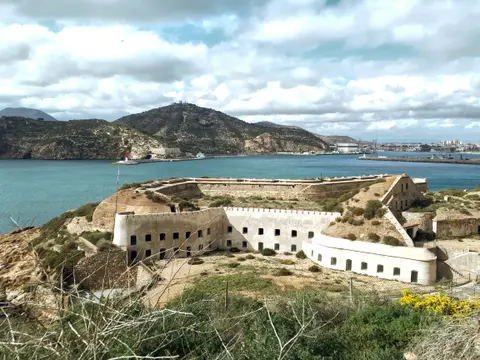
Cartagena, Spain, is a storied Mediterranean port city founded by the Carthaginians in 227 BC, where a spectacularly preserved Roman Theatre and Modernista architecture reveal layers of civilisation along a sheltered natural harbour. Visitors should not miss the caldero rice at a harbourside restaurant and a morning exploring the archaeological quarter from the Roman Forum to the Punic Wall. The mild Murcian climate makes autumn through late spring ideal, when temperatures invite leisurely wandering without the intensity of high summer.
Day 25
Day 25
Palma de Mallorca
Arrive 09:00Depart 18:00
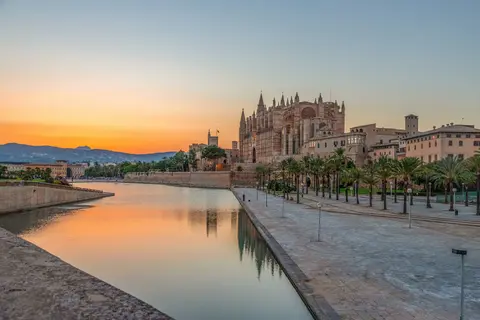
Palma de Mallorca announces itself with one of the most spectacular Gothic cathedrals in the world — La Seu, its honey-coloured sandstone buttresses rising directly from the bay, its interior modified by Antoni Gaudí and illuminated by the world's largest Gothic rose window. The old town behind it is a quarter of Arab baths, Renaissance palaces converted into boutique hotels, and the Passeig del Born — a plane-tree-shaded promenade where Balearic life conducts itself with unhurried grace. The local ensaïmada pastry and fresh sobrasada sausage from the island's black pigs are essential breakfast rituals. Visit May, June, or September: warm, brilliant, and measurably calmer than the July–August peak.
Day 26
Day 26
Barcelona
Arrive 07:00Depart 17:00
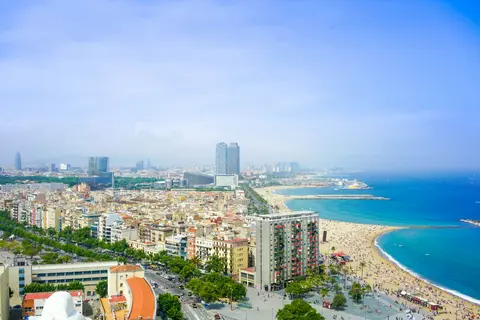
Barcelona is the city where Roman history, Gothic grandeur, and Gaudí's delirious Modernisme collide in a Mediterranean coastal capital of astonishing energy and beauty. The Sagrada Família — still under construction after 140 years — continues its audacious ascent toward completion, while the Gothic Quarter's Roman-era foundations and the Passeig de Gràcia's extraordinary concentration of Modernisme masterpieces reward days of exploration. For a complete sensory experience, lose an afternoon in the covered labyrinth of La Boqueria market before descending to the waterfront for Catalan seafood at its finest. May through June and September through October offer the most pleasant weather; the city connects directly to Paris by overnight train.
Day 27
Day 27
Marseille
Arrive 07:00Depart 16:00

Founded by Greek sailors in 600 BC, Marseille is France's oldest and most viscerally alive city — a Mediterranean port where the catch is still sold from fishing boat decks at the Vieux-Port each morning beneath the golden Madonna of Notre-Dame de la Garde, gleaming on her basilica above the city. The bouillabaisse served at harbourside institutions such as Chez Fonfon is not merely a dish but a rite, its saffron-stained broth tying Marseille to its Hellenic roots. Explore the dramatic Calanques national park, a coastal labyrinth of turquoise coves just south of the city. Spring and autumn are the finest seasons.
Day 28
Day 28
La Spezia
Arrive 09:00Depart 21:00
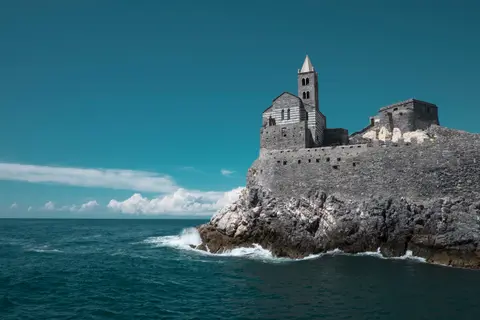
Tucked at the head of a deep Ligurian harbour that Byron and Shelley named the Gulf of Poets, La Spezia serves as the ideal base for exploring the Cinque Terre — five cliff-hanging fishing villages threaded by ancient paths above a turquoise sea. The town itself rewards exploration: the Museo Amedeo Lia houses one of Italy's finest private collections of medieval and Renaissance art, and the naval museum reflects La Spezia's long maritime history. A boat excursion to Portovenere and the island of Palmaria, or a trail walk between Vernazza and Corniglia, constitutes a perfect day from port. Best visited April through June and September through October, avoiding the summer heat and peak crowds.
Day 29
Day 29
Ajaccio
Arrive 10:00Depart 18:00
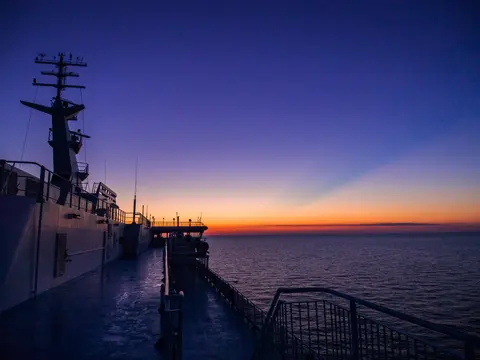
Ajaccio, the vibrant capital of Corsica, enchants visitors with its rich history as Napoleon's birthplace and its stunning coastal views. Don't miss trying local delicacies like figatellu and brocciu, and explore the nearby picturesque villages. The best season to visit is during the mild spring or fall months, when the weather is pleasant and the crowds are fewer.
Day 30
Day 30
Cagliari
Arrive 11:00Depart 19:00
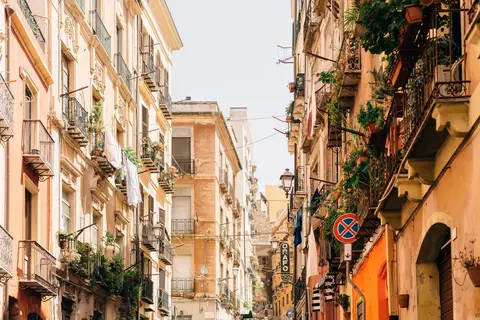
Cagliari, Sardinia's sun-drenched capital overlooking the Gulf of Angels, has absorbed three thousand years of Phoenician, Carthaginian, Roman, Pisan, and Spanish ambitions into a layered and deeply compelling Mediterranean city — where the flamingo-fringed salt lagoons stretching to the city's western edge create one of Europe's most surreal urban vistas. The Castello quarter's medieval ramparts enclose a cathedral, Pisan towers, and panoramic terraces that survey the entire city and coastline, while the Marina district below offers some of the finest bottarga pasta and fresh tuna in Italy. Visit May through September for beach perfection; the prehistoric Nuraghe Su Nuraxi at Barumini, a UNESCO Wonder, is an hour's drive north.
Day 31
Day 31
Palermo
Arrive 10:00Depart 19:00
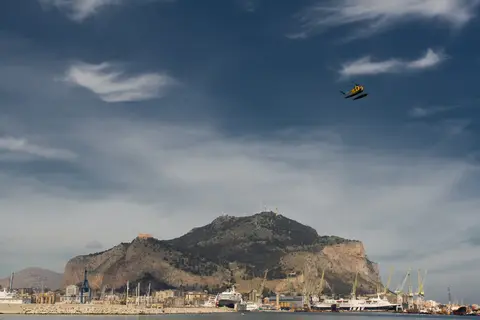
Palermo is the Mediterranean's most intoxicating crossroads of civilisations — Arab arches meet Byzantine gold mosaics beneath Norman royal chapels in the extraordinary Palatine Chapel, a monument to 12th-century multicultural brilliance that is Sicily's single greatest work of art. The Ballarò and Capo street markets, among southern Italy's most atmospheric, tumble through the ancient city in a sensory barrage of swordfish, blood oranges, jasmine, and street food improvised across centuries. Do not leave without tasting arancini and sfincione, Sicily's gloriously thick street pizza. Spring (April–May) and autumn (September–October) offer the ideal climate — warm enough for the sea, cool enough for extended walking.
Day 32
Day 32
Naples
Arrive 07:00Depart 17:00
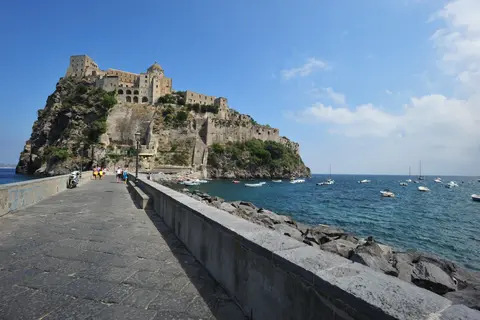
Naples — Napoli — is Europe's most operatically alive city, a sun-battered baroque metropolis where Vesuvius broods on the horizon and the streets below pulse with 2,500 years of continuous human drama. The unmissable Museo Archeologico Nazionale houses the world's finest collection of artefacts from Pompeii and Herculaneum, while the Spaccanapoli, the arrow-straight artery that has bisected the city since Greek times, delivers an unfiltered encounter with Neapolitan life. A single slice of pizza Margherita from one of the centro storico's historic pizzerias is a culinary pilgrimage in itself. Visit between April and June or September and October for warmth, manageable crowds, and the city at its golden best.
Day 33
Day 33
Civitavecchia
Arrive 07:00Depart 17:00
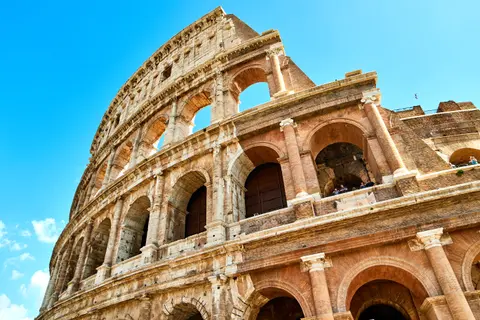
Rome's ancient maritime gateway since the Emperor Trajan commissioned its harbour in 106 AD, Civitavecchia is the natural prologue to the Eternal City — just seventy minutes southeast by express rail. The port's Renaissance fortress, designed in part by Michelangelo, anchors a working waterfront that has welcomed travellers for millennia. Beyond Rome's unmissable monuments, consider an afternoon in the Civitavecchia thermal baths, drawing on mineral waters prized since antiquity. Spring and autumn offer the ideal balance of mild weather and manageable crowds for exploring the capital's layered history.
Day 34
Day 34
Sorrento
Arrive 07:00Depart 17:00
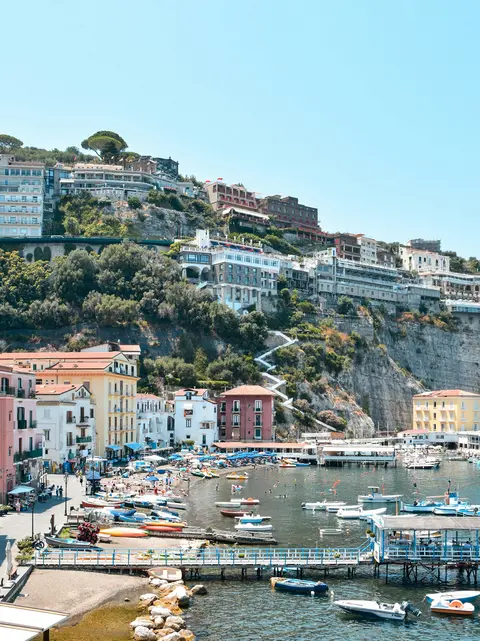
Sorrento is a clifftop jewel on southern Italy's Sorrentine Peninsula, perched sixty meters above the Bay of Naples with sweeping views of Vesuvius and Capri. Visitors should not miss the gnocchi alla sorrentina at a family-run trattoria in the old quarter, nor the short excursion along the Amalfi Coast to Positano and Ravello. The ideal season stretches from late April through mid-October, when warm Mediterranean light illuminates the tufa cliffs and the famed local lemons reach their most fragrant peak.
Day 35
Day 35
Messina
Arrive 07:00Depart 17:00

Messina guards the storied strait that separates Sicily from the Italian mainland — the passage Homer mythologised as Scylla and Charybdis — and its Norman cathedral's astronomical clock, one of the world's largest mechanical clocks, puts on a captivating automated display each noon as gilded figures enact scenes of the Resurrection. The city was catastrophically rebuilt after the 1908 earthquake, but its markets and waterfront convey the fierce energy of a Sicilian port that has witnessed two and a half millennia of Mediterranean history. Messina is the perfect gateway to Taormina, a 40-minute drive into the hills above the Ionian coast, with views of Etna at their most dramatic. Spring and autumn are ideal.
Day 36
Day 36
Valletta
Arrive 07:00Depart 17:00
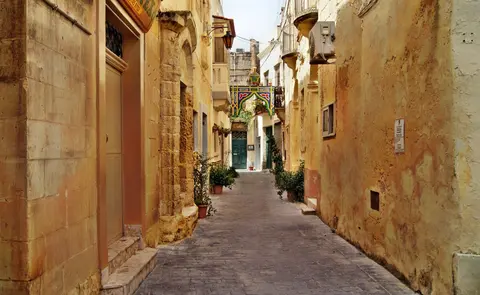
Valletta, Europe's smallest capital, is a fortress city of exceptional grandeur raised from bare limestone in just fifteen years after the Knights of St. John repelled the great Ottoman siege of 1565 — its rigid Renaissance grid of sun-drenched streets concealing a density of baroque palaces, gilded oratories, and subterranean World War II shelters unrivaled anywhere in the Mediterranean. The Grand Harbour, framed by golden bastions plunging into startlingly blue water, offers one of the most dramatically photogenic arrivals in the world for arriving vessels. Spring and autumn deliver the most comfortable temperatures for exploring this UNESCO-listed gem.
Day 37
Day 37
Crotone
Arrive 09:00Depart 19:00
Crotone is an ancient Greek colony on Calabria's Ionian coast, where the philosopher Pythagoras once taught and the Castle of Charles V still commands the skyline — a port of profound historical weight that remains wonderfully undiscovered by mass tourism. Visitors should not miss the lone column of the Temple of Hera Lacinia at Capo Colonna and a tasting of sardella with local Cirò wine at a waterfront trattoria. The ideal season stretches from May through October, when warm Mediterranean days and the May festival of the Madonna di Capocolonna bring the city to its most luminous.
Day 38
Day 38
Corfu
Arrive 08:00Depart 18:00
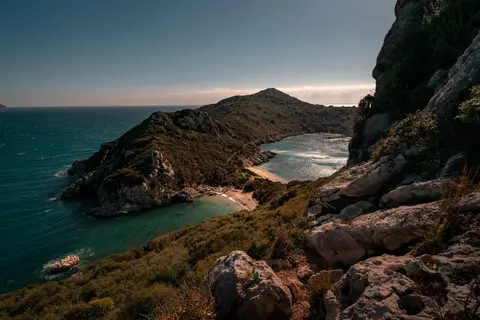
Where Homer placed the island of the Phaeacians and four centuries of Venetian rule left their most enduring Mediterranean legacy, Corfu is a singular island of extraordinary historical depth and natural beauty. The UNESCO-listed Old Town — its narrow Kantounia alleyways, the elegant Liston arcade, and twin Venetian fortresses — is the finest preserved Venetian streetscape in Greece. Beyond the town, secret coves, olive groves of immense antiquity, and mountain villages offer weeks of unhurried discovery. May through June and September offer perfect conditions: warm sea temperatures, clear skies, and the island before or after its summer crescendo.
Day 39
Day 39
Kotor
Arrive 08:00Depart 18:00
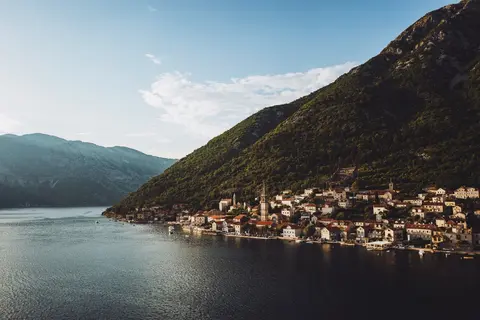
The port of Kotor, a UNESCO World Heritage site, is renowned for its stunning natural beauty and rich historical tapestry. A must-do experience includes wandering the cobblestone streets of the Old Town, where culinary delights like "kacamak" and fresh seafood await. The best time to visit is during the spring or early fall, when the weather is pleasant and the crowds are fewer.
Day 40
Day 40
Dubrovnik
Arrive 07:00Depart 17:00
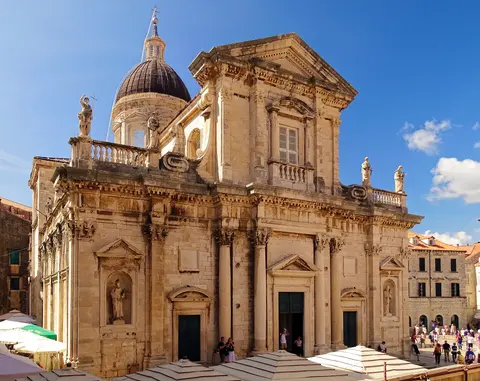
Dubrovnik, Croatia's stunning port city, is a blend of rich history, dramatic architecture, and vibrant culture, making it a must-visit destination. Don't miss a stroll along the city walls for breathtaking views and savor local dishes like "peka" and "black risotto." The best time to visit is in late spring or early fall when the weather is pleasant and the crowds are thinner.
Day 41
Day 41
Zadar
Arrive 10:00Depart 19:00
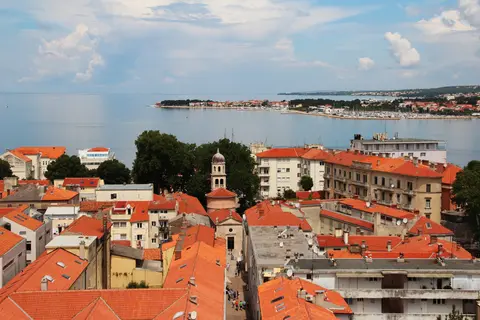
Zadar, a historic port city on Croatia's Dalmatian coast, is a captivating blend of ancient architecture and vibrant culture. Must-do experiences include visiting the Church of St. Donatus and enjoying the enchanting music of the Sea Organ. The best season to visit is during the warm summer months when the city comes alive with festivals and outdoor activities.
Day 42
Day 42
Koper
Arrive 09:00Depart 18:00
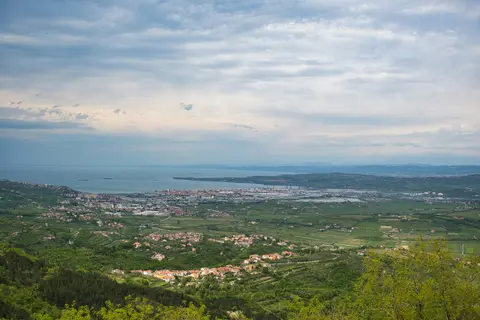
Koper is Slovenia's historic Adriatic port with a beautifully preserved Venetian old town, world-class Istrian olive oil, and easy access to the spectacular Škocjan Caves. Essential experiences include tasting Malvazija wines in hillside villages, exploring the medieval Dance of Death frescoes at Hrastovlje, and dining on truffle pasta in centuries-old courtyards. May through October is prime season, with September ideal for harvest festivities.
Day 43
Day 43
Venice (Chioggia)
Arrive 08:00
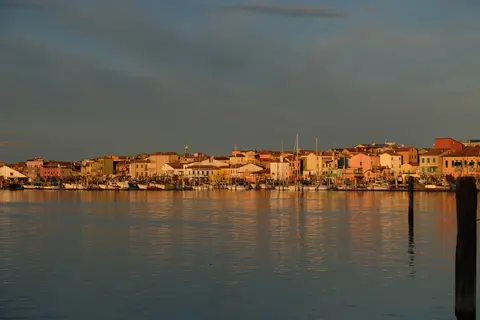
Chioggia, moored at the southern tip of the Venetian Lagoon, is the working-class counterpart to its glittering neighbor — an authentically Venetian fishing city of painted arcades, perpendicular canals, and an early-morning fish market that has been one of northern Italy's finest since the Middle Ages. Free of the crowds that besiege Venice, Chioggia rewards the discerning traveler with the same tilting campaniles and canal-side trattorias serving impossibly fresh grilled branzino and spaghetti alle vongole, all at a fraction of the famous city's prices. Spring and early autumn deliver the lagoon at its most luminous, before the summer tourist tide.
Day 1
London (Tilbury)
Depart 17:00
London (Tilbury) offers a majestic gateway to Britain's capital, where two thousand years of history unfold from Roman ruins to soaring modern architecture along the Thames. Visitors should not miss Borough Market's artisan British fare and the timeless mystery of Stonehenge on a day excursion to Salisbury Plain. The ideal season to visit is late spring through early autumn — May to September — when long golden evenings illuminate the city's parks and promenades at their finest.
Day 2
Ijmuiden
Arrive 07:00Depart 17:00
IJmuiden is the Netherlands' North Sea gateway to Amsterdam, where the world's largest sea lock marks the entrance to the North Sea Canal. Visitors should taste smoked fish and kibbeling at the harbour, explore the wild dune landscapes of South Kennemerland National Park, and marvel at centuries of Dutch maritime engineering. Late spring through early autumn offers the best weather for coastal exploration.
Day 3
At Sea
Day 4
Edinburgh (Leith) United Kingdom
Arrive 07:00Depart 17:00
Edinburgh, Scotland’s volcanic capital, layers medieval drama along the Royal Mile with Georgian elegance in the New Town, crowned by a castle on an extinct volcano and home to the world’s largest arts festival each August. Must-dos include exploring Edinburgh Castle and Holyroodhouse, touring the Royal Yacht Britannia at Leith, and tasting whisky at the Scotch Malt Whisky Society. Visit August for festival season, or spring and autumn for atmospheric light and fewer crowds.
Day 5
Aberdeen
Arrive 05:00Depart 17:00
Aberdeen is Scotland's Granite City, where silver-flecked Victorian architecture meets a vibrant harbour and eight centuries of maritime heritage. Visitors should taste the legendary buttery rolls, explore clifftop Dunnottar Castle, and tour Royal Deeside toward Balmoral. May through August brings the long daylight hours that make the granite facades shimmer.
Day 6
Lerwick
Arrive 07:00Depart 16:00
Lerwick, capital of Scotland's Shetland Islands, is a captivating Norse-Scottish harbour town renowned for its seventeenth-century granite waterfront, Viking heritage, and pristine maritime larder of wind-dried reestit mutton and hand-dived scallops. Visitors should explore the lodberries along Commercial Street and the award-winning Shetland Museum at Hay's Dock. The optimal season is late May through August, when near-perpetual daylight — the famous "simmer dim" — bathes the islands in an ethereal golden glow and seabird colonies along the cliffs reach their spectacular peak.
Day 7
Portree
Arrive 09:00Depart 17:00
Portree is the colourful harbour capital of Scotland's Isle of Skye, gateway to the dramatic Cuillin mountains, the Old Man of Storr, and the otherworldly Quiraing landscapes. Must-do experiences include hiking the Trotternish ridge, tasting Talisker whisky at the distillery, and dining on Skye lobster at acclaimed restaurants. May through September offers the longest days, though Skye's moody weather adds dramatic atmosphere year-round.
Day 8
Belfast
Arrive 10:00Depart 19:00
Belfast, Northern Ireland’s capital, is a vibrant port city renowned for its rich shipbuilding heritage, highlighted by the Titanic Belfast museum. Must-do experiences include exploring the historic Cathedral Quarter and tasting traditional dishes like Irish stew and soda bread at St. George's Market. The best season to visit is during the spring and summer when the city comes alive with festivals and outdoor events.
Day 9
Dun Laoghaire
Arrive 07:00Depart 17:00
Dún Laoghaire is an elegant Victorian harbour town on Dublin Bay, renowned for its sweeping nineteenth-century granite piers, literary heritage tied to James Joyce, and vibrant artisan food culture featuring Dublin Bay prawns, boxty, and farmhouse cheeses. Visitors should walk the historic East Pier for panoramic bay views and explore the Sunday market at People's Park. The ideal season is late May through September, when long Irish summer evenings bathe the waterfront in golden light and outdoor dining comes alive along the seafront.
Day 10
At Sea
Day 11
Le Havre
Arrive 07:00
Founded in 1517 by Francis I and rebuilt after World War II devastation by Auguste Perret's visionary grid of reinforced concrete — now a UNESCO World Heritage Site — Le Havre is a city where urban architecture becomes a form of art. The monumental church of Saint-Joseph, lit from within by fifteen thousand pieces of coloured glass, is a masterpiece of post-war modernism. Day trips to Honfleur, the exquisite half-timbered port that launched Impressionism, and to the D-Day beaches of Normandy, make Le Havre one of the channel's most strategically placed cruise calls. The city is most agreeable May through September; the Honfleur excursion rewards in any season.
Day 13
St. Peter Port
Arrive 07:00Depart 17:00
St. Peter Port is Guernsey's charming harbor capital, combining a thirteenth-century castle, Victor Hugo's extraordinarily decorated exile home where he wrote Les Misérables, and steep streets of shops and markets overlooking one of the Channel Islands' finest harbors. Must-dos include touring Hauteville House, exploring Castle Cornet's five museums, and tasting the traditional Guernsey bean jar. May through September offers the warmest weather for exploring this compact, walkable port town.
Day 14
At Sea
Day 15
Bordeaux
Arrive 07:00
Bordeaux, France's premier port city, is renowned for its historical significance, stunning architecture, and world-class wine. Must-do experiences include savoring local delicacies at Marché des Quais and exploring the breathtaking art installations at Place de la Bourse. The best season to visit is during the late spring and early autumn, when the weather is pleasant and the vineyards are in full bloom.
Day 17
Bilbao
Arrive 10:00Depart 18:00
Bilbao is the Basque Country's cultural capital, where Frank Gehry's iconic Guggenheim Museum anchors a city transformed from industrial port to world-class destination. Visitors should not miss the pintxo bars of the Casco Viejo and the extraordinary Michelin-starred dining scene, alongside the museum's titanium splendor. The ideal months to visit are May through October, when mild Atlantic weather bathes the city in soft light perfect for exploring its riverside promenades and nearby Rioja wine country.
Day 18
Gijon
Arrive 07:00Depart 17:00
Gijón is a refined Atlantic port city on Spain's Asturian coast, where a three-thousand-year history, a celebrated cider and culinary culture, and the dramatic headland quarter of Cimadevilla converge to create one of Iberia's most compelling yet uncrowded cruise destinations. Visitors should not miss the traditional cider houses of Cimadevilla and a day trip to the Picos de Europa via Cangas de Onís. The finest months to visit are May through September, when long coastal evenings and mild Cantabrian weather reveal the city at its luminous best.
Day 19
La Coruna
Arrive 07:00Depart 17:00
La Coruña, the Atlantic gateway to Spain's verdant Galicia region, is home to the Tower of Hercules — the world's oldest functioning Roman lighthouse and a UNESCO World Heritage Site — and a waterfront of luminous glass galleries unlike anything else in Europe. Visitors should not miss savouring pulpo á feira and wild percebes at the local markets, nor the short journey to Santiago de Compostela along the Camino. Late spring through early autumn offers the mildest weather, with September providing warm days, golden light, and fewer crowds along the granite streets of the Ciudad Vieja.
Day 20
Porto
Arrive 08:00Depart 17:00
Porto, set dramatically on the granite bluffs above the Douro River, is among Europe's most romantically dishevelled cities — a place where baroque church towers rise above terracotta rooftops and century-old azulejo tilework lines every alley. Cross the iron Dom Luís I Bridge for sweeping views and descend into Vila Nova de Gaia's atmospheric wine lodges for a tasting of aged tawny port direct from the barrel. Seafood is magnificent: salt cod prepared a hundred ways, barnacles glistening with lemon, and custard tarts still warm from the oven. Spring and early autumn offer the finest conditions.
Day 21
Lisbon
Arrive 07:00Depart 15:00
Lisbon, Portugal's enchanting capital, stands out for its rich history, stunning architecture, and vibrant culture. Must-try experiences include savoring local dishes like bacalhau à brás and pastéis de nata at Mercado da Ribeira. The best time to visit is during the spring or fall, when the weather is mild and the city is alive with festivals and events.
Day 22
Seville
Arrive 12:00Depart 20:00
Seville’s port is a vibrant gateway to Andalusia, steeped in history and cultural richness. Don’t miss the chance to indulge in local tapas and experience a traditional flamenco performance. The best time to visit is during the spring, when the city bursts into life with festivals and pleasant weather.
Day 23
Malaga
Arrive 08:00Depart 20:00
Málaga distils three thousand years of Mediterranean civilisation into one of Andalusia's most compelling port cities, where the Moorish Alcazaba fortress surveys a modern waterfront of elegant promenades and sun-drenched café terraces. Do not leave without visiting the Museo Picasso — the artist was born here in 1881 — and ascending to the ruined Castillo de Gibralfaro for panoramic views stretching to the Rif Mountains of Morocco on clear days. Malagueta anchovies fried in olive oil and the sweet Pedro Ximénez-laced dessert wine are the city's defining pleasures. The shoulder seasons of April, May, and October offer perfect Mediterranean warmth.
Day 24
Cartagena
Arrive 10:00Depart 18:00
Cartagena, Spain, is a storied Mediterranean port city founded by the Carthaginians in 227 BC, where a spectacularly preserved Roman Theatre and Modernista architecture reveal layers of civilisation along a sheltered natural harbour. Visitors should not miss the caldero rice at a harbourside restaurant and a morning exploring the archaeological quarter from the Roman Forum to the Punic Wall. The mild Murcian climate makes autumn through late spring ideal, when temperatures invite leisurely wandering without the intensity of high summer.
Day 25
Palma de Mallorca
Arrive 09:00Depart 18:00
Palma de Mallorca announces itself with one of the most spectacular Gothic cathedrals in the world — La Seu, its honey-coloured sandstone buttresses rising directly from the bay, its interior modified by Antoni Gaudí and illuminated by the world's largest Gothic rose window. The old town behind it is a quarter of Arab baths, Renaissance palaces converted into boutique hotels, and the Passeig del Born — a plane-tree-shaded promenade where Balearic life conducts itself with unhurried grace. The local ensaïmada pastry and fresh sobrasada sausage from the island's black pigs are essential breakfast rituals. Visit May, June, or September: warm, brilliant, and measurably calmer than the July–August peak.
Day 26
Barcelona
Arrive 07:00Depart 17:00
Barcelona is the city where Roman history, Gothic grandeur, and Gaudí's delirious Modernisme collide in a Mediterranean coastal capital of astonishing energy and beauty. The Sagrada Família — still under construction after 140 years — continues its audacious ascent toward completion, while the Gothic Quarter's Roman-era foundations and the Passeig de Gràcia's extraordinary concentration of Modernisme masterpieces reward days of exploration. For a complete sensory experience, lose an afternoon in the covered labyrinth of La Boqueria market before descending to the waterfront for Catalan seafood at its finest. May through June and September through October offer the most pleasant weather; the city connects directly to Paris by overnight train.
Day 27
Marseille
Arrive 07:00Depart 16:00
Founded by Greek sailors in 600 BC, Marseille is France's oldest and most viscerally alive city — a Mediterranean port where the catch is still sold from fishing boat decks at the Vieux-Port each morning beneath the golden Madonna of Notre-Dame de la Garde, gleaming on her basilica above the city. The bouillabaisse served at harbourside institutions such as Chez Fonfon is not merely a dish but a rite, its saffron-stained broth tying Marseille to its Hellenic roots. Explore the dramatic Calanques national park, a coastal labyrinth of turquoise coves just south of the city. Spring and autumn are the finest seasons.
Day 28
La Spezia
Arrive 09:00Depart 21:00
Tucked at the head of a deep Ligurian harbour that Byron and Shelley named the Gulf of Poets, La Spezia serves as the ideal base for exploring the Cinque Terre — five cliff-hanging fishing villages threaded by ancient paths above a turquoise sea. The town itself rewards exploration: the Museo Amedeo Lia houses one of Italy's finest private collections of medieval and Renaissance art, and the naval museum reflects La Spezia's long maritime history. A boat excursion to Portovenere and the island of Palmaria, or a trail walk between Vernazza and Corniglia, constitutes a perfect day from port. Best visited April through June and September through October, avoiding the summer heat and peak crowds.
Day 29
Ajaccio
Arrive 10:00Depart 18:00
Ajaccio, the vibrant capital of Corsica, enchants visitors with its rich history as Napoleon's birthplace and its stunning coastal views. Don't miss trying local delicacies like figatellu and brocciu, and explore the nearby picturesque villages. The best season to visit is during the mild spring or fall months, when the weather is pleasant and the crowds are fewer.
Day 30
Cagliari
Arrive 11:00Depart 19:00
Cagliari, Sardinia's sun-drenched capital overlooking the Gulf of Angels, has absorbed three thousand years of Phoenician, Carthaginian, Roman, Pisan, and Spanish ambitions into a layered and deeply compelling Mediterranean city — where the flamingo-fringed salt lagoons stretching to the city's western edge create one of Europe's most surreal urban vistas. The Castello quarter's medieval ramparts enclose a cathedral, Pisan towers, and panoramic terraces that survey the entire city and coastline, while the Marina district below offers some of the finest bottarga pasta and fresh tuna in Italy. Visit May through September for beach perfection; the prehistoric Nuraghe Su Nuraxi at Barumini, a UNESCO Wonder, is an hour's drive north.
Day 31
Palermo
Arrive 10:00Depart 19:00
Palermo is the Mediterranean's most intoxicating crossroads of civilisations — Arab arches meet Byzantine gold mosaics beneath Norman royal chapels in the extraordinary Palatine Chapel, a monument to 12th-century multicultural brilliance that is Sicily's single greatest work of art. The Ballarò and Capo street markets, among southern Italy's most atmospheric, tumble through the ancient city in a sensory barrage of swordfish, blood oranges, jasmine, and street food improvised across centuries. Do not leave without tasting arancini and sfincione, Sicily's gloriously thick street pizza. Spring (April–May) and autumn (September–October) offer the ideal climate — warm enough for the sea, cool enough for extended walking.
Day 32
Naples
Arrive 07:00Depart 17:00
Naples — Napoli — is Europe's most operatically alive city, a sun-battered baroque metropolis where Vesuvius broods on the horizon and the streets below pulse with 2,500 years of continuous human drama. The unmissable Museo Archeologico Nazionale houses the world's finest collection of artefacts from Pompeii and Herculaneum, while the Spaccanapoli, the arrow-straight artery that has bisected the city since Greek times, delivers an unfiltered encounter with Neapolitan life. A single slice of pizza Margherita from one of the centro storico's historic pizzerias is a culinary pilgrimage in itself. Visit between April and June or September and October for warmth, manageable crowds, and the city at its golden best.
Day 33
Civitavecchia
Arrive 07:00Depart 17:00
Rome's ancient maritime gateway since the Emperor Trajan commissioned its harbour in 106 AD, Civitavecchia is the natural prologue to the Eternal City — just seventy minutes southeast by express rail. The port's Renaissance fortress, designed in part by Michelangelo, anchors a working waterfront that has welcomed travellers for millennia. Beyond Rome's unmissable monuments, consider an afternoon in the Civitavecchia thermal baths, drawing on mineral waters prized since antiquity. Spring and autumn offer the ideal balance of mild weather and manageable crowds for exploring the capital's layered history.
Day 34
Sorrento
Arrive 07:00Depart 17:00
Sorrento is a clifftop jewel on southern Italy's Sorrentine Peninsula, perched sixty meters above the Bay of Naples with sweeping views of Vesuvius and Capri. Visitors should not miss the gnocchi alla sorrentina at a family-run trattoria in the old quarter, nor the short excursion along the Amalfi Coast to Positano and Ravello. The ideal season stretches from late April through mid-October, when warm Mediterranean light illuminates the tufa cliffs and the famed local lemons reach their most fragrant peak.
Day 35
Messina
Arrive 07:00Depart 17:00
Messina guards the storied strait that separates Sicily from the Italian mainland — the passage Homer mythologised as Scylla and Charybdis — and its Norman cathedral's astronomical clock, one of the world's largest mechanical clocks, puts on a captivating automated display each noon as gilded figures enact scenes of the Resurrection. The city was catastrophically rebuilt after the 1908 earthquake, but its markets and waterfront convey the fierce energy of a Sicilian port that has witnessed two and a half millennia of Mediterranean history. Messina is the perfect gateway to Taormina, a 40-minute drive into the hills above the Ionian coast, with views of Etna at their most dramatic. Spring and autumn are ideal.
Day 36
Valletta
Arrive 07:00Depart 17:00
Valletta, Europe's smallest capital, is a fortress city of exceptional grandeur raised from bare limestone in just fifteen years after the Knights of St. John repelled the great Ottoman siege of 1565 — its rigid Renaissance grid of sun-drenched streets concealing a density of baroque palaces, gilded oratories, and subterranean World War II shelters unrivaled anywhere in the Mediterranean. The Grand Harbour, framed by golden bastions plunging into startlingly blue water, offers one of the most dramatically photogenic arrivals in the world for arriving vessels. Spring and autumn deliver the most comfortable temperatures for exploring this UNESCO-listed gem.
Day 37
Crotone
Arrive 09:00Depart 19:00
Crotone is an ancient Greek colony on Calabria's Ionian coast, where the philosopher Pythagoras once taught and the Castle of Charles V still commands the skyline — a port of profound historical weight that remains wonderfully undiscovered by mass tourism. Visitors should not miss the lone column of the Temple of Hera Lacinia at Capo Colonna and a tasting of sardella with local Cirò wine at a waterfront trattoria. The ideal season stretches from May through October, when warm Mediterranean days and the May festival of the Madonna di Capocolonna bring the city to its most luminous.
Day 38
Corfu
Arrive 08:00Depart 18:00
Where Homer placed the island of the Phaeacians and four centuries of Venetian rule left their most enduring Mediterranean legacy, Corfu is a singular island of extraordinary historical depth and natural beauty. The UNESCO-listed Old Town — its narrow Kantounia alleyways, the elegant Liston arcade, and twin Venetian fortresses — is the finest preserved Venetian streetscape in Greece. Beyond the town, secret coves, olive groves of immense antiquity, and mountain villages offer weeks of unhurried discovery. May through June and September offer perfect conditions: warm sea temperatures, clear skies, and the island before or after its summer crescendo.
Day 39
Kotor
Arrive 08:00Depart 18:00
The port of Kotor, a UNESCO World Heritage site, is renowned for its stunning natural beauty and rich historical tapestry. A must-do experience includes wandering the cobblestone streets of the Old Town, where culinary delights like "kacamak" and fresh seafood await. The best time to visit is during the spring or early fall, when the weather is pleasant and the crowds are fewer.
Day 40
Dubrovnik
Arrive 07:00Depart 17:00
Dubrovnik, Croatia's stunning port city, is a blend of rich history, dramatic architecture, and vibrant culture, making it a must-visit destination. Don't miss a stroll along the city walls for breathtaking views and savor local dishes like "peka" and "black risotto." The best time to visit is in late spring or early fall when the weather is pleasant and the crowds are thinner.
Day 41
Zadar
Arrive 10:00Depart 19:00
Zadar, a historic port city on Croatia's Dalmatian coast, is a captivating blend of ancient architecture and vibrant culture. Must-do experiences include visiting the Church of St. Donatus and enjoying the enchanting music of the Sea Organ. The best season to visit is during the warm summer months when the city comes alive with festivals and outdoor activities.
Day 42
Koper
Arrive 09:00Depart 18:00
Koper is Slovenia's historic Adriatic port with a beautifully preserved Venetian old town, world-class Istrian olive oil, and easy access to the spectacular Škocjan Caves. Essential experiences include tasting Malvazija wines in hillside villages, exploring the medieval Dance of Death frescoes at Hrastovlje, and dining on truffle pasta in centuries-old courtyards. May through October is prime season, with September ideal for harvest festivities.
Day 43
Venice (Chioggia)
Arrive 08:00
Chioggia, moored at the southern tip of the Venetian Lagoon, is the working-class counterpart to its glittering neighbor — an authentically Venetian fishing city of painted arcades, perpendicular canals, and an early-morning fish market that has been one of northern Italy's finest since the Middle Ages. Free of the crowds that besiege Venice, Chioggia rewards the discerning traveler with the same tilting campaniles and canal-side trattorias serving impossibly fresh grilled branzino and spaghetti alle vongole, all at a fraction of the famous city's prices. Spring and early autumn deliver the lagoon at its most luminous, before the summer tourist tide.
Cabin Categories

Owners Suite
Suite
1000 m²Max 2
OS
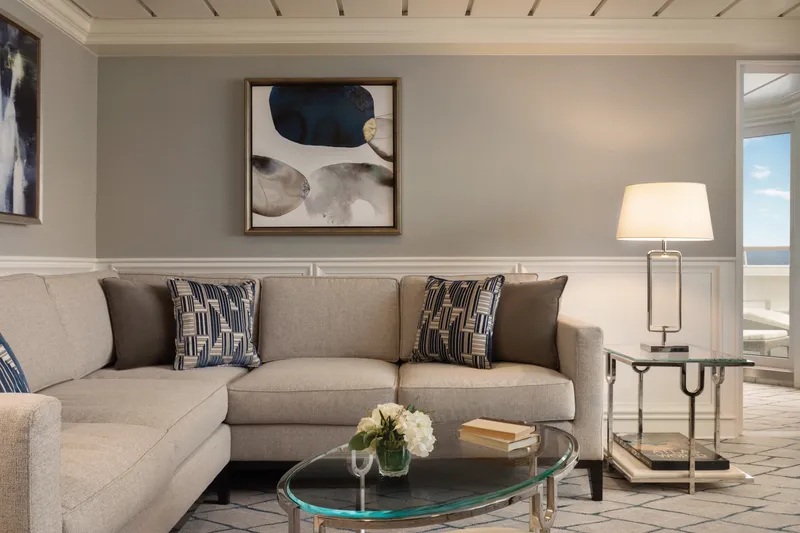
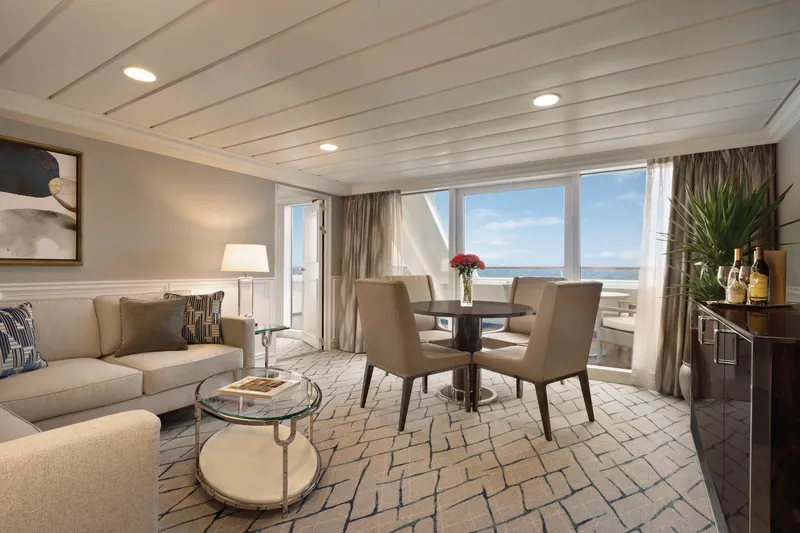
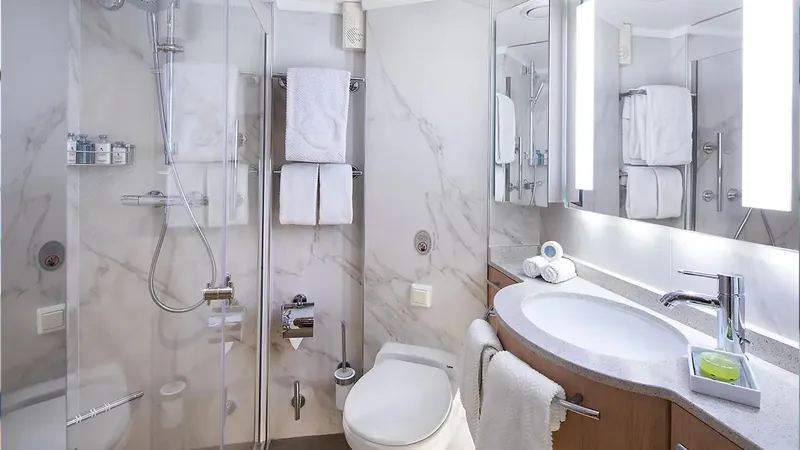
Lavish new fabrics and designer furnishings grace our six new Owner’s Suites – always among the first to be reserved. Immensely spacious and exceptionally luxurious, these suites span nearly 1,000 square feet and areas of quietude and relaxation. Every imaginable amenity is found here, further enhanced by a sumptuous re-designed bathroom with an oversized shower, a private teak veranda and two flat-screen televisions.
Owner's Suite Privileges
In addition to Stateroom Amenities
Free laundry service – up to 3 bags per stateroom+
Priority 11 am ship embarkation with priority luggage delivery++
24-hour Butler service
Complimentary in-suite bar setup with 6 full-size bottles of premium spirits and wines from our suite beverage menu
Complimentary welcome bottle of Champagne
Optional private in-suite lunch on embarkation day from noon to 2 pm
Fresh fruit basket replenished daily
Priority online specialty restaurant reservations each evening++
Unlimited access to the Aquamar Spa Terrace
iPad upon request for your enjoyment on board
Bulgari gift set and variety of amenities
Choice of daily printed newspaper
Complimentary Oceania Cruises logo tote bag and personalized stationery
Cashmere lap blankets, perfect for relaxing on your veranda
Complimentary shoe shine service
Complimentary pressing of garments upon embarkation++
Choice of pillow from a luxurious selection
Pillow Menu AvailableKing or Twin ConfigurationLounge AreaShowerBathToiletries Provided+13
View Details
Penthouse Suite
Suite
322 m²Max 2
PH1PH2PH3
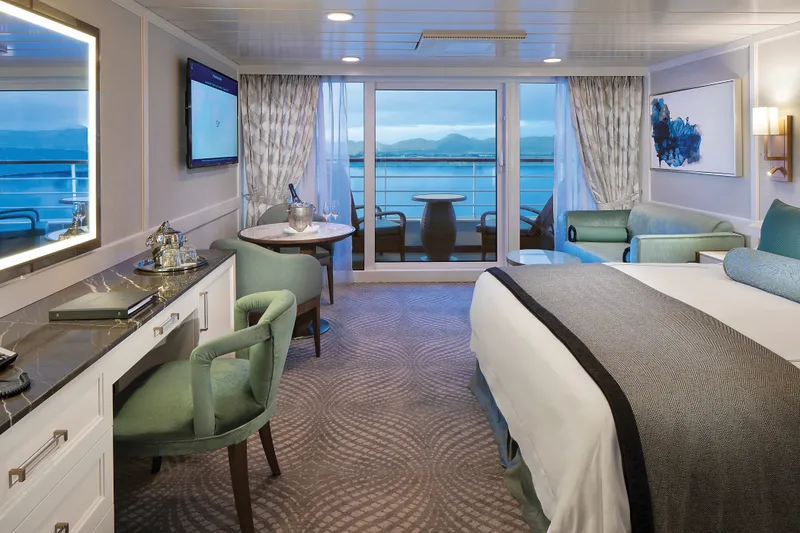
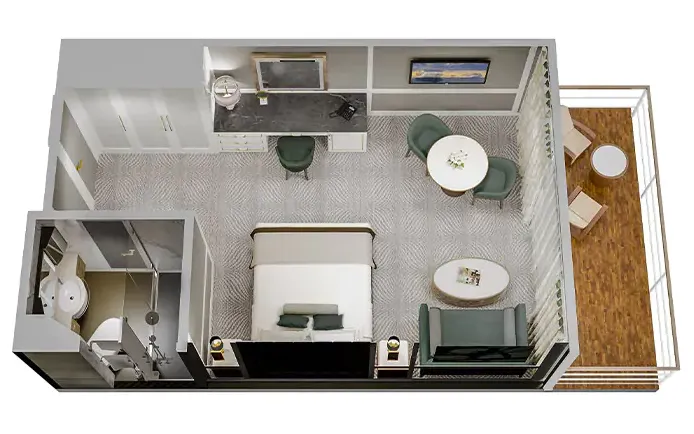
Our collection of 322-square-foot Penthouse Suites has been completely transformed with splendid new decor and exquisite furnishings in serene shades of the sea and sky. Spacious enough for private in-suite dining, the living area features a refrigerated mini-bar a vanity desk and the granite-clad bathroom is large enough for an indulgent walk-in shower. Relax on the beautifully furnished private teak veranda.
Penthouse Suite Privileges
In addition to Suite & Stateroom Amenities
Free laundry service – up to 3 bags per stateroom+
Priority 11 am ship embarkation with priority luggage delivery
24-hour Butler service
Priority online specialty restaurant reservations
Unlimited access to the Aquamar Spa Terrace
Complimentary iPad
Variety of Bulgari amenities
Complimentary Oceania Cruises logo tote bag
Cashmere lap blankets, perfect for relaxing on your veranda
Complimentary shoe shine service
Complimentary pressing of garments upon embarkation++
King or Twin ConfigurationLounge AreaShowerBathToiletries ProvidedRoom Service Available+11
View Details
Vista Suite
Suite
786 m²Max 2
VS
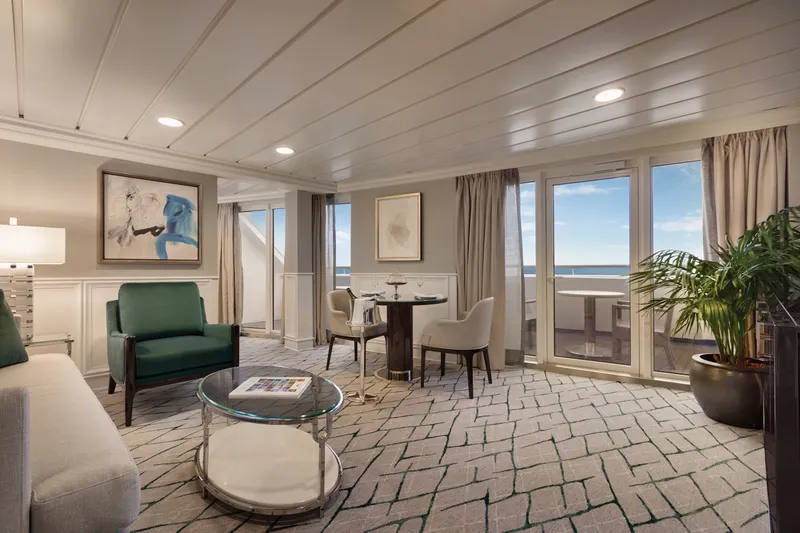
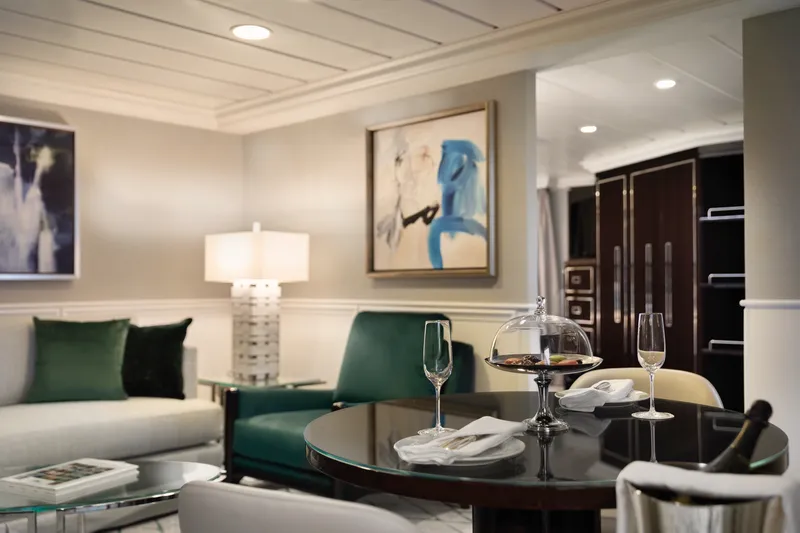
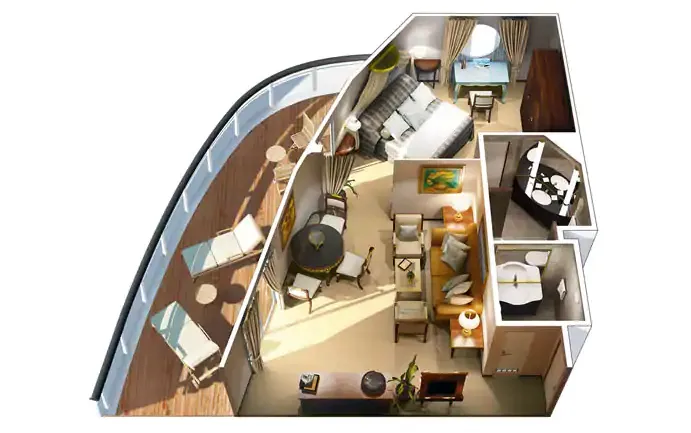
Named for their sweeping views over the ship's bow, the four Vista Suites each sprawl over 786 square feet. Every imaginable comfort is here, including a second bathroom for guests as well as a master bathroom newly redesigned in onyx and granite with a luxurious new shower. Relax on the private teak veranda, listen to music in enhanced surround sound or watch a movie on one of two flat-screen televisions. Access wireless Internet on a complimentary iPad.
Vista Suite Privileges
In addition to Suite & Stateroom Amenities
Free laundry service – up to 3 bags per stateroom+
Priority 11 am ship embarkation with priority luggage delivery
24-hour Butler service
Complimentary in-suite bar setup with 6 full-size bottles of premium spirits and wines from our suite beverage menu
Complimentary welcome bottle of Champagne
Fresh fruit basket replenished daily
Priority online specialty restaurant reservations
Unlimited access to the Aquamar Spa Terrace
Complimentary iPad
Bulgari gift set and variety of amenities
Choice of daily printed newspaper
Complimentary Oceania Cruises logo tote bag and personalized stationery
Cashmere lap blankets, perfect for relaxing on your veranda
Complimentary shoe shine service
Complimentary pressing of garments upon embarkation++
Choice of pillow from a luxurious selection
Dining AreaPillow Menu AvailableQueen or Twin ConfigurationLounge AreaShowerToiletries Provided+11
View Details


Concierge Level Veranda
Balcony
216 m²Max 2
A1A2A3
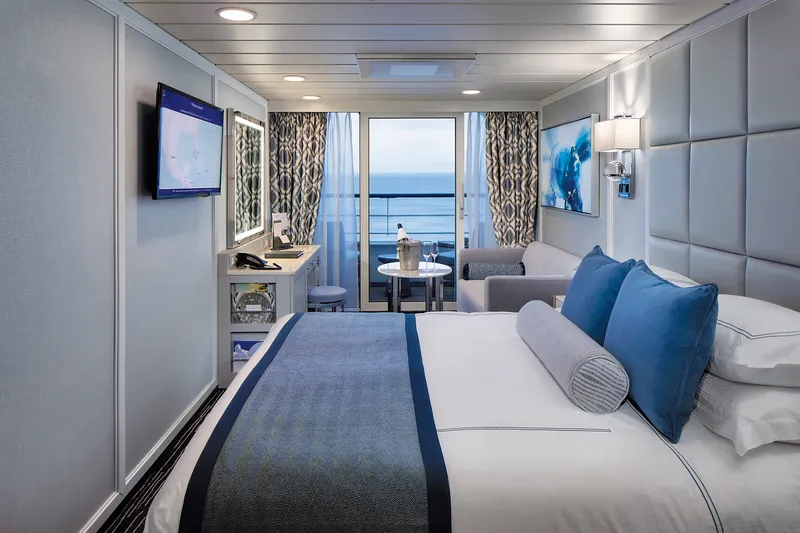
Located in the most desired of locations, Category A Concierge Level Veranda Staterooms offer an unrivaled combination of luxury and value. A wealth of amenities and a host of exclusive privileges (listed below) elevate the experience to the sublime.
These sleekly redefined 216-square-foot staterooms feature a wealth of amenities, including many of those found in our Penthouse Suites. The luxury is further enhanced by the fresh new decor, sumptuous Ultra Tranquility Beds, re-inspired verandas with stylish new furniture and the indulgence of exclusive Concierge Level amenities and privileges.
Concierge Level Exclusive Privileges
In addition to Stateroom Amenities
Room service from the Grand Dining Room menu during lunch and dinner
Free laundry service – up to 3 bags per stateroom+
Priority noon ship embarkation
Complimentary welcome bottle of Champagne
Priority online specialty restaurant reservations
Unlimited access to the Aquamar Spa Terrace
iPad upon request for your enjoyment onboard++
Complimentary Oceania Cruises logo tote bag
Cashmere lap blankets, perfect for relaxing on your veranda
Complimentary shoe shine service
King or Twin ConfigurationLounge AreaShowerToiletries ProvidedRoom Service AvailableTV+6
View Details


Veranda Stateroom
Balcony
216 m²Max 2
B1B2
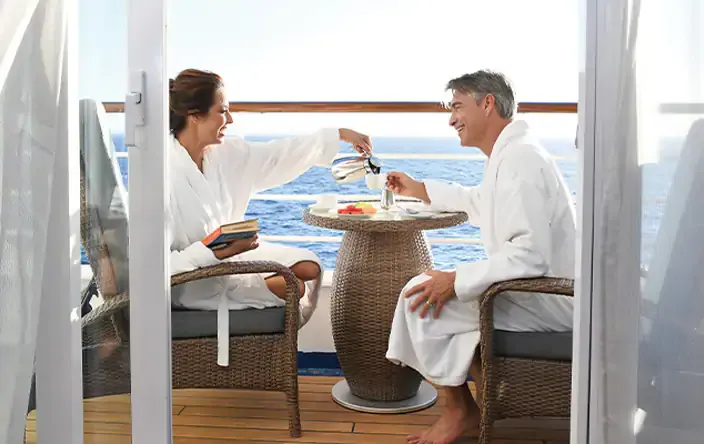
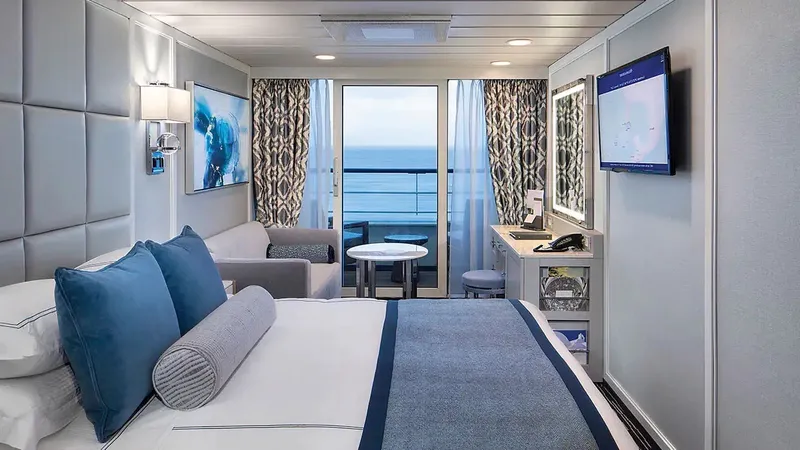
Custom-crafted furnishings, exotic stone finishes, supple upholstered headboards and chic lighting are just a few of the enhancements within these 216-square-foot staterooms that also boast our most popular luxury – a private teak veranda for watching the ever-changing panoramas. Conveniences within each stateroom include a vanity desk, refrigerated mini-bar, breakfast table and spacious seating area.
Veranda Stateroom Amenities
Ultra Tranquility Bed, an Oceania Cruises Exclusive
Private teak veranda
Twice daily maid service
Complimentary 24-hour room service
Signature Belgian chocolates with nightly turndown service
Plush cotton towels
Thick cotton robes and slippers
Bulgari amenities
Handheld hair dryer
Wireless Internet access and cellular service
Writing desk and stationary
Flat-screen television with live satellite news and programming
DVD player with extensive 24-hour room service menu
Security safe
King or Twin ConfigurationLounge AreaShowerWhirlpool BathTVSafe+10
View Details


Deluxe Ocean View
Outside
165 m²Max 2
C1C2
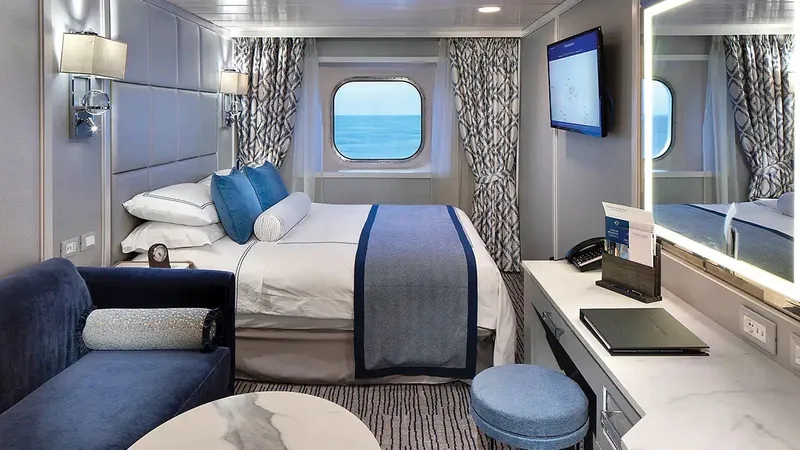
With entirely re-designed closets, dressers and vanities, these 165-squarefoot staterooms feel even more spacious. A generous seating area, vanity desk, refrigerated mini-bar and breakfast table are perfectly complemented by the soothing hues and stylish fabrics of the sleek new decor.
Deluxe Ocean View Stateroom Amenities
Ultra Tranquility Bed, an Oceania Cruises Exclusive
Complimentary 24-hour room service
Wireless Internet access and cellular service
Writing desk and stationary
Plush cotton towels
Thick cotton robes and slippers
Bulgari amenities
Handheld hair dryer
Flat-screen television with live satellite news and programming
DVD player with extensive 24-hour room service menu
Security safe
King or Twin ConfigurationShowerToiletries ProvidedRoom Service AvailableTVSafe+4
View Details
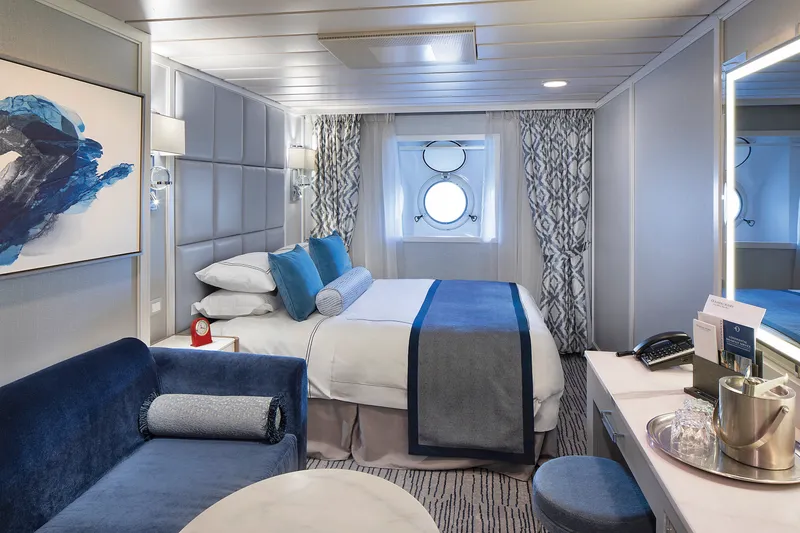

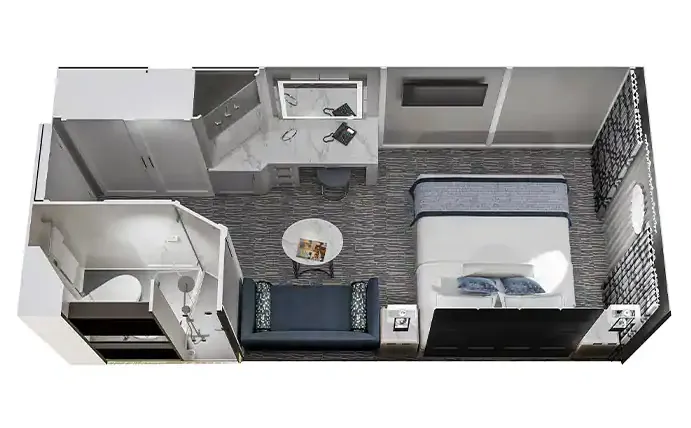
Ocean View (Porthole)
Outside
143–165 m²Max 2
D
The light from a classic porthole illuminates the stunning decor in these 165-square-foot staterooms, tastefully designed to maximize space and convenience. Enjoy a comfortable seating area with a sofa on which to stretch out, as well as a vanity desk, breakfast table and refrigerated mini-bar.
Ocean View Stateroom Amenities
Ultra Tranquility Bed, an Oceania Cruises Exclusive
Complimentary 24-hour room service
Signature Belgian chocolates with nightly turndown service
Plush cotton towels
Thick cotton robes and slippers
Bulgari amenities
Handheld hair dryer
Wireless Internet access and cellular service
Writing desk and stationary
Flat-screen television with live satellite news and programming
DVD player with extensive 24-hour room service menu
Security safe
King or Twin ConfigurationShowerToiletries ProvidedRoom Service AvailableTVSafe+4
View Details
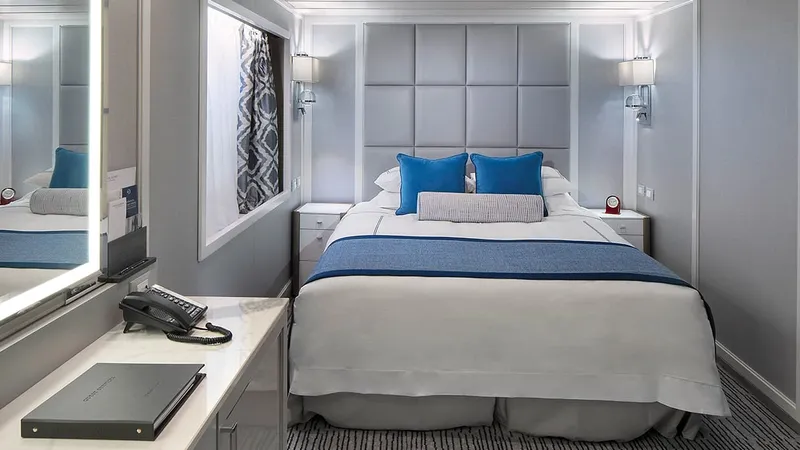

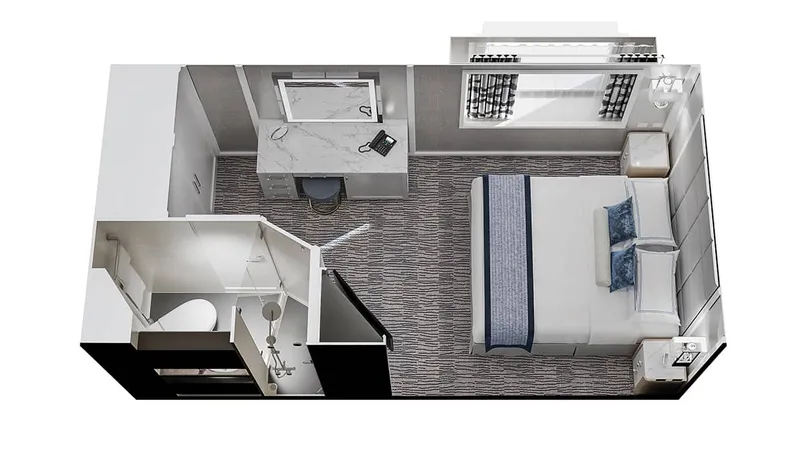
Solo Oceanview Stateroom
Outside
143–165 m²Max 1
S
These charming staterooms are the perfect retreat for the solo traveler. Amply spacious and centrally located on Deck 6, each is equipped with a sublimely plush Tranquility Bed, refrigerated mini-bar, writing desk and abundant storage space.
Stateroom Amenities :
Tranquility Bed, an Oceania Cruises exclusive
FREE sodas replenished daily in your refrigerated mini-bar
FREE still and sparkling Vero Water
Private teak veranda
Luxury bath amenities
FREE room service menu 24 hours a day
Daily housekeeping service
Gourmet turndown chocolates upon request
Interactive television system with on-demand movies, weather and more
Starlink® WiFi service
Writing desk and stationery
Plush cotton towels, robes and slippers
Handheld hair dryer
Security safe
Queen or Twin ConfigurationShowerToiletries ProvidedRoom Service AvailableTVFree Wi-Fi+5
View Details
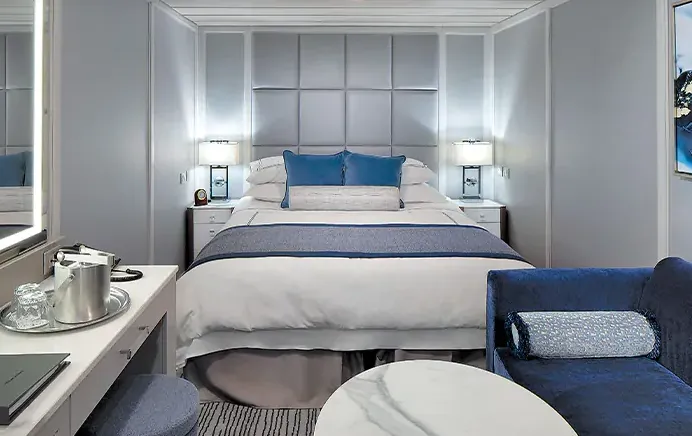


Inside Stateroom
Inside
160 m²Max 2
FG
Beautifully re-designed with a modern flair, these private retreats boast 160 square feet of luxury. Highlights include a comfortable seating area, vanity desk, refrigerated minibar and plenty of storage. The ingenious use of space is complemented by the re-inspired decor.
Inside Stateroom Amenities
Ultra Tranquility Bed, an Oceania Cruises Exclusive
Complimentary and extensive 24-hour room service menu
Plush cotton towels
Thick cotton robes and slippers
Bulgari amenities
Handheld hair dryer
Flat-screen television with live satellite news and programming
DVD player with extensive media library
Wireless Internet access and cellular service
Writing desk and stationary
Security safe
King or Twin ConfigurationShowerToiletries ProvidedRoom Service AvailableTVSafe+4
US$16,149 /person+ US$4,247 taxes & fees
Interested in This Voyage?
Our cruise specialists can help you find the perfect cabin and the best available pricing.
(+886) 02-2721-7300Contact Advisor