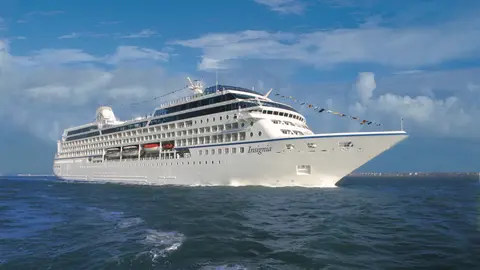
Oceania CruisesINS261023B
Venice to Miami
Date
2026-10-23
Duration
32 nights
Departure Port
Venice
Italy
Arrival Port
Miami
United States
Rating
Luxury
Theme
—
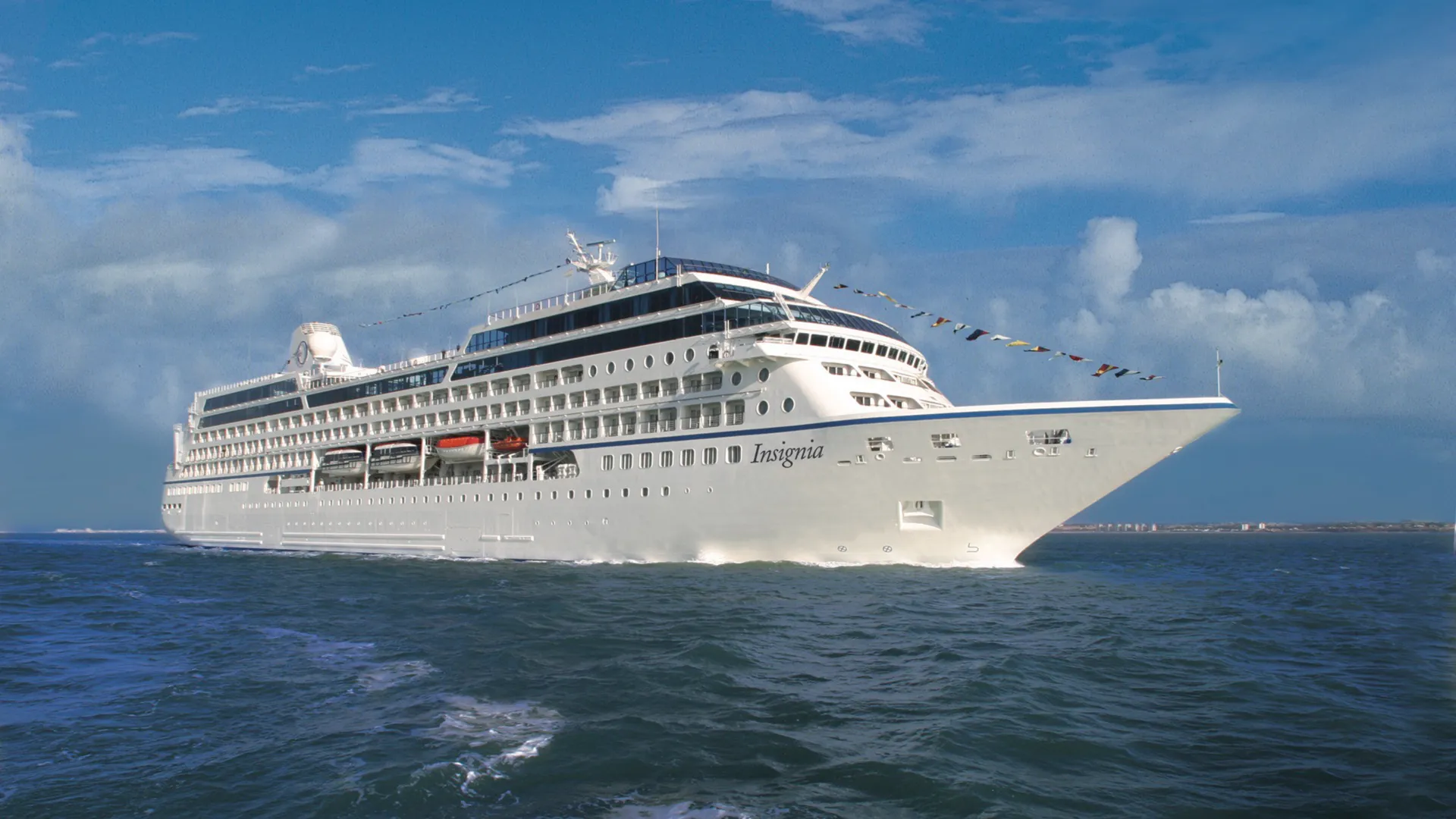
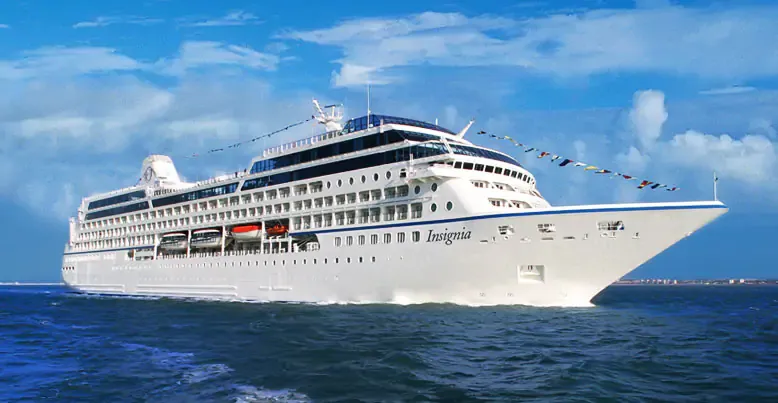
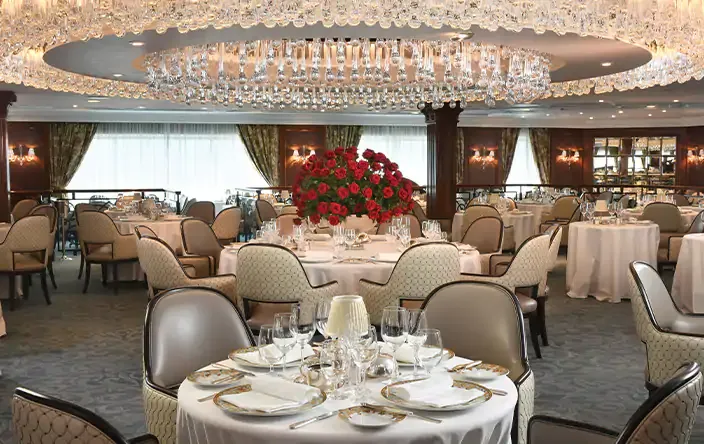
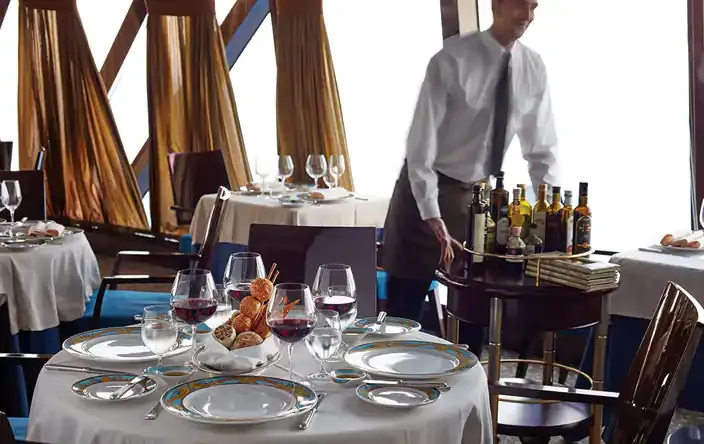
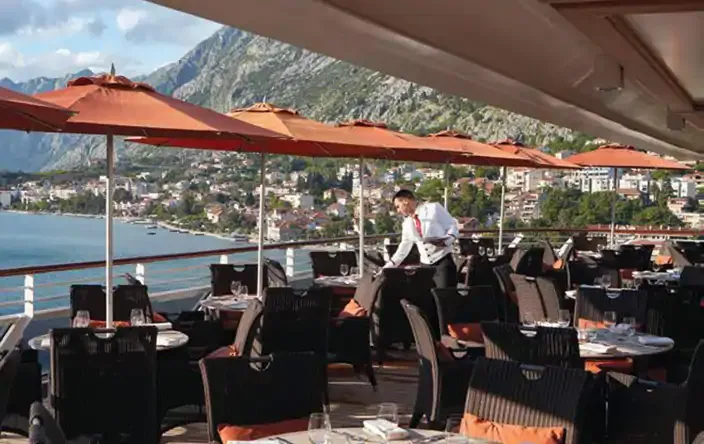
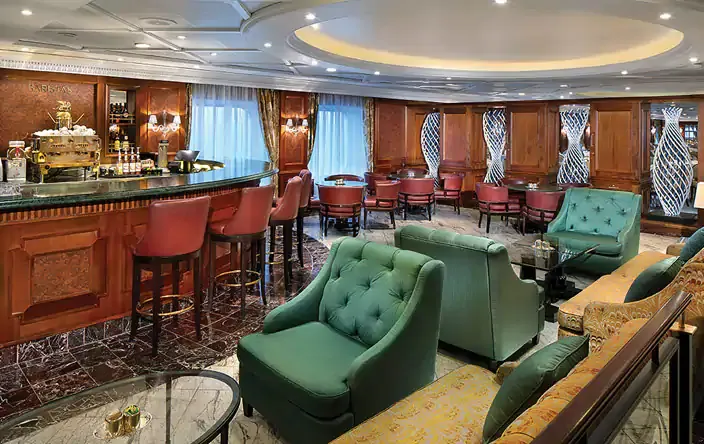

Oceania Cruises
Insignia
Launched
1998
Refitted
2018
Tonnage
30,277 GT
Passengers
670
Cabins
324
Crew
400
Length
594 m
Width
25.5 m
Speed
18 knots
Adults Only
No
Itinerary
Day 1
Day 1
Venice
Depart 17:00
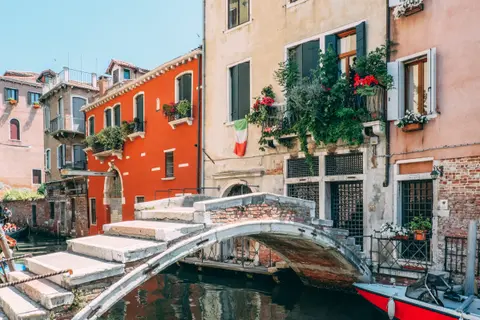
Venice, a historic port city, captivates with its unique canals and rich cultural heritage. Must-do experiences include visiting the iconic Basilica di San Marco and indulging in local delicacies like risotto al nero di seppia. The best time to visit is during the mild, vibrant spring months when the city comes alive with festivals and outdoor activities.
Day 2
Day 2
Rijeka
Arrive 07:00Depart 17:00
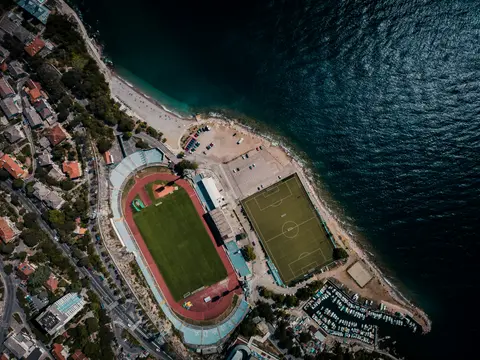
Rijeka is Croatia's vibrant third city and 2020 European Capital of Culture, where Habsburg waterfront architecture, a thriving arts scene, and one of Europe's most exuberant carnivals create an authentic alternative to the Dalmatian tourist trail. Visit from April through October for the magnificent Korzo promenade, Trsat Castle views, and gateway access to the Kvarner islands.
Day 3
Day 3
Split
Arrive 07:00Depart 17:00
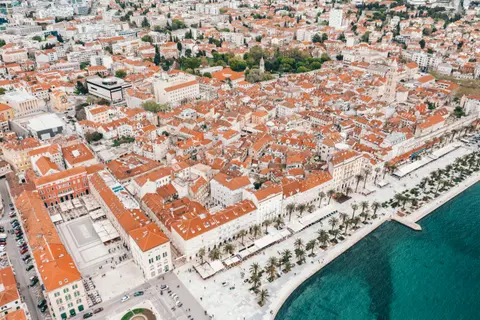
Split, Croatia's vibrant port city, is a unique blend of ancient history and modern life, centered around the remarkable Diocletian's Palace. Must-do experiences include savoring local dishes like pašticada and exploring the bustling markets. The best time to visit is during the spring and early fall, when the weather is pleasant and the tourist crowds are more manageable.
Day 4
Day 4
Kotor
Arrive 07:00Depart 16:00
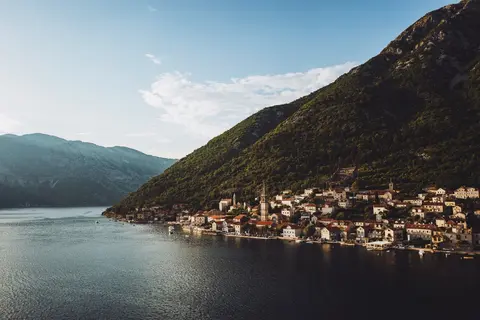
The port of Kotor, a UNESCO World Heritage site, is renowned for its stunning natural beauty and rich historical tapestry. A must-do experience includes wandering the cobblestone streets of the Old Town, where culinary delights like "kacamak" and fresh seafood await. The best time to visit is during the spring or early fall, when the weather is pleasant and the crowds are fewer.
Day 5
Day 5
Igoumenitsa
Arrive 09:00Depart 18:00
Igoumenitsa is a gateway port on Greece's northwestern Epirus coast, facing Corfu across the Ionian strait, with a revitalized waterfront promenade and access to some of Greece's most spectacular yet least-visited landscapes. Must-do excursions include the mythological Acheron River gorge, the ancient oracle of the dead, and the stone villages of Zagori near Vikos Gorge. Visit May through October for ideal hiking conditions and luminous Mediterranean light.
Day 6
Day 6
Gallipoli
Arrive 07:00Depart 17:00
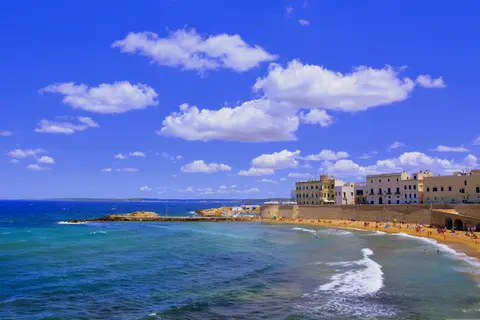
Gallipoli is a compelling Mediterranean port in Italy where centuries of history, vibrant local cuisine, and luminous coastal scenery converge. Visitors should explore the historic quarters on foot and surrender to the local dining culture, where fresh seafood and regional wines provide a masterclass in Mediterranean living. Best visited May through October, when the climate is at its most welcoming for outdoor exploration. Cruise lines including Windstar Cruises feature this port on their most compelling itineraries. Whether you have a few hours or a full day, the port rewards exploration at every pace and in every direction.
Day 7
Day 7
Catania
Arrive 08:00Depart 17:00
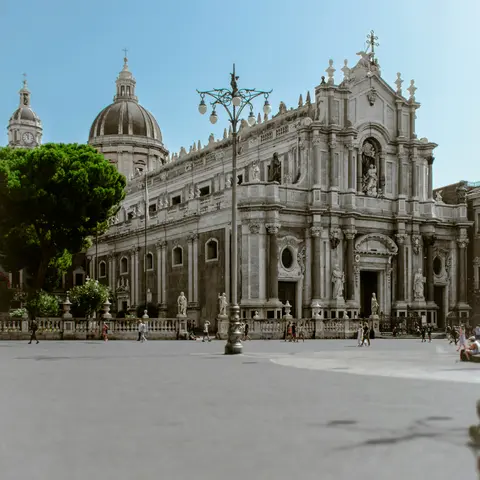
Catania is Sicily's dramatic second city, built from the black volcanic stone of Mount Etna and layered with Greek, Roman, and baroque heritage dating to 729 BC. Visitors should not miss the riotous Pescheria fish market and a tasting of authentic pasta alla Norma, followed by an excursion to the summit of Etna for views stretching to the Aeolian Islands. The best months to visit are April through June and September through October, when mild temperatures and thinner crowds allow the city's baroque streetscapes and extraordinary cuisine to be savored at a leisurely, unhurried pace.
Day 8
Day 8
Naples
Arrive 09:00Depart 18:00
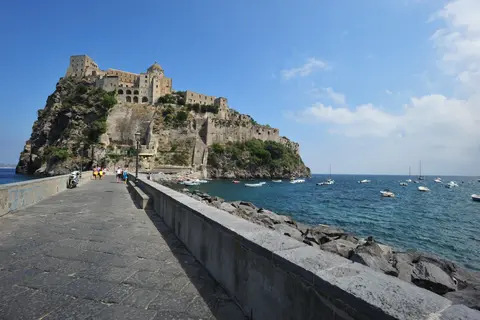
Naples — Napoli — is Europe's most operatically alive city, a sun-battered baroque metropolis where Vesuvius broods on the horizon and the streets below pulse with 2,500 years of continuous human drama. The unmissable Museo Archeologico Nazionale houses the world's finest collection of artefacts from Pompeii and Herculaneum, while the Spaccanapoli, the arrow-straight artery that has bisected the city since Greek times, delivers an unfiltered encounter with Neapolitan life. A single slice of pizza Margherita from one of the centro storico's historic pizzerias is a culinary pilgrimage in itself. Visit between April and June or September and October for warmth, manageable crowds, and the city at its golden best.
Day 9
Day 9
Civitavecchia
Arrive 07:00Depart 20:00
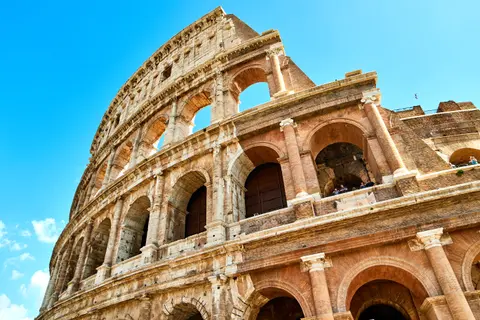
Rome's ancient maritime gateway since the Emperor Trajan commissioned its harbour in 106 AD, Civitavecchia is the natural prologue to the Eternal City — just seventy minutes southeast by express rail. The port's Renaissance fortress, designed in part by Michelangelo, anchors a working waterfront that has welcomed travellers for millennia. Beyond Rome's unmissable monuments, consider an afternoon in the Civitavecchia thermal baths, drawing on mineral waters prized since antiquity. Spring and autumn offer the ideal balance of mild weather and manageable crowds for exploring the capital's layered history.
Day 10
Day 10
At Sea
Day 11
Day 11
Barcelona
Arrive 07:00Depart 17:00
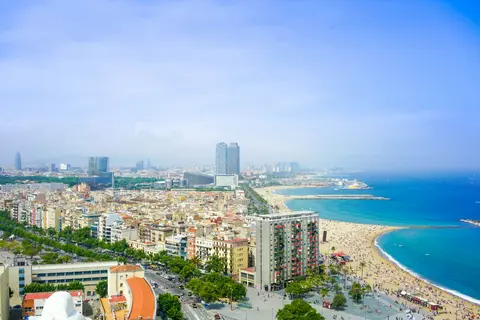
Barcelona is the city where Roman history, Gothic grandeur, and Gaudí's delirious Modernisme collide in a Mediterranean coastal capital of astonishing energy and beauty. The Sagrada Família — still under construction after 140 years — continues its audacious ascent toward completion, while the Gothic Quarter's Roman-era foundations and the Passeig de Gràcia's extraordinary concentration of Modernisme masterpieces reward days of exploration. For a complete sensory experience, lose an afternoon in the covered labyrinth of La Boqueria market before descending to the waterfront for Catalan seafood at its finest. May through June and September through October offer the most pleasant weather; the city connects directly to Paris by overnight train.
Day 12
Day 12
Palma de Mallorca
Arrive 08:00Depart 18:00
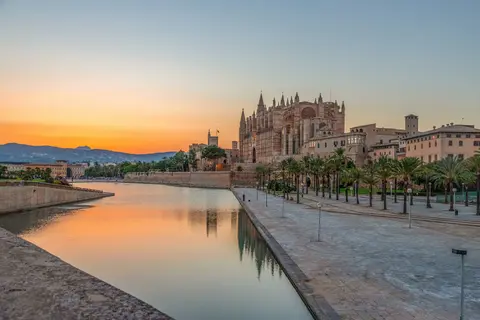
Palma de Mallorca announces itself with one of the most spectacular Gothic cathedrals in the world — La Seu, its honey-coloured sandstone buttresses rising directly from the bay, its interior modified by Antoni Gaudí and illuminated by the world's largest Gothic rose window. The old town behind it is a quarter of Arab baths, Renaissance palaces converted into boutique hotels, and the Passeig del Born — a plane-tree-shaded promenade where Balearic life conducts itself with unhurried grace. The local ensaïmada pastry and fresh sobrasada sausage from the island's black pigs are essential breakfast rituals. Visit May, June, or September: warm, brilliant, and measurably calmer than the July–August peak.
Day 13
Day 13
Alicante
Arrive 08:00Depart 18:00
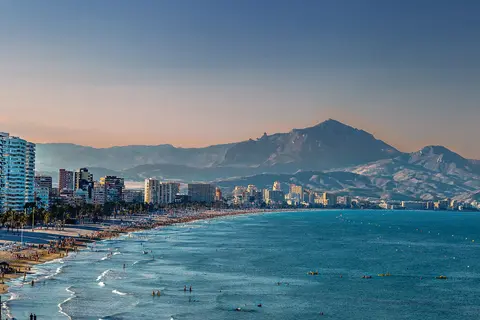
Alicante, a historic port city on Spain's Costa Blanca, captivates visitors with its rich history, stunning architecture, and vibrant culinary scene. Must-do experiences include savoring traditional paella by the seaside and exploring the bustling Mercado Central. The best time to visit is during the spring or early fall when the weather is pleasantly warm and the city is alive with festivities.
Day 14
Day 14
Cartagena
Arrive 07:00Depart 17:00
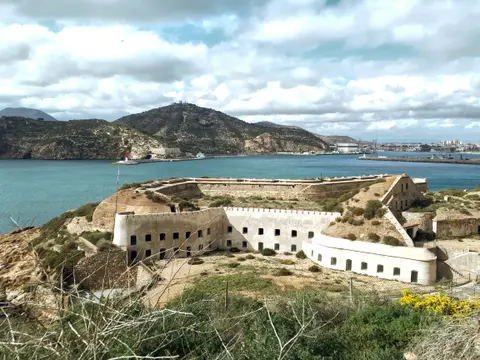
Cartagena, Spain, is a storied Mediterranean port city founded by the Carthaginians in 227 BC, where a spectacularly preserved Roman Theatre and Modernista architecture reveal layers of civilisation along a sheltered natural harbour. Visitors should not miss the caldero rice at a harbourside restaurant and a morning exploring the archaeological quarter from the Roman Forum to the Punic Wall. The mild Murcian climate makes autumn through late spring ideal, when temperatures invite leisurely wandering without the intensity of high summer.
Day 15
Day 15
Malaga
Arrive 08:00Depart 19:00
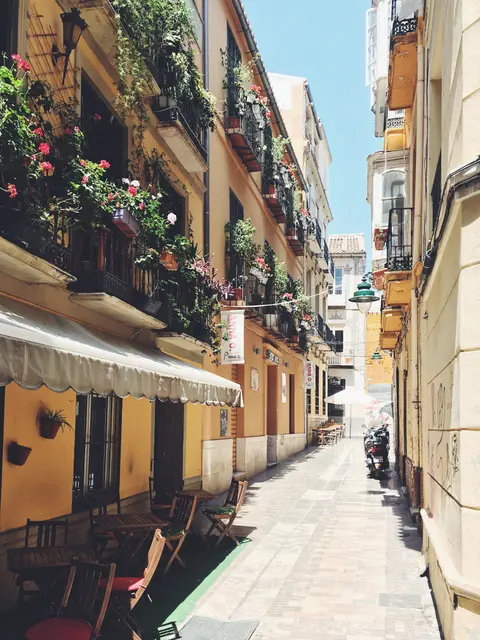
Málaga distils three thousand years of Mediterranean civilisation into one of Andalusia's most compelling port cities, where the Moorish Alcazaba fortress surveys a modern waterfront of elegant promenades and sun-drenched café terraces. Do not leave without visiting the Museo Picasso — the artist was born here in 1881 — and ascending to the ruined Castillo de Gibralfaro for panoramic views stretching to the Rif Mountains of Morocco on clear days. Malagueta anchovies fried in olive oil and the sweet Pedro Ximénez-laced dessert wine are the city's defining pleasures. The shoulder seasons of April, May, and October offer perfect Mediterranean warmth.
Day 16
Day 16
Seville
Arrive 07:00Depart 19:00
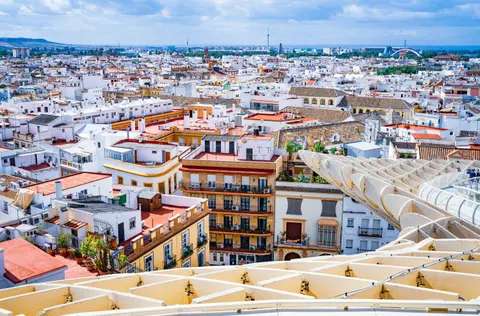
Seville’s port is a vibrant gateway to Andalusia, steeped in history and cultural richness. Don’t miss the chance to indulge in local tapas and experience a traditional flamenco performance. The best time to visit is during the spring, when the city bursts into life with festivals and pleasant weather.
Day 17
Day 17
Portimao
Arrive 07:00Depart 17:00
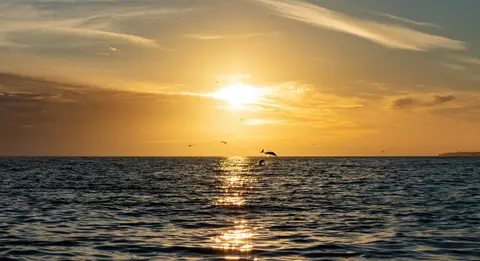
Portimão is the Algarve's most storied port city, where Phoenician trading heritage meets golden-cliff beaches and Portugal's finest grilled sardine tradition along the Arade River. Visitors should not miss the charcoal-grilled sardines at the riverside churrasqueiras and the dramatic sandstone formations of Praia da Rocha. The port is at its luminous best from May through October, when long Atlantic days bathe the coastline in honeyed light and the August Sardine Festival electrifies the waterfront.
Day 18
Day 18
Lisbon
Arrive 07:00Depart 17:00
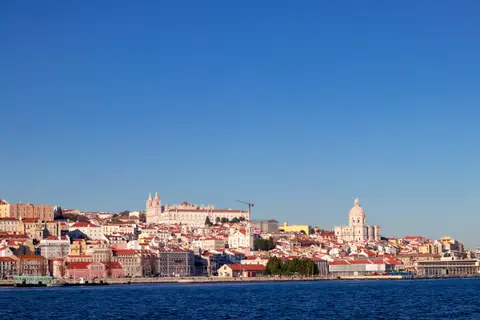
Lisbon, Portugal's enchanting capital, stands out for its rich history, stunning architecture, and vibrant culture. Must-try experiences include savoring local dishes like bacalhau à brás and pastéis de nata at Mercado da Ribeira. The best time to visit is during the spring or fall, when the weather is mild and the city is alive with festivals and events.
Day 19
Day 19
At Sea
Day 20
Day 20
Arrecife
Arrive 10:00Depart 18:00
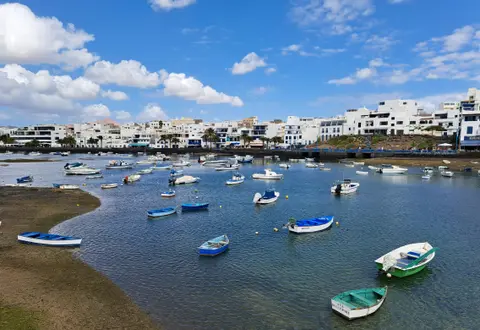
Arrecife, the unpretentious capital of Lanzarote in Spain's Canary Islands, serves as the gateway to one of the volcanic world's most surreal and spellbinding landscapes — shaped by César Manrique, the visionary artist who ensured there are no high-rises, no billboards, and no compromise between tourism and the island's extraordinary terrain. The Timanfaya National Park's lava fields, the underground lake of the Jameos del Agua, and Manrique's own clifftop home-turned-museum are among the most singular attractions in all of Spain. The Canary Islands enjoy a year-round temperate climate, making any month suitable for a visit. Gran Canaria lies forty minutes by ferry.
Day 21
Day 21
Las Palmas de Gran Canaria
Arrive 07:00Depart 17:00
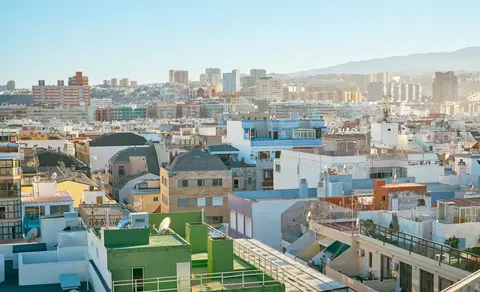
Las Palmas de Gran Canaria, a historic port city founded in 1478, offers a rich tapestry of culture, architecture, and culinary delights. Must-do experiences include sampling **papas arrugadas** at the Mercado de Vegueta and exploring the charming streets of Vegueta. The best time to visit is during the mild spring months when the weather is ideal for outdoor exploration.
Day 22
Day 22
Santa Cruz de la Palma
Arrive 07:00Depart 17:00
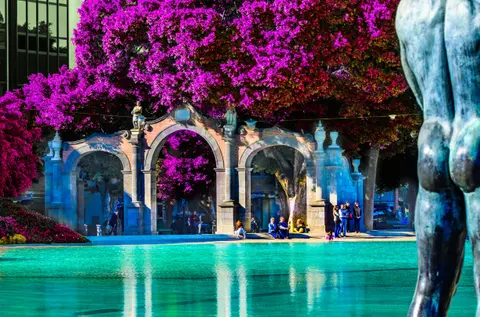
Santa Cruz de la Palma is the charming capital of La Palma, known for its colonial architecture and rich maritime history. Must-do experiences include savoring local dishes like "papas arrugadas" and exploring the stunning landscapes of Taburiente National Park. The best time to visit is during the spring and fall months when the weather is mild and perfect for outdoor adventures.
Day 23
Day 23
At Sea
Day 24
Day 24
At Sea
Day 25
Day 25
At Sea
Day 26
Day 26
At Sea
Day 27
Day 27
At Sea
Day 28
Day 28
At Sea
Day 29
Day 29
San Juan
Arrive 11:00
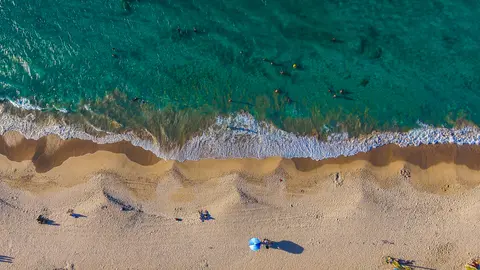
San Juan, Puerto Rico's radiant colonial capital, is one of the Americas' most compellingly layered cities — a place where the sixteenth-century fortresses of El Morro and San Cristóbal stand sentinel over streets of painted townhouses and flowering balconies. The cobblestoned lanes of Old San Juan pulse with world-class rum bars, ceviche stands, and rooftop restaurants serving the island's vibrant cocina criolla. La Fortaleza, the oldest executive mansion in the Western Hemisphere still in use, anchors the historic district. Florecer, the district's famed bioluminescent bay, glows emerald after dark. January through April offers the most idyllic conditions.
Day 31
Day 31
At Sea
Day 32
Day 32
Nassau
Arrive 11:00Depart 17:00
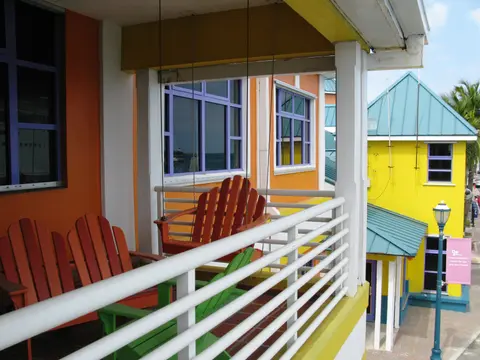
Nassau wears its layered past lightly — pirates once commanded these shores, and the elegant colonial facades along Bay Street still whisper of British rule — but today the Bahamian capital is above all a place of cerulean water and indolent pleasure. The Queen's Staircase, 65 steps hand-carved from solid limestone by enslaved labourers in the late 18th century, and the clifftop ruins of Fort Fincastle reward those who venture beyond the waterfront boutiques. Paradise Island's Harbour island, accessible by water taxi, delivers some of the Atlantic's most celebrated pink-sand beaches. Nassau is year-round in climate; November through April brings the most reliably perfect weather.
Day 33
Day 33
Miami
Arrive 08:00
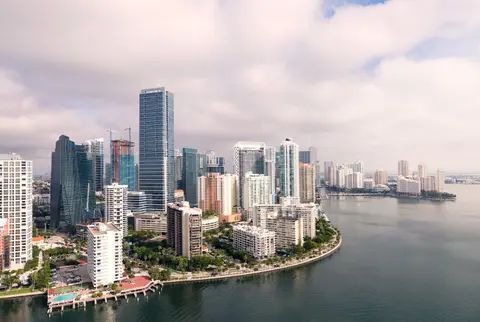
Miami is a city of perpetual reinvention — the Art Deco jewel of South Beach giving way to the street-art murals of Wynwood, the Cuban rhythms of Calle Ocho, and the glass-and-steel towers of a skyline that has redrawn itself every decade since Julia Tuttle convinced Henry Flagler to extend his railroad south in 1896. Must-dos include strolling the pastel-fronted Ocean Drive at dusk and exploring the world-class collections at the Pérez Art Museum Miami overlooking Biscayne Bay. November through April delivers idyllic weather — warm and dry — while summer brings heat, humidity, and hurricane risk. Miami handles cruise departures elegantly, with the Port of Miami a short taxi ride from the best neighbourhoods.
Day 1
Venice
Depart 17:00
Venice, a historic port city, captivates with its unique canals and rich cultural heritage. Must-do experiences include visiting the iconic Basilica di San Marco and indulging in local delicacies like risotto al nero di seppia. The best time to visit is during the mild, vibrant spring months when the city comes alive with festivals and outdoor activities.
Day 2
Rijeka
Arrive 07:00Depart 17:00
Rijeka is Croatia's vibrant third city and 2020 European Capital of Culture, where Habsburg waterfront architecture, a thriving arts scene, and one of Europe's most exuberant carnivals create an authentic alternative to the Dalmatian tourist trail. Visit from April through October for the magnificent Korzo promenade, Trsat Castle views, and gateway access to the Kvarner islands.
Day 3
Split
Arrive 07:00Depart 17:00
Split, Croatia's vibrant port city, is a unique blend of ancient history and modern life, centered around the remarkable Diocletian's Palace. Must-do experiences include savoring local dishes like pašticada and exploring the bustling markets. The best time to visit is during the spring and early fall, when the weather is pleasant and the tourist crowds are more manageable.
Day 4
Kotor
Arrive 07:00Depart 16:00
The port of Kotor, a UNESCO World Heritage site, is renowned for its stunning natural beauty and rich historical tapestry. A must-do experience includes wandering the cobblestone streets of the Old Town, where culinary delights like "kacamak" and fresh seafood await. The best time to visit is during the spring or early fall, when the weather is pleasant and the crowds are fewer.
Day 5
Igoumenitsa
Arrive 09:00Depart 18:00
Igoumenitsa is a gateway port on Greece's northwestern Epirus coast, facing Corfu across the Ionian strait, with a revitalized waterfront promenade and access to some of Greece's most spectacular yet least-visited landscapes. Must-do excursions include the mythological Acheron River gorge, the ancient oracle of the dead, and the stone villages of Zagori near Vikos Gorge. Visit May through October for ideal hiking conditions and luminous Mediterranean light.
Day 6
Gallipoli
Arrive 07:00Depart 17:00
Gallipoli is a compelling Mediterranean port in Italy where centuries of history, vibrant local cuisine, and luminous coastal scenery converge. Visitors should explore the historic quarters on foot and surrender to the local dining culture, where fresh seafood and regional wines provide a masterclass in Mediterranean living. Best visited May through October, when the climate is at its most welcoming for outdoor exploration. Cruise lines including Windstar Cruises feature this port on their most compelling itineraries. Whether you have a few hours or a full day, the port rewards exploration at every pace and in every direction.
Day 7
Catania
Arrive 08:00Depart 17:00
Catania is Sicily's dramatic second city, built from the black volcanic stone of Mount Etna and layered with Greek, Roman, and baroque heritage dating to 729 BC. Visitors should not miss the riotous Pescheria fish market and a tasting of authentic pasta alla Norma, followed by an excursion to the summit of Etna for views stretching to the Aeolian Islands. The best months to visit are April through June and September through October, when mild temperatures and thinner crowds allow the city's baroque streetscapes and extraordinary cuisine to be savored at a leisurely, unhurried pace.
Day 8
Naples
Arrive 09:00Depart 18:00
Naples — Napoli — is Europe's most operatically alive city, a sun-battered baroque metropolis where Vesuvius broods on the horizon and the streets below pulse with 2,500 years of continuous human drama. The unmissable Museo Archeologico Nazionale houses the world's finest collection of artefacts from Pompeii and Herculaneum, while the Spaccanapoli, the arrow-straight artery that has bisected the city since Greek times, delivers an unfiltered encounter with Neapolitan life. A single slice of pizza Margherita from one of the centro storico's historic pizzerias is a culinary pilgrimage in itself. Visit between April and June or September and October for warmth, manageable crowds, and the city at its golden best.
Day 9
Civitavecchia
Arrive 07:00Depart 20:00
Rome's ancient maritime gateway since the Emperor Trajan commissioned its harbour in 106 AD, Civitavecchia is the natural prologue to the Eternal City — just seventy minutes southeast by express rail. The port's Renaissance fortress, designed in part by Michelangelo, anchors a working waterfront that has welcomed travellers for millennia. Beyond Rome's unmissable monuments, consider an afternoon in the Civitavecchia thermal baths, drawing on mineral waters prized since antiquity. Spring and autumn offer the ideal balance of mild weather and manageable crowds for exploring the capital's layered history.
Day 10
At Sea
Day 11
Barcelona
Arrive 07:00Depart 17:00
Barcelona is the city where Roman history, Gothic grandeur, and Gaudí's delirious Modernisme collide in a Mediterranean coastal capital of astonishing energy and beauty. The Sagrada Família — still under construction after 140 years — continues its audacious ascent toward completion, while the Gothic Quarter's Roman-era foundations and the Passeig de Gràcia's extraordinary concentration of Modernisme masterpieces reward days of exploration. For a complete sensory experience, lose an afternoon in the covered labyrinth of La Boqueria market before descending to the waterfront for Catalan seafood at its finest. May through June and September through October offer the most pleasant weather; the city connects directly to Paris by overnight train.
Day 12
Palma de Mallorca
Arrive 08:00Depart 18:00
Palma de Mallorca announces itself with one of the most spectacular Gothic cathedrals in the world — La Seu, its honey-coloured sandstone buttresses rising directly from the bay, its interior modified by Antoni Gaudí and illuminated by the world's largest Gothic rose window. The old town behind it is a quarter of Arab baths, Renaissance palaces converted into boutique hotels, and the Passeig del Born — a plane-tree-shaded promenade where Balearic life conducts itself with unhurried grace. The local ensaïmada pastry and fresh sobrasada sausage from the island's black pigs are essential breakfast rituals. Visit May, June, or September: warm, brilliant, and measurably calmer than the July–August peak.
Day 13
Alicante
Arrive 08:00Depart 18:00
Alicante, a historic port city on Spain's Costa Blanca, captivates visitors with its rich history, stunning architecture, and vibrant culinary scene. Must-do experiences include savoring traditional paella by the seaside and exploring the bustling Mercado Central. The best time to visit is during the spring or early fall when the weather is pleasantly warm and the city is alive with festivities.
Day 14
Cartagena
Arrive 07:00Depart 17:00
Cartagena, Spain, is a storied Mediterranean port city founded by the Carthaginians in 227 BC, where a spectacularly preserved Roman Theatre and Modernista architecture reveal layers of civilisation along a sheltered natural harbour. Visitors should not miss the caldero rice at a harbourside restaurant and a morning exploring the archaeological quarter from the Roman Forum to the Punic Wall. The mild Murcian climate makes autumn through late spring ideal, when temperatures invite leisurely wandering without the intensity of high summer.
Day 15
Malaga
Arrive 08:00Depart 19:00
Málaga distils three thousand years of Mediterranean civilisation into one of Andalusia's most compelling port cities, where the Moorish Alcazaba fortress surveys a modern waterfront of elegant promenades and sun-drenched café terraces. Do not leave without visiting the Museo Picasso — the artist was born here in 1881 — and ascending to the ruined Castillo de Gibralfaro for panoramic views stretching to the Rif Mountains of Morocco on clear days. Malagueta anchovies fried in olive oil and the sweet Pedro Ximénez-laced dessert wine are the city's defining pleasures. The shoulder seasons of April, May, and October offer perfect Mediterranean warmth.
Day 16
Seville
Arrive 07:00Depart 19:00
Seville’s port is a vibrant gateway to Andalusia, steeped in history and cultural richness. Don’t miss the chance to indulge in local tapas and experience a traditional flamenco performance. The best time to visit is during the spring, when the city bursts into life with festivals and pleasant weather.
Day 17
Portimao
Arrive 07:00Depart 17:00
Portimão is the Algarve's most storied port city, where Phoenician trading heritage meets golden-cliff beaches and Portugal's finest grilled sardine tradition along the Arade River. Visitors should not miss the charcoal-grilled sardines at the riverside churrasqueiras and the dramatic sandstone formations of Praia da Rocha. The port is at its luminous best from May through October, when long Atlantic days bathe the coastline in honeyed light and the August Sardine Festival electrifies the waterfront.
Day 18
Lisbon
Arrive 07:00Depart 17:00
Lisbon, Portugal's enchanting capital, stands out for its rich history, stunning architecture, and vibrant culture. Must-try experiences include savoring local dishes like bacalhau à brás and pastéis de nata at Mercado da Ribeira. The best time to visit is during the spring or fall, when the weather is mild and the city is alive with festivals and events.
Day 19
At Sea
Day 20
Arrecife
Arrive 10:00Depart 18:00
Arrecife, the unpretentious capital of Lanzarote in Spain's Canary Islands, serves as the gateway to one of the volcanic world's most surreal and spellbinding landscapes — shaped by César Manrique, the visionary artist who ensured there are no high-rises, no billboards, and no compromise between tourism and the island's extraordinary terrain. The Timanfaya National Park's lava fields, the underground lake of the Jameos del Agua, and Manrique's own clifftop home-turned-museum are among the most singular attractions in all of Spain. The Canary Islands enjoy a year-round temperate climate, making any month suitable for a visit. Gran Canaria lies forty minutes by ferry.
Day 21
Las Palmas de Gran Canaria
Arrive 07:00Depart 17:00
Las Palmas de Gran Canaria, a historic port city founded in 1478, offers a rich tapestry of culture, architecture, and culinary delights. Must-do experiences include sampling **papas arrugadas** at the Mercado de Vegueta and exploring the charming streets of Vegueta. The best time to visit is during the mild spring months when the weather is ideal for outdoor exploration.
Day 22
Santa Cruz de la Palma
Arrive 07:00Depart 17:00
Santa Cruz de la Palma is the charming capital of La Palma, known for its colonial architecture and rich maritime history. Must-do experiences include savoring local dishes like "papas arrugadas" and exploring the stunning landscapes of Taburiente National Park. The best time to visit is during the spring and fall months when the weather is mild and perfect for outdoor adventures.
Day 23
At Sea
Day 24
At Sea
Day 25
At Sea
Day 26
At Sea
Day 27
At Sea
Day 28
At Sea
Day 29
San Juan
Arrive 11:00
San Juan, Puerto Rico's radiant colonial capital, is one of the Americas' most compellingly layered cities — a place where the sixteenth-century fortresses of El Morro and San Cristóbal stand sentinel over streets of painted townhouses and flowering balconies. The cobblestoned lanes of Old San Juan pulse with world-class rum bars, ceviche stands, and rooftop restaurants serving the island's vibrant cocina criolla. La Fortaleza, the oldest executive mansion in the Western Hemisphere still in use, anchors the historic district. Florecer, the district's famed bioluminescent bay, glows emerald after dark. January through April offers the most idyllic conditions.
Day 31
At Sea
Day 32
Nassau
Arrive 11:00Depart 17:00
Nassau wears its layered past lightly — pirates once commanded these shores, and the elegant colonial facades along Bay Street still whisper of British rule — but today the Bahamian capital is above all a place of cerulean water and indolent pleasure. The Queen's Staircase, 65 steps hand-carved from solid limestone by enslaved labourers in the late 18th century, and the clifftop ruins of Fort Fincastle reward those who venture beyond the waterfront boutiques. Paradise Island's Harbour island, accessible by water taxi, delivers some of the Atlantic's most celebrated pink-sand beaches. Nassau is year-round in climate; November through April brings the most reliably perfect weather.
Day 33
Miami
Arrive 08:00
Miami is a city of perpetual reinvention — the Art Deco jewel of South Beach giving way to the street-art murals of Wynwood, the Cuban rhythms of Calle Ocho, and the glass-and-steel towers of a skyline that has redrawn itself every decade since Julia Tuttle convinced Henry Flagler to extend his railroad south in 1896. Must-dos include strolling the pastel-fronted Ocean Drive at dusk and exploring the world-class collections at the Pérez Art Museum Miami overlooking Biscayne Bay. November through April delivers idyllic weather — warm and dry — while summer brings heat, humidity, and hurricane risk. Miami handles cruise departures elegantly, with the Port of Miami a short taxi ride from the best neighbourhoods.
Cabin Categories

Owners Suite
Suite
1000 m²Max 2
OS
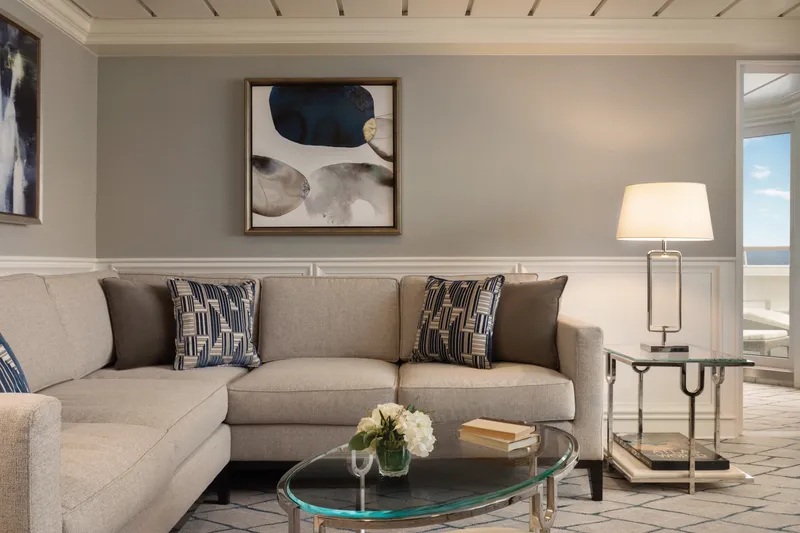
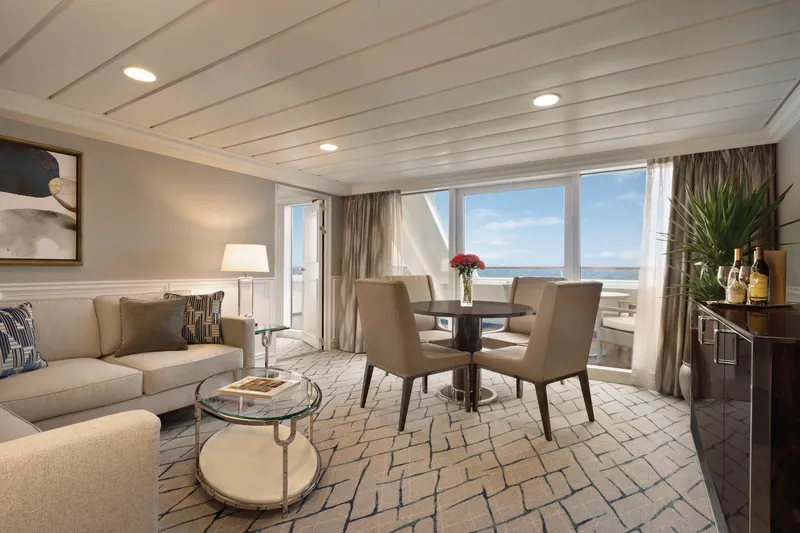
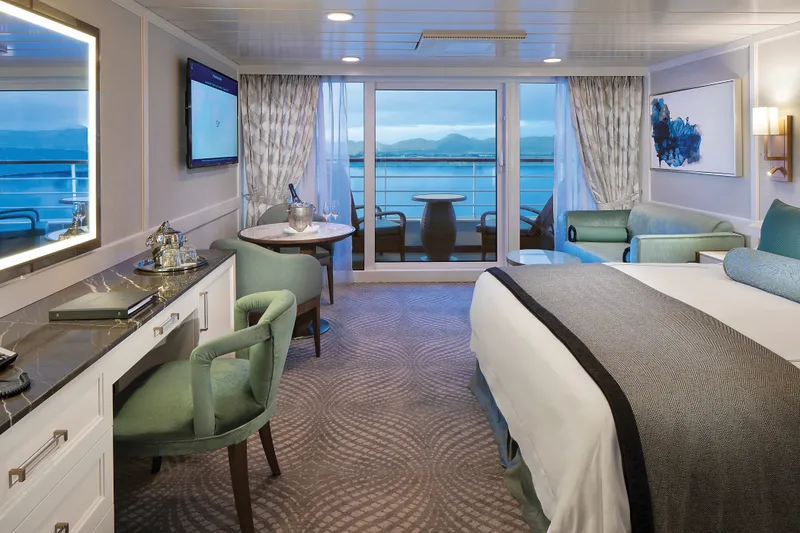
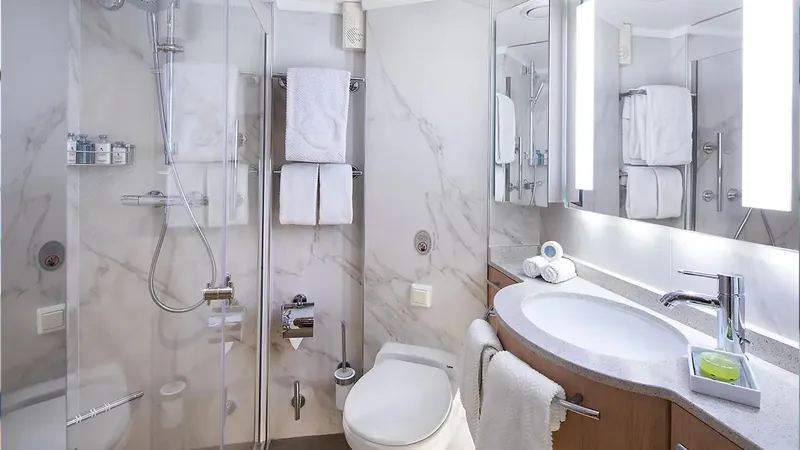
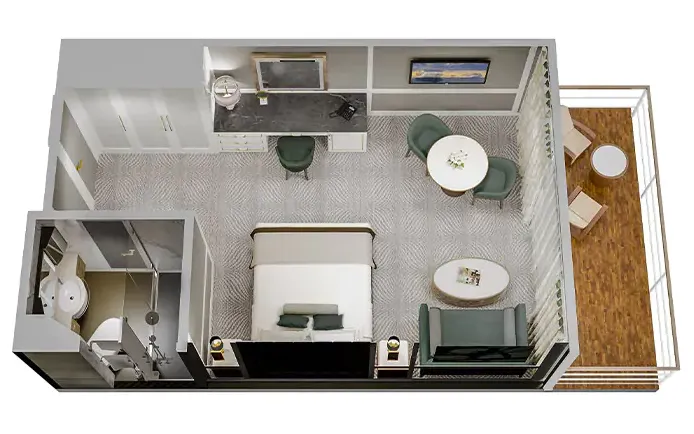
Lavish new fabrics and designer furnishings grace our six new Owner’s Suites – always among the first to be reserved. Immensely spacious and exceptionally luxurious, these suites span nearly 1,000 square feet and areas of quietude and relaxation. Every imaginable amenity is found here, further enhanced by a sumptuous re-designed bathroom with an oversized shower, a private teak veranda and two flat-screen televisions.
Owner's Suite Privileges
In addition to Stateroom Amenities
Free laundry service – up to 3 bags per stateroom+
Priority 11 am ship embarkation with priority luggage delivery++
24-hour Butler service
Complimentary in-suite bar setup with 6 full-size bottles of premium spirits and wines from our suite beverage menu
Complimentary welcome bottle of Champagne
Optional private in-suite lunch on embarkation day from noon to 2 pm
Fresh fruit basket replenished daily
Priority online specialty restaurant reservations each evening++
Unlimited access to the Aquamar Spa Terrace
iPad upon request for your enjoyment on board
Bulgari gift set and variety of amenities
Choice of daily printed newspaper
Complimentary Oceania Cruises logo tote bag and personalized stationery
Cashmere lap blankets, perfect for relaxing on your veranda
Complimentary shoe shine service
Complimentary pressing of garments upon embarkation++
Choice of pillow from a luxurious selection
Pillow Menu AvailableKing or Twin ConfigurationLounge AreaShowerBathToiletries Provided+13
US$35,349 /person+ US$2,929 taxes & fees
Penthouse Suite
Suite
322 m²Max 2
PH1PH2PH3
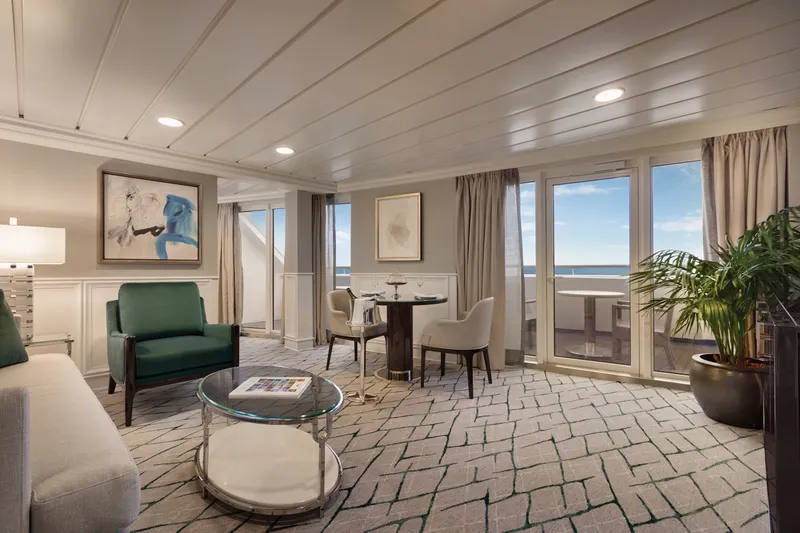
Our collection of 322-square-foot Penthouse Suites has been completely transformed with splendid new decor and exquisite furnishings in serene shades of the sea and sky. Spacious enough for private in-suite dining, the living area features a refrigerated mini-bar a vanity desk and the granite-clad bathroom is large enough for an indulgent walk-in shower. Relax on the beautifully furnished private teak veranda.
Penthouse Suite Privileges
In addition to Suite & Stateroom Amenities
Free laundry service – up to 3 bags per stateroom+
Priority 11 am ship embarkation with priority luggage delivery
24-hour Butler service
Priority online specialty restaurant reservations
Unlimited access to the Aquamar Spa Terrace
Complimentary iPad
Variety of Bulgari amenities
Complimentary Oceania Cruises logo tote bag
Cashmere lap blankets, perfect for relaxing on your veranda
Complimentary shoe shine service
Complimentary pressing of garments upon embarkation++
King or Twin ConfigurationLounge AreaShowerBathToiletries ProvidedRoom Service Available+11
US$18,649 /person+ US$2,929 taxes & fees
Vista Suite
Suite
786 m²Max 2
VS
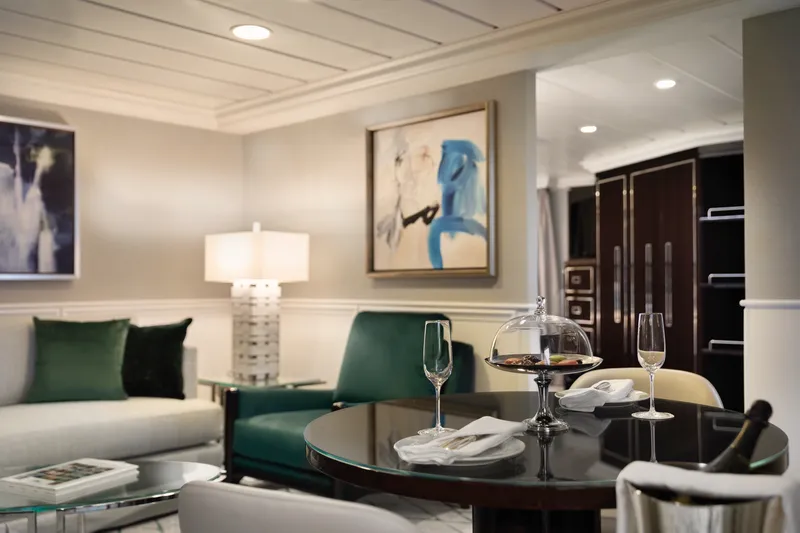
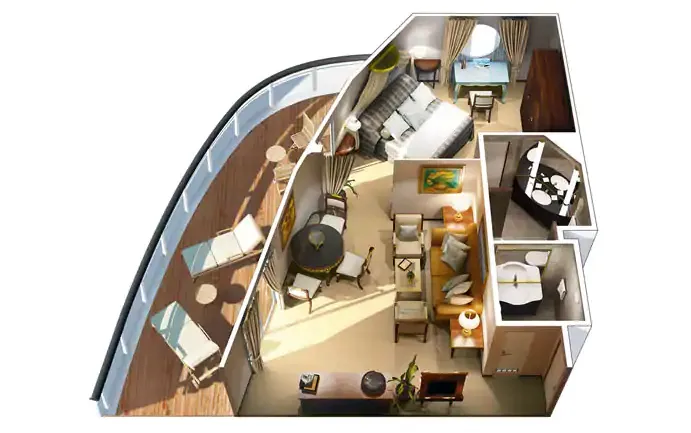
Named for their sweeping views over the ship's bow, the four Vista Suites each sprawl over 786 square feet. Every imaginable comfort is here, including a second bathroom for guests as well as a master bathroom newly redesigned in onyx and granite with a luxurious new shower. Relax on the private teak veranda, listen to music in enhanced surround sound or watch a movie on one of two flat-screen televisions. Access wireless Internet on a complimentary iPad.
Vista Suite Privileges
In addition to Suite & Stateroom Amenities
Free laundry service – up to 3 bags per stateroom+
Priority 11 am ship embarkation with priority luggage delivery
24-hour Butler service
Complimentary in-suite bar setup with 6 full-size bottles of premium spirits and wines from our suite beverage menu
Complimentary welcome bottle of Champagne
Fresh fruit basket replenished daily
Priority online specialty restaurant reservations
Unlimited access to the Aquamar Spa Terrace
Complimentary iPad
Bulgari gift set and variety of amenities
Choice of daily printed newspaper
Complimentary Oceania Cruises logo tote bag and personalized stationery
Cashmere lap blankets, perfect for relaxing on your veranda
Complimentary shoe shine service
Complimentary pressing of garments upon embarkation++
Choice of pillow from a luxurious selection
Dining AreaPillow Menu AvailableQueen or Twin ConfigurationLounge AreaShowerToiletries Provided+11
US$27,599 /person+ US$2,929 taxes & fees


Concierge Level Veranda
Balcony
216 m²Max 2
A1A2A3
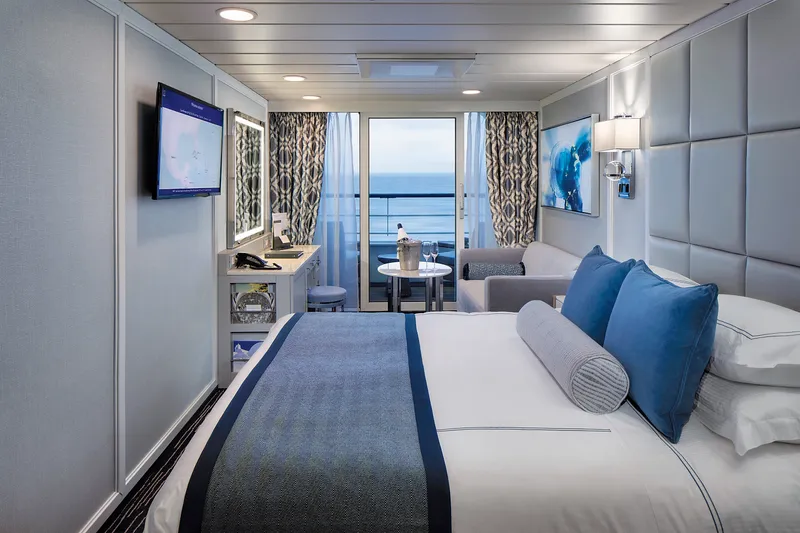
Located in the most desired of locations, Category A Concierge Level Veranda Staterooms offer an unrivaled combination of luxury and value. A wealth of amenities and a host of exclusive privileges (listed below) elevate the experience to the sublime.
These sleekly redefined 216-square-foot staterooms feature a wealth of amenities, including many of those found in our Penthouse Suites. The luxury is further enhanced by the fresh new decor, sumptuous Ultra Tranquility Beds, re-inspired verandas with stylish new furniture and the indulgence of exclusive Concierge Level amenities and privileges.
Concierge Level Exclusive Privileges
In addition to Stateroom Amenities
Room service from the Grand Dining Room menu during lunch and dinner
Free laundry service – up to 3 bags per stateroom+
Priority noon ship embarkation
Complimentary welcome bottle of Champagne
Priority online specialty restaurant reservations
Unlimited access to the Aquamar Spa Terrace
iPad upon request for your enjoyment onboard++
Complimentary Oceania Cruises logo tote bag
Cashmere lap blankets, perfect for relaxing on your veranda
Complimentary shoe shine service
King or Twin ConfigurationLounge AreaShowerToiletries ProvidedRoom Service AvailableTV+6
US$14,199 /person+ US$2,929 taxes & fees


Veranda Stateroom
Balcony
216 m²Max 2
B1B2
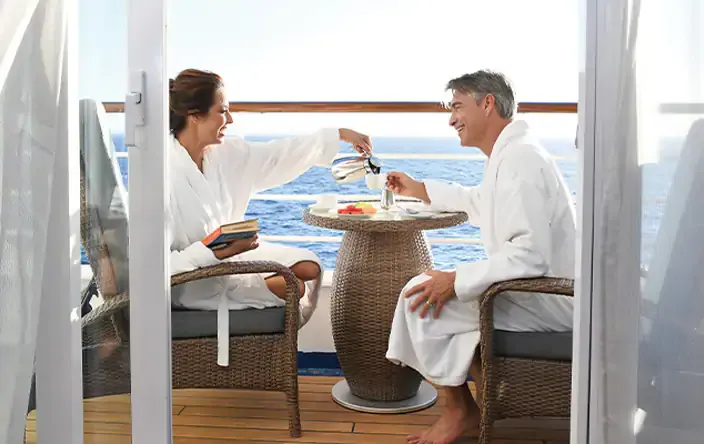
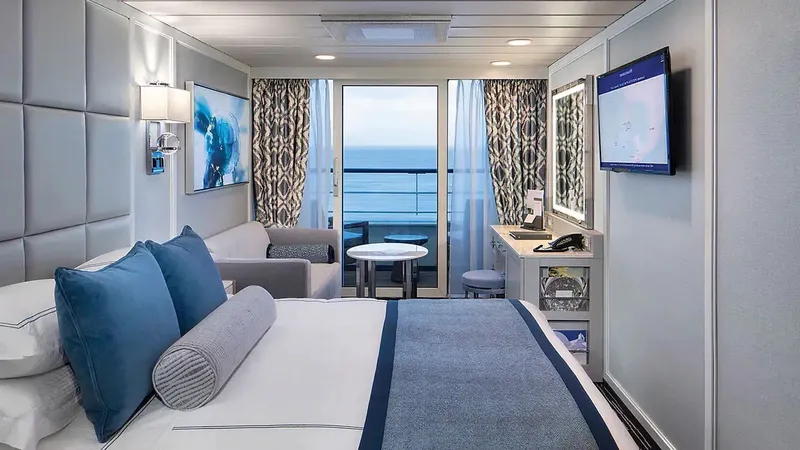
Custom-crafted furnishings, exotic stone finishes, supple upholstered headboards and chic lighting are just a few of the enhancements within these 216-square-foot staterooms that also boast our most popular luxury – a private teak veranda for watching the ever-changing panoramas. Conveniences within each stateroom include a vanity desk, refrigerated mini-bar, breakfast table and spacious seating area.
Veranda Stateroom Amenities
Ultra Tranquility Bed, an Oceania Cruises Exclusive
Private teak veranda
Twice daily maid service
Complimentary 24-hour room service
Signature Belgian chocolates with nightly turndown service
Plush cotton towels
Thick cotton robes and slippers
Bulgari amenities
Handheld hair dryer
Wireless Internet access and cellular service
Writing desk and stationary
Flat-screen television with live satellite news and programming
DVD player with extensive 24-hour room service menu
Security safe
King or Twin ConfigurationLounge AreaShowerWhirlpool BathTVSafe+10
US$13,599 /person+ US$2,929 taxes & fees

Deluxe Ocean View
Outside
165 m²Max 2
C1C2
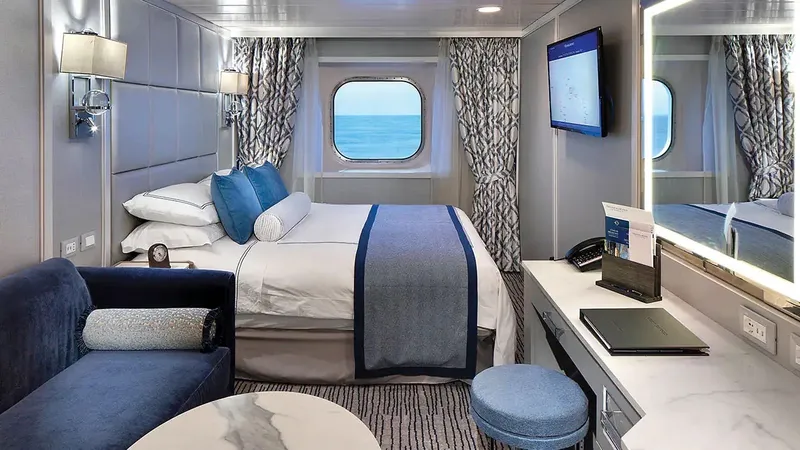
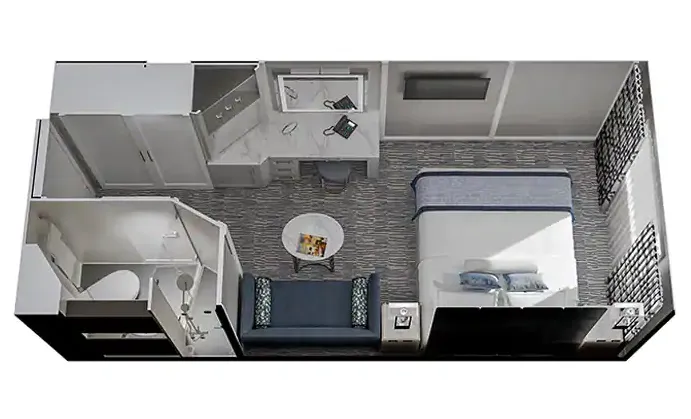
With entirely re-designed closets, dressers and vanities, these 165-squarefoot staterooms feel even more spacious. A generous seating area, vanity desk, refrigerated mini-bar and breakfast table are perfectly complemented by the soothing hues and stylish fabrics of the sleek new decor.
Deluxe Ocean View Stateroom Amenities
Ultra Tranquility Bed, an Oceania Cruises Exclusive
Complimentary 24-hour room service
Wireless Internet access and cellular service
Writing desk and stationary
Plush cotton towels
Thick cotton robes and slippers
Bulgari amenities
Handheld hair dryer
Flat-screen television with live satellite news and programming
DVD player with extensive 24-hour room service menu
Security safe
King or Twin ConfigurationShowerToiletries ProvidedRoom Service AvailableTVSafe+4
US$10,349 /person+ US$2,929 taxes & fees

Ocean View (Porthole)
Outside
143–165 m²Max 2
D
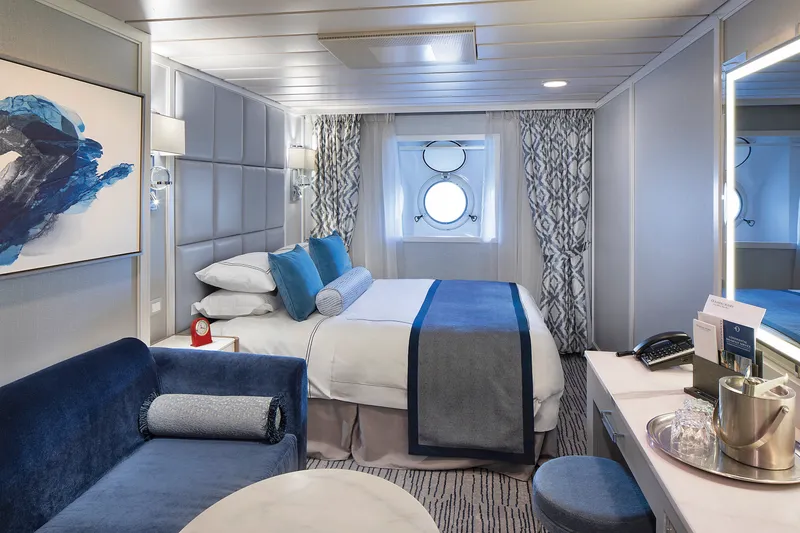
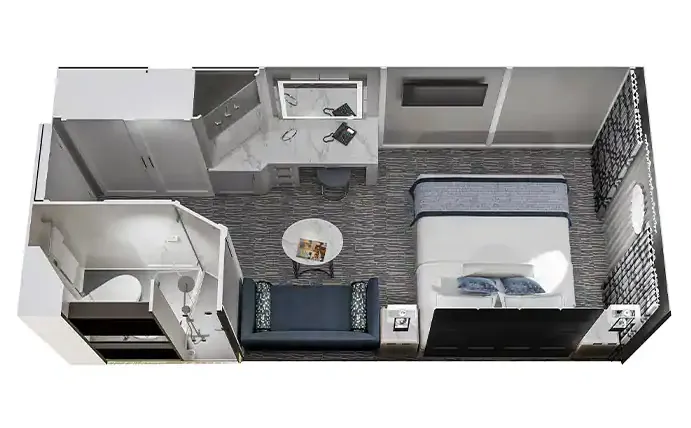
The light from a classic porthole illuminates the stunning decor in these 165-square-foot staterooms, tastefully designed to maximize space and convenience. Enjoy a comfortable seating area with a sofa on which to stretch out, as well as a vanity desk, breakfast table and refrigerated mini-bar.
Ocean View Stateroom Amenities
Ultra Tranquility Bed, an Oceania Cruises Exclusive
Complimentary 24-hour room service
Signature Belgian chocolates with nightly turndown service
Plush cotton towels
Thick cotton robes and slippers
Bulgari amenities
Handheld hair dryer
Wireless Internet access and cellular service
Writing desk and stationary
Flat-screen television with live satellite news and programming
DVD player with extensive 24-hour room service menu
Security safe
King or Twin ConfigurationShowerToiletries ProvidedRoom Service AvailableTVSafe+4
US$9,449 /person+ US$2,929 taxes & fees
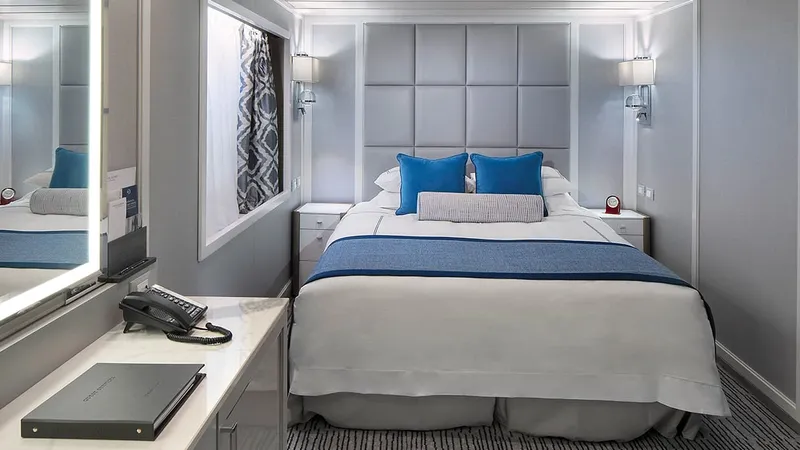

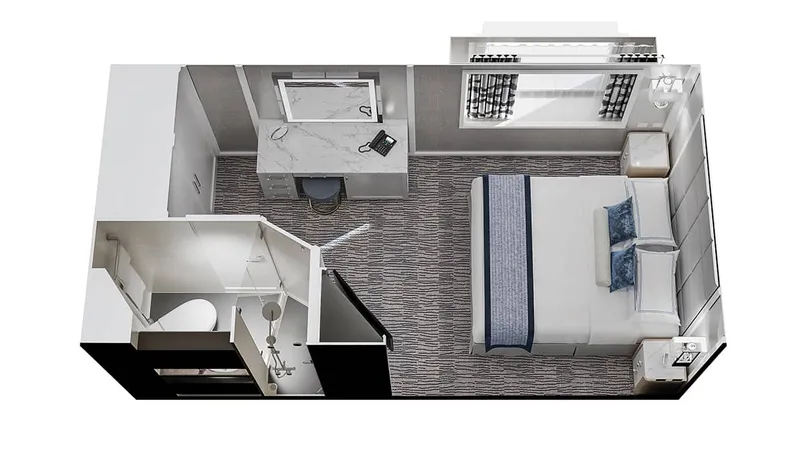
Solo Oceanview Stateroom
Outside
143–165 m²Max 1
S
These charming staterooms are the perfect retreat for the solo traveler. Amply spacious and centrally located on Deck 6, each is equipped with a sublimely plush Tranquility Bed, refrigerated mini-bar, writing desk and abundant storage space.
Stateroom Amenities :
Tranquility Bed, an Oceania Cruises exclusive
FREE sodas replenished daily in your refrigerated mini-bar
FREE still and sparkling Vero Water
Private teak veranda
Luxury bath amenities
FREE room service menu 24 hours a day
Daily housekeeping service
Gourmet turndown chocolates upon request
Interactive television system with on-demand movies, weather and more
Starlink® WiFi service
Writing desk and stationery
Plush cotton towels, robes and slippers
Handheld hair dryer
Security safe
Queen or Twin ConfigurationShowerToiletries ProvidedRoom Service AvailableTVFree Wi-Fi+5
US$17,649 /person+ US$2,929 taxes & fees
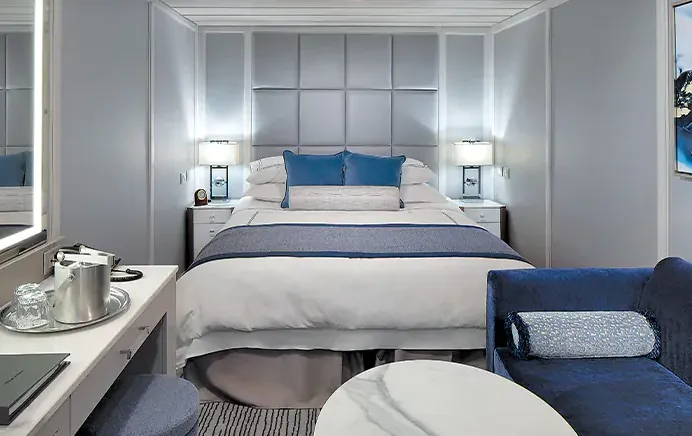


Inside Stateroom
Inside
160 m²Max 2
FG
Beautifully re-designed with a modern flair, these private retreats boast 160 square feet of luxury. Highlights include a comfortable seating area, vanity desk, refrigerated minibar and plenty of storage. The ingenious use of space is complemented by the re-inspired decor.
Inside Stateroom Amenities
Ultra Tranquility Bed, an Oceania Cruises Exclusive
Complimentary and extensive 24-hour room service menu
Plush cotton towels
Thick cotton robes and slippers
Bulgari amenities
Handheld hair dryer
Flat-screen television with live satellite news and programming
DVD player with extensive media library
Wireless Internet access and cellular service
Writing desk and stationary
Security safe
King or Twin ConfigurationShowerToiletries ProvidedRoom Service AvailableTVSafe+4
US$8,649 /person+ US$2,929 taxes & fees
Interested in This Voyage?
Our cruise specialists can help you find the perfect cabin and the best available pricing.
(+886) 02-2721-7300Contact Advisor