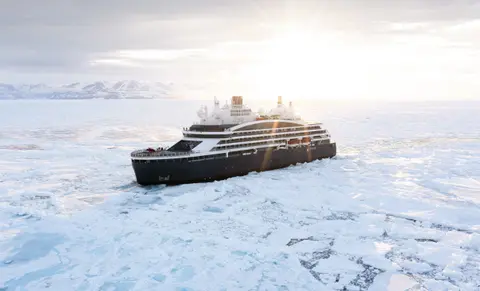
Reykjavík - Tromso
Date
2026-09-28
Duration
16 nights
Departure Port
Reykjavik
Iceland
Arrival Port
Tromso
Norway
Rating
Luxury
Theme
—
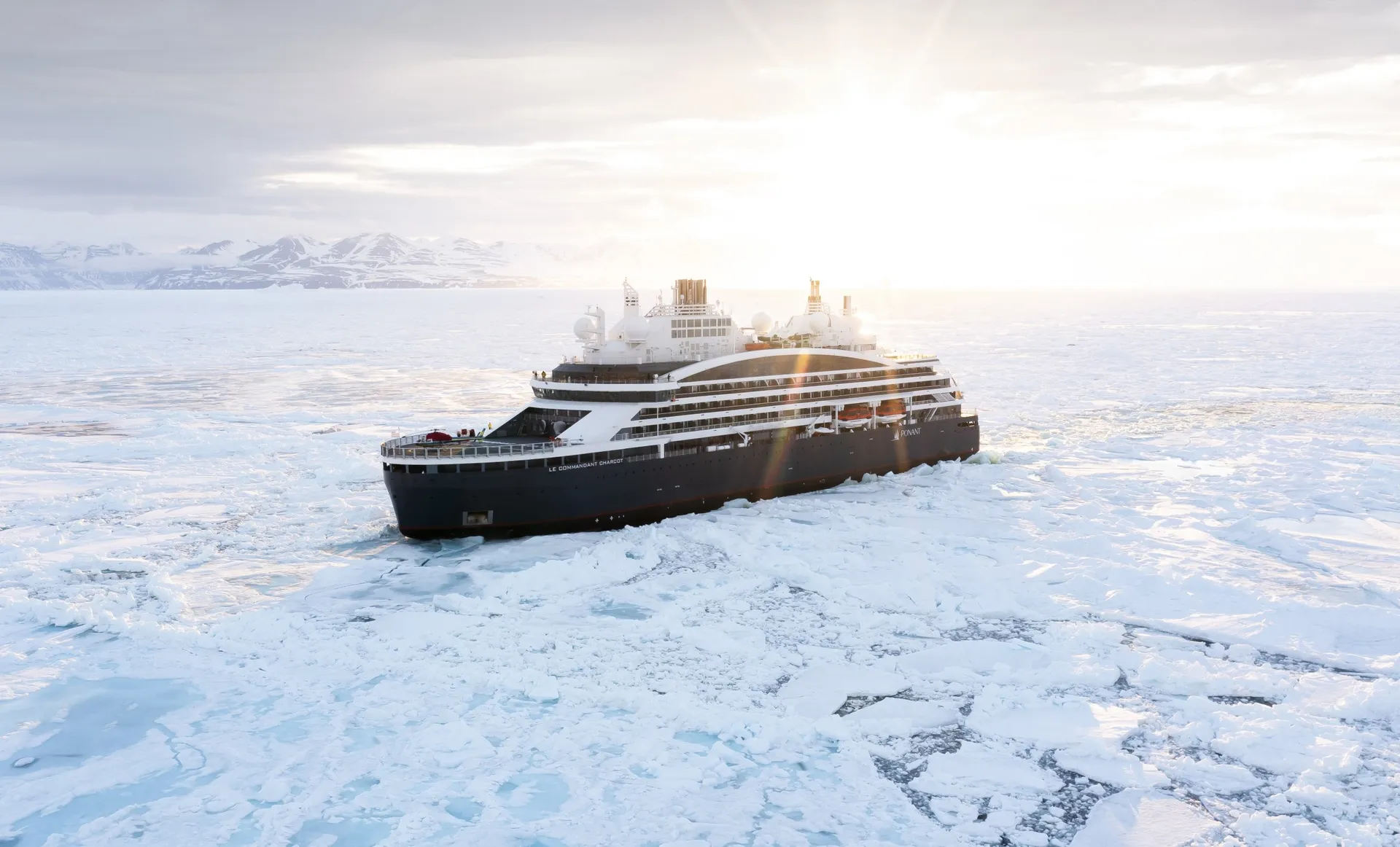
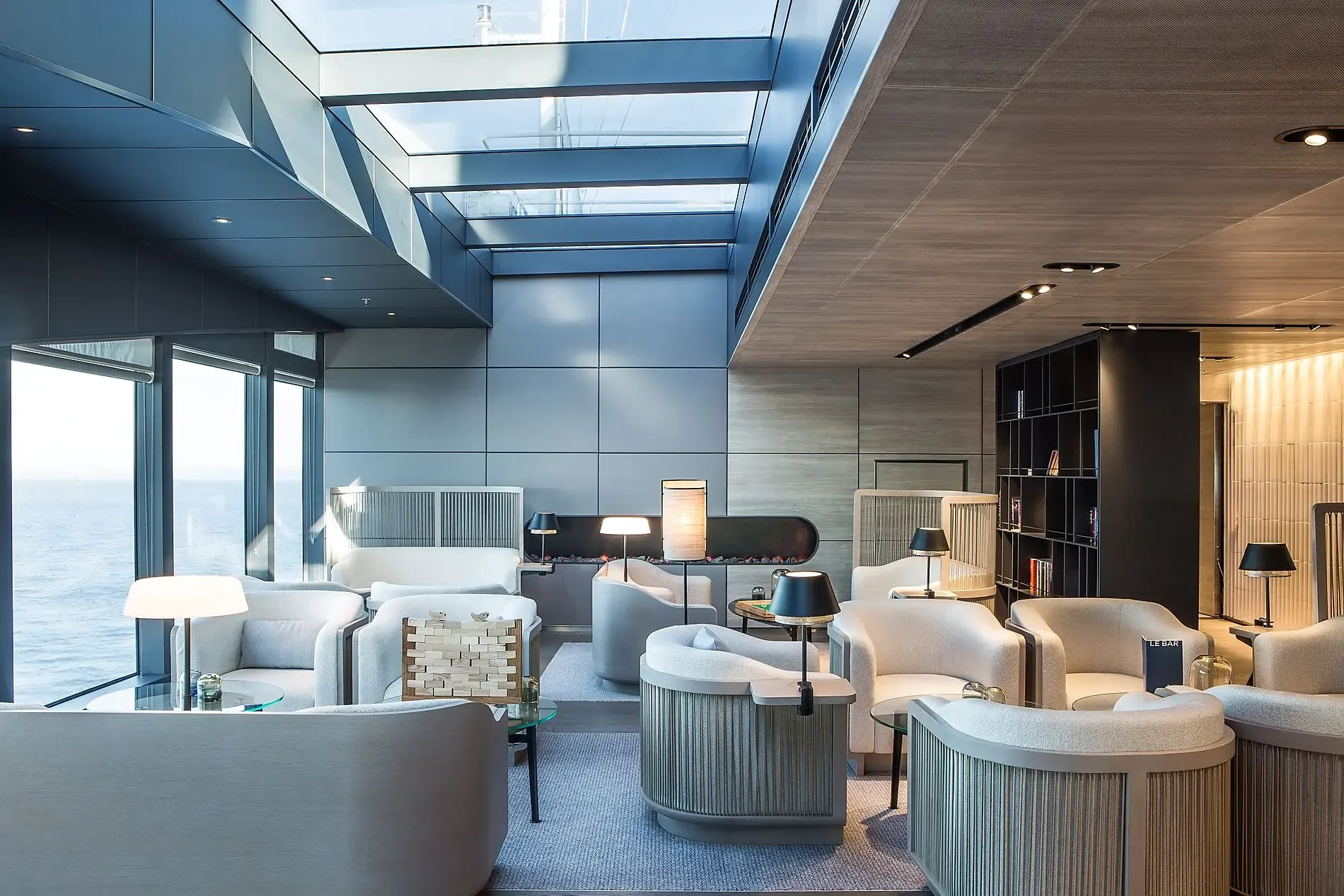
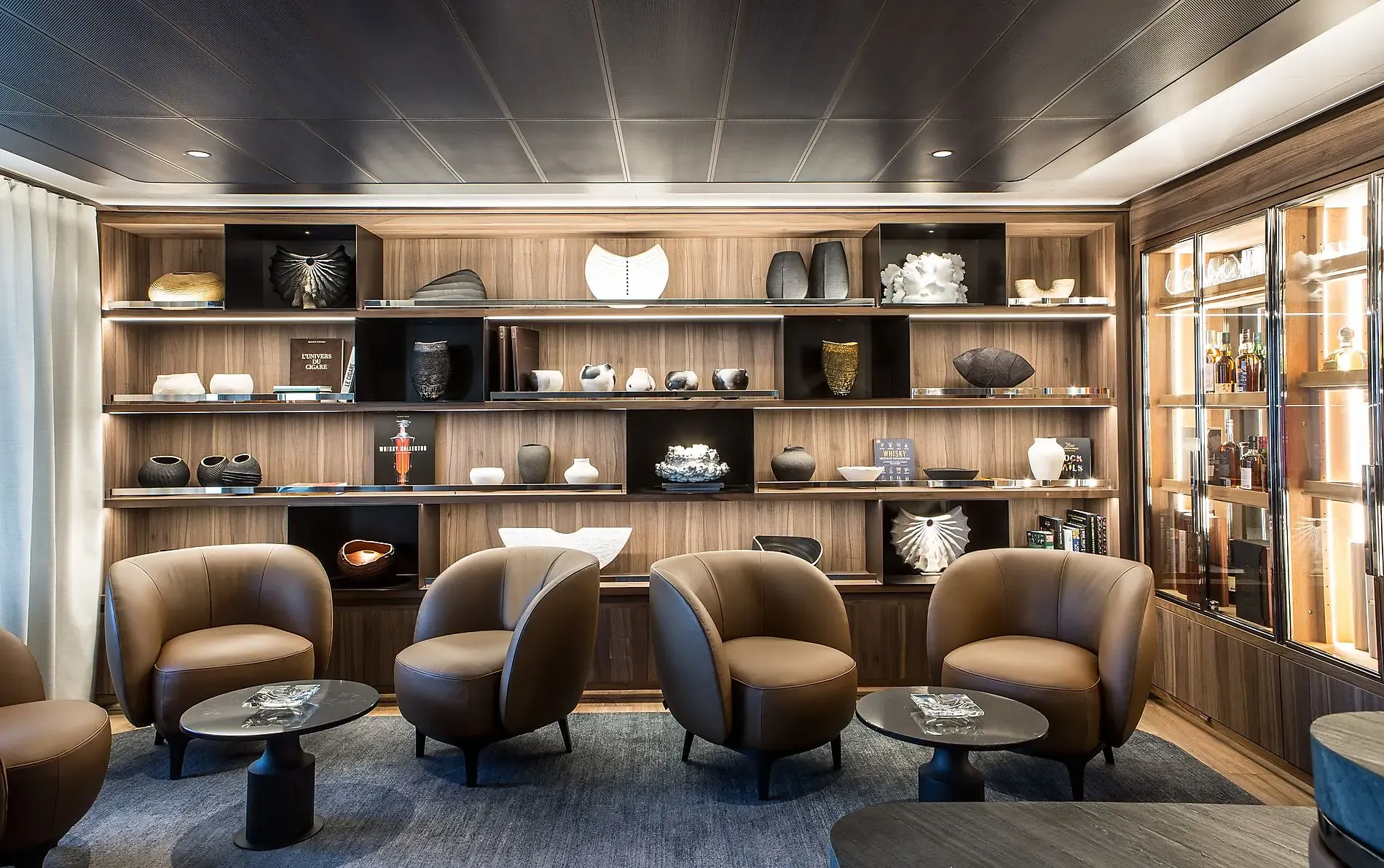
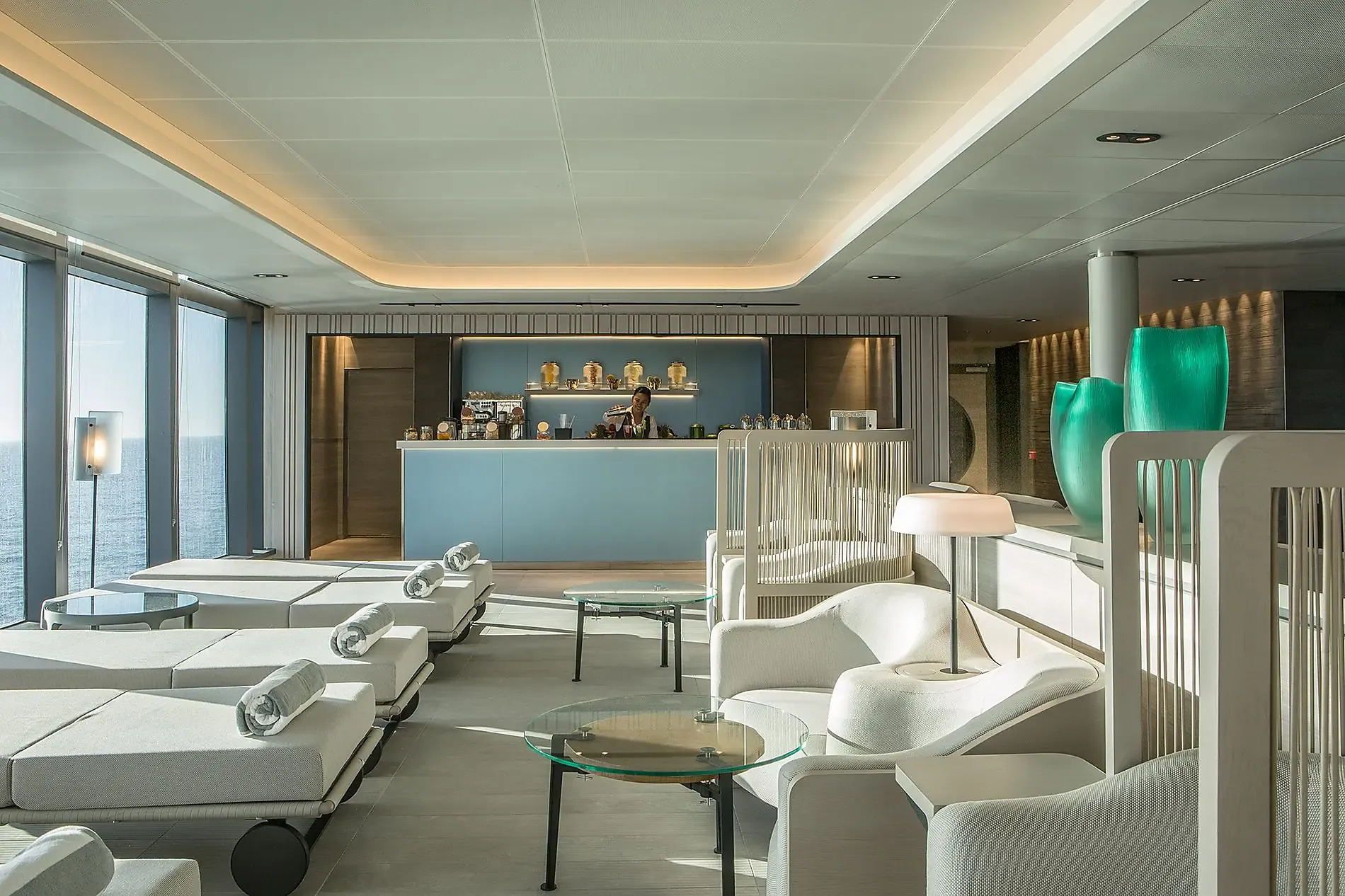
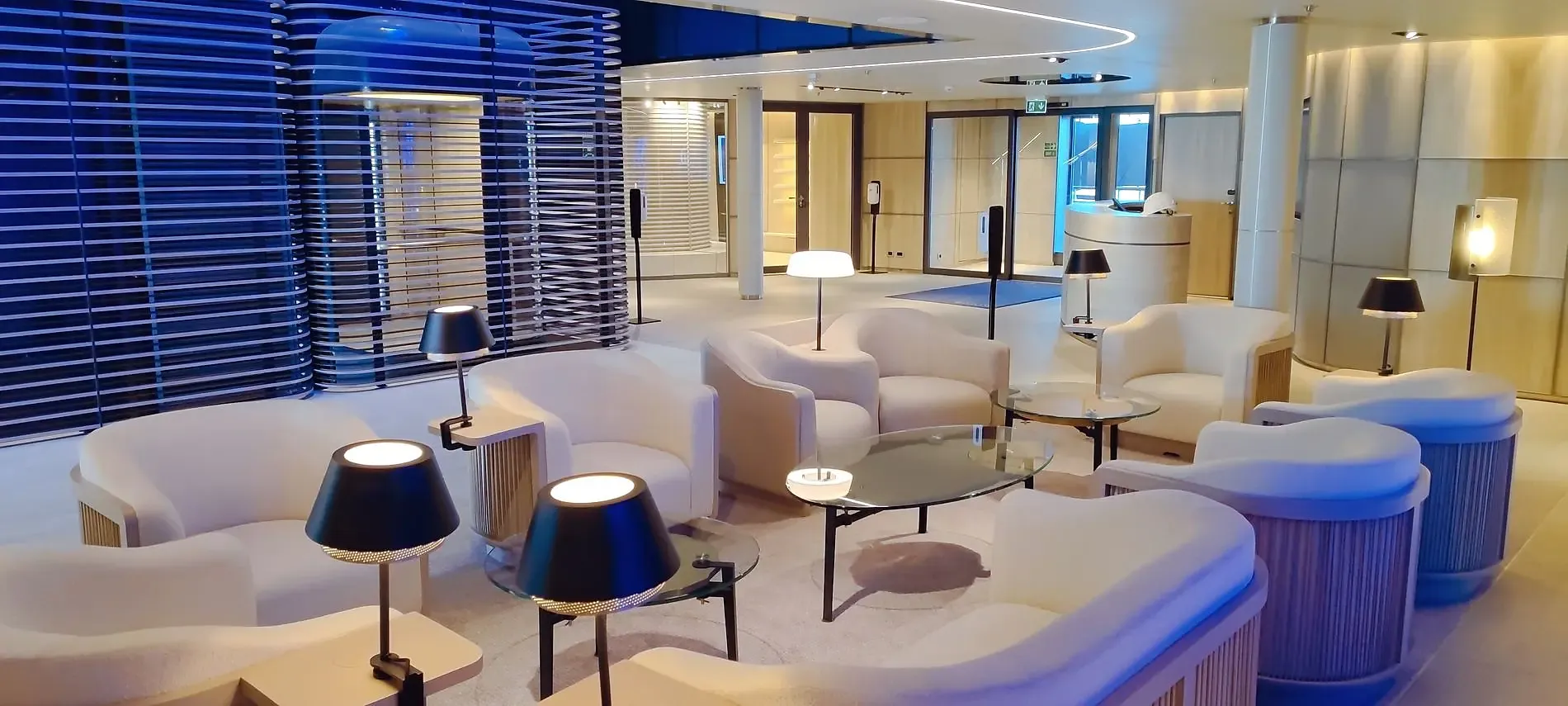
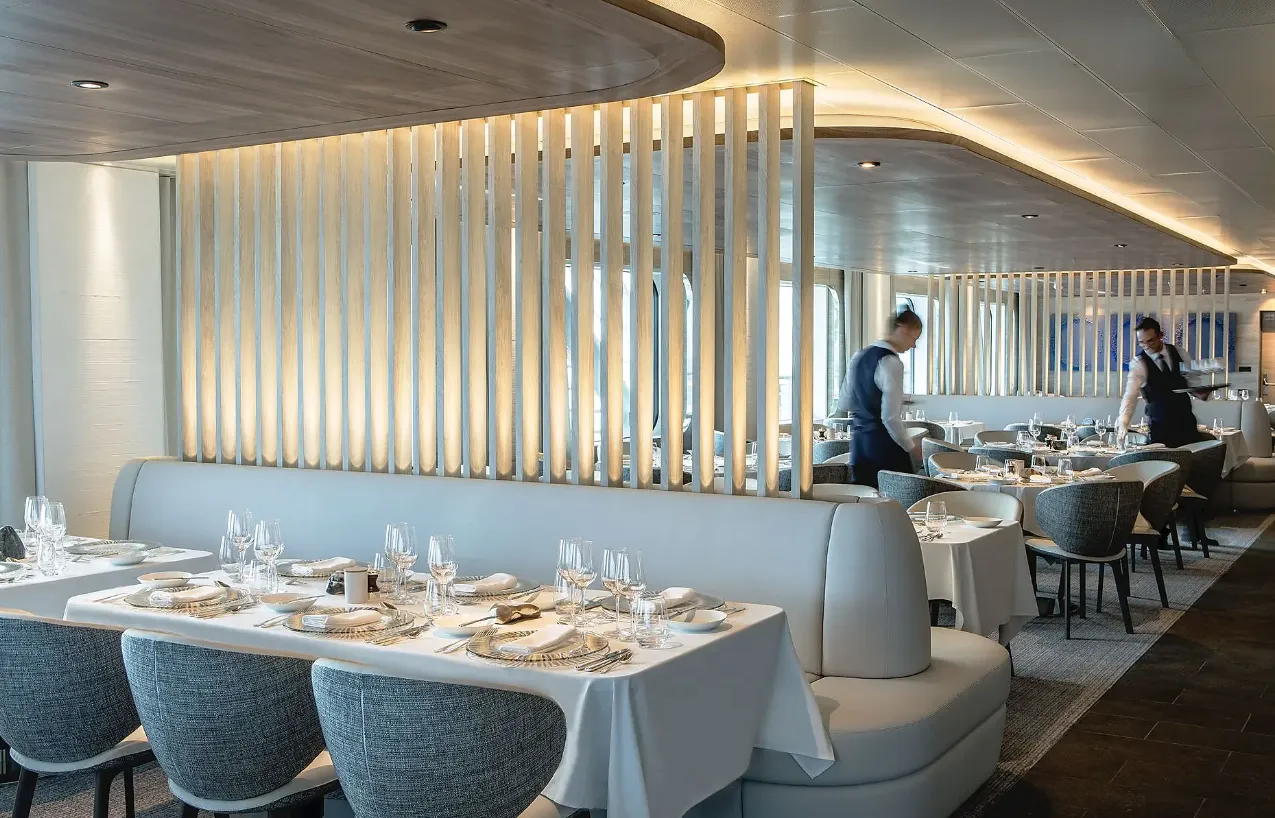
Ponant
Le Commandant Charcot
Ice Class
Launched
2020
Refitted
—
Tonnage
31,757 GT
Passengers
245
Cabins
123
Crew
215
Length
492 m
Width
28 m
Speed
15 knots
Adults Only
No
Itinerary
Day 1
Day 1
Reykjavik
Depart 18:00
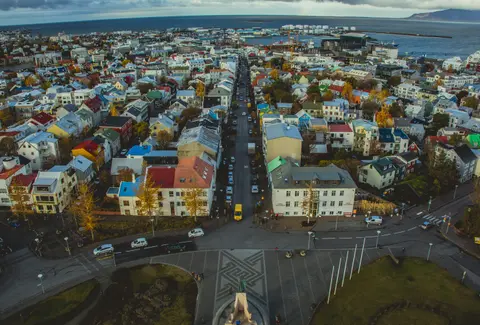
Reykjavik, the world's northernmost capital, distils the entire improbable beauty of Iceland into one compact, creatively charged city. The soaring basalt columns of Hallgrímskirkja dominate a skyline of primary-coloured rooftops, while the Harpa Concert Hall shimmers beside the harbour like a captured aurora. Day trips from the city unlock the Golden Circle's geysers and Geysir hot spring, the black sand beaches of Vík, and the ethereal glacier lagoon at Jökulsárlón. Geothermal pools — from the legendary Blue Lagoon to intimate neighbourhood hot pots — offer warmth year-round. June and July bring the bewitching midnight sun.
Day 2
Day 2
At Sea
Day 3
Day 3
Ittoqqortoormiit (ex Scoresbysund)
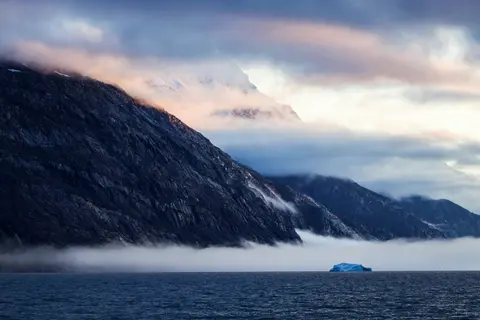
Ittoqqortoormiit is one of Earth's most isolated settlements, a 350-person Inuit community at the mouth of the world's longest fjord system on Greenland's remote east coast. Must-dos include Zodiac exploration of the monumental Scoresby Sund fjords, watching for musk oxen on the tundra, and visiting the colorful Arctic community. Mid-July through September offers the narrow window when sea ice permits access.
Day 4
Day 4
Bjornoya
Halfway between Norway and Spitsbergen, you will sail not far from the coastlines of Bjørnøya, the southernmost island of Svalbard. From your ship, observe this isolated piece of land discovered in 1596 by the Dutch navigator Willem Barents, then looking for the Northwest Passage. Following a tough fight between a polar bear and the members of the expedition, he dubbed the place Bear Island. Regularly covered by a thick layer of fog, Bjørnøya shelters a meteorological station built in 1923, which is still in operation. Declared a nature reserve in 2002, the island is above all home to an enormous colony of sea birds: skuas, guillemots, puffins, Tridactyl gulls, petrels, gulls and little auks all coexist here.
Day 5
Day 5
Ittoqqortoormiit
Ittoqqortoormiit is one of Earth's most isolated settlements, a community of 350 on the shores of the world's largest fjord system in East Greenland, surrounded by cathedral-sized icebergs, muskox herds, and polar bears. Visitors should cruise Scoresby Sund's dramatic ice-filled arms, experience Inuit dog-sledding culture, and watch for polar bears on the sea ice. The brief visiting window of July through September depends entirely on ice conditions.
Day 6
Day 6
Bjornoya
Halfway between Norway and Spitsbergen, you will sail not far from the coastlines of Bjørnøya, the southernmost island of Svalbard. From your ship, observe this isolated piece of land discovered in 1596 by the Dutch navigator Willem Barents, then looking for the Northwest Passage. Following a tough fight between a polar bear and the members of the expedition, he dubbed the place Bear Island. Regularly covered by a thick layer of fog, Bjørnøya shelters a meteorological station built in 1923, which is still in operation. Declared a nature reserve in 2002, the island is above all home to an enormous colony of sea birds: skuas, guillemots, puffins, Tridactyl gulls, petrels, gulls and little auks all coexist here.
Day 7
Day 7
Navigating Throught The Sea Ice
Day 8
Day 8
Northeast Greenland National Park
Northeast Greenland National Park is Earth's largest protected area at 972,000 square kilometers, a roadless wilderness of ice caps, the world's longest fjord, and 15,000 muskoxen with zero permanent human residents. Must-dos include cruising Scoresby Sund, observing muskox herds on the tundra, and experiencing the park's profound Arctic silence. July through September offers the navigable window for expedition vessels.
Day 10
Day 10
Northeast Greenland National Park
Northeast Greenland National Park is Earth's largest protected area at 972,000 square kilometers, a roadless wilderness of ice caps, the world's longest fjord, and 15,000 muskoxen with zero permanent human residents. Must-dos include cruising Scoresby Sund, observing muskox herds on the tundra, and experiencing the park's profound Arctic silence. July through September offers the navigable window for expedition vessels.
Day 12
Day 12
Navigating Throught The Sea Ice
Day 14
Day 14
Spitsbergen
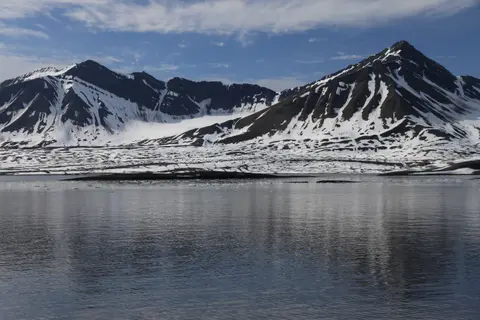
Spitsbergen is the largest island in the Svalbard archipelago, a thousand kilometres from the North Pole, where polar bears outnumber humans, glaciers calve into pristine fjords, and the midnight sun illuminates an Arctic wilderness of extraordinary beauty. Must-do experiences include Zodiac cruises along glacier fronts, wildlife watching for polar bears and walruses, and visiting the Global Seed Vault in Longyearbyen. June through September is the expedition season.
Day 15
Day 15
Longyearbyen
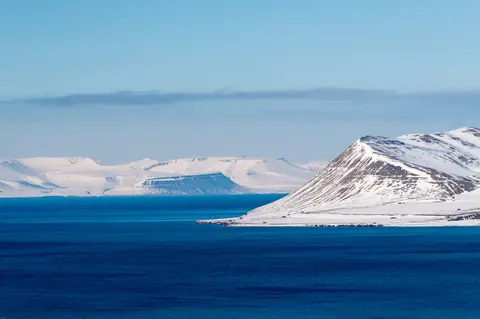
Longyearbyen, the northernmost permanent settlement in the world, is a unique port in the Svalbard archipelago, rich in history and breathtaking Arctic landscapes. Must-do experiences include savoring local delicacies like reindeer stew and exploring the stunning fjords of Raudfjord and Liefdefjorden. The best time to visit is during the summer months, when the midnight sun illuminates the stunning scenery.
Day 16
Day 16
At Sea
Day 17
Day 17
Tromso
Arrive 08:00
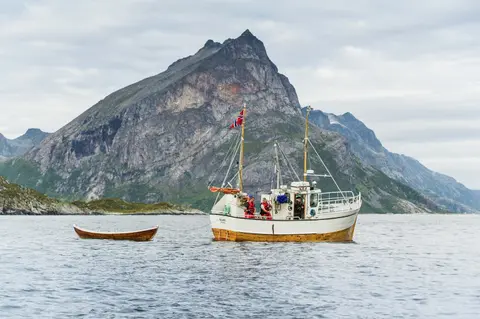
Tromsø, perched 300 kilometers north of the Arctic Circle on its own island in a fjord-carved landscape of breathtaking severity, is the world's finest base for witnessing the northern lights — a phenomenon that illuminates the polar night here from late September through March with an intensity unmatched across Scandinavia. The city's striking Arctic Cathedral, vibrant university culture, and excellent Polar Museum trace Norway's heroic age of polar exploration, while dog sledding, snowshoeing, and whale-watching expeditions provide exhilarating encounters with the high Arctic wilderness. Summer's unbroken midnight sun offers an equally otherworldly experience beneath skies that never darken.
Day 1
Reykjavik
Depart 18:00
Reykjavik, the world's northernmost capital, distils the entire improbable beauty of Iceland into one compact, creatively charged city. The soaring basalt columns of Hallgrímskirkja dominate a skyline of primary-coloured rooftops, while the Harpa Concert Hall shimmers beside the harbour like a captured aurora. Day trips from the city unlock the Golden Circle's geysers and Geysir hot spring, the black sand beaches of Vík, and the ethereal glacier lagoon at Jökulsárlón. Geothermal pools — from the legendary Blue Lagoon to intimate neighbourhood hot pots — offer warmth year-round. June and July bring the bewitching midnight sun.
Day 2
At Sea
Day 3
Ittoqqortoormiit (ex Scoresbysund)
Ittoqqortoormiit is one of Earth's most isolated settlements, a 350-person Inuit community at the mouth of the world's longest fjord system on Greenland's remote east coast. Must-dos include Zodiac exploration of the monumental Scoresby Sund fjords, watching for musk oxen on the tundra, and visiting the colorful Arctic community. Mid-July through September offers the narrow window when sea ice permits access.
Day 4
Bjornoya
Halfway between Norway and Spitsbergen, you will sail not far from the coastlines of Bjørnøya, the southernmost island of Svalbard. From your ship, observe this isolated piece of land discovered in 1596 by the Dutch navigator Willem Barents, then looking for the Northwest Passage. Following a tough fight between a polar bear and the members of the expedition, he dubbed the place Bear Island. Regularly covered by a thick layer of fog, Bjørnøya shelters a meteorological station built in 1923, which is still in operation. Declared a nature reserve in 2002, the island is above all home to an enormous colony of sea birds: skuas, guillemots, puffins, Tridactyl gulls, petrels, gulls and little auks all coexist here.
Day 5
Ittoqqortoormiit
Ittoqqortoormiit is one of Earth's most isolated settlements, a community of 350 on the shores of the world's largest fjord system in East Greenland, surrounded by cathedral-sized icebergs, muskox herds, and polar bears. Visitors should cruise Scoresby Sund's dramatic ice-filled arms, experience Inuit dog-sledding culture, and watch for polar bears on the sea ice. The brief visiting window of July through September depends entirely on ice conditions.
Day 6
Bjornoya
Halfway between Norway and Spitsbergen, you will sail not far from the coastlines of Bjørnøya, the southernmost island of Svalbard. From your ship, observe this isolated piece of land discovered in 1596 by the Dutch navigator Willem Barents, then looking for the Northwest Passage. Following a tough fight between a polar bear and the members of the expedition, he dubbed the place Bear Island. Regularly covered by a thick layer of fog, Bjørnøya shelters a meteorological station built in 1923, which is still in operation. Declared a nature reserve in 2002, the island is above all home to an enormous colony of sea birds: skuas, guillemots, puffins, Tridactyl gulls, petrels, gulls and little auks all coexist here.
Day 7
Navigating Throught The Sea Ice
Day 8
Northeast Greenland National Park
Northeast Greenland National Park is Earth's largest protected area at 972,000 square kilometers, a roadless wilderness of ice caps, the world's longest fjord, and 15,000 muskoxen with zero permanent human residents. Must-dos include cruising Scoresby Sund, observing muskox herds on the tundra, and experiencing the park's profound Arctic silence. July through September offers the navigable window for expedition vessels.
Day 10
Northeast Greenland National Park
Northeast Greenland National Park is Earth's largest protected area at 972,000 square kilometers, a roadless wilderness of ice caps, the world's longest fjord, and 15,000 muskoxen with zero permanent human residents. Must-dos include cruising Scoresby Sund, observing muskox herds on the tundra, and experiencing the park's profound Arctic silence. July through September offers the navigable window for expedition vessels.
Day 12
Navigating Throught The Sea Ice
Day 14
Spitsbergen
Spitsbergen is the largest island in the Svalbard archipelago, a thousand kilometres from the North Pole, where polar bears outnumber humans, glaciers calve into pristine fjords, and the midnight sun illuminates an Arctic wilderness of extraordinary beauty. Must-do experiences include Zodiac cruises along glacier fronts, wildlife watching for polar bears and walruses, and visiting the Global Seed Vault in Longyearbyen. June through September is the expedition season.
Day 15
Longyearbyen
Longyearbyen, the northernmost permanent settlement in the world, is a unique port in the Svalbard archipelago, rich in history and breathtaking Arctic landscapes. Must-do experiences include savoring local delicacies like reindeer stew and exploring the stunning fjords of Raudfjord and Liefdefjorden. The best time to visit is during the summer months, when the midnight sun illuminates the stunning scenery.
Day 16
At Sea
Day 17
Tromso
Arrive 08:00
Tromsø, perched 300 kilometers north of the Arctic Circle on its own island in a fjord-carved landscape of breathtaking severity, is the world's finest base for witnessing the northern lights — a phenomenon that illuminates the polar night here from late September through March with an intensity unmatched across Scandinavia. The city's striking Arctic Cathedral, vibrant university culture, and excellent Polar Museum trace Norway's heroic age of polar exploration, while dog sledding, snowshoeing, and whale-watching expeditions provide exhilarating encounters with the high Arctic wilderness. Summer's unbroken midnight sun offers an equally otherworldly experience beneath skies that never darken.
Cabin Categories
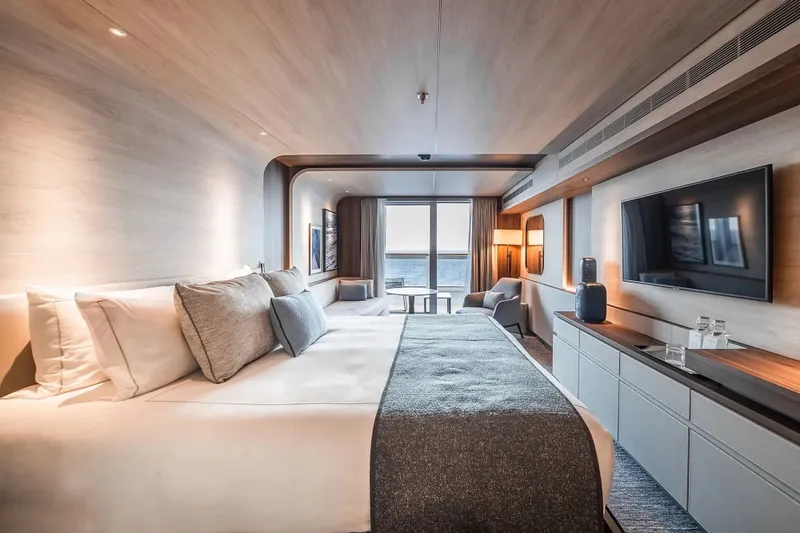
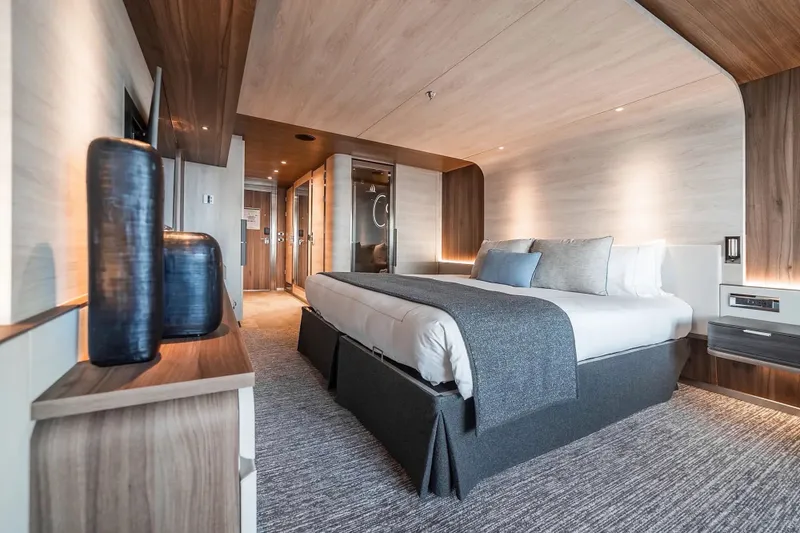
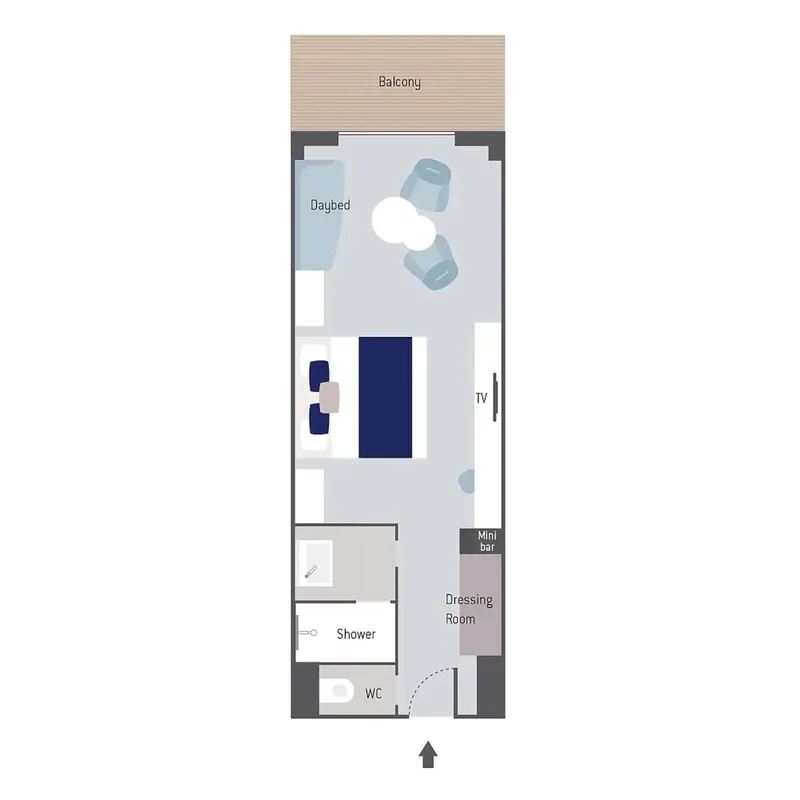
Deluxe Suite Deck 6
Suite
301 m²Max 2
DS6
A lounge area with chaise longue and two armchairs
A king-size bed (180 x 200 cm) or two single beds (90 x 200 cm)
A bathroom with shower
A panoramic sliding bay window
A 5 m² glazed private balcony
Double or Twin ConfigurationRoom Service AvailableTVSafeHair DryerTelephone+13
View Details
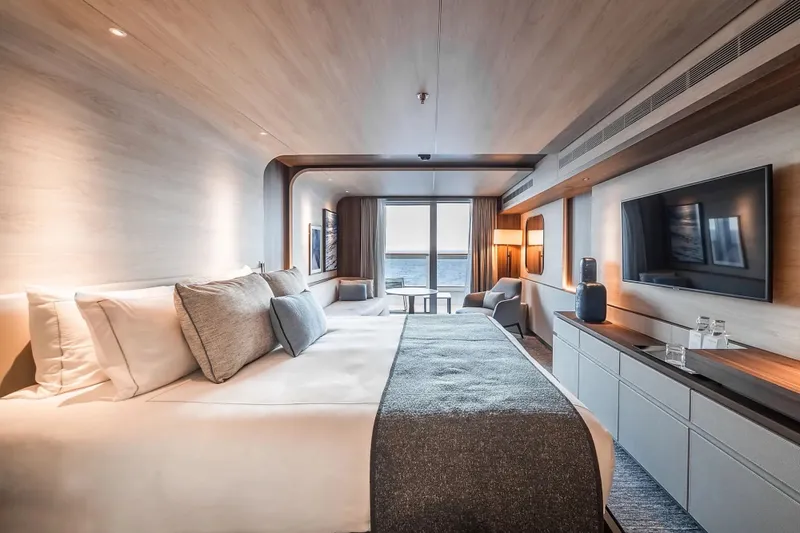
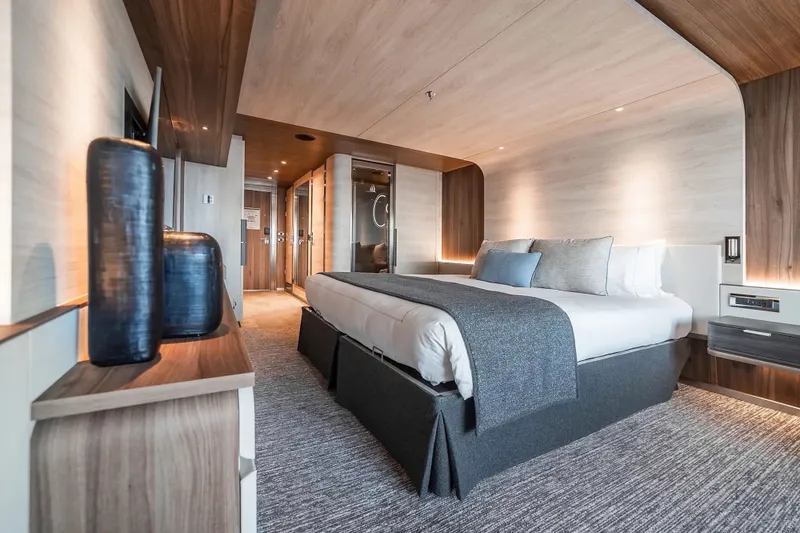
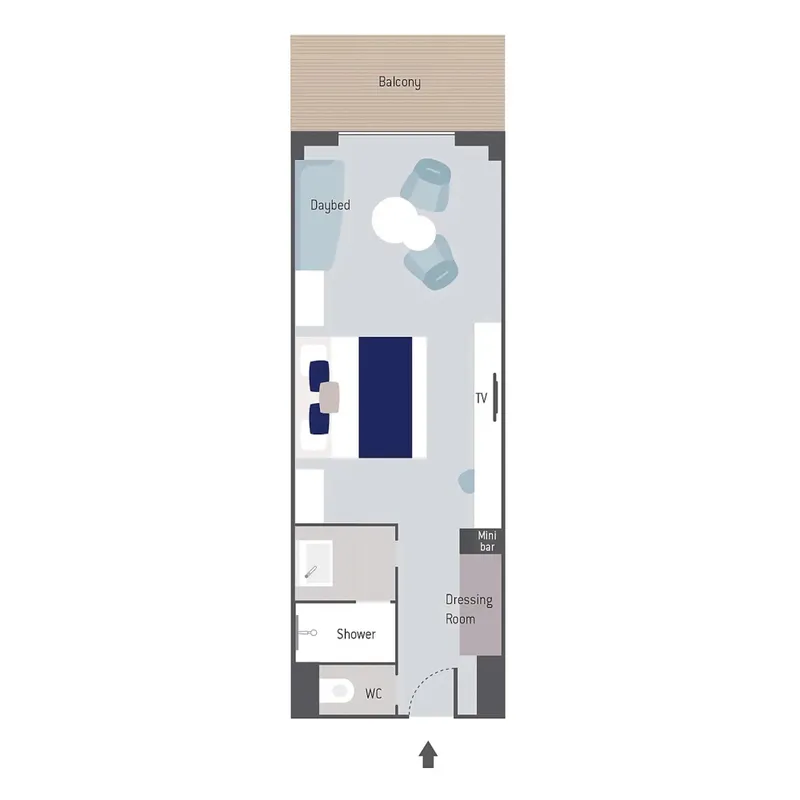
Deluxe Suite Deck 7
Suite
301 m²Max 2
DS7
A lounge area with chaise longue and two armchairs
A king-size bed (180 x 200 cm) or two single beds (90 x 200 cm)
A bathroom with shower
A panoramic sliding bay window
A 5 m² glazed private balcony
Double or Twin ConfigurationRoom Service AvailableTVSafeHair DryerTelephone+13
View Details
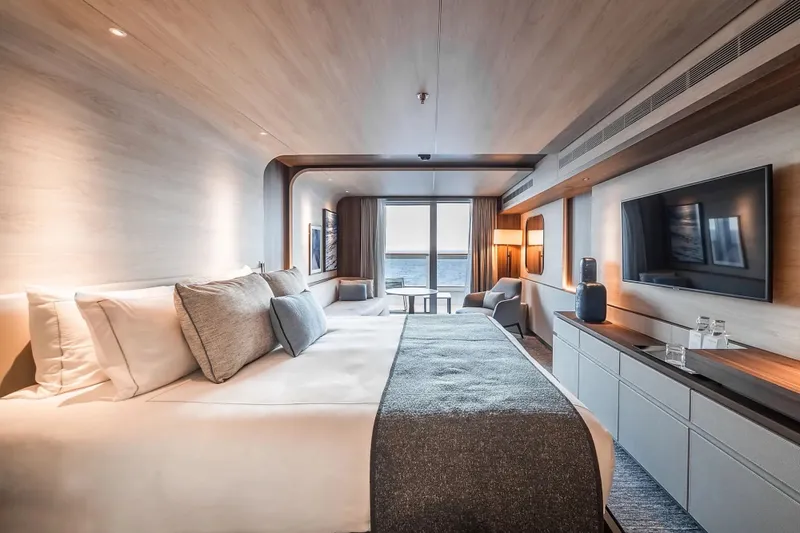
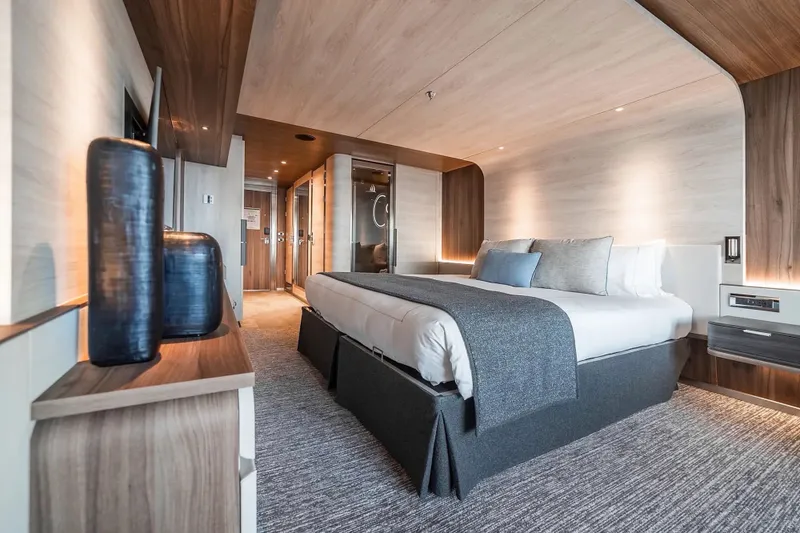
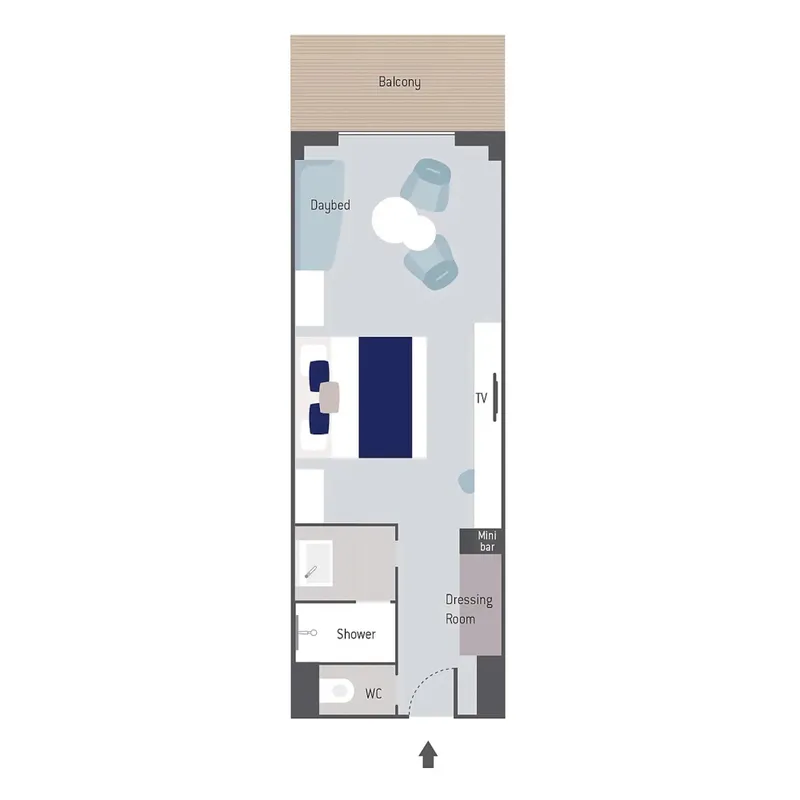
Deluxe Suite Deck 8
Suite
301 m²Max 2
DS8
A lounge area with chaise longue and two armchairs
A king-size bed (180 x 200 cm) or two single beds (90 x 200 cm)
A bathroom with shower
A panoramic sliding bay window
A 5 m² glazed private balcony
Double or Twin ConfigurationRoom Service AvailableTVSafeHair DryerTelephone+13
View Details
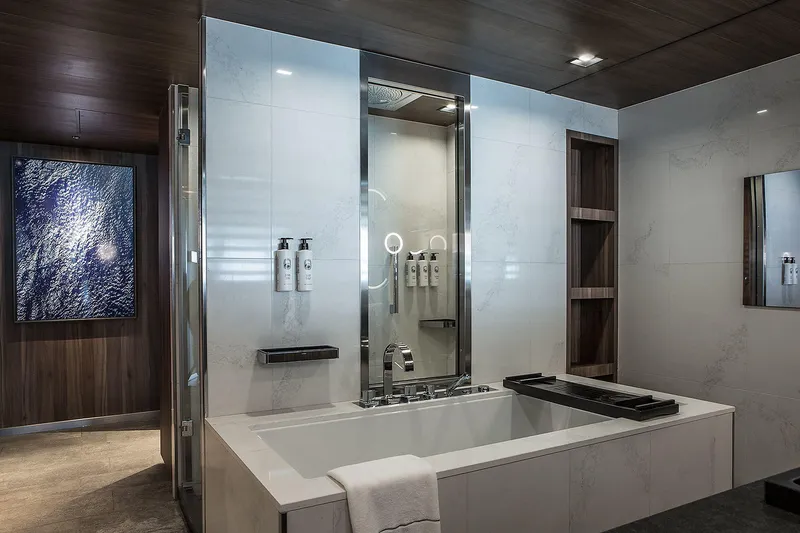
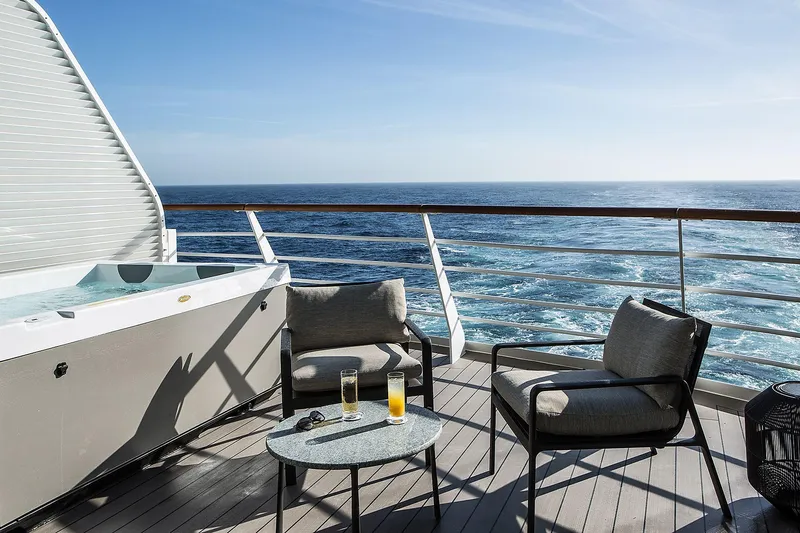
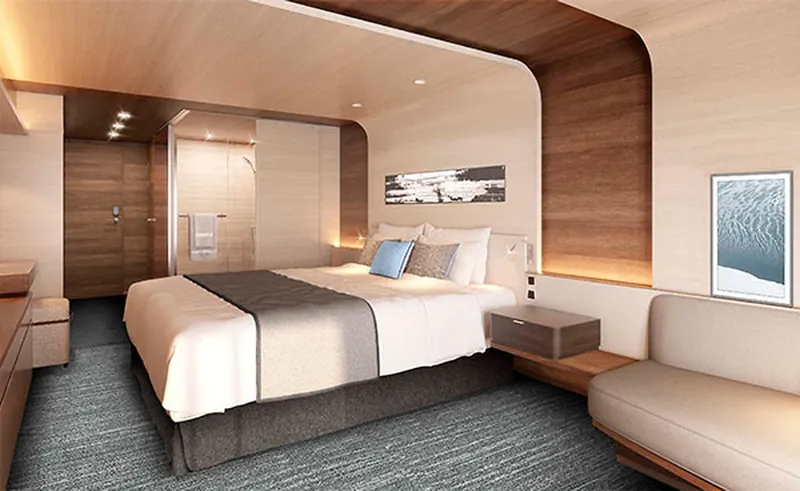
Duplex Suite Deck 6
Suite
1011 m²Max 4
11
Private return transfer
Priority boarding (depending on port of embarkation)
Champagne and fruit basket upon arrival
Butler service
An assortment of sweet or savoury canapés and a basket of fruit every day
A lounge with armchairs, sofa bed, steam fireplace and TV
A dining room with a 6-seater table
A minibar with RIEDEL crystal glasses
A Samsung tablet connected to Wi-Fi
A bedroom with king-size bed (180 x 200 cm) or two single beds (90 x 200 cm) and TV
A bathroom with shower and balneo bathtub
Five panoramic windows and a glazed panoramic swing door
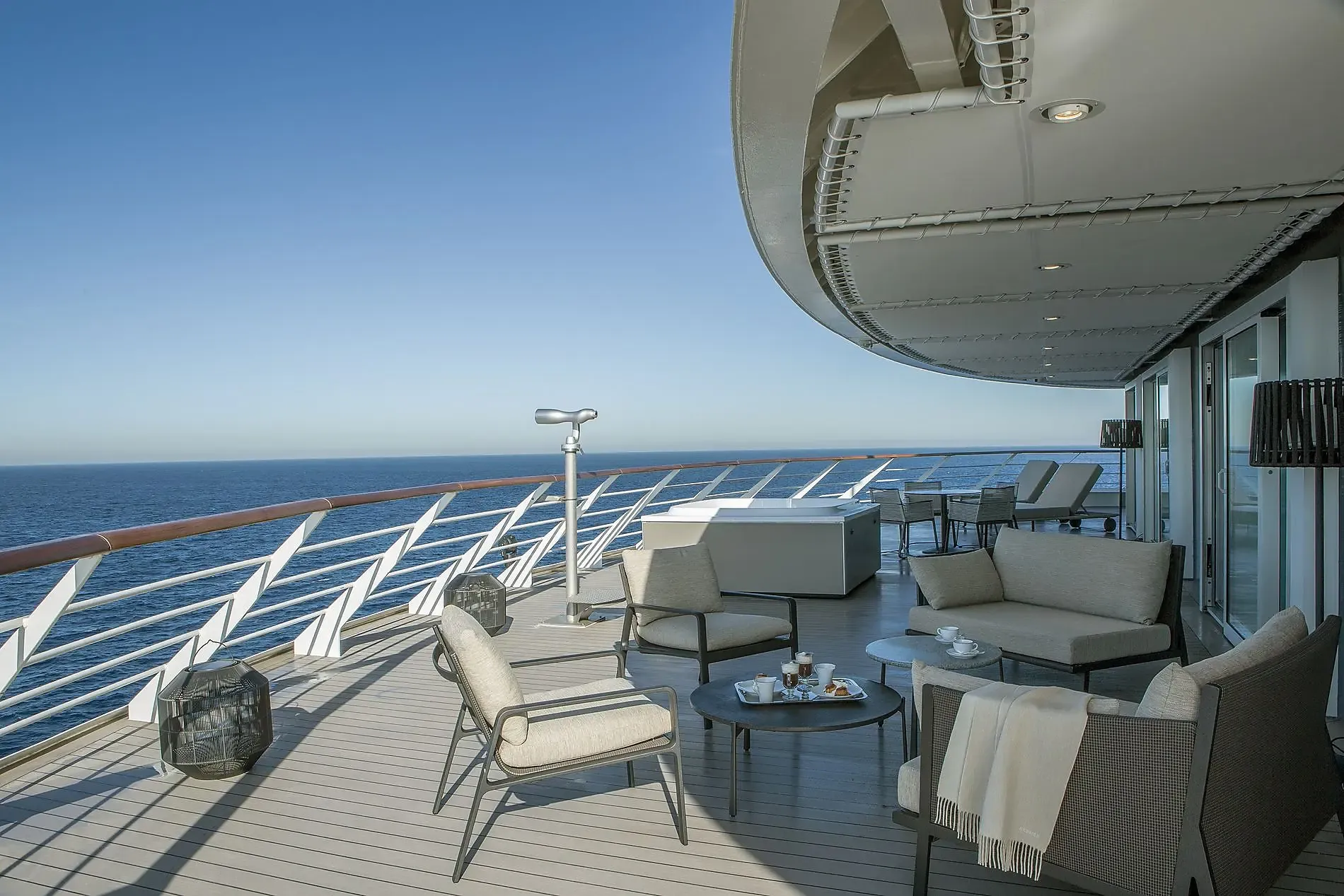
A private 26 m² terrace: outdoor lounge with sofa and armchairs, jacuzzi
Two pairs of Swarvoski CL Companion 10 x 30 binoculars
King or Twin ConfigurationLounge AreaShowerBathToiletries ProvidedRoom Service Available+15
View Details
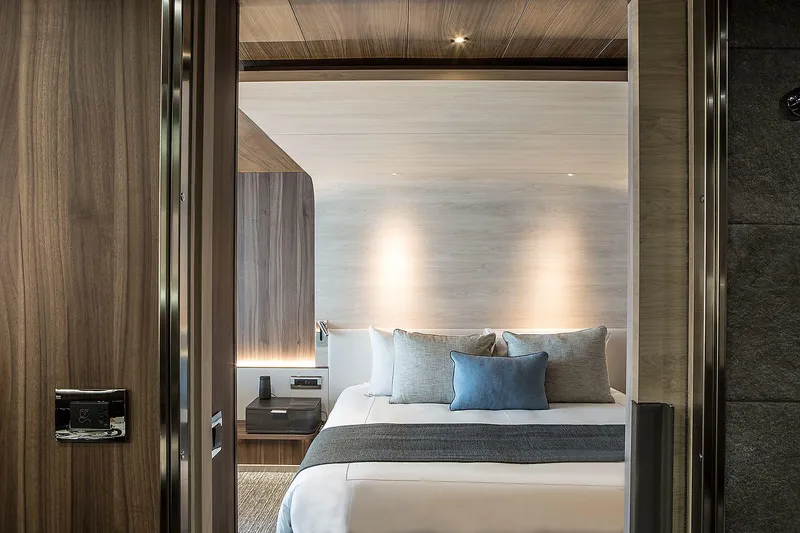
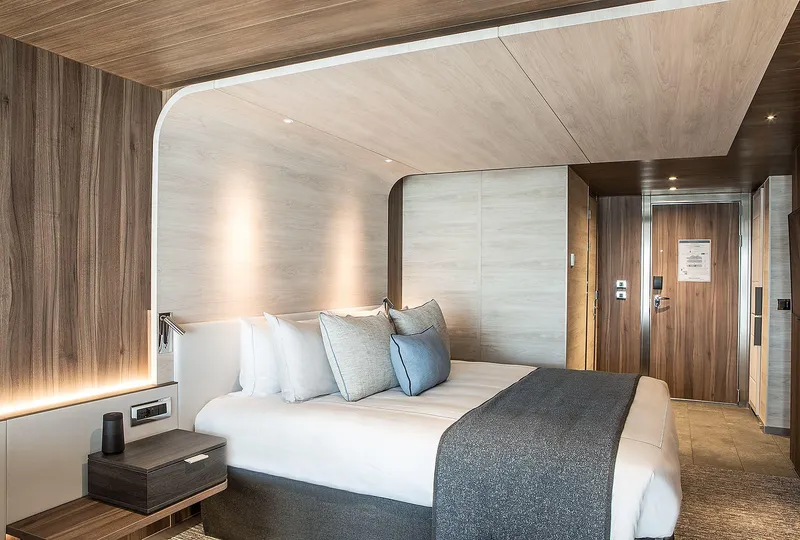
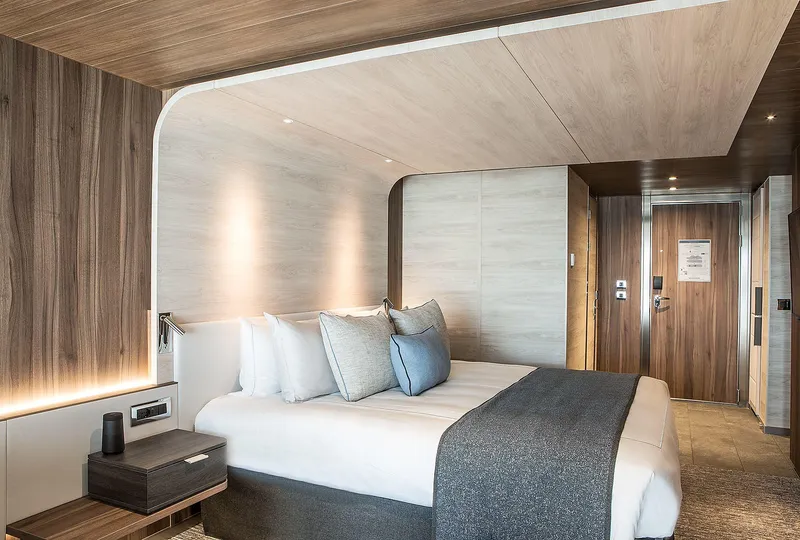
Grand Prestige Suite on Deck 6
Suite
452 m²Max 2
GPS6
Priority boarding (depending on port of embarkation)
Champagne and fruit basket upon arrival
Butler service
An assortment of sweet or savoury canapés and fruit basket every day
A lounge area with chaise longue and second TV
A Samsung tablet connected to Wifi
A king-size bed (180 x 200 cm) or two single beds (90 x 200 cm)
A bathroom with shower and Balneo bathtub
A panoramic sliding bay window
A 5 m² glazed private balcony
Two pairs of Swarvoski CL Companion 10 x 30 binoculars
King or Twin ConfigurationShowerRoom Service AvailableTVSafeHair Dryer+13
View Details
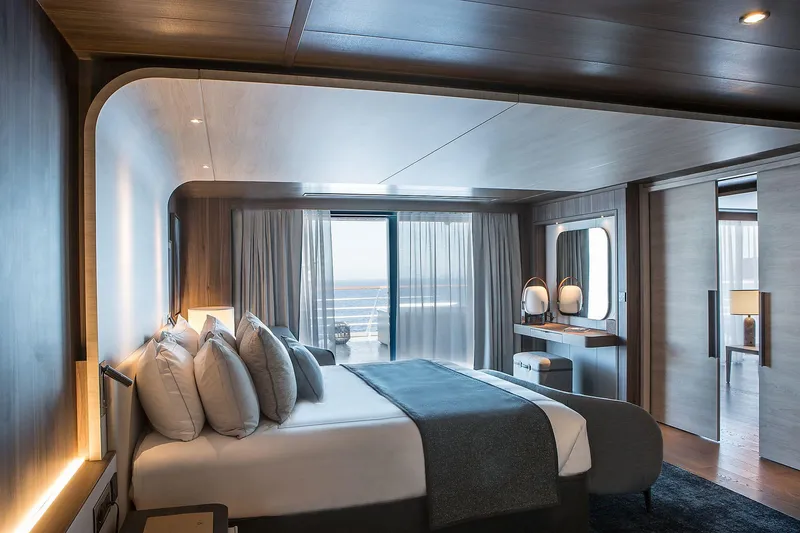
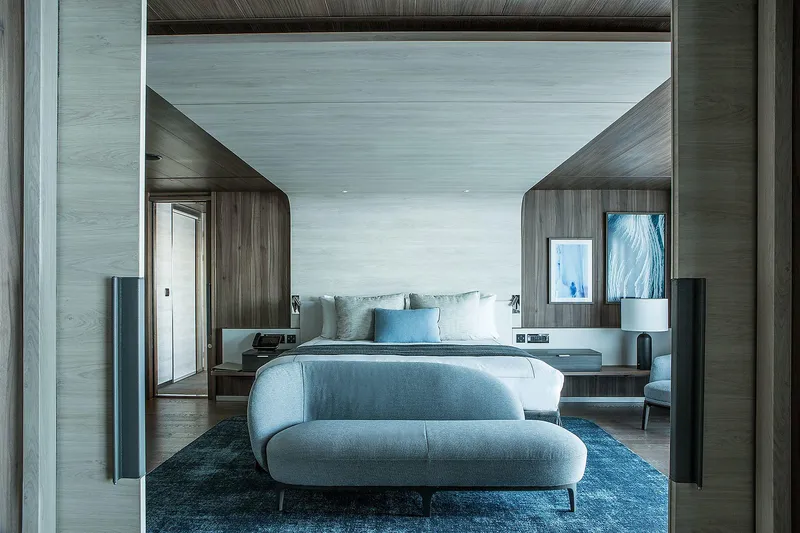
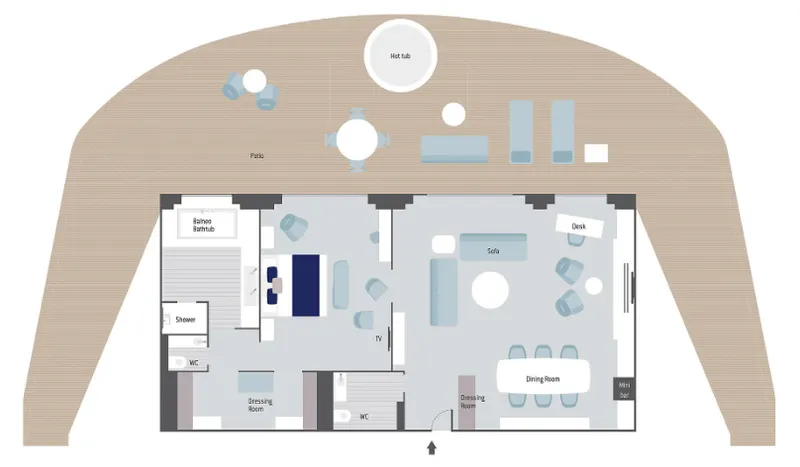
Owner's Suite
Suite
1237 m²Max 6
OS
Private return transfer
Priority boarding (depending on port of embarkation)
Champagne and fruit basket upon arrival
Butler service
An assortment of sweet or savoury canapés and fruit basket every day
A bedroom with king-size bed (180 x 200 cm) or two single beds (90 x 200 cm)
A living room with armchairs, two sofa beds, steam fireplace, and second TV
A desk and bookcase
A Samsung tablet connected to Wifi
A dining room with a 6-seater table
A minibar with RIEDEL crystal glasses
A bathroom with shower and Balneo bathtub
A one-hour spa treatments per person (for 2 people) in the well-being space, chosen from the facial and body treatments on offer
A private 186 m² terrace: outdoor lounge with deckchairs, hot tub, two sofas, and dining table
Two panoramic sliding bay windows
Two pairs of Swarvoski CL Companion 10 x 30 binoculars
A Swarovski Optik ST VISTA telescope
King or Twin ConfigurationLounge AreaShowerBathWhirlpool BathToiletries Provided+16
View Details
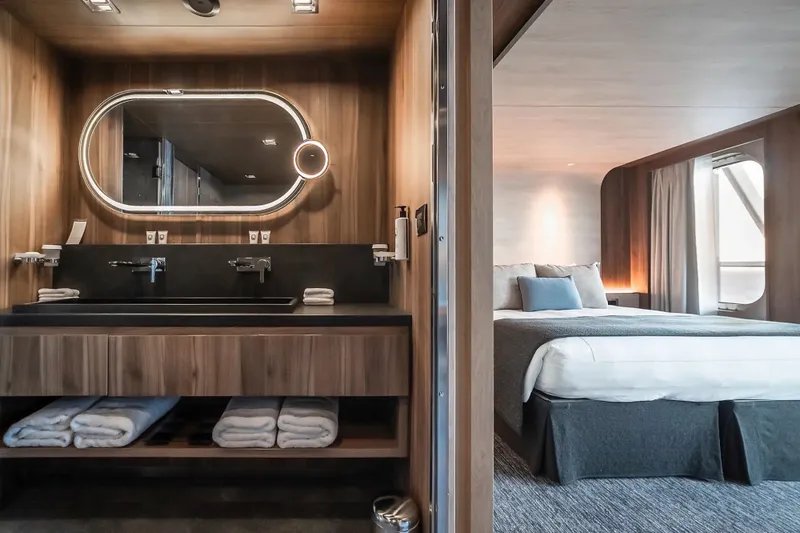
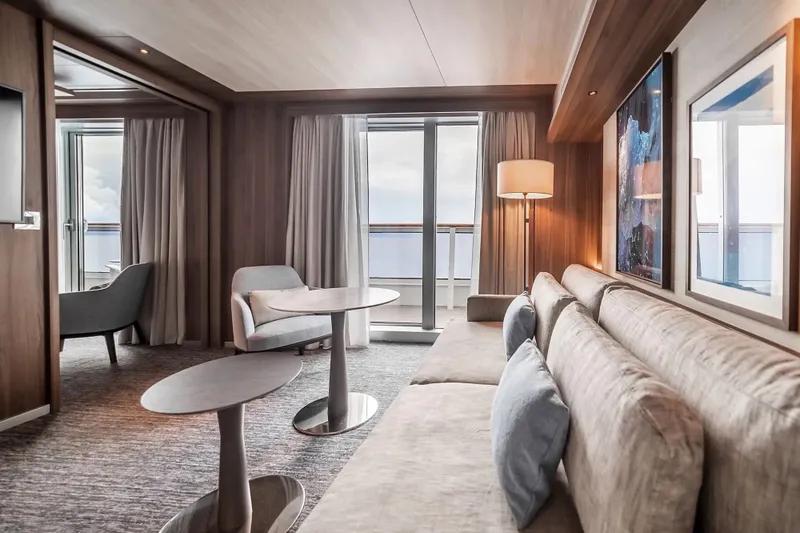
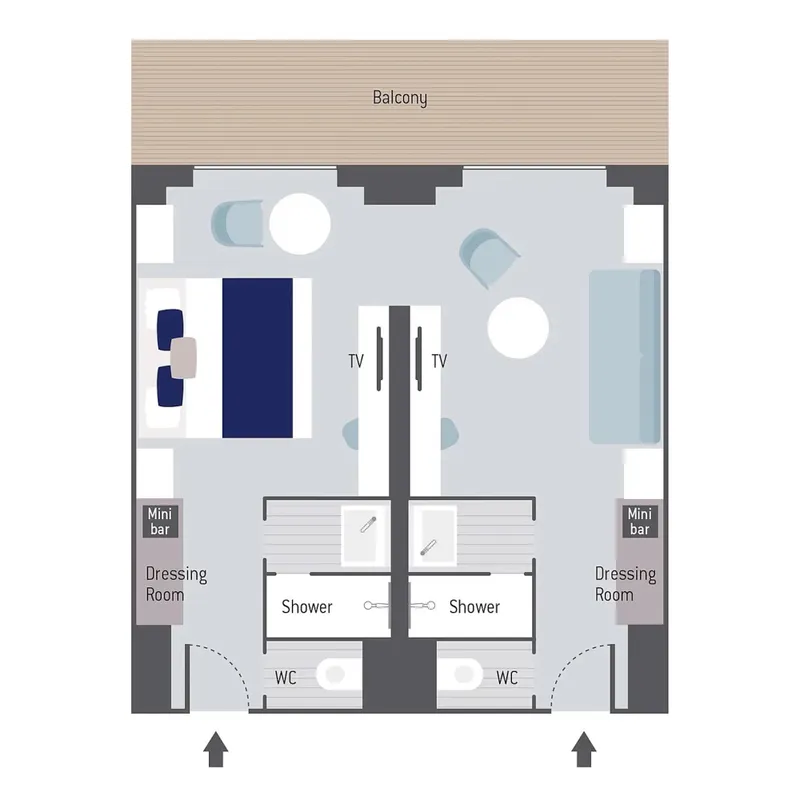
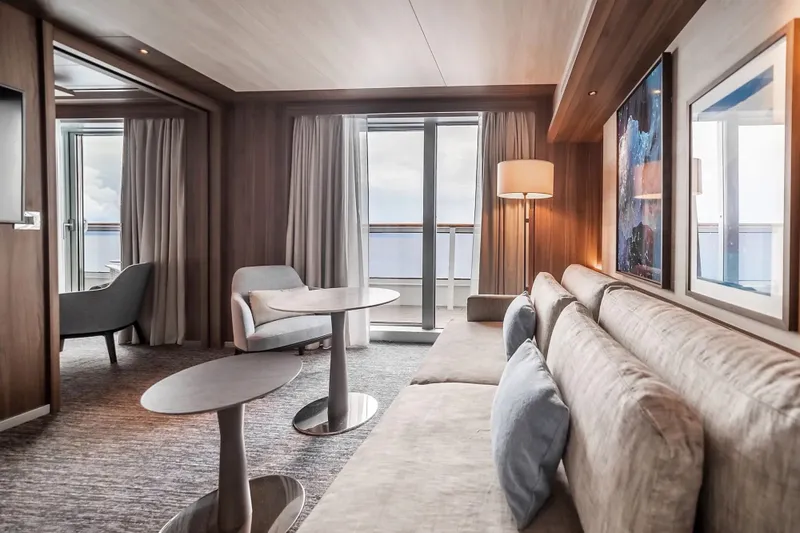
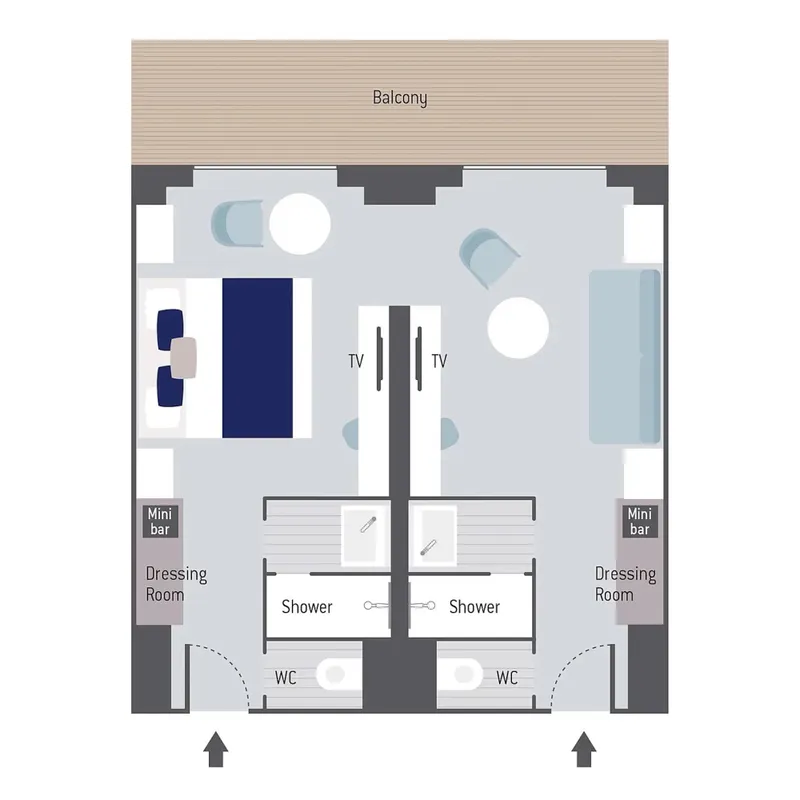
Prestige Suite Deck 7
Suite
430 m²Max 4
4
A lounge with sofa, armchair, TV and sliding courtesy door
A king-size bed (180 x 200 cm) or two single beds (90 x 200 cm)
Two bathrooms with shower
Two panoramic sliding bay windows
A 10 m² glazed private balcony
King or Twin ConfigurationSofa BedLounge AreaVanity AreaShowerToiletries Provided+10
View Details
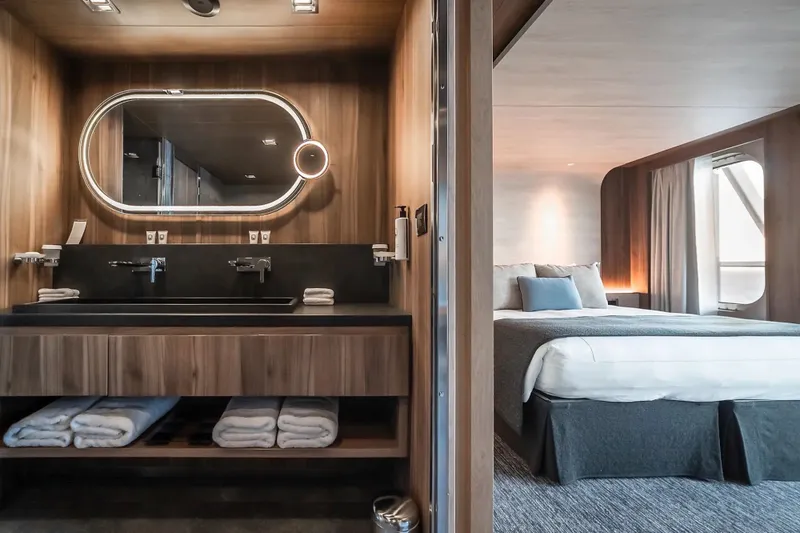
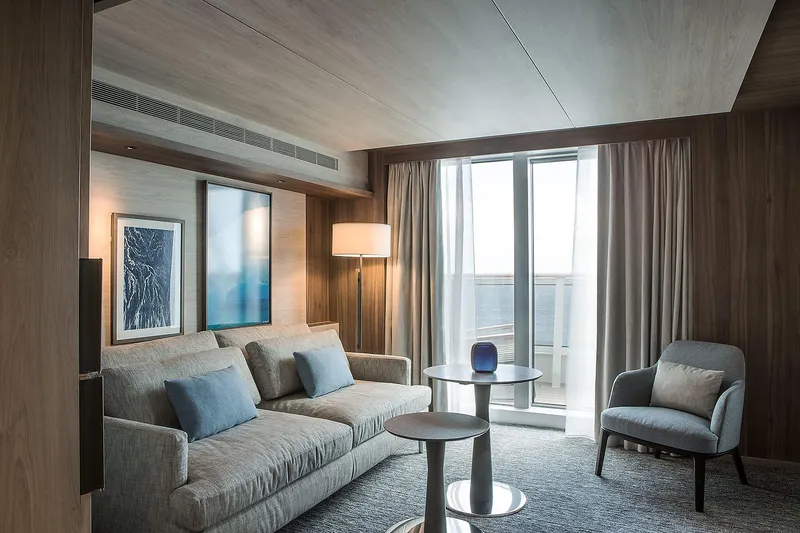
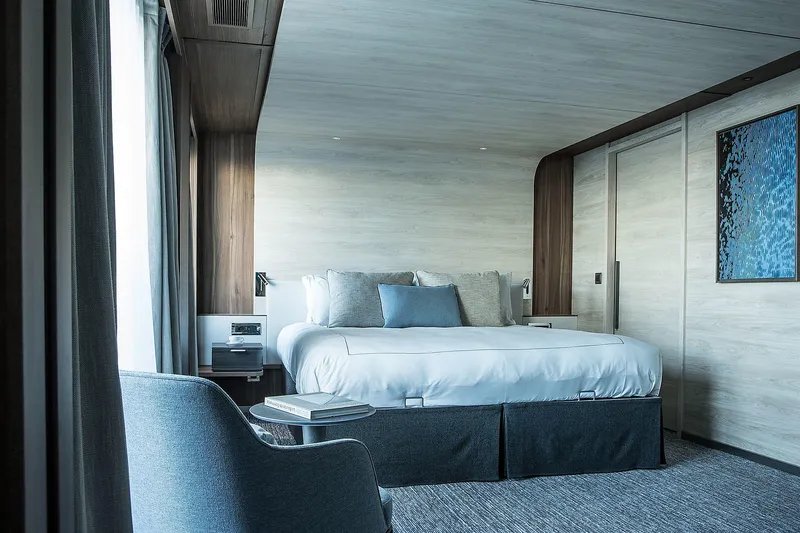
Prestige Suite Deck 8
Suite
430 m²Max 4
5
A lounge with sofa, armchair, TV and sliding courtesy door
A king-size bed (180 x 200 cm) or two single beds (90 x 200 cm)
Two bathrooms with shower
Two panoramic sliding bay windows
A 10 m² glazed private balcony
King or Twin ConfigurationSofa BedLounge AreaVanity AreaShowerToiletries Provided+10
View Details
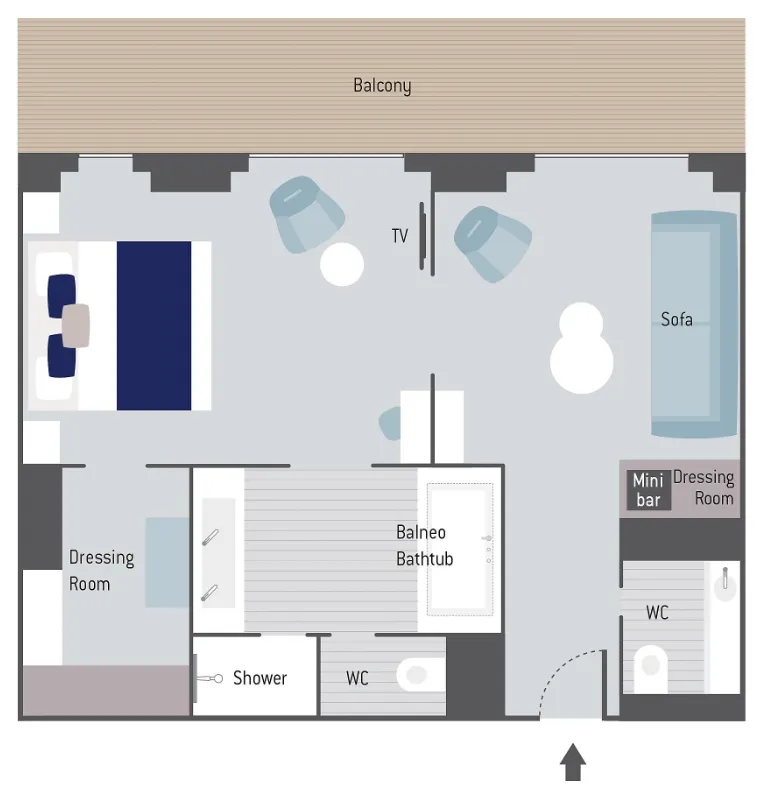
Privilege Suite Deck 8
Suite
516 m²Max 4
10
Priority boarding (depending on port of embarkation)
Champagne and fruit basket upon arrival
Butler service
An assortment of sweet or savoury canapés and fruit basket every day
A lounge with sofa bed, armchair, and sliding courtesy door
A Samsung tablet connected to Wifi
A bedroom with king-size bed (180 x 200 cm) or two single beds (90 x 200 cm)
A bathroom with shower and Balneo bathtub
Two panoramic sliding doors and rectangular porthole
A 12.5 m² glazed private balcony
Two pairs of Swarvoski CL Companion 10 x 30 binoculars
King or Twin ConfigurationShowerRoom Service AvailableTVSafeHair Dryer+13
View Details
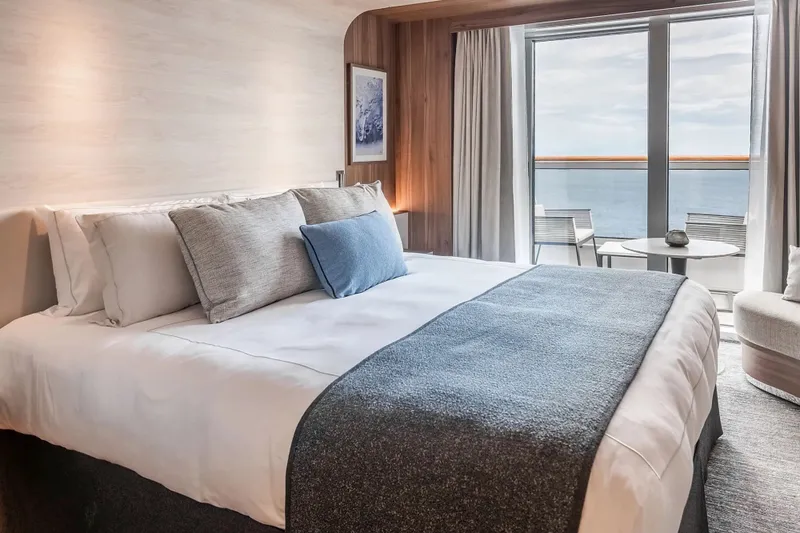
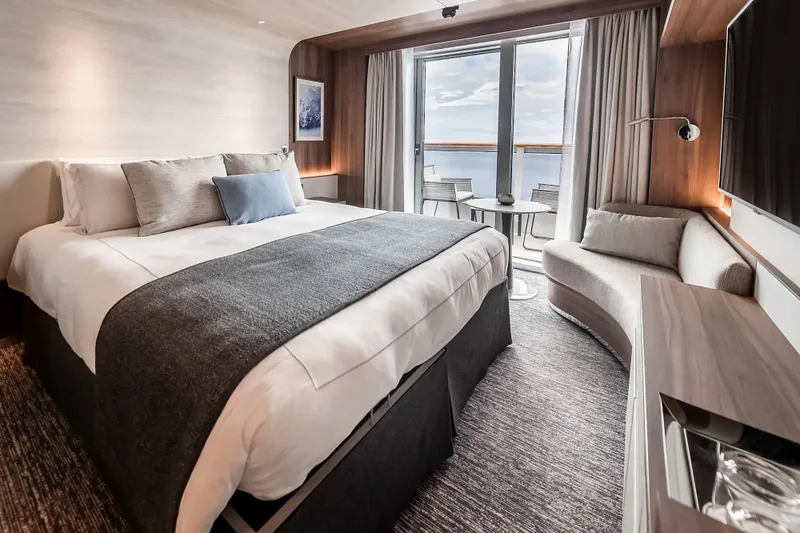
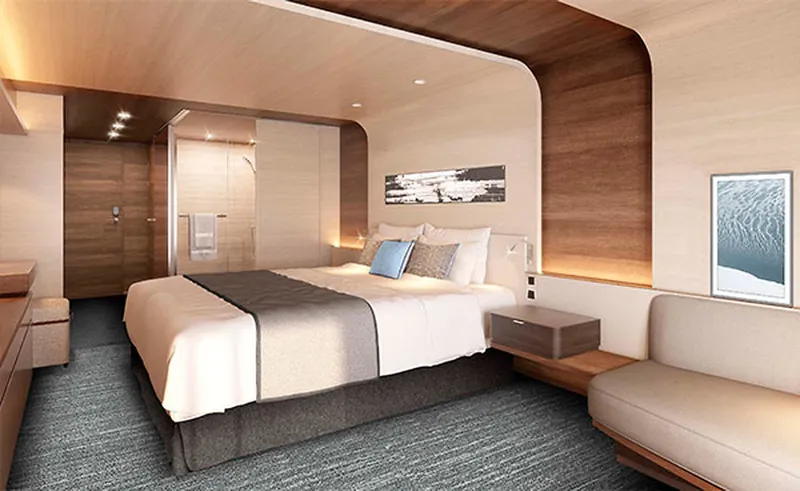
Prestige Stateroom Deck 6
Balcony
215 m²Max 2
1
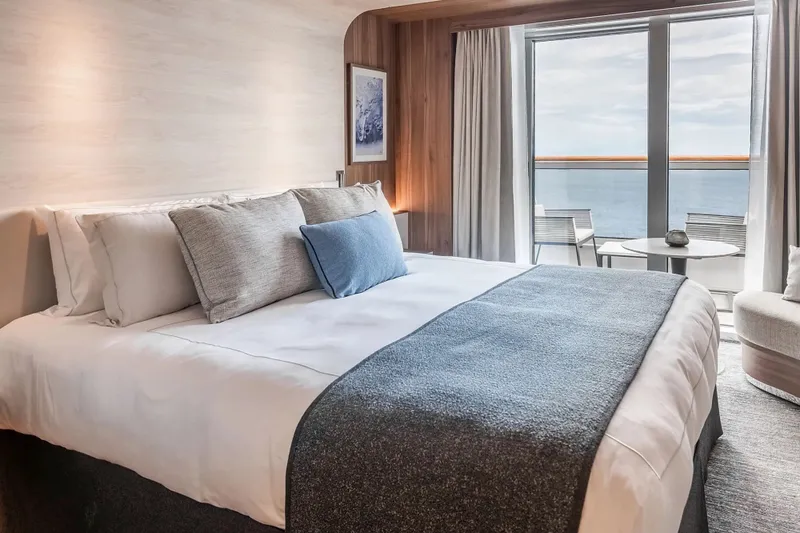
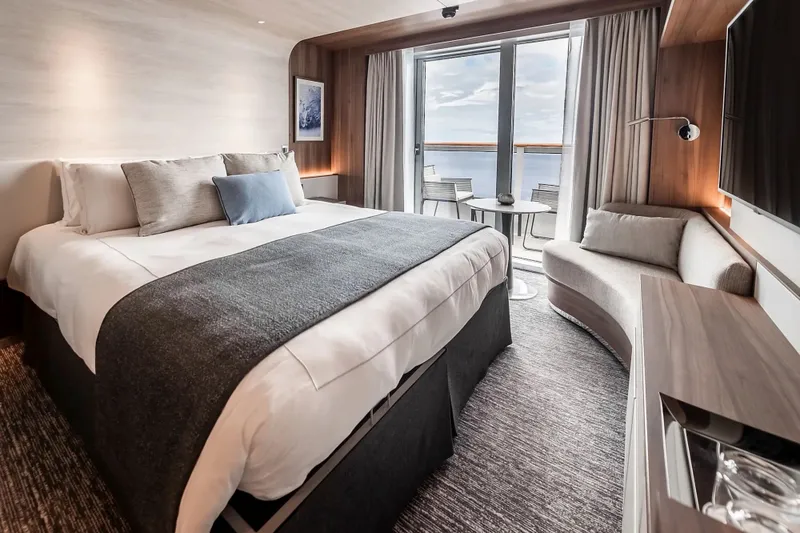
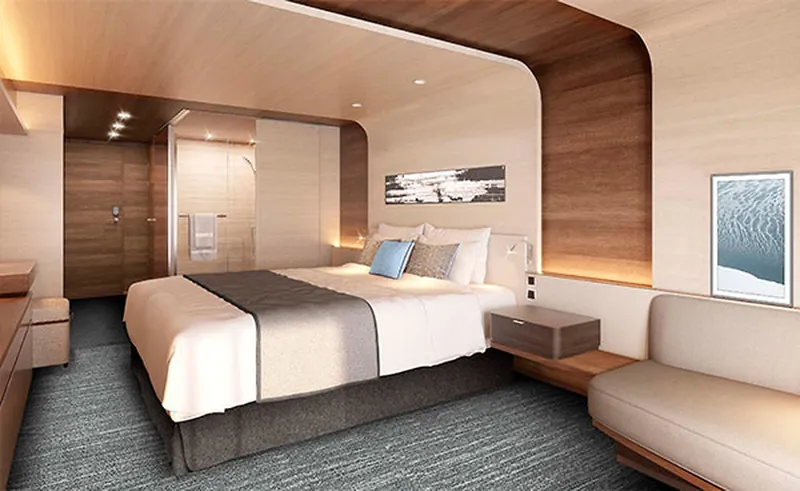
A king-size bed (180 x 200 cm) or two single beds (90 x 200 cm)
A bathroom with shower
A panoramic sliding bay window
A 5 m² glazed private balcony
ShowerToiletries ProvidedRoom Service AvailableTVSafeHair Dryer+11
View Details
Prestige Stateroom Deck 7
Balcony
215 m²Max 2
2
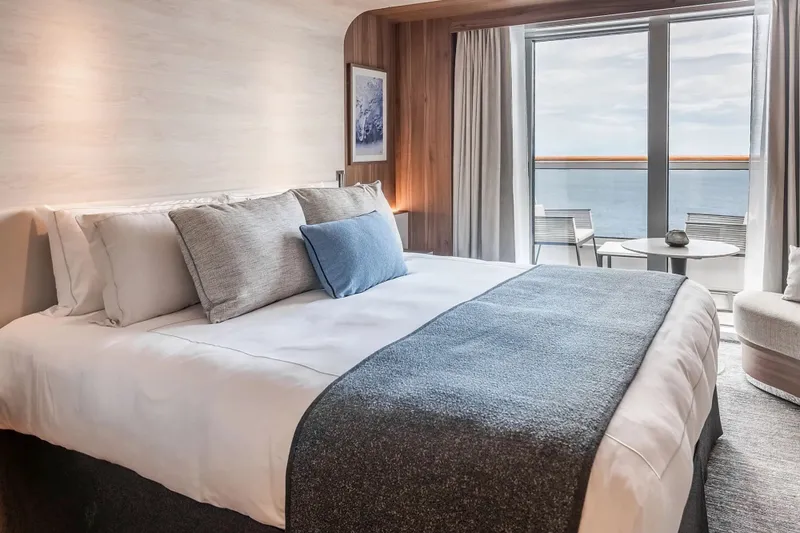
A king-size bed (180 x 200 cm) or two single beds (90 x 200 cm)
A bathroom with shower
A panoramic sliding bay window
A 5 m² glazed private balcony
ShowerToiletries ProvidedRoom Service AvailableTVSafeHair Dryer+11
View Details
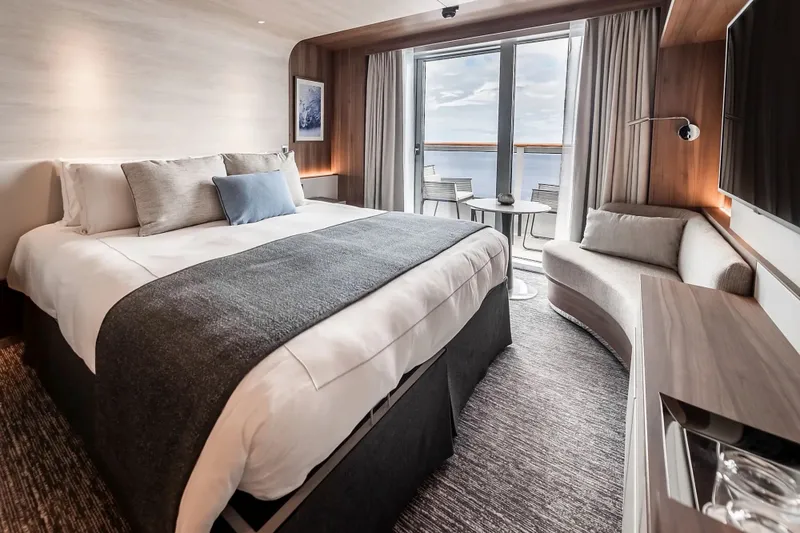
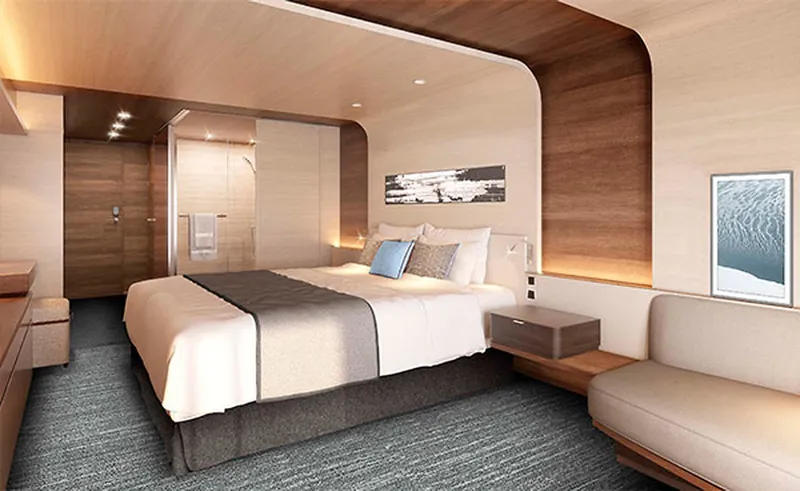
Prestige Stateroom Deck 8
Balcony
215 m²Max 2
3
A king-size bed (180 x 200 cm) or two single beds (90 x 200 cm)
A bathroom with shower
A panoramic sliding bay window
A 5 m² glazed private balcony
ShowerToiletries ProvidedRoom Service AvailableTVSafeHair Dryer+11
View Details
Interested in This Voyage?
Our cruise specialists can help you find the perfect cabin and the best available pricing.
(+886) 02-2721-7300Contact Advisor