PonantSO190526
Authentic Japan
Date
2026-05-19
Duration
12 nights
Departure Port
Busan
South Korea
Arrival Port
Osaka
Japan
Rating
Luxury
Theme
—
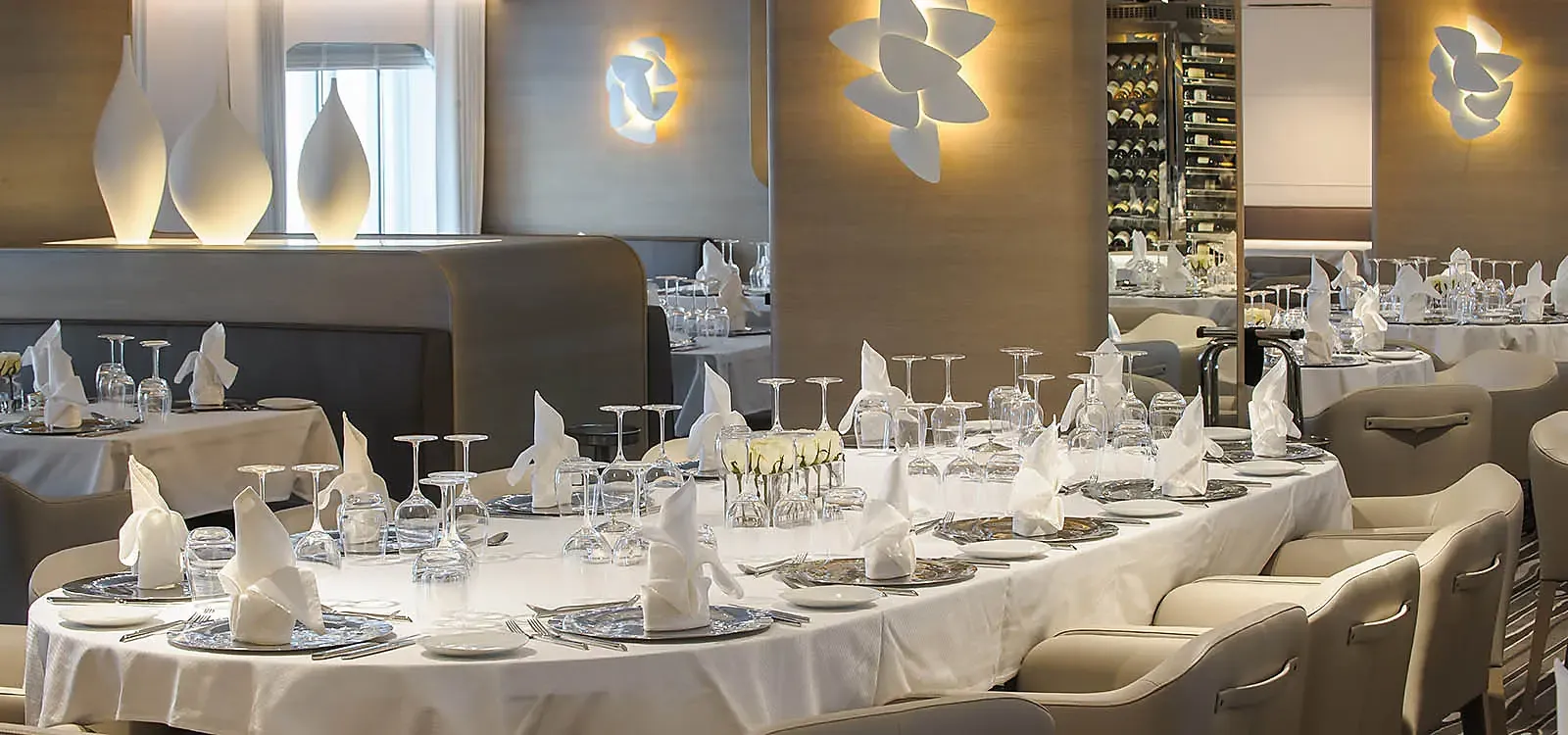
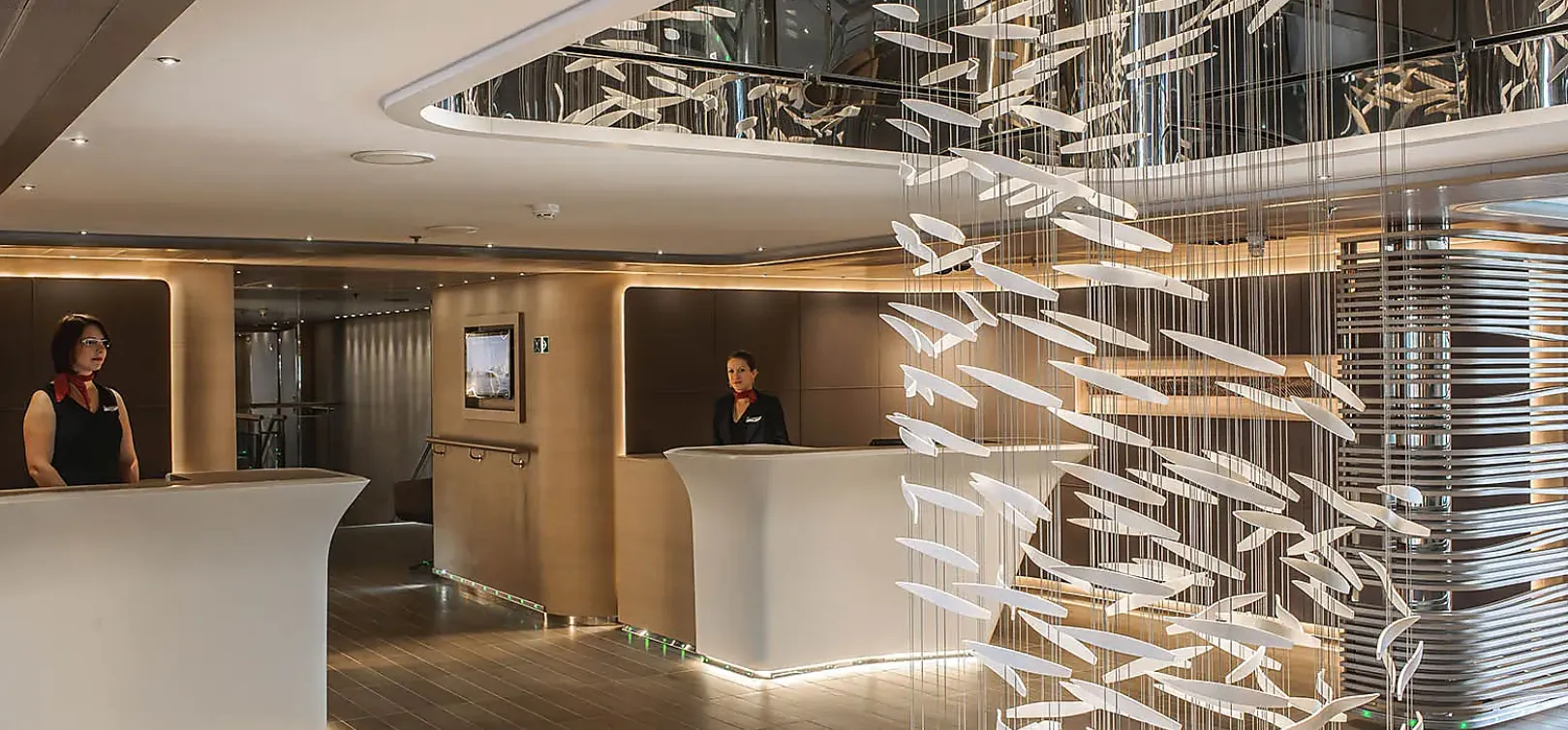
Ponant
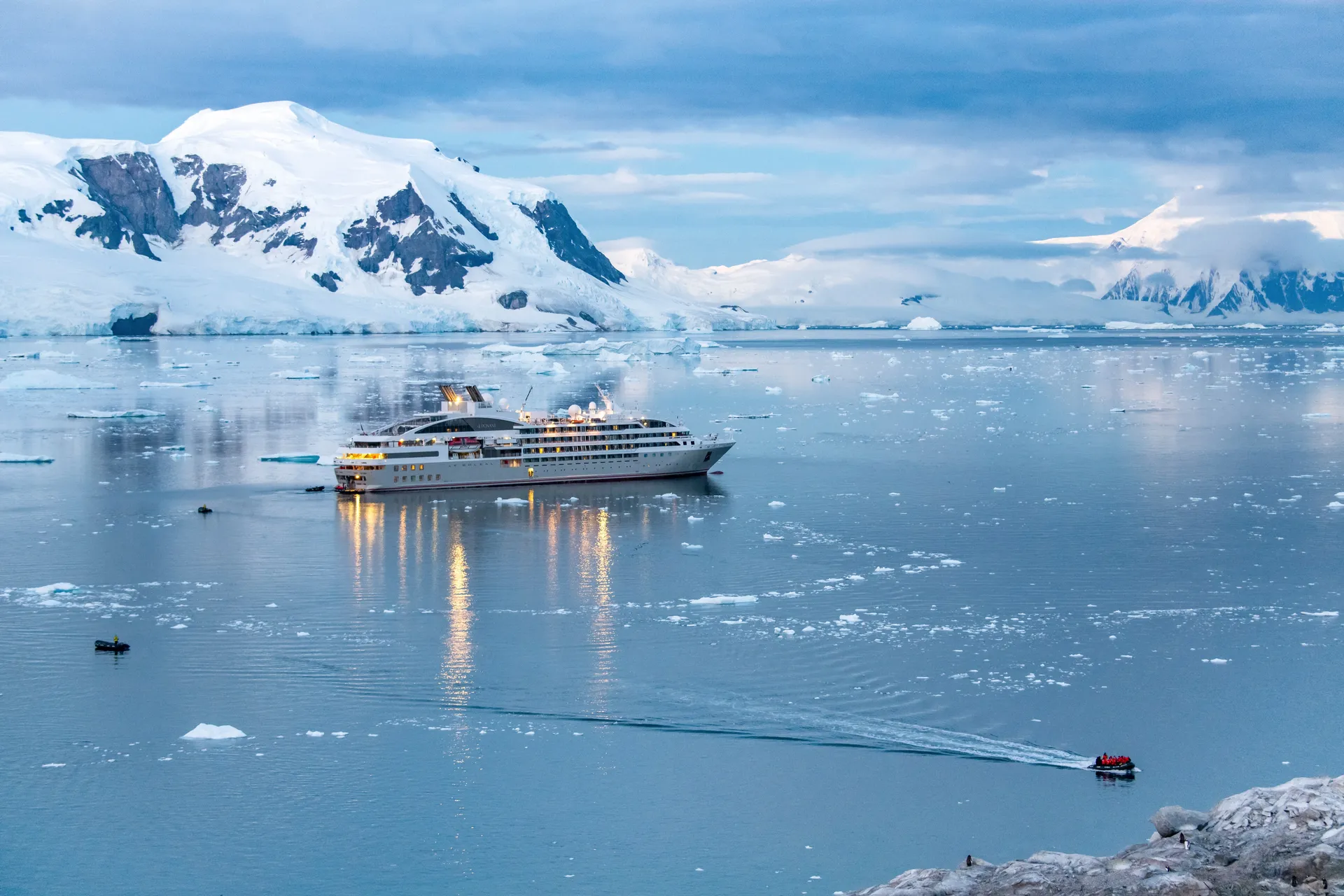
Le Soléal
Launched
2013
Refitted
2019
Tonnage
10,944 GT
Passengers
264
Cabins
132
Crew
139
Length
466 m
Width
18 m
Speed
14 knots
Adults Only
No
Itinerary
Day 1
Day 1
Busan
Depart 19:00
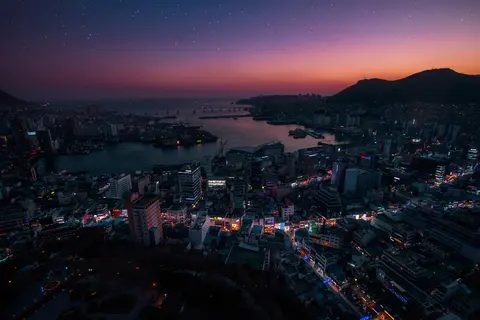
Busan, a bustling port city in South Korea, is known for its stunning coastal scenery, rich history, and vibrant culinary scene. Must-do experiences include visiting the iconic Jagalchi Fish Market for fresh seafood and exploring the ancient sites of Gyeongju. The best time to visit is during the mild spring or autumn months when the weather is pleasant and local festivals abound.
Day 2
Day 2
Karatsu
Arrive 08:00Depart 19:00
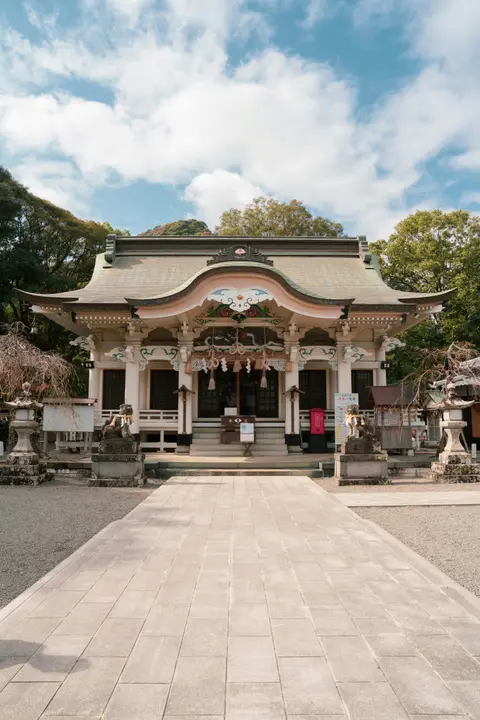
Karatsu, on Kyushu’s northwestern coast, is one of Japan’s three most revered pottery towns, where 14-generation kilns produce wabi-sabi ceramics prized in tea ceremony alongside a castle overlooking a million-pine coastal grove. Must-dos include visiting a Karatsu-yaki kiln, tasting live squid sashimi at Yobuko’s morning market, and cycling through the Niji-no-Matsubara pine grove. Visit late March for cherry blossoms, or early November for the spectacular Karatsu Kunchi festival.
Day 3
Day 3
Nagasaki
Arrive 07:00Depart 18:00
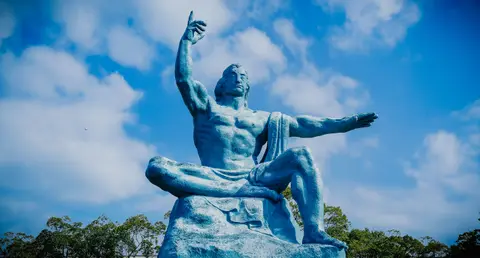
Nagasaki is a historically rich port city on Japan's Kyushu island, shaped by centuries of Portuguese, Dutch, and Chinese influence — offering visitors the Glover Garden heritage district, the moving Peace Park, and the spectacular Mount Inasa night panorama. Must-do experiences include tasting the city's signature champon noodle soup and exploring the atmospheric hillside lanes lined with stone churches and Chinese temples. The best months to visit are March through May for mild weather and cherry blossoms, or October through November when autumn colours set the surrounding hills ablaze.
Day 4
Day 4
Kagoshima
Arrive 07:30Depart 20:00
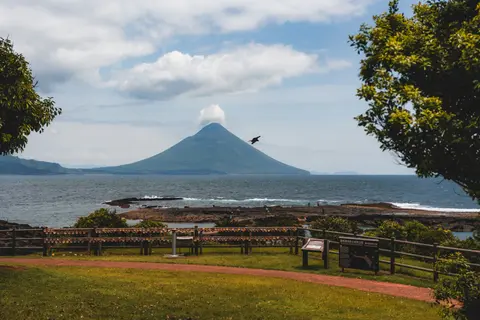
Kagoshima, the "Naples of the East," is a dramatic port city on Japan's southern coast defined by the active Sakurajima volcano and a rich samurai heritage dating to the powerful Shimazu clan. Visitors should not miss the fifteen-minute ferry crossing to Sakurajima's lava fields and a tasting of legendary Kurobuta black pork paired with local sweet-potato shōchū. Spring (March–May) offers mild temperatures and cherry blossoms, while autumn (October–November) brings clear skies ideal for volcano views.
Day 5
Day 5
Miyazaki
Arrive 07:00Depart 19:30
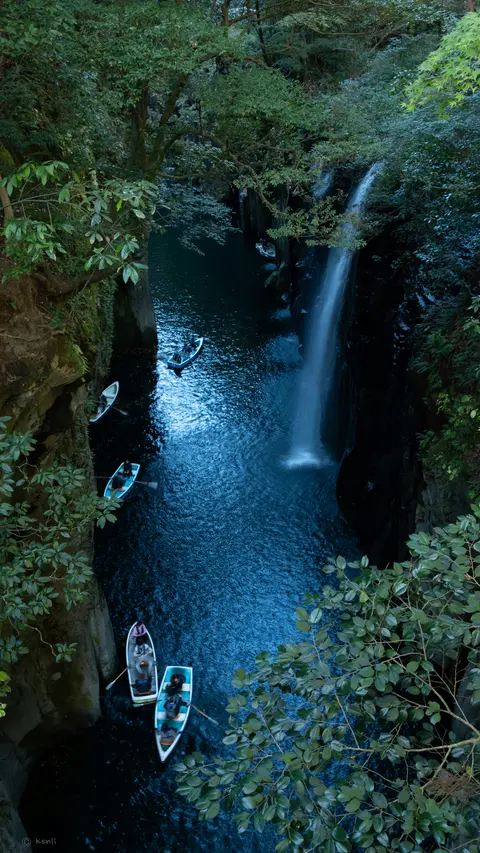
Miyazaki is Japan's subtropical sun coast on southeastern Kyushu, claimed as the mythological birthplace of Japanese civilization and home to the extraordinary Aoshima Shrine, Takachiho Gorge, and ancient Shinto kagura dance traditions. Visit year-round for volcanic geology, tropical shrine gardens, and a culinary scene featuring Japan's most prized mangoes.
Day 6
Day 6
Uwajima
Arrive 07:00Depart 16:00
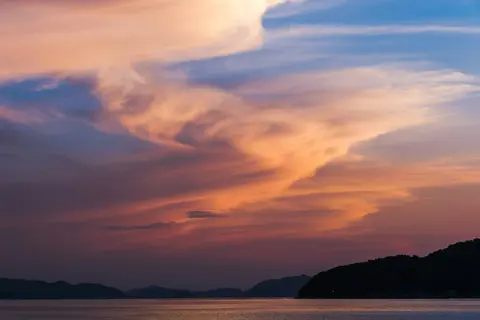
Uwajima is a Shikoku castle town renowned for one of Japan's twelve original Edo-period castles, a unique bull sumo tradition, and exceptional sea bream served as sashimi over rice in the distinctive Uwajima tai-meshi style. Must-do experiences include climbing the original wooden castle keep, attending a togyu bull sumo tournament, and tasting the local pearl oysters and citrus. Spring cherry blossoms and autumn foliage provide the most picturesque visiting seasons.
Day 7
Day 7
Tamano
Arrive 06:00Depart 22:00
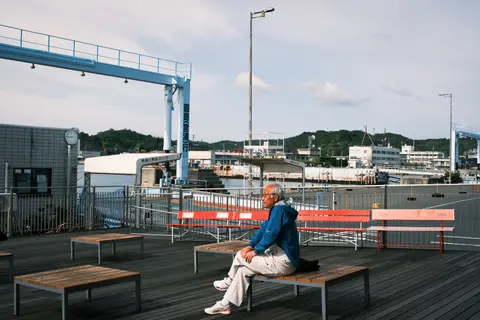
Tamano is a port city on Japan's Seto Inland Sea, serving as the gateway to the world-renowned art islands of Naoshima and Teshima, where contemporary masterpieces by Tadao Ando, Claude Monet, and James Turrell sit within extraordinary architectural settings. On the mainland, visitors can explore Okayama's Korakuen garden, the photogenic Kurashiki canal district, and taste famous white peaches and fresh Inland Sea seafood. The mild Seto Inland Sea climate makes year-round visits comfortable.
Day 8
Day 8
Itozaki
Arrive 06:30Depart 20:00
Itozaki, Japan is a distinctive port city where deep cultural heritage meets authentic local atmosphere, featured on itineraries by Ponant. Must-do experiences include walking the historic center to experience the layered architectural heritage, and seeking out the regional culinary traditions at a locally favored establishment away from the port area. The optimal time to visit is April through October, when warm weather and extended daylight create ideal conditions.
Day 9
Day 9
Hiroshima
Arrive 13:45Depart 20:00
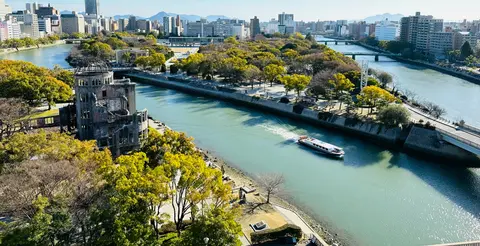
Hiroshima is a deeply moving yet vibrantly reborn Japanese city, home to the UNESCO-listed Peace Memorial Park and the iconic A-Bomb Dome. Must-dos include savouring the city's famous layered okonomiyaki, tasting fresh Inland Sea oysters, and taking the ferry to Miyajima to see the floating vermilion torii gate. Spring cherry-blossom season and autumn foliage (March–May and October–November) offer the most spectacular visits.
Day 9
Day 9
Miyajima
Arrive 06:00Depart 12:00
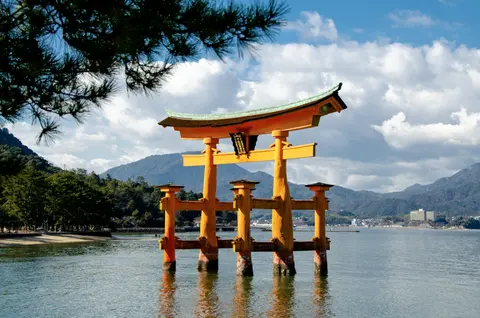
Miyajima, Japan, offers an immersion in a culture where aesthetic refinement and daily life are inseparable. Essential experiences include exploring local food markets, tasting regional specialties at intimate eateries, and visiting the surrounding temples and gardens. The port is most rewarding October through April, when cooler temperatures and lower humidity create ideal conditions. Cruise lines including Hapag-Lloyd Cruises feature this port on their most compelling itineraries. Whether you have a few hours or a full day, the port rewards exploration at every pace and in every direction.
Day 10
Day 10
Himeji
Arrive 11:00Depart 18:30
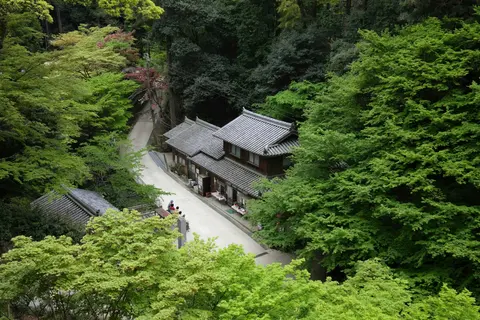
Himeji Castle is Japan's most magnificent surviving feudal castle, a UNESCO World Heritage "White Heron" whose brilliant plastered walls and sweeping rooflines have stood since 1609. Visitors should navigate the castle's defensive labyrinth to the six-story main keep, explore the nine traditional gardens of Kokoen, and take the ropeway to the mountain temple of Engyo-ji. Cherry blossom season in late March creates the most iconic scenes, with the castle framed in pink against blue sky.
Day 11
Day 11
Shingu
Arrive 07:30Depart 18:00
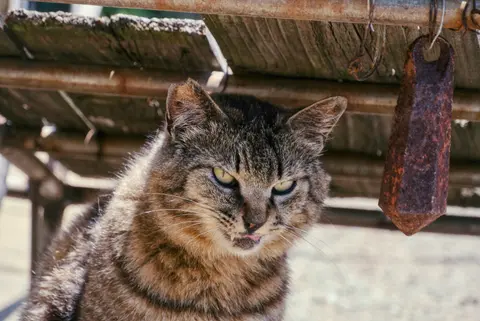
Shingu is a sacred gateway to the UNESCO-listed Kumano Kodo pilgrimage trails, home to Kumano Hayatama Taisha Grand Shrine and within reach of Nachi Falls — Japan's tallest single-drop waterfall framed by its iconic three-story pagoda. Visitors should walk the ancient forest trails, take a traditional river boat on the undammed Kumano River, and soak in Yunomine, Japan's oldest hot spring. Spring and autumn offer the most comfortable conditions for exploring this deeply spiritual landscape.
Day 12
Day 12
Toba
Arrive 07:00Depart 14:00
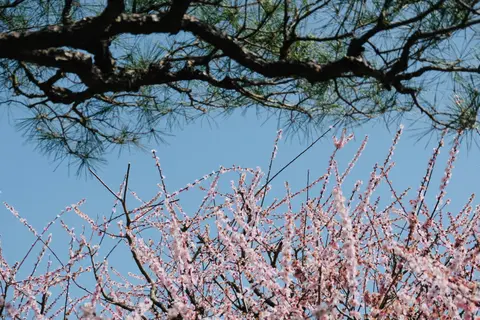
Toba, on Japan's Shima Peninsula, is the birthplace of cultured pearl farming and home to the ancient Ama free-diving tradition, where women have harvested the sea for over two thousand years. Must-dos include meeting Ama divers at seaside huts, visiting Mikimoto Pearl Island, and feasting on Ise-ebi lobster and fresh abalone. Spring and autumn offer the best weather and prime seafood seasons.
Day 13
Day 13
Osaka
Arrive 07:00
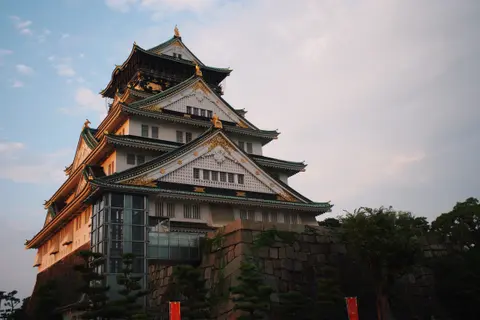
Osaka is Japan's exuberant culinary capital, a neon-drenched metropolis where Edo-period merchant culture lives on in vibrant street food markets and Michelin-starred kaiseki restaurants alike. No visit is complete without savouring *takoyaki* and *kushikatsu* along the Dōtonbori Canal, or venturing north to witness Hirosaki's legendary cherry blossoms. The ideal window is late March through May for spring blooms and mild weather, or October through November when autumn foliage transforms the surrounding Kansai region into a tapestry of amber and gold.
Day 1
Busan
Depart 19:00
Busan, a bustling port city in South Korea, is known for its stunning coastal scenery, rich history, and vibrant culinary scene. Must-do experiences include visiting the iconic Jagalchi Fish Market for fresh seafood and exploring the ancient sites of Gyeongju. The best time to visit is during the mild spring or autumn months when the weather is pleasant and local festivals abound.
Day 2
Karatsu
Arrive 08:00Depart 19:00
Karatsu, on Kyushu’s northwestern coast, is one of Japan’s three most revered pottery towns, where 14-generation kilns produce wabi-sabi ceramics prized in tea ceremony alongside a castle overlooking a million-pine coastal grove. Must-dos include visiting a Karatsu-yaki kiln, tasting live squid sashimi at Yobuko’s morning market, and cycling through the Niji-no-Matsubara pine grove. Visit late March for cherry blossoms, or early November for the spectacular Karatsu Kunchi festival.
Day 3
Nagasaki
Arrive 07:00Depart 18:00
Nagasaki is a historically rich port city on Japan's Kyushu island, shaped by centuries of Portuguese, Dutch, and Chinese influence — offering visitors the Glover Garden heritage district, the moving Peace Park, and the spectacular Mount Inasa night panorama. Must-do experiences include tasting the city's signature champon noodle soup and exploring the atmospheric hillside lanes lined with stone churches and Chinese temples. The best months to visit are March through May for mild weather and cherry blossoms, or October through November when autumn colours set the surrounding hills ablaze.
Day 4
Kagoshima
Arrive 07:30Depart 20:00
Kagoshima, the "Naples of the East," is a dramatic port city on Japan's southern coast defined by the active Sakurajima volcano and a rich samurai heritage dating to the powerful Shimazu clan. Visitors should not miss the fifteen-minute ferry crossing to Sakurajima's lava fields and a tasting of legendary Kurobuta black pork paired with local sweet-potato shōchū. Spring (March–May) offers mild temperatures and cherry blossoms, while autumn (October–November) brings clear skies ideal for volcano views.
Day 5
Miyazaki
Arrive 07:00Depart 19:30
Miyazaki is Japan's subtropical sun coast on southeastern Kyushu, claimed as the mythological birthplace of Japanese civilization and home to the extraordinary Aoshima Shrine, Takachiho Gorge, and ancient Shinto kagura dance traditions. Visit year-round for volcanic geology, tropical shrine gardens, and a culinary scene featuring Japan's most prized mangoes.
Day 6
Uwajima
Arrive 07:00Depart 16:00
Uwajima is a Shikoku castle town renowned for one of Japan's twelve original Edo-period castles, a unique bull sumo tradition, and exceptional sea bream served as sashimi over rice in the distinctive Uwajima tai-meshi style. Must-do experiences include climbing the original wooden castle keep, attending a togyu bull sumo tournament, and tasting the local pearl oysters and citrus. Spring cherry blossoms and autumn foliage provide the most picturesque visiting seasons.
Day 7
Tamano
Arrive 06:00Depart 22:00
Tamano is a port city on Japan's Seto Inland Sea, serving as the gateway to the world-renowned art islands of Naoshima and Teshima, where contemporary masterpieces by Tadao Ando, Claude Monet, and James Turrell sit within extraordinary architectural settings. On the mainland, visitors can explore Okayama's Korakuen garden, the photogenic Kurashiki canal district, and taste famous white peaches and fresh Inland Sea seafood. The mild Seto Inland Sea climate makes year-round visits comfortable.
Day 8
Itozaki
Arrive 06:30Depart 20:00
Itozaki, Japan is a distinctive port city where deep cultural heritage meets authentic local atmosphere, featured on itineraries by Ponant. Must-do experiences include walking the historic center to experience the layered architectural heritage, and seeking out the regional culinary traditions at a locally favored establishment away from the port area. The optimal time to visit is April through October, when warm weather and extended daylight create ideal conditions.
Day 9
Hiroshima
Arrive 13:45Depart 20:00
Hiroshima is a deeply moving yet vibrantly reborn Japanese city, home to the UNESCO-listed Peace Memorial Park and the iconic A-Bomb Dome. Must-dos include savouring the city's famous layered okonomiyaki, tasting fresh Inland Sea oysters, and taking the ferry to Miyajima to see the floating vermilion torii gate. Spring cherry-blossom season and autumn foliage (March–May and October–November) offer the most spectacular visits.
Miyajima
Arrive 06:00Depart 12:00
Miyajima, Japan, offers an immersion in a culture where aesthetic refinement and daily life are inseparable. Essential experiences include exploring local food markets, tasting regional specialties at intimate eateries, and visiting the surrounding temples and gardens. The port is most rewarding October through April, when cooler temperatures and lower humidity create ideal conditions. Cruise lines including Hapag-Lloyd Cruises feature this port on their most compelling itineraries. Whether you have a few hours or a full day, the port rewards exploration at every pace and in every direction.
Day 10
Himeji
Arrive 11:00Depart 18:30
Himeji Castle is Japan's most magnificent surviving feudal castle, a UNESCO World Heritage "White Heron" whose brilliant plastered walls and sweeping rooflines have stood since 1609. Visitors should navigate the castle's defensive labyrinth to the six-story main keep, explore the nine traditional gardens of Kokoen, and take the ropeway to the mountain temple of Engyo-ji. Cherry blossom season in late March creates the most iconic scenes, with the castle framed in pink against blue sky.
Day 11
Shingu
Arrive 07:30Depart 18:00
Shingu is a sacred gateway to the UNESCO-listed Kumano Kodo pilgrimage trails, home to Kumano Hayatama Taisha Grand Shrine and within reach of Nachi Falls — Japan's tallest single-drop waterfall framed by its iconic three-story pagoda. Visitors should walk the ancient forest trails, take a traditional river boat on the undammed Kumano River, and soak in Yunomine, Japan's oldest hot spring. Spring and autumn offer the most comfortable conditions for exploring this deeply spiritual landscape.
Day 12
Toba
Arrive 07:00Depart 14:00
Toba, on Japan's Shima Peninsula, is the birthplace of cultured pearl farming and home to the ancient Ama free-diving tradition, where women have harvested the sea for over two thousand years. Must-dos include meeting Ama divers at seaside huts, visiting Mikimoto Pearl Island, and feasting on Ise-ebi lobster and fresh abalone. Spring and autumn offer the best weather and prime seafood seasons.
Day 13
Osaka
Arrive 07:00
Osaka is Japan's exuberant culinary capital, a neon-drenched metropolis where Edo-period merchant culture lives on in vibrant street food markets and Michelin-starred kaiseki restaurants alike. No visit is complete without savouring *takoyaki* and *kushikatsu* along the Dōtonbori Canal, or venturing north to witness Hirosaki's legendary cherry blossoms. The ideal window is late March through May for spring blooms and mild weather, or October through November when autumn foliage transforms the surrounding Kansai region into a tapestry of amber and gold.
Cabin Categories
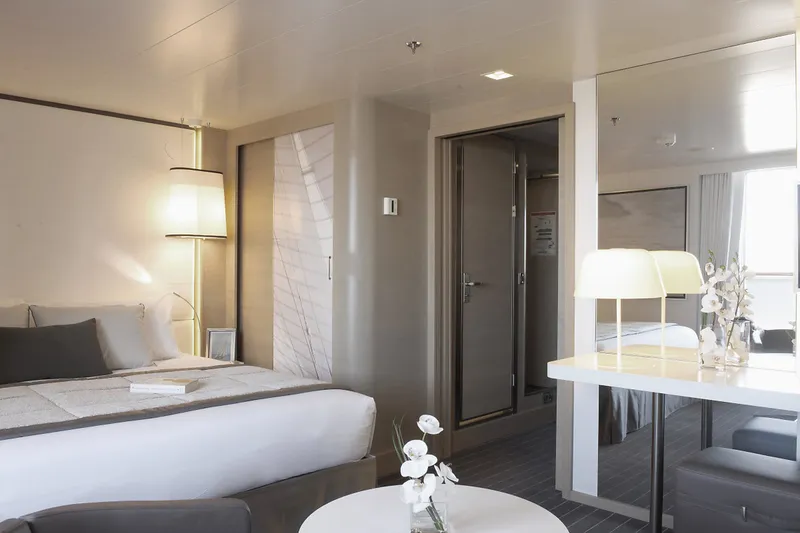
Deluxe Suite
Suite
DS
In addition to the common services provided to all our suites and staterooms:
Priority boarding (depending on port of embarkation)
Champagne and fruit basket upon arrival
Butler service
An assortment of sweet or savoury canapés and fruit basket every day
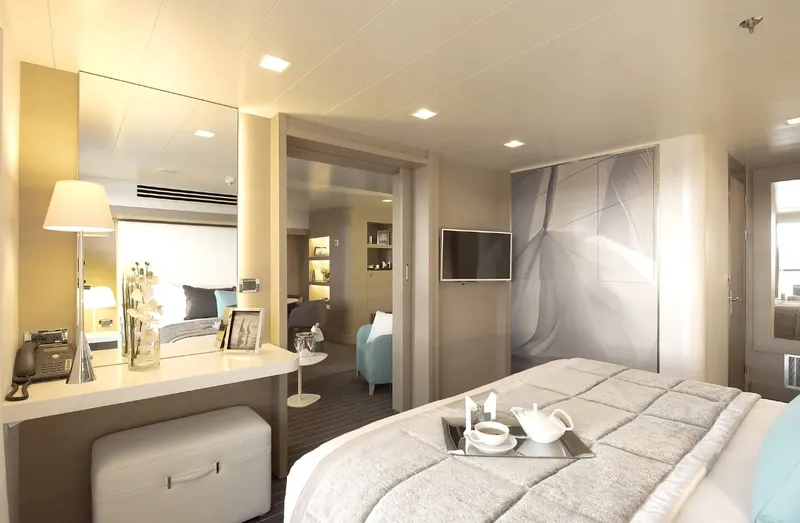
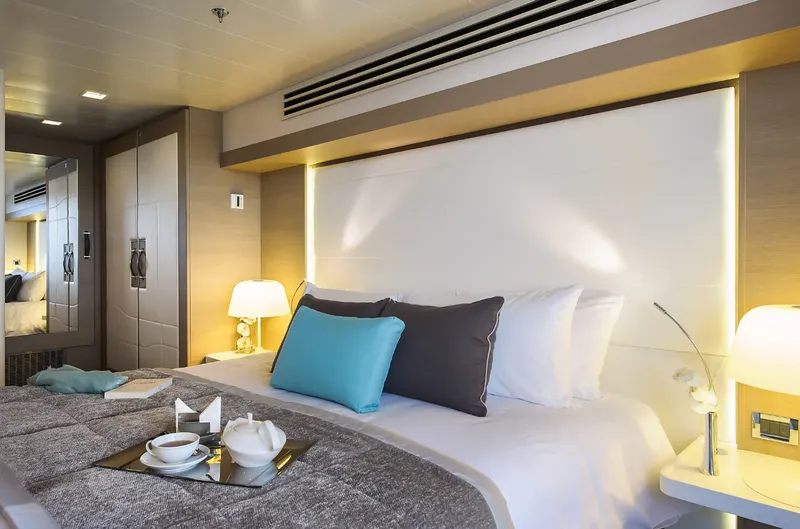
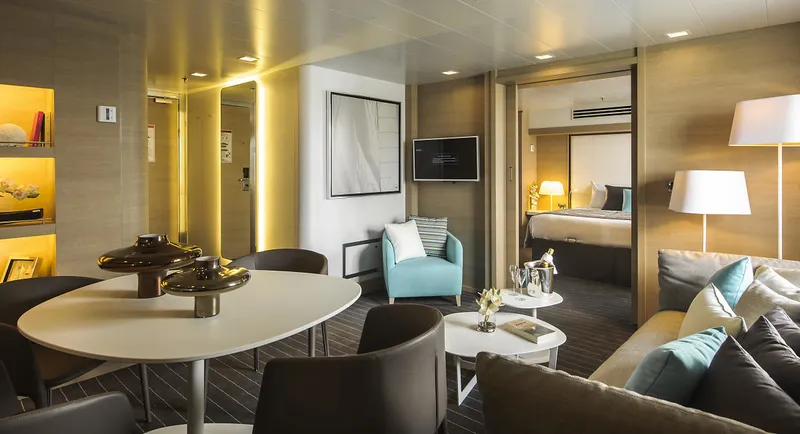
One king-size bed (180 x 200 cm) or two single beds (90 x 200 cm)
An armchair and sofa (167 x 70 cm)
A bathroom with shower
A private 5 m² balcony
A panoramic sliding bay window
View Details
Owner's Suite
Suite
OS
In addition to the common services provided to all our suites and staterooms:
Private return transfer
Priority boarding (depending on port of embarkation)
Champagne and fruit basket upon arrival
Butler service
An assortment of sweet or savoury canapés and fruit basket every day
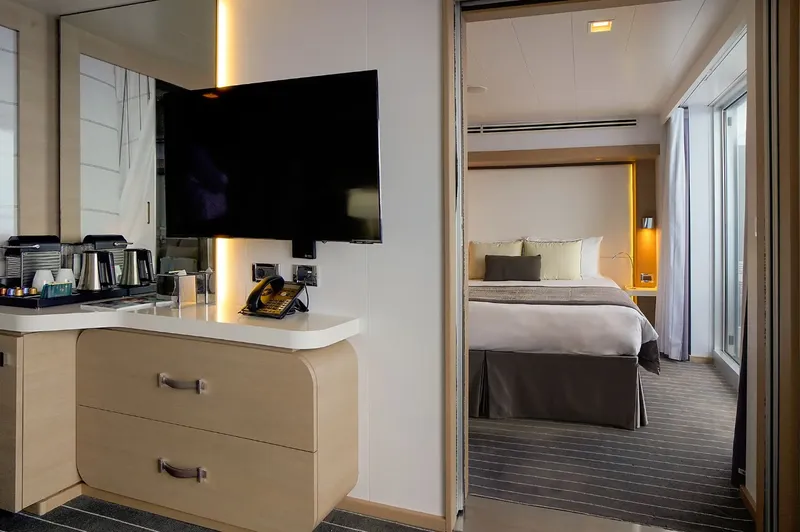
A bedroom with one king-size bed (180 x 200 cm) or two single beds (90 x 200 cm)
A living/dining room with a sofa, armchair, second TV, 4-seater table, and sliding courtesy door
A bathroom with shower and Balneo bathtub
A one-hour spa treatments per person (for 2 people) in the well-being space, chosen from the facial and body treatments on offer
Included premium pass: access to a selection of premium spirits at the bar
A private 9 m² balcony
Two panoramic sliding bay windows
View Details
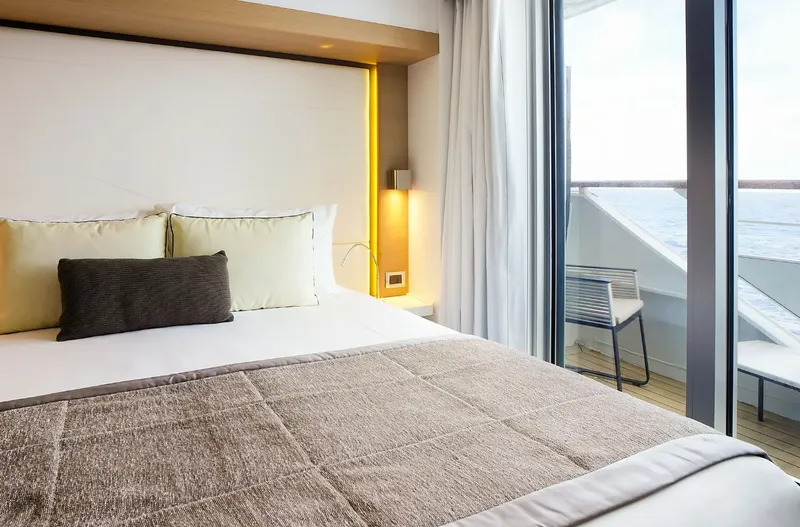
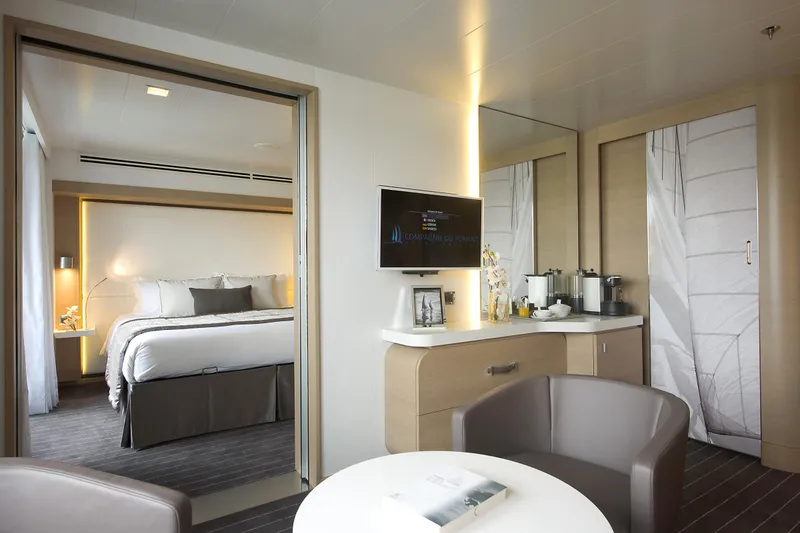
Prestige Deck 5 Suite
Suite
4
In addition to the common services provided to all our suites and staterooms:
Champagne and fruit basket upon arrival
An assortment of sweet or savoury canapés and fruit basket every day
A bedroom with king-size bed (180 x 200 cm) or two single beds (90 x 200 cm)
A lounge with convertible sofa to a king-size bed (180 x 200 cm) or two single beds (90 x 200 cm), armchairs, second TV, and sliding courtesy door
Two bathrooms: one with a shower and one with a bath
A private 8 m² balcony
Two panoramic sliding bay windows
View Details

Prestige Deck 6 Suite
Suite
5
In addition to the common services provided to all our suites and staterooms:
Priority boarding (depending on port of embarkation)
Champagne and fruit basket upon arrival
Butler service
An assortment of sweet or savoury canapés and fruit basket every day
A bedroom with king-size bed (180 x 200 cm) or two single beds (90 x 200 cm)
A lounge with convertible sofa to a king-size bed (180 x 200 cm) or two single beds (90 x 200 cm), armchairs, second TV, and sliding courtesy door
Two bathrooms: one with a shower and one with a bath
A private 8 m² balcony
Two panoramic sliding bay windows
View Details
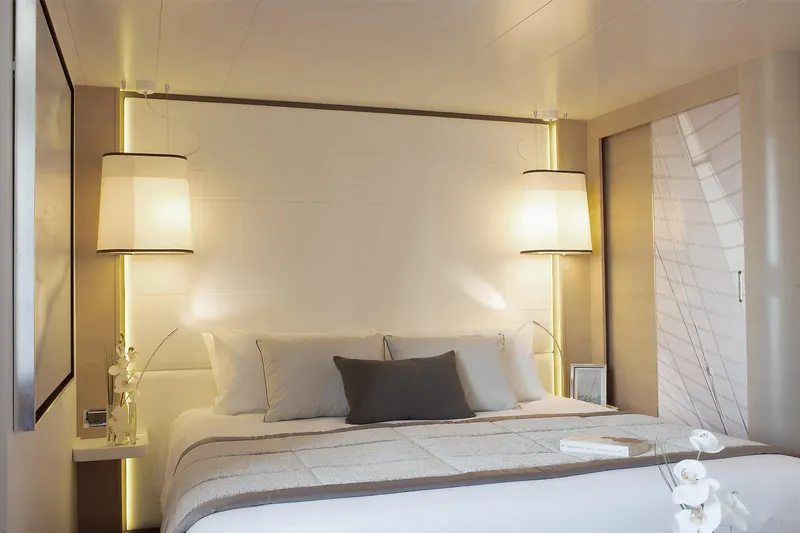
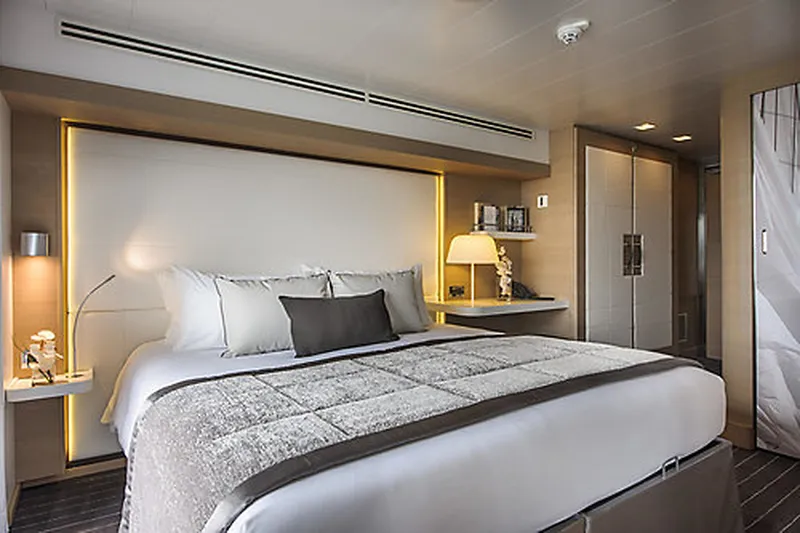
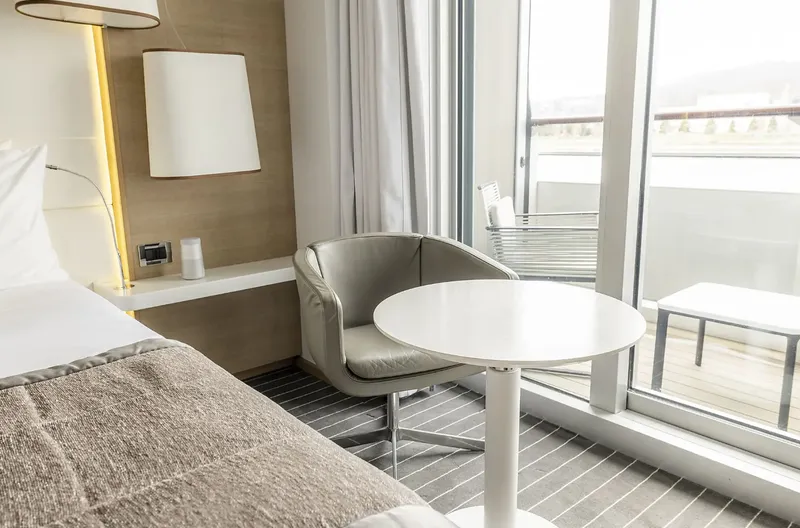
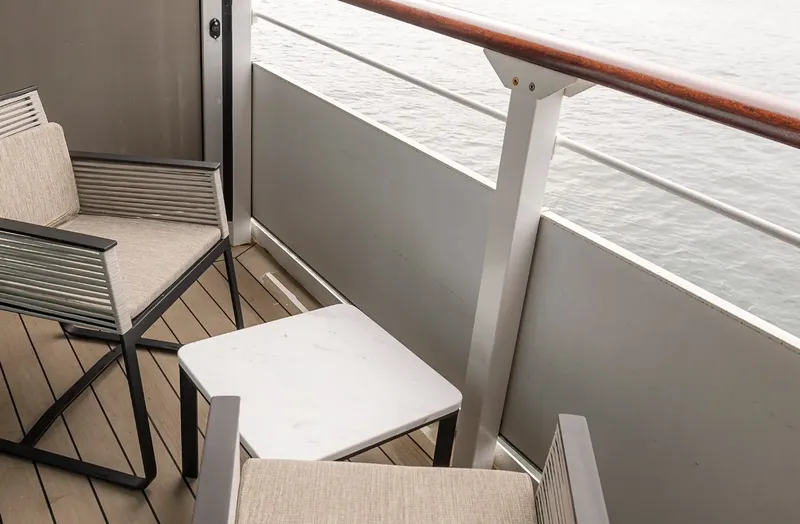
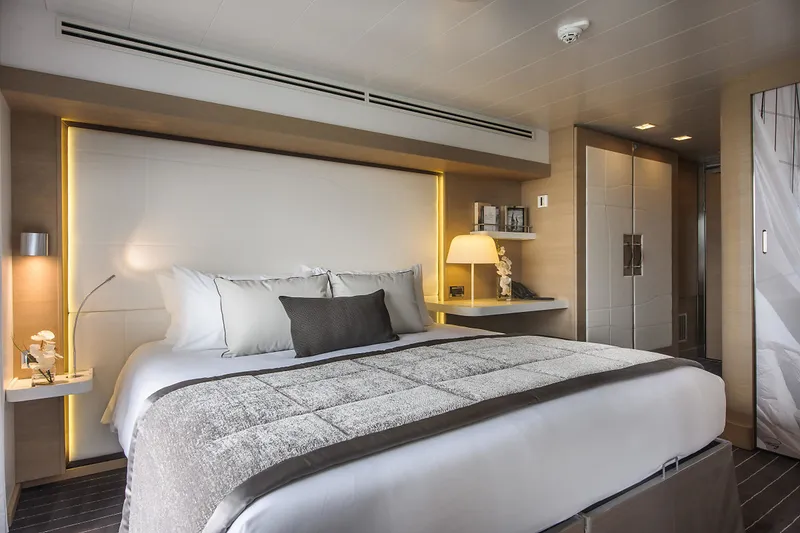
Deluxe Stateroom
Balcony
D
In addition to the common services provided to all our suites and staterooms:
One king-size bed (180 x 200 cm) or two single beds (90 x 200 cm)
A bathroom with shower
A private 4 m² balcony
A window and panoramic glazed swing door
View Details
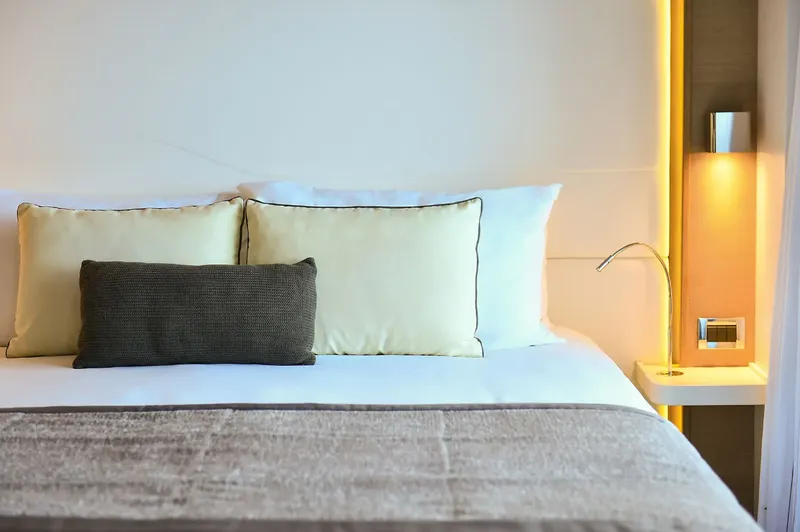
Prestige Deck 4
Balcony
1
In addition to the common services provided to all our suites and staterooms:
One king-size bed (180 x 200 cm) or two single beds (90 x 200 cm)
A bathroom with shower
A private 4 m² balcony
A panoramic sliding bay window
View Details
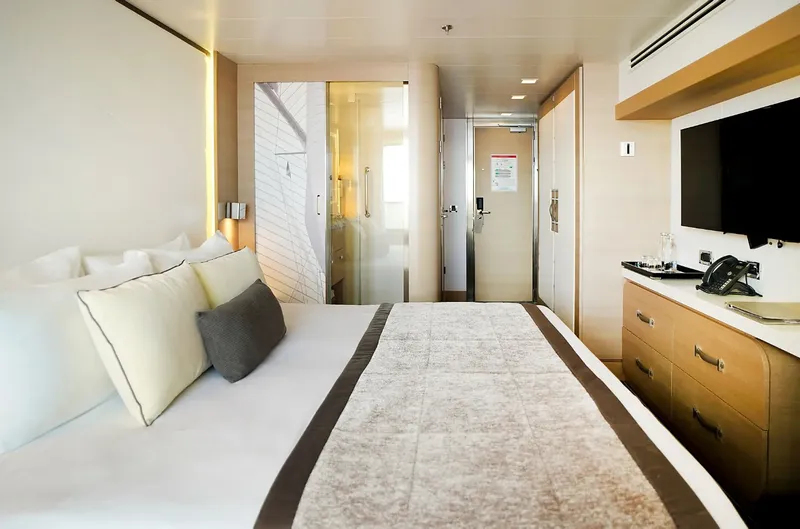

Prestige Deck 5
Balcony
2
In addition to the common services provided to all our suites and staterooms:
One king-size bed (180 x 200 cm) or two single beds (90 x 200 cm) and TV
A bathroom with bath
A private 4 m² balcony
A panoramic sliding bay window
View Details
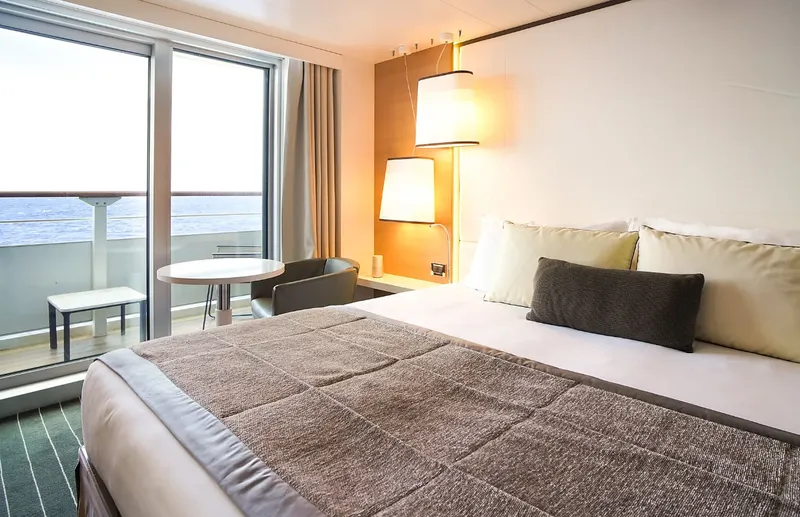
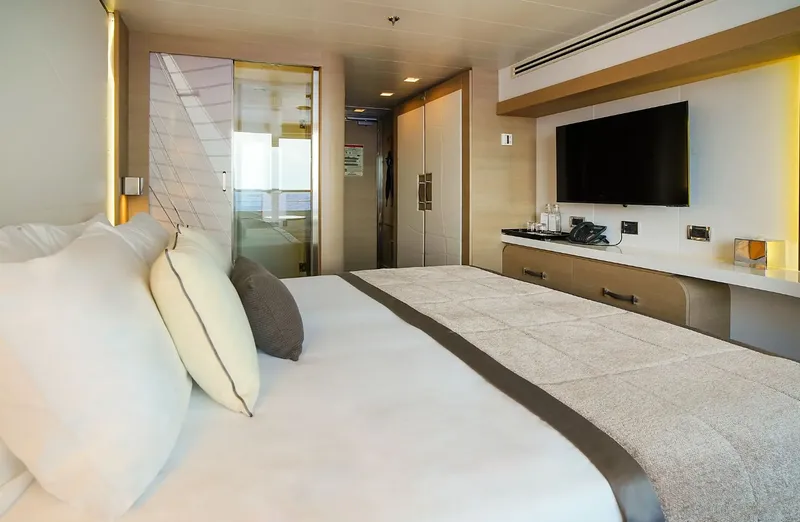

Prestige Deck 6
Balcony
3
In addition to the common services provided to all our suites and staterooms:
One king-size bed (180 x 200 cm) or two single beds (90 x 200 cm)
A bathroom with bathtub (except staterooms 605 and 625: with shower)
A private 4 m² balcony
A panoramic sliding bay window
View Details
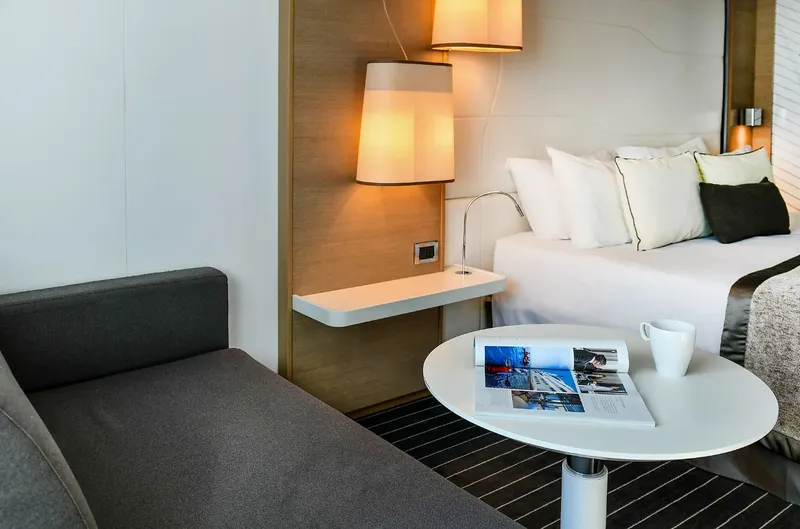
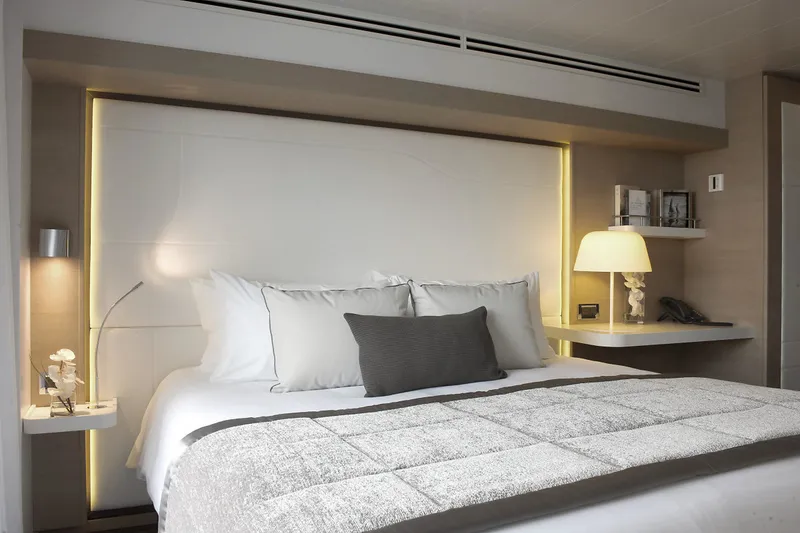
Superior Stateroom
Outside
6
In addition to the common services provided to all our suites and staterooms:
One king-size bed or two single beds (180 x 200 cm)
A bathroom with shower
A window (except for stateroom 300: a round porthole only)
View Details
Interested in This Voyage?
Our cruise specialists can help you find the perfect cabin and the best available pricing.
(+886) 02-2721-7300Contact Advisor