PonantSO310526
Odyssey in the heart of Japan’s subtropical islands
Date
2026-05-31
Duration
9 nights
Departure Port
Osaka
Japan
Arrival Port
Keelung
Taiwan
Rating
Luxury
Theme
—
Ponant
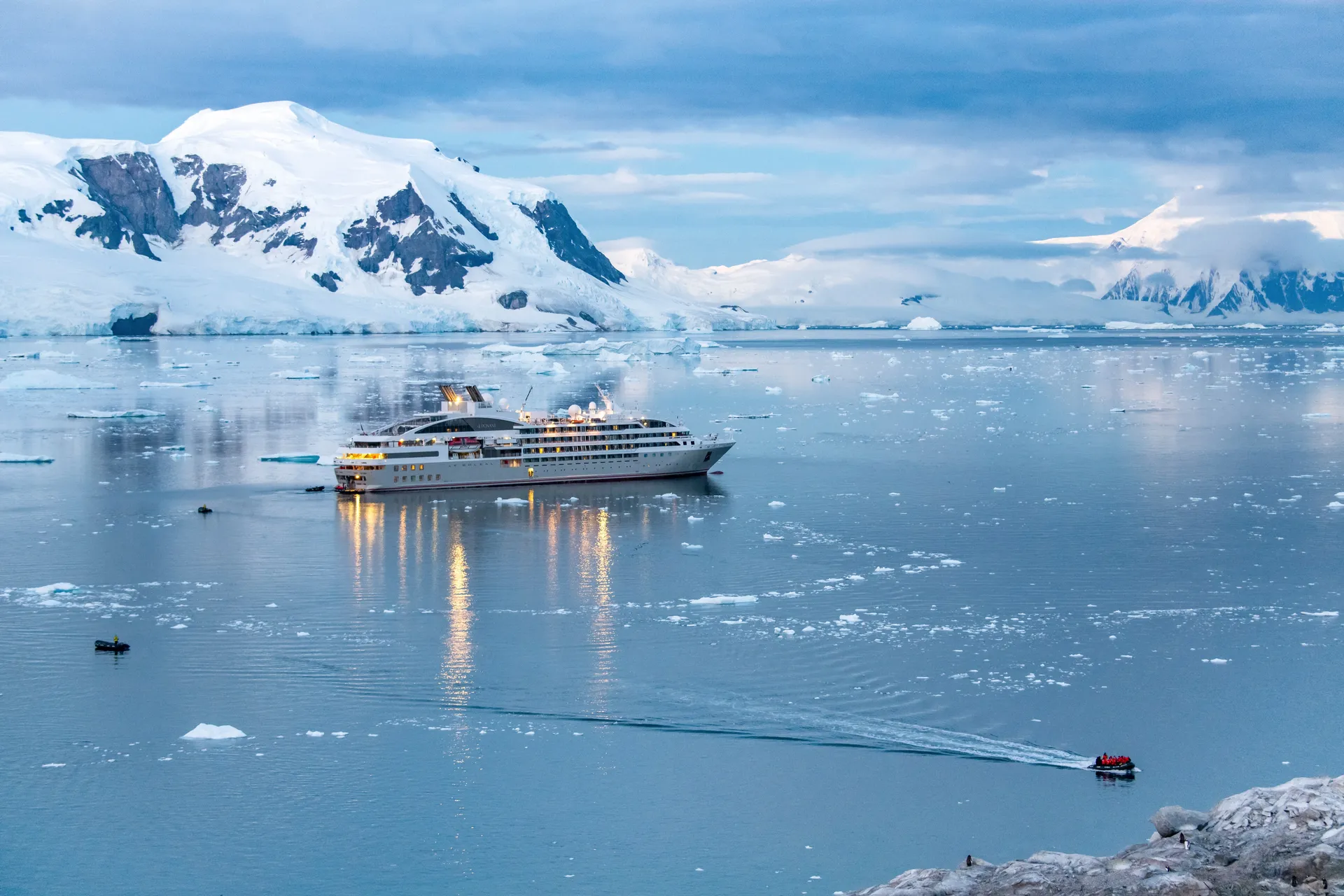
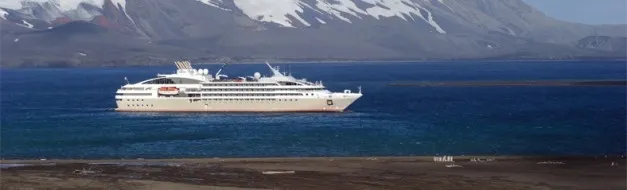
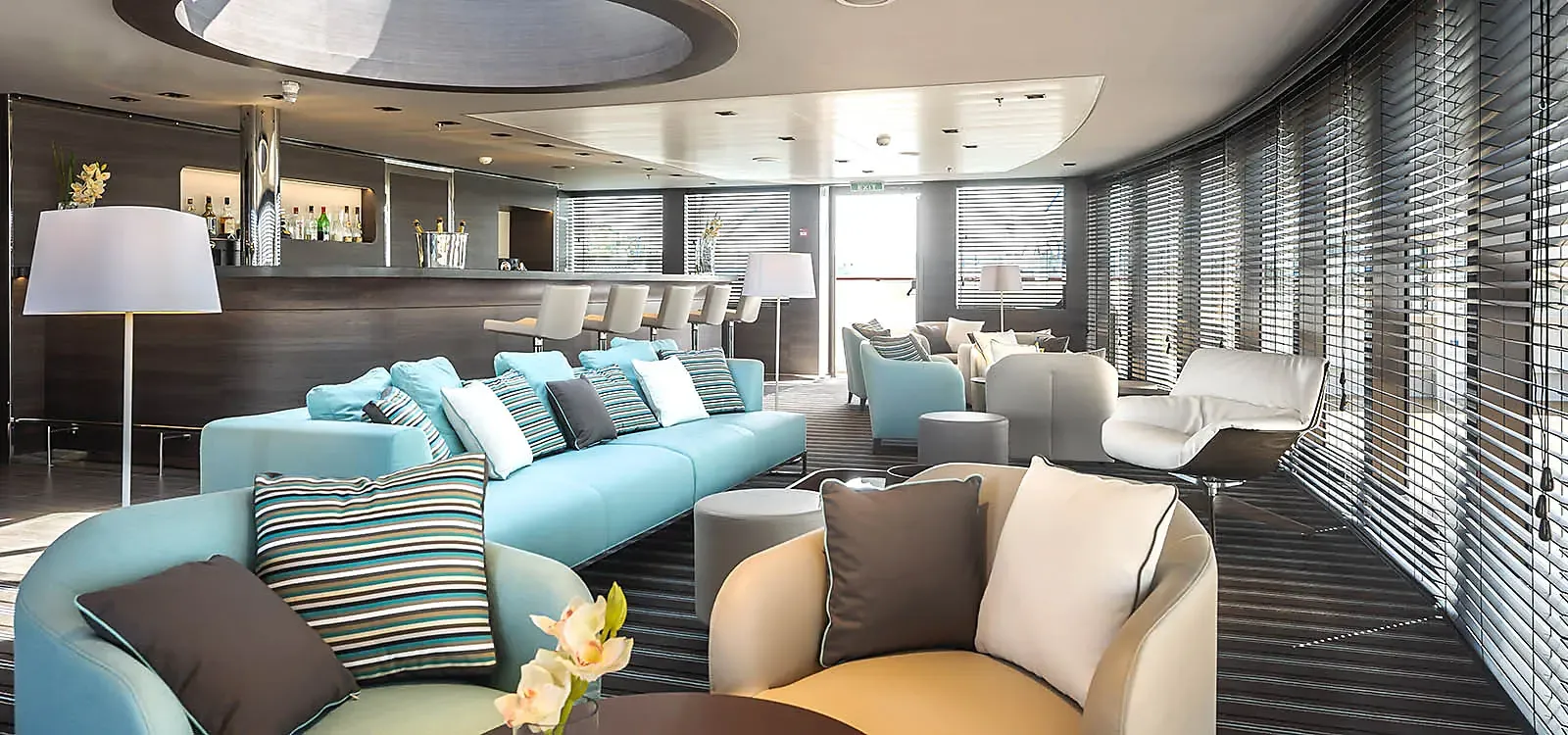
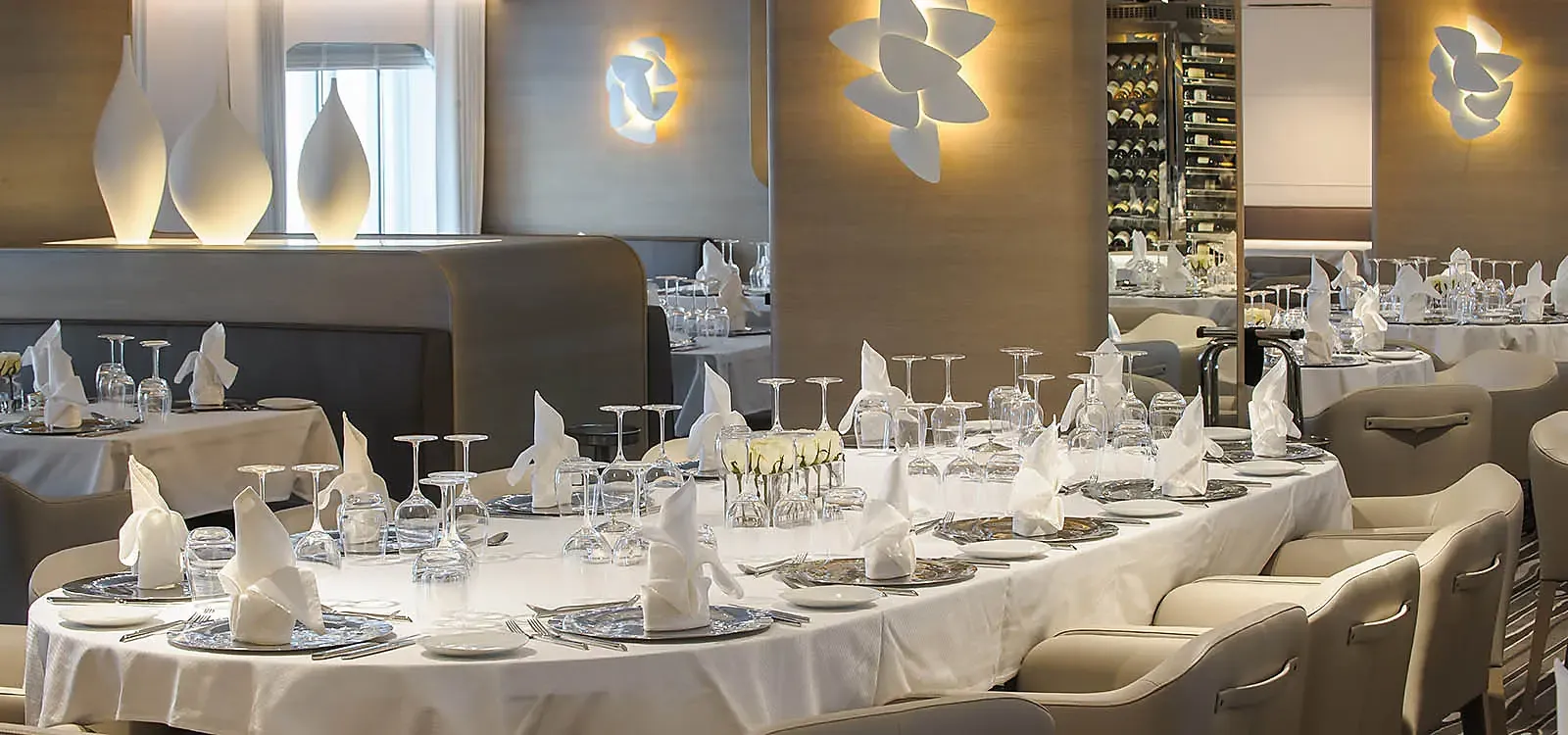
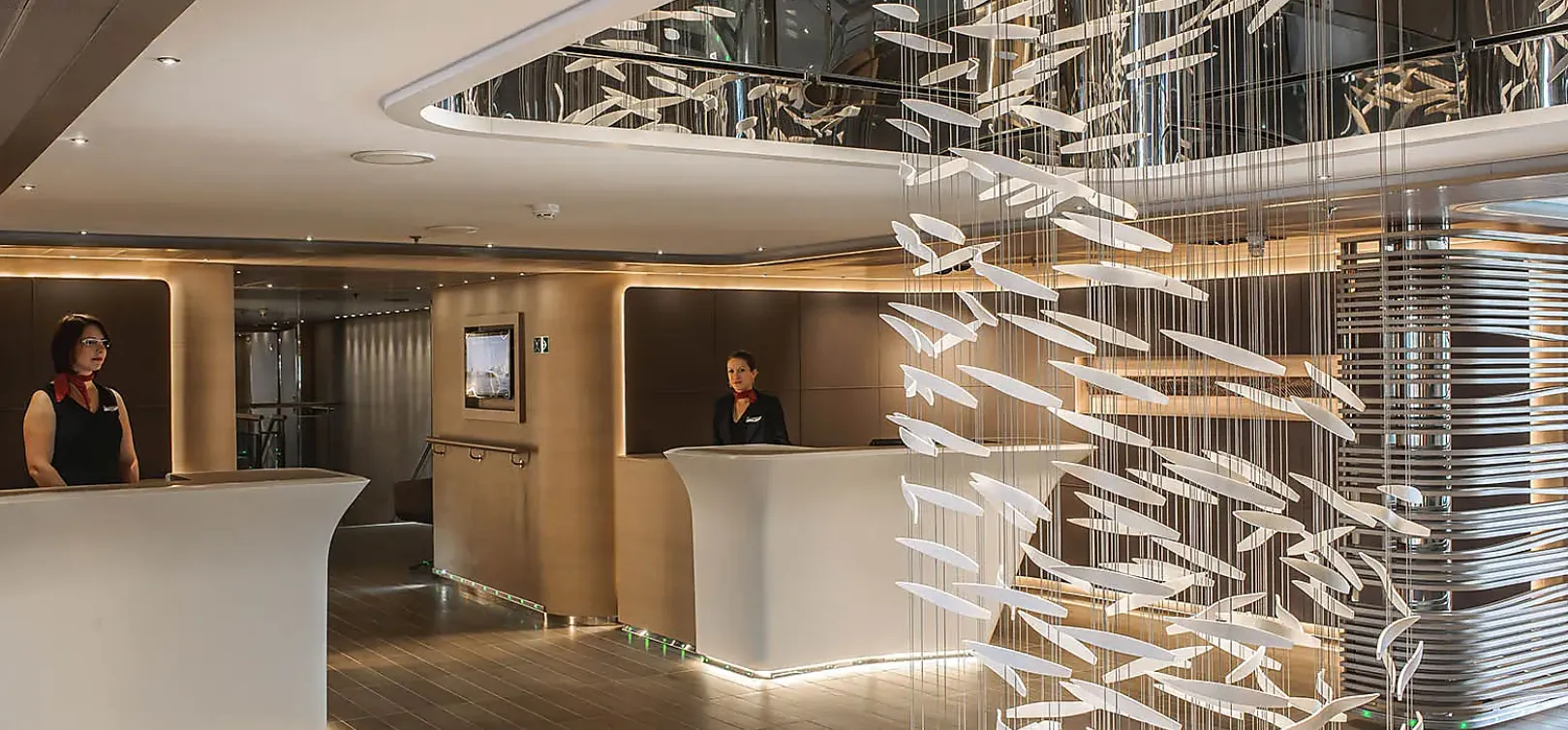
Le Soléal
Launched
2013
Refitted
2019
Tonnage
10,944 GT
Passengers
264
Cabins
132
Crew
139
Length
466 m
Width
18 m
Speed
14 knots
Adults Only
No
Itinerary
Day 1
Day 1
Osaka
Depart 18:00
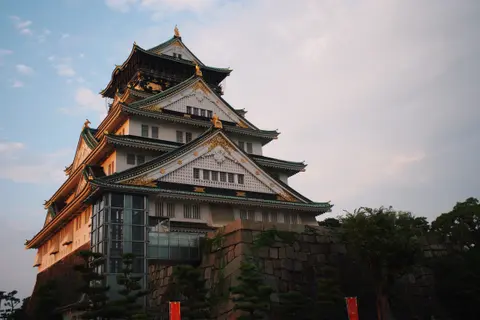
Osaka is Japan's exuberant culinary capital, a neon-drenched metropolis where Edo-period merchant culture lives on in vibrant street food markets and Michelin-starred kaiseki restaurants alike. No visit is complete without savouring *takoyaki* and *kushikatsu* along the Dōtonbori Canal, or venturing north to witness Hirosaki's legendary cherry blossoms. The ideal window is late March through May for spring blooms and mild weather, or October through November when autumn foliage transforms the surrounding Kansai region into a tapestry of amber and gold.
Day 2
Day 2
Shingu
Arrive 07:00Depart 18:00
Shingu is a sacred gateway to the UNESCO-listed Kumano Kodo pilgrimage trails, home to Kumano Hayatama Taisha Grand Shrine and within reach of Nachi Falls — Japan's tallest single-drop waterfall framed by its iconic three-story pagoda. Visitors should walk the ancient forest trails, take a traditional river boat on the undammed Kumano River, and soak in Yunomine, Japan's oldest hot spring. Spring and autumn offer the most comfortable conditions for exploring this deeply spiritual landscape.
Day 3
Day 3
Kochi
Arrive 07:00Depart 14:00
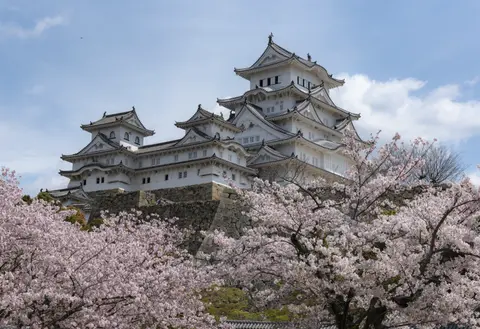
Kochi, on Japan's island of Shikoku, is a Pacific coast port city renowned for its remarkably preserved 17th-century castle, vibrant Hirome Market food hall, and the iconic katsuo no tataki — straw-seared skipjack tuna that defines the region's bold culinary identity. Visitors should not miss exploring the castle grounds and savouring sawachi communal platters paired with crisp Tosa sake. The best time to visit is spring for mild weather and cherry blossoms, or autumn when typhoon season has passed and the yuzu harvest perfumes the countryside.
Day 4
Day 4
Kagoshima
Arrive 12:30Depart 21:30
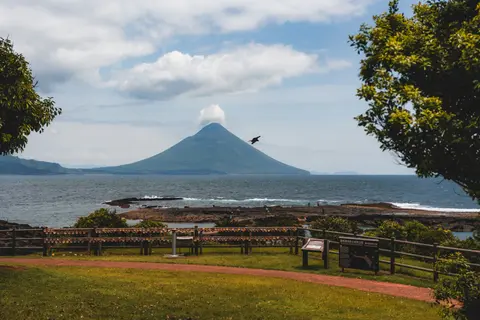
Kagoshima, the "Naples of the East," is a dramatic port city on Japan's southern coast defined by the active Sakurajima volcano and a rich samurai heritage dating to the powerful Shimazu clan. Visitors should not miss the fifteen-minute ferry crossing to Sakurajima's lava fields and a tasting of legendary Kurobuta black pork paired with local sweet-potato shōchū. Spring (March–May) offers mild temperatures and cherry blossoms, while autumn (October–November) brings clear skies ideal for volcano views.
Day 5
Day 5
Miyanoura - Yakushima
Arrive 07:00Depart 13:30
Miyanoura is the port for Yakushima, Japan's first UNESCO World Heritage Site, where ancient cedar trees over 2,000 years old stand in moss-draped forests that inspired Princess Mononoke, and dramatic elevation changes compress subtropical to sub-alpine zones into 500 square kilometres. Must-dos include hiking to the Jōmon Sugi ancient cedar, exploring the Shiratani Unsuikyō ravine, and tasting flying fish sashimi. The rainy season (June-July) creates the most atmospheric forest conditions, while autumn offers clearest skies.
Day 6
Day 6
Motobu
Arrive 13:00Depart 18:30
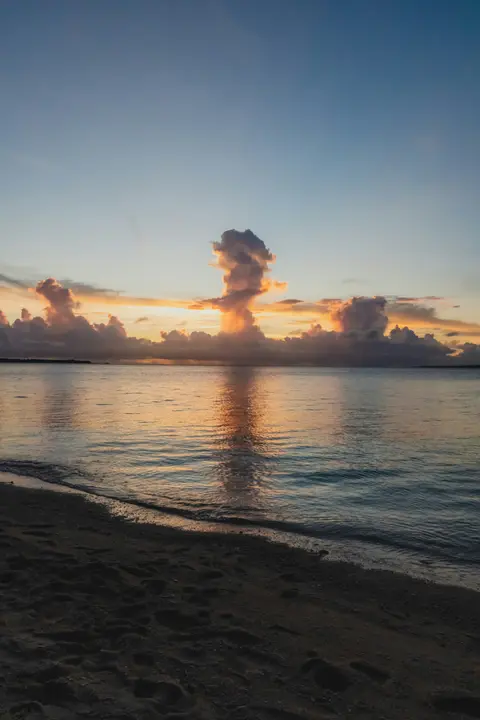
Motobu on Okinawa's northwest coast is home to the world-renowned Churaumi Aquarium and the UNESCO-listed Nakijin Castle ruins. Must-dos include the Kuroshio Sea tank with whale sharks, exploring Ryukyu Kingdom castle ruins, and sampling authentic Okinawan soba. Best visited March through June, or late January for Japan's earliest cherry blossoms.
Day 7
Day 7
Naha
Depart 19:00
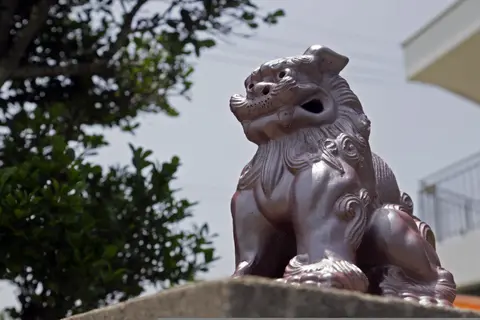
Naha, the subtropical capital of Okinawa and former seat of the independent Ryūkyū Kingdom, offers a beguiling fusion of royal heritage, artisan traditions, and one of the world's most health-conscious cuisines — from meltingly tender *rafute* pork to the oceanic pop of *umibudo* sea grapes. Visitors should not miss the vermilion splendour of Shuri Castle and the sensory immersion of Makishi Public Market. The mild subtropical climate makes Naha inviting year-round, though March through May delivers the most luminous skies and comfortable temperatures for exploration ashore.
Day 8
Day 8
Miyako Islands
Arrive 12:00Depart 19:30
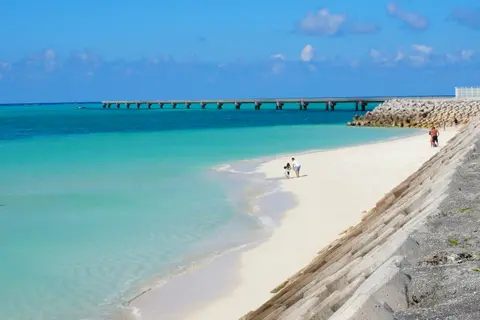
The Miyako Islands are Japan's tropical paradise, a cluster of coral islands 300 kilometers southwest of Okinawa renowned for "Miyako Blue" waters, world-class white sand beaches like Maehama and Sunayama, and spectacular inter-island bridges spanning turquoise seas. Visitors should snorkel Yoshino Beach's coral gardens, drive the 3.5-kilometer Irabu Bridge, and taste Miyako soba and local goat cuisine. April-June and October-November offer ideal weather with warm seas and lower humidity.
Day 9
Day 9
Ishigaki
Arrive 06:30Depart 16:30
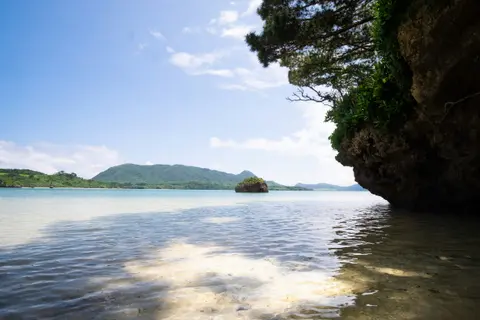
Ishigaki is Japan's subtropical gateway to the Yaeyama Islands, where the world's largest blue coral colony, Kabira Bay's emerald waters, and Ryukyuan cultural traditions create an experience closer to Taiwan than Tokyo. Visit March through October via Holland America Line or Oceania Cruises for world-class reef snorkeling, traditional sanshin music, and the tropical Japan that challenges every assumption about the Land of the Rising Sun.
Day 10
Day 10
Keelung
Arrive 06:00
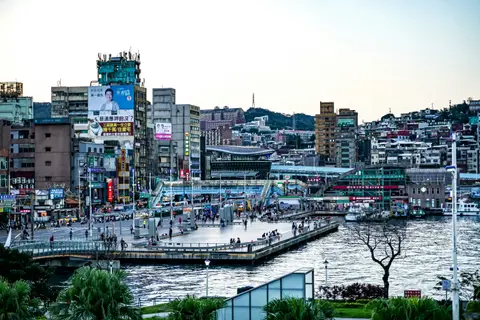
Keelung, a historic port city in northern Taiwan, is known for its vibrant atmosphere and culinary treasures, including the famous Oyster Omelette and Braised Pork Rice. A must-do experience is exploring the bustling Keelung Night Market and venturing to nearby attractions like Sun Moon Lake and Taroko Gorge. The best season to visit is during the fall, when the weather is mild and pleasant for outdoor exploration.
Day 1
Osaka
Depart 18:00
Osaka is Japan's exuberant culinary capital, a neon-drenched metropolis where Edo-period merchant culture lives on in vibrant street food markets and Michelin-starred kaiseki restaurants alike. No visit is complete without savouring *takoyaki* and *kushikatsu* along the Dōtonbori Canal, or venturing north to witness Hirosaki's legendary cherry blossoms. The ideal window is late March through May for spring blooms and mild weather, or October through November when autumn foliage transforms the surrounding Kansai region into a tapestry of amber and gold.
Day 2
Shingu
Arrive 07:00Depart 18:00
Shingu is a sacred gateway to the UNESCO-listed Kumano Kodo pilgrimage trails, home to Kumano Hayatama Taisha Grand Shrine and within reach of Nachi Falls — Japan's tallest single-drop waterfall framed by its iconic three-story pagoda. Visitors should walk the ancient forest trails, take a traditional river boat on the undammed Kumano River, and soak in Yunomine, Japan's oldest hot spring. Spring and autumn offer the most comfortable conditions for exploring this deeply spiritual landscape.
Day 3
Kochi
Arrive 07:00Depart 14:00
Kochi, on Japan's island of Shikoku, is a Pacific coast port city renowned for its remarkably preserved 17th-century castle, vibrant Hirome Market food hall, and the iconic katsuo no tataki — straw-seared skipjack tuna that defines the region's bold culinary identity. Visitors should not miss exploring the castle grounds and savouring sawachi communal platters paired with crisp Tosa sake. The best time to visit is spring for mild weather and cherry blossoms, or autumn when typhoon season has passed and the yuzu harvest perfumes the countryside.
Day 4
Kagoshima
Arrive 12:30Depart 21:30
Kagoshima, the "Naples of the East," is a dramatic port city on Japan's southern coast defined by the active Sakurajima volcano and a rich samurai heritage dating to the powerful Shimazu clan. Visitors should not miss the fifteen-minute ferry crossing to Sakurajima's lava fields and a tasting of legendary Kurobuta black pork paired with local sweet-potato shōchū. Spring (March–May) offers mild temperatures and cherry blossoms, while autumn (October–November) brings clear skies ideal for volcano views.
Day 5
Miyanoura - Yakushima
Arrive 07:00Depart 13:30
Miyanoura is the port for Yakushima, Japan's first UNESCO World Heritage Site, where ancient cedar trees over 2,000 years old stand in moss-draped forests that inspired Princess Mononoke, and dramatic elevation changes compress subtropical to sub-alpine zones into 500 square kilometres. Must-dos include hiking to the Jōmon Sugi ancient cedar, exploring the Shiratani Unsuikyō ravine, and tasting flying fish sashimi. The rainy season (June-July) creates the most atmospheric forest conditions, while autumn offers clearest skies.
Day 6
Motobu
Arrive 13:00Depart 18:30
Motobu on Okinawa's northwest coast is home to the world-renowned Churaumi Aquarium and the UNESCO-listed Nakijin Castle ruins. Must-dos include the Kuroshio Sea tank with whale sharks, exploring Ryukyu Kingdom castle ruins, and sampling authentic Okinawan soba. Best visited March through June, or late January for Japan's earliest cherry blossoms.
Day 7
Naha
Depart 19:00
Naha, the subtropical capital of Okinawa and former seat of the independent Ryūkyū Kingdom, offers a beguiling fusion of royal heritage, artisan traditions, and one of the world's most health-conscious cuisines — from meltingly tender *rafute* pork to the oceanic pop of *umibudo* sea grapes. Visitors should not miss the vermilion splendour of Shuri Castle and the sensory immersion of Makishi Public Market. The mild subtropical climate makes Naha inviting year-round, though March through May delivers the most luminous skies and comfortable temperatures for exploration ashore.
Day 8
Miyako Islands
Arrive 12:00Depart 19:30
The Miyako Islands are Japan's tropical paradise, a cluster of coral islands 300 kilometers southwest of Okinawa renowned for "Miyako Blue" waters, world-class white sand beaches like Maehama and Sunayama, and spectacular inter-island bridges spanning turquoise seas. Visitors should snorkel Yoshino Beach's coral gardens, drive the 3.5-kilometer Irabu Bridge, and taste Miyako soba and local goat cuisine. April-June and October-November offer ideal weather with warm seas and lower humidity.
Day 9
Ishigaki
Arrive 06:30Depart 16:30
Ishigaki is Japan's subtropical gateway to the Yaeyama Islands, where the world's largest blue coral colony, Kabira Bay's emerald waters, and Ryukyuan cultural traditions create an experience closer to Taiwan than Tokyo. Visit March through October via Holland America Line or Oceania Cruises for world-class reef snorkeling, traditional sanshin music, and the tropical Japan that challenges every assumption about the Land of the Rising Sun.
Day 10
Keelung
Arrive 06:00
Keelung, a historic port city in northern Taiwan, is known for its vibrant atmosphere and culinary treasures, including the famous Oyster Omelette and Braised Pork Rice. A must-do experience is exploring the bustling Keelung Night Market and venturing to nearby attractions like Sun Moon Lake and Taroko Gorge. The best season to visit is during the fall, when the weather is mild and pleasant for outdoor exploration.
Cabin Categories
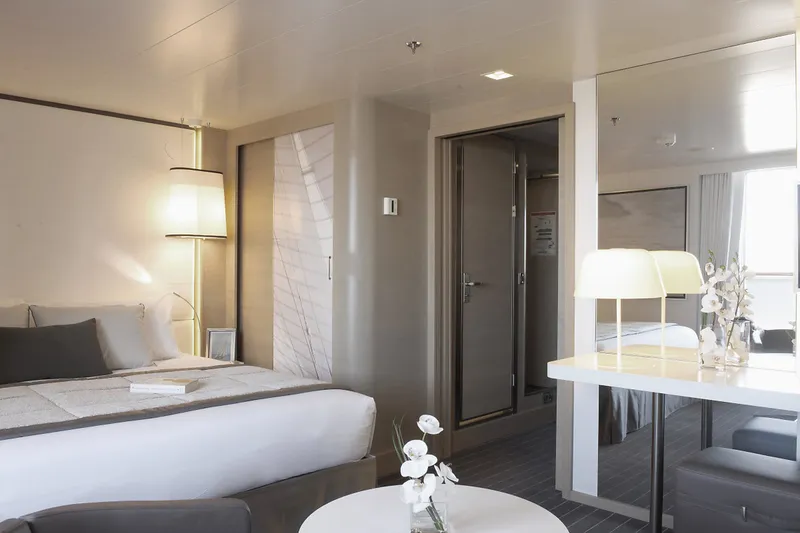
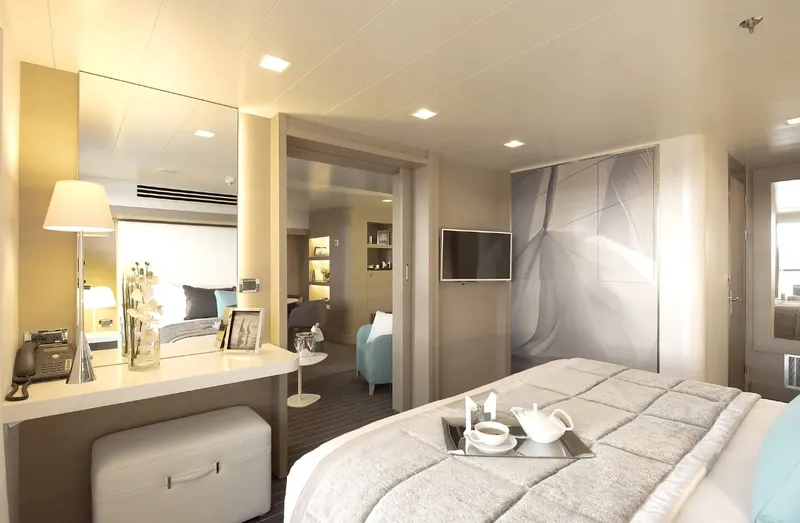
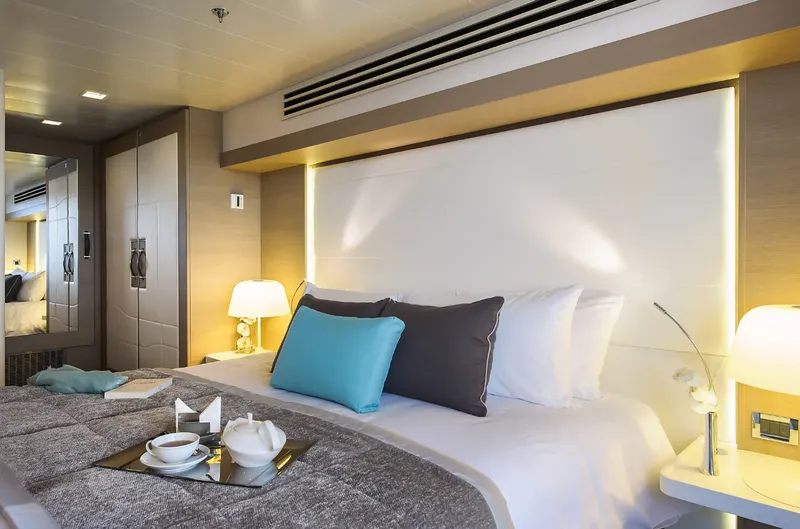
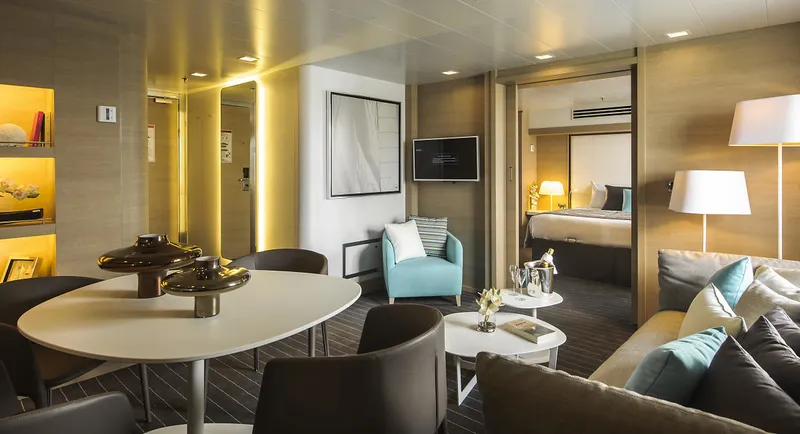
Deluxe Suite
Suite
DS
In addition to the common services provided to all our suites and staterooms:
Priority boarding (depending on port of embarkation)
Champagne and fruit basket upon arrival
Butler service
An assortment of sweet or savoury canapés and fruit basket every day
One king-size bed (180 x 200 cm) or two single beds (90 x 200 cm)
An armchair and sofa (167 x 70 cm)
A bathroom with shower
A private 5 m² balcony
A panoramic sliding bay window
View Details
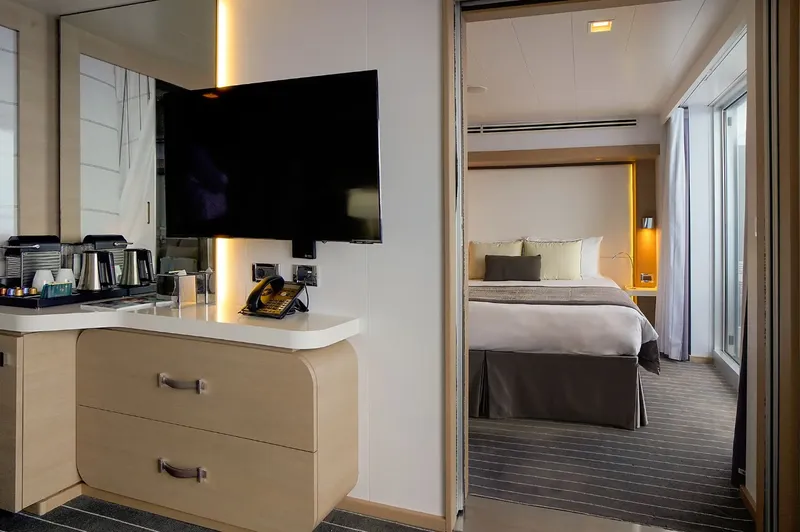
Owner's Suite
Suite
OS
In addition to the common services provided to all our suites and staterooms:
Private return transfer
Priority boarding (depending on port of embarkation)
Champagne and fruit basket upon arrival
Butler service
An assortment of sweet or savoury canapés and fruit basket every day
A bedroom with one king-size bed (180 x 200 cm) or two single beds (90 x 200 cm)
A living/dining room with a sofa, armchair, second TV, 4-seater table, and sliding courtesy door
A bathroom with shower and Balneo bathtub
A one-hour spa treatments per person (for 2 people) in the well-being space, chosen from the facial and body treatments on offer
Included premium pass: access to a selection of premium spirits at the bar
A private 9 m² balcony
Two panoramic sliding bay windows
View Details
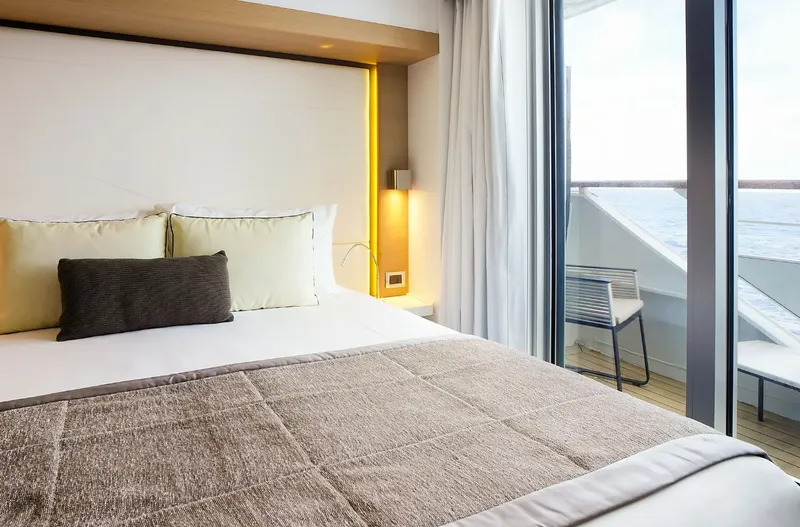
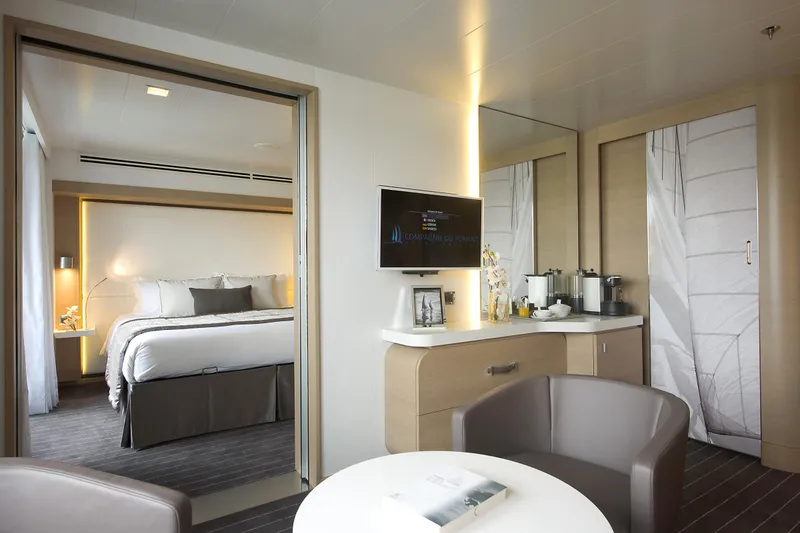
Prestige Deck 5 Suite
Suite
4
In addition to the common services provided to all our suites and staterooms:
Champagne and fruit basket upon arrival
An assortment of sweet or savoury canapés and fruit basket every day
A bedroom with king-size bed (180 x 200 cm) or two single beds (90 x 200 cm)
A lounge with convertible sofa to a king-size bed (180 x 200 cm) or two single beds (90 x 200 cm), armchairs, second TV, and sliding courtesy door
Two bathrooms: one with a shower and one with a bath
A private 8 m² balcony
Two panoramic sliding bay windows
View Details

Prestige Deck 6 Suite
Suite
5
In addition to the common services provided to all our suites and staterooms:
Priority boarding (depending on port of embarkation)
Champagne and fruit basket upon arrival
Butler service
An assortment of sweet or savoury canapés and fruit basket every day
A bedroom with king-size bed (180 x 200 cm) or two single beds (90 x 200 cm)
A lounge with convertible sofa to a king-size bed (180 x 200 cm) or two single beds (90 x 200 cm), armchairs, second TV, and sliding courtesy door
Two bathrooms: one with a shower and one with a bath
A private 8 m² balcony
Two panoramic sliding bay windows
View Details
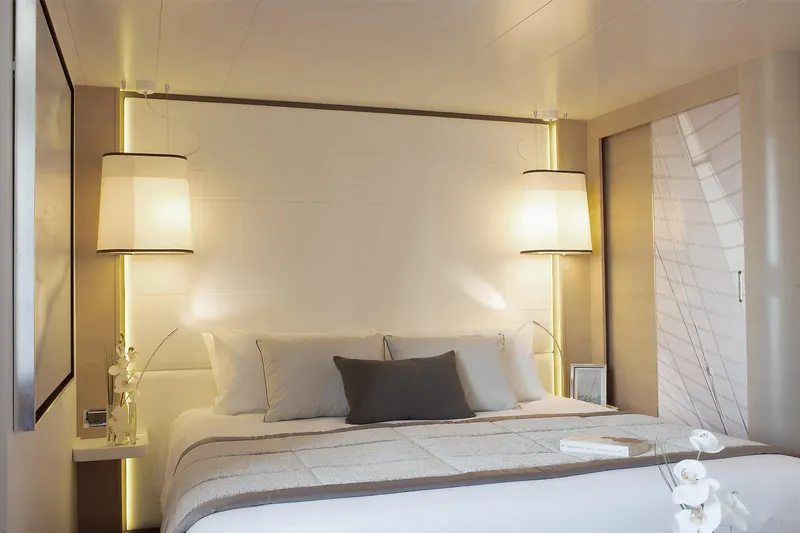
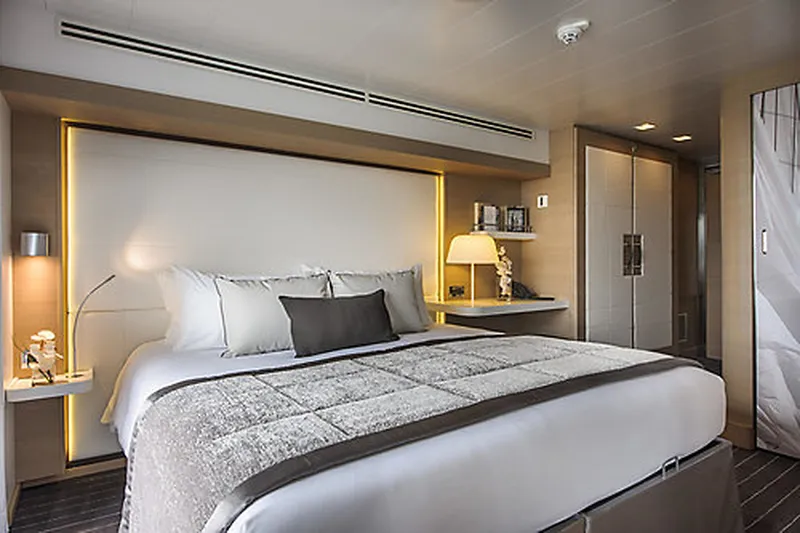
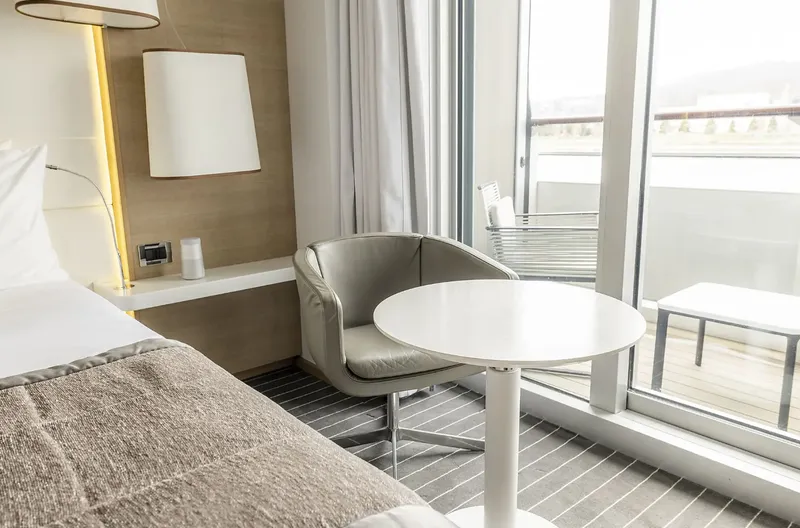
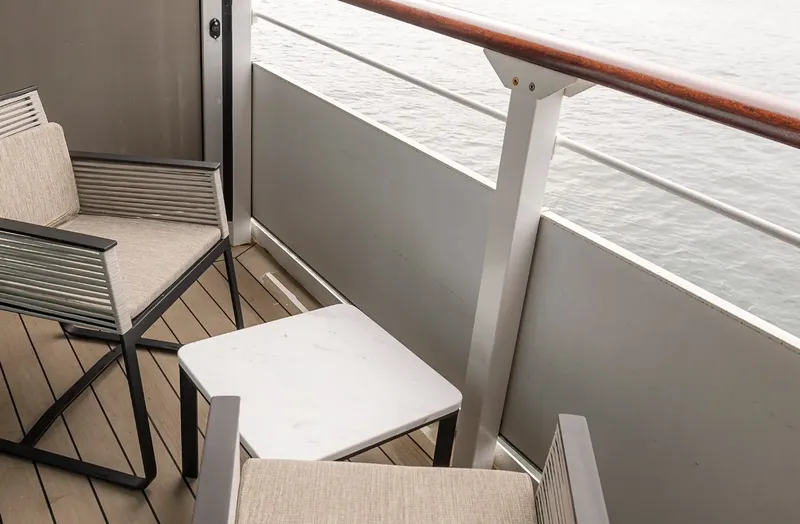
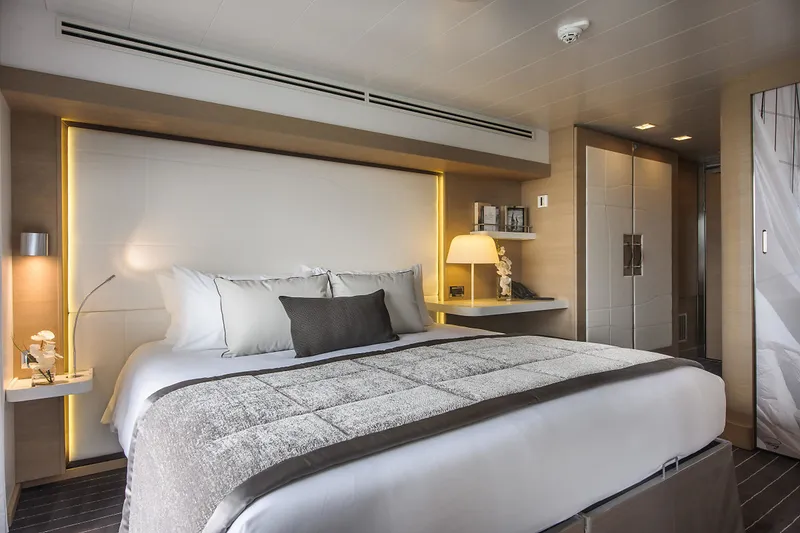
Deluxe Stateroom
Balcony
D
In addition to the common services provided to all our suites and staterooms:
One king-size bed (180 x 200 cm) or two single beds (90 x 200 cm)
A bathroom with shower
A private 4 m² balcony
A window and panoramic glazed swing door
View Details
Prestige Deck 4
Balcony
1
In addition to the common services provided to all our suites and staterooms:
One king-size bed (180 x 200 cm) or two single beds (90 x 200 cm)
A bathroom with shower
A private 4 m² balcony
A panoramic sliding bay window
View Details
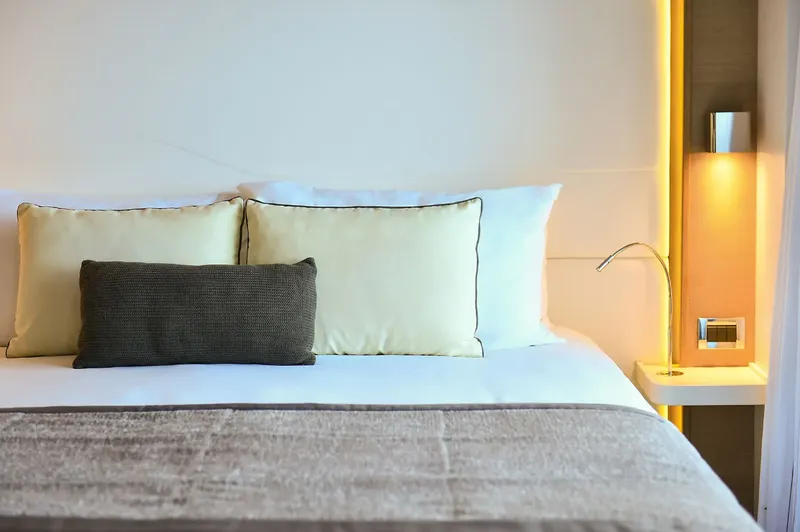
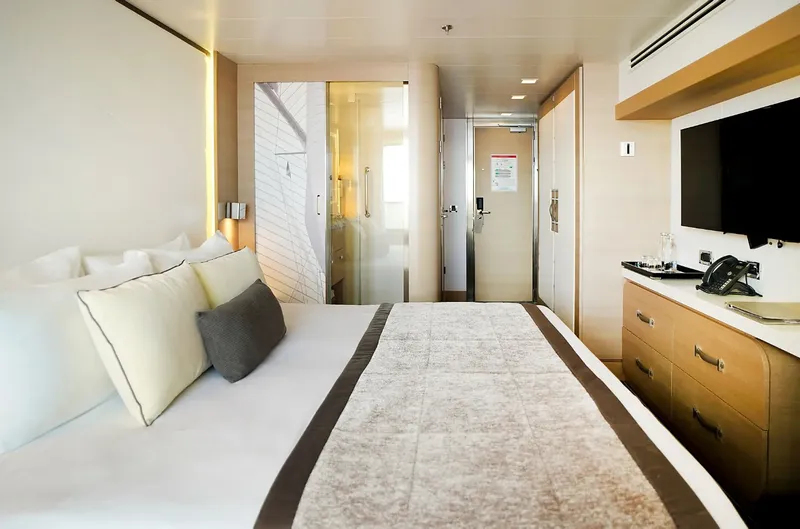

Prestige Deck 5
Balcony
2
In addition to the common services provided to all our suites and staterooms:
One king-size bed (180 x 200 cm) or two single beds (90 x 200 cm) and TV
A bathroom with bath
A private 4 m² balcony
A panoramic sliding bay window
View Details
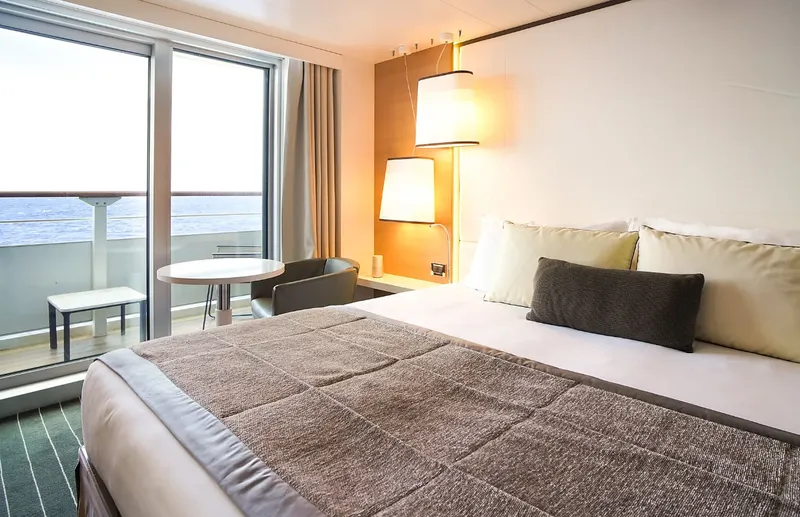
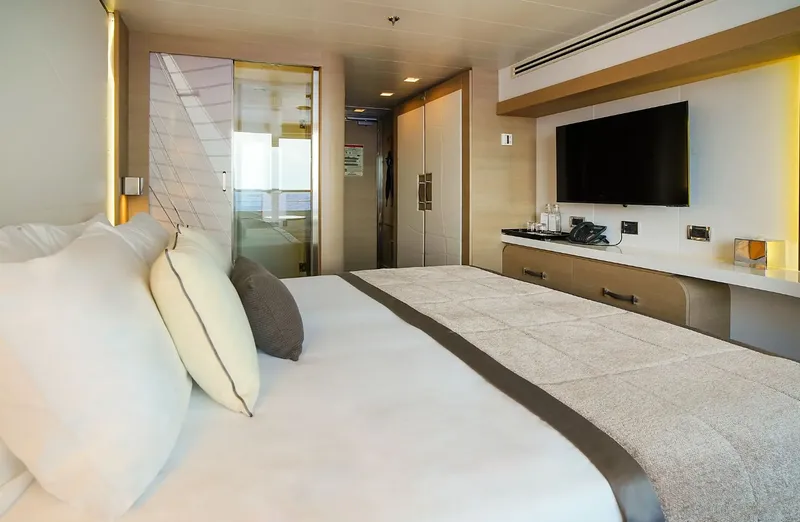

Prestige Deck 6
Balcony
3
In addition to the common services provided to all our suites and staterooms:
One king-size bed (180 x 200 cm) or two single beds (90 x 200 cm)
A bathroom with bathtub (except staterooms 605 and 625: with shower)
A private 4 m² balcony
A panoramic sliding bay window
View Details
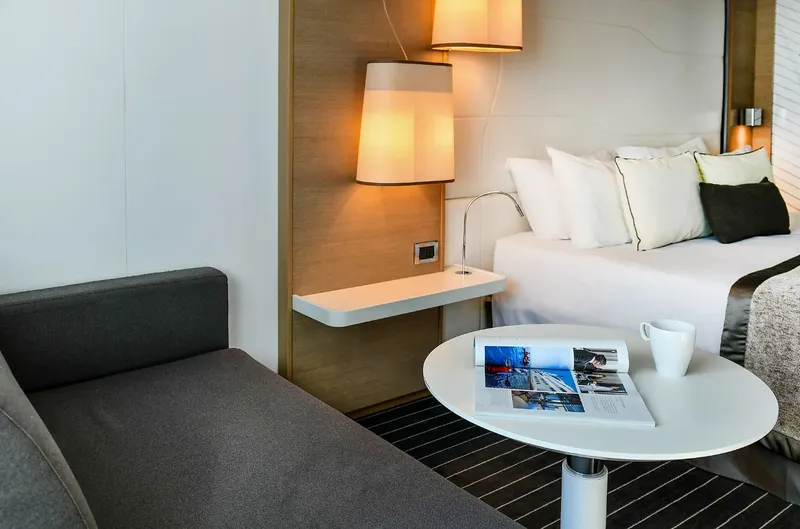
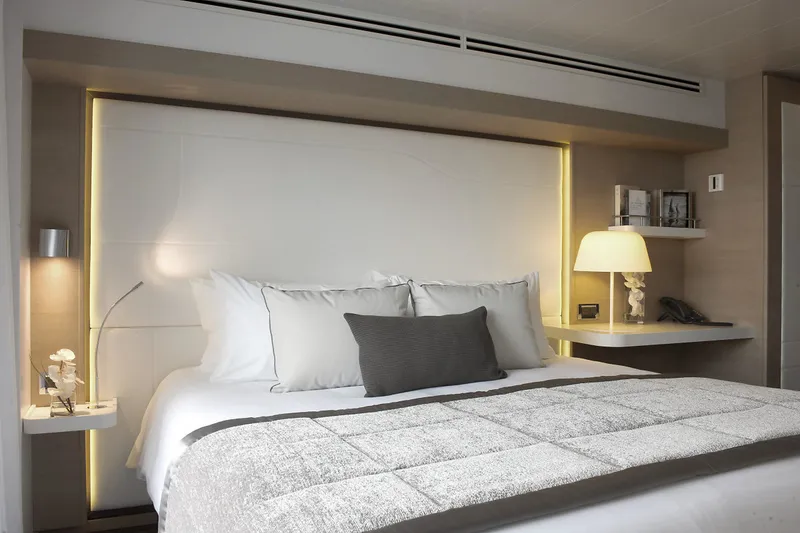
Superior Stateroom
Outside
6
In addition to the common services provided to all our suites and staterooms:
One king-size bed or two single beds (180 x 200 cm)
A bathroom with shower
A window (except for stateroom 300: a round porthole only)
View Details
Interested in This Voyage?
Our cruise specialists can help you find the perfect cabin and the best available pricing.
(+886) 02-2721-7300Contact Advisor