Regent Seven Seas CruisesNAV270129
Athens (Piraeus) -TO- Lisbon
Date
2027-01-29
Duration
14 nights
Departure Port
Athens (Piraeus)
Greece
Arrival Port
Lisbon
Portugal
Rating
Ultra Luxury
Theme
—
Regent Seven Seas Cruises
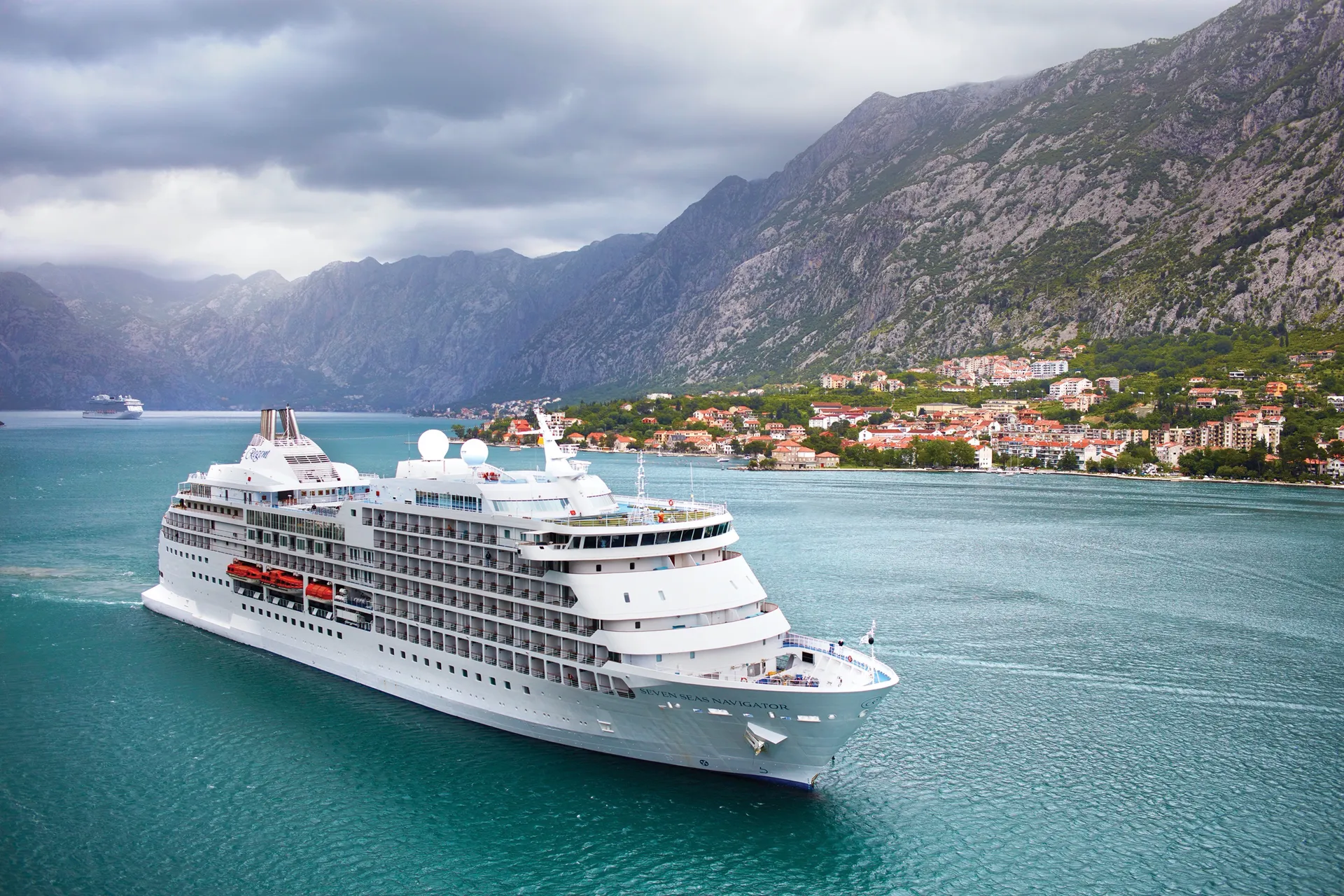
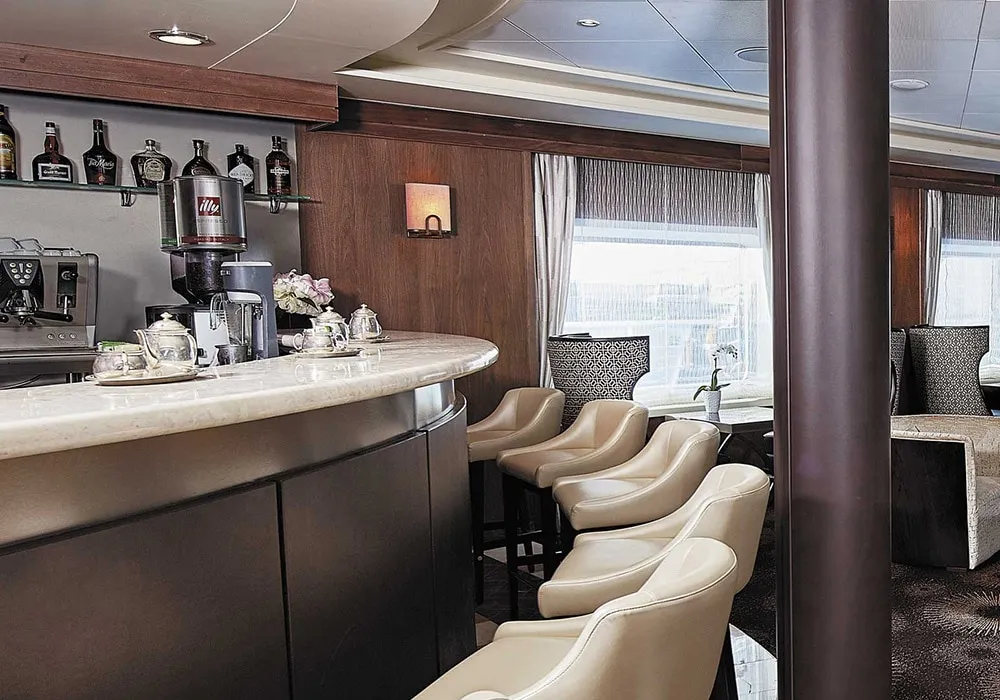
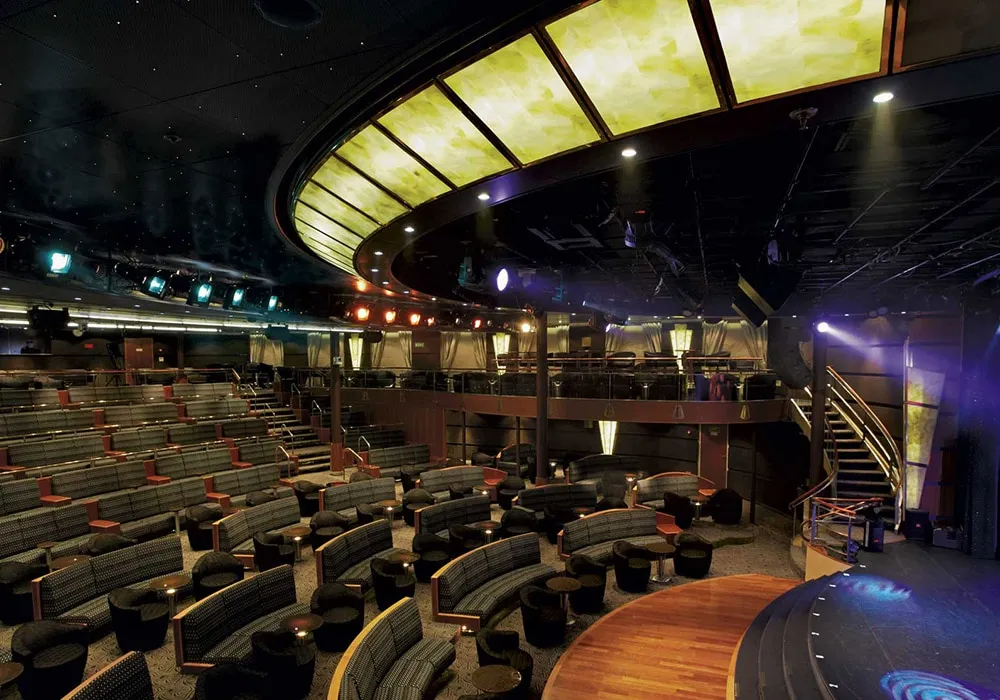
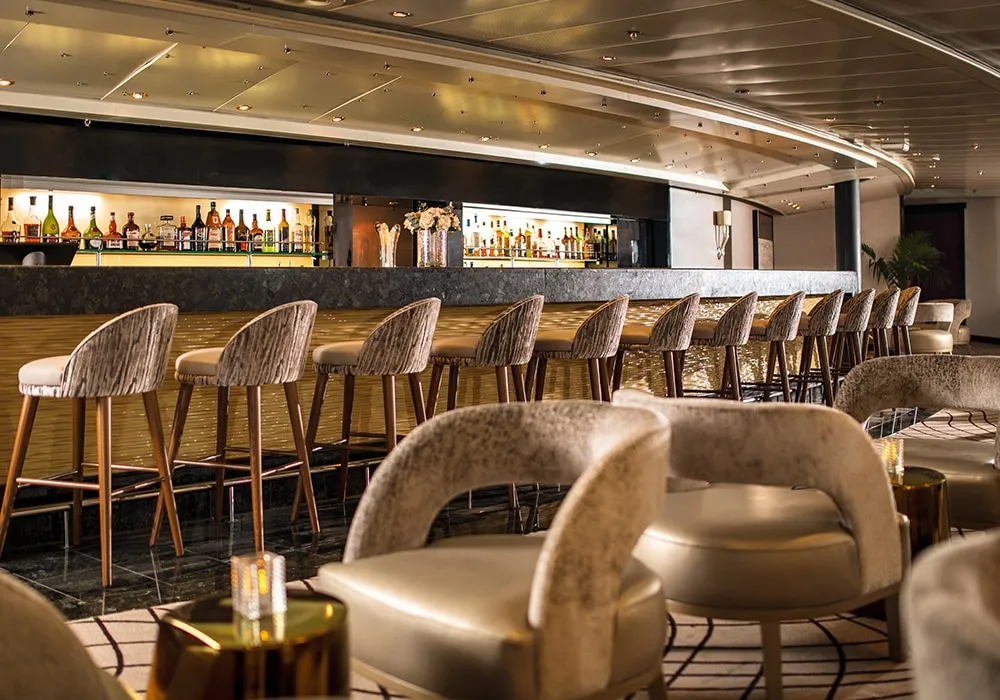
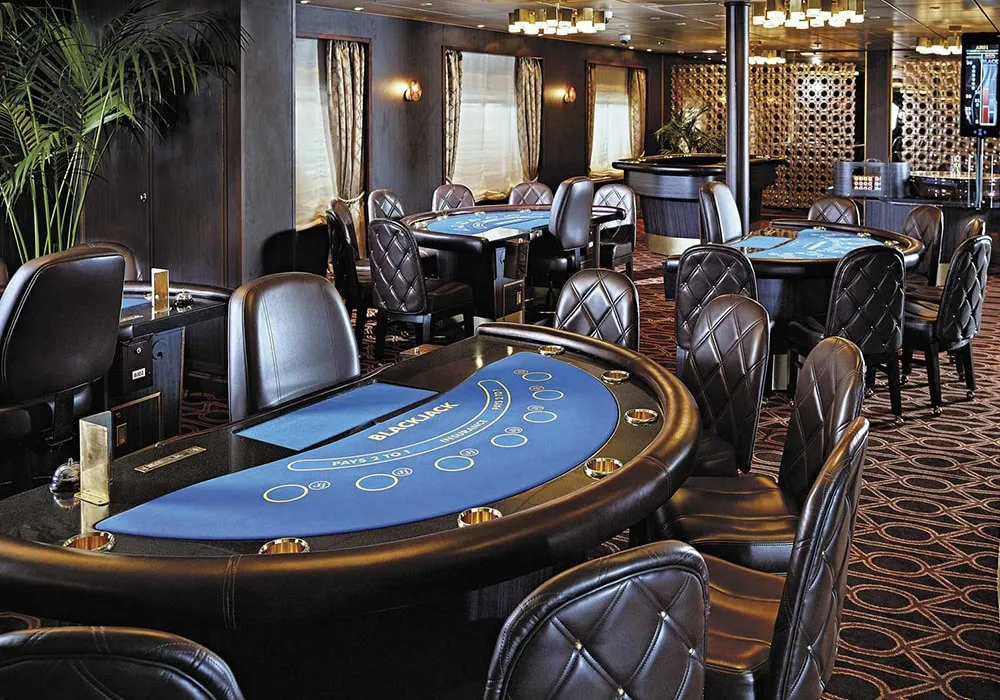
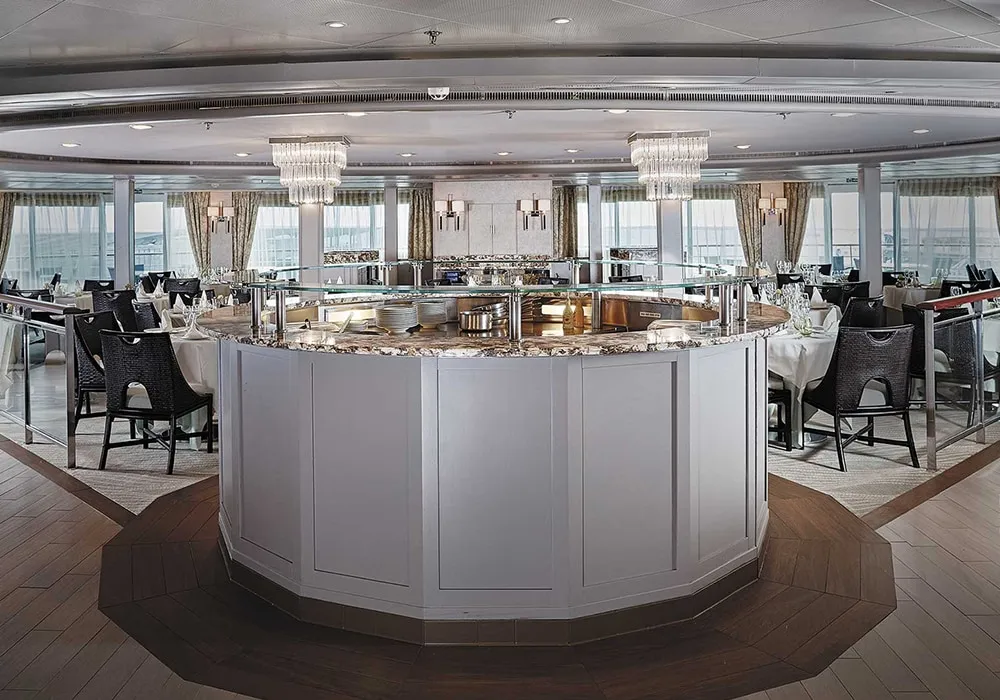
Seven Seas Navigator
Launched
1999
Refitted
2016
Tonnage
28,803 GT
Passengers
496
Cabins
248
Crew
365
Length
173 m
Width
25 m
Speed
20 knots
Adults Only
No
Itinerary
Day 1
Day 1
Piraeus
Depart 17:00
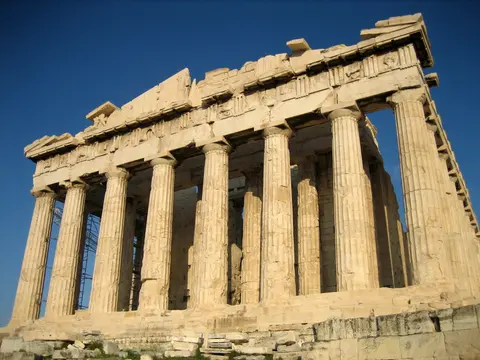
The port that launched Athenian democracy's naval supremacy at the Battle of Salamis, Piraeus remains Greece's maritime heartbeat — and the most convenient gateway to both the Acropolis and the Aegean island chains. Dine on grilled sea bream at a Mikrolimano harbourside taverna, visit the extraordinary bronze Piraeus Apollo, and set sail for Hydra or Santorini by afternoon. Late April through June and September offer the Aegean at its most golden and uncrowded.
Day 2
Day 2
Heraklion (Iraklion)
Arrive 07:00Depart 17:00
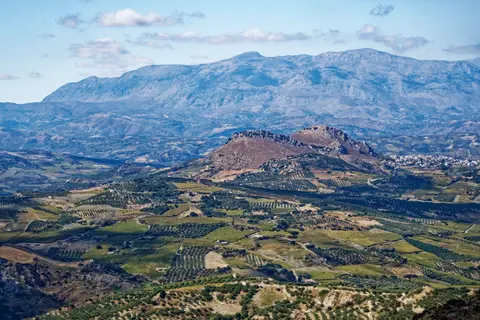
Heraklion, the capital of Crete, is a historic port city rich in Minoan heritage and Venetian architecture, making it an essential stop for cruise travelers. Must-do experiences include exploring the Palace of Knossos and indulging in local dishes like moussaka and dakos. The best season to visit is during the spring and early fall when the weather is mild and the local festivals are in full swing.
Day 3
Day 3
Mediterranean sea cruising
Day 4
Day 4
Messina
Arrive 07:00Depart 18:00

Messina guards the storied strait that separates Sicily from the Italian mainland — the passage Homer mythologised as Scylla and Charybdis — and its Norman cathedral's astronomical clock, one of the world's largest mechanical clocks, puts on a captivating automated display each noon as gilded figures enact scenes of the Resurrection. The city was catastrophically rebuilt after the 1908 earthquake, but its markets and waterfront convey the fierce energy of a Sicilian port that has witnessed two and a half millennia of Mediterranean history. Messina is the perfect gateway to Taormina, a 40-minute drive into the hills above the Ionian coast, with views of Etna at their most dramatic. Spring and autumn are ideal.
Day 5
Day 5
Valletta
Arrive 07:00
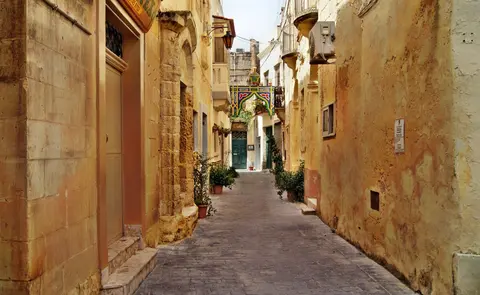
Valletta, Europe's smallest capital, is a fortress city of exceptional grandeur raised from bare limestone in just fifteen years after the Knights of St. John repelled the great Ottoman siege of 1565 — its rigid Renaissance grid of sun-drenched streets concealing a density of baroque palaces, gilded oratories, and subterranean World War II shelters unrivaled anywhere in the Mediterranean. The Grand Harbour, framed by golden bastions plunging into startlingly blue water, offers one of the most dramatically photogenic arrivals in the world for arriving vessels. Spring and autumn deliver the most comfortable temperatures for exploring this UNESCO-listed gem.
Day 7
Day 7
La Goulette
Arrive 10:00Depart 20:00
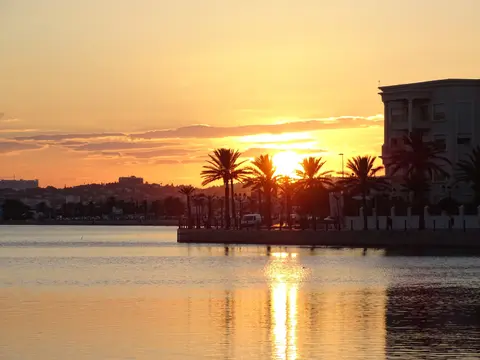
La Goulette guards the narrow channel linking the Lake of Tunis to the Mediterranean — a strategic passage coveted by every power that ruled this sea, from the Ottoman corsair Barbarossa to Charles V of Habsburg. Today the port is the gateway to Tunis and to Carthage, the Phoenician city-empire whose ruins scatter across a leafy suburb of the modern capital and whose legacy shaped the entire western Mediterranean world. Must-dos include the Bardo Museum, housing the world's finest collection of Roman mosaics, and the Tophet sanctuary at Carthage, one of antiquity's most evocative sites. Tunisia is best visited spring (March–May) and autumn (September–November) to avoid the intense summer heat.
Day 8
Day 8
Mediterranean sea cruising
Day 9
Day 9
Palma de Mallorca
Arrive 07:00Depart 17:00
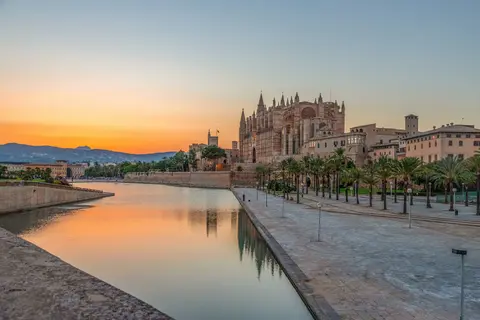
Palma de Mallorca announces itself with one of the most spectacular Gothic cathedrals in the world — La Seu, its honey-coloured sandstone buttresses rising directly from the bay, its interior modified by Antoni Gaudí and illuminated by the world's largest Gothic rose window. The old town behind it is a quarter of Arab baths, Renaissance palaces converted into boutique hotels, and the Passeig del Born — a plane-tree-shaded promenade where Balearic life conducts itself with unhurried grace. The local ensaïmada pastry and fresh sobrasada sausage from the island's black pigs are essential breakfast rituals. Visit May, June, or September: warm, brilliant, and measurably calmer than the July–August peak.
Day 10
Day 10
Valencia
Arrive 07:00Depart 16:00
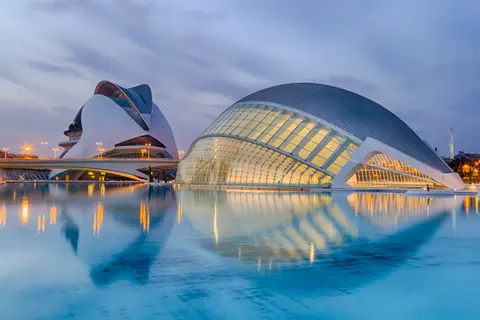
Valencia, Spain's luminous third city, dazzles with a creative energy anchored by two thousand years of layered civilization — Roman foundations, Moorish irrigation gardens, a Gothic cathedral housing what many believe to be the Holy Grail, and Santiago Calatrava's futuristic City of Arts and Sciences gleaming beside a park-filled riverbed. The city invented paella over an open fire of orange-wood in the surrounding huerta, and the Las Fallas festival each March — when neighborhoods compete to erect and then ceremonially burn towering satirical sculptures — is one of Europe's most spectacular celebrations. Valencia's Mediterranean climate makes it exceptional year-round.
Day 11
Day 11
Malaga
Arrive 13:00Depart 20:00
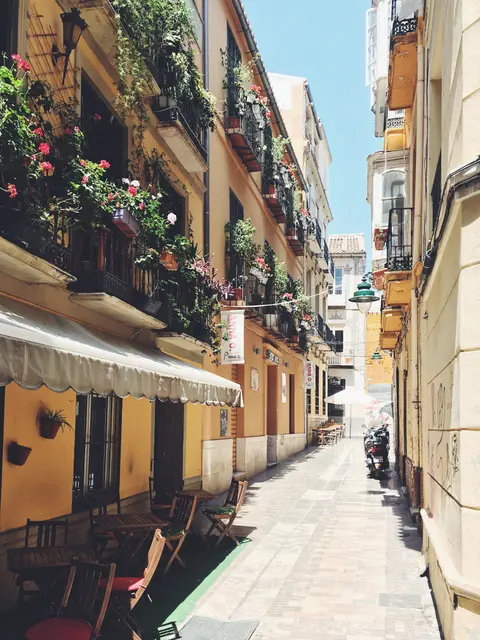
Málaga distils three thousand years of Mediterranean civilisation into one of Andalusia's most compelling port cities, where the Moorish Alcazaba fortress surveys a modern waterfront of elegant promenades and sun-drenched café terraces. Do not leave without visiting the Museo Picasso — the artist was born here in 1881 — and ascending to the ruined Castillo de Gibralfaro for panoramic views stretching to the Rif Mountains of Morocco on clear days. Malagueta anchovies fried in olive oil and the sweet Pedro Ximénez-laced dessert wine are the city's defining pleasures. The shoulder seasons of April, May, and October offer perfect Mediterranean warmth.
Day 12
Day 12
Seville
Arrive 13:00
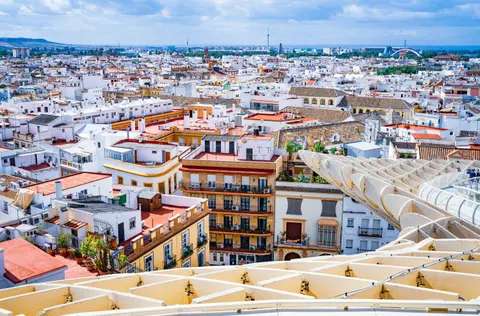
Seville’s port is a vibrant gateway to Andalusia, steeped in history and cultural richness. Don’t miss the chance to indulge in local tapas and experience a traditional flamenco performance. The best time to visit is during the spring, when the city bursts into life with festivals and pleasant weather.
Day 14
Day 14
Portimao
Arrive 07:00Depart 19:00
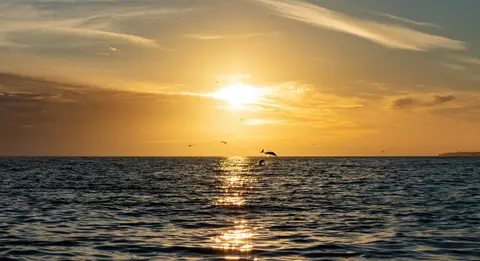
Portimão is the Algarve's most storied port city, where Phoenician trading heritage meets golden-cliff beaches and Portugal's finest grilled sardine tradition along the Arade River. Visitors should not miss the charcoal-grilled sardines at the riverside churrasqueiras and the dramatic sandstone formations of Praia da Rocha. The port is at its luminous best from May through October, when long Atlantic days bathe the coastline in honeyed light and the August Sardine Festival electrifies the waterfront.
Day 15
Day 15
Lisbon
Arrive 07:00
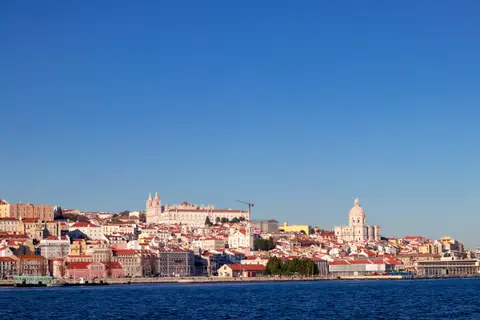
Lisbon, Portugal's enchanting capital, stands out for its rich history, stunning architecture, and vibrant culture. Must-try experiences include savoring local dishes like bacalhau à brás and pastéis de nata at Mercado da Ribeira. The best time to visit is during the spring or fall, when the weather is mild and the city is alive with festivals and events.
Day 1
Piraeus
Depart 17:00
The port that launched Athenian democracy's naval supremacy at the Battle of Salamis, Piraeus remains Greece's maritime heartbeat — and the most convenient gateway to both the Acropolis and the Aegean island chains. Dine on grilled sea bream at a Mikrolimano harbourside taverna, visit the extraordinary bronze Piraeus Apollo, and set sail for Hydra or Santorini by afternoon. Late April through June and September offer the Aegean at its most golden and uncrowded.
Day 2
Heraklion (Iraklion)
Arrive 07:00Depart 17:00
Heraklion, the capital of Crete, is a historic port city rich in Minoan heritage and Venetian architecture, making it an essential stop for cruise travelers. Must-do experiences include exploring the Palace of Knossos and indulging in local dishes like moussaka and dakos. The best season to visit is during the spring and early fall when the weather is mild and the local festivals are in full swing.
Day 3
Mediterranean sea cruising
Day 4
Messina
Arrive 07:00Depart 18:00
Messina guards the storied strait that separates Sicily from the Italian mainland — the passage Homer mythologised as Scylla and Charybdis — and its Norman cathedral's astronomical clock, one of the world's largest mechanical clocks, puts on a captivating automated display each noon as gilded figures enact scenes of the Resurrection. The city was catastrophically rebuilt after the 1908 earthquake, but its markets and waterfront convey the fierce energy of a Sicilian port that has witnessed two and a half millennia of Mediterranean history. Messina is the perfect gateway to Taormina, a 40-minute drive into the hills above the Ionian coast, with views of Etna at their most dramatic. Spring and autumn are ideal.
Day 5
Valletta
Arrive 07:00
Valletta, Europe's smallest capital, is a fortress city of exceptional grandeur raised from bare limestone in just fifteen years after the Knights of St. John repelled the great Ottoman siege of 1565 — its rigid Renaissance grid of sun-drenched streets concealing a density of baroque palaces, gilded oratories, and subterranean World War II shelters unrivaled anywhere in the Mediterranean. The Grand Harbour, framed by golden bastions plunging into startlingly blue water, offers one of the most dramatically photogenic arrivals in the world for arriving vessels. Spring and autumn deliver the most comfortable temperatures for exploring this UNESCO-listed gem.
Day 7
La Goulette
Arrive 10:00Depart 20:00
La Goulette guards the narrow channel linking the Lake of Tunis to the Mediterranean — a strategic passage coveted by every power that ruled this sea, from the Ottoman corsair Barbarossa to Charles V of Habsburg. Today the port is the gateway to Tunis and to Carthage, the Phoenician city-empire whose ruins scatter across a leafy suburb of the modern capital and whose legacy shaped the entire western Mediterranean world. Must-dos include the Bardo Museum, housing the world's finest collection of Roman mosaics, and the Tophet sanctuary at Carthage, one of antiquity's most evocative sites. Tunisia is best visited spring (March–May) and autumn (September–November) to avoid the intense summer heat.
Day 8
Mediterranean sea cruising
Day 9
Palma de Mallorca
Arrive 07:00Depart 17:00
Palma de Mallorca announces itself with one of the most spectacular Gothic cathedrals in the world — La Seu, its honey-coloured sandstone buttresses rising directly from the bay, its interior modified by Antoni Gaudí and illuminated by the world's largest Gothic rose window. The old town behind it is a quarter of Arab baths, Renaissance palaces converted into boutique hotels, and the Passeig del Born — a plane-tree-shaded promenade where Balearic life conducts itself with unhurried grace. The local ensaïmada pastry and fresh sobrasada sausage from the island's black pigs are essential breakfast rituals. Visit May, June, or September: warm, brilliant, and measurably calmer than the July–August peak.
Day 10
Valencia
Arrive 07:00Depart 16:00
Valencia, Spain's luminous third city, dazzles with a creative energy anchored by two thousand years of layered civilization — Roman foundations, Moorish irrigation gardens, a Gothic cathedral housing what many believe to be the Holy Grail, and Santiago Calatrava's futuristic City of Arts and Sciences gleaming beside a park-filled riverbed. The city invented paella over an open fire of orange-wood in the surrounding huerta, and the Las Fallas festival each March — when neighborhoods compete to erect and then ceremonially burn towering satirical sculptures — is one of Europe's most spectacular celebrations. Valencia's Mediterranean climate makes it exceptional year-round.
Day 11
Malaga
Arrive 13:00Depart 20:00
Málaga distils three thousand years of Mediterranean civilisation into one of Andalusia's most compelling port cities, where the Moorish Alcazaba fortress surveys a modern waterfront of elegant promenades and sun-drenched café terraces. Do not leave without visiting the Museo Picasso — the artist was born here in 1881 — and ascending to the ruined Castillo de Gibralfaro for panoramic views stretching to the Rif Mountains of Morocco on clear days. Malagueta anchovies fried in olive oil and the sweet Pedro Ximénez-laced dessert wine are the city's defining pleasures. The shoulder seasons of April, May, and October offer perfect Mediterranean warmth.
Day 12
Seville
Arrive 13:00
Seville’s port is a vibrant gateway to Andalusia, steeped in history and cultural richness. Don’t miss the chance to indulge in local tapas and experience a traditional flamenco performance. The best time to visit is during the spring, when the city bursts into life with festivals and pleasant weather.
Day 14
Portimao
Arrive 07:00Depart 19:00
Portimão is the Algarve's most storied port city, where Phoenician trading heritage meets golden-cliff beaches and Portugal's finest grilled sardine tradition along the Arade River. Visitors should not miss the charcoal-grilled sardines at the riverside churrasqueiras and the dramatic sandstone formations of Praia da Rocha. The port is at its luminous best from May through October, when long Atlantic days bathe the coastline in honeyed light and the August Sardine Festival electrifies the waterfront.
Day 15
Lisbon
Arrive 07:00
Lisbon, Portugal's enchanting capital, stands out for its rich history, stunning architecture, and vibrant culture. Must-try experiences include savoring local dishes like bacalhau à brás and pastéis de nata at Mercado da Ribeira. The best time to visit is during the spring or fall, when the weather is mild and the city is alive with festivals and events.
Cabin Categories
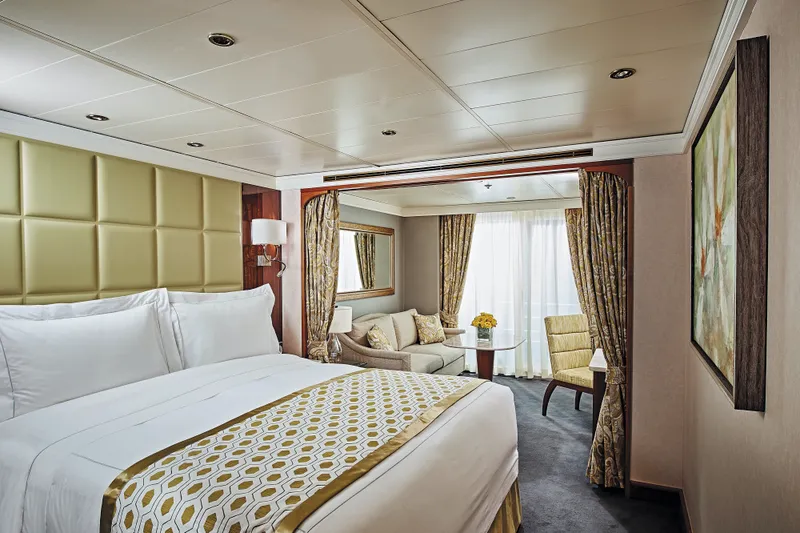
Concierge Suite
Suite
356 m²Max 3
D
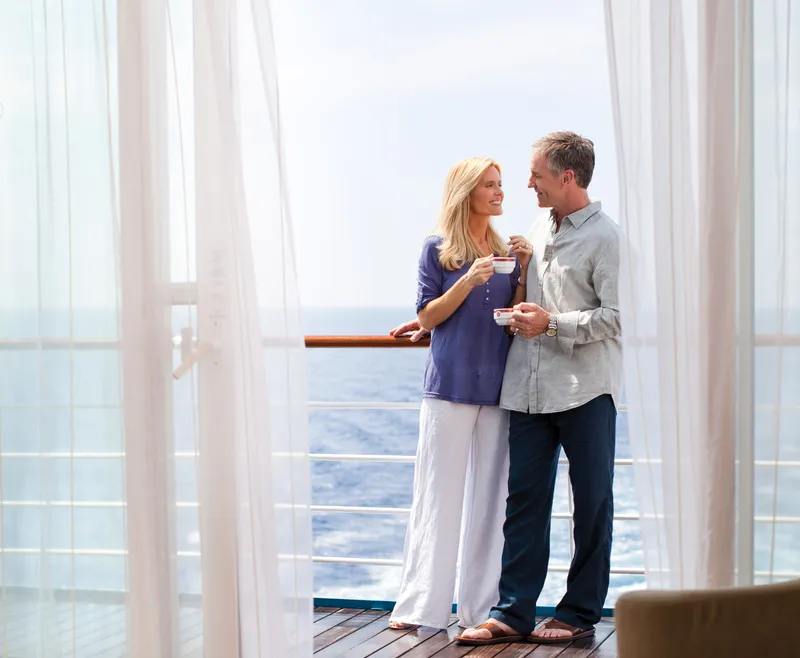
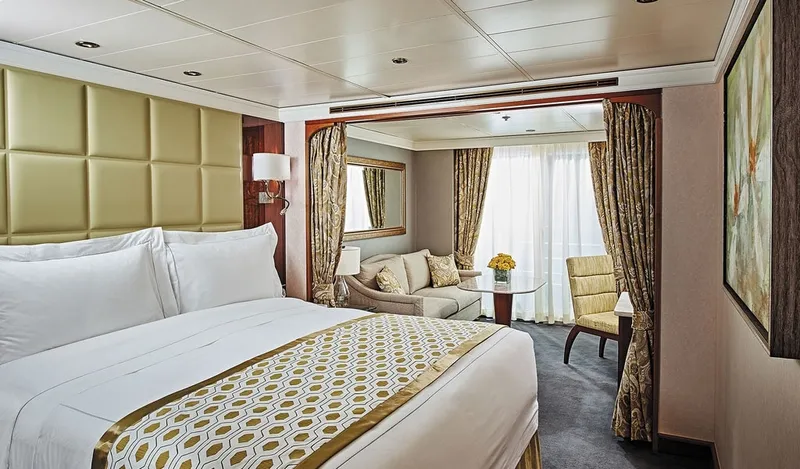
In this superbly designed suite, you enjoy the comfort of richly furnished accommodations as well as exclusive luxuries available only in suites at the Concierge level and higher. Your suite includes amenities such as an illy espresso maker and cashmere blankets, perfect for use in the morning when you wish to sip coffee and enjoy an in-suite breakfast on your private balcony. Take advantage of 24-hour room service when the mood strikes.
SUITE SIZE
28
M2
BALCONY SIZE
5
M2
LAYOUT
1 Marble Bathroom
Private Balcony
Sitting Area
Maximum of 3 Guests
King or Twin ConfigurationShowerToiletries ProvidedRoom Service AvailableTVFree Wi-Fi+9
US$9,959 /person+ US$1,342 taxes & fees
Deluxe Veranda Suite
Suite
356 m²Max 3
EF
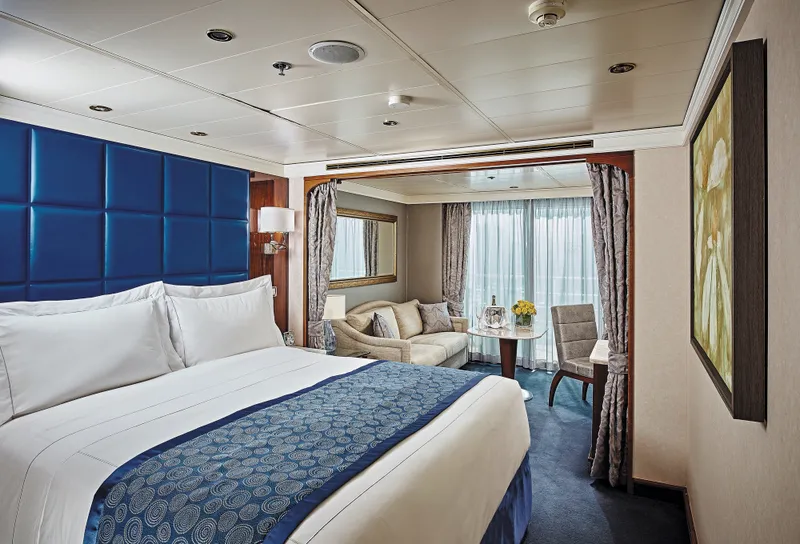
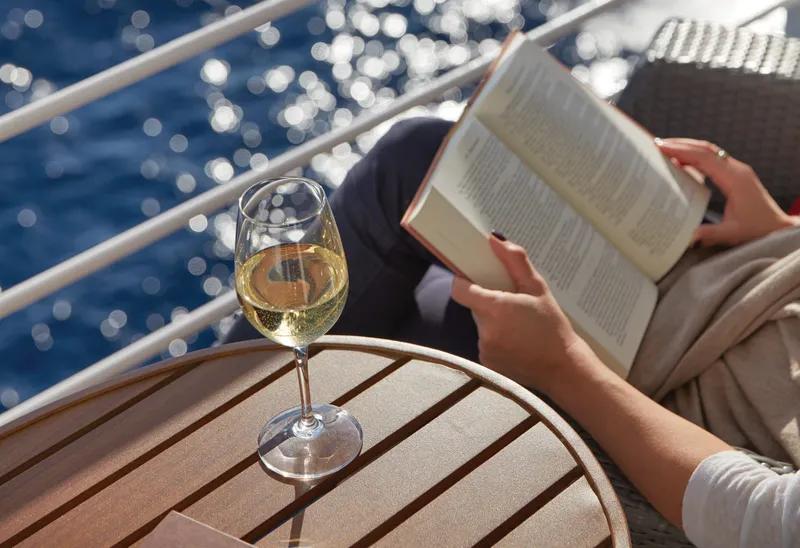
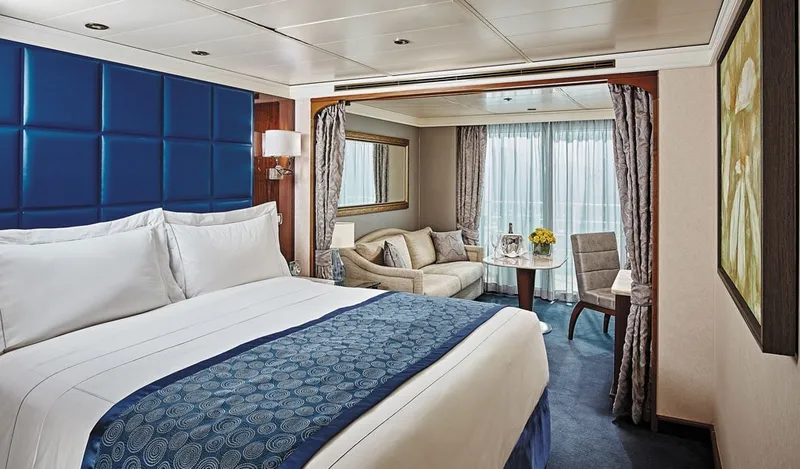
Every inch of this suite has been thoughtfully designed to maximize interior space and embrace the magnificent scenery outdoors. From the sitting area, admire the ocean views through the floor-to-ceiling windows, or better yet, take a seat outside on your private balcony to watch the world go by. Elegant finishes such as luxurious bedding and beautiful marble detailing in the bath further enhance your comfort.
SUITE SIZE
28
M2
BALCONY SIZE
5
M2
LAYOUT
1 Marble Bathroom
Private Balcony
Sitting Area
Maximum of 3 Guests
King or Twin ConfigurationLounge AreaShowerToiletries ProvidedRoom Service AvailableSuite Benefits+9
US$8,799 /person+ US$1,342 taxes & fees
Grand Suite
Suite
686–740 m²Max 4
GS
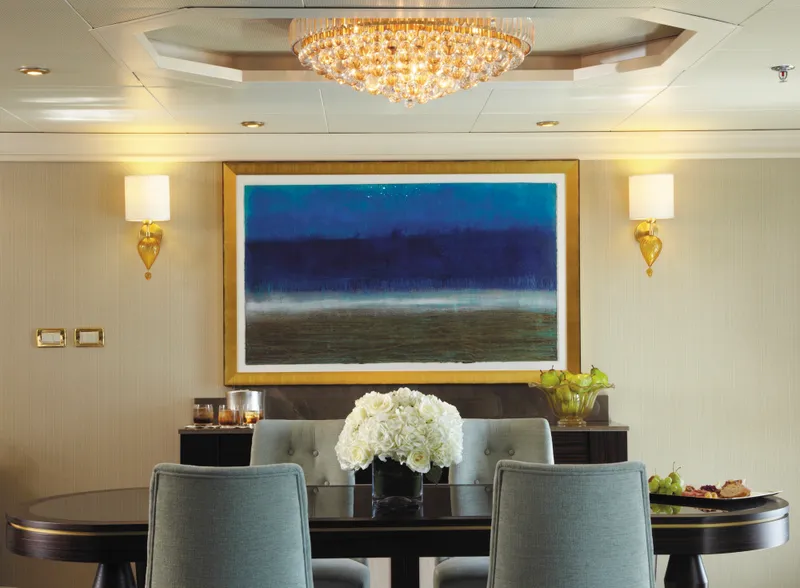
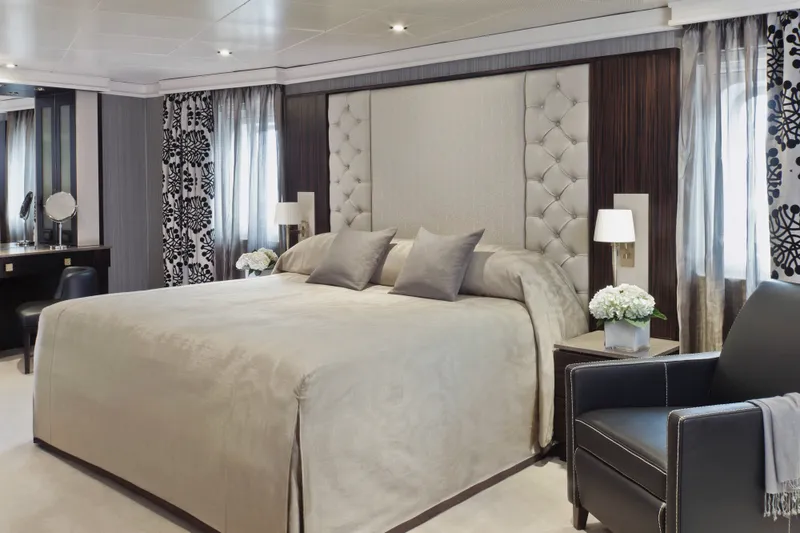
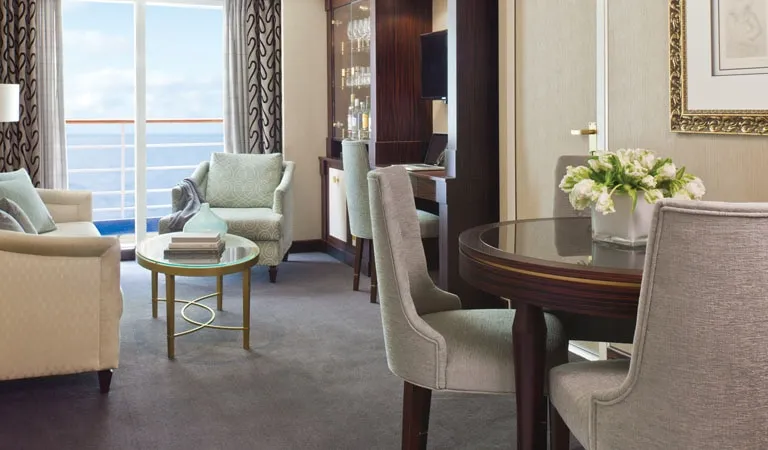
Step into the richness of a dining area perfectly ensconced within a spacious, art-filled living room. Just outside is a private balcony with a table and chairs just right for in-suite breakfast. The master bedroom is large and inviting, its soothing color palette conducive to a peaceful night's rest on your King-Sized Elite Slumber Bed. Two full baths and luxurious bath products invite you to indulge in unrushed 'me time'.
SUITE SIZE
50
M2
BALCONY SIZE
19
M2
DECKS
7 & 8
LAYOUT
1 1/2 Marble Bathrooms
Private Balcony
Spacious Bedroom
Expansive Living Room
Maximum of Four Guests
King or Twin ConfigurationLounge AreaShowerToiletries ProvidedRoom Service AvailableSuite Benefits+12
US$23,459 /person+ US$1,342 taxes & fees
Navigator Suite
Suite
441–495 m²Max 3
NS
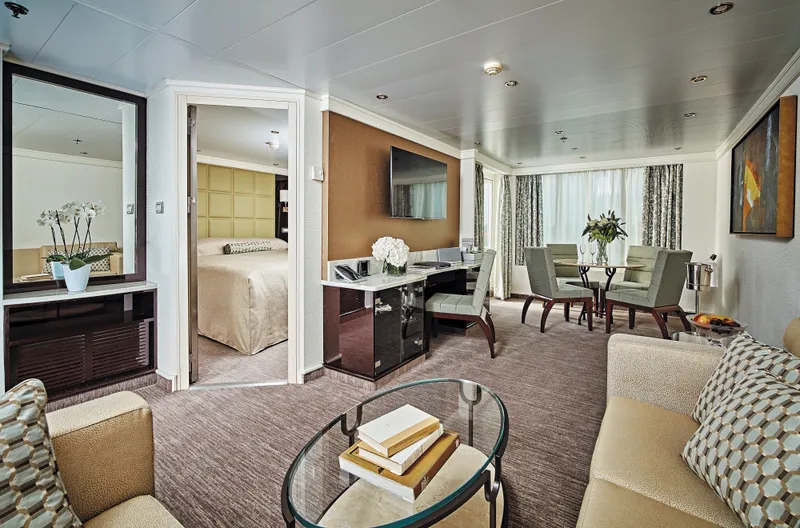
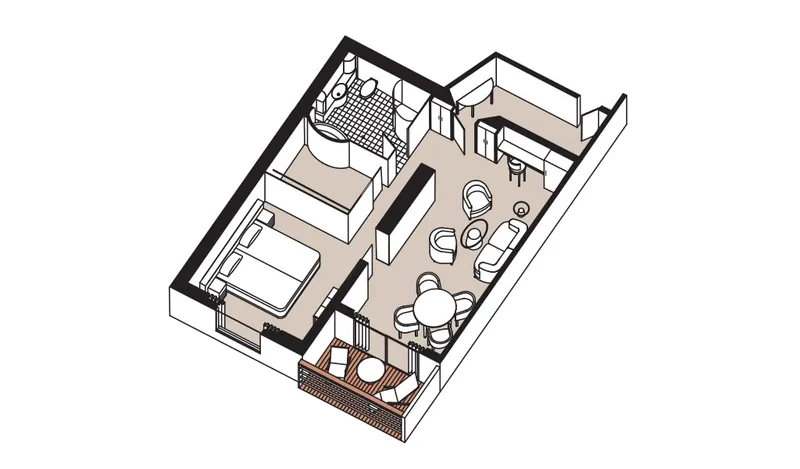
Spoiled for choice will describe your time in this suite. Do you stretch out on a couch in the living room or a lounge on your private balcony? Do you enjoy in-suite breakfast on the balcony or at your inside table? Its spaciousness extends to a large bedroom with a king-sized bed, roomy walk-in closet and a gleaming, gorgeous bath. You’re also encouraged to use the services of a personal butler, making every moment in your suite magical.
SUITE SIZE
42
M2
BALCONY SIZE
4
M2
DECKS
9 & 11
LAYOUT
1 Marble Bathroom
Private Balcony
Spacious Bedroom
Expansive Living Room
Maximum of Four Guests
King or Twin ConfigurationLounge AreaShowerToiletries ProvidedRoom Service AvailableSuite Benefits+13
US$18,959 /person+ US$1,342 taxes & fees
Penthouse Suite
Suite
356 m²Max 3
ABC
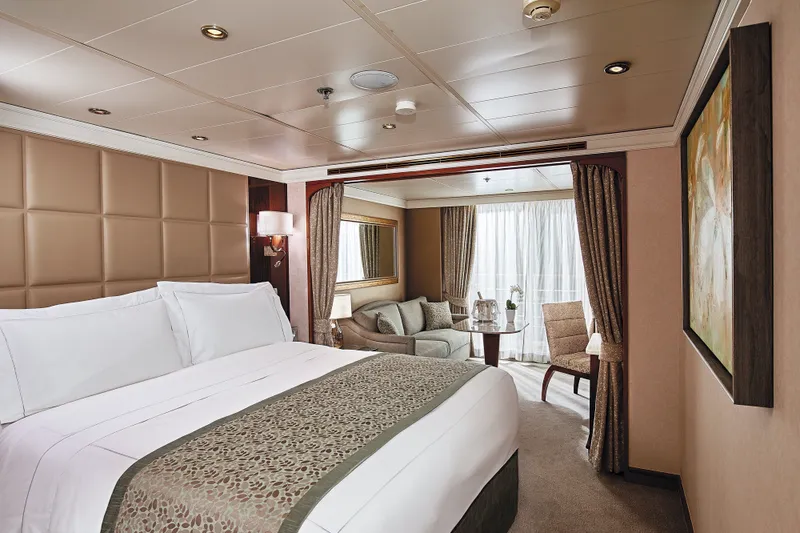
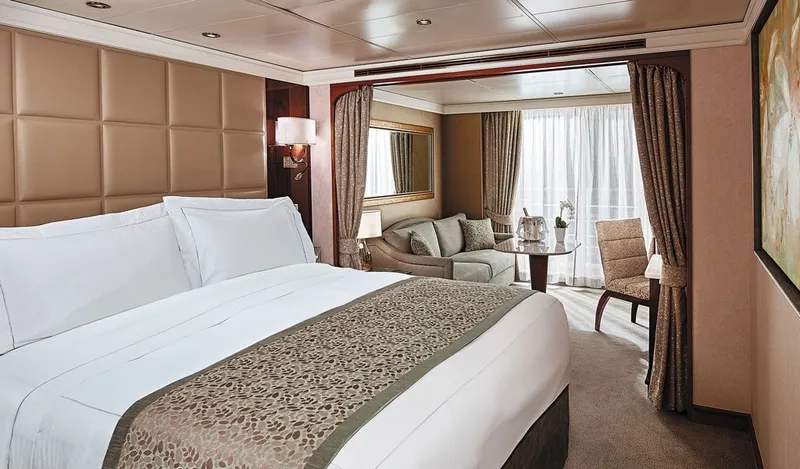
The luxurious suite has been carefully designed to maximize space and comfort. Relax on your private balcony and indulge in your lavish bath amenities as you recharge and ready yourself for new adventures in the next port of call. This suite also includes priority online reservations for shore excursions and dining, and you’re encouraged to call on the services of a personal butler for special requests.
SUITE SIZE
28
M2
BALCONY SIZE
5
M2
LAYOUT
1 Marble Bathroom
Private Balcony
Sitting Area
Maximum of 3 Guests
King or Twin ConfigurationLounge AreaShowerToiletries ProvidedRoom Service AvailableTV+10
US$10,859 /person+ US$1,342 taxes & fees

Signature Suite
Suite
1021–1173 m²Max 6
SG
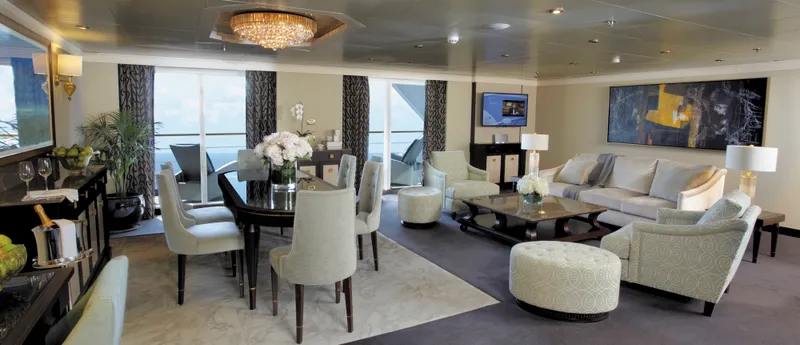
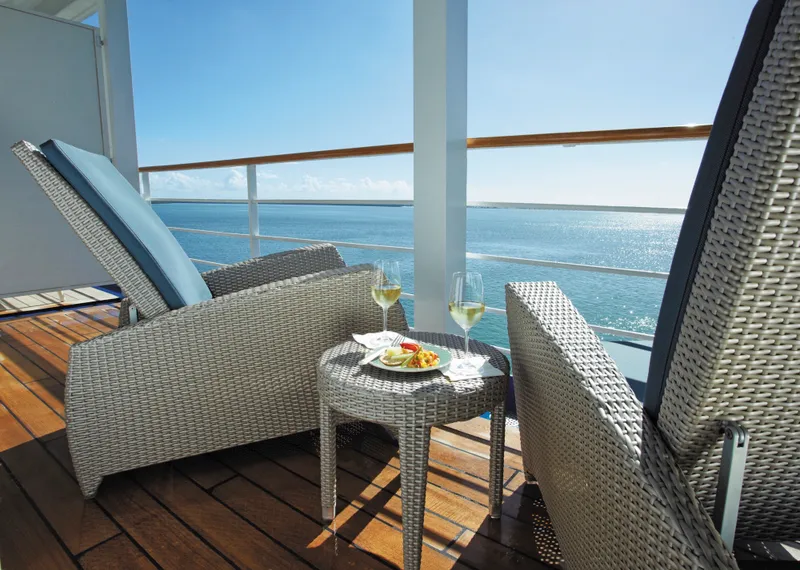
You'll find Park Avenue chic onboard Seven Seas Navigator in this spectacular suite. Elegant rosewood furniture, luxe fabrics and a crystal chandelier create sophisticated comfort, while a personal butler is available to fulfil whatever requests you may have. With two bedrooms, two-and-a-half baths, a large living room and two private balconies, this sublime suite is perfect for hosting new friends in luxury.
SUITE SIZE
99
M2
BALCONY SIZE
10
M2
DECKS
9 & 10
LAYOUT
1 1/2 Marble Bathrooms
Private Balcony
Spacious Bedroom
Expansive Living Room
Maximum of Five Guests
King or Twin ConfigurationLounge AreaShowerToiletries ProvidedRoom Service AvailableSuite Benefits+13
US$27,459 /person+ US$1,342 taxes & fees
Window Suite
Suite
301 m²Max 3
GH
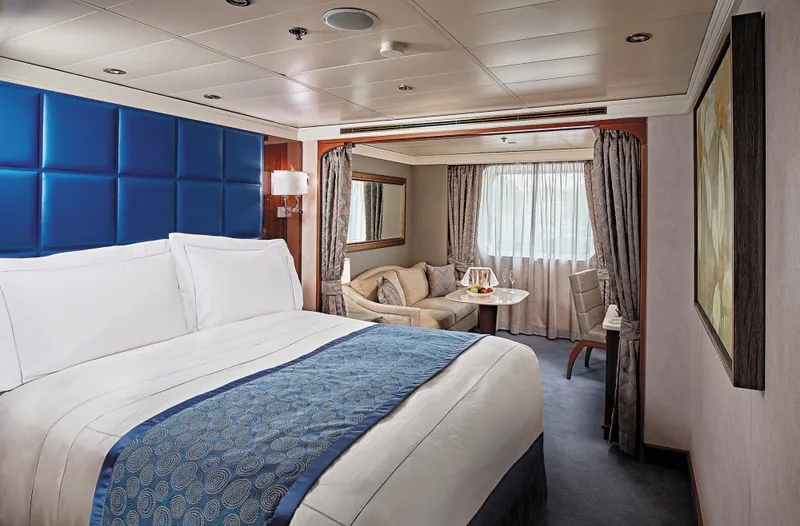
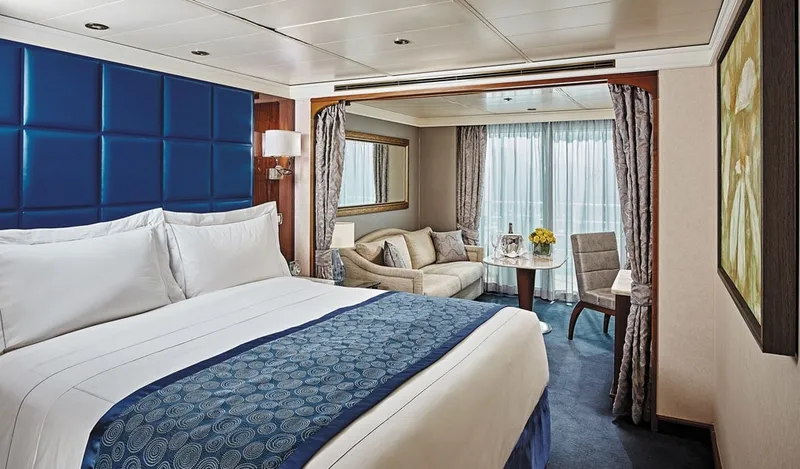
Even the smaller suites on Seven Seas Navigator are spacious, smartly designed and luxuriously furnished. Measuring 301 square feet, this suite offers a large picture window that lets you rejoice in magnificent ocean views and plenty of natural light. Settle into your cozy surroundings, pamper yourself with lavish bath products, wrap yourself in a plush bathrobe and uncork your welcome bottle of Champagne as your ship heads out to sea.
AMENITIES
SUITE SIZE
28
M2
BALCONY SIZE
N/A
M2
LAYOUT
1 Marble Bathroom
Sitting Area
Maximum of 3 Guests
King or Twin ConfigurationLounge AreaShowerToiletries ProvidedRoom Service AvailableTV+8
US$6,899 /person+ US$1,342 taxes & fees
Interested in This Voyage?
Our cruise specialists can help you find the perfect cabin and the best available pricing.
(+886) 02-2721-7300Contact Advisor