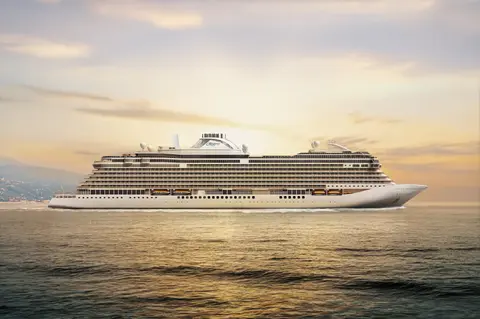
Regent Seven Seas CruisesPRT270608A
Lisbon to Rome (Civitavecchia)
Date
2027-06-08
Duration
18 nights
Departure Port
Lisbon
Portugal
Arrival Port
Civitavecchia
Italy
Rating
Ultra Luxury
Theme
—
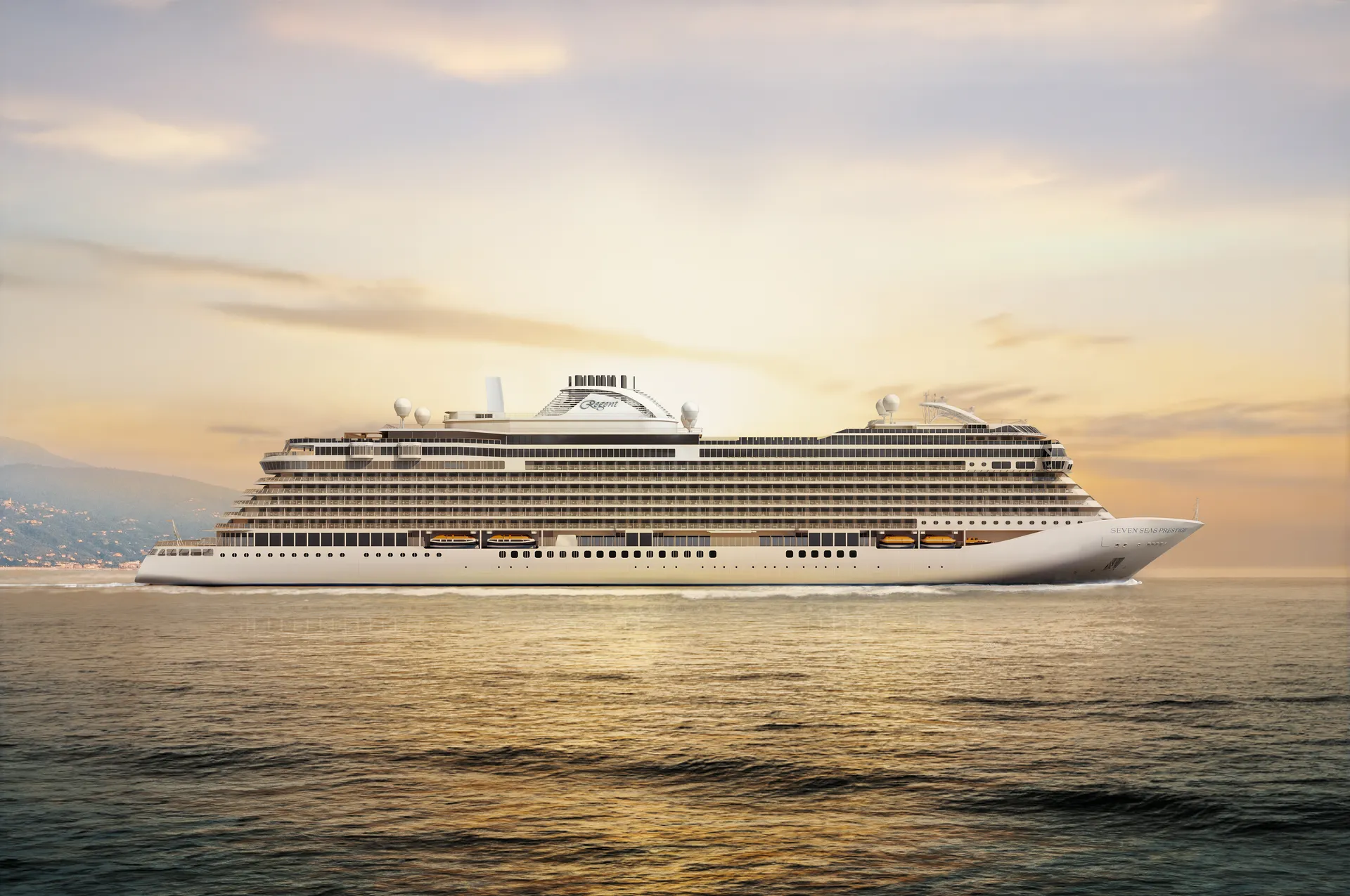
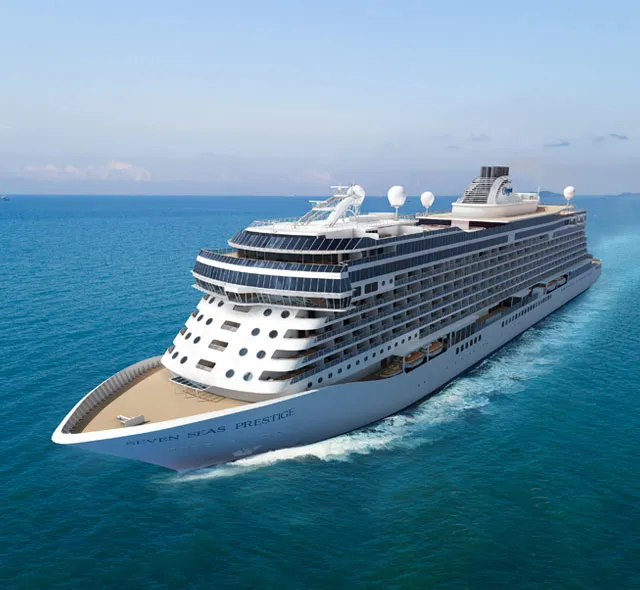
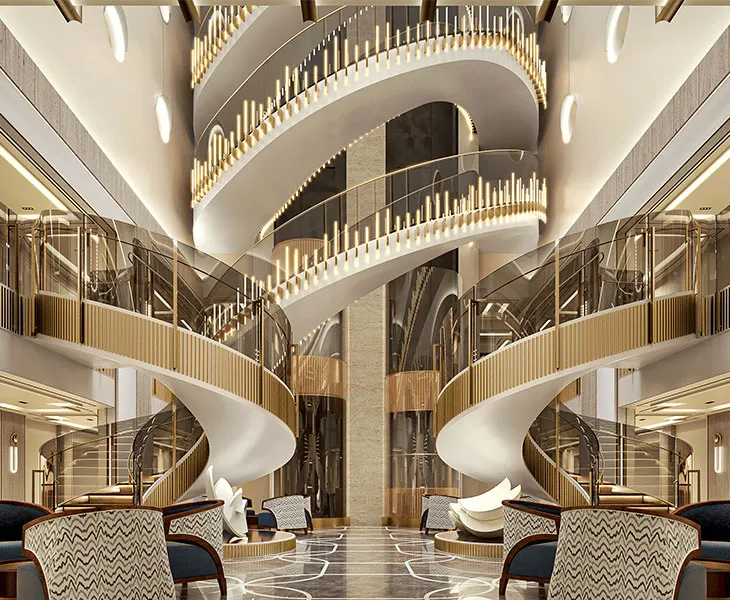
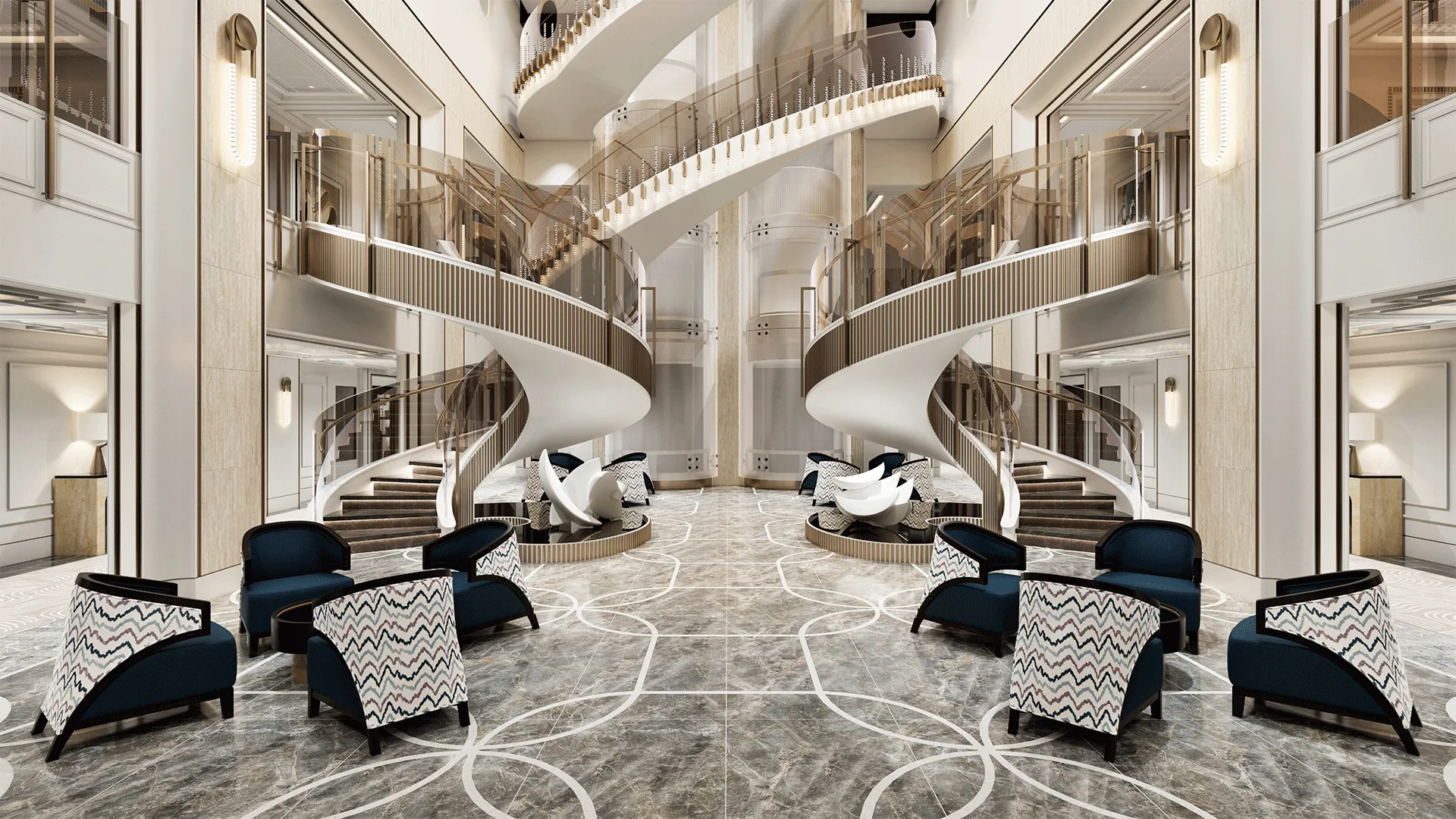
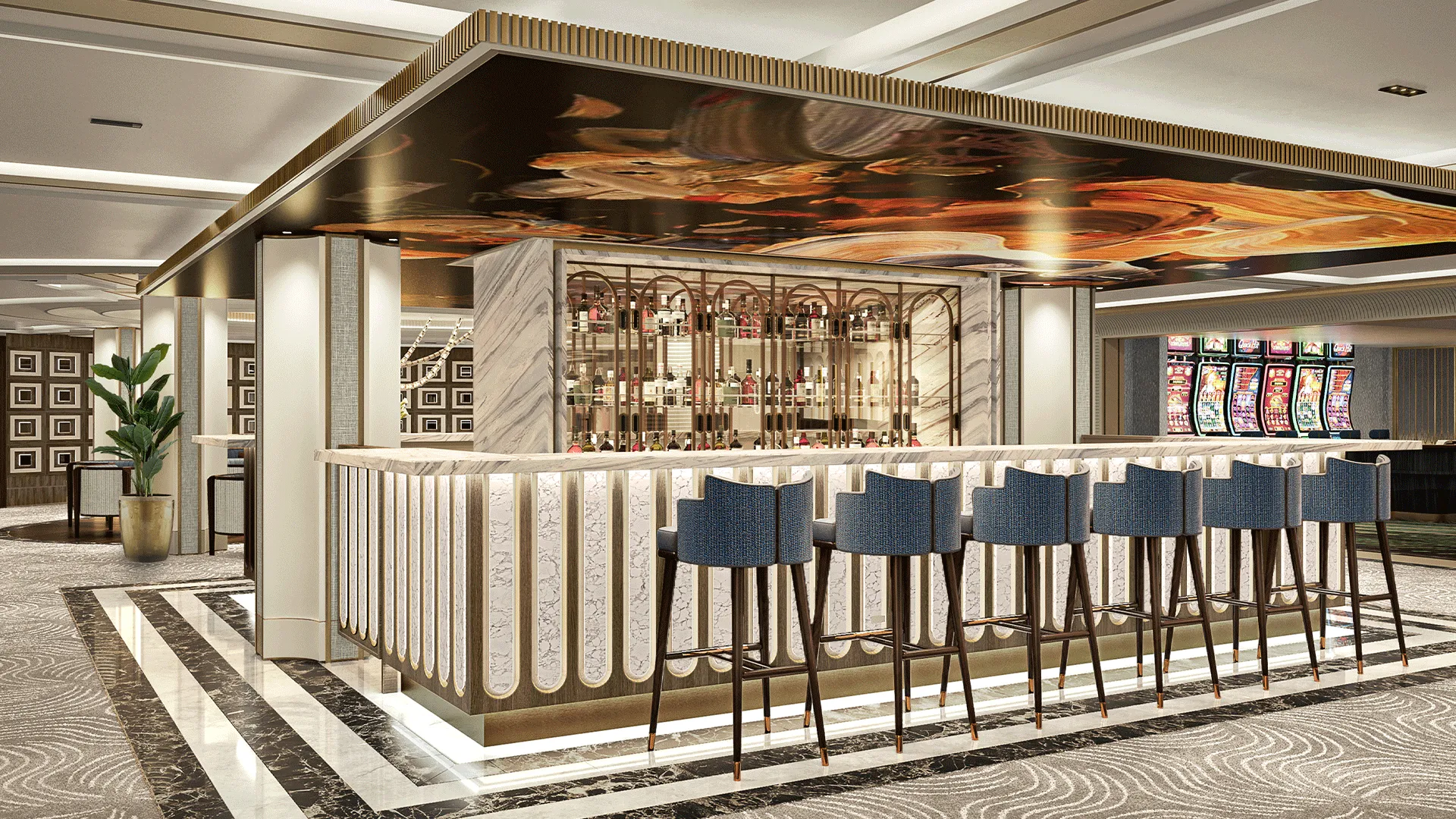
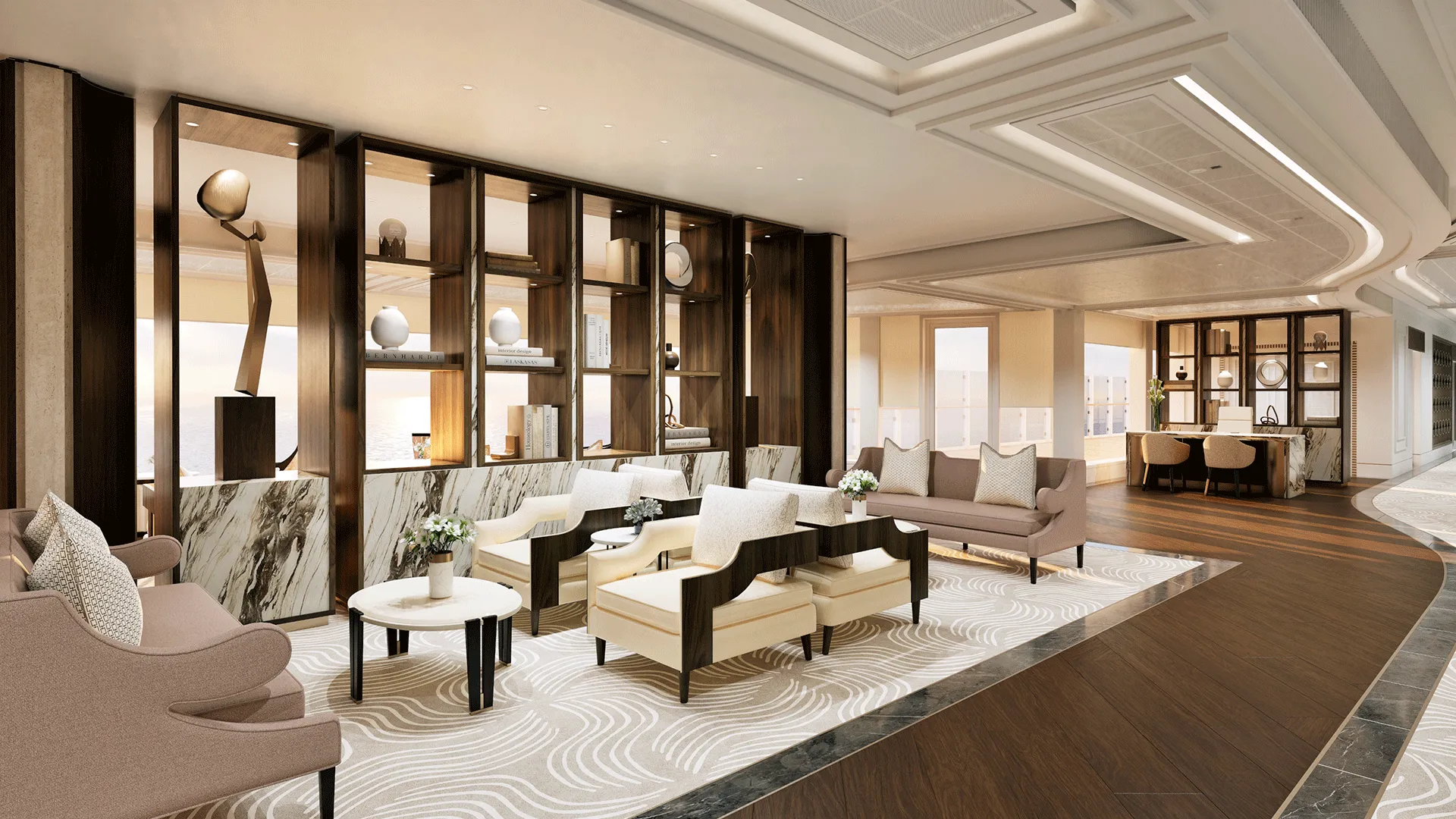
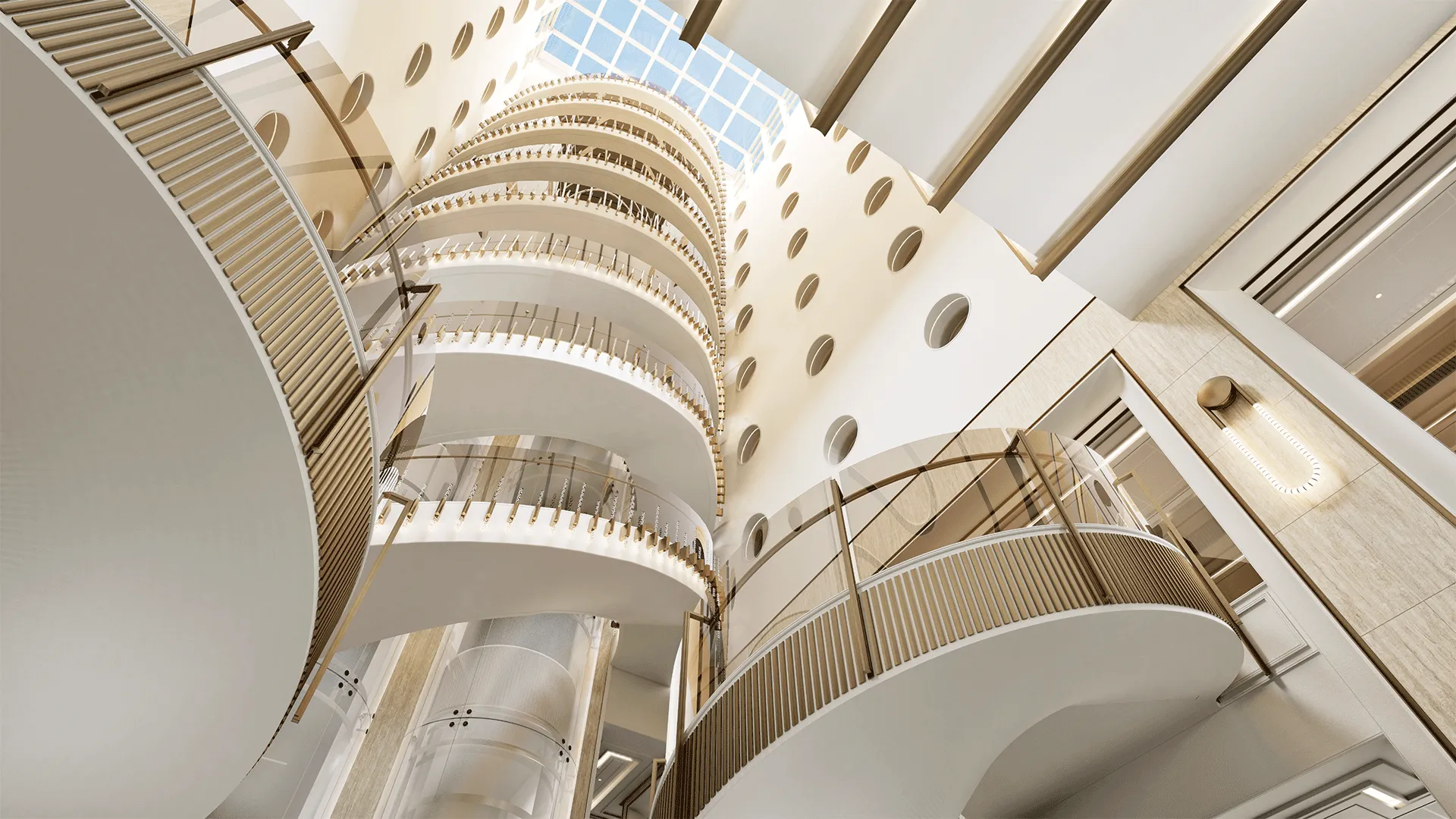
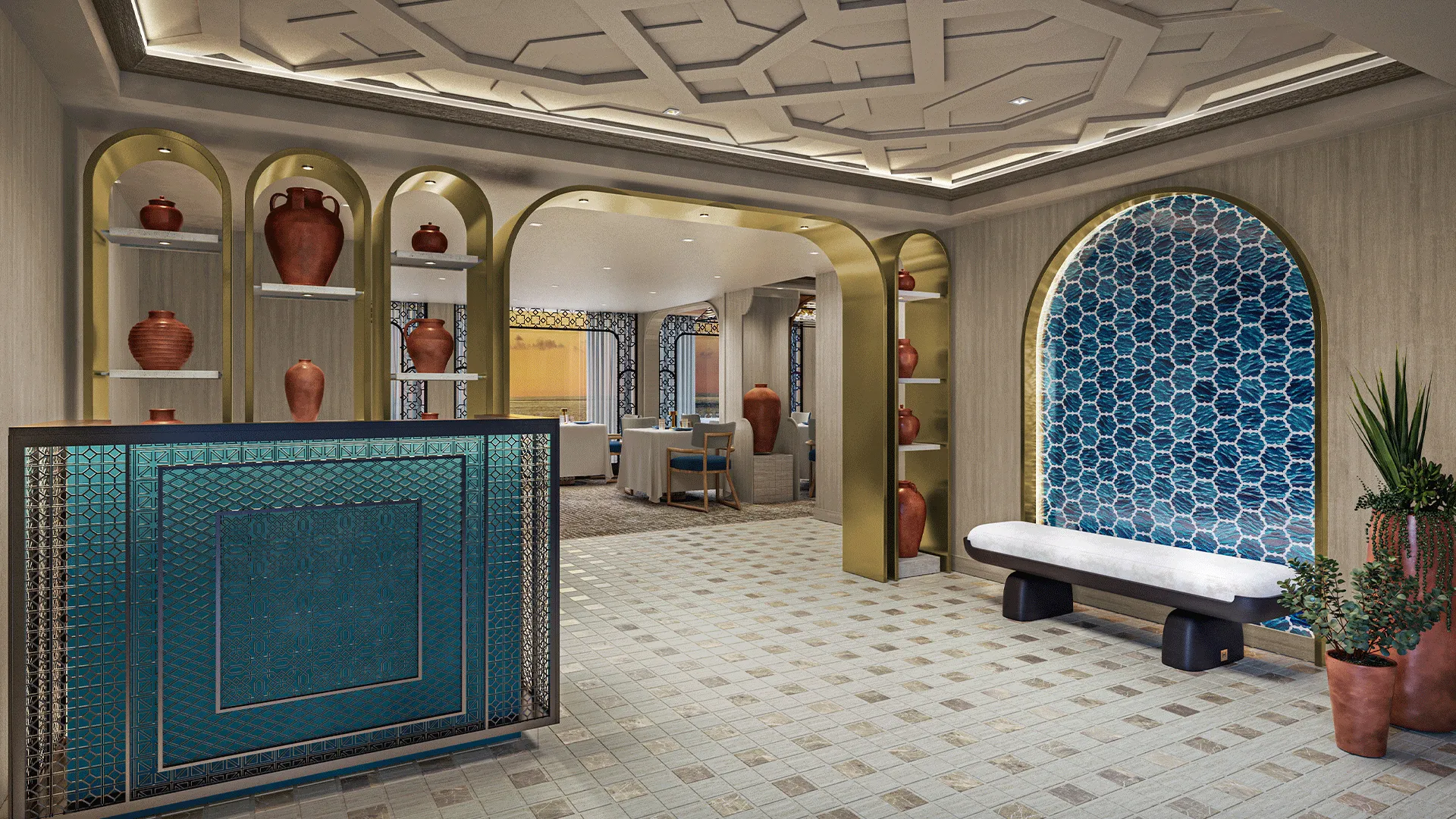
Regent Seven Seas Cruises
Seven Seas Prestige
Launched
—
Refitted
—
Tonnage
77,000 GT
Passengers
850
Cabins
—
Crew
—
Length
—
Width
31 m
Speed
22 knots
Adults Only
No
Itinerary
Day 1
Day 1
Lisbon
Depart 16:00
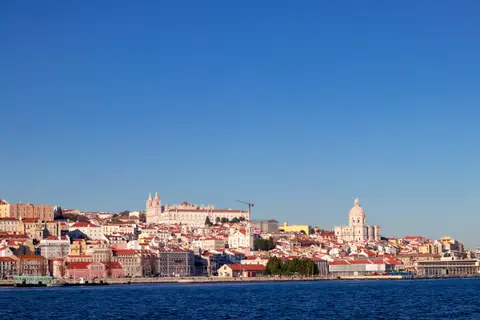
Lisbon, Portugal's enchanting capital, stands out for its rich history, stunning architecture, and vibrant culture. Must-try experiences include savoring local dishes like bacalhau à brás and pastéis de nata at Mercado da Ribeira. The best time to visit is during the spring or fall, when the weather is mild and the city is alive with festivals and events.
Day 2
Day 2
Portimao
Arrive 08:00Depart 17:00
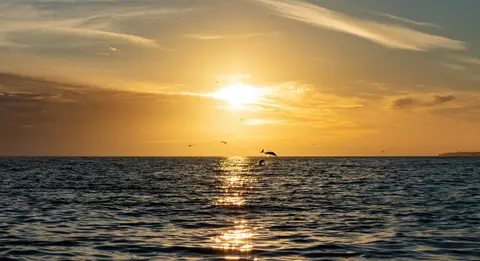
Portimão is the Algarve's most storied port city, where Phoenician trading heritage meets golden-cliff beaches and Portugal's finest grilled sardine tradition along the Arade River. Visitors should not miss the charcoal-grilled sardines at the riverside churrasqueiras and the dramatic sandstone formations of Praia da Rocha. The port is at its luminous best from May through October, when long Atlantic days bathe the coastline in honeyed light and the August Sardine Festival electrifies the waterfront.
Day 3
Day 3
Cadiz
Arrive 08:00Depart 22:00
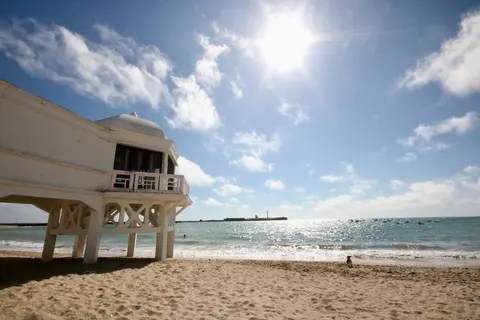
Cádiz, founded by Phoenician traders around 1100 BC and a strong contender for the oldest continuously inhabited city in Western Europe, juts into the Atlantic on a narrow peninsula where honey-colored ramparts frame improbable views of open ocean and the sun sets directly into the sea. The old quarter is an intoxicating labyrinth of baroque churches, hidden plazas, and carnival spirit — Cádiz's annual February carnival is the wildest and most satirically sharp in Spain — while the tapas culture here, centered on fresh Atlantic seafood cooked with Andalusian simplicity, represents Spanish cuisine at its most elemental and joyful. Visit February for carnival or spring for gentle Atlantic breezes. Seville is ninety minutes inland by bus or rail.
Day 4
Day 4
Tangier
Arrive 08:00Depart 17:00
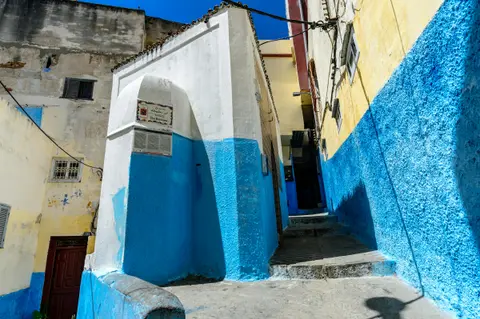
Tangier is Morocco's storied gateway between Africa and Europe, a city of Phoenician origins where a whitewashed medina, vibrant souks, and a cosmopolitan waterfront converge at the Strait of Gibraltar. Visitors should not miss savouring traditional pastilla in a rooftop riad and exploring the Kasbah's amber-lit ramparts at sunset. The ideal season to arrive is April through June or September through October, when mild Mediterranean temperatures and fewer crowds allow the city's layered beauty to reveal itself at an unhurried, luxurious pace.
Day 5
Day 5
Malaga
Arrive 08:00Depart 22:00
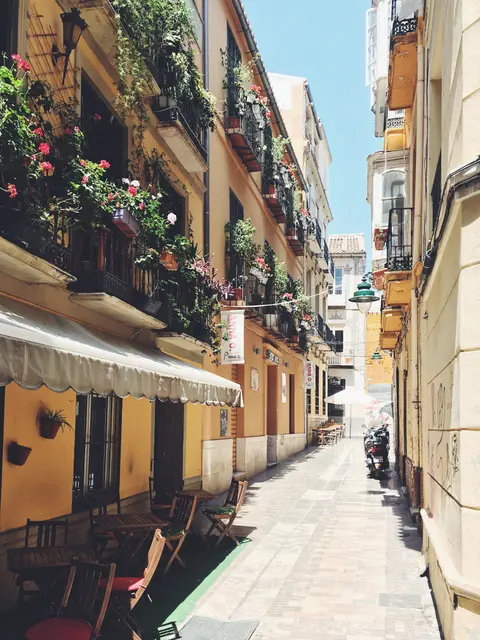
Málaga distils three thousand years of Mediterranean civilisation into one of Andalusia's most compelling port cities, where the Moorish Alcazaba fortress surveys a modern waterfront of elegant promenades and sun-drenched café terraces. Do not leave without visiting the Museo Picasso — the artist was born here in 1881 — and ascending to the ruined Castillo de Gibralfaro for panoramic views stretching to the Rif Mountains of Morocco on clear days. Malagueta anchovies fried in olive oil and the sweet Pedro Ximénez-laced dessert wine are the city's defining pleasures. The shoulder seasons of April, May, and October offer perfect Mediterranean warmth.
Day 6
Day 6
At Sea
Day 7
Day 7
Alicante
Arrive 08:00Depart 17:00
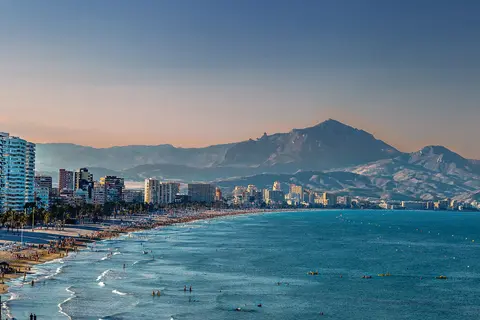
Alicante, a historic port city on Spain's Costa Blanca, captivates visitors with its rich history, stunning architecture, and vibrant culinary scene. Must-do experiences include savoring traditional paella by the seaside and exploring the bustling Mercado Central. The best time to visit is during the spring or early fall when the weather is pleasantly warm and the city is alive with festivities.
Day 8
Day 8
Ibiza
Arrive 12:30Depart 23:00
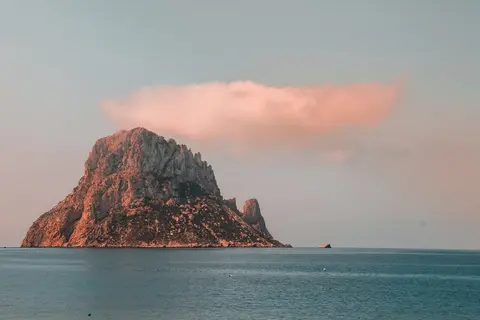
Beneath Ibiza's sun-drenched reputation as the world's clubbing capital lies a layered history stretching back to Phoenician traders who settled this Balearic island in 654 BC. The UNESCO-listed Dalt Vila — the walled hilltop citadel above Eivissa town — rewards exploration with Carthaginian burial grounds, Renaissance ramparts, and sweeping Mediterranean panoramas. For quieter pleasures, the crystalline coves of the island's north, such as Cala d'en Serra and Es Portitxol, rival any beach in Europe. The Phoenician necropolis of Puig des Molins is unmissable for history devotees. The season runs May through October, with June and September offering ideal weather without peak-summer crowds.
Day 9
Day 9
Palma de Mallorca
Arrive 08:00Depart 17:00
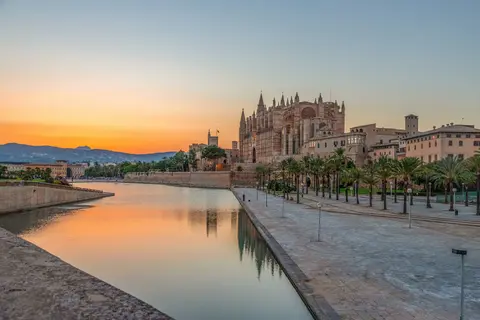
Palma de Mallorca announces itself with one of the most spectacular Gothic cathedrals in the world — La Seu, its honey-coloured sandstone buttresses rising directly from the bay, its interior modified by Antoni Gaudí and illuminated by the world's largest Gothic rose window. The old town behind it is a quarter of Arab baths, Renaissance palaces converted into boutique hotels, and the Passeig del Born — a plane-tree-shaded promenade where Balearic life conducts itself with unhurried grace. The local ensaïmada pastry and fresh sobrasada sausage from the island's black pigs are essential breakfast rituals. Visit May, June, or September: warm, brilliant, and measurably calmer than the July–August peak.
Day 10
Day 10
Barcelona
Arrive 07:00Depart 16:00
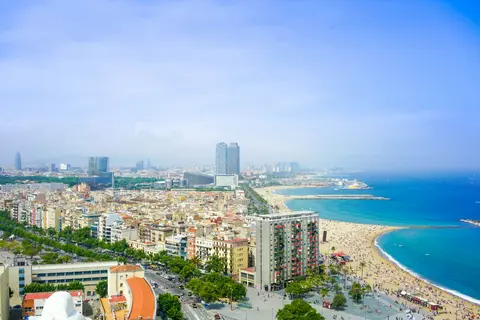
Barcelona is the city where Roman history, Gothic grandeur, and Gaudí's delirious Modernisme collide in a Mediterranean coastal capital of astonishing energy and beauty. The Sagrada Família — still under construction after 140 years — continues its audacious ascent toward completion, while the Gothic Quarter's Roman-era foundations and the Passeig de Gràcia's extraordinary concentration of Modernisme masterpieces reward days of exploration. For a complete sensory experience, lose an afternoon in the covered labyrinth of La Boqueria market before descending to the waterfront for Catalan seafood at its finest. May through June and September through October offer the most pleasant weather; the city connects directly to Paris by overnight train.
Day 11
Day 11
Ajaccio
Arrive 11:00Depart 20:00
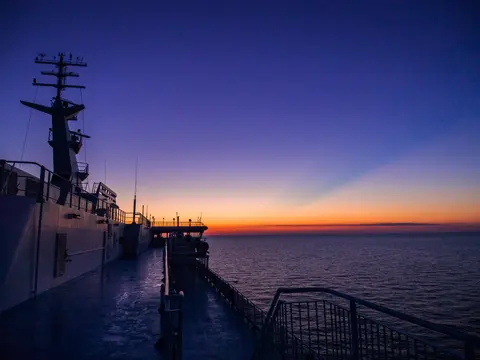
Ajaccio, the vibrant capital of Corsica, enchants visitors with its rich history as Napoleon's birthplace and its stunning coastal views. Don't miss trying local delicacies like figatellu and brocciu, and explore the nearby picturesque villages. The best season to visit is during the mild spring or fall months, when the weather is pleasant and the crowds are fewer.
Day 12
Day 12
Toulon
Arrive 08:00Depart 18:00
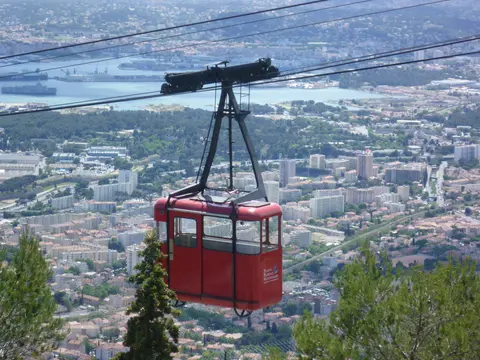
Toulon is the French Navy's Mediterranean home port, where the daily Cours Lafayette market, Mont Faron cable-car panoramas, and proximity to the Hyères Islands' pristine beaches deliver the French Riviera without the glamour-tax of Cannes or Saint-Tropez. Visit April through October via Cunard or Oceania for authentic Provençal markets, the 'other D-Day' memorial, and the Riviera that the French actually use.
Day 13
Day 13
Villefranche-sur-Mer
Arrive 08:00Depart 18:00
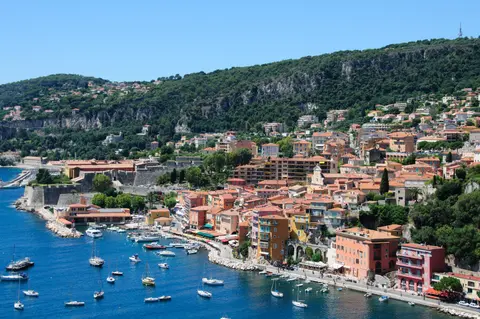
Villefranche-sur-Mer is a thirteenth-century duty-free port town on the French Riviera, where medieval stone passages and ochre-walled lanes cascade toward one of the Mediterranean's most spectacular natural harbours. Visitors should not miss Jean Cocteau's painted Chapelle Saint-Pierre and the covered Rue Obscure, followed by socca and Bellet rosé at the waterfront. The town is at its luminous best from late April through early October, when the bay glows cobalt and the evening light lingers long enough for an unhurried dinner along the Plage des Marinières.
Day 14
Day 14
Livorno
Arrive 07:00
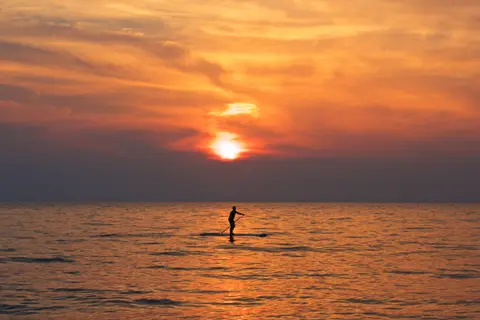
Purpose-built as a Medici utopia in the late sixteenth century, Livorno was conceived from the outset as a city without discrimination — its founding Leggi Livornine granted equal rights to Jews, Christians, Muslims, and merchants of every nation, making it one of the most cosmopolitan cities in Renaissance Europe. Today, the Venetian-style canals of the Venezia Nuova quarter reflect colourful palazzi with a distinctly faded glamour, while the Mercato Centrale's fish counters display the cacciucco ingredients — a robust Livornese brodetto of five sea creatures — that make this port city a pilgrimage for serious eaters. Day trips to Pisa and Lucca are effortless from here. The season runs April through October.
Day 16
Day 16
Tyrrhenian Sea cruising
Day 17
Day 17
Piombino
Arrive 08:00Depart 17:00
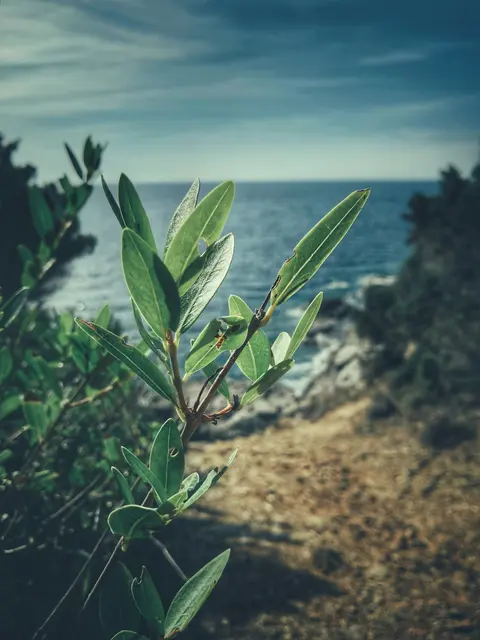
Piombino on Tuscany's coast is the gateway to Elba and the Tuscan Archipelago, perched on a promontory where Etruscan, Roman, and Renaissance history converge — from the Populonia necropolis to Leonardo da Vinci's fortifications. Must-dos include Baratti beach and archaeological park, cacciucco fish stew at the Porto Vecchio, and wine tasting in the rising Val di Cornia DOC vineyards. April through October delivers ideal Mediterranean weather for combining culture, cuisine, and coastline.
Day 18
Day 18
Sardinia
Arrive 08:00Depart 17:00
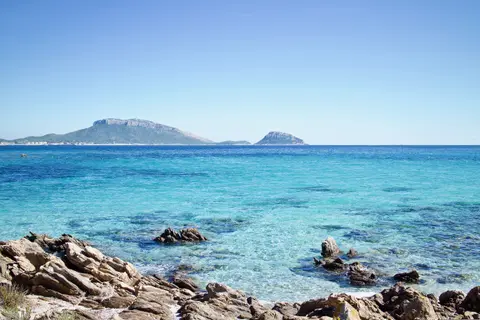
Sardinia is a rugged, history-rich island in the western Mediterranean renowned for its luminous turquoise waters, bronze-age nuraghi towers, and a fiercely independent culinary tradition anchored by porceddu roast suckling pig and hand-pinched culurgiones pasta. Visitors should explore the Costa Smeralda's granite coves by boat and venture inland to taste Cannonau wines in centuries-old vineyards. The ideal season stretches from May through October, with late September offering warm seas, golden light, and blissful absence of peak-summer crowds.
Day 19
Day 19
Civitavecchia
Arrive 07:00
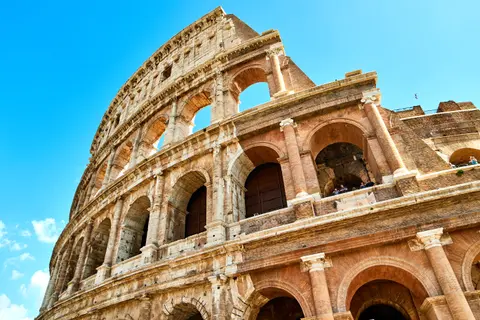
Rome's ancient maritime gateway since the Emperor Trajan commissioned its harbour in 106 AD, Civitavecchia is the natural prologue to the Eternal City — just seventy minutes southeast by express rail. The port's Renaissance fortress, designed in part by Michelangelo, anchors a working waterfront that has welcomed travellers for millennia. Beyond Rome's unmissable monuments, consider an afternoon in the Civitavecchia thermal baths, drawing on mineral waters prized since antiquity. Spring and autumn offer the ideal balance of mild weather and manageable crowds for exploring the capital's layered history.
Day 1
Lisbon
Depart 16:00
Lisbon, Portugal's enchanting capital, stands out for its rich history, stunning architecture, and vibrant culture. Must-try experiences include savoring local dishes like bacalhau à brás and pastéis de nata at Mercado da Ribeira. The best time to visit is during the spring or fall, when the weather is mild and the city is alive with festivals and events.
Day 2
Portimao
Arrive 08:00Depart 17:00
Portimão is the Algarve's most storied port city, where Phoenician trading heritage meets golden-cliff beaches and Portugal's finest grilled sardine tradition along the Arade River. Visitors should not miss the charcoal-grilled sardines at the riverside churrasqueiras and the dramatic sandstone formations of Praia da Rocha. The port is at its luminous best from May through October, when long Atlantic days bathe the coastline in honeyed light and the August Sardine Festival electrifies the waterfront.
Day 3
Cadiz
Arrive 08:00Depart 22:00
Cádiz, founded by Phoenician traders around 1100 BC and a strong contender for the oldest continuously inhabited city in Western Europe, juts into the Atlantic on a narrow peninsula where honey-colored ramparts frame improbable views of open ocean and the sun sets directly into the sea. The old quarter is an intoxicating labyrinth of baroque churches, hidden plazas, and carnival spirit — Cádiz's annual February carnival is the wildest and most satirically sharp in Spain — while the tapas culture here, centered on fresh Atlantic seafood cooked with Andalusian simplicity, represents Spanish cuisine at its most elemental and joyful. Visit February for carnival or spring for gentle Atlantic breezes. Seville is ninety minutes inland by bus or rail.
Day 4
Tangier
Arrive 08:00Depart 17:00
Tangier is Morocco's storied gateway between Africa and Europe, a city of Phoenician origins where a whitewashed medina, vibrant souks, and a cosmopolitan waterfront converge at the Strait of Gibraltar. Visitors should not miss savouring traditional pastilla in a rooftop riad and exploring the Kasbah's amber-lit ramparts at sunset. The ideal season to arrive is April through June or September through October, when mild Mediterranean temperatures and fewer crowds allow the city's layered beauty to reveal itself at an unhurried, luxurious pace.
Day 5
Malaga
Arrive 08:00Depart 22:00
Málaga distils three thousand years of Mediterranean civilisation into one of Andalusia's most compelling port cities, where the Moorish Alcazaba fortress surveys a modern waterfront of elegant promenades and sun-drenched café terraces. Do not leave without visiting the Museo Picasso — the artist was born here in 1881 — and ascending to the ruined Castillo de Gibralfaro for panoramic views stretching to the Rif Mountains of Morocco on clear days. Malagueta anchovies fried in olive oil and the sweet Pedro Ximénez-laced dessert wine are the city's defining pleasures. The shoulder seasons of April, May, and October offer perfect Mediterranean warmth.
Day 6
At Sea
Day 7
Alicante
Arrive 08:00Depart 17:00
Alicante, a historic port city on Spain's Costa Blanca, captivates visitors with its rich history, stunning architecture, and vibrant culinary scene. Must-do experiences include savoring traditional paella by the seaside and exploring the bustling Mercado Central. The best time to visit is during the spring or early fall when the weather is pleasantly warm and the city is alive with festivities.
Day 8
Ibiza
Arrive 12:30Depart 23:00
Beneath Ibiza's sun-drenched reputation as the world's clubbing capital lies a layered history stretching back to Phoenician traders who settled this Balearic island in 654 BC. The UNESCO-listed Dalt Vila — the walled hilltop citadel above Eivissa town — rewards exploration with Carthaginian burial grounds, Renaissance ramparts, and sweeping Mediterranean panoramas. For quieter pleasures, the crystalline coves of the island's north, such as Cala d'en Serra and Es Portitxol, rival any beach in Europe. The Phoenician necropolis of Puig des Molins is unmissable for history devotees. The season runs May through October, with June and September offering ideal weather without peak-summer crowds.
Day 9
Palma de Mallorca
Arrive 08:00Depart 17:00
Palma de Mallorca announces itself with one of the most spectacular Gothic cathedrals in the world — La Seu, its honey-coloured sandstone buttresses rising directly from the bay, its interior modified by Antoni Gaudí and illuminated by the world's largest Gothic rose window. The old town behind it is a quarter of Arab baths, Renaissance palaces converted into boutique hotels, and the Passeig del Born — a plane-tree-shaded promenade where Balearic life conducts itself with unhurried grace. The local ensaïmada pastry and fresh sobrasada sausage from the island's black pigs are essential breakfast rituals. Visit May, June, or September: warm, brilliant, and measurably calmer than the July–August peak.
Day 10
Barcelona
Arrive 07:00Depart 16:00
Barcelona is the city where Roman history, Gothic grandeur, and Gaudí's delirious Modernisme collide in a Mediterranean coastal capital of astonishing energy and beauty. The Sagrada Família — still under construction after 140 years — continues its audacious ascent toward completion, while the Gothic Quarter's Roman-era foundations and the Passeig de Gràcia's extraordinary concentration of Modernisme masterpieces reward days of exploration. For a complete sensory experience, lose an afternoon in the covered labyrinth of La Boqueria market before descending to the waterfront for Catalan seafood at its finest. May through June and September through October offer the most pleasant weather; the city connects directly to Paris by overnight train.
Day 11
Ajaccio
Arrive 11:00Depart 20:00
Ajaccio, the vibrant capital of Corsica, enchants visitors with its rich history as Napoleon's birthplace and its stunning coastal views. Don't miss trying local delicacies like figatellu and brocciu, and explore the nearby picturesque villages. The best season to visit is during the mild spring or fall months, when the weather is pleasant and the crowds are fewer.
Day 12
Toulon
Arrive 08:00Depart 18:00
Toulon is the French Navy's Mediterranean home port, where the daily Cours Lafayette market, Mont Faron cable-car panoramas, and proximity to the Hyères Islands' pristine beaches deliver the French Riviera without the glamour-tax of Cannes or Saint-Tropez. Visit April through October via Cunard or Oceania for authentic Provençal markets, the 'other D-Day' memorial, and the Riviera that the French actually use.
Day 13
Villefranche-sur-Mer
Arrive 08:00Depart 18:00
Villefranche-sur-Mer is a thirteenth-century duty-free port town on the French Riviera, where medieval stone passages and ochre-walled lanes cascade toward one of the Mediterranean's most spectacular natural harbours. Visitors should not miss Jean Cocteau's painted Chapelle Saint-Pierre and the covered Rue Obscure, followed by socca and Bellet rosé at the waterfront. The town is at its luminous best from late April through early October, when the bay glows cobalt and the evening light lingers long enough for an unhurried dinner along the Plage des Marinières.
Day 14
Livorno
Arrive 07:00
Purpose-built as a Medici utopia in the late sixteenth century, Livorno was conceived from the outset as a city without discrimination — its founding Leggi Livornine granted equal rights to Jews, Christians, Muslims, and merchants of every nation, making it one of the most cosmopolitan cities in Renaissance Europe. Today, the Venetian-style canals of the Venezia Nuova quarter reflect colourful palazzi with a distinctly faded glamour, while the Mercato Centrale's fish counters display the cacciucco ingredients — a robust Livornese brodetto of five sea creatures — that make this port city a pilgrimage for serious eaters. Day trips to Pisa and Lucca are effortless from here. The season runs April through October.
Day 16
Tyrrhenian Sea cruising
Day 17
Piombino
Arrive 08:00Depart 17:00
Piombino on Tuscany's coast is the gateway to Elba and the Tuscan Archipelago, perched on a promontory where Etruscan, Roman, and Renaissance history converge — from the Populonia necropolis to Leonardo da Vinci's fortifications. Must-dos include Baratti beach and archaeological park, cacciucco fish stew at the Porto Vecchio, and wine tasting in the rising Val di Cornia DOC vineyards. April through October delivers ideal Mediterranean weather for combining culture, cuisine, and coastline.
Day 18
Sardinia
Arrive 08:00Depart 17:00
Sardinia is a rugged, history-rich island in the western Mediterranean renowned for its luminous turquoise waters, bronze-age nuraghi towers, and a fiercely independent culinary tradition anchored by porceddu roast suckling pig and hand-pinched culurgiones pasta. Visitors should explore the Costa Smeralda's granite coves by boat and venture inland to taste Cannonau wines in centuries-old vineyards. The ideal season stretches from May through October, with late September offering warm seas, golden light, and blissful absence of peak-summer crowds.
Day 19
Civitavecchia
Arrive 07:00
Rome's ancient maritime gateway since the Emperor Trajan commissioned its harbour in 106 AD, Civitavecchia is the natural prologue to the Eternal City — just seventy minutes southeast by express rail. The port's Renaissance fortress, designed in part by Michelangelo, anchors a working waterfront that has welcomed travellers for millennia. Beyond Rome's unmissable monuments, consider an afternoon in the Civitavecchia thermal baths, drawing on mineral waters prized since antiquity. Spring and autumn offer the ideal balance of mild weather and manageable crowds for exploring the capital's layered history.
Cabin Categories
Concierge Suite
Suite
440–485 m²Max 2
DE
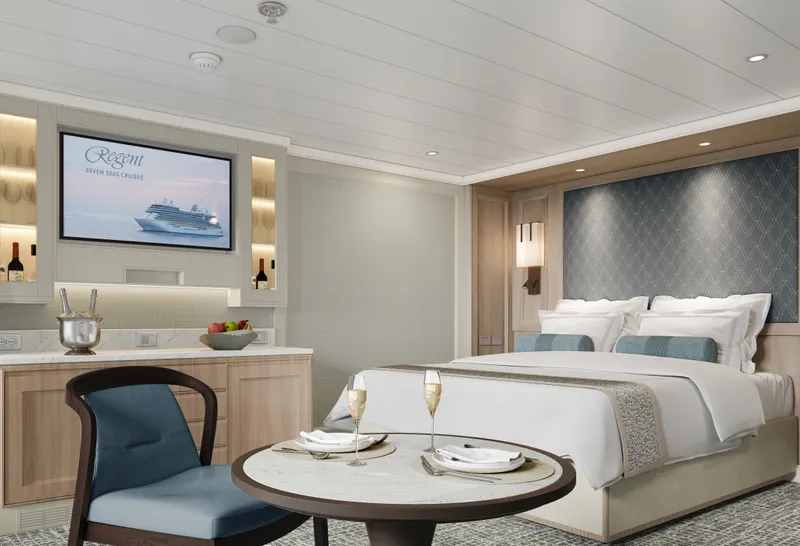
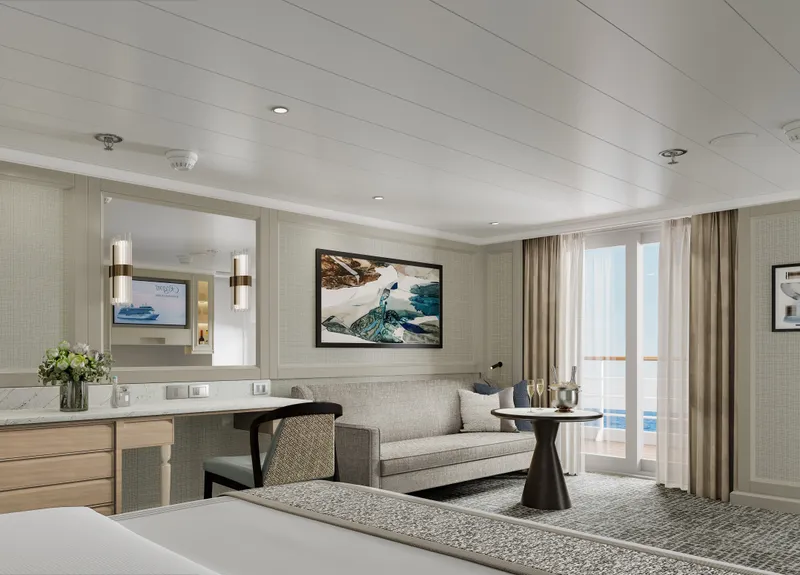
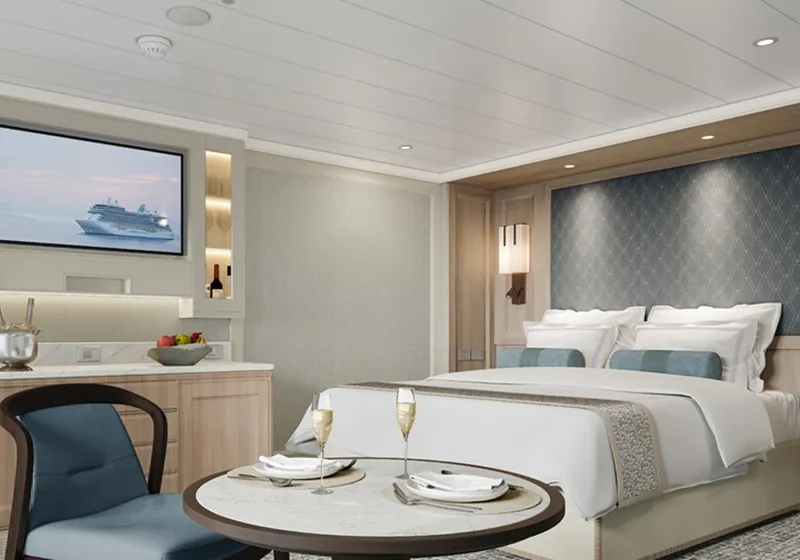
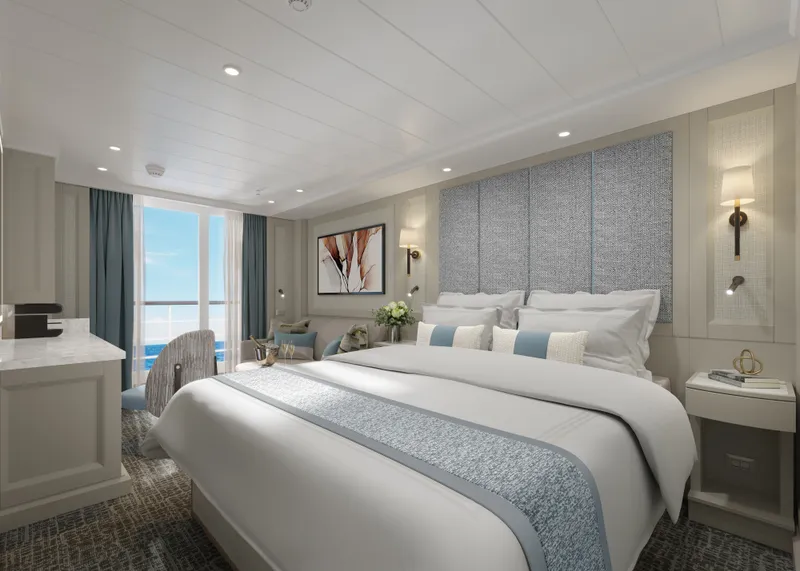
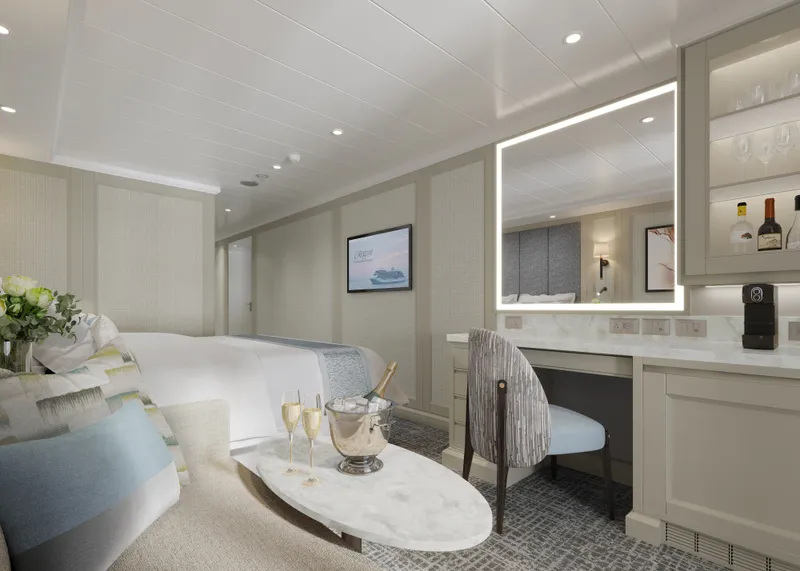
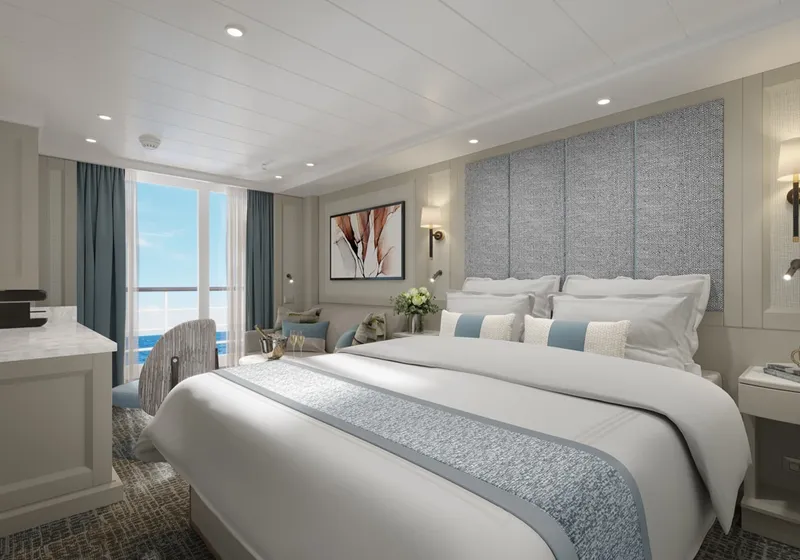
In this superbly designed suite, enjoy once-in-a-lifetime views of the horizon from the comfort of your King-Sized Elite Slumber™ Bed as well as exclusive luxuries available only in suites at the Concierge level and higher. From the marble bath to the spacious furnished veranda, this sophisticated suite is perfect for relaxing or entertaining with champagne or espresso in hand.
King or Twin ConfigurationShowerTVSafeHair DryerTelephone+1
US$19,249 /person+ US$1,904 taxes & fees
Deluxe Veranda Suite
Suite
285–440 m²Max 2
GH
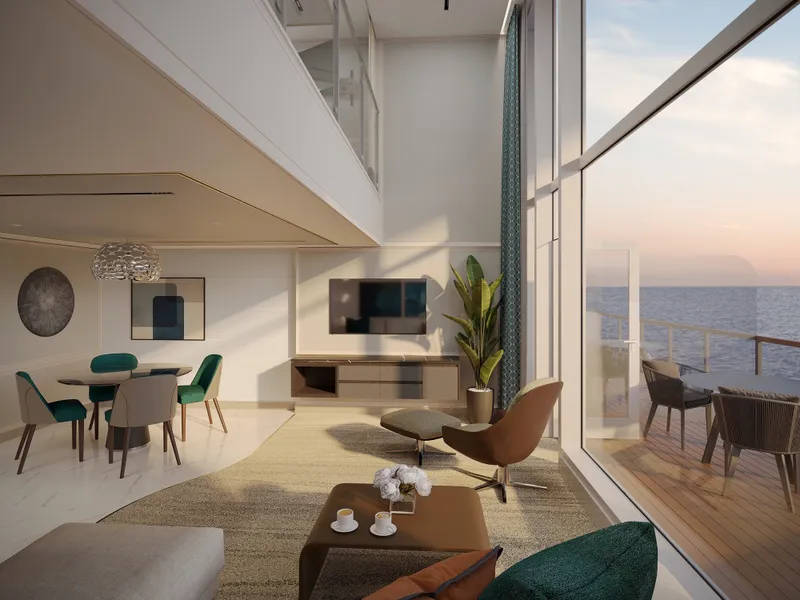
Thoughtfully designed to maximize interior space and embrace the magnificent scenery outdoors, this suite is a joyful retreat. From the sitting area, admire the ocean views through the floor-to-ceiling windows, or better yet, take a seat outside on your private balcony to watch the world go by. Elegant finishes such as luxurious bedding and beautiful marble detailing in the bath further enhance your comfort.
King or Twin ConfigurationShowerRoom Service AvailableTVSafeHair Dryer+2
US$17,149 /person+ US$1,904 taxes & fees
Grand Loft Suite
Suite
856 m²Max 2
LS
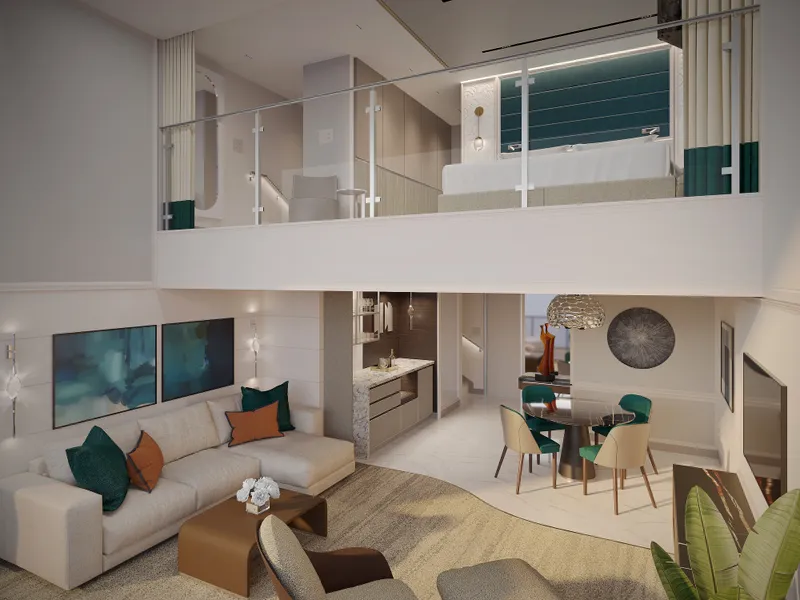
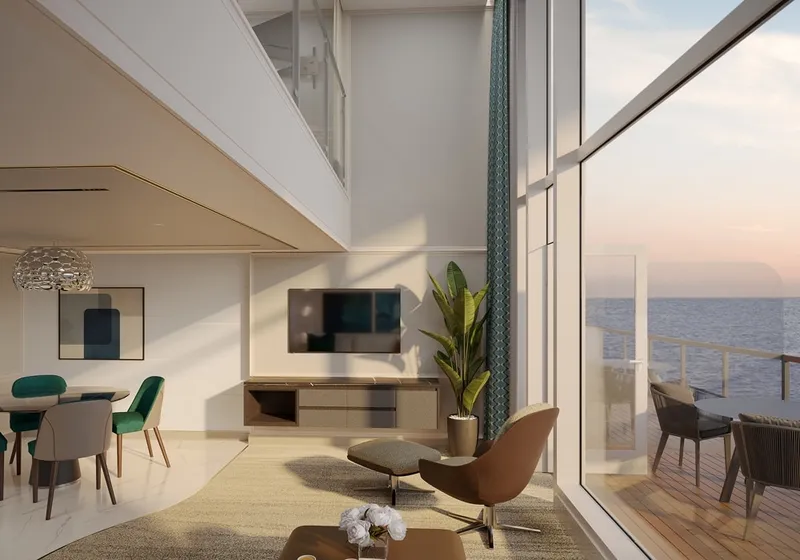
With its contemporary design, this double-story, 856-square-foot suite evokes the feel of a refined Lower Manhattan residence. A soaring double-height space and extraordinary window wall create jaw-dropping views from the upstairs bed, which faces directly toward the horizon.
King or Twin ConfigurationShowerRoom Service AvailableTVSafeHair Dryer+2
US$44,699 /person+ US$1,904 taxes & fees
Grand Suite
Suite
1214–1417 m²Max 2
GS
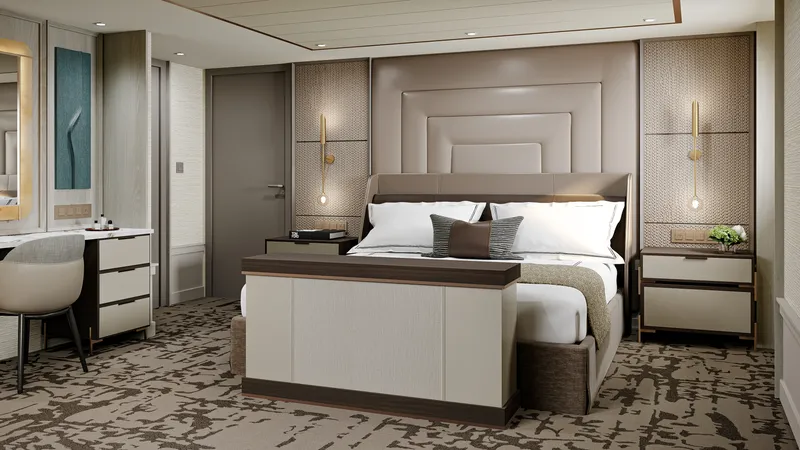
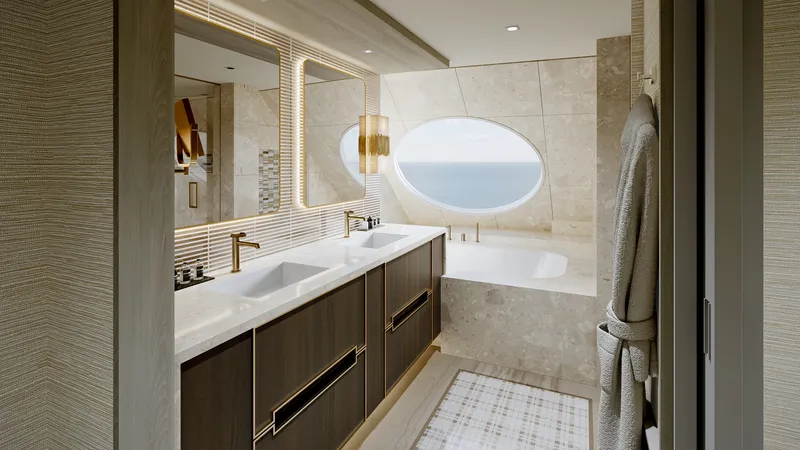
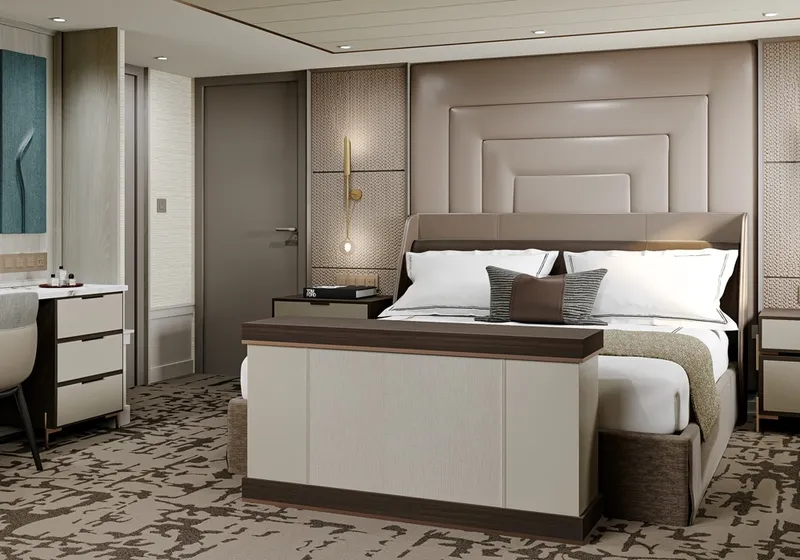
The Grand Suites pair mid-century elegance with Italian artistry, featuring clean lines, neutral tones with green accents, and custom-crafted furnishings. Spanning over 1,200 square feet, the suite features a private terrace and dining room for in-suite meals, thoughtfully located forward and mid-ship for optimal access and panoramic views.
King or Twin ConfigurationShowerRoom Service AvailableTVSafeHair Dryer+2
US$42,599 /person+ US$1,904 taxes & fees
Horizon Penthouse Suite
Suite
600–726 m²Max 2
HP
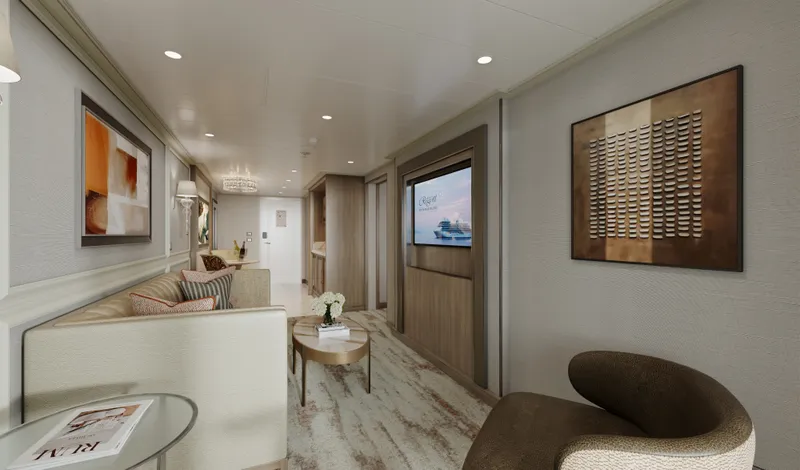
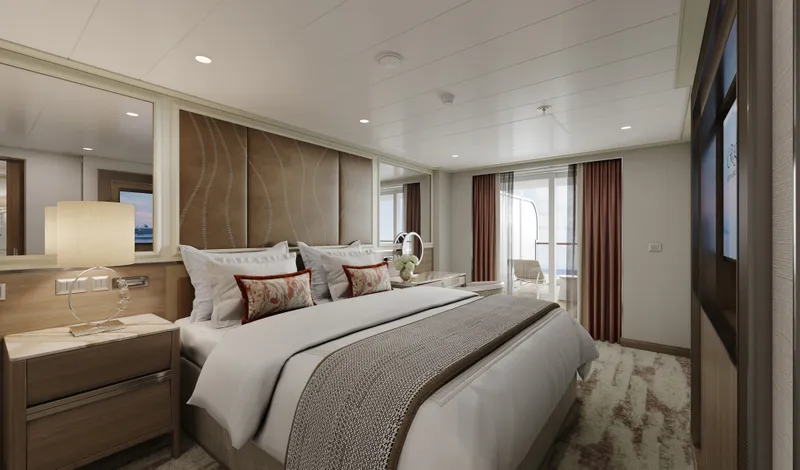
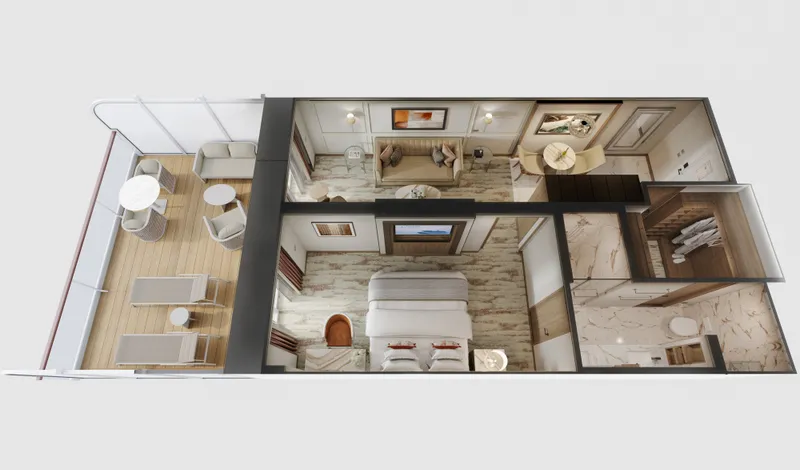
Introducing our new Horizon Penthouse suite category, where refined design and thoughtful details create a serene, elevated escape. Whether you're enjoying breakfast with a view, savoring a quiet moment with a book, or soaking up the sun, your stay is tailored to your desires. With your personal butler attending to every detail, your voyage is elevated to an unforgettable level of ultra-luxury.
King or Twin ConfigurationShowerRoom Service AvailableTVSafeHair Dryer+2
US$27,399 /person+ US$1,904 taxes & fees
Penthouse Suite
Suite
600 m²Max 2
ABC
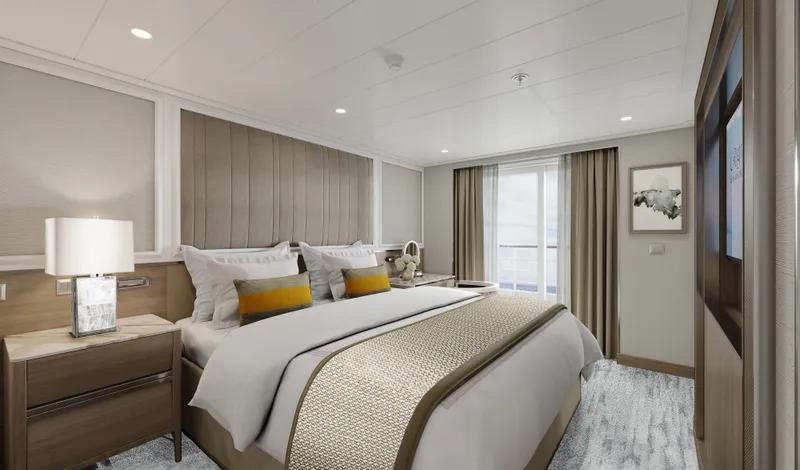
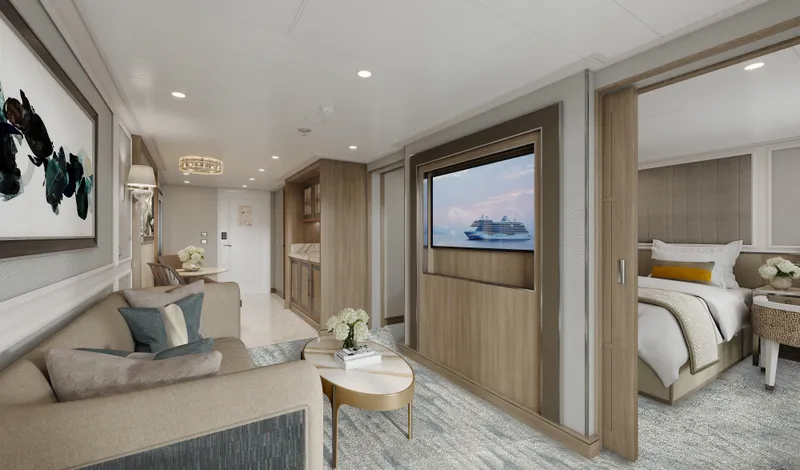
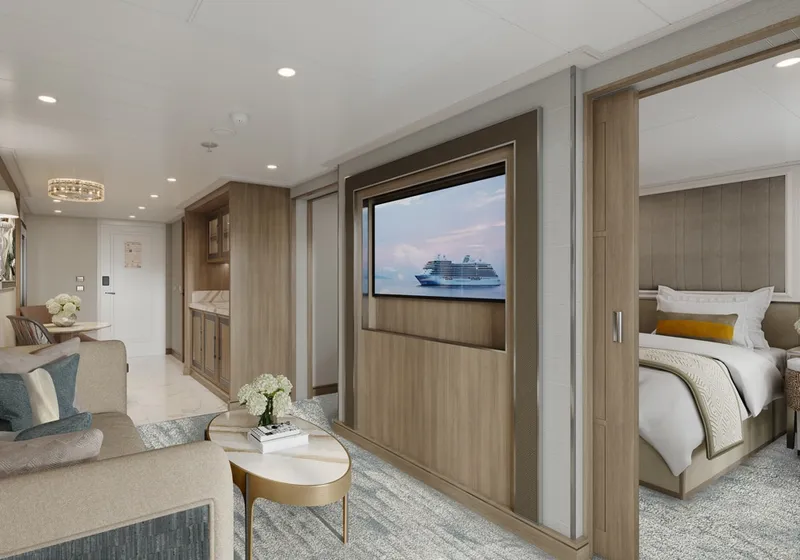
This luxurious suite has been carefully designed to maximize space and comfort, with more than 600 square feet from door to balcony deck. As you make your way through the separated living and bedroom, you have the choice to section off the area with a pocket door for added privacy. Your Penthouse also features a spacious walk-through closet that offers ample storage.
King or Twin ConfigurationShowerRoom Service AvailableSafeHair DryerTelephone+1
US$24,399 /person+ US$1,904 taxes & fees
Prestige Suite
Suite
813–1354 m²Max 2
PS
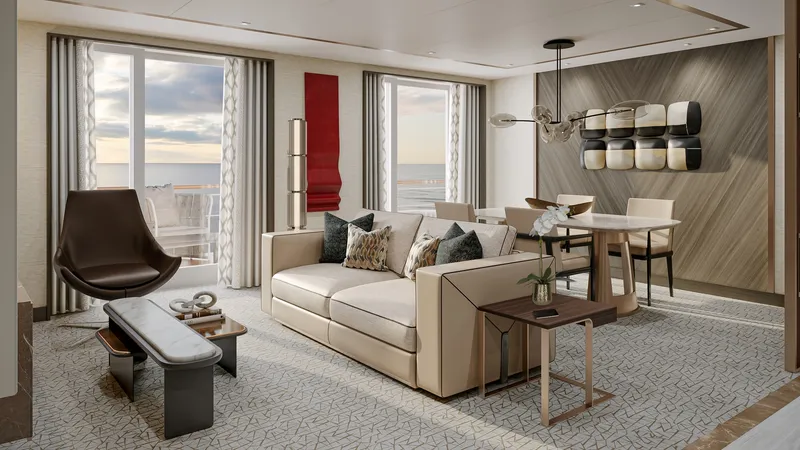
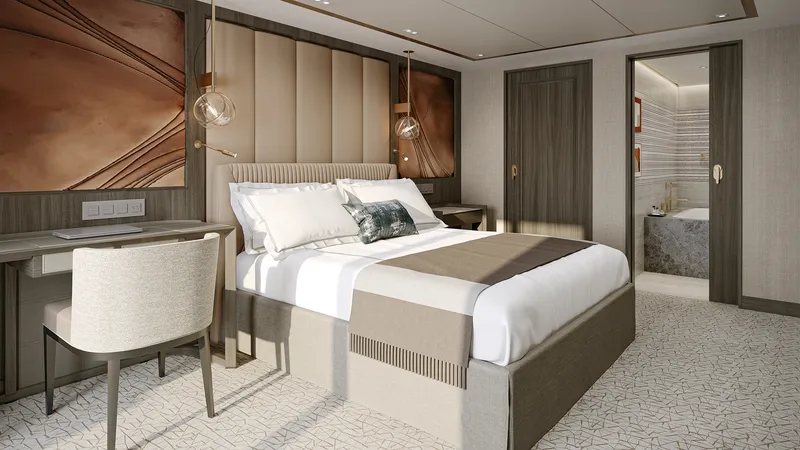
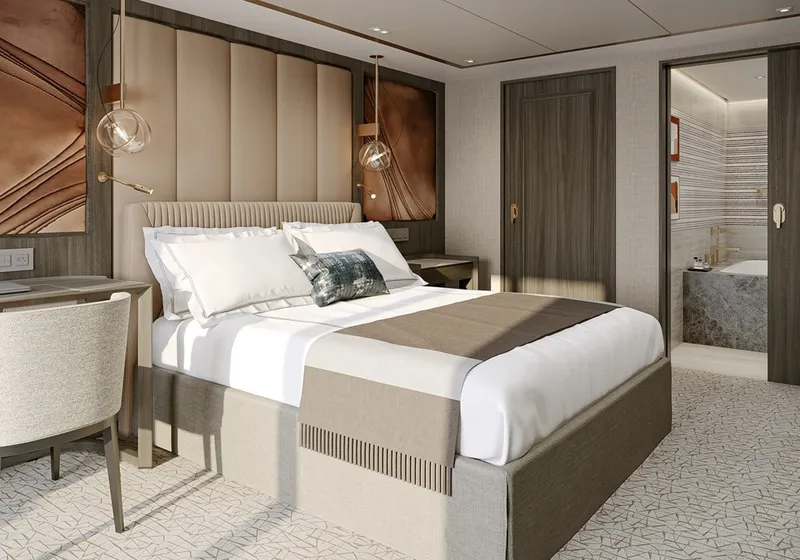
This home away from home is larger than some penthouse apartments, with more than 800 square feet of living space that includes a large private balcony. The one-bedroom, one-and-a-half bathroom suites are designed with calming hues of cream, gray and brown. They feature a dining table for in-suite service, a spacious closet and an elegant bath.
King or Twin ConfigurationShowerRoom Service AvailableTVSafeHair Dryer+2
US$37,349 /person+ US$1,904 taxes & fees
Serenity Suite
Suite
440 m²Max 2
F1F2
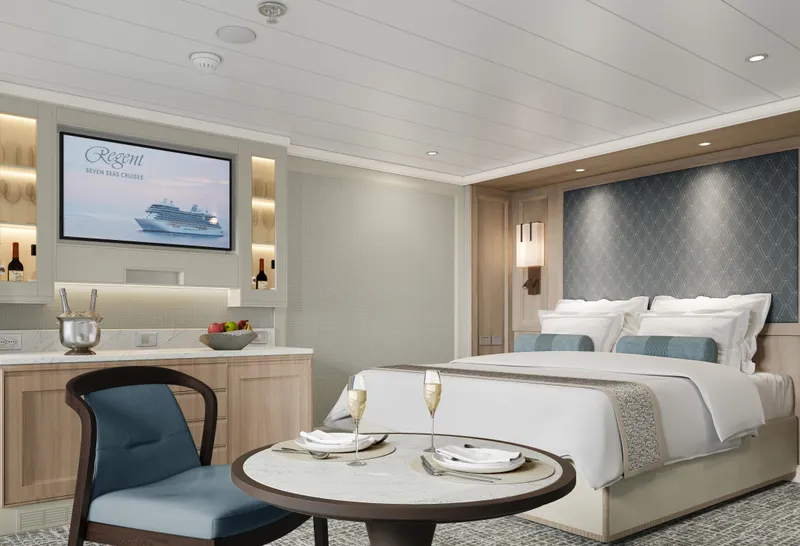
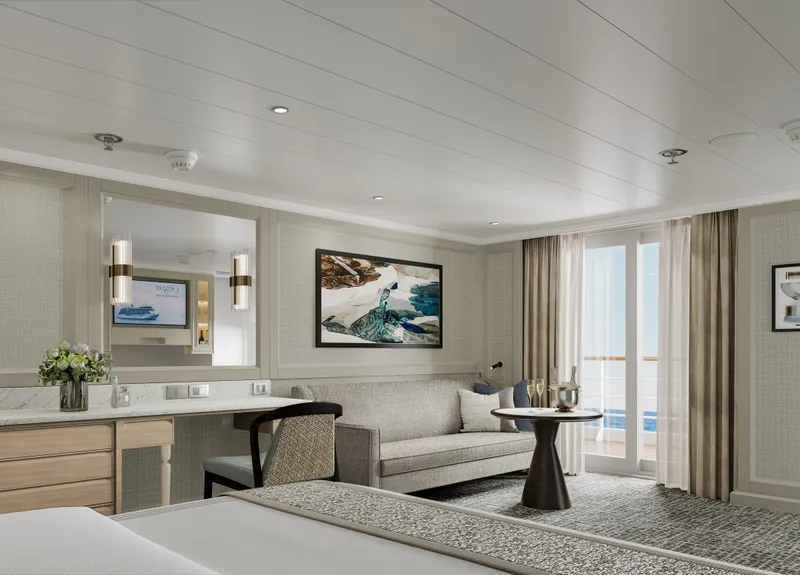
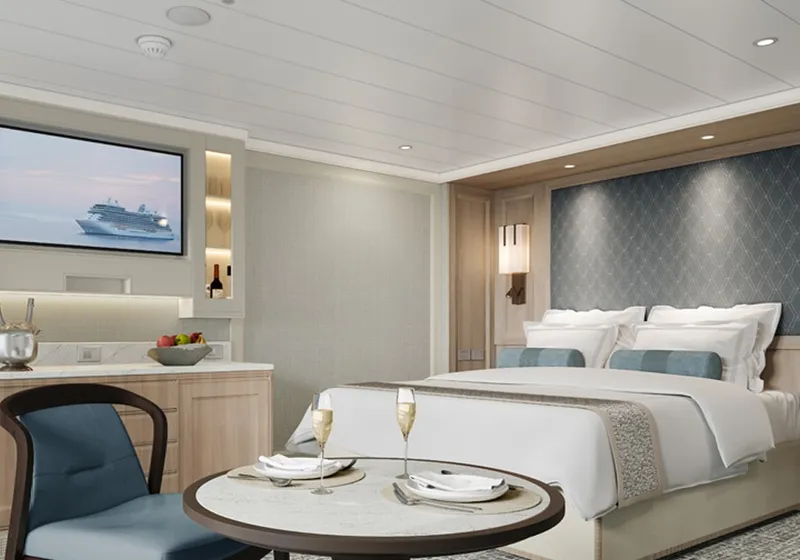
Rivaling the top suites of luxury hotels, you have plenty of space to stretch out and can take in the expansive view from your private balcony. Marble bathrooms are stocked with luxurious bath amenities and our amiable crew will tend to your requests, delivering a flawless experience at every turn.
King or Twin ConfigurationShowerTVSafeHair DryerTelephone+1
US$17,599 /person+ US$1,904 taxes & fees
Seven Seas Suite
Suite
721 m²Max 2
SS
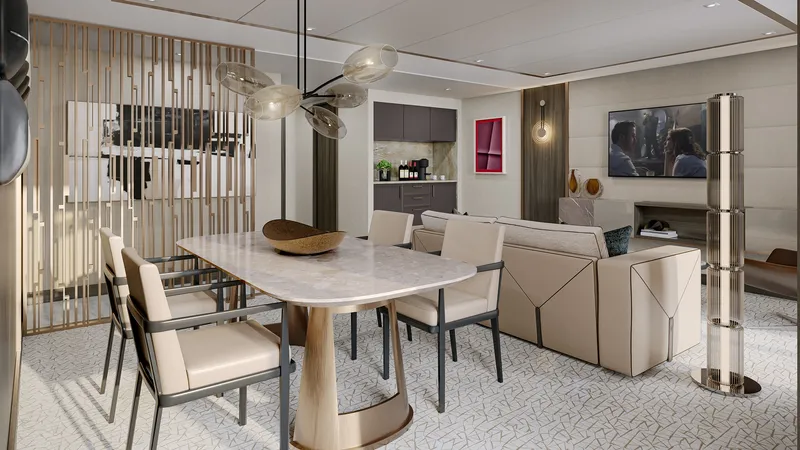
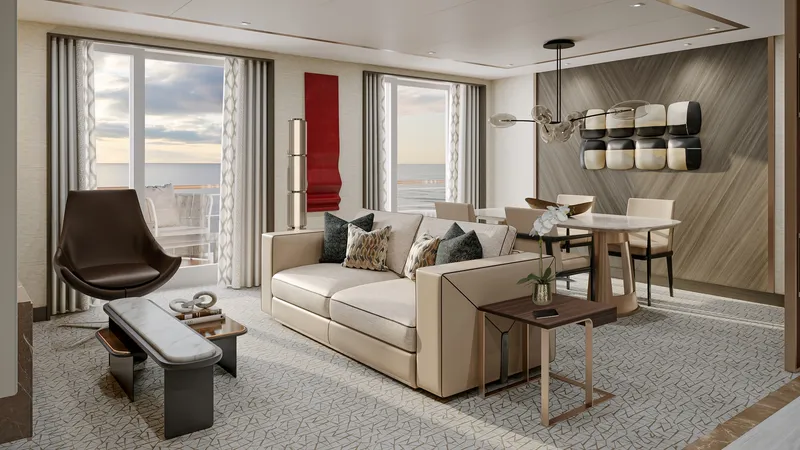
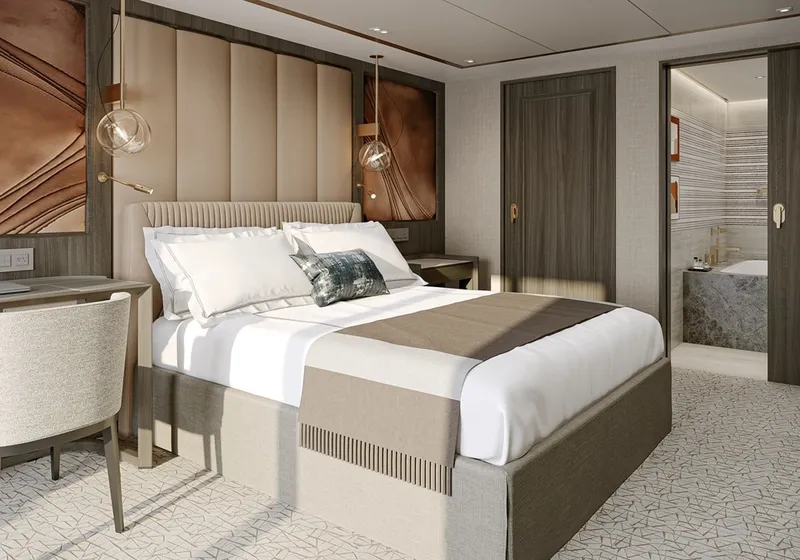
These suites exude a cosmopolitan apartment feel, with a soothing color palette complemented by plush furnishings. The suite flows effortlessly from the living room to the dining area to the bedroom, with sliding glass doorways leading to a spacious private balcony. A magnificent marble bathroom sits adjacent to the oversized bedroom and large walk-in closet.
King or Twin ConfigurationShowerRoom Service AvailableTVSafeHair Dryer+2
View Details
Signature Suite
Suite
2037 m²Max 2
SG
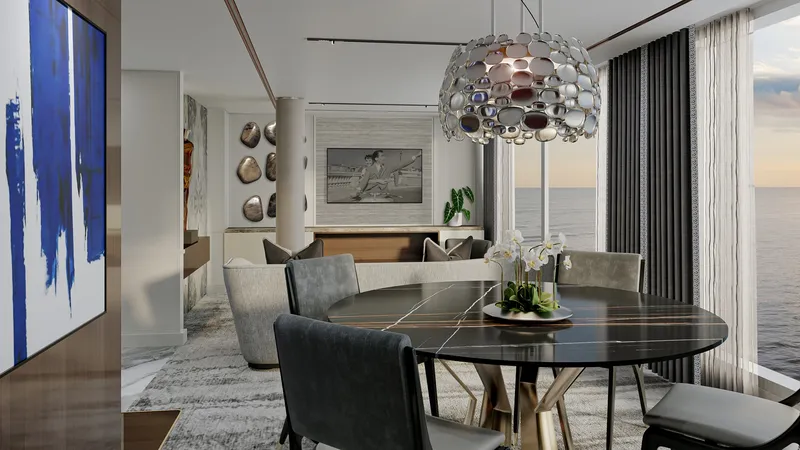
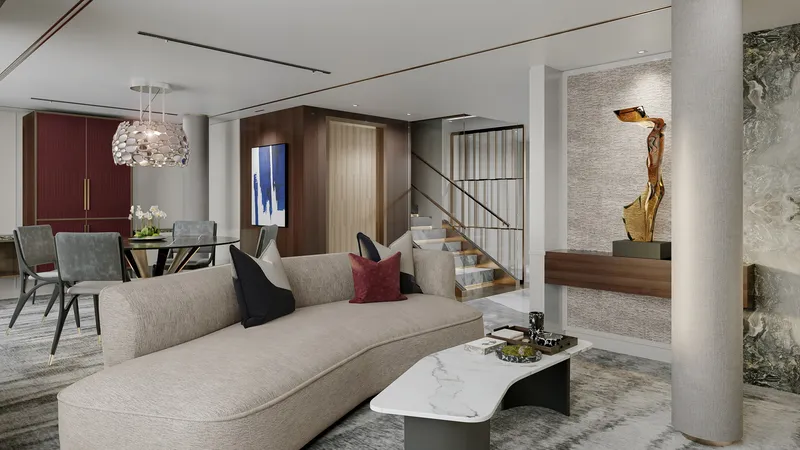
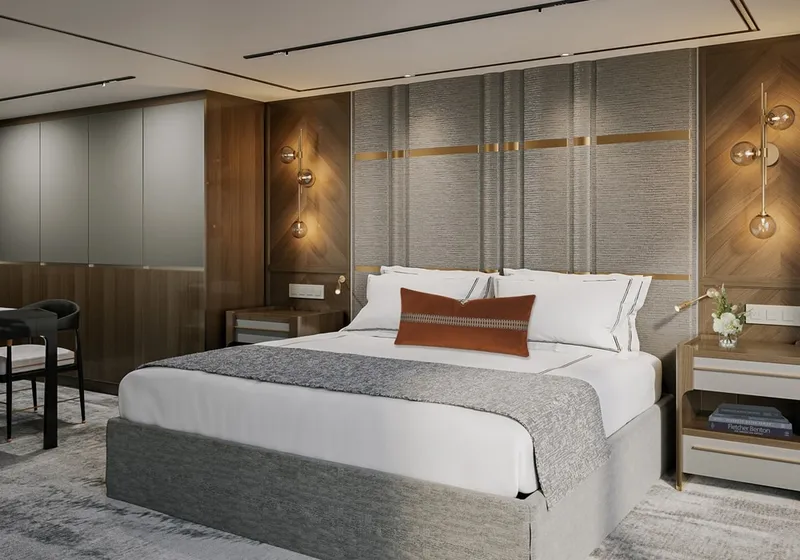
Your Signature Suite is outfitted with a rice color palette and the finest fabrics across two spacious bedrooms and two marble-and-stone baths, plus a generous living room. The private wrap-around balcony – one of the largest at sea – extends the living space outward, making it ideal for entertaining or simply soaking in the view.
King or Twin ConfigurationShowerRoom Service AvailableTVSafeHair Dryer+2
View Details
Skyview Aura Suite
Suite
1325–2024 m²Max 2
SKA
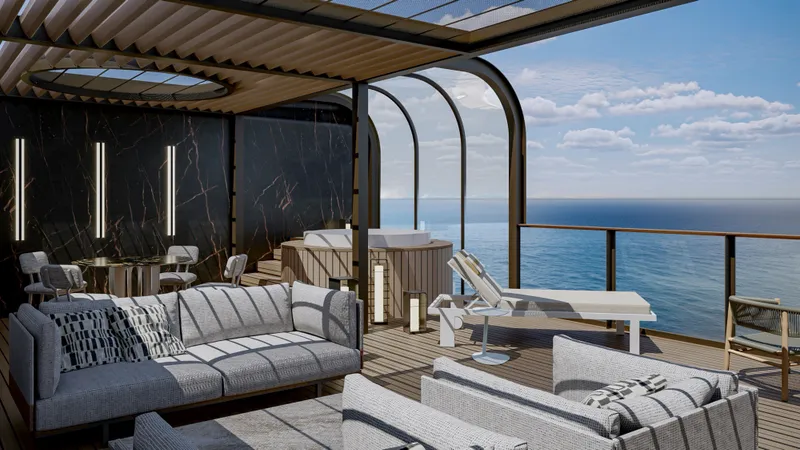
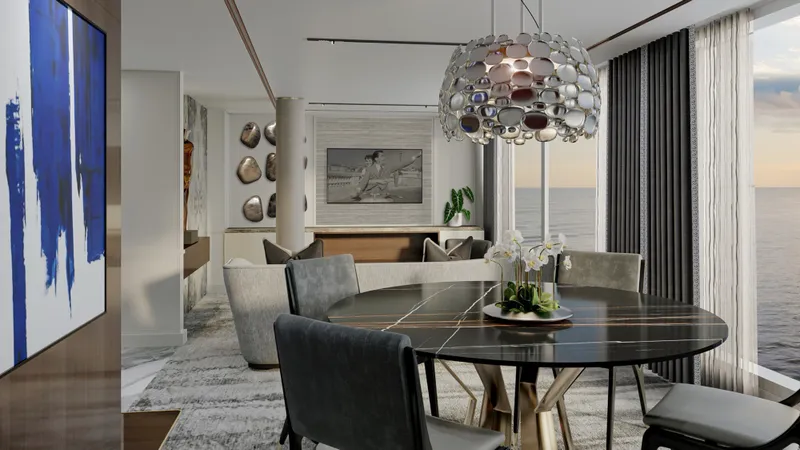
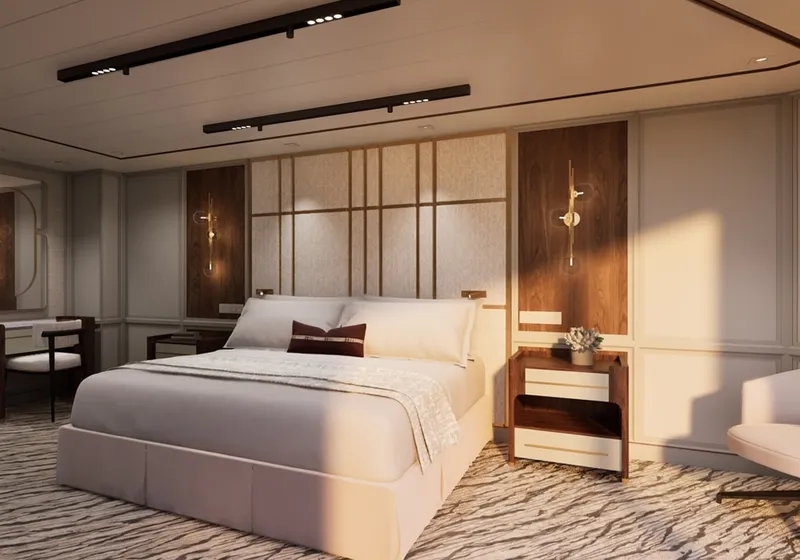
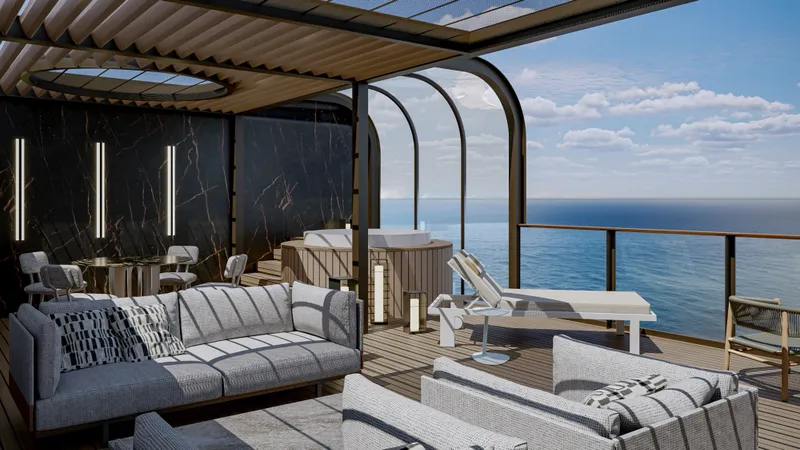
A new accommodation category, the Skyview Suites offer a sophisticated, high-end residential feel, each with its own private second-floor Skyview terrace on top of the ship, double-height spaces and two stories with your own in-suite elevators. Guests of the Skyview Suites can enjoy private access to Deck 15, reserved for only six Skyview Suites and the Skyview Regent Suite.
King or Twin ConfigurationShowerRoom Service AvailableTVSafeHair Dryer+2
View Details
Skyview Luna Suite
Suite
1325–2024 m²Max 2
SKB
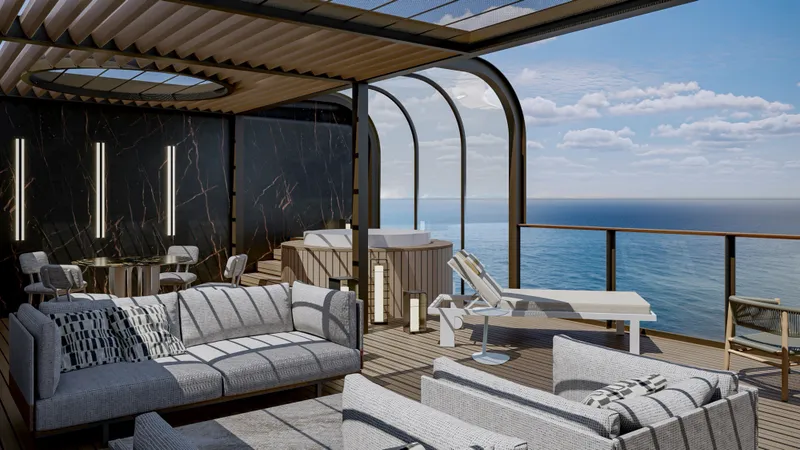
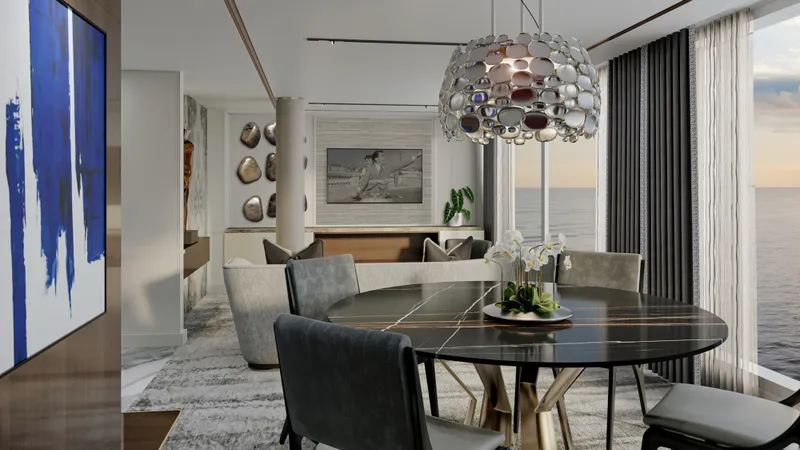
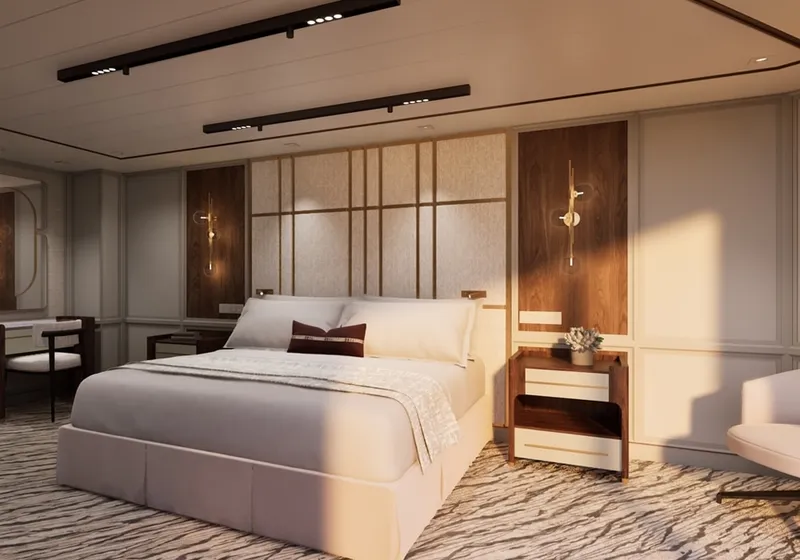
A new accommodation category, the Skyview Suites offer a sophisticated, high-end residential feel, each with its own private second-floor Skyview terrace on top of the ship, double-height spaces and two stories with your own in-suite elevators. Guests of the Skyview Suites can enjoy private access to Deck 15, reserved for only six Skyview Suites and the Skyview Regent Suite.
King or Twin ConfigurationShowerRoom Service AvailableTVSafeHair Dryer+2
View Details
Skyview Regent Suite
Suite
8794 m²Max 2
RS
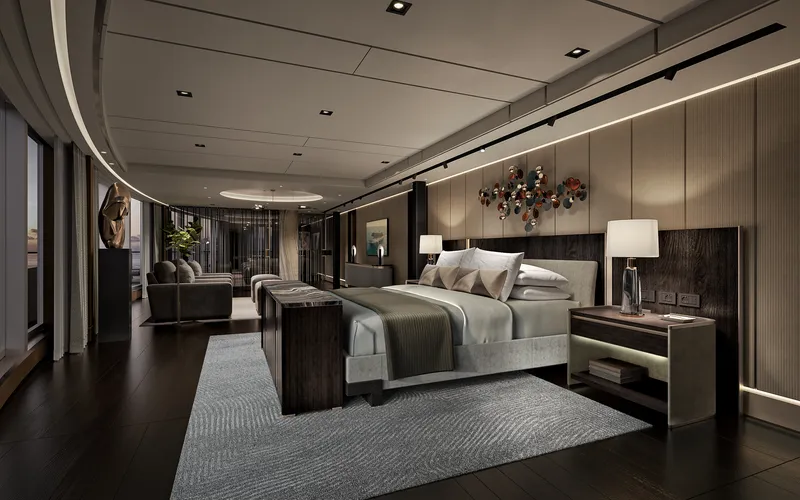
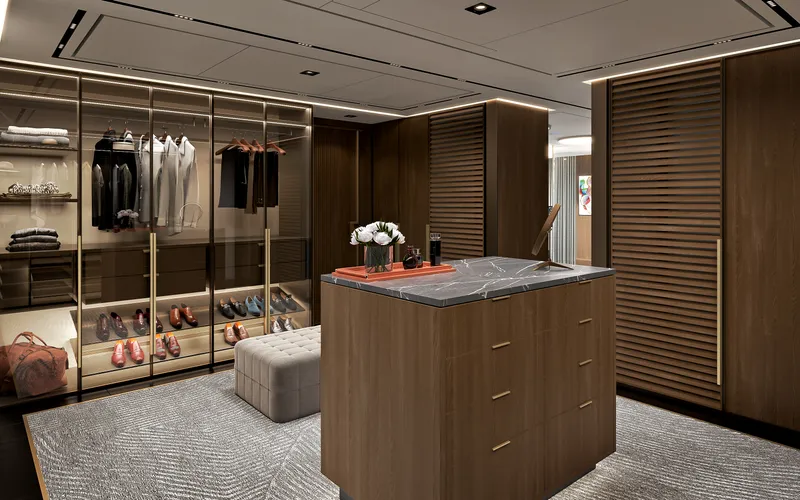
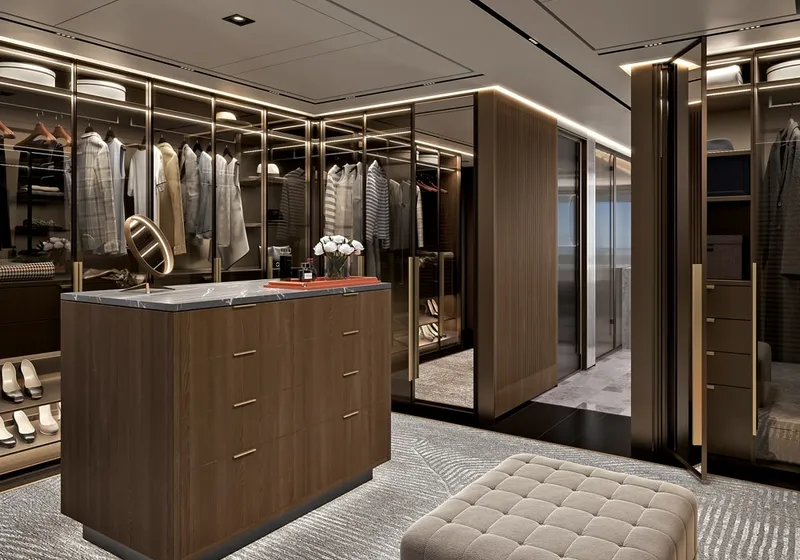
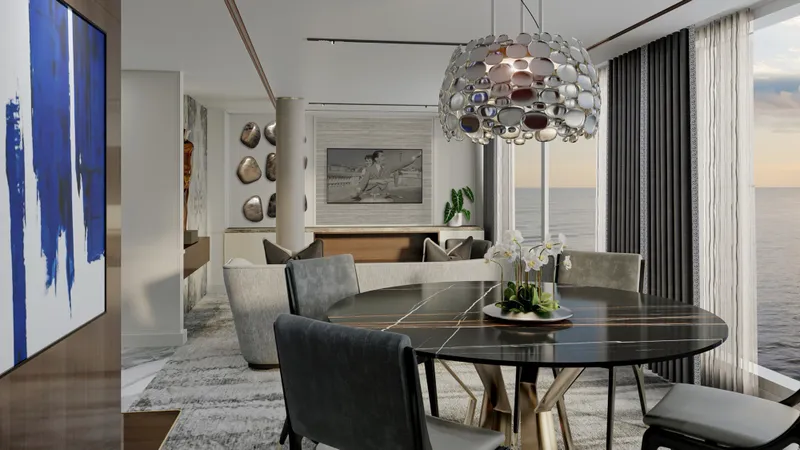
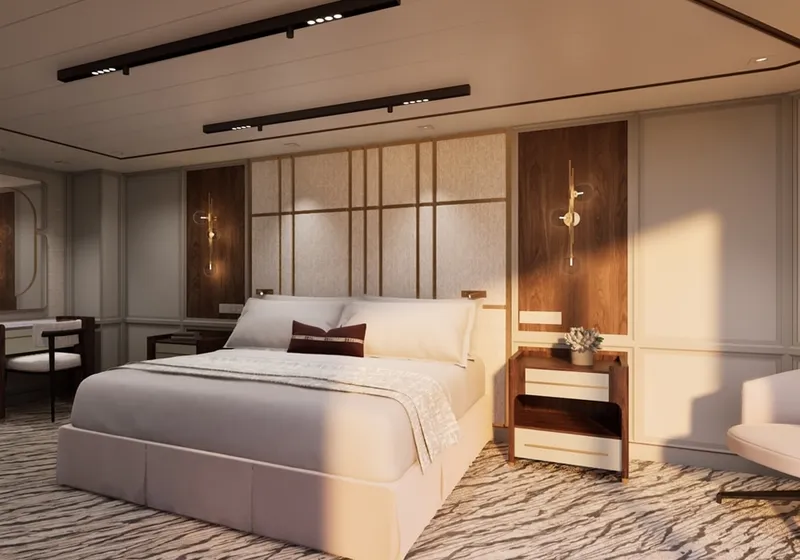
Welcome to the newest and The Most Exclusive Address at Sea®, the Skyview Regent Suite. Spanning nearly 9,000 square feet, this ultra-luxury suite features a sculptural living room, floating stone staircase plus a private in-suite elevator, and a formal dining area complemented by a glass-enclosed bar. Guests also have exclusive access to The Study, an intimate dining room for up to 12 guests.
King or Twin ConfigurationLounge AreaVanity AreaShowerRoom Service AvailableTV+4
View Details
Skyview Sola Suite
Suite
1325–2024 m²Max 2
SKC
A new accommodation category, the Skyview Suites offer a sophisticated, high-end residential feel, each with its own private second-floor Skyview terrace on top of the ship, double-height spaces and two stories with your own in-suite elevators. Guests of the Skyview Suites can enjoy private access to Deck 15, reserved for only six Skyview Suites and the Skyview Regent Suite.
King or Twin ConfigurationShowerRoom Service AvailableTVSafeHair Dryer+2
View Details
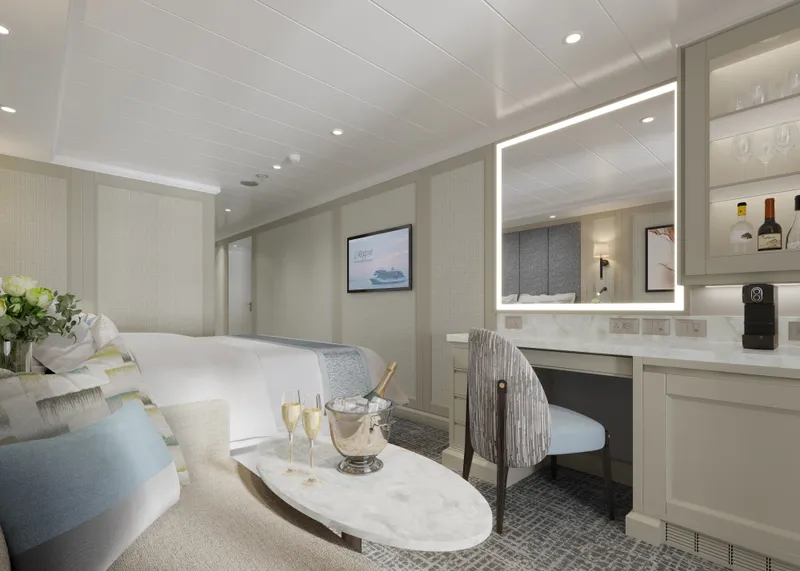
Suite
Suite
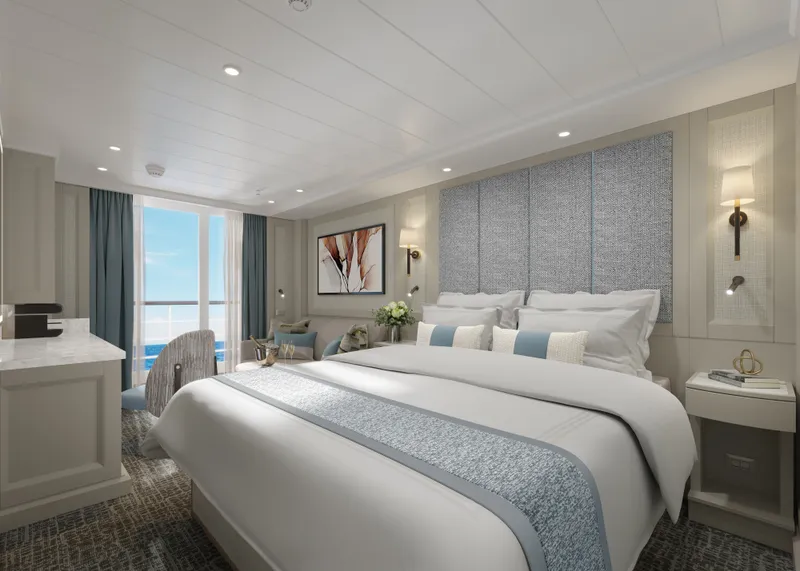
285–440 m²Max 2
I
Suite
King or Twin ConfigurationShowerRoom Service AvailableTVSafeHair Dryer+2
View Details
Interested in This Voyage?
Our cruise specialists can help you find the perfect cabin and the best available pricing.
(+886) 02-2721-7300Contact Advisor