Regent Seven Seas CruisesPRT270626A
Rome (Civitavecchia) to Barcelona
Date
2027-06-26
Duration
19 nights
Departure Port
Civitavecchia
Italy
Arrival Port
Barcelona
Spain
Rating
—
Theme
—
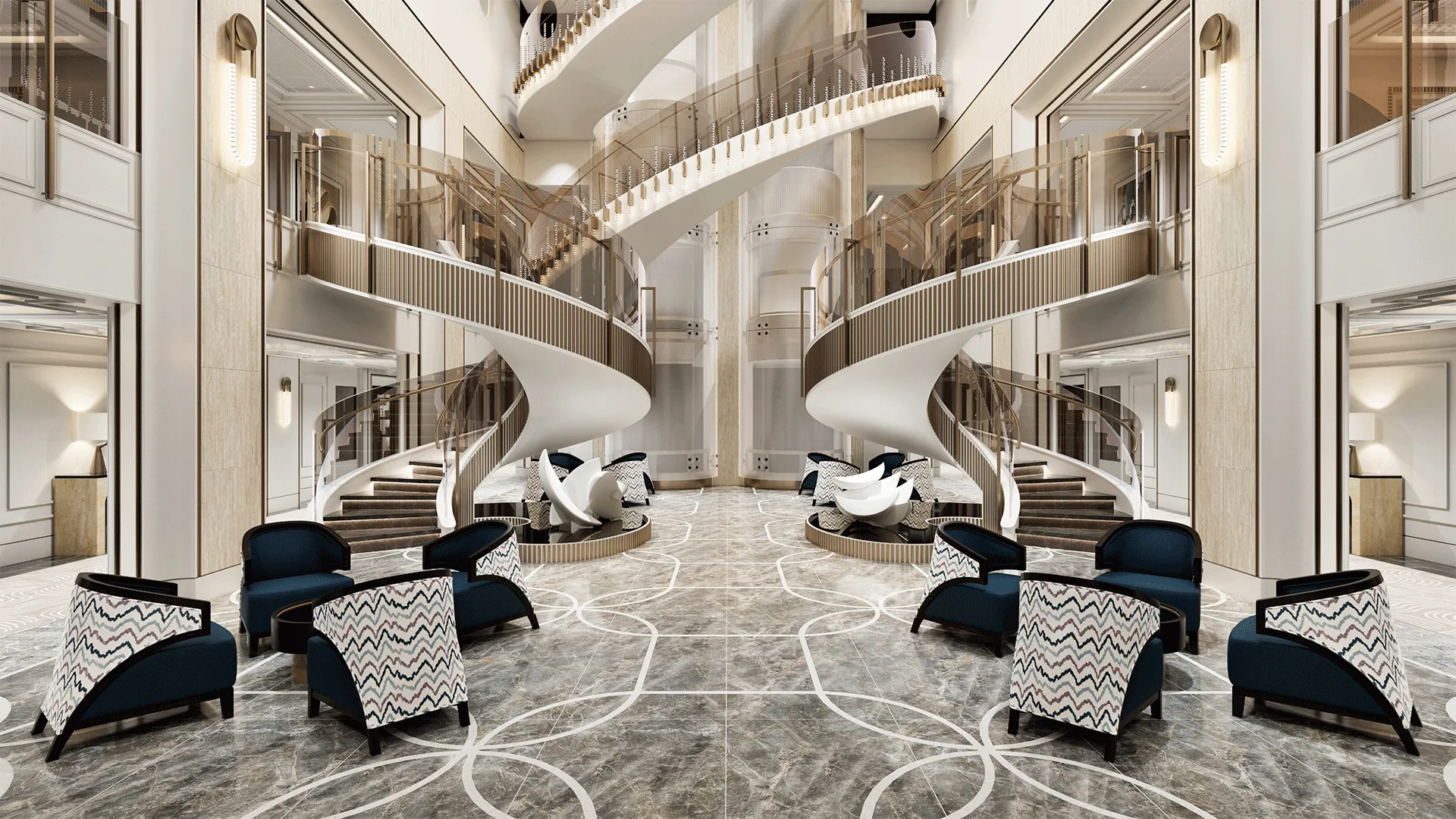
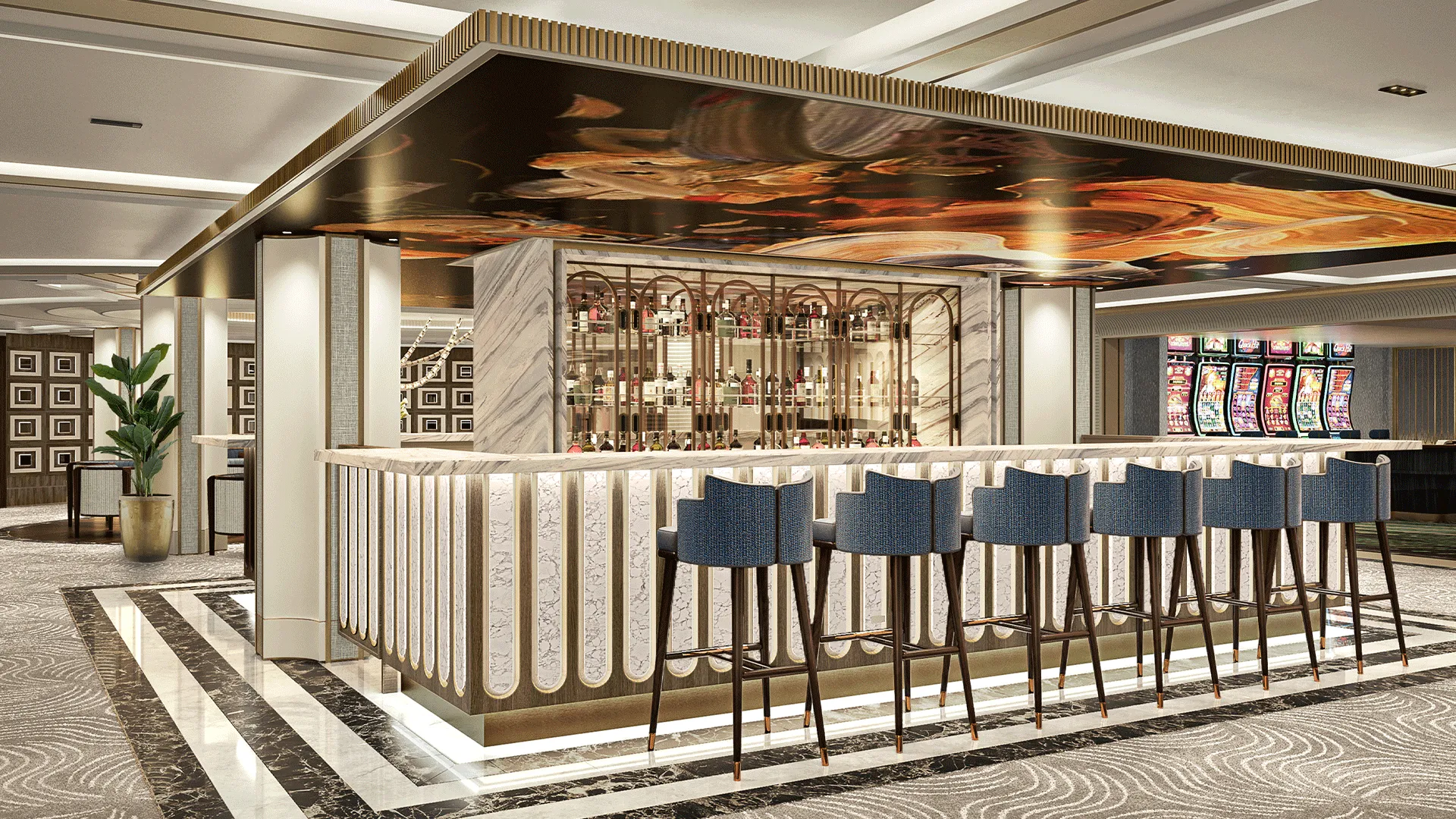
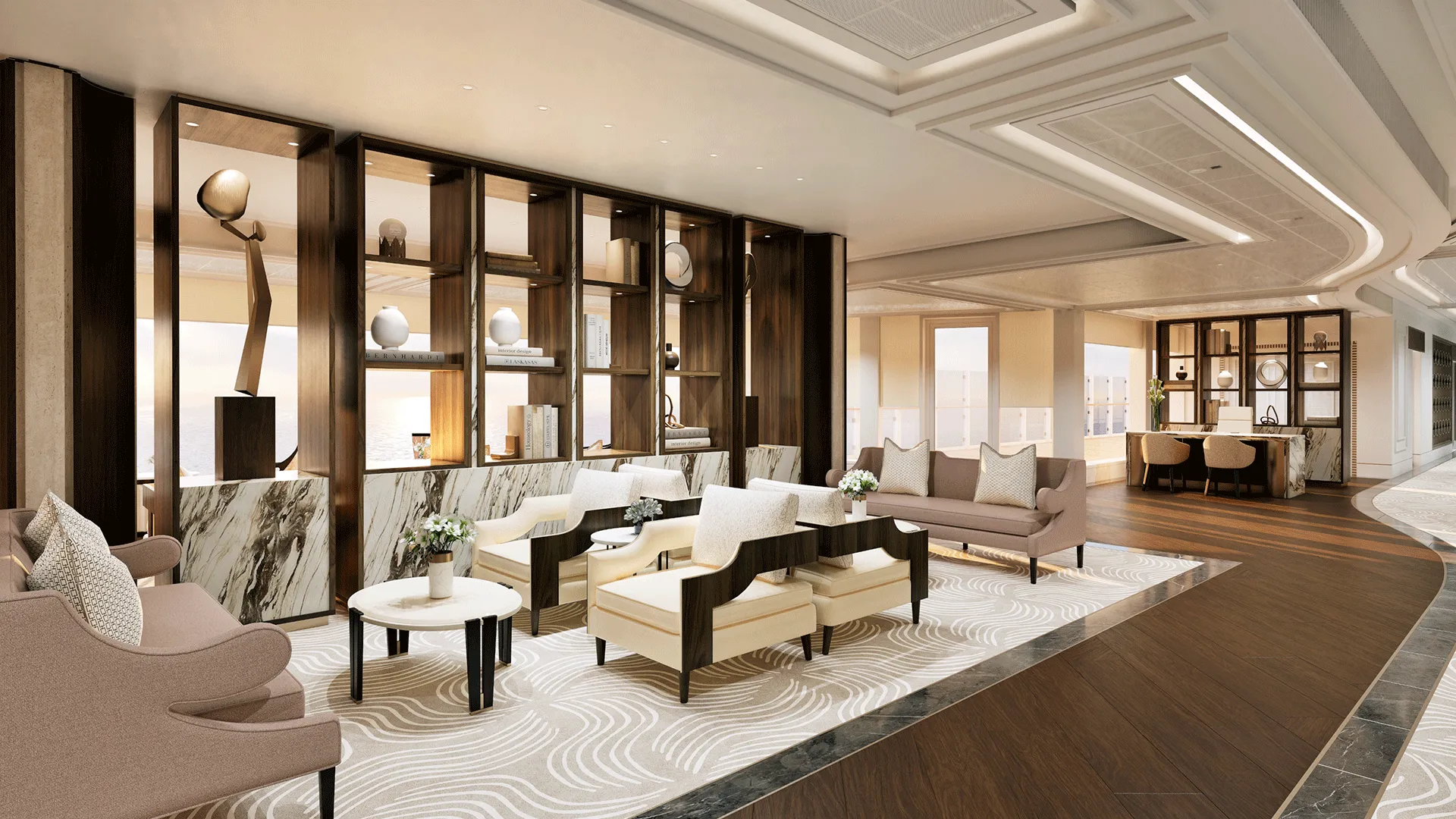
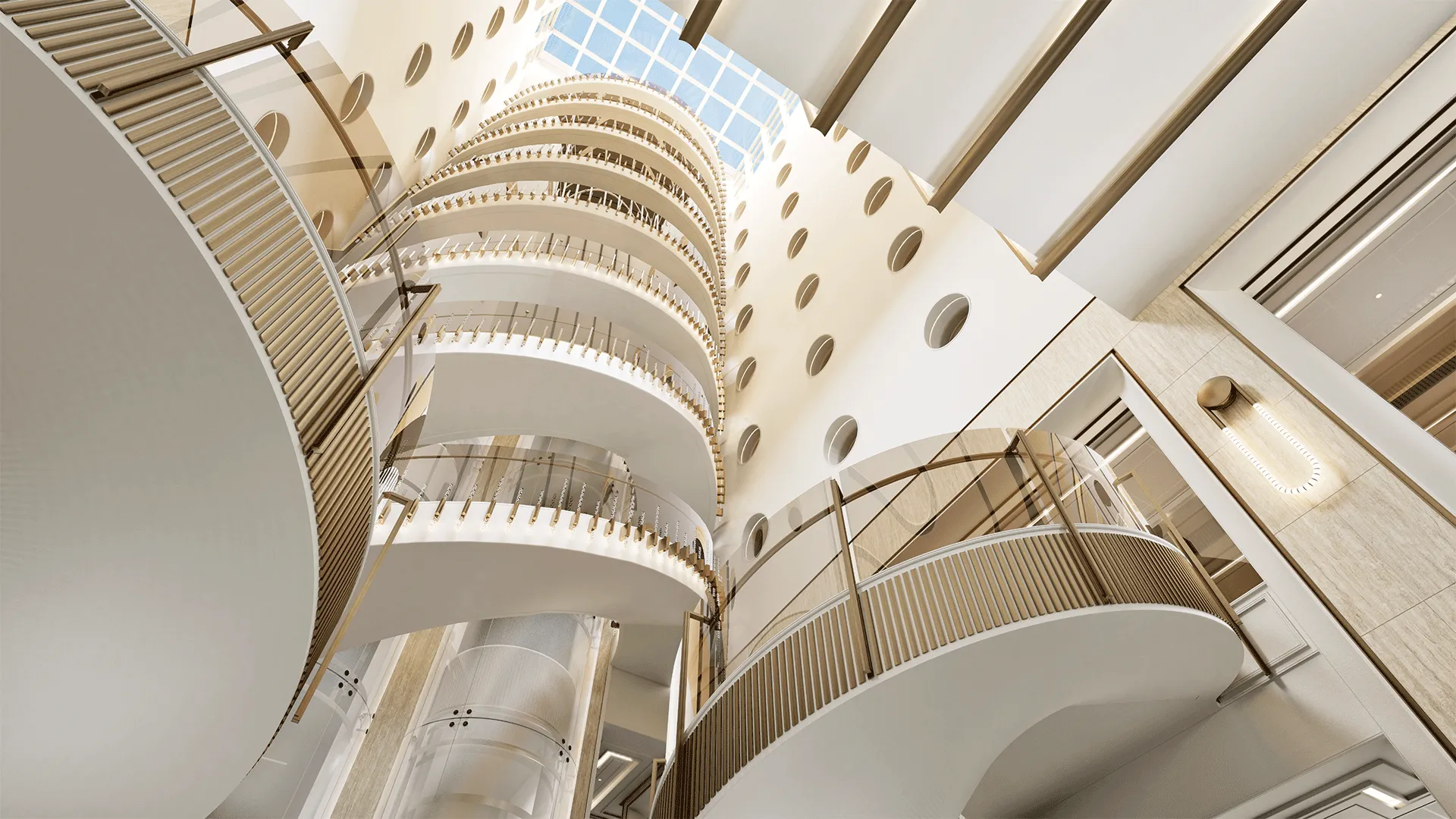
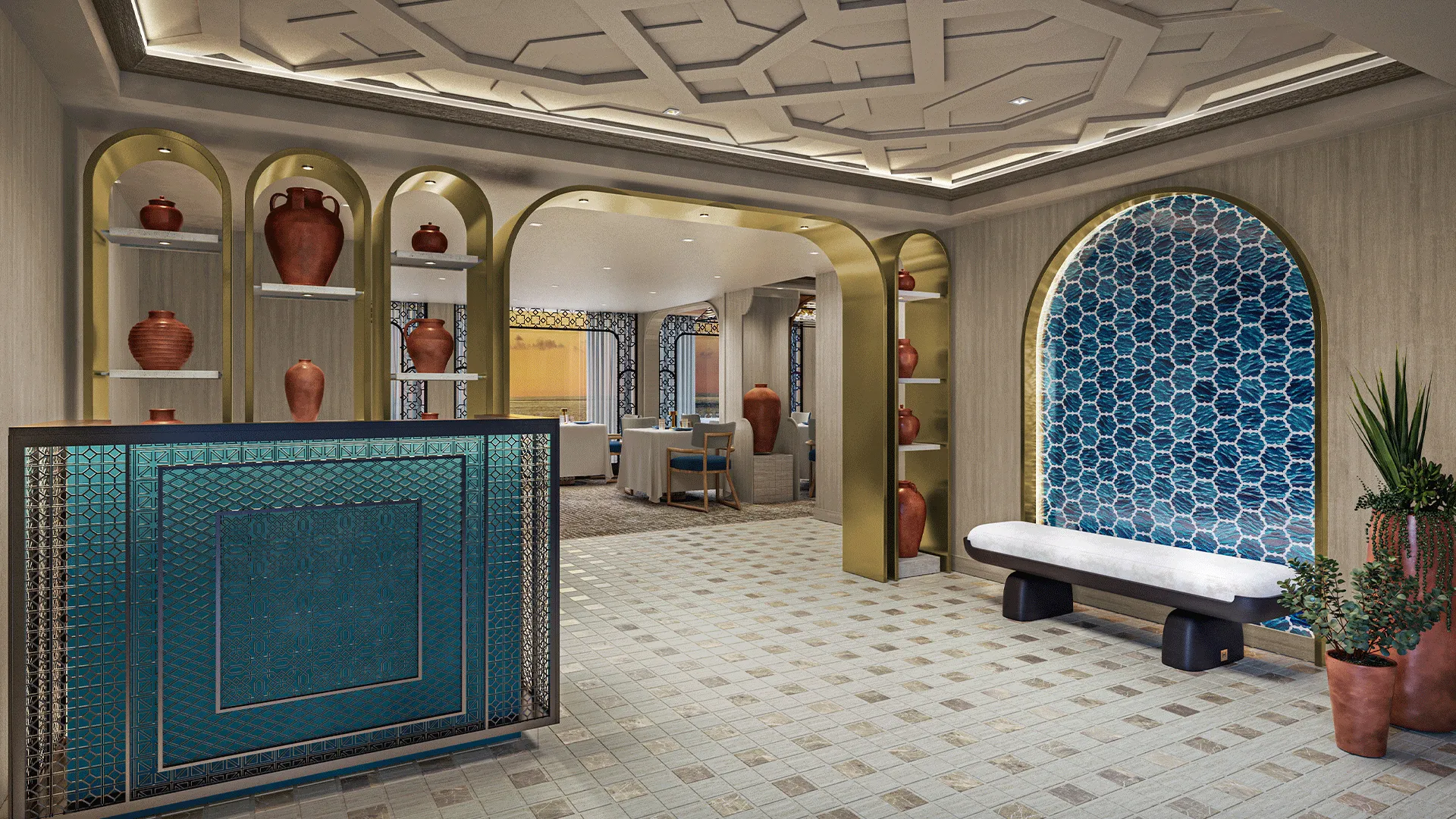
Regent Seven Seas Cruises
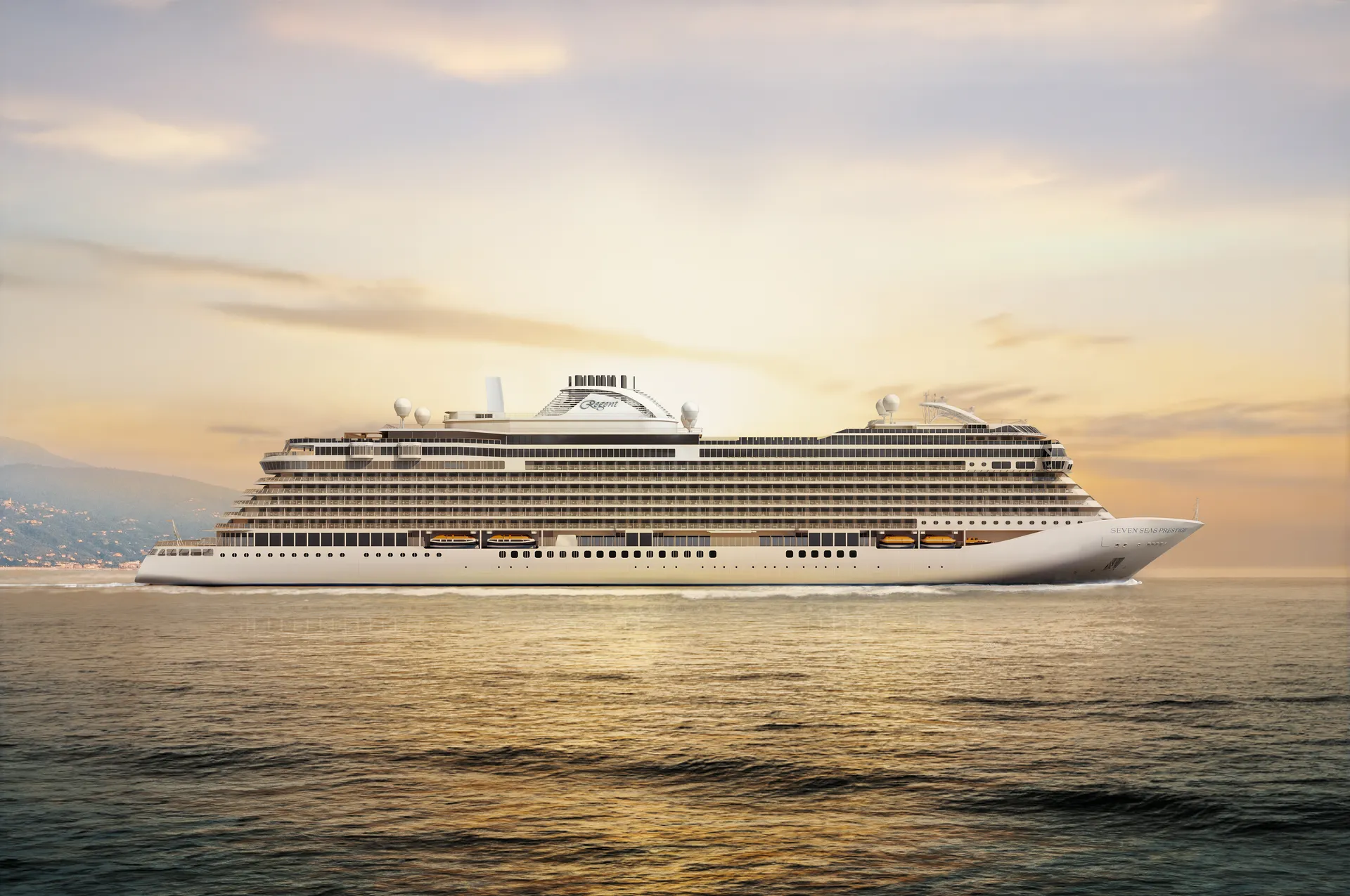
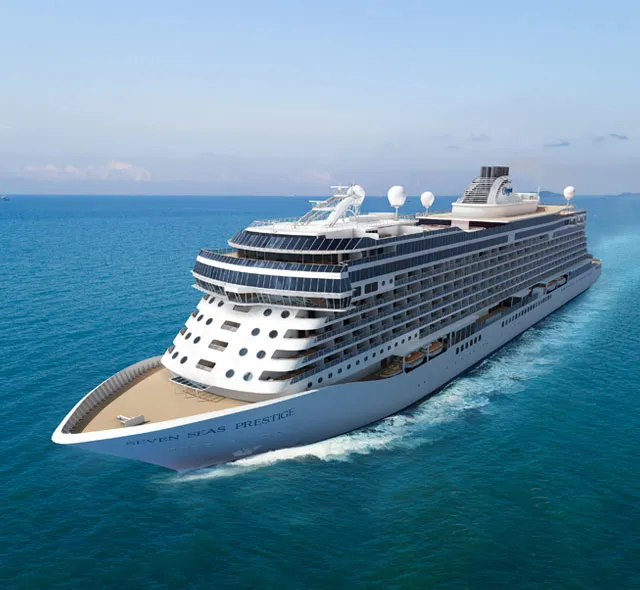
Seven Seas Prestige
Launched
—
Refitted
—
Tonnage
77,000 GT
Passengers
850
Cabins
—
Crew
—
Length
—
Width
31 m
Speed
22 knots
Adults Only
No
Itinerary
Day 1
Day 1
Civitavecchia
Depart 16:00
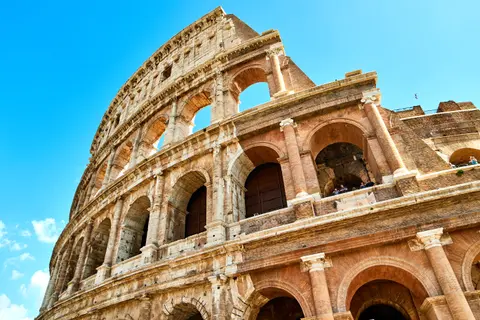
Rome's ancient maritime gateway since the Emperor Trajan commissioned its harbour in 106 AD, Civitavecchia is the natural prologue to the Eternal City — just seventy minutes southeast by express rail. The port's Renaissance fortress, designed in part by Michelangelo, anchors a working waterfront that has welcomed travellers for millennia. Beyond Rome's unmissable monuments, consider an afternoon in the Civitavecchia thermal baths, drawing on mineral waters prized since antiquity. Spring and autumn offer the ideal balance of mild weather and manageable crowds for exploring the capital's layered history.
Day 2
Day 2
Sorrento
Arrive 07:00Depart 17:00
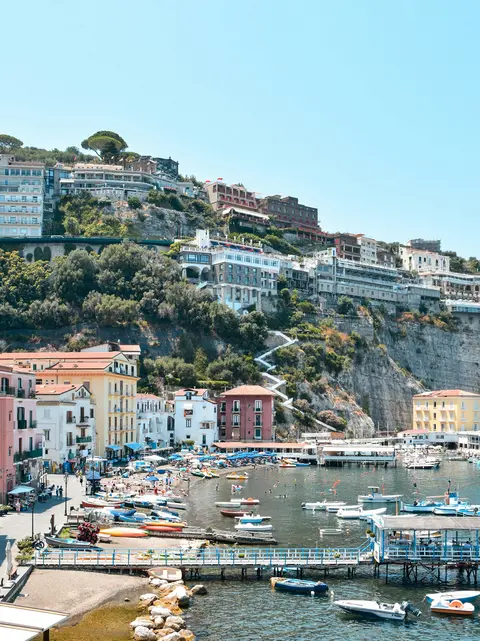
Sorrento is a clifftop jewel on southern Italy's Sorrentine Peninsula, perched sixty meters above the Bay of Naples with sweeping views of Vesuvius and Capri. Visitors should not miss the gnocchi alla sorrentina at a family-run trattoria in the old quarter, nor the short excursion along the Amalfi Coast to Positano and Ravello. The ideal season stretches from late April through mid-October, when warm Mediterranean light illuminates the tufa cliffs and the famed local lemons reach their most fragrant peak.
Day 3
Day 3
Messina
Arrive 08:00Depart 17:00
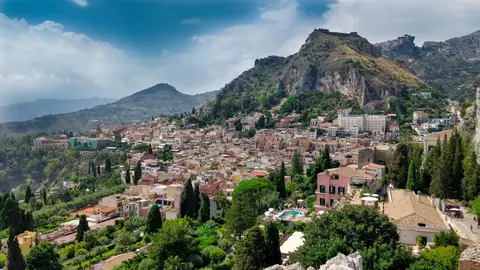
Messina guards the storied strait that separates Sicily from the Italian mainland — the passage Homer mythologised as Scylla and Charybdis — and its Norman cathedral's astronomical clock, one of the world's largest mechanical clocks, puts on a captivating automated display each noon as gilded figures enact scenes of the Resurrection. The city was catastrophically rebuilt after the 1908 earthquake, but its markets and waterfront convey the fierce energy of a Sicilian port that has witnessed two and a half millennia of Mediterranean history. Messina is the perfect gateway to Taormina, a 40-minute drive into the hills above the Ionian coast, with views of Etna at their most dramatic. Spring and autumn are ideal.
Day 4
Day 4
Valletta
Arrive 08:00Depart 17:00
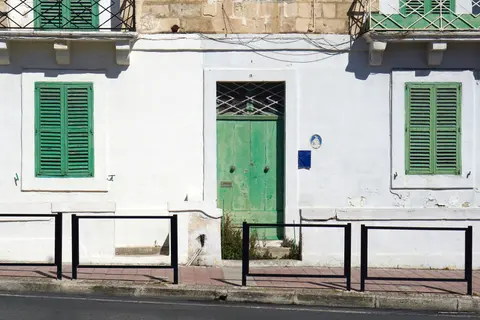
Valletta, the golden fortress capital of Malta, was hewn from a limestone peninsula in defiant haste after the Knights of Saint John — warrior monks of extraordinary valor — repulsed an overwhelming Ottoman assault in 1565. Its grid of steep baroque streets is dense with Caravaggio masterworks in the Co-Cathedral of St. John, shaded piazzas alive with café society, and bastions commanding breathtaking views over the Grand Harbour's legendary twin forts. The mild Mediterranean climate welcomes visitors year-round, though spring and autumn offer the most pleasurable temperatures for unhurried exploration of this compact UNESCO World Heritage capital.
Day 5
Day 5
At Sea
Day 6
Day 6
Igoumenitsa
Arrive 07:00Depart 16:00
Igoumenitsa is a gateway port on Greece's northwestern Epirus coast, facing Corfu across the Ionian strait, with a revitalized waterfront promenade and access to some of Greece's most spectacular yet least-visited landscapes. Must-do excursions include the mythological Acheron River gorge, the ancient oracle of the dead, and the stone villages of Zagori near Vikos Gorge. Visit May through October for ideal hiking conditions and luminous Mediterranean light.
Day 7
Day 7
Kotor
Arrive 08:00Depart 17:00
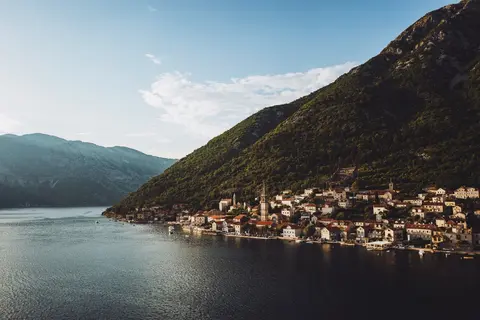
The port of Kotor, a UNESCO World Heritage site, is renowned for its stunning natural beauty and rich historical tapestry. A must-do experience includes wandering the cobblestone streets of the Old Town, where culinary delights like "kacamak" and fresh seafood await. The best time to visit is during the spring or early fall, when the weather is pleasant and the crowds are fewer.
Day 8
Day 8
Dubrovnik
Arrive 07:00Depart 16:00
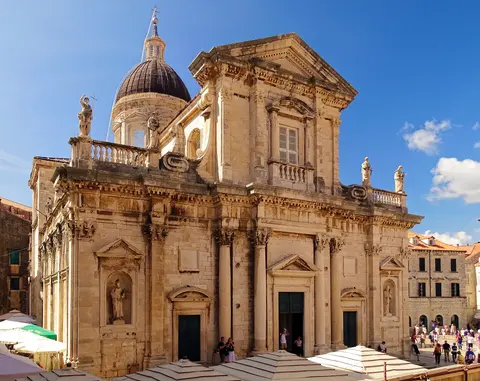
Dubrovnik, Croatia's stunning port city, is a blend of rich history, dramatic architecture, and vibrant culture, making it a must-visit destination. Don't miss a stroll along the city walls for breathtaking views and savor local dishes like "peka" and "black risotto." The best time to visit is in late spring or early fall when the weather is pleasant and the crowds are thinner.
Day 9
Day 9
Zadar
Arrive 09:00Depart 18:00
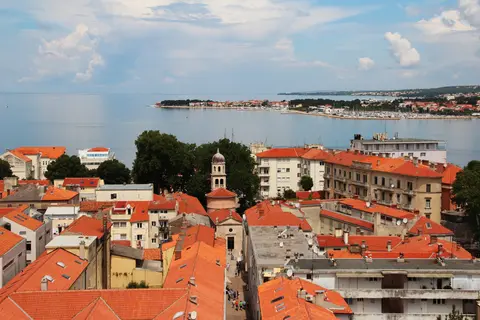
Zadar, a historic port city on Croatia's Dalmatian coast, is a captivating blend of ancient architecture and vibrant culture. Must-do experiences include visiting the Church of St. Donatus and enjoying the enchanting music of the Sea Organ. The best season to visit is during the warm summer months when the city comes alive with festivals and outdoor activities.
Day 10
Day 10
Venice (Fusina)
Arrive 07:00Depart 16:00
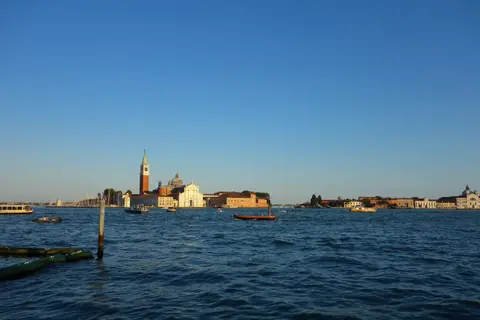
Venice, approached from the Fusina port across its luminous lagoon, remains one of the world's most extraordinary cities — a thousand-year-old republic built on 118 islands and laced with canals, palaces, and masterpieces. Must-dos include riding the Grand Canal by vaporetto, savouring cicchetti at a traditional bacaro, and visiting the colourful islands of Murano and Burano. April through June and September through November offer the finest light and the most manageable crowds.
Day 11
Day 11
Adriatic Sea Cruising
Day 12
Day 12
Argostoli
Arrive 08:00Depart 17:00
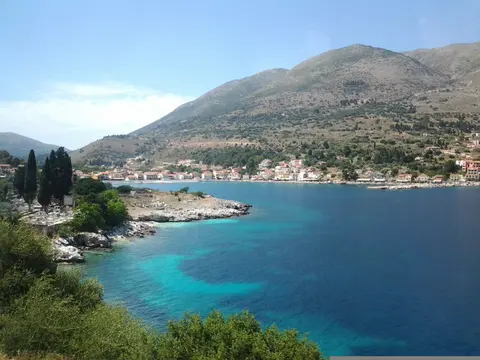
Argostoli is the capital of Kefalonia, the largest Ionian Island, renowned for dramatic geological wonders, pristine beaches, and the literary fame of Captain Corelli's Mandolin. Must-dos include visiting the subterranean Melissani Lake, admiring the cliffs of Myrtos Beach, and tasting Robola wine with fresh-grilled fish. May through October offers warm weather and calm seas, with June and September providing the best balance of conditions.
Day 13
Day 13
Gythio
Arrive 08:00Depart 17:00
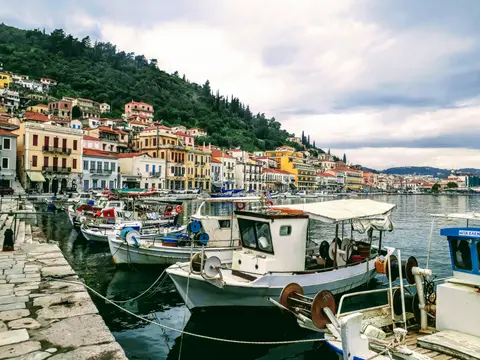
Gythio is ancient Sparta's port town on the Laconian Gulf, where Homeric mythology, neoclassical waterfront charm, and the wild Mani Peninsula's tower houses and underground caves converge. Visit from April through October for Diros Cave boat tours, Cape Tenaro's mythological Underworld entrance, and waterfront dining in one of the Peloponnese's most atmospheric harbor towns.
Day 14
Day 14
Athens (Piraeus)
Arrive 05:30Depart 19:00
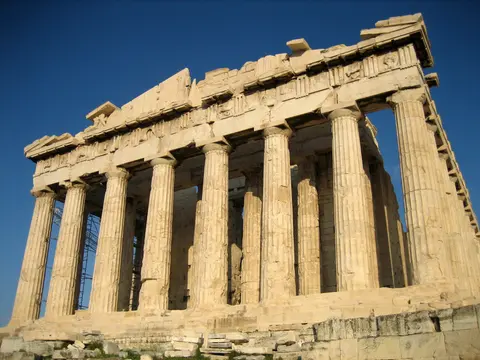
Piraeus, the bustling port city of Athens, is a vibrant blend of ancient history and modern charm, inviting travelers to explore its rich culture. Must-do experiences include savoring traditional Greek dishes at the Varvakeios Agora and embarking on day trips to nearby islands like Symi and Nydri. The best time to visit is during the spring and fall when the weather is pleasant and the tourist crowds are fewer.
Day 15
Day 15
Mykonos
Arrive 08:00Depart 17:00
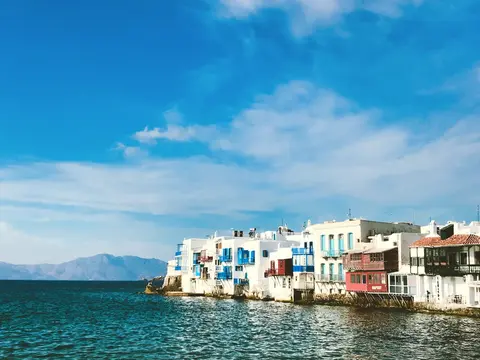
Mykonos is the Aegean at its most seductive — a labyrinth of bougainvillea-draped whitewashed alleys designed to disorient pirates (and occasionally visitors) leading to Kástro, the medieval hilltop quarter overlooking Little Venice, where balconied houses hang directly above the sea. The island's famous windmills, perched on a ridge above the old harbour, are best photographed at golden hour as pelicans patrol the waterfront below. Visit the sacred archaeological island of Delos — a 30-minute boat crossing — for one of the most significant ancient sites in the Greek world. May, June, and September offer the perfect balance of warmth, light, and bearable crowds.
Day 16
Day 16
Santorini
Arrive 08:00Depart 17:00
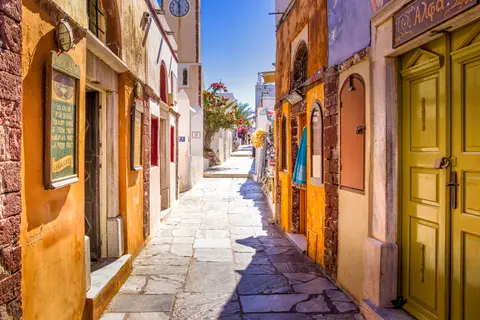
Santorini, the ancient volcanic caldera rising from the Aegean, is Greece's most theatrical landscape — a crescentic island of sheer white cliffs plunging into an indigo sea, its clifftop villages of Fira and Oia draped in bougainvillea and culminating in the world's most photographed sunset. The island's unique Assyrtiko wine, grown on ancient ungrafted vines in volcanic pumice, is one of the Mediterranean's greatest expressions of terroir. Byzantine frescoes of extraordinary beauty fill the Prehistoric Museum of Thera. The volcanic black and red sand beaches of Perissa and Perivolos are unlike any others in Greece. April through June and September through October offer the finest conditions.
Day 17
Day 17
Cruising the Ionian Sea
Day 18
Day 18
Palermo
Arrive 08:00Depart 17:00
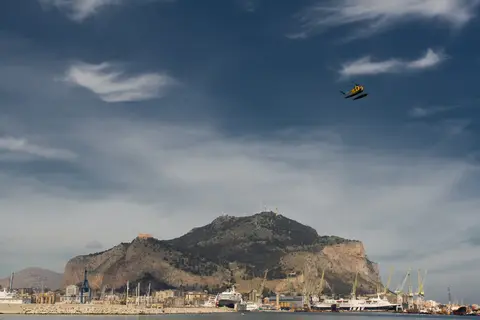
Palermo is the Mediterranean's most intoxicating crossroads of civilisations — Arab arches meet Byzantine gold mosaics beneath Norman royal chapels in the extraordinary Palatine Chapel, a monument to 12th-century multicultural brilliance that is Sicily's single greatest work of art. The Ballarò and Capo street markets, among southern Italy's most atmospheric, tumble through the ancient city in a sensory barrage of swordfish, blood oranges, jasmine, and street food improvised across centuries. Do not leave without tasting arancini and sfincione, Sicily's gloriously thick street pizza. Spring (April–May) and autumn (September–October) offer the ideal climate — warm enough for the sea, cool enough for extended walking.
Day 19
Day 19
Mediterranean sea cruising
Day 20
Day 20
Barcelona
Arrive 07:00
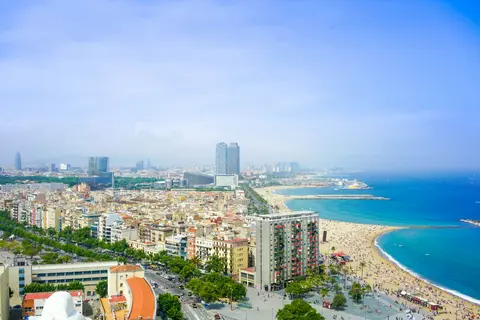
Barcelona is the city where Roman history, Gothic grandeur, and Gaudí's delirious Modernisme collide in a Mediterranean coastal capital of astonishing energy and beauty. The Sagrada Família — still under construction after 140 years — continues its audacious ascent toward completion, while the Gothic Quarter's Roman-era foundations and the Passeig de Gràcia's extraordinary concentration of Modernisme masterpieces reward days of exploration. For a complete sensory experience, lose an afternoon in the covered labyrinth of La Boqueria market before descending to the waterfront for Catalan seafood at its finest. May through June and September through October offer the most pleasant weather; the city connects directly to Paris by overnight train.
Day 1
Civitavecchia
Depart 16:00
Rome's ancient maritime gateway since the Emperor Trajan commissioned its harbour in 106 AD, Civitavecchia is the natural prologue to the Eternal City — just seventy minutes southeast by express rail. The port's Renaissance fortress, designed in part by Michelangelo, anchors a working waterfront that has welcomed travellers for millennia. Beyond Rome's unmissable monuments, consider an afternoon in the Civitavecchia thermal baths, drawing on mineral waters prized since antiquity. Spring and autumn offer the ideal balance of mild weather and manageable crowds for exploring the capital's layered history.
Day 2
Sorrento
Arrive 07:00Depart 17:00
Sorrento is a clifftop jewel on southern Italy's Sorrentine Peninsula, perched sixty meters above the Bay of Naples with sweeping views of Vesuvius and Capri. Visitors should not miss the gnocchi alla sorrentina at a family-run trattoria in the old quarter, nor the short excursion along the Amalfi Coast to Positano and Ravello. The ideal season stretches from late April through mid-October, when warm Mediterranean light illuminates the tufa cliffs and the famed local lemons reach their most fragrant peak.
Day 3
Messina
Arrive 08:00Depart 17:00
Messina guards the storied strait that separates Sicily from the Italian mainland — the passage Homer mythologised as Scylla and Charybdis — and its Norman cathedral's astronomical clock, one of the world's largest mechanical clocks, puts on a captivating automated display each noon as gilded figures enact scenes of the Resurrection. The city was catastrophically rebuilt after the 1908 earthquake, but its markets and waterfront convey the fierce energy of a Sicilian port that has witnessed two and a half millennia of Mediterranean history. Messina is the perfect gateway to Taormina, a 40-minute drive into the hills above the Ionian coast, with views of Etna at their most dramatic. Spring and autumn are ideal.
Day 4
Valletta
Arrive 08:00Depart 17:00
Valletta, the golden fortress capital of Malta, was hewn from a limestone peninsula in defiant haste after the Knights of Saint John — warrior monks of extraordinary valor — repulsed an overwhelming Ottoman assault in 1565. Its grid of steep baroque streets is dense with Caravaggio masterworks in the Co-Cathedral of St. John, shaded piazzas alive with café society, and bastions commanding breathtaking views over the Grand Harbour's legendary twin forts. The mild Mediterranean climate welcomes visitors year-round, though spring and autumn offer the most pleasurable temperatures for unhurried exploration of this compact UNESCO World Heritage capital.
Day 5
At Sea
Day 6
Igoumenitsa
Arrive 07:00Depart 16:00
Igoumenitsa is a gateway port on Greece's northwestern Epirus coast, facing Corfu across the Ionian strait, with a revitalized waterfront promenade and access to some of Greece's most spectacular yet least-visited landscapes. Must-do excursions include the mythological Acheron River gorge, the ancient oracle of the dead, and the stone villages of Zagori near Vikos Gorge. Visit May through October for ideal hiking conditions and luminous Mediterranean light.
Day 7
Kotor
Arrive 08:00Depart 17:00
The port of Kotor, a UNESCO World Heritage site, is renowned for its stunning natural beauty and rich historical tapestry. A must-do experience includes wandering the cobblestone streets of the Old Town, where culinary delights like "kacamak" and fresh seafood await. The best time to visit is during the spring or early fall, when the weather is pleasant and the crowds are fewer.
Day 8
Dubrovnik
Arrive 07:00Depart 16:00
Dubrovnik, Croatia's stunning port city, is a blend of rich history, dramatic architecture, and vibrant culture, making it a must-visit destination. Don't miss a stroll along the city walls for breathtaking views and savor local dishes like "peka" and "black risotto." The best time to visit is in late spring or early fall when the weather is pleasant and the crowds are thinner.
Day 9
Zadar
Arrive 09:00Depart 18:00
Zadar, a historic port city on Croatia's Dalmatian coast, is a captivating blend of ancient architecture and vibrant culture. Must-do experiences include visiting the Church of St. Donatus and enjoying the enchanting music of the Sea Organ. The best season to visit is during the warm summer months when the city comes alive with festivals and outdoor activities.
Day 10
Venice (Fusina)
Arrive 07:00Depart 16:00
Venice, approached from the Fusina port across its luminous lagoon, remains one of the world's most extraordinary cities — a thousand-year-old republic built on 118 islands and laced with canals, palaces, and masterpieces. Must-dos include riding the Grand Canal by vaporetto, savouring cicchetti at a traditional bacaro, and visiting the colourful islands of Murano and Burano. April through June and September through November offer the finest light and the most manageable crowds.
Day 11
Adriatic Sea Cruising
Day 12
Argostoli
Arrive 08:00Depart 17:00
Argostoli is the capital of Kefalonia, the largest Ionian Island, renowned for dramatic geological wonders, pristine beaches, and the literary fame of Captain Corelli's Mandolin. Must-dos include visiting the subterranean Melissani Lake, admiring the cliffs of Myrtos Beach, and tasting Robola wine with fresh-grilled fish. May through October offers warm weather and calm seas, with June and September providing the best balance of conditions.
Day 13
Gythio
Arrive 08:00Depart 17:00
Gythio is ancient Sparta's port town on the Laconian Gulf, where Homeric mythology, neoclassical waterfront charm, and the wild Mani Peninsula's tower houses and underground caves converge. Visit from April through October for Diros Cave boat tours, Cape Tenaro's mythological Underworld entrance, and waterfront dining in one of the Peloponnese's most atmospheric harbor towns.
Day 14
Athens (Piraeus)
Arrive 05:30Depart 19:00
Piraeus, the bustling port city of Athens, is a vibrant blend of ancient history and modern charm, inviting travelers to explore its rich culture. Must-do experiences include savoring traditional Greek dishes at the Varvakeios Agora and embarking on day trips to nearby islands like Symi and Nydri. The best time to visit is during the spring and fall when the weather is pleasant and the tourist crowds are fewer.
Day 15
Mykonos
Arrive 08:00Depart 17:00
Mykonos is the Aegean at its most seductive — a labyrinth of bougainvillea-draped whitewashed alleys designed to disorient pirates (and occasionally visitors) leading to Kástro, the medieval hilltop quarter overlooking Little Venice, where balconied houses hang directly above the sea. The island's famous windmills, perched on a ridge above the old harbour, are best photographed at golden hour as pelicans patrol the waterfront below. Visit the sacred archaeological island of Delos — a 30-minute boat crossing — for one of the most significant ancient sites in the Greek world. May, June, and September offer the perfect balance of warmth, light, and bearable crowds.
Day 16
Santorini
Arrive 08:00Depart 17:00
Santorini, the ancient volcanic caldera rising from the Aegean, is Greece's most theatrical landscape — a crescentic island of sheer white cliffs plunging into an indigo sea, its clifftop villages of Fira and Oia draped in bougainvillea and culminating in the world's most photographed sunset. The island's unique Assyrtiko wine, grown on ancient ungrafted vines in volcanic pumice, is one of the Mediterranean's greatest expressions of terroir. Byzantine frescoes of extraordinary beauty fill the Prehistoric Museum of Thera. The volcanic black and red sand beaches of Perissa and Perivolos are unlike any others in Greece. April through June and September through October offer the finest conditions.
Day 17
Cruising the Ionian Sea
Day 18
Palermo
Arrive 08:00Depart 17:00
Palermo is the Mediterranean's most intoxicating crossroads of civilisations — Arab arches meet Byzantine gold mosaics beneath Norman royal chapels in the extraordinary Palatine Chapel, a monument to 12th-century multicultural brilliance that is Sicily's single greatest work of art. The Ballarò and Capo street markets, among southern Italy's most atmospheric, tumble through the ancient city in a sensory barrage of swordfish, blood oranges, jasmine, and street food improvised across centuries. Do not leave without tasting arancini and sfincione, Sicily's gloriously thick street pizza. Spring (April–May) and autumn (September–October) offer the ideal climate — warm enough for the sea, cool enough for extended walking.
Day 19
Mediterranean sea cruising
Day 20
Barcelona
Arrive 07:00
Barcelona is the city where Roman history, Gothic grandeur, and Gaudí's delirious Modernisme collide in a Mediterranean coastal capital of astonishing energy and beauty. The Sagrada Família — still under construction after 140 years — continues its audacious ascent toward completion, while the Gothic Quarter's Roman-era foundations and the Passeig de Gràcia's extraordinary concentration of Modernisme masterpieces reward days of exploration. For a complete sensory experience, lose an afternoon in the covered labyrinth of La Boqueria market before descending to the waterfront for Catalan seafood at its finest. May through June and September through October offer the most pleasant weather; the city connects directly to Paris by overnight train.
Cabin Categories
Concierge Suite
Suite
440–485 m²Max 2
DE
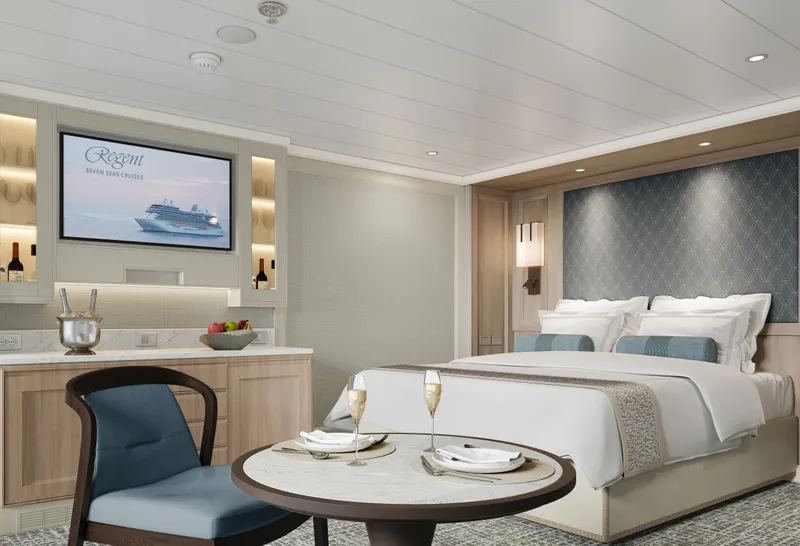
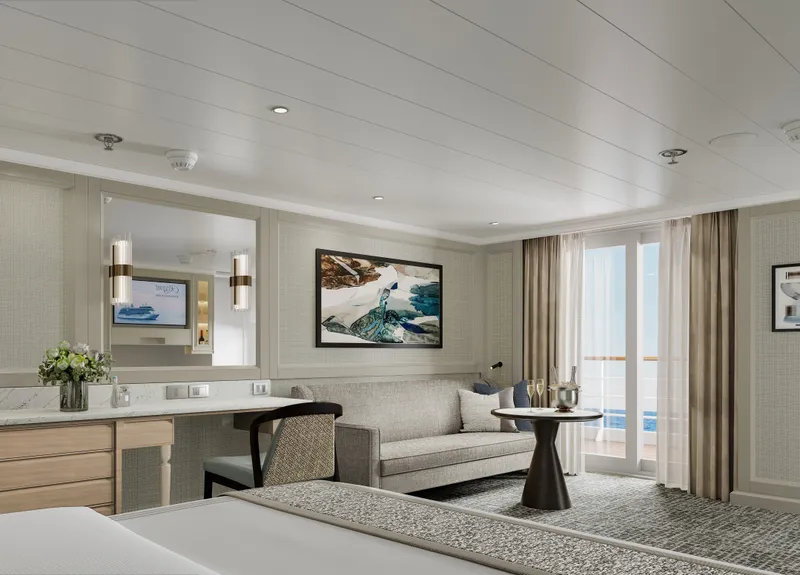
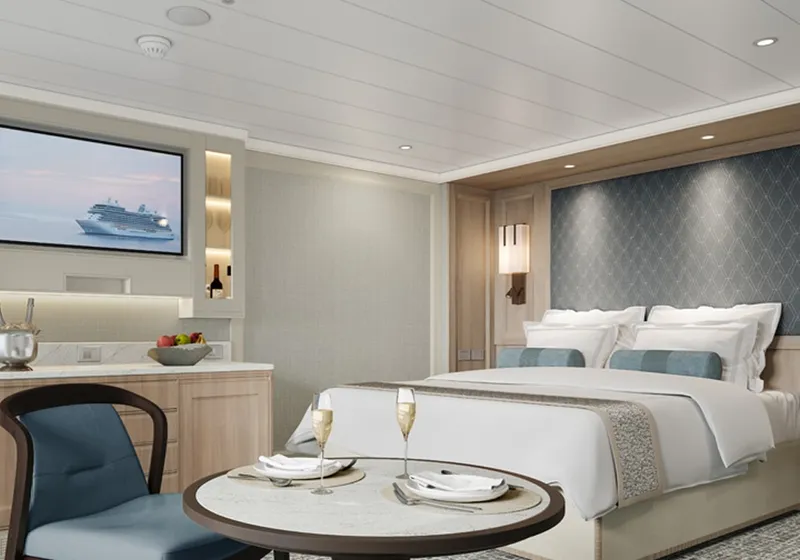
In this superbly designed suite, enjoy once-in-a-lifetime views of the horizon from the comfort of your King-Sized Elite Slumber™ Bed as well as exclusive luxuries available only in suites at the Concierge level and higher. From the marble bath to the spacious furnished veranda, this sophisticated suite is perfect for relaxing or entertaining with champagne or espresso in hand.
King or Twin ConfigurationShowerTVSafeHair DryerTelephone+1
View Details
Deluxe Veranda Suite
Suite
285–440 m²Max 2
GH
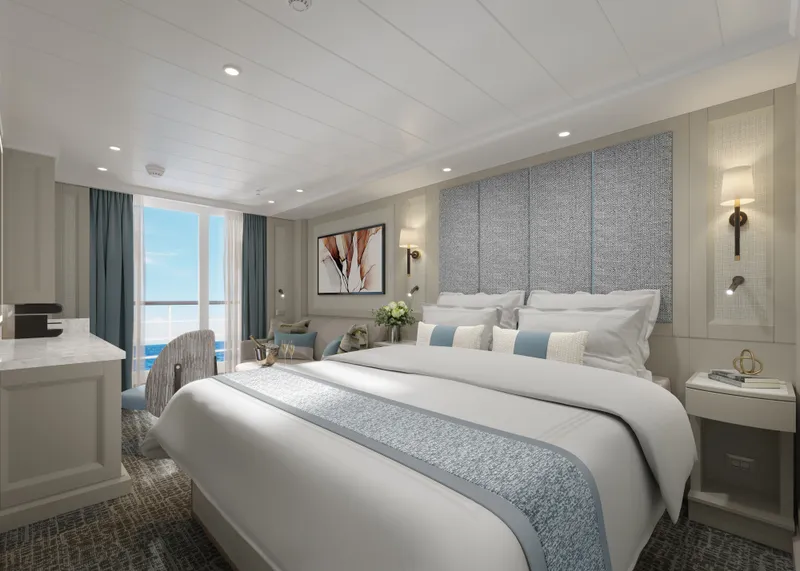
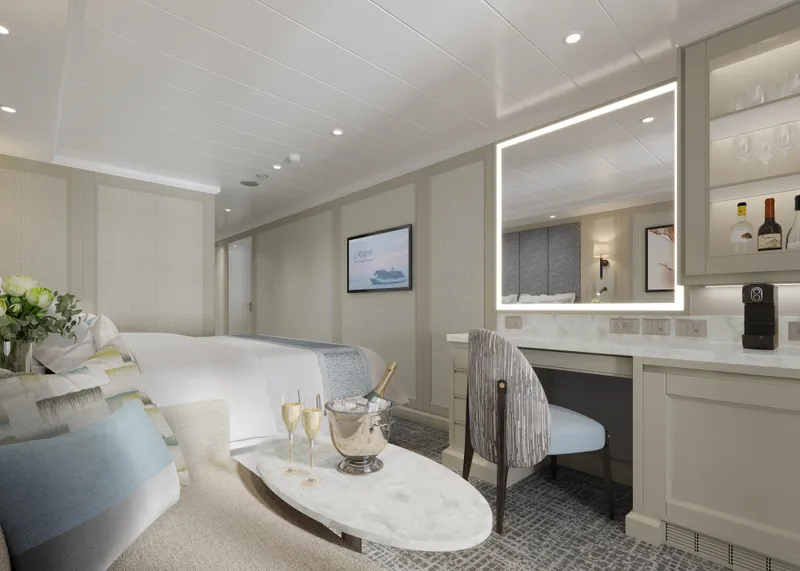
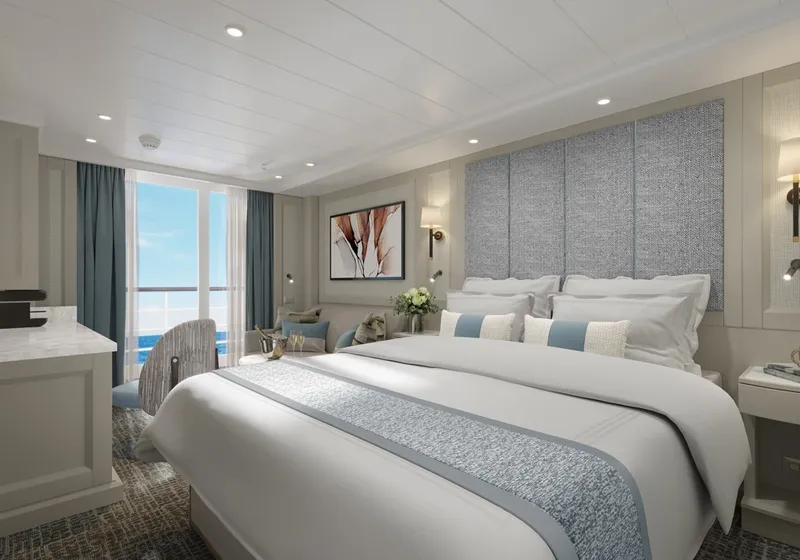
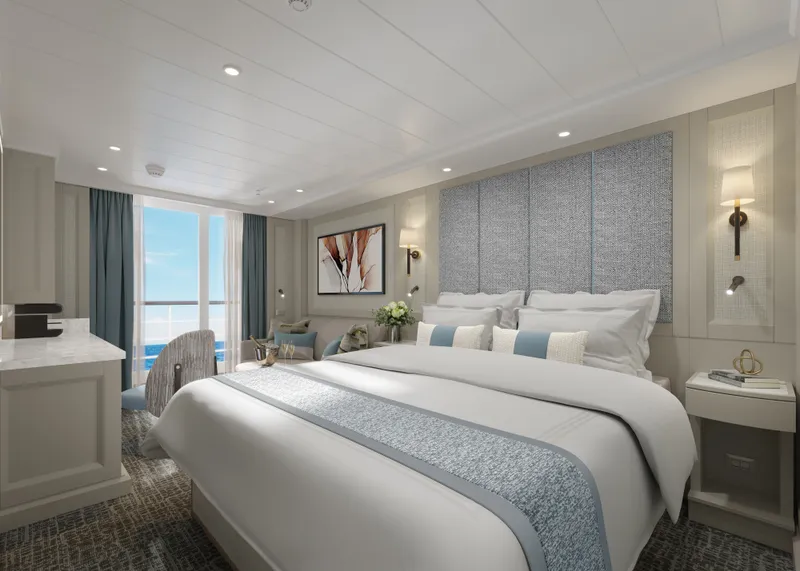
Thoughtfully designed to maximize interior space and embrace the magnificent scenery outdoors, this suite is a joyful retreat. From the sitting area, admire the ocean views through the floor-to-ceiling windows, or better yet, take a seat outside on your private balcony to watch the world go by. Elegant finishes such as luxurious bedding and beautiful marble detailing in the bath further enhance your comfort.
King or Twin ConfigurationShowerRoom Service AvailableTVSafeHair Dryer+2
View Details
Grand Loft Suite
Suite
856 m²Max 2
LS
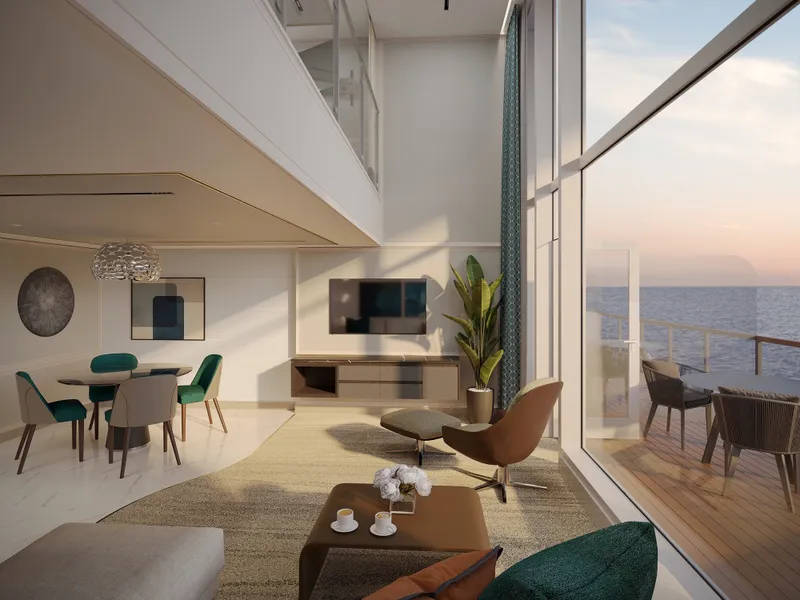
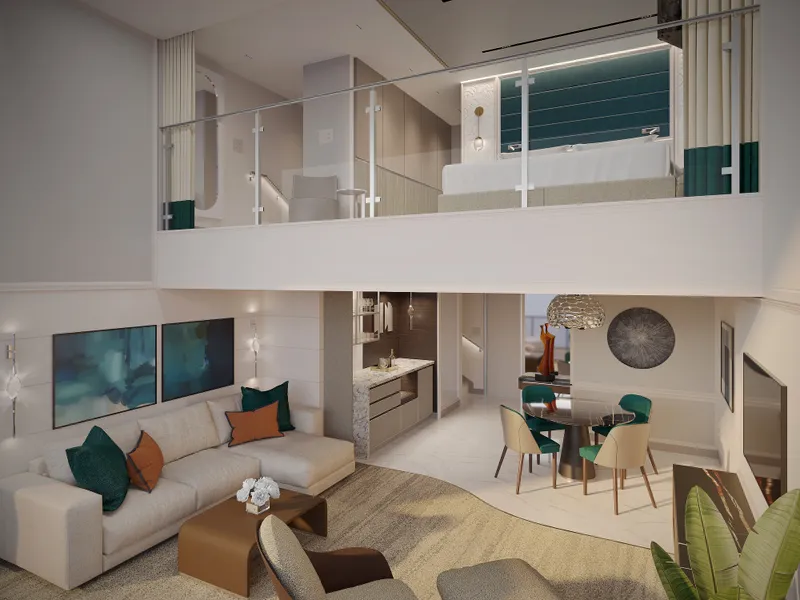
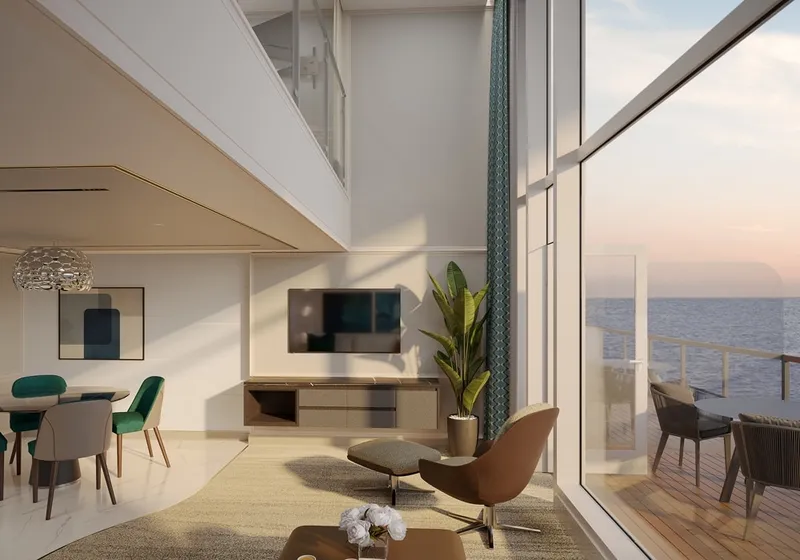
With its contemporary design, this double-story, 856-square-foot suite evokes the feel of a refined Lower Manhattan residence. A soaring double-height space and extraordinary window wall create jaw-dropping views from the upstairs bed, which faces directly toward the horizon.
King or Twin ConfigurationShowerRoom Service AvailableTVSafeHair Dryer+2
View Details
Grand Suite
Suite
1214–1417 m²Max 2
GS
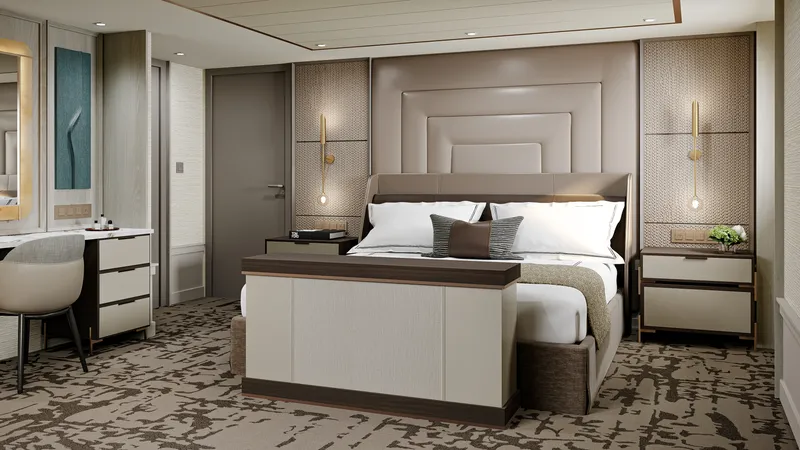
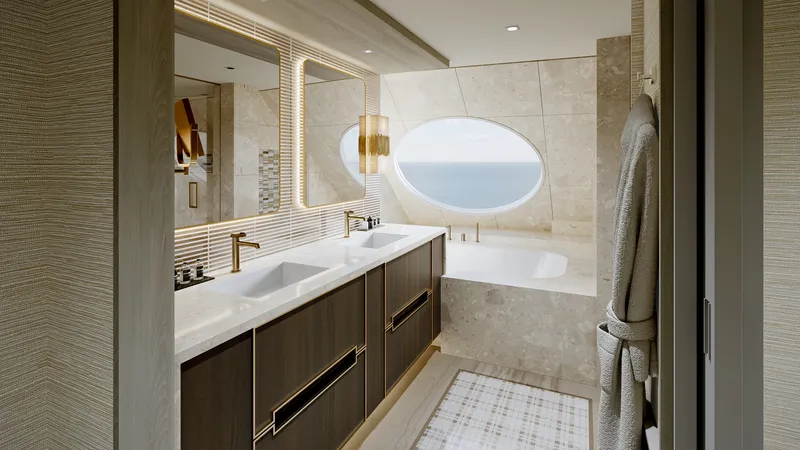
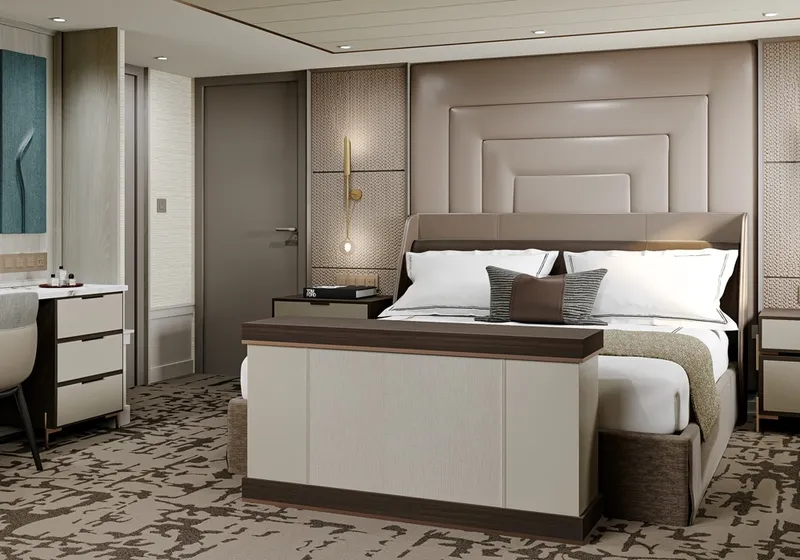
The Grand Suites pair mid-century elegance with Italian artistry, featuring clean lines, neutral tones with green accents, and custom-crafted furnishings. Spanning over 1,200 square feet, the suite features a private terrace and dining room for in-suite meals, thoughtfully located forward and mid-ship for optimal access and panoramic views.
King or Twin ConfigurationShowerRoom Service AvailableTVSafeHair Dryer+2
View Details
Horizon Penthouse Suite
Suite
600–726 m²Max 2
HP
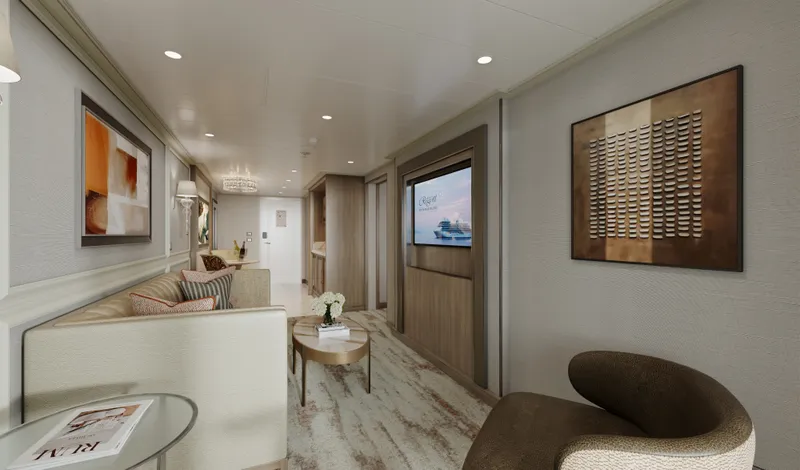
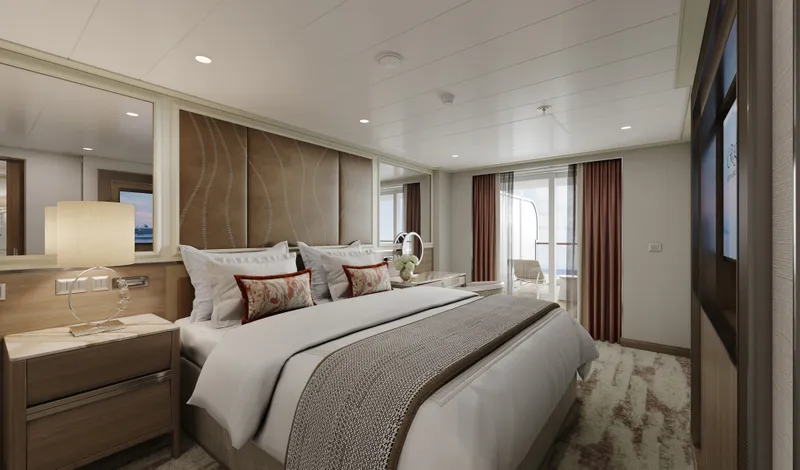
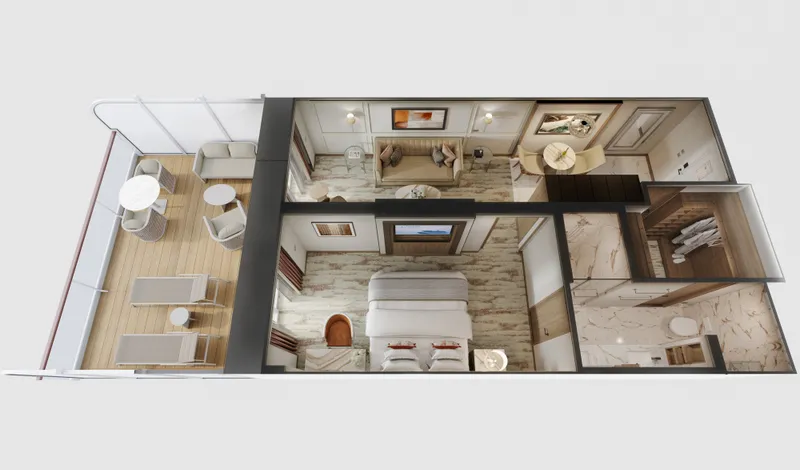
Introducing our new Horizon Penthouse suite category, where refined design and thoughtful details create a serene, elevated escape. Whether you're enjoying breakfast with a view, savoring a quiet moment with a book, or soaking up the sun, your stay is tailored to your desires. With your personal butler attending to every detail, your voyage is elevated to an unforgettable level of ultra-luxury.
King or Twin ConfigurationShowerRoom Service AvailableTVSafeHair Dryer+2
View Details
Penthouse Suite
Suite
600 m²Max 2
ABC
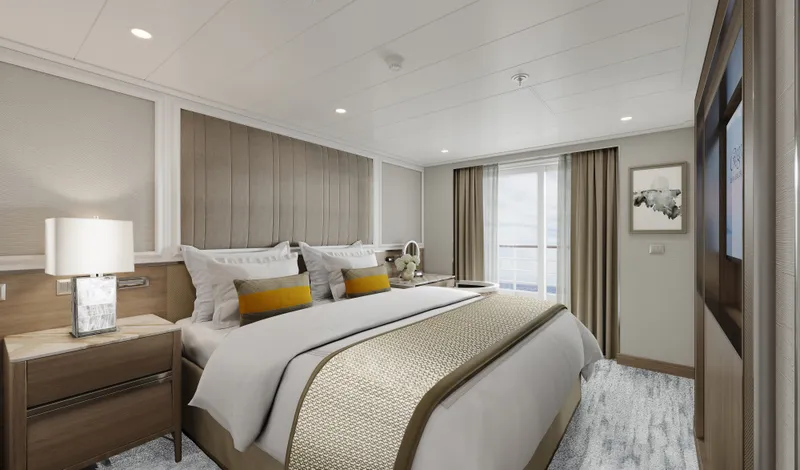
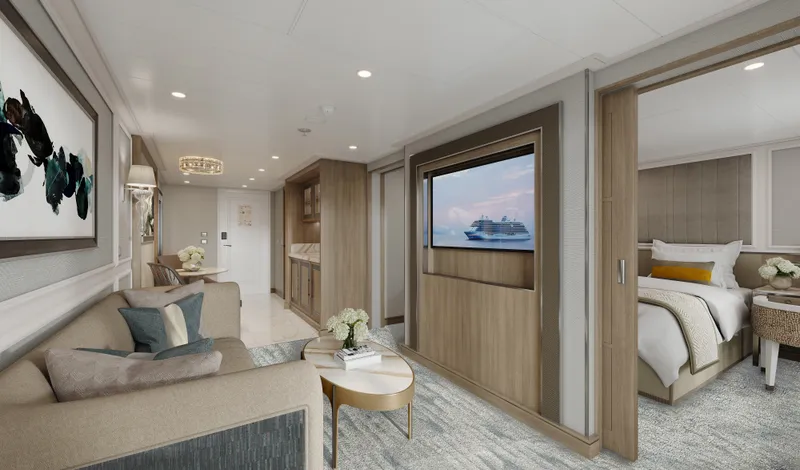
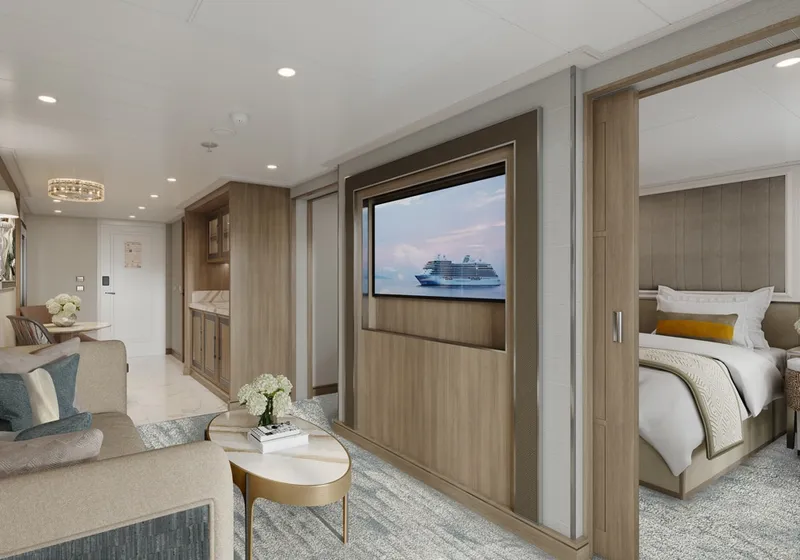
This luxurious suite has been carefully designed to maximize space and comfort, with more than 600 square feet from door to balcony deck. As you make your way through the separated living and bedroom, you have the choice to section off the area with a pocket door for added privacy. Your Penthouse also features a spacious walk-through closet that offers ample storage.
King or Twin ConfigurationShowerRoom Service AvailableSafeHair DryerTelephone+1
View Details
Prestige Suite
Suite
813–1354 m²Max 2
PS
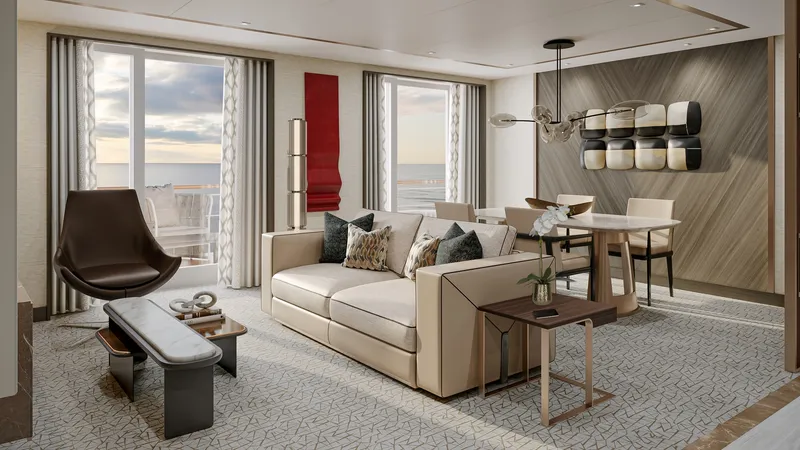
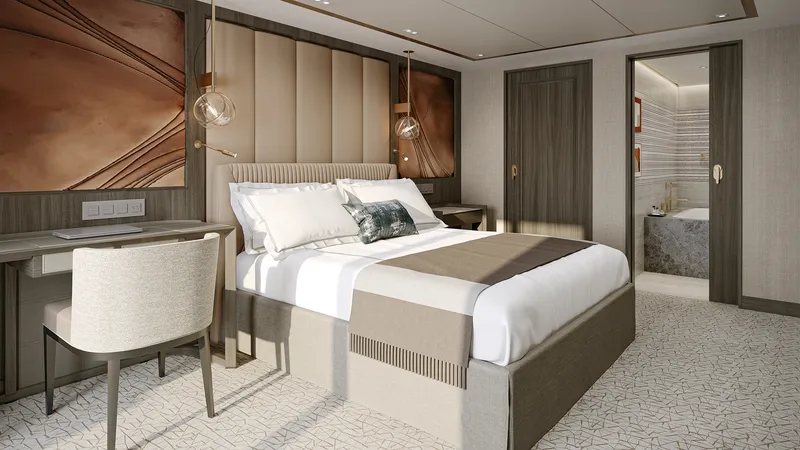
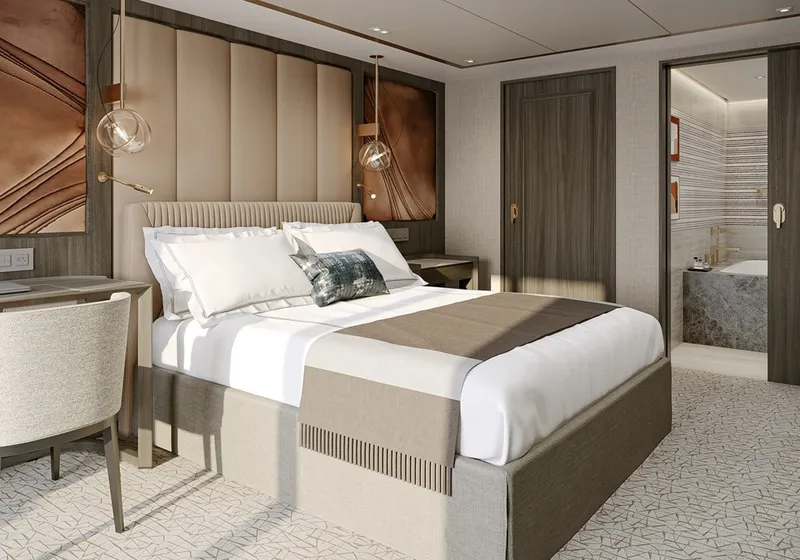
This home away from home is larger than some penthouse apartments, with more than 800 square feet of living space that includes a large private balcony. The one-bedroom, one-and-a-half bathroom suites are designed with calming hues of cream, gray and brown. They feature a dining table for in-suite service, a spacious closet and an elegant bath.
King or Twin ConfigurationShowerRoom Service AvailableTVSafeHair Dryer+2
View Details
Serenity Suite
Suite
440 m²Max 2
F1F2
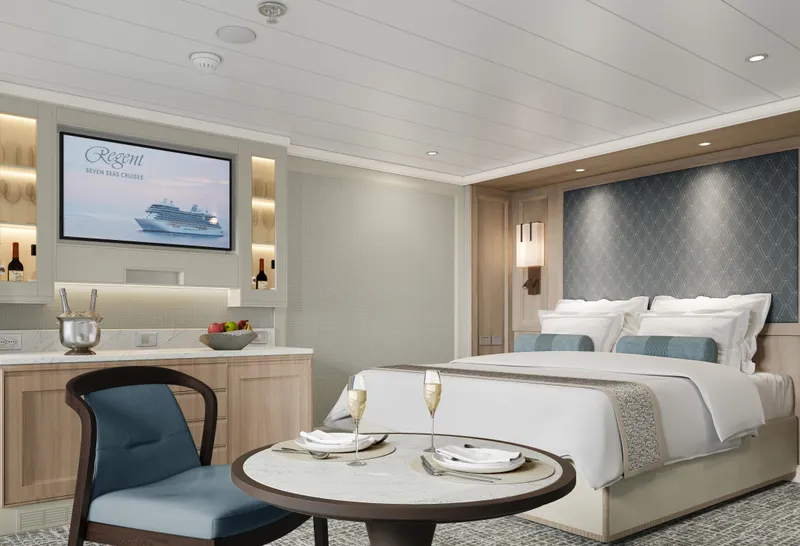
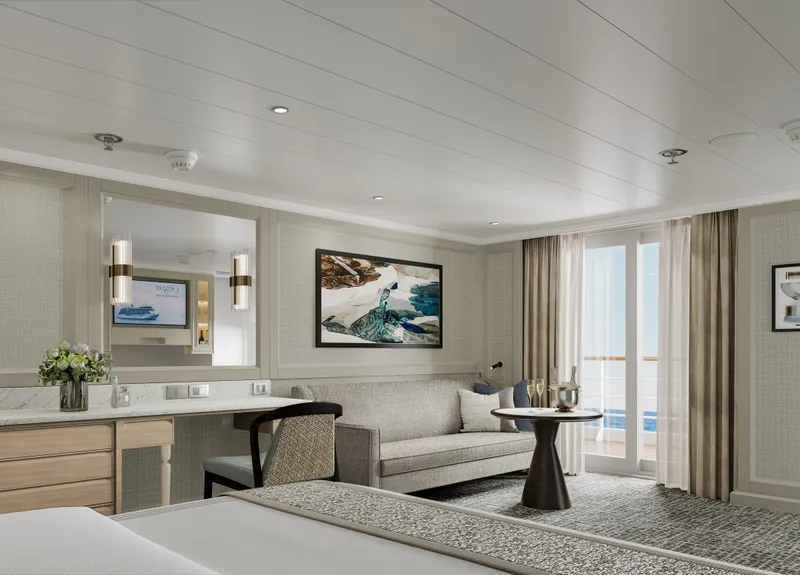
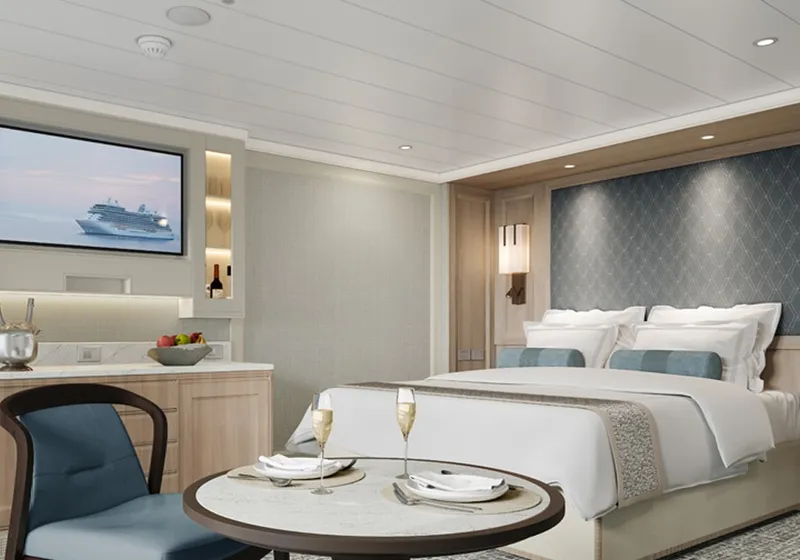
Rivaling the top suites of luxury hotels, you have plenty of space to stretch out and can take in the expansive view from your private balcony. Marble bathrooms are stocked with luxurious bath amenities and our amiable crew will tend to your requests, delivering a flawless experience at every turn.
King or Twin ConfigurationShowerTVSafeHair DryerTelephone+1
View Details
Seven Seas Suite
Suite
721 m²Max 2
SS
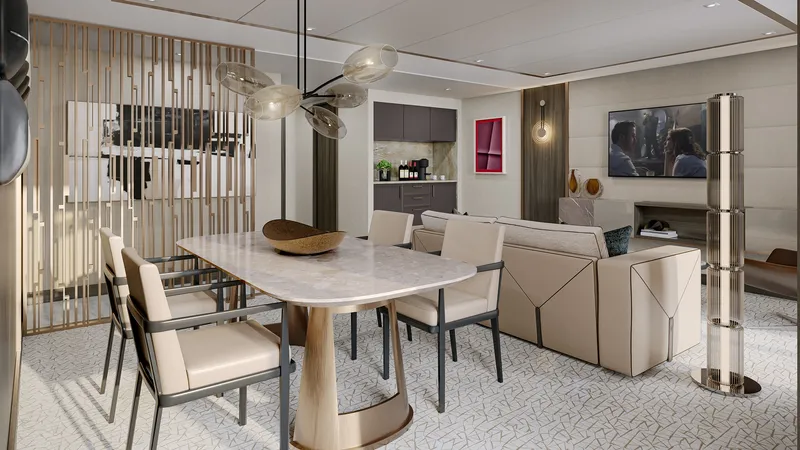
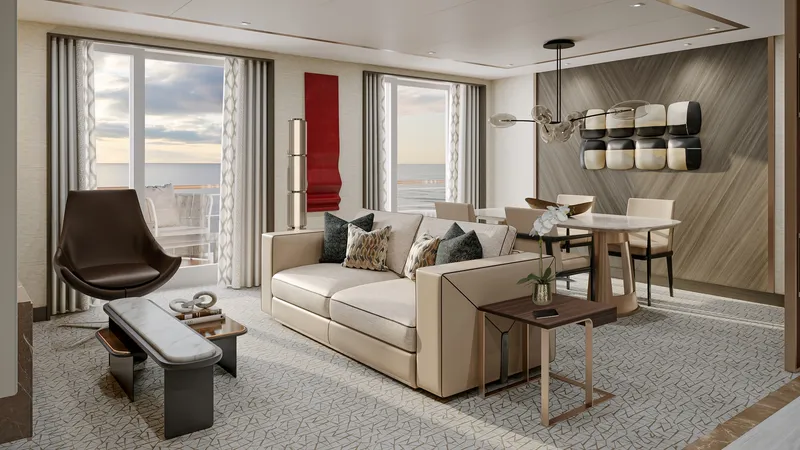
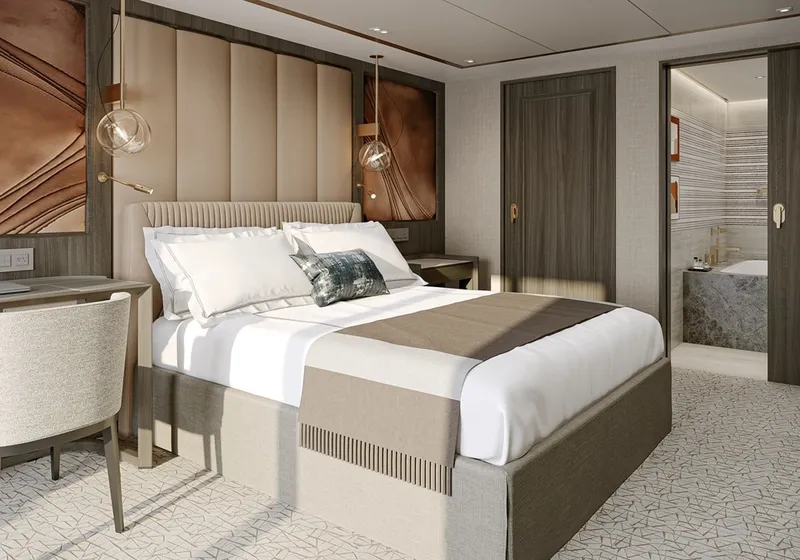
These suites exude a cosmopolitan apartment feel, with a soothing color palette complemented by plush furnishings. The suite flows effortlessly from the living room to the dining area to the bedroom, with sliding glass doorways leading to a spacious private balcony. A magnificent marble bathroom sits adjacent to the oversized bedroom and large walk-in closet.
King or Twin ConfigurationShowerRoom Service AvailableTVSafeHair Dryer+2
View Details

Signature Suite
Suite
2037 m²Max 2
SG
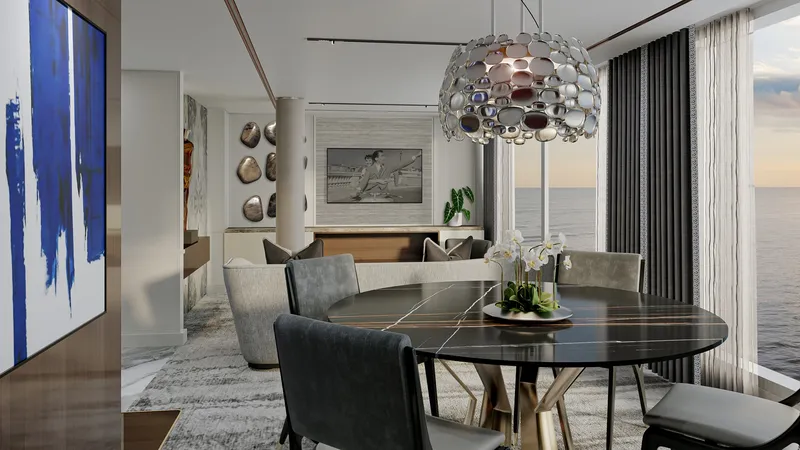
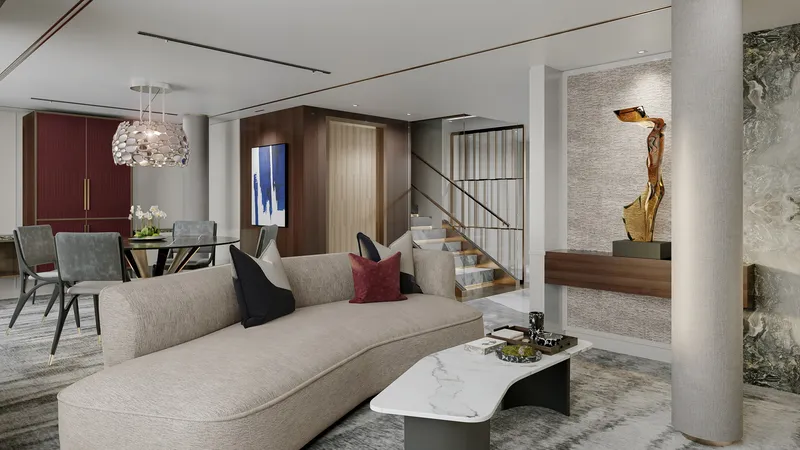
Your Signature Suite is outfitted with a rice color palette and the finest fabrics across two spacious bedrooms and two marble-and-stone baths, plus a generous living room. The private wrap-around balcony – one of the largest at sea – extends the living space outward, making it ideal for entertaining or simply soaking in the view.
King or Twin ConfigurationShowerRoom Service AvailableTVSafeHair Dryer+2
View Details
Skyview Aura Suite
Suite
1325–2024 m²Max 2
SKA
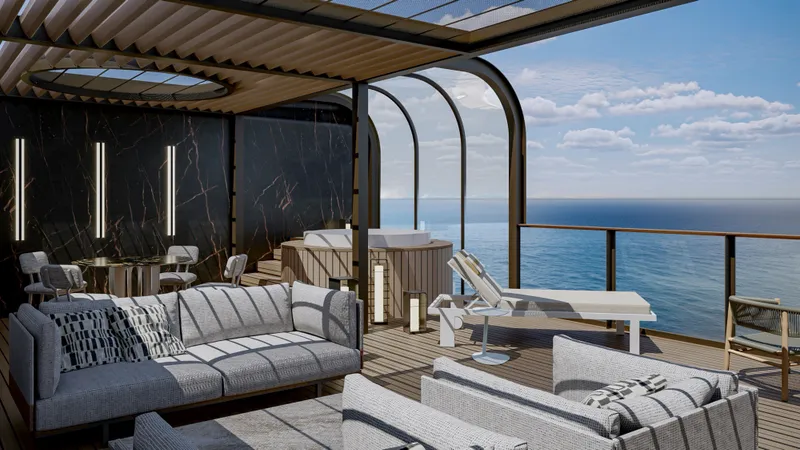
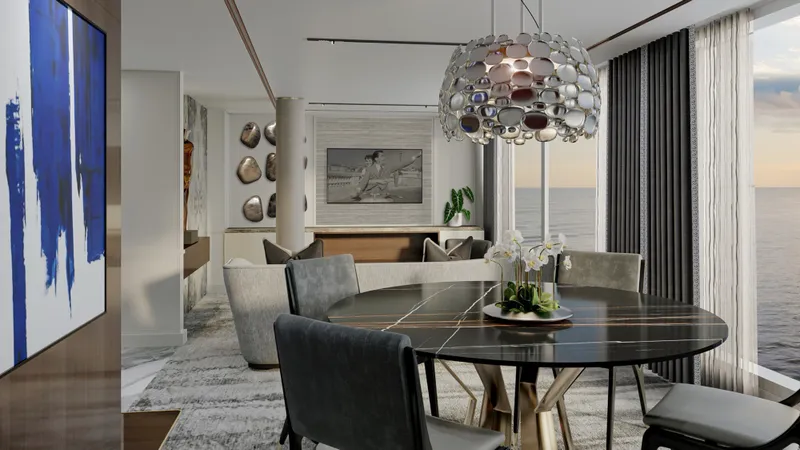
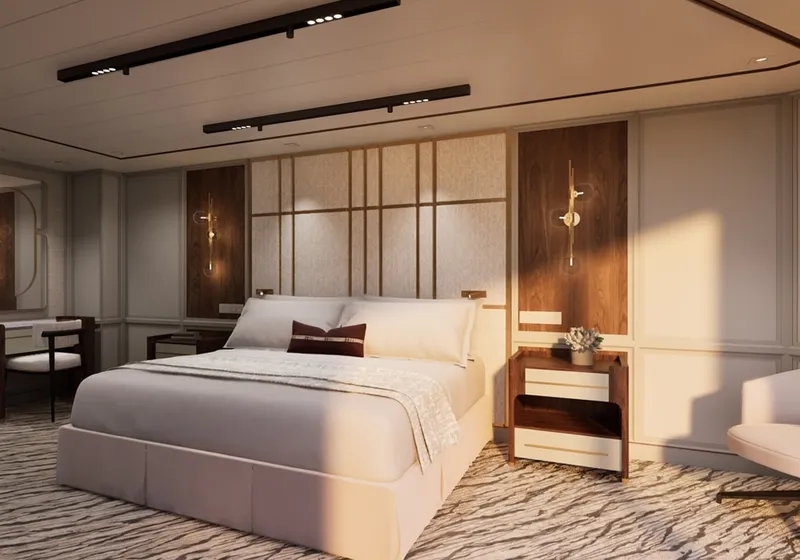
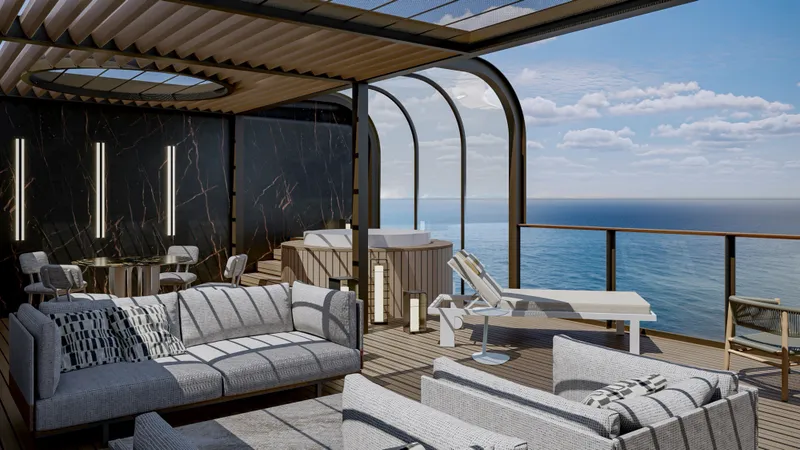
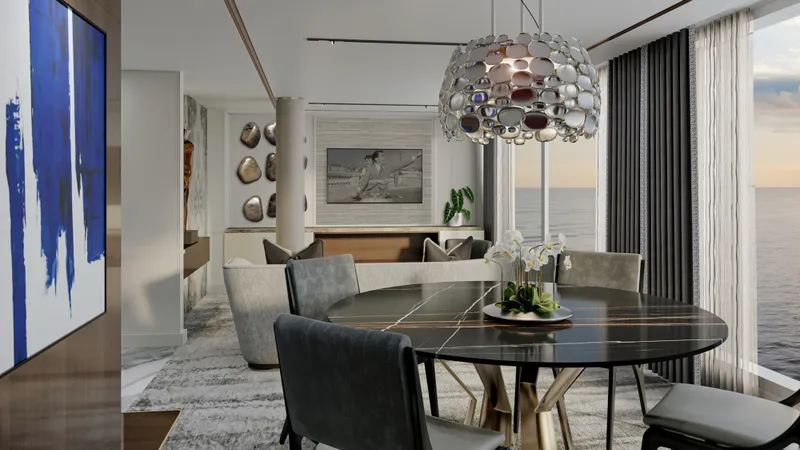
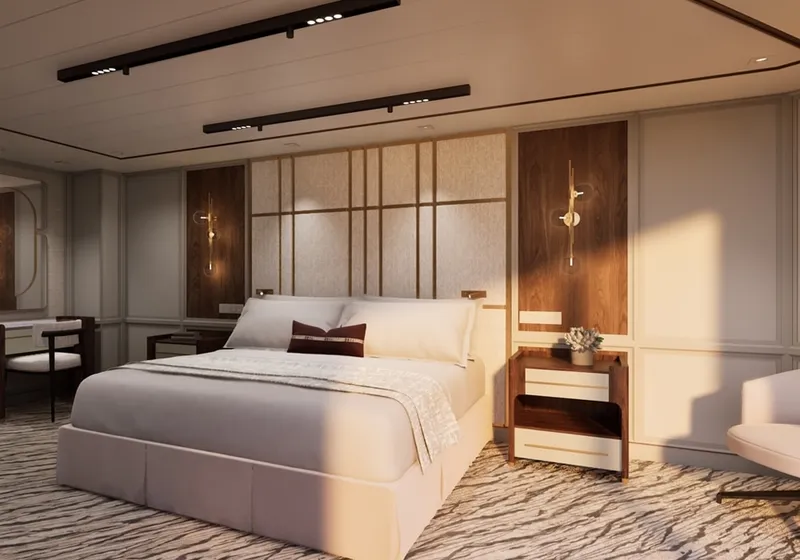
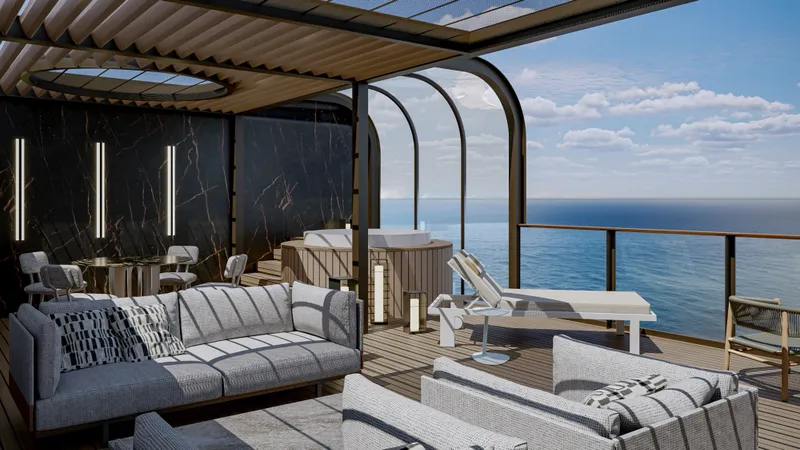
A new accommodation category, the Skyview Suites offer a sophisticated, high-end residential feel, each with its own private second-floor Skyview terrace on top of the ship, double-height spaces and two stories with your own in-suite elevators. Guests of the Skyview Suites can enjoy private access to Deck 15, reserved for only six Skyview Suites and the Skyview Regent Suite.
King or Twin ConfigurationShowerRoom Service AvailableTVSafeHair Dryer+2
View Details
Skyview Luna Suite
Suite
1325–2024 m²Max 2
SKB
A new accommodation category, the Skyview Suites offer a sophisticated, high-end residential feel, each with its own private second-floor Skyview terrace on top of the ship, double-height spaces and two stories with your own in-suite elevators. Guests of the Skyview Suites can enjoy private access to Deck 15, reserved for only six Skyview Suites and the Skyview Regent Suite.
King or Twin ConfigurationShowerRoom Service AvailableTVSafeHair Dryer+2
View Details


Skyview Regent Suite
Suite
8794 m²Max 2
RS
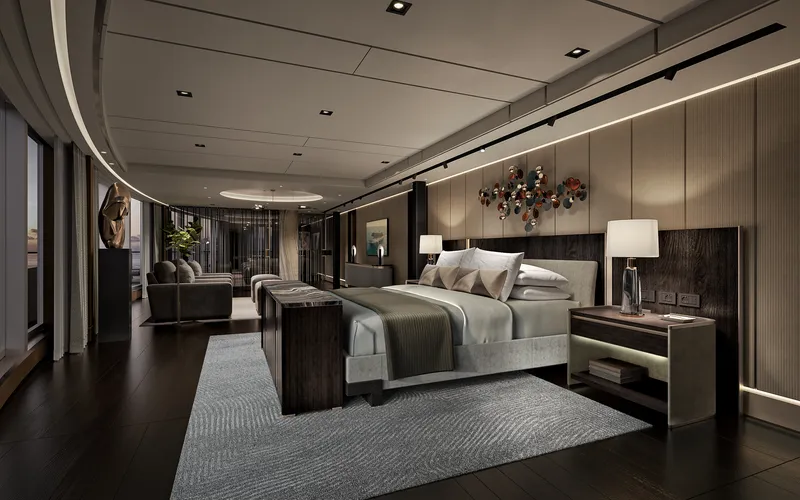
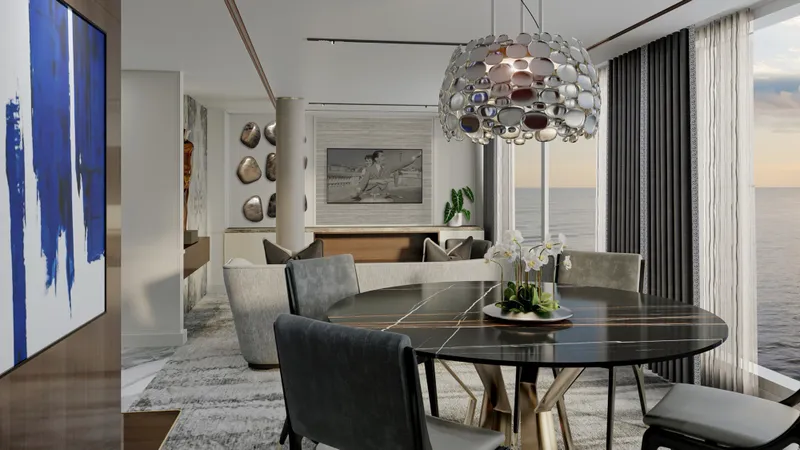
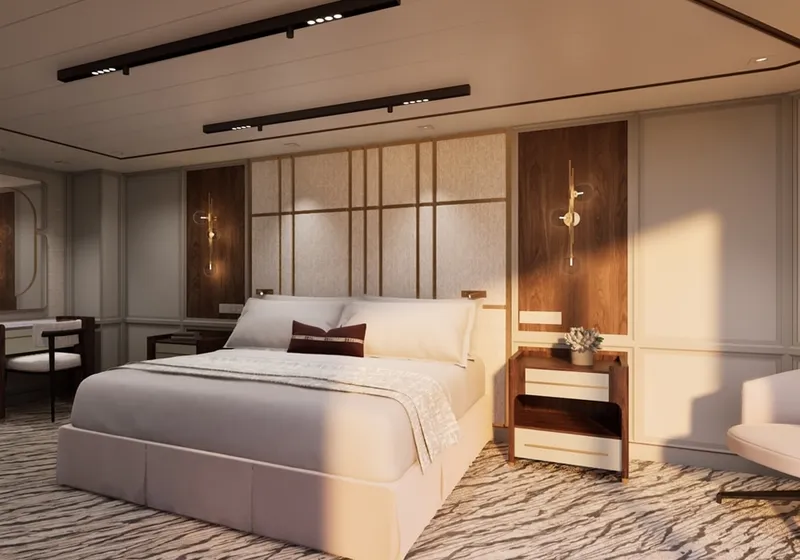
Welcome to the newest and The Most Exclusive Address at Sea®, the Skyview Regent Suite. Spanning nearly 9,000 square feet, this ultra-luxury suite features a sculptural living room, floating stone staircase plus a private in-suite elevator, and a formal dining area complemented by a glass-enclosed bar. Guests also have exclusive access to The Study, an intimate dining room for up to 12 guests.
King or Twin ConfigurationLounge AreaVanity AreaShowerRoom Service AvailableTV+4
View Details
Skyview Sola Suite
Suite
1325–2024 m²Max 2
SKC
A new accommodation category, the Skyview Suites offer a sophisticated, high-end residential feel, each with its own private second-floor Skyview terrace on top of the ship, double-height spaces and two stories with your own in-suite elevators. Guests of the Skyview Suites can enjoy private access to Deck 15, reserved for only six Skyview Suites and the Skyview Regent Suite.
King or Twin ConfigurationShowerRoom Service AvailableTVSafeHair Dryer+2
View Details
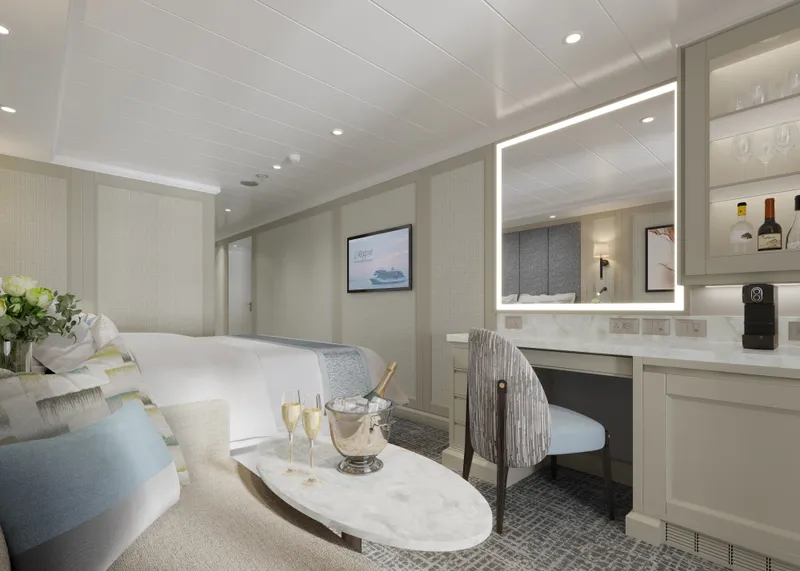
Suite
Suite
285–440 m²Max 2
I
Suite
King or Twin ConfigurationShowerRoom Service AvailableTVSafeHair Dryer+2
View Details
Interested in This Voyage?
Our cruise specialists can help you find the perfect cabin and the best available pricing.
(+886) 02-2721-7300Contact Advisor