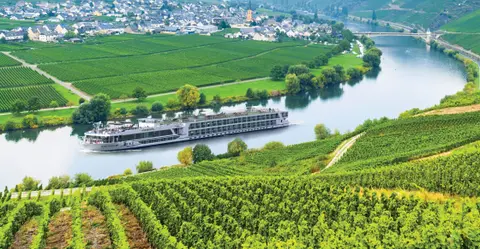
Scenic River CruisesVBTR290926.2A
Lower Danube Discovery with Transylvania
Date
2026-09-29
Duration
14 nights
Departure Port
Bucharest
Romania
Arrival Port
Budapest
Hungary
Rating
Luxury
Theme
—
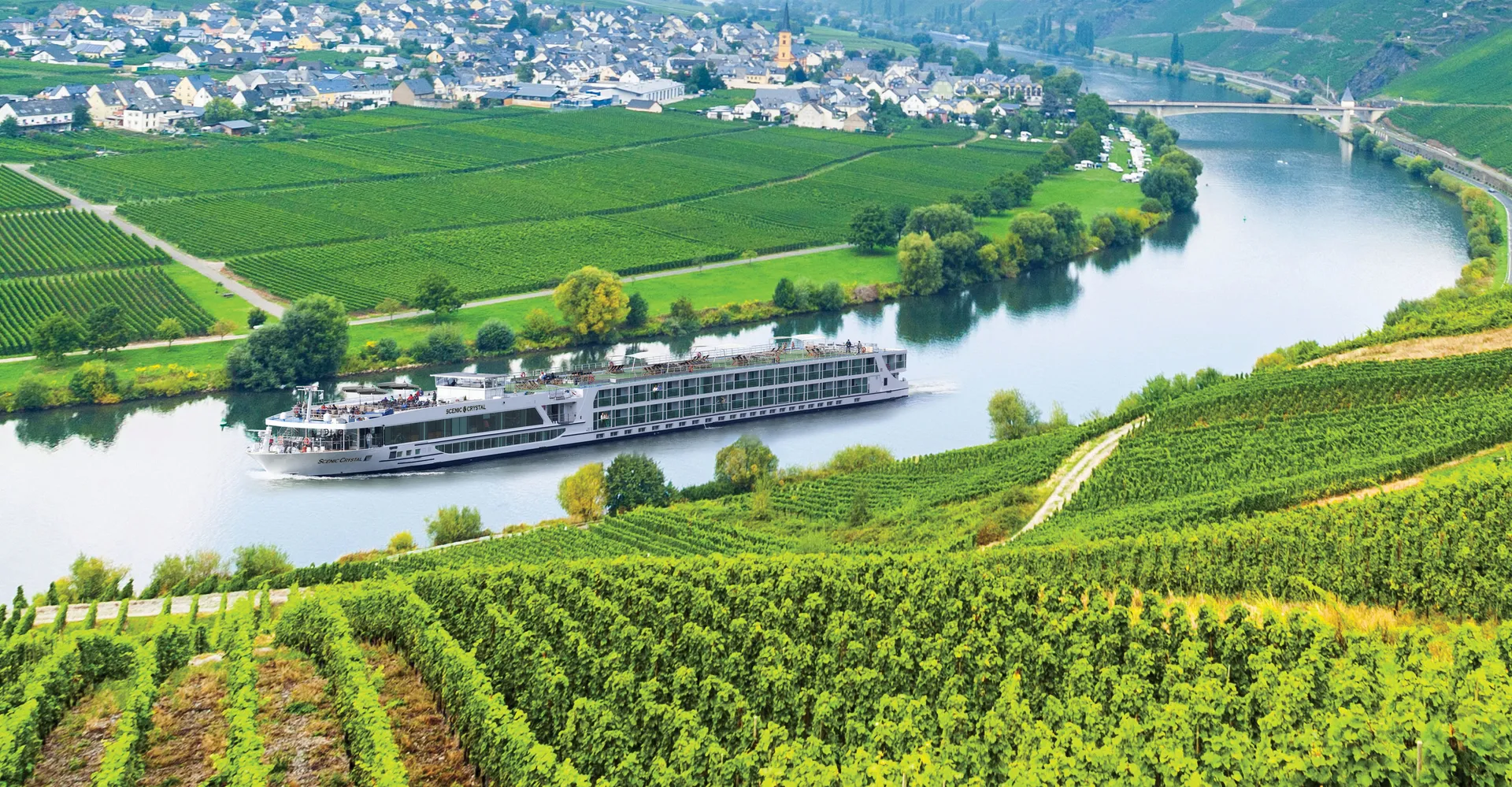

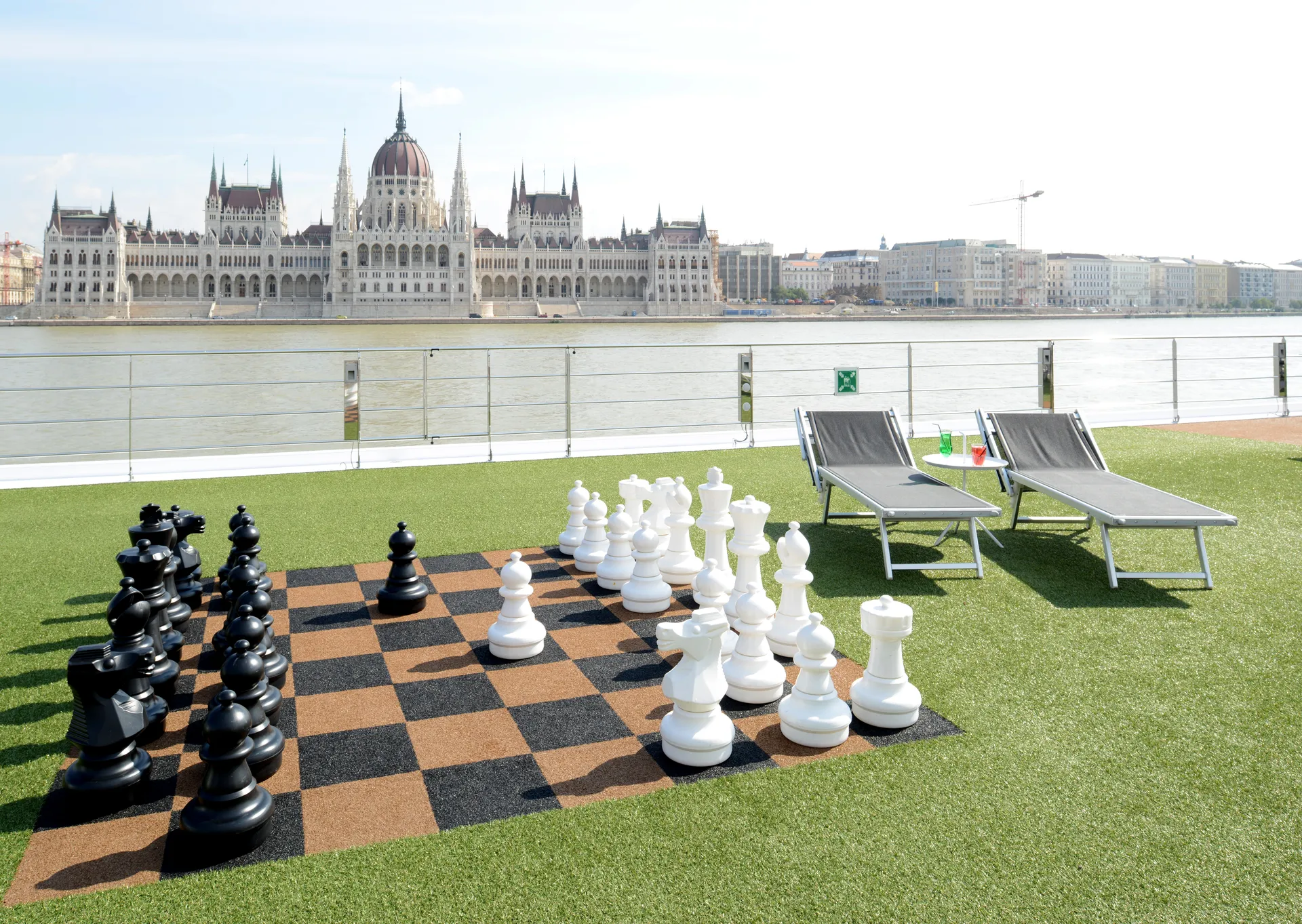

Scenic River Cruises
Scenic Crystal
Space-Ship
Launched
2012
Refitted
—
Tonnage
2,721 GT
Passengers
169
Cabins
—
Crew
53
Length
442 m
Width
—
Speed
—
Adults Only
No
Itinerary
Day 1
Day 1
Bucharest
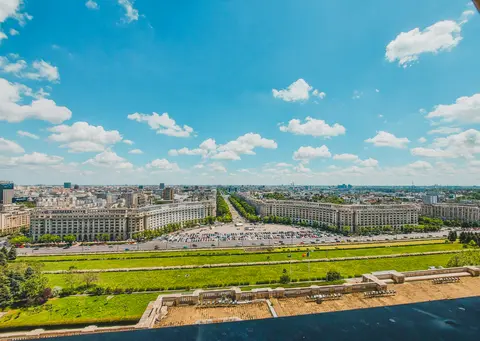
Bucharest, Romania's sprawling and magnificently contradictory capital, layers Belle Époque mansions, communist-era boulevards, and a furiously creative twenty-first-century scene into a city that rewards the curious traveler who looks beyond the obvious. Ceaușescu's colossal Palace of the Parliament — the world's heaviest building and a monument to totalitarian hubris — is unmissable; equally essential is the neighborhood of Floreasca, where design studios, natural wine bars, and acclaimed restaurants have made Bucharest one of Europe's most exciting emerging food capitals. Visit April through June for the most pleasant weather. Transylvania, with Bran Castle and the medieval city of Brașov, lies two hours north through dramatic Carpathian scenery.
Day 2
Day 2
Brasov
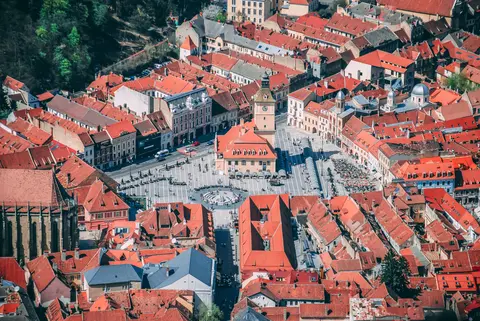
Brasov is a magnificently preserved medieval Saxon city at the foot of the Carpathian Mountains in Transylvania, home to the Gothic Black Church, fortified walls, and proximity to the legendary Bran Castle. Must-dos include exploring the Council Square, tasting sarmale and mici in the old town, and hiking in Piatra Craiului National Park. May through October offers the best weather, with autumn bringing spectacular mountain foliage.
Day 4
Day 4
Brasov
Brasov is a magnificently preserved medieval Saxon city at the foot of the Carpathian Mountains in Transylvania, home to the Gothic Black Church, fortified walls, and proximity to the legendary Bran Castle. Must-dos include exploring the Council Square, tasting sarmale and mici in the old town, and hiking in Piatra Craiului National Park. May through October offers the best weather, with autumn bringing spectacular mountain foliage.
Day 4
Day 4
Sighișoara
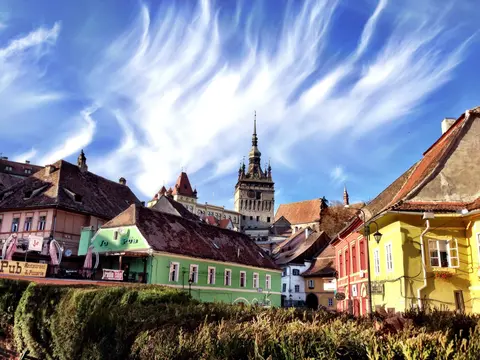
Sighișoara is Europe's best-preserved inhabited medieval citadel, a fortified Saxon hilltop town in Transylvania with guild towers, a clockwork-animated Clock Tower, and the birthplace of Vlad the Impaler. Must-dos include climbing the Clock Tower, walking the Covered Stairway to the Church on the Hill, and attending the Medieval Festival in late July. Visit May to October, or winter for atmospheric snow-covered streets.
Day 4
Day 4
Sibiu
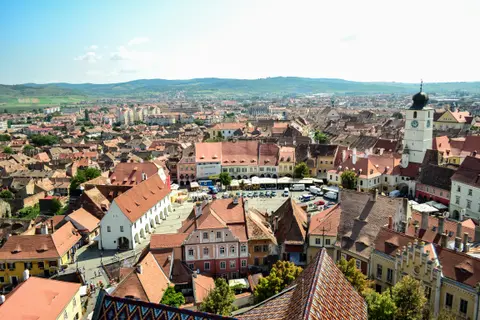
Sibiu is a magnificently preserved medieval Saxon city in Transylvania, where Gothic churches, Baroque palaces, and the famous "roof eyes" create one of Central Europe's most atmospheric cityscapes. Must-dos include exploring the Grand Square and Brukenthal Museum, visiting the fortified Saxon churches of the surrounding countryside, and tasting sarmale and kürtőskalács. Visit May to October, or December for the atmospheric Christmas market.
Day 5
Day 5
Bucharest
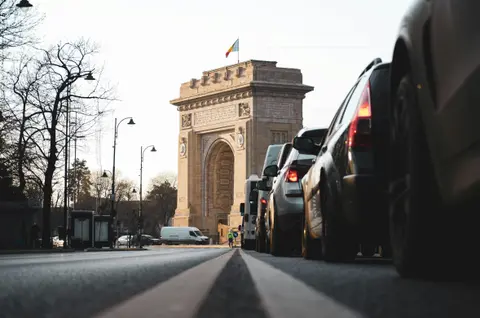
Bucharest, Romania's sprawling and magnificently contradictory capital, layers Belle Époque mansions, communist-era boulevards, and a furiously creative twenty-first-century scene into a city that rewards the curious traveler who looks beyond the obvious. Ceaușescu's colossal Palace of the Parliament — the world's heaviest building and a monument to totalitarian hubris — is unmissable; equally essential is the neighborhood of Floreasca, where design studios, natural wine bars, and acclaimed restaurants have made Bucharest one of Europe's most exciting emerging food capitals. Visit April through June for the most pleasant weather. Transylvania, with Bran Castle and the medieval city of Brașov, lies two hours north through dramatic Carpathian scenery.
Day 6
Day 6
Constanta
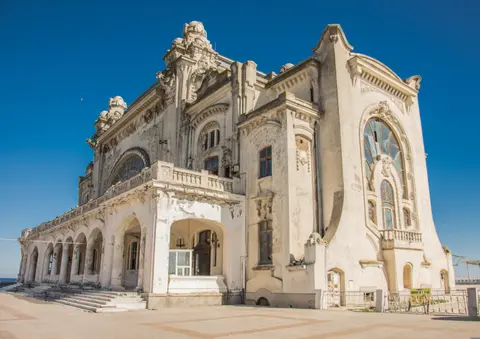
Constanța is Romania's Black Sea port city, founded as a Greek colony over 2,500 years ago, where ancient Roman mosaics, Art Nouveau architecture, and Ottoman mosques share a spectacular coastal setting. Visit from May through September for archaeological exploration, beach culture, and excursions to the Danube Delta's extraordinary bird colonies.
Day 8
Day 8
Silistra
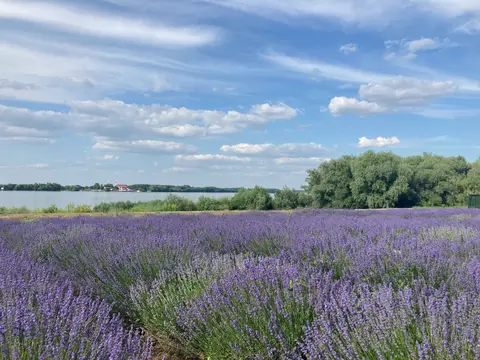
Silistra is an ancient Danube river port in northeastern Bulgaria, founded as the Roman garrison of Durostorum over two thousand years ago. Visitors should explore the remarkably preserved Roman tomb frescoes, climb to the Ottoman Medjidi Tabia fortress for river panoramas, and taste Danubian fish alongside robust local wines. May through September offers the warmest weather and most pleasant conditions for riverside exploration.
Day 9
Day 9
Ruse
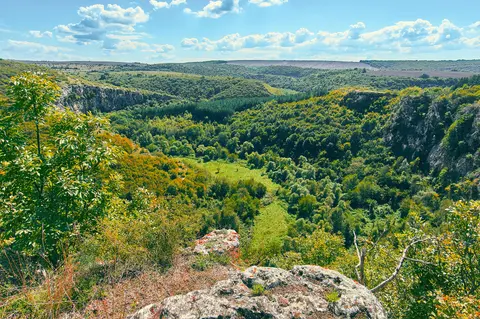
Ruse, Bulgaria's elegant Danube gateway, surprises with a Belle Époque city centre of Austro-Hungarian grandeur — neoclassical facades, ornate fountains, and a Liberty Monument that would not look out of place in Vienna. The city serves as the gateway to the spectacular Rusenski Lom Nature Park, whose limestone canyon shelters medieval rock-carved monasteries of eerie beauty. The remarkable Basarbovo Monastery, still inhabited by monks, clings to cliffs above the turquoise river. Local wineries produce distinguished Mavrud and Cabernet from the nearby Danube plains. May through September offers the most pleasant temperatures for exploration.
Day 10
Day 10
Vidin
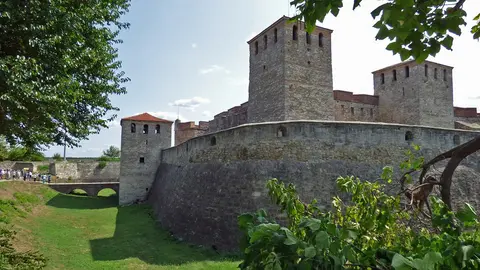
Vidin is a captivating port town on the Danube River known for its rich history, eclectic architecture, and vibrant local culture. Must-do experiences include exploring the Baba Vida Fortress and savoring local dishes like **kavarma** and **lutenitsa**. The best time to visit is during the spring and autumn months when the weather is pleasant and the local markets are bustling with activity.
Day 11
Day 11
Iron Gates
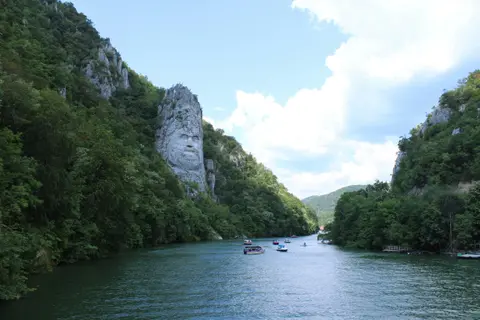
The port of Iron Gates in Romania is a stunning natural gorge along the Danube River, rich in history and breathtaking landscapes. Visitors should not miss the chance to savor local dishes like sarmale and mici, as well as explore nearby Transylvanian gems like Sighișoara and Sibiu. The best time to visit is during the spring and fall when the weather is mild and the scenery is at its most vibrant.
Day 11
Day 11
Golubac
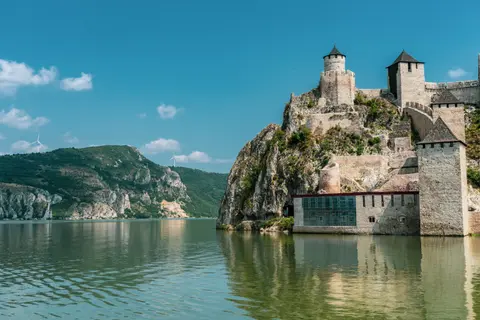
Golubac is a medieval fortress village on Serbia's Danube, where a magnificently restored fourteenth-century stronghold guards the entrance to the Iron Gates gorge — Europe's deepest river canyon. Visitors should explore the nine-towered fortress and sample *riblja čorba*, the local paprika-laced fish soup, at a riverside *kafana*. Late spring through early autumn offers the most rewarding conditions, with warm days ideal for both fortress ramparts and the lush trails of Đerdap National Park.
Day 12
Day 12
Belgrade
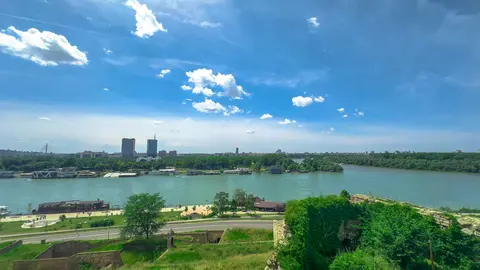
Belgrade, the 'White City' rebuilt at least forty times at the confluence of the Danube and Sava rivers, surprises every visitor with its raw, uncurated vitality — a capital that wears its turbulent history lightly while embracing the present with irresistible energy. The Kalemegdan Fortress, fortified for over two thousand years, offers the most dramatic river panorama on the entire Danube; below it, the Skadarlija cobblestone quarter fills nightly with kafana musicians and the aromas of Serbian rakija and roasted meats. Belgrade's nightlife — centered on the floating river clubs called splavovi — is genuinely legendary in Europe. Spring and early autumn offer the most comfortable conditions; the Iron Gate gorge is two hours downstream by river.
Day 13
Day 13
Novi Sad
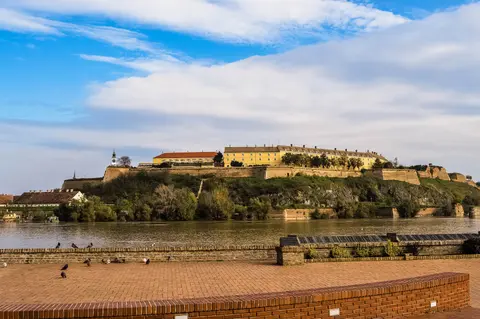
Novi Sad — the "Serbian Athens" — unfolds along the left bank of the Danube beneath the commanding walls of the Petrovaradin Fortress, a Habsburg military masterpiece whose underground tunnel labyrinth and hilltop clock tower (with hands reversed, to confuse enemy gunners) make for one of Europe's most unusual fortress visits. The city's elegant pedestrian street, the Zmaj Jovina, is lined with 19th-century Habsburg architecture that rewards a leisurely afternoon, while the Serbian cultural renaissance of the same era left behind museums, galleries, and coffee house traditions that endure today. In July, the EXIT music festival transforms the fortress into one of Europe's most storied outdoor stages. Visit May through September for the finest weather.
Day 14
Day 14
Vukovar
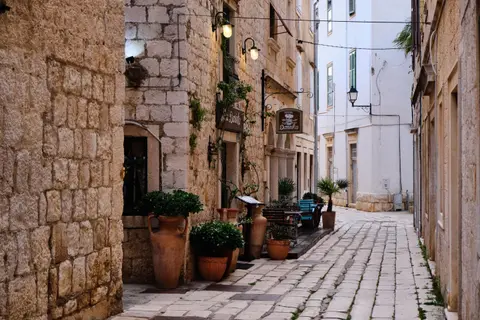
Vukovar, Croatia's largest river port, sits at the confluence of the Vuka and Danube rivers, offering a rich historical narrative and vibrant local culture. Must-do experiences include savoring traditional dishes like fiš paprikaš and exploring nearby attractions such as Trogir and Solin. The best time to visit is in late spring and early autumn when the weather is pleasant and the local events are in full swing.
Day 15
Day 15
Mohacs
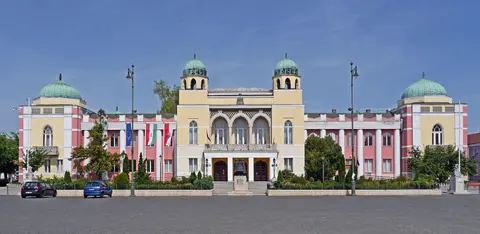
Mohács is a historically significant Hungarian town on the Danube, renowned for the pivotal 1526 battle and the UNESCO-listed Busójárás winter festival featuring dramatic masked processions. Visitors should not miss the fiery halászlé fisherman's soup prepared with fresh Danube catch, and a wine excursion to the nearby Villány appellation for world-class reds. The ideal season to visit is late spring through early autumn for warm riverside days, though February offers the unforgettable spectacle of Busójárás.
Day 1
Bucharest
Bucharest, Romania's sprawling and magnificently contradictory capital, layers Belle Époque mansions, communist-era boulevards, and a furiously creative twenty-first-century scene into a city that rewards the curious traveler who looks beyond the obvious. Ceaușescu's colossal Palace of the Parliament — the world's heaviest building and a monument to totalitarian hubris — is unmissable; equally essential is the neighborhood of Floreasca, where design studios, natural wine bars, and acclaimed restaurants have made Bucharest one of Europe's most exciting emerging food capitals. Visit April through June for the most pleasant weather. Transylvania, with Bran Castle and the medieval city of Brașov, lies two hours north through dramatic Carpathian scenery.
Day 2
Brasov
Brasov is a magnificently preserved medieval Saxon city at the foot of the Carpathian Mountains in Transylvania, home to the Gothic Black Church, fortified walls, and proximity to the legendary Bran Castle. Must-dos include exploring the Council Square, tasting sarmale and mici in the old town, and hiking in Piatra Craiului National Park. May through October offers the best weather, with autumn bringing spectacular mountain foliage.
Day 4
Brasov
Brasov is a magnificently preserved medieval Saxon city at the foot of the Carpathian Mountains in Transylvania, home to the Gothic Black Church, fortified walls, and proximity to the legendary Bran Castle. Must-dos include exploring the Council Square, tasting sarmale and mici in the old town, and hiking in Piatra Craiului National Park. May through October offers the best weather, with autumn bringing spectacular mountain foliage.
Sighișoara
Sighișoara is Europe's best-preserved inhabited medieval citadel, a fortified Saxon hilltop town in Transylvania with guild towers, a clockwork-animated Clock Tower, and the birthplace of Vlad the Impaler. Must-dos include climbing the Clock Tower, walking the Covered Stairway to the Church on the Hill, and attending the Medieval Festival in late July. Visit May to October, or winter for atmospheric snow-covered streets.
Sibiu
Sibiu is a magnificently preserved medieval Saxon city in Transylvania, where Gothic churches, Baroque palaces, and the famous "roof eyes" create one of Central Europe's most atmospheric cityscapes. Must-dos include exploring the Grand Square and Brukenthal Museum, visiting the fortified Saxon churches of the surrounding countryside, and tasting sarmale and kürtőskalács. Visit May to October, or December for the atmospheric Christmas market.
Day 5
Bucharest
Bucharest, Romania's sprawling and magnificently contradictory capital, layers Belle Époque mansions, communist-era boulevards, and a furiously creative twenty-first-century scene into a city that rewards the curious traveler who looks beyond the obvious. Ceaușescu's colossal Palace of the Parliament — the world's heaviest building and a monument to totalitarian hubris — is unmissable; equally essential is the neighborhood of Floreasca, where design studios, natural wine bars, and acclaimed restaurants have made Bucharest one of Europe's most exciting emerging food capitals. Visit April through June for the most pleasant weather. Transylvania, with Bran Castle and the medieval city of Brașov, lies two hours north through dramatic Carpathian scenery.
Day 6
Constanta
Constanța is Romania's Black Sea port city, founded as a Greek colony over 2,500 years ago, where ancient Roman mosaics, Art Nouveau architecture, and Ottoman mosques share a spectacular coastal setting. Visit from May through September for archaeological exploration, beach culture, and excursions to the Danube Delta's extraordinary bird colonies.
Day 8
Silistra
Silistra is an ancient Danube river port in northeastern Bulgaria, founded as the Roman garrison of Durostorum over two thousand years ago. Visitors should explore the remarkably preserved Roman tomb frescoes, climb to the Ottoman Medjidi Tabia fortress for river panoramas, and taste Danubian fish alongside robust local wines. May through September offers the warmest weather and most pleasant conditions for riverside exploration.
Day 9
Ruse
Ruse, Bulgaria's elegant Danube gateway, surprises with a Belle Époque city centre of Austro-Hungarian grandeur — neoclassical facades, ornate fountains, and a Liberty Monument that would not look out of place in Vienna. The city serves as the gateway to the spectacular Rusenski Lom Nature Park, whose limestone canyon shelters medieval rock-carved monasteries of eerie beauty. The remarkable Basarbovo Monastery, still inhabited by monks, clings to cliffs above the turquoise river. Local wineries produce distinguished Mavrud and Cabernet from the nearby Danube plains. May through September offers the most pleasant temperatures for exploration.
Day 10
Vidin
Vidin is a captivating port town on the Danube River known for its rich history, eclectic architecture, and vibrant local culture. Must-do experiences include exploring the Baba Vida Fortress and savoring local dishes like **kavarma** and **lutenitsa**. The best time to visit is during the spring and autumn months when the weather is pleasant and the local markets are bustling with activity.
Day 11
Iron Gates
The port of Iron Gates in Romania is a stunning natural gorge along the Danube River, rich in history and breathtaking landscapes. Visitors should not miss the chance to savor local dishes like sarmale and mici, as well as explore nearby Transylvanian gems like Sighișoara and Sibiu. The best time to visit is during the spring and fall when the weather is mild and the scenery is at its most vibrant.
Golubac
Golubac is a medieval fortress village on Serbia's Danube, where a magnificently restored fourteenth-century stronghold guards the entrance to the Iron Gates gorge — Europe's deepest river canyon. Visitors should explore the nine-towered fortress and sample *riblja čorba*, the local paprika-laced fish soup, at a riverside *kafana*. Late spring through early autumn offers the most rewarding conditions, with warm days ideal for both fortress ramparts and the lush trails of Đerdap National Park.
Day 12
Belgrade
Belgrade, the 'White City' rebuilt at least forty times at the confluence of the Danube and Sava rivers, surprises every visitor with its raw, uncurated vitality — a capital that wears its turbulent history lightly while embracing the present with irresistible energy. The Kalemegdan Fortress, fortified for over two thousand years, offers the most dramatic river panorama on the entire Danube; below it, the Skadarlija cobblestone quarter fills nightly with kafana musicians and the aromas of Serbian rakija and roasted meats. Belgrade's nightlife — centered on the floating river clubs called splavovi — is genuinely legendary in Europe. Spring and early autumn offer the most comfortable conditions; the Iron Gate gorge is two hours downstream by river.
Day 13
Novi Sad
Novi Sad — the "Serbian Athens" — unfolds along the left bank of the Danube beneath the commanding walls of the Petrovaradin Fortress, a Habsburg military masterpiece whose underground tunnel labyrinth and hilltop clock tower (with hands reversed, to confuse enemy gunners) make for one of Europe's most unusual fortress visits. The city's elegant pedestrian street, the Zmaj Jovina, is lined with 19th-century Habsburg architecture that rewards a leisurely afternoon, while the Serbian cultural renaissance of the same era left behind museums, galleries, and coffee house traditions that endure today. In July, the EXIT music festival transforms the fortress into one of Europe's most storied outdoor stages. Visit May through September for the finest weather.
Day 14
Vukovar
Vukovar, Croatia's largest river port, sits at the confluence of the Vuka and Danube rivers, offering a rich historical narrative and vibrant local culture. Must-do experiences include savoring traditional dishes like fiš paprikaš and exploring nearby attractions such as Trogir and Solin. The best time to visit is in late spring and early autumn when the weather is pleasant and the local events are in full swing.
Day 15
Mohacs
Mohács is a historically significant Hungarian town on the Danube, renowned for the pivotal 1526 battle and the UNESCO-listed Busójárás winter festival featuring dramatic masked processions. Visitors should not miss the fiery halászlé fisherman's soup prepared with fresh Danube catch, and a wine excursion to the nearby Villány appellation for world-class reds. The ideal season to visit is late spring through early autumn for warm riverside days, though February offers the unforgettable spectacle of Busójárás.
Cabin Categories
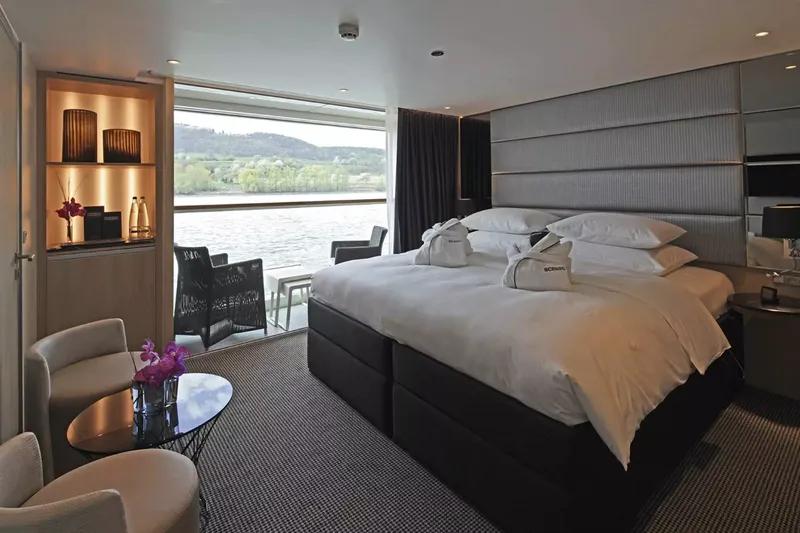
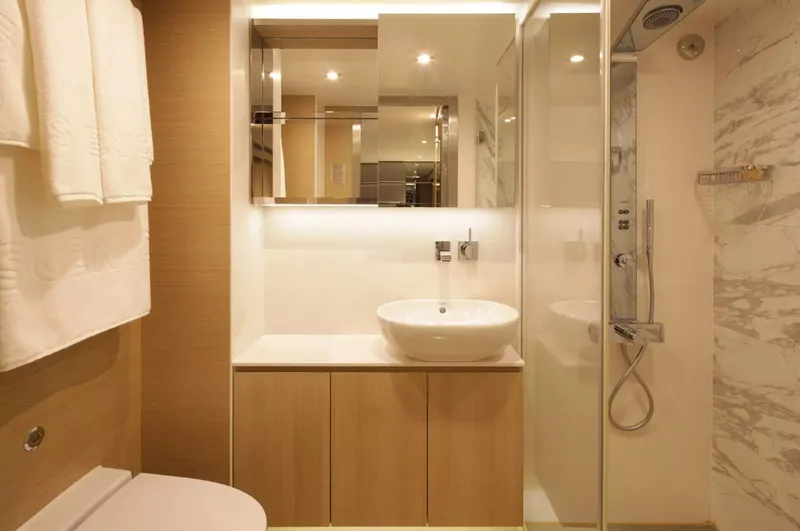
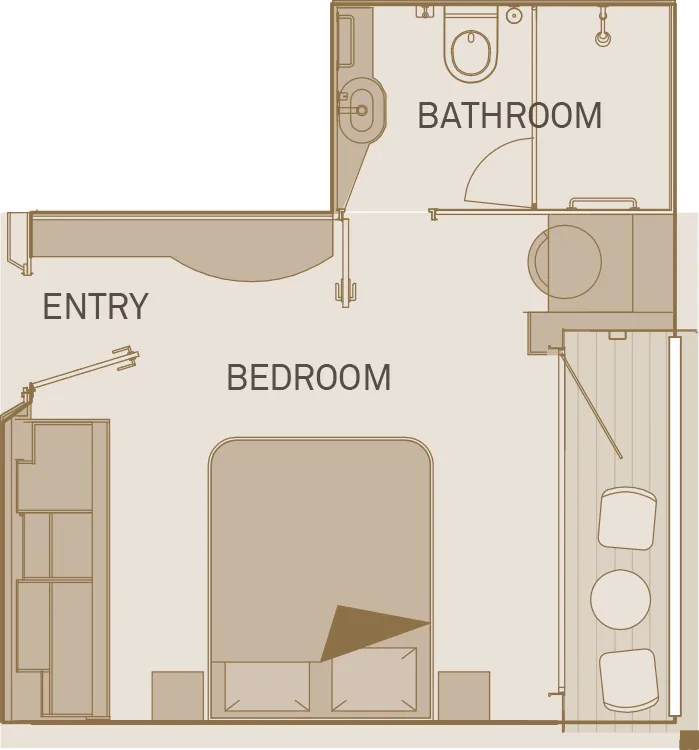
Junior Balcony Suite
Suite
250 m²Max 2
BJRJ
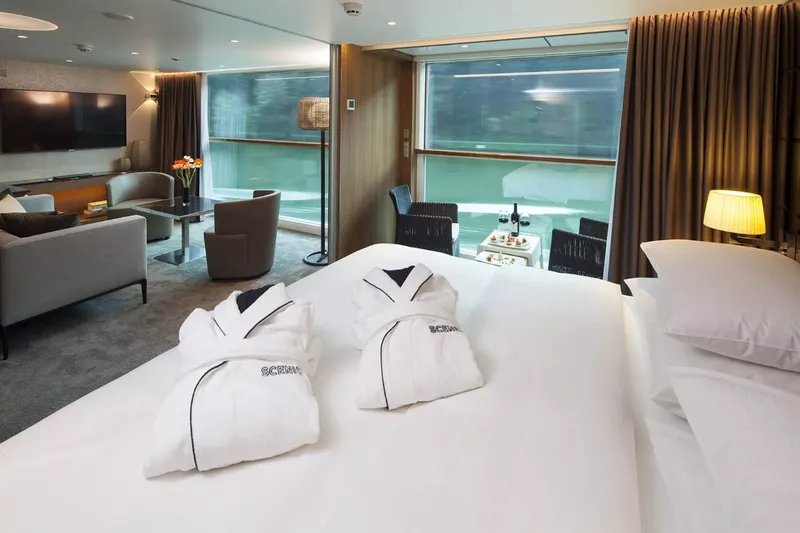
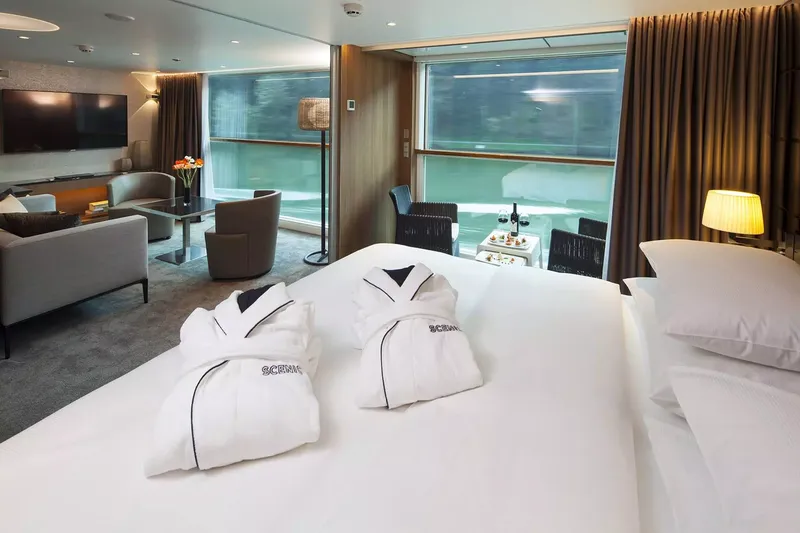
These spacious Suites, located on the Sapphire and Diamond Decks, have a private full-length balcony complete with a Scenic Sun Lounge and elegant en-suite bathrooms featuring a large vanity basin and shower.
Queen or Twin ConfigurationShowerToiletries ProvidedRoom Service AvailableTVSafe+2
View Details
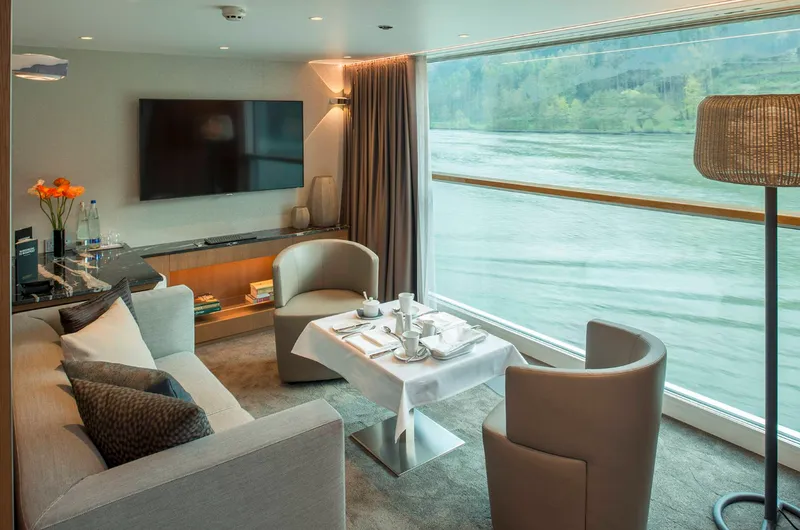
Royal Balcony Suite
Suite
315 m²Max 2
RRA
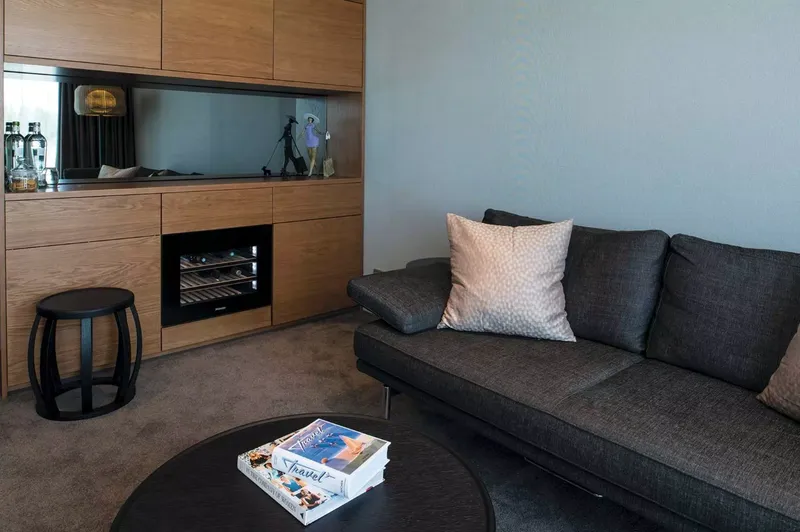
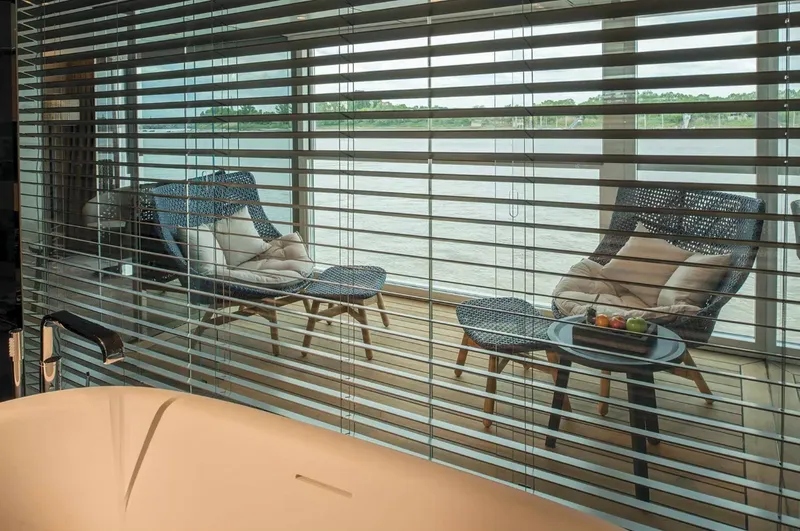
These Suites located on the Diamond Deck are the ultimate in luxury with more space, impeccable service, thoughtful touches, an outdoor balcony, lounge area and an oversized bathroom.
Queen or Twin ConfigurationLounge AreaShowerBathToiletries ProvidedRoom Service Available+5
View Details
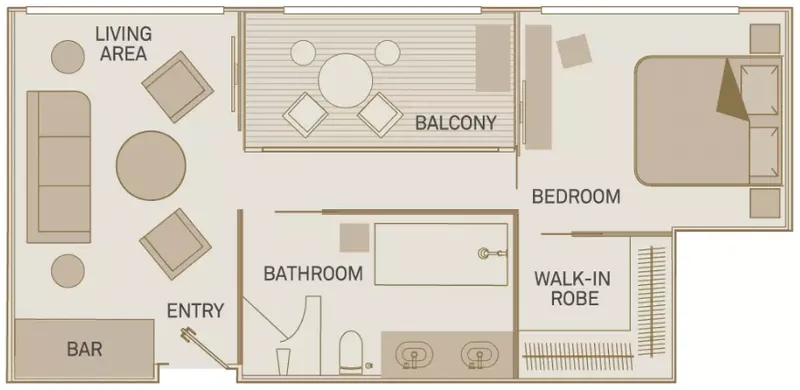
Royal Owner's Suite
Suite
315 m²Max 2
RO
These Suites on the Diamond Deck are the ultimate in luxury with more space (315ft²), impeccable service, thoughtful touches, an outdoor balcony, lounge area and an oversized bathroom.
King or Twin ConfigurationShowerBathToiletries ProvidedRoom Service AvailableSuite Benefits+5
View Details
Royal Panorama Suite
Suite
325 m²Max 2
RS
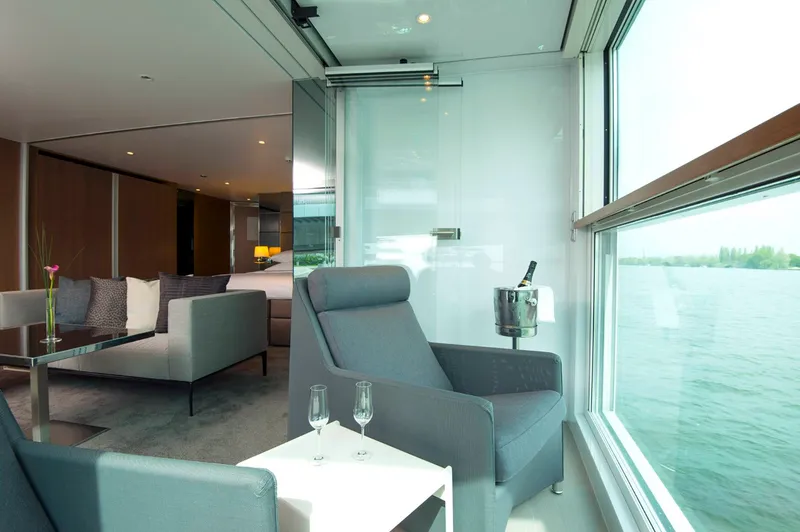
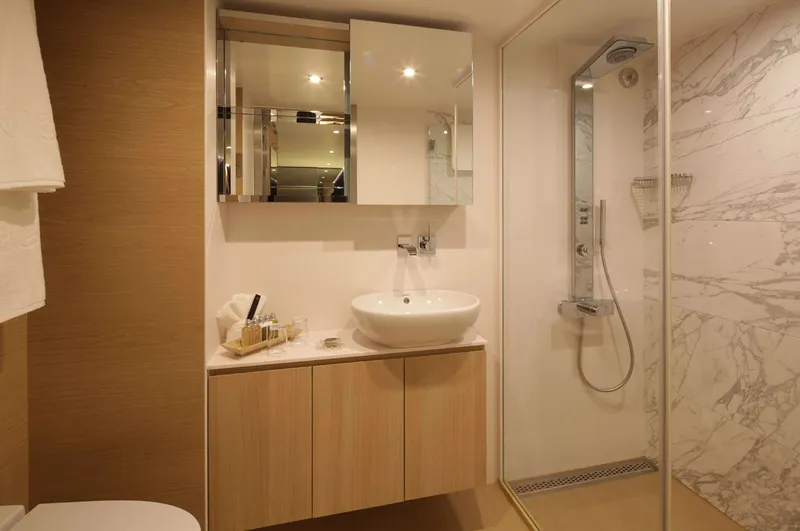
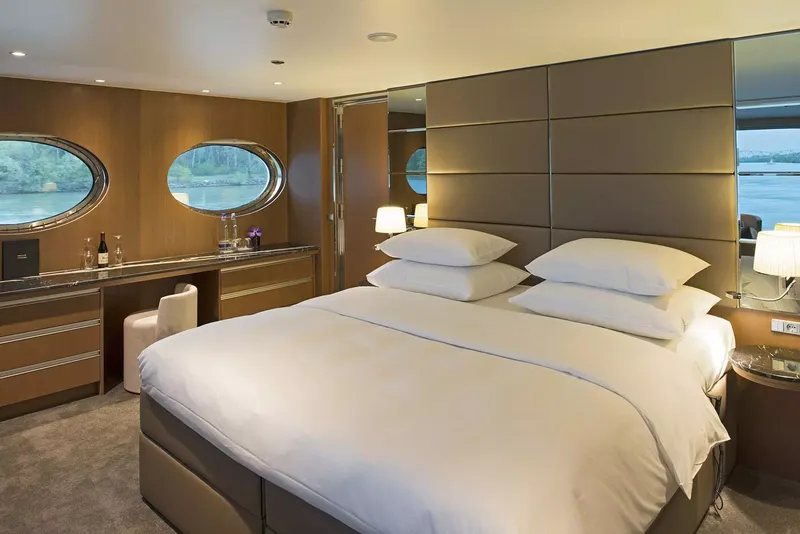
At 325ft², these are the largest suites on the ship. Located on the Diamond Deck, both suites enjoy fantastic views of the passing scenery from your private balcony complete with Scenic Sun Lounge. Each Suite has a lounge area and a luxurious bathroom.
King or Twin ConfigurationShowerToiletries ProvidedRoom Service AvailableSuite BenefitsTV+3
View Details
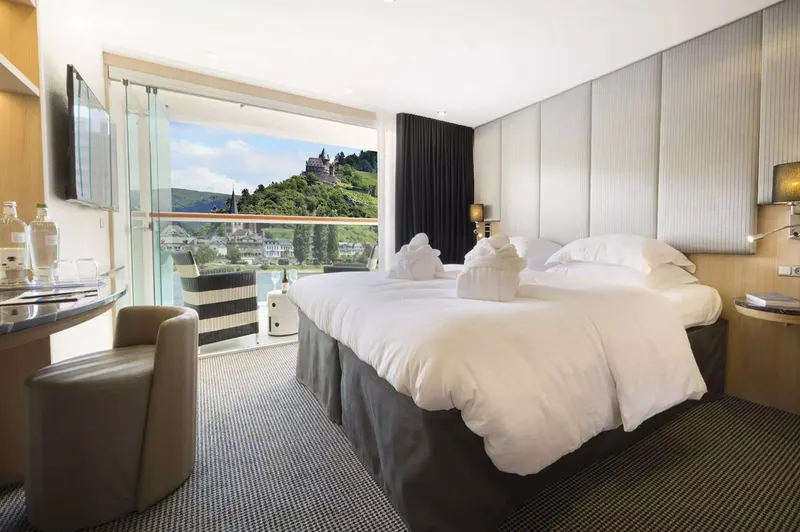
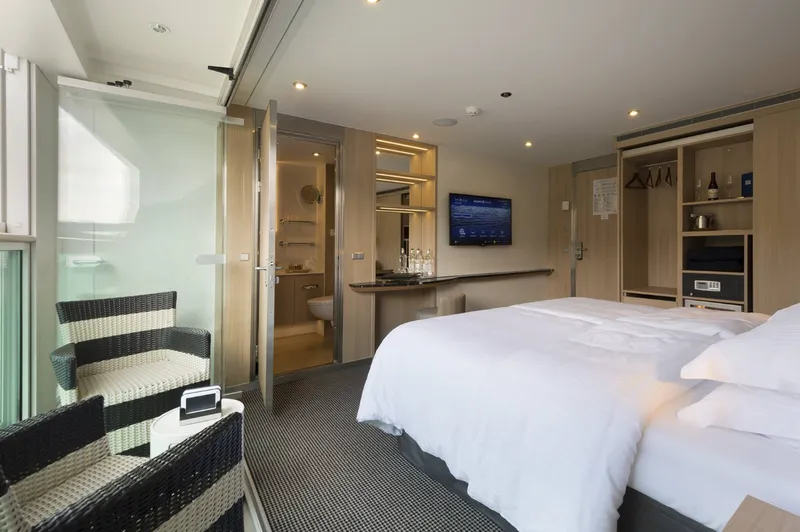
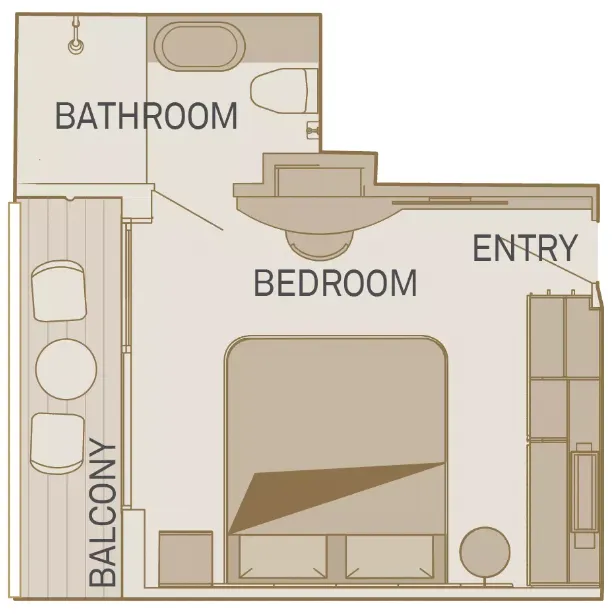
Balcony Suite
Suite
205–225 m²Max 2
AC
Located on the Sapphire and Diamond Decks these stylishly decorated suites feature a full-length outdoor balcony with the exclusive Scenic Sun Lounge and offer private bathrooms with a luxurious vanity basin and shower.
Queen or Twin ConfigurationLounge AreaShowerToiletries ProvidedRoom Service AvailableSuite Benefits+4
View Details
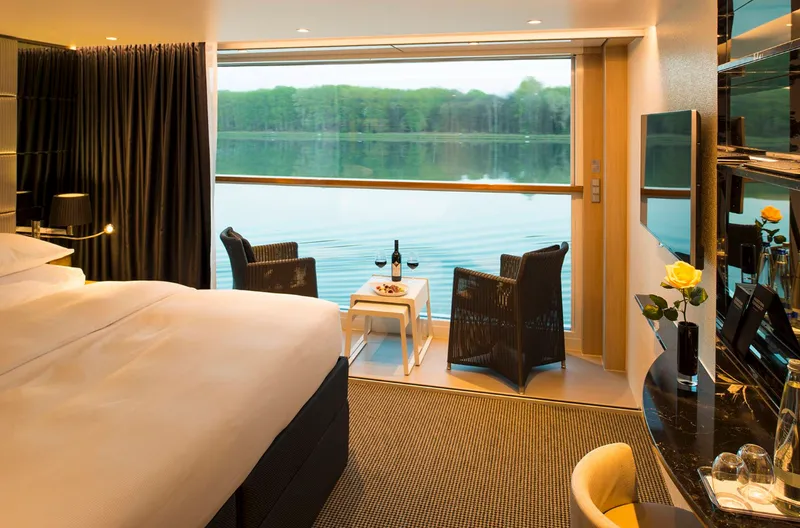
Deluxe Balcony Suite
Suite
225 m²Max 2
BDPD
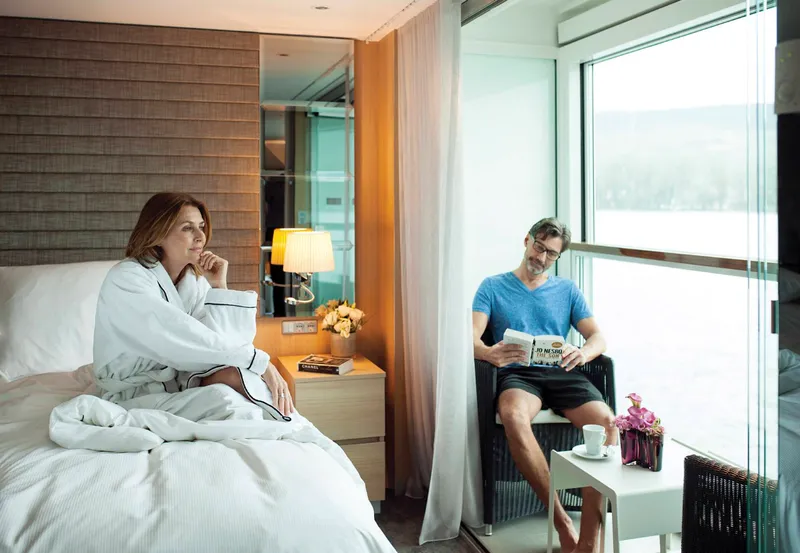
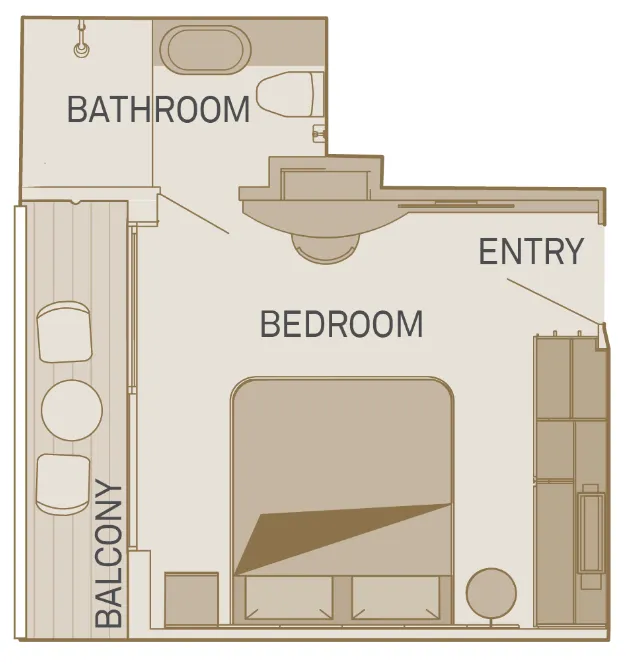
Located in prime locations at the front of the ship on both the Sapphire and Diamond Decks, they offer all the features of our private Balcony Suites with our ingenious Scenic Sun Lounge, but with even more space to relax.
Queen or Twin ConfigurationLounge AreaShowerToiletries ProvidedRoom Service AvailableSuite Benefits+4
View Details
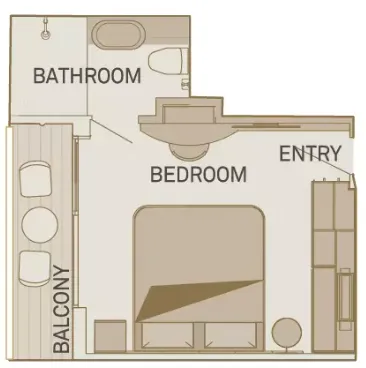
Single Balcony Suite
Suite
160 m²Max 2
BS
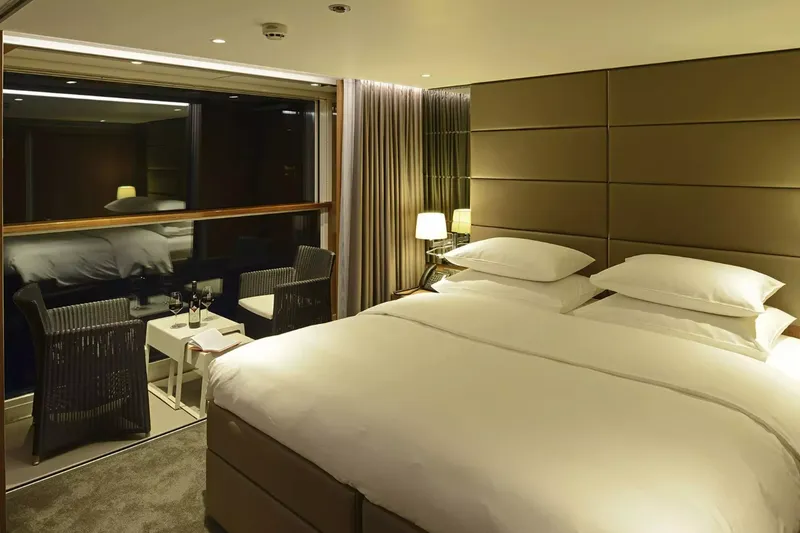
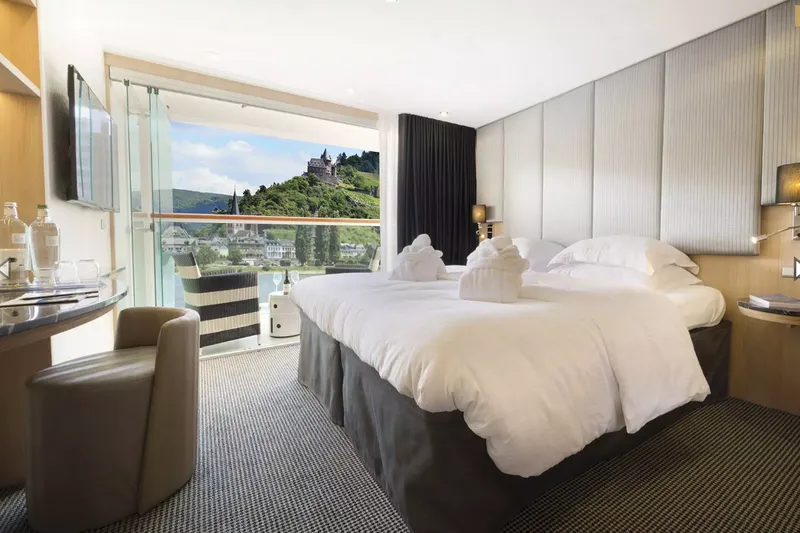
Single Balcony Suite
Queen or Twin ConfigurationShowerRoom Service AvailableTVSafeHair Dryer+2
View Details
Standard Suite
Suite
160 m²Max 2
E
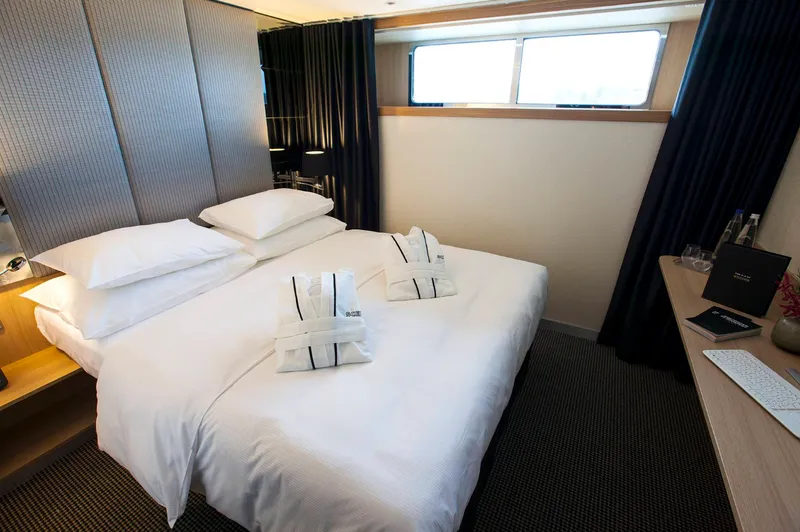
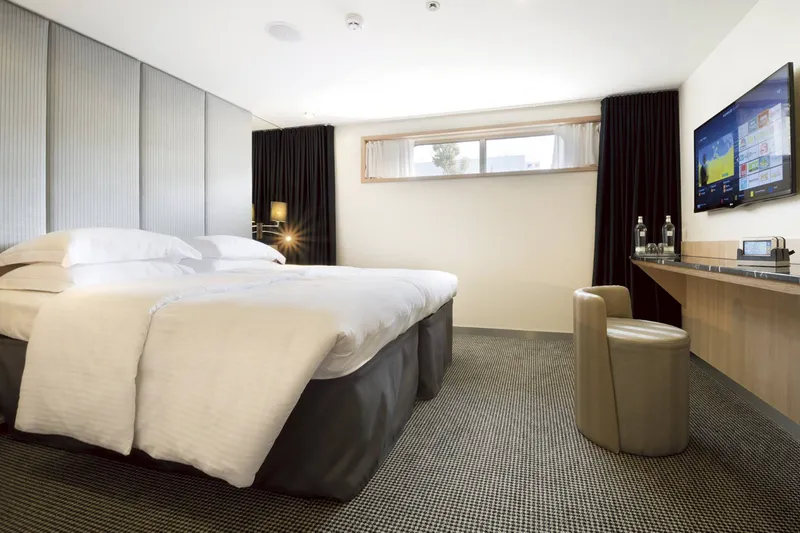
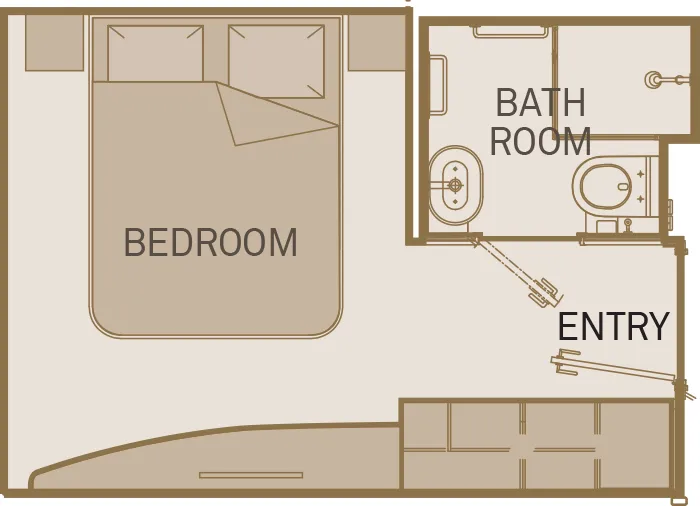
Standard Suites are located on the Jewel Deck with large picture windows to ensure a great view. They have a spacious design and clever layout alongside all the usual luxurious amenities and furnishings.
Queen or Twin ConfigurationShowerToiletries ProvidedRoom Service AvailableTVSafe+2
View Details
Interested in This Voyage?
Our cruise specialists can help you find the perfect cabin and the best available pricing.
(+886) 02-2721-7300Contact Advisor