Scenic River CruisesTUAB120426.1
Windmills, Tulips & Belgian Delights with Bruges from Brussels
Date
2026-04-12
Duration
10 nights
Departure Port
Russel
New Zealand
Arrival Port
Amsterdam
Netherlands
Rating
Luxury
Theme
—
Scenic River Cruises
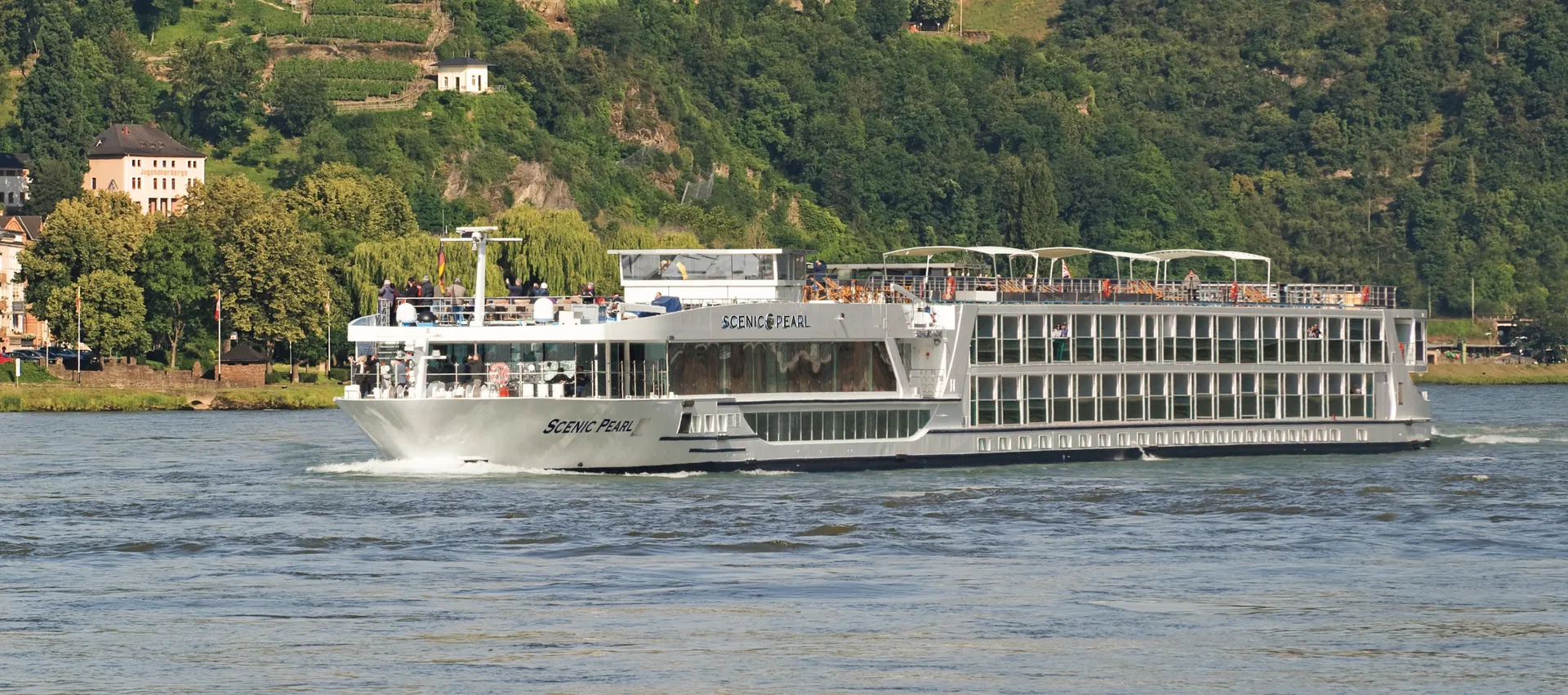
Scenic Pearl
Space-Ship
Launched
2008
Refitted
2019
Tonnage
2,721 GT
Passengers
167
Cabins
—
Crew
53
Length
—
Width
—
Speed
—
Adults Only
No
Itinerary
Day 1
Day 1
Zeebrugge
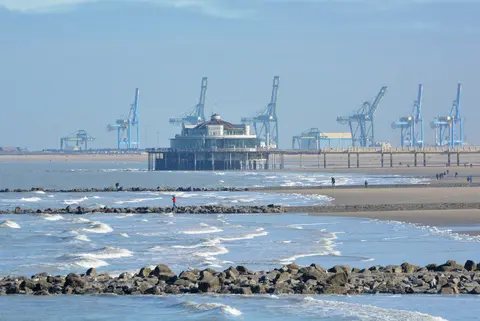
Zeebrugge — Belgium's principal cruise port, whose very name means 'Sea-Bruges' — serves as the maritime portal to one of Europe's most perfectly preserved medieval cities, with the UNESCO-listed canal network of Bruges just fifteen minutes away, its lace shops, chocolate artisans, and moated Beguinage offering an almost impossibly picturesque step back into the Flemish Golden Age. The port itself carries its own dramatic history: the site of the audacious 1918 Zeebrugge Raid, when the Royal Navy launched a daring assault to block the harbor during World War I. Year-round access to Bruges, Ghent, and Brussels — each within easy reach — makes Zeebrugge a supremely versatile port of call.
Day 2
Day 2
Bruges
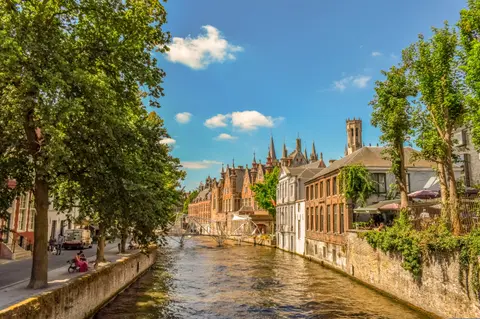
Bruges is Europe's most perfectly preserved medieval city, where thirteenth-century guild houses, Flemish Primitive masterpieces, and world-class chocolate and beer create an unforgettable Flemish experience. Must-do experiences include a canal boat tour, tasting artisan chocolate at The Chocolate Line, and visiting the Groeningemuseum's van Eyck paintings. April through October is ideal, with May and September offering fewer crowds.
Day 4
Day 4
Amsterdam
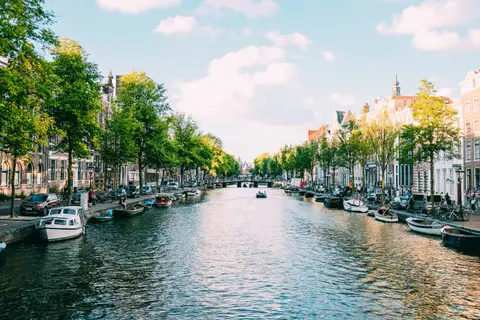
Amsterdam's UNESCO-listed canal ring — a concentric web of seventeenth-century merchant houses and arching stone bridges — remains one of the Western world's most perfectly preserved Golden Age cityscapes, best explored by bicycle or canal boat at a pace that lets the city's genius reveal itself slowly. The Rijksmuseum's collection of Rembrandt and Vermeer masterpieces is essential, while the Anne Frank House offers one of Europe's most profoundly moving historical encounters. Spring brings the iconic tulip season; summer fills the terraces of the Jordaan district. Schiphol Airport makes Amsterdam a seamless gateway to the entire European continent.
Day 5
Day 5
Dordrecht
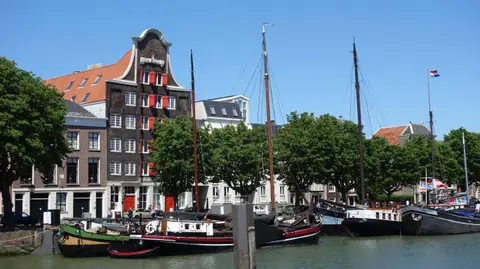
Dordrecht, one of the oldest cities in the Netherlands, is a historic port known for its medieval architecture and vibrant atmosphere. Must-do experiences include exploring its picturesque canals and indulging in local delicacies like herring and stroopwafels. The best time to visit is during the spring and summer months when the city comes alive with festivals and outdoor markets.
Day 6
Day 6
Bruinisse
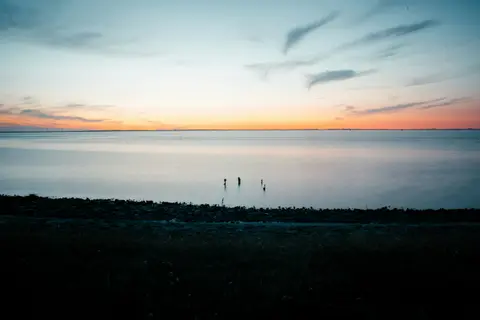
Bruinisse is a centuries-old fishing village on the Grevelingenmeer in Zeeland, the Netherlands, celebrated for its mussel-fishing heritage and proximity to the iconic Delta Works. Visitors should savour freshly steamed Zeeuwse mosselen at the harbourside and explore the nearby porcelain city of Delft or the fairy-tale waterways of Giethoorn. The ideal season to visit is late summer through early autumn, when the mussel harvest is at its peak and the long Zeeland light bathes the harbour in gold.
Day 7
Day 7
Antwerp
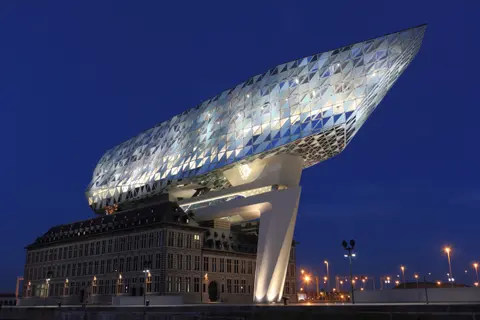
Antwerp has been one of Europe's great mercantile capitals since the fifteenth century, when it commanded the world's first commodity exchange and Peter Paul Rubens made it the artistic capital of the Baroque world — a legacy preserved in the magnificent Rubenshuis studio and the soaring Cathedral of Our Lady, whose nave houses four of the master's greatest altarpieces. Today the city leads global fashion from the acclaimed Antwerp Six design school and remains the diamond capital of the world, with 84% of the world's rough diamonds trading through its storied district. Visit in spring or autumn; Brussels and Bruges are each under an hour away by train.
Day 8
Day 8
Arnhem
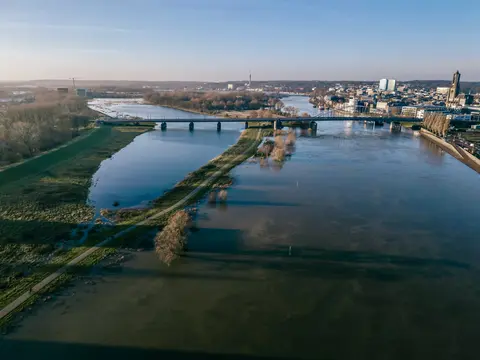
Arnhem, the refined capital of Gelderland province, sits along the Lower Rhine in the eastern Netherlands — a city where wartime history, world-class art at the Kröller-Müller Museum, and the wild beauty of De Hoge Veluwe National Park converge. Visitors should not miss the Van Gogh collection and sculpture gardens, nor the chance to taste *Arnhemse meisjes*, the city's signature nineteenth-century biscuit. Late spring through early autumn offers the finest conditions, when Sonsbeek Park's woodland ravines are lush and the riverside terraces invite long, golden evenings.
Day 9
Day 9
Hoorn
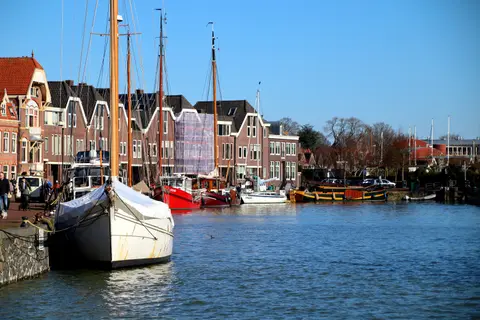
Hoorn is a beautifully preserved Golden Age harbour town on the IJsselmeer in North Holland, once a powerful seat of the Dutch East India Company whose legacy shaped global exploration. Visitors should not miss the Westfries Museum on the Roode Steen square and a harbourside tasting of local kibbeling and aged North Holland cheeses. Spring — particularly late March through May during tulip season — is the finest time to visit, when the surrounding polder landscapes burst into colour and river cruise itineraries from AmaWaterways, Viking, and others are at their most compelling.
Day 10
Day 10
Amsterdam
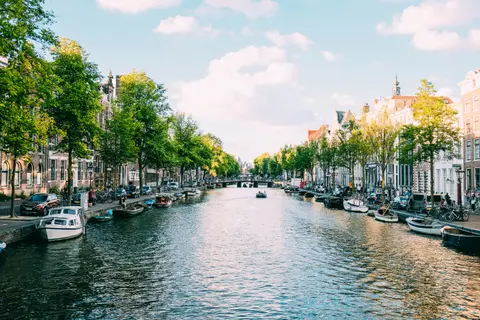
Amsterdam's UNESCO-listed canal ring — a concentric web of seventeenth-century merchant houses and arching stone bridges — remains one of the Western world's most perfectly preserved Golden Age cityscapes, best explored by bicycle or canal boat at a pace that lets the city's genius reveal itself slowly. The Rijksmuseum's collection of Rembrandt and Vermeer masterpieces is essential, while the Anne Frank House offers one of Europe's most profoundly moving historical encounters. Spring brings the iconic tulip season; summer fills the terraces of the Jordaan district. Schiphol Airport makes Amsterdam a seamless gateway to the entire European continent.
Day 1
Zeebrugge
Zeebrugge — Belgium's principal cruise port, whose very name means 'Sea-Bruges' — serves as the maritime portal to one of Europe's most perfectly preserved medieval cities, with the UNESCO-listed canal network of Bruges just fifteen minutes away, its lace shops, chocolate artisans, and moated Beguinage offering an almost impossibly picturesque step back into the Flemish Golden Age. The port itself carries its own dramatic history: the site of the audacious 1918 Zeebrugge Raid, when the Royal Navy launched a daring assault to block the harbor during World War I. Year-round access to Bruges, Ghent, and Brussels — each within easy reach — makes Zeebrugge a supremely versatile port of call.
Day 2
Bruges
Bruges is Europe's most perfectly preserved medieval city, where thirteenth-century guild houses, Flemish Primitive masterpieces, and world-class chocolate and beer create an unforgettable Flemish experience. Must-do experiences include a canal boat tour, tasting artisan chocolate at The Chocolate Line, and visiting the Groeningemuseum's van Eyck paintings. April through October is ideal, with May and September offering fewer crowds.
Day 4
Amsterdam
Amsterdam's UNESCO-listed canal ring — a concentric web of seventeenth-century merchant houses and arching stone bridges — remains one of the Western world's most perfectly preserved Golden Age cityscapes, best explored by bicycle or canal boat at a pace that lets the city's genius reveal itself slowly. The Rijksmuseum's collection of Rembrandt and Vermeer masterpieces is essential, while the Anne Frank House offers one of Europe's most profoundly moving historical encounters. Spring brings the iconic tulip season; summer fills the terraces of the Jordaan district. Schiphol Airport makes Amsterdam a seamless gateway to the entire European continent.
Day 5
Dordrecht
Dordrecht, one of the oldest cities in the Netherlands, is a historic port known for its medieval architecture and vibrant atmosphere. Must-do experiences include exploring its picturesque canals and indulging in local delicacies like herring and stroopwafels. The best time to visit is during the spring and summer months when the city comes alive with festivals and outdoor markets.
Day 6
Bruinisse
Bruinisse is a centuries-old fishing village on the Grevelingenmeer in Zeeland, the Netherlands, celebrated for its mussel-fishing heritage and proximity to the iconic Delta Works. Visitors should savour freshly steamed Zeeuwse mosselen at the harbourside and explore the nearby porcelain city of Delft or the fairy-tale waterways of Giethoorn. The ideal season to visit is late summer through early autumn, when the mussel harvest is at its peak and the long Zeeland light bathes the harbour in gold.
Day 7
Antwerp
Antwerp has been one of Europe's great mercantile capitals since the fifteenth century, when it commanded the world's first commodity exchange and Peter Paul Rubens made it the artistic capital of the Baroque world — a legacy preserved in the magnificent Rubenshuis studio and the soaring Cathedral of Our Lady, whose nave houses four of the master's greatest altarpieces. Today the city leads global fashion from the acclaimed Antwerp Six design school and remains the diamond capital of the world, with 84% of the world's rough diamonds trading through its storied district. Visit in spring or autumn; Brussels and Bruges are each under an hour away by train.
Day 8
Arnhem
Arnhem, the refined capital of Gelderland province, sits along the Lower Rhine in the eastern Netherlands — a city where wartime history, world-class art at the Kröller-Müller Museum, and the wild beauty of De Hoge Veluwe National Park converge. Visitors should not miss the Van Gogh collection and sculpture gardens, nor the chance to taste *Arnhemse meisjes*, the city's signature nineteenth-century biscuit. Late spring through early autumn offers the finest conditions, when Sonsbeek Park's woodland ravines are lush and the riverside terraces invite long, golden evenings.
Day 9
Hoorn
Hoorn is a beautifully preserved Golden Age harbour town on the IJsselmeer in North Holland, once a powerful seat of the Dutch East India Company whose legacy shaped global exploration. Visitors should not miss the Westfries Museum on the Roode Steen square and a harbourside tasting of local kibbeling and aged North Holland cheeses. Spring — particularly late March through May during tulip season — is the finest time to visit, when the surrounding polder landscapes burst into colour and river cruise itineraries from AmaWaterways, Viking, and others are at their most compelling.
Day 10
Amsterdam
Amsterdam's UNESCO-listed canal ring — a concentric web of seventeenth-century merchant houses and arching stone bridges — remains one of the Western world's most perfectly preserved Golden Age cityscapes, best explored by bicycle or canal boat at a pace that lets the city's genius reveal itself slowly. The Rijksmuseum's collection of Rembrandt and Vermeer masterpieces is essential, while the Anne Frank House offers one of Europe's most profoundly moving historical encounters. Spring brings the iconic tulip season; summer fills the terraces of the Jordaan district. Schiphol Airport makes Amsterdam a seamless gateway to the entire European continent.
Cabin Categories
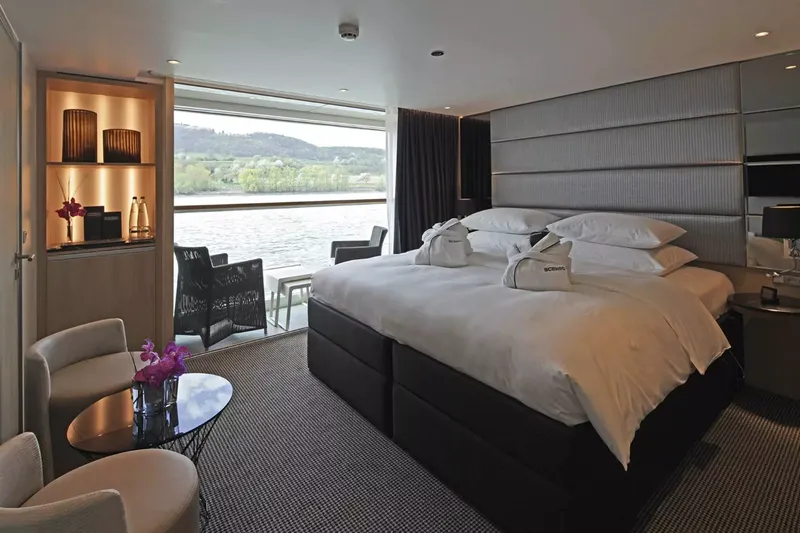
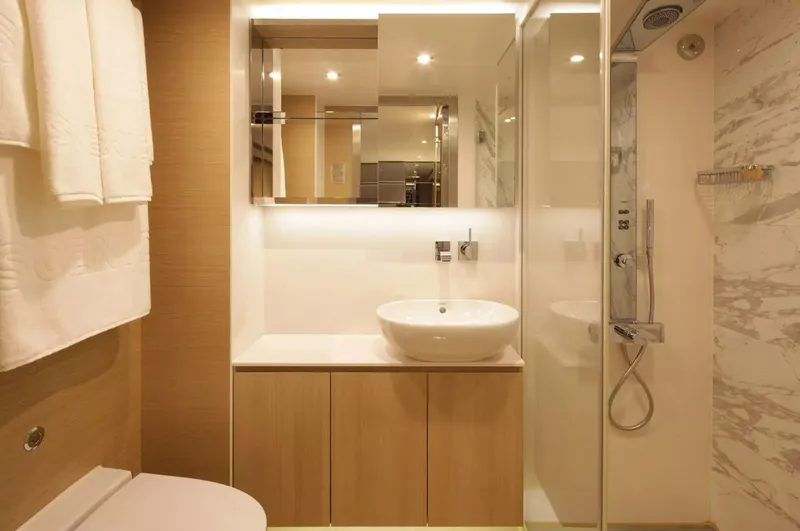
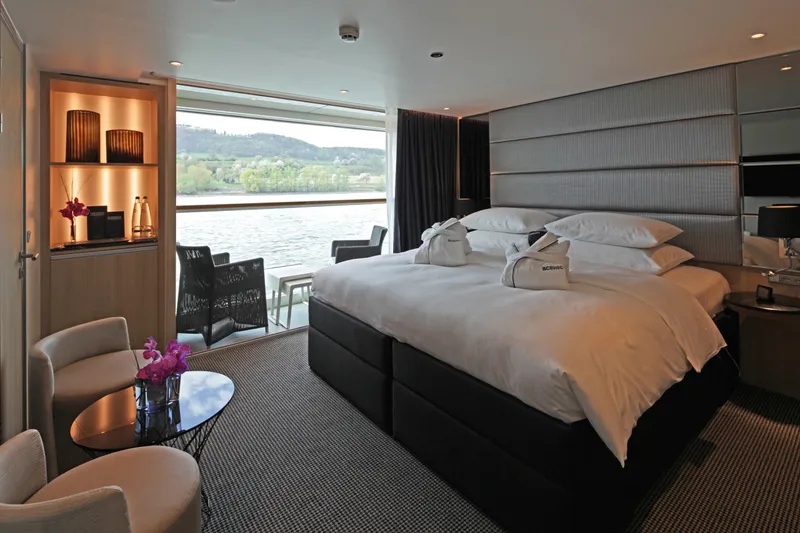
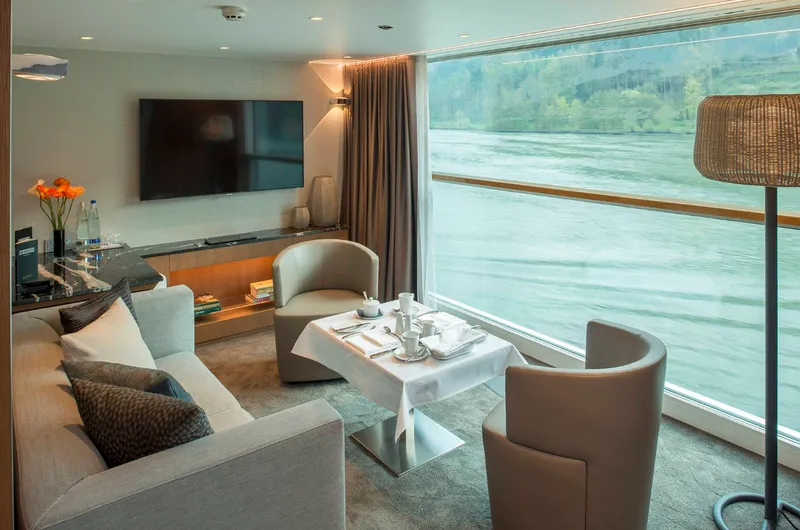
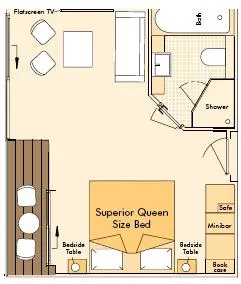
Junior Balcony Suite
Suite
250 m²Max 2
BJRJ
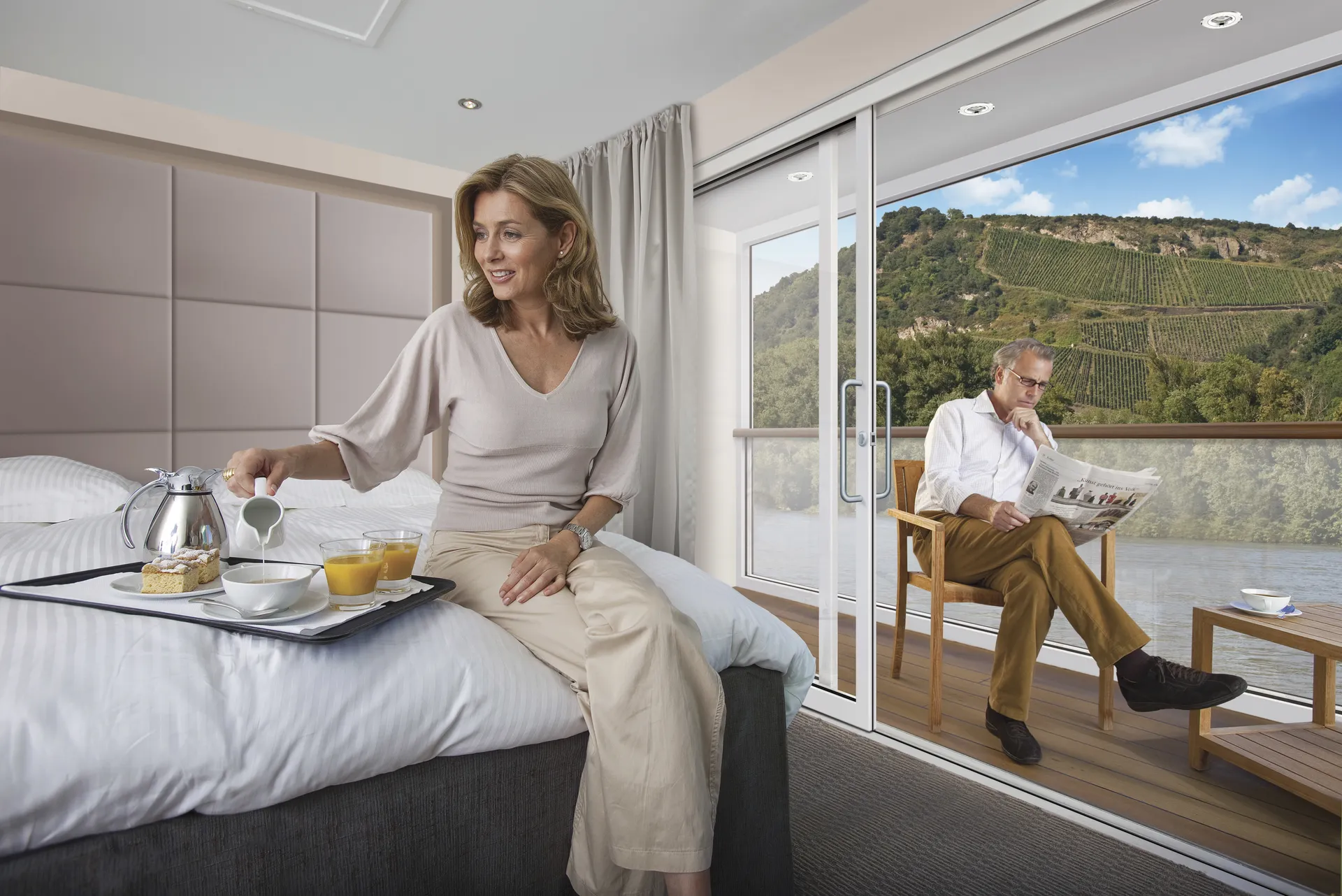
These spacious Suites (250ft²), located on the Sapphire and Diamond Decks, have a private full-length balcony and elegant en-suite bathrooms featuring a large vanity basin, bathtub with shower above.
Queen or Twin ConfigurationShowerToiletries ProvidedRoom Service AvailableTVFree Wi-Fi+3
View Details
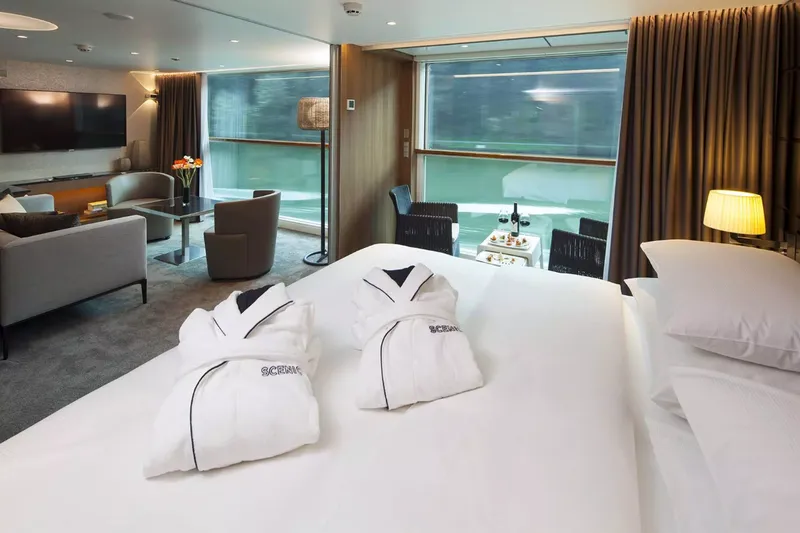
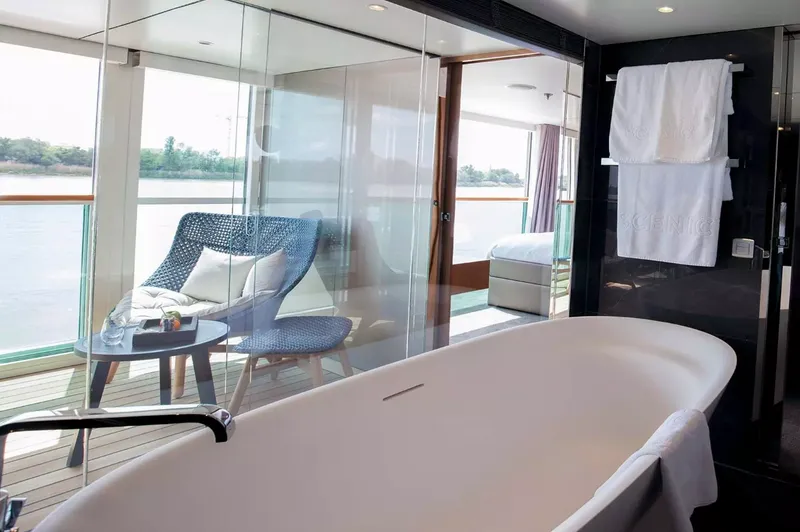
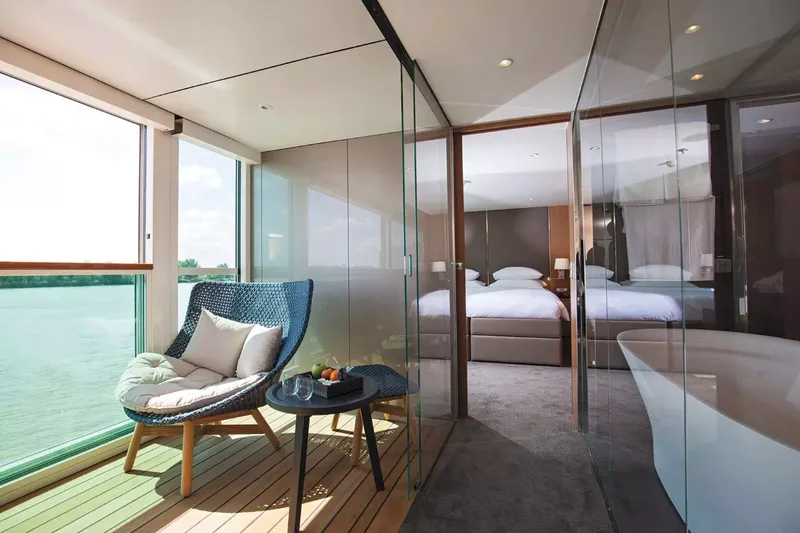
Royal Balcony Suite
Suite
315 m²Max 2
RRA
These suites on the Diamond Deck are the ultimate in luxury with more space, impeccable service, thoughtful touches, an outdoor balcony, lounge area and an oversized bathroom.
Queen or Twin ConfigurationLounge AreaShowerBathToiletries ProvidedRoom Service Available+5
View Details
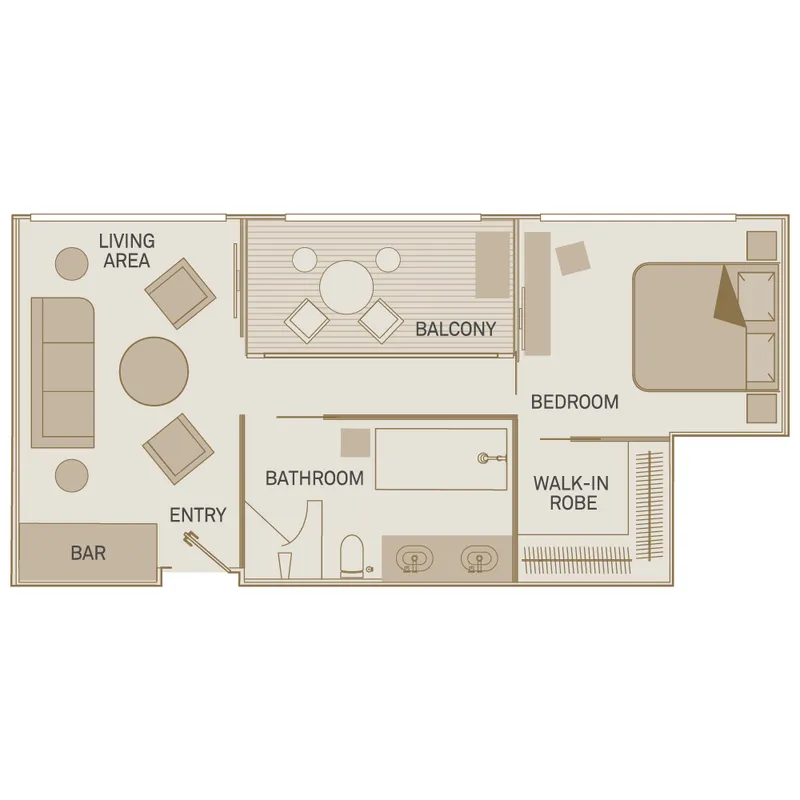
Royal Owner's Suite
Suite
315 m²Max 2
RO
These Suites on the Diamond Deck are the ultimate in luxury with more space (315ft²), impeccable service, thoughtful touches, an outdoor balcony, lounge area and an oversized bathroom.
Queen or Twin ConfigurationLounge AreaShowerBathToiletries ProvidedRoom Service Available+6
View Details
Royal Panorama Suite
Suite
325 m²Max 2
RS
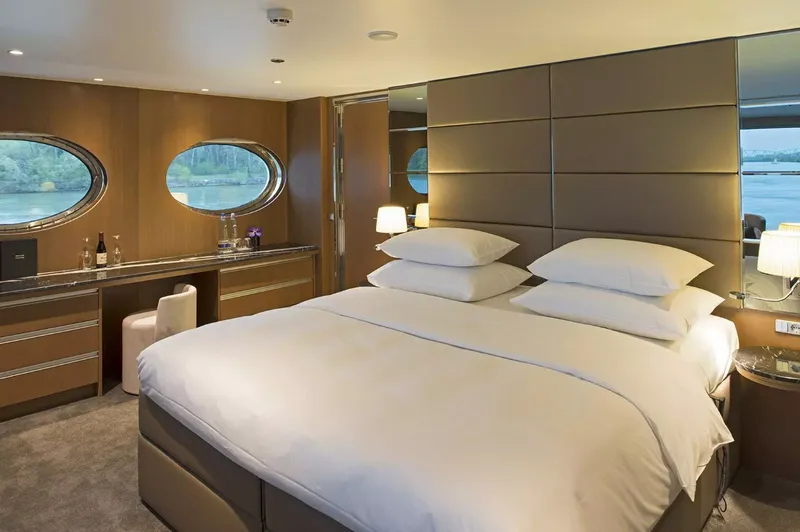
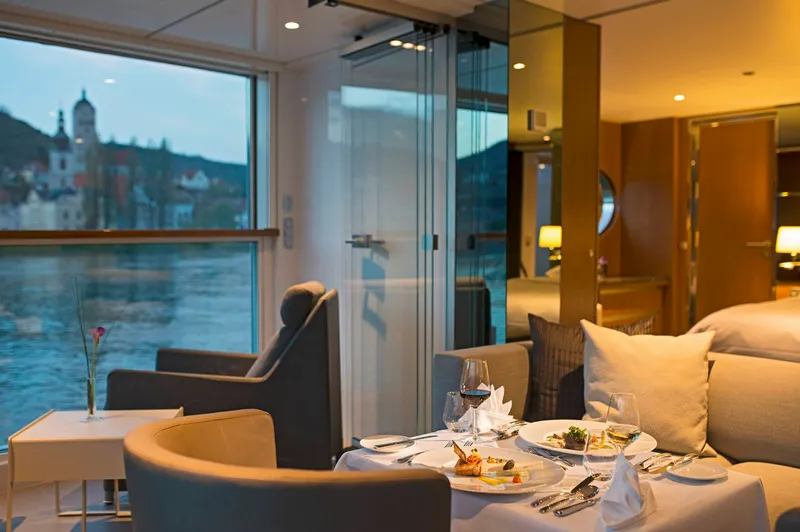
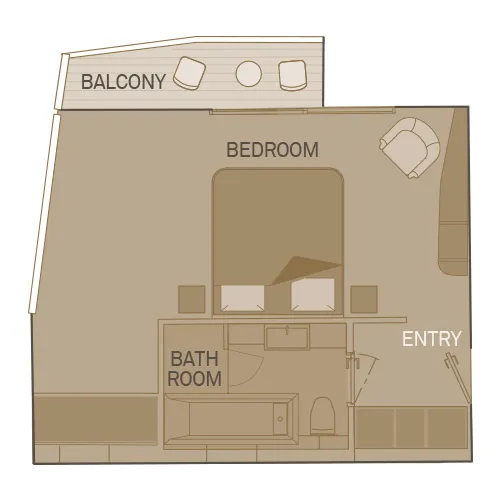
At 325ft², this suite is the largest on the ship. At the rear of the Diamond Deck, enjoy panoramic views of the breathtaking passing scenery through floor to ceiling windows across two walls of the cabin.
Queen or Twin ConfigurationLounge AreaShowerToiletries ProvidedRoom Service AvailableSuite Benefits+4
View Details
Balcony Suite
Suite
205 m²Max 2
ABCP
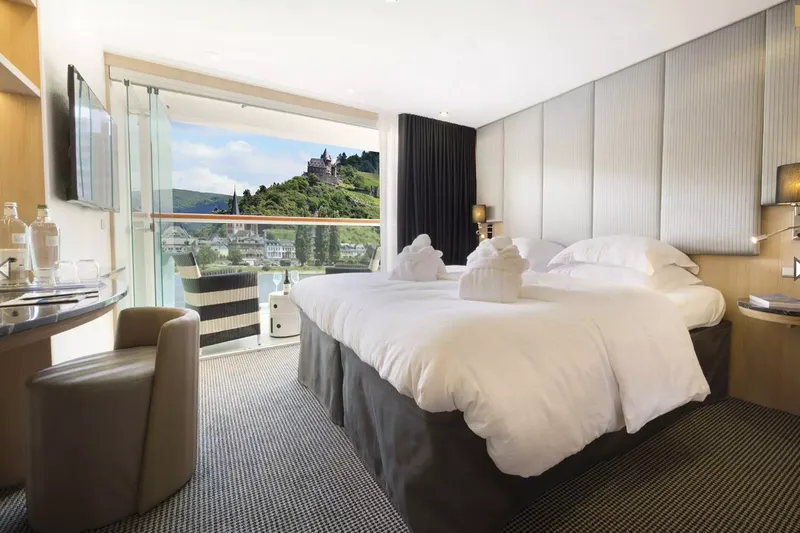
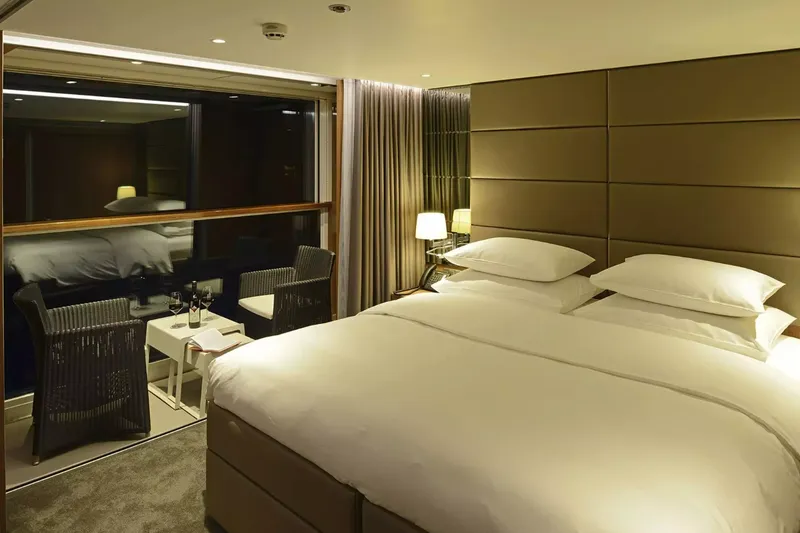
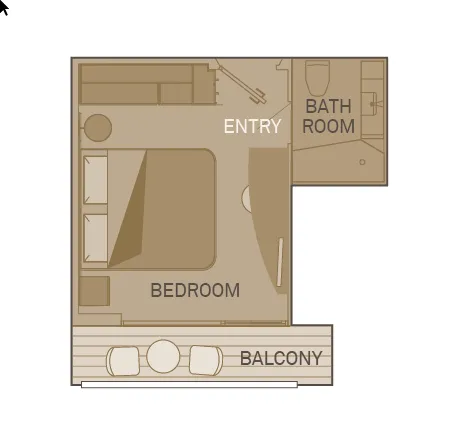
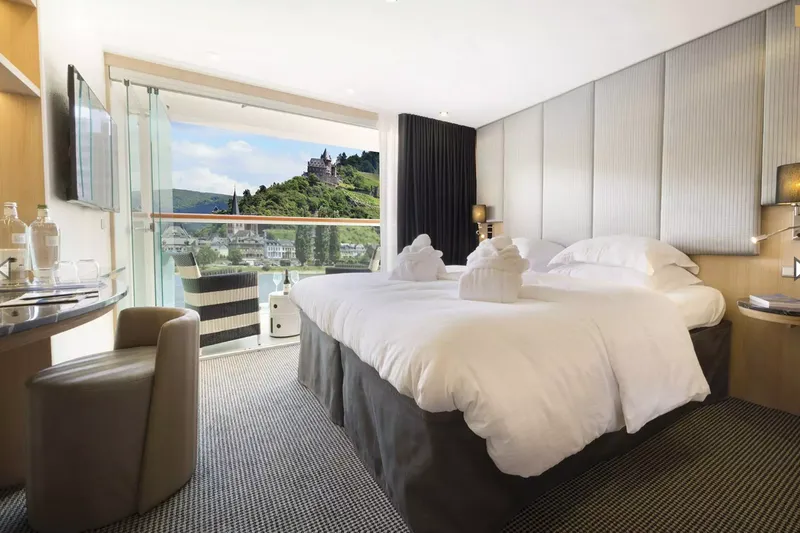
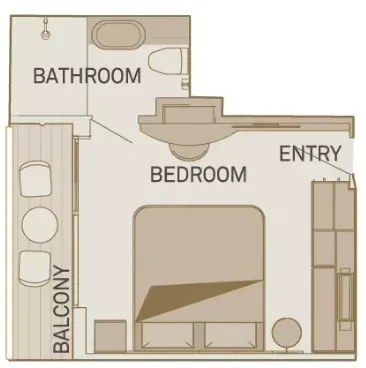
Located on the Sapphire and Diamond Decks they feature a full-length outdoor balcony with the exclusive Sun Lounge system and are larger than the standard river cruise cabins on Europe’s rivers.
Queen or Twin ConfigurationShowerToiletries ProvidedRoom Service AvailableTVFree Wi-Fi+3
US$13,440 /person+ US$0 taxes & fees
Single Balcony Suite
Suite
160 m²Max 2
BS
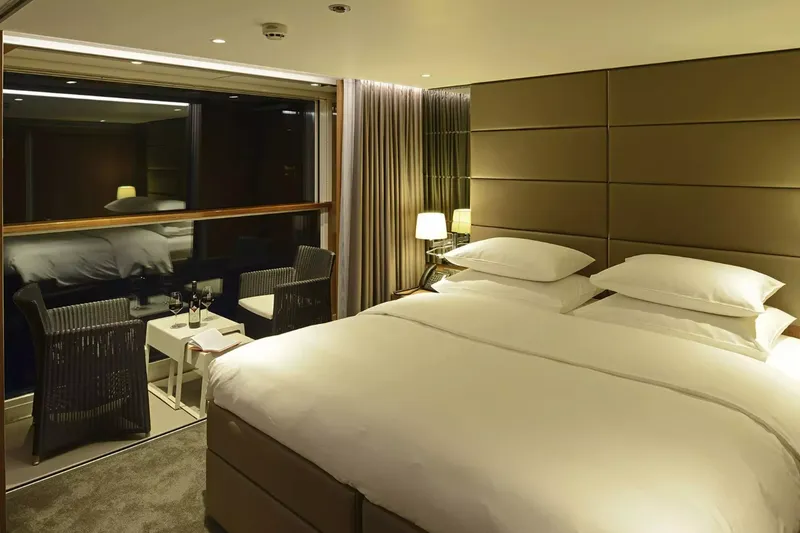
Single Balcony Suite
Queen or Twin ConfigurationShowerRoom Service AvailableTVSafeHair Dryer+2
View Details
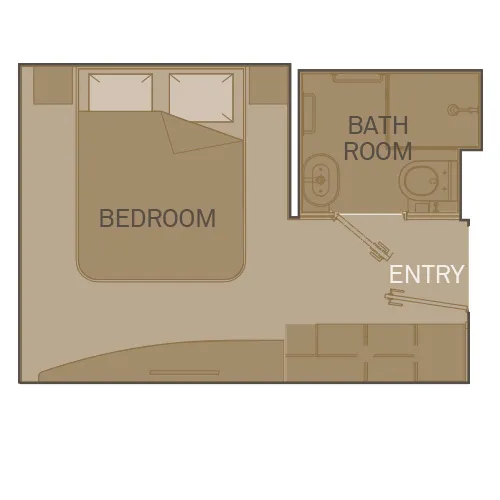
Standard Stateroom
Suite
160 m²Max 2
E
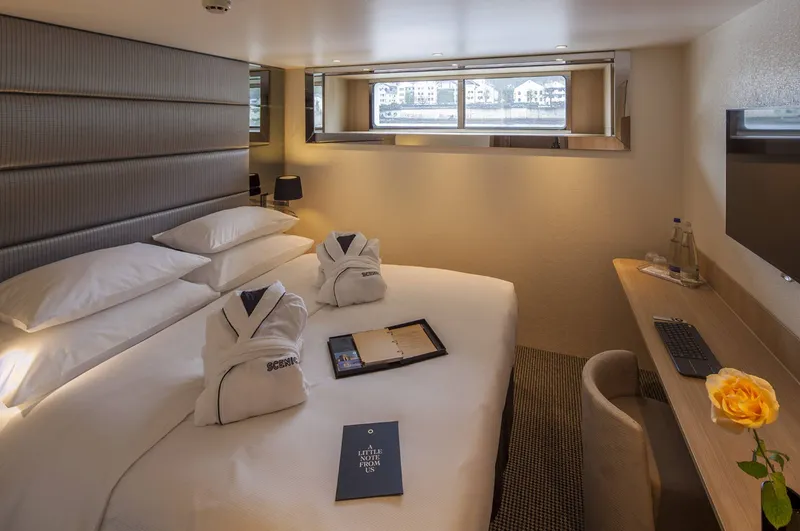
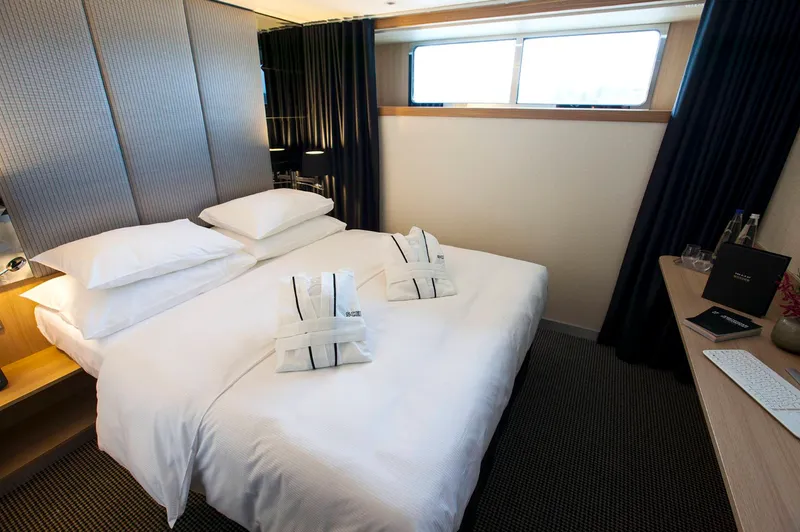
Standard Suites are located on the Jewel Deck with large picture windows to ensure a great view. They have a spacious design and clever layout alongside all the usual luxurious amenities and furnishings.
Queen or Twin ConfigurationToiletries ProvidedRoom Service AvailableTVFree Wi-FiSafe+2
View Details
Interested in This Voyage?
Our cruise specialists can help you find the perfect cabin and the best available pricing.
(+886) 02-2721-7300Contact Advisor