Scenic River CruisesGSMB010726.1
Charming Castles & Vineyards from Frankfurt
Date
2026-07-01
Duration
7 nights
Departure Port
Frankfurt
Germany
Arrival Port
Basel
Switzerland
Rating
Luxury
Theme
—
Scenic River Cruises
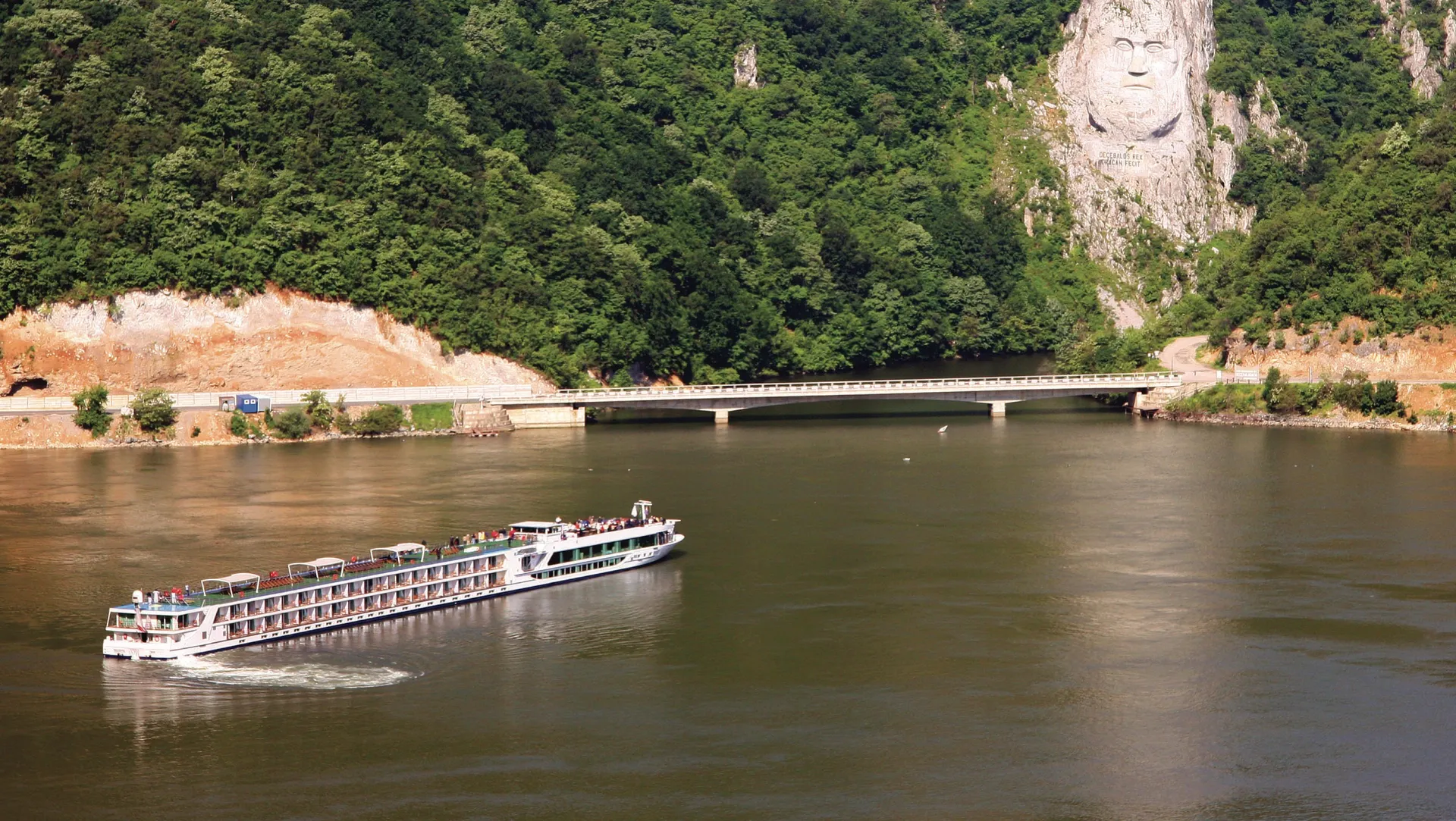
Scenic Ruby
Space-Ship
Launched
2008
Refitted
2013
Tonnage
2,721 GT
Passengers
167
Cabins
—
Crew
53
Length
—
Width
—
Speed
—
Adults Only
No
Itinerary
Day 1
Day 1
Frankfurt
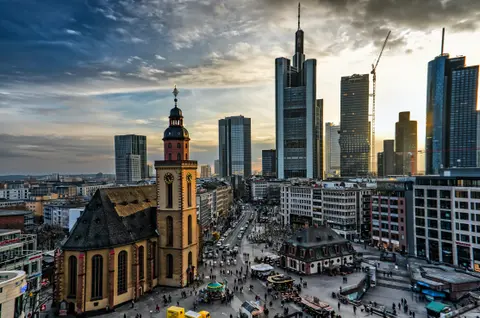
Frankfurt’s port is a dynamic entry point to the heart of Germany, blending modern finance with rich history. Must-do experiences include savoring traditional dishes like Frankfurter Rippchen and exploring the bustling Kleinmarkthalle. The best season to visit is during the spring, when the city comes alive with festivals and outdoor markets.
Day 1
Day 1
Mainz
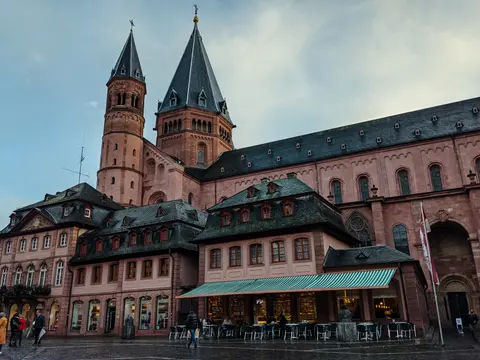
Mainz is where the modern world was printed into existence: Johannes Gutenberg's invention of movable-type printing around 1440 transformed this ancient Rhine city into the birthplace of the information age, a legacy honoured at the extraordinary Gutenberg Museum, home to one of the surviving original Bibles. The Romanesque cathedral of St. Martin, built over a millennium from the year 975, anchors a charming old town of wine taverns and market squares where Rhenish Rieslings flow freely. Visit between spring and autumn for the famous Mainz Wine Market held beside the Rhine. A day-cruise port with surprising cultural depth.
Day 2
Day 2
Koblenz
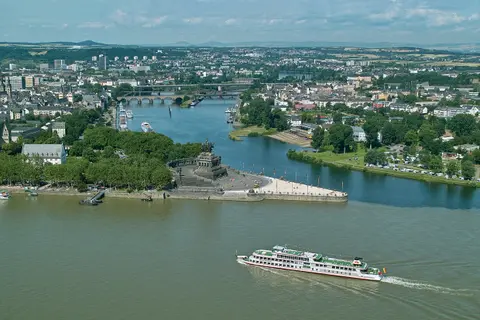
Koblenz stands at the Deutsches Eck — the German Corner — where the Moselle river pours into the Rhine in a confluence so geographically commanding that the Romans built a fortress here in 9 BC. The result is a city of exceptional Rhine Gorge scenery, with the formidable Ehrenbreitstein Fortress, one of Europe's largest, crowning the opposite bank and reachable by gondola for panoramas that stretch across three river valleys. A Rhine wine tasting at one of the city's historic Weinstuben, followed by a stroll through the Altstadt's baroque squares, is the definitive Koblenz afternoon. The finest weather arrives April through October, with the Rhine in Flames fireworks festival in August being particularly spectacular.
Day 3
Day 3
Bernkastel
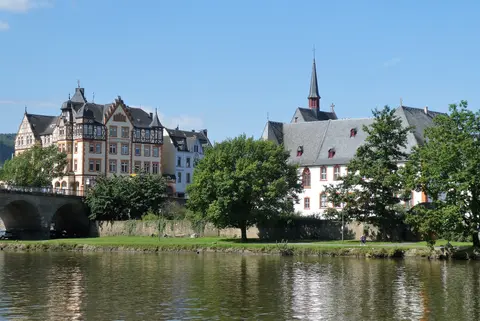
Bernkastel-Kues, the twin town straddling the Moselle, has been synonymous with Riesling for six centuries — home to the legendary Bernkasteler Doctor vineyard, whose precipitous south-facing slope has produced wines of such renown that a single hectare once sold for a record price. The Marktplatz, virtually unchanged since the seventeenth century, is Germany's most photogenic half-timbered market square: a stage-set of crooked facades and flower-hung balconies best appreciated over a glass of Spätlese in the late afternoon light. September brings the annual Moselle Wine Festival to the riverbanks. Trier, Germany's oldest city with its spectacular Roman amphitheatre, lies forty minutes upstream.
Day 4
Day 4
Cochem
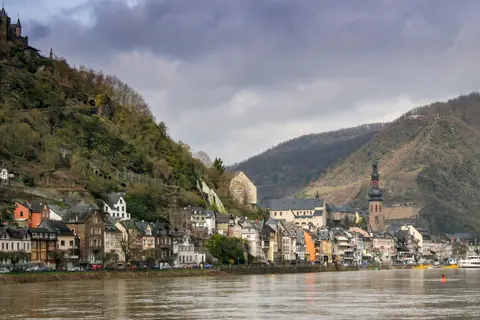
The Reichsburg Cochem — a turreted fairy-tale castle presiding over a loop of the Moselle River — is among Germany's most photogenic medieval fortresses, its silhouette rising above terraced vineyards of ancient Riesling vines. The town below offers a charming ensemble of half-timbered houses, wine-cellar tastings, and cycle paths threading through valley landscapes that have barely changed in centuries. Arrive in September for the harvest festival, when the whole town smells of fermenting Riesling, or choose May for blossom-framed panoramas and long golden evenings on the riverside terraces.
Day 5
Day 5
Rudesheim
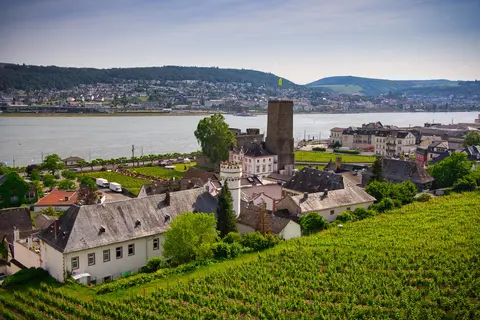
Rüdesheim am Rhein, a jewel of the UNESCO-listed Upper Middle Rhine Valley, is where Germany's most storied wine river cuts through vine-terraced slopes and medieval castle ruins. The pedestrianised Drosselgasse laneway — beloved since the Romantic era — hums with wine taverns pouring the region's celebrated Rieslings, crisp and mineral from the slate soils. The Niederwald Monument surveys the river from the heights, reached by cable car above the vineyards. Day trips by boat unlock Bacharach, Boppard, and the legendary Lorelei rock. September's harvest festivals transform the entire valley into a convivial celebration of the vintage.
Day 6
Day 6
Rastatt
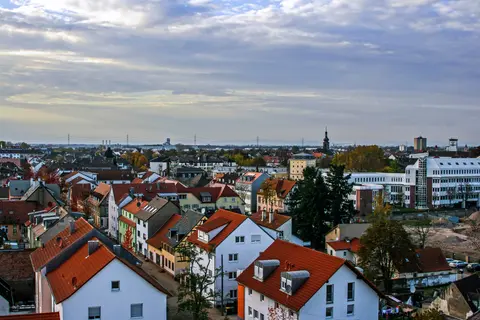
Rastatt, a historical gem in Baden-Württemberg, Germany, is renowned for its stunning baroque architecture and vibrant market scene. Must-do experiences include savoring local delicacies like Maultaschen and visiting the opulent Rastatt Palace. The best time to visit is during the warmer months when the town's charm and surrounding attractions come alive.
Day 7
Day 7
Breisach
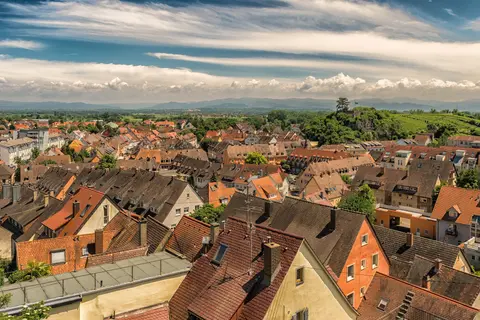
Breisach am Rhein clings to a volcanic hilltop at the French-German border, commanding the Upper Rhine crossing that made it one of the most fought-over towns in European history — a past the Romanesque-Gothic Münster St. Stephan surveys serenely from its commanding heights. Today peace reigns, and Breisach's true gift is its position as a gateway to three celebrated wine regions: the German Kaiserstuhl, producing some of Germany's finest Spätburgunder; the French Alsace, just across the Rhine; and the rolling hills of the Baden wine country to the east. Visit in autumn for harvest season across all three regions simultaneously. Freiburg im Breisgau, the Black Forest's graceful capital, lies twenty minutes east.
Day 8
Day 8
Basel
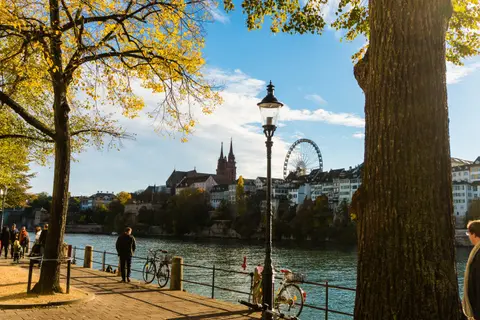
Basel, where Switzerland, France, and Germany converge at the Rhine's northward bend, hosts a concentration of world-class art institutions that rivals any city its size on earth — the Kunstmuseum alone, the world's oldest public art collection, could occupy days, and Art Basel each June draws every name that matters in the contemporary art world to this compact, elegant city. The Rhine itself is the city's great social artery: in summer, locals jump in with waterproof bags and float downstream, a tradition as charming as any museum. Spring through autumn is ideal for outdoor exploration; Paris is just three hours by TGV and Strasbourg a mere twenty minutes by train.
Day 1
Frankfurt
Frankfurt’s port is a dynamic entry point to the heart of Germany, blending modern finance with rich history. Must-do experiences include savoring traditional dishes like Frankfurter Rippchen and exploring the bustling Kleinmarkthalle. The best season to visit is during the spring, when the city comes alive with festivals and outdoor markets.
Mainz
Mainz is where the modern world was printed into existence: Johannes Gutenberg's invention of movable-type printing around 1440 transformed this ancient Rhine city into the birthplace of the information age, a legacy honoured at the extraordinary Gutenberg Museum, home to one of the surviving original Bibles. The Romanesque cathedral of St. Martin, built over a millennium from the year 975, anchors a charming old town of wine taverns and market squares where Rhenish Rieslings flow freely. Visit between spring and autumn for the famous Mainz Wine Market held beside the Rhine. A day-cruise port with surprising cultural depth.
Day 2
Koblenz
Koblenz stands at the Deutsches Eck — the German Corner — where the Moselle river pours into the Rhine in a confluence so geographically commanding that the Romans built a fortress here in 9 BC. The result is a city of exceptional Rhine Gorge scenery, with the formidable Ehrenbreitstein Fortress, one of Europe's largest, crowning the opposite bank and reachable by gondola for panoramas that stretch across three river valleys. A Rhine wine tasting at one of the city's historic Weinstuben, followed by a stroll through the Altstadt's baroque squares, is the definitive Koblenz afternoon. The finest weather arrives April through October, with the Rhine in Flames fireworks festival in August being particularly spectacular.
Day 3
Bernkastel
Bernkastel-Kues, the twin town straddling the Moselle, has been synonymous with Riesling for six centuries — home to the legendary Bernkasteler Doctor vineyard, whose precipitous south-facing slope has produced wines of such renown that a single hectare once sold for a record price. The Marktplatz, virtually unchanged since the seventeenth century, is Germany's most photogenic half-timbered market square: a stage-set of crooked facades and flower-hung balconies best appreciated over a glass of Spätlese in the late afternoon light. September brings the annual Moselle Wine Festival to the riverbanks. Trier, Germany's oldest city with its spectacular Roman amphitheatre, lies forty minutes upstream.
Day 4
Cochem
The Reichsburg Cochem — a turreted fairy-tale castle presiding over a loop of the Moselle River — is among Germany's most photogenic medieval fortresses, its silhouette rising above terraced vineyards of ancient Riesling vines. The town below offers a charming ensemble of half-timbered houses, wine-cellar tastings, and cycle paths threading through valley landscapes that have barely changed in centuries. Arrive in September for the harvest festival, when the whole town smells of fermenting Riesling, or choose May for blossom-framed panoramas and long golden evenings on the riverside terraces.
Day 5
Rudesheim
Rüdesheim am Rhein, a jewel of the UNESCO-listed Upper Middle Rhine Valley, is where Germany's most storied wine river cuts through vine-terraced slopes and medieval castle ruins. The pedestrianised Drosselgasse laneway — beloved since the Romantic era — hums with wine taverns pouring the region's celebrated Rieslings, crisp and mineral from the slate soils. The Niederwald Monument surveys the river from the heights, reached by cable car above the vineyards. Day trips by boat unlock Bacharach, Boppard, and the legendary Lorelei rock. September's harvest festivals transform the entire valley into a convivial celebration of the vintage.
Day 6
Rastatt
Rastatt, a historical gem in Baden-Württemberg, Germany, is renowned for its stunning baroque architecture and vibrant market scene. Must-do experiences include savoring local delicacies like Maultaschen and visiting the opulent Rastatt Palace. The best time to visit is during the warmer months when the town's charm and surrounding attractions come alive.
Day 7
Breisach
Breisach am Rhein clings to a volcanic hilltop at the French-German border, commanding the Upper Rhine crossing that made it one of the most fought-over towns in European history — a past the Romanesque-Gothic Münster St. Stephan surveys serenely from its commanding heights. Today peace reigns, and Breisach's true gift is its position as a gateway to three celebrated wine regions: the German Kaiserstuhl, producing some of Germany's finest Spätburgunder; the French Alsace, just across the Rhine; and the rolling hills of the Baden wine country to the east. Visit in autumn for harvest season across all three regions simultaneously. Freiburg im Breisgau, the Black Forest's graceful capital, lies twenty minutes east.
Day 8
Basel
Basel, where Switzerland, France, and Germany converge at the Rhine's northward bend, hosts a concentration of world-class art institutions that rivals any city its size on earth — the Kunstmuseum alone, the world's oldest public art collection, could occupy days, and Art Basel each June draws every name that matters in the contemporary art world to this compact, elegant city. The Rhine itself is the city's great social artery: in summer, locals jump in with waterproof bags and float downstream, a tradition as charming as any museum. Spring through autumn is ideal for outdoor exploration; Paris is just three hours by TGV and Strasbourg a mere twenty minutes by train.
Cabin Categories
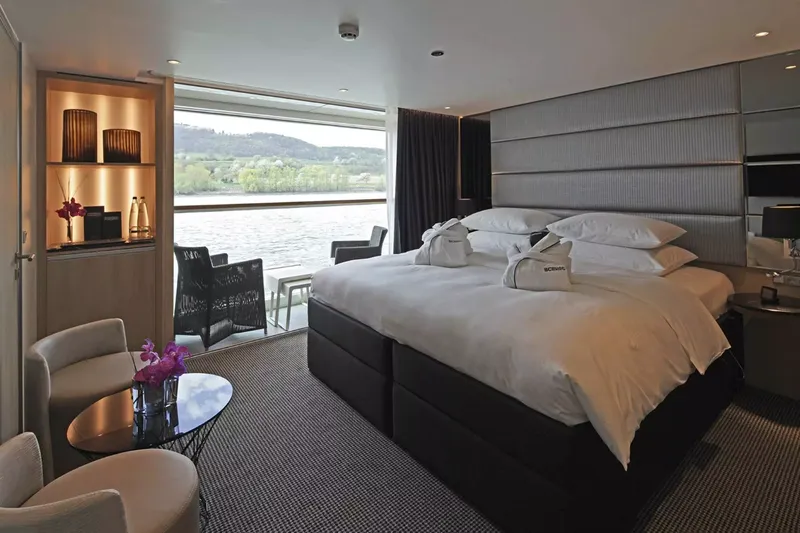
Junior Balcony Suite
Suite
250 m²Max 2
BJRJ
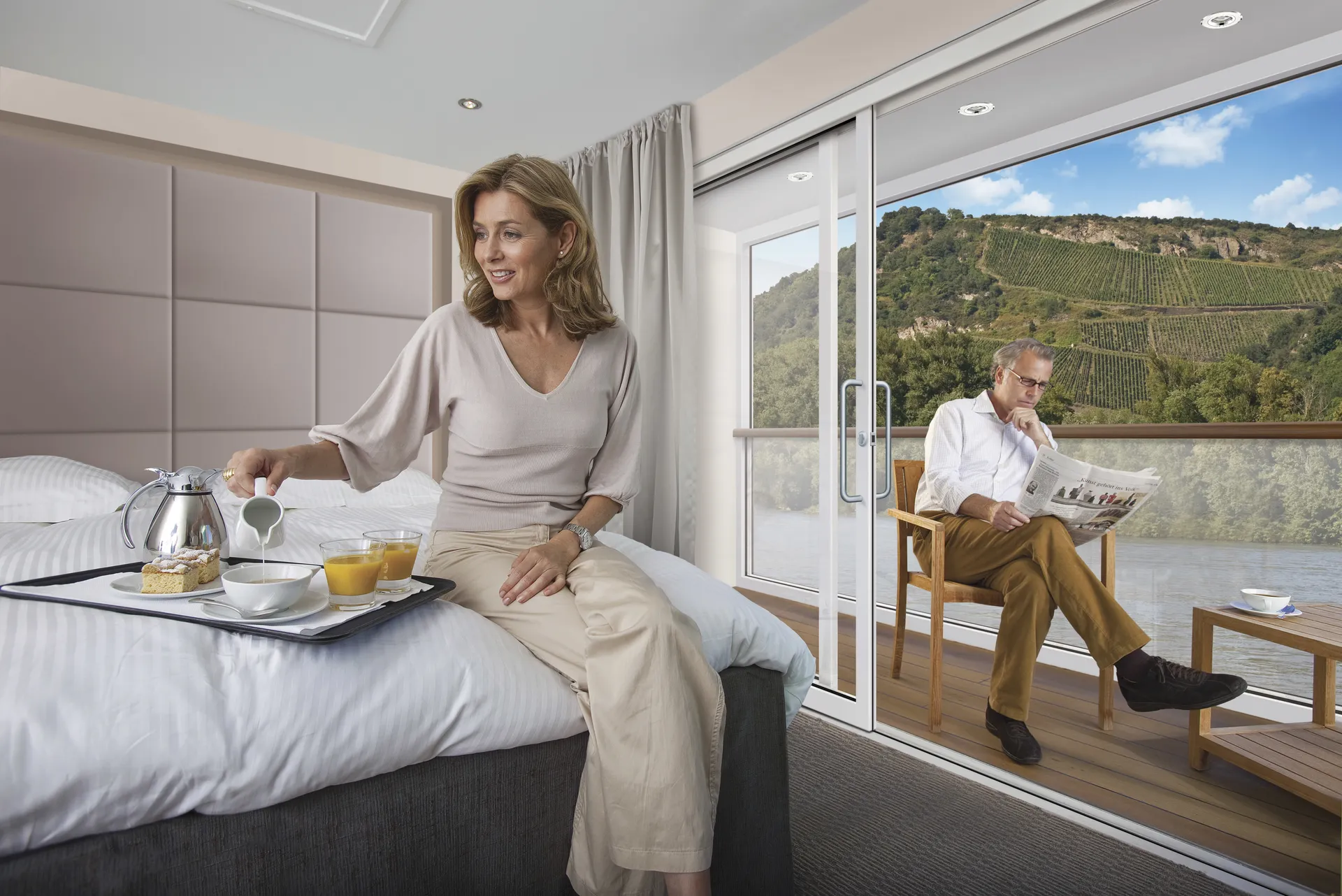
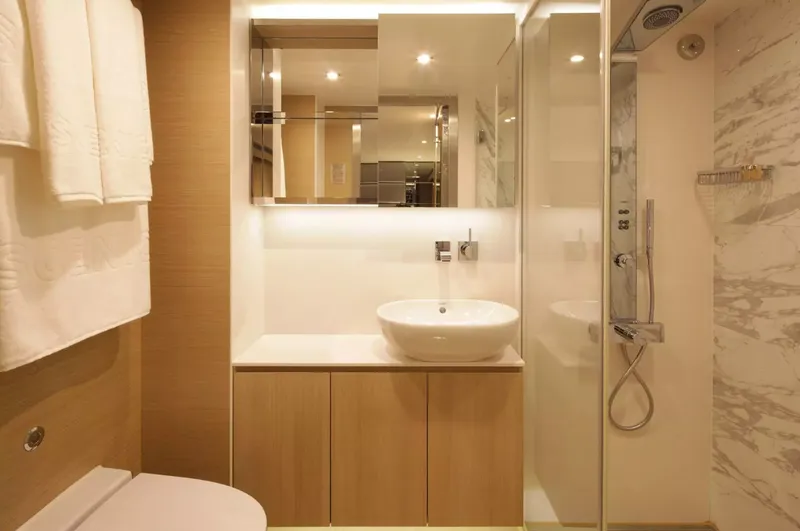
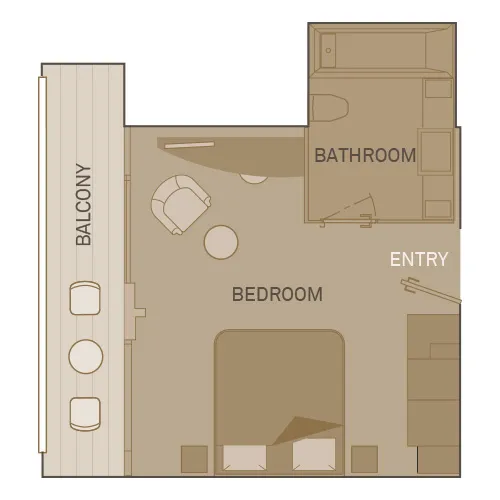
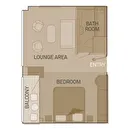
These spacious Suites (250ft²), located on the Sapphire and Diamond Decks, have a private full-length balcony and elegant en-suite bathrooms featuring a large vanity basin, bathtub with shower above.
Queen or Twin ConfigurationShowerToiletries ProvidedRoom Service AvailableTVFree Wi-Fi+3
View Details
Royal Balcony Suite
Suite
360 m²Max 2
RRA
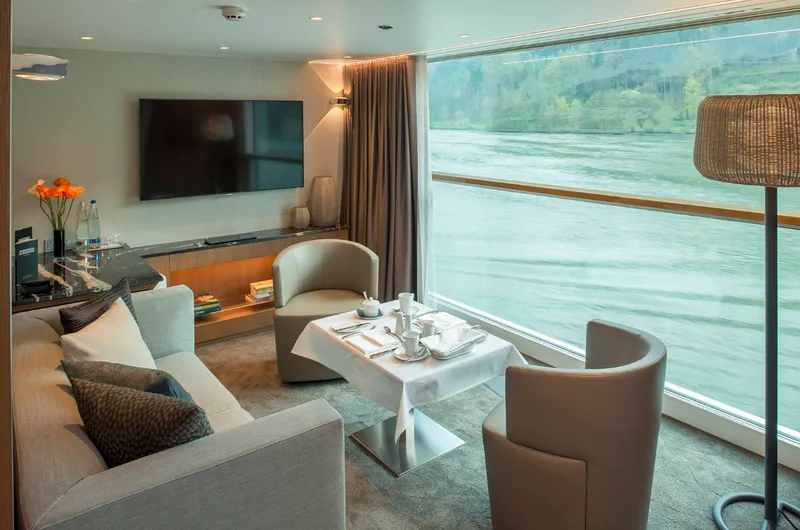
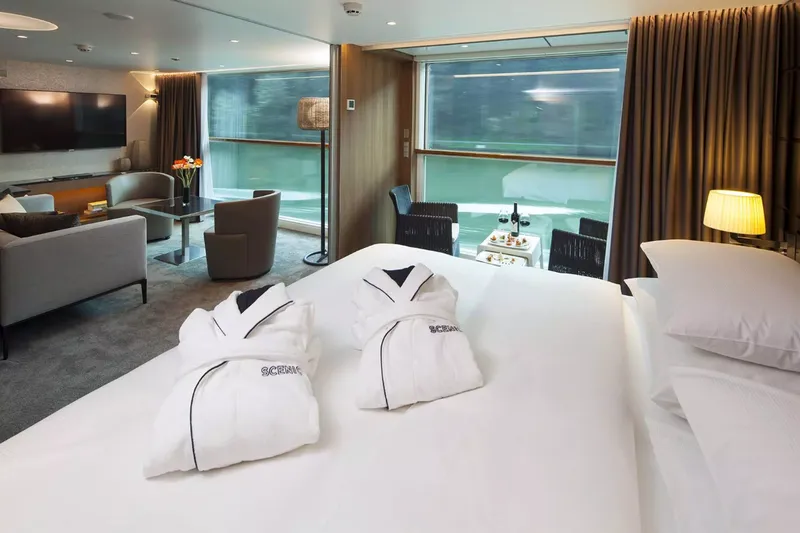
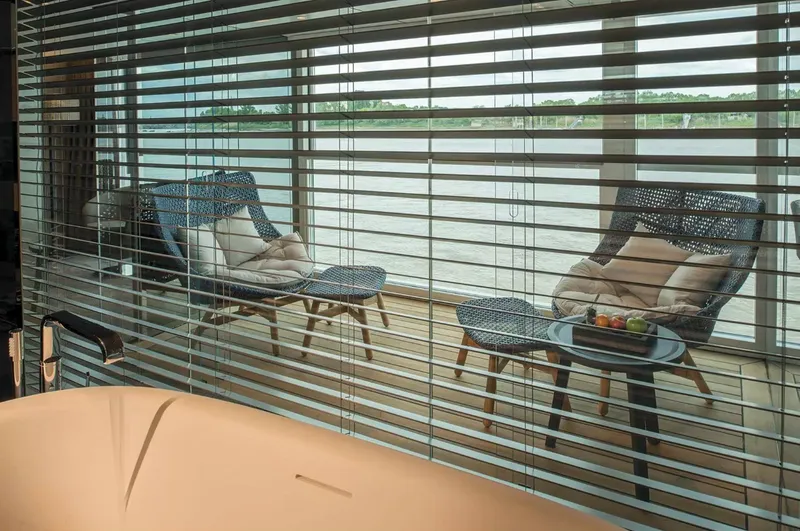
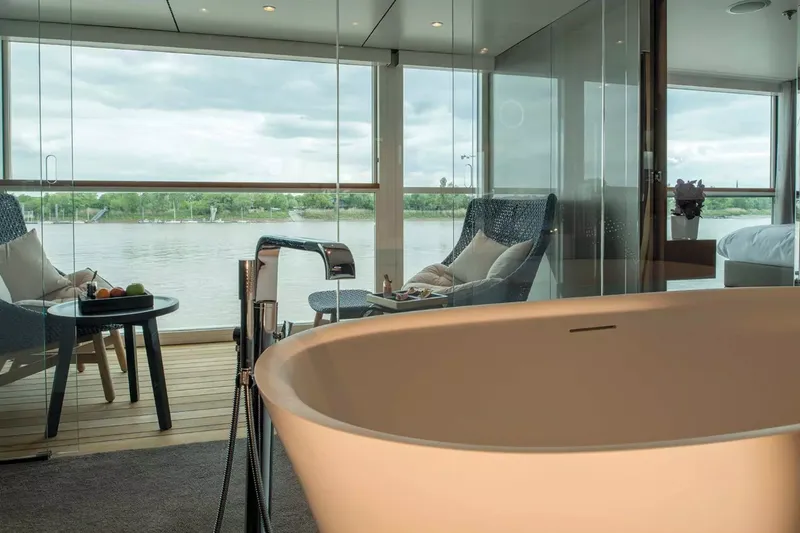
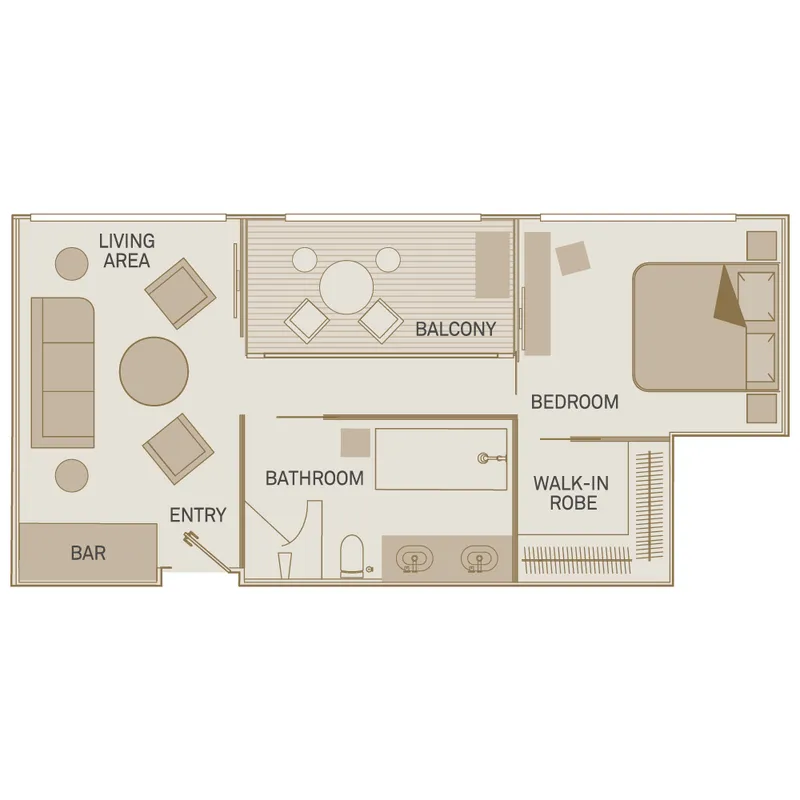
These suites on the Diamond Deck are the ultimate in luxury with more space, impeccable service, thoughtful touches, an outdoor balcony, lounge area and an oversized bathroom.
Queen or Twin ConfigurationShowerBathToiletries ProvidedRoom Service AvailableSuite Benefits+5
View Details
Royal Owner's Suite
Suite
315 m²Max 2
RO
These Suites on the Diamond Deck are the ultimate in luxury with more space (315ft²), impeccable service, thoughtful touches, an outdoor balcony, lounge area and an oversized bathroom.
Queen or Twin ConfigurationLounge AreaShowerBathToiletries ProvidedRoom Service Available+5
View Details
Royal Panorama Suite
Suite
475 m²Max 2
RS
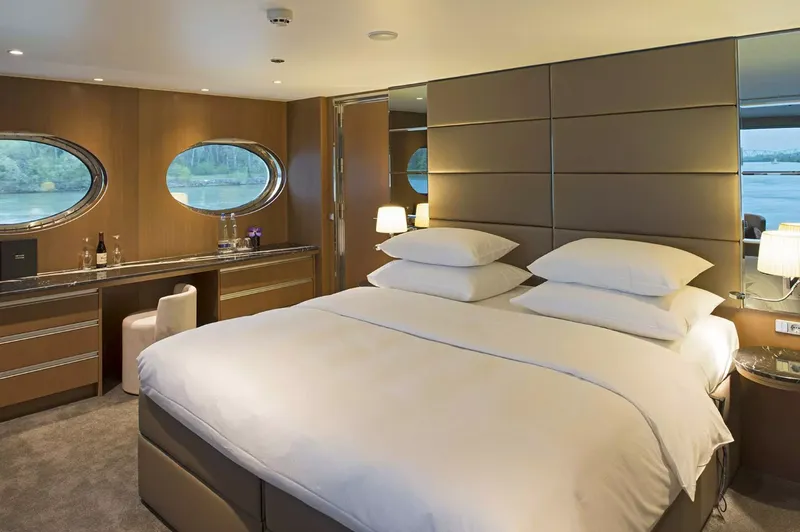
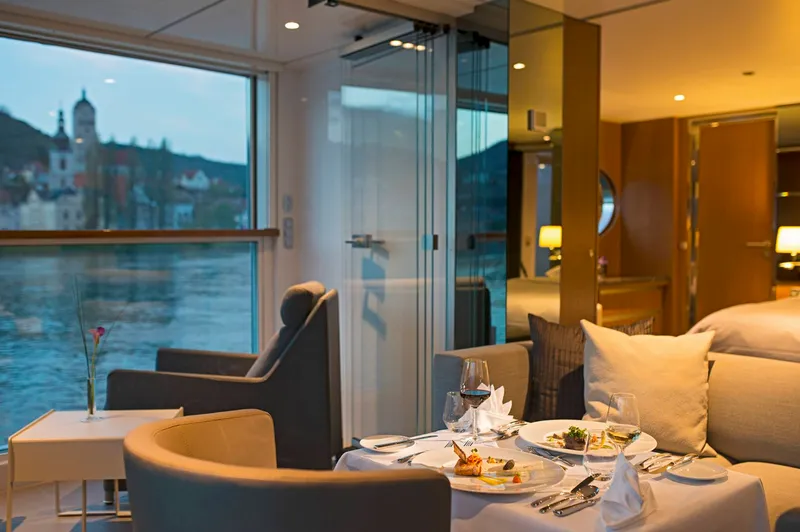
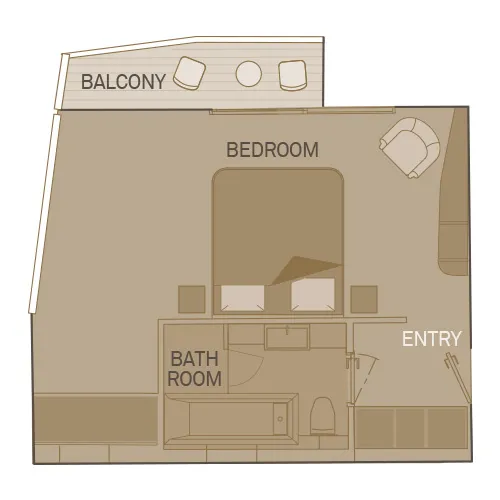
At 325ft², this suite is the largest on the ship. At the rear of the Diamond Deck, enjoy panoramic views of the breathtaking passing scenery through floor to ceiling windows across two walls of the cabin.
Queen or Twin ConfigurationShowerBathToiletries ProvidedRoom Service AvailableTV+4
View Details
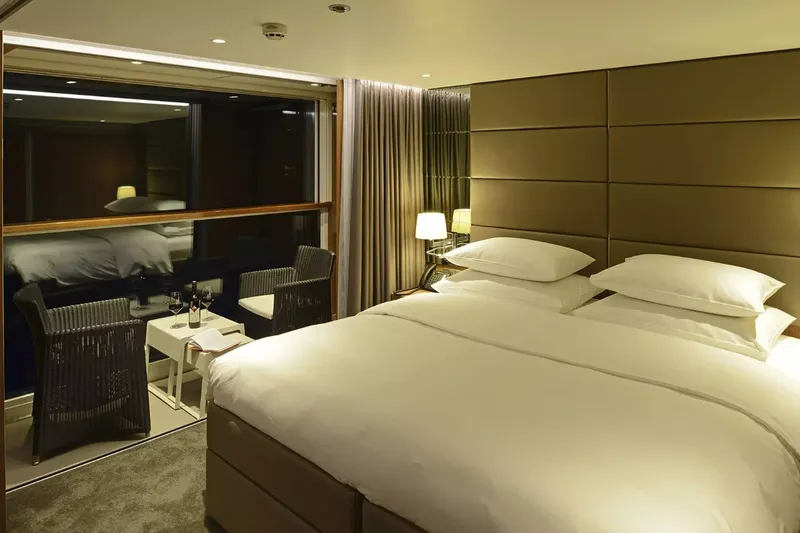
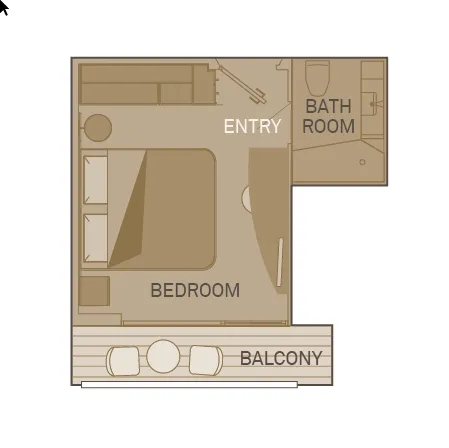
Balcony Suite
Suite
205 m²Max 2
ABCP
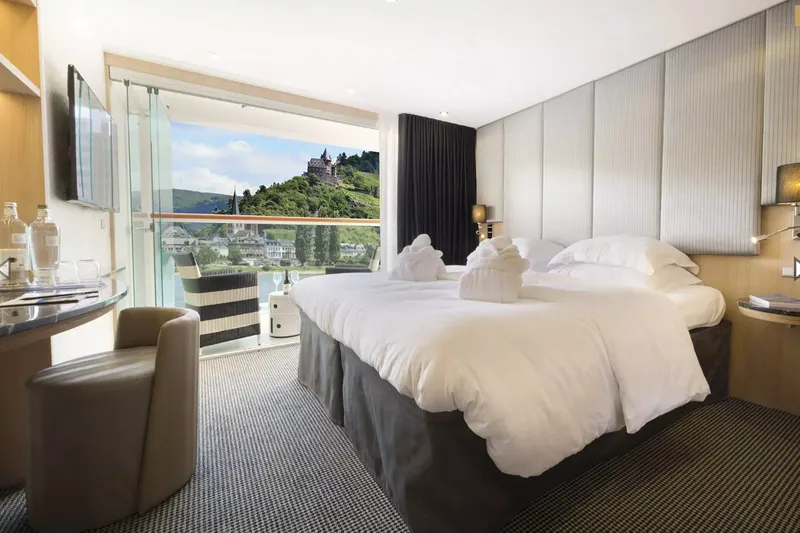
Located on the Sapphire and Diamond Decks they feature a full-length outdoor balcony with the exclusive Sun Lounge system and are larger than the standard river cruise cabins on Europe’s rivers.
Queen or Twin ConfigurationShowerToiletries ProvidedRoom Service AvailableTVFree Wi-Fi+3
View Details
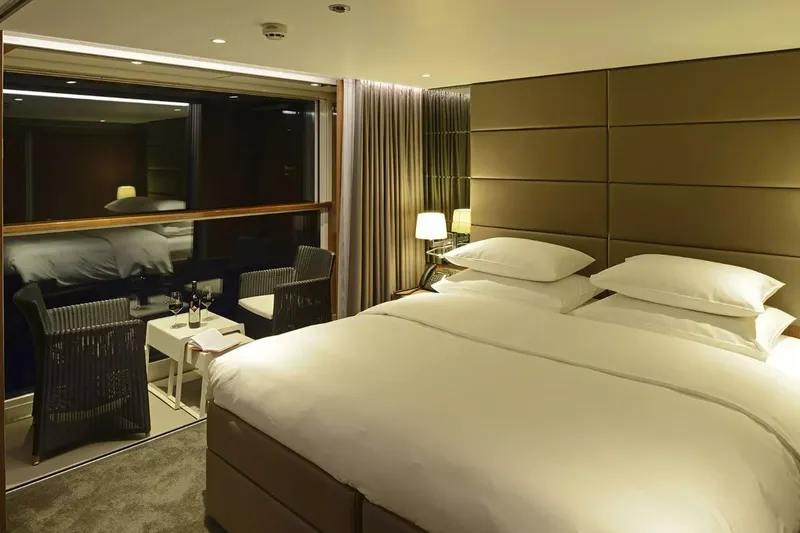
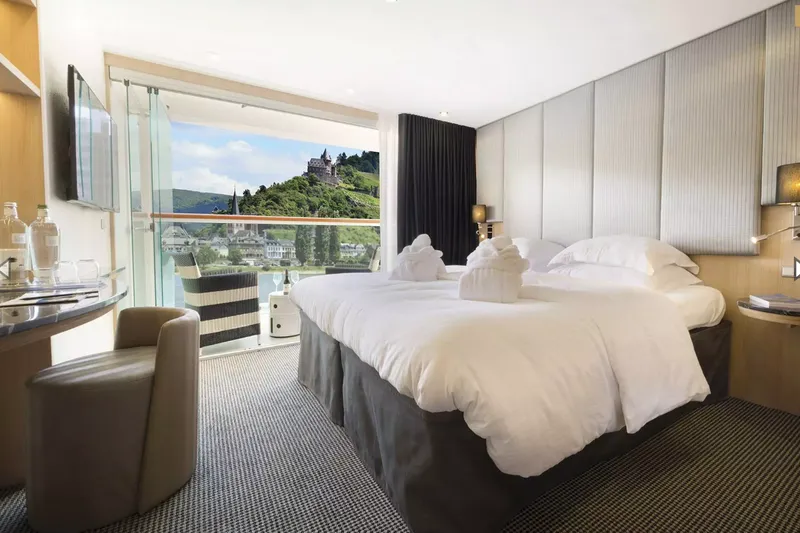
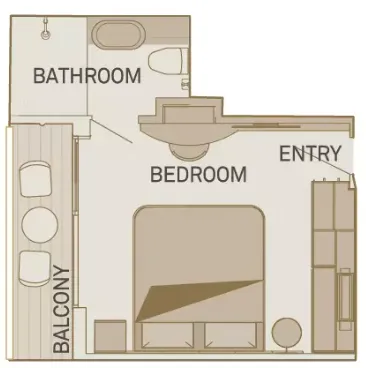
Single Balcony Suite
Suite
153–170 m²Max 2
BS
Single Balcony Suite
One Single BedShowerToiletries ProvidedRoom Service AvailableTVFree Wi-Fi+3
View Details
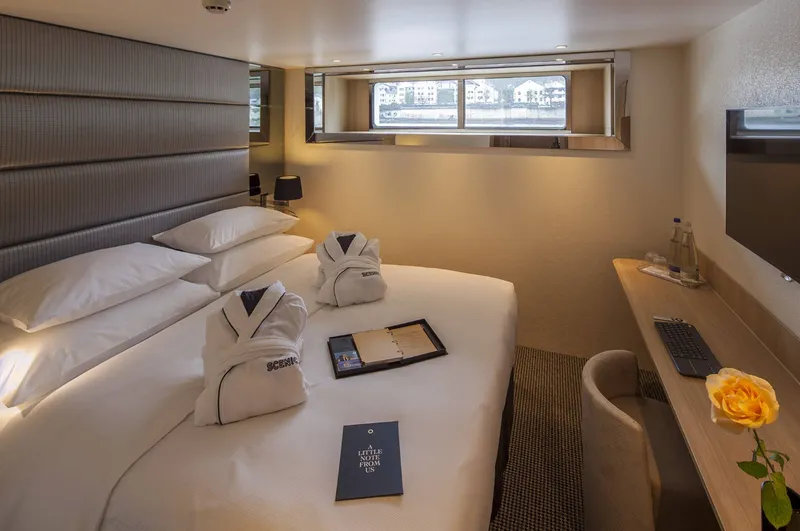
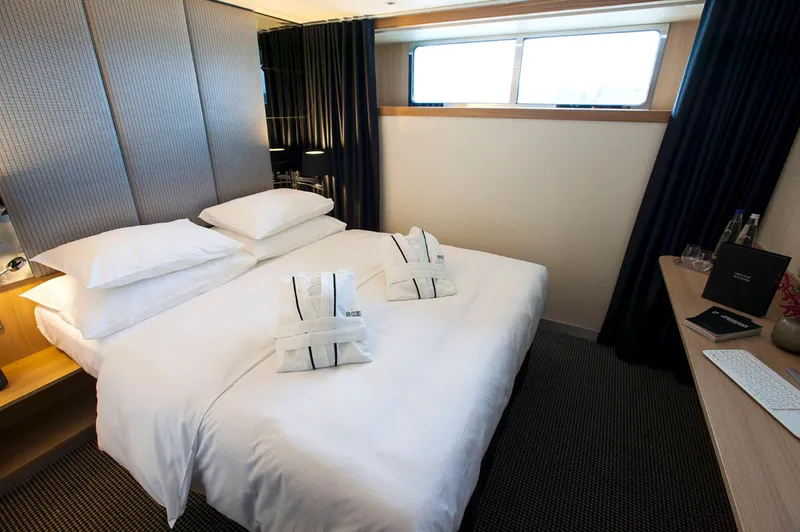
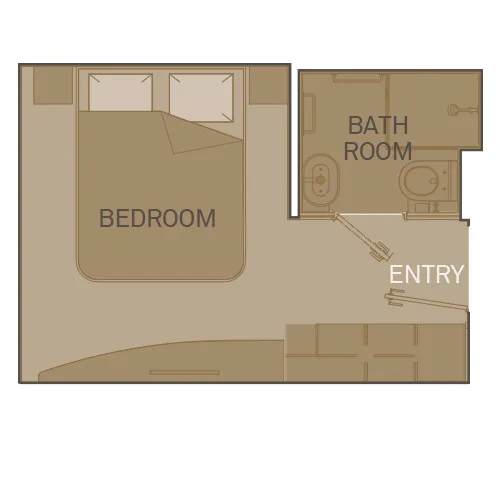
Standard Stateroom
Suite
160 m²Max 2
E
Standard Suites are located on the Jewel Deck with large picture windows to ensure a great view. They have a spacious design and clever layout alongside all the usual luxurious amenities and furnishings.
Queen or Twin ConfigurationShowerToiletries ProvidedRoom Service AvailableTVFree Wi-Fi+3
View Details
Interested in This Voyage?
Our cruise specialists can help you find the perfect cabin and the best available pricing.
(+886) 02-2721-7300Contact Advisor