Scenic River CruisesVIMR140826.29
Temple Discovery and Meandering along the Mekong Cruise
Date
2026-08-14
Duration
9 nights
Departure Port
Siem Reap
Cambodia
Arrival Port
Ho Chi Minh City
Vietnam
Rating
Luxury
Theme
—
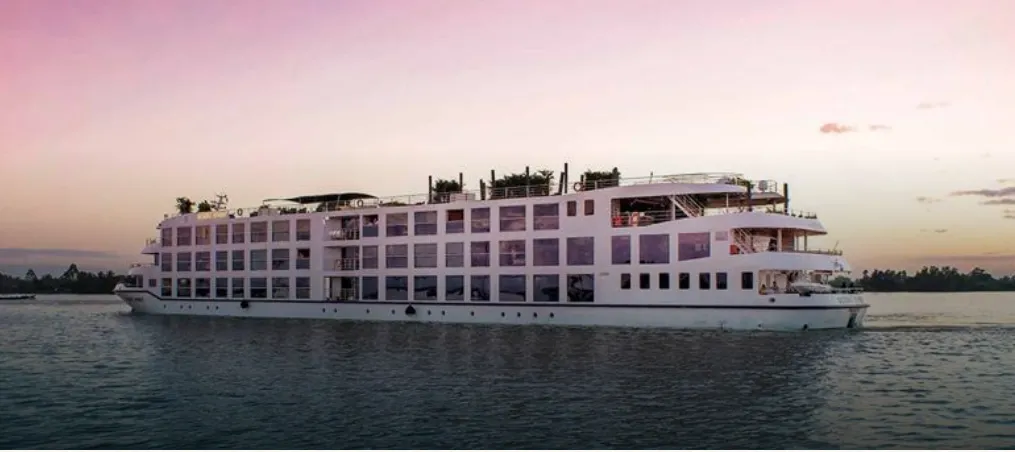
Scenic River Cruises
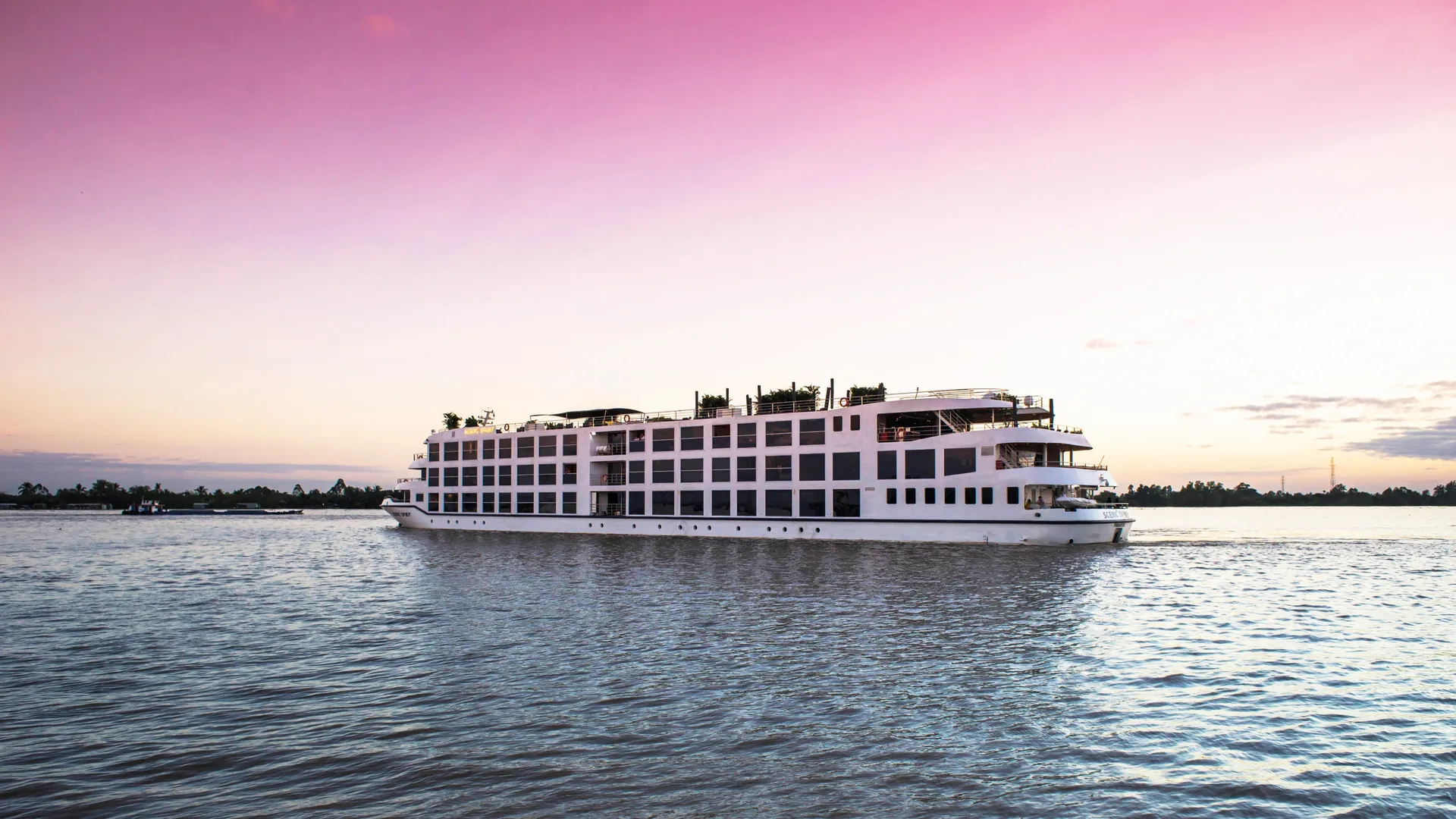
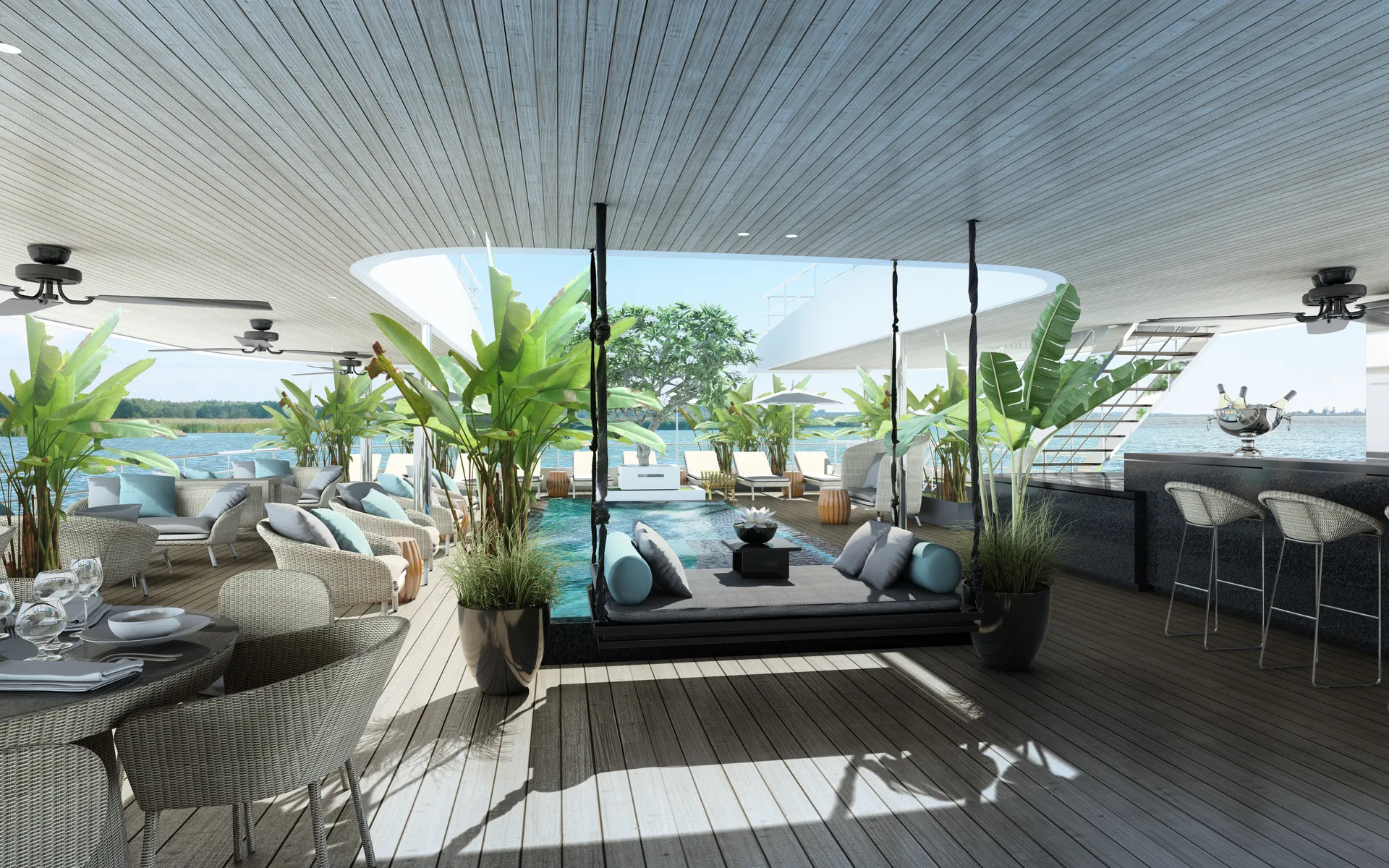
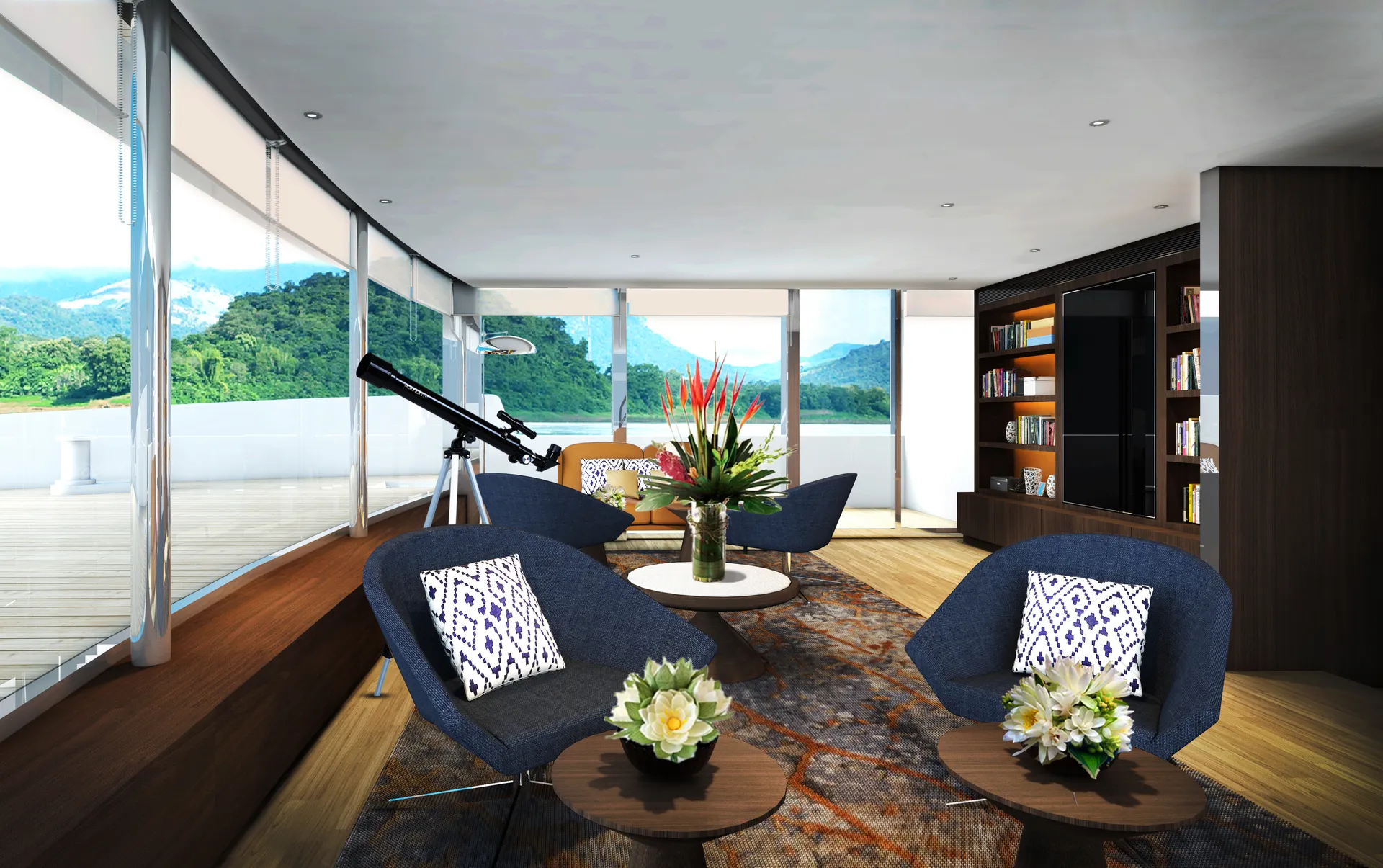
Scenic Spirit
Space-Ship
Launched
2016
Refitted
—
Tonnage
—
Passengers
68
Cabins
—
Crew
56
Length
279 m
Width
—
Speed
—
Adults Only
No
Itinerary
Day 1
Day 1
Siem Reap
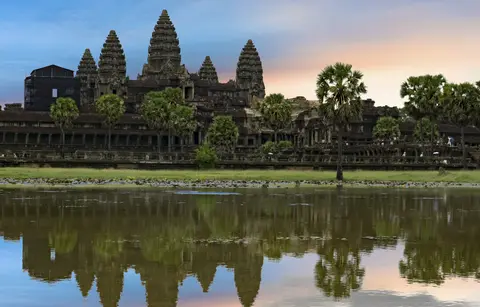
Siem Reap, the gateway city to the ancient Khmer empire's greatest achievement, is the essential staging post for exploring Angkor — the twelfth-century temple complex whose scale and ambition remain without parallel in human history. Angkor Wat at sunrise, its towers mirrored in the lily-covered moat, is one of the world's most transcendent spectacles; Angkor Thom's enigmatic Bayon, with its serene stone faces emerging from the jungle canopy, is another. The city's Old Market quarter offers silk workshops, street food vendors, and celebrated restaurants serving amok — fish steamed in coconut and lemongrass. November through April brings the driest, most comfortable conditions.
Day 3
Day 3
Siem Reap
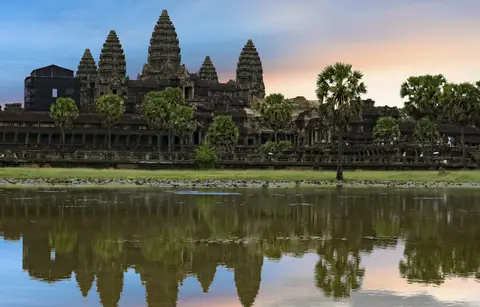
Siem Reap, the gateway city to the ancient Khmer empire's greatest achievement, is the essential staging post for exploring Angkor — the twelfth-century temple complex whose scale and ambition remain without parallel in human history. Angkor Wat at sunrise, its towers mirrored in the lily-covered moat, is one of the world's most transcendent spectacles; Angkor Thom's enigmatic Bayon, with its serene stone faces emerging from the jungle canopy, is another. The city's Old Market quarter offers silk workshops, street food vendors, and celebrated restaurants serving amok — fish steamed in coconut and lemongrass. November through April brings the driest, most comfortable conditions.
Day 4
Day 4
At Sea
Day 5
Day 5
Kampong Cham
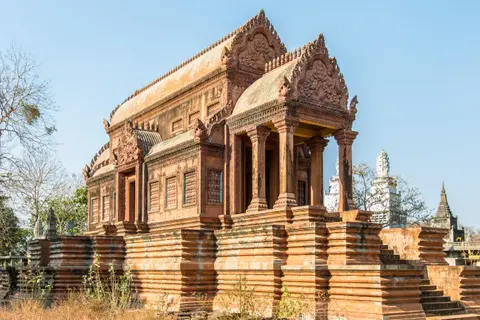
Kampong Cham unfolds along the Mekong's western bank in a languid rhythm far removed from Cambodia's tourist circuit — a provincial capital where saffron-robed monks cross bamboo bridges at dawn and French colonial villas drowse behind frangipani trees. The highlight is Wat Nokor, a twelfth-century Angkorian temple whose moss-covered sandstone galleries envelop a functioning Buddhist sanctuary in a haunting conversation between centuries. The nearby rubber plantations, a legacy of French Indochina, offer a window into the region's complex history. Kampong Cham is best visited November through February, when the dry season transforms the Mekong into a serene silver expanse.
Day 6
Day 6
Angkor Ban
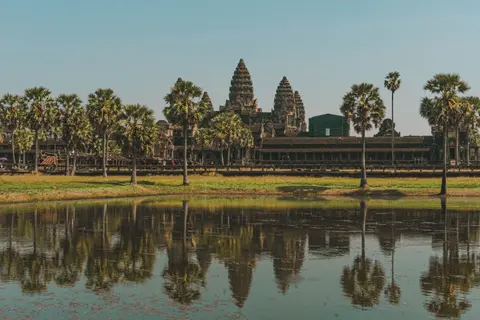
Angkor Ban is a riverside Mekong village in Cambodia's Kampong Cham Province where unvarnished authenticity awaits the discerning river cruise traveler — a world away from tourist infrastructure, offering a rare glimpse into rural Khmer life unchanged by modernity. Ancient laterite temple ruins hide among the trees, while local craftspeople practice traditional silk weaving and pottery in family compounds that welcome visitors with quiet warmth. The dry season from November through April offers the most comfortable conditions for exploring the village lanes and surrounding countryside on foot or by bicycle. Phnom Penh is a half-day's river journey downstream.
Day 7
Day 7
Koh Dach Island
Koh Dach (Silk Island) is a Mekong River island near Phnom Penh, celebrated for centuries-old hand-loom silk weaving traditions kept alive by village women artisans. Must-dos include watching the ikat dyeing and weaving process, tasting authentic fish amok and prahok-flavored dishes, and exploring the island's palm-shaded lanes by bicycle. November through March offers the driest, most pleasant weather for Mekong river cruising.
Day 7
Day 7
Phnom Penh
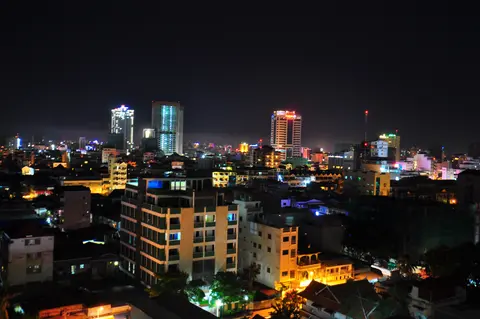
Phnom Penh rises from the confluence of the Mekong, Tonlé Sap, and Bassac rivers with a resilience that makes it one of Southeast Asia's most affecting capitals — a city that endured the Khmer Rouge's "Year Zero" and has re-emerged as a place of broad riverfront boulevards, excellent Khmer cuisine, and a cultural energy that feels earned rather than manufactured. The Royal Palace and its Silver Pagoda, housing a life-size gold Buddha studded with 9,584 diamonds, is the city's architectural centrepiece; the Tuol Sleng Genocide Museum, a former high school converted to a prison by the Khmer Rouge, is sobering but essential history. November through February offers the most comfortable climate for extended exploration.
Day 9
Day 9
Phnom Penh
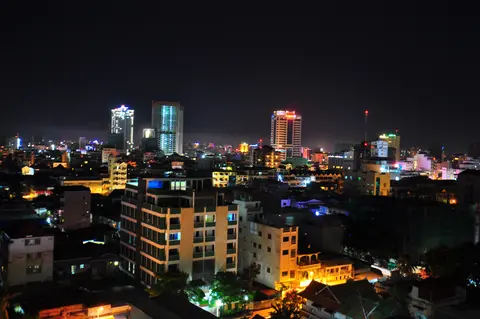
Phnom Penh rises from the confluence of the Mekong, Tonlé Sap, and Bassac rivers with a resilience that makes it one of Southeast Asia's most affecting capitals — a city that endured the Khmer Rouge's "Year Zero" and has re-emerged as a place of broad riverfront boulevards, excellent Khmer cuisine, and a cultural energy that feels earned rather than manufactured. The Royal Palace and its Silver Pagoda, housing a life-size gold Buddha studded with 9,584 diamonds, is the city's architectural centrepiece; the Tuol Sleng Genocide Museum, a former high school converted to a prison by the Khmer Rouge, is sobering but essential history. November through February offers the most comfortable climate for extended exploration.
Day 9
Day 9
At Sea
Day 9
Day 9
Tan Chau
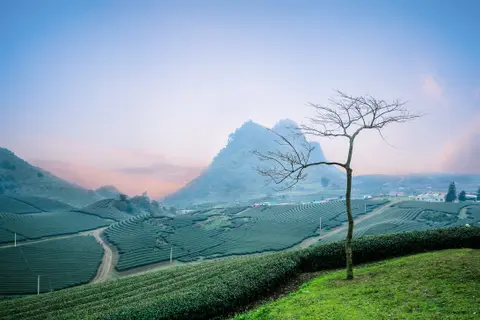
Tan Chau is a quietly enchanting border town on the upper Mekong Delta, where Vietnamese, Khmer, Cham, and Chinese cultural threads weave together in floating markets, silk-weaving workshops, and ornate riverside temples. River cruise guests typically arrive by sampan at dawn, when the town's covered market erupts with color and the legendary Tan Chau silk — hand-woven on traditional wooden looms — is spread out for trade. The cool dry season from November to February offers the most pleasant conditions for exploring this living crossroads of Southeast Asian civilization.
Day 1
Siem Reap
Siem Reap, the gateway city to the ancient Khmer empire's greatest achievement, is the essential staging post for exploring Angkor — the twelfth-century temple complex whose scale and ambition remain without parallel in human history. Angkor Wat at sunrise, its towers mirrored in the lily-covered moat, is one of the world's most transcendent spectacles; Angkor Thom's enigmatic Bayon, with its serene stone faces emerging from the jungle canopy, is another. The city's Old Market quarter offers silk workshops, street food vendors, and celebrated restaurants serving amok — fish steamed in coconut and lemongrass. November through April brings the driest, most comfortable conditions.
Day 3
Siem Reap
Siem Reap, the gateway city to the ancient Khmer empire's greatest achievement, is the essential staging post for exploring Angkor — the twelfth-century temple complex whose scale and ambition remain without parallel in human history. Angkor Wat at sunrise, its towers mirrored in the lily-covered moat, is one of the world's most transcendent spectacles; Angkor Thom's enigmatic Bayon, with its serene stone faces emerging from the jungle canopy, is another. The city's Old Market quarter offers silk workshops, street food vendors, and celebrated restaurants serving amok — fish steamed in coconut and lemongrass. November through April brings the driest, most comfortable conditions.
Day 4
At Sea
Day 5
Kampong Cham
Kampong Cham unfolds along the Mekong's western bank in a languid rhythm far removed from Cambodia's tourist circuit — a provincial capital where saffron-robed monks cross bamboo bridges at dawn and French colonial villas drowse behind frangipani trees. The highlight is Wat Nokor, a twelfth-century Angkorian temple whose moss-covered sandstone galleries envelop a functioning Buddhist sanctuary in a haunting conversation between centuries. The nearby rubber plantations, a legacy of French Indochina, offer a window into the region's complex history. Kampong Cham is best visited November through February, when the dry season transforms the Mekong into a serene silver expanse.
Day 6
Angkor Ban
Angkor Ban is a riverside Mekong village in Cambodia's Kampong Cham Province where unvarnished authenticity awaits the discerning river cruise traveler — a world away from tourist infrastructure, offering a rare glimpse into rural Khmer life unchanged by modernity. Ancient laterite temple ruins hide among the trees, while local craftspeople practice traditional silk weaving and pottery in family compounds that welcome visitors with quiet warmth. The dry season from November through April offers the most comfortable conditions for exploring the village lanes and surrounding countryside on foot or by bicycle. Phnom Penh is a half-day's river journey downstream.
Day 7
Koh Dach Island
Koh Dach (Silk Island) is a Mekong River island near Phnom Penh, celebrated for centuries-old hand-loom silk weaving traditions kept alive by village women artisans. Must-dos include watching the ikat dyeing and weaving process, tasting authentic fish amok and prahok-flavored dishes, and exploring the island's palm-shaded lanes by bicycle. November through March offers the driest, most pleasant weather for Mekong river cruising.
Phnom Penh
Phnom Penh rises from the confluence of the Mekong, Tonlé Sap, and Bassac rivers with a resilience that makes it one of Southeast Asia's most affecting capitals — a city that endured the Khmer Rouge's "Year Zero" and has re-emerged as a place of broad riverfront boulevards, excellent Khmer cuisine, and a cultural energy that feels earned rather than manufactured. The Royal Palace and its Silver Pagoda, housing a life-size gold Buddha studded with 9,584 diamonds, is the city's architectural centrepiece; the Tuol Sleng Genocide Museum, a former high school converted to a prison by the Khmer Rouge, is sobering but essential history. November through February offers the most comfortable climate for extended exploration.
Day 9
Phnom Penh
Phnom Penh rises from the confluence of the Mekong, Tonlé Sap, and Bassac rivers with a resilience that makes it one of Southeast Asia's most affecting capitals — a city that endured the Khmer Rouge's "Year Zero" and has re-emerged as a place of broad riverfront boulevards, excellent Khmer cuisine, and a cultural energy that feels earned rather than manufactured. The Royal Palace and its Silver Pagoda, housing a life-size gold Buddha studded with 9,584 diamonds, is the city's architectural centrepiece; the Tuol Sleng Genocide Museum, a former high school converted to a prison by the Khmer Rouge, is sobering but essential history. November through February offers the most comfortable climate for extended exploration.
At Sea
Tan Chau
Tan Chau is a quietly enchanting border town on the upper Mekong Delta, where Vietnamese, Khmer, Cham, and Chinese cultural threads weave together in floating markets, silk-weaving workshops, and ornate riverside temples. River cruise guests typically arrive by sampan at dawn, when the town's covered market erupts with color and the legendary Tan Chau silk — hand-woven on traditional wooden looms — is spread out for trade. The cool dry season from November to February offers the most pleasant conditions for exploring this living crossroads of Southeast Asian civilization.
Cabin Categories
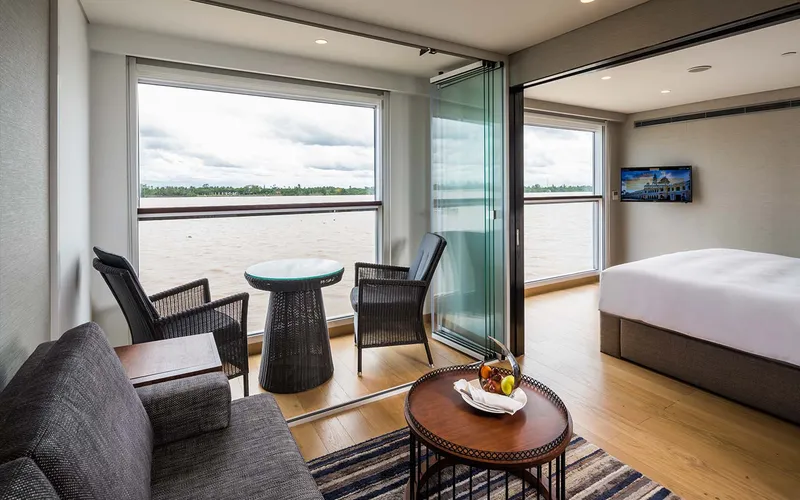
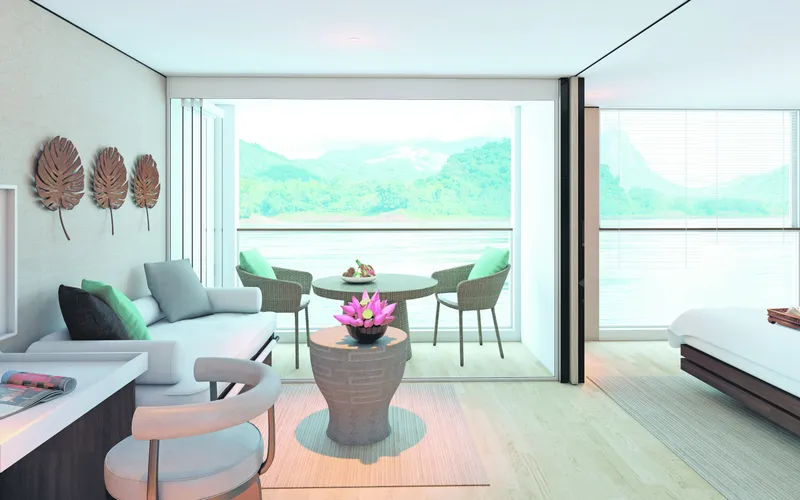
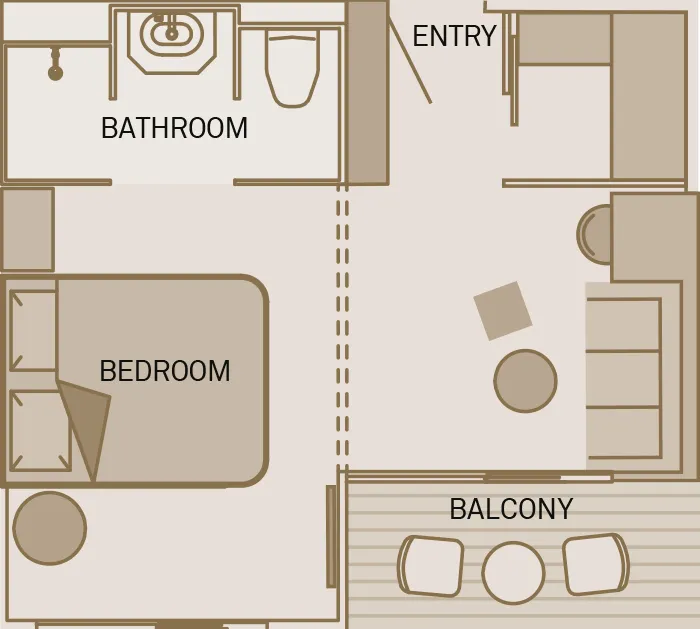
Deluxe Suite
Suite
344 m²Max 2
ABBABBCCA
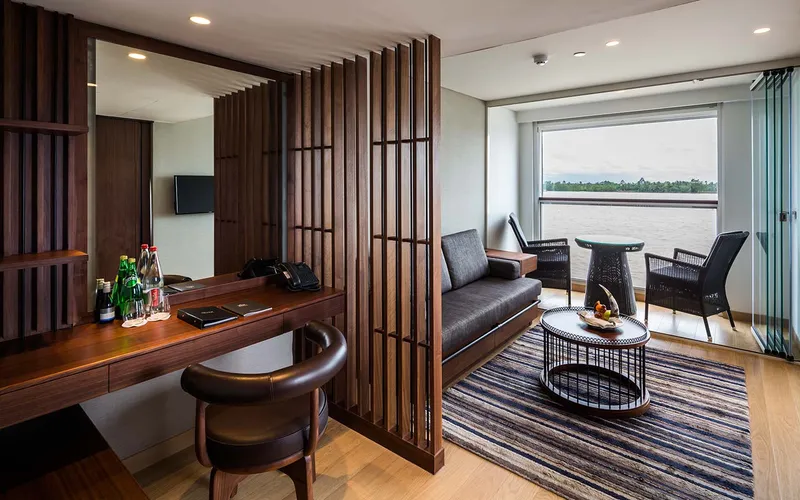
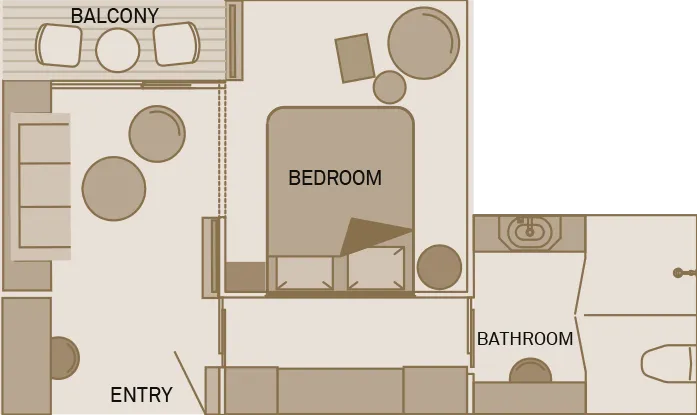
These spacious Suites at 32m²/344ft² are located on the Jewel, Sapphire and Diamond Decks. Each have a private full-length balcony, walk in wardrobe and elegant en-suite bathrooms featuring a large vanity basin with a separate toilet and shower.
Queen or Twin ConfigurationShowerToiletries ProvidedRoom Service AvailableSafeHair Dryer+1
View Details
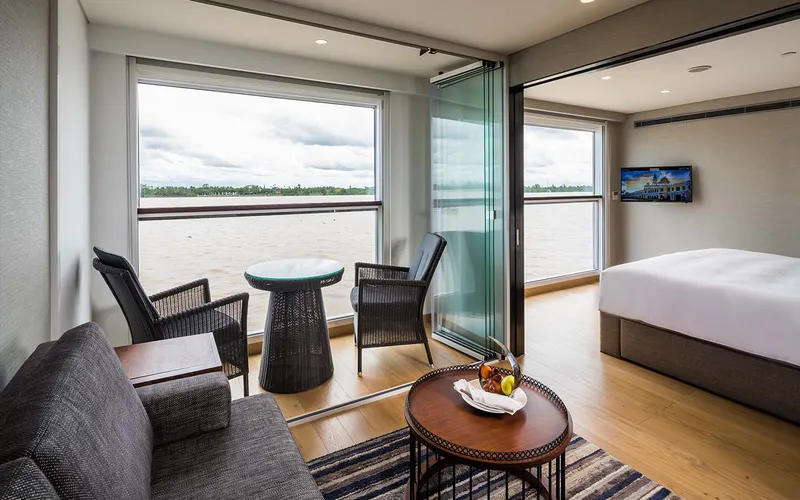
Grand Deluxe Suite
Suite
430 m²Max 2
RD
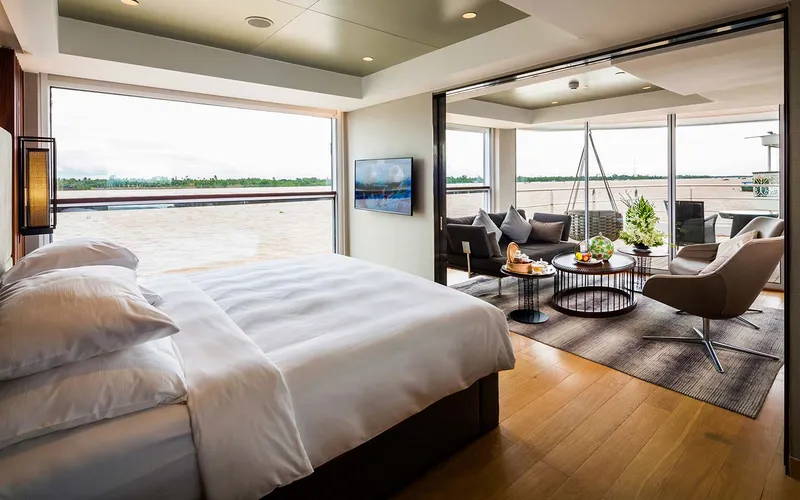
These eight suites on the Diamond Deck are the ultimate in luxury at 40m²/430ft² with more space, impeccable service and thoughtful touches. Enjoy an outdoor balcony, separate lounge and dining area, extra-large walk in wardrobe and a luxurious oversized bathroom.
King or Twin ConfigurationLounge AreaShowerToiletries ProvidedRoom Service AvailableSuite Benefits+3
View Details
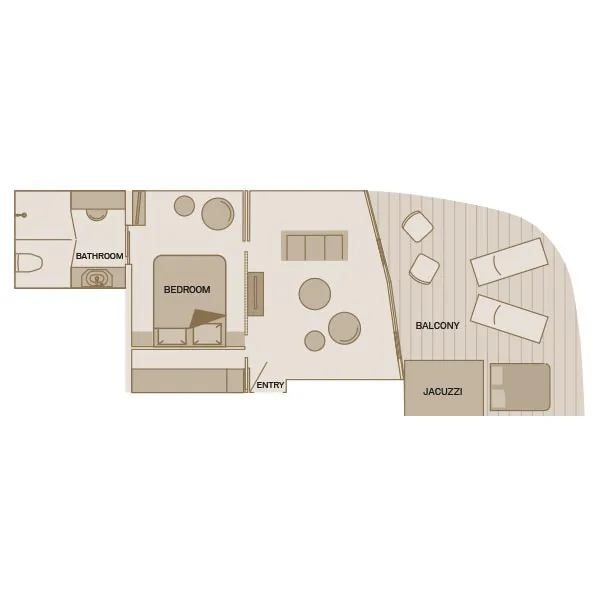
Royal Panorama Suite
Suite
861 m²Max 2
RS
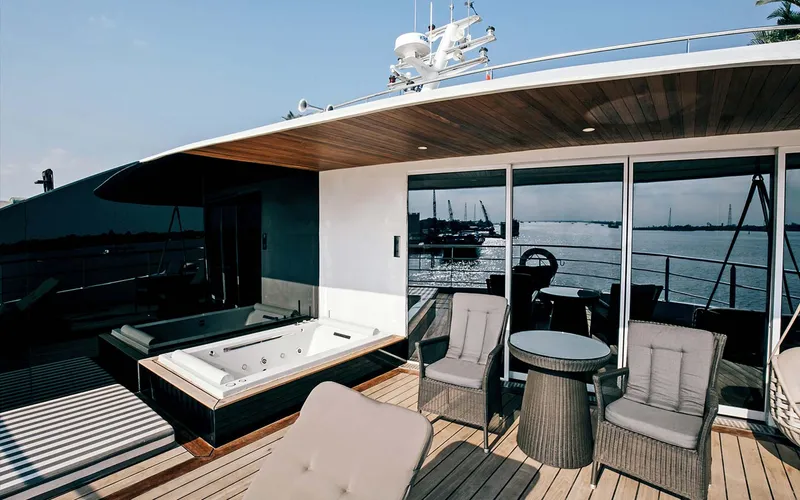
At 80m²/861ft², this is the largest suite on the Mekong river. Being up forward on the Diamond Deck, enjoy fantastic views of the passing scenery from your private terrace with outdoor Jacuzzi and day bed. Both Suites have a separate lounge and dining area, walk-in dressing room and a luxurious oversized bathroom offering a separate bathtub, toilet and shower.
King or Twin ConfigurationLounge AreaDining AreaShowerWhirlpool BathToiletries Provided+6
View Details
Interested in This Voyage?
Our cruise specialists can help you find the perfect cabin and the best available pricing.
(+886) 02-2721-7300Contact Advisor