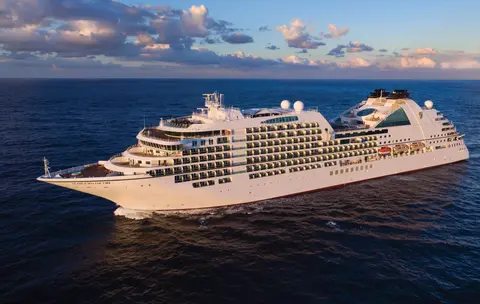
Seabourn7631
Alaska Fjords, Canadian Inside Passage & Gla
Date
2026-05-22
Duration
7 nights
Departure Port
Juneau
United States
Arrival Port
Vancouver
Canada
Rating
Luxury
Theme
—
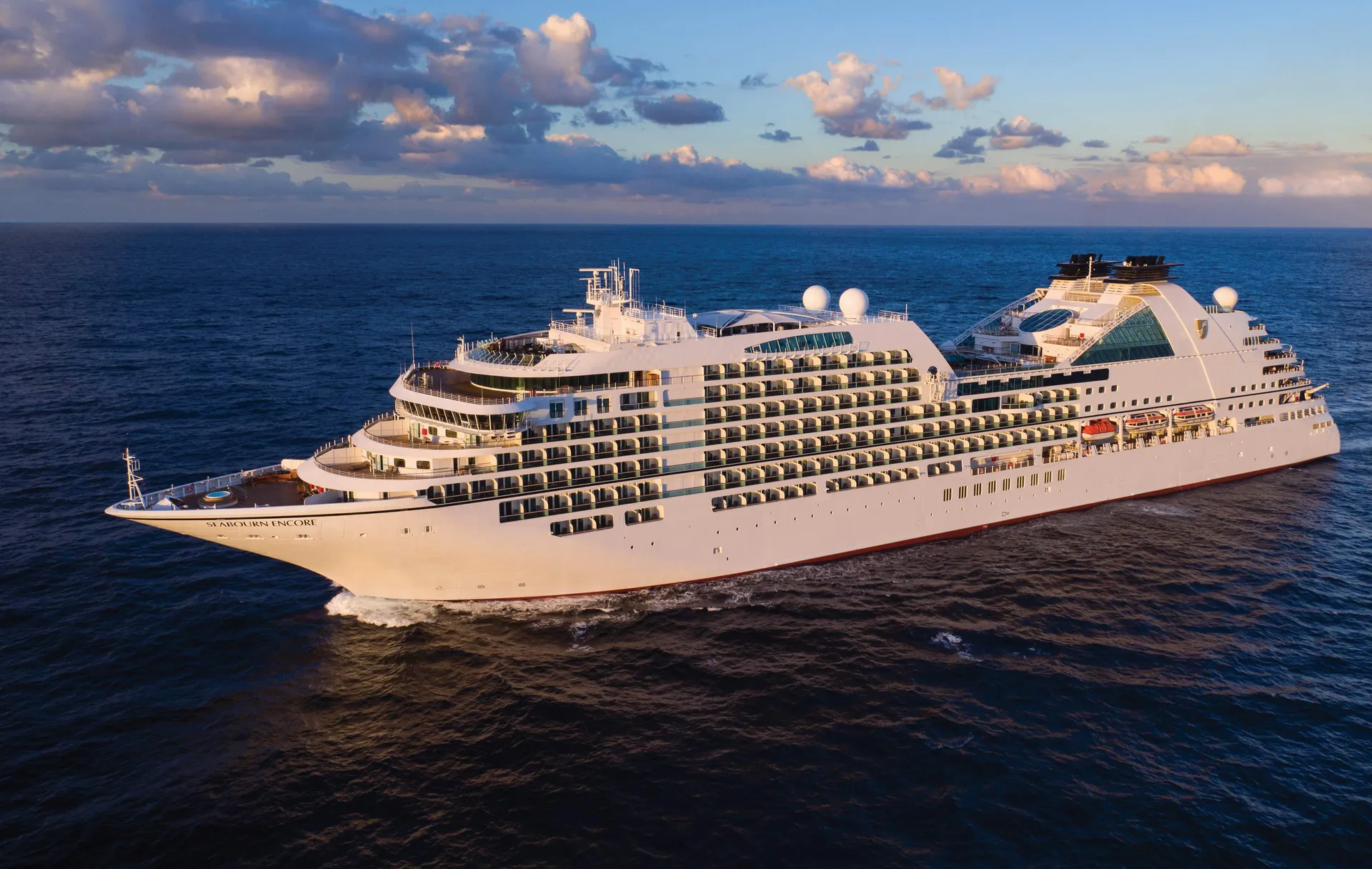





Seabourn
Seabourn Encore
Launched
2016
Refitted
—
Tonnage
40,350 GT
Passengers
600
Cabins
266
Crew
330
Length
690 m
Width
28 m
Speed
19 knots
Adults Only
No
Itinerary
Day 1
Day 1
Juneau
Depart 21:00
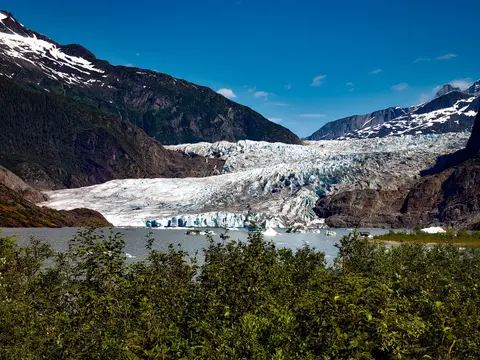
America's only state capital unreachable by road, Juneau rewards the journey with a wilderness grandeur that few cities on earth can match. The Mendenhall Glacier — a living river of ancient ice — lies just fifteen minutes from downtown, where floatplanes dart above a waterfront flanked by spruce-draped mountains plunging straight into the sea. The must-do experience is a helicopter landing atop the icefield or a whale-watching excursion in Stephens Passage, where humpbacks breach in astonishing proximity. Juneau is warmest from June to August, though even summer days can bring the famous Southeast Alaska rain that keeps the rainforest perpetually luminous.
Day 2
Day 2
Glacier Bay National Park
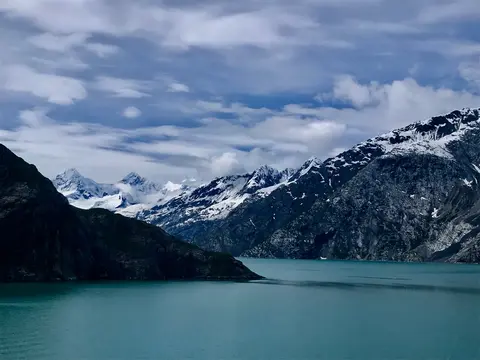
Glacier Bay National Park is one of the most profound landscapes of active glaciation on Earth — 3.3 million acres of southeastern Alaska where tidewater glaciers calve cathedral-sized icebergs into fjords of luminous blue water, and where the land itself is still rising, liberated from the weight of ice that buried this entire region just two centuries ago. The park, reachable only by ship or small aircraft, rewards visitors with wildlife encounters — humpback whales, brown bears, sea otters, and mountain goats — set against scenery of almost overwhelming grandeur. The season runs May through September; late June and July offer the longest days and most reliable wildlife activity.
Day 3
Day 3
Wrangell
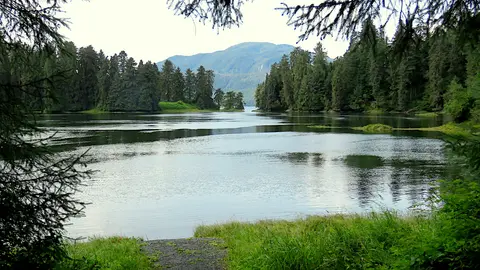
Wrangell is one of Alaska's most authentic Inside Passage ports, where Tlingit heritage, ancient petroglyphs, and world-class wildlife converge at the mouth of the mighty Stikine River. Essential experiences include jet boating to LeConte Glacier, watching bears fish at Anan Creek, and tasting locally smoked salmon. July and August offer peak salmon runs and bear viewing.
Day 3
Day 3
Cruising Stikine Strait
Stikine Strait is a picturesque channel in the Alexander Archipelago of Alaska between Zarembo Island and Woronkofski and Etolin Islands near the mouth of the Stikine River south of Wrangell. It first appears on an 1848 Russian chart as Stakhin Strait and has been spelled variously on many charts since that time.
Day 4
Day 4
Misty Fjords National Monument
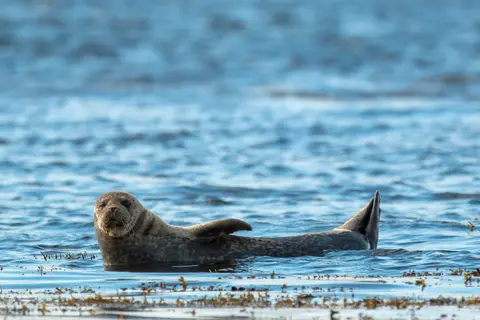
Misty Fjords National Monument is a 930,000-hectare wilderness in Southeast Alaska, where sheer granite cliffs rise from mirror-still fjords through perpetual veils of mist and cloud. Must-dos include kayaking through silent fjord arms, zodiac cruising past waterfalls and the volcanic New Eddystone Rock, and watching for bears, eagles, and orcas in the pristine channels. May through September offers the visiting season, with rain adding to the monument's ethereal atmosphere.
Day 4
Day 4
Anchorage
Arrive 08:00Depart 18:00
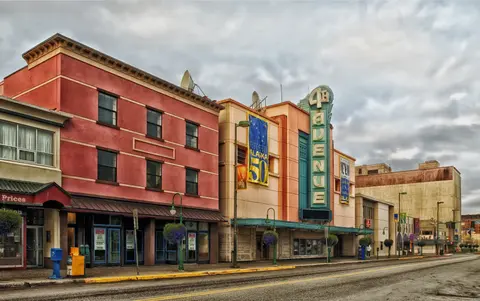
Anchorage, Alaska's largest city, sits dramatically between the Chugach Mountains and Cook Inlet, serving as the gateway to Denali, Kenai Fjords, and the Inside Passage. Must-dos include the Anchorage Museum's Alaska Native collections, the Seward Highway's fjord-like scenery, and sampling king crab and wild-caught salmon. Mid-May through mid-September offers the best conditions, with June and July bringing twenty hours of daylight.
Day 5
Day 5
Prince Rupert
Arrive 08:00Depart 23:00
Prince Rupert, a historic railway terminus on British Columbia's northern coast, enchants visitors with its deep Tsimshian heritage, world-class halibut fishing, and misty rain forest scenery along the Inside Passage. Sample freshly smoked salmon at the waterfront and explore the North Pacific Cannery, Canada's oldest surviving cannery, for a vivid encounter with the port's maritime soul. The best time to visit is June through August, when longer days temper the famous rainfall and wildlife activity peaks along the coast.
Day 6
Day 6
Scenic cruising Grenville Channel
Grenville Channel is a long, well-protected channel along the northern British Columbia coast between the large Pitt Island and the mainland. It is an important shipping lane, and you are likely to see ships of many different types and sizes as you pass through. The shores are mountainous on both sides, with two notable peaks about halfway through, Mt. Batchellor on the east side and Mt. Saunders on Pitt Island to the west. There are a number of Indian Reserves and Marine Parks in the mountains and narrow waterways off the channel.
Day 6
Day 6
Scenic cruising Princess Royal Channel
The Princess Royal Channel separates the largest island along British Columbia’s coast from the mainland. It is located roughly halfway between Bella Bella in the south and Prince Rupert in the north, in one of the province’s most remote areas. Princess Royal island was named in 1788 by Captain Charles Duncan, in honor of his ship, the Princess Royal. The island is uninhabited, although there are two small villages in the channel, the First Nations community of Klemtu on Swindle Island and Hartley Bay on the mainland. Wildlife, by contrast, is plentiful, including Kermode, black and grizzly bears, deer, wolves and foxes. Golden and bald eagles nest in the region, as well as the endangered marbled murrelet. In the waters, there are abundant salmon, elephant seals, whales, orcas and dolphins.
Day 6
Day 6
Scenic Cruising Whale Channel
Arrive 10:00Depart 14:00
Whale Channel is a picturesque waterway separating Gil Island from Princess Royal Island in British Columbia’s Inside Passage. Surrounded by snow-capped mountain ranges and teeming with marine life, It is a diversion from the main shipping lane, located roughly halfway between Prince Rupert and the First Nations village of Klemtu. VIEW CRUISES Skip Footer Content About Us
Day 7
Day 7
Alert Bay
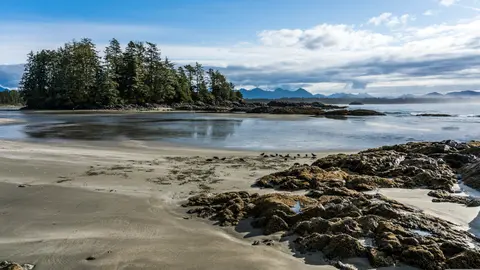
Alert Bay, Canada is a distinctive port city where deep cultural heritage meets authentic local atmosphere, featured on itineraries by HX Expeditions. Must-do experiences include walking the historic center to experience the layered architectural heritage, and seeking out the regional culinary traditions at a locally favored establishment away from the port area. The optimal time to visit is June through August, when summer months bring the warmest temperatures and longest days.
Day 7
Day 7
Transit the Seymour Narrows
The Seymour Narrows is a 3-mile/5 km stretch of the Discovery Channel north of Vancouver Island, British Columbia that is notorious for the strength of the tidal currents flowing through it. The average width of the narrows is just 750 meters. During extreme tides, the current through the narrows is subject to severe Venturi effect, resulting in an increased velocity that can reach 15 knots. For much of its modern history, there was an additional hazard in the narrows called Ripple Rock, a shallow obstruction that claimed no fewer than 119 ships and 114 lives. In 1958, after months of tunneling and preparation, Ripple Rock was blown up in the largest commercial, non-nuclear explosion ever recorded in North America. Still, the navigation of Seymour Narrows is dependent on tidal and other conditions, and requires skill and technical accomplishment.
Day 8
Day 8
Vancouver
Arrive 07:00
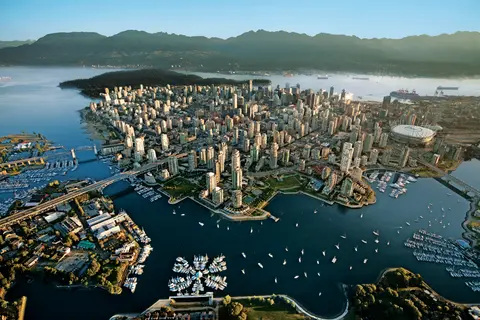
Pressed between the Pacific and the Coast Mountains, Vancouver is the natural gateway to Alaska's Inside Passage — a city where temperate rainforest meets glass towers and where Dungeness crab and wild sockeye salmon define a Pacific Rim cuisine that rivals any in North America. Walk the 22-kilometre Stanley Park seawall, lose yourself in the Granville Island market, then ferry across to Victoria's Edwardian splendour. Alaska cruise season peaks from May through September, making Vancouver an ideal starting point for one of the world's great ocean journeys.
Day 1
Juneau
Depart 21:00
America's only state capital unreachable by road, Juneau rewards the journey with a wilderness grandeur that few cities on earth can match. The Mendenhall Glacier — a living river of ancient ice — lies just fifteen minutes from downtown, where floatplanes dart above a waterfront flanked by spruce-draped mountains plunging straight into the sea. The must-do experience is a helicopter landing atop the icefield or a whale-watching excursion in Stephens Passage, where humpbacks breach in astonishing proximity. Juneau is warmest from June to August, though even summer days can bring the famous Southeast Alaska rain that keeps the rainforest perpetually luminous.
Day 2
Glacier Bay National Park
Glacier Bay National Park is one of the most profound landscapes of active glaciation on Earth — 3.3 million acres of southeastern Alaska where tidewater glaciers calve cathedral-sized icebergs into fjords of luminous blue water, and where the land itself is still rising, liberated from the weight of ice that buried this entire region just two centuries ago. The park, reachable only by ship or small aircraft, rewards visitors with wildlife encounters — humpback whales, brown bears, sea otters, and mountain goats — set against scenery of almost overwhelming grandeur. The season runs May through September; late June and July offer the longest days and most reliable wildlife activity.
Day 3
Wrangell
Wrangell is one of Alaska's most authentic Inside Passage ports, where Tlingit heritage, ancient petroglyphs, and world-class wildlife converge at the mouth of the mighty Stikine River. Essential experiences include jet boating to LeConte Glacier, watching bears fish at Anan Creek, and tasting locally smoked salmon. July and August offer peak salmon runs and bear viewing.
Cruising Stikine Strait
Stikine Strait is a picturesque channel in the Alexander Archipelago of Alaska between Zarembo Island and Woronkofski and Etolin Islands near the mouth of the Stikine River south of Wrangell. It first appears on an 1848 Russian chart as Stakhin Strait and has been spelled variously on many charts since that time.
Day 4
Misty Fjords National Monument
Misty Fjords National Monument is a 930,000-hectare wilderness in Southeast Alaska, where sheer granite cliffs rise from mirror-still fjords through perpetual veils of mist and cloud. Must-dos include kayaking through silent fjord arms, zodiac cruising past waterfalls and the volcanic New Eddystone Rock, and watching for bears, eagles, and orcas in the pristine channels. May through September offers the visiting season, with rain adding to the monument's ethereal atmosphere.
Anchorage
Arrive 08:00Depart 18:00
Anchorage, Alaska's largest city, sits dramatically between the Chugach Mountains and Cook Inlet, serving as the gateway to Denali, Kenai Fjords, and the Inside Passage. Must-dos include the Anchorage Museum's Alaska Native collections, the Seward Highway's fjord-like scenery, and sampling king crab and wild-caught salmon. Mid-May through mid-September offers the best conditions, with June and July bringing twenty hours of daylight.
Day 5
Prince Rupert
Arrive 08:00Depart 23:00
Prince Rupert, a historic railway terminus on British Columbia's northern coast, enchants visitors with its deep Tsimshian heritage, world-class halibut fishing, and misty rain forest scenery along the Inside Passage. Sample freshly smoked salmon at the waterfront and explore the North Pacific Cannery, Canada's oldest surviving cannery, for a vivid encounter with the port's maritime soul. The best time to visit is June through August, when longer days temper the famous rainfall and wildlife activity peaks along the coast.
Day 6
Scenic cruising Grenville Channel
Grenville Channel is a long, well-protected channel along the northern British Columbia coast between the large Pitt Island and the mainland. It is an important shipping lane, and you are likely to see ships of many different types and sizes as you pass through. The shores are mountainous on both sides, with two notable peaks about halfway through, Mt. Batchellor on the east side and Mt. Saunders on Pitt Island to the west. There are a number of Indian Reserves and Marine Parks in the mountains and narrow waterways off the channel.
Scenic cruising Princess Royal Channel
The Princess Royal Channel separates the largest island along British Columbia’s coast from the mainland. It is located roughly halfway between Bella Bella in the south and Prince Rupert in the north, in one of the province’s most remote areas. Princess Royal island was named in 1788 by Captain Charles Duncan, in honor of his ship, the Princess Royal. The island is uninhabited, although there are two small villages in the channel, the First Nations community of Klemtu on Swindle Island and Hartley Bay on the mainland. Wildlife, by contrast, is plentiful, including Kermode, black and grizzly bears, deer, wolves and foxes. Golden and bald eagles nest in the region, as well as the endangered marbled murrelet. In the waters, there are abundant salmon, elephant seals, whales, orcas and dolphins.
Scenic Cruising Whale Channel
Arrive 10:00Depart 14:00
Whale Channel is a picturesque waterway separating Gil Island from Princess Royal Island in British Columbia’s Inside Passage. Surrounded by snow-capped mountain ranges and teeming with marine life, It is a diversion from the main shipping lane, located roughly halfway between Prince Rupert and the First Nations village of Klemtu. VIEW CRUISES Skip Footer Content About Us
Day 7
Alert Bay
Alert Bay, Canada is a distinctive port city where deep cultural heritage meets authentic local atmosphere, featured on itineraries by HX Expeditions. Must-do experiences include walking the historic center to experience the layered architectural heritage, and seeking out the regional culinary traditions at a locally favored establishment away from the port area. The optimal time to visit is June through August, when summer months bring the warmest temperatures and longest days.
Transit the Seymour Narrows
The Seymour Narrows is a 3-mile/5 km stretch of the Discovery Channel north of Vancouver Island, British Columbia that is notorious for the strength of the tidal currents flowing through it. The average width of the narrows is just 750 meters. During extreme tides, the current through the narrows is subject to severe Venturi effect, resulting in an increased velocity that can reach 15 knots. For much of its modern history, there was an additional hazard in the narrows called Ripple Rock, a shallow obstruction that claimed no fewer than 119 ships and 114 lives. In 1958, after months of tunneling and preparation, Ripple Rock was blown up in the largest commercial, non-nuclear explosion ever recorded in North America. Still, the navigation of Seymour Narrows is dependent on tidal and other conditions, and requires skill and technical accomplishment.
Day 8
Vancouver
Arrive 07:00
Pressed between the Pacific and the Coast Mountains, Vancouver is the natural gateway to Alaska's Inside Passage — a city where temperate rainforest meets glass towers and where Dungeness crab and wild sockeye salmon define a Pacific Rim cuisine that rivals any in North America. Walk the 22-kilometre Stanley Park seawall, lose yourself in the Granville Island market, then ferry across to Victoria's Edwardian splendour. Alaska cruise season peaks from May through September, making Vancouver an ideal starting point for one of the world's great ocean journeys.
Cabin Categories
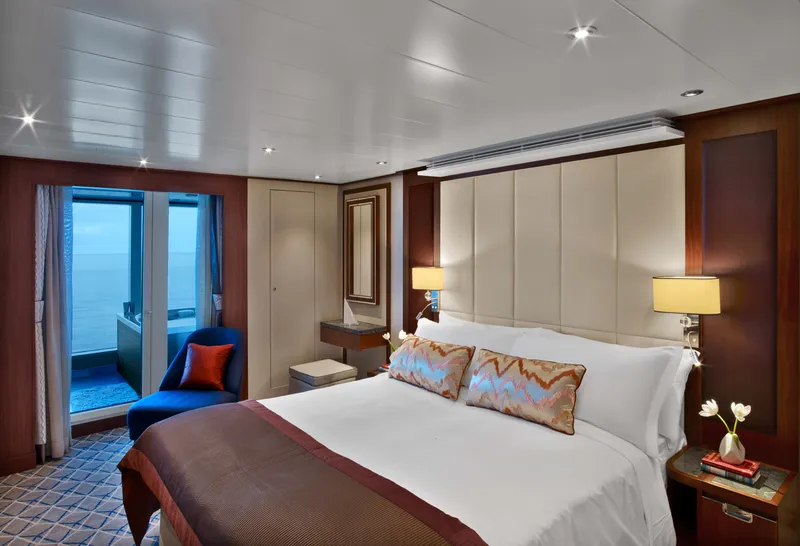
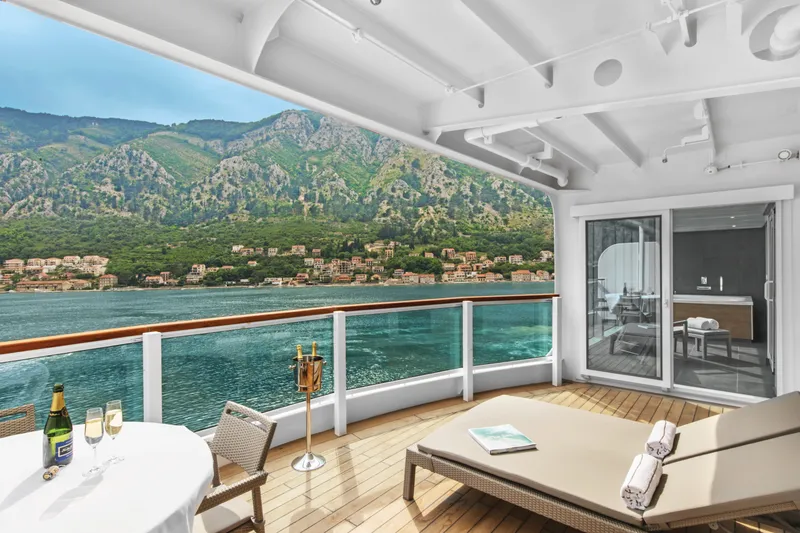
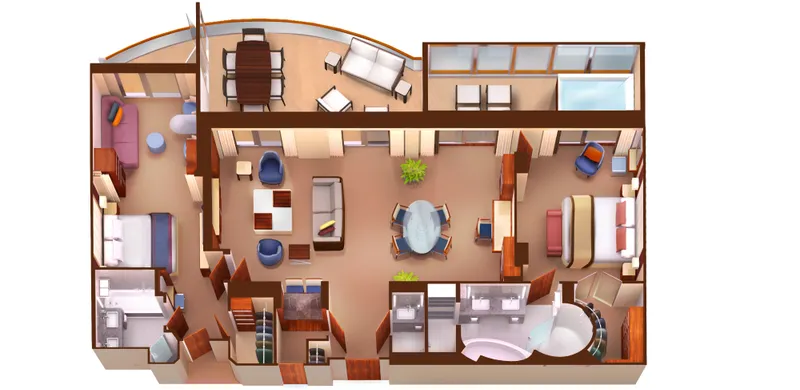
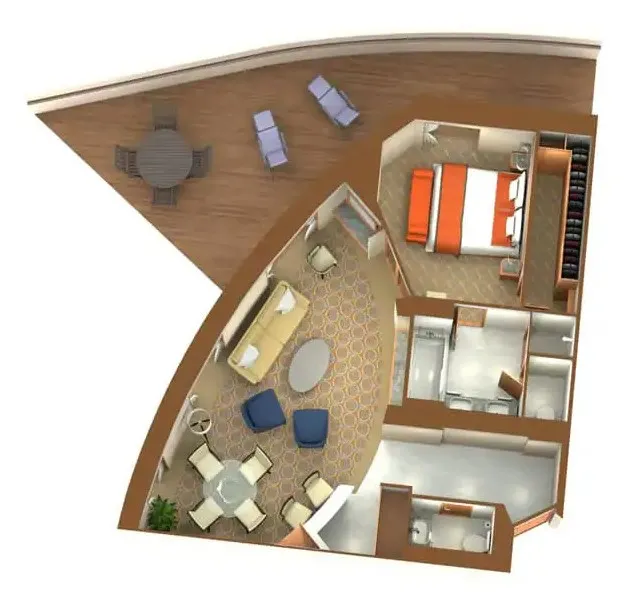
Grand Wintergarden Suite
Suite
1536 m²Max 4
GR
Located on Deck 8; Combine mid-ship suites 849 and 851 for suite 8491 or suites 846 and 848 for suite 8468 for a total inside space of 1,292 square feet (120 square meters) plus two verandas totaling 244 square feet (23 square meters)
Grand Wintergarden Suites feature
Large windows
Dining for six
Glass-enclosed solarium with tub and day bed
Two bedrooms
Two bathrooms (one whirlpool)
Convertible sofa bed for one
Pantry with wet bar
Two flat-screen TVs
Complimentary Internet/Wi-Fi service
Queen or Twin ConfigurationSecond BedroomSofa BedShowerWhirlpool BathTV+13
View Details
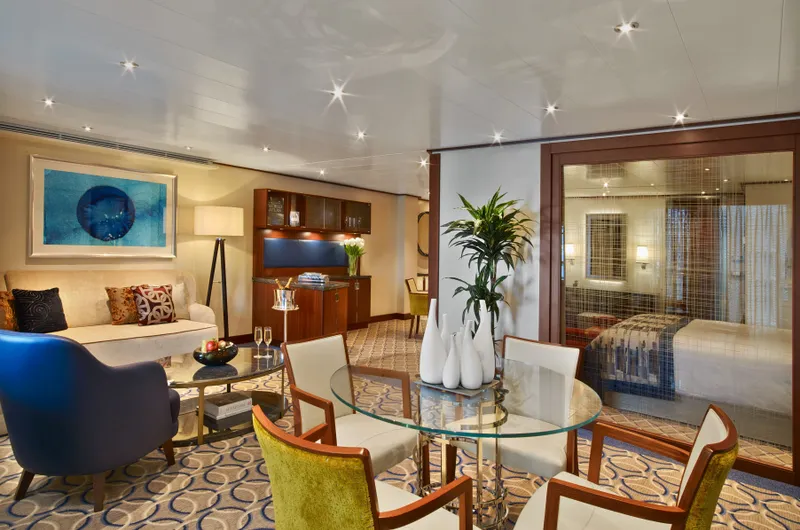
Owners Suite
Suite
718–1375 m²Max 2
O1O2
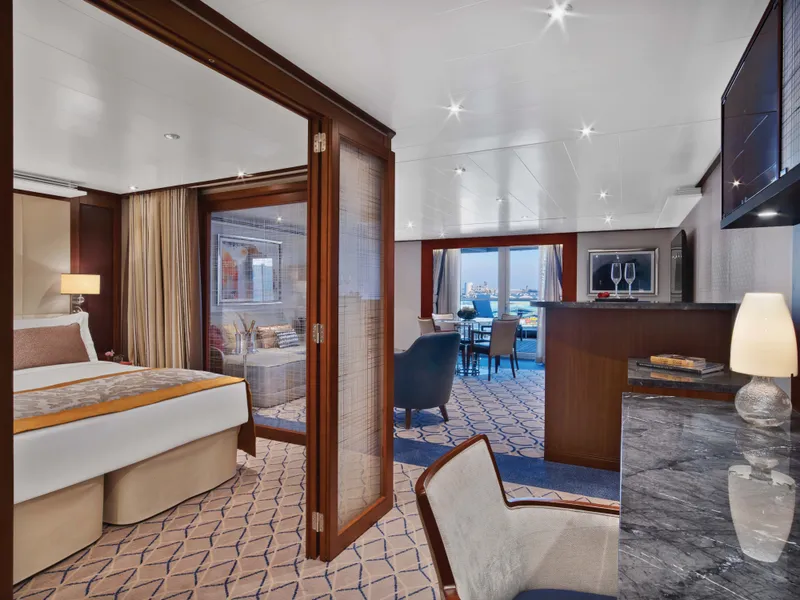
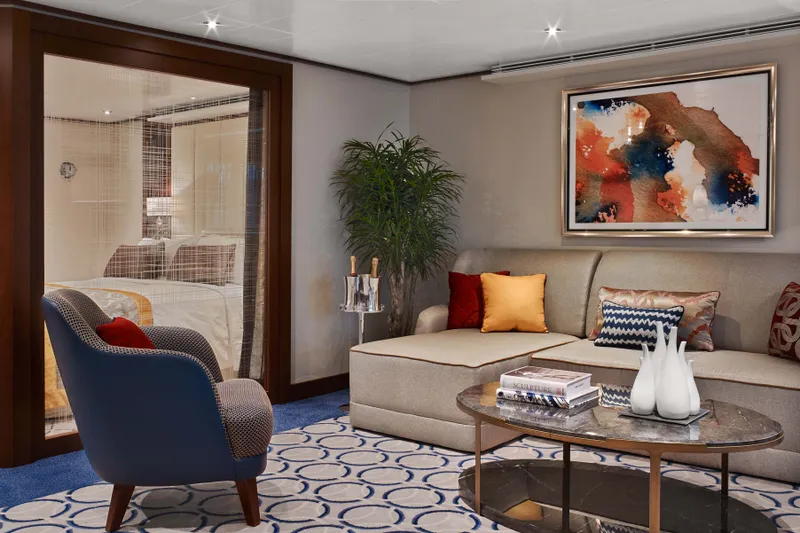
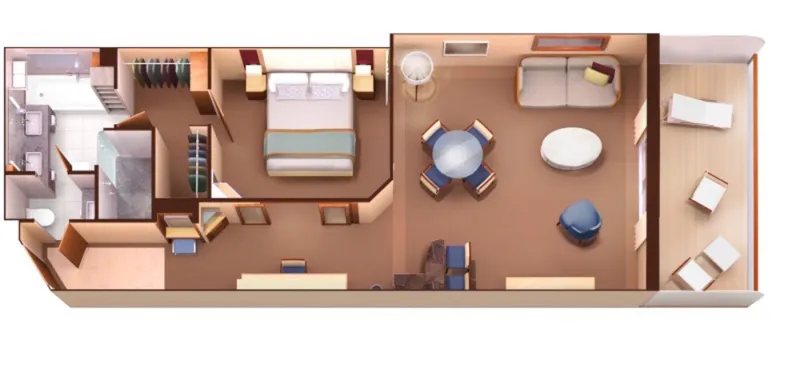
Located on Deck 7, 8, 9 and 10; total inside space of between 576 and 597 square feet (54 and 55 square meters) plus veranda of between 142 and 778 square feet (13 and 72 square meters).
Owner's Suites feature:
Expansive ocean views
Forward-facing windows
Dining for four to six
Bathroom with whirlpool bathtub
Guest bath
Pantry with wet bar
Two flat-screen TVs
Complimentary Internet/Wi-Fi service.
Queen or Twin ConfigurationDining AreaShowerWhirlpool BathTVSafe+11
View Details
Penthouse Spa Suite
Suite
893–965 m²Max 2
PS
Penthouse Spa Suite
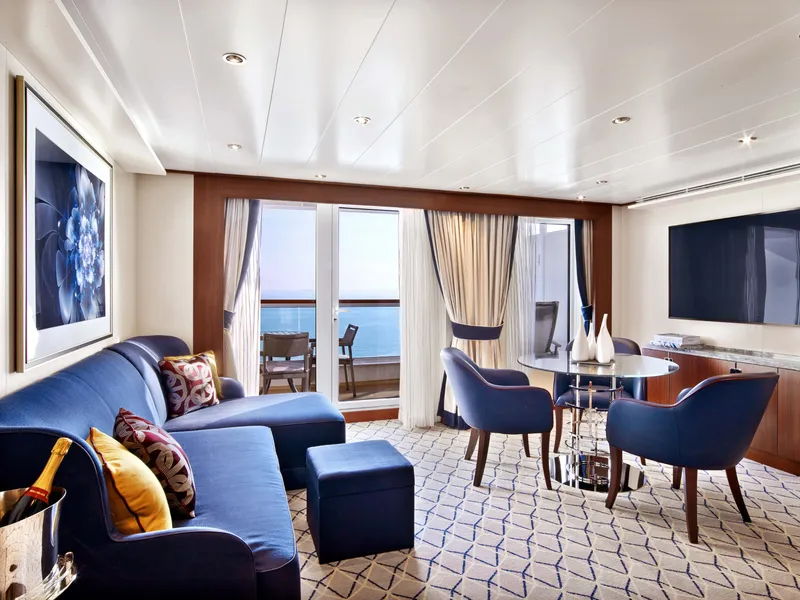
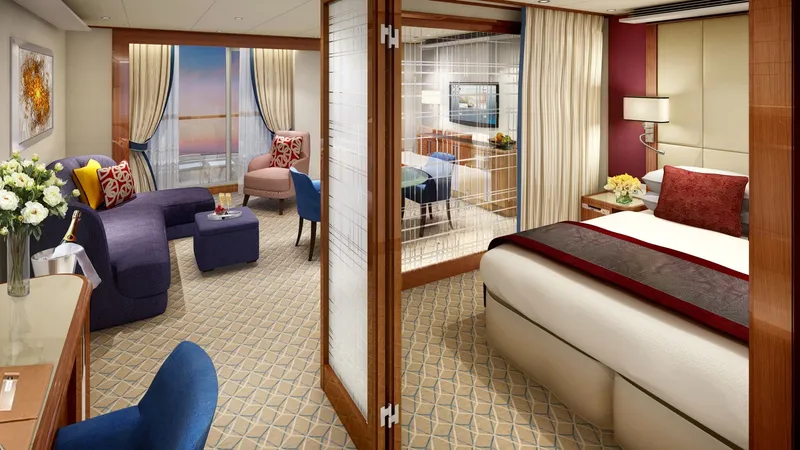
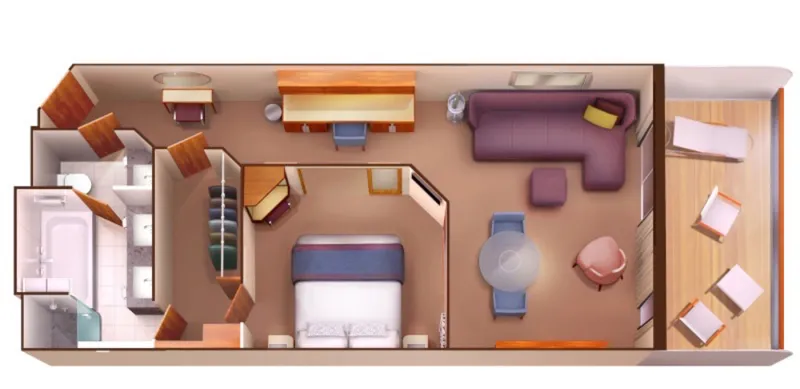
Located on Deck 11; total inside space of between 639 and 677 square feet (59 and 63 square meters) plus veranda of between 254 and 288 square feet (24 and 27 square meters)
All Penthouse Spa Suites feature
Dining table for two to four
Separate bedroom
Glass door to veranda
Two flat-screen TVs
Fully stocked bar
Spacious bathroom with tub, shower and large vanity
Lounge AreaVanity AreaToiletries ProvidedSuite BenefitsFull BarFree Wi-Fi+10
View Details
Penthouse Suite
Suite
542–553 m²Max 2
PH
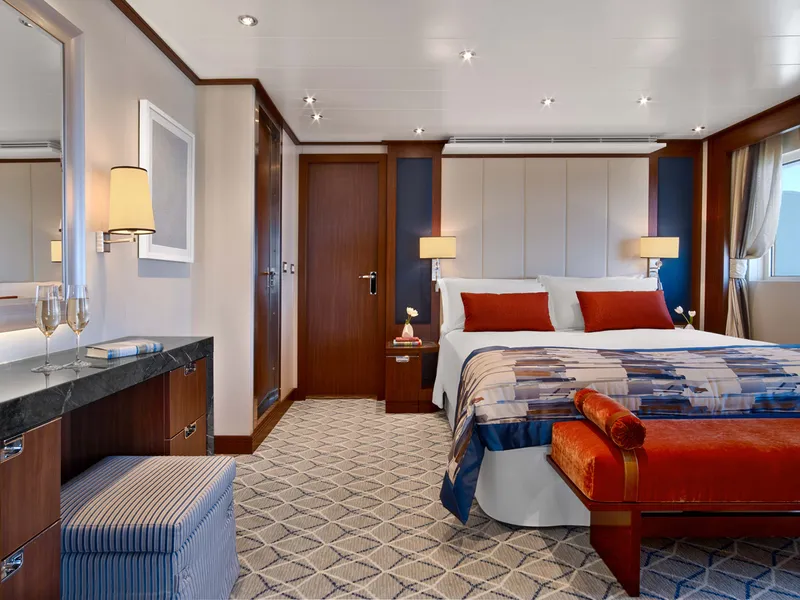
Located on Deck 10 and 11; total inside space of between 449 and 450 square feet (42 square meters) plus one veranda of between 93 and 103 square feet (9 and 10 square meters)
All Penthouse Suites feature:
Dining table for two to four
Separate bedroom
Glass door to veranda
Two flat-screen TVs
Fully stocked bar
Spacious bathroom with tub, shower and large vanity
Queen or Twin ConfigurationShowerBathTVSafeHair Dryer+11
View Details
Signature Suite
Suite
1937 m²Max 2
SS
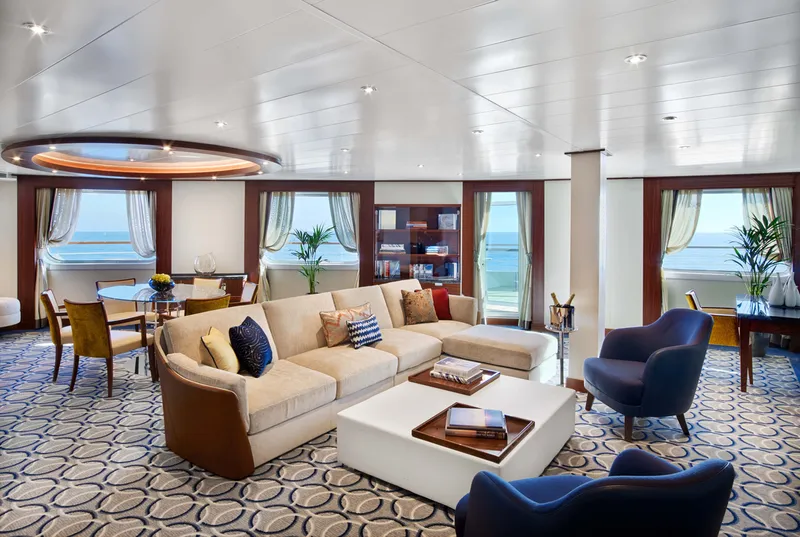
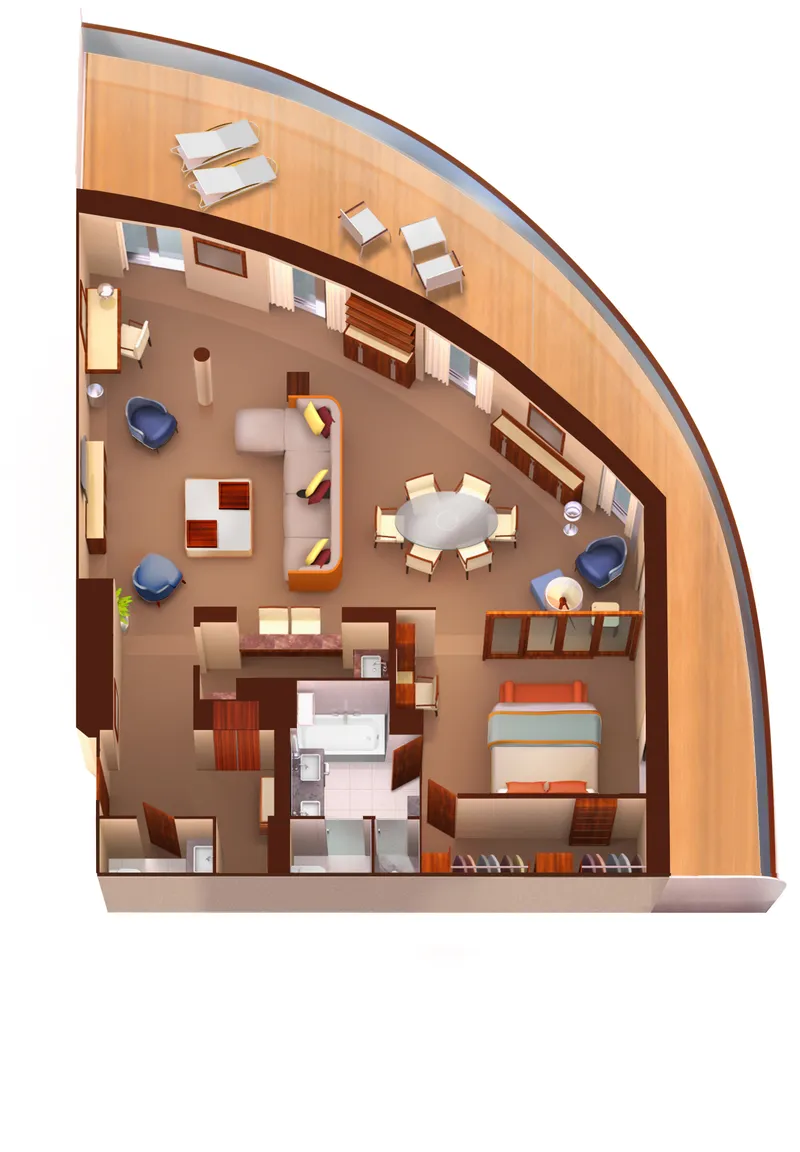
Located on Deck 8; forward suites 800 and 801 inside space of approximately 977 square feet of inside space (90 square meters), plus one veranda of 960 square feet (89 square meters).
Signature Suites feature
Expansive ocean views
Forward-facing windows
Dining for four to six
Bathroom with whirlpool bathtub
Guest bath
Pantry with wet bar
Two flat-screen TVs
Complimentary Internet/Wi-Fi service
Queen or Twin ConfigurationShowerTVFree Wi-FiSafeHair Dryer+11
View Details
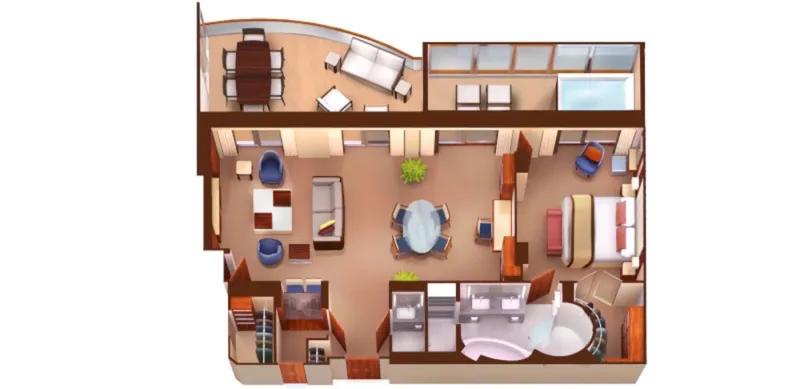
Wintergarden Suite
Suite
1186 m²Max 3
WG
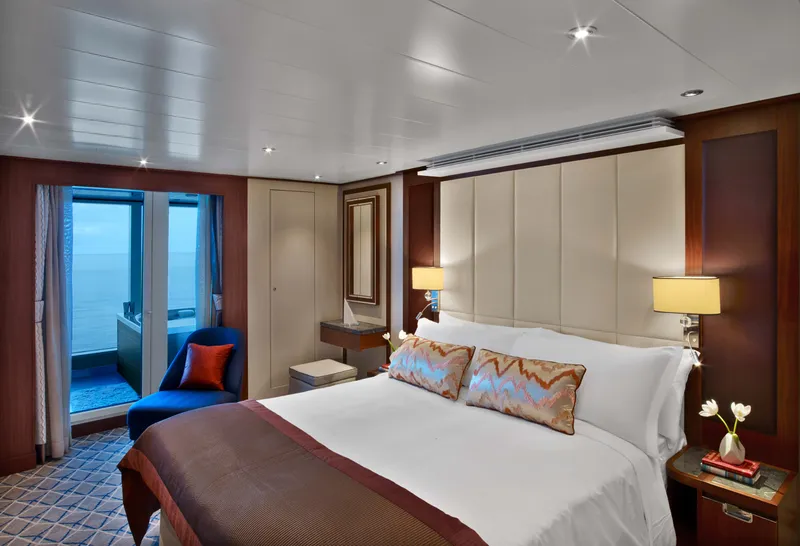
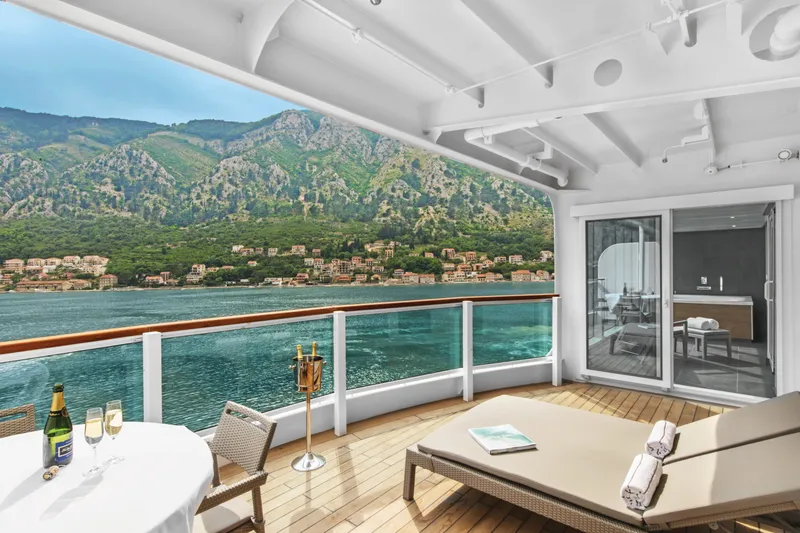
Located on Deck 8; mid-ship suites 846 and 849 inside space of 989 square feet (92 square meters) plus one veranda of 197 square feet (18 square meters)
Wintergarden Suites feature:
Large windows
Dining for six
Whirlpool bathtub
Guest bath
Convertible sofa bed for one
Pantry with wet bar
Glass-enclosed solarium with tub and day bed
Two closets
Two flat-screen TVs
Complimentary Internet/Wi-Fi service.
Queen or Twin ConfigurationSofa BedDining AreaShowerTVFree Wi-Fi+11
View Details
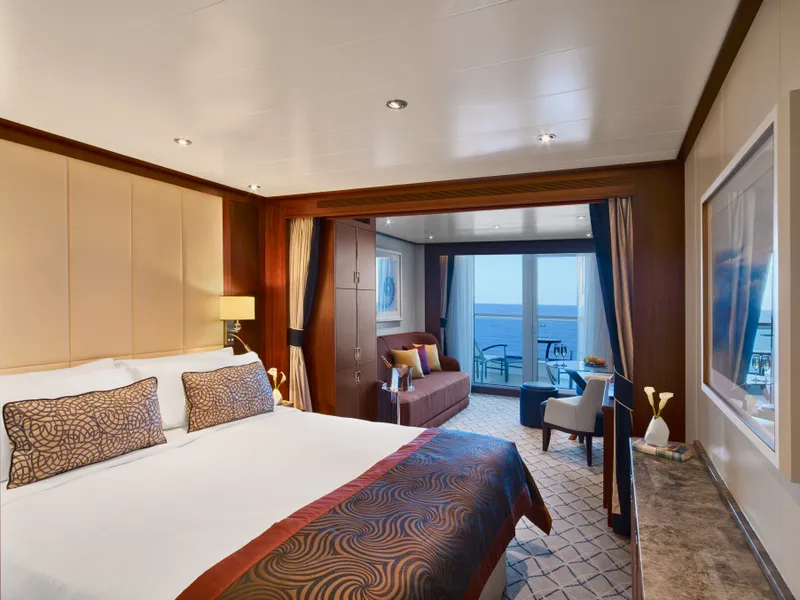
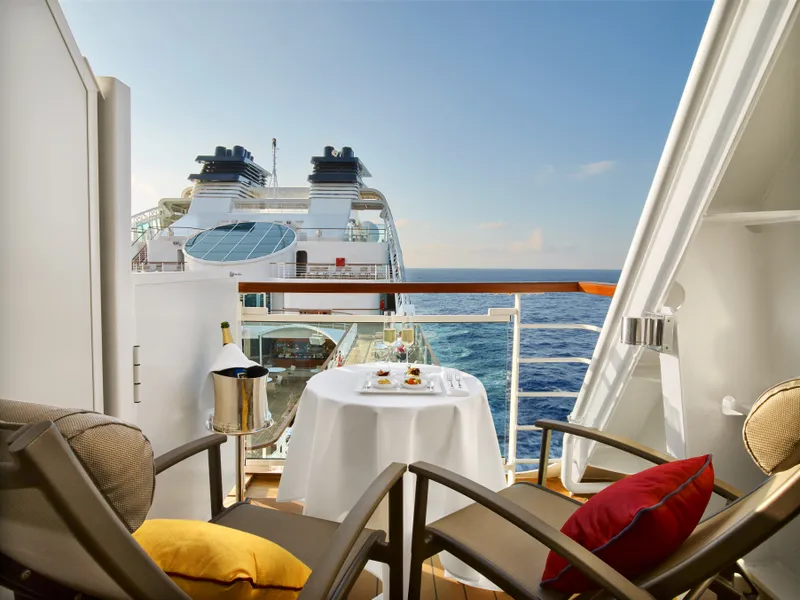
Single Veranda Suite Guarantee
Suite
314–385 m²Max 2
SV
Single Veranda Suite Guarantee
BathQueen or Twin ConfigurationLounge AreaDining AreaVanity AreaShower+11
View Details
Veranda Suite
Suite
314–385 m²Max 2
V1V2V3V4
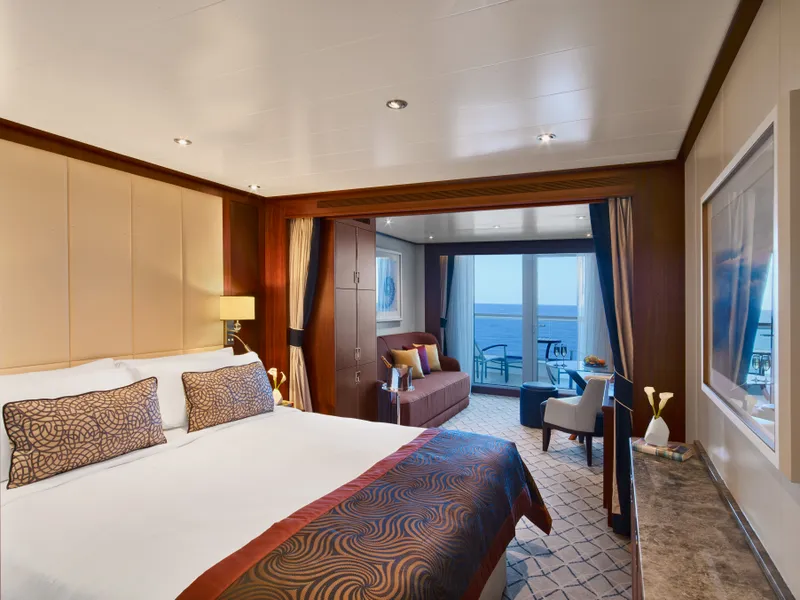
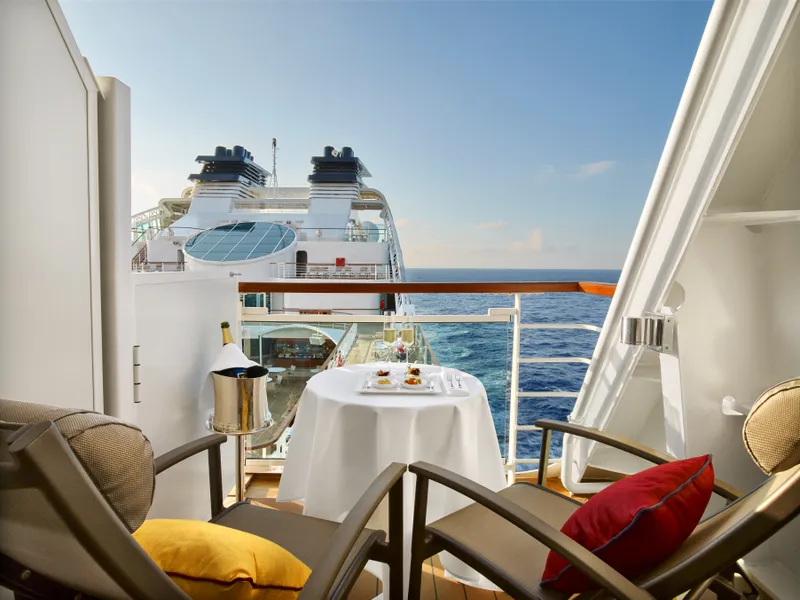
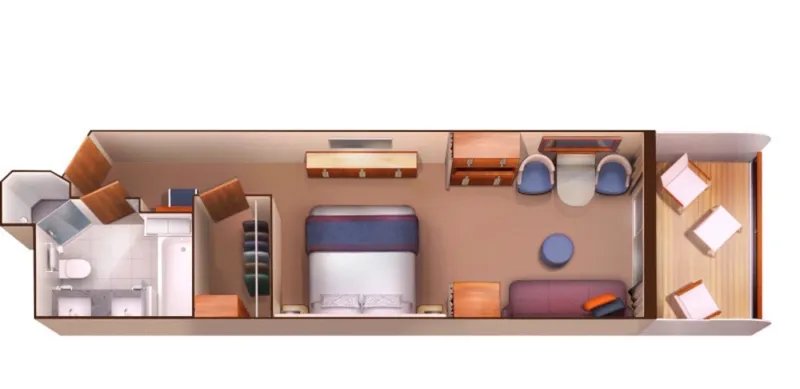
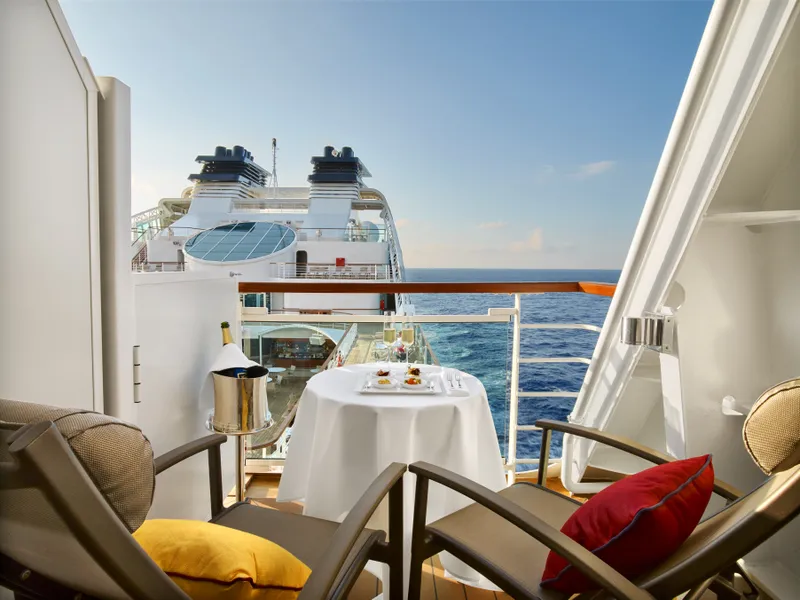
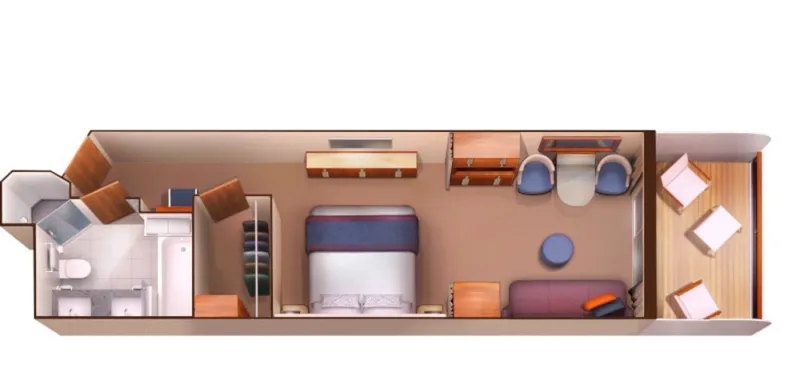
Located on Deck 6, Deck 7, Deck 8, Deck 9, total inside space of between 246 and 302 square feet (23 and 28 square meters) plus one veranda of between 68 and 83 square feet (6 and 7 square meters)
All Veranda Suites feature
A full-length window.
Glass door to private veranda.
Comfortable living area.
Queen-size bed or two twin beds.
Dining table for two.
Walk-in closet.
Interactive flat-screen television with music and movies.
Fully stocked bar and refrigerator.
Makeup vanity.
Spacious bathroom with separate tub and shower.
ShowerBathTVSafeHair DryerRoom Service Available+11
View Details
Veranda Suite Guarantee
Suite
314–385 m²Max 2
OBRB
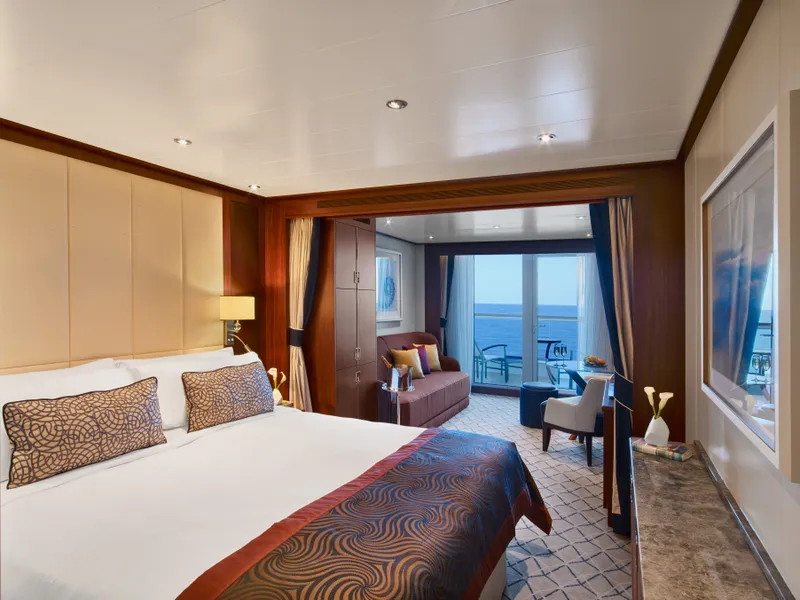
VERANDA SUITE GUARANTEE
ShowerBathTVSafeHair DryerRoom Service Available+11
View Details
Interested in This Voyage?
Our cruise specialists can help you find the perfect cabin and the best available pricing.
(+886) 02-2721-7300Contact Advisor