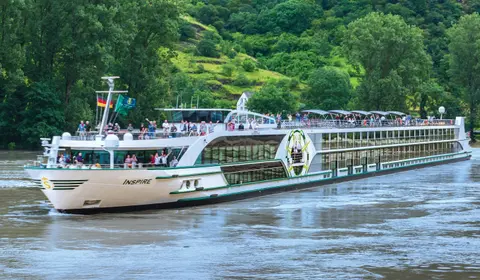
The Rhine and Moselle - Northbound
Date
2026-06-17
Duration
14 nights
Departure Port
Basel
Switzerland
Arrival Port
Amsterdam
Netherlands
Rating
Classic
Theme
—
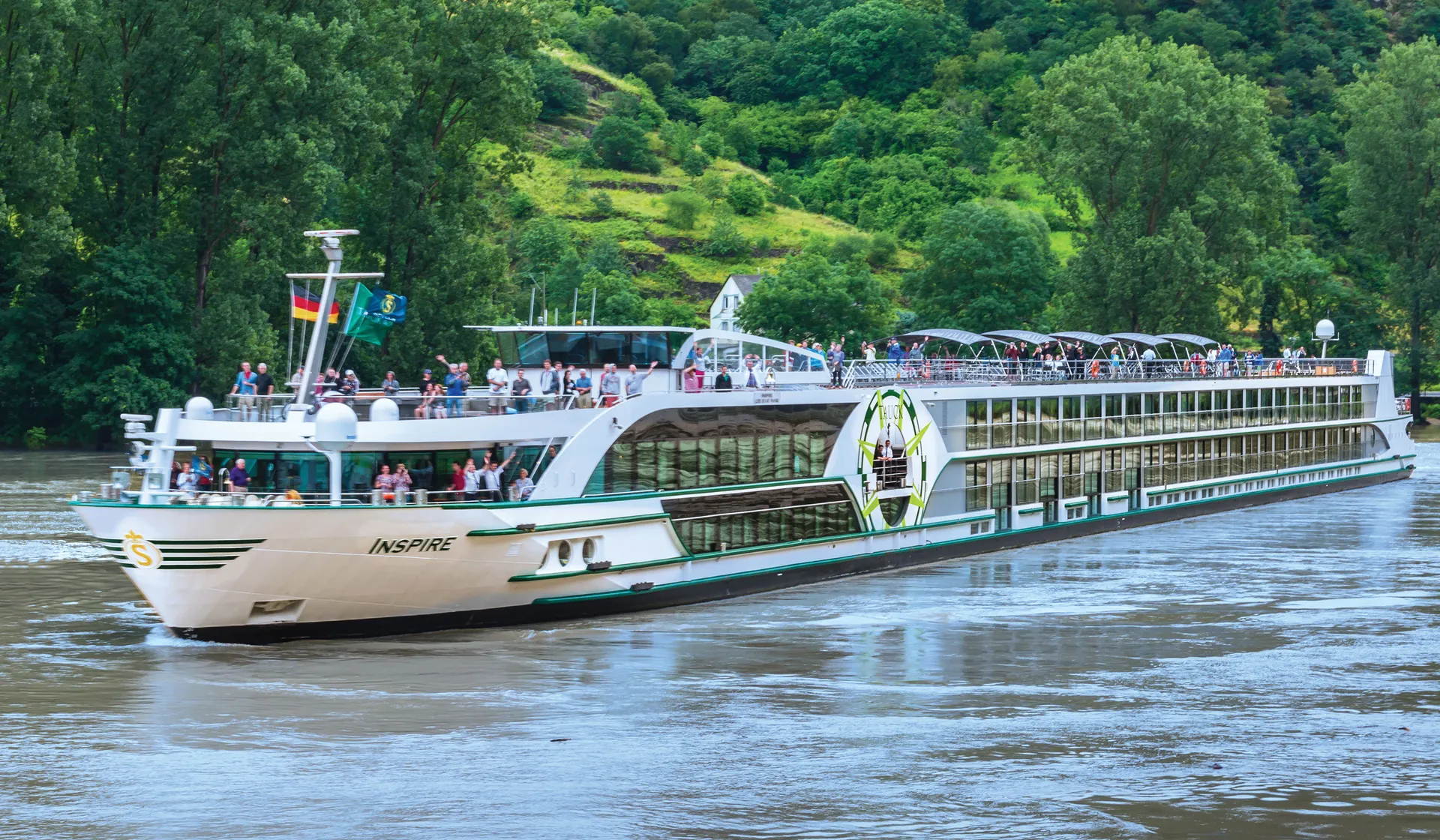
Tauck
MS Inspire
Inspiration
Launched
2013
Refitted
2020
Tonnage
—
Passengers
130
Cabins
67
Crew
39
Length
135 m
Width
11.4 m
Speed
—
Adults Only
No
Itinerary
Day 1
Day 1
Basel
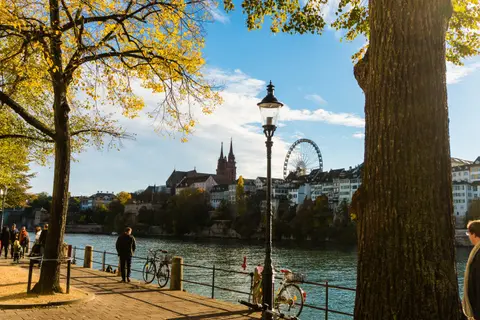
Basel, where Switzerland, France, and Germany converge at the Rhine's northward bend, hosts a concentration of world-class art institutions that rivals any city its size on earth — the Kunstmuseum alone, the world's oldest public art collection, could occupy days, and Art Basel each June draws every name that matters in the contemporary art world to this compact, elegant city. The Rhine itself is the city's great social artery: in summer, locals jump in with waterproof bags and float downstream, a tradition as charming as any museum. Spring through autumn is ideal for outdoor exploration; Paris is just three hours by TGV and Strasbourg a mere twenty minutes by train.
Day 3
Day 3
Strasbourg
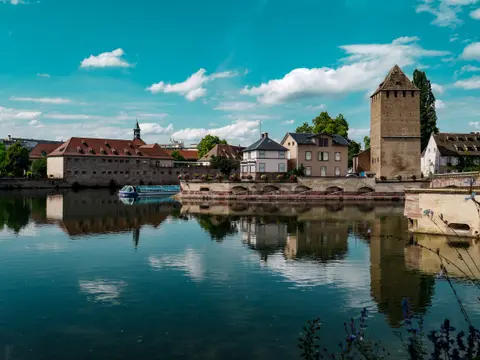
Strasbourg is one of Europe's great border cities, its Franco-German soul etched into every half-timbered façade of the UNESCO-listed Grande Île and every turret of the soaring rose-sandstone cathedral that reigned as the world's tallest building for over two centuries. As the seat of the European Parliament and home to the European Court of Human Rights, this sophisticated Alsatian capital savors outstanding Riesling and choucroute garnie with equal Continental pride. The city dazzles year-round, though December's legendary Christmas market — among the oldest in Europe — transforms its medieval squares into an enchanted winter spectacle.
Day 4
Day 4
Baden Baden

Baden-Baden is a UNESCO-listed spa city in Germany's northern Black Forest, celebrated for its Roman-era thermal baths, elegant Lichtentaler Allee promenade, and world-class cultural institutions including the Festspielhaus and Museum Frieder Burda. Visitors should not miss soaking in the Caracalla Spa and savouring authentic Schwarzwälder Kirschtorte at a traditional Konditorei. Late spring through early autumn offers the most rewarding experience, when the gardens are in full bloom and the terraced vineyards of the Ortenau are at their most luminous.
Day 5
Day 5
Heidelberg

Heidelberg, a historic town on the Neckar River, is renowned for its stunning architecture, including the iconic Heidelberg Castle and the Gothic Heiliggeistkirche. Must-do experiences include indulging in local delicacies such as Sauerbraten and exploring the vibrant markets. The best season to visit is spring or fall, when the weather complements the town's romantic charm.
Day 6
Day 6
Boppard
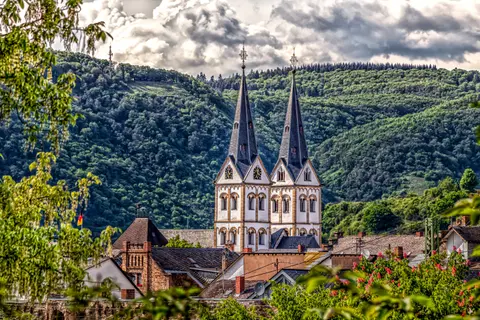
Boppard is a two-thousand-year-old Rhine town in Germany's UNESCO-listed Middle Rhine Valley, where Roman fortress walls, Gothic churches, and half-timbered lanes converge beneath dramatic river cliffs. Visitors should ride the Vierseenblick chairlift for the legendary four-lakes panorama and taste the local Riesling from the renowned Bopparder Hamm vineyard. Late spring through early autumn offers the most rewarding experience, when the terraced vineyards are lush and the Weinstuben spill onto sunlit riverside terraces.
Day 7
Day 7
Cochem
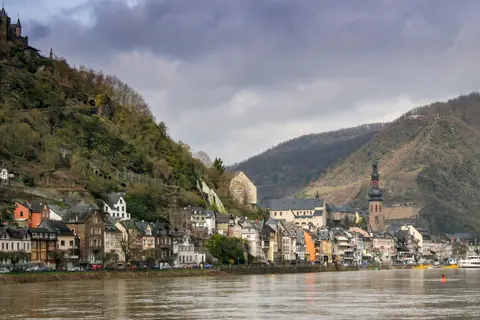
The Reichsburg Cochem — a turreted fairy-tale castle presiding over a loop of the Moselle River — is among Germany's most photogenic medieval fortresses, its silhouette rising above terraced vineyards of ancient Riesling vines. The town below offers a charming ensemble of half-timbered houses, wine-cellar tastings, and cycle paths threading through valley landscapes that have barely changed in centuries. Arrive in September for the harvest festival, when the whole town smells of fermenting Riesling, or choose May for blossom-framed panoramas and long golden evenings on the riverside terraces.
Day 8
Day 8
Luxembourg
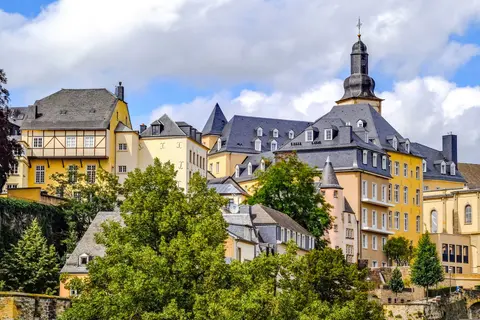
Luxembourg is Europe's most dramatically situated small capital, perched above deep river gorges and fortified with UNESCO-listed ramparts including seventeen kilometres of underground casemates. Must-dos include exploring the Bock Casemates, dining on Judd mat Gaardebounen, and wandering the charming Grund quarter in the valley below. May through October offers the best weather for enjoying the city's extraordinary terrace views and outdoor cafe culture.
Day 9
Day 9
Trier
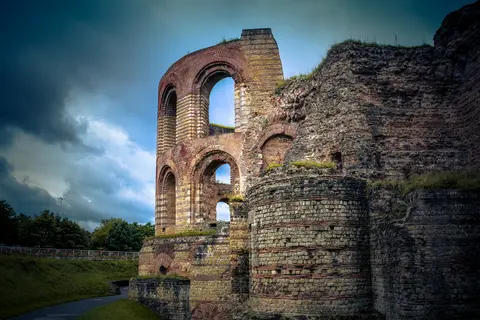
Trier is Germany's oldest city and once the northern capital of the Western Roman Empire, its incomparable UNESCO-listed ensemble of monuments — the blackened Porta Nigra gate, the vast Imperial Baths, the Amphitheater, and a Roman bridge still carrying traffic across the Moselle — more than justifying the title 'Rome of the North.' The birthplace of Karl Marx and a gateway to the Moselle wine region's elegant Riesling estates, Trier rewards a long visit with layers of history spanning two millennia within an effortlessly walkable historic center. The summer months from May to September are ideal, when Moselle Valley vineyard terraces gleam in full-leafed splendor.
Day 10
Day 10
Alken
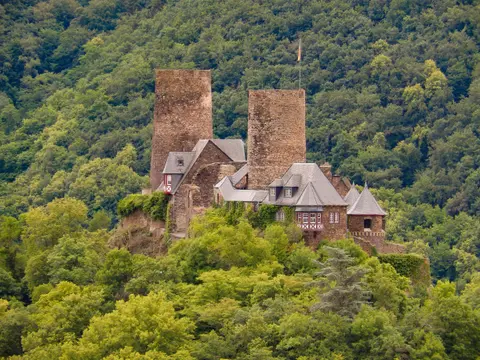
Alken is a tiny Moselle wine village of 700 residents beneath the twin-towered ruins of 13th-century Burg Thurant, surrounded by some of the world's steepest Riesling vineyards on terraced slate slopes. Must-dos include tasting crystalline Mosel Riesling at village Weinstuben, climbing Burg Thurant for valley views, and walking the vineyard paths above the river. Visit September or October for the wine harvest festival and golden vineyard foliage.
Day 11
Day 11
Cologne
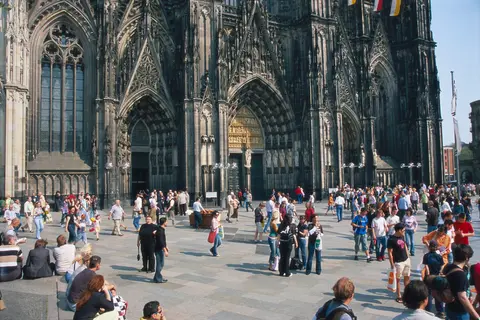
Cologne's twin-spired Gothic cathedral, six hundred years in the building and still the city's defining monument, is the inevitable starting point — but this ancient Rhine city rewards exploration well beyond its iconic silhouette. The Romano-Germanic Museum reveals the city's Roman foundations, while the Chocolate Museum on the riverbank offers a distinctly sweeter history lesson. Cologne's famed Kölsch beer culture thrives in the old town's traditional brew-houses, where one round follows another in centuries-old wooden halls. The city is welcoming year-round, though the legendary Christmas markets (November–December) attract visitors from across Europe.
Day 12
Day 12
Arnhem

Arnhem, the refined capital of Gelderland province, sits along the Lower Rhine in the eastern Netherlands — a city where wartime history, world-class art at the Kröller-Müller Museum, and the wild beauty of De Hoge Veluwe National Park converge. Visitors should not miss the Van Gogh collection and sculpture gardens, nor the chance to taste *Arnhemse meisjes*, the city's signature nineteenth-century biscuit. Late spring through early autumn offers the finest conditions, when Sonsbeek Park's woodland ravines are lush and the riverside terraces invite long, golden evenings.
Day 13
Day 13
Amsterdam
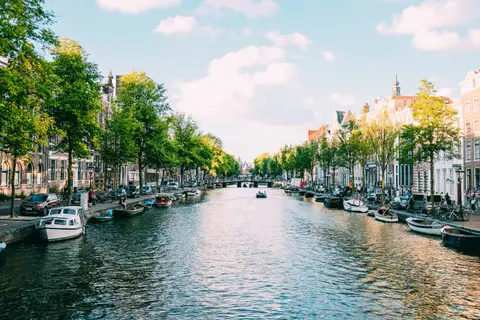
Amsterdam's UNESCO-listed canal ring — a concentric web of seventeenth-century merchant houses and arching stone bridges — remains one of the Western world's most perfectly preserved Golden Age cityscapes, best explored by bicycle or canal boat at a pace that lets the city's genius reveal itself slowly. The Rijksmuseum's collection of Rembrandt and Vermeer masterpieces is essential, while the Anne Frank House offers one of Europe's most profoundly moving historical encounters. Spring brings the iconic tulip season; summer fills the terraces of the Jordaan district. Schiphol Airport makes Amsterdam a seamless gateway to the entire European continent.
Day 15
Day 15
Amsterdam
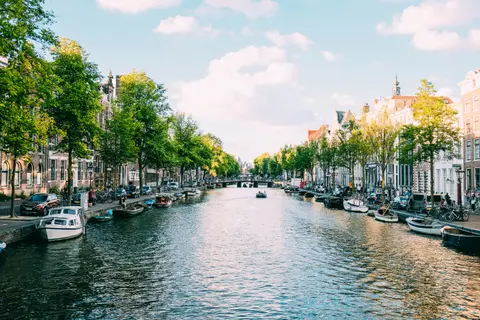
Amsterdam's UNESCO-listed canal ring — a concentric web of seventeenth-century merchant houses and arching stone bridges — remains one of the Western world's most perfectly preserved Golden Age cityscapes, best explored by bicycle or canal boat at a pace that lets the city's genius reveal itself slowly. The Rijksmuseum's collection of Rembrandt and Vermeer masterpieces is essential, while the Anne Frank House offers one of Europe's most profoundly moving historical encounters. Spring brings the iconic tulip season; summer fills the terraces of the Jordaan district. Schiphol Airport makes Amsterdam a seamless gateway to the entire European continent.
Day 1
Basel
Basel, where Switzerland, France, and Germany converge at the Rhine's northward bend, hosts a concentration of world-class art institutions that rivals any city its size on earth — the Kunstmuseum alone, the world's oldest public art collection, could occupy days, and Art Basel each June draws every name that matters in the contemporary art world to this compact, elegant city. The Rhine itself is the city's great social artery: in summer, locals jump in with waterproof bags and float downstream, a tradition as charming as any museum. Spring through autumn is ideal for outdoor exploration; Paris is just three hours by TGV and Strasbourg a mere twenty minutes by train.
Day 3
Strasbourg
Strasbourg is one of Europe's great border cities, its Franco-German soul etched into every half-timbered façade of the UNESCO-listed Grande Île and every turret of the soaring rose-sandstone cathedral that reigned as the world's tallest building for over two centuries. As the seat of the European Parliament and home to the European Court of Human Rights, this sophisticated Alsatian capital savors outstanding Riesling and choucroute garnie with equal Continental pride. The city dazzles year-round, though December's legendary Christmas market — among the oldest in Europe — transforms its medieval squares into an enchanted winter spectacle.
Day 4
Baden Baden
Baden-Baden is a UNESCO-listed spa city in Germany's northern Black Forest, celebrated for its Roman-era thermal baths, elegant Lichtentaler Allee promenade, and world-class cultural institutions including the Festspielhaus and Museum Frieder Burda. Visitors should not miss soaking in the Caracalla Spa and savouring authentic Schwarzwälder Kirschtorte at a traditional Konditorei. Late spring through early autumn offers the most rewarding experience, when the gardens are in full bloom and the terraced vineyards of the Ortenau are at their most luminous.
Day 5
Heidelberg
Heidelberg, a historic town on the Neckar River, is renowned for its stunning architecture, including the iconic Heidelberg Castle and the Gothic Heiliggeistkirche. Must-do experiences include indulging in local delicacies such as Sauerbraten and exploring the vibrant markets. The best season to visit is spring or fall, when the weather complements the town's romantic charm.
Day 6
Boppard
Boppard is a two-thousand-year-old Rhine town in Germany's UNESCO-listed Middle Rhine Valley, where Roman fortress walls, Gothic churches, and half-timbered lanes converge beneath dramatic river cliffs. Visitors should ride the Vierseenblick chairlift for the legendary four-lakes panorama and taste the local Riesling from the renowned Bopparder Hamm vineyard. Late spring through early autumn offers the most rewarding experience, when the terraced vineyards are lush and the Weinstuben spill onto sunlit riverside terraces.
Day 7
Cochem
The Reichsburg Cochem — a turreted fairy-tale castle presiding over a loop of the Moselle River — is among Germany's most photogenic medieval fortresses, its silhouette rising above terraced vineyards of ancient Riesling vines. The town below offers a charming ensemble of half-timbered houses, wine-cellar tastings, and cycle paths threading through valley landscapes that have barely changed in centuries. Arrive in September for the harvest festival, when the whole town smells of fermenting Riesling, or choose May for blossom-framed panoramas and long golden evenings on the riverside terraces.
Day 8
Luxembourg
Luxembourg is Europe's most dramatically situated small capital, perched above deep river gorges and fortified with UNESCO-listed ramparts including seventeen kilometres of underground casemates. Must-dos include exploring the Bock Casemates, dining on Judd mat Gaardebounen, and wandering the charming Grund quarter in the valley below. May through October offers the best weather for enjoying the city's extraordinary terrace views and outdoor cafe culture.
Day 9
Trier
Trier is Germany's oldest city and once the northern capital of the Western Roman Empire, its incomparable UNESCO-listed ensemble of monuments — the blackened Porta Nigra gate, the vast Imperial Baths, the Amphitheater, and a Roman bridge still carrying traffic across the Moselle — more than justifying the title 'Rome of the North.' The birthplace of Karl Marx and a gateway to the Moselle wine region's elegant Riesling estates, Trier rewards a long visit with layers of history spanning two millennia within an effortlessly walkable historic center. The summer months from May to September are ideal, when Moselle Valley vineyard terraces gleam in full-leafed splendor.
Day 10
Alken
Alken is a tiny Moselle wine village of 700 residents beneath the twin-towered ruins of 13th-century Burg Thurant, surrounded by some of the world's steepest Riesling vineyards on terraced slate slopes. Must-dos include tasting crystalline Mosel Riesling at village Weinstuben, climbing Burg Thurant for valley views, and walking the vineyard paths above the river. Visit September or October for the wine harvest festival and golden vineyard foliage.
Day 11
Cologne
Cologne's twin-spired Gothic cathedral, six hundred years in the building and still the city's defining monument, is the inevitable starting point — but this ancient Rhine city rewards exploration well beyond its iconic silhouette. The Romano-Germanic Museum reveals the city's Roman foundations, while the Chocolate Museum on the riverbank offers a distinctly sweeter history lesson. Cologne's famed Kölsch beer culture thrives in the old town's traditional brew-houses, where one round follows another in centuries-old wooden halls. The city is welcoming year-round, though the legendary Christmas markets (November–December) attract visitors from across Europe.
Day 12
Arnhem
Arnhem, the refined capital of Gelderland province, sits along the Lower Rhine in the eastern Netherlands — a city where wartime history, world-class art at the Kröller-Müller Museum, and the wild beauty of De Hoge Veluwe National Park converge. Visitors should not miss the Van Gogh collection and sculpture gardens, nor the chance to taste *Arnhemse meisjes*, the city's signature nineteenth-century biscuit. Late spring through early autumn offers the finest conditions, when Sonsbeek Park's woodland ravines are lush and the riverside terraces invite long, golden evenings.
Day 13
Amsterdam
Amsterdam's UNESCO-listed canal ring — a concentric web of seventeenth-century merchant houses and arching stone bridges — remains one of the Western world's most perfectly preserved Golden Age cityscapes, best explored by bicycle or canal boat at a pace that lets the city's genius reveal itself slowly. The Rijksmuseum's collection of Rembrandt and Vermeer masterpieces is essential, while the Anne Frank House offers one of Europe's most profoundly moving historical encounters. Spring brings the iconic tulip season; summer fills the terraces of the Jordaan district. Schiphol Airport makes Amsterdam a seamless gateway to the entire European continent.
Day 15
Amsterdam
Amsterdam's UNESCO-listed canal ring — a concentric web of seventeenth-century merchant houses and arching stone bridges — remains one of the Western world's most perfectly preserved Golden Age cityscapes, best explored by bicycle or canal boat at a pace that lets the city's genius reveal itself slowly. The Rijksmuseum's collection of Rembrandt and Vermeer masterpieces is essential, while the Anne Frank House offers one of Europe's most profoundly moving historical encounters. Spring brings the iconic tulip season; summer fills the terraces of the Jordaan district. Schiphol Airport makes Amsterdam a seamless gateway to the entire European continent.
Cabin Categories
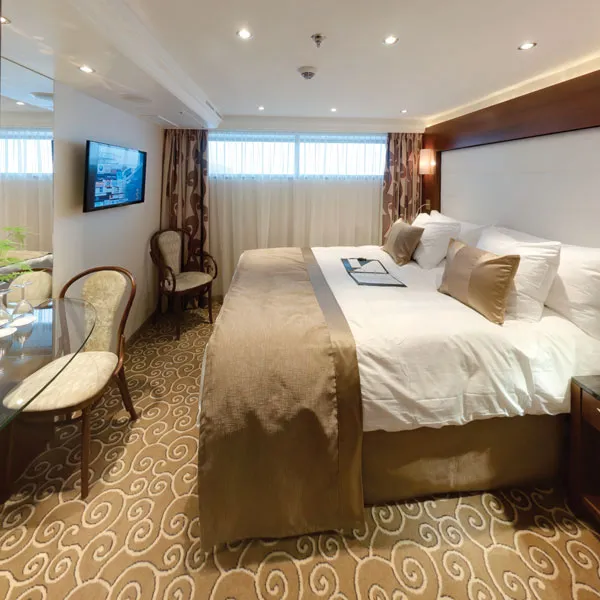
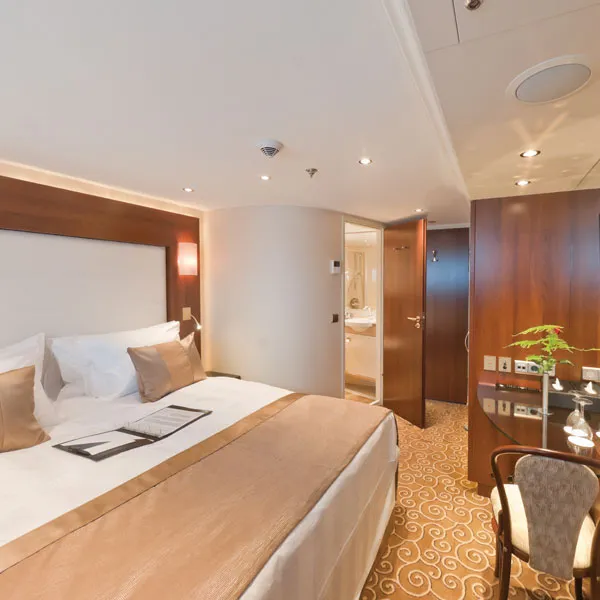
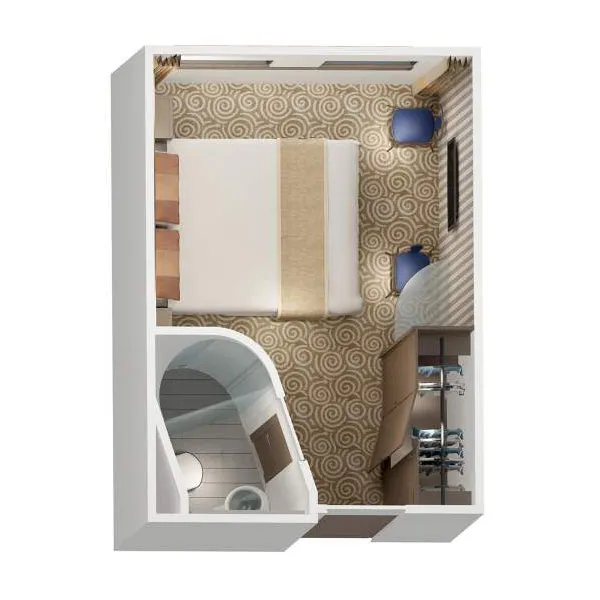
Category 1 | Emerald Deck
Inside
CAT1
Private Balcony:
No
Beds:
2 European twin beds that can slide together; 200 cm x 156 cm (two beds 200 cm x 78 cm each when separate); 79" x 61" (two beds 79" x 31"); 4 pieces of luggage can be stored under beds
Stateroom Furnishings:
Built-in closet with drawers, 2 chairs, 400 thread count cotton linens\white duvets and pillows of mako cotton with 90% down filling
Private Bathroom:
Yes, with shower
Bathroom Amenities:
Molton Brown toiletries – a Tauck Exclusive, Terry-cloth bathrobe plus slippers
Stateroom Amenities:
Two 2' by 3' fixed windows, Minibar stocked with complimentary water and soft drinks replenished daily, 32" LED TV, 220v and 110v outlets in cabin and bathroom, Easy under-bed luggage storage, Telephone, safe and individual climate control, Onboard wi-fi available
View Details
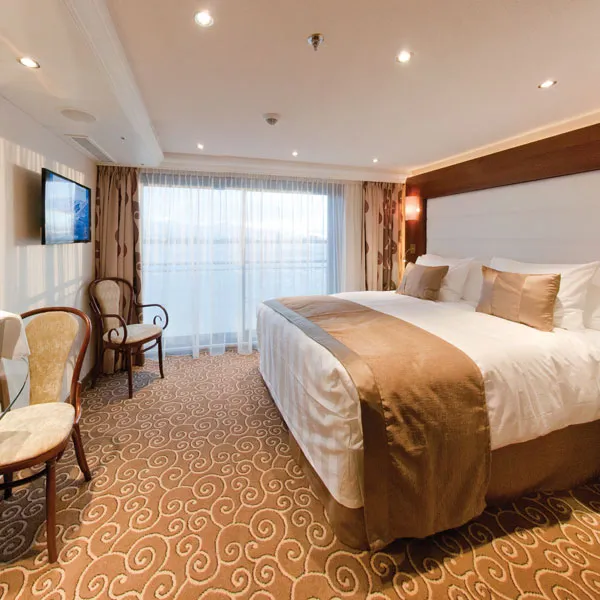
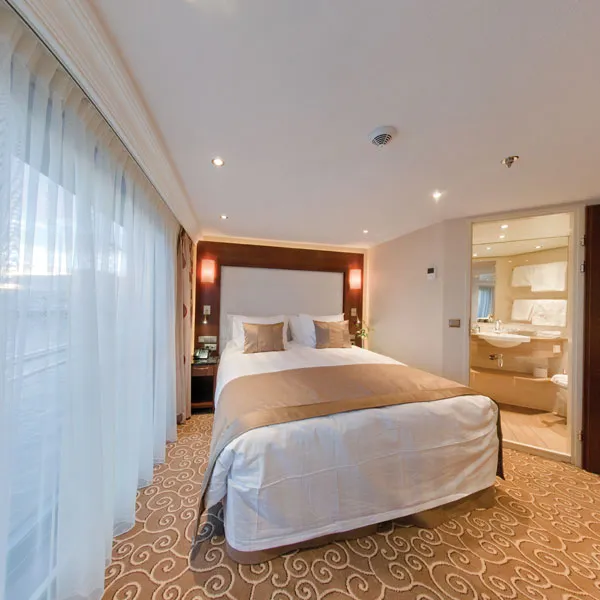
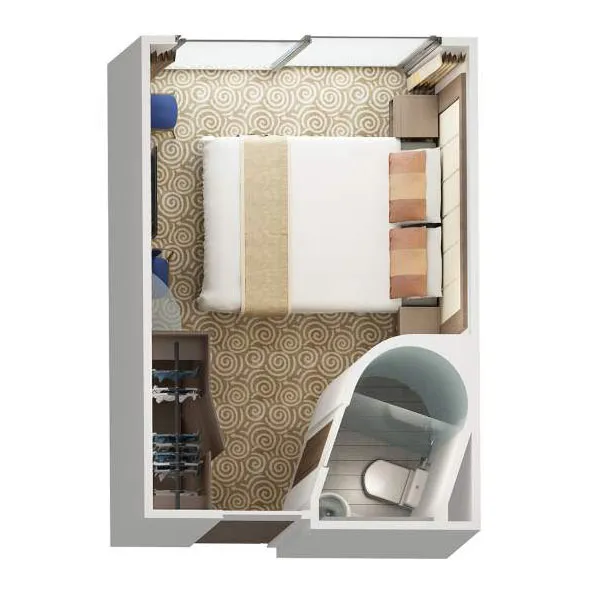
Category 2 | Ruby Deck
Inside
CAT2
Private Balcony:
French
Beds:
2 European twin beds that can slide together; 200 cm x 156 cm (two beds 200 cm x 78 cm each when separate); 79" x 61" (two beds 79" x 31"); 4 pieces of luggage can be stored under beds
Stateroom Furnishings:
Built-in closet with drawers, 2 chairs, 400 thread count cotton linens\white duvets and pillows of mako cotton with 90% down filling
Private Bathroom:
Yes, with shower
Bathroom Amenities:
Molton Brown toiletries – a Tauck Exclusive, Terry-cloth bathrobe plus slippers
Stateroom Amenities:
One floor-to-ceiling French Balcony (98 inches wide x 75 inches high) with one sliding door that opens, Minibar stocked with complimentary water and soft drinks replenished daily, 32" LED TV, 220v and 110v outlets in cabin and bathroom, Easy under-bed luggage storage, Telephone, safe and individual climate control, Onboard wi-fi available
View Details
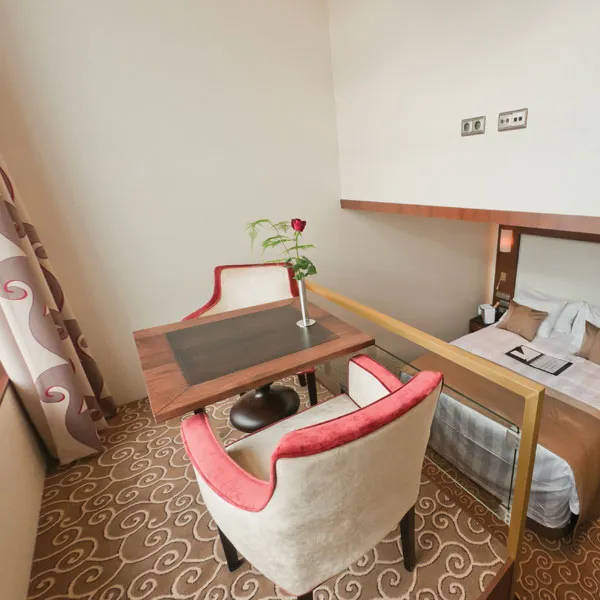
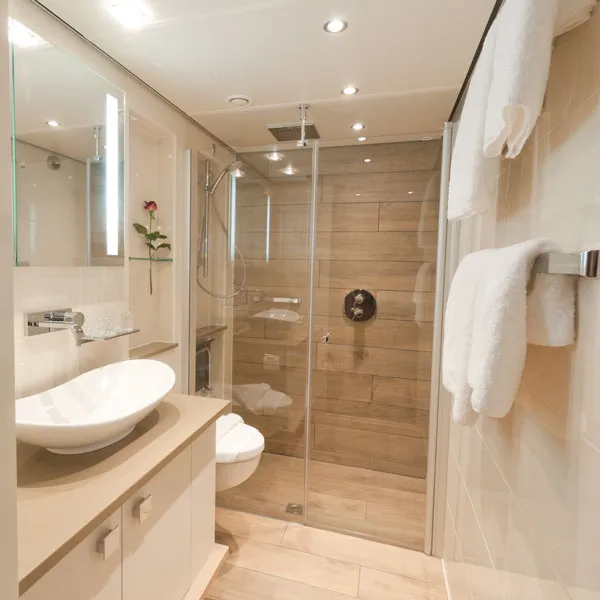
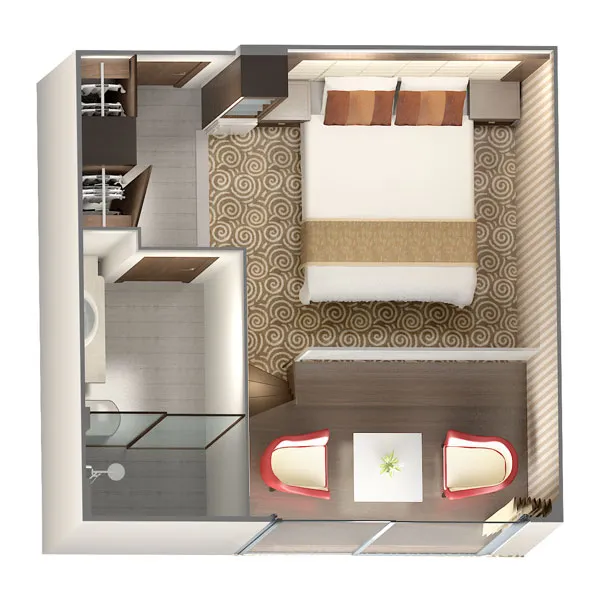
Category 3 | Emerald Deck
Inside
CAT3
Private Balcony:
No
Beds:
2 European twin beds that can slide together; 200 cm x 160 cm (two beds 200 cm x 80 cm each when separate); 79" x 63" (two beds 79" x 31.5"); 4 pieces of luggage can be stored under beds
Stateroom Furnishings:
Padded headboard with reading lamps, Closets, Storage / drawers, 4 steps up to loft area, Railing, Built-in closet with drawers, 400 thread count cotton linens / white duvets and pillows of mako cotton with 90% down filling
Private Bathroom:
Yes, with shower
Bathroom Amenities:
Molton Brown toiletries – a Tauck Exclusive, Terry-cloth bathrobes plus slippers, Full-sized bathroom featuring enhanced lighting, additional storage and a hair dryer, Large shower featuring rainfall shower head
Stateroom Amenities:
Innovatively designed 225 sq. ft. "split-level" loft cabins, One-and-a-half deck window that opens at the top, electronically controlled, Safe, Minibar stocked with complimentary water and soft drinks, replenished daily, 32" LED TV , Window (98 inches x 114 inches) can be partially opened, 220v and 110v outlets in cabin and bathroom, Easy under-bed luggage storage, Telephone and individual climate control, Onboard wi-fi available
View Details
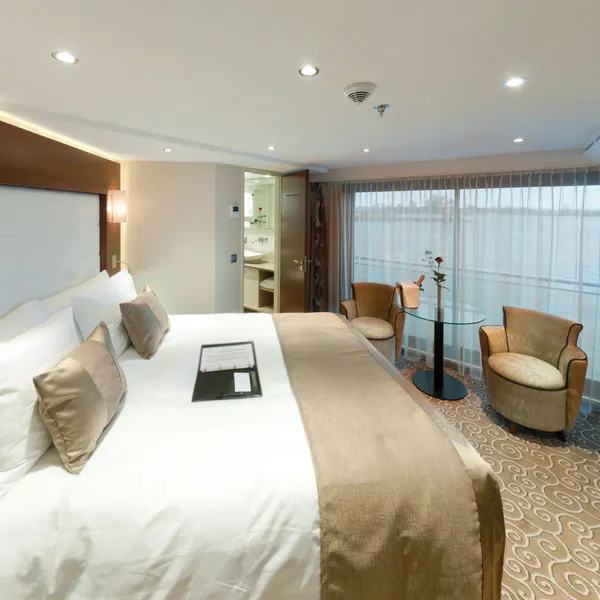
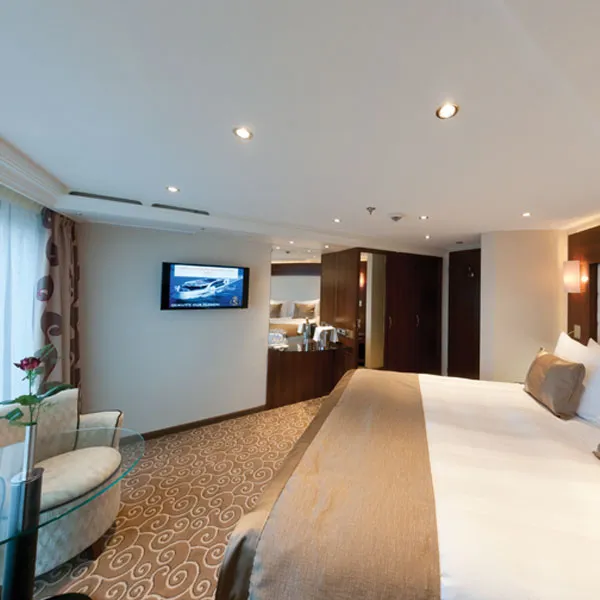
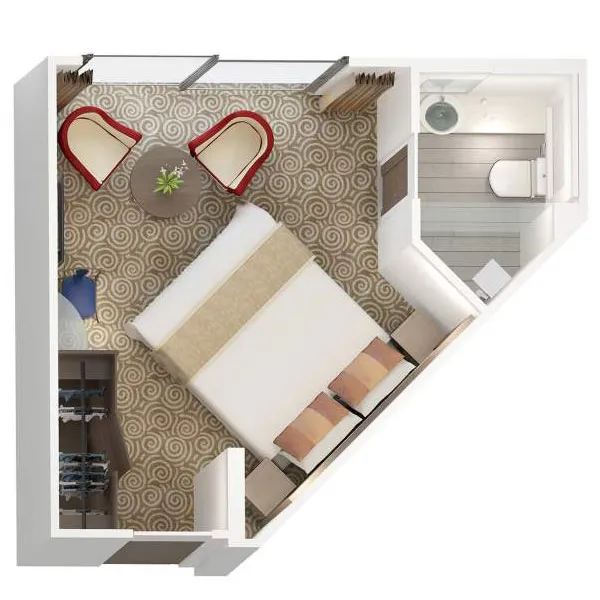
Category 4 | Ruby Deck
Inside
CAT4
Private Balcony:
French
Beds:
2 European twin beds that can slide together; 200 cm x 160 cm (two beds 200 cm x 80 cm each when separate); 79" x 63" (two beds 79" x 31.5"); 4 pieces of luggage can be stored under beds
Stateroom Furnishings:
Built-in closet and drawers, 2 chairs, 400 thread count cotton linens\white duvets and pillows of mako cotton with 90% down filling
Private Bathroom:
Yes, with shower
Bathroom Amenities:
Molton Brown toiletries – a Tauck Exclusive, Terry-cloth bathrobe plus slippers, Bathroom with larger showers with rainfall shower heads, enhanced lighting, and under-sink storage space
Stateroom Amenities:
One floor-to-ceiling French Balcony (98 inches wide x 75 inches high) with one sliding door that opens, Minibar stocked with complimentary water and soft drinks replenished daily, 32" LED TV, 220v and 110v outlets in cabin and bathroom, Easy under-bed, luggage storage, Telephone, safe and individual climate control, Onboard wi-fi available
View Details
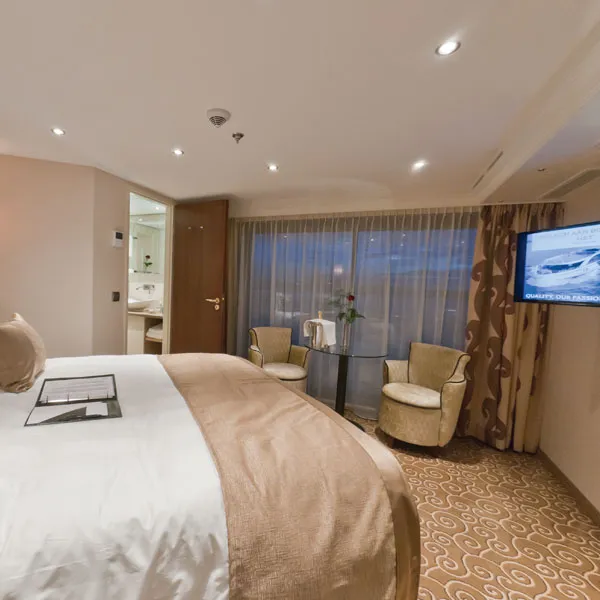
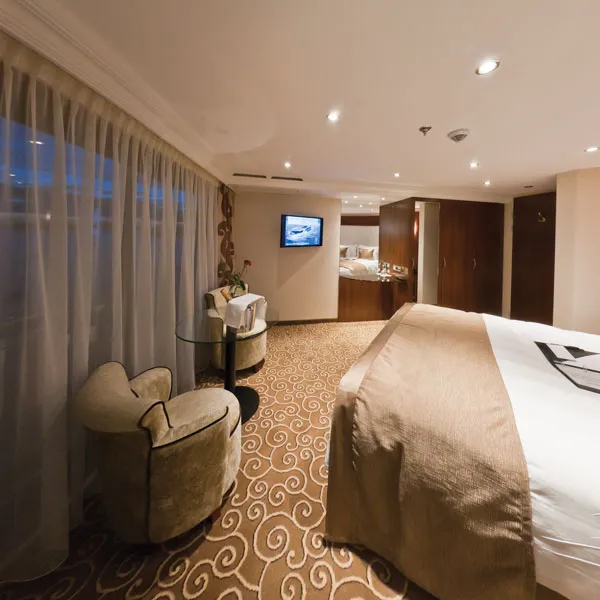
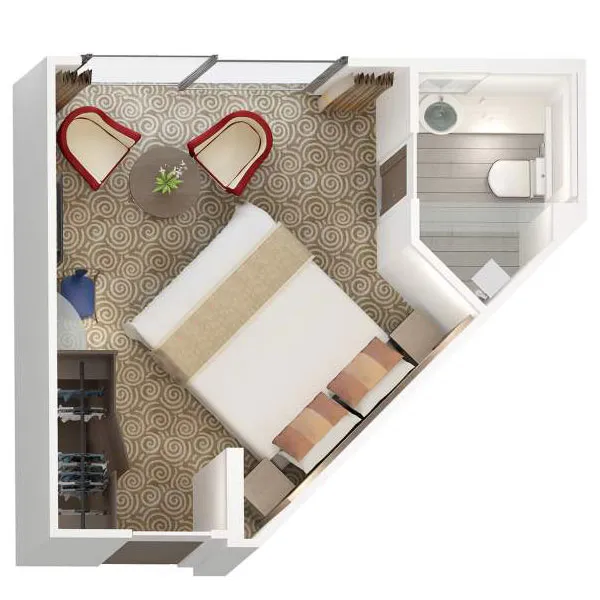
Category 5 | Diamond Deck
Inside
CAT5
Private Balcony:
French
Beds:
2 European twin beds that can slide together; 200 cm x 160 cm (two beds 200 cm x 80 cm each when separate); 79" x 63" (two beds 79" x 31.5"); 4 pieces of luggage can be stored under beds
Stateroom Furnishings:
Padded headboard with reading lamps, Large closet, Storage / drawers, 400 thread count cotton linens / white duvets and pillows of mako cotton with 90% down filling
Private Bathroom:
Yes, with shower
Bathroom Amenities:
Molton Brown toiletries – a Tauck Exclusive, Terry-cloth bathrobes plus slippers, Full-size bathroom featuring enhanced lighting, additional storage and hair dryer, Large shower featuring rainfall shower head
Stateroom Amenities:
One floor-to-ceiling French balcony (98 inches x 75 inches) with one sliding door that opens, 32" LED TV, Safe, Minibar stocked with complimentary water and soft drinks, replenished daily, 220v and 110v outlets in cabin and bathroom, Easy under-bed luggage storage, Telephone and individual climate control, Onboard wi-fi available
View Details
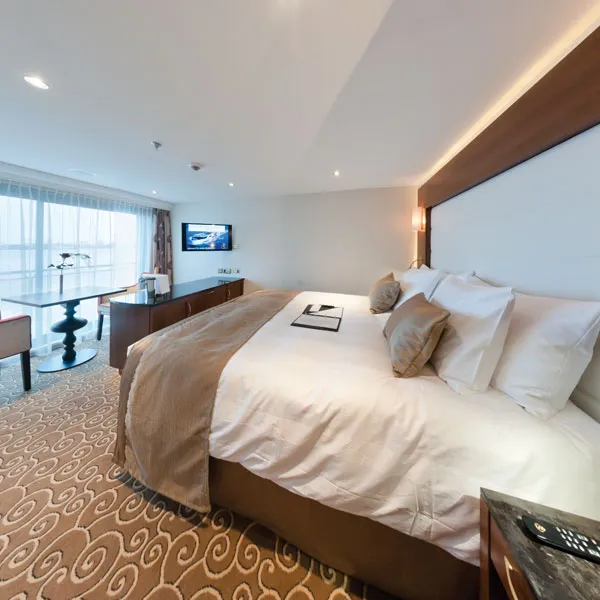
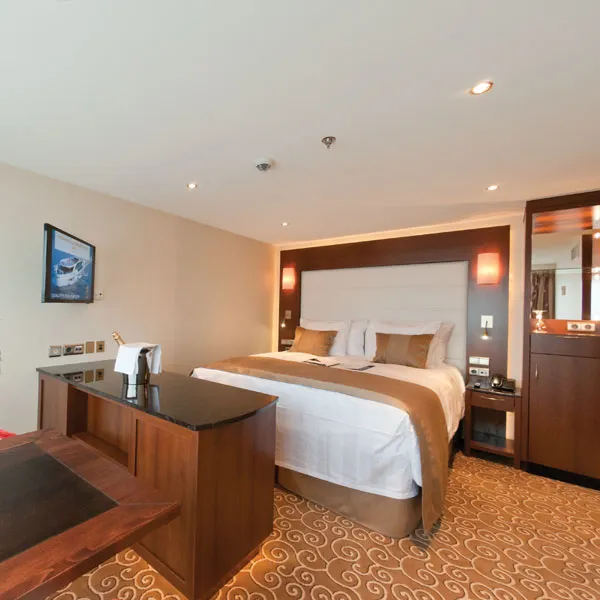
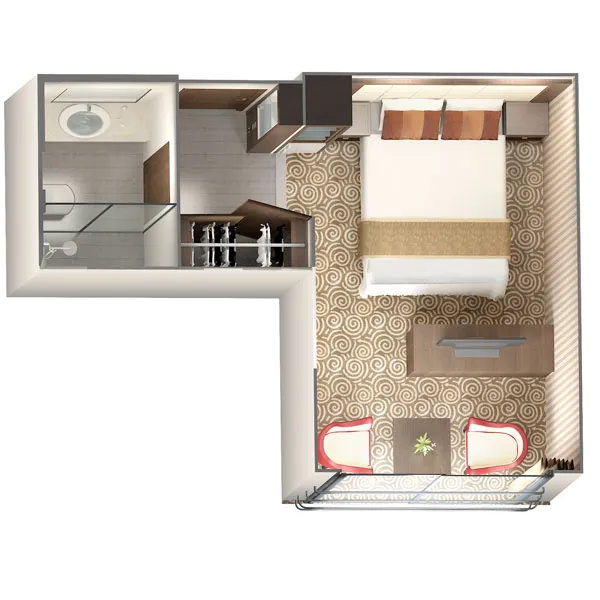
Category 5 | Ruby Deck
Inside
CAT5
Private Balcony:
French
Beds:
2 European twin beds that can slide together; 200 cm x 160 cm (two beds 200 cm x 80 cm each when separate); 79" x 63" (two beds 79" x 31.5"); 4 pieces of luggage can be stored under beds
Stateroom Furnishings:
Padded headboard with reading lamps, Storage / drawers, Large closet, 400 thread count cotton linens / white duvets and pillows of mako cotton with 90% down filling
Private Bathroom:
Yes, with shower
Bathroom Amenities:
Molton Brown toiletries – a Tauck Exclusive, Terry-cloth bathrobes plus slippers, Full-size bathroom featuring enhanced lighting, additional storage and hair dryer, Large shower featuring rainfall shower head
Stateroom Amenities:
One floor-to-ceiling French balcony (98 inches x 75 inches) with one sliding door that opens, 32" LED TV, Safe, Minibar stocked with complimentary water and soft drinks, replenished daily, 220v and 110v outlets in cabin and bathroom, Easy under-bed luggage storage, Telephone and individual climate control, Onboard wi-fi available
View Details
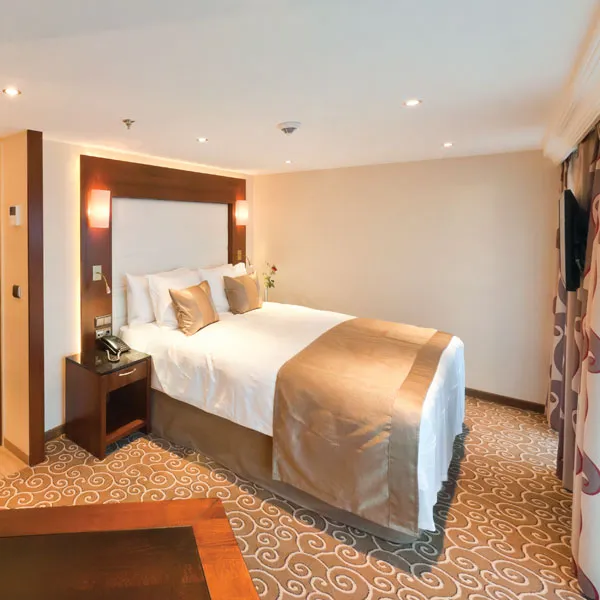
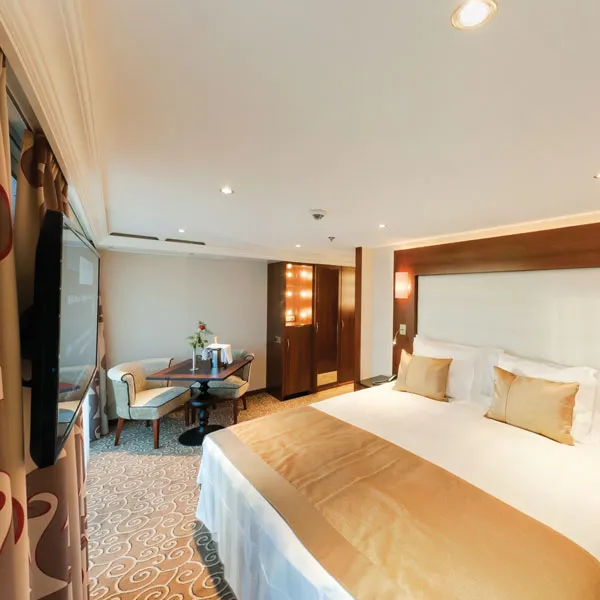
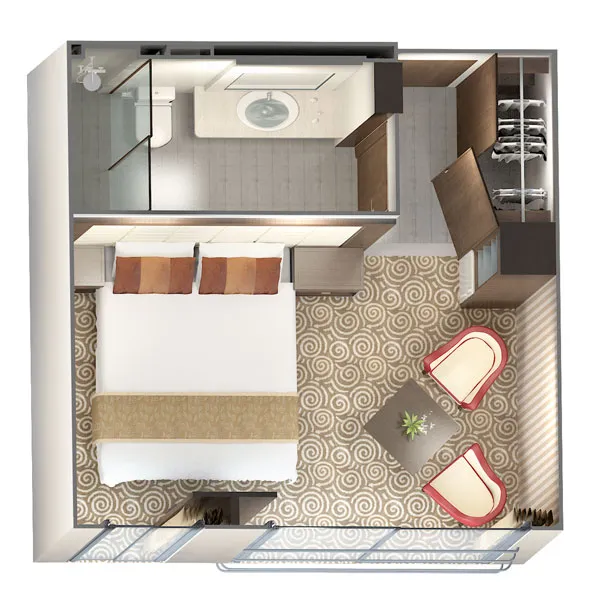
Category 6 | Ruby Deck
Inside
CAT6
Private Balcony:
French
Beds:
2 European twin beds that can slide together; 200 cm x 160 cm (two beds 200 cm x 80 cm each when separate); 79" x 63" (two beds 79" x 31.5"); 4 pieces of luggage can be stored under beds
Stateroom Furnishings:
Padded headboard with reading lamps, Storage / drawers, Large closet, 400 thread count cotton linens / white duvets and pillows of mako cotton with 90% down filling
Private Bathroom:
Yes, with shower
Bathroom Amenities:
Molton Brown toiletries – a Tauck Exclusive, Terry-cloth bathrobes plus slippers, Full-sized bathroom featuring enhanced lighting, additional storage and hair dryer, Large shower featuring rainfall shower head
Stateroom Amenities:
One floor-to-ceiling French balcony (98 inches x 75 inches) with one sliding door that opens, 32" LED TV, Full-sized window (98 inches x 37.5 inches), Minibar stocked with complimentary water and soft drinks, replenished daily , Safe, 220v and 110v outlets in cabin and bathroom, Easy under-bed luggage storage, Telephone and individual climate control, Onboard wi-fi available
View Details
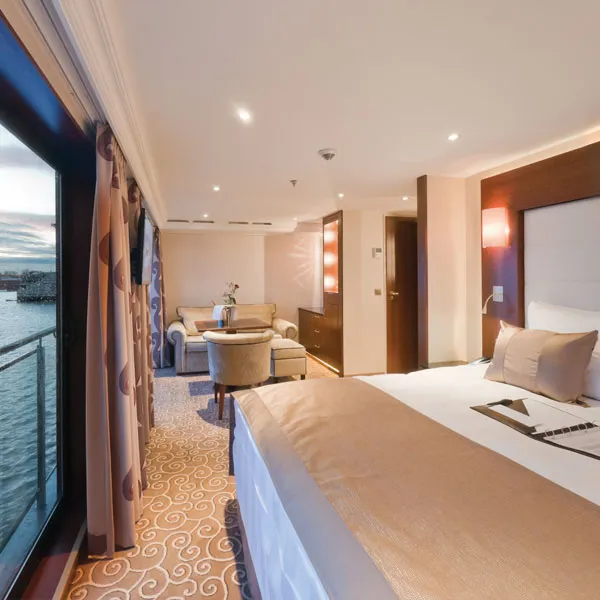
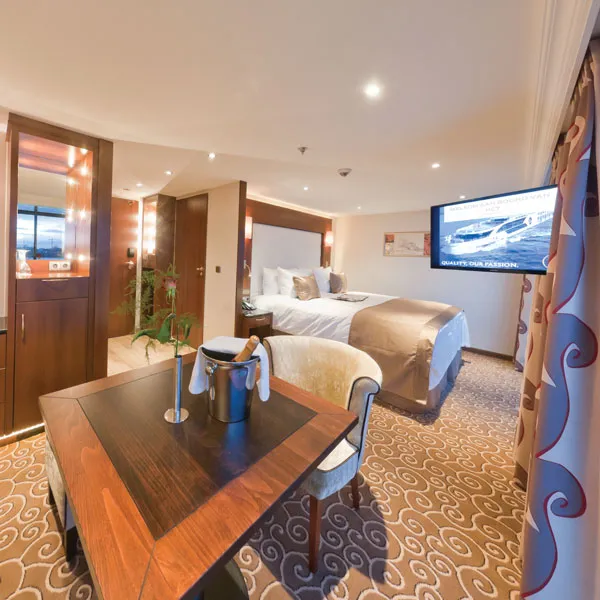
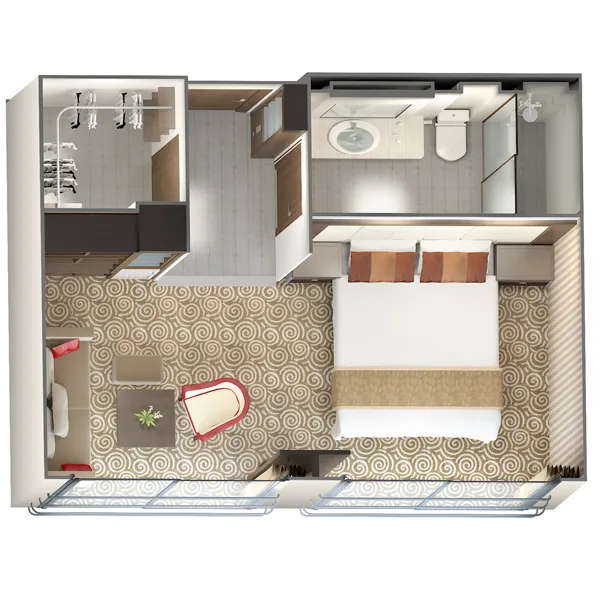
Category 7 | Diamond Deck
Inside
CAT7
Private Balcony:
French
Beds:
2 European twin beds that can slide together; 200 cm x 180 cm (two beds 200 cm x 90 cm each when separate); 79" x 71" (two beds 79" x 35"); 4 pieces of luggage can be stored under beds
Stateroom Furnishings:
Padded headboard with reading lamps, Walk-in closet with built-in shelves, Storage / drawers, Pull-out sleeping sofa 190 cm x 110 cm – 75" x 43" (triple & quad capacity; quads for children only), 400 thread count cotton linens / white duvets and pillows of mako cotton with 90% down filling
Private Bathroom:
Yes, with shower
Bathroom Amenities:
Molton Brown toiletries – a Tauck Exclusive, Terry-cloth bathrobes plus slippers, Full-size bathroom featuring enhanced lighting, additional storage and a hair dryer, Large shower featuring rainfall shower head (note: no bathtub)
Stateroom Amenities:
Two floor-to-ceiling French balconies, each 98 inches x 75 inches with one sliding door that opens, 32" LED TV, Safe, Minibar stocked with complimentary water and soft drinks, replenished daily, Coffee maker, Breakfast room service, Iron plus ironing board, 220v and 110v outlets in cabin and bathroom, Easy under-bed luggage storage, Telephone and individual climate control, Onboard wi-fi available, a shipboard credit (one per stateroom) is provided to be used onboard for spa services, gift shop purchases, etc
View Details
Interested in This Voyage?
Our cruise specialists can help you find the perfect cabin and the best available pricing.
(+886) 02-2721-7300Contact Advisor