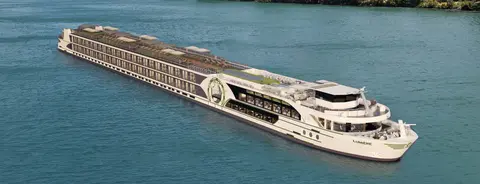
French Escapade: The Riviera to Paris - Northbound
Date
2027-04-29
Duration
9 nights
Departure Port
Aix-en-Provence
France
Arrival Port
Paris
France
Rating
Classic
Theme
—
Tauck
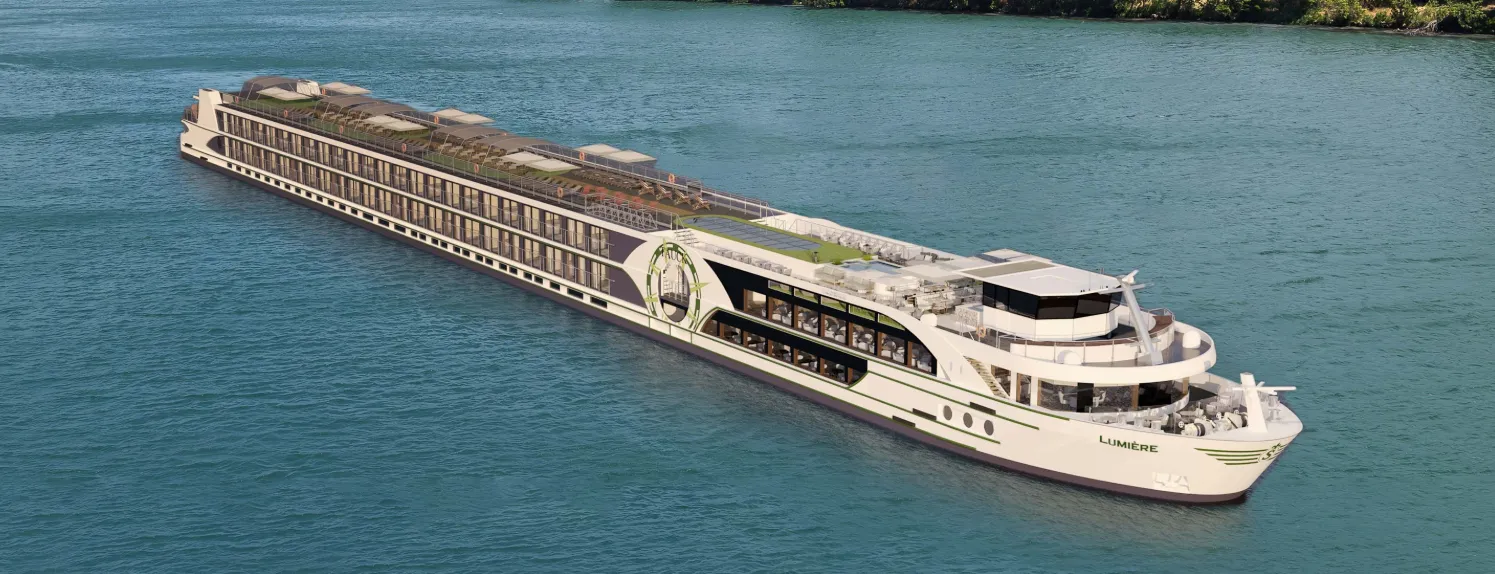
ms Lumière
Launched
2026
Refitted
—
Tonnage
—
Passengers
130
Cabins
68
Crew
47
Length
135 m
Width
—
Speed
—
Adults Only
No
Itinerary
Day 1
Day 1
Aix-en-Provence
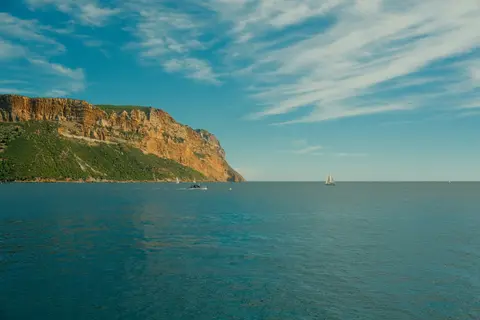
Aix-en-Provence is a luminous Provençal city of golden stone, mossy fountains, and aristocratic elegance, founded by the Romans in 123 BC and immortalised by Cézanne's paintings of Mont Sainte-Victoire. Visitors should not miss the Saturday market at Place Richelme and the legendary calissons d'Aix from the Confiserie du Roy René, paired with a rosé on the Cours Mirabeau. The ideal season is late spring through early autumn, when the plane trees are in full canopy and the light takes on the honeyed intensity that has drawn artists to this city for centuries.
Day 2
Day 2
Cannes
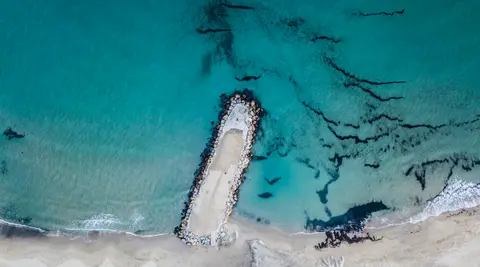
Cannes, transformed from a sleepy Provençal fishing village into the Riviera's most glamorous resort by an English lord's chance quarantine in 1834, and immortalized by the Film Festival since 1946, remains the French Riviera's most theatrical stage — where La Croisette's curved promenade of Art Deco palaces, private beach clubs, and Palme d'Or dreams meets the quiet authenticity of the Suquet hilltop quarter above the old port. For shopping, the Marché Forville bursts with Provençal produce, truffle vendors, and cut flowers each morning; for dining, the restaurants of the old port district offer bouillabaisse and socca that need no red-carpet backdrop. Visit in spring or September; Nice is twenty minutes by rail and Monaco thirty.
Day 3
Day 3
Aix-en-Provence
Aix-en-Provence is a luminous Provençal city of golden stone, mossy fountains, and aristocratic elegance, founded by the Romans in 123 BC and immortalised by Cézanne's paintings of Mont Sainte-Victoire. Visitors should not miss the Saturday market at Place Richelme and the legendary calissons d'Aix from the Confiserie du Roy René, paired with a rosé on the Cours Mirabeau. The ideal season is late spring through early autumn, when the plane trees are in full canopy and the light takes on the honeyed intensity that has drawn artists to this city for centuries.
Day 4
Day 4
Arles
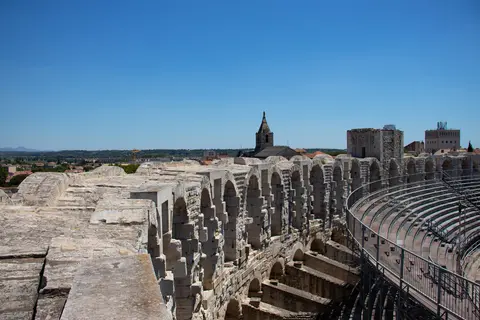
Arles, the most important city in Roman Gaul after Lyon, wears its history with casual magnificence: a first-century amphitheatre still hosts bullfights beneath open skies, and the haunting Alyscamps necropolis — once among the most prestigious burial grounds in the Western world — lines a poplar-shaded avenue with ancient sarcophagi. Yet Arles is equally celebrated as the city that intoxicated Vincent van Gogh, who produced over three hundred works here in fifteen fevered months; the Fondation Vincent van Gogh now honors his legacy in beautifully renovated rooms. Spring and autumn are ideal, with the Camargue's flamingo-filled wetlands just minutes south. Lyon is two hours north by TGV.
Day 5
Day 5
Avignon
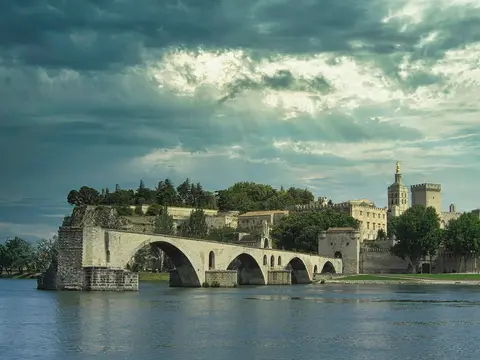
Avignon's Palais des Papes — a fortress-palace of staggering medieval ambition where seven successive popes held court for seventy years — still dominates this Provençal city's skyline, its limestone bulk enclosing frescoed chapels and vast ceremonial halls that once shaped the destiny of Christendom. In July, the city transforms for the celebrated Festival d'Avignon, Europe's premier theatre gathering, turning every courtyard and cloister into a stage. Year-round, the beautifully preserved historic centre offers world-class Rhône Valley wines, refined Provençal cuisine, and the beguiling spectacle of the Pont Saint-Bénézet stretching halfway across the river. Lyon and Marseille are each accessible in under ninety minutes by TGV.
Day 6
Day 6
Chateauneuf-du-Pape
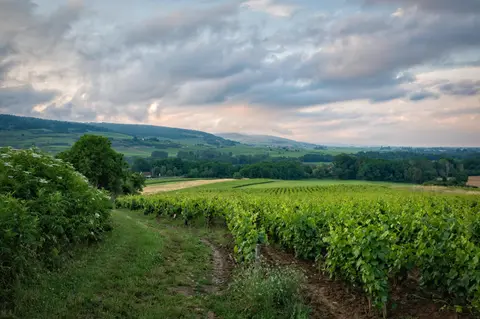
Châteauneuf-du-Pape is the southern Rhône's most celebrated wine village, where thirteen grape varieties grow among heat-storing galets roulés stones beneath the ruins of a fourteenth-century papal summer palace. Must-do experiences include tasting at historic domaines, dining on daube provençale paired with local reds, and climbing to the castle ruins for vineyard panoramas. April through October is ideal, with September's harvest bringing the most atmospheric vineyard experience.
Day 7
Day 7
Tain L’Hermitage
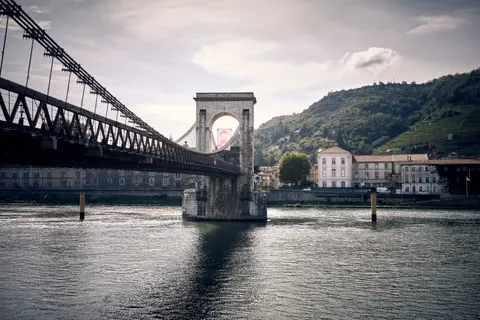
Tain-l'Hermitage is the beating heart of the northern Rhône wine country, a compact town whose steeply terraced granite hill has yielded some of France's most majestic Syrahs and finest Marsannes since the Roman era. The revered Hermitage hill — its legend entwined with a thirteenth-century crusader hermit — rises directly behind the main street, and the great wine estates of Jaboulet, Chapoutier, and Ferraton offer some of the Loire Valley's most memorable cellar tastings. Autumn harvest season brings the vineyards to their most photogenic golden glory; spring and summer offer ideal touring weather along the Rhône cycling routes between vines and river.
Day 8
Day 8
Chalon-Sur-Saone
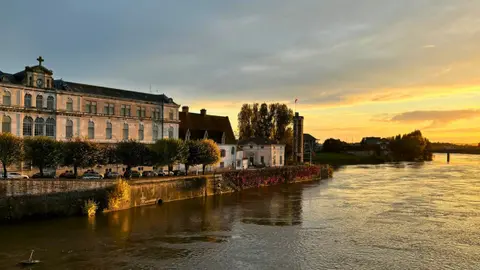
Birthplace of photography and gateway to Burgundy's finest vineyards, Chalon-sur-Saône is a Saône River gem that rewards those who linger beyond its famous streets. The Musée Nicéphore Niépce, housed in a riverside mansion, chronicles the invention of the medium that changed human perception forever, while the surrounding Côte Chalonnaise wine villages — Mercurey, Givry, Rully — offer some of Burgundy's most approachable yet complex Pinot Noirs. Visit in late summer or early autumn for harvest season, when the vineyards blush gold and local restaurants celebrate the new vintage.
Day 10
Day 10
Tournus
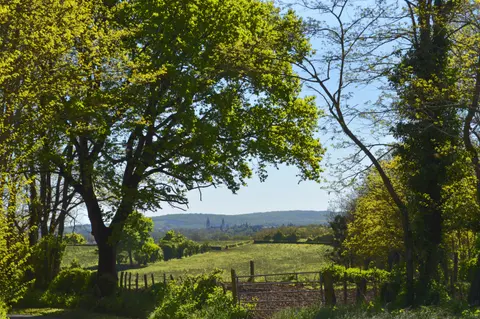
Tournus is a captivating commune in eastern France, renowned for its rich history, stunning architecture, and exceptional culinary experiences. Must-do activities include exploring the Abbey of Saint-Philibert and indulging in local dishes like coq au vin. The best season to visit is spring or early autumn when the weather is mild and the local markets are brimming with fresh produce.
Day 1
Aix-en-Provence
Aix-en-Provence is a luminous Provençal city of golden stone, mossy fountains, and aristocratic elegance, founded by the Romans in 123 BC and immortalised by Cézanne's paintings of Mont Sainte-Victoire. Visitors should not miss the Saturday market at Place Richelme and the legendary calissons d'Aix from the Confiserie du Roy René, paired with a rosé on the Cours Mirabeau. The ideal season is late spring through early autumn, when the plane trees are in full canopy and the light takes on the honeyed intensity that has drawn artists to this city for centuries.
Day 2
Cannes
Cannes, transformed from a sleepy Provençal fishing village into the Riviera's most glamorous resort by an English lord's chance quarantine in 1834, and immortalized by the Film Festival since 1946, remains the French Riviera's most theatrical stage — where La Croisette's curved promenade of Art Deco palaces, private beach clubs, and Palme d'Or dreams meets the quiet authenticity of the Suquet hilltop quarter above the old port. For shopping, the Marché Forville bursts with Provençal produce, truffle vendors, and cut flowers each morning; for dining, the restaurants of the old port district offer bouillabaisse and socca that need no red-carpet backdrop. Visit in spring or September; Nice is twenty minutes by rail and Monaco thirty.
Day 3
Aix-en-Provence
Aix-en-Provence is a luminous Provençal city of golden stone, mossy fountains, and aristocratic elegance, founded by the Romans in 123 BC and immortalised by Cézanne's paintings of Mont Sainte-Victoire. Visitors should not miss the Saturday market at Place Richelme and the legendary calissons d'Aix from the Confiserie du Roy René, paired with a rosé on the Cours Mirabeau. The ideal season is late spring through early autumn, when the plane trees are in full canopy and the light takes on the honeyed intensity that has drawn artists to this city for centuries.
Day 4
Arles
Arles, the most important city in Roman Gaul after Lyon, wears its history with casual magnificence: a first-century amphitheatre still hosts bullfights beneath open skies, and the haunting Alyscamps necropolis — once among the most prestigious burial grounds in the Western world — lines a poplar-shaded avenue with ancient sarcophagi. Yet Arles is equally celebrated as the city that intoxicated Vincent van Gogh, who produced over three hundred works here in fifteen fevered months; the Fondation Vincent van Gogh now honors his legacy in beautifully renovated rooms. Spring and autumn are ideal, with the Camargue's flamingo-filled wetlands just minutes south. Lyon is two hours north by TGV.
Day 5
Avignon
Avignon's Palais des Papes — a fortress-palace of staggering medieval ambition where seven successive popes held court for seventy years — still dominates this Provençal city's skyline, its limestone bulk enclosing frescoed chapels and vast ceremonial halls that once shaped the destiny of Christendom. In July, the city transforms for the celebrated Festival d'Avignon, Europe's premier theatre gathering, turning every courtyard and cloister into a stage. Year-round, the beautifully preserved historic centre offers world-class Rhône Valley wines, refined Provençal cuisine, and the beguiling spectacle of the Pont Saint-Bénézet stretching halfway across the river. Lyon and Marseille are each accessible in under ninety minutes by TGV.
Day 6
Chateauneuf-du-Pape
Châteauneuf-du-Pape is the southern Rhône's most celebrated wine village, where thirteen grape varieties grow among heat-storing galets roulés stones beneath the ruins of a fourteenth-century papal summer palace. Must-do experiences include tasting at historic domaines, dining on daube provençale paired with local reds, and climbing to the castle ruins for vineyard panoramas. April through October is ideal, with September's harvest bringing the most atmospheric vineyard experience.
Day 7
Tain L’Hermitage
Tain-l'Hermitage is the beating heart of the northern Rhône wine country, a compact town whose steeply terraced granite hill has yielded some of France's most majestic Syrahs and finest Marsannes since the Roman era. The revered Hermitage hill — its legend entwined with a thirteenth-century crusader hermit — rises directly behind the main street, and the great wine estates of Jaboulet, Chapoutier, and Ferraton offer some of the Loire Valley's most memorable cellar tastings. Autumn harvest season brings the vineyards to their most photogenic golden glory; spring and summer offer ideal touring weather along the Rhône cycling routes between vines and river.
Day 8
Chalon-Sur-Saone
Birthplace of photography and gateway to Burgundy's finest vineyards, Chalon-sur-Saône is a Saône River gem that rewards those who linger beyond its famous streets. The Musée Nicéphore Niépce, housed in a riverside mansion, chronicles the invention of the medium that changed human perception forever, while the surrounding Côte Chalonnaise wine villages — Mercurey, Givry, Rully — offer some of Burgundy's most approachable yet complex Pinot Noirs. Visit in late summer or early autumn for harvest season, when the vineyards blush gold and local restaurants celebrate the new vintage.
Day 10
Tournus
Tournus is a captivating commune in eastern France, renowned for its rich history, stunning architecture, and exceptional culinary experiences. Must-do activities include exploring the Abbey of Saint-Philibert and indulging in local dishes like coq au vin. The best season to visit is spring or early autumn when the weather is mild and the local markets are brimming with fresh produce.
Cabin Categories
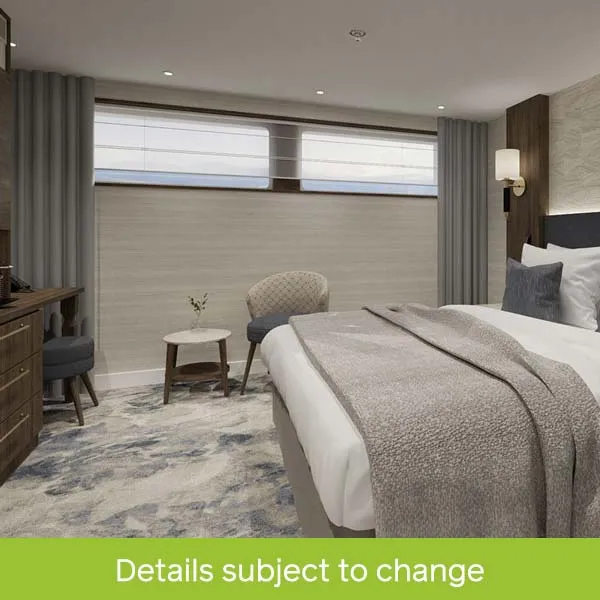
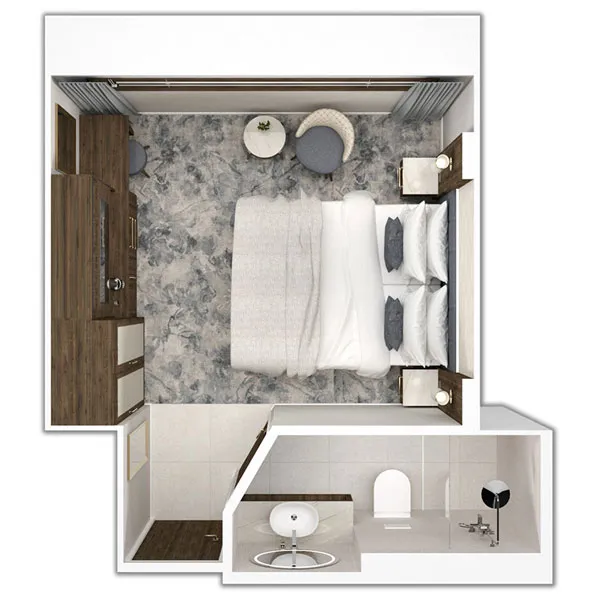
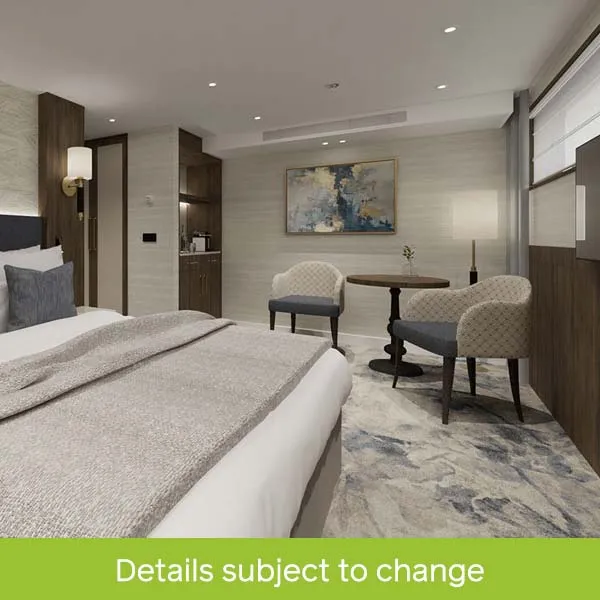
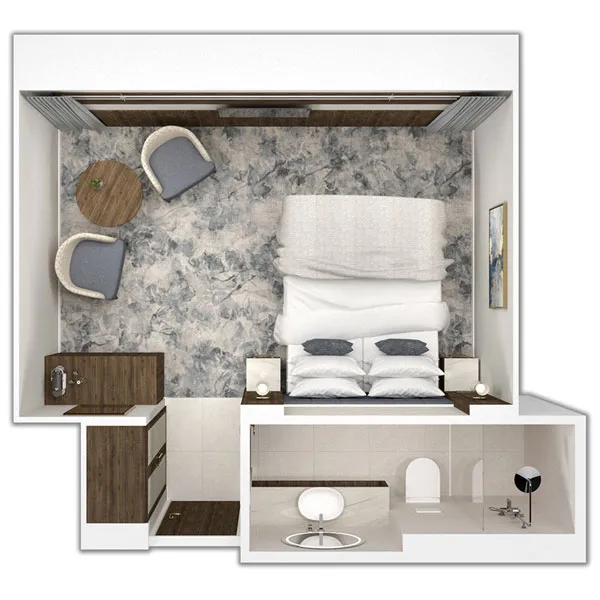
Category 1 | Emerald Deck
Inside
CAT1
2 European twin beds
Stateroom Furnishings:
Elegantly designed cabins
Private Bathroom:
Yes, with shower
Bathroom Amenities:
Towels, Washcloths, Bathrobes & Slippers (2 per cabin), One Sink, Outlet for Electric Shaver (220v only in bathroom), Shower Cap, Soap, lotion, shower gel, conditioner
Stateroom Amenities:
Elegantly designed cabins, 2-small windows in the cabin that do not open; in-room movies, minibar, adjustable climate control, private bathroom with shower and pampering toiletries, more information to come
View Details
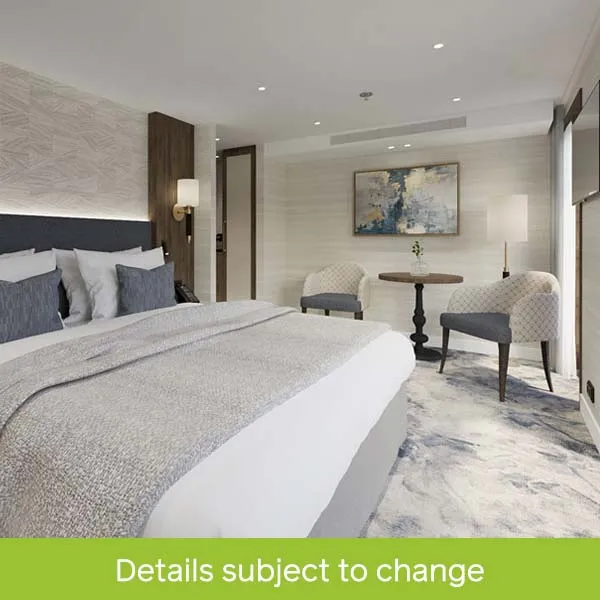
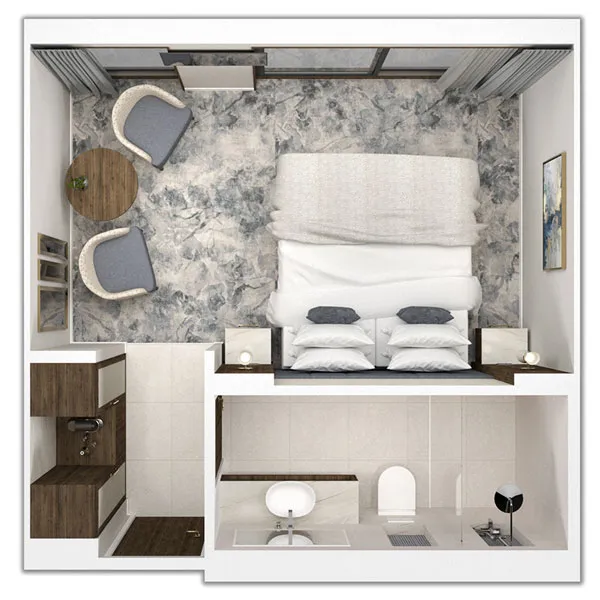
Category 2 | Emerald Deck
Inside
CAT2
2 European twin beds that can slide together
Stateroom Furnishings:
Elegantly designed cabins
Private Bathroom:
Yes, with shower
Bathroom Amenities:
Bathrobes & Slippers (2 per cabin), One Sink, Outlet for Electric Shaver - 220 v only in bathroom, Shower Cap, Soap, Lotion, Shower Gel, Conditioner
Stateroom Amenities:
Elegantly designed cabins, two small windows in the cabin that do not open; in-room movies, minibar, adjustable climate control, private bathroom with shower and pampering toiletries, more information to come
View Details
Category 3 | Ruby Deck
Inside
CAT3
2 European twin beds that can slide together
Stateroom Furnishings:
Elegantly designed cabins
Private Bathroom:
Yes, with shower
Bathroom Amenities:
Bathrobes & Slippers (2 per cabin), One Sink, Outlet for Electric Shaver - 220 v only in bathroom, Shower Cap, Soap, Lotion, Shower Gel, Conditioner, Towels & Washcloths
Stateroom Amenities:
Elegantly designed cabins, cabin windows are floor to ceiling, open as sliding door, in-room movies, minibar, adjustable climate control, private bathroom with shower and pampering toiletries, more information to come
View Details
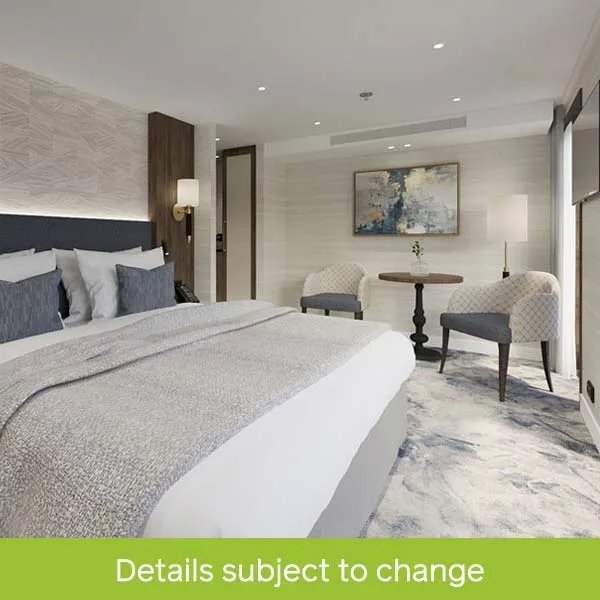
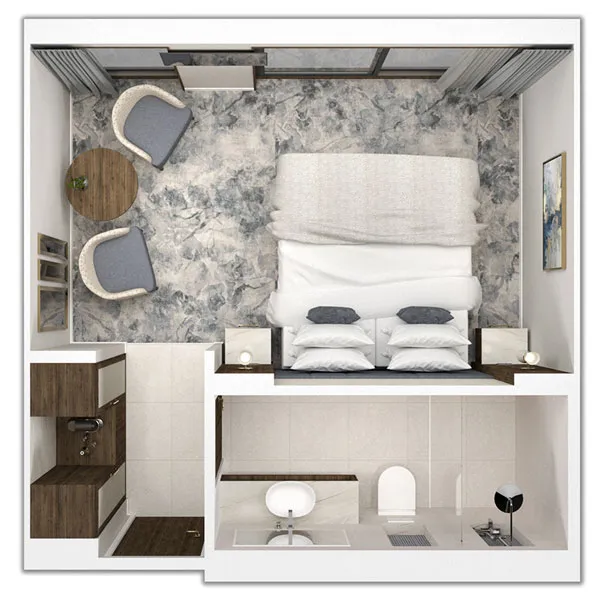
Category 4 | Diamond Deck
Inside
CAT4
2 European twin beds that can slide together
Stateroom Furnishings:
Elegantly designed cabins
Private Bathroom:
Yes, with shower
Bathroom Amenities:
Bathrobes & Slippers (2 per cabin), One Sink, Outlet for Electric Shaver - 220 v only in bathroom, Shower Cap, Soap, Lotion, Shower Gel, Conditioner, Towels & Washcloths
Stateroom Amenities:
Elegantly designed cabins, cabin windows are floor to ceiling and open as sliding door, in-room movies, minibar, adjustable climate control, private bathroom with shower and pampering toiletries, more information to come
View Details
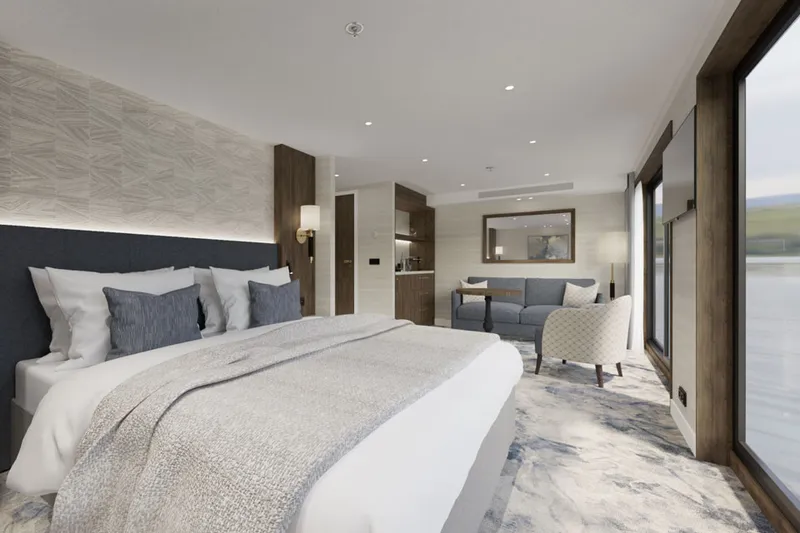
Category 5 | Diamond Deck
Inside
CAT5
2 European twin beds that can slide together; sofa bed
Stateroom Furnishings:
Elegantly designed cabins
Private Bathroom:
Yes, with shower
Bathroom Amenities:
Bathrobes & Slippers (2 per suite), One Sink, Outlet for Electric Shaver - 220 v only in bathroom, Shower Cap, Soap, Lotion, Shower Gel, Conditioner
Stateroom Amenities:
Elegantly designed cabins, 2 French balconies, cabin windows are floor to ceiling, open as sliding door, in-room movies, minibar, adjustable climate control, private bathroom with shower and pampering toiletries, more information to come
View Details
Interested in This Voyage?
Our cruise specialists can help you find the perfect cabin and the best available pricing.
(+886) 02-2721-7300Contact Advisor