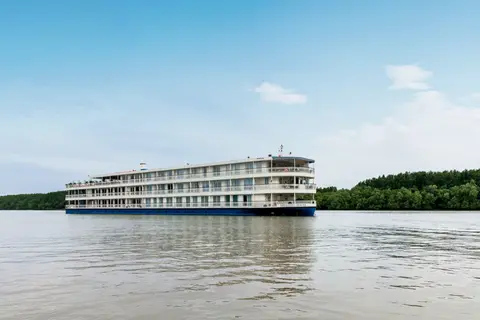
Hanoi to Ho Chi Minh City
Date
2026-09-21
Duration
14 nights
Departure Port
Hanoi
Vietnam
Arrival Port
Ho Chi Minh City
Vietnam
Rating
Luxury
Theme
History & Culture
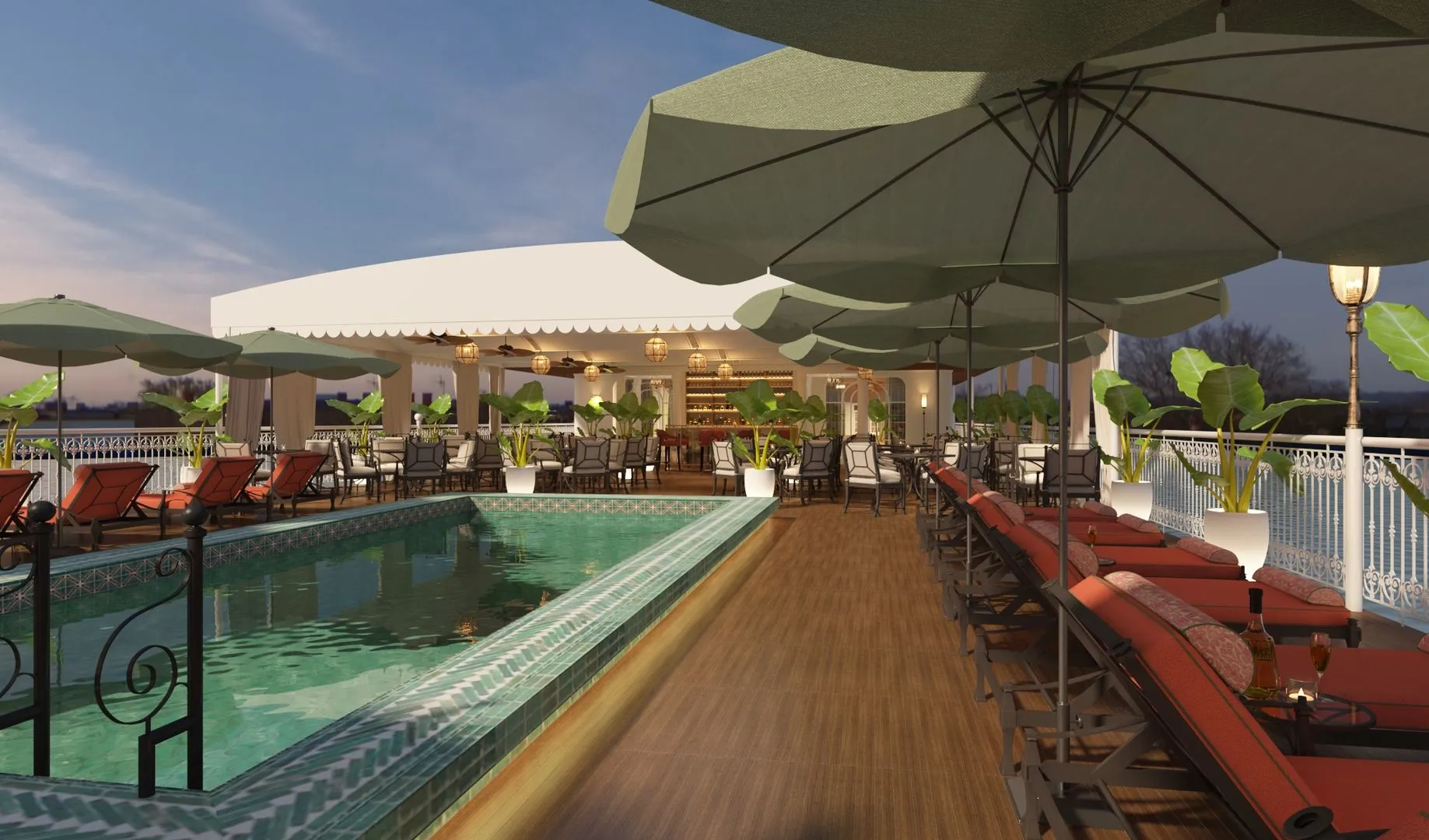
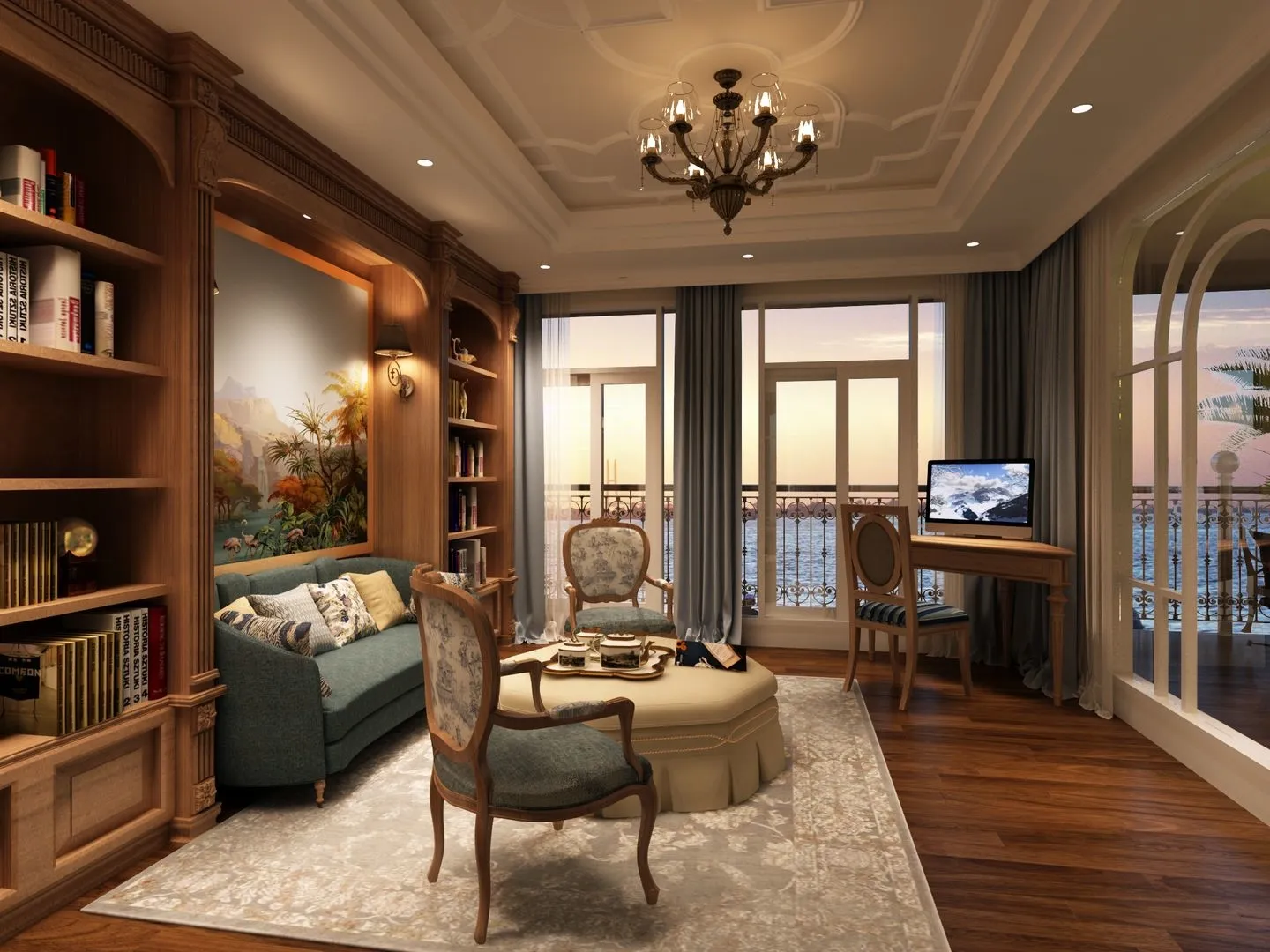
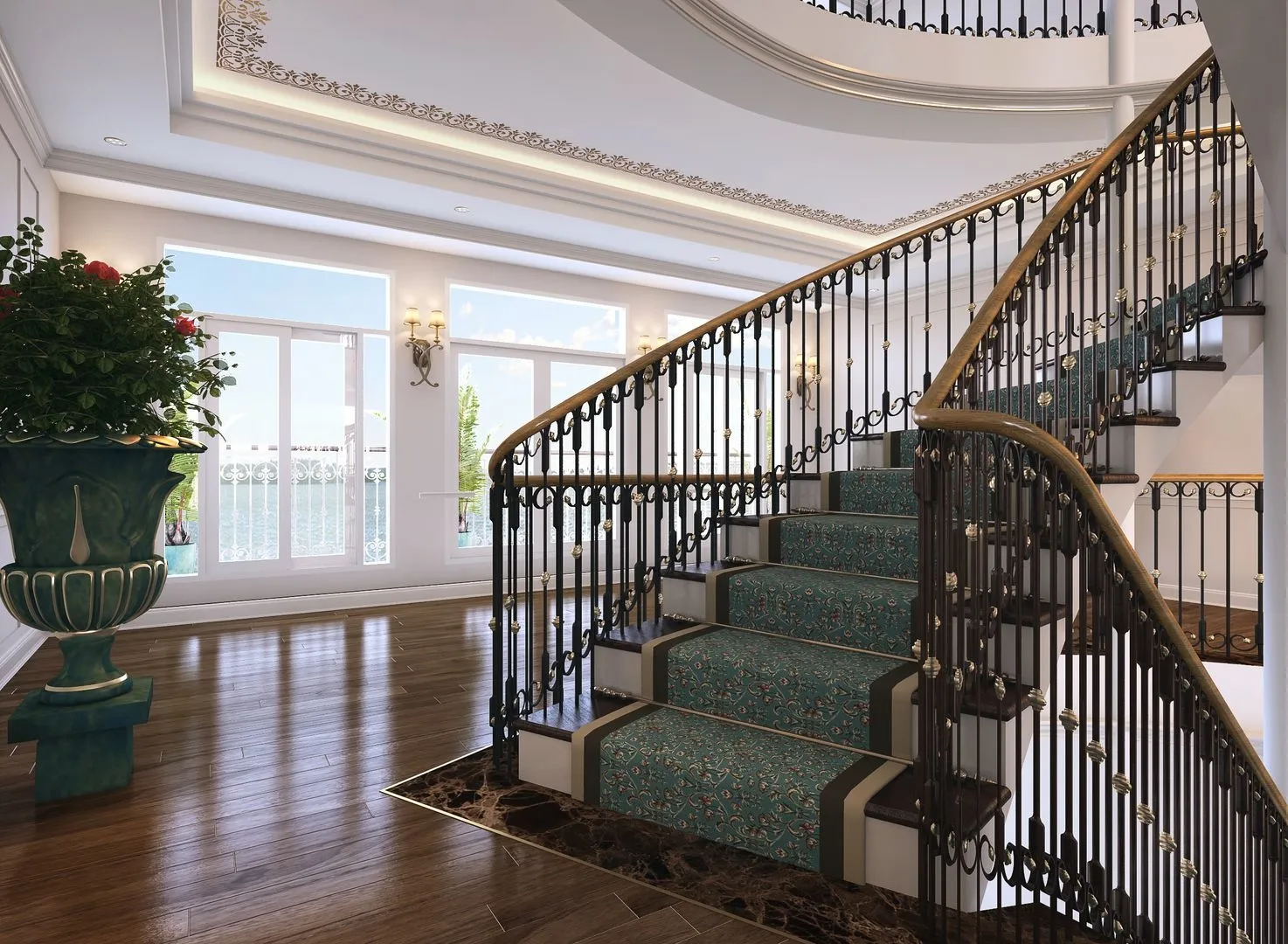
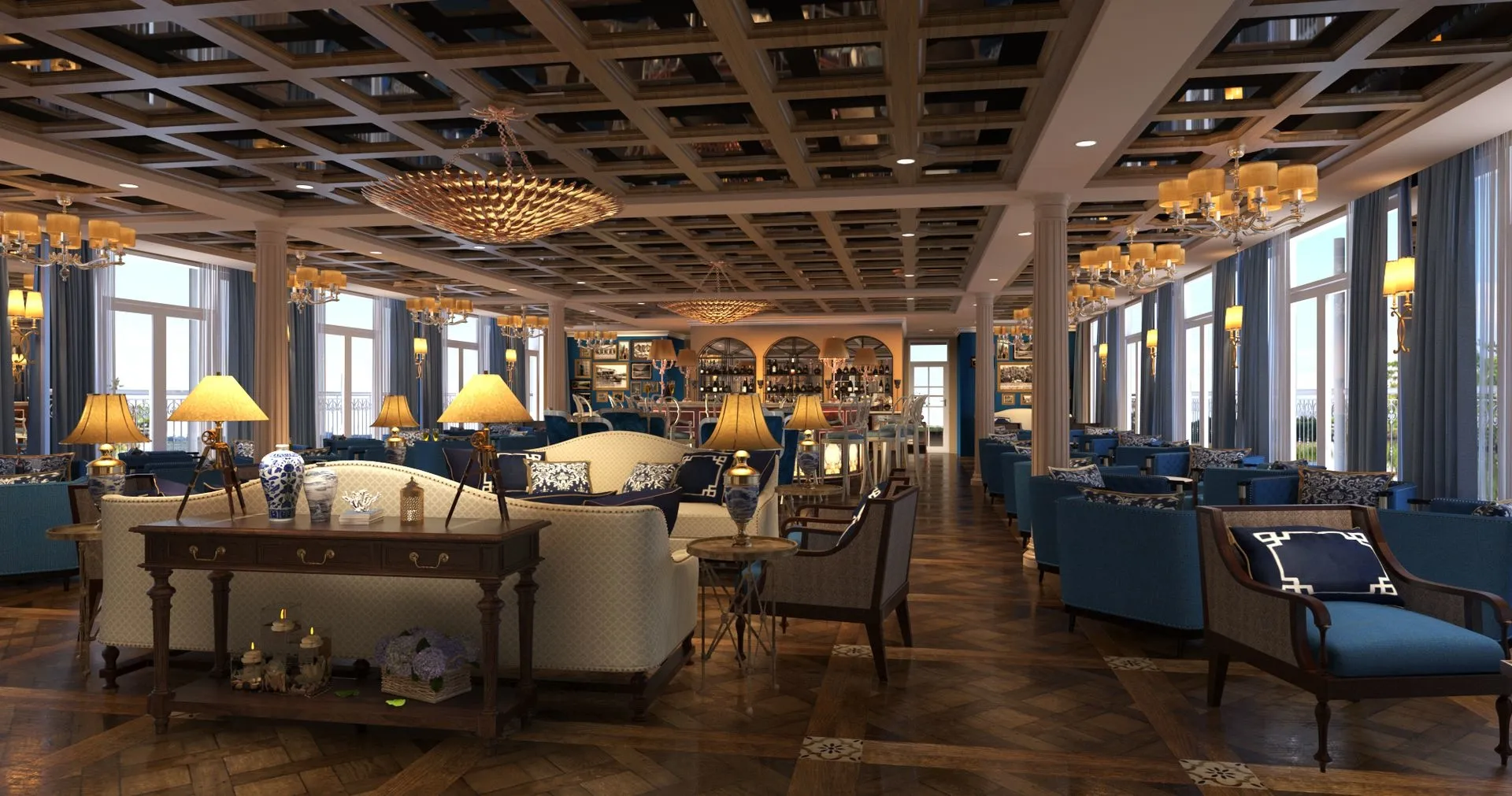
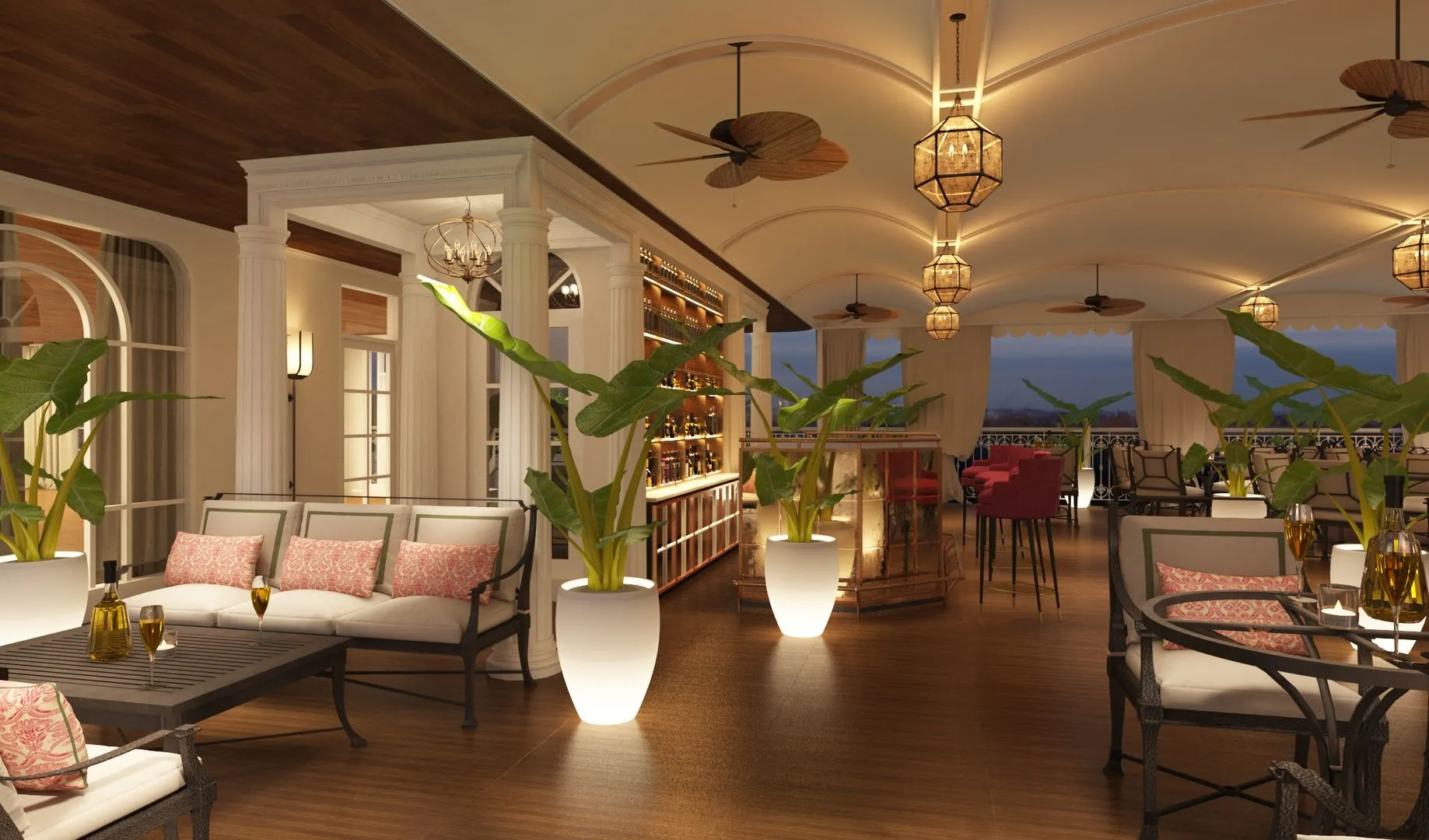
Uniworld River Cruises
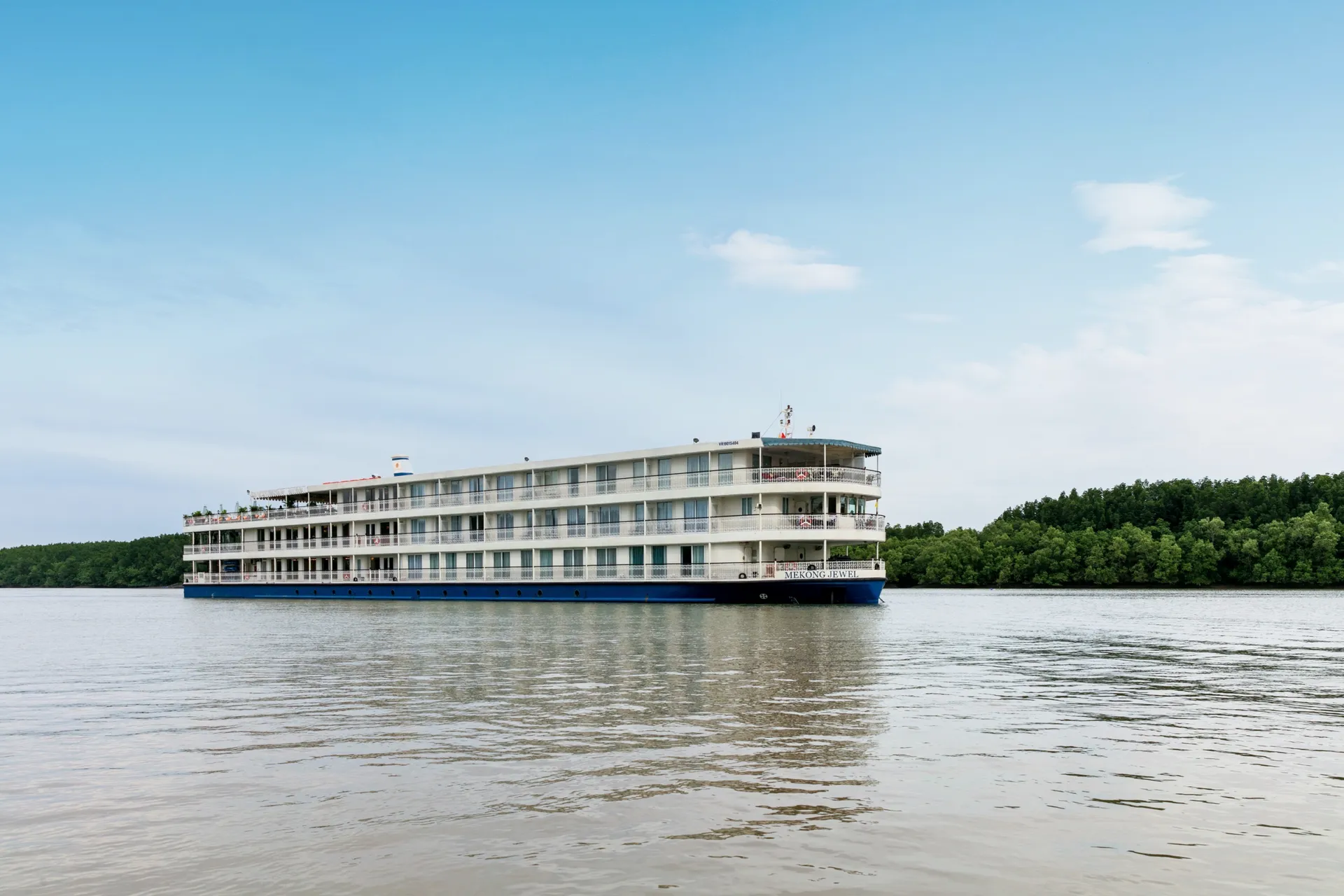
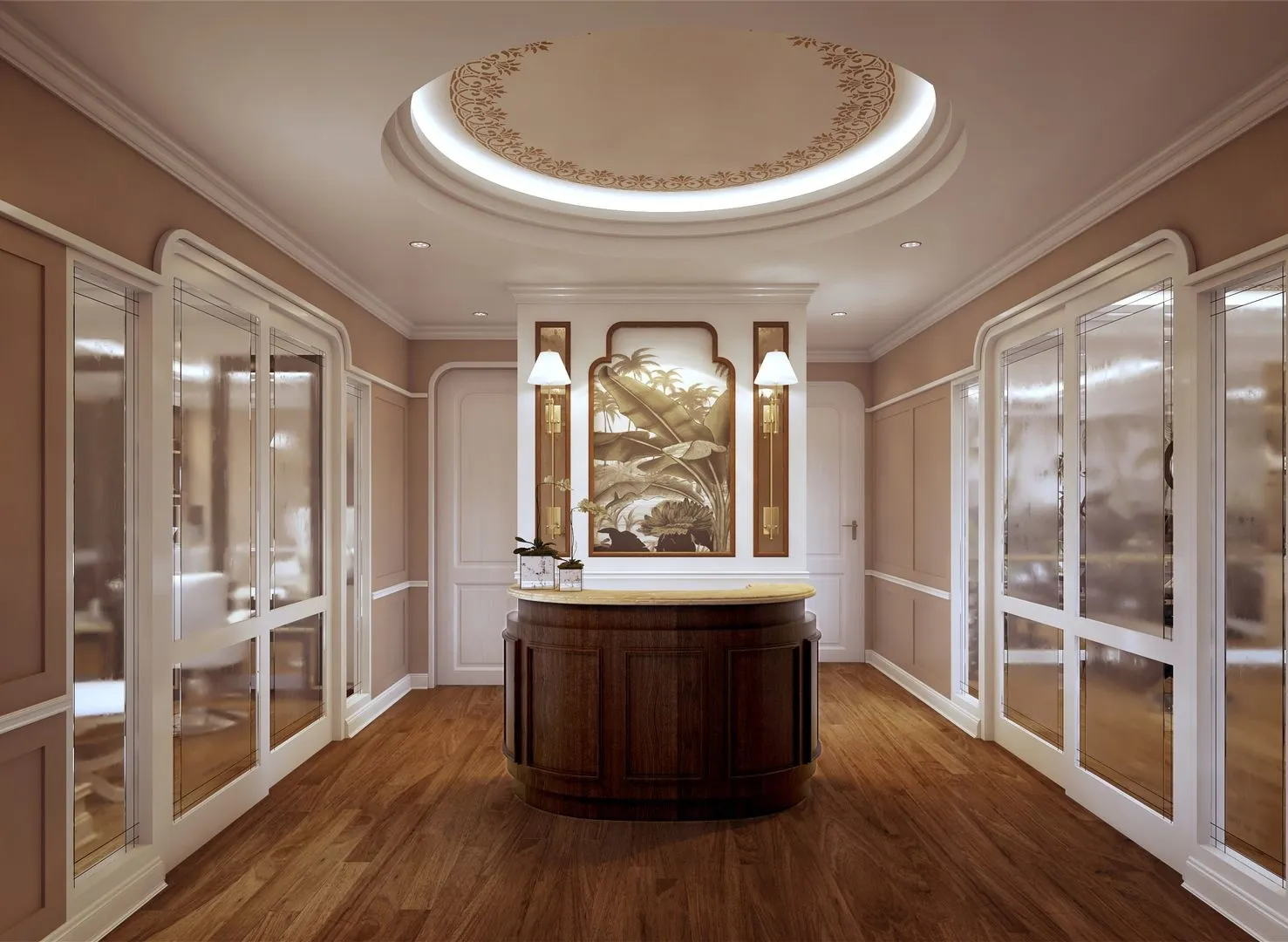
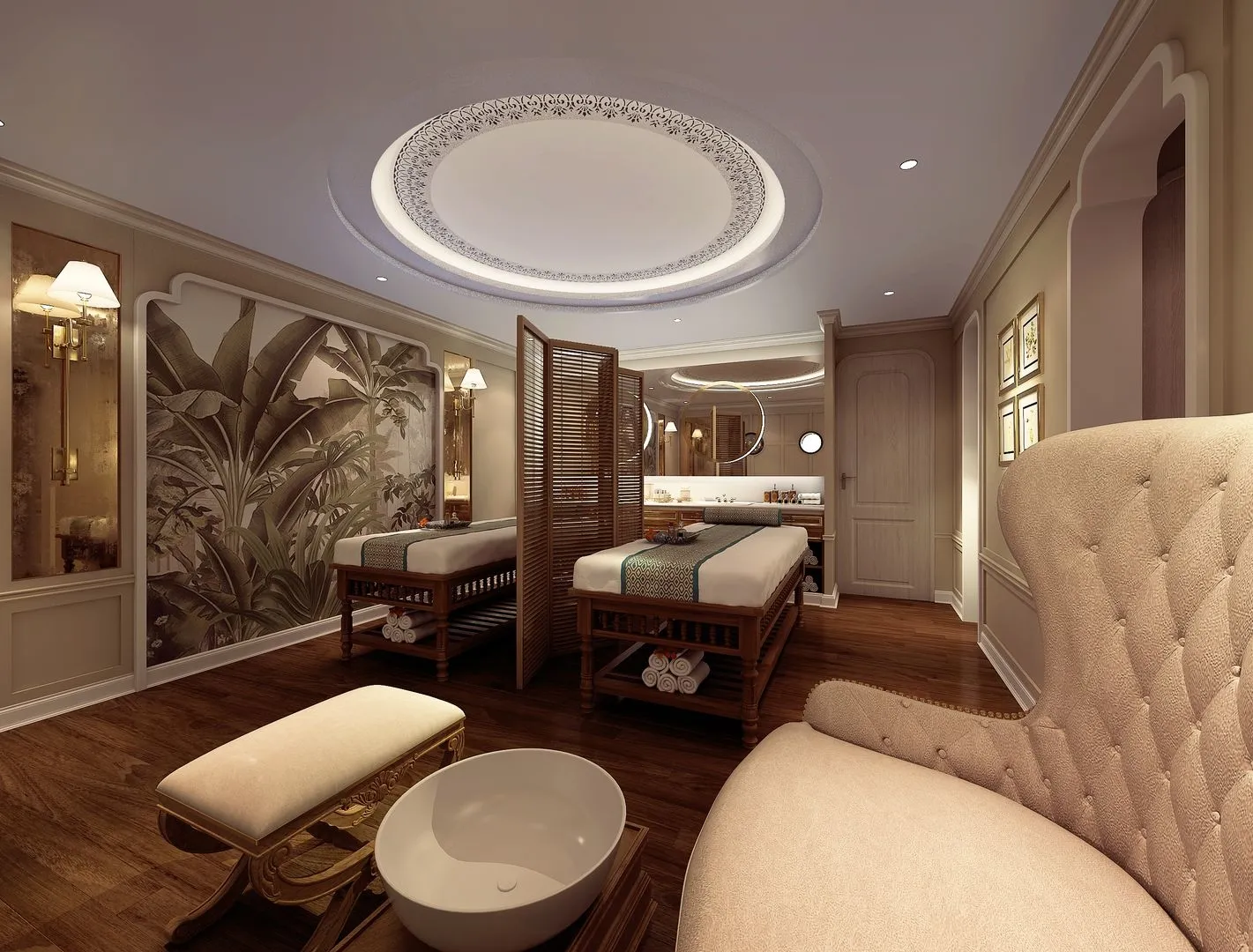
Mekong Jewel
Launched
2020
Refitted
—
Tonnage
1,150 GT
Passengers
68
Cabins
34
Crew
44
Length
262 m
Width
13 m
Speed
11 knots
Adults Only
No
Itinerary
Day 1
Day 1
Hanoi
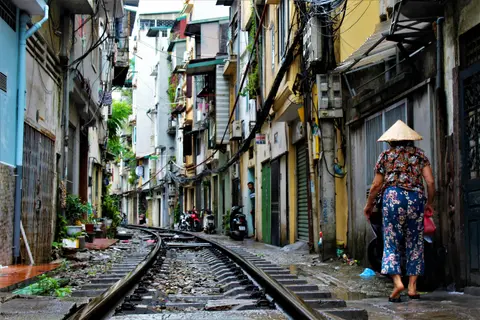
Founded on a dragon's auspice in 1010 AD, Hanoi is Southeast Asia's most historically layered capital — a city where French colonial boulevards wrap around ancient temple islands and where the morning ritual of phở bò at a pavement stall carries the weight of a thousand years of tradition. Venture to Halong Bay's limestone karst seascape or explore the lantern-lit lanes of Hội An via nearby Chan May. October through April brings dry, pleasant weather ideal for exploring Vietnam's storied north.
Day 3
Day 3
Siem Reap
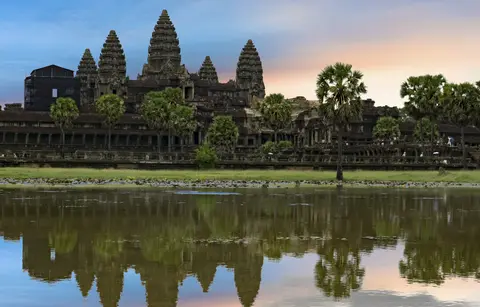
Siem Reap, the gateway city to the ancient Khmer empire's greatest achievement, is the essential staging post for exploring Angkor — the twelfth-century temple complex whose scale and ambition remain without parallel in human history. Angkor Wat at sunrise, its towers mirrored in the lily-covered moat, is one of the world's most transcendent spectacles; Angkor Thom's enigmatic Bayon, with its serene stone faces emerging from the jungle canopy, is another. The city's Old Market quarter offers silk workshops, street food vendors, and celebrated restaurants serving amok — fish steamed in coconut and lemongrass. November through April brings the driest, most comfortable conditions.
Day 5
Day 5
Siem Reap
Siem Reap, the gateway city to the ancient Khmer empire's greatest achievement, is the essential staging post for exploring Angkor — the twelfth-century temple complex whose scale and ambition remain without parallel in human history. Angkor Wat at sunrise, its towers mirrored in the lily-covered moat, is one of the world's most transcendent spectacles; Angkor Thom's enigmatic Bayon, with its serene stone faces emerging from the jungle canopy, is another. The city's Old Market quarter offers silk workshops, street food vendors, and celebrated restaurants serving amok — fish steamed in coconut and lemongrass. November through April brings the driest, most comfortable conditions.
Day 7
Day 7
My Tho
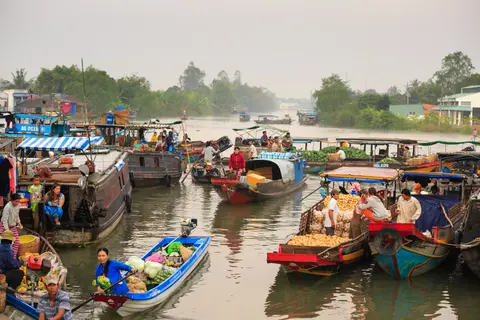
My Tho offers the most accessible gateway into the Mekong Delta, where the great river fractures into a web of channels, floating markets, orchid gardens, and coconut-palm islands that feel entirely removed from the pace of Ho Chi Minh City, just 70 kilometres north. A sampan journey through Thới Sơn Island's narrow waterways, past honey-bee farms and cottage workshops pressing coconut candy, captures the unhurried rhythms of delta life with immediacy no museum could replicate. The city is at its most photogenic in the dry season from November to April, when clear skies illuminate the jade-green water hyacinth drifting on the current.
Day 7
Day 7
Phnom Penh
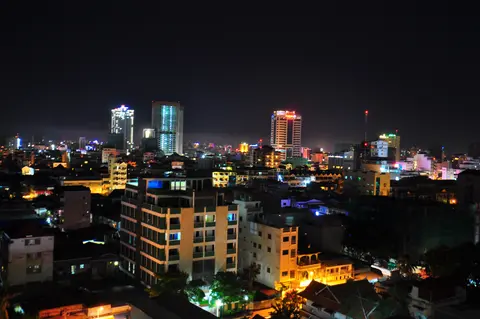
Phnom Penh rises from the confluence of the Mekong, Tonlé Sap, and Bassac rivers with a resilience that makes it one of Southeast Asia's most affecting capitals — a city that endured the Khmer Rouge's "Year Zero" and has re-emerged as a place of broad riverfront boulevards, excellent Khmer cuisine, and a cultural energy that feels earned rather than manufactured. The Royal Palace and its Silver Pagoda, housing a life-size gold Buddha studded with 9,584 diamonds, is the city's architectural centrepiece; the Tuol Sleng Genocide Museum, a former high school converted to a prison by the Khmer Rouge, is sobering but essential history. November through February offers the most comfortable climate for extended exploration.
Day 9
Day 9
Phnom Penh
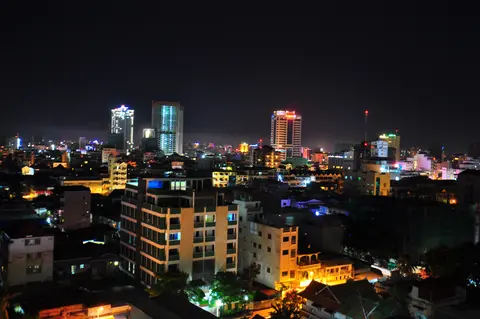
Phnom Penh rises from the confluence of the Mekong, Tonlé Sap, and Bassac rivers with a resilience that makes it one of Southeast Asia's most affecting capitals — a city that endured the Khmer Rouge's "Year Zero" and has re-emerged as a place of broad riverfront boulevards, excellent Khmer cuisine, and a cultural energy that feels earned rather than manufactured. The Royal Palace and its Silver Pagoda, housing a life-size gold Buddha studded with 9,584 diamonds, is the city's architectural centrepiece; the Tuol Sleng Genocide Museum, a former high school converted to a prison by the Khmer Rouge, is sobering but essential history. November through February offers the most comfortable climate for extended exploration.
Day 10
Day 10
Sa Dec
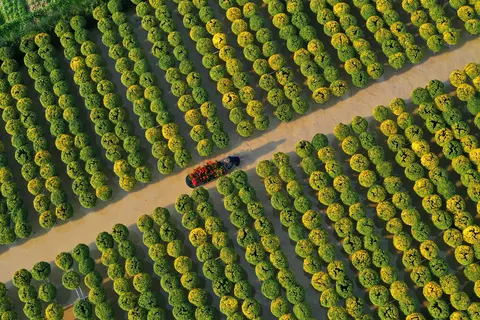
Sa Đéc, a sleepy town of French colonial villas and temple-filled alleyways on a branch of the Mekong Delta, is renowned as the birthplace of Marguerite Duras and the flowering capital of Vietnam. The town's nurseries supply orchids, bonsai, and chrysanthemums to florists across the country, perfuming the riverside air. The restored Huỳnh Thủy Lê House — where Duras's colonial-era love story unfolded — offers a haunting window into the delta's past. Vendors ply the waterways in flat-bottomed boats piled with tropical fruit. November through April brings the dry season's golden light and gentle breezes.
Day 12
Day 12
My Tho
My Tho offers the most accessible gateway into the Mekong Delta, where the great river fractures into a web of channels, floating markets, orchid gardens, and coconut-palm islands that feel entirely removed from the pace of Ho Chi Minh City, just 70 kilometres north. A sampan journey through Thới Sơn Island's narrow waterways, past honey-bee farms and cottage workshops pressing coconut candy, captures the unhurried rhythms of delta life with immediacy no museum could replicate. The city is at its most photogenic in the dry season from November to April, when clear skies illuminate the jade-green water hyacinth drifting on the current.
Day 12
Day 12
Ben Tre
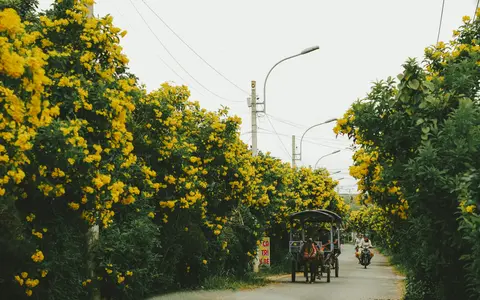
Ben Tre is Vietnam's coconut capital in the heart of the Mekong Delta, where endless palm groves line narrow canals navigable only by sampan, and coconut flavors everything from candy to cooking oil. Must-dos include watching coconut candy production, tasting elephant ear fish, and exploring the waterways by rowboat through nipa palm tunnels. November through April's dry season offers the best weather for Mekong Delta cruising.
Day 13
Day 13
Ho Chi Minh City
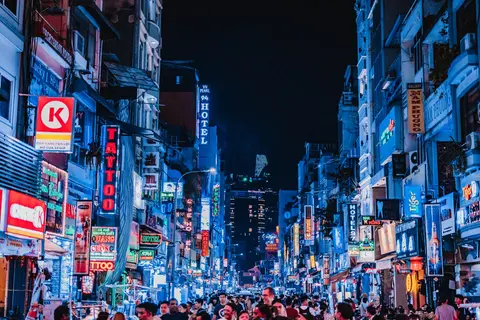
Still whispered as Saigon by its ten million residents, Ho Chi Minh City pulses with an energy that outlasted every empire and every war. The French colonial grandeur of Notre-Dame Cathedral and Gustave Eiffel's Central Post Office stands in vivid counterpoint to the city's kinetic street life — an endless river of motorbikes, fragrant with pho broth and charcoal-grilled meats. Do not miss the Reunification Palace, a time capsule of Cold War modernism, or a dawn bowl of bánh mì from a sidewalk vendor. The dry season, November through April, offers the most comfortable conditions for exploration.
Day 15
Day 15
Ho Chi Minh City
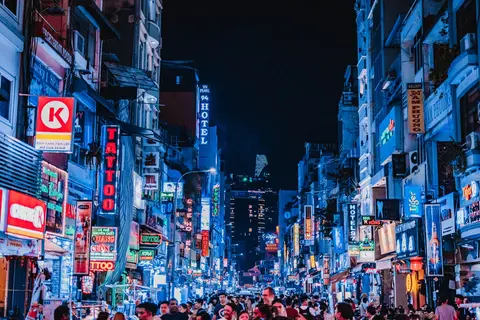
Still whispered as Saigon by its ten million residents, Ho Chi Minh City pulses with an energy that outlasted every empire and every war. The French colonial grandeur of Notre-Dame Cathedral and Gustave Eiffel's Central Post Office stands in vivid counterpoint to the city's kinetic street life — an endless river of motorbikes, fragrant with pho broth and charcoal-grilled meats. Do not miss the Reunification Palace, a time capsule of Cold War modernism, or a dawn bowl of bánh mì from a sidewalk vendor. The dry season, November through April, offers the most comfortable conditions for exploration.
Day 1
Hanoi
Founded on a dragon's auspice in 1010 AD, Hanoi is Southeast Asia's most historically layered capital — a city where French colonial boulevards wrap around ancient temple islands and where the morning ritual of phở bò at a pavement stall carries the weight of a thousand years of tradition. Venture to Halong Bay's limestone karst seascape or explore the lantern-lit lanes of Hội An via nearby Chan May. October through April brings dry, pleasant weather ideal for exploring Vietnam's storied north.
Day 3
Siem Reap
Siem Reap, the gateway city to the ancient Khmer empire's greatest achievement, is the essential staging post for exploring Angkor — the twelfth-century temple complex whose scale and ambition remain without parallel in human history. Angkor Wat at sunrise, its towers mirrored in the lily-covered moat, is one of the world's most transcendent spectacles; Angkor Thom's enigmatic Bayon, with its serene stone faces emerging from the jungle canopy, is another. The city's Old Market quarter offers silk workshops, street food vendors, and celebrated restaurants serving amok — fish steamed in coconut and lemongrass. November through April brings the driest, most comfortable conditions.
Day 5
Siem Reap
Siem Reap, the gateway city to the ancient Khmer empire's greatest achievement, is the essential staging post for exploring Angkor — the twelfth-century temple complex whose scale and ambition remain without parallel in human history. Angkor Wat at sunrise, its towers mirrored in the lily-covered moat, is one of the world's most transcendent spectacles; Angkor Thom's enigmatic Bayon, with its serene stone faces emerging from the jungle canopy, is another. The city's Old Market quarter offers silk workshops, street food vendors, and celebrated restaurants serving amok — fish steamed in coconut and lemongrass. November through April brings the driest, most comfortable conditions.
Day 7
My Tho
My Tho offers the most accessible gateway into the Mekong Delta, where the great river fractures into a web of channels, floating markets, orchid gardens, and coconut-palm islands that feel entirely removed from the pace of Ho Chi Minh City, just 70 kilometres north. A sampan journey through Thới Sơn Island's narrow waterways, past honey-bee farms and cottage workshops pressing coconut candy, captures the unhurried rhythms of delta life with immediacy no museum could replicate. The city is at its most photogenic in the dry season from November to April, when clear skies illuminate the jade-green water hyacinth drifting on the current.
Phnom Penh
Phnom Penh rises from the confluence of the Mekong, Tonlé Sap, and Bassac rivers with a resilience that makes it one of Southeast Asia's most affecting capitals — a city that endured the Khmer Rouge's "Year Zero" and has re-emerged as a place of broad riverfront boulevards, excellent Khmer cuisine, and a cultural energy that feels earned rather than manufactured. The Royal Palace and its Silver Pagoda, housing a life-size gold Buddha studded with 9,584 diamonds, is the city's architectural centrepiece; the Tuol Sleng Genocide Museum, a former high school converted to a prison by the Khmer Rouge, is sobering but essential history. November through February offers the most comfortable climate for extended exploration.
Day 9
Phnom Penh
Phnom Penh rises from the confluence of the Mekong, Tonlé Sap, and Bassac rivers with a resilience that makes it one of Southeast Asia's most affecting capitals — a city that endured the Khmer Rouge's "Year Zero" and has re-emerged as a place of broad riverfront boulevards, excellent Khmer cuisine, and a cultural energy that feels earned rather than manufactured. The Royal Palace and its Silver Pagoda, housing a life-size gold Buddha studded with 9,584 diamonds, is the city's architectural centrepiece; the Tuol Sleng Genocide Museum, a former high school converted to a prison by the Khmer Rouge, is sobering but essential history. November through February offers the most comfortable climate for extended exploration.
Day 10
Sa Dec
Sa Đéc, a sleepy town of French colonial villas and temple-filled alleyways on a branch of the Mekong Delta, is renowned as the birthplace of Marguerite Duras and the flowering capital of Vietnam. The town's nurseries supply orchids, bonsai, and chrysanthemums to florists across the country, perfuming the riverside air. The restored Huỳnh Thủy Lê House — where Duras's colonial-era love story unfolded — offers a haunting window into the delta's past. Vendors ply the waterways in flat-bottomed boats piled with tropical fruit. November through April brings the dry season's golden light and gentle breezes.
Day 12
My Tho
My Tho offers the most accessible gateway into the Mekong Delta, where the great river fractures into a web of channels, floating markets, orchid gardens, and coconut-palm islands that feel entirely removed from the pace of Ho Chi Minh City, just 70 kilometres north. A sampan journey through Thới Sơn Island's narrow waterways, past honey-bee farms and cottage workshops pressing coconut candy, captures the unhurried rhythms of delta life with immediacy no museum could replicate. The city is at its most photogenic in the dry season from November to April, when clear skies illuminate the jade-green water hyacinth drifting on the current.
Ben Tre
Ben Tre is Vietnam's coconut capital in the heart of the Mekong Delta, where endless palm groves line narrow canals navigable only by sampan, and coconut flavors everything from candy to cooking oil. Must-dos include watching coconut candy production, tasting elephant ear fish, and exploring the waterways by rowboat through nipa palm tunnels. November through April's dry season offers the best weather for Mekong Delta cruising.
Day 13
Ho Chi Minh City
Still whispered as Saigon by its ten million residents, Ho Chi Minh City pulses with an energy that outlasted every empire and every war. The French colonial grandeur of Notre-Dame Cathedral and Gustave Eiffel's Central Post Office stands in vivid counterpoint to the city's kinetic street life — an endless river of motorbikes, fragrant with pho broth and charcoal-grilled meats. Do not miss the Reunification Palace, a time capsule of Cold War modernism, or a dawn bowl of bánh mì from a sidewalk vendor. The dry season, November through April, offers the most comfortable conditions for exploration.
Day 15
Ho Chi Minh City
Still whispered as Saigon by its ten million residents, Ho Chi Minh City pulses with an energy that outlasted every empire and every war. The French colonial grandeur of Notre-Dame Cathedral and Gustave Eiffel's Central Post Office stands in vivid counterpoint to the city's kinetic street life — an endless river of motorbikes, fragrant with pho broth and charcoal-grilled meats. Do not miss the Reunification Palace, a time capsule of Cold War modernism, or a dawn bowl of bánh mì from a sidewalk vendor. The dry season, November through April, offers the most comfortable conditions for exploration.
Cabin Categories
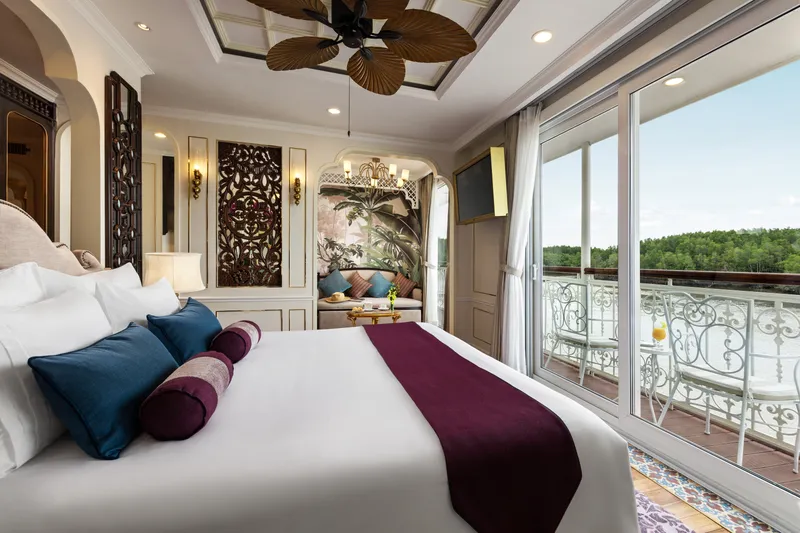
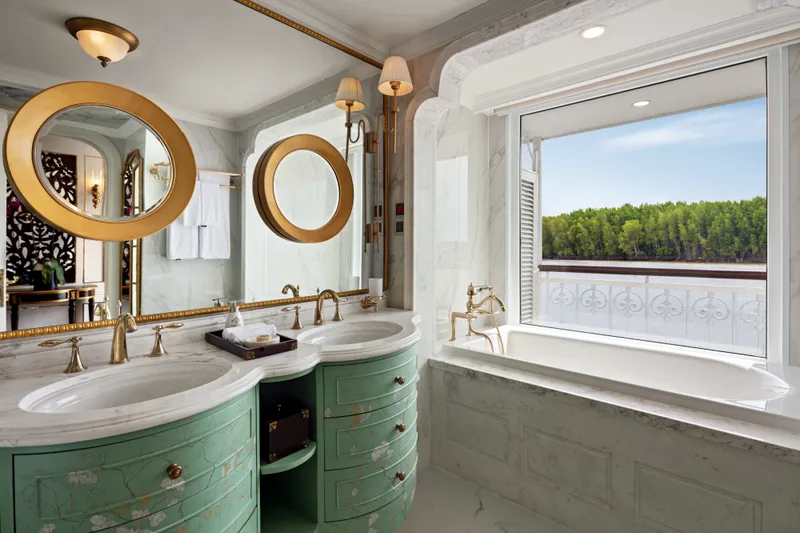
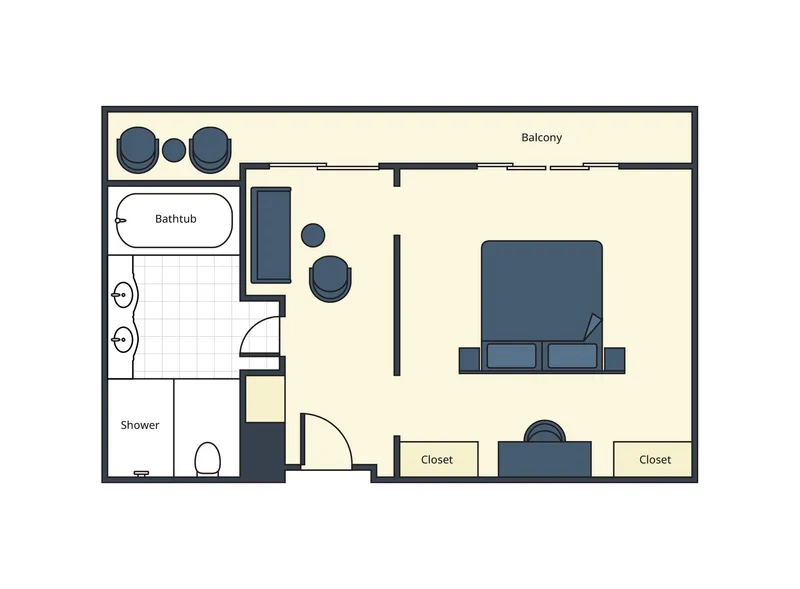
Grand Suite
Suite
551 m²Max 2
2
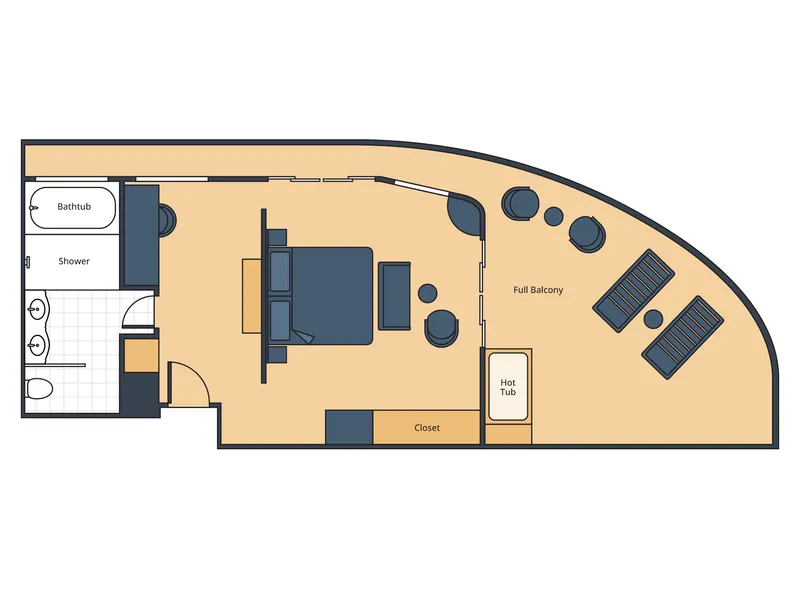
Grand Suite (551 sq ft - 51 sq m).
Note that amenities may differ from those of a Uniworld company-owned ship.
ShowerToiletries ProvidedRoom Service AvailableButler ServiceTVCoffee Machine+4
View Details
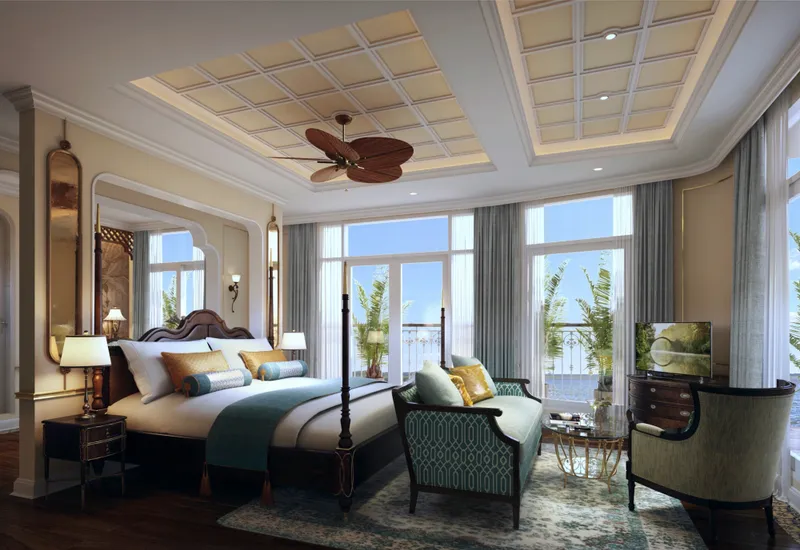
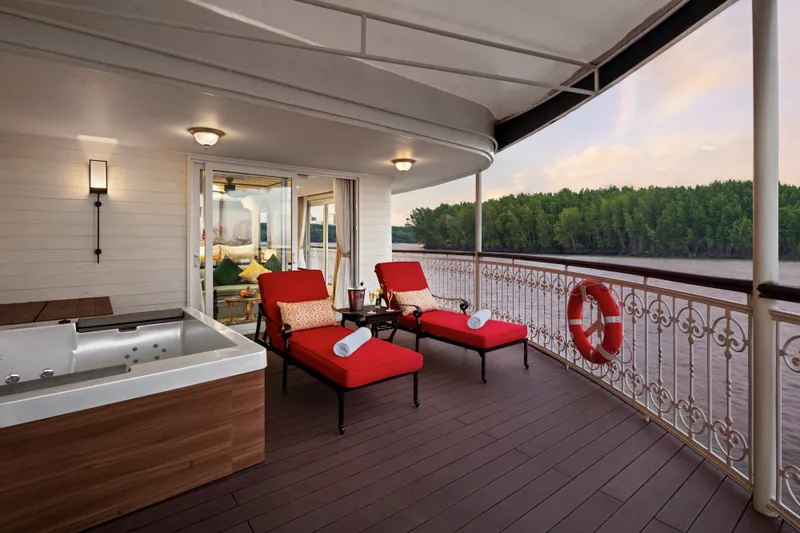
Royal Suite
Suite
924 m²Max 2
3
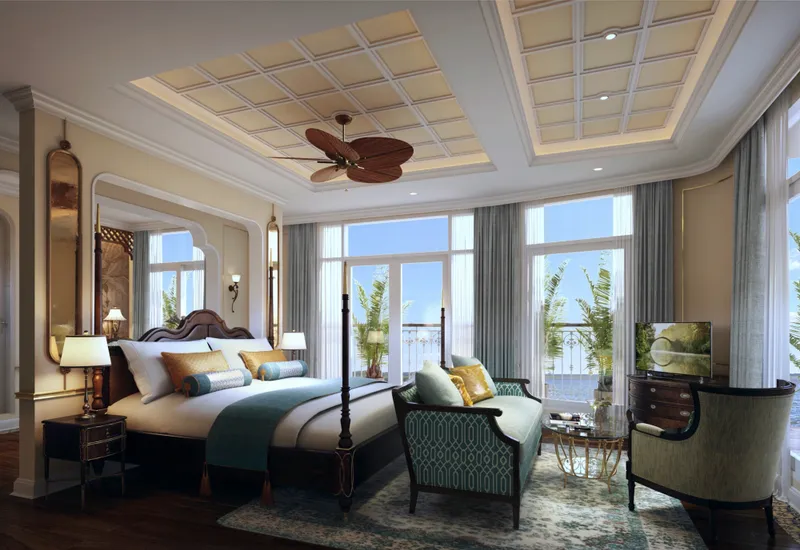
Royal Suite (924 sq ft - 85.8 sq m).
Note that amenities may differ from those of a Uniworld company-owned ship.
ShowerToiletries ProvidedRoom Service AvailableButler ServiceTVCoffee Machine+5
US$16,199 /person+ US$0 taxes & fees
Suite
Suite
924 m²Max 2
1
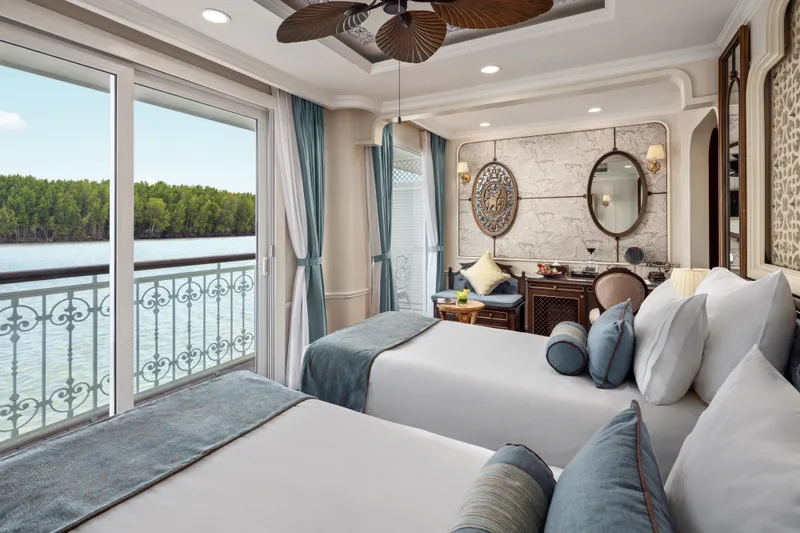
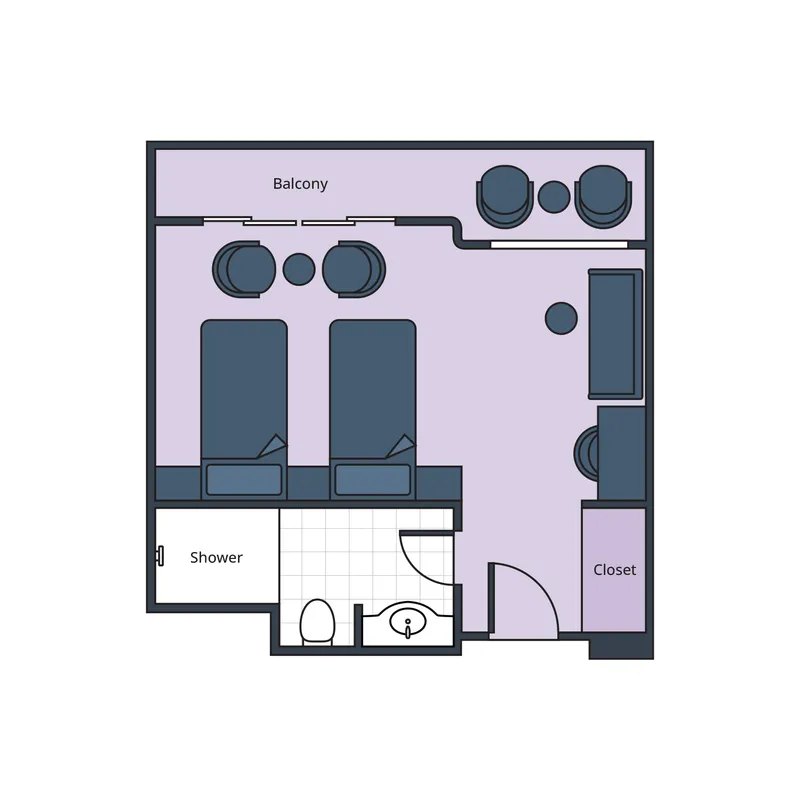
Suite (339 sq ft - 31.5 sq m).
Suites on the Sun Deck and Orchid Deck feature private open-air balconies.
Suites on the Lotus Deck feature French balconies.
Note that amenities may differ from those of a Uniworld company-owned ship.
ShowerToiletries ProvidedRoom Service AvailableButler ServiceTVCoffee Machine+5
US$5,999 /person+ US$0 taxes & fees
Interested in This Voyage?
Our cruise specialists can help you find the perfect cabin and the best available pricing.
(+886) 02-2721-7300Contact Advisor