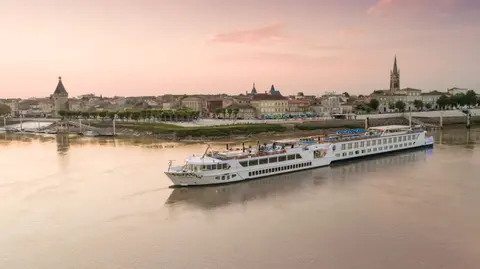
Ultimate France - Bordeaux to Arles
Date
2026-05-24
Duration
21 nights
Departure Port
Bordeaux
France
Arrival Port
Arles
United Kingdom
Rating
—
Theme
—
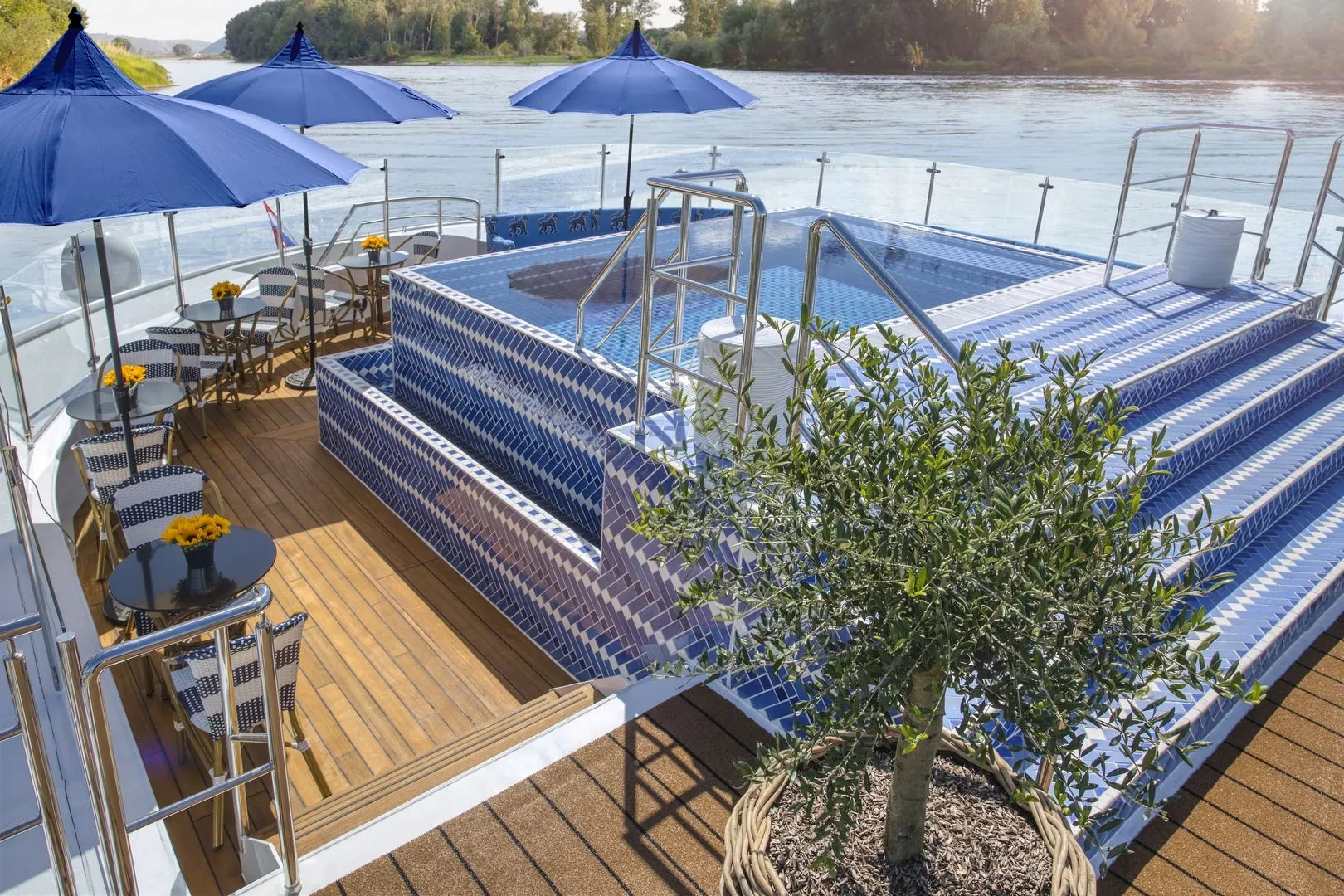
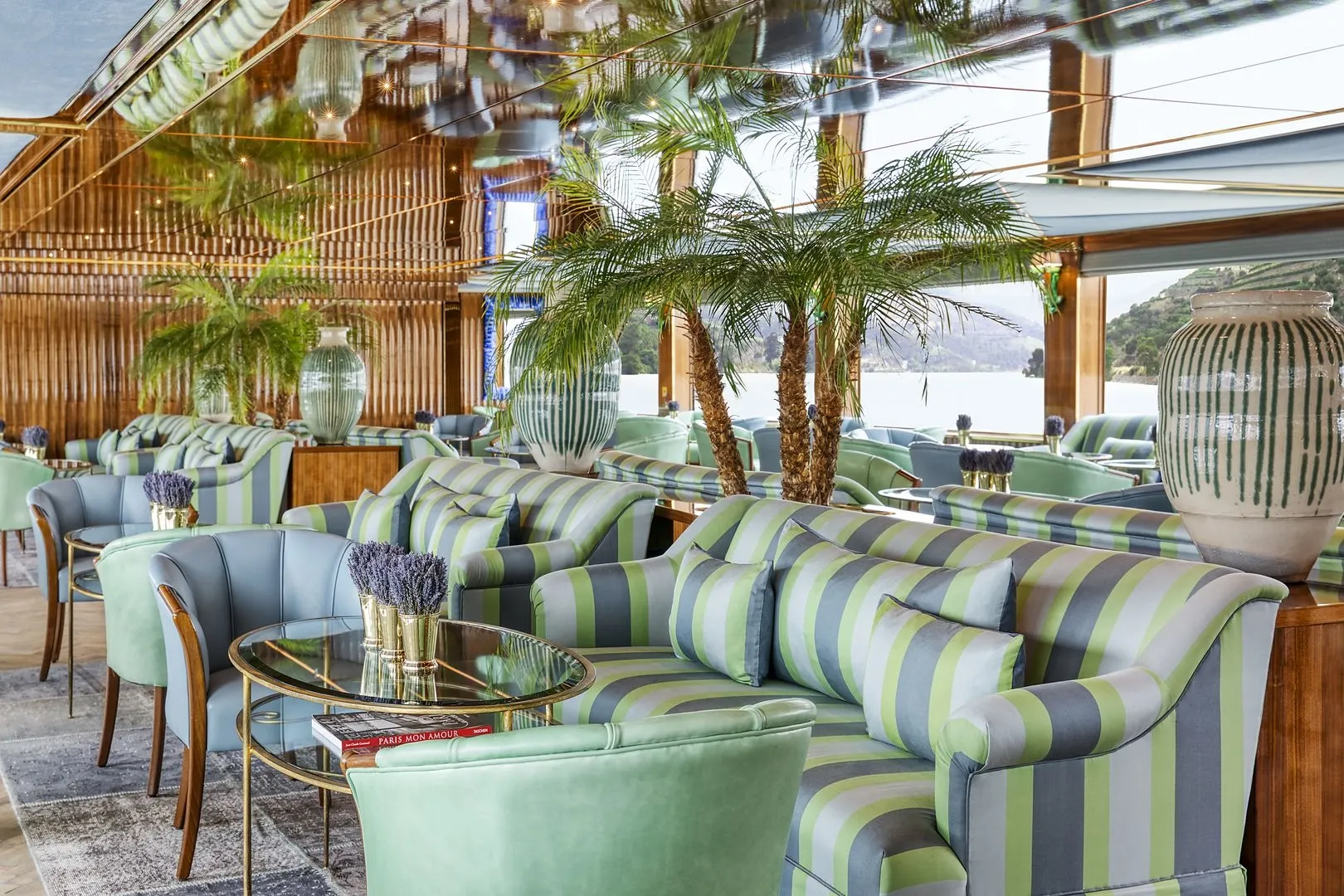
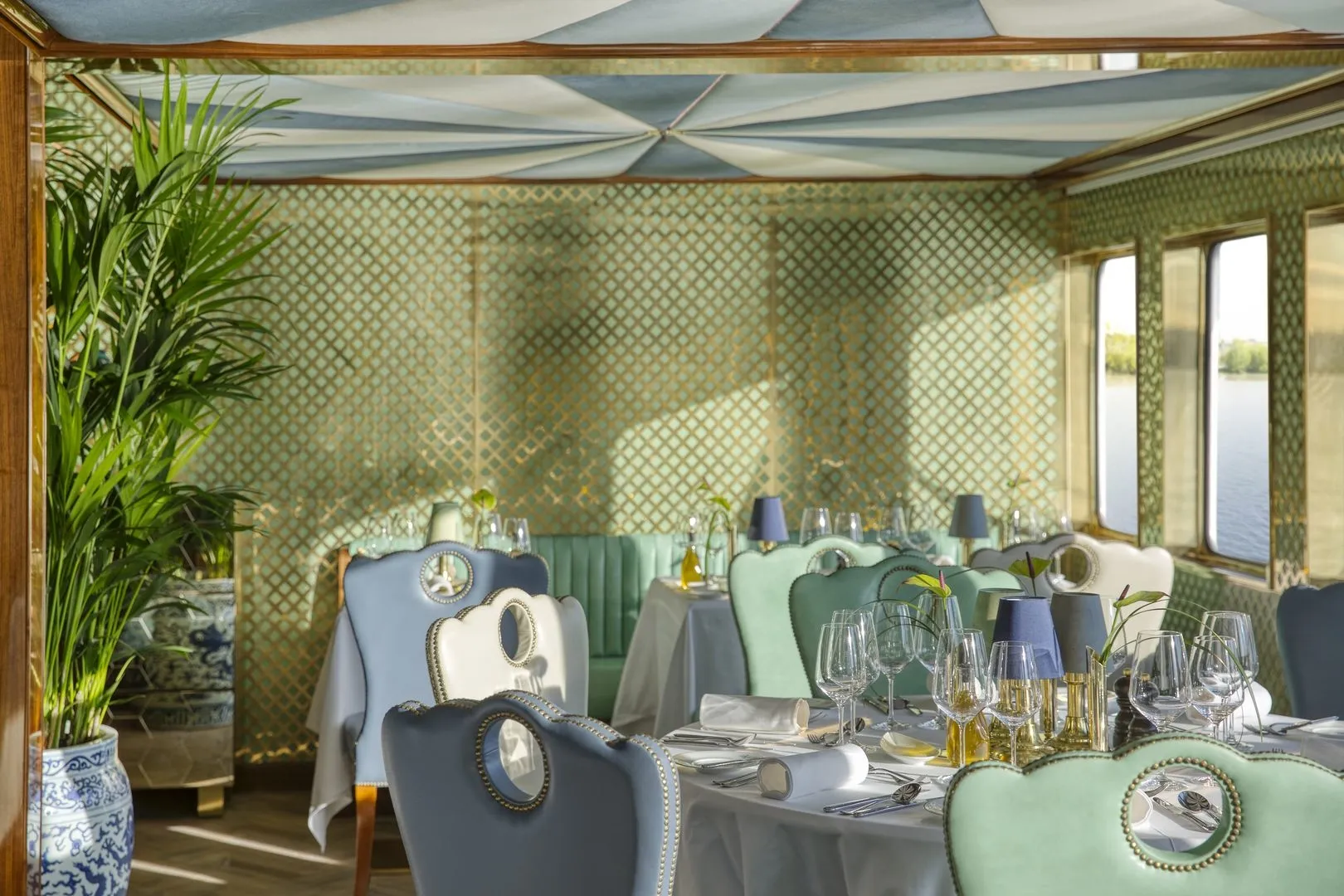
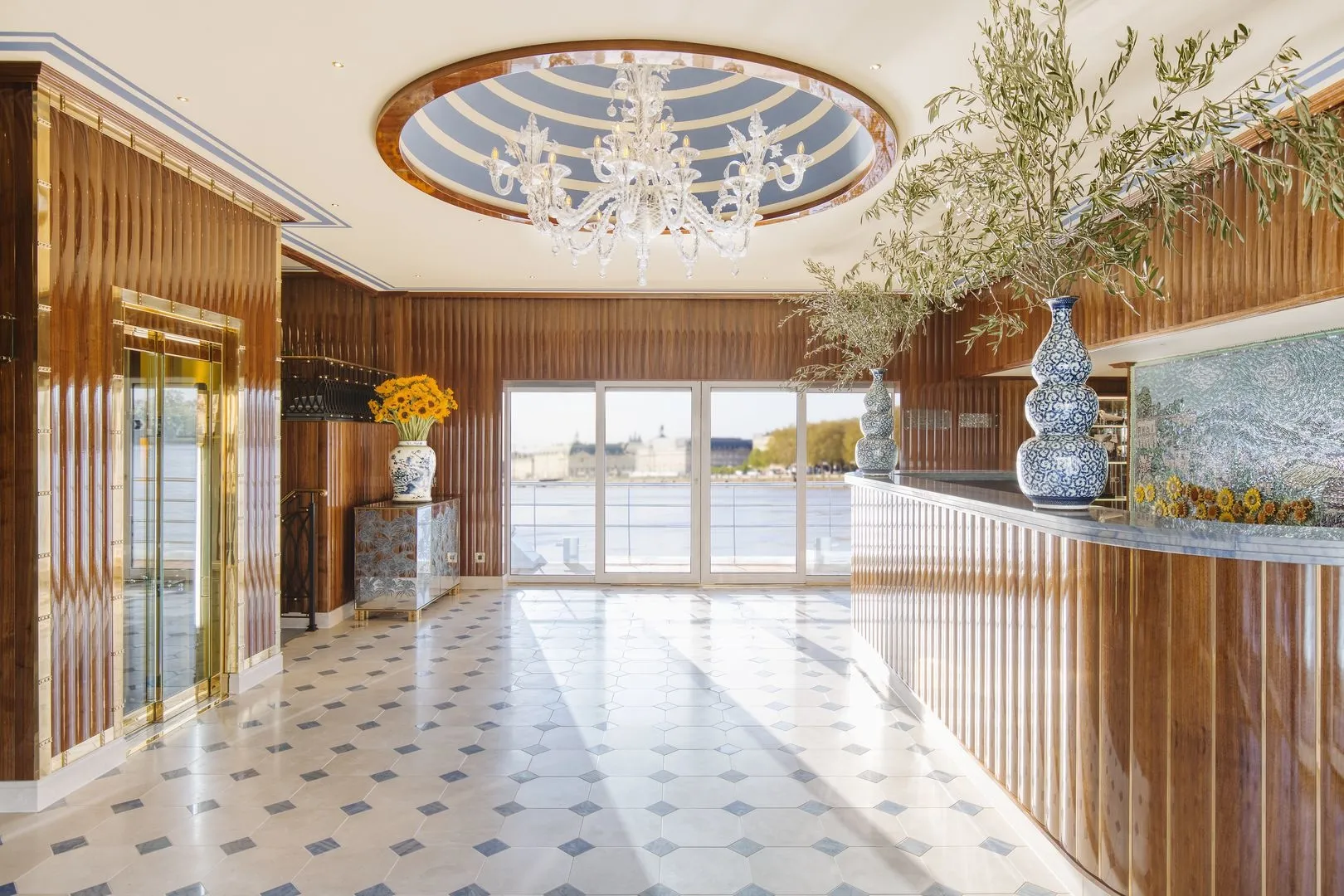
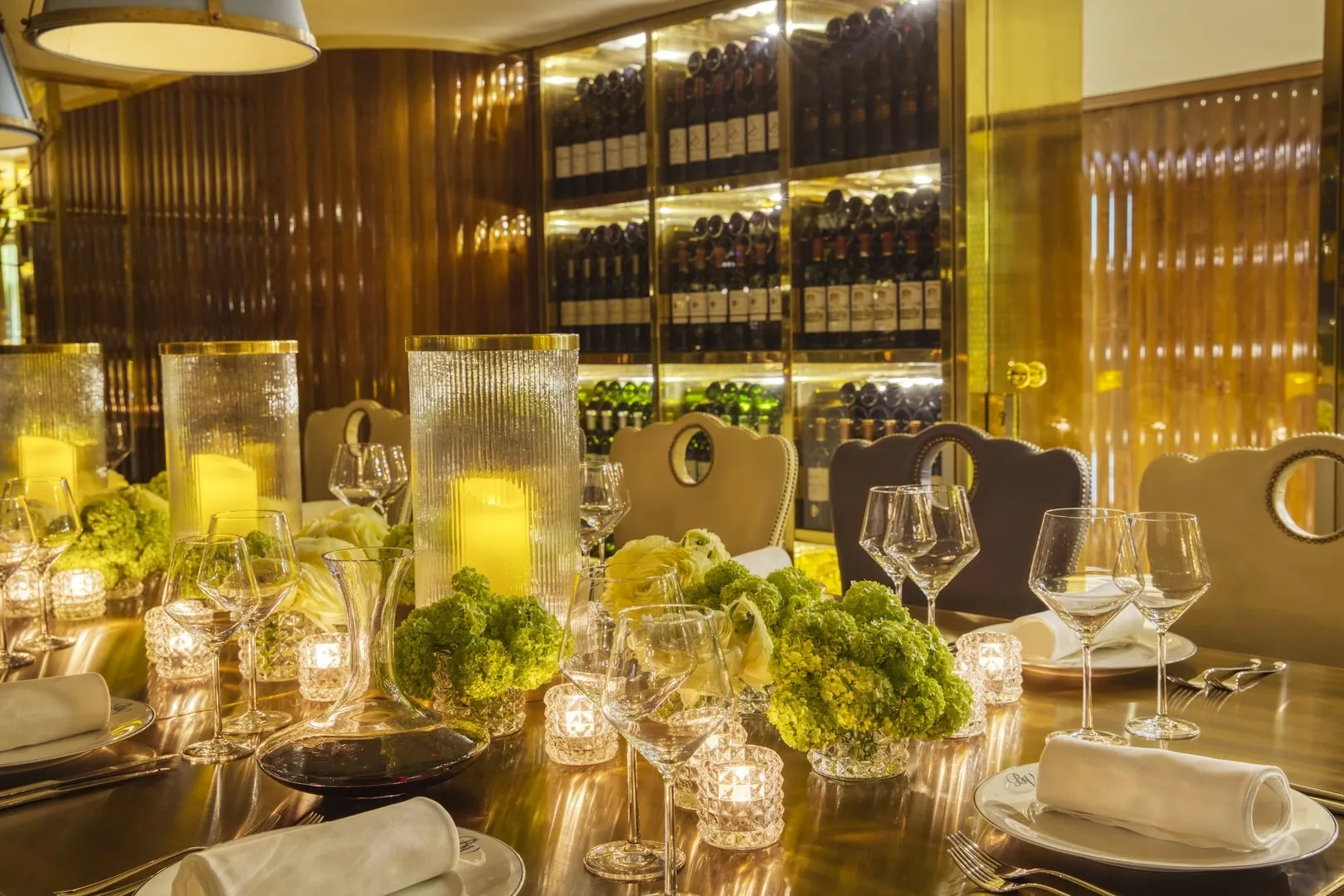
Uniworld River Cruises
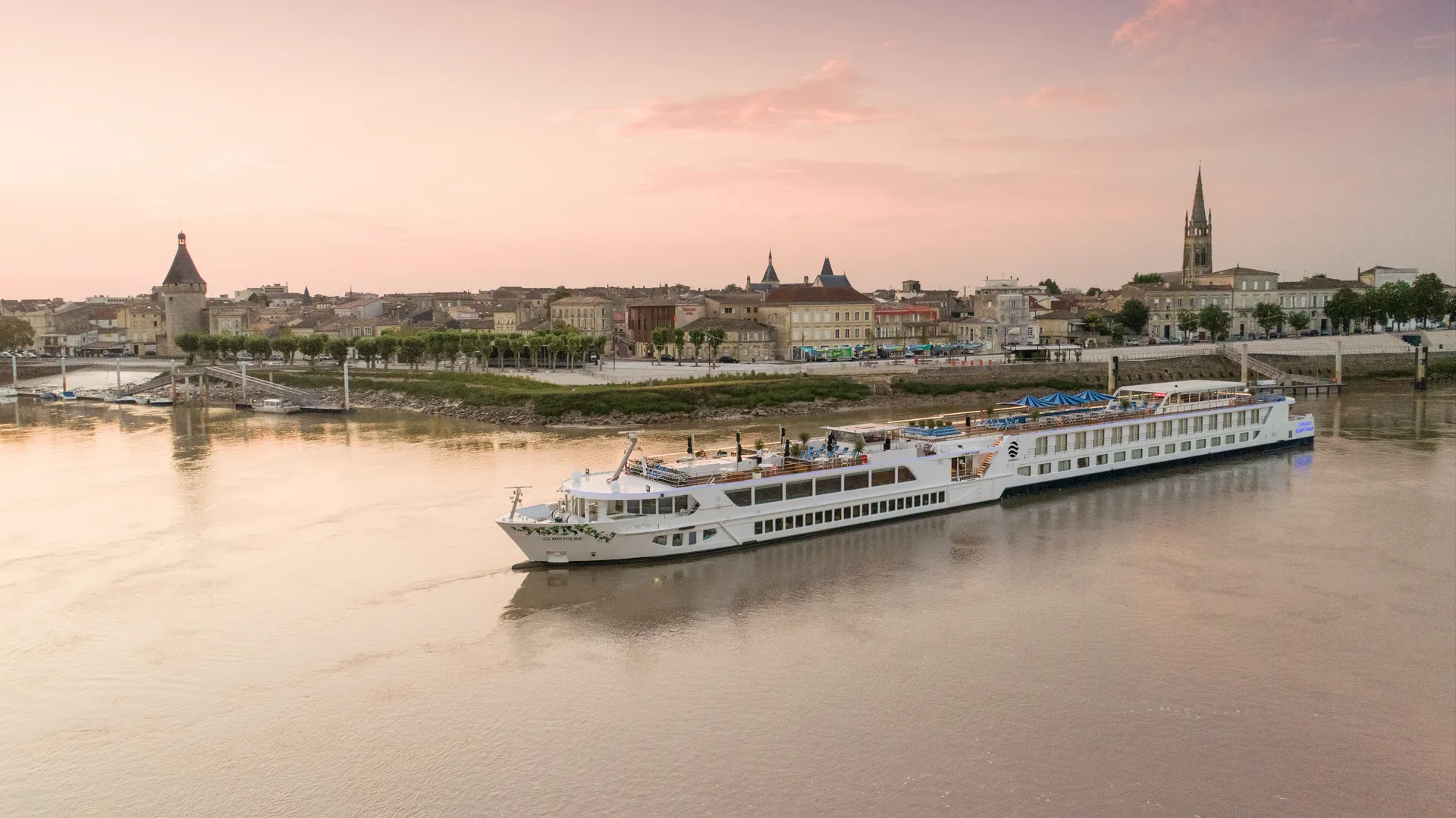
S.S. Bon Voyage
Super Ship
Launched
2006
Refitted
2019
Tonnage
—
Passengers
124
Cabins
62
Crew
50
Length
361 m
Width
11.4 m
Speed
13 knots
Adults Only
No
Itinerary
Day 1
Day 1
Bordeaux
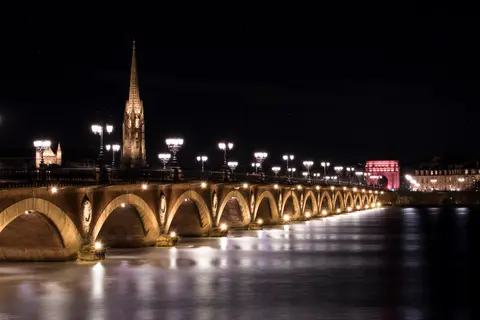
Bordeaux, France's premier port city, is renowned for its historical significance, stunning architecture, and world-class wine. Must-do experiences include savoring local delicacies at Marché des Quais and exploring the breathtaking art installations at Place de la Bourse. The best season to visit is during the late spring and early autumn, when the weather is pleasant and the vineyards are in full bloom.
Day 2
Day 2
Cadillac
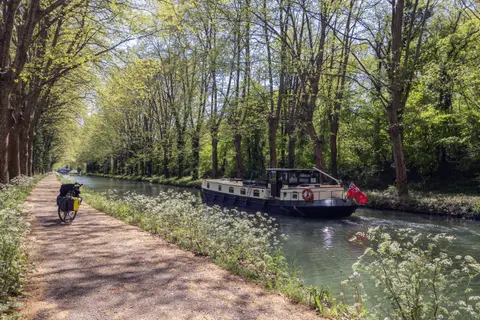
Cadillac, a picturesque commune in the Gironde department, is celebrated for its rich history, charming architecture, and exquisite culinary offerings. Must-do experiences include savoring local delicacies like foie gras and exploring the historical Château de Cadillac. The best season to visit is during the spring and early autumn, when the weather is delightful, and local markets are bustling with fresh produce.
Day 3
Day 3
Sur
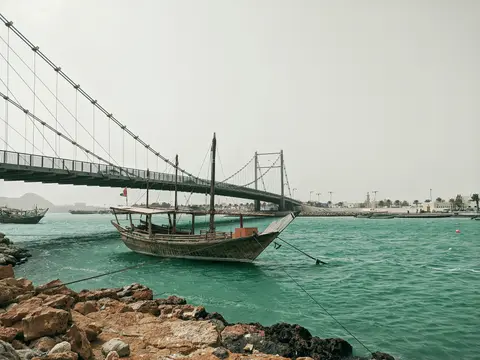
Sur is an ancient maritime city on Oman's eastern coast, renowned for its centuries-old dhow-building tradition and striking coastal beauty. Visitors should not miss the hand-crafted vessel workshops at Al Ghanjah and the unforgettable nighttime turtle nesting at nearby Ras Al Jinz Turtle Reserve. The optimal season to visit is October through April, when temperatures are pleasantly warm and the seas calm, ideal for coastal exploration and wildlife encounters.
Day 3
Day 3
Cussac Fort Médoc
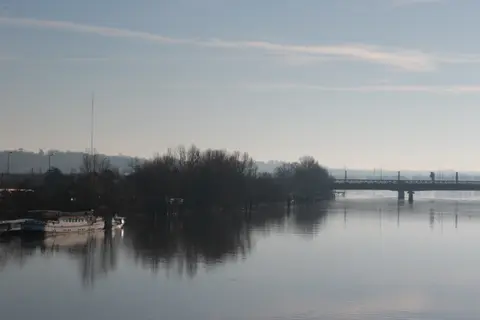
Where the Gironde estuary broadens toward the Atlantic, Cussac-Fort-Médoc occupies a quietly magnificent corner of Bordeaux wine country, its landscape shaped by Vauban's seventeenth-century star-shaped citadel — a UNESCO World Heritage fortification — and by centuries of châteaux producing some of the Left Bank's most distinguished Haut-Médoc cuvées. River cruisers dock here for château visits and private cellar tastings amid working vineyards, far from the tourist circuits of Saint-Émilion. September brings the harvest, filling the air with the intoxicating scent of fermenting Cabernet Sauvignon; the temperate maritime climate makes spring and autumn equally rewarding.
Day 3
Day 3
Pauillac
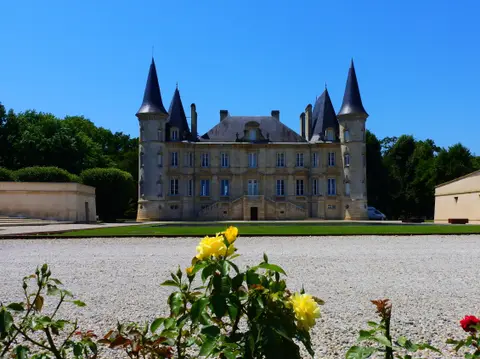
Pauillac is a historic port town in southwestern France, renowned for its exquisite wines and charming waterfront atmosphere. Must-do experiences include sampling local specialties like *canelé* and *entrecôte de boeuf*, as well as visiting the vibrant Sunday market. The best season to visit is during the spring and early autumn when the vineyards are in full bloom and the weather is delightful.
Day 4
Day 4
Libourne
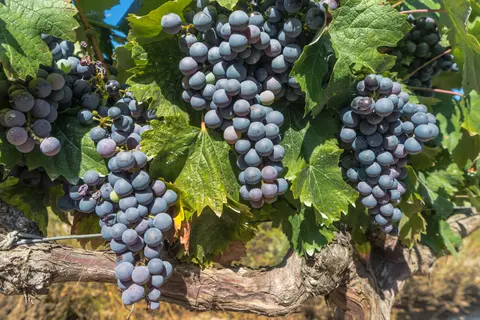
Founded in 1270 by an English lieutenant of Edward I at the confluence of the Isle and Dordogne rivers, Libourne is the fortified bastide heart of Bordeaux wine country — and the historic trading capital of some of the world's most celebrated appellations: Pomerol and Saint-Émilion both lie within minutes. The medieval market square, ringed by arcaded stone buildings, still hosts produce markets and wine négociant houses that have traded here for centuries. A half-day excursion to the UNESCO-listed hilltop village of Saint-Émilion, with its monolithic church carved from a single limestone cliff, is unmissable. Libourne is most rewarding during harvest (September–October) and spring flowering (April–May).
Day 5
Day 5
Saint-Emilion
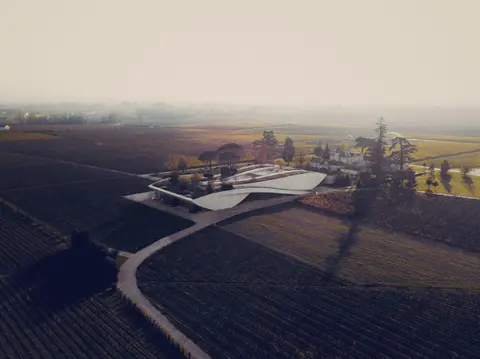
Saint-Émilion is a UNESCO World Heritage medieval wine village in southwestern France, renowned for its monolithic underground church, premier grand cru vineyards, and centuries-old culinary traditions including its signature almond macarons dating to 1620. Visitors should explore the subterranean catacombs and quarries beneath the town and savour a private château tasting amid the legendary vineyards of the Bordeaux Right Bank. The ideal season to visit is late September through mid-October, when the harvest paints the hillsides in amber and the autumn light lends the limestone an almost luminous warmth.
Day 6
Day 6
Libourne
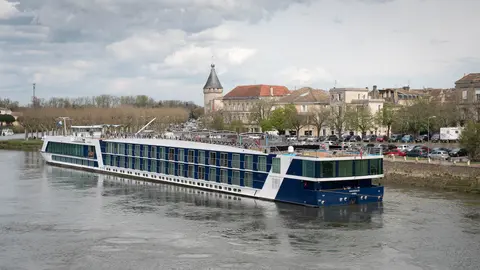
Founded in 1270 by an English lieutenant of Edward I at the confluence of the Isle and Dordogne rivers, Libourne is the fortified bastide heart of Bordeaux wine country — and the historic trading capital of some of the world's most celebrated appellations: Pomerol and Saint-Émilion both lie within minutes. The medieval market square, ringed by arcaded stone buildings, still hosts produce markets and wine négociant houses that have traded here for centuries. A half-day excursion to the UNESCO-listed hilltop village of Saint-Émilion, with its monolithic church carved from a single limestone cliff, is unmissable. Libourne is most rewarding during harvest (September–October) and spring flowering (April–May).
Day 6
Day 6
Bordeaux
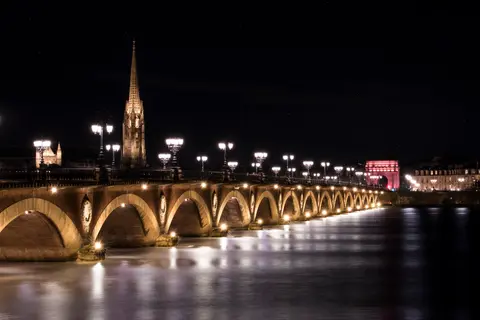
Bordeaux, France's premier port city, is renowned for its historical significance, stunning architecture, and world-class wine. Must-do experiences include savoring local delicacies at Marché des Quais and exploring the breathtaking art installations at Place de la Bourse. The best season to visit is during the late spring and early autumn, when the weather is pleasant and the vineyards are in full bloom.
Day 8
Day 8
Bordeaux
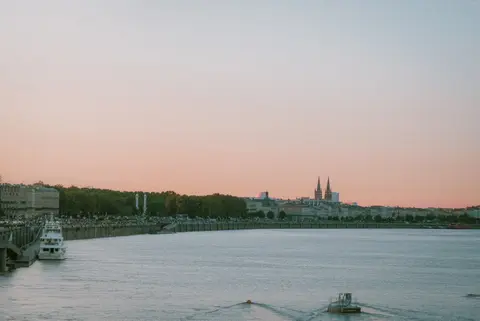
Bordeaux, France's premier port city, is renowned for its historical significance, stunning architecture, and world-class wine. Must-do experiences include savoring local delicacies at Marché des Quais and exploring the breathtaking art installations at Place de la Bourse. The best season to visit is during the late spring and early autumn, when the weather is pleasant and the vineyards are in full bloom.
Day 8
Day 8
Paris
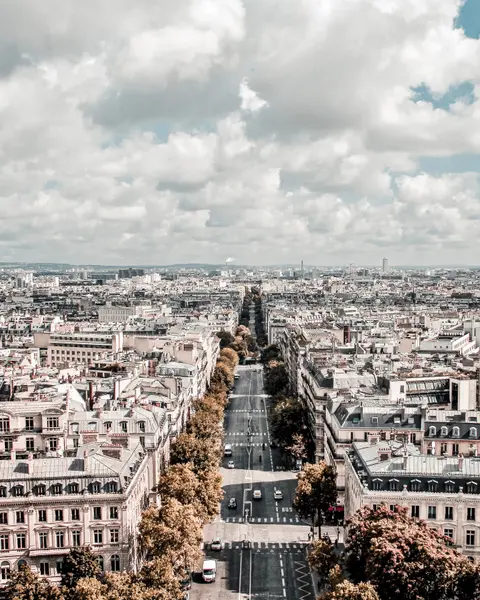
Paris rewards every arrival as though it were the first — the sweep of the Seine, the Gothic tracery of Notre-Dame rising again from its 2019 ashes, the Eiffel Tower somehow managing to astonish at each encounter, the Louvre's glass pyramid reflecting clouds in the courtyard of a palace that served French kings for four centuries. Beyond the monuments, Paris is a city of neighbourhoods: the Belle Époque brasseries of Montparnasse, the covered passages of the 2nd arrondissement, the rooftop terraces of Le Marais. The Luxembourg Gardens in April, or a late-September evening on the Canal Saint-Martin, are among the most civilised experiences in the world.
Day 9
Day 9
La Roche Guyon
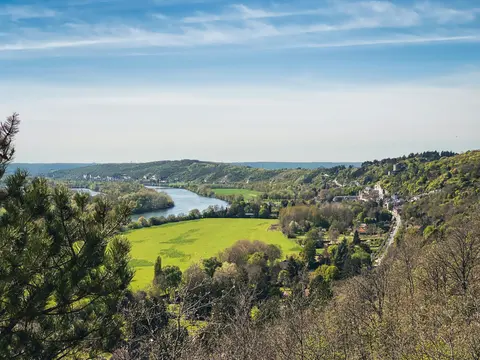
La Roche-Guyon is arguably the most dramatically situated village in the Île-de-France: a medieval castle and Renaissance château built directly into sheer white chalk cliffs above a perfect bend in the Seine, seventy kilometres northwest of Paris. Richard the Lionheart and Rommel both knew these cliffs, the latter using the château as his headquarters during the final weeks before D-Day. Today it rewards visitors with troglodyte caves carved into the rock, immaculate French gardens, and river views of extraordinary pastoral beauty. La Roche-Guyon is at its most enchanting April through October; it pairs naturally with a leisurely cruise along the Seine's Norman reaches.
Day 9
Day 9
Vernon
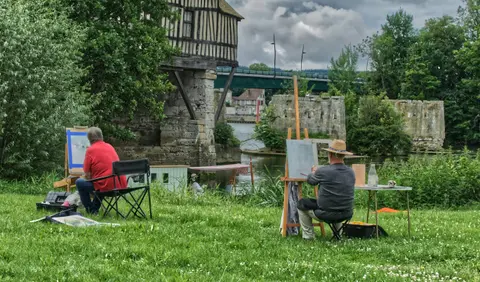
Vernon is a quietly beguiling Norman town on the Seine whose greatest treasure lies just four kilometers beyond its medieval bridge: the garden and water lily ponds at Giverny, where Claude Monet lived and painted for forty-three years, creating the luminous imagery that changed the course of modern art. The town itself retains considerable charm — a romanticly ruined twelfth-century bridge tower draped in ivy, half-timbered houses along the riverbank, and a fine museum housing several original Monet canvases. Monet's garden is open from April through October, reaching its peak splendor in May and June when his beloved water lilies are in full, painterly bloom.
Day 9
Day 9
Giverny
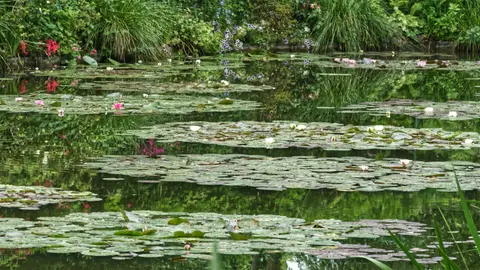
Giverny, a charming village in Normandy, is renowned as the home of Impressionist painter Claude Monet, whose gardens inspired his most famous works. Visitors must experience the Fondation Claude Monet and savor local delicacies like tarte Normande. The best time to visit is during spring or summer when the gardens are in full bloom.
Day 10
Day 10
Rouen
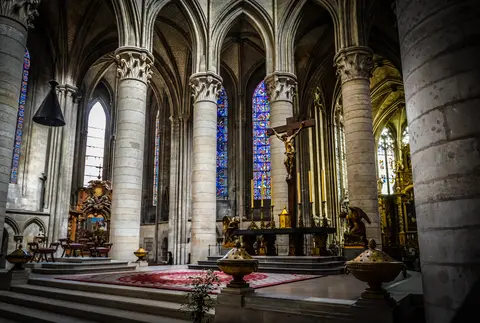
Rouen, the medieval capital of Normandy set in a wooded meander of the Seine, rewards slow exploration with one of France's richest concentrations of Gothic architecture. The vast cathedral — immortalised by Monet in his celebrated series of canvases — dominates a city where half-timbered lanes wind between Renaissance mansions and the square where Joan of Arc was burned in 1431. The covered market overflows with Normandy's great dairy bounty: camembert, livarot, and pont-l'évêque alongside cider and calvados. Paris lies just ninety minutes south by train. Spring and early autumn offer the most atmospheric conditions.
Day 11
Day 11
Caudebec-en-Caux
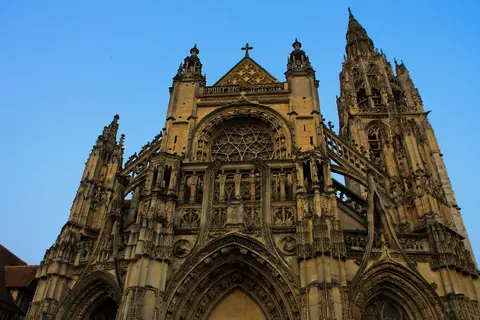
Caudebec-en-Caux nestles in a Seine meander between Rouen and the sea, famous for its Flamboyant Gothic Eglise Notre-Dame — a masterwork of late medieval stone lacework so exquisite that Henri IV called it 'the most beautiful chapel in my kingdom.' The town serves as an ideal quiet base for exploring the Seine Valley's quieter pleasures: the remarkable Abbaye de Jumiéges, its roofless nave open to the Norman sky, and the Manoir d'Ango, a Renaissance manor of extraordinary ambition, are both within easy reach. The tidal atmosphere of the Seine at this point rewards early morning walks along the embankment. Rouen, with its Gothic cathedral and Impressionist legacy, lies forty minutes east.
Day 11
Day 11
Honfleur
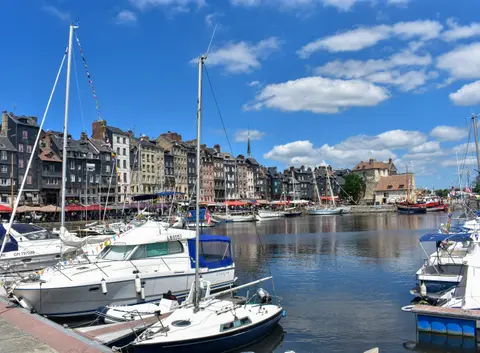
Honfleur, a historic port in Normandy, is known for its stunning waterfront and vibrant artistic heritage, having been a launching point for significant voyages like Samuel de Champlain's to Quebec. Don’t miss the chance to savor local specialties such as moules marinières and tarte normande while exploring the charming cobbled streets. The best time to visit is during the spring and summer months when the town bursts into bloom and outdoor dining thrives.
Day 12
Day 12
Rouen
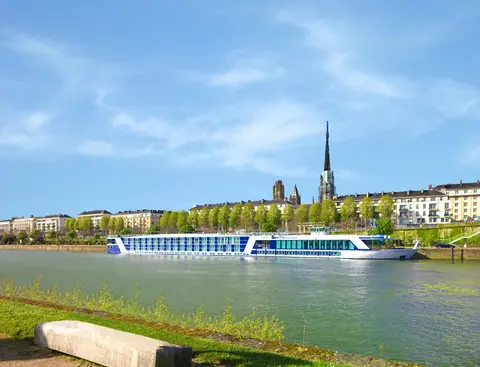
Rouen, the medieval capital of Normandy set in a wooded meander of the Seine, rewards slow exploration with one of France's richest concentrations of Gothic architecture. The vast cathedral — immortalised by Monet in his celebrated series of canvases — dominates a city where half-timbered lanes wind between Renaissance mansions and the square where Joan of Arc was burned in 1431. The covered market overflows with Normandy's great dairy bounty: camembert, livarot, and pont-l'évêque alongside cider and calvados. Paris lies just ninety minutes south by train. Spring and early autumn offer the most atmospheric conditions.
Day 13
Day 13
Mantes-la-Jolie
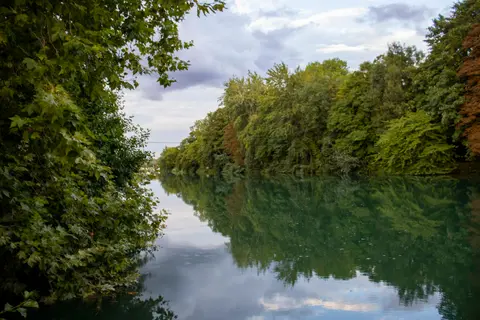
Mantes-la-Jolie is a captivating port town in France, steeped in history and characterized by its stunning architecture and vibrant atmosphere. Must-do experiences include indulging in local dishes like coq au vin and visiting the lively weekly market. The best season to visit is spring, when the town bursts into bloom, offering an inviting backdrop for exploration.
Day 14
Day 14
Paris
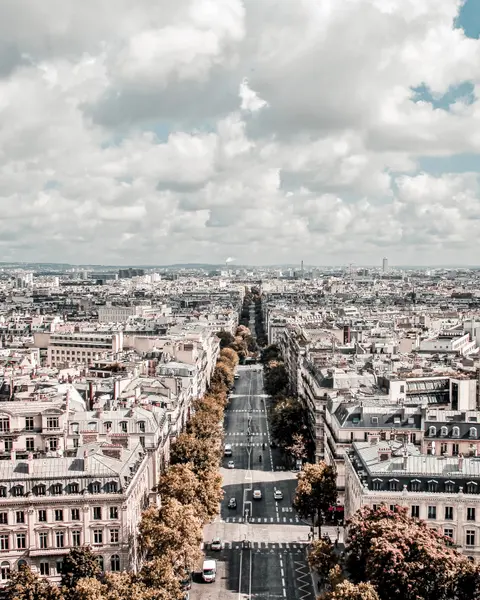
Paris rewards every arrival as though it were the first — the sweep of the Seine, the Gothic tracery of Notre-Dame rising again from its 2019 ashes, the Eiffel Tower somehow managing to astonish at each encounter, the Louvre's glass pyramid reflecting clouds in the courtyard of a palace that served French kings for four centuries. Beyond the monuments, Paris is a city of neighbourhoods: the Belle Époque brasseries of Montparnasse, the covered passages of the 2nd arrondissement, the rooftop terraces of Le Marais. The Luxembourg Gardens in April, or a late-September evening on the Canal Saint-Martin, are among the most civilised experiences in the world.
Day 15
Day 15
Lyon
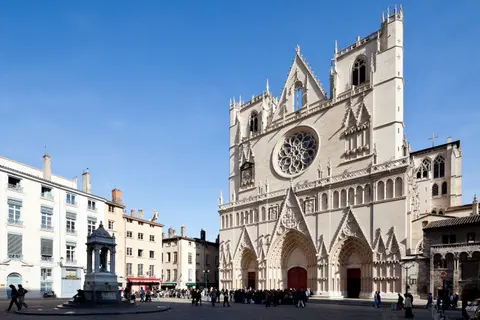
Lyon sits at the confluence of the Rhône and the Saône — a geographic destiny that made it the capital of Roman Gaul, a Renaissance silk-trading powerhouse, and, by contemporary consensus, the undisputed gastronomic capital of France. The UNESCO-listed Vieux Lyon preserves Europe's finest concentration of Renaissance architecture, its labyrinthine traboules — secret passageways threading through courtyard after courtyard — offering endless discovery. Paul Bocuse's legacy lives on in the city's constellation of bouchons, where quenelles de brochet and tablier de sapeur are served with the straightforward confidence of a city that has never needed to prove its culinary supremacy. Lyon rewards a visit in any season, with the Festival of Lights in December being particularly magical.
Day 16
Day 16
Macon
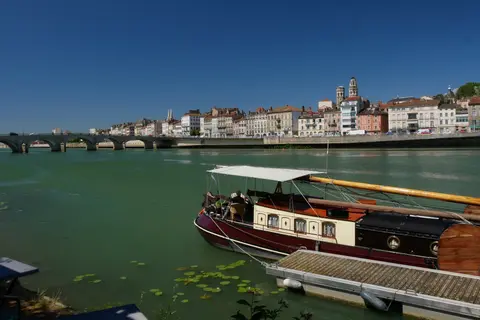
Mâcon, a historic city in Burgundy, is a captivating port known for its rich heritage, charming architecture, and vibrant culinary scene. Must-do experiences include savoring local specialties such as "poulet de Bresse" and exploring the bustling Mâcon market. The best season to visit is spring, when the surrounding vineyards are lush and the local festivals bring the city's culture to life.
Day 16
Day 16
Beaune
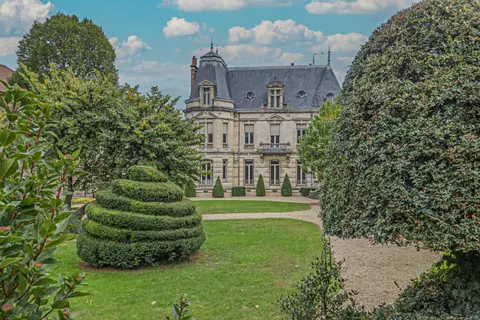
Beaune is a historic walled town in Burgundy, renowned for its vibrant wine culture and the striking Hôtel-Dieu. Must-do experiences include savoring coq au vin and participating in the famous wine auction. The best season to visit is during the harvest in autumn, when the region bursts with color and flavor.
Day 17
Day 17
Lyon
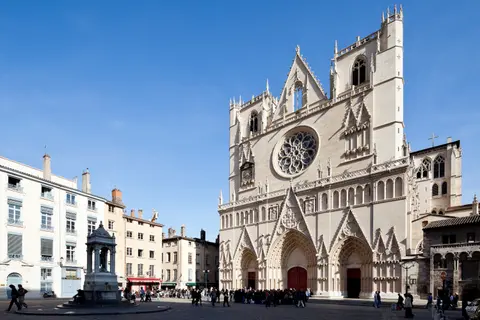
Lyon sits at the confluence of the Rhône and the Saône — a geographic destiny that made it the capital of Roman Gaul, a Renaissance silk-trading powerhouse, and, by contemporary consensus, the undisputed gastronomic capital of France. The UNESCO-listed Vieux Lyon preserves Europe's finest concentration of Renaissance architecture, its labyrinthine traboules — secret passageways threading through courtyard after courtyard — offering endless discovery. Paul Bocuse's legacy lives on in the city's constellation of bouchons, where quenelles de brochet and tablier de sapeur are served with the straightforward confidence of a city that has never needed to prove its culinary supremacy. Lyon rewards a visit in any season, with the Festival of Lights in December being particularly magical.
Day 18
Day 18
Tain L’Hermitage
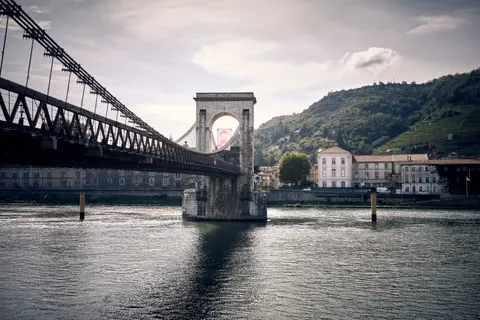
Tain-l'Hermitage is the beating heart of the northern Rhône wine country, a compact town whose steeply terraced granite hill has yielded some of France's most majestic Syrahs and finest Marsannes since the Roman era. The revered Hermitage hill — its legend entwined with a thirteenth-century crusader hermit — rises directly behind the main street, and the great wine estates of Jaboulet, Chapoutier, and Ferraton offer some of the Loire Valley's most memorable cellar tastings. Autumn harvest season brings the vineyards to their most photogenic golden glory; spring and summer offer ideal touring weather along the Rhône cycling routes between vines and river.
Day 19
Day 19
Viviers
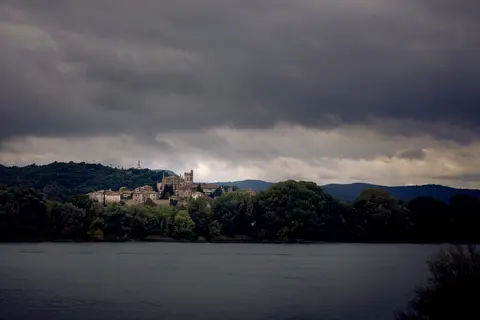
Viviers is one of France's most beautifully preserved medieval secrets — a cathedral town of barely four thousand souls perched on a limestone spur above the Rhône, serving as an episcopal seat since the fifth century when its bishops chose this formidable rock over the declining Roman city below. The Romanesque bell tower, vaulted passageways, and Renaissance townhouses of the haute ville form an ensemble of extraordinary architectural coherence, virtually unaltered since the seventeenth century. River cruise guests arriving from Lyon or Avignon typically spend languid afternoons exploring these narrow, time-suspended streets, best visited in spring or early autumn when Rhône Valley light is at its most golden.
Day 20
Day 20
Avignon
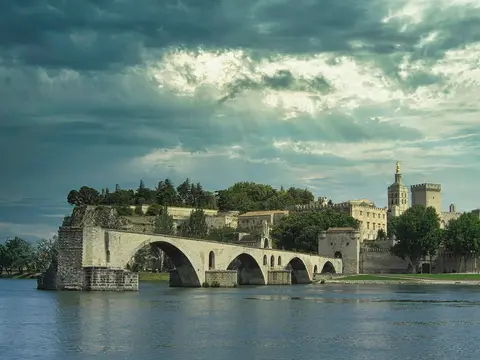
Avignon's Palais des Papes — a fortress-palace of staggering medieval ambition where seven successive popes held court for seventy years — still dominates this Provençal city's skyline, its limestone bulk enclosing frescoed chapels and vast ceremonial halls that once shaped the destiny of Christendom. In July, the city transforms for the celebrated Festival d'Avignon, Europe's premier theatre gathering, turning every courtyard and cloister into a stage. Year-round, the beautifully preserved historic centre offers world-class Rhône Valley wines, refined Provençal cuisine, and the beguiling spectacle of the Pont Saint-Bénézet stretching halfway across the river. Lyon and Marseille are each accessible in under ninety minutes by TGV.
Day 21
Day 21
Tarascon
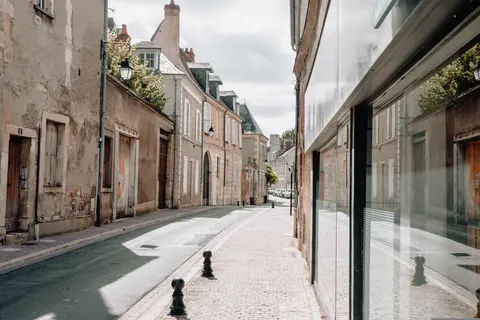
Tarascon-sur-Rhône is a medieval Provençal treasure on the banks of the Rhône, defined by its magnificently preserved fifteenth-century château and the UNESCO-listed Fêtes de la Tarasque. Visitors should not miss exploring the castle's Gothic halls and savouring gardiane de taureau, the signature Camargue bull stew, at a riverside table. The ideal season to visit is late April through June, when lavender begins to bloom, the legendary Tarasque festival enlivens the streets, and the Provençal light is at its most luminous.
Day 21
Day 21
Arles
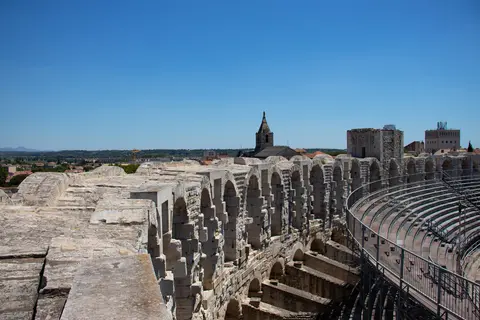
Arles, the most important city in Roman Gaul after Lyon, wears its history with casual magnificence: a first-century amphitheatre still hosts bullfights beneath open skies, and the haunting Alyscamps necropolis — once among the most prestigious burial grounds in the Western world — lines a poplar-shaded avenue with ancient sarcophagi. Yet Arles is equally celebrated as the city that intoxicated Vincent van Gogh, who produced over three hundred works here in fifteen fevered months; the Fondation Vincent van Gogh now honors his legacy in beautifully renovated rooms. Spring and autumn are ideal, with the Camargue's flamingo-filled wetlands just minutes south. Lyon is two hours north by TGV.
Day 1
Bordeaux
Bordeaux, France's premier port city, is renowned for its historical significance, stunning architecture, and world-class wine. Must-do experiences include savoring local delicacies at Marché des Quais and exploring the breathtaking art installations at Place de la Bourse. The best season to visit is during the late spring and early autumn, when the weather is pleasant and the vineyards are in full bloom.
Day 2
Cadillac
Cadillac, a picturesque commune in the Gironde department, is celebrated for its rich history, charming architecture, and exquisite culinary offerings. Must-do experiences include savoring local delicacies like foie gras and exploring the historical Château de Cadillac. The best season to visit is during the spring and early autumn, when the weather is delightful, and local markets are bustling with fresh produce.
Day 3
Sur
Sur is an ancient maritime city on Oman's eastern coast, renowned for its centuries-old dhow-building tradition and striking coastal beauty. Visitors should not miss the hand-crafted vessel workshops at Al Ghanjah and the unforgettable nighttime turtle nesting at nearby Ras Al Jinz Turtle Reserve. The optimal season to visit is October through April, when temperatures are pleasantly warm and the seas calm, ideal for coastal exploration and wildlife encounters.
Cussac Fort Médoc
Where the Gironde estuary broadens toward the Atlantic, Cussac-Fort-Médoc occupies a quietly magnificent corner of Bordeaux wine country, its landscape shaped by Vauban's seventeenth-century star-shaped citadel — a UNESCO World Heritage fortification — and by centuries of châteaux producing some of the Left Bank's most distinguished Haut-Médoc cuvées. River cruisers dock here for château visits and private cellar tastings amid working vineyards, far from the tourist circuits of Saint-Émilion. September brings the harvest, filling the air with the intoxicating scent of fermenting Cabernet Sauvignon; the temperate maritime climate makes spring and autumn equally rewarding.
Pauillac
Pauillac is a historic port town in southwestern France, renowned for its exquisite wines and charming waterfront atmosphere. Must-do experiences include sampling local specialties like *canelé* and *entrecôte de boeuf*, as well as visiting the vibrant Sunday market. The best season to visit is during the spring and early autumn when the vineyards are in full bloom and the weather is delightful.
Day 4
Libourne
Founded in 1270 by an English lieutenant of Edward I at the confluence of the Isle and Dordogne rivers, Libourne is the fortified bastide heart of Bordeaux wine country — and the historic trading capital of some of the world's most celebrated appellations: Pomerol and Saint-Émilion both lie within minutes. The medieval market square, ringed by arcaded stone buildings, still hosts produce markets and wine négociant houses that have traded here for centuries. A half-day excursion to the UNESCO-listed hilltop village of Saint-Émilion, with its monolithic church carved from a single limestone cliff, is unmissable. Libourne is most rewarding during harvest (September–October) and spring flowering (April–May).
Day 5
Saint-Emilion
Saint-Émilion is a UNESCO World Heritage medieval wine village in southwestern France, renowned for its monolithic underground church, premier grand cru vineyards, and centuries-old culinary traditions including its signature almond macarons dating to 1620. Visitors should explore the subterranean catacombs and quarries beneath the town and savour a private château tasting amid the legendary vineyards of the Bordeaux Right Bank. The ideal season to visit is late September through mid-October, when the harvest paints the hillsides in amber and the autumn light lends the limestone an almost luminous warmth.
Day 6
Libourne
Founded in 1270 by an English lieutenant of Edward I at the confluence of the Isle and Dordogne rivers, Libourne is the fortified bastide heart of Bordeaux wine country — and the historic trading capital of some of the world's most celebrated appellations: Pomerol and Saint-Émilion both lie within minutes. The medieval market square, ringed by arcaded stone buildings, still hosts produce markets and wine négociant houses that have traded here for centuries. A half-day excursion to the UNESCO-listed hilltop village of Saint-Émilion, with its monolithic church carved from a single limestone cliff, is unmissable. Libourne is most rewarding during harvest (September–October) and spring flowering (April–May).
Bordeaux
Bordeaux, France's premier port city, is renowned for its historical significance, stunning architecture, and world-class wine. Must-do experiences include savoring local delicacies at Marché des Quais and exploring the breathtaking art installations at Place de la Bourse. The best season to visit is during the late spring and early autumn, when the weather is pleasant and the vineyards are in full bloom.
Day 8
Bordeaux
Bordeaux, France's premier port city, is renowned for its historical significance, stunning architecture, and world-class wine. Must-do experiences include savoring local delicacies at Marché des Quais and exploring the breathtaking art installations at Place de la Bourse. The best season to visit is during the late spring and early autumn, when the weather is pleasant and the vineyards are in full bloom.
Paris
Paris rewards every arrival as though it were the first — the sweep of the Seine, the Gothic tracery of Notre-Dame rising again from its 2019 ashes, the Eiffel Tower somehow managing to astonish at each encounter, the Louvre's glass pyramid reflecting clouds in the courtyard of a palace that served French kings for four centuries. Beyond the monuments, Paris is a city of neighbourhoods: the Belle Époque brasseries of Montparnasse, the covered passages of the 2nd arrondissement, the rooftop terraces of Le Marais. The Luxembourg Gardens in April, or a late-September evening on the Canal Saint-Martin, are among the most civilised experiences in the world.
Day 9
La Roche Guyon
La Roche-Guyon is arguably the most dramatically situated village in the Île-de-France: a medieval castle and Renaissance château built directly into sheer white chalk cliffs above a perfect bend in the Seine, seventy kilometres northwest of Paris. Richard the Lionheart and Rommel both knew these cliffs, the latter using the château as his headquarters during the final weeks before D-Day. Today it rewards visitors with troglodyte caves carved into the rock, immaculate French gardens, and river views of extraordinary pastoral beauty. La Roche-Guyon is at its most enchanting April through October; it pairs naturally with a leisurely cruise along the Seine's Norman reaches.
Vernon
Vernon is a quietly beguiling Norman town on the Seine whose greatest treasure lies just four kilometers beyond its medieval bridge: the garden and water lily ponds at Giverny, where Claude Monet lived and painted for forty-three years, creating the luminous imagery that changed the course of modern art. The town itself retains considerable charm — a romanticly ruined twelfth-century bridge tower draped in ivy, half-timbered houses along the riverbank, and a fine museum housing several original Monet canvases. Monet's garden is open from April through October, reaching its peak splendor in May and June when his beloved water lilies are in full, painterly bloom.
Giverny
Giverny, a charming village in Normandy, is renowned as the home of Impressionist painter Claude Monet, whose gardens inspired his most famous works. Visitors must experience the Fondation Claude Monet and savor local delicacies like tarte Normande. The best time to visit is during spring or summer when the gardens are in full bloom.
Day 10
Rouen
Rouen, the medieval capital of Normandy set in a wooded meander of the Seine, rewards slow exploration with one of France's richest concentrations of Gothic architecture. The vast cathedral — immortalised by Monet in his celebrated series of canvases — dominates a city where half-timbered lanes wind between Renaissance mansions and the square where Joan of Arc was burned in 1431. The covered market overflows with Normandy's great dairy bounty: camembert, livarot, and pont-l'évêque alongside cider and calvados. Paris lies just ninety minutes south by train. Spring and early autumn offer the most atmospheric conditions.
Day 11
Caudebec-en-Caux
Caudebec-en-Caux nestles in a Seine meander between Rouen and the sea, famous for its Flamboyant Gothic Eglise Notre-Dame — a masterwork of late medieval stone lacework so exquisite that Henri IV called it 'the most beautiful chapel in my kingdom.' The town serves as an ideal quiet base for exploring the Seine Valley's quieter pleasures: the remarkable Abbaye de Jumiéges, its roofless nave open to the Norman sky, and the Manoir d'Ango, a Renaissance manor of extraordinary ambition, are both within easy reach. The tidal atmosphere of the Seine at this point rewards early morning walks along the embankment. Rouen, with its Gothic cathedral and Impressionist legacy, lies forty minutes east.
Honfleur
Honfleur, a historic port in Normandy, is known for its stunning waterfront and vibrant artistic heritage, having been a launching point for significant voyages like Samuel de Champlain's to Quebec. Don’t miss the chance to savor local specialties such as moules marinières and tarte normande while exploring the charming cobbled streets. The best time to visit is during the spring and summer months when the town bursts into bloom and outdoor dining thrives.
Day 12
Rouen
Rouen, the medieval capital of Normandy set in a wooded meander of the Seine, rewards slow exploration with one of France's richest concentrations of Gothic architecture. The vast cathedral — immortalised by Monet in his celebrated series of canvases — dominates a city where half-timbered lanes wind between Renaissance mansions and the square where Joan of Arc was burned in 1431. The covered market overflows with Normandy's great dairy bounty: camembert, livarot, and pont-l'évêque alongside cider and calvados. Paris lies just ninety minutes south by train. Spring and early autumn offer the most atmospheric conditions.
Day 13
Mantes-la-Jolie
Mantes-la-Jolie is a captivating port town in France, steeped in history and characterized by its stunning architecture and vibrant atmosphere. Must-do experiences include indulging in local dishes like coq au vin and visiting the lively weekly market. The best season to visit is spring, when the town bursts into bloom, offering an inviting backdrop for exploration.
Day 14
Paris
Paris rewards every arrival as though it were the first — the sweep of the Seine, the Gothic tracery of Notre-Dame rising again from its 2019 ashes, the Eiffel Tower somehow managing to astonish at each encounter, the Louvre's glass pyramid reflecting clouds in the courtyard of a palace that served French kings for four centuries. Beyond the monuments, Paris is a city of neighbourhoods: the Belle Époque brasseries of Montparnasse, the covered passages of the 2nd arrondissement, the rooftop terraces of Le Marais. The Luxembourg Gardens in April, or a late-September evening on the Canal Saint-Martin, are among the most civilised experiences in the world.
Day 15
Lyon
Lyon sits at the confluence of the Rhône and the Saône — a geographic destiny that made it the capital of Roman Gaul, a Renaissance silk-trading powerhouse, and, by contemporary consensus, the undisputed gastronomic capital of France. The UNESCO-listed Vieux Lyon preserves Europe's finest concentration of Renaissance architecture, its labyrinthine traboules — secret passageways threading through courtyard after courtyard — offering endless discovery. Paul Bocuse's legacy lives on in the city's constellation of bouchons, where quenelles de brochet and tablier de sapeur are served with the straightforward confidence of a city that has never needed to prove its culinary supremacy. Lyon rewards a visit in any season, with the Festival of Lights in December being particularly magical.
Day 16
Macon
Mâcon, a historic city in Burgundy, is a captivating port known for its rich heritage, charming architecture, and vibrant culinary scene. Must-do experiences include savoring local specialties such as "poulet de Bresse" and exploring the bustling Mâcon market. The best season to visit is spring, when the surrounding vineyards are lush and the local festivals bring the city's culture to life.
Beaune
Beaune is a historic walled town in Burgundy, renowned for its vibrant wine culture and the striking Hôtel-Dieu. Must-do experiences include savoring coq au vin and participating in the famous wine auction. The best season to visit is during the harvest in autumn, when the region bursts with color and flavor.
Day 17
Lyon
Lyon sits at the confluence of the Rhône and the Saône — a geographic destiny that made it the capital of Roman Gaul, a Renaissance silk-trading powerhouse, and, by contemporary consensus, the undisputed gastronomic capital of France. The UNESCO-listed Vieux Lyon preserves Europe's finest concentration of Renaissance architecture, its labyrinthine traboules — secret passageways threading through courtyard after courtyard — offering endless discovery. Paul Bocuse's legacy lives on in the city's constellation of bouchons, where quenelles de brochet and tablier de sapeur are served with the straightforward confidence of a city that has never needed to prove its culinary supremacy. Lyon rewards a visit in any season, with the Festival of Lights in December being particularly magical.
Day 18
Tain L’Hermitage
Tain-l'Hermitage is the beating heart of the northern Rhône wine country, a compact town whose steeply terraced granite hill has yielded some of France's most majestic Syrahs and finest Marsannes since the Roman era. The revered Hermitage hill — its legend entwined with a thirteenth-century crusader hermit — rises directly behind the main street, and the great wine estates of Jaboulet, Chapoutier, and Ferraton offer some of the Loire Valley's most memorable cellar tastings. Autumn harvest season brings the vineyards to their most photogenic golden glory; spring and summer offer ideal touring weather along the Rhône cycling routes between vines and river.
Day 19
Viviers
Viviers is one of France's most beautifully preserved medieval secrets — a cathedral town of barely four thousand souls perched on a limestone spur above the Rhône, serving as an episcopal seat since the fifth century when its bishops chose this formidable rock over the declining Roman city below. The Romanesque bell tower, vaulted passageways, and Renaissance townhouses of the haute ville form an ensemble of extraordinary architectural coherence, virtually unaltered since the seventeenth century. River cruise guests arriving from Lyon or Avignon typically spend languid afternoons exploring these narrow, time-suspended streets, best visited in spring or early autumn when Rhône Valley light is at its most golden.
Day 20
Avignon
Avignon's Palais des Papes — a fortress-palace of staggering medieval ambition where seven successive popes held court for seventy years — still dominates this Provençal city's skyline, its limestone bulk enclosing frescoed chapels and vast ceremonial halls that once shaped the destiny of Christendom. In July, the city transforms for the celebrated Festival d'Avignon, Europe's premier theatre gathering, turning every courtyard and cloister into a stage. Year-round, the beautifully preserved historic centre offers world-class Rhône Valley wines, refined Provençal cuisine, and the beguiling spectacle of the Pont Saint-Bénézet stretching halfway across the river. Lyon and Marseille are each accessible in under ninety minutes by TGV.
Day 21
Tarascon
Tarascon-sur-Rhône is a medieval Provençal treasure on the banks of the Rhône, defined by its magnificently preserved fifteenth-century château and the UNESCO-listed Fêtes de la Tarasque. Visitors should not miss exploring the castle's Gothic halls and savouring gardiane de taureau, the signature Camargue bull stew, at a riverside table. The ideal season to visit is late April through June, when lavender begins to bloom, the legendary Tarasque festival enlivens the streets, and the Provençal light is at its most luminous.
Arles
Arles, the most important city in Roman Gaul after Lyon, wears its history with casual magnificence: a first-century amphitheatre still hosts bullfights beneath open skies, and the haunting Alyscamps necropolis — once among the most prestigious burial grounds in the Western world — lines a poplar-shaded avenue with ancient sarcophagi. Yet Arles is equally celebrated as the city that intoxicated Vincent van Gogh, who produced over three hundred works here in fifteen fevered months; the Fondation Vincent van Gogh now honors his legacy in beautifully renovated rooms. Spring and autumn are ideal, with the Camargue's flamingo-filled wetlands just minutes south. Lyon is two hours north by TGV.
Cabin Categories
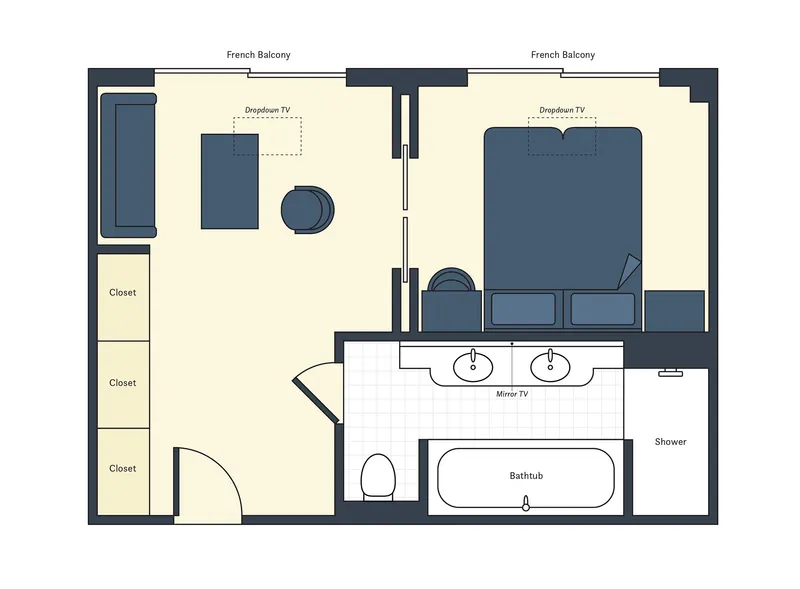
Grand Suite
Suite
280 m²Max 2
GS
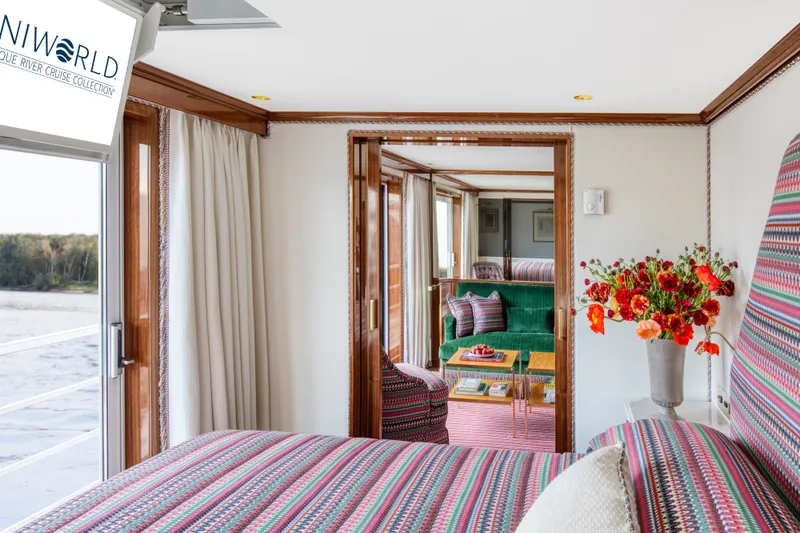
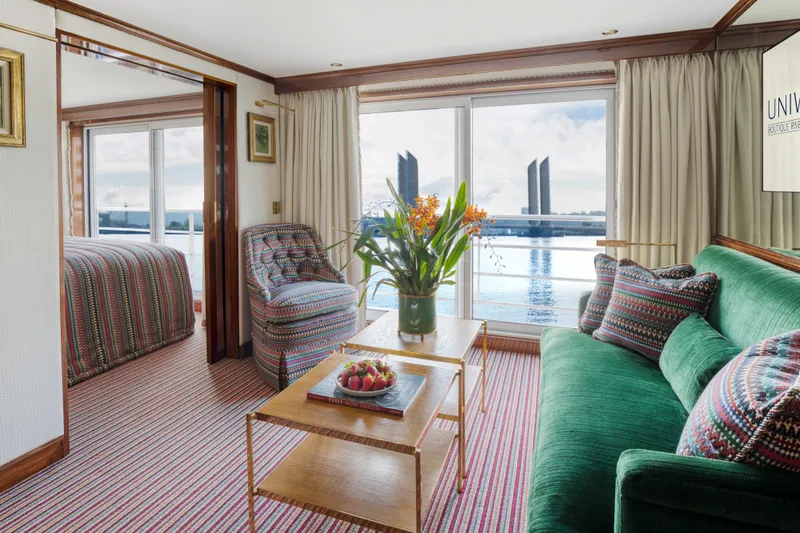
Luxurious riverview grand suite (280 sq ft - 26 sq m)
Grand Suites include handcrafted Savoir Beds of England, built-in closets, hair dryer, safe, individual climate-controlled thermostat, direct-dial telephone, and flat-screen TV with infotainment centre
Marble bathroom with Hermès bath and body products, plush towels, backlit magnifying mirror, cosy bathrobes and slippers, a rain shower and tub, and a secluded toilet area
Additional amenities and services include: in-suite butler service; packing and unpacking assistance; in-room breakfast; daily fruit and cookie plate, and an elegant evening snack; Nespresso coffee machine and fine teas; fully stocked mini bar; bottle of wine upon arrival; shoe shine; and free laundry service
DoubleShowerToiletries ProvidedRoom Service AvailableTVSafe+11
View Details
Suite
Suite
280 m²Max 2
S
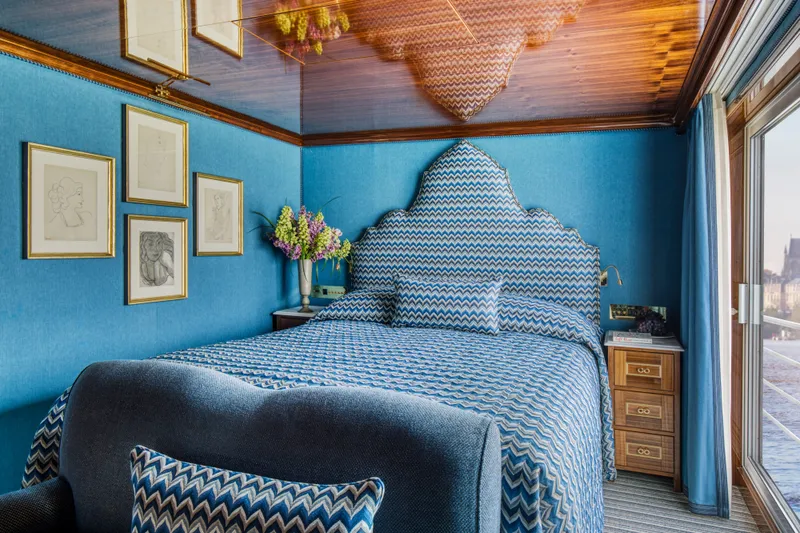
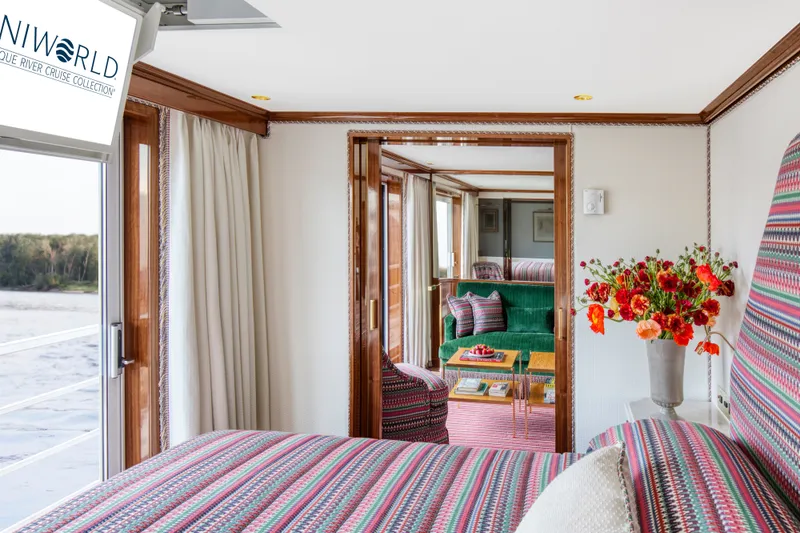
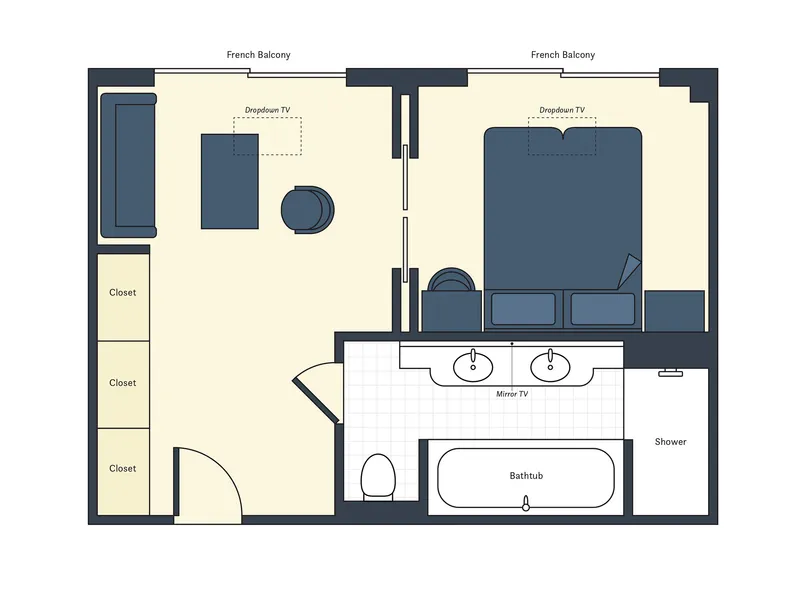
Luxurious riverview suite (210 sq ft - 19.5 sq m)
Suites include handcrafted Savoir Beds of England, built-in closets, hair dryer, safe, direct-dial telephone, individual thermostat, and flat-screen TV with infotainment centre
Marble bathroom with Hermès bath and body products, plush towels, backlit magnifying mirror, cosy bathrobes and slippers
Additional amenities and services include: in-suite butler service; packing and unpacking assistance; in-room breakfast; daily fruit and cookie plate, and an elegant evening snack; Nespresso coffee machine and fine teas; fully stocked mini bar; bottle of wine upon arrival; shoe shine; and free laundry service
DoubleShowerToiletries ProvidedRoom Service AvailableTVSafe+11
View Details
French Balcony
Balcony
140 m²Max 2
FB
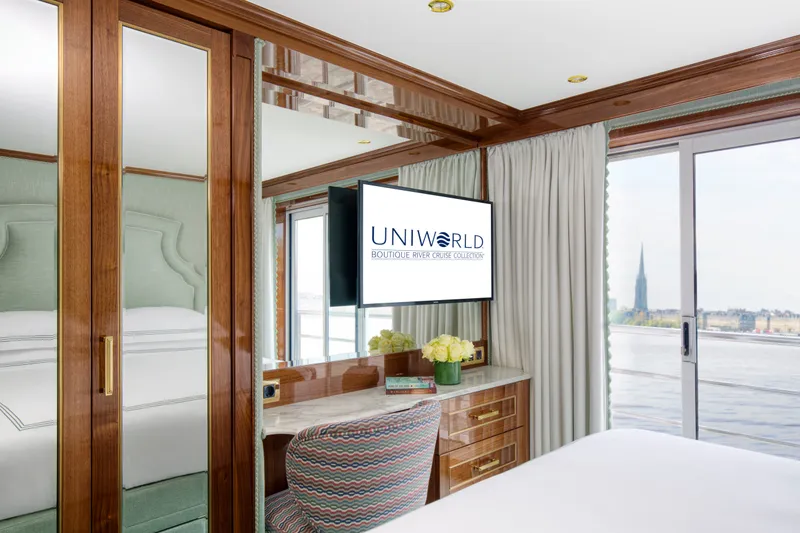
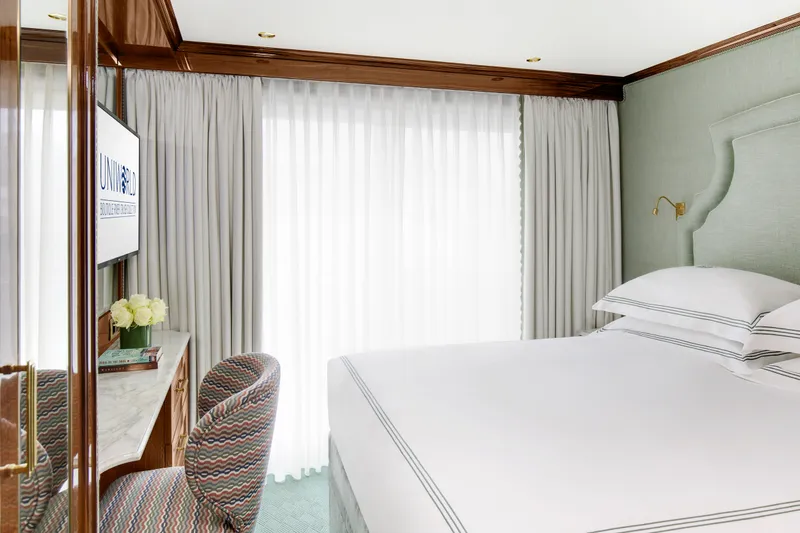
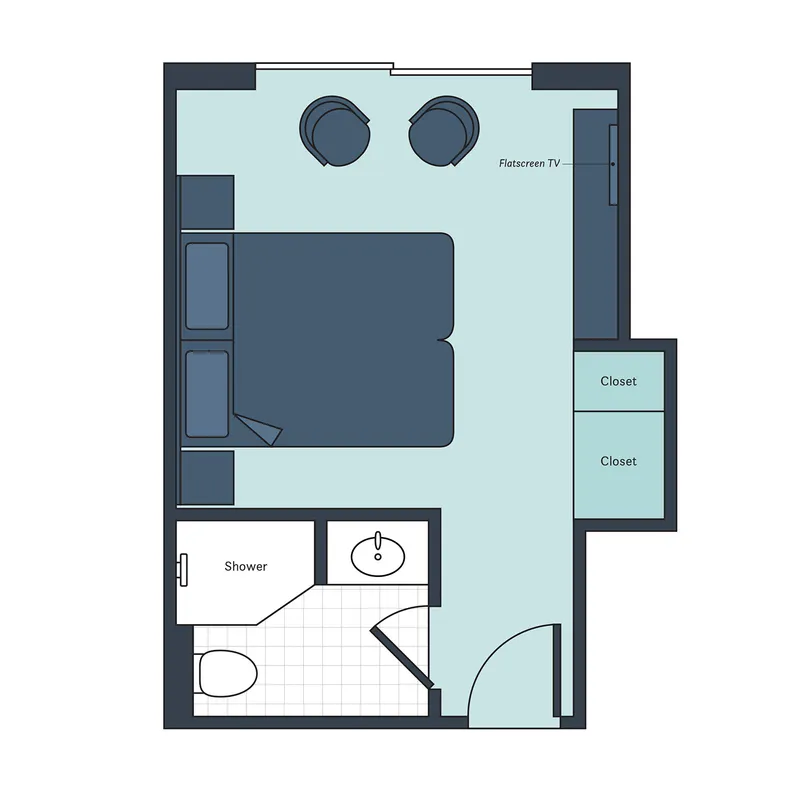
Luxurious riverview stateroom (140 sq ft - 13 sq m) with a French balcony
Handcrafted Savoir Beds of England, built-in closets, hair dryer, safe, individual climate-controlled thermostat, direct-dial telephone, and flat-screen TV with infotainment centre
Marble bathroom with Asprey bath and body products, plush towels, backlit magnifying mirror, cosy bathrobes and slippers
DoubleShowerBathTVSafeHair Dryer+7
View Details
Classic Cabin
Outside
151 m²Max 2
C
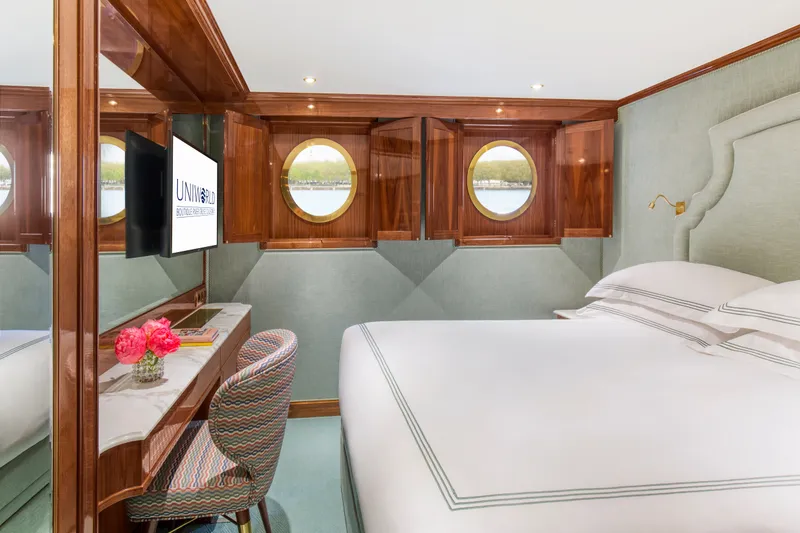
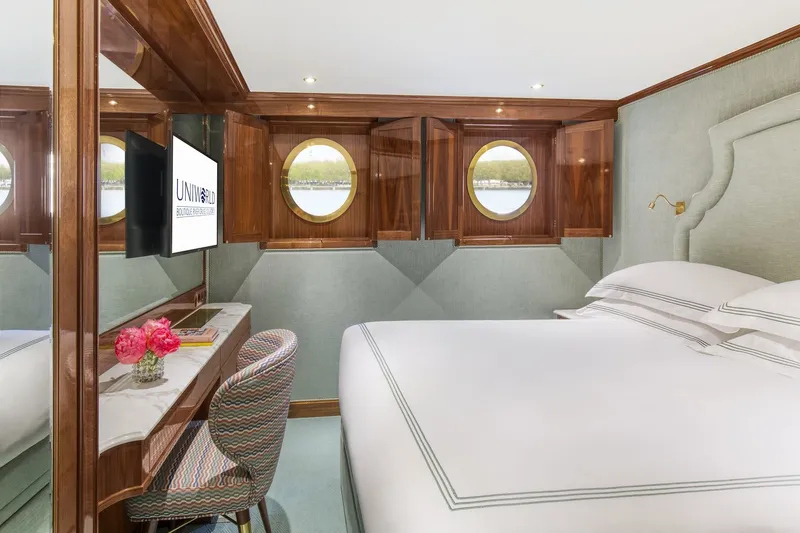
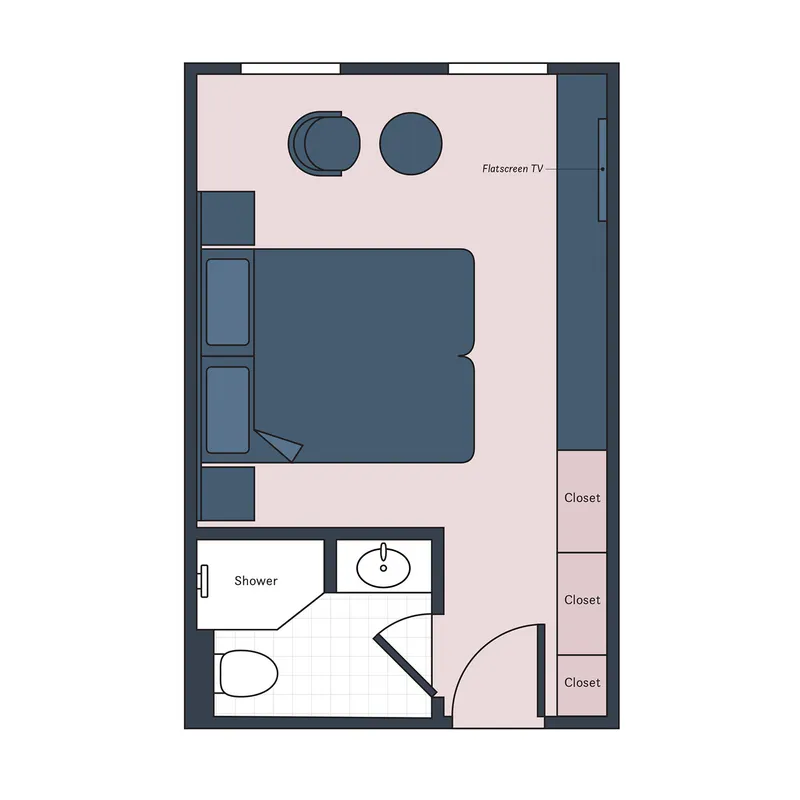
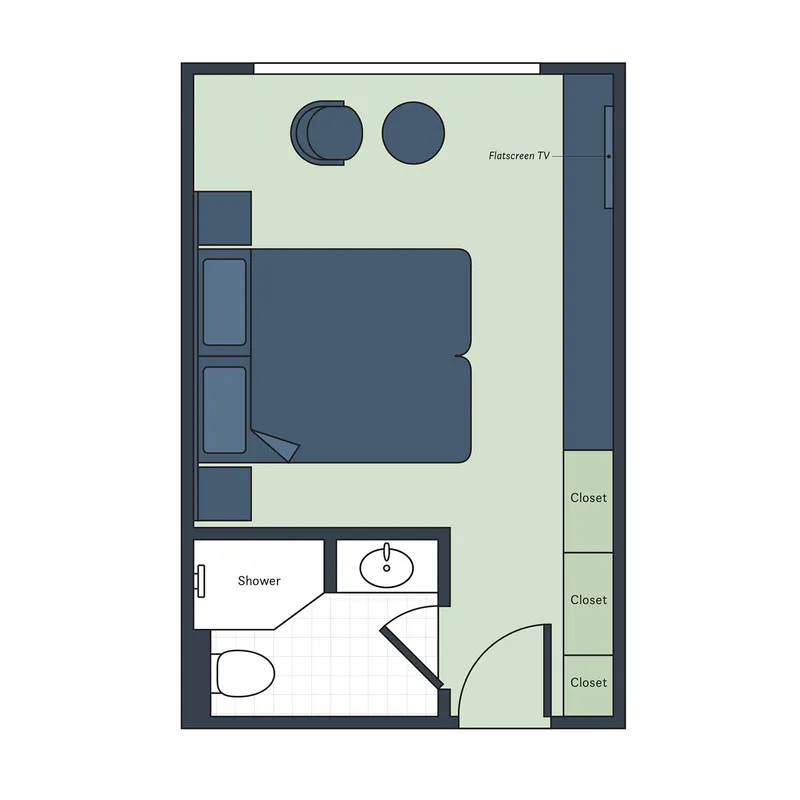
Luxurious riverview stateroom (151 sq ft - 14 sq m)
Handcrafted Savoir Beds of England, built-in closets, hair dryer, safe, individual climate-controlled thermostat, direct-dial telephone, and flat-screen TV with infotainment centre
Marble bathroom with Asprey bath and body products, plush towels, backlit magnifying mirror, cosy bathrobes and slippers.
DoubleShowerToiletries ProvidedTVSafeHair Dryer+6
US$15,199 /person+ US$0 taxes & fees
Deluxe Cabin
Outside
151 m²Max 2
D
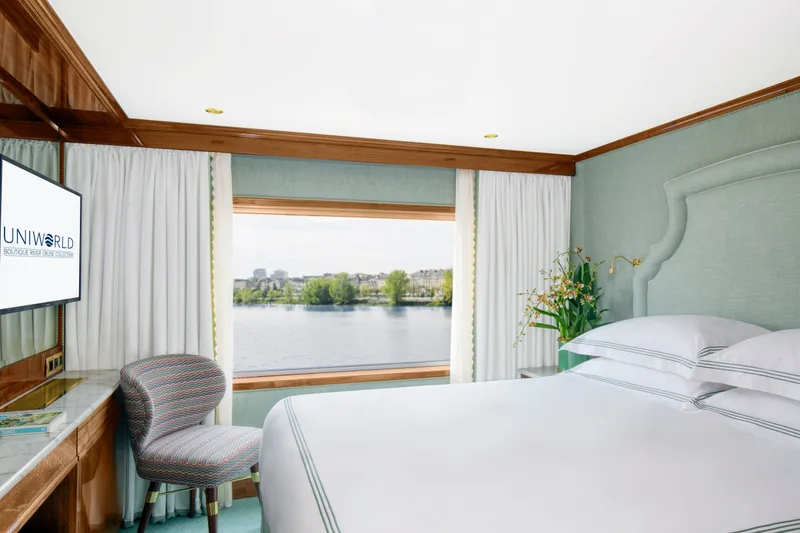
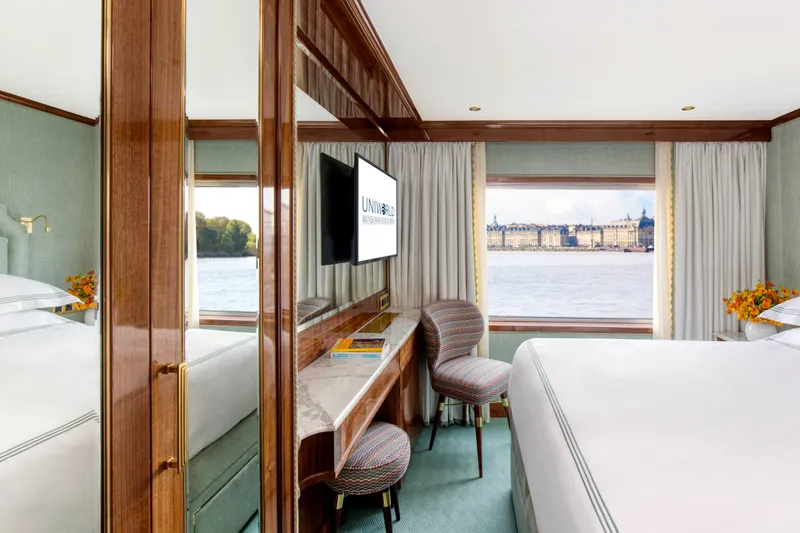
Luxurious riverview stateroom (151 sq ft - 14 sq m)
Handcrafted Savoir Beds of England, built-in closets, hair dryer, safe, individual climate-controlled thermostat, direct-dial telephone, and flat-screen TV with infotainment centre
Marble bathroom with Asprey bath and body products, plush towels, backlit magnifying mirror, cosy bathrobes and slippers.
DoubleShowerBathToiletries ProvidedTVSafe+7
View Details
Interested in This Voyage?
Our cruise specialists can help you find the perfect cabin and the best available pricing.
(+886) 02-2721-7300Contact Advisor