A Portrait of Majestic France - Bordeaux to Paris
Date
2026-07-26
Duration
14 nights
Departure Port
Bordeaux
France
Arrival Port
Paris
France
Rating
Luxury
Theme
History & Culture
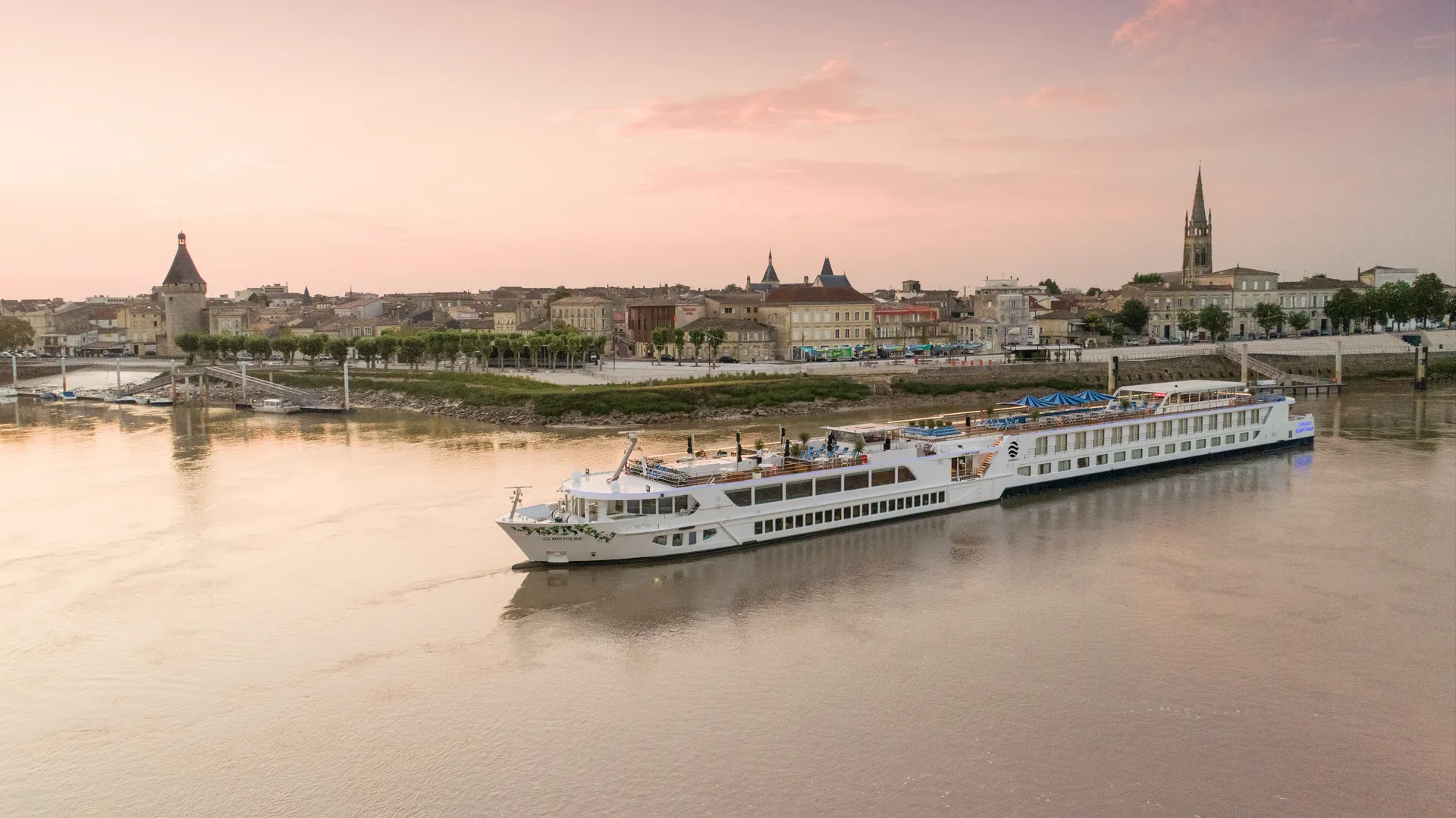
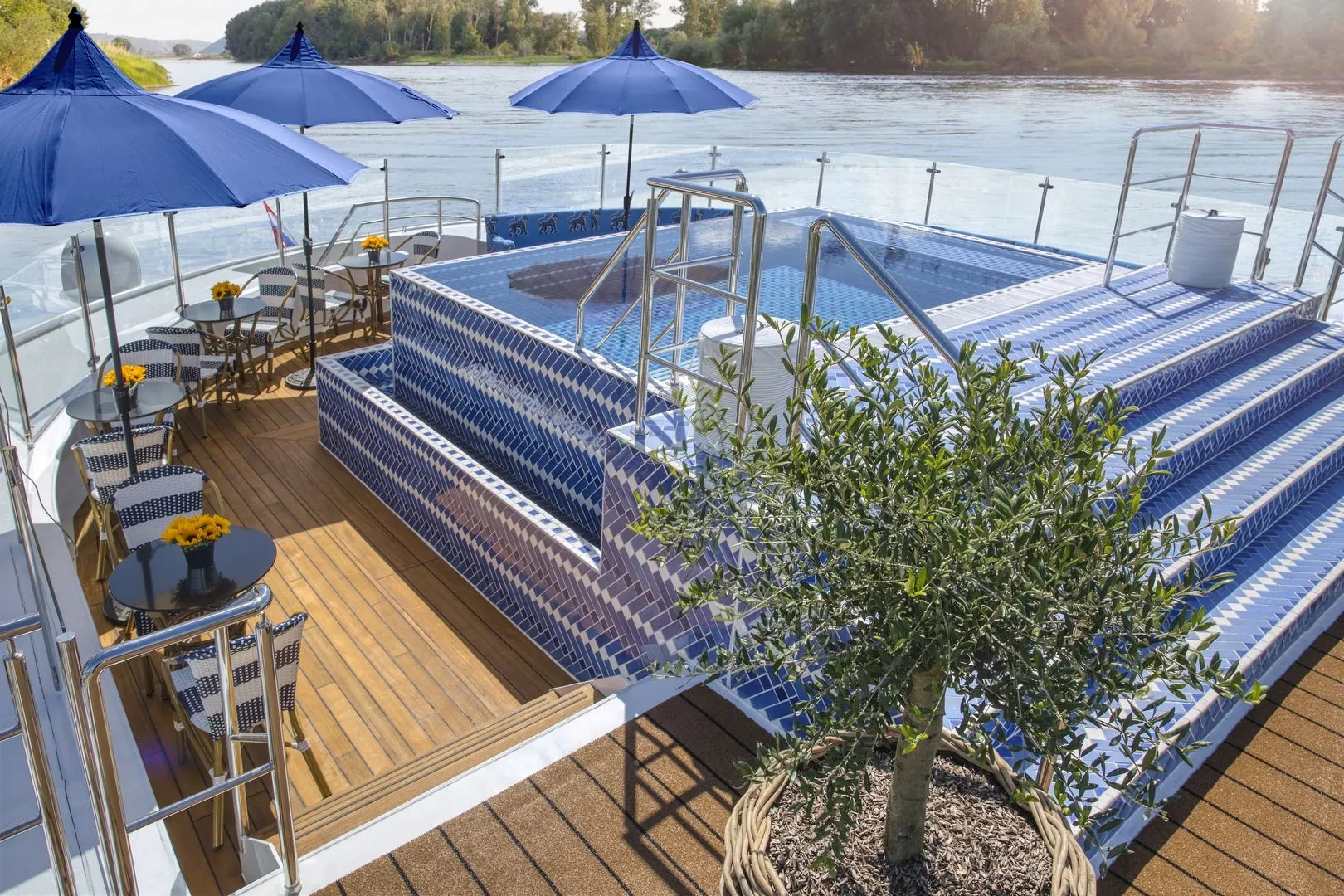
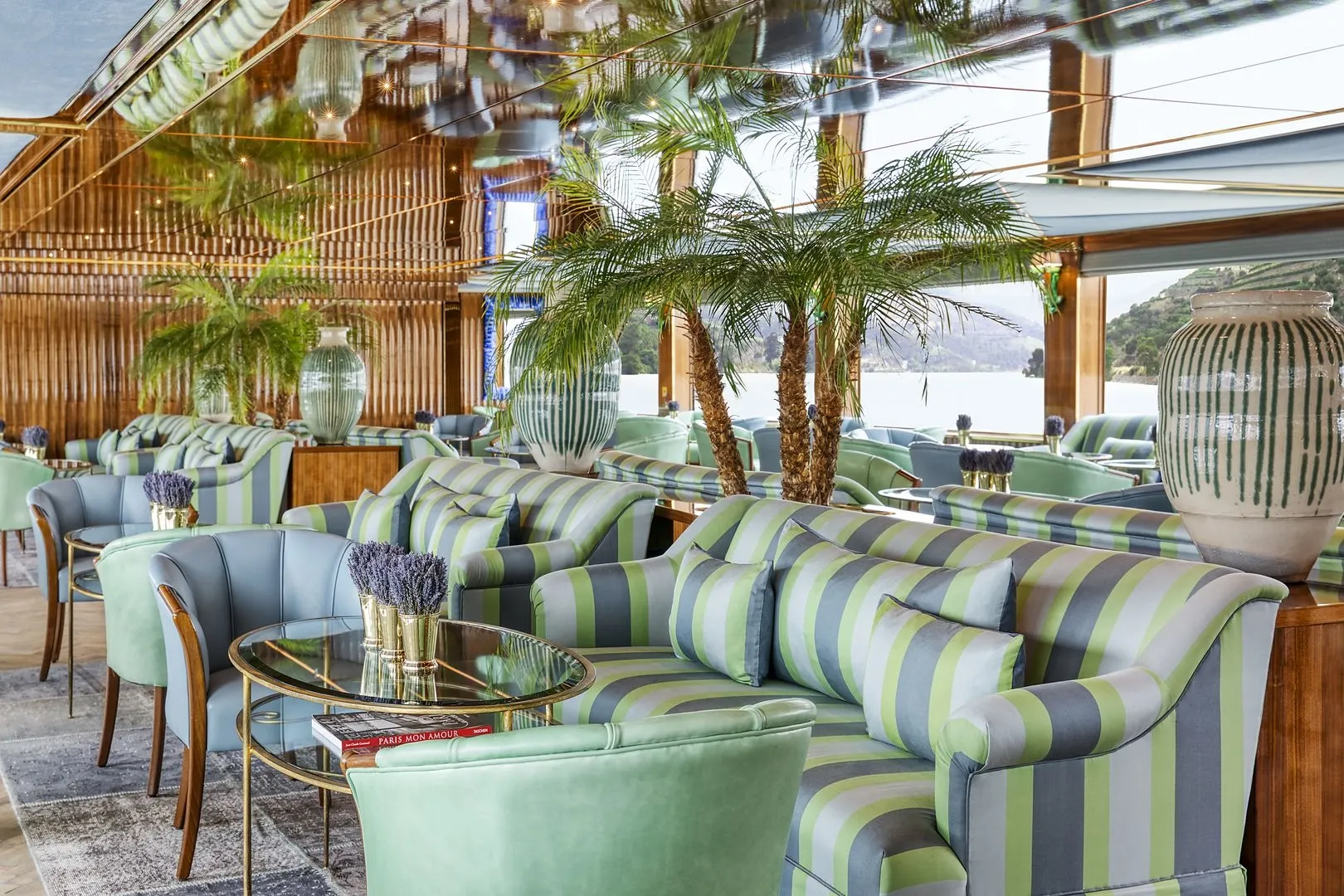
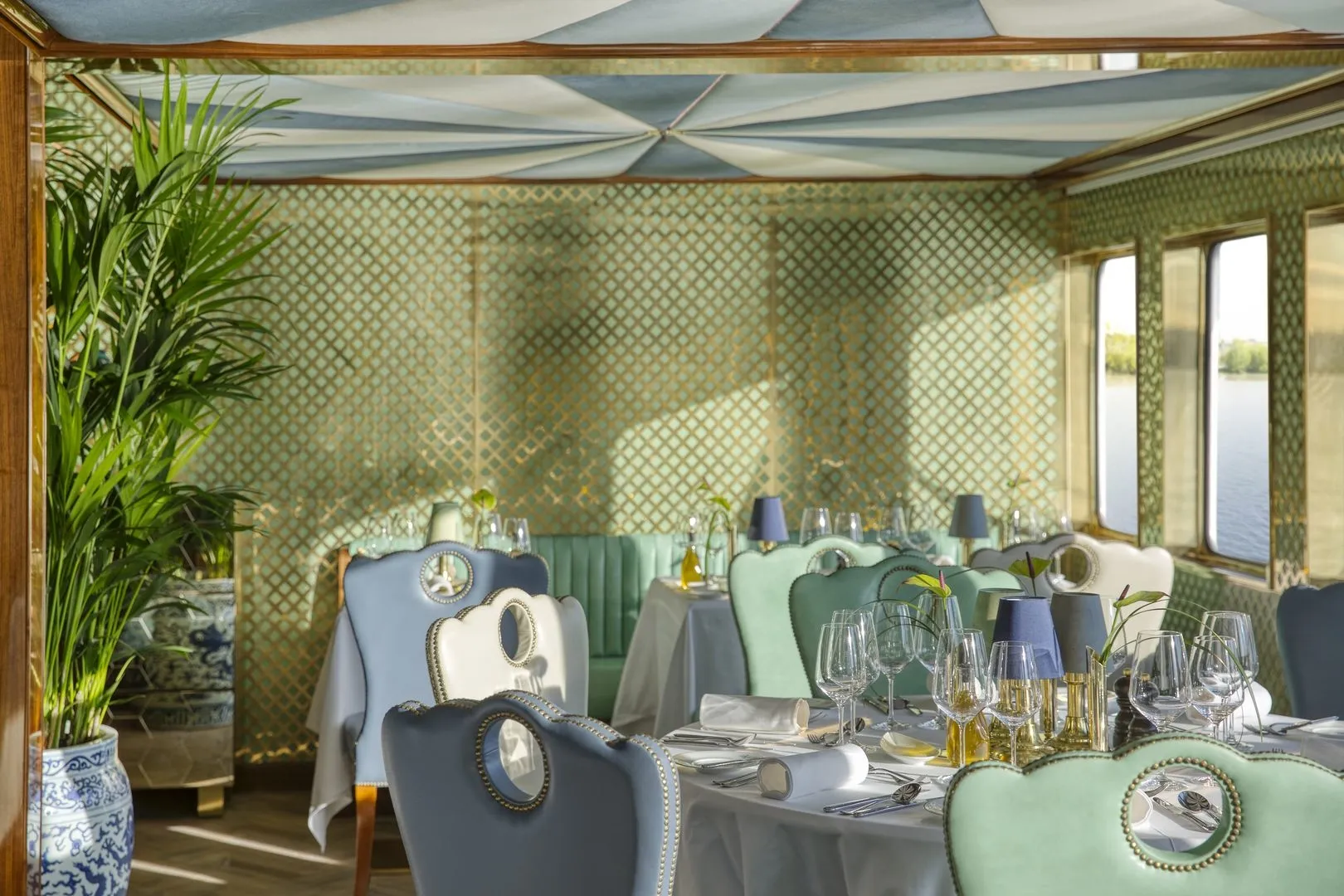
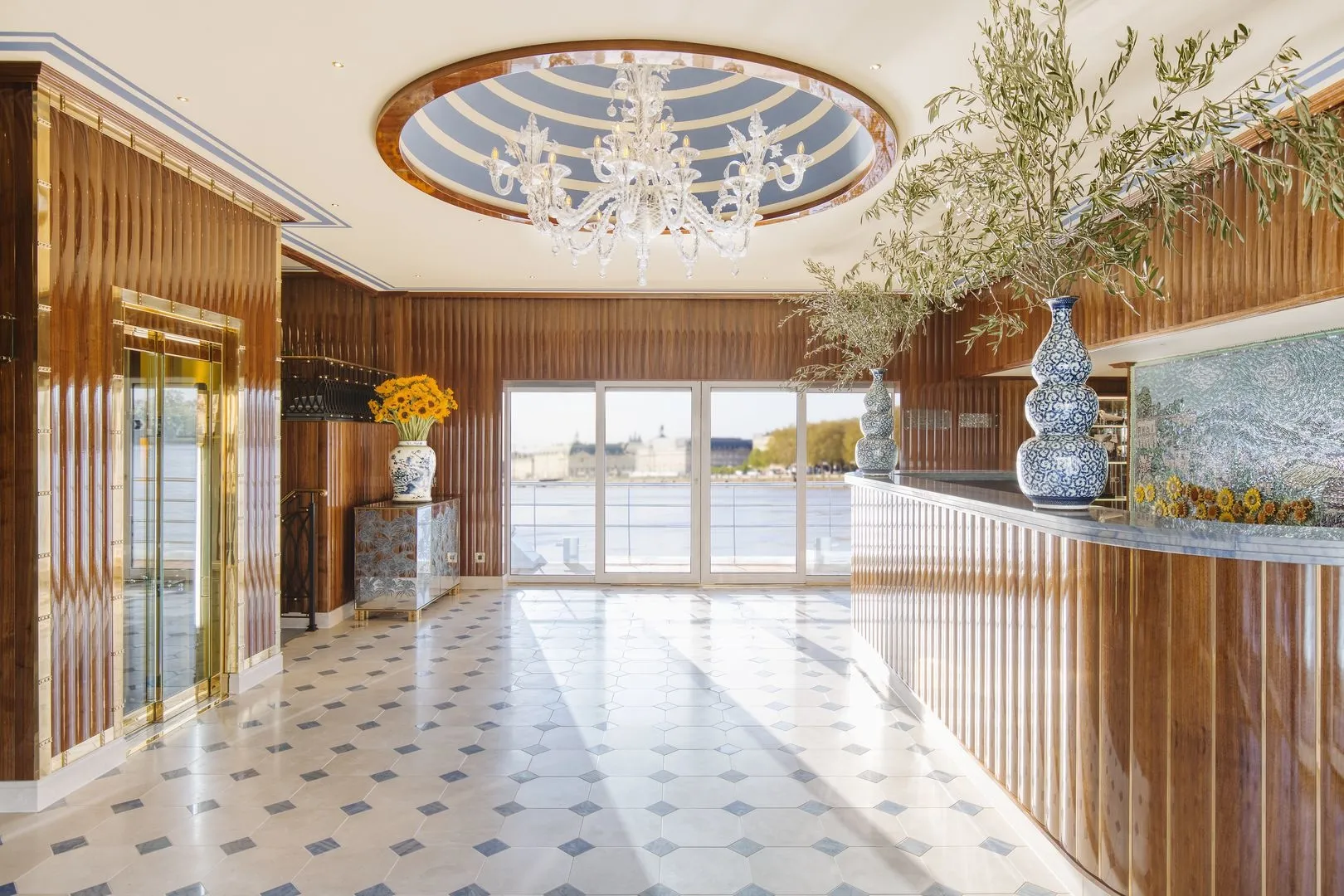
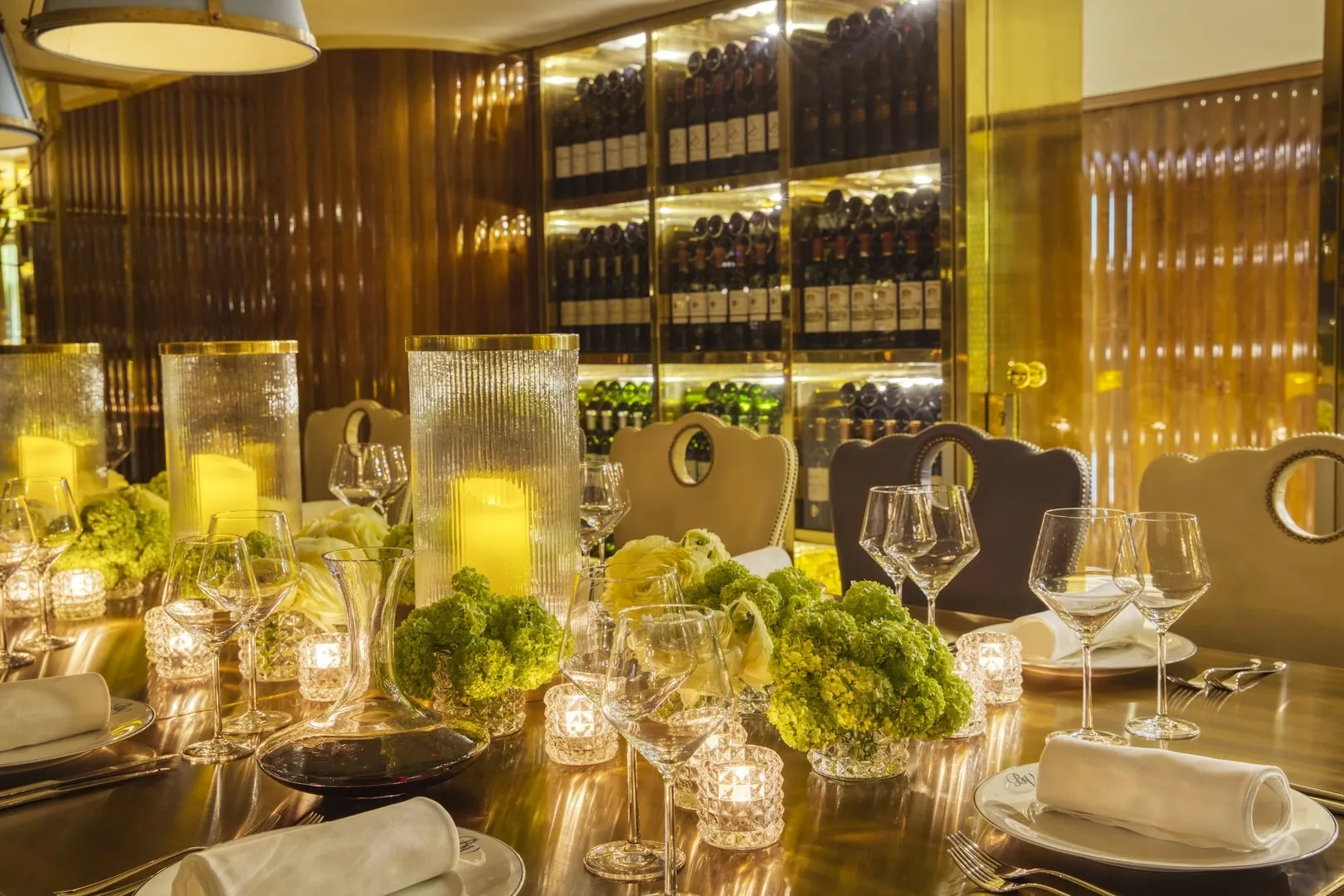
Uniworld River Cruises
S.S. Bon Voyage
Super Ship
Launched
2006
Refitted
2019
Tonnage
—
Passengers
124
Cabins
62
Crew
50
Length
361 m
Width
11.4 m
Speed
13 knots
Adults Only
No
Itinerary
Day 1
Day 1
Bordeaux
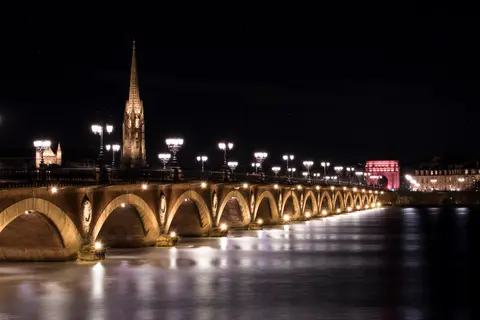
Bordeaux, France's premier port city, is renowned for its historical significance, stunning architecture, and world-class wine. Must-do experiences include savoring local delicacies at Marché des Quais and exploring the breathtaking art installations at Place de la Bourse. The best season to visit is during the late spring and early autumn, when the weather is pleasant and the vineyards are in full bloom.
Day 2
Day 2
Pauillac
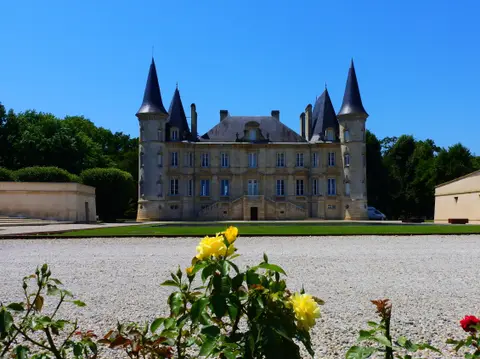
Pauillac is a historic port town in southwestern France, renowned for its exquisite wines and charming waterfront atmosphere. Must-do experiences include sampling local specialties like *canelé* and *entrecôte de boeuf*, as well as visiting the vibrant Sunday market. The best season to visit is during the spring and early autumn when the vineyards are in full bloom and the weather is delightful.
Day 3
Day 3
Cadillac
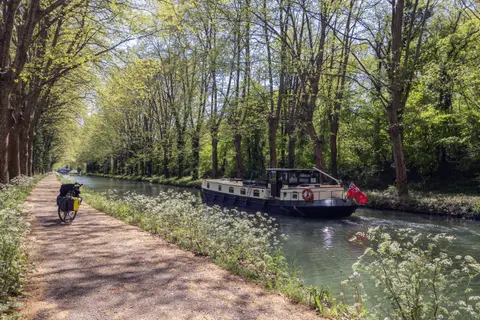
Cadillac, a picturesque commune in the Gironde department, is celebrated for its rich history, charming architecture, and exquisite culinary offerings. Must-do experiences include savoring local delicacies like foie gras and exploring the historical Château de Cadillac. The best season to visit is during the spring and early autumn, when the weather is delightful, and local markets are bustling with fresh produce.
Day 4
Day 4
Blaye
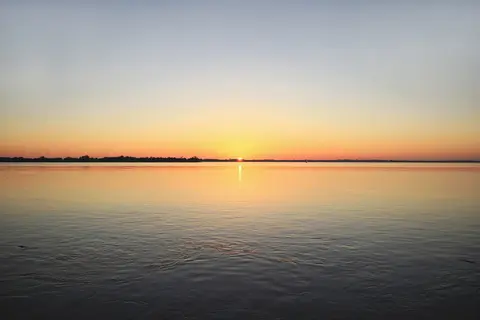
Crowned by a Vauban citadel that UNESCO recognises as one of Europe's finest military fortifications, Blaye guards the Gironde estuary with a watchful grandeur unchanged since Louis XIV's engineers completed their work in 1689. Taste the local delicacy of poutargue de Blaye — cured mullet roe from the estuary — explore the merlot vineyards of the Blaye Côtes de Bordeaux appellation, and take an excursion south to Bordeaux's grand neoclassical boulevards. September and October bring the heady aromas of harvest season to the surrounding wine country.
Day 5
Day 5
Libourne
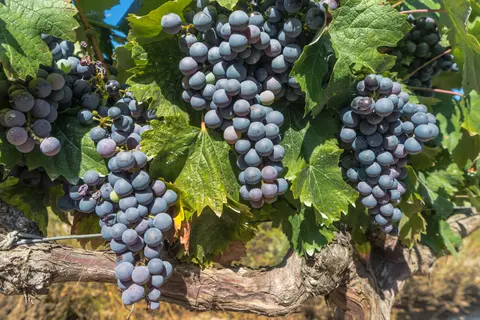
Founded in 1270 by an English lieutenant of Edward I at the confluence of the Isle and Dordogne rivers, Libourne is the fortified bastide heart of Bordeaux wine country — and the historic trading capital of some of the world's most celebrated appellations: Pomerol and Saint-Émilion both lie within minutes. The medieval market square, ringed by arcaded stone buildings, still hosts produce markets and wine négociant houses that have traded here for centuries. A half-day excursion to the UNESCO-listed hilltop village of Saint-Émilion, with its monolithic church carved from a single limestone cliff, is unmissable. Libourne is most rewarding during harvest (September–October) and spring flowering (April–May).
Day 7
Day 7
Bordeaux
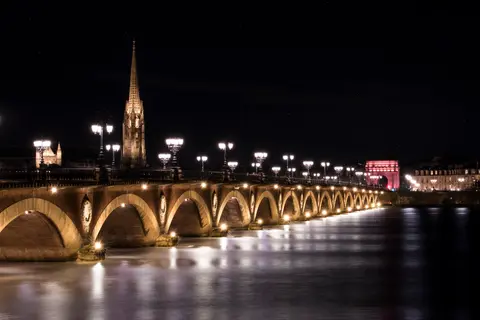
Bordeaux, France's premier port city, is renowned for its historical significance, stunning architecture, and world-class wine. Must-do experiences include savoring local delicacies at Marché des Quais and exploring the breathtaking art installations at Place de la Bourse. The best season to visit is during the late spring and early autumn, when the weather is pleasant and the vineyards are in full bloom.
Day 9
Day 9
Vernon
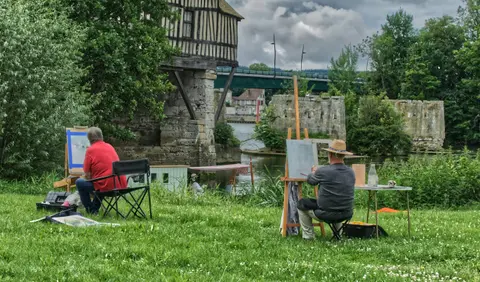
Vernon is a quietly beguiling Norman town on the Seine whose greatest treasure lies just four kilometers beyond its medieval bridge: the garden and water lily ponds at Giverny, where Claude Monet lived and painted for forty-three years, creating the luminous imagery that changed the course of modern art. The town itself retains considerable charm — a romanticly ruined twelfth-century bridge tower draped in ivy, half-timbered houses along the riverbank, and a fine museum housing several original Monet canvases. Monet's garden is open from April through October, reaching its peak splendor in May and June when his beloved water lilies are in full, painterly bloom.
Day 9
Day 9
Verona
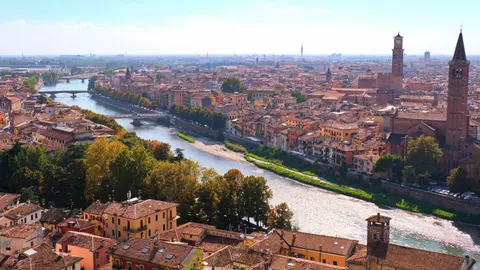
Verona is a romantic northern Italian city centred on the magnificent first-century Arena, which hosts world-class open-air opera each summer amid two millennia of architectural splendour. Must-dos include attending an Arena opera performance, tasting risotto all'Amarone, and touring the Valpolicella wine estates. April through October is ideal, with the opera season from mid-June through early September providing the cultural highlight.
Day 10
Day 10
Rouen
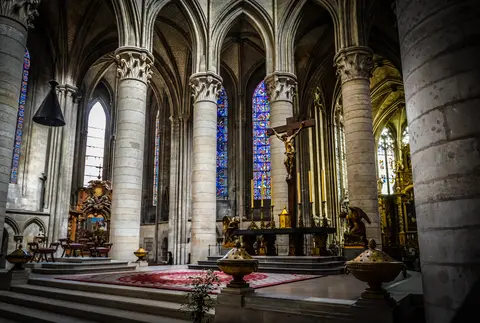
Rouen, the medieval capital of Normandy set in a wooded meander of the Seine, rewards slow exploration with one of France's richest concentrations of Gothic architecture. The vast cathedral — immortalised by Monet in his celebrated series of canvases — dominates a city where half-timbered lanes wind between Renaissance mansions and the square where Joan of Arc was burned in 1431. The covered market overflows with Normandy's great dairy bounty: camembert, livarot, and pont-l'évêque alongside cider and calvados. Paris lies just ninety minutes south by train. Spring and early autumn offer the most atmospheric conditions.
Day 11
Day 11
Caudebec-en-Caux
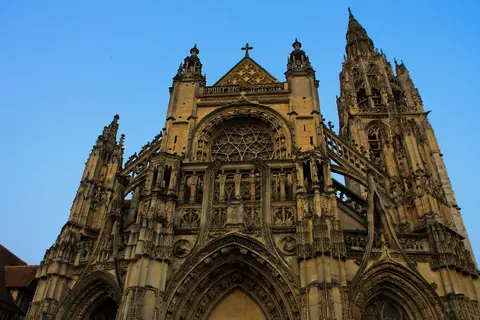
Caudebec-en-Caux nestles in a Seine meander between Rouen and the sea, famous for its Flamboyant Gothic Eglise Notre-Dame — a masterwork of late medieval stone lacework so exquisite that Henri IV called it 'the most beautiful chapel in my kingdom.' The town serves as an ideal quiet base for exploring the Seine Valley's quieter pleasures: the remarkable Abbaye de Jumiéges, its roofless nave open to the Norman sky, and the Manoir d'Ango, a Renaissance manor of extraordinary ambition, are both within easy reach. The tidal atmosphere of the Seine at this point rewards early morning walks along the embankment. Rouen, with its Gothic cathedral and Impressionist legacy, lies forty minutes east.
Day 12
Day 12
Rouen
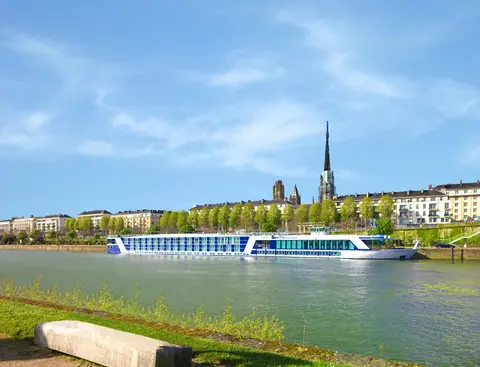
Rouen, the medieval capital of Normandy set in a wooded meander of the Seine, rewards slow exploration with one of France's richest concentrations of Gothic architecture. The vast cathedral — immortalised by Monet in his celebrated series of canvases — dominates a city where half-timbered lanes wind between Renaissance mansions and the square where Joan of Arc was burned in 1431. The covered market overflows with Normandy's great dairy bounty: camembert, livarot, and pont-l'évêque alongside cider and calvados. Paris lies just ninety minutes south by train. Spring and early autumn offer the most atmospheric conditions.
Day 13
Day 13
Mantes-la-Jolie
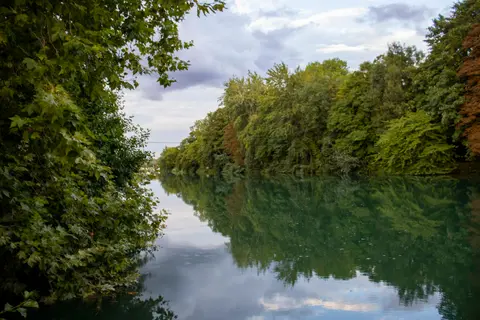
Mantes-la-Jolie is a captivating port town in France, steeped in history and characterized by its stunning architecture and vibrant atmosphere. Must-do experiences include indulging in local dishes like coq au vin and visiting the lively weekly market. The best season to visit is spring, when the town bursts into bloom, offering an inviting backdrop for exploration.
Day 14
Day 14
Paris
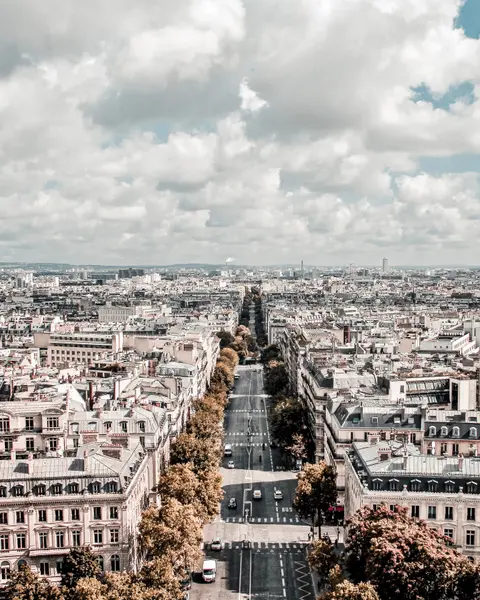
Paris rewards every arrival as though it were the first — the sweep of the Seine, the Gothic tracery of Notre-Dame rising again from its 2019 ashes, the Eiffel Tower somehow managing to astonish at each encounter, the Louvre's glass pyramid reflecting clouds in the courtyard of a palace that served French kings for four centuries. Beyond the monuments, Paris is a city of neighbourhoods: the Belle Époque brasseries of Montparnasse, the covered passages of the 2nd arrondissement, the rooftop terraces of Le Marais. The Luxembourg Gardens in April, or a late-September evening on the Canal Saint-Martin, are among the most civilised experiences in the world.
Day 1
Bordeaux
Bordeaux, France's premier port city, is renowned for its historical significance, stunning architecture, and world-class wine. Must-do experiences include savoring local delicacies at Marché des Quais and exploring the breathtaking art installations at Place de la Bourse. The best season to visit is during the late spring and early autumn, when the weather is pleasant and the vineyards are in full bloom.
Day 2
Pauillac
Pauillac is a historic port town in southwestern France, renowned for its exquisite wines and charming waterfront atmosphere. Must-do experiences include sampling local specialties like *canelé* and *entrecôte de boeuf*, as well as visiting the vibrant Sunday market. The best season to visit is during the spring and early autumn when the vineyards are in full bloom and the weather is delightful.
Day 3
Cadillac
Cadillac, a picturesque commune in the Gironde department, is celebrated for its rich history, charming architecture, and exquisite culinary offerings. Must-do experiences include savoring local delicacies like foie gras and exploring the historical Château de Cadillac. The best season to visit is during the spring and early autumn, when the weather is delightful, and local markets are bustling with fresh produce.
Day 4
Blaye
Crowned by a Vauban citadel that UNESCO recognises as one of Europe's finest military fortifications, Blaye guards the Gironde estuary with a watchful grandeur unchanged since Louis XIV's engineers completed their work in 1689. Taste the local delicacy of poutargue de Blaye — cured mullet roe from the estuary — explore the merlot vineyards of the Blaye Côtes de Bordeaux appellation, and take an excursion south to Bordeaux's grand neoclassical boulevards. September and October bring the heady aromas of harvest season to the surrounding wine country.
Day 5
Libourne
Founded in 1270 by an English lieutenant of Edward I at the confluence of the Isle and Dordogne rivers, Libourne is the fortified bastide heart of Bordeaux wine country — and the historic trading capital of some of the world's most celebrated appellations: Pomerol and Saint-Émilion both lie within minutes. The medieval market square, ringed by arcaded stone buildings, still hosts produce markets and wine négociant houses that have traded here for centuries. A half-day excursion to the UNESCO-listed hilltop village of Saint-Émilion, with its monolithic church carved from a single limestone cliff, is unmissable. Libourne is most rewarding during harvest (September–October) and spring flowering (April–May).
Day 7
Bordeaux
Bordeaux, France's premier port city, is renowned for its historical significance, stunning architecture, and world-class wine. Must-do experiences include savoring local delicacies at Marché des Quais and exploring the breathtaking art installations at Place de la Bourse. The best season to visit is during the late spring and early autumn, when the weather is pleasant and the vineyards are in full bloom.
Day 9
Vernon
Vernon is a quietly beguiling Norman town on the Seine whose greatest treasure lies just four kilometers beyond its medieval bridge: the garden and water lily ponds at Giverny, where Claude Monet lived and painted for forty-three years, creating the luminous imagery that changed the course of modern art. The town itself retains considerable charm — a romanticly ruined twelfth-century bridge tower draped in ivy, half-timbered houses along the riverbank, and a fine museum housing several original Monet canvases. Monet's garden is open from April through October, reaching its peak splendor in May and June when his beloved water lilies are in full, painterly bloom.
Verona
Verona is a romantic northern Italian city centred on the magnificent first-century Arena, which hosts world-class open-air opera each summer amid two millennia of architectural splendour. Must-dos include attending an Arena opera performance, tasting risotto all'Amarone, and touring the Valpolicella wine estates. April through October is ideal, with the opera season from mid-June through early September providing the cultural highlight.
Day 10
Rouen
Rouen, the medieval capital of Normandy set in a wooded meander of the Seine, rewards slow exploration with one of France's richest concentrations of Gothic architecture. The vast cathedral — immortalised by Monet in his celebrated series of canvases — dominates a city where half-timbered lanes wind between Renaissance mansions and the square where Joan of Arc was burned in 1431. The covered market overflows with Normandy's great dairy bounty: camembert, livarot, and pont-l'évêque alongside cider and calvados. Paris lies just ninety minutes south by train. Spring and early autumn offer the most atmospheric conditions.
Day 11
Caudebec-en-Caux
Caudebec-en-Caux nestles in a Seine meander between Rouen and the sea, famous for its Flamboyant Gothic Eglise Notre-Dame — a masterwork of late medieval stone lacework so exquisite that Henri IV called it 'the most beautiful chapel in my kingdom.' The town serves as an ideal quiet base for exploring the Seine Valley's quieter pleasures: the remarkable Abbaye de Jumiéges, its roofless nave open to the Norman sky, and the Manoir d'Ango, a Renaissance manor of extraordinary ambition, are both within easy reach. The tidal atmosphere of the Seine at this point rewards early morning walks along the embankment. Rouen, with its Gothic cathedral and Impressionist legacy, lies forty minutes east.
Day 12
Rouen
Rouen, the medieval capital of Normandy set in a wooded meander of the Seine, rewards slow exploration with one of France's richest concentrations of Gothic architecture. The vast cathedral — immortalised by Monet in his celebrated series of canvases — dominates a city where half-timbered lanes wind between Renaissance mansions and the square where Joan of Arc was burned in 1431. The covered market overflows with Normandy's great dairy bounty: camembert, livarot, and pont-l'évêque alongside cider and calvados. Paris lies just ninety minutes south by train. Spring and early autumn offer the most atmospheric conditions.
Day 13
Mantes-la-Jolie
Mantes-la-Jolie is a captivating port town in France, steeped in history and characterized by its stunning architecture and vibrant atmosphere. Must-do experiences include indulging in local dishes like coq au vin and visiting the lively weekly market. The best season to visit is spring, when the town bursts into bloom, offering an inviting backdrop for exploration.
Day 14
Paris
Paris rewards every arrival as though it were the first — the sweep of the Seine, the Gothic tracery of Notre-Dame rising again from its 2019 ashes, the Eiffel Tower somehow managing to astonish at each encounter, the Louvre's glass pyramid reflecting clouds in the courtyard of a palace that served French kings for four centuries. Beyond the monuments, Paris is a city of neighbourhoods: the Belle Époque brasseries of Montparnasse, the covered passages of the 2nd arrondissement, the rooftop terraces of Le Marais. The Luxembourg Gardens in April, or a late-September evening on the Canal Saint-Martin, are among the most civilised experiences in the world.
Cabin Categories
Grand Suite
Suite
280 m²Max 2
GS
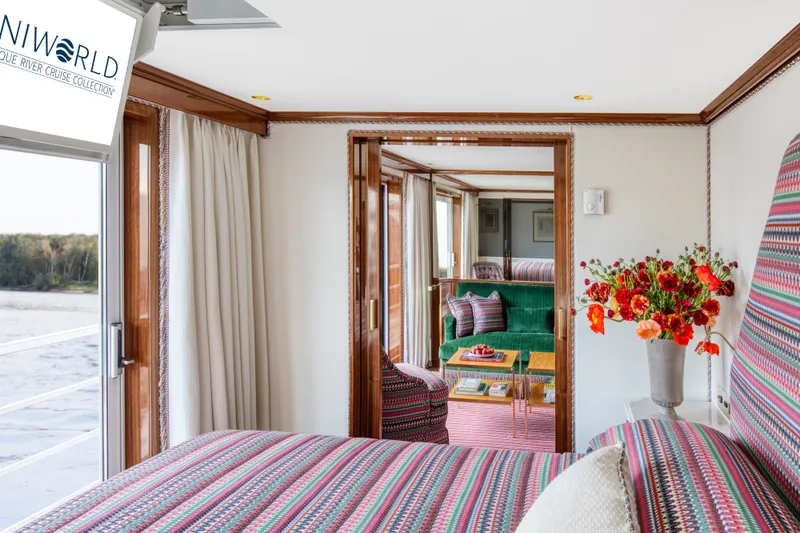
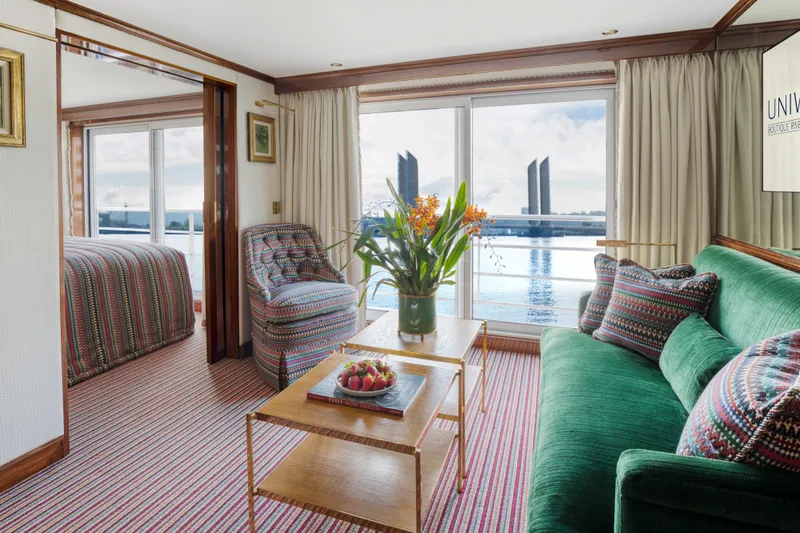
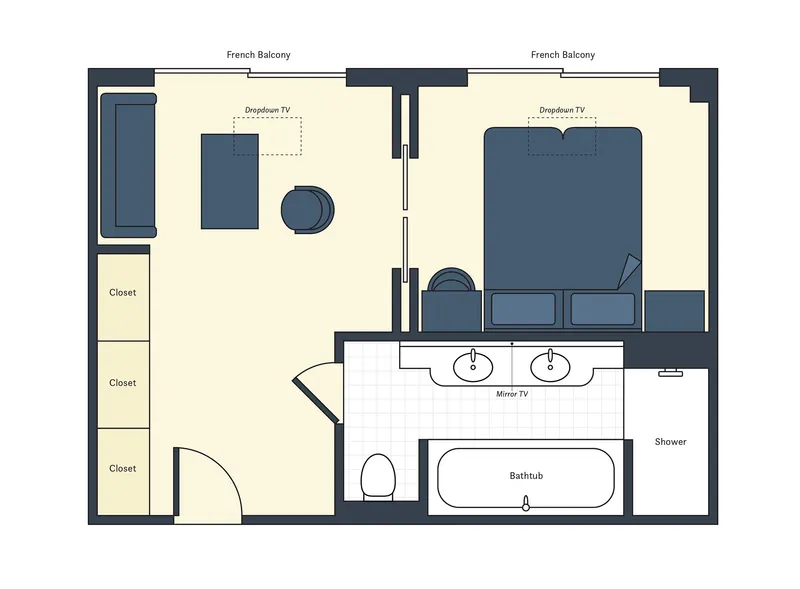
Luxurious riverview grand suite (280 sq ft - 26 sq m)
Grand Suites include handcrafted Savoir Beds of England, built-in closets, hair dryer, safe, individual climate-controlled thermostat, direct-dial telephone, and flat-screen TV with infotainment centre
Marble bathroom with Hermès bath and body products, plush towels, backlit magnifying mirror, cosy bathrobes and slippers, a rain shower and tub, and a secluded toilet area
Additional amenities and services include: in-suite butler service; packing and unpacking assistance; in-room breakfast; daily fruit and cookie plate, and an elegant evening snack; Nespresso coffee machine and fine teas; fully stocked mini bar; bottle of wine upon arrival; shoe shine; and free laundry service
DoubleShowerToiletries ProvidedRoom Service AvailableTVSafe+11
View Details
Suite
Suite
280 m²Max 2
S
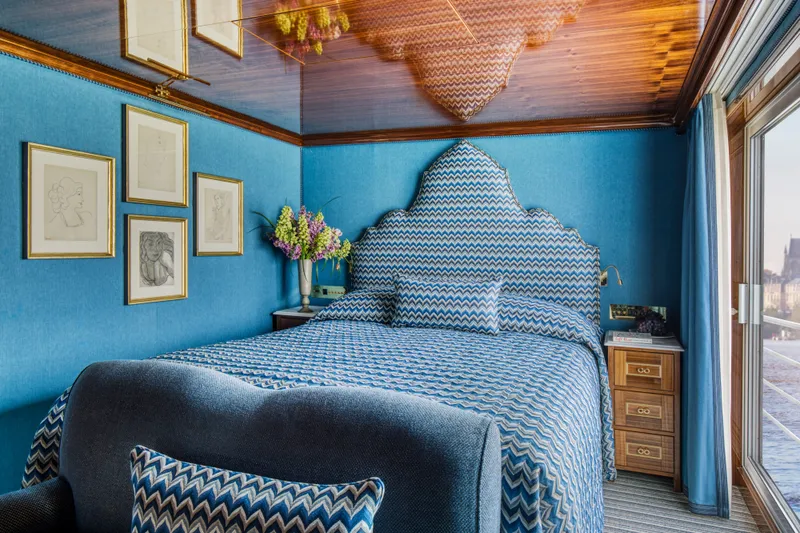
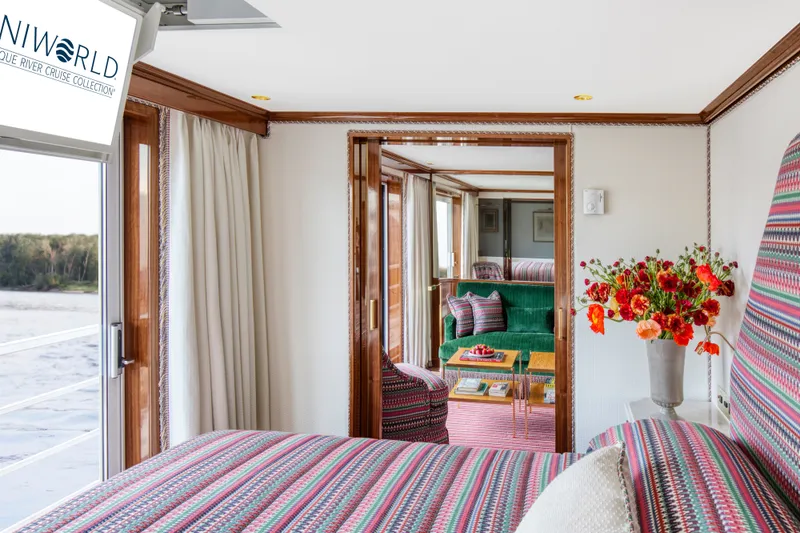
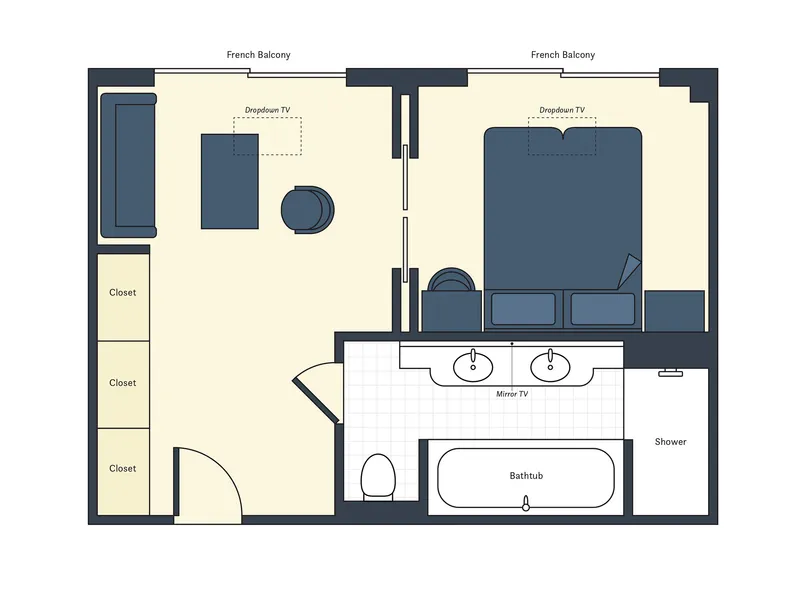
Luxurious riverview suite (210 sq ft - 19.5 sq m)
Suites include handcrafted Savoir Beds of England, built-in closets, hair dryer, safe, direct-dial telephone, individual thermostat, and flat-screen TV with infotainment centre
Marble bathroom with Hermès bath and body products, plush towels, backlit magnifying mirror, cosy bathrobes and slippers
Additional amenities and services include: in-suite butler service; packing and unpacking assistance; in-room breakfast; daily fruit and cookie plate, and an elegant evening snack; Nespresso coffee machine and fine teas; fully stocked mini bar; bottle of wine upon arrival; shoe shine; and free laundry service
DoubleShowerToiletries ProvidedRoom Service AvailableTVSafe+11
View Details
French Balcony
Balcony
140 m²Max 2
FB
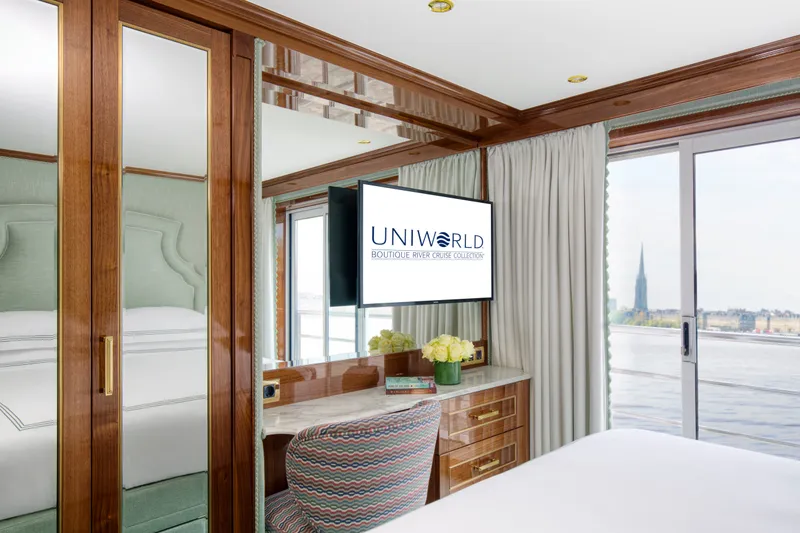
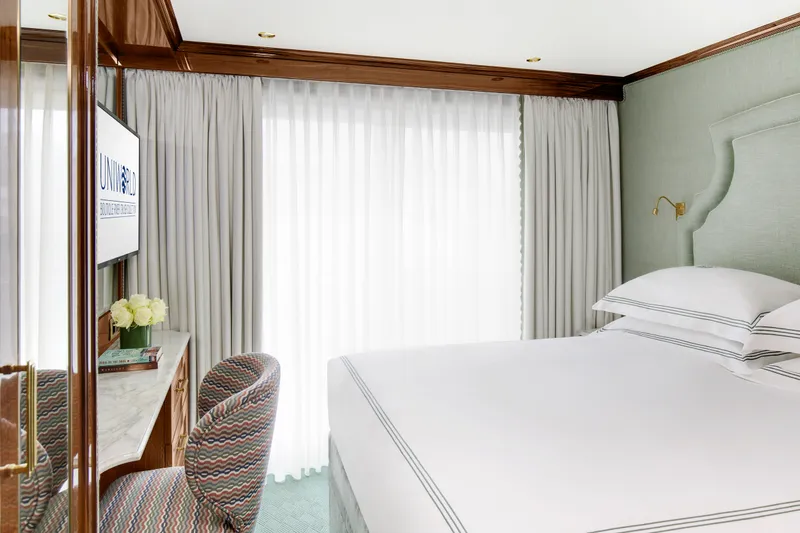
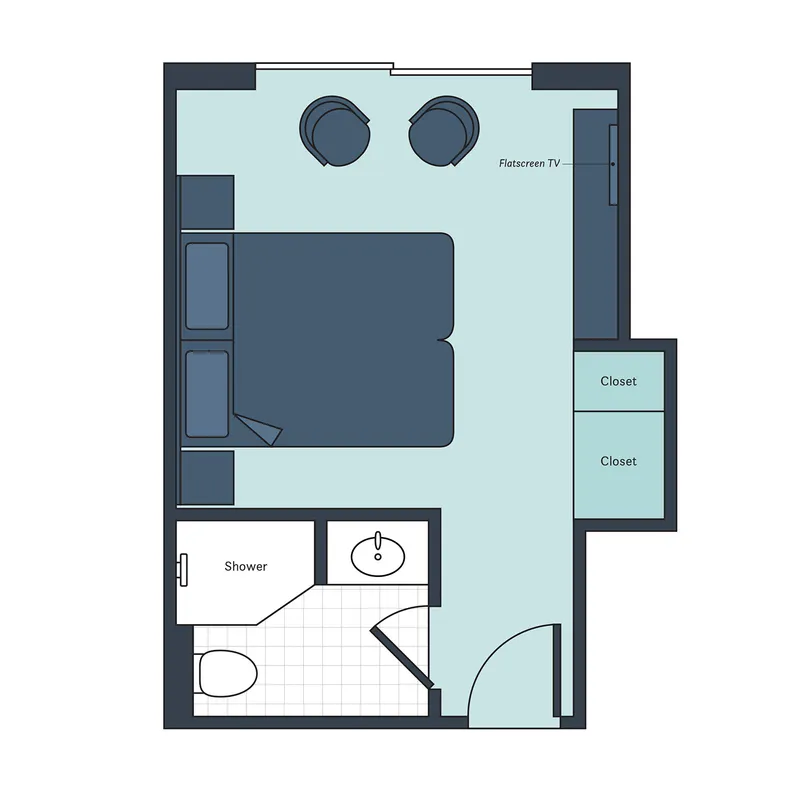
Luxurious riverview stateroom (140 sq ft - 13 sq m) with a French balcony
Handcrafted Savoir Beds of England, built-in closets, hair dryer, safe, individual climate-controlled thermostat, direct-dial telephone, and flat-screen TV with infotainment centre
Marble bathroom with Asprey bath and body products, plush towels, backlit magnifying mirror, cosy bathrobes and slippers
DoubleShowerBathTVSafeHair Dryer+7
View Details
Classic Cabin
Outside
151 m²Max 2
C
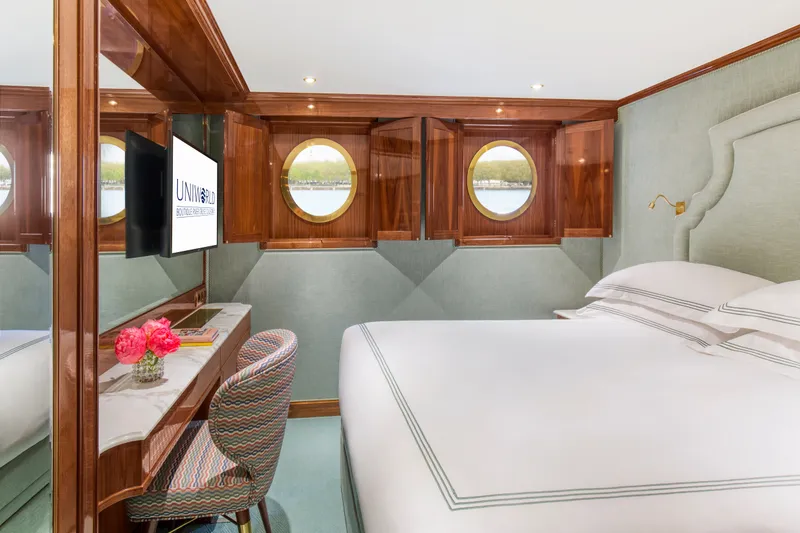
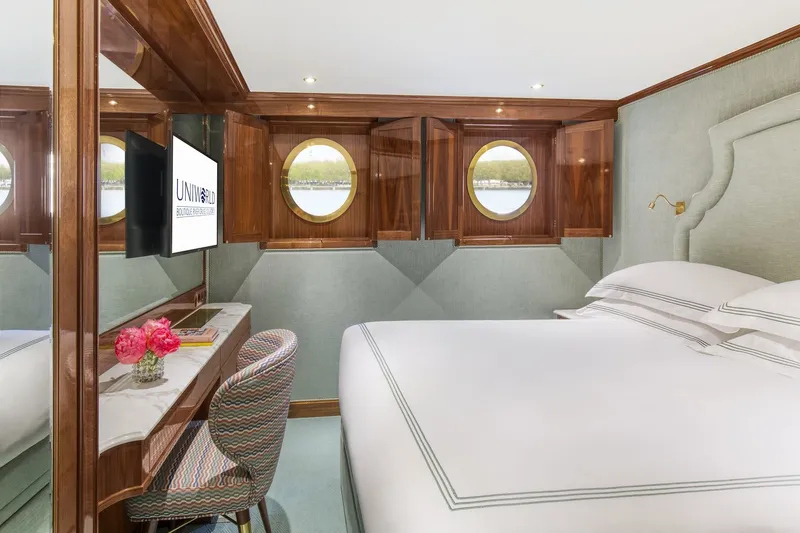
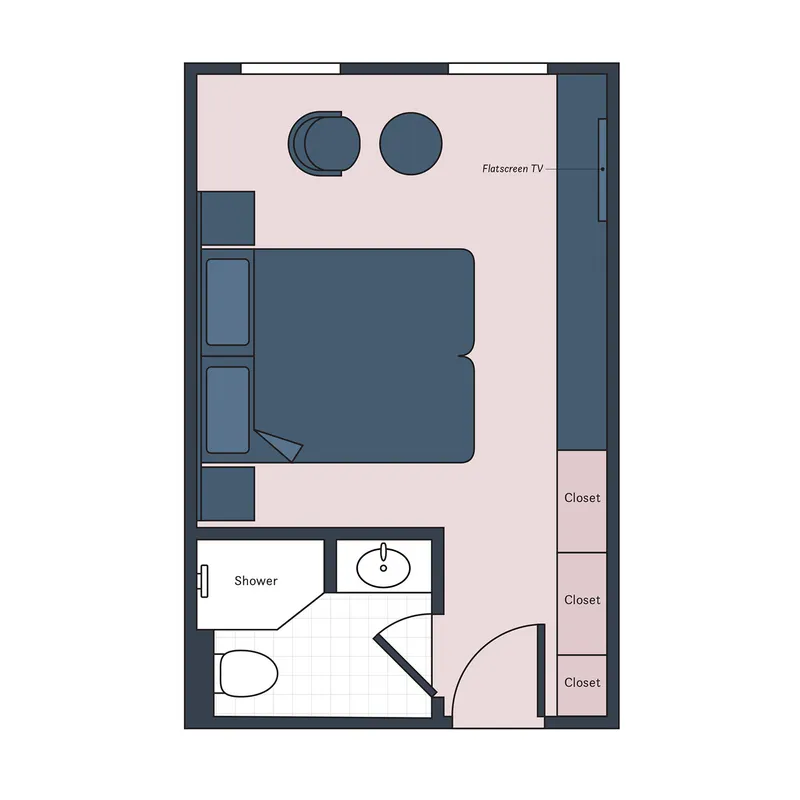
Luxurious riverview stateroom (151 sq ft - 14 sq m)
Handcrafted Savoir Beds of England, built-in closets, hair dryer, safe, individual climate-controlled thermostat, direct-dial telephone, and flat-screen TV with infotainment centre
Marble bathroom with Asprey bath and body products, plush towels, backlit magnifying mirror, cosy bathrobes and slippers.
DoubleShowerToiletries ProvidedTVSafeHair Dryer+6
View Details
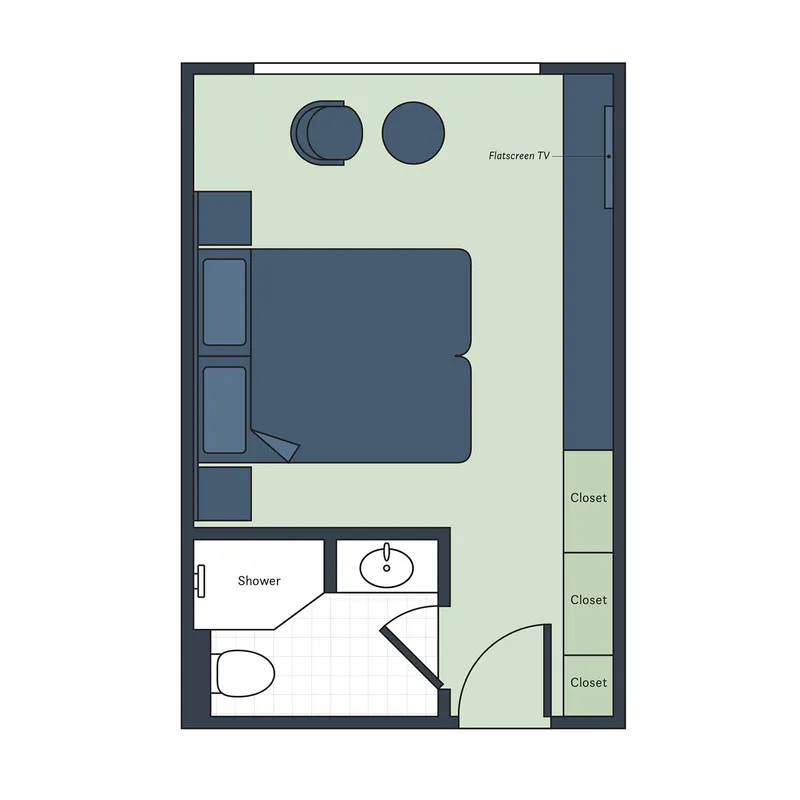
Deluxe Cabin
Outside
151 m²Max 2
D
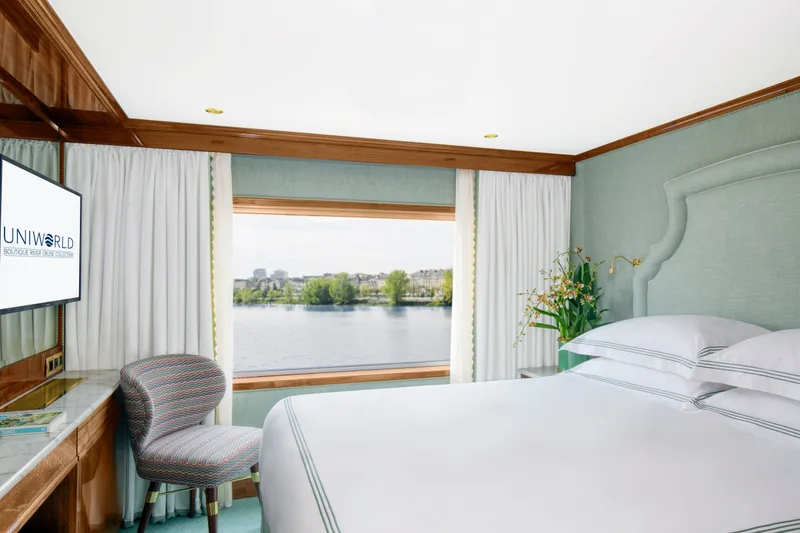
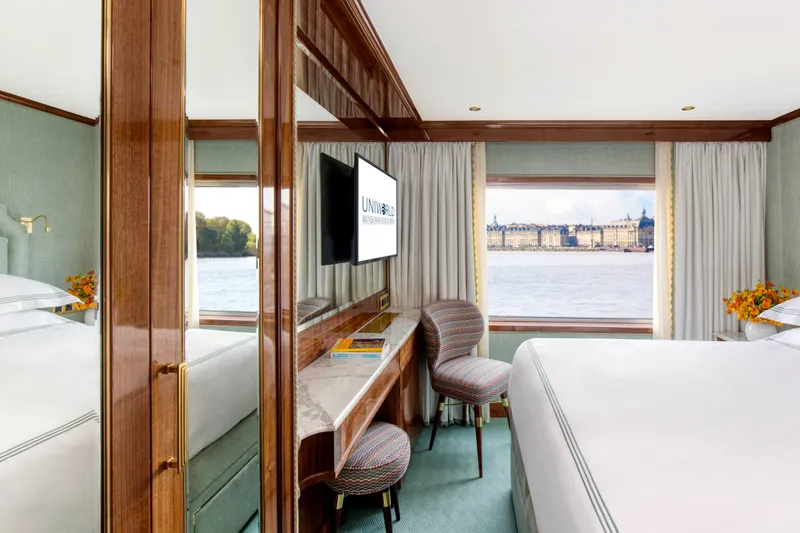
Luxurious riverview stateroom (151 sq ft - 14 sq m)
Handcrafted Savoir Beds of England, built-in closets, hair dryer, safe, individual climate-controlled thermostat, direct-dial telephone, and flat-screen TV with infotainment centre
Marble bathroom with Asprey bath and body products, plush towels, backlit magnifying mirror, cosy bathrobes and slippers.
DoubleShowerBathToiletries ProvidedTVSafe+7
View Details
Interested in This Voyage?
Our cruise specialists can help you find the perfect cabin and the best available pricing.
(+886) 02-2721-7300Contact Advisor