
Capital Cities of the Danube - Vienna to Belgrade
Date
2026-06-07
Duration
7 nights
Departure Port
Vienna
Austria
Arrival Port
Belgrade
Serbia
Rating
Luxury
Theme
History & Culture
Uniworld River Cruises
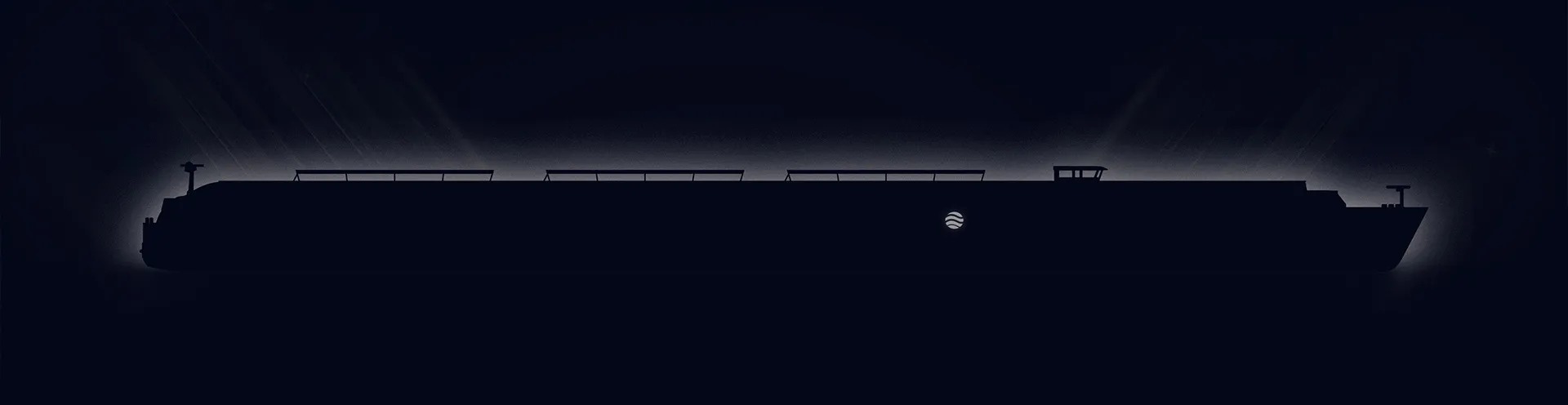
S.S. Emilie
Super Ship
Launched
2026
Refitted
—
Tonnage
—
Passengers
—
Cabins
—
Crew
—
Length
442 m
Width
11.5 m
Speed
10 knots
Adults Only
No
Itinerary
Day 1
Day 1
Vienna
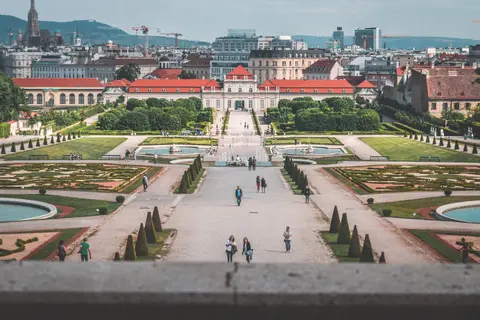
The port of Vienna is a cultural gem along the Danube River, famous for its stunning architecture, rich history, and vibrant culinary scene. Must-do experiences include sampling authentic Wiener Schnitzel and visiting the picturesque village of Dürnstein. The best season to visit is spring or early fall, when the city's gardens bloom and outdoor activities abound.
Day 3
Day 3
Bratislava
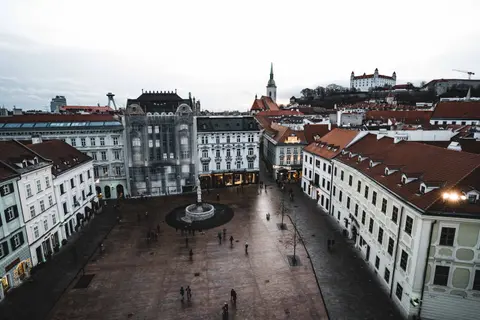
Bratislava, the only national capital bordering two sovereign states, sits sixty kilometres downstream from Vienna on the Danube — close enough for a day trip to the Austrian capital, yet possessed of its own entirely distinct character: a pastel-hued medieval old town of hidden courtyards, playful bronze statues, and hilltop castle views, where wine bars pour outstanding Slovak Riesling at prices that make the Viennese feel extravagant. The city's dramatic reinvention since 1989 has produced a dynamic, youthful culture that fills the old quarter's restaurants and concert halls with genuine warmth. Pair with Vienna or Budapest for the classic Danube river trilogy; all three cities are within two hours of each other.
Day 4
Day 4
Budapest
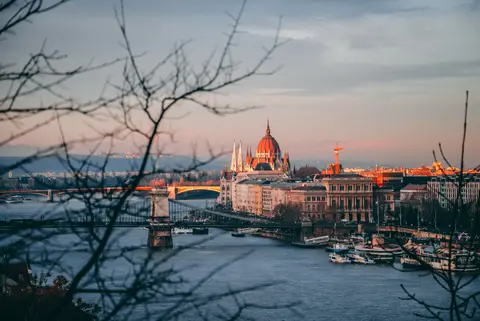
Budapest, divided by the Danube into the hilly Buda of thermal baths and medieval castle lanes on one bank and the grand Pest of coffee-house culture and Art Nouveau splendor on the other, delivers the most theatrical first impression of any European capital — whether approached by river as the neo-Gothic Parliament materializes from the water or by night from the Citadella's sweep of illuminated panorama below. The city's celebrated thermal bath culture, rooted in Ottoman-era hammams and perfected in palatial Secession-era pools like the Széchenyi, is an experience entirely unlike anything else in Europe. Visit spring and autumn for comfortable temperatures; Vienna is two and a half hours west by train.
Day 5
Day 5
Batina
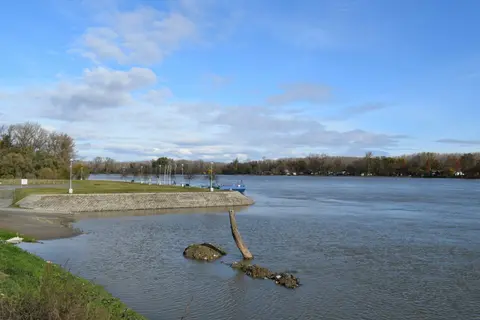
Batina is a small Croatian village on the Danube where three nations meet, renowned for its dramatic WWII liberation monument and proximity to the Kopacki Rit wetland nature park. Must-dos include visiting the hilltop battle monument, tasting paprika-rich fish paprikas stew and kulen sausage, and birdwatching for eagles and storks at Kopacki Rit. April through October offers the most pleasant weather and best wildlife viewing.
Day 6
Day 6
Novi Sad
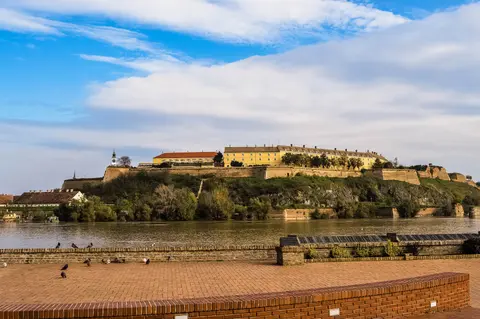
Novi Sad — the "Serbian Athens" — unfolds along the left bank of the Danube beneath the commanding walls of the Petrovaradin Fortress, a Habsburg military masterpiece whose underground tunnel labyrinth and hilltop clock tower (with hands reversed, to confuse enemy gunners) make for one of Europe's most unusual fortress visits. The city's elegant pedestrian street, the Zmaj Jovina, is lined with 19th-century Habsburg architecture that rewards a leisurely afternoon, while the Serbian cultural renaissance of the same era left behind museums, galleries, and coffee house traditions that endure today. In July, the EXIT music festival transforms the fortress into one of Europe's most storied outdoor stages. Visit May through September for the finest weather.
Day 7
Day 7
Belgrade
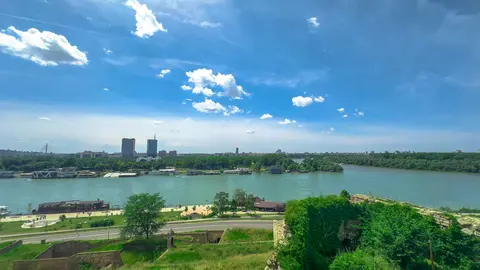
Belgrade, the 'White City' rebuilt at least forty times at the confluence of the Danube and Sava rivers, surprises every visitor with its raw, uncurated vitality — a capital that wears its turbulent history lightly while embracing the present with irresistible energy. The Kalemegdan Fortress, fortified for over two thousand years, offers the most dramatic river panorama on the entire Danube; below it, the Skadarlija cobblestone quarter fills nightly with kafana musicians and the aromas of Serbian rakija and roasted meats. Belgrade's nightlife — centered on the floating river clubs called splavovi — is genuinely legendary in Europe. Spring and early autumn offer the most comfortable conditions; the Iron Gate gorge is two hours downstream by river.
Day 1
Vienna
The port of Vienna is a cultural gem along the Danube River, famous for its stunning architecture, rich history, and vibrant culinary scene. Must-do experiences include sampling authentic Wiener Schnitzel and visiting the picturesque village of Dürnstein. The best season to visit is spring or early fall, when the city's gardens bloom and outdoor activities abound.
Day 3
Bratislava
Bratislava, the only national capital bordering two sovereign states, sits sixty kilometres downstream from Vienna on the Danube — close enough for a day trip to the Austrian capital, yet possessed of its own entirely distinct character: a pastel-hued medieval old town of hidden courtyards, playful bronze statues, and hilltop castle views, where wine bars pour outstanding Slovak Riesling at prices that make the Viennese feel extravagant. The city's dramatic reinvention since 1989 has produced a dynamic, youthful culture that fills the old quarter's restaurants and concert halls with genuine warmth. Pair with Vienna or Budapest for the classic Danube river trilogy; all three cities are within two hours of each other.
Day 4
Budapest
Budapest, divided by the Danube into the hilly Buda of thermal baths and medieval castle lanes on one bank and the grand Pest of coffee-house culture and Art Nouveau splendor on the other, delivers the most theatrical first impression of any European capital — whether approached by river as the neo-Gothic Parliament materializes from the water or by night from the Citadella's sweep of illuminated panorama below. The city's celebrated thermal bath culture, rooted in Ottoman-era hammams and perfected in palatial Secession-era pools like the Széchenyi, is an experience entirely unlike anything else in Europe. Visit spring and autumn for comfortable temperatures; Vienna is two and a half hours west by train.
Day 5
Batina
Batina is a small Croatian village on the Danube where three nations meet, renowned for its dramatic WWII liberation monument and proximity to the Kopacki Rit wetland nature park. Must-dos include visiting the hilltop battle monument, tasting paprika-rich fish paprikas stew and kulen sausage, and birdwatching for eagles and storks at Kopacki Rit. April through October offers the most pleasant weather and best wildlife viewing.
Day 6
Novi Sad
Novi Sad — the "Serbian Athens" — unfolds along the left bank of the Danube beneath the commanding walls of the Petrovaradin Fortress, a Habsburg military masterpiece whose underground tunnel labyrinth and hilltop clock tower (with hands reversed, to confuse enemy gunners) make for one of Europe's most unusual fortress visits. The city's elegant pedestrian street, the Zmaj Jovina, is lined with 19th-century Habsburg architecture that rewards a leisurely afternoon, while the Serbian cultural renaissance of the same era left behind museums, galleries, and coffee house traditions that endure today. In July, the EXIT music festival transforms the fortress into one of Europe's most storied outdoor stages. Visit May through September for the finest weather.
Day 7
Belgrade
Belgrade, the 'White City' rebuilt at least forty times at the confluence of the Danube and Sava rivers, surprises every visitor with its raw, uncurated vitality — a capital that wears its turbulent history lightly while embracing the present with irresistible energy. The Kalemegdan Fortress, fortified for over two thousand years, offers the most dramatic river panorama on the entire Danube; below it, the Skadarlija cobblestone quarter fills nightly with kafana musicians and the aromas of Serbian rakija and roasted meats. Belgrade's nightlife — centered on the floating river clubs called splavovi — is genuinely legendary in Europe. Spring and early autumn offer the most comfortable conditions; the Iron Gate gorge is two hours downstream by river.
Cabin Categories
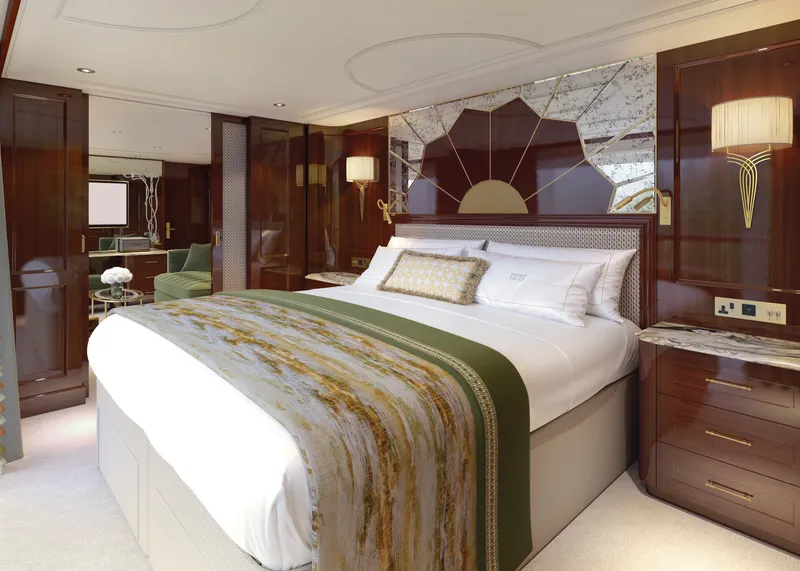
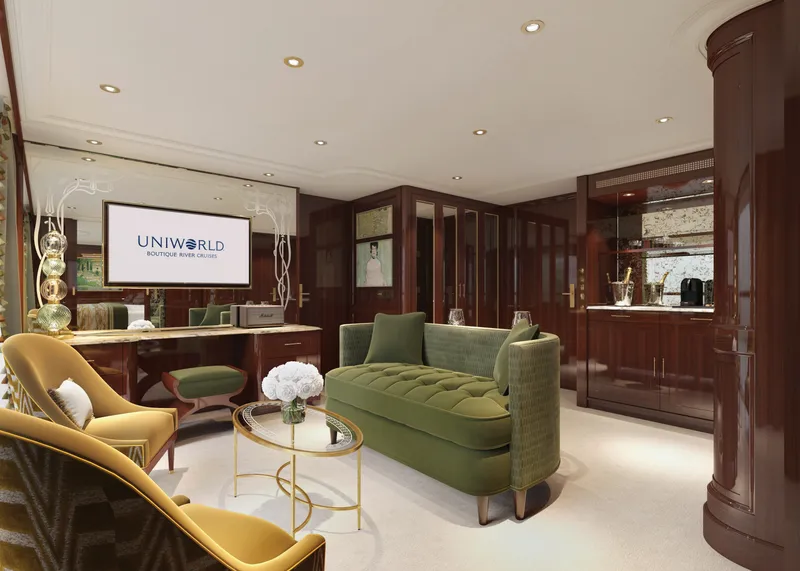
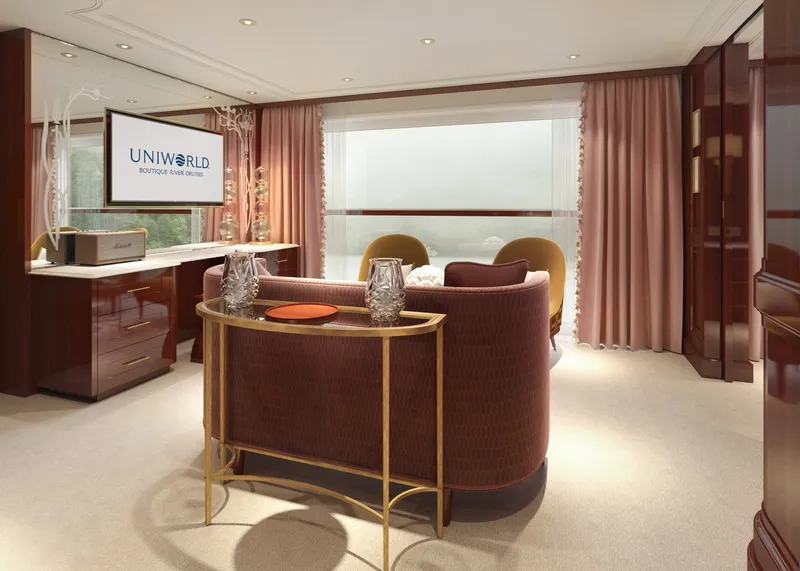
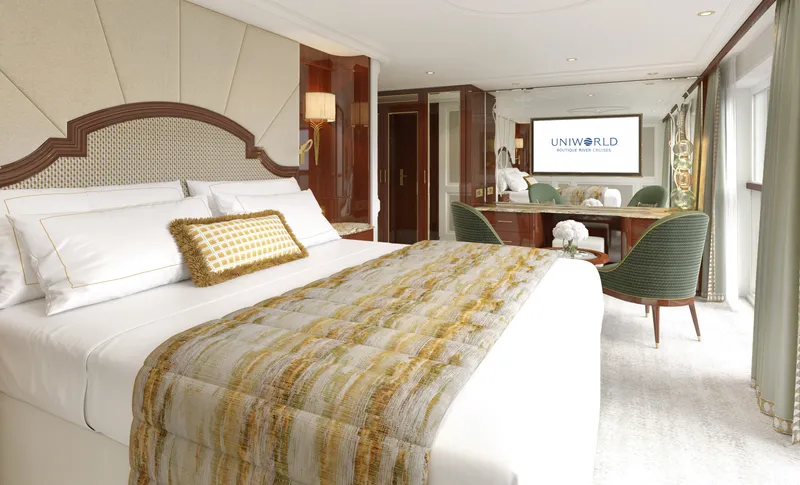
Grand Suite
Suite
412 m²Max 2
GS
Grand Suite
DoubleShowerToiletries ProvidedSuite BenefitsButler ServiceTV+11
View Details
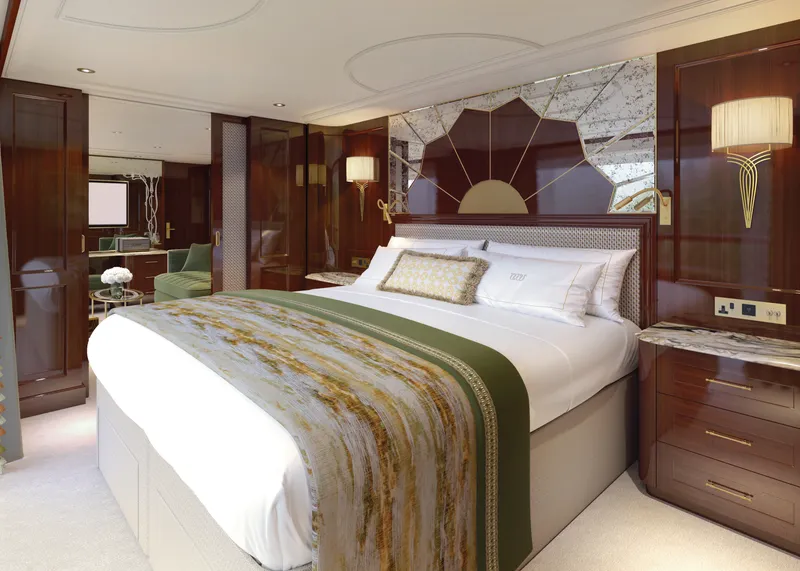
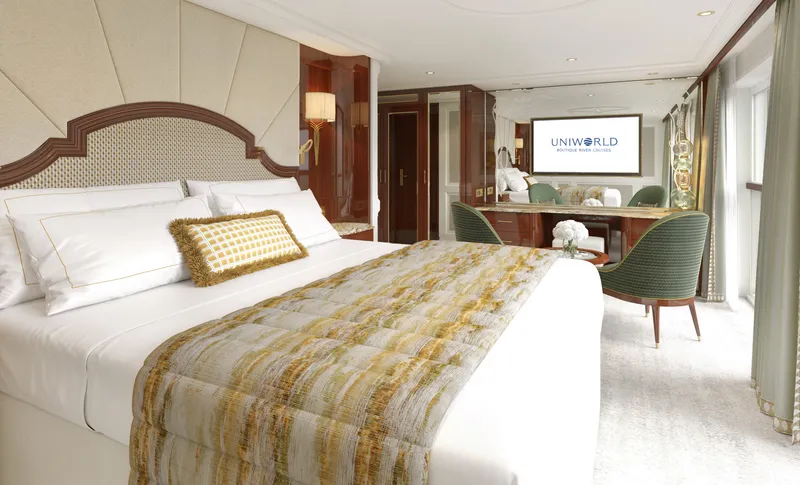
Suite
Suite
412 m²Max 2
S
Suite
DoubleShowerToiletries ProvidedSuite BenefitsButler ServiceTV+11
View Details
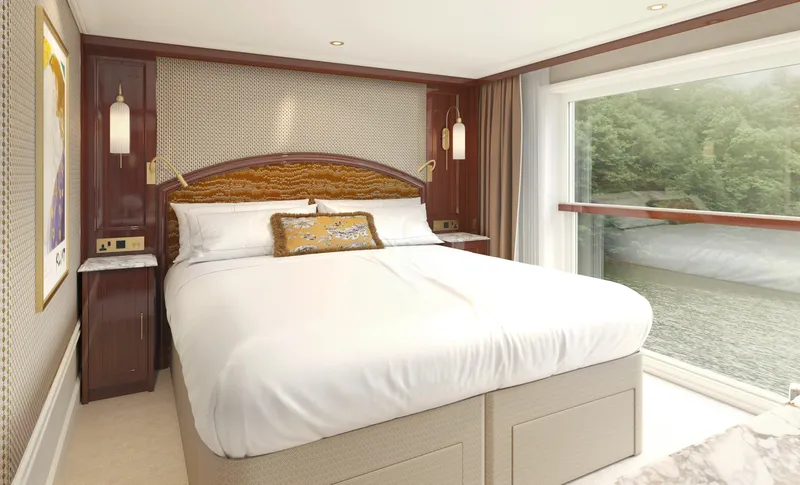
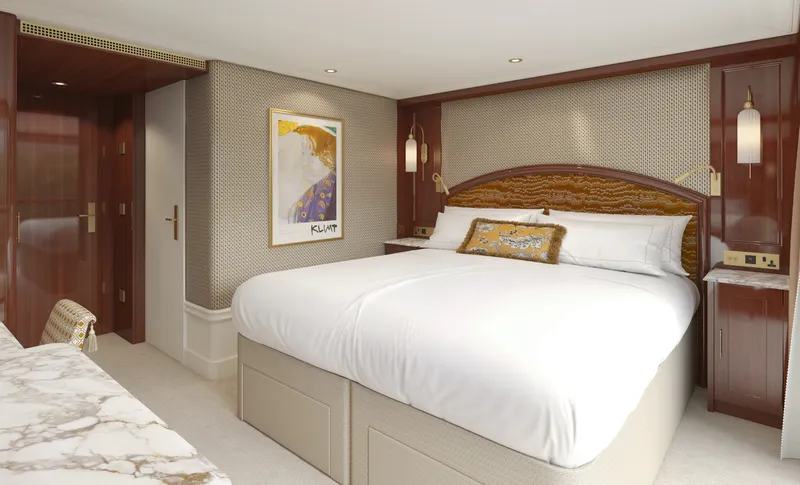
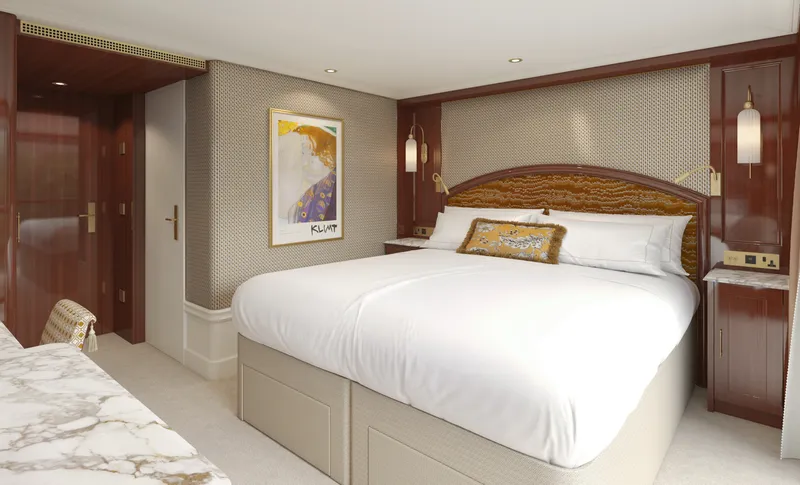
Deluxe French Balcony
Balcony
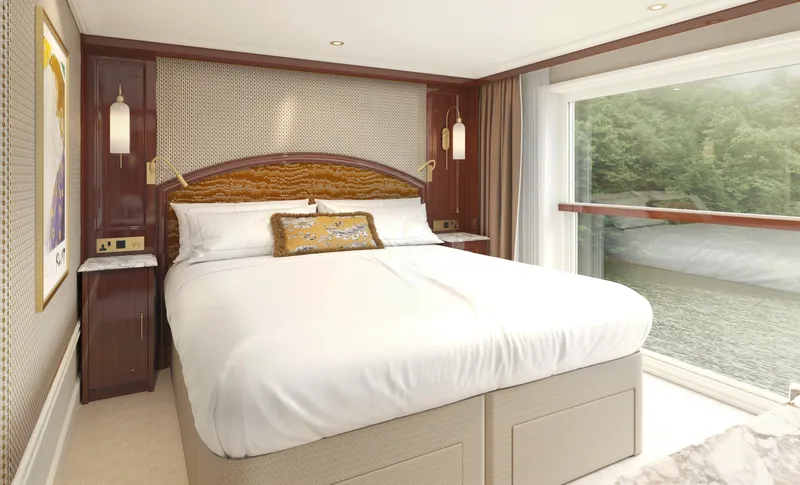
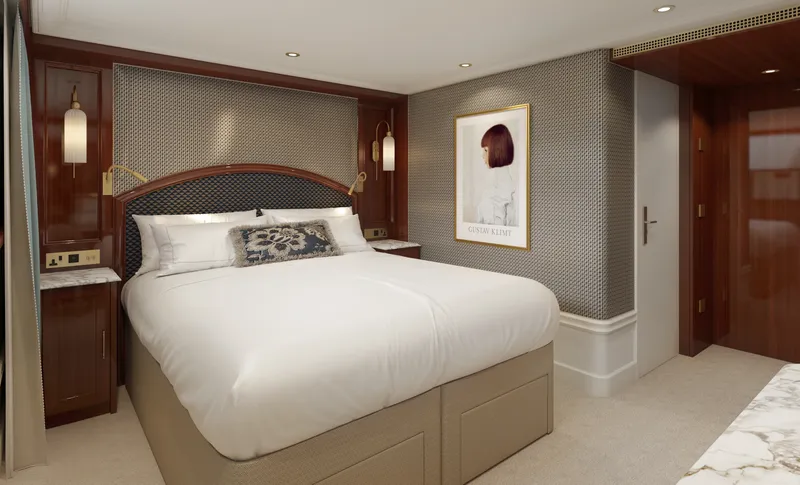
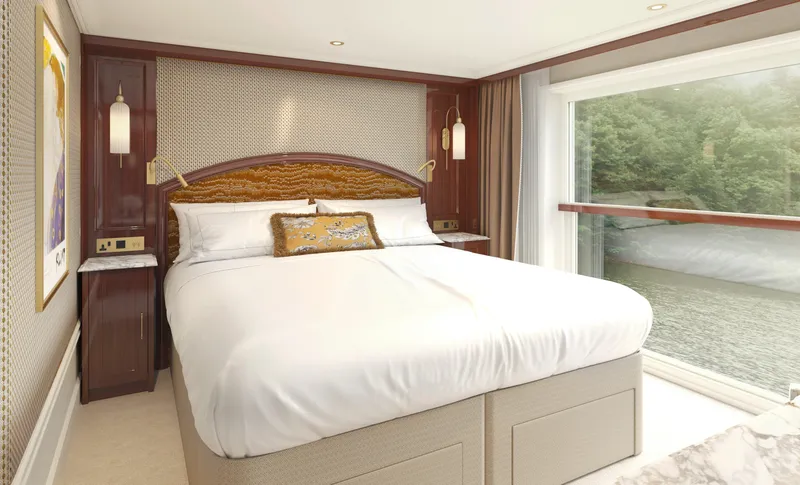
194 m²Max 2
DFB
Deluxe French Balcony
DoubleShowerToiletries ProvidedTVSafeHair Dryer+5
US$7,699 /person+ US$0 taxes & fees
French Balcony
Balcony
194 m²Max 2
FB
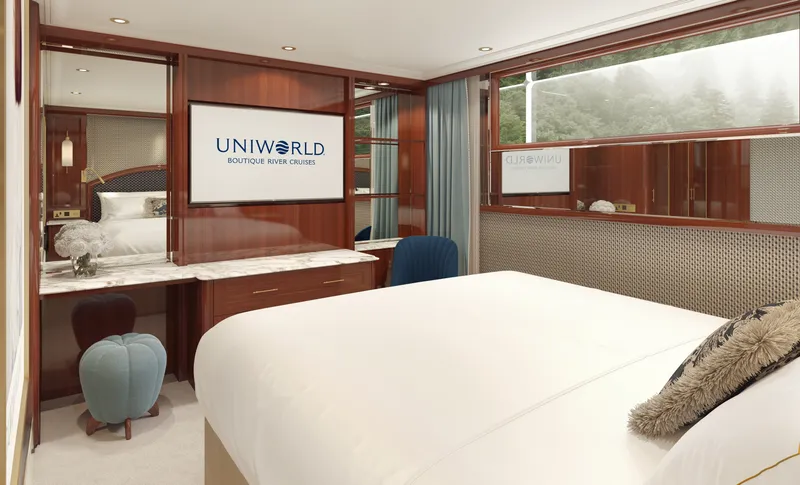
French Balcony
DoubleShowerToiletries ProvidedTVSafeHair Dryer+5
US$7,049 /person+ US$0 taxes & fees
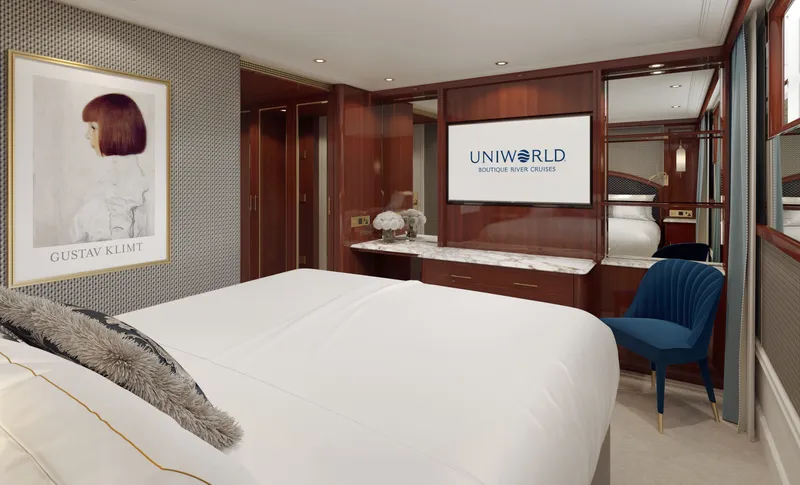
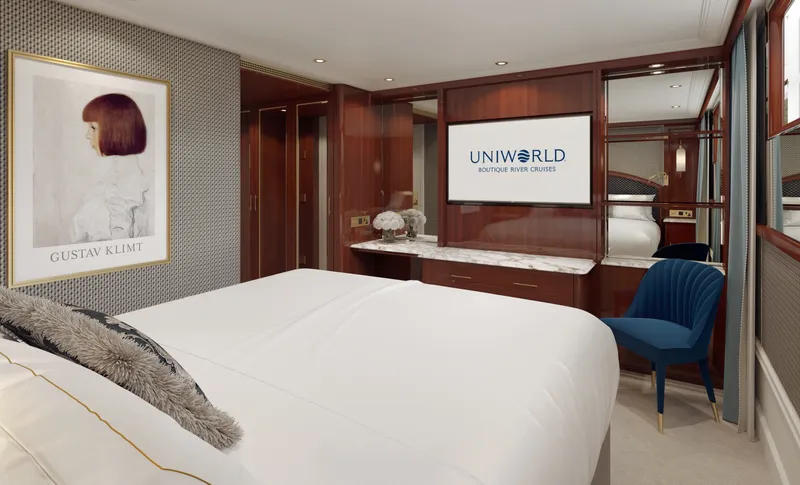
Classic
Outside
175 m²Max 2
C
Classic
DoubleShowerToiletries ProvidedTVSafeHair Dryer+6
US$5,299 /person+ US$0 taxes & fees
Interested in This Voyage?
Our cruise specialists can help you find the perfect cabin and the best available pricing.
(+886) 02-2721-7300Contact Advisor