
Vineyards & Palaces - Vienna to Nuremberg
Date
2026-08-30
Duration
7 nights
Departure Port
Vienna
Austria
Arrival Port
Nuremberg
Germany
Rating
Luxury
Theme
History & Culture
Uniworld River Cruises
S.S. Emilie
Super Ship
Launched
2026
Refitted
—
Tonnage
—
Passengers
—
Cabins
—
Crew
—
Length
442 m
Width
11.5 m
Speed
10 knots
Adults Only
No
Itinerary
Day 1
Day 1
Vienna
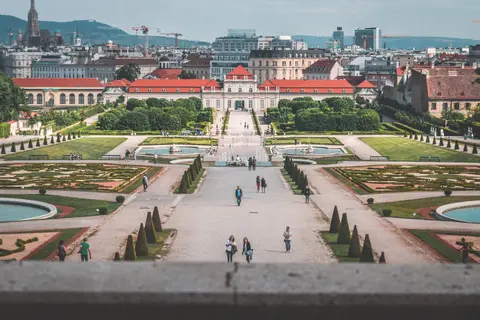
The port of Vienna is a cultural gem along the Danube River, famous for its stunning architecture, rich history, and vibrant culinary scene. Must-do experiences include sampling authentic Wiener Schnitzel and visiting the picturesque village of Dürnstein. The best season to visit is spring or early fall, when the city's gardens bloom and outdoor activities abound.
Day 3
Day 3
Spitz
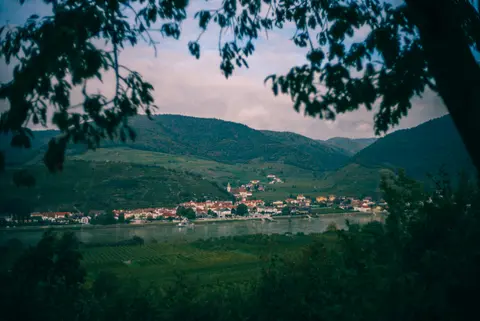
The Port of Spitz, a charming village on the Danube River, is celebrated for its rich history and stunning architectural beauty. Must-do experiences include savoring Wachauer Marillenknödel and visiting the nearby Dürnstein Castle. The best season to visit is spring, when the apricot blossoms are in full bloom, creating a picturesque landscape.
Day 4
Day 4
Passau
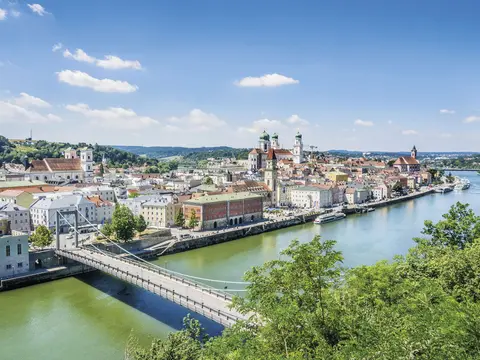
Passau occupies one of Central Europe's most dramatic natural stages — a narrow peninsula at the confluence of three rivers, the Danube, Inn, and Ilz, where the old town's baroque spires and shuttered merchants' houses crowd the very tip of the land between the waters. St. Stephen's Cathedral houses the world's largest church organ, a 17,974-pipe instrument whose daily concerts fill the nave with a sound that seems architectural in its density. The Veste Oberhaus fortress above the city commands panoramic views across three countries on clear days. Passau is a classic Danube river cruise departure point; spring and early autumn, when the river runs high and the light turns golden, are the finest seasons.
Day 5
Day 5
Deggendorf
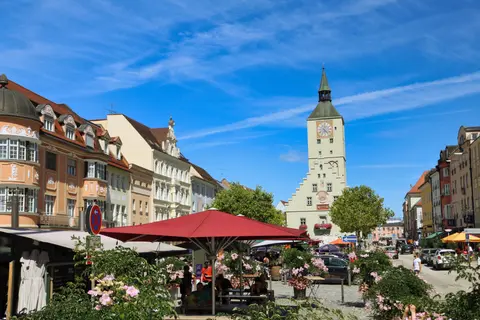
Deggendorf, the "Gateway to the Bavarian Forest" on the Danube, combines a beautifully preserved medieval Stadtplatz with access to Europe’s largest contiguous woodland and Germany’s oldest national park. Must-dos include the Bavarian Forest’s 44-meter Treetop Walk, sampling Schweinsbraten with Knödel in a traditional Gasthaus, and browsing the Stadtplatz farmers’ market. Visit May through October for forest exploration, or December for atmospheric Advent markets.
Day 6
Day 6
Regensburg
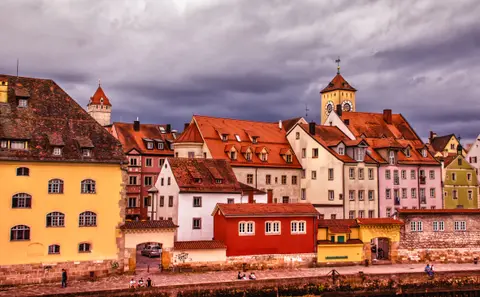
Regensburg, Bavaria's medieval masterpiece on the Danube, is one of Central Europe's most intact ancient cities — its Roman origins visible in the Porta Praetoria stone gate, its medieval prosperity celebrated in the soaring twin towers of St. Peter's Cathedral and the twelfth-century Stone Bridge. UNESCO World Heritage status acknowledges a skyline dotted with patrician towers, while the famous Historische Wurstküchl, Germany's oldest operating sausage kitchen, has been serving spit-grilled bratwurst since the 1140s. The surrounding hills produce excellent Bavarian whites. May through September offers the most convivial riverbank atmosphere.
Day 7
Day 7
Nuremberg
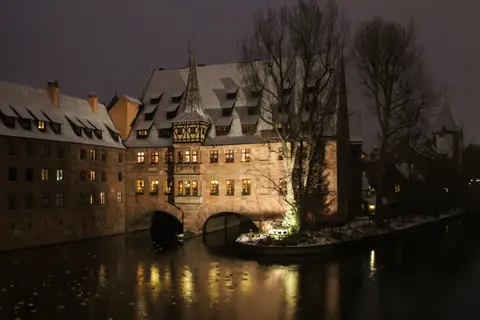
Nuremberg commands the imagination on two levels: as the glittering medieval city where Holy Roman Emperors held court, Albrecht Dürer was born, and craftsmen produced the first pocket watch — and as the site of the 20th century's darkest chapter, where Nazi rallies and subsequent war crimes trials left permanent marks on European history and conscience. The Kaiserburg castle crowning the hill above the perfectly preserved old town offers sweeping views of a cityscape that, despite wartime bombing, remains one of Germany's most beautiful. The Documentation Centre on the former Nazi Rally Grounds is essential, sobering history; the Christmas Market on the Hauptmarkt, held since 1628, is among Europe's finest. Visit May through October or December.
Day 1
Vienna
The port of Vienna is a cultural gem along the Danube River, famous for its stunning architecture, rich history, and vibrant culinary scene. Must-do experiences include sampling authentic Wiener Schnitzel and visiting the picturesque village of Dürnstein. The best season to visit is spring or early fall, when the city's gardens bloom and outdoor activities abound.
Day 3
Spitz
The Port of Spitz, a charming village on the Danube River, is celebrated for its rich history and stunning architectural beauty. Must-do experiences include savoring Wachauer Marillenknödel and visiting the nearby Dürnstein Castle. The best season to visit is spring, when the apricot blossoms are in full bloom, creating a picturesque landscape.
Day 4
Passau
Passau occupies one of Central Europe's most dramatic natural stages — a narrow peninsula at the confluence of three rivers, the Danube, Inn, and Ilz, where the old town's baroque spires and shuttered merchants' houses crowd the very tip of the land between the waters. St. Stephen's Cathedral houses the world's largest church organ, a 17,974-pipe instrument whose daily concerts fill the nave with a sound that seems architectural in its density. The Veste Oberhaus fortress above the city commands panoramic views across three countries on clear days. Passau is a classic Danube river cruise departure point; spring and early autumn, when the river runs high and the light turns golden, are the finest seasons.
Day 5
Deggendorf
Deggendorf, the "Gateway to the Bavarian Forest" on the Danube, combines a beautifully preserved medieval Stadtplatz with access to Europe’s largest contiguous woodland and Germany’s oldest national park. Must-dos include the Bavarian Forest’s 44-meter Treetop Walk, sampling Schweinsbraten with Knödel in a traditional Gasthaus, and browsing the Stadtplatz farmers’ market. Visit May through October for forest exploration, or December for atmospheric Advent markets.
Day 6
Regensburg
Regensburg, Bavaria's medieval masterpiece on the Danube, is one of Central Europe's most intact ancient cities — its Roman origins visible in the Porta Praetoria stone gate, its medieval prosperity celebrated in the soaring twin towers of St. Peter's Cathedral and the twelfth-century Stone Bridge. UNESCO World Heritage status acknowledges a skyline dotted with patrician towers, while the famous Historische Wurstküchl, Germany's oldest operating sausage kitchen, has been serving spit-grilled bratwurst since the 1140s. The surrounding hills produce excellent Bavarian whites. May through September offers the most convivial riverbank atmosphere.
Day 7
Nuremberg
Nuremberg commands the imagination on two levels: as the glittering medieval city where Holy Roman Emperors held court, Albrecht Dürer was born, and craftsmen produced the first pocket watch — and as the site of the 20th century's darkest chapter, where Nazi rallies and subsequent war crimes trials left permanent marks on European history and conscience. The Kaiserburg castle crowning the hill above the perfectly preserved old town offers sweeping views of a cityscape that, despite wartime bombing, remains one of Germany's most beautiful. The Documentation Centre on the former Nazi Rally Grounds is essential, sobering history; the Christmas Market on the Hauptmarkt, held since 1628, is among Europe's finest. Visit May through October or December.
Cabin Categories
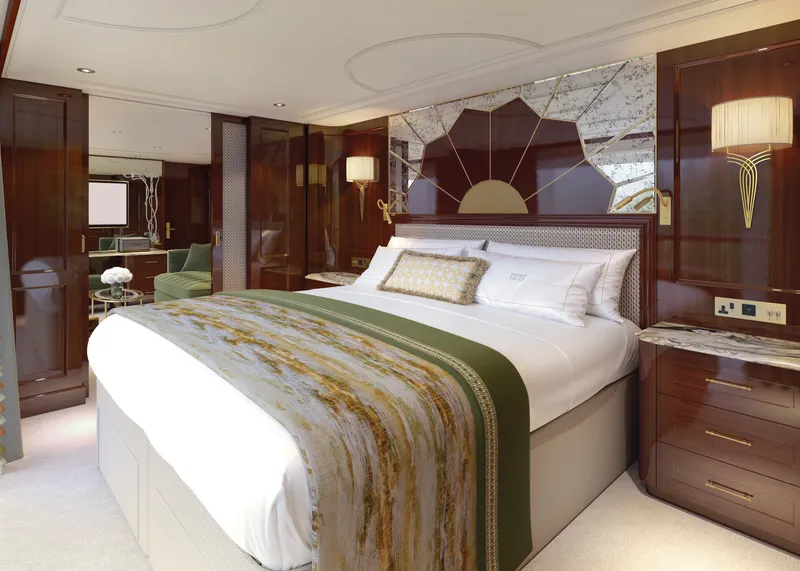
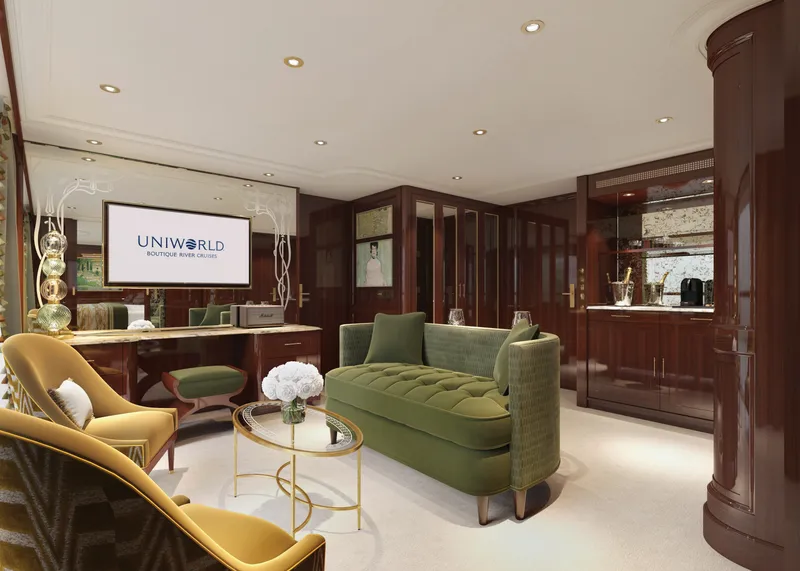
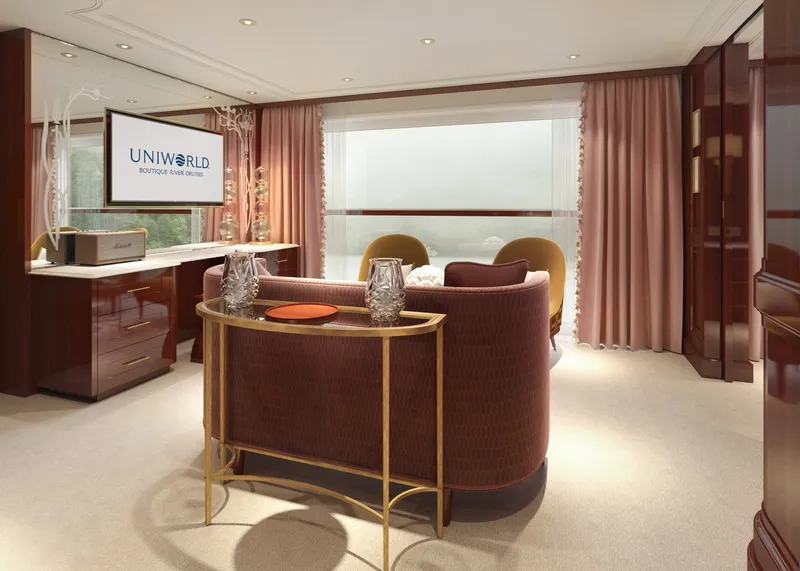
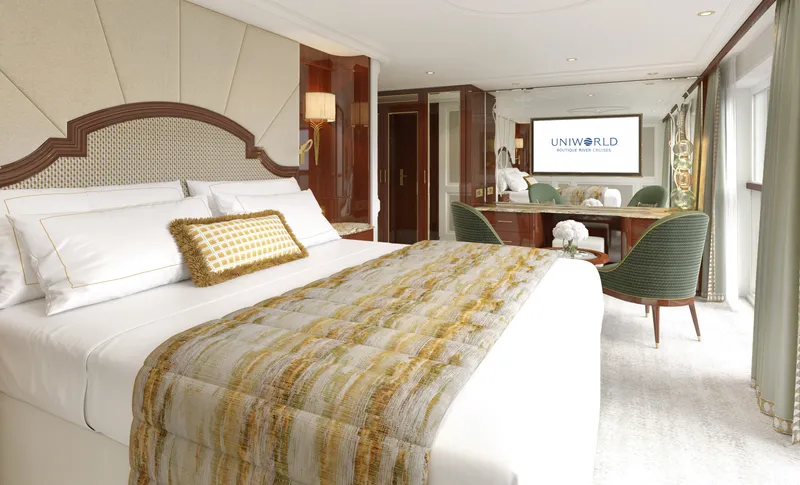
Grand Suite
Suite
412 m²Max 2
GS
Grand Suite
DoubleShowerToiletries ProvidedSuite BenefitsButler ServiceTV+11
View Details
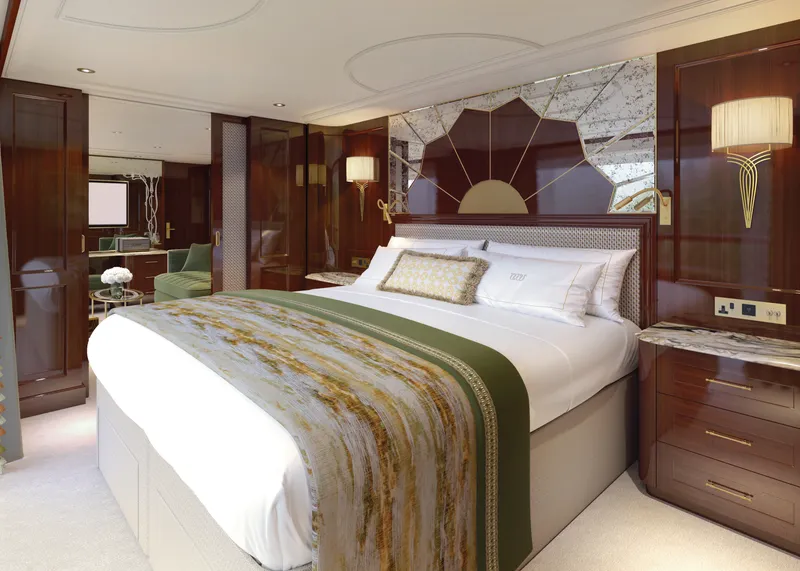
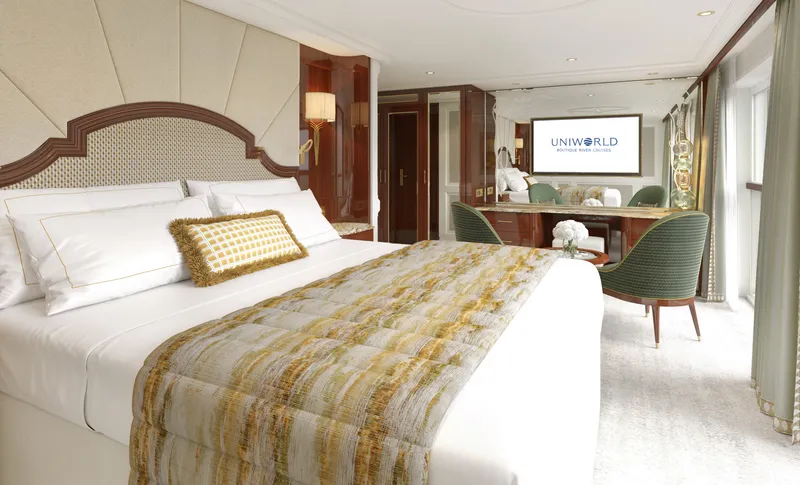
Suite
Suite
412 m²Max 2
S
Suite
DoubleShowerToiletries ProvidedSuite BenefitsButler ServiceTV+11
View Details
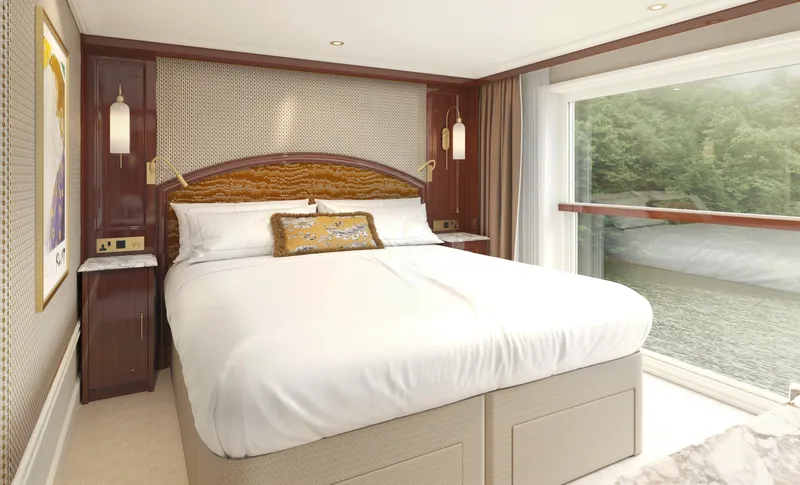
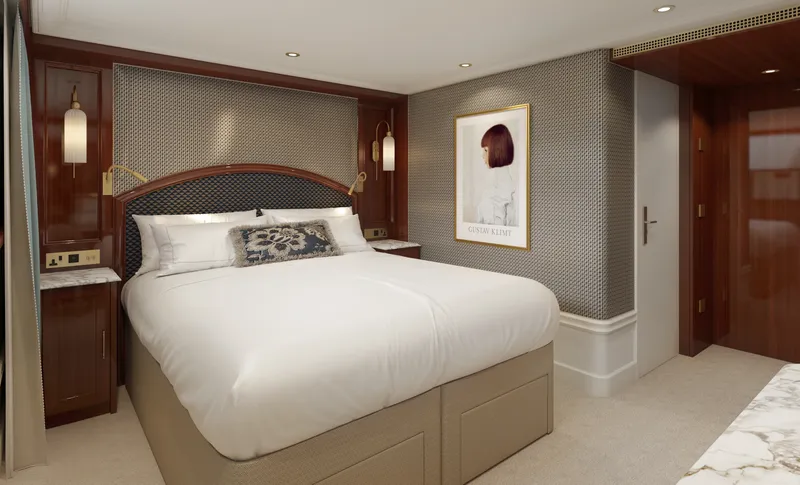
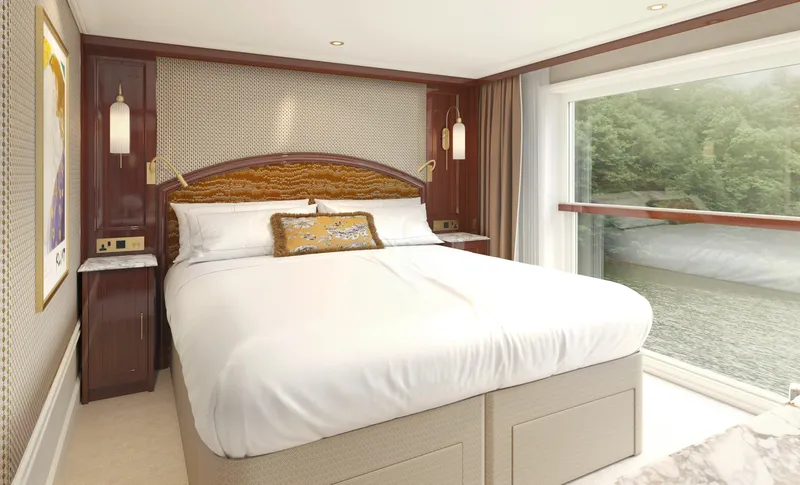
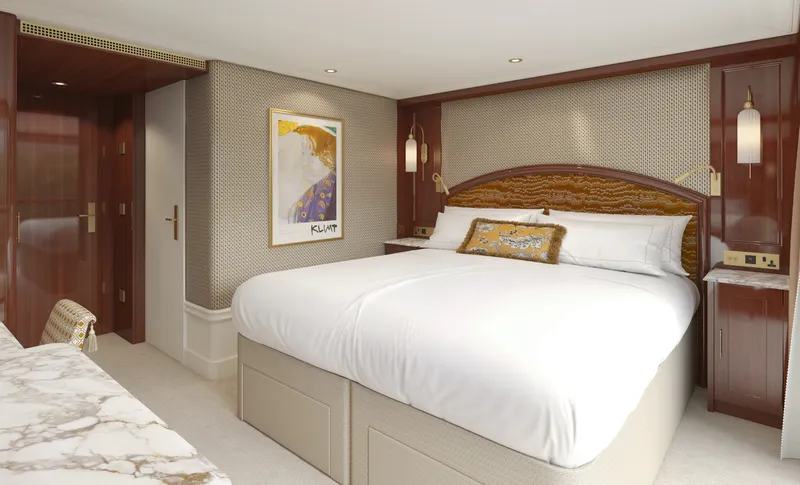
Deluxe French Balcony
Balcony
194 m²Max 2
DFB
Deluxe French Balcony
DoubleShowerToiletries ProvidedTVSafeHair Dryer+5
US$6,974 /person+ US$0 taxes & fees
French Balcony
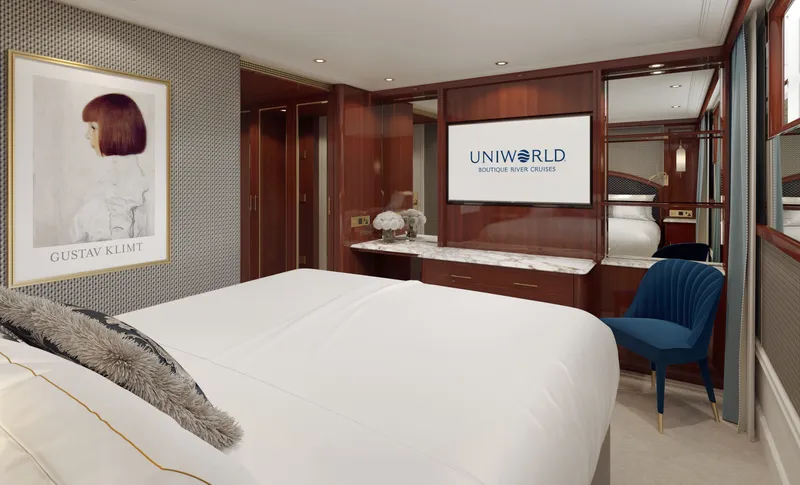
Balcony
194 m²Max 2
FB
French Balcony
DoubleShowerToiletries ProvidedTVSafeHair Dryer+5
US$6,434 /person+ US$0 taxes & fees

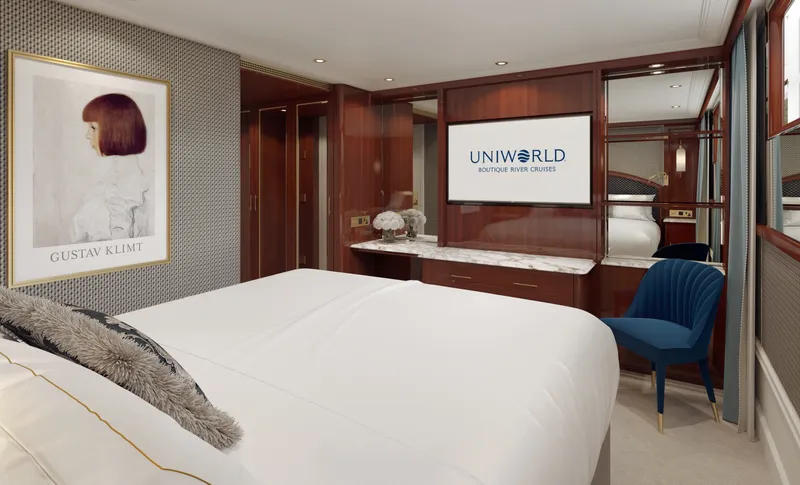
Classic
Outside
175 m²Max 2
C
Classic
DoubleShowerToiletries ProvidedTVSafeHair Dryer+6
US$5,129 /person+ US$0 taxes & fees
Interested in This Voyage?
Our cruise specialists can help you find the perfect cabin and the best available pricing.
(+886) 02-2721-7300Contact Advisor