اتریش
تولن
Tulln
52 voyages
تولن در ساحل جنوبی دانوب واقع شده است، تقریباً سی کیلومتر در شمال غربی وین، در چشماندازی از دشتهای حاصلخیز رودخانه و تپههای ملایم که از دوران روم کشت و زرع شدهاند. این شهر — با جمعیتی حدود ۱۶,۰۰۰ نفر — در سراسر جهان آلمانیزبان به عنوان "شهر باغ" (Gartenstadt) شناخته میشود به خاطر تعهد فوقالعادهاش به باغبانی عمومی: بیش از ۶۰,۰۰۰ بوته گل رز در پارکها و باغهای این شهر شکوفا میشوند، نمایشگاه بینالمللی باغ (Internationale Gartenschau) که هر دو سال یک بار برگزار میشود، بازدیدکنندگانی از سرتاسر اروپا را جذب میکند، و پیادهروی کنار دانوب با دقتی که اتریشیها به تقاطع طبیعت و زندگی مدنی میآورند، نگهداری میشود. اما مهمترین ادعای تولن برای جلب توجه بینالمللی، پسر بومیاش است: اگون شیله، نقاش اکسپرسیونیست که در سال ۱۸۹۰ در اینجا به دنیا آمد و هنر آشفته و پرشور او — با بدنهای زاویهدار، رنگهای زنده و شدت روانشناختی بیرحمانه — نقاشی اوایل قرن بیستم را متحول کرد.
موزه ایگون شیله، که در زندان سابق منطقهای در کنار دانوب واقع شده است، به عنوان یک مکان زیارتی برای دوستداران هنر شناخته میشود. این مجموعه — شامل نقاشیها، آبرنگها، طراحیها و وسایل شخصی — روند تکامل شیله را از آثار اولیه آکادمیکش تا سبک انقلابی اکسپرسیونیستی که هم تحسین منتقدان و هم پیگرد قانونی را برای او به ارمغان آورد، دنبال میکند (او در سال 1912 به خاطر نقاشیهای برهنهاش که به عنوان ناپسند تلقی میشد، به مدت کوتاهی زندانی شد). موقعیت موزه در یک زندان سابق، کنایهای است که شیله، با ذائقهاش برای تحریک و شیفتگیاش به محدودیت، ممکن است آن را درک کرده باشد. زادگاه شیله، در ایستگاه راهآهن قدیمی که پدرش به عنوان رئیس ایستگاه کار میکرد، زمینهای اضافی فراهم میکند — یک آپارتمان ساده که فضای تنگ آن، عظمت دیدگاه هنری شیله را حتی بیشتر قابل توجه میسازد.
زندگی آشپزی تولن بازتابی از موقعیت آن در کشور شراب ویشاو در اتریش پایین است. آشپزی منطقهای — شنیسل (گوشت خوک یا گوساله، کوبیده و سرخ شده تا به کمال طلایی برسد)، تافلاشپیتز (گوشت گوساله پخته شده با سس سیب و تربچه، غذایی که در وین به هنر تبدیل شده است) و انواع بیپایان استودل، تورت و مهلسپایسن (دسرهای مبتنی بر آرد) که صادرات فرهنگی شیرین اتریش را تشکیل میدهند — در گاستهوسها و هوریگنهای شهر سرو میشود. شرابهای دره ویشاو که شامل گرونر وِلتلینر و ریسلینگ هستند و این بخش از دانوب را به یکی از مشهورترین مناطق شرابسازی اروپا تبدیل کردهاند، در هر مؤسسهای به صورت لیوانی در دسترس است. بازار کشاورزان شهر که دو بار در هفته برگزار میشود، محصولات تولنرفلد را ارائه میدهد — مارچوبه در بهار، میوههای هستهدار در تابستان، کدو در پاییز — که هم به آشپزخانههای محلی و هم به رستورانهای وین تغذیه میدهد.
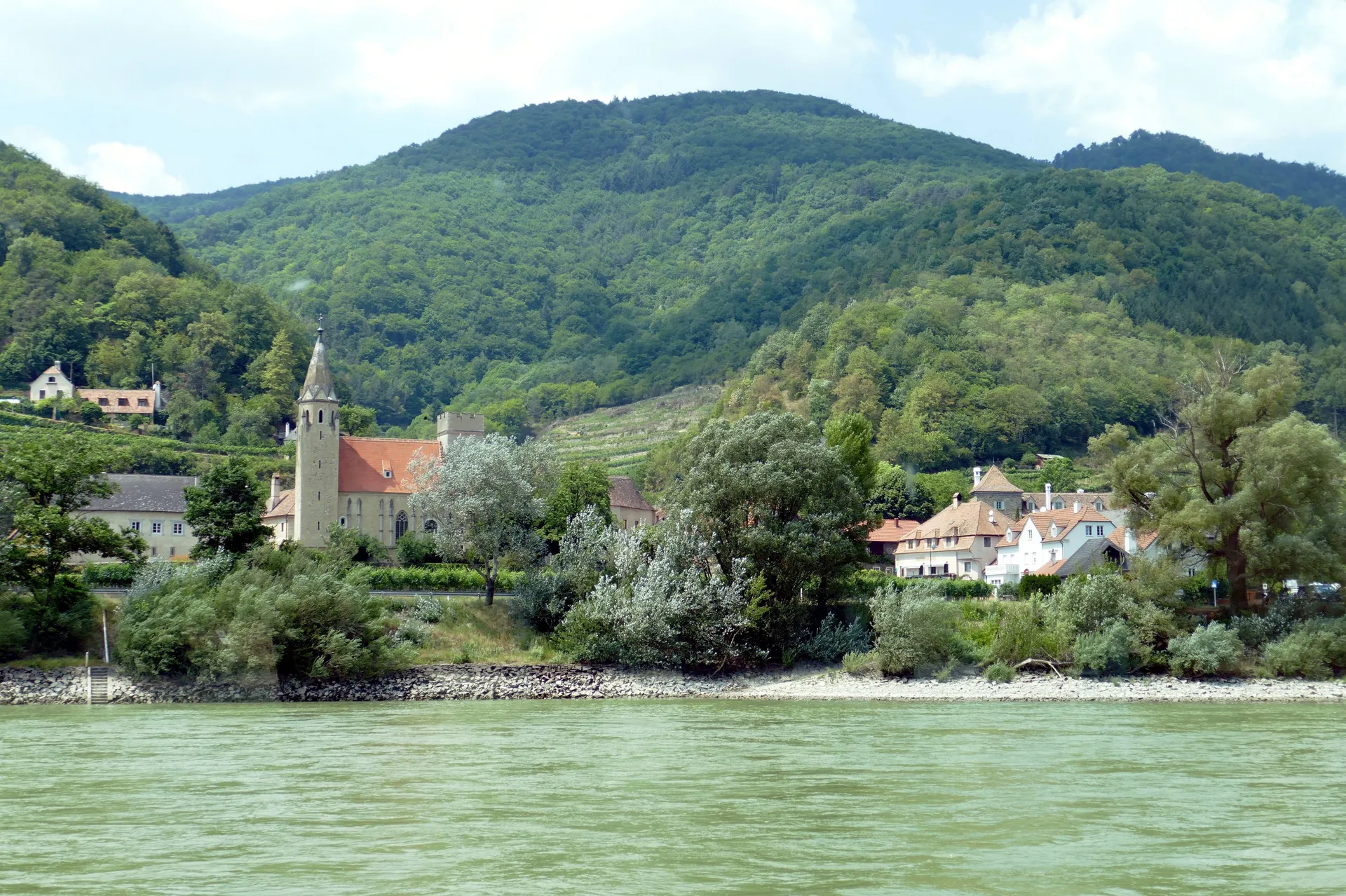
دریای دانوب خود ویژگی بارز این شهر است. این رودخانه، که در این نقطه از سفر ۲,۸۵۰ کیلومتری خود از جنگل سیاه تا دریای سیاه عریض و قدرتمند است، با جریانی پیوسته از پارک ساحلی تولن عبور میکند و تجارت، فرهنگ و درگیریها را برای هزارهها در قلب اروپا حمل کرده است. مسیر دوچرخهسواری دانوب — یکی از بهترین مسیرهای دوچرخهسواری طولانیمدت اروپا — بهطور مستقیم از تولن عبور میکند و آن را به وین در پاییندست و دره واچاو در بالادست متصل میسازد. نبلونگنلید، حماسه بزرگ قرون وسطایی آلمانی، تولن را بهعنوان محلی که کریمهیلد با اتزل (اتیلا) ملاقات کرد، شناسایی میکند — ارتباط ادبی که شهر با یک فواره در مرکز شهر گرامی میدارد. کلیسای مینوریت، بنایی گوتیک که به قرن سیزدهم تعلق دارد، و سه برج رومانسک بنیادهای مذهبی شهر، شواهدی معماری از شکوفایی قرون وسطایی تولن را ارائه میدهند.
تولن تنها سی دقیقه با وین فاصله دارد، چه با قطار حومهای (S-Bahn) و چه با خودرو، که این موضوع آن را به یک سفر یکروزه آسان یا توقفی دلپذیر در کروزهای رود دانوب که بین وین و دره واخو در حال تردد هستند، تبدیل میکند. فصل نمایشگاههای باغی از آوریل تا اکتبر به اوج خود میرسد و گلهای رز در ماه ژوئن در بهترین حالت خود قرار دارند. موزه شیله در تمام طول سال باز است. کروزهای رود دانوب معمولاً در مسیر خود بین پاساو/لینز و وین/بوداپست از تولن عبور میکنند و برخی از برنامهها شامل توقفی در این شهر هستند. ترکیب هنر، باغها، شراب و حضور بیزمان رود دانوب، تولن را به مقصدی فشرده اما پربار تبدیل میکند که فراتر از انتظارات خود میدرخشد.
Gallery