آلمان
ابرسوالده
Eberswalde
4 voyages
چهل و پنج کیلومتر شمال شرقی برلین، جایی که کانال فینو با رودخانه شوابیش در حاشیه ذخیرهگاه زیستکره وسیع شرفهاید-چورین ملاقات میکند، ابرسوالده، شهری کوچک در براندنبورگ است که تاریخ آن بسیار غنیتر از اندازهی متواضعش به نظر میرسد. نام این شهر در سال 1913 وارد تاریخ باستانشناسی شد، زمانی که یک کارگر گنجینهی ابرسوالده را کشف کرد — هشتاد و یک شیء طلا از دوران برنز، بزرگترین کشف طلا در دوران ماقبل تاریخ که تاکنون در آلمان انجام شده است. اگرچه گنجینهی اصلی در سال 1945 توسط نیروهای شوروی ضبط شد و همچنان در مسکو باقی مانده است، نسخههای آن در موزه محلی داستان یک مرکز تجاری را روایت میکنند که سه هزار سال پیش از آن نیز در حال شکوفایی بود.
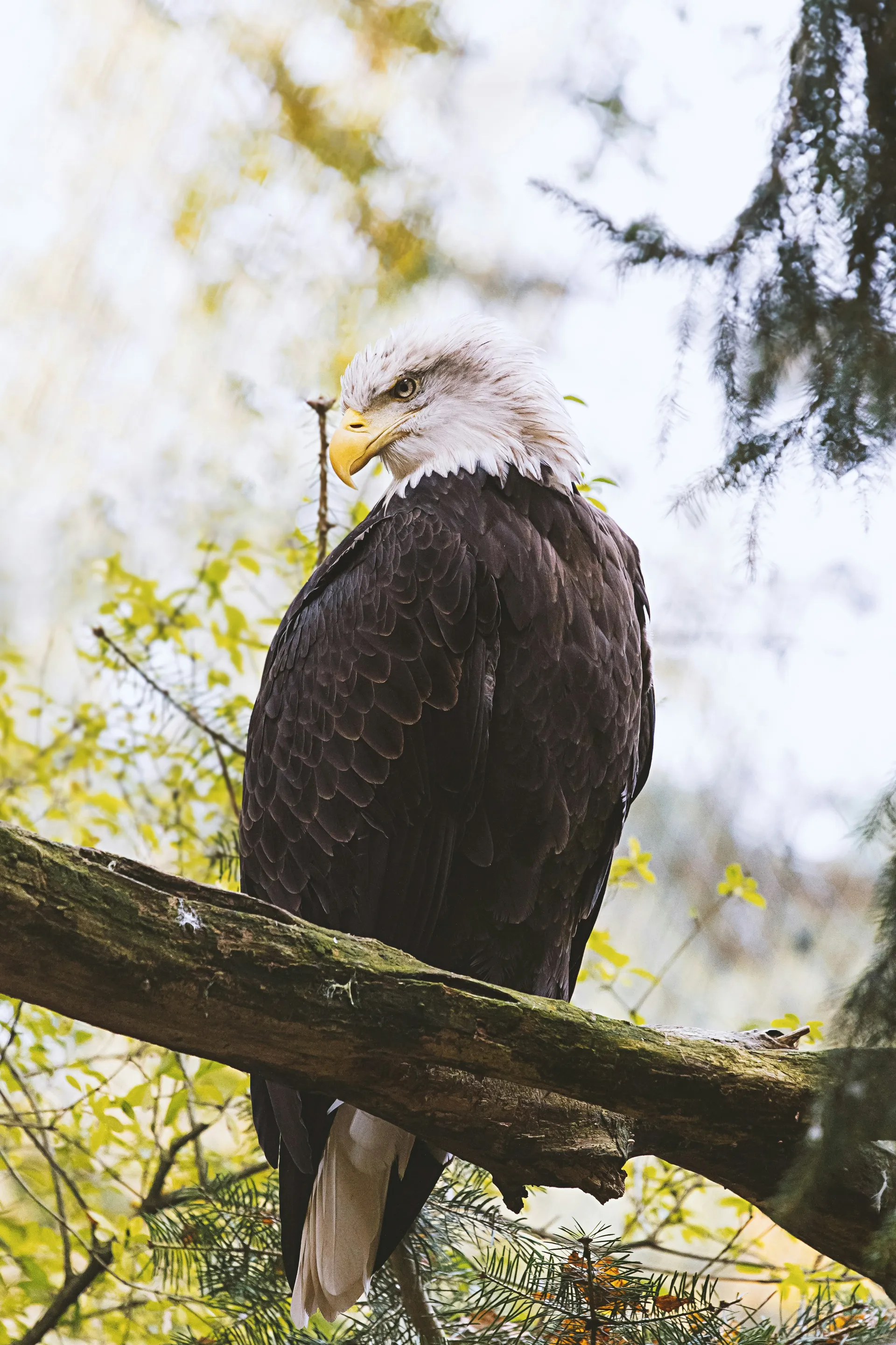
شخصیت این شهر به واسطه موقعیتش در دروازه یکی از مهمترین مناظر حفاظتشده اروپای مرکزی شکل میگیرد. جنگل شرفهایده که به سمت شمال و شرق از ایبرسوالده گسترش یافته، یکی از بزرگترین جنگلهای متصل به هم از درختان راش در قاره اروپا است — یک منطقه وحشی که توسط یونسکو به رسمیت شناخته شده و مملو از درختان کهن، دریاچههای یخچالی و مراتع باتلاقی است که زیستگاه گرگها، عقابهای دمسفید، لکلکها و بیزونهای اروپایی است که دوباره به این منطقه معرفی شدهاند. کانال فینو، که در سال 1620 به عنوان یکی از نخستین آبراههای مصنوعی اروپا به پایان رسید، از میان شهر و جنگل عبور میکند و کرانههای درختی آن مسیرهای پیادهروی و دوچرخهسواری با زیبایی قابل توجهی را ارائه میدهد.
غذای براندنبورگ، که در گاستهوسهای سنتی ابرزوالده سرو میشود، خوراکیهای دلپذیر و فصلی است که ریشه در جنگلها و مزارع دارد. در فصل شکار، گوشت گراز وحشی، گوشت آهو و پرندگان شکاری در منوها ظاهر میشوند و به صورت خورشتهای آرام پخته و کبابهایی همراه با کلم قرمز، کوفتههای سیبزمینی و سس توتفرنگی سرو میشوند. ماهیهای آب شیرین — زاندر، مارماهی و کپور — از دریاچهها و رودخانههای منطقه صید میشوند. معروفترین سهم غذایی این شهر، اسپریتسکوهن ابرزوالده است، یک حلقه شیرینی سرخکرده که با شکر لعابدار شده و از سال ۱۸۳۲ توسط نانوایی محلی تولید میشود و در هیچ جای دیگری یافت نمیشود.
منطقه اطراف، گشت و گذارهایی با تنوع شگفتانگیز را ارائه میدهد. صومعه چورین، یک ویرانه باشکوه از قرن سیزدهم که در پارکی ده کیلومتری شمالشرقی شهر واقع شده، یکی از بهترین نمونههای معماری گوتیک آجری شمال آلمان است و میزبان یک جشنواره موسیقی کلاسیک تابستانی مشهور میباشد. پانورامای بارنیم، یک موزه نوآورانه در مرکز شهر، داستان چشمانداز و سکونتگاههای این منطقه را از عصر یخ تا به امروز روایت میکند. دره اودر، که مرز آلمان و لهستان را چهل کیلومتر به سمت شرق تشکیل میدهد، یکی از مهمترین کریدورهای مهاجرت پرندگان در اروپا است — در پاییز، دهها هزار لکلک در اینجا در مسیر خود به سمت جنوب تجمع میکنند.
اِبِرسوالده به طور معمول به عنوان بخشی از برنامههای کروزهای رودخانهای و کانالی از طریق آبراههای براندنبورگ و مکلنبورگ بازدید میشود، با کشتیهایی که در کانال اودر-هاول و کانال فینو حرکت میکنند. این شهر همچنین از طریق قطار منطقهای از برلین در حدود چهل و پنج دقیقه قابل دسترسی است.
بهترین فصل برای بازدید از این منطقه، از ماه مه تا اکتبر است، زمانی که جنگلها در سرسبزترین حالت خود قرار دارند و تقویم فرهنگی — از جمله جشنواره موسیقی چورین در تابستان — در پربارترین حالت خود است. پاییز با شگفتیهای رنگارنگ برگها و مهاجرت لکلکها همراه است، در حالی که زمستان پیادهرویهای جویای جو در جنگل و غذاهای فصلی دلپذیر را ارائه میدهد.
Gallery