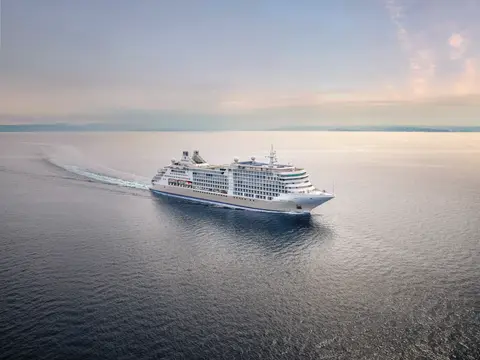
SilverseaMO260813007
Vancouverista Sewardiin
Date
2026-08-13
Duration
7 nights
Departure Port
Vancouver
Kanada
Arrival Port
Seward
Yhdysvallat
Rating
Ultra Luxury
Theme
—
Date
2026-08-13
Duration
7 nights
Departure Port
Vancouver
Kanada
Arrival Port
Seward
Yhdysvallat
Rating
Ultra Luxury
Theme
—

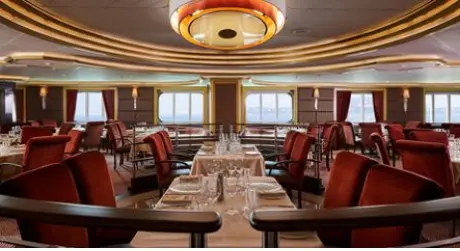




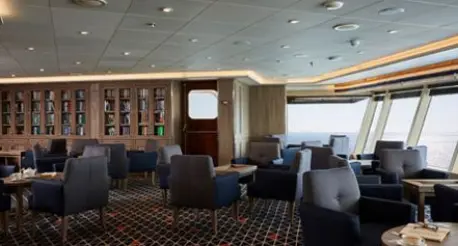
Silversea
2020
—
40,700 GT
691
288
408
699 m
26 m
20 knots
No
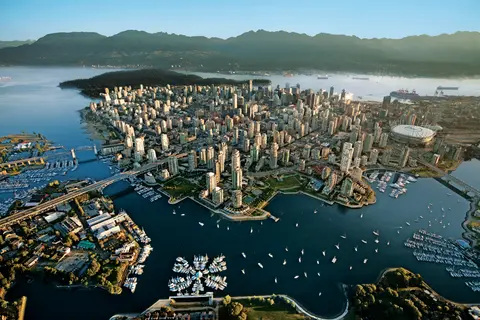
Työntyneenä Tyynenmeren ja Coast-vuoriston väliin Vancouver on luonnollinen portti Alaskan sisäiseen kulkuväylään — kaupunki, jossa lauhkea sademetsä kohtaa lasiset tornit ja jossa Dungeness-ravun sekä villin sockeye-lohen maut määrittävät Tyynenmeren alueen keittiön, joka haastaa Pohjois-Amerikan parhaat. Kävele 22 kilometrin pituinen Stanley Parkin rantakatu, eksy Granville Islandin markkinoille ja ota sitten lautta Victoriaan ihailemaan edwardiaanista loistoa. Alaskan risteilykausi huipentuu toukokuusta syyskuuhun, tehden Vancouverista ihanteellisen lähtöpisteen yhdelle maailman upeimmista merimatkoista.
Navigate through the intricate outlays of some of Alaska’s most staggering winter scenery, threading a needle between craggy, snow-dusted islands, and slipping glacial giants. To cruise this 500-mile stretch of Alaskan beauty is to sail through a living work of natural art - with perfectly sculpted mountains soaring from the shoreline, and clutches of islands scattered across the dark waters with delicate attention to detail. A common sailing route due to its calm sheltered waters, gorgeous natural set pieces constantly play out here - whether it’s killer whales accompanying you through the breathtaking icy passages, harbour seals catching a break on floating hunks of ice, or wisps of cloud clinging to distant mountain peaks. Witness Mother Nature at her most dramatic and elaborate along this Alaskan coastline, where glaciers groan and creak melodramatically, before finally releasing colossal shelves of ice, allowing them to free fall into the waters below, and explode with angry booms and thunderous splashes. While fundamental displays of nature’s power always awe and amaze, it’s the tranquil beauty of this passage - amid still waters, splitting only to reveal the smooth backs of breaching humpback whales – that is relentlessly moving. A journey of glaciers, remote hidden villages, and carved fjords - the Inside Passage is a breathtaking voyage through the intricate mesh of Alaska’s fractured, raw and spectacular coastal landscapes.
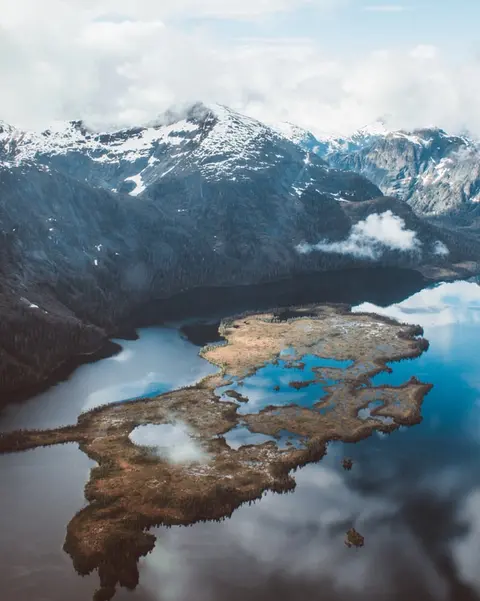
Ketchikan nojailee Revillagigedo-saarella Alaskan kaakkoisessa niemimaassa — kaupunki, joka on niin kapea, että paikalliset vitsailevat sen olevan kolme mailia pitkä ja kolme korttelia leveä. Tlingit-kansa on vuosisatojen ajan kunnioittanut tätä paikkaa runsaiden lohien kotiympäristönä, ja nykyään se tunnetaan maailman totemipylväiden pääkaupunkina: Saxman Native Village ja Totem Bight State Historical Park säilyttävät merkittävimmän kokoelman näitä monumentaalisia taideteoksia. Creek Street, värikkäiden historiallisten talojen laiturikatu, joka on rakennettu Ketchikanin puron ylle, on ehdoton vierailukohde. Kesä (touko–syyskuu) tarjoaa parhaan sään, jolloin puroissa voi nähdä lohien vaelluksen.
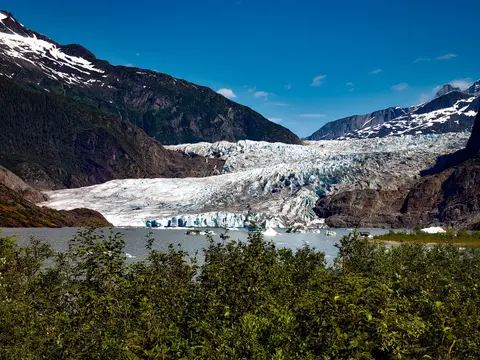
Yhdysvaltojen ainoa osavaltion pääkaupunki, johon ei pääse maanteitse, Juneau palkitsee matkansa villillä suuruudellaan, jota harvat kaupungit maailmassa voivat ylittää. Mendenhallin jäätikkö — ikiaikaisen jään elävä joki — sijaitsee vain viisitoista minuuttia keskustasta, missä vesitasot leijailevat merenrannalla, jota reunustavat kuusimetsien peittämät vuoret, jotka syöksyvät suoraan mereen. Pakollinen elämys on helikopterin laskeutuminen jäätikön ylle tai valassafarin tekeminen Stephens Passagessa, missä kuuttahait hyppivät hämmästyttävän lähellä. Juneau on lämpimimmillään kesäkuusta elokuuhun, vaikka kesäpäivät voivatkin tuoda mukanaan kuuluisan Kaakkois-Alaskan sateen, joka pitää sademetsän ikuisesti hohtavana.
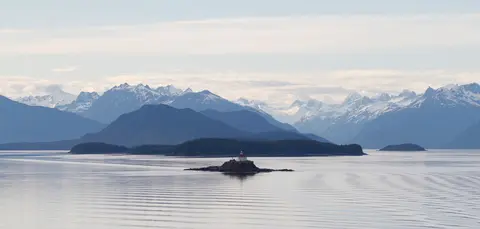
Skagway, joka sijaitsee Alaskan Lynn Canalin pohjoiskärjessä, on kultaryntäyksen aikainen kukoistuskaupunki, jonka aika on säilyttänyt lähes täydellisesti — rajaseudun pääkatu, jossa on valesokkelollisia kapakoita ja viktoriaanisia liiketiloja, nyt suojeltu kansallisena historiallisena puistona. Legendaarinen White Pass & Yukon Route -rautatie, joka valmistui vuonna 1900 Klondiken kultakenttien tarvikkeiden kuljettamista varten, kiipeää edelleen jyrkkää solaa vanhanaikaisissa vaunuissa, tarjoten Pohjois-Amerikan dramaattisimpia vuoristomaisemia. Jäätikkövaellukset ja helikopterikierrokset Juneau Icefieldin yllä odottavat seikkailunhaluisimpia. Touko–syyskuu tuo mukanaan pitkät arktiset päivät ja luotettavimman pääsyn kohteeseen.
Sitka began as a major Tlingit Indian village and was called “Shee Atika,” which translates roughly as “settlement on the outside of Shee.” “Shee” is the Tlingit name of Baranof Island. In 1799, Alexander Baranof, the general manager of the Russian American Company, decided to move his base of operations from Kodiak and set up camp at what is now called Old Sitka, 7.5 miles north of the present-day town. He called the settlement St. Archangel Michael. The Tlingit Indians of the area resisted the occupation and, in 1802, with Baranof away, burned the fort and massacred the Russian settlers. Two years later, Baranof returned and besieged the Indian fort. The Tlingits withdrew and the area was once again in Russian hands. This time, the Russians built the new city on a different site and called it New Archangel. For over six decades, New Archangel was the capital of the Russian empire in Alaska. By 1867, the Alaska colony had become too much of a financial burden to Russia. William Seward, U.S. Secretary of State, negotiated with the Russian Czar to purchase the Territory of Alaska for $7.2 million. The American press scoffed at Seward and the U.S. government for purchasing what they called “Seward's Folly,” “Seward's Icebox,” and “Walrussia.” On October 18, 1867, the Russian flag was lowered at New Archangel and the Stars and Stripes were raised over newly renamed Sitka. The name comes from the Tlingit word “Sheetkah,” which means “in this place.” All Russian citizens living in the former colony were given the opportunity to become American citizens. Many went home, although a few stayed or migrated to California. Sitka remained the capital of the Territory of Alaska from 1867 to 1906, when it was moved to Juneau. The move was a direct result of the gold rush. In plain terms, Sitka did not have any and Juneau did. After the Japanese attack on Pearl Harbor, Sitka became a full-scale naval base. At one time during the war, Sitka had a total population of 37,000. With the end of World War II, however, the city settled into a quieter existence. The biggest boom in modern days for Sitka came in 1959 when the Alaska Lumber and Pulp Company built a pulp mill at Silver Bay, near the city. Today, picturesque Sitka is known for its fishing and of course its many historic attractions.
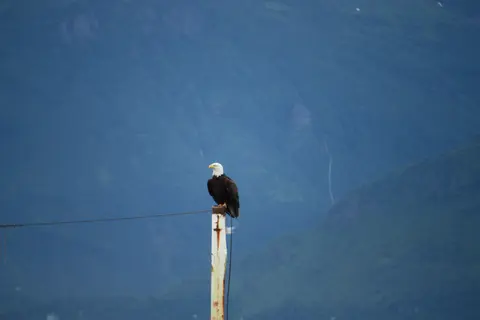
Valdez sijaitsee Prince William Soundin vuonon päässä, ympäröitynä Chugach-vuoristolla ja vuorovesijäätiköillä, jotka tekevät siitä yhden Alaskan vaikuttavimmista ja kuvauksellisimmista satamista. Pakollisiin elämyksiin kuuluu risteily Columbia-jäätikölle, kävely Worthington-jäätikölle sekä vastapyydetyn kampelan maistaminen satamanrannan ravintoloissa. Matkailusesonki kestää toukokuusta syyskuuhun, ja heinä-elokuu tuo mukanaan lohen nousun sekä lämpimimmät säät.
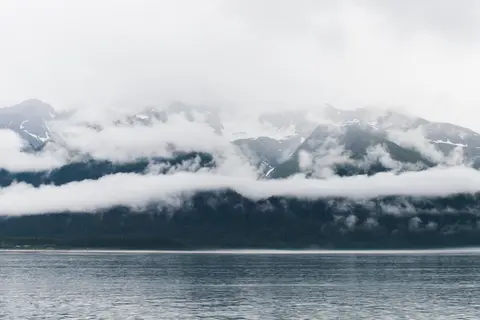
Seward, Alaska, on lumoava satama, joka tunnetaan upeista maisemistaan ja rikkaasta historiastaan kultaryntäyksen huoltokaupunkina. Pakollisiin kokemuksiin kuuluu vierailu Kenai Fjordsin kansallispuistossa sekä paikallisten herkkujen, kuten halibuttacojen ja akutaqin, maistelu. Paras aika vierailla on kesäkuukausina, jolloin luonnon kauneus on huipussaan ja ulkoilumahdollisuudet ovat lukuisat.
Day 1
Työntyneenä Tyynenmeren ja Coast-vuoriston väliin Vancouver on luonnollinen portti Alaskan sisäiseen kulkuväylään — kaupunki, jossa lauhkea sademetsä kohtaa lasiset tornit ja jossa Dungeness-ravun sekä villin sockeye-lohen maut määrittävät Tyynenmeren alueen keittiön, joka haastaa Pohjois-Amerikan parhaat. Kävele 22 kilometrin pituinen Stanley Parkin rantakatu, eksy Granville Islandin markkinoille ja ota sitten lautta Victoriaan ihailemaan edwardiaanista loistoa. Alaskan risteilykausi huipentuu toukokuusta syyskuuhun, tehden Vancouverista ihanteellisen lähtöpisteen yhdelle maailman upeimmista merimatkoista.
Day 2
Navigate through the intricate outlays of some of Alaska’s most staggering winter scenery, threading a needle between craggy, snow-dusted islands, and slipping glacial giants. To cruise this 500-mile stretch of Alaskan beauty is to sail through a living work of natural art - with perfectly sculpted mountains soaring from the shoreline, and clutches of islands scattered across the dark waters with delicate attention to detail. A common sailing route due to its calm sheltered waters, gorgeous natural set pieces constantly play out here - whether it’s killer whales accompanying you through the breathtaking icy passages, harbour seals catching a break on floating hunks of ice, or wisps of cloud clinging to distant mountain peaks. Witness Mother Nature at her most dramatic and elaborate along this Alaskan coastline, where glaciers groan and creak melodramatically, before finally releasing colossal shelves of ice, allowing them to free fall into the waters below, and explode with angry booms and thunderous splashes. While fundamental displays of nature’s power always awe and amaze, it’s the tranquil beauty of this passage - amid still waters, splitting only to reveal the smooth backs of breaching humpback whales – that is relentlessly moving. A journey of glaciers, remote hidden villages, and carved fjords - the Inside Passage is a breathtaking voyage through the intricate mesh of Alaska’s fractured, raw and spectacular coastal landscapes.
Day 3
Ketchikan nojailee Revillagigedo-saarella Alaskan kaakkoisessa niemimaassa — kaupunki, joka on niin kapea, että paikalliset vitsailevat sen olevan kolme mailia pitkä ja kolme korttelia leveä. Tlingit-kansa on vuosisatojen ajan kunnioittanut tätä paikkaa runsaiden lohien kotiympäristönä, ja nykyään se tunnetaan maailman totemipylväiden pääkaupunkina: Saxman Native Village ja Totem Bight State Historical Park säilyttävät merkittävimmän kokoelman näitä monumentaalisia taideteoksia. Creek Street, värikkäiden historiallisten talojen laiturikatu, joka on rakennettu Ketchikanin puron ylle, on ehdoton vierailukohde. Kesä (touko–syyskuu) tarjoaa parhaan sään, jolloin puroissa voi nähdä lohien vaelluksen.
Day 4
Yhdysvaltojen ainoa osavaltion pääkaupunki, johon ei pääse maanteitse, Juneau palkitsee matkansa villillä suuruudellaan, jota harvat kaupungit maailmassa voivat ylittää. Mendenhallin jäätikkö — ikiaikaisen jään elävä joki — sijaitsee vain viisitoista minuuttia keskustasta, missä vesitasot leijailevat merenrannalla, jota reunustavat kuusimetsien peittämät vuoret, jotka syöksyvät suoraan mereen. Pakollinen elämys on helikopterin laskeutuminen jäätikön ylle tai valassafarin tekeminen Stephens Passagessa, missä kuuttahait hyppivät hämmästyttävän lähellä. Juneau on lämpimimmillään kesäkuusta elokuuhun, vaikka kesäpäivät voivatkin tuoda mukanaan kuuluisan Kaakkois-Alaskan sateen, joka pitää sademetsän ikuisesti hohtavana.
Day 5
Skagway, joka sijaitsee Alaskan Lynn Canalin pohjoiskärjessä, on kultaryntäyksen aikainen kukoistuskaupunki, jonka aika on säilyttänyt lähes täydellisesti — rajaseudun pääkatu, jossa on valesokkelollisia kapakoita ja viktoriaanisia liiketiloja, nyt suojeltu kansallisena historiallisena puistona. Legendaarinen White Pass & Yukon Route -rautatie, joka valmistui vuonna 1900 Klondiken kultakenttien tarvikkeiden kuljettamista varten, kiipeää edelleen jyrkkää solaa vanhanaikaisissa vaunuissa, tarjoten Pohjois-Amerikan dramaattisimpia vuoristomaisemia. Jäätikkövaellukset ja helikopterikierrokset Juneau Icefieldin yllä odottavat seikkailunhaluisimpia. Touko–syyskuu tuo mukanaan pitkät arktiset päivät ja luotettavimman pääsyn kohteeseen.
Day 6
Sitka began as a major Tlingit Indian village and was called “Shee Atika,” which translates roughly as “settlement on the outside of Shee.” “Shee” is the Tlingit name of Baranof Island. In 1799, Alexander Baranof, the general manager of the Russian American Company, decided to move his base of operations from Kodiak and set up camp at what is now called Old Sitka, 7.5 miles north of the present-day town. He called the settlement St. Archangel Michael. The Tlingit Indians of the area resisted the occupation and, in 1802, with Baranof away, burned the fort and massacred the Russian settlers. Two years later, Baranof returned and besieged the Indian fort. The Tlingits withdrew and the area was once again in Russian hands. This time, the Russians built the new city on a different site and called it New Archangel. For over six decades, New Archangel was the capital of the Russian empire in Alaska. By 1867, the Alaska colony had become too much of a financial burden to Russia. William Seward, U.S. Secretary of State, negotiated with the Russian Czar to purchase the Territory of Alaska for $7.2 million. The American press scoffed at Seward and the U.S. government for purchasing what they called “Seward's Folly,” “Seward's Icebox,” and “Walrussia.” On October 18, 1867, the Russian flag was lowered at New Archangel and the Stars and Stripes were raised over newly renamed Sitka. The name comes from the Tlingit word “Sheetkah,” which means “in this place.” All Russian citizens living in the former colony were given the opportunity to become American citizens. Many went home, although a few stayed or migrated to California. Sitka remained the capital of the Territory of Alaska from 1867 to 1906, when it was moved to Juneau. The move was a direct result of the gold rush. In plain terms, Sitka did not have any and Juneau did. After the Japanese attack on Pearl Harbor, Sitka became a full-scale naval base. At one time during the war, Sitka had a total population of 37,000. With the end of World War II, however, the city settled into a quieter existence. The biggest boom in modern days for Sitka came in 1959 when the Alaska Lumber and Pulp Company built a pulp mill at Silver Bay, near the city. Today, picturesque Sitka is known for its fishing and of course its many historic attractions.
Day 7
Valdez sijaitsee Prince William Soundin vuonon päässä, ympäröitynä Chugach-vuoristolla ja vuorovesijäätiköillä, jotka tekevät siitä yhden Alaskan vaikuttavimmista ja kuvauksellisimmista satamista. Pakollisiin elämyksiin kuuluu risteily Columbia-jäätikölle, kävely Worthington-jäätikölle sekä vastapyydetyn kampelan maistaminen satamanrannan ravintoloissa. Matkailusesonki kestää toukokuusta syyskuuhun, ja heinä-elokuu tuo mukanaan lohen nousun sekä lämpimimmät säät.
Day 8
Seward, Alaska, on lumoava satama, joka tunnetaan upeista maisemistaan ja rikkaasta historiastaan kultaryntäyksen huoltokaupunkina. Pakollisiin kokemuksiin kuuluu vierailu Kenai Fjordsin kansallispuistossa sekä paikallisten herkkujen, kuten halibuttacojen ja akutaqin, maistelu. Paras aika vierailla on kesäkuukausina, jolloin luonnon kauneus on huipussaan ja ulkoilumahdollisuudet ovat lukuisat.
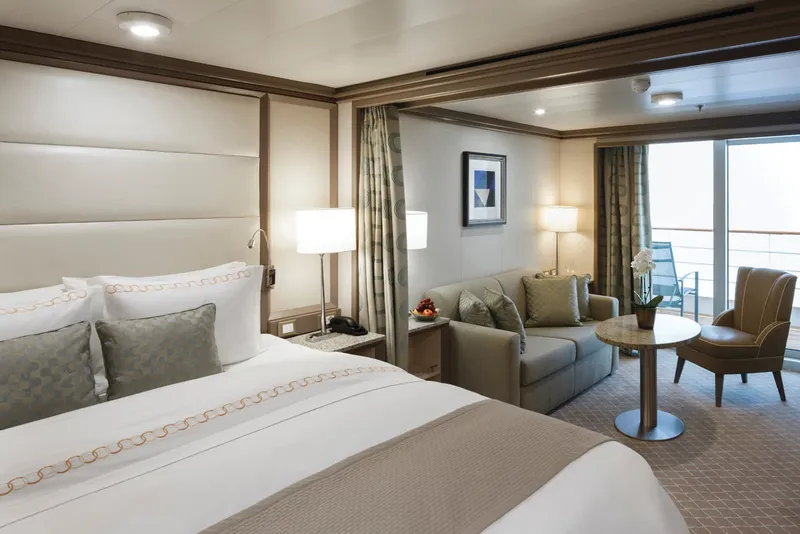
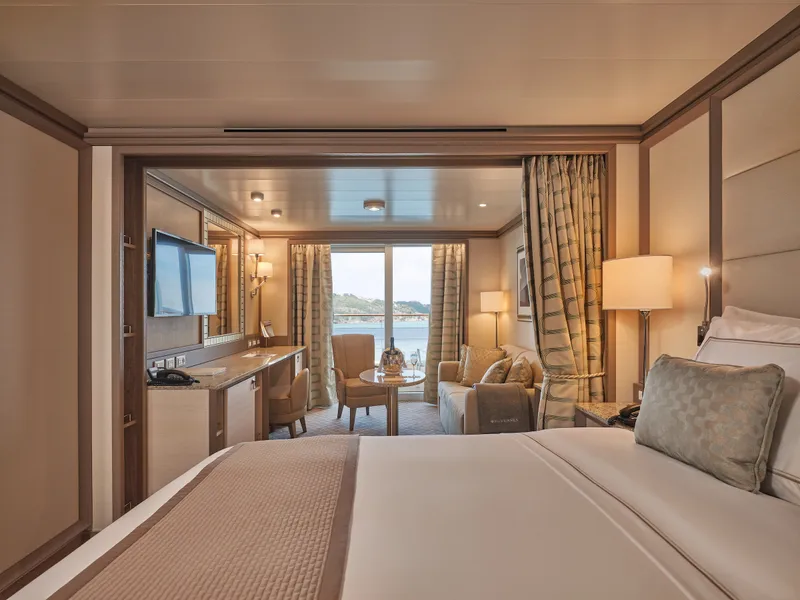
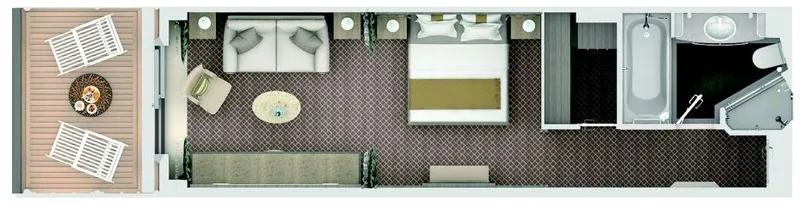
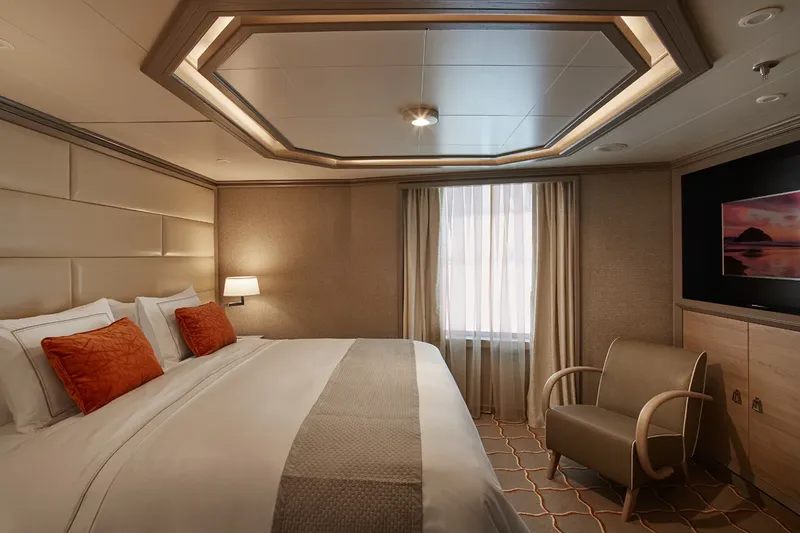
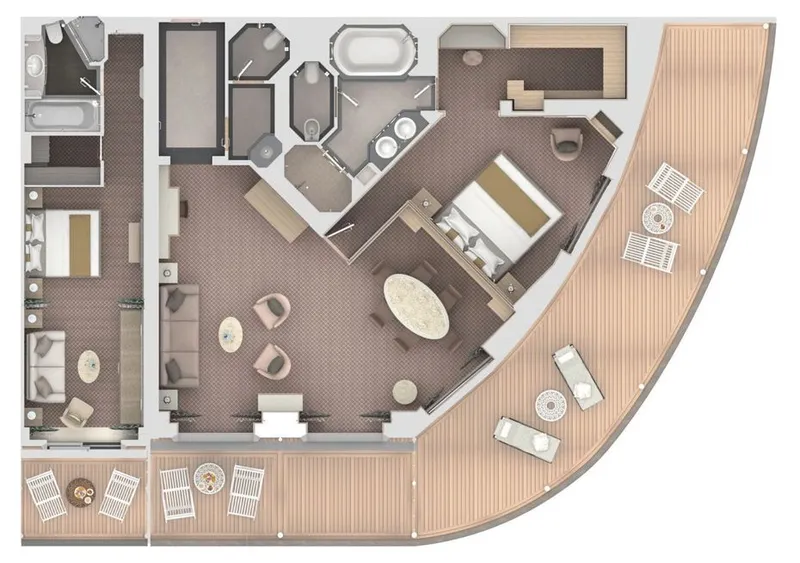
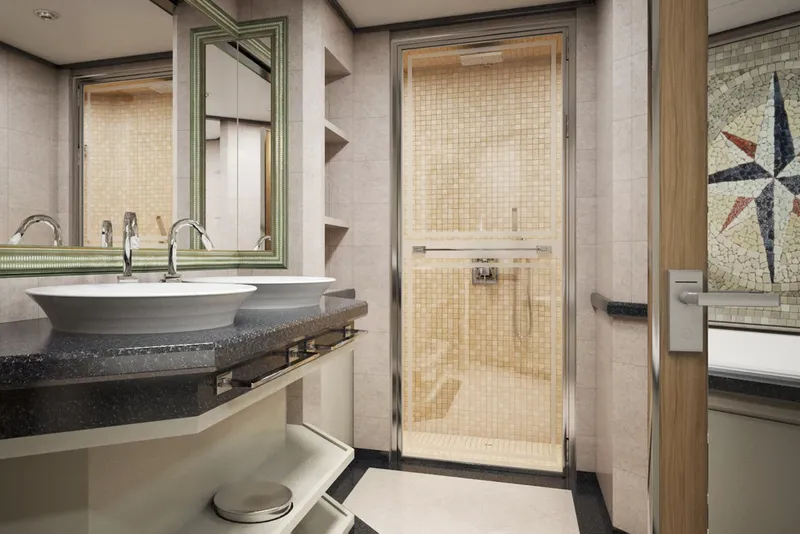
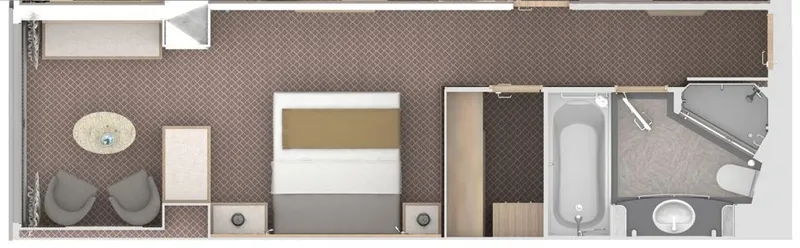
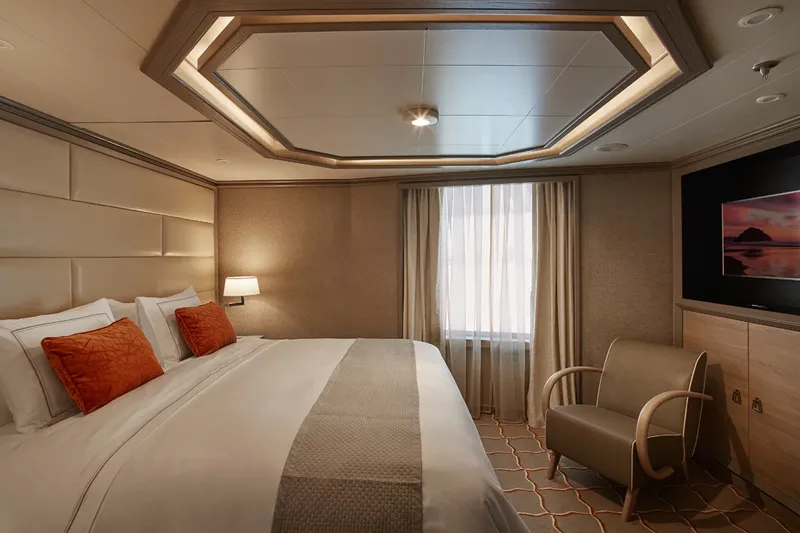
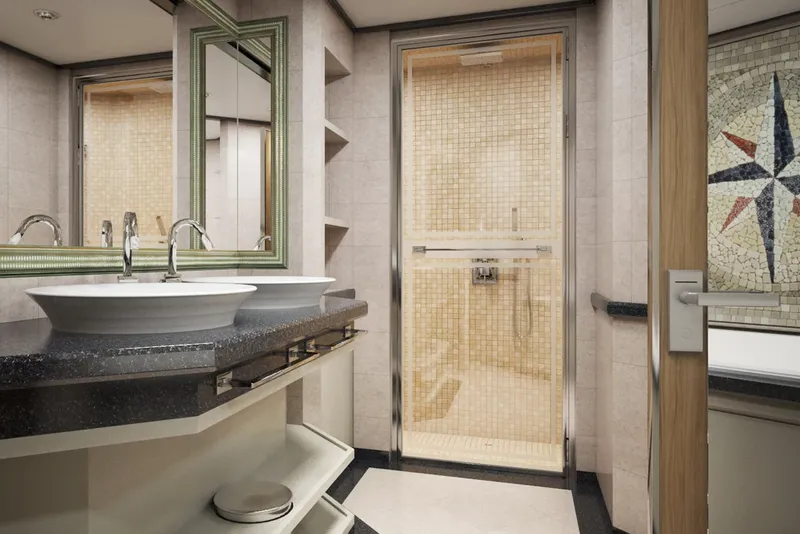

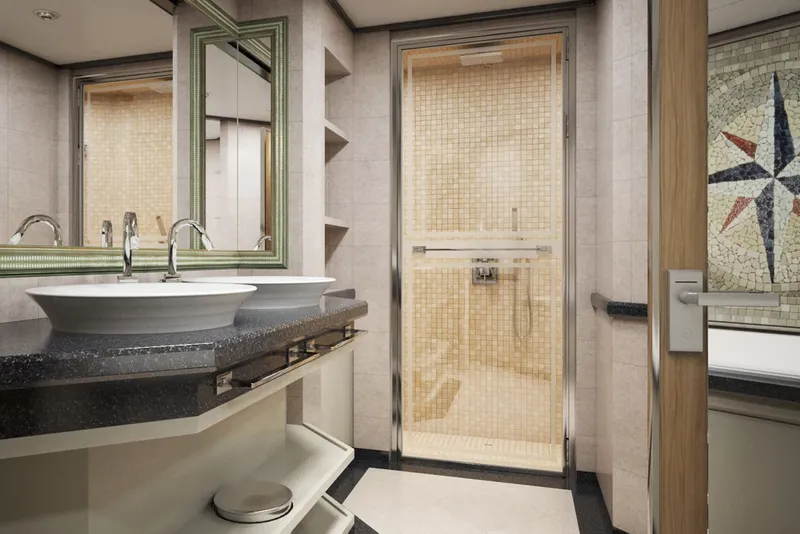

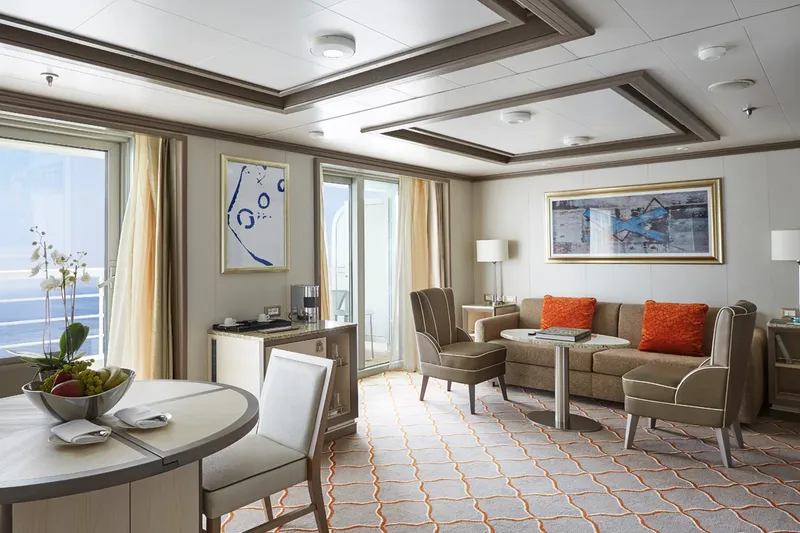
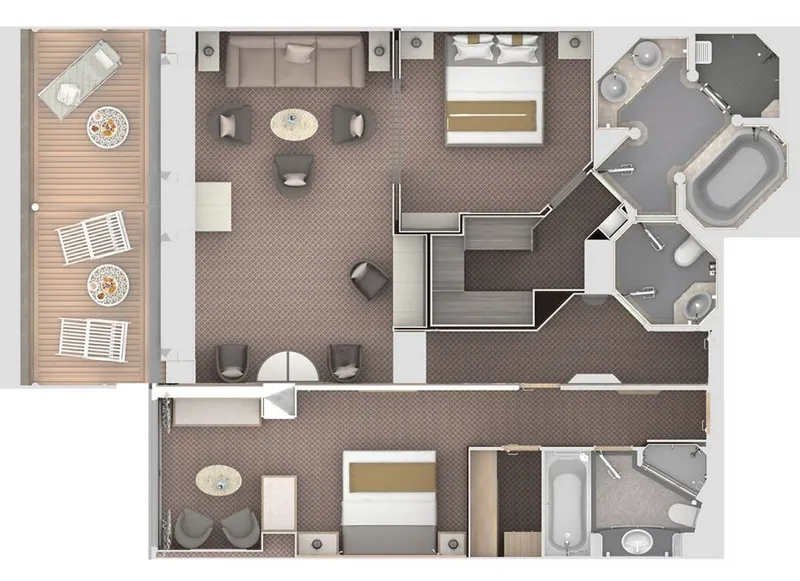
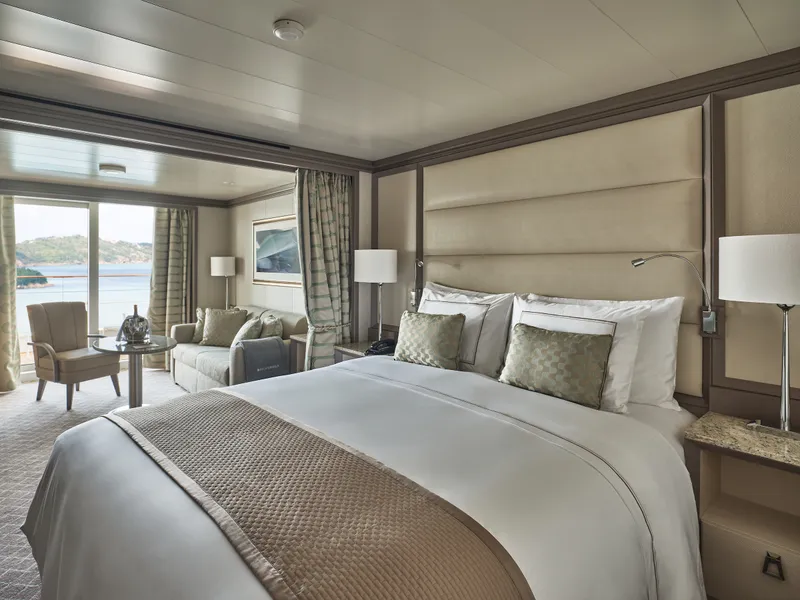
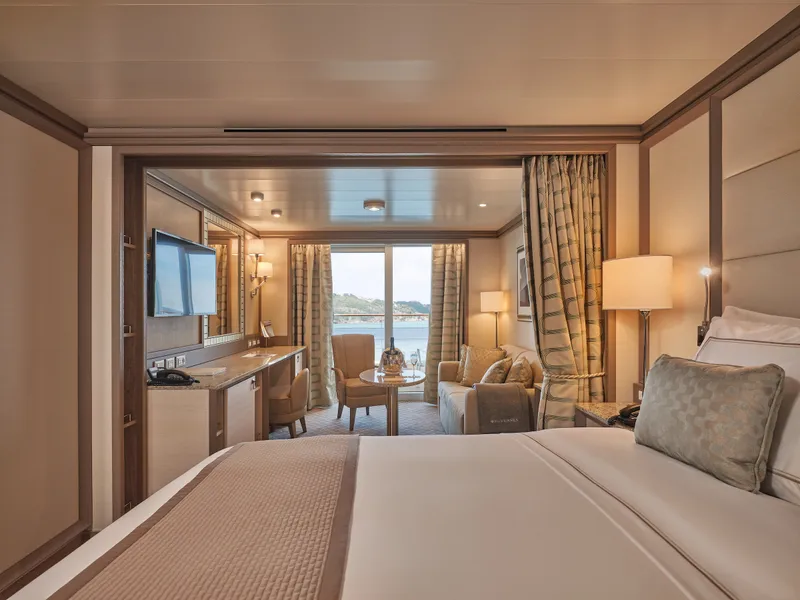
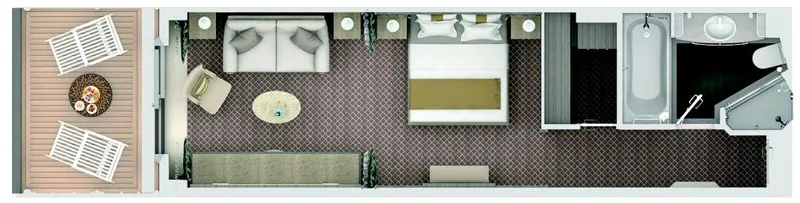
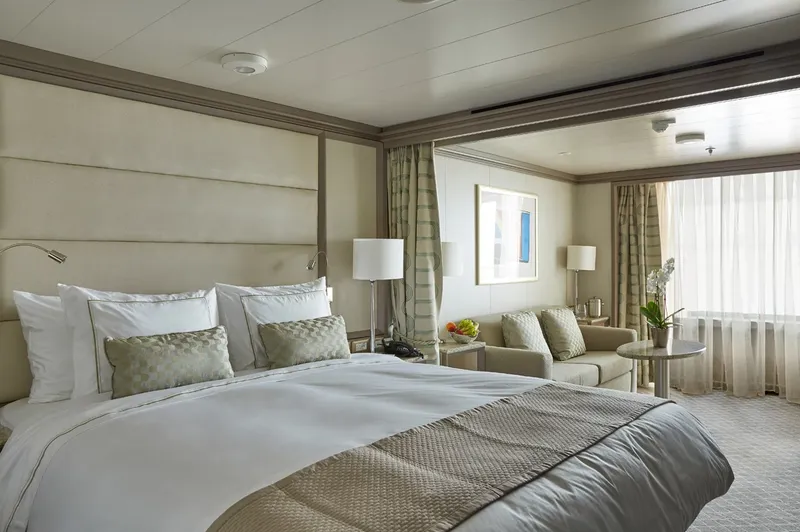
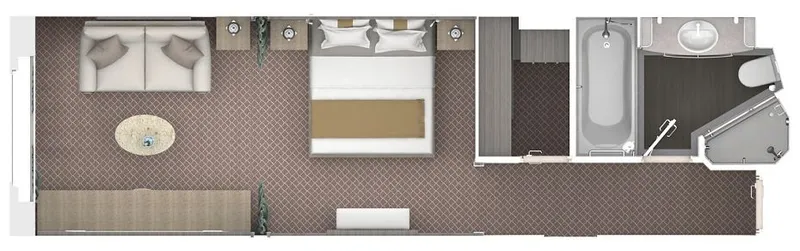
Our cruise specialists can help you find the perfect cabin and the best available pricing.
(+886) 02-2721-7300Contact Advisor