Iso-Britannia
Oban
Oban, UK
36 voyages
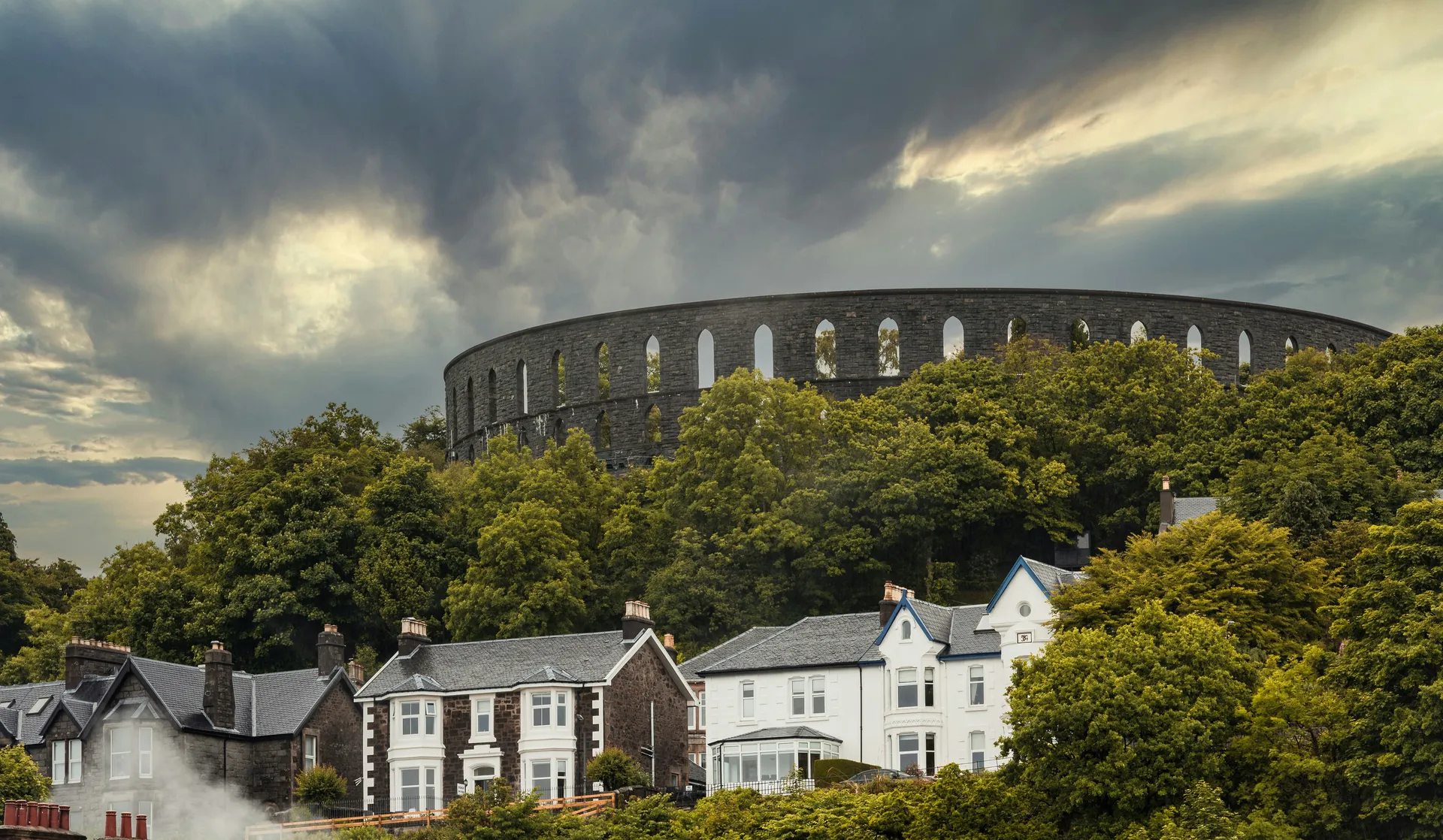
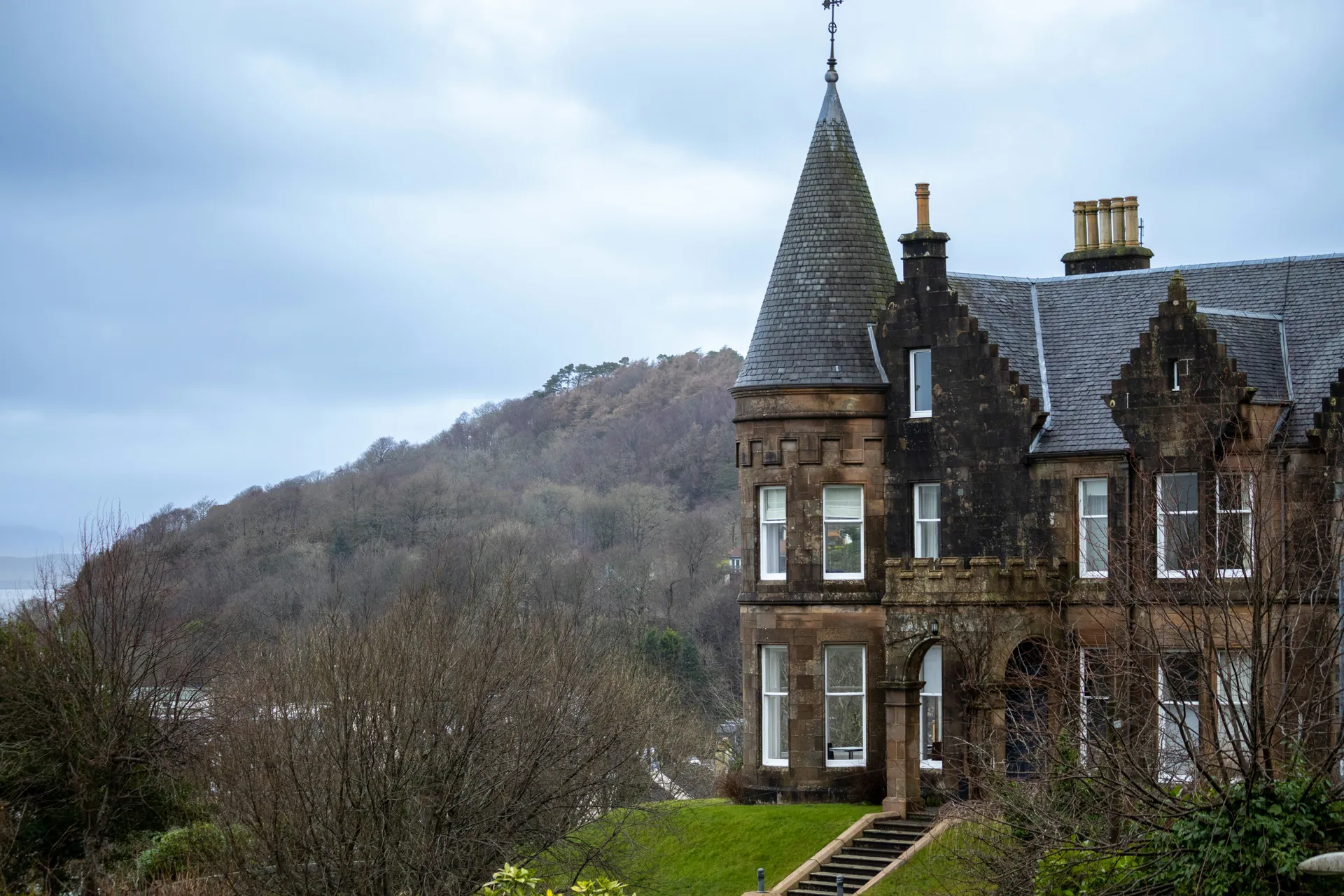
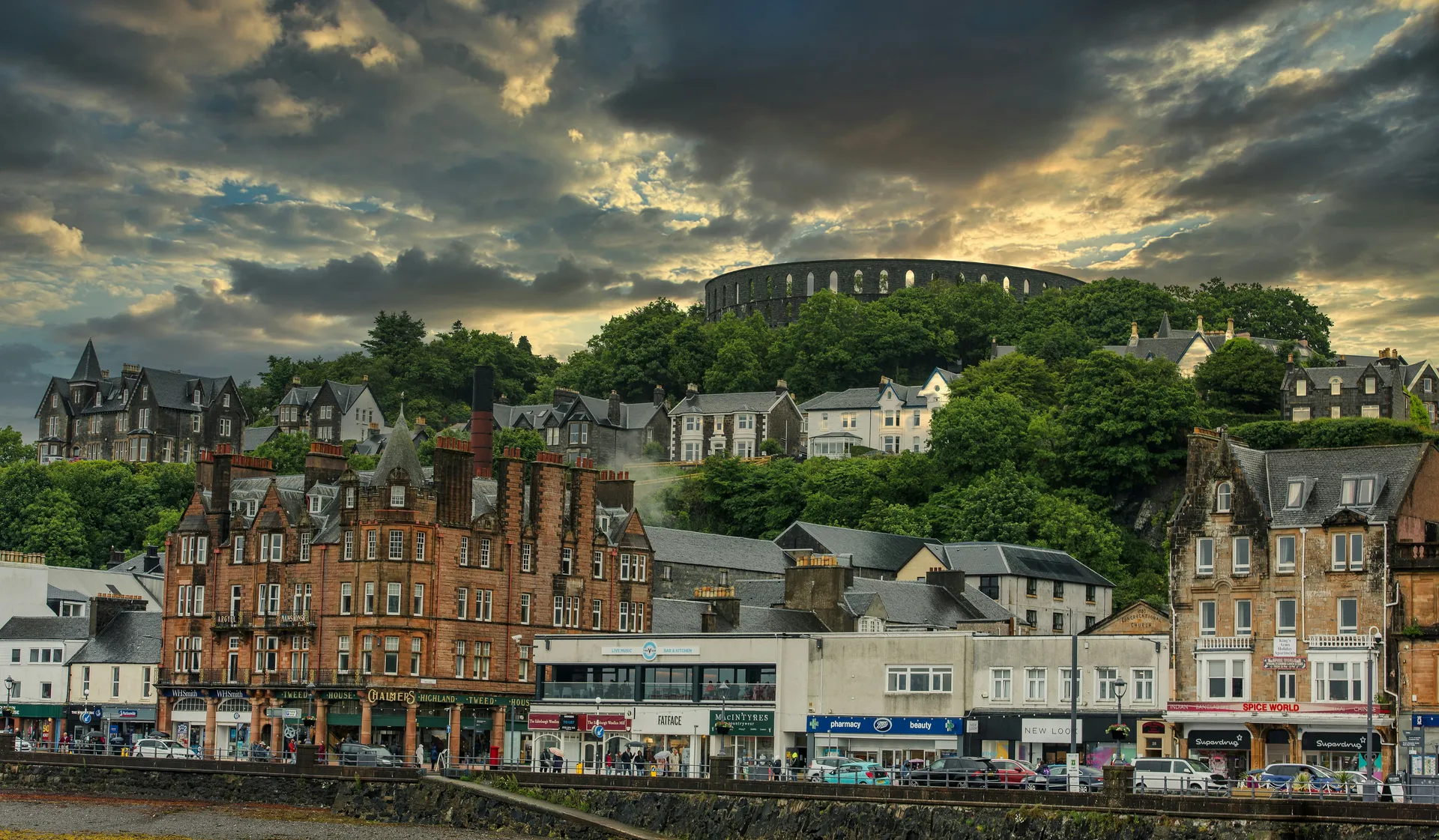
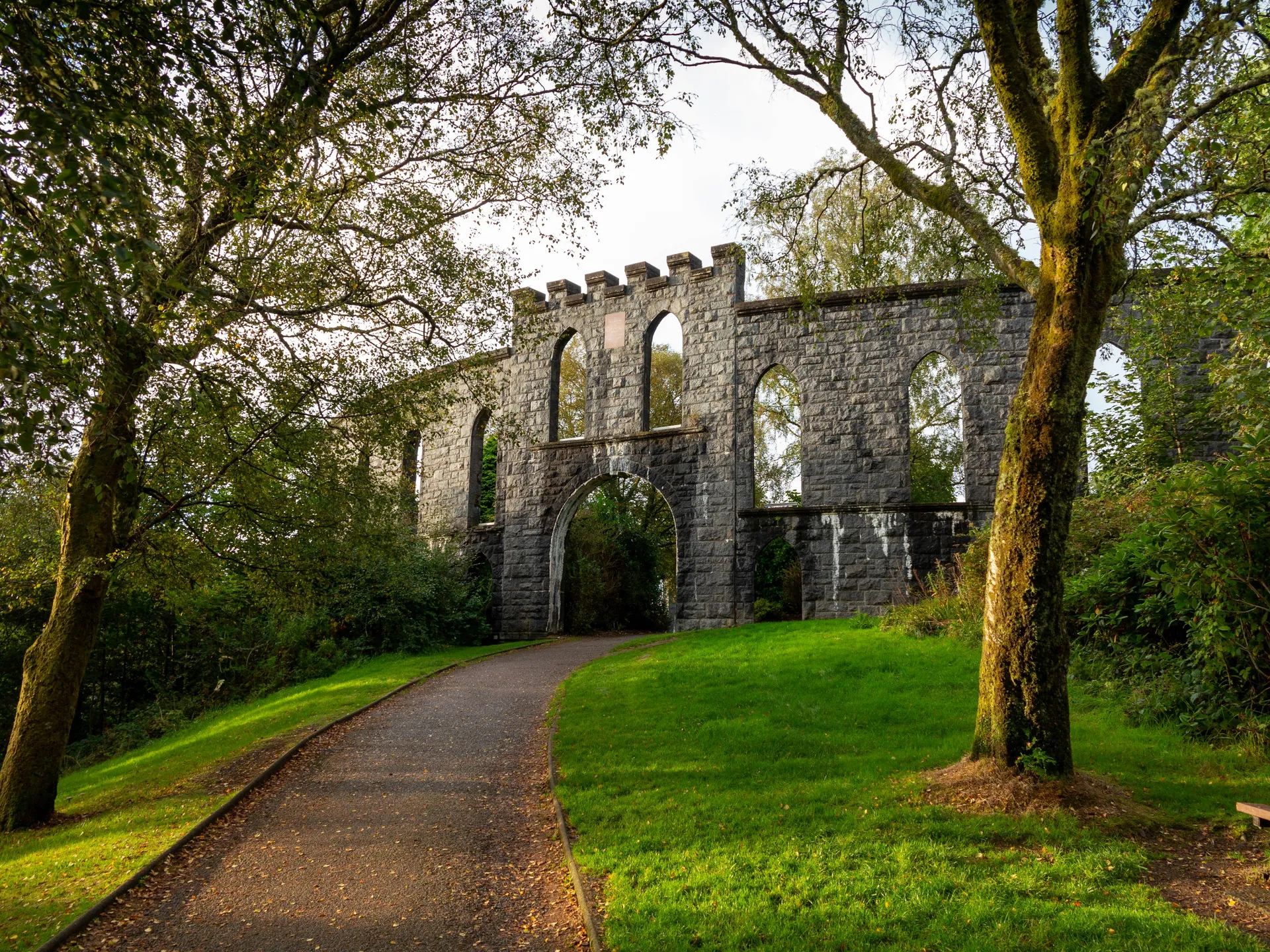
Skotlannin länsirannikolla, missä manner murtuu merilohkareiden palapeliksi ja Sisä-Hebridit levittäytyvät horisonttiin, pieni Obanin kaupunki kiertyy hevosenkengän muotoisen lahden ympärille kuin amfiteatteri, joka katsoo Atlantin näyttämölle. Tunnettu nimellä Portti saarille, Oban on toiminut lähtöpisteenä Hebridien saarihyppelylle jo viktoriaaniselta ajalta lähtien, jolloin rautatien saapuminen muutti vaatimattoman kalasataman muodikkaaksi lomakohteeksi. Nykyään sen rantaviiva—joka on reunustettu mereneläväravintoloilla, viktoriaanisilla majataloilla ja kukkulalla kohoavalla vaikuttavalla, kolosseumimaisella McCaigin tornilla—on edelleen yksi Skotlannin viehättävimmistä rannikkonäkymistä.
Obanin identiteetti on erottamattomasti sidoksissa meren antimiin. Kaupungin sataman myyntikojut ja ravintolat tarjoavat langustineja, osteria, kampasimpukoita ja rapuja, joiden tuoreus heijastaa päivän saalista Mullin salmesta ja Loch Linnhestä. Kuuluisa Oban Seafood Hut, vihreä koppi laiturilla, on saavuttanut lähes legendaarisen maineen yksinkertaisesti valmistetuista äyriäisistään—todiste siitä, että näin tuoreilla raaka-aineilla paras ruoanlaitto on vähäeleisintä. Obanin tislaamo, yksi Skotlannin vanhimmista ja harvoista jäljellä olevista kaupunkitislaamoista, valmistaa 14-vuotiaan single malt -viskin, jonka merellinen, hunajaisen makea luonne muotoutuu Atlantin ilman vaikutuksesta, joka läpäisee sen varaston.
Obanista käsin saavutettavat saaret muodostavat joitakin Skotlannin tarunhohtoisimmista maisemista. Suurin saari Mull johdattaa pyhälle Ionan saarelle, jossa Pyhä Kolumba perusti luostarin, joka kristillisti Skotlannin vuonna 563 jKr.—saaren luostari, joka on entisöity keskiaikaisista raunioista, ja sen valkoiset hiekkarannat turkoosin veden äärellä muodostavat pyhiinvaelluskohteen, joka ylittää uskonnolliset rajat. Staffa, asumatonta tulivuorisaarta, suojelee Fingalin luolaa—merenrantaluolaa, jonka kuusikulmaiset basalttipylväät inspiroivat Mendelssohnin Hebridien alkusoittoa. Kerrera, vain viiden minuutin lauttamatkan päässä Obanista, tarjoaa kävelyreittejä 1500-luvun linnan raunioille ja näkymiä mantereelle.
Obanin ympäröivä manner on yhtä kiehtova. Castle Stalker, nelikerroksinen tornitalo vuorovesisaarella Loch Laichissa (joka ikuistettiin Monty Pythonin ja Pyhän Graalin Castle of Aaaaargh -nimellä), on yksi Skotlannin valokuvatuimmista linnoista. Dunstaffnagen linnan rauniot, yksi Skotlannin vanhimmista kivilinnoista, vartioivat Loch Etiven sisäänkäyntiä. Glen Coe, yksi Skotlannin dramaattisimmista ja historiallisesti latautuneimmista laaksoista—paikka vuoden 1692 verilöylylle—sijaitsee tunnin ajomatkan päässä pohjoiseen.
Cunard, Scenic Ocean Cruises ja Silversea tuovat kaikki aluksensa Obanin suojaisaan lahteen, houkuttelevina sen pikkukaupungin skotlantilaisella viehätyksellä, maailmankuululla merenelävien tarjonnalla ja porttina Hebridien saaristoon. Lahden luonnollinen satama tarjoaa rauhallisen ankkuripaikan, ja kaupungin kompakti rantaviiva tekee kävelystä nautinnon. Touko–syyskuu tarjoaa parhaan sään ja pisimmät päivät, vaikka Skotlannin länsirannikon sää pysyy ihastuttavan arvaamattomana – pakkaa kerroksia ja anna pilvien kiitävän Hebridien taivaalla luoda draamaa.
Gallery