Estados Unidos
Darrow, Louisiana (USA)
49 voyages
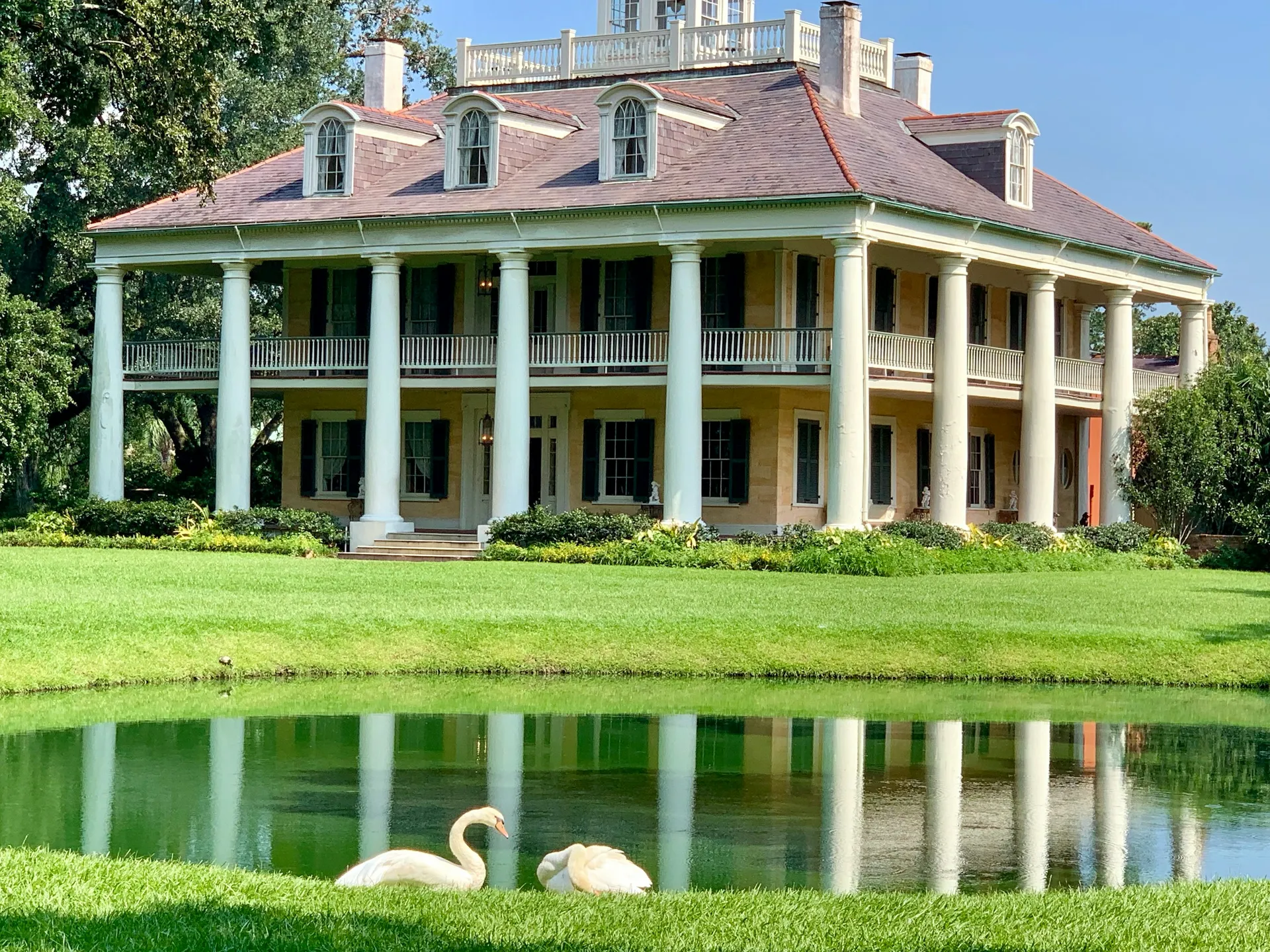
Nakatagong sa isang malambing na liko ng Ilog Mississippi sa Ascension Parish, ang Darrow, Louisiana, ay may dalang tahimik na bigat ng mga siglo. Ang komunidad ay nakaupo sa puso ng kwentong River Road, isang pasilyo kung saan ang mga ambisyon ng kolonyal na Pransya, pamamahala ng Espanya, at ang malupit na ekonomiya ng pagtatanim ng asukal ay humubog sa isa sa mga pinaka-arkitekturang kahanga-hangang bahagi sa Timog Amerika. Dito matatagpuan ang Houmas House — minsang tinawag na "Sugar Palace" dahil sa nakakamanghang yaman na nalikha ng mga taniman nito ng tubo — na umaangat mula sa ilalim ng canopy ng mga live oak, ang mga haligi nitong Greek Revival ay isang patunay sa isang panahon kung saan ang mga parokya ng ilog sa Louisiana ay nagmamay-ari ng mga kayamanan na kasing yaman ng mga ari-arian sa Europa.
Ang pagdating sa Darrow sa pamamagitan ng tubig ay isang pag-unawa sa Mississippi hindi bilang heograpiya kundi bilang kwento. Ang ilog ay yumuyuko dito na may sinematograpikong pag-iingat, na nagbubunyag ng isang tanawin kung saan ang mga daan ng daang-taong-gulang na mga oak ay nag-frame sa mga tahanan ng plantasyon at ang Spanish moss ay nakalaylay sa abot-tanaw na parang bulong ng alaala. Ang takbo ng buhay dito ay hindi nagmamadali, halos may kasabwat sa kanyang katahimikan, at ang hangin ay nagdadala ng mineral na tamis ng mayamang alluvial na lupa na pinagsasama ang bahagyang pabango ng magnolia at jasmine. Ito ay hindi isang destinasyon na nag-aanunsyo ng sarili — ito ay humihikbi sa iyo, ginagantimpalaan ang mga nagtatagal nang sapat upang makinig.
Ang mga tradisyon sa lutuing ito ng parokya sa Ilog Mississippi ay nakaugat sa Cajun-Creole na patuloy na naglalarawan sa timog ng Louisiana. Ang wastong pagsasaliksik ay nagsisimula sa isang mangkok ng chicken at andouille gumbo, ang madilim na roux nito ay kulay mahogany at ang lalim ng lasa ay nangangailangan ng pasensya ng isang hapon ng Linggo. Ang crawfish étouffée, ang makinis na sarsa nito ay pinagsama ng banal na trinidad ng sibuyas, kintsay, at paminta, ay nagsasalaysay ng malapit na ugnayan ng rehiyon sa mga daluyan ng tubig at mga wetland nito. Huwag umalis nang hindi natitikman ang buttery pecan praline mula sa isang lokal na gumagawa ng kendi — ang matamis na ito, na nagiging crumbling sa mga gilid, ay ang Louisiana na nakasama sa isang kagat. Para sa mga may mapaghimagsik na panlasa, ang boudin — isang Cajun na sausage na gawa sa baboy at bigas na tinimplahan ng bawang at cayenne — ay nag-aalok ng walang palamuti na lasa ng kusina ng bayou.
Habang ang Darrow mismo ay nagbibigay gantimpala sa pagninilay-nilay kaysa sa bilis, ang mas malawak na paglalakbay na pinagmumulan nito ay nagpapakita ng nakakabighaning saklaw ng heograpiya ng Amerika. Ang mga itineraryo ng ilog ng Viking ay nag-uugnay sa parokya ng Mississippi sa mga tanawin na halos labis na kaibahan — mula sa mga buhangin na may kulay korales ng Coral Pink Sand Dunes National Park sa Utah, kung saan ang Navajo sandstone ay kumikislap na parang mga baga sa dapit-hapon, hanggang sa alpine na kadakilaan ng Salt Lake City, na nakayakap sa pagitan ng Wasatch Range at ng Great Salt Lake. Sa mas malalayong lugar, ang bayan ng Bishop sa Eastern Sierra, California, ay nag-aalok ng world-class na pag-akyat sa ilalim ng mga granite spire ng Buttermilk Boulders, habang ang lungsod ng Wilmington ay nagtatampok ng sarili nitong kabanata ng pamana ng pandagat ng Amerika. Ang mga destinasyong ito, na magkakaugnay sa pamamagitan ng maingat na disenyo ng itineraryo, ay nagiging sanhi ng isang solong paglalakbay na maging isang pagsusuri ng mga pinaka-kapansin-pansing kaibahan ng kontinente.
Dumarating ang mga barko ng Viking sa Darrow na may tahimik na katumpakan na naging pirma ng linya. Ang mga pasahero ay bumababa upang tuklasin ang Houmas House at ang mga maingat na naibalik na hardin nito, kung saan ang ugnayan ng kasaysayan, hortikultura, at Southern hospitality ay lumilikha ng isang karanasang lumalampas sa karaniwang shore excursion. Ang pagbibigay-diin ng Viking sa kultural na pagsasawsaw — mga tour na pinangunahan ng mga eksperto, hindi nagmamadaling iskedyul, at isang paggalang sa mga kwentong nakaukit sa bawat destinasyon — ay ginagawang isa sa mga pinaka-maimpluwensyang hintuan ang Darrow sa mga itineraryo nito sa Mississippi. Tinitiyak ng karanasan sa maliit na barko ang isang pakikipag-ugnayan sa ilog mismo, ang mga agos at damdamin nito ay nagiging bahagi ng paglalakbay gaya ng anumang solong daungan.
Ang nananatili pagkatapos ng Darrow ay hindi ang mga tanawin kundi ang atmospera — ang paraan ng pagpasok ng liwanag ng hapon sa pamamagitan ng Spanish moss, ang tunog ng graba sa ilalim ng mga paa sa isang landas ng plantasyon, ang pakiramdam na ang payat na sinulid ng daan ng ilog na ito ay nagdadala ng higit pang kasaysayan ng Amerika sa bawat milya kaysa halos saan mang dako sa bansa. Ito ay isang lugar na pinakamainam na namnamin nang dahan-dahan, mas mabuti na may baso ng isang bagay na amber sa kamay at walang ibang pupuntahan.
Gallery