איטליה
מזורבו
Mazzorbo
83 voyages
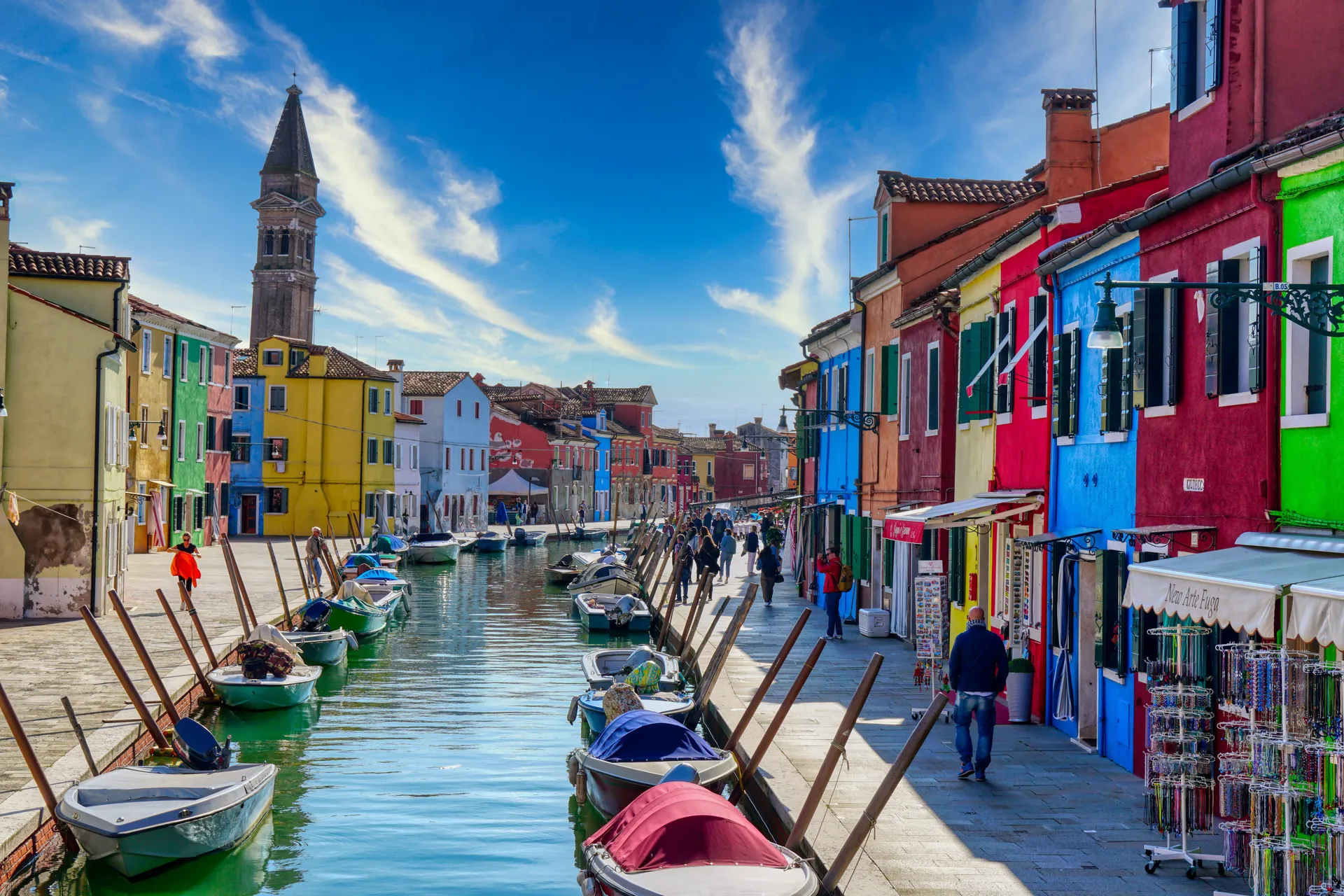
ממוקמת בצפון הלגונה הוונציאנית, מזורבו נושאת על כתפיה את המשקל השקט של אלף שנות היסטוריה. פעם הייתה יישוב משגשג מהתקופה medieval עם פאלאצים, כנסיות וביצות מלח שהתחרו בעושר של בורנו השכנה, האי הלך והפסיד בהדרגה את מעמדו למשיכת הכבידה של ונציה. מה שנותר היום הוא כנסיית סנטה קתרינה מהמאה ה-14, מגדל הפעמונים הגותי שלה עדיין חודר את שמי הלגונה, ונוף שמלחש על הפריפריה הנשכחת של הרפובליקה — מקום שבו הזמן בחר בשקט על פני מופע.
להגיע למזורבו זה כמו לצעוד אל ונציה שרוב המבקרים לעולם לא פוגשים. מחובר לעושר הצבעוני של בורנו על ידי גשר עץ צנוע, האי הזה מציע אישיות ייחודית משלו — אחת המוגדרת לא על ידי חזיתות צבועות אלא על ידי שטחים רחבים של אדמה מעובדת, שורות כרמים שתופסות את אור האדריאטי, ושבילי הליכה מגודלים בארטישוקים פראיים ולבנדר. האוויר כאן נושא את הבושם המלוח של הלגונה מעורבב במשהו ירוק יותר, יותר ארצי. מזורבו מרגיש פחות כמו אי ויותר כמו גן תלוי בין ים לשמיים, כאשר הדחיפות היחידה היא של הגאות.
זהות הגסטרונומיה של האי בלתי נפרדת מהטרואר שלו. אחוזת היין המפורסמת וניסה מגדלת את ענבי הדורונה כמעט הנכחדים — זן בעל קליפה זהובה שהנזירים הוונציאנים טיפחו במשך מאות שנים לפני שהאקו אלטה והזנחה כמעט מחקו אותו מהקיום. ארוחה באוסטריה של וניסה עשויה להתחיל עם מואכה, סרטן רך קליפה שנקטף רק בעונות הנשירה הקצרות בלגונה, ואחריה ריזוטו די גו, הכנה עדינה המשלבת את דג הגובי המקומי. שילוב עם כוס מהדורונה הזוהרת של האחוזה, עם מינרליות מלוחה שהיא דיוקן נוזלי של הלגונה עצמה, מסביר מדוע האי הזה הפך לאתר עלייה לרגל עבור גסטרונומים שצ exhaustedו את ההיצע של ריאלטו. גני המטבח מספקים ארטישוקים סגולים וקאסטרורה — הניצנים הראשונים המוערכים של העונה — לצד עשבים שמעטרים כל צלחת בתחושת מקום בלתי ניתנת להחמצה.
הלגונה והחוף שסובבים את מאזורבו מתגמלים את מי שמעוניינים לחקור מעבר לגבולות השקטים שלה. נסיעה קצרה בוואפורטו תביא אתכם לאטליירים של עבודות זכוכית במורנו או למוזאיקות הביזנטיות של טורצ'לו, בעוד שהיבשת נפתחת לעבר הדלתא הפורייה של נהר הפו ליד פורטו וירו, שם פלמינגואים משוטטים בביצות של עושר אקולוגי יוצא דופן. רחוק יותר, האי טוסקני אלבה קורא לכם מפורטופרראיו, עם מגורי נפוליאון שלו ומפרצים קריסטליים, המהווים ניגוד מרהיב לפלטת הצבעים המנומנמת של הלגונה. מי שמתכננים מסלול ambי שאפתני יותר עשויים להעז לדרום לקליארי, שם בירת סרדיניה מתפרסת על רובע הקסטלו שלה מעל חוף ים תיכוני בצבע כחול כמעט בלתי אפשרי — או לחפש את הגבעות השקטות ליד קנדלי, שם וילות פלורנטיניות משקיפות על עמק הארנו במנוחה פטריציאנית.
למטיילים המיומנים המעדיפים את הגילויים שלהם מעוצבים ולא כאוטיים, מספקות הפלגות נהר של יוניוורלד שער יוצא דופן לפינה זו של העולם הוונציאני. הספינות האינטימיות שלהן משייטות בערוצים הרדודים של הלגונה עם חן שאין ספינות גדולות יכולות לשחזר, ומביאות את האורחים עד לדלת של מאזורבו כחלק מהמסלולים הרחבים יותר דרך נתיבי המים של צפון איטליה. החוויה של לשוט ליד הביצות בשעת שקיעה, כוס פרוסקו תופסת את האור הענברי האחרון, לפני שנוחתים לאכול בין גפני הדורונה — זו הפלגת נהר מזוקקת למהותה הפואטית ביותר. תשומת הלב של יוניוורלד לתוכניות קולינריות עושה את הביקורים בלגונה הוונציאנית שלהם למתגמלים במיוחד, לעיתים קרובות כוללים טעימות פרטיות וביקורים באחוזות שהמטיילים העצמאיים יתקשו לארגן.
מאזורבו לא מבקשת דבר מהמבקרים שלה פרט לנוכחות. אין תורים, אין מסלולי סלפי, אין גונדוליירים ששרים עבור טיפ. יש רק את הכרם, את הלגונה, את הכנסייה העתיקה, ואת הפאר המוזר של אי שהחליט, לאחר אלף שנה של היסטוריה, שהשקט הוא ההצעה היקרה ביותר שלו.
Gallery