פרו
קוסקו
Cusco
56 voyages
קוסקו — קוסקו בקצ'ואה, שפירושו "טבור העולם" — שוכנת בגובה 3,399 מטרים בהרי האנדים הפרואניים, עיר שהאבנים שלה מספרות את סיפור ההתנגשות בין תרבויות. בירת האינקה, שהוקמה לפי האגדה על ידי מנקו קאפאק במאה ה-12, שופצה על ידי פאצ'אקוטי לעיר אימפריאלית של מקדשים, ארמונות ורחבות, אשר עוצבו בדמות פומה. כאשר הגיעו הכובשים הספרדים בשנת 1533, הם התפעלו מהעבודות האבן — קירות של בלוקים גרניטיים מותאמים בדיוק, מחוברים ללא מלט ומורכבים בצורה כה מושלמת שאין מקום להכניס בין לבין להב של סכין — לפני שהרסו באופן שיטתי את המבנים האינקיים ובנו את הכנסיות, המנזרים והארמונות שלהם על היסודות. התוצאה היא עיר של שכבות יוצאות דופן: קירות האינקה תומכים בכנסיות הקולוניאליות הספרדיות, אשר בתורן קושטו על ידי ציירי בית הספר הקוסקני ששילבו טכניקות אירופיות עם אייקונוגרפיה אנדינית.
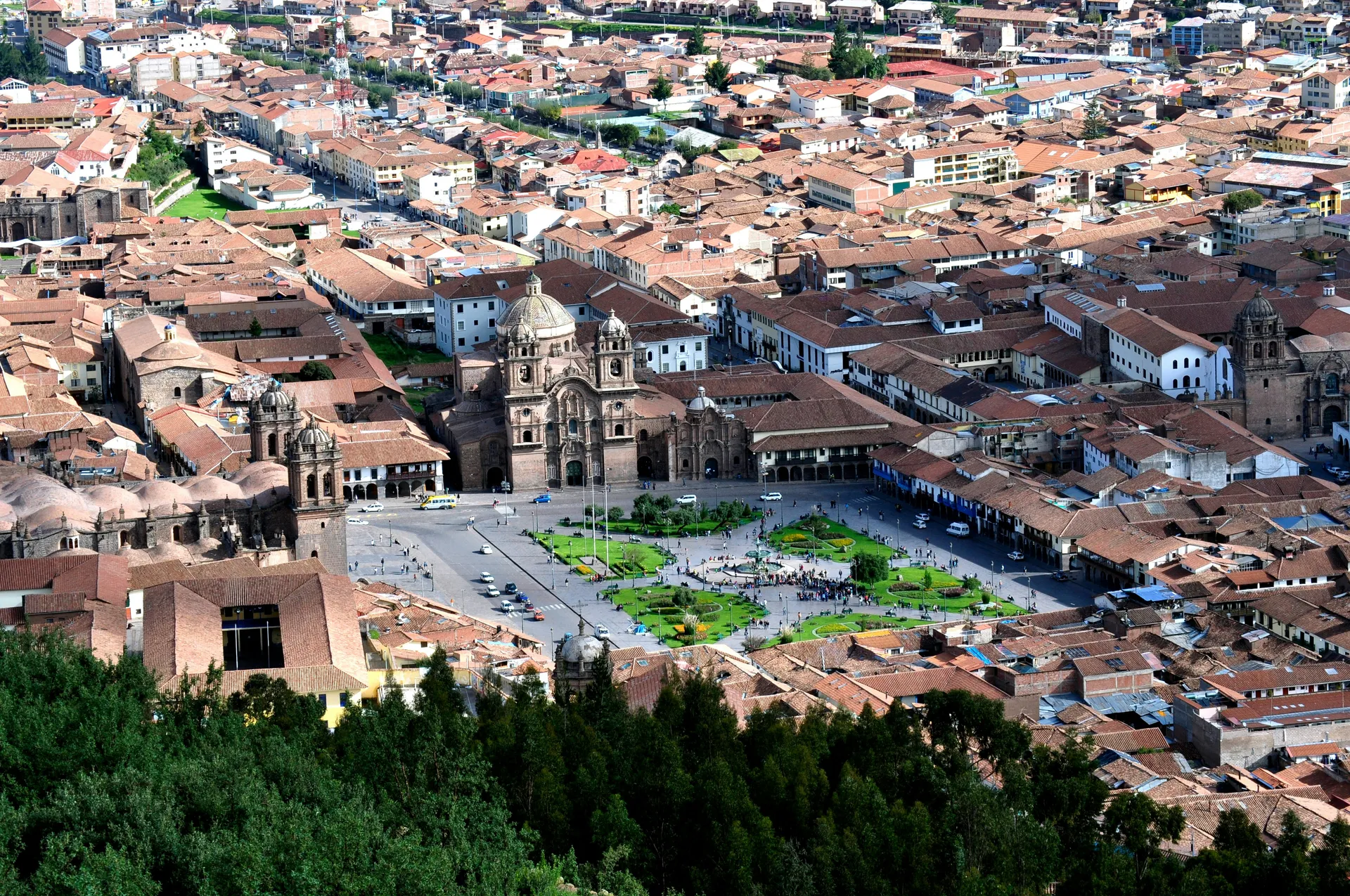
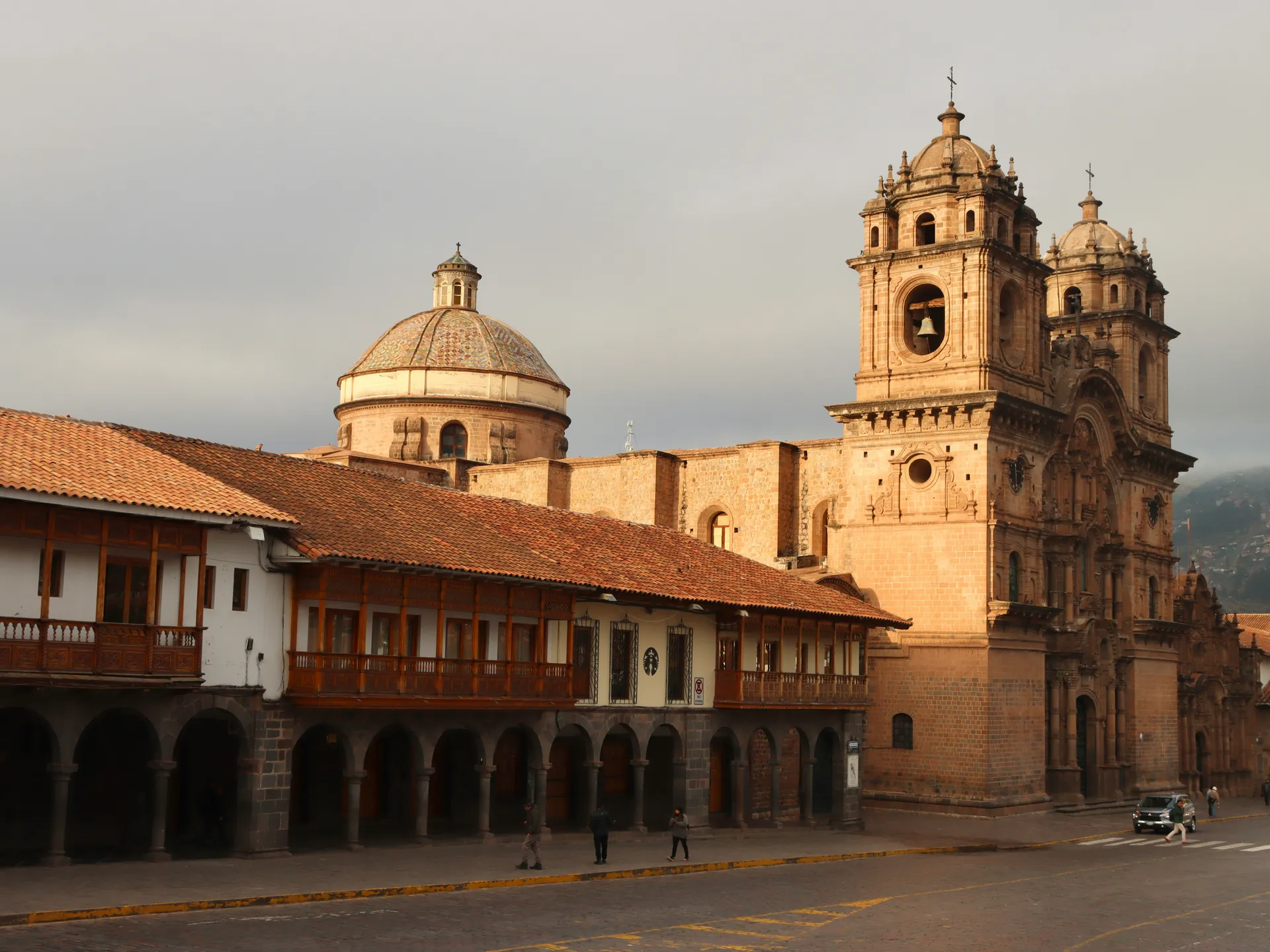
הפלאזה דה ארמס, הכיכר המרכזית של קוסקו, היא הלב הסימבולי של הציוויליזציה הארוכה ביותר באמריקות. הכיכר האינקית — שנקראת הוואקייפאטה, "מקום הבכי" — הייתה המרכז הטקסי של האימפריה, שם התקיימו החגיגות של אינטי ריימי (פולחן השמש) וקפאק ריימי. כיום, הכיכר המוקפת בעמודים נשלטת על ידי הקתדרלה (נבנתה בין השנים 1559–1654 על יסודות הארמון האינקי של ויראקוצ'ה) וכנסיית קומפני דה חיסוס, whose ornate Baroque facade deliberately rivals the Cathedral in a competition of ecclesiastical one-upmanship. הרחובות היוצאים מהכיכר — במיוחד האטון רומיאוק, שבו האבן המפורסמת בעלת השנים עשרה זוויות מדגימה את הבנייה האינקית במיטבה — שומרים על יסודות הקירות האינקיים התומכים בבניינים קולוניאליים, בתצוגה נראית של כיבוש והתאמה.
המטבח של קוסקו חווה רנסנס שהפך את העיר לאחת מיעדי האוכל המרגשים ביותר בדרום אמריקה. קוי (חולדה), צלוי שלם עם עור פריך, הוא המנה האנדיאנית הטקסית שחייבים לנסות לפחות פעם אחת. אלפקה, רזה ועדינה יותר מבשר בקר, מופיעה בסטייקים, תבשילים ואנטיקוצ'וס (שיפודים על גריל). השווקים בעיר — סן פדרו, השוק הראשי, ושוק שכונת סן בלאס הקטן יותר — מלאים במזונות על אנדיאניים: קינואה, קיוויצ'ה (אמרנט), צ'וניו (תפוח אדמה מיובש בהקפאה), ועשרות המגוון של תפוחי אדמה ותירס שסוגי הביודיברסיטה של פרו מספקים. מסעדות יוקרה כמו צ'יצ'ה (של גסטון אקוריה) ו-MAP Café משלבות את המרכיבים הללו עם טכניקות עכשוויות, בעוד שהפיקנטריות של שכונת סן בלאס מגישות אוכל קוסקני מסורתי על שולחנות עץ שספגו דורות של שיחות.
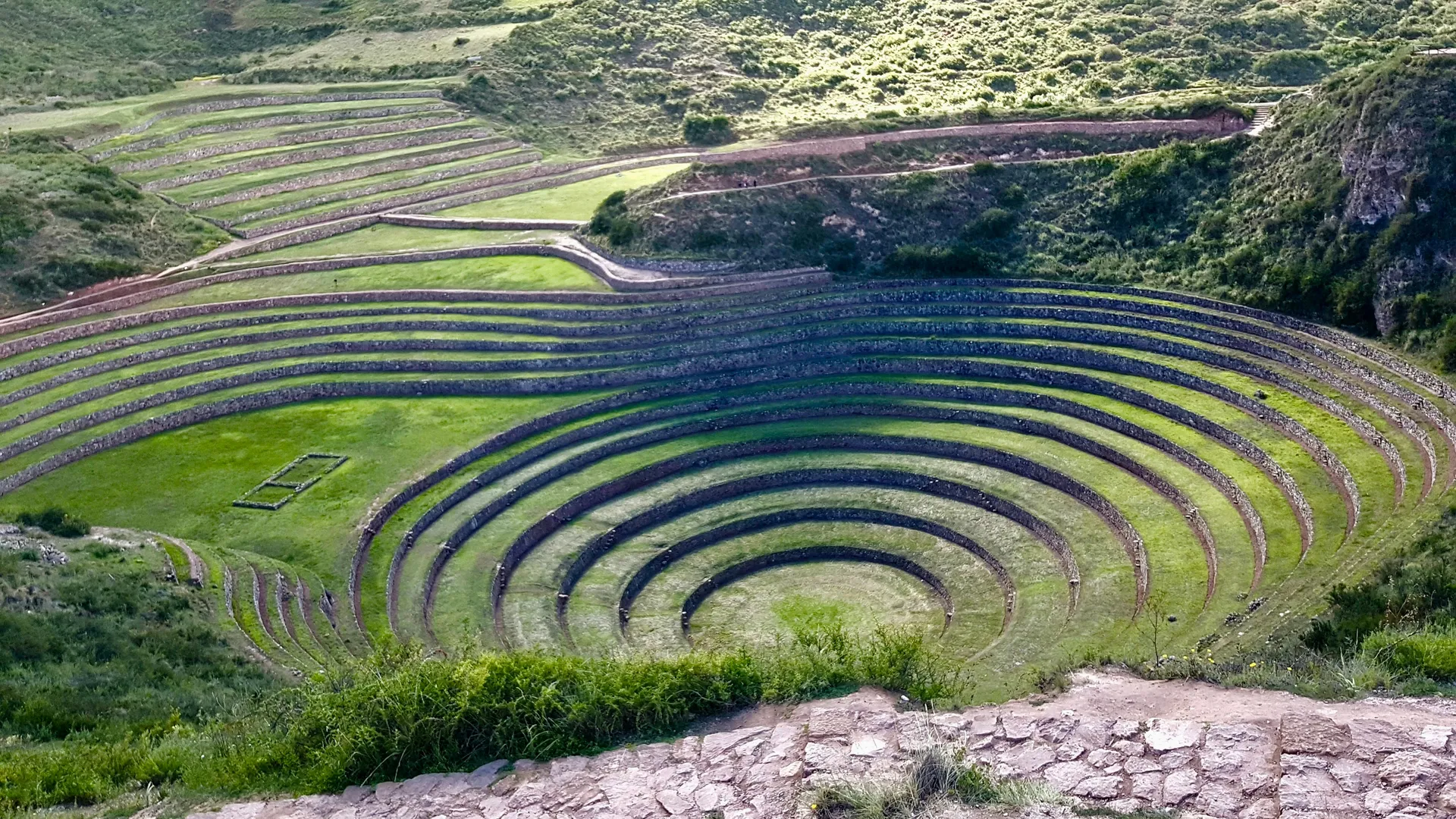
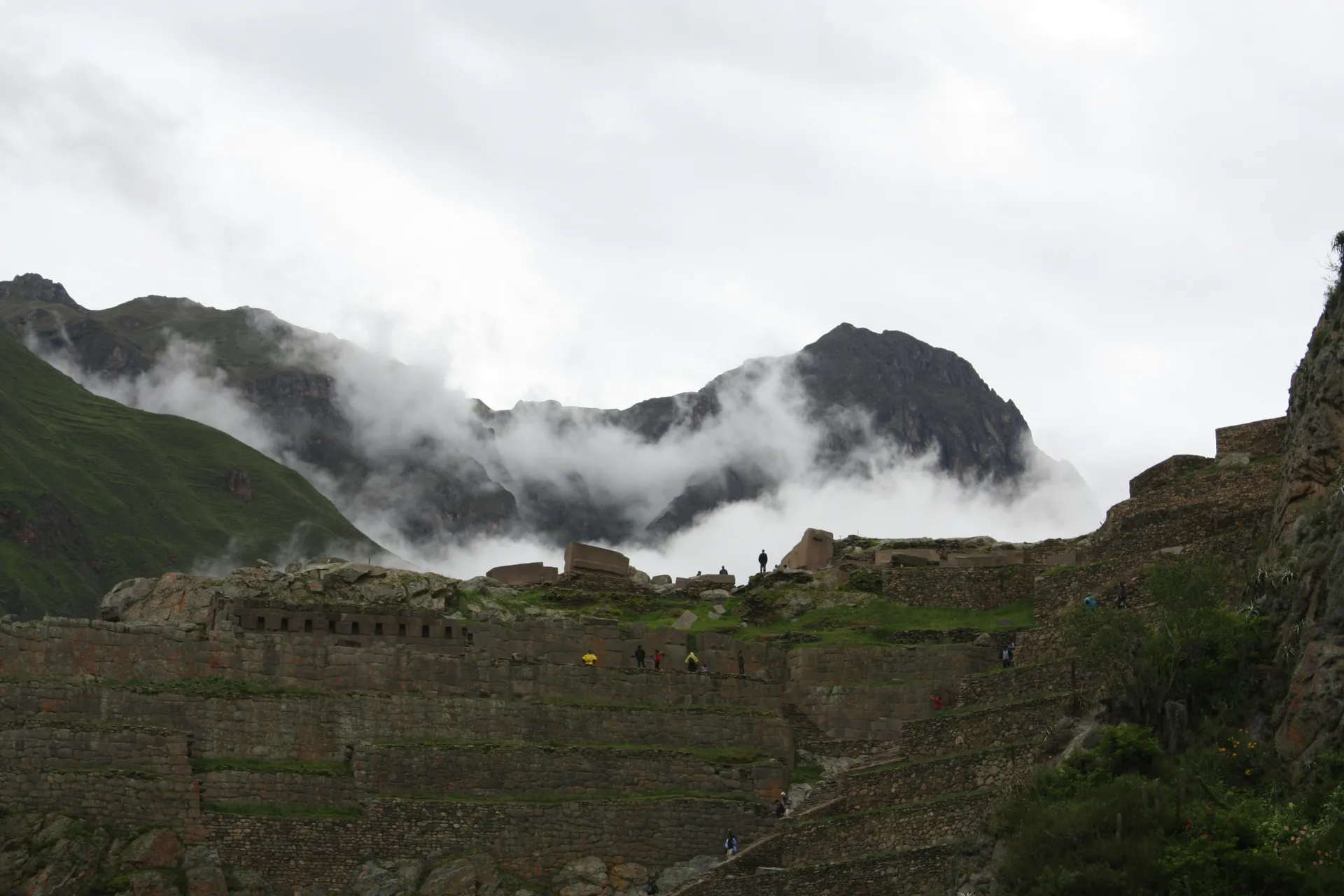
האתרים הארכיאולוגיים המקיפים את קוסקו מהווים אחת מהמרכזים הגדולים ביותר של מורשת פרה-קולומביאנית על פני כדור הארץ. סקסאיוואמן, המבצר העצום שמעל לעיר, בנוי מאבנים שמשקלן מגיע עד 200 טון, מחוברות זו לזו בדיוק שאנשי הנדסה מודרניים אינם יכולים להסביר במלואו. קנקו, טמבומצ'אי ופוקה פוקארה — אתרים טקסיים ומיליטריים קטנים יותר בגבעות שמעל לעיר — יכולים להיות מבוקרים במהלך אחר צהריים אחד. העמק הקדוש של האינקה (דרך אורובמבה) ומאצ'ו פיצ'ו — נגישים ברכבת מתחנת פורוי של קוסקו או מאולנטייטמבו — הם הטיולים המרכזיים, אך קוסקו עצמה מכילה מספיק חומות אינקה, כנסיות קולוניאליות ואוספי מוזיאונים כדי למלא מספר ימים של חקר.
קוסקו משרתת על ידי נמל התעופה הבינלאומי אלחנדרו ולסקו אסטטה, עם טיסות מלימה (שבעים וחמש דקות), ארקיפה וחיבורים בינלאומיים עונתיים. מרכז העיר קומפקטי וניתן להליכה, אם כי הגובה (3,399 מטרים) דורש התאקלמות — מבקרים מתבקשים לבלות לפחות יום אחד בגובה נמוך יותר בעמק הקדוש (2,800 מטרים) לפני שעלייה לקוסקו. עונת היובש מאי עד אוקטובר מציעה את השמים הכי בהירים ואת התנאים הכי נוחים, כאשר יוני מארח את פסטיבל אינטי ריימי המרהיב — שחזור של טקס השמש האינקה בסקסאיואמן, שמושך אלפי משתתפים וצופים. עונת הגשמים (נובמבר–אפריל) מביאה גשמים אחר הצהריים אך גם פחות מבקרים ונופים ירוקים ושופעים.
Gallery