פולין
שצ'צ'ין, פולין
Szczecin, Poland
6 voyages
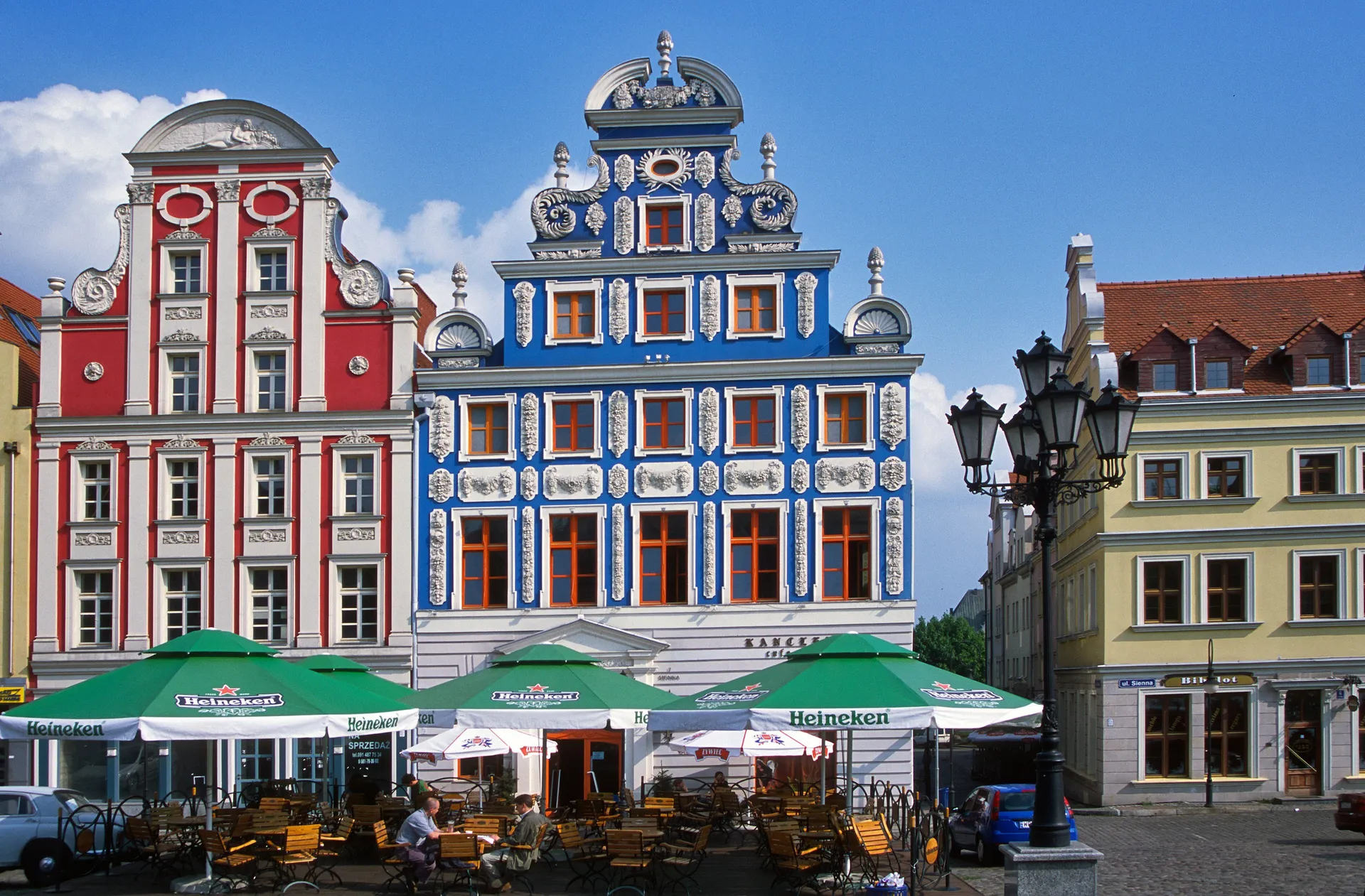
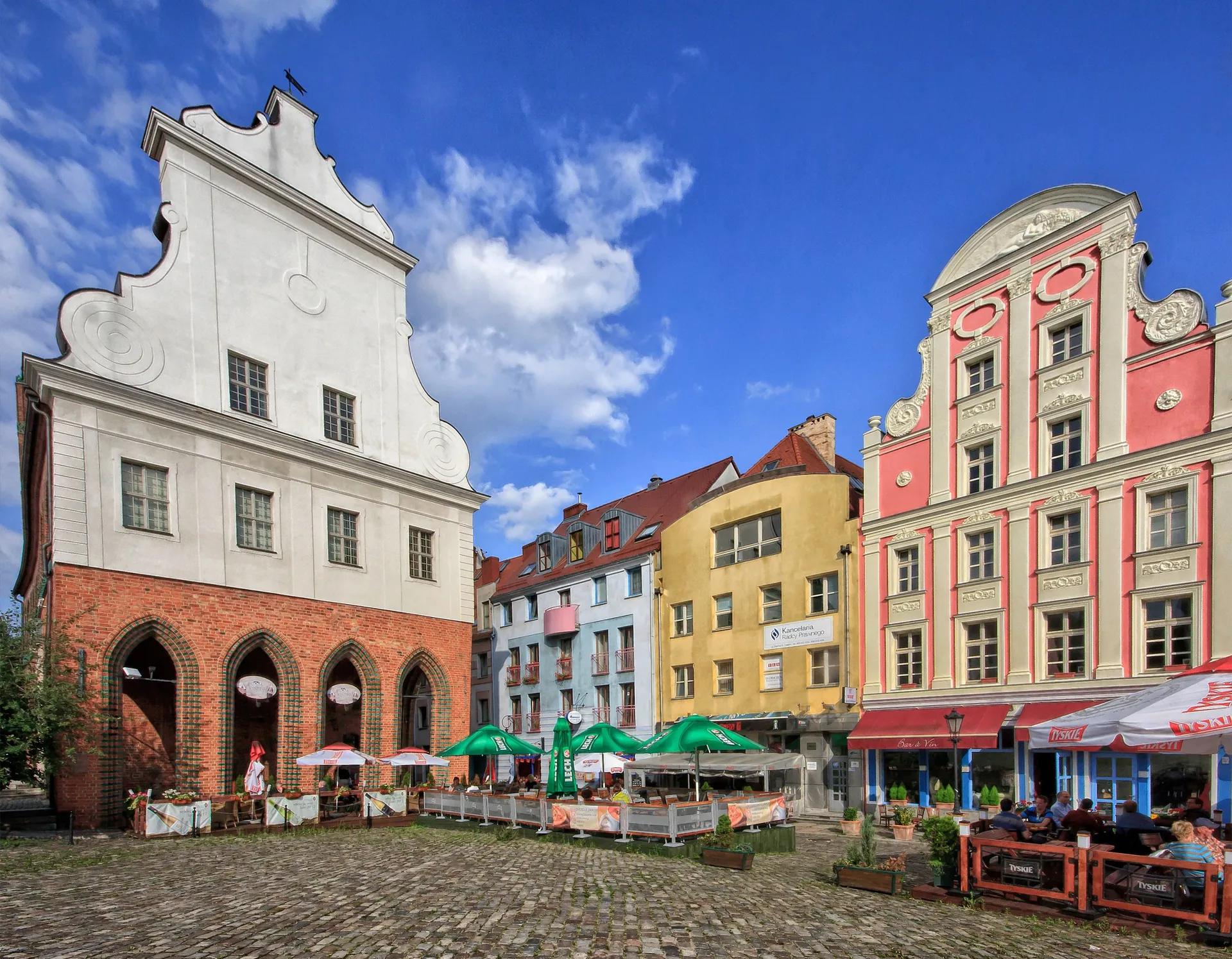
שצ'צ'ין, עיר הנמל המרכזית של פולין על נהר האודר סמוך לגבול הגרמני, מפתיעה את המבקרים עם אחת מהנופים העירוניים המתפתחים ביותר בצפון אירופה—עיר שההיסטוריה הדרמטית שלה במאה העשרים פינתה מקום לפרויקטים ארכיטקטוניים שאפתניים, מוסדות תרבות משגשגים, ושינוי חזיתי שממקם את מרכז הסחר ההנסתי לשעבר הזה כאחת מהיעדים המרגשים ביותר באזור הבלטי.
היצירה הארכיטקטונית המרהיבה של העיר היא אולם הפילהרמונית של שצ'צ'ין, שעוצב על ידי Estudio Barozzi Veiga וזכה בפרס האיחוד האירופי לארכיטקטורה עכשווית (פרס מיס ואן דר רוהה) בשנת 2015. הבניין המואר והזוויתי הזה—חזיתו השקופה זורחת כמו פנס בשקיעה הבלטית—הפך לסמל של הרנסנס התרבותי של שצ'צ'ין, ומכיל תוכניות קונצרטים ברמה עולמית באולם הראשי המציע אקוסטיקה מעולה. מיקום הבניין בשולי העיר העתיקה, שם הגיאומטריה המודרניסטית שלו משוחחת עם המגדלים הגותיים של הכנסיות הסובבות, מדגים את המתיחות היצירתית המגדירה את זהותה המתפתחת של שצ'צ'ין.
טירת הדוכסים הפומרניים (Zamek Książąt Pomorskich), שנבנתה מחדש לאחר הרס כמעט מוחלט במלחמה, מהווה עוגן לזהות ההיסטורית של העיר. המתחם הארכיטקטוני הרנסנסי הזה, שהיה במקור מושב של שושלת גריפין ששלטה בפומרניה במשך חמישה מאות, מכיל מוזיאונים, גלריות ומוקדי תרבות בתוך קירותיו המשוחזרים. חצר הטירה, המרתפים הגותיים ומגדל התצפית מספקים הקשר היסטורי לעיר שמיקומה בצומת נהרות ודרכי מסחר הפך אותה לפרס שנלחמו עליו השוודים, הפרוסים והפולנים במשך מאות שנים.
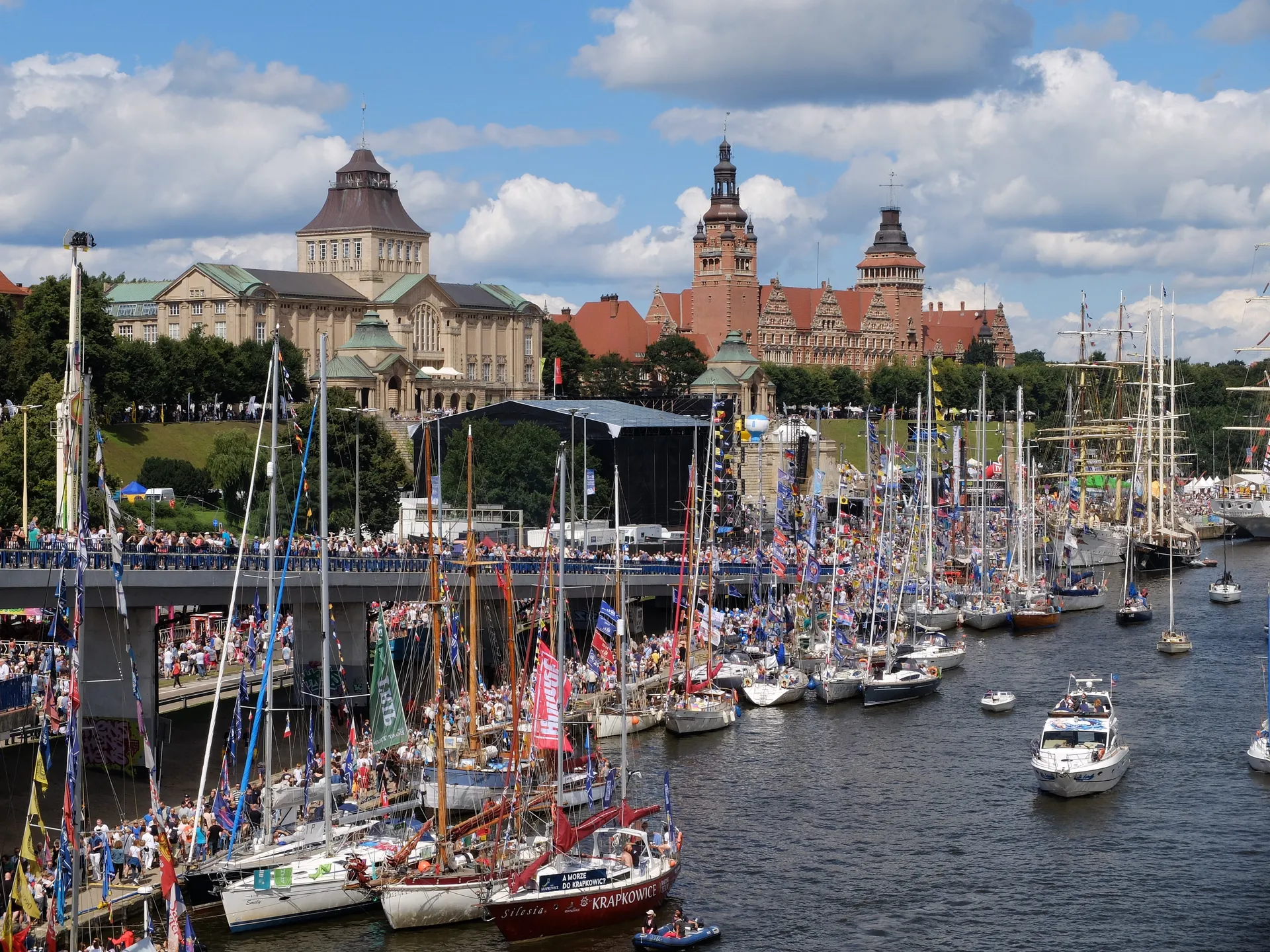
מערכת הפארקים הרחבה של שצ'צ'ין כוללת את פארק קאספרוביץ' ואת יאסנה בלוניה (מרחבים מוארים) הסמוכים—מרחב ירוק עירוני עצום המוקף בבניינים מייצגים בסגנונות אדריכליים מגוונים, החל מהסגנון ווילהלמיני ועד המודרניסטי. הוואלי חוברגו (הטיילת חוברגו), טיילת טרסה מונומנטלית מעל נהר האודר, מציעה נופים מרהיבים על פני המים לעבר המגדלים והעגורנים הרחוקים של הנמל. חוף הים הזה, שעוצב בתחילת המאה העשרים כאשר שצ'צ'ין הייתה העיר הפרוסית שטטין, משלב בין grandeur אזרחית לאווירה ימית בהרמוניה שאין לה תחליף בין חופי אירופה.
ספינות קרוז וספינות נהר עוגנות במתקני הנמל של שצ'צ'ין על נהר האודר, כאשר מרכז העיר נגיש באמצעות העברה קצרה. העיר העתיקה הקומפקטית ניתנת להליכה, אם כי האטרקציות של העיר מפוזרות על פני אזור רחב יותר שמקבל יתרון מקישורי טראם או מוניות. האקלים הימי יוצר קיץ מתון (יוני-אוגוסט) עם ימים ארוכים וטמפרטורות נעימות, אידיאליות לחקר חוץ. קרבתה של שצ'צ'ין לגבול הגרמני—ברלין נמצאת במרחק של 150 קילומטרים דרום-מערבה—הופכת אותה לנקודת התחלה או סיום טבעית למסלולים המשלבים יעדים בולטים בפולין ובגרמניה בים הבלטי.
Gallery