Albánia
Tirana
Tirana átalakulása az elmúlt három évtizedben Európa egyik legfigyelemreméltóbb városi metamorfózisa volt. Az albán főváros a 20. század nagy részét Enver Hoxha paranoiás kommunista diktatúrájának zárt, szürke szívében töltötte — egy omladozó betonrengeteg, erőltetett ateizmus és az országban szétszórt, becslések szerint 750 000 bunker városa volt, amelyeket egy soha meg nem történt invázió ellen építettek. Amikor a rezsim 1991-ben összeomlott, Tirana Európa egyik legszegényebb és legelszigeteltebb fővárosa volt. Ma a város egy kaotikus, színes energiával lüktet, amely egy olyan nemzetet tükröz, amely siet, hogy behozza az elveszett évtizedeket; korábban unalmas lakótelepei élénk csíkokkal és geometriai mintákkal festettek, amelyeket Edi Rama, a volt polgármester és művész alkotott, sugárútjait olasz tervezésű kávézók szegélyezik, éttermi kínálata pedig olyan ütemben fejlődik, amely felkeltette a globális gasztronómiai sajtó figyelmét.
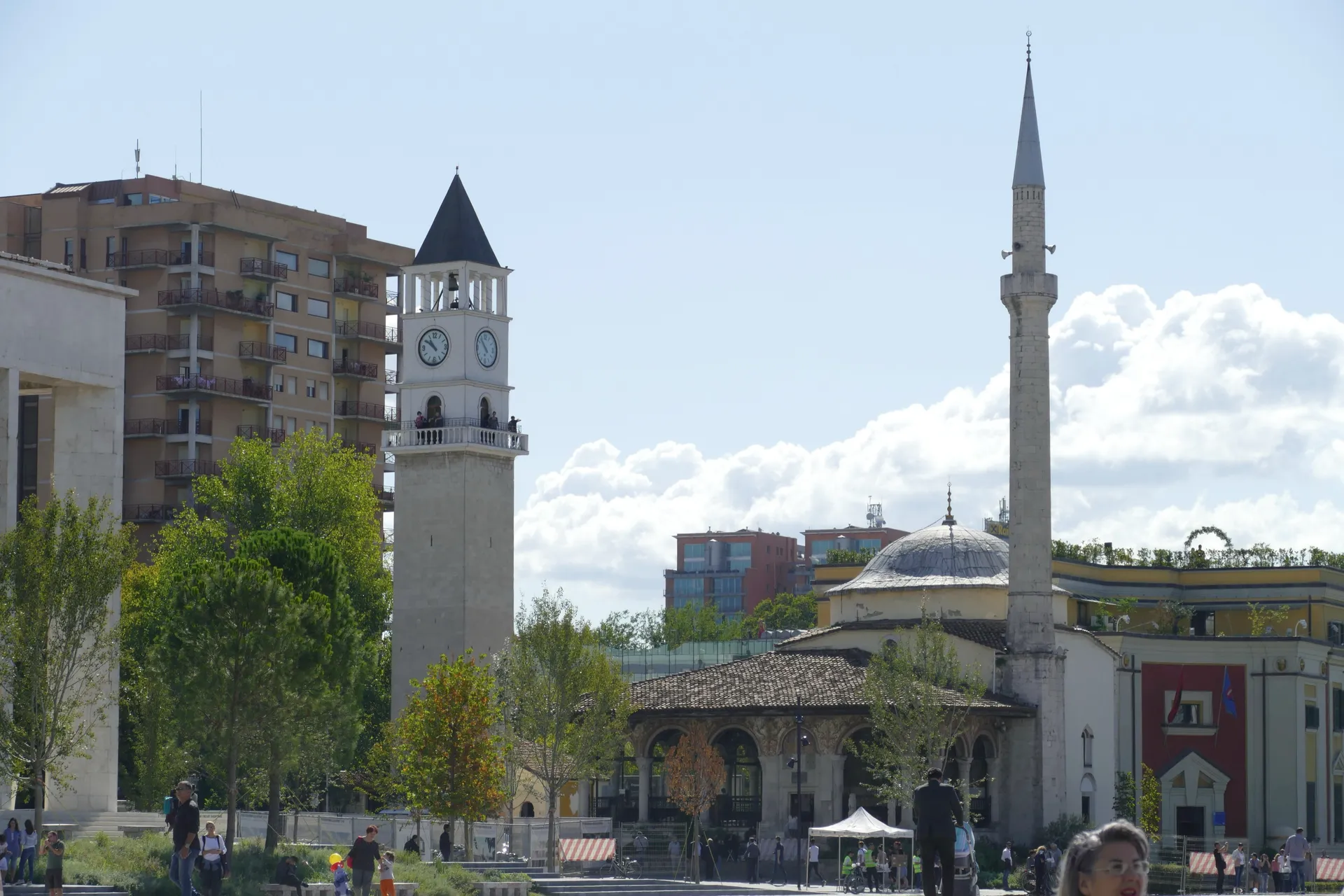
A Skanderbeg tér, az Albánia nemzeti hőséről, Gjergj Kastrioti Skanderbegről elnevezett hatalmas központi tér, a város közéletének szíve. 2017-ben gyalogosbarát térré újratervezték, és körülveszi az Et'hem Bey-mecset (amelyet 1991-ben, amikor 10 000 imádkozó szembeszállt a kommunista vallásellenes tilalommal, dacosan újranyitottak), az óratorony és a Nemzeti Történeti Múzeum, amelynek homlokzatát egy monumentális szocialista realista mozaik díszíti, és amely a város egyik legfotózottabb nevezetessége. A Blloku negyed, amely egykor a kommunista elit kizárólagos lakónegyede volt, ahová a hétköznapi albánoknak tilos volt belépni, mára Tirana legélettelibb városrésze lett — egy koktélbárokkal, független butikokkal és éttermekkel teli labirintus, ahol a város fiatal, kozmopolita lakossága éjfélig és azon túl gyűlik össze.
Az albán konyha alapvetően mediterrán, amelyet az oszmán hatás és a hegyi szükségszerűség formált, és Tirana a legjobb hely, hogy ennek a gazdag ízvilágnak a teljes skáláját megtapasztaljuk. A byrek — leveles tésztába töltött spenót, feta vagy darált hús — az ország nemzeti utcai étele, amelyet minden sarkon pékségek árulnak, és reggelire fogyasztanak kos-szal (sűrű albán joghurt) és olyan erős török kávéval, amely mellett elengedhetetlen egy pohár víz. A tavë kosi, a joghurtos-tojásos mártásban aranybarnára és habzóssá sütött bárányragu rizzsel, az a fogás, amelyet a legtöbb albán nemzeti kincsnek tart. A város új generációs éttermei elkezdték modern technikával és helyi alapanyagokkal — hegyi gyógynövények, berat-i olívaolaj, korçei sör — újraértelmezni ezeket a hagyományokat, így egy olyan gasztronómiai színteret teremtve, amely európai mércével mérve is rendkívüli értéket kínál.
Tirana elsősorban Albánia két legelbűvölőbb látnivalójának kiindulópontjaként szolgál. Berat, az „Ezer Ablak Városa”, 120 kilométerre délre fekszik — egy UNESCO Világörökségi helyszín, ahol az oszmán kori házak egy domboldalon sorakoznak, tetején egy 13. századi vár áll, fehér homlokzataik és szabályos ablakaik fotogén látványt nyújtanak, amely miatt a város megkapta becenevét. Ellenkező irányban, mindössze 32 kilométerre északra található Krujë hegyi faluja, amely megőrizte Skanderbeg várát és egy hangulatos oszmán bazárt, ahol kézzel szőtt kilimeket, réz kávéskészleteket és faragott faárukat kínálnak olyan üzletekben, amelyek évszázadok óta alig változtak. A BunkArt 1 és BunkArt 2 bunker művészeti installációi — hatalmas hidegháborús menedékhelyekből múzeumokká alakított terek, amelyek Albánia szürreális kommunista korszakát dokumentálják — Európa egyik legeredetibb múzeumi élményének számítanak.
Bár Tirana maga egy szárazföldi főváros, a hajós utasok általában Durrës kikötőjén keresztül érkeznek, amely Albánia fő tengeri kikötője, és az Adriai-tenger partján, 33 kilométerre nyugatra fekszik. Durrës önmagában is megér egy felfedezést — római amfiteátruma, amely a Balkán-félsziget egyik legnagyobbja, valamint régészeti múzeuma egy délelőtti látogatást bőven megér. A legjobb időszak a látogatásra áprilistól októberig tart, amikor a mediterrán éghajlat meleg, száraz napokat kínál, ideálisak Tirana egyre inkább gyalogosbaráttá váló utcáin való sétához, valamint az albán társasági életet meghatározó szabadtéri kávézókban való időzéshez.
Gallery