ルワンダ
Kigali
20 voyages
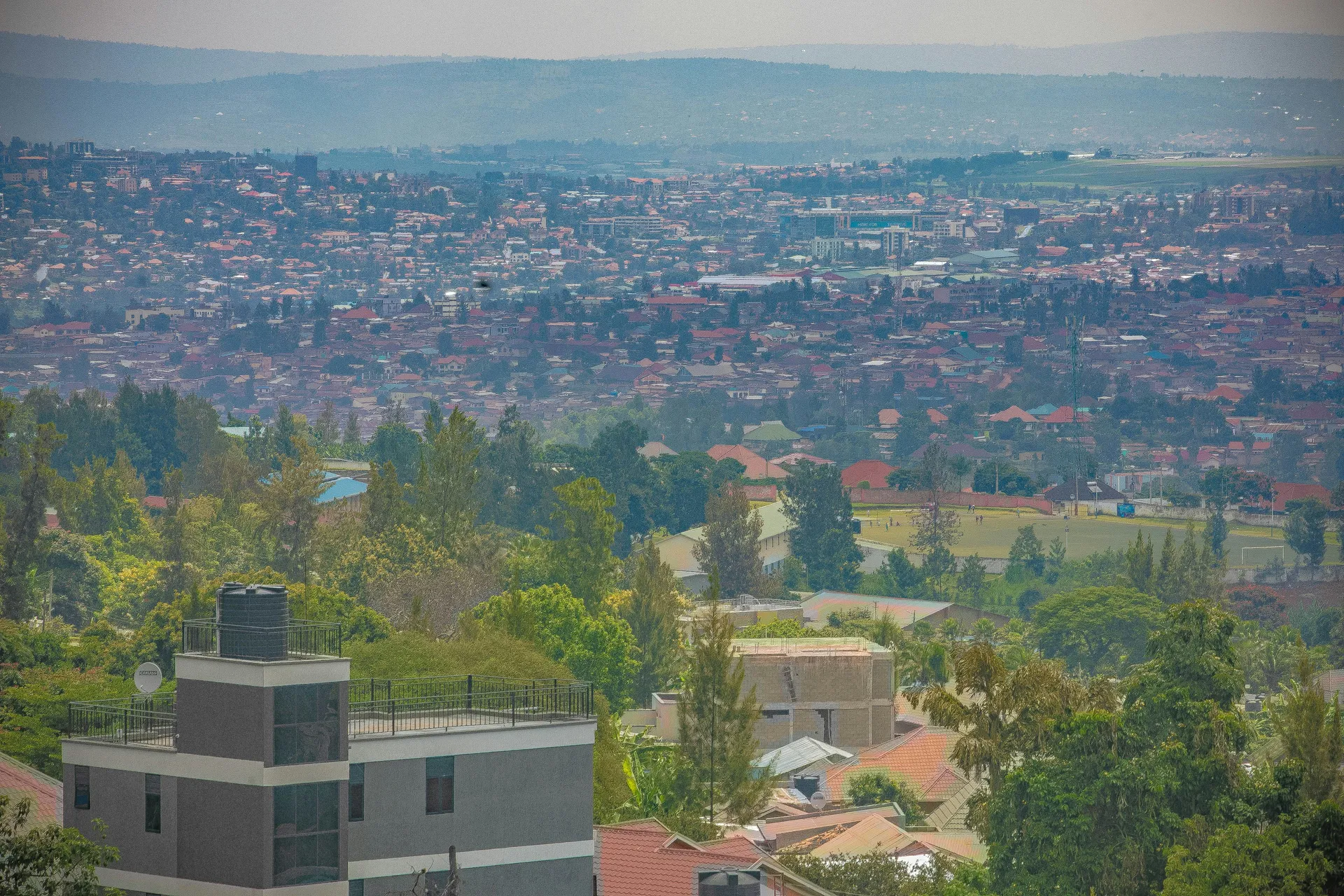
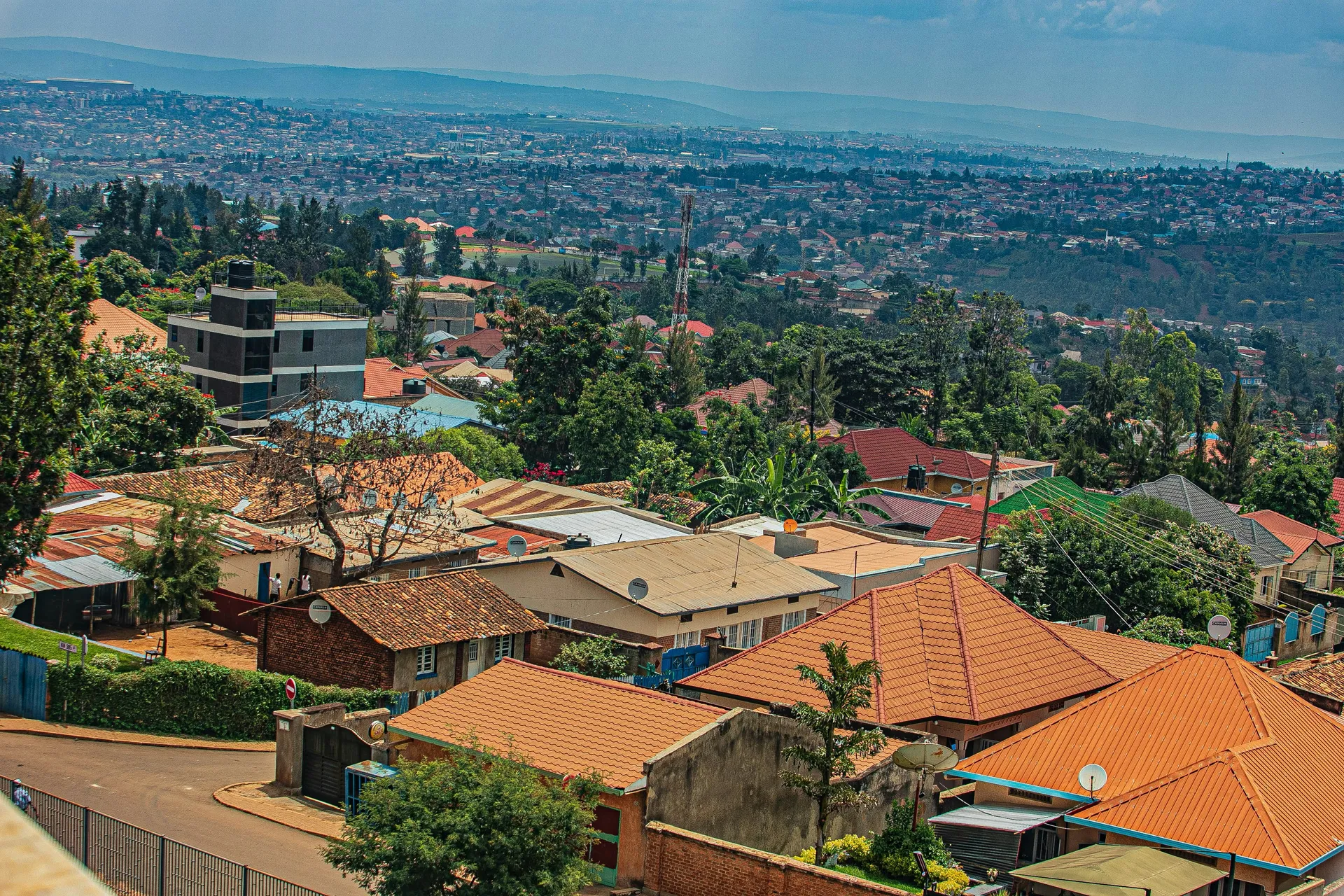
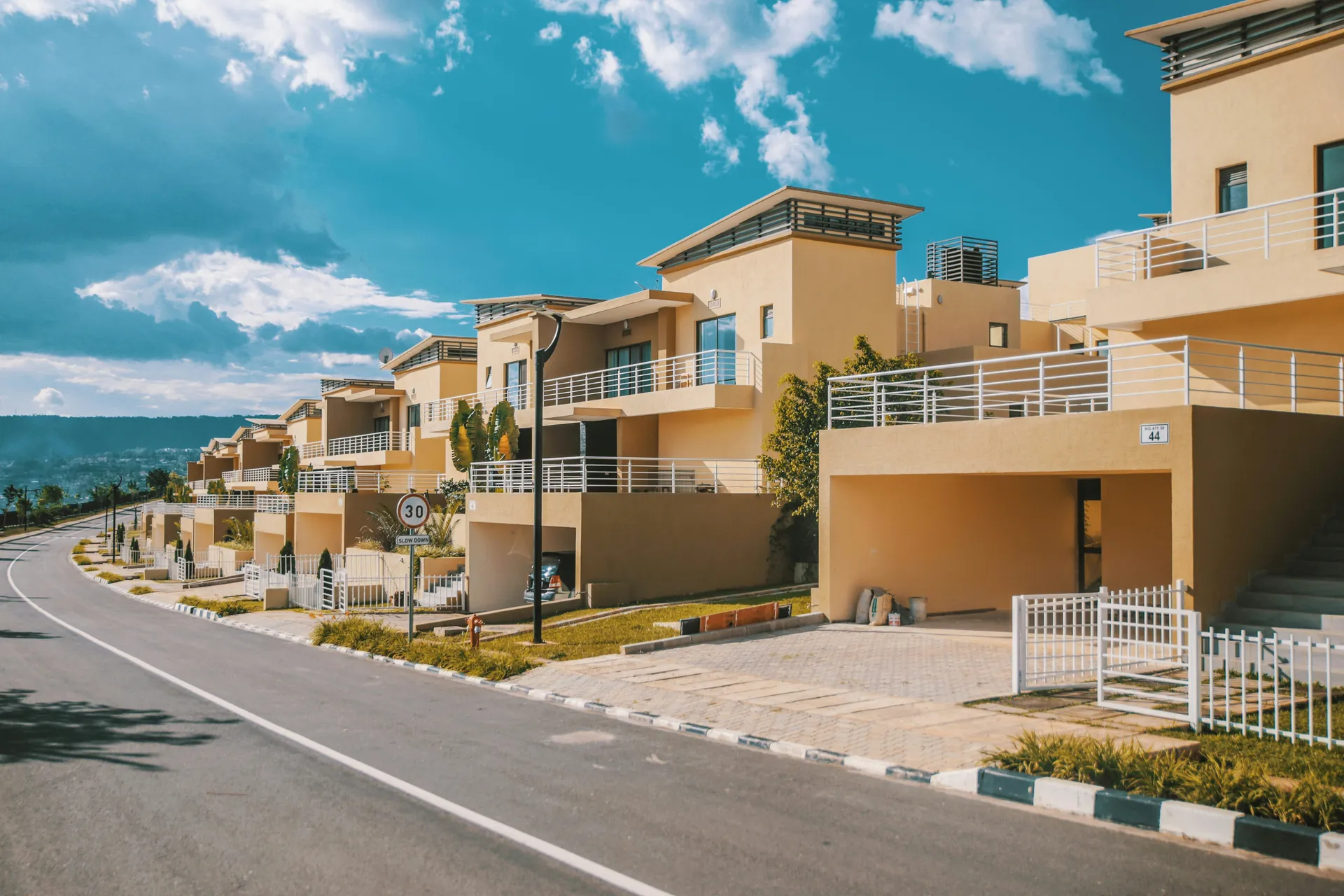
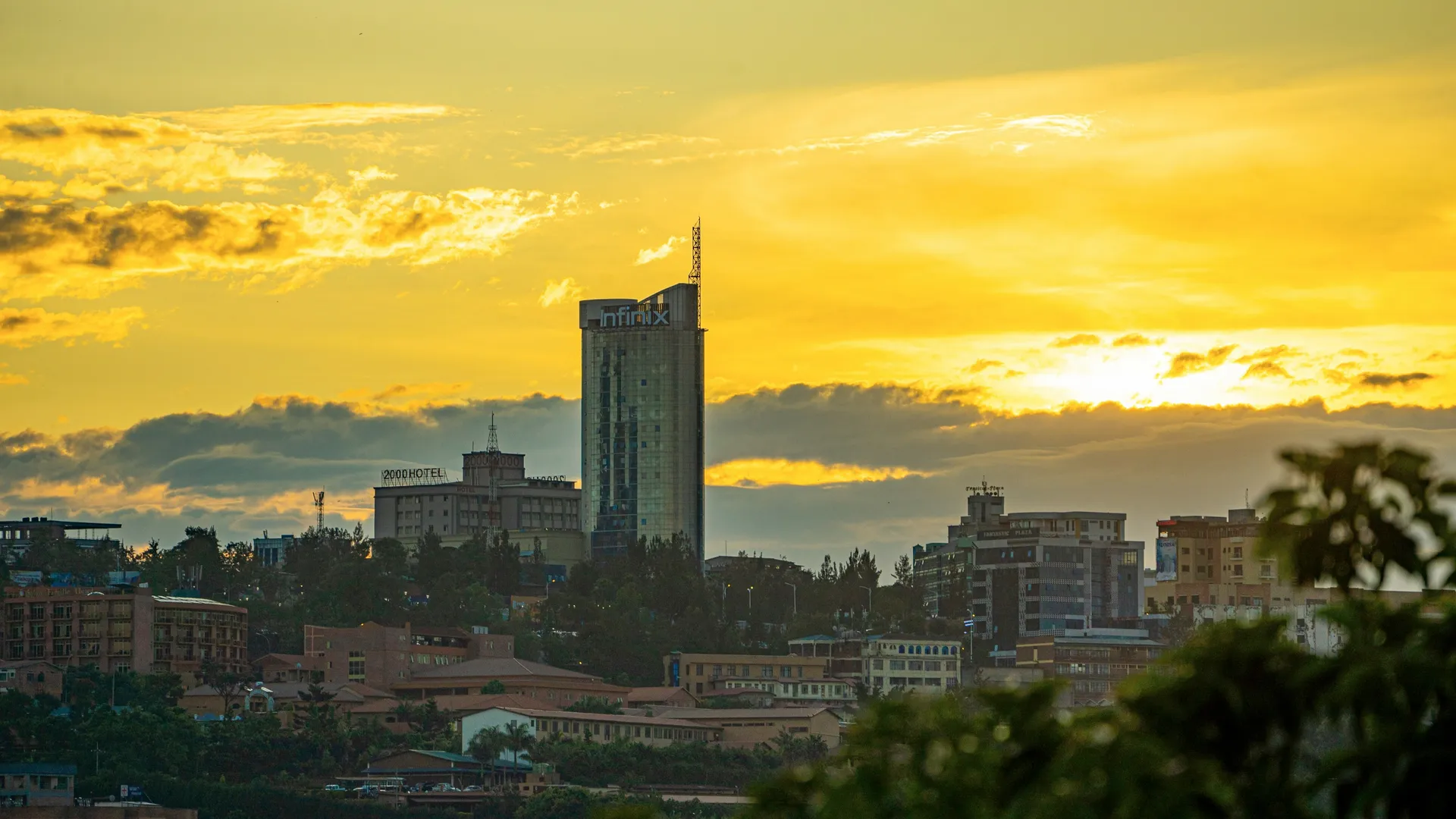
Kigali defies every preconception visitors might carry about an African capital. This city of over a million people, spread across a series of ridges and valleys in the heart of the Rwandan highlands, is one of the cleanest, safest, and most dynamically transforming cities on the continent—a place where gleaming glass towers rise beside red-earth neighborhoods, where motorcycle taxis weave through traffic with smartphone-enabled efficiency, and where the nation's painful history is confronted with a directness and dignity that leaves visitors profoundly moved.
The Kigali Genocide Memorial is the city's most important and most sobering destination—a beautifully designed museum and final resting place for over 250,000 victims of the 1994 genocide against the Tutsi. The memorial does not flinch from the horror of what occurred, yet it is ultimately a monument to survival, reconciliation, and the extraordinary human capacity for rebuilding. The children's room, dedicated to young victims, is among the most emotionally powerful museum experiences anywhere in the world. No visit to Kigali is complete without spending time here, and most visitors find it transforms their understanding of both Rwanda and the possibilities of human resilience.
Beyond the memorial, Kigali reveals itself as a city of unexpected pleasures. The Inema Arts Center, founded by two brothers who survived the genocide as children, showcases Rwanda's vibrant contemporary art scene in a compound of studios and galleries where visitors can watch artists at work. The Caplaki Craft Village brings together artisans from across the country, offering Rwanda's distinctive Imigongo cow dung art, woven baskets, and carved wooden crafts. The city's restaurant scene reflects its cosmopolitan aspirations—from traditional Rwandan buffets of brochettes, beans, and plantain to sophisticated international cuisine served on rooftop terraces with panoramic views.
Rwanda's famous gorilla trekking in Volcanoes National Park—the experience that draws many international visitors to the country—begins with a journey of approximately two hours northwest from Kigali to the bamboo forests of the Virunga Mountains. This encounter with a habituated mountain gorilla family, limited to eight visitors per group per day, is widely regarded as the most extraordinary wildlife experience in Africa and one of the most powerful animal encounters available anywhere on Earth. The silverback males, weighing up to 220 kilograms yet capable of surprising gentleness, create memories that reshape perspectives on the natural world.
Kigali is accessible by international flights to Kigali International Airport, with connections from major African hubs and increasingly from European cities. The city's elevation of approximately 1,500 meters moderates the tropical climate, producing pleasant temperatures year-round. The dry seasons—June through September and December through February—offer the most comfortable conditions for both city exploration and gorilla trekking. Kigali's position as a gateway to Rwanda's remarkable network of national parks—Volcanoes, Nyungwe Forest, and Akagera—makes it far more than a transit point; it is a destination that rewards extended exploration and contemplation.