Perancis
Saint-Jean-de-Losne
Saint-Jean-De-Losne
1 voyages
Di persimpangan Saone dan Canal de Bourgogne di tengah-tengah Burgundy, Saint-Jean-de-Losne memegang gelaran yang luar biasa sebagai ibu kota perahu sungai yang diisytiharkan sendiri oleh Perancis. Pekan kecil ini, yang hanya mempunyai seribu penduduk, terletak di sekitar sebuah gereja abad pertengahan dan sebuah jambatan batu berusia berabad-abad, mengawasi salah satu marina pedalaman terbesar di Perancis — sebuah titik pertemuan di mana bot kanal, tongkang, dan kapal pelayaran sungai berkumpul dari laluan air yang merentasi negara. Di sinilah, pada tahun 1636, sekumpulan penduduk bandar dan tentera bertahan daripada kepungan Austria-Imperial yang luar biasa semasa Perang Tiga Puluh Tahun, menjadikan Saint-Jean-de-Losne menerima gelaran Belle Defense dan tempat dalam legenda ketenteraan Perancis.
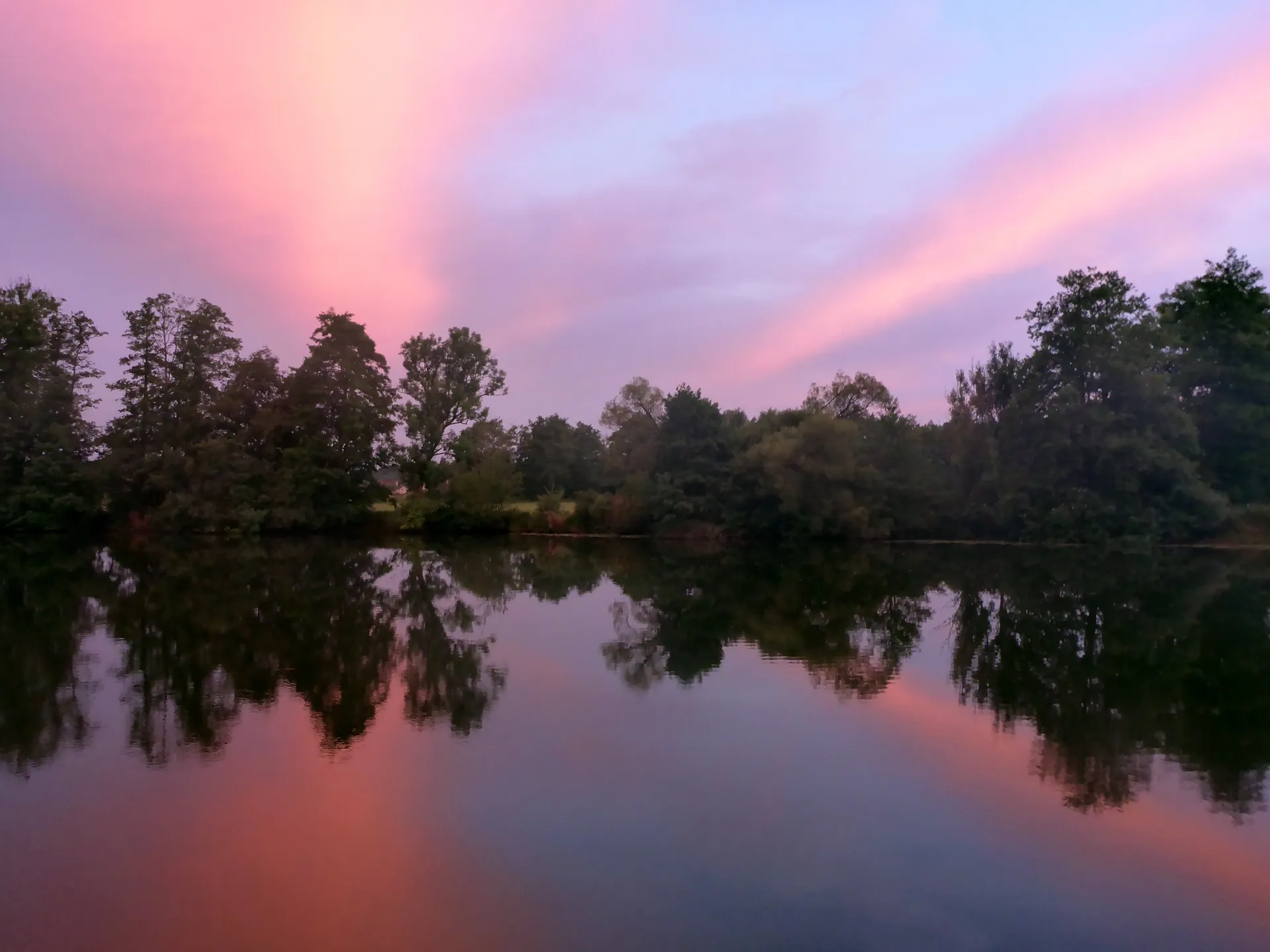
Karakter bandar ini dibentuk sepenuhnya oleh air dan wain. Marina yang dipenuhi dengan pokok-pokok plane dan sibuk dengan perdagangan tenang kehidupan sungai — tongkang bahan bakar, kedai peralatan, bengkel pembaikan — mencipta suasana yang separuh pelabuhan memancing Mediterranean, separuh kampung kanal Inggeris. Bandar itu sendiri adalah padat dan boleh diterokai dengan berjalan kaki, jalan-jalan sempitnya membawa ke Place d'Armes, di mana gereja abad ketujuh belas dan dewan bandar saling berhadapan di seberang sebuah dataran yang telah berfungsi sebagai jantung sivik selama berabad-abad. Tepian sungai, terutamanya dalam cahaya keemasan petang Burgundian, menawarkan jalan-jalan yang luar biasa tenang, airnya memantulkan pokok-pokok plane dan fasad batu bangunan di tepi dermaga.
Reputasi gastronomi Burgundy tidak perlu diperkenalkan, dan Saint-Jean-de-Losne menyediakan pintu masuk yang intim dan tidak tergesa-gesa ke salah satu tradisi kuliner terbesar Perancis. Restoran tempatan menyajikan kanon Burgundian dengan bangga: boeuf bourguignon yang direbus dalam Pinot Noir terkenal dari kawasan ini, oeufs en meurette — telur poached dalam sos wain merah yang kaya — escargots dalam mentega bawang putih, dan keju Epoisses yang krim dan beraroma yang diisytiharkan sebagai kegemaran Napoleon sendiri. Wain-wainnya, sudah tentu, legenda: Cote de Nuits dan Cote de Beaune, yang menghasilkan Pinot Noirs dan Chardonnays yang paling dicari di dunia, bermula hanya tiga puluh minit ke barat. Kedai wain tempatan di bandar menawarkan sesi rasa yang berfungsi sebagai pendidikan dalam terroir, setiap gelas mencerminkan cerun, tanah, dan pendedahan tertentu.
Dari Saint-Jean-de-Losne, harta karun Burgundy tersebar ke arah setiap penjuru. Bandar pertengahan Beaune, ibu kota perdagangan wain Burgundy, terletak dua puluh minit ke barat, dengan Hospices yang terkenal sebagai karya agung seni bina Gothic Flemish-Burgundy. Dijon, ibu kota wilayah dengan istana ducalnya, kedai mustard, dan pasar tertutup, terletak tiga puluh minit ke utara. Canal de Bourgogne sendiri menawarkan salah satu perjalanan laluan air yang paling indah di Perancis, mendaki melalui rangkaian kunci menuju lembah Ouche dan terowong di Pouilly-en-Auxois. Bagi pengayuh basikal, voie verte sepanjang jalan towpath lama menyediakan pengalaman berbasikal yang rata dan bebas kereta melalui pemandangan ladang anggur, pondok kunci, dan kanal yang dipenuhi dengan pokok poplar.
Saint-Jean-de-Losne adalah titik permulaan atau penamat yang semula jadi untuk pelayaran saluran melalui Burgundy, dan beberapa syarikat penyewaan kapal barge mengoperasikan armada mereka di sini. Bandar ini juga boleh diakses dengan kereta dari lebuh raya A36 dan dengan kereta api serantau. Bulan terbaik untuk melawat adalah dari Mei hingga Oktober, dengan September dan Oktober menawarkan keseronokan tambahan daripada penuaian anggur, ketika ladang anggur berubah menjadi emas dan vintage baru memenuhi ruang bawah tanah. Bagi mereka yang tiba melalui air, marina menawarkan perkhidmatan lengkap, dan kesenangan sederhana berlabuh di sebelah pokok plane ketika malam menjelang di Burgundy adalah salah satu momen paling memuaskan dalam pelayaran sungai Perancis.
Gallery