Jerman
Wiesbaden
12 voyages
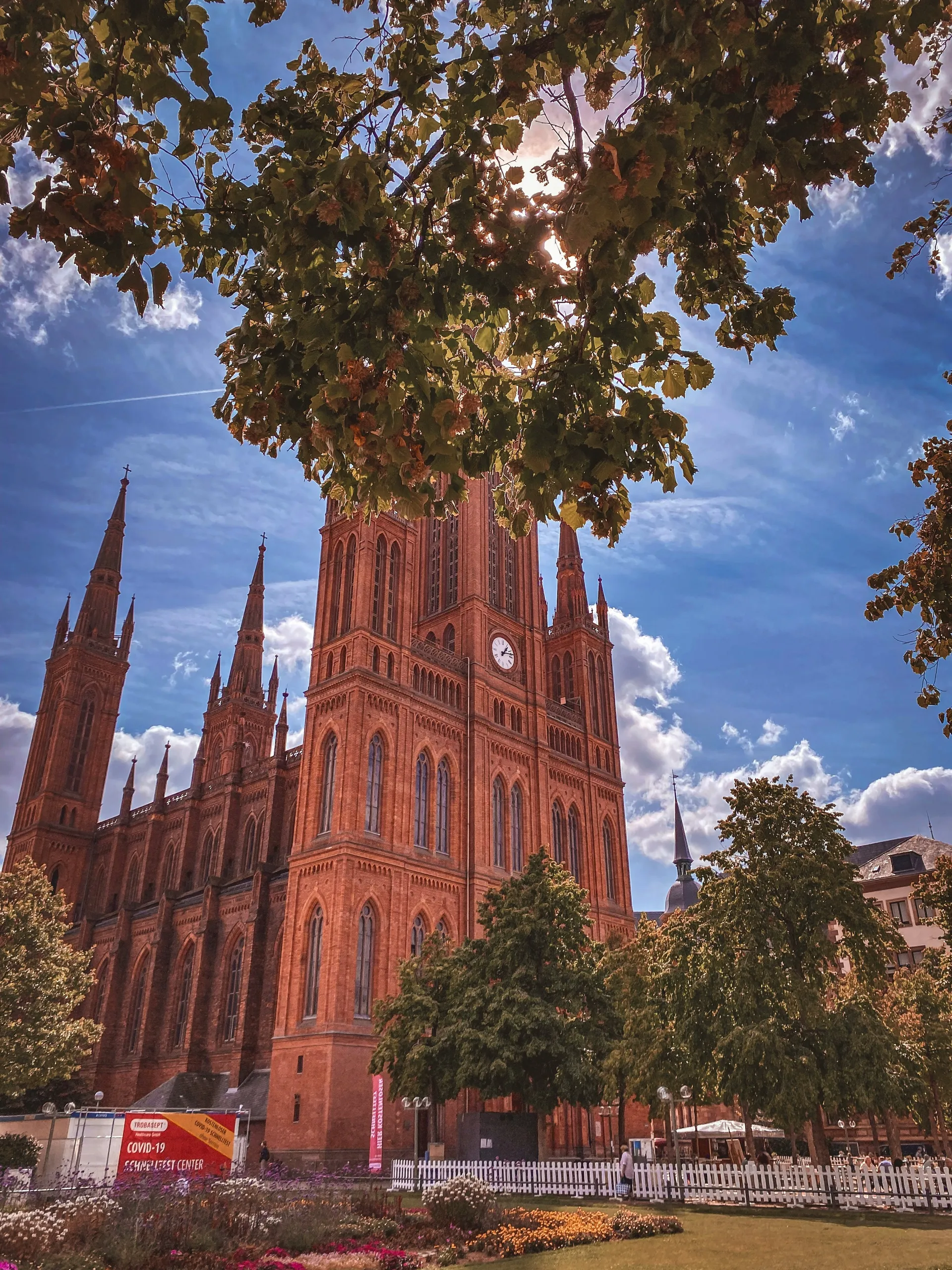
Wiesbaden telah sinonim dengan seni kehidupan mewah sejak Rom kuno pertama kali menemui mata air panasnya dua milenia yang lalu—menamakan penempatan itu Aquae Mattiacorum selepas suku Jermanik tempatan dan membina rumah mandi yang megah di atas sumber termal yang masih mengalir hingga hari ini. Menjelang abad kesembilan belas, bandar ini telah menjadi destinasi spa paling bergaya di Eropah, menarik Goethe, Dostoevsky, dan Brahms ke hotel-hotel grand dan mandian mineralnya. Kaiser Wilhelm II memilih Wiesbaden sebagai kediaman musim panasnya, dan seni bina era imperial yang menghiasi boulevardsnya—Neoklasik, Historis, dan Jugendstil—masih begitu utuh sehingga bandar ini terhindar dari pengeboman Sekutu dalam Perang Dunia II kerana ia telah ditandakan sebagai ibu pejabat Amerika yang akan datang.
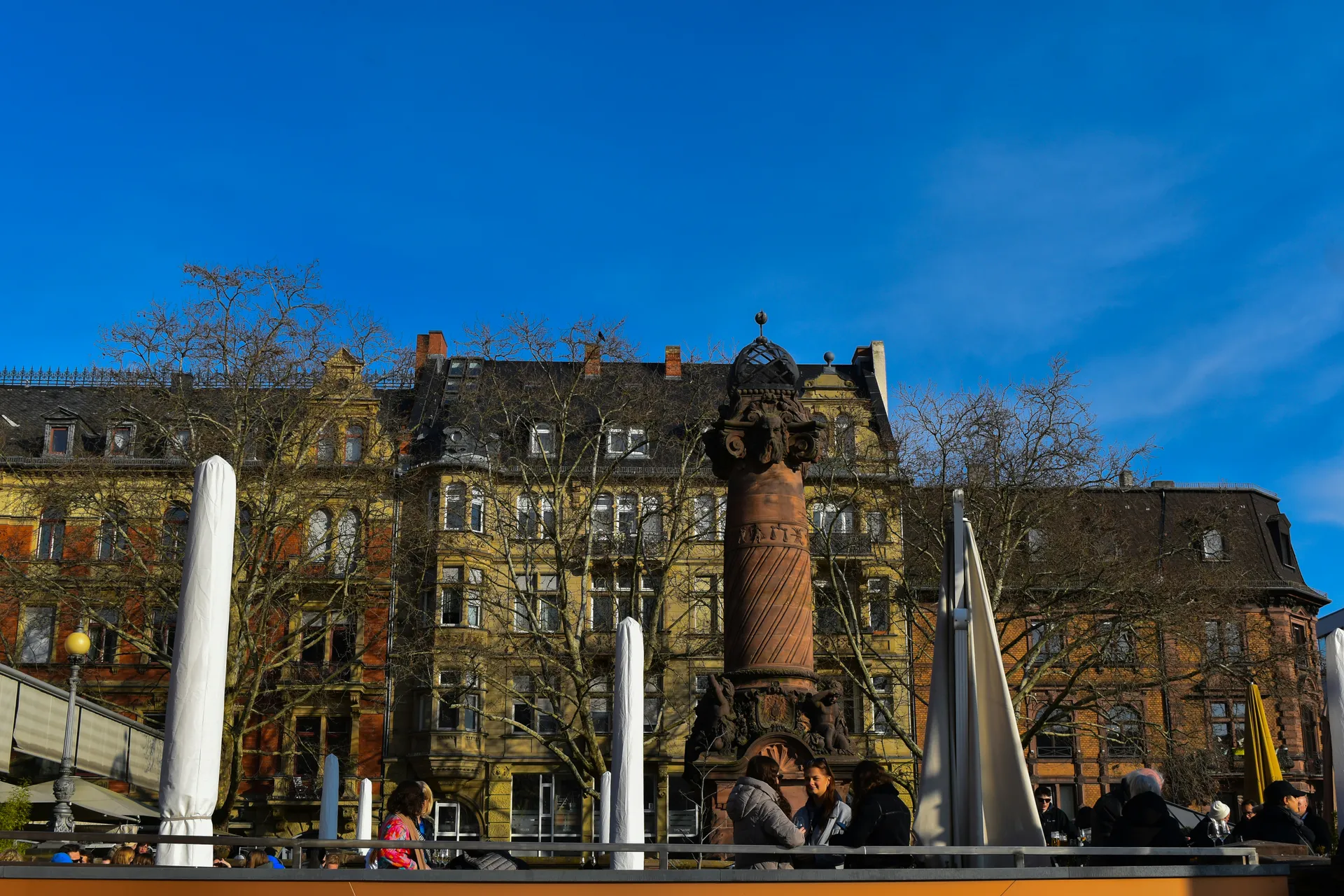
Wiesbaden moden mengenakan warisan aristokratiknya dengan keanggunan yang sederhana. Kurhaus, sebuah rumah spa Neo-Klasik yang megah yang siap pada tahun 1907, menjadi pusat kehidupan sosial kota ini dengan dewan tarinya yang megah, kasino tertua di Jerman, dan taman sekeliling yang dipenuhi pokok-pokok plane yang matang serta katil bunga yang terawat. Plaza Bowling Green yang berdekatan, dikelilingi oleh kolonnade, air pancut, dan Teater Negeri Hessen, mencipta satu ensemble awam yang jarang ditemui. Sepanjang Wilhelmstraße, butik-butik mewah dan kafe-kafe menghuni bangunan Art Nouveau dengan fasad yang berornamen. Neroberg, sebuah bukit yang boleh diakses melalui kereta kabel berair yang menawan yang berasal dari tahun 1888, menawarkan pemandangan panorama ke atas kota, dataran Rhine, dan—pada hari yang cerah—menara-menara langit Frankfurt.
Landskap kulinari bandar ini mencerminkan kedudukannya di persimpangan Hesse, kawasan wain Rheingau, dan kecanggihan antarabangsa. Apfelweinwirtschaften tradisional di Wiesbaden (kedai wain epal) menyajikan cider yang masam dan menyegarkan bersama hidangan khas Hesse yang mengenyangkan: Handkäse mit Musik (keju telus yang diperap dalam cuka dan bawang), Frankfurter Grüne Soße (sos hijau tujuh herba dengan telur dan kentang), dan Rippchen mit Kraut (daging babi salai dengan sauerkraut). Kawasan wain Rheingau, yang bermula di pintu barat bandar ini, menghasilkan beberapa Riesling terbaik di Jerman—lereng curam yang menghadap selatan di atas Rhine mencipta keadaan yang telah diperkemas oleh generasi pengeluar wain. Pengalaman mencuba wain di ladang bersejarah seperti Schloss Johannisberg atau Kloster Eberbach (sebuah biara abad pertengahan yang diabadikan dalam The Name of the Rose) adalah pengembaraan yang tidak boleh dilepaskan.
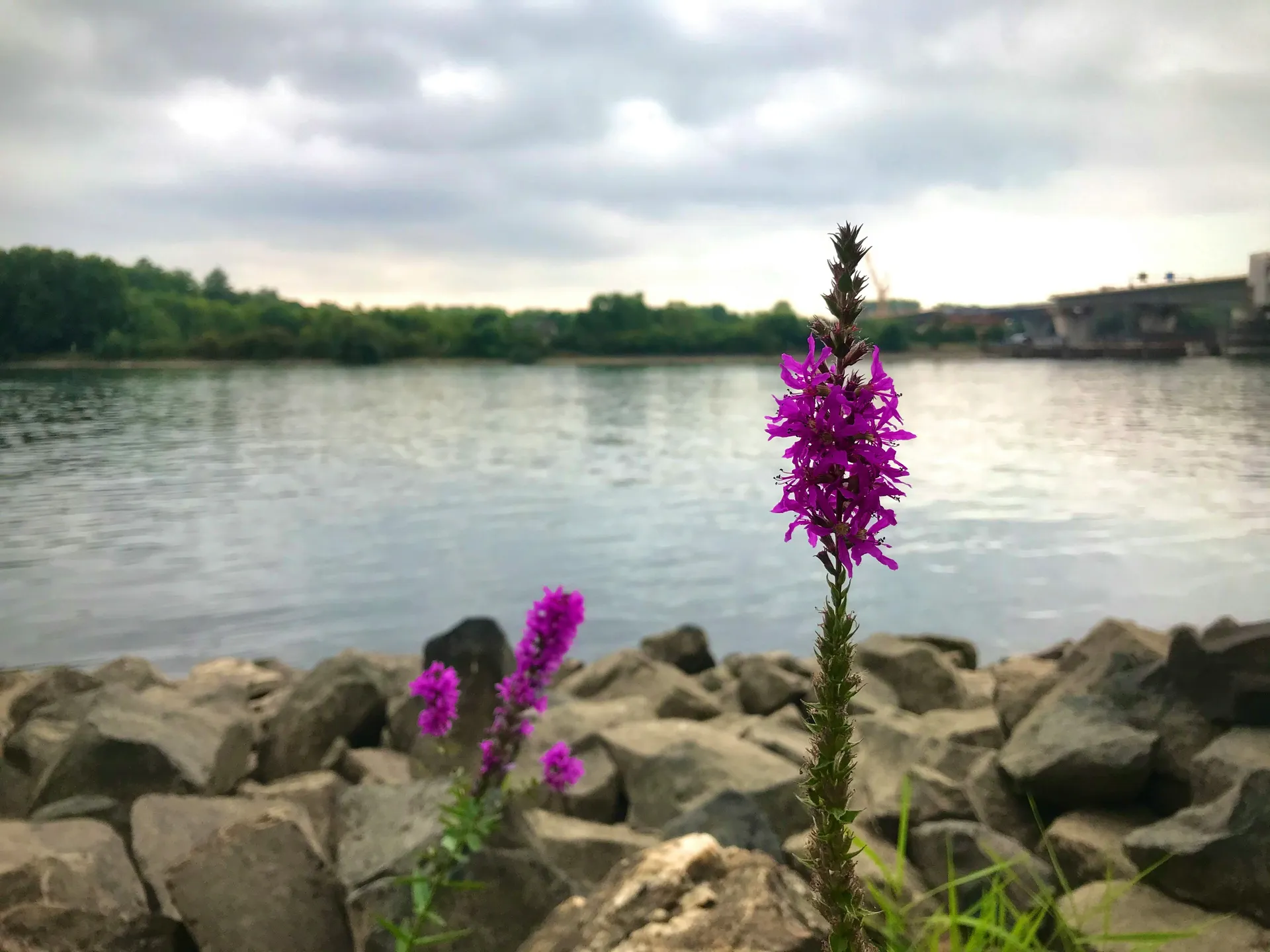
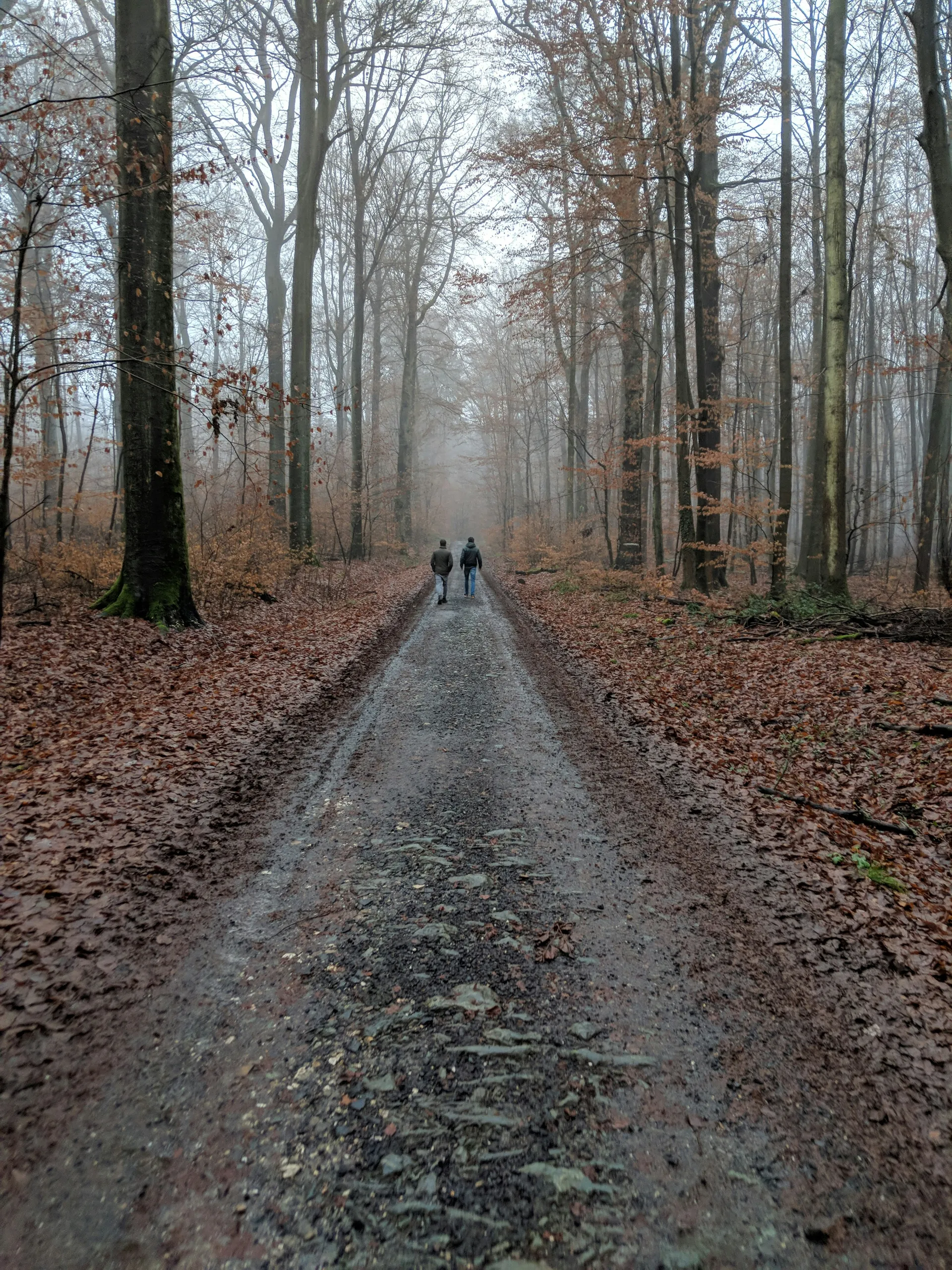
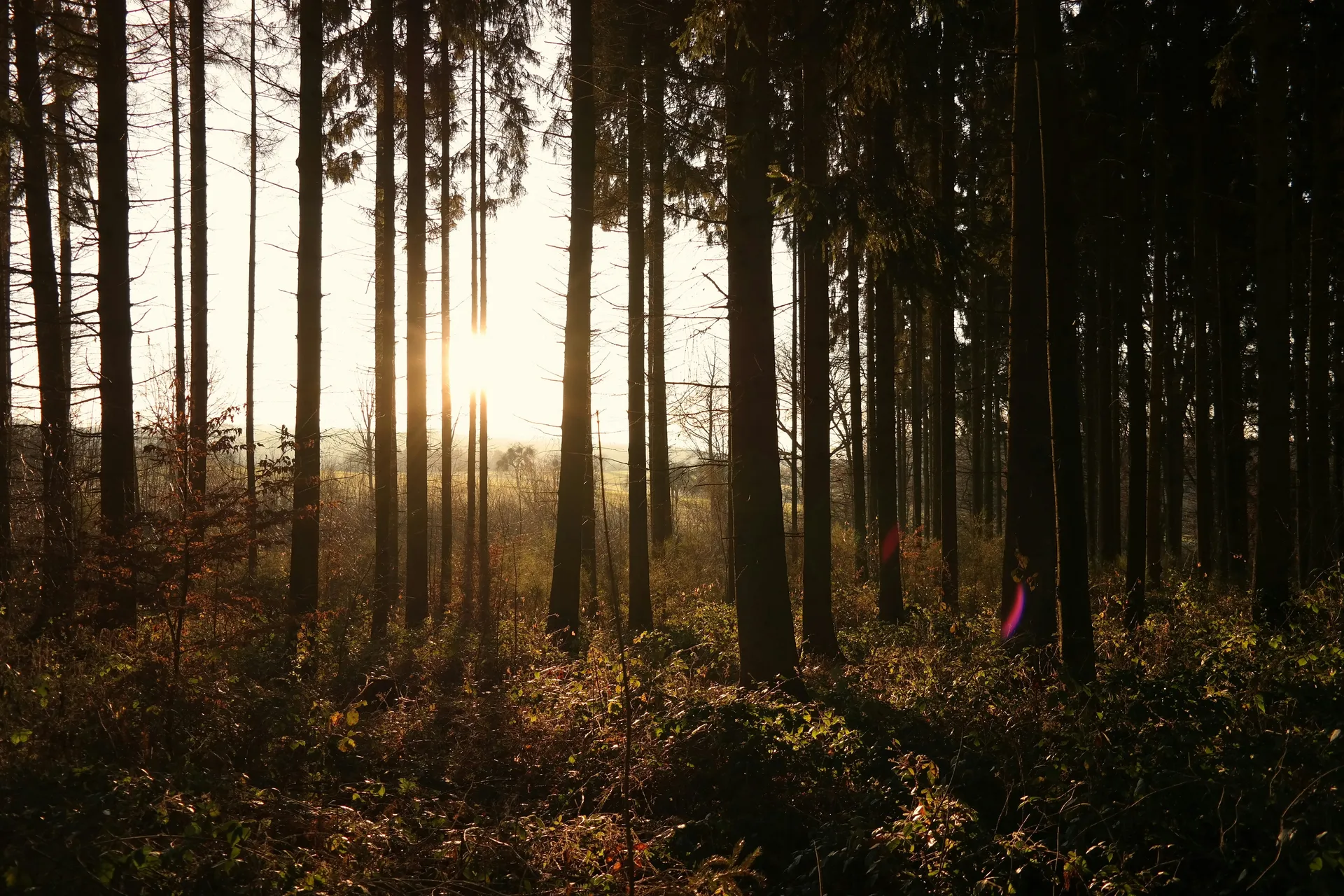
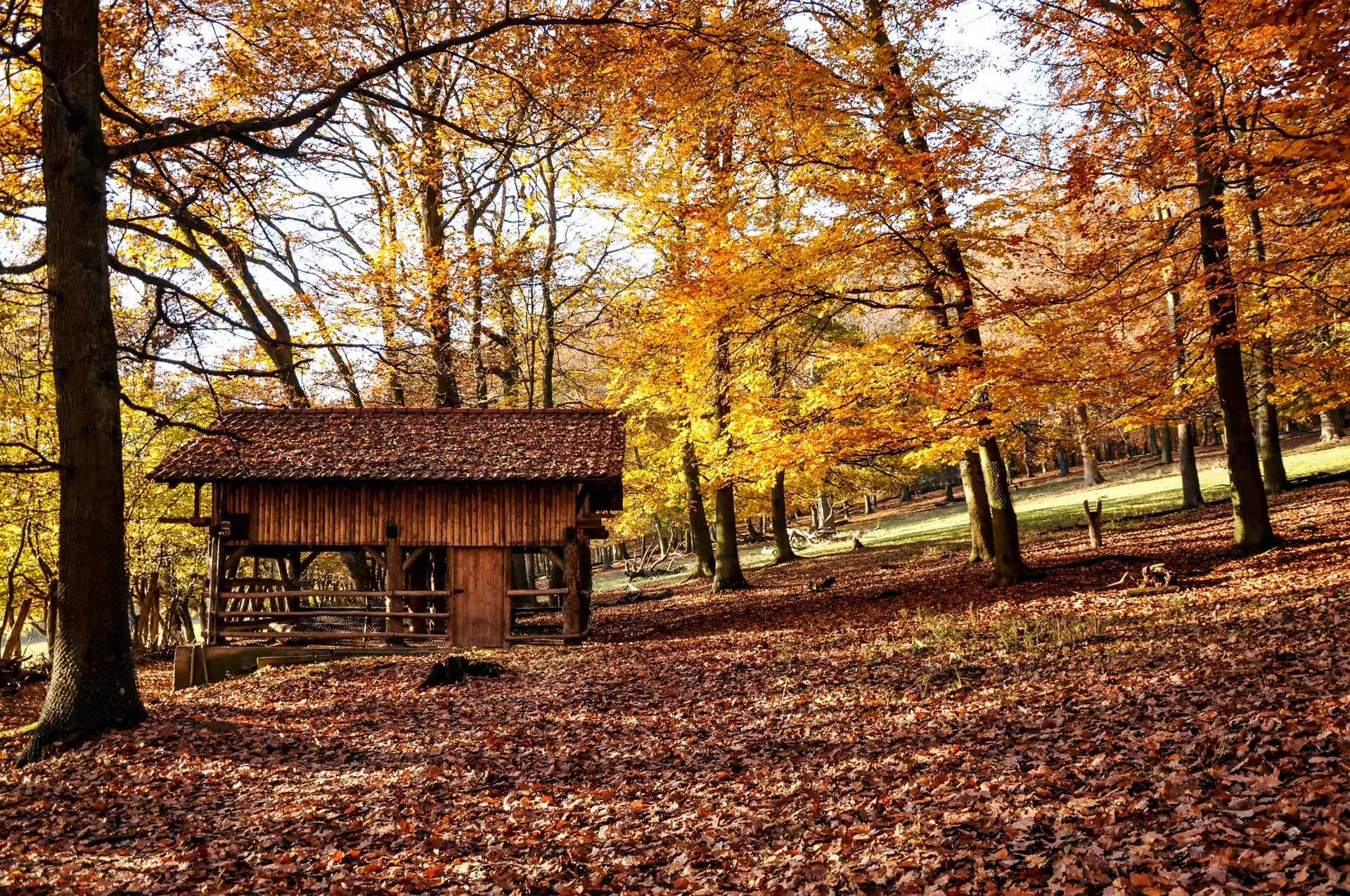
Kedudukan Wiesbaden di tepi Sungai Rhine menjadikannya pintu masuk semula jadi ke beberapa pemandangan dan tapak budaya yang paling terkenal di Jerman. Lembah Rhine, sebuah Tapak Warisan Dunia UNESCO yang membentang dari Koblenz ke Rüdesheim, terletak tidak jauh di hilir—sebuah koridor dramatik yang dipenuhi dengan tebing-tebing kebun anggur, istana-istana zaman pertengahan, dan batu legenda Loreley. Kota universiti Mainz, tempat lahir Gutenberg dan mesin cetak, terletak tepat di seberang Sungai Rhine. Di hulu, desa-desa wain romantis di Rheingau—Eltville, Oestrich-Winkel, Assmannshausen—menghiasi tebing sungai seperti rangkaian mutiara vitikultur. Gunung Taunus di utara menawarkan laluan mendaki melalui hutan beech dan kubu sempadan Rom yang dipelihara dengan baik, Limes, yang juga merupakan Tapak Warisan Dunia UNESCO.
Tauck menampilkan Wiesbaden sebagai pelabuhan utama dalam pelayaran Sungai Rhine, mengiktiraf gabungan luar biasa kedalaman budaya, keindahan seni bina, dan kedekatan vitikultur bandar ini. Kapal-kapal berlabuh di sepanjang tebing Rhine, dengan pusat bandar yang mudah diakses dengan berjalan kaki. Waktu terbaik untuk melawat adalah dari Mei hingga Oktober, ketika taman spa termal mekar sepenuhnya, penggembiraan makan di luar berkembang, dan ladang wain Rheingau menganjurkan acara terbuka di dalam gudang. Festival Musik Rheingau pada musim panas membawa persembahan bertaraf dunia ke lokasi bersejarah di seluruh kawasan. Bulan Disember membawa suasana Sternschnuppenmarkt (Pasar Krismas Bintang Menembak) di hadapan Kurhaus, salah satu Weihnachtsmärkte yang paling indah di Jerman. Wiesbaden membuktikan bahawa kemewahan sejati bukanlah tentang kilauan atau kebaruan—ia adalah tentang penghayatan kesenangan yang tidak terburu-buru, yang diperkayakan selama berabad-abad.
Gallery