Oman
Khasab
161 voyages
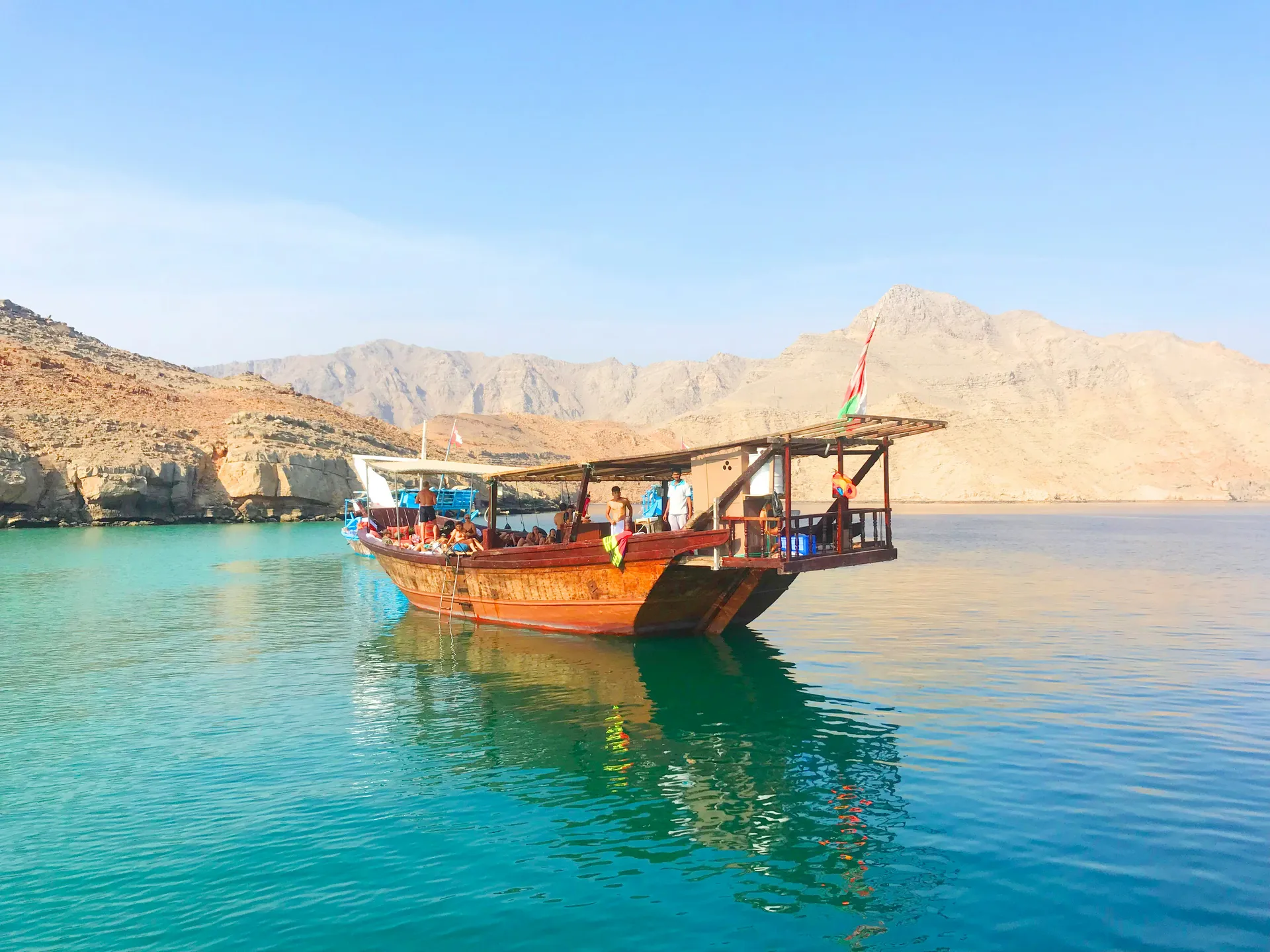
Terletak di hujung paling utara Semenanjung Arab, di mana Selat Hormuz menyempit antara Oman dan Iran, Khasab telah berfungsi sebagai persimpangan maritim strategik selama beribu tahun. Ibu kota Gabenor Musandam — sebuah eksklaf yang dipisahkan dari tanah besar Oman oleh Emiriah Arab Bersatu — pernah menjadi nod penting dalam rangkaian kolonial Portugis, yang dibuktikan dengan Khasab Castle yang megah dari abad ke-17 yang dibina semasa pendudukan mereka terhadap benteng pantai di kawasan ini. Selama berabad-abad sebelum kedatangan Eropah, garis pantai Musandam yang dipahat fjord melindungi para pedagang dhow yang berlayar antara Teluk Parsi dan Lautan Hindi, menjadikan semenanjung yang dramatik ini mendapat gelaran yang kekal: Norway Arab.
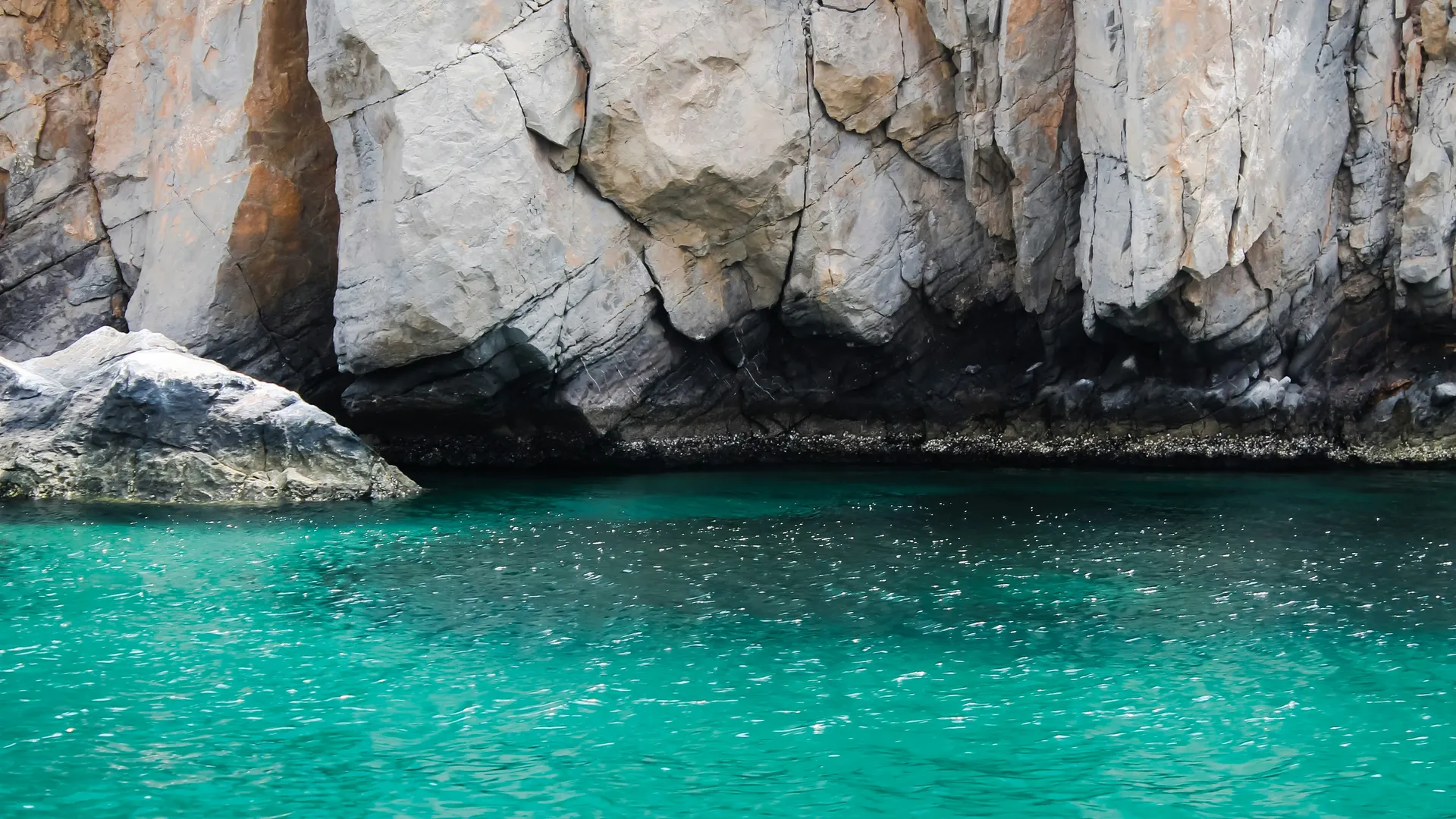
Tiba di Khasab melalui laut adalah untuk menyaksikan geologi dalam bentuk yang paling dramatik. Tebing batu kapur yang curam menjunam secara menegak ke dalam perairan yang beralih antara warna safir dan tourmaline, sementara khor yang sempit — setara dengan fjord Scandinavia — melilit ke dalam daratan seperti koridor cecair antara wajah batu yang menjulang tinggi. Bandar ini sendiri mengekalkan ketenangan yang menawan, bangunan-bangunan rendahnya yang berwarna putih dan oker tersusun di sepanjang pelabuhan di mana dhows kayu tradisional masih mengatasi jumlah kapal moden. Pulau Telegraph, yang ditinggalkan di perairan Khor ash-Shamm sejak British memutuskan sambungan kabel dasar laut mereka pada tahun 1860-an, berdiri sebagai monumen yang menghantui kepada cita-cita empayar yang perlahan-lahan dirampas kembali oleh terumbu karang dan burung-burung yang bersarang. Udara membawa aroma mineral batu yang dipanaskan oleh matahari bercampur dengan garam — suasana yang terasa benar-benar tidak terjejas di kawasan di mana begitu banyak garis pantai telah menyerah kepada pembangunan.
Masakan Musandam mencerminkan kedudukannya di antara laut dan gunung, Teluk Parsi dan Lautan Hindi. Ikan raja dan hammour yang baru ditangkap tiba di pelabuhan setiap pagi, ditakdirkan untuk *samak mashwi* — ikan utuh yang dipanggang di atas arang dan dihidangkan dengan limau nipis dan loomi kering — atau *saloona* yang disayangi, sebuah stew berasaskan tomato yang wangi diperkaya dengan campuran rempah bezar dan dimakan dengan roti pipih *rakhal* yang baru dibakar. Terokai restoran sederhana berhampiran souk untuk *harees*, bubur gandum dan daging kambing yang dimasak perlahan yang merupakan hidangan keselesaan ikonik Oman, atau *madrouba*, saudara pantainya yang diakhiri dengan ghee dan kapulaga. Ritual kopi Oman — *qahwa* yang dihidangkan dari periuk dallah bersama kurma melekit dan *halwa*, pencuci mulut negara yang diperbuat daripada safron dan air mawar — mengubah mana-mana petang menjadi satu pengalaman dalam keramahtamahan yang tidak terburu-buru.
Di luar pelabuhan Khasab, Musandam memberikan ganjaran kepada mereka yang berani meneroka geografi yang lebih luas. Pelayaran dhow melalui khor-khor mendedahkan kumpulan ikan lumba-lumba dengan kebolehpercayaan yang hampir sinematik, sementara kawasan pedalaman yang berbukit — boleh diakses melalui jalan Jebel Harim yang curam yang menjulang lebih dari 2,000 meter — menawarkan lapisan fosil dari era Jurassic dan ukiran prasejarah yang terukir pada dinding ngarai.
Bagi pengembara yang itinerari mereka melanjut ke selatan sepanjang pantai Oman, perbezaan yang ada adalah mencolok: Pelabuhan Sultan Qaboos dan lanskap budaya yang halus di Muscat, dengan Rumah Opera Diraja dan Souk Muttrah yang berliku-liku, terasa jauh berbeza dari belantara mentah Musandam. Lebih jauh lagi, bandar pelayaran purba Sur memelihara warisan pembinaan dhow Oman di pelabuhan yang berfungsi, sementara Rizab Penyu Ras Al Jinz menawarkan pemandangan luar biasa penyu hijau yang terancam yang bertelur di pantai yang diterangi cahaya bulan — pengalaman yang bersama-sama membentuk potret Oman yang jauh lebih kaya daripada mana-mana panggilan pelabuhan tunggal yang dapat disampaikan.
Pelabuhan kecil Khasab menampung kapal melalui operasi tender, memberikan ketibaan yang hampir seperti upacara — penumpang turun ke bot yang menunggu dan meluncur menuju tepi pantai yang terasa lebih seperti kampung nelayan daripada terminal pelayaran. Di antara syarikat pelayaran yang menyertakan Musandam dalam itinerari Teluk dan Laut Arab mereka, Carnival Cruise Line menawarkan pelayaran yang mudah diakses, membawa kawasan ini lebih dekat kepada khalayak yang lebih luas, sementara TUI Cruises Mein Schiff merancang pelayaran untuk pasaran Jerman yang menggabungkan fjord Khasab dengan pantai Emiriah yang lebih luas. Celestyal Cruises, yang berkembang melampaui akar Aegean-nya, telah mula menggabungkan panggilan Teluk Arab yang menjadikan Khasab sebagai destinasi penemuan yang sebenar dan bukannya hentian rutin. Untuk pendekatan yang paling mendalam, Windstar Cruises menggunakan kapal layar intimnya ke dalam perairan di mana kedalaman yang lebih kecil menjadi kelebihan yang menentukan, menjelajahi lebih dalam ke dalam khor daripada kapal yang lebih besar berani dan berlabuh di teluk di mana satu-satunya bunyi adalah air yang melimpah dan panggilan jauh dari helang hitam.
Waktu terbaik untuk melawat Khasab adalah dari bulan Oktober hingga April, apabila suhu berada dalam lingkungan tiga puluhan dan laut menunjukkan kejernihan yang paling memukau. Dalam bulan-bulan yang lebih sejuk ini, fjord-fjord terasa kurang seperti keajaiban geologi dan lebih seperti rahsia — satu yang telah disimpan oleh Semenanjung Arab, dengan sifatnya yang penuh dengan kesederhanaan, hampir sepenuhnya untuk dirinya sendiri.
Gallery