Peru
Urubamba
4 voyages
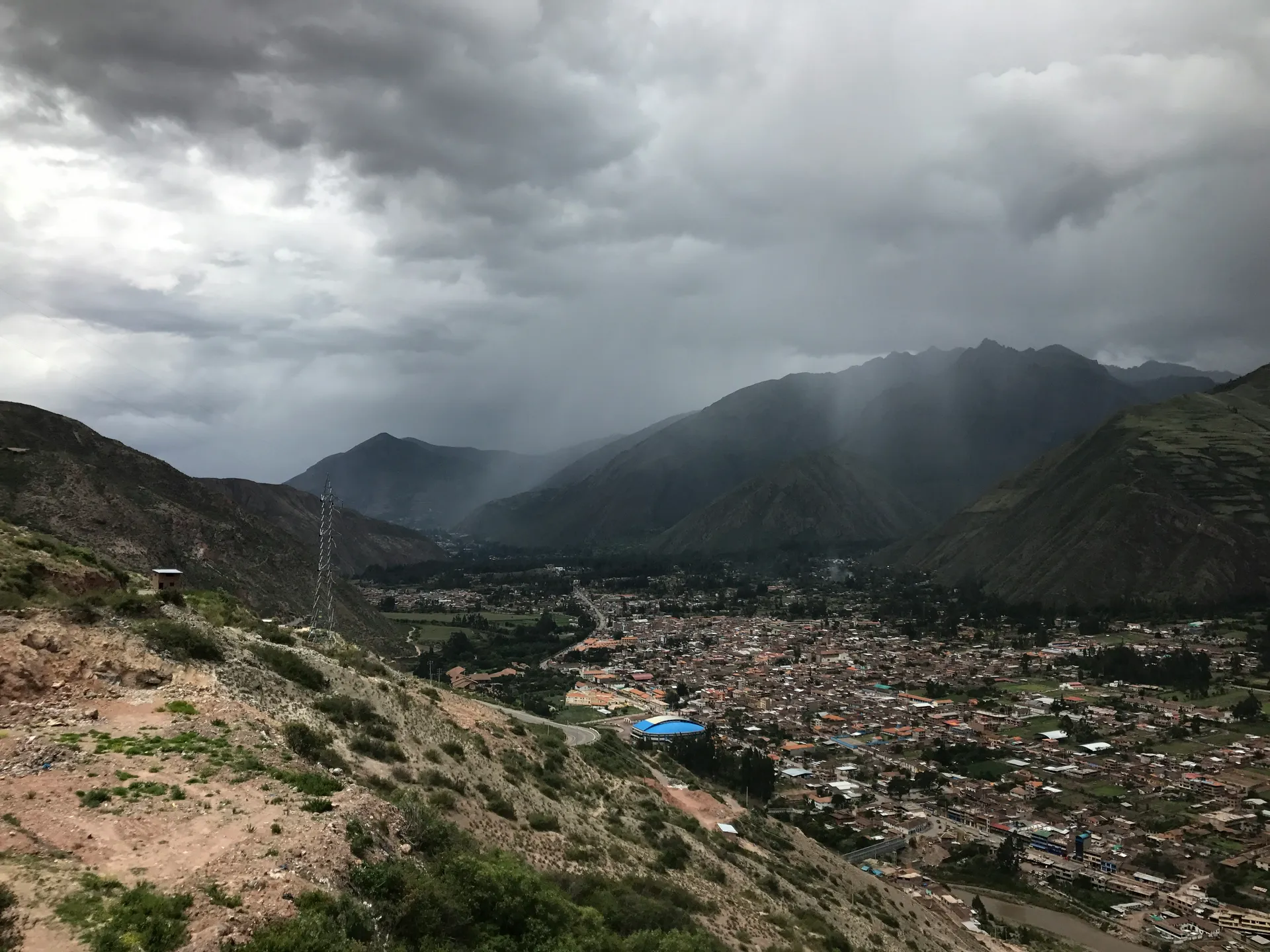
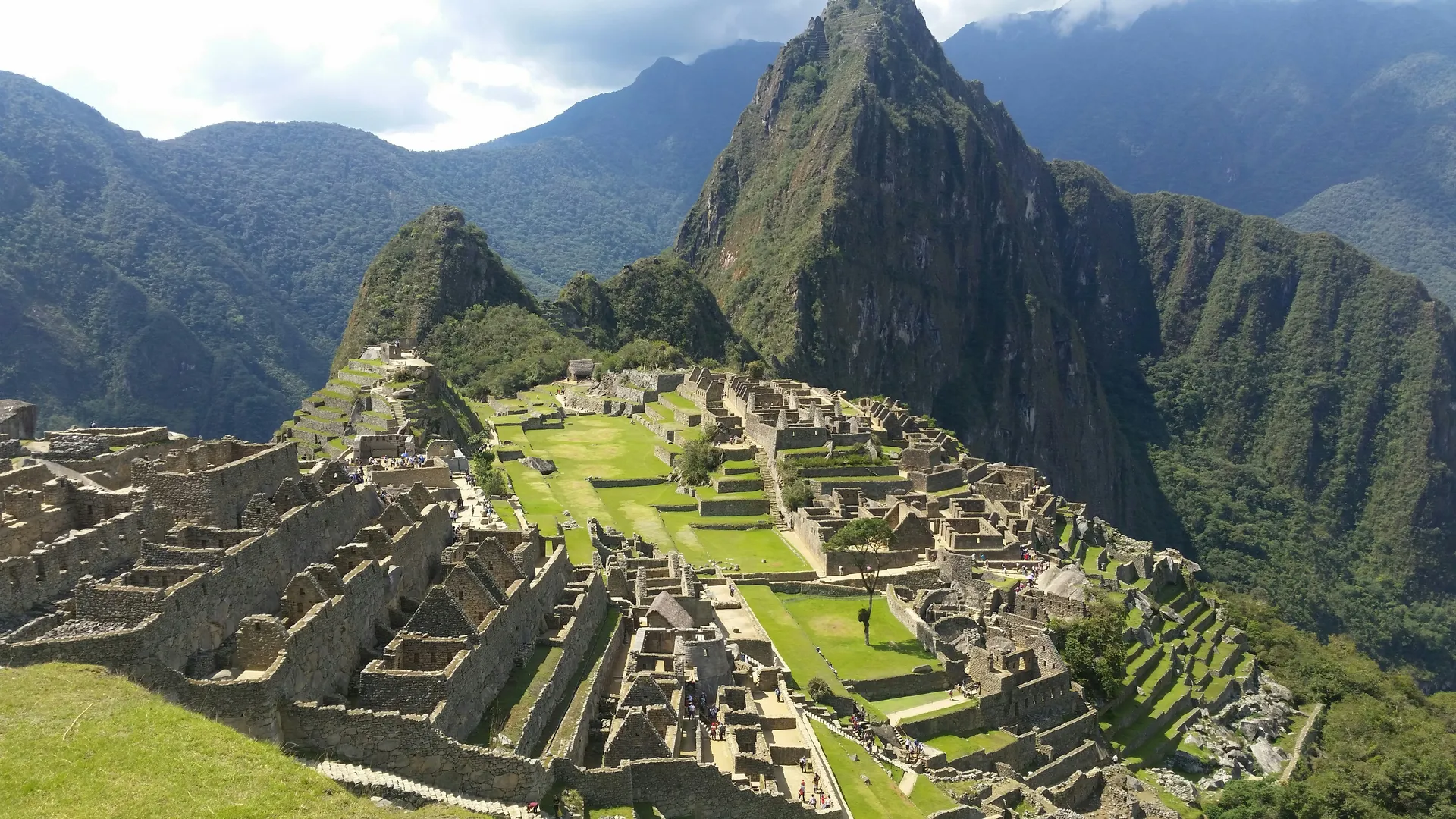
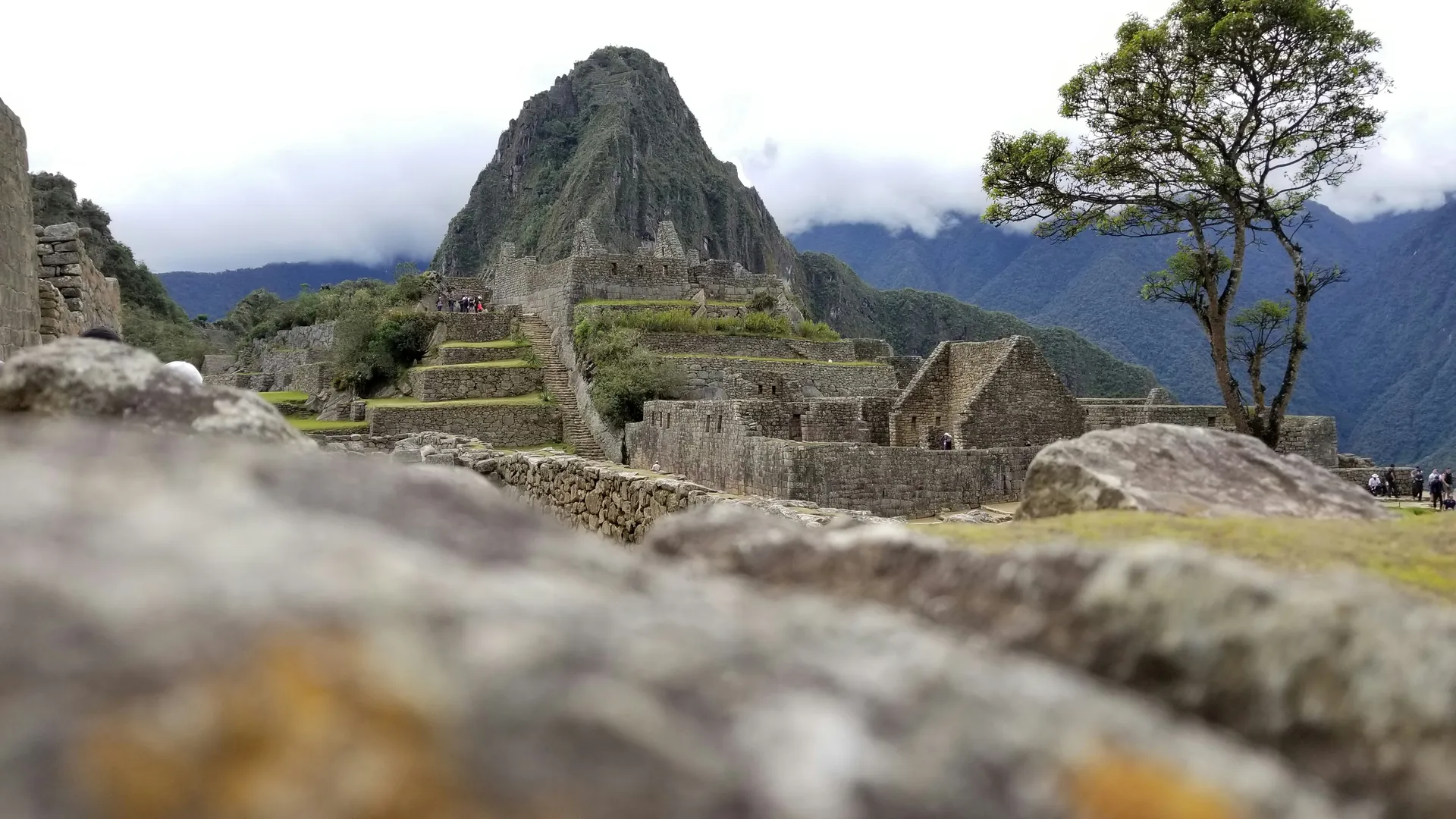
Urubamba terletak di tengah-tengah Lembah Suci Inca di Peru—sebuah koridor subur yang dipanaskan oleh sinar matahari, dikelilingi oleh puncak Andes yang bersalji yang berfungsi sebagai lumbung makanan dan tanah spiritual Empayar Inca. Bandar ini menduduki lantai lembah pada ketinggian 2,871 meter di atas paras laut, kedudukannya di sepanjang Sungai Urubamba menempatkannya di tengah-tengah pemandangan yang sekaligus pertanian, arkeologi, dan menakjubkan. Ini adalah pintu gerbang ke Machu Picchu, tetapi Lembah Suci lebih daripada sekadar hentian transit—ia adalah destinasi yang kaya dengan budaya Quechua yang hidup, keajaiban kejuruteraan Inca, dan pemandangan gunung Andes yang mengubah pemahaman seseorang tentang skala.
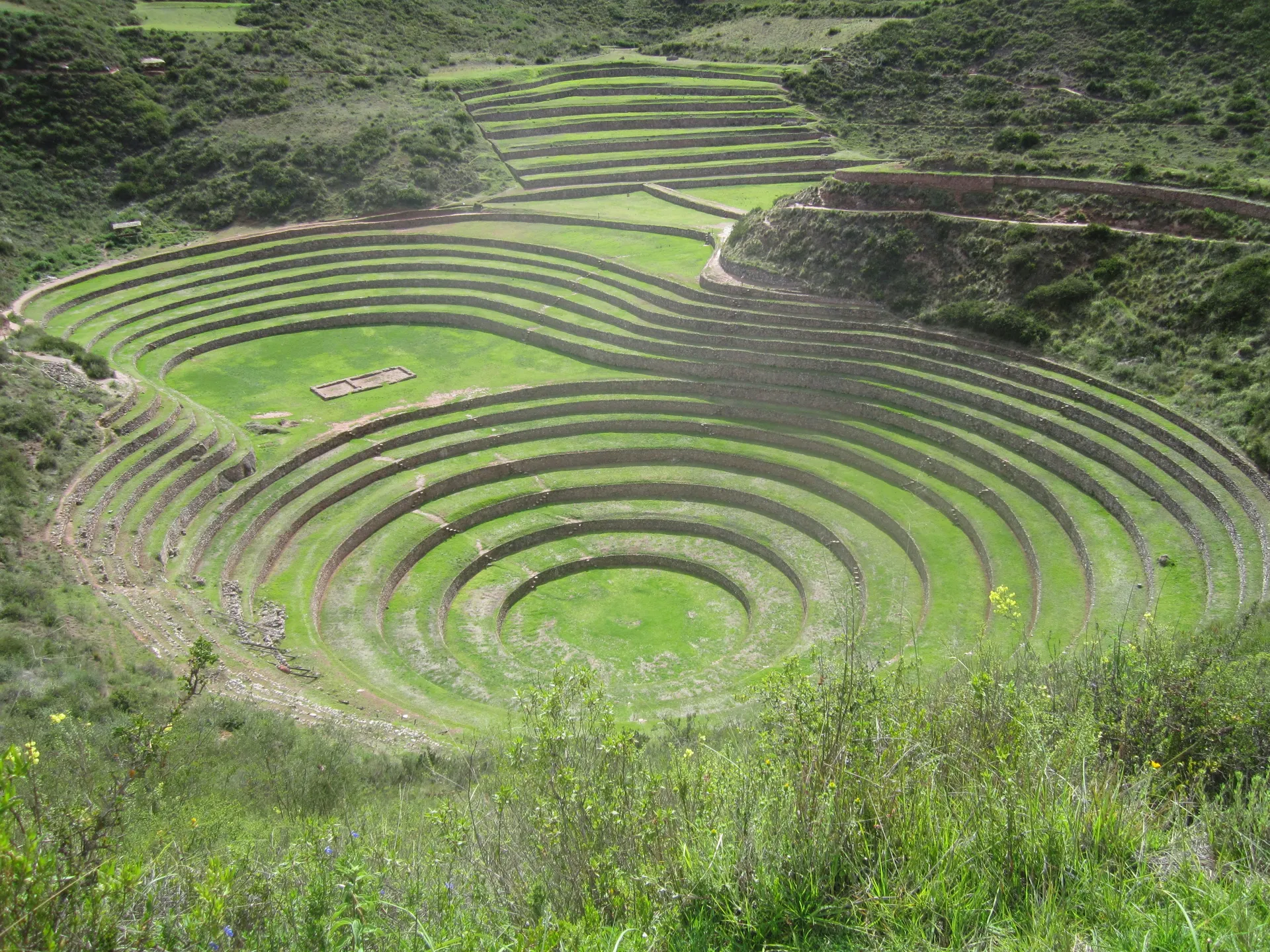
Tapak arkeologi yang mengelilingi Urubamba mendedahkan penguasaan luar biasa Inca dalam bidang pertanian dan kejuruteraan. Moray, satu siri amfiteater bertingkat yang terukir ke dalam bumi seperti mangkuk raksasa, dipercayai berfungsi sebagai stesen penyelidikan pertanian di mana Inca bereksperimen dengan pelbagai jenis tanaman pada ketinggian yang berbeza—perbezaan suhu antara teras atas dan bawah boleh mencapai 15°C, secara efektif mencipta mikroklimat yang berbeza dalam satu lokasi. Ollantaytambo, hanya dua puluh minit dari Urubamba, menampilkan teras batu besar dan sebuah kubu yang dindingnya yang belum siap—dibina daripada blok yang beratnya sehingga lima puluh tan, diambil dan diangkut dari seberang lembah—menunjukkan kemampuan Inca untuk projek-projek yang masih mencabar penjelasan kejuruteraan moden.
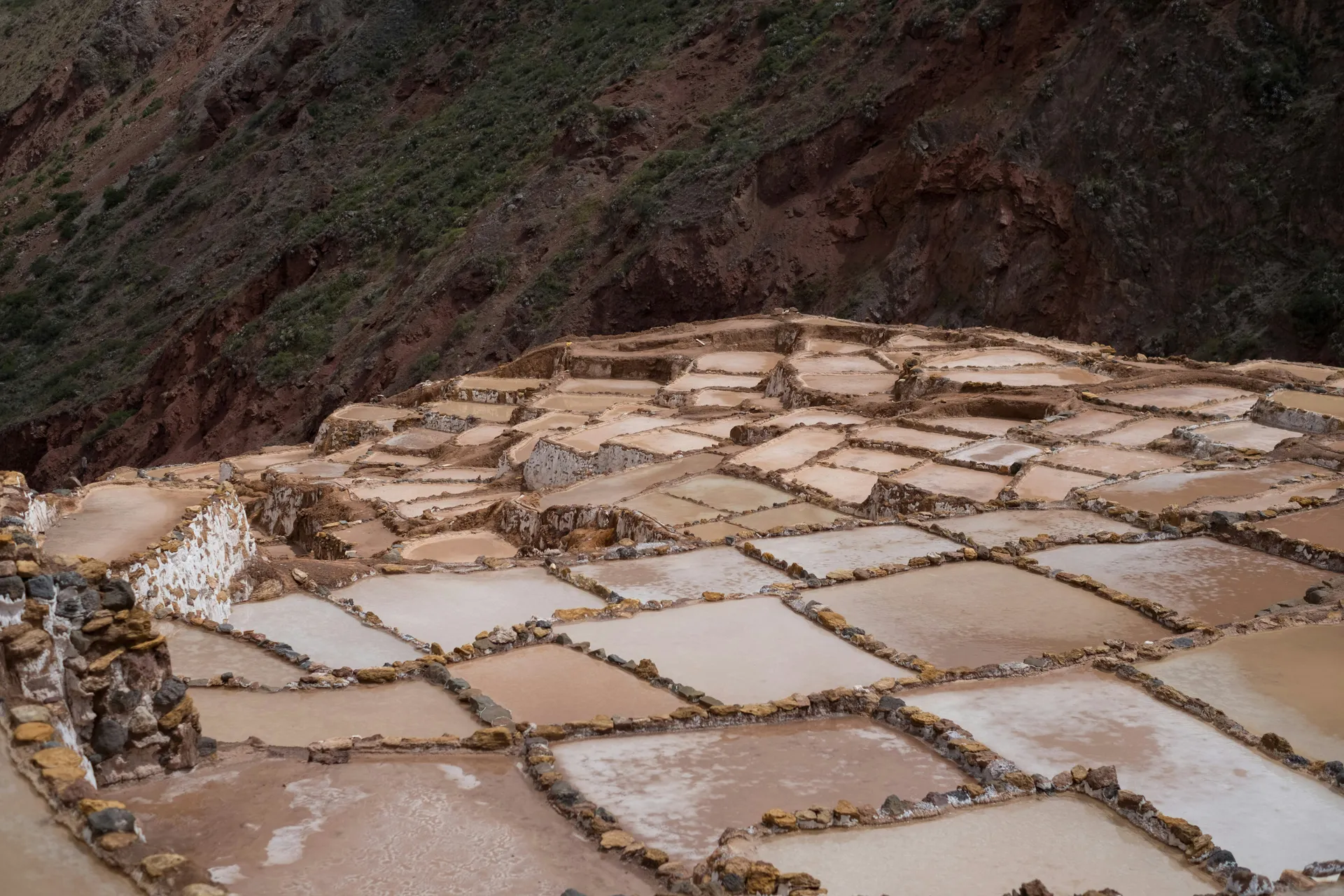
Budaya Quechua yang hidup di Lembah Suci adalah seindah dan sekuat warisan arkeologinya. Komuniti di sekitar Urubamba memelihara tradisi tekstil, amalan pertanian, dan adat istiadat yang secara langsung berkaitan dengan tradisi pra-Columbus. Pasar di Chinchero, di mana para penenun mempamerkan seni mereka menggunakan pewarna semula jadi dan teknik yang diwarisi melalui generasi, menawarkan salah satu pengalaman budaya yang paling autentik di Peru. Kolam garam Maras yang berbentuk bulat—lebih daripada 5,000 teres cetek yang disuap oleh mata air garam semula jadi dan telah digunakan sejak zaman Inca—mencipta salah satu pemandangan yang paling menakjubkan di Andes, permukaan putihnya memantulkan langit seperti lukisan kubisme yang diukir dari lereng gunung.
Masakan Urubamba mencerminkan kelimpahan pertanian Lembah Suci. Quinoa, bijirin Andean yang telah menaklukkan pasaran makanan sihat global, tumbuh subur di sini dan muncul dalam sup, salad, serta sebagai pelengkap kepada hidangan ikonik lembah ini. Cuy (khinzir guinea), dipanggang keseluruhan di atas bara kayu, adalah hidangan perayaan tradisional—kulitnya yang rangup dan dagingnya yang lembut adalah satu penemuan bagi pengunjung yang bersedia mengatasi rasa geli visual. Mikroklimat lembah ini menghasilkan jagung yang luar biasa, kentang dalam puluhan varieti asli, dan jagung ungu dari mana chicha morada—minuman manis dan berempah tanpa alkohol—disediakan.
Penumpang pelayaran sungai tiba di Urubamba sebagai sebahagian daripada lawatan dari laluan air pedalaman Peru atau, lebih biasa, sebagai sambungan darat dari pelayaran di Amazon atau pantai Pasifik. Ketinggian Lembah Suci adalah lebih rendah daripada Cusco (3,400 meter), menjadikannya sebagai pangkalan yang lebih selesa untuk penyesuaian. Musim kering dari Mei hingga Oktober menawarkan cuaca terbaik untuk penerokaan luar, dengan langit yang cerah, hari-hari yang hangat mencapai 22°C, dan malam yang sejuk. Musim basah dari November hingga April membawa hujan petang yang menjadikan lembah ini tidak mungkin hijau, dan festival Inti Raymi pada solstis musim sejuk di bulan Jun menarik ribuan orang ke kawasan ini untuk meraikan penyembahan matahari Inca yang menggabungkan pertunjukan teater dengan makna spiritual yang tulen.
Gallery