Barbados
Bridgetown, Barbados
1,305 voyages
Bridgetown, capitala Barbadosului, își are originile în anul 1628, când coloniștii englezi au înființat un oraș pe malurile râului Careenage, un port natural unde odinioară vasele erau răsturnate pe o parte pentru curățarea și repararea carenei. Spre deosebire de majoritatea insulelor din Caraibe, care au trecut prin multiple schimbări de stăpânire între puterile coloniale, Barbados a rămas sub dominație britanică continuă din 1627 până la obținerea independenței în 1966, conferind insulei o notă distinct englezească, reflectată în bisericile parohiale, terenurile de cricket și tradițiile ceaiului de după-amiază — toate impregnate cu ritmurile vibrante ale culturii vest-africane și caraibiene. Bridgetown istoric și Garnizoana sa, un sit al Patrimoniului Mondial UNESCO din 2011, păstrează una dintre cele mai rafinate colecții de arhitectură colonială din Caraibe, inclusiv Sinagoga Nidhe Israel din secolul al XVII-lea, una dintre cele mai vechi din emisfera vestică.
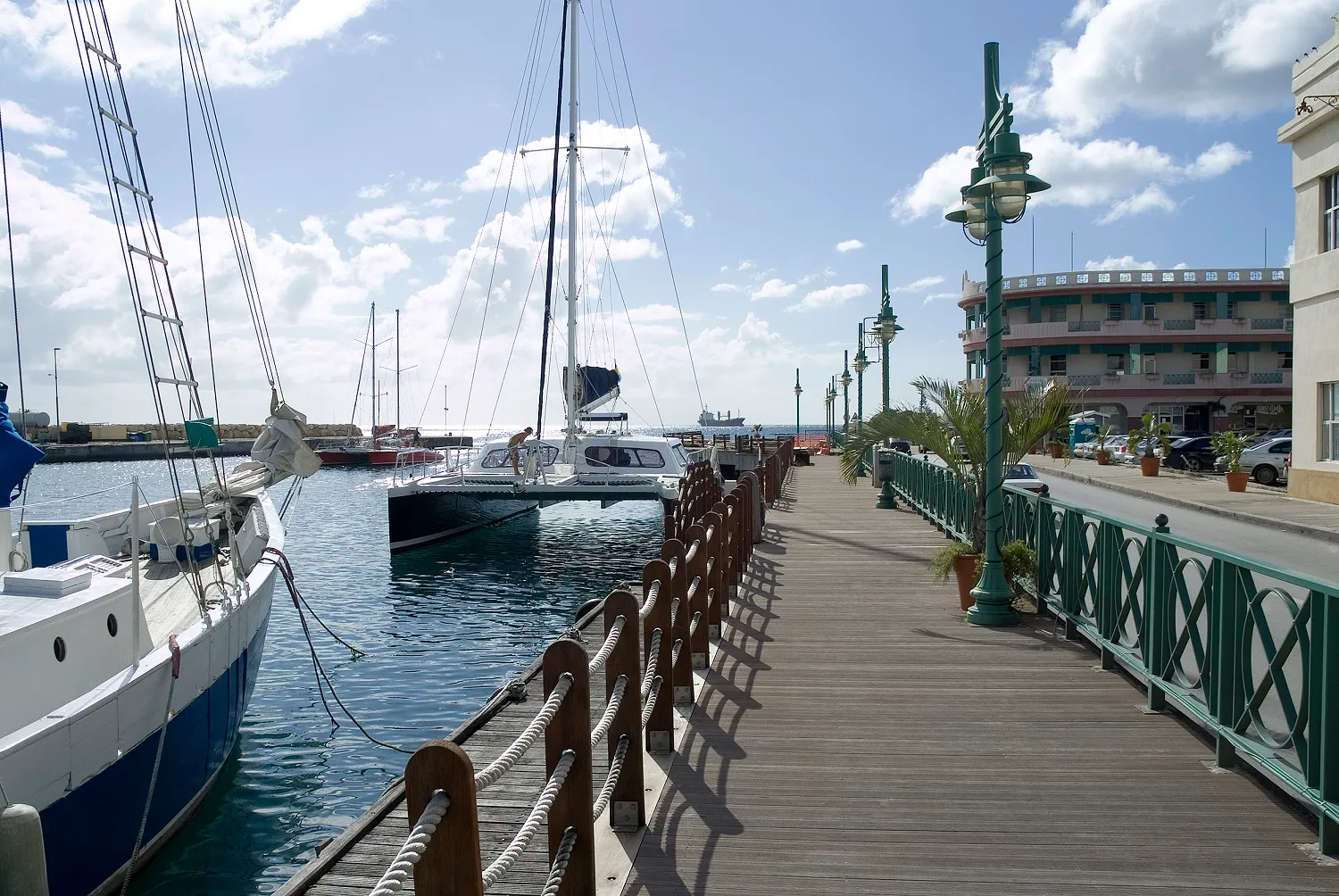
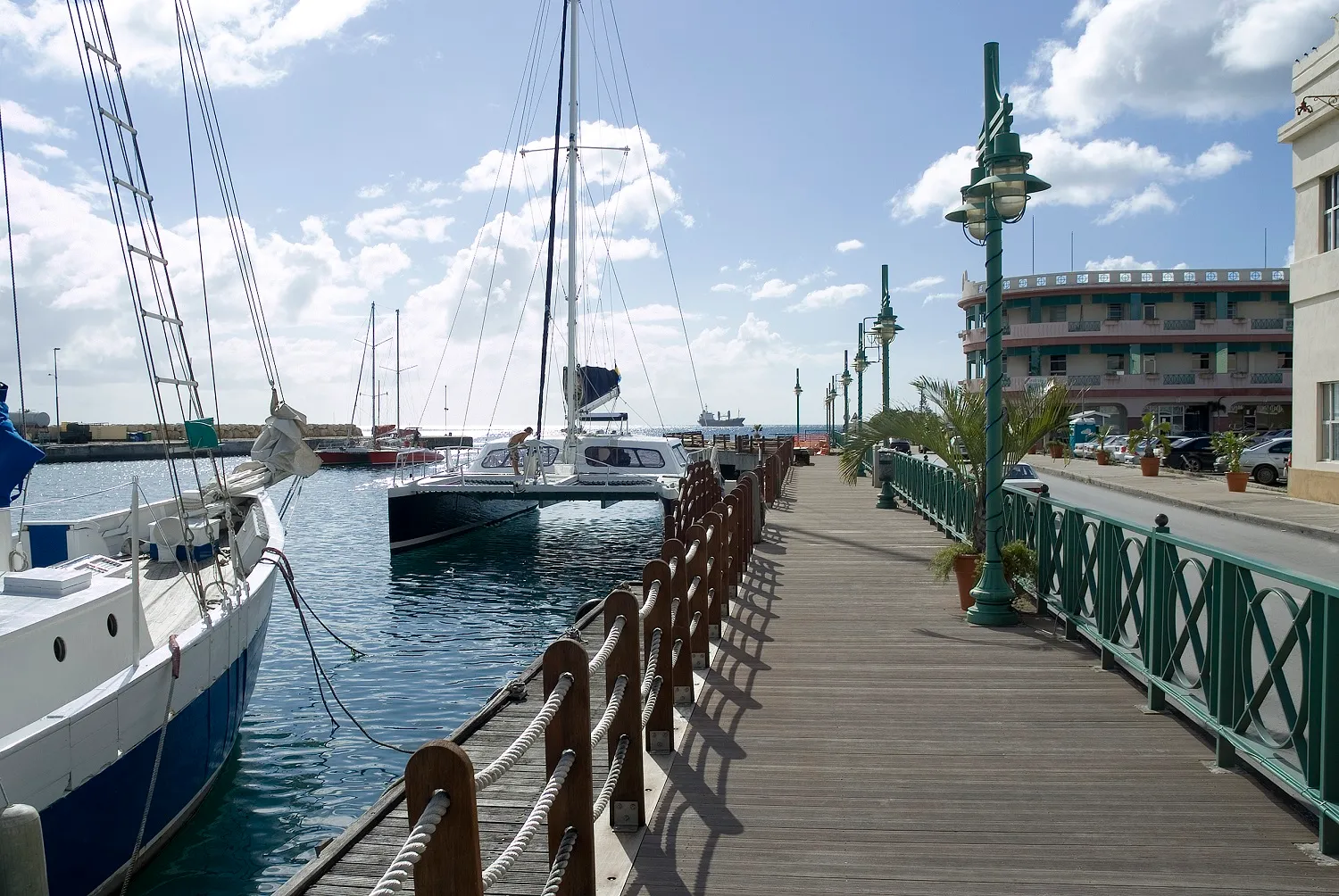
Bridgetown emană o energie contagioasă din centrul său compact. Broad Street, principala arteră comercială, pulsează de viață, cu cumpărători care se plimbă între magazinele duty-free, vânzătorii de țesături și tarabele cu mâncare stradală. Careenage, acum o marină pitorească, este traversată de Podul Chamberlain, a cărui deschidere ceremonială permite iahturilor să pătrundă în bazinul interior. Independence Square, umbrită de copaci de mahon, oferă un refugiu răcoritor de căldura tropicală, în timp ce Clădirile Parlamentului — construite din calcar coraligen și încoronate cu turnuri neo-gotice — adăpostesc una dintre cele mai vechi legislaturi continue din Commonwealth încă din 1639. Garrison Savannah, odinioară un teren de paradă militară, servește acum ca arenă pentru curse de cai și teren de cricket.
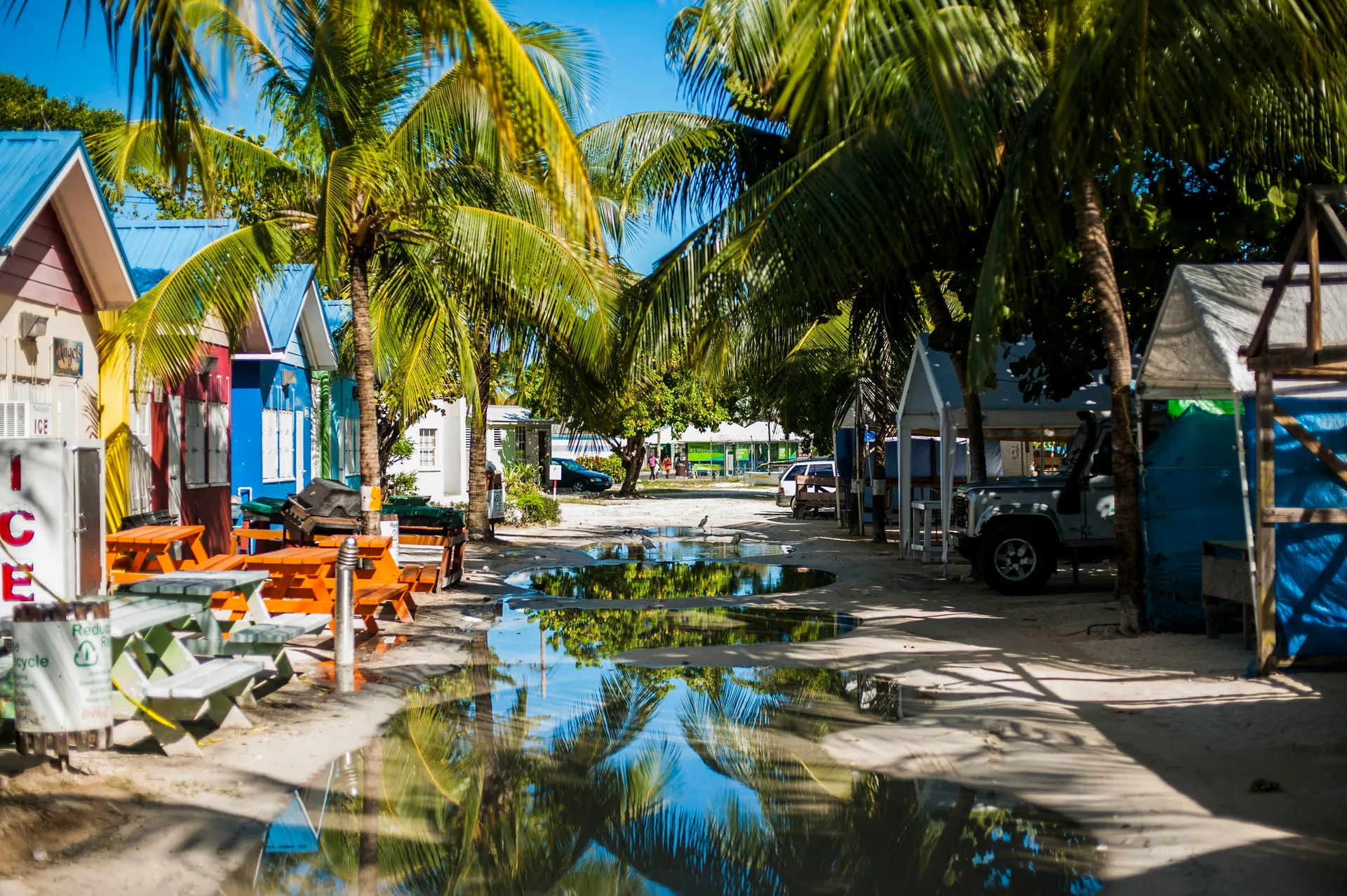
Bucătăria barbadiană este o fuziune glorioasă de influențe africane, britanice, indiene și caraibiene. Felul național, cou-cou și pește zburător, combină o preparare asemănătoare cu mămăliga din făină de porumb cu peștele emblematic al insulei, prăjit în tigaie sau aburit într-un sos picant pe bază de roșii. Macaroni pie — o versiune coaptă și condimentată a macaroanelor cu brânză — însoțește aproape fiecare prânz barbadian. Fish cakes, sfere aurii prăjite din cod sărat condimentat, sunt gustarea preferată a insulei, cel mai bine savurate dintr-un camionetă de pe marginea drumului, cu un strop de sos picant barbadian. Pudding and souse — cartof dulce aburit învelit în intestin, servit cu carne murată de porc — este o tradiție îndrăgită de sâmbătă. Toate acestea pot fi însoțite de berea Banks, produsă pe insulă din 1961, sau de un punch de rom făcut cu Mount Gay, cea mai veche distilerie comercială de rom din lume, fondată în 1703.
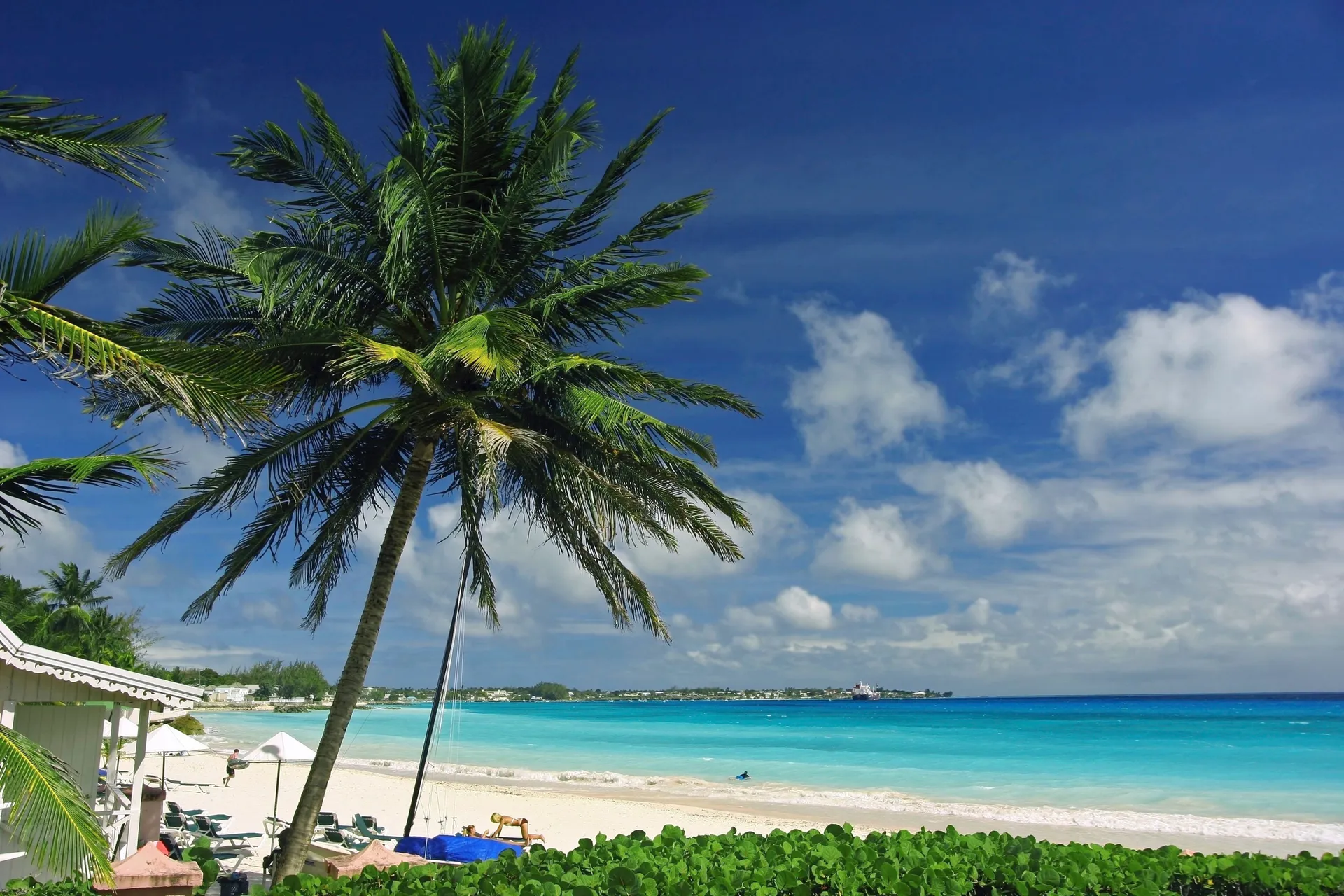
Dincolo de Bridgetown, Barbados se dezvăluie cu o diversitate surprinzătoare. Coasta estică a Atlanticului, sălbatică și stâncoasă, unde valurile se izbesc de stâncile de calcar coralifer din Bathsheba, este o destinație de surfing și oferă drumeții dramatice de-a lungul traseului de coastă. Peștera Harrison, o cavernă de calcar cristalizat accesibilă cu tramvaiul electric, dezvăluie pâraie subterane, stalactite și săli înalte ca niște catedrale. Casa plantației jacobine St. Nicholas Abbey, datând din 1658, produce propriul său rom și oferă tururi prin câmpurile de trestie de zahăr. Coasta de vest — „Coasta de Platină” — își respectă numele cu ape calme, turcoaz și plaje albe ca pudra.
Portul adânc de la Bridgetown întâmpină o gamă extraordinară de linii de croazieră: AIDA, Ambassador Cruise Line, Azamara, Celebrity Cruises, Costa Cruises, Crystal Cruises, Cunard, Emerald Yacht Cruises, Explora Journeys, Hapag-Lloyd Cruises, Holland America Line, Marella Cruises, MSC Cruises, Norwegian Cruise Line, Oceania Cruises, P&O Cruises, Ponant, Princess Cruises, Regent Seven Seas Cruises, Royal Caribbean, Scenic Ocean Cruises, Seabourn, Silversea, TUI Cruises Mein Schiff, Viking, Virgin Voyages și Windstar Cruises. Porturile din apropiere includ Speightstown, în nordul Barbadosului. Cel mai bun moment pentru a vizita este între decembrie și aprilie, în sezonul uscat, deși vânturile estice de comerț ale insulei fac ca și lunile mai umede să fie plăcute.
Gallery